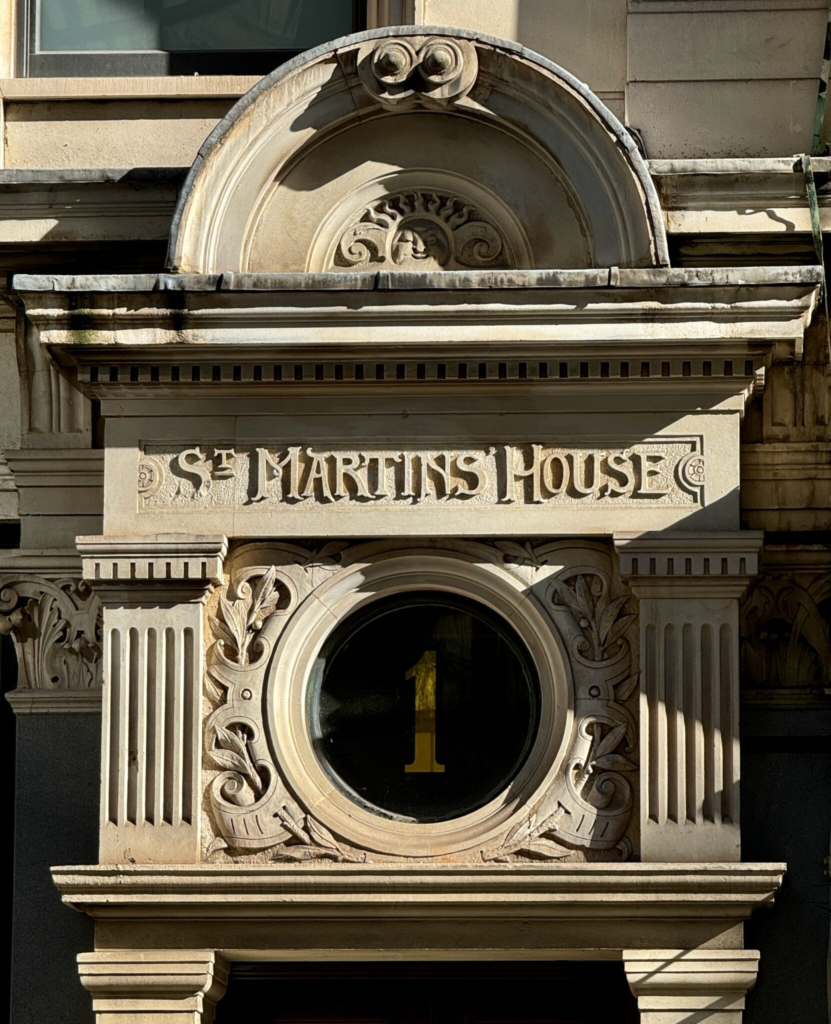
Walking the City of London

Category: Quizzes Page 1 of 3

The Christmas Quiz!

A warm welcome to the ninth Christmas quiz.

Happy Christmas and thank you so much for subscribing to my blog!

Here are the questions. They are all based on blogs published during 2025 and the answers are at the end of today’s edition.

1. There is a very impressive building behind Bodie, Doyle and Major George Cowley in the introductory sequence from The Professionals (1977-1983). What was its original purpose?

Obviously a trip down memory lane for fellow boomers! You can view the full opening sequence here.

2. What did the Luftwaffe use this map of London for during the Blitz and where can you see it on display?

3. “Elvis put his hand on my shoulder”. Where is this charming bench?

4. Whose tomb is this in Bunhill Fields? He wrote Pilgrim’s Progress.

5. How old did you have to be to sign up for service in the First World War? These images suggest that rule was ignored.

6. These teeth and the glass eye were found by one of the people who constantly walk the alongside the River Thames looking for artefacts from London’s past. What are these people generally known as?

7. These two artists have their own gallery in Heneage Street, just off Brick Lane. Who are they?

8. This station waiting room was once reserved for Queen Victoria and Prince Albert for when they were using the royal train. Where is it?

Remains of the original decoration …

9. This gentleman once stood on a pedestal outside St Giles Cripplegate church until he was knocked to the ground by the blast of a Second World War bomb. Now he lives safely inside, here having a close encounter with a double bass carrying case. Who is he?

10. This Regiment was established by Royal Charter on 25th August 1537. It has occupied the same garden just off City Road since since 1641 and Armoury House nearby, its Headquarters and Mess, was built in 1734.

Here they are heading off to deliver a gun salute to welcome President Macron on a State Visit in July this year. What is the Regiment’s name?

11. You can find this memorial in the Crypt Cafe at St Paul’s Cathedral …

It illustrates the death of Sir William Ponsonby. What were the unfortunate circumstances that resulted in his demise?

12. One of the most extraordinary buildings in Eastcheap is the one at number 33-35 …

The facade incorporates a wild boar pushing through the undergrowth …

What is it there to represent?

13. Who is the artist currently sharing a space with Giacometti in the Barbican Gallery? This is some of her work …

14. In 1733, the artist William Hogarth did not charge for painting this massive mural in the North Wing of St Bartholomew’s Hospital …

Why was he prepared to work for nothing?

15. There is an empty room at the foot of the Monument with a view right up to the top of the column …

What was the room originally intended for?

16. You’ll find this well at the London Canal Museum. What was its original purpose?

17. This frieze, in red terracotta, portrays royal progresses and shows visits to the City of (from left to right) four monarchs; King Edward VI (1547-1553), Queen Elizabeth I (1558-1603), King Charles II (1660-1685) and Queen Victoria (1837-1901) …

Where is the modern building that now displays it?

18. A tough question. Big congratulations if you get this right.

The last (ever) £5 note celebrated the work of Elizabeth Fry the prison reformer …

The engraving on which the note’s image is based …

The tall chap wearing glasses and standing at the back of the group on the left is buried in Bunhill Fields …

His tomb …

Who was he?

19. An unusual weathervane glimpsed between two modern buildings. It portrays a griddle on which the martyr after whom the church is named was roasted to death …

A closer view …

What was the name of the martyr? And what groups is he the patron saint of?

20. Who was the artist responsible for these beautiful works currently on display at the Guildhall Art Gallery?

The answers:

1. It was originally the headquarters of the Port of London Authority. You can find my blog on the subject here. It’s now the Four Seasons Hotel.

2. It was used to identify bombing targets and it’s on display at the British Library until 18th January 2026. You can find my blog report on the exhibition here.

3. It’s in Abney Park Cemetery. Read more about it and the cemetery itself here.

4. John Bunyan.

5. You were supposed to be 18 but this was often ignored by recruiters. These images come from my blog about Tower Hamlets Cemetery Park.

6. Mudlarks.

7. Gilbert and George.

8. St Pancras Station.

9. John Milton.

10. The Honourable Artillery Company

11. He died at Waterloo, having advanced too far and becoming isolated when his horse got bogged down in the mud. He surrendered to the French but, suspecting a rescue attempt, they finished him off leaving him naked except for his bloodstained shirt. You can read more about his background along with the gripping story of his final battle on the Waterloo Association website.

12. The animal is a reference to The Boar’s Head Tavern in Eastcheap where Shakespeare set the meetings of Sir John Falstaff and Prince Hal in his Henry IV plays. You can read more about Shakespeare in the City here.

13. It’s Mona Hatoum.

14. In 1733, when William Hogarth heard that the governors of the hospital were considering commissioning the Venetian artist, Jocopo Amigoni, to paint a mural in the newly constructed North Wing, he offered his own services free. Always insecure about his social status, it was a gesture of largesse that made him look good and provided the opportunity for Hogarth to prove that an English artist could excel in the grand historical style. Read more about the mural here.

15. Robert Hooke and Christopher Wren, who collaborated to design the Monument, were serious scientists who saw the column as a fantastic opportunity to advance celestial knowledge and the intention was to install within it a Zenith Telescope. When the two hinged semi-circular iron doors at the top were opened, someone in the underground observation chamber at the base of the column could measure with a micrometer eyepiece the changes in position of an overhead star throughout the year.

The initiative failed for a mundane reason – Fish Street Hill was the main roadway entrance to the phenominally busy London Bridge, the only bridge across the Thames in London until 1750. The vibrations from the traffic upset the delicate instrumentation needed for a Zenith telescope and the idea was abanoned.

I have published two blogs about the monument and you can read them here and here.

16. It’s an ice well. An extraordinarily successful entrepreneur, Carlo Gatti built a large ice warehouse, capable of storing tons of ice in two large ice wells, and this is the building that is now the museum. He began importing ice from Norway from around 1860, shipping the ice from that country up the Thames then transferring it to canal barges at the Regent’s Canal Dock and then via the canal to here. Starting with a single ice well in 1857, he built a second ice well around 1862, and became the largest ice importer in London. He is credited with being the first to make ice cream available to the general public.

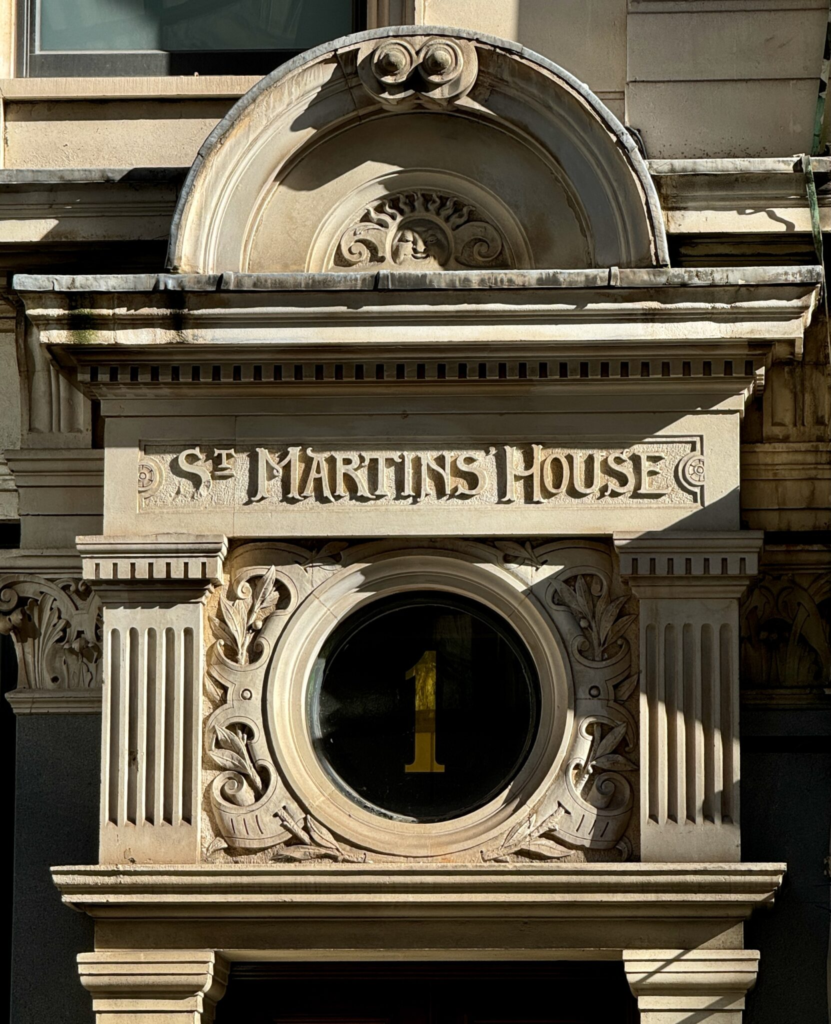
17. It’s on Number 1 Poultry. It occupies the apex where the eastern ends of Poultry and Queen Victoria Street meet at Mansion House Street, the western approach to Bank junction. The building, designed by James Stirling, was constructed after the architect’s death.

18. Sir Thomas Fowell Buxton, 1st Baronet Buxton of Belfield and Runton, was an English Member of Parliament, brewer, passionate abolitionist and social reformer. He married Hannah Gurney, whose sister became Elizabeth Fry, and was a great friend of her brother Joseph John Gurney and the extended Gurney family.

19. The church is St Lawrence Jewry. He was martyred in San Lorenzo on 10 August 258 AD in a particularly gruesome fashion, being roasted to death on a gridiron. At one point, the legend tells us, he remarked ‘you can turn me over now, this side is done’. Appropriately, he is the patron saint of cooks, chefs and comedians. The church contains some fine 20th century stained glass which you can read more about in this blog.

20. Evelyn De Morgan. Hurry if you want to see the exhibition, it closes on 4th January 2026.

Happy New Year! Thank you again for subscribing!

I’m off for a drink in the suitably decorated Martini Bar …

I might even pop into the lovely St Giles Cripplegate and sing a few carols …

If you would like to follow me on Instagram here is the link …
https://www.instagram.com/london_city_gent

The Christmas Quiz!

I almost can’t believe that this is my eighth Christmas quiz. When I started my blog way back in 2017 I wasn’t sure I could maintain a weekly publication, but here I am now writing blog number 379!

Happy Christmas and thank you so much for subscribing.

Here are the questions. They are all based on blogs published during 2024 and the answers are at the end of today’s edition.

1. What animals are waddling around Fleet Street this Christmas?

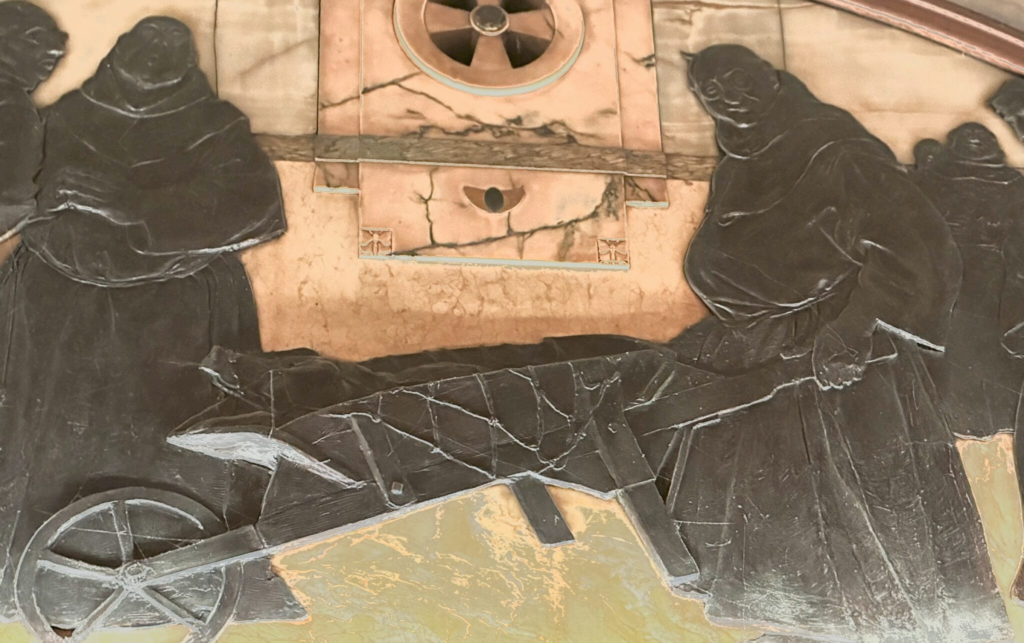
2. Where can you find this friar carrying a pig in a wheelbarrow …

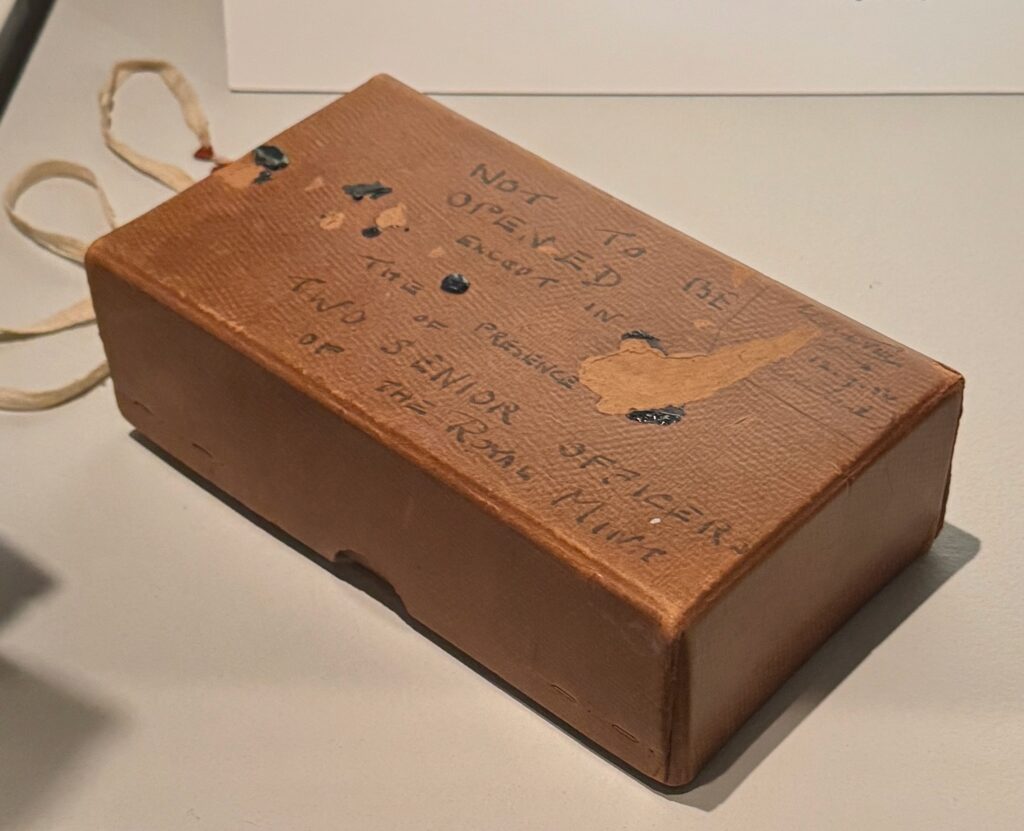
3. What was in this box on display at the Ashmolean Museum and mysteriously marked NOT TO BE OPENED EXCEPT IN THE PRESENCE OF TWO SENIOR OFFICERS OF THE ROYAL MINT …

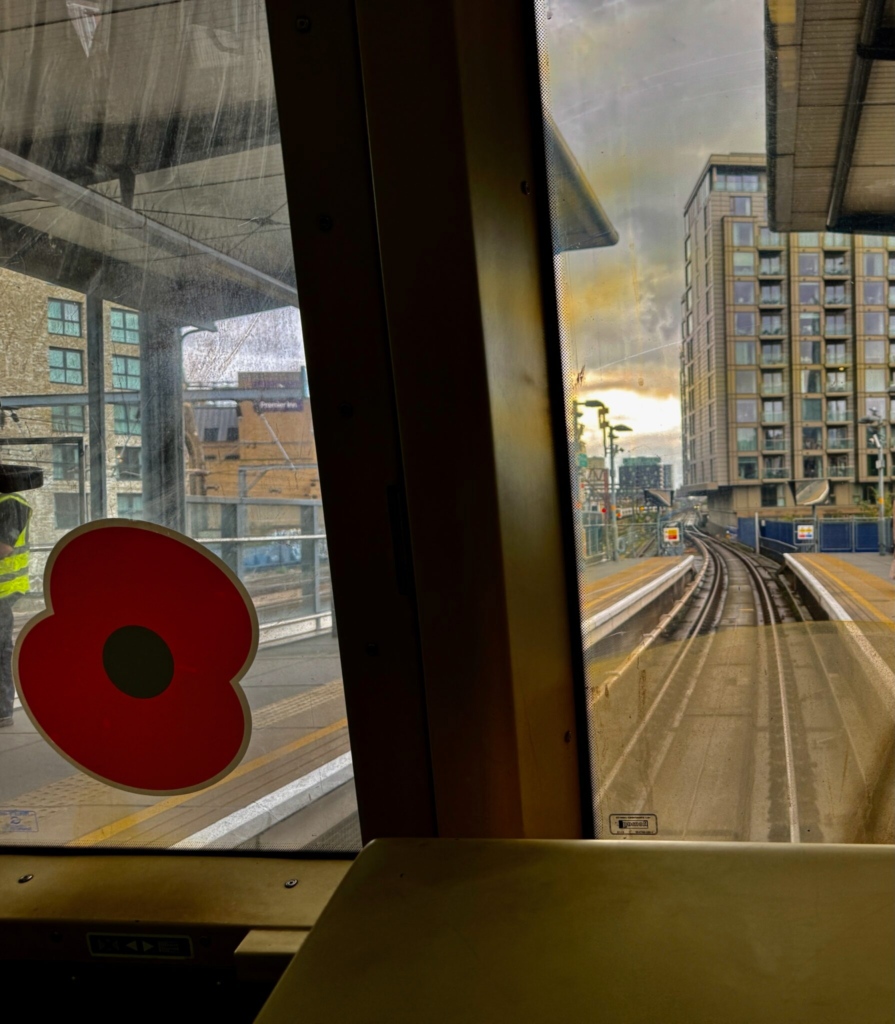
4. Where am I ‘driving’ the train …

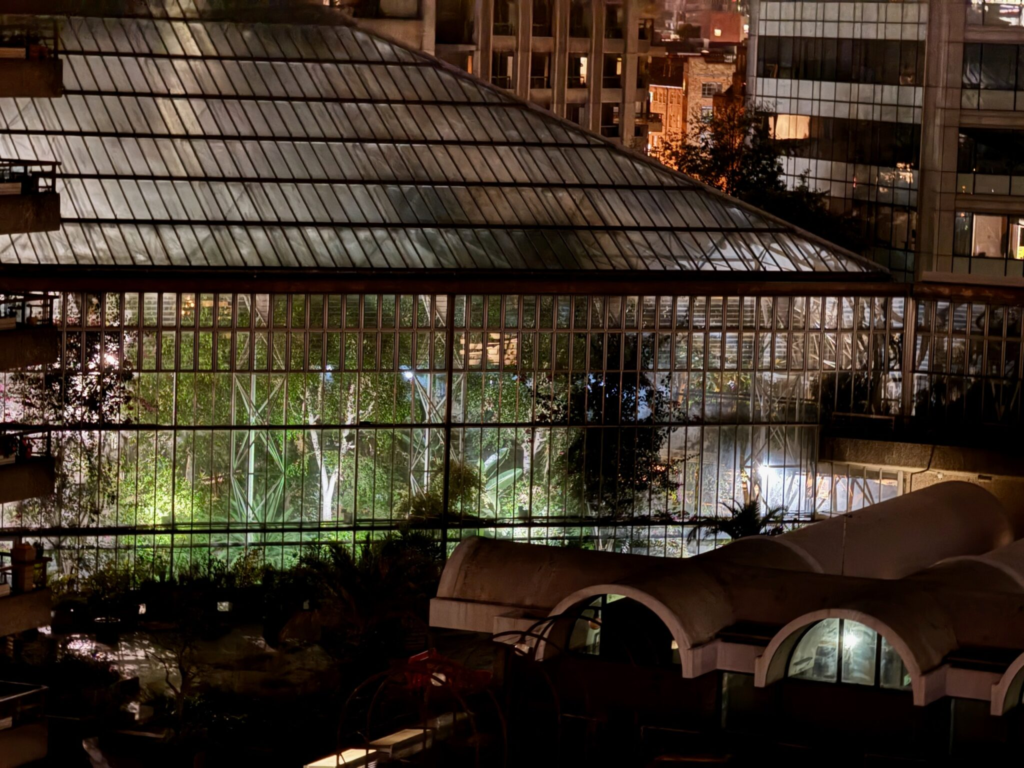
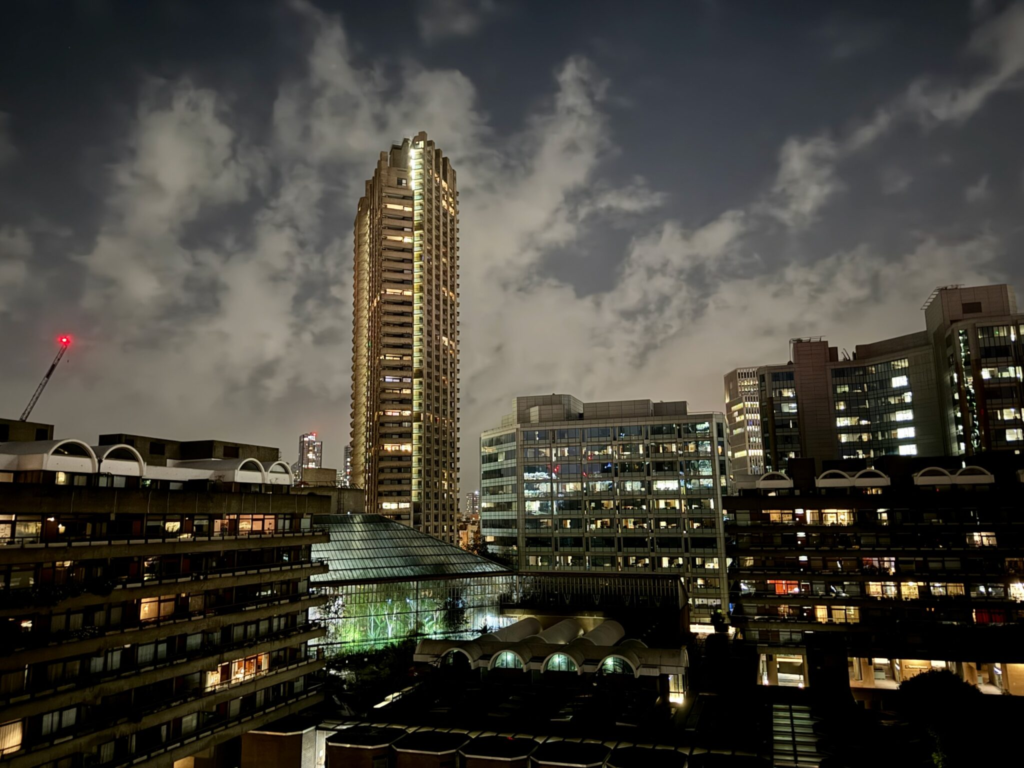
5. Where is the origin of the mysterious green glow …

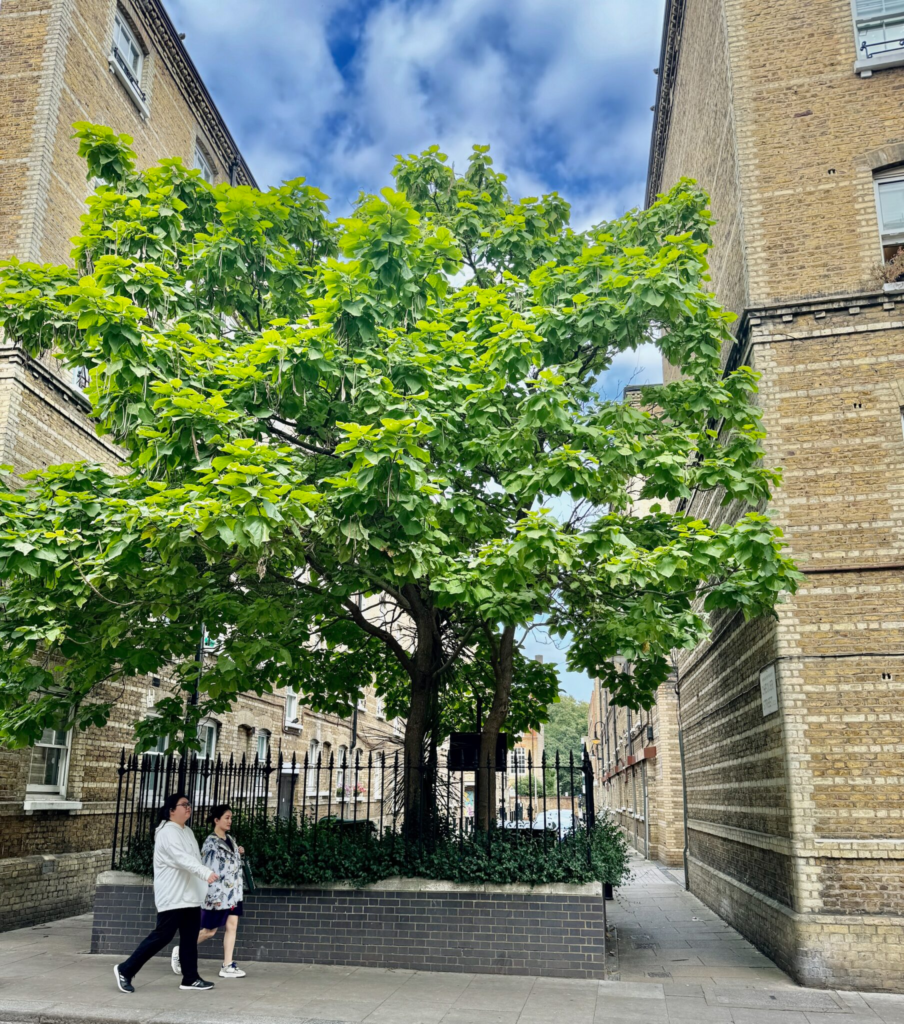
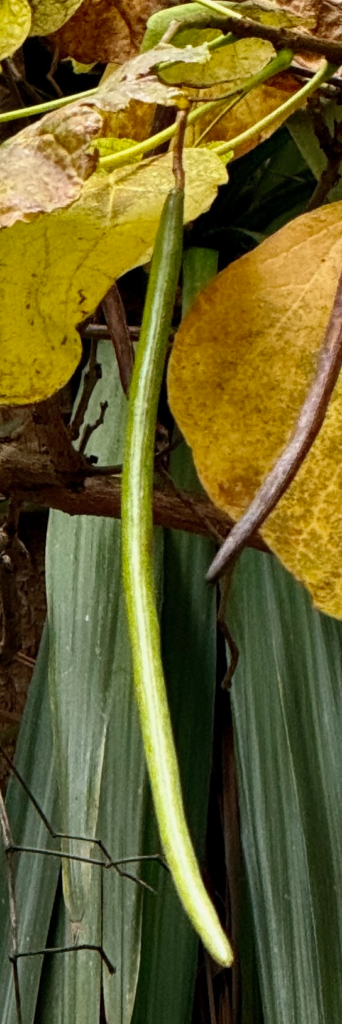
6. This exotic Indian Bean Tree can be found on what 19th century estate …

7. What’s wrong with this signage in Gresham Street …

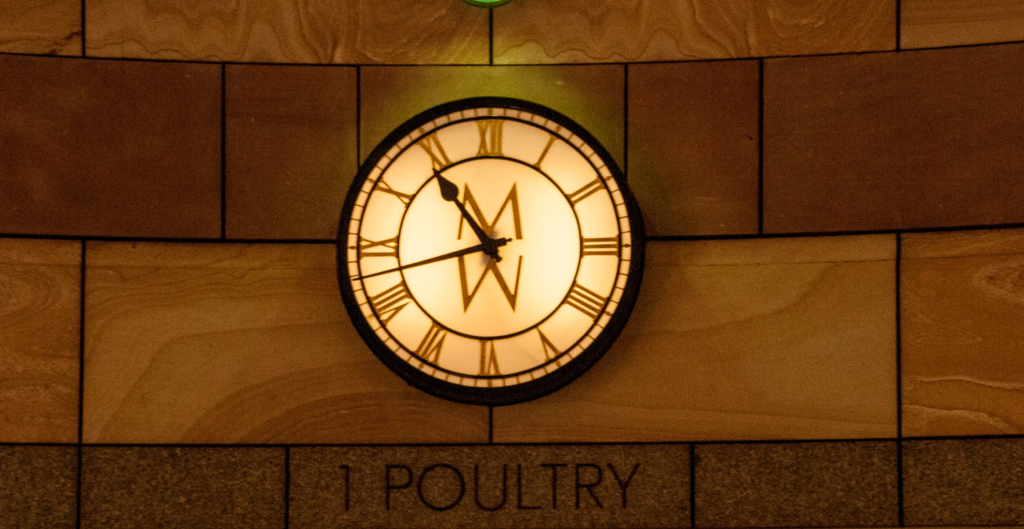
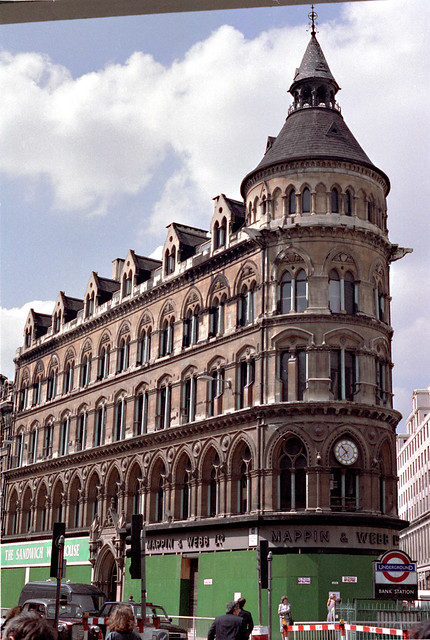
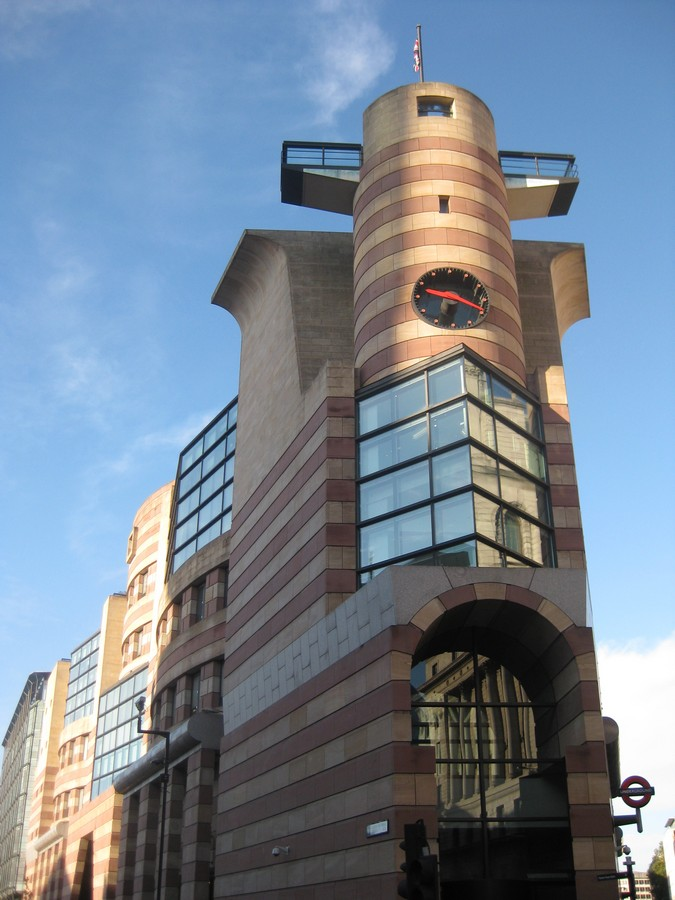
8. What famous store at the junction of Queen Victoria Street and Poultry did this clock once adorn …

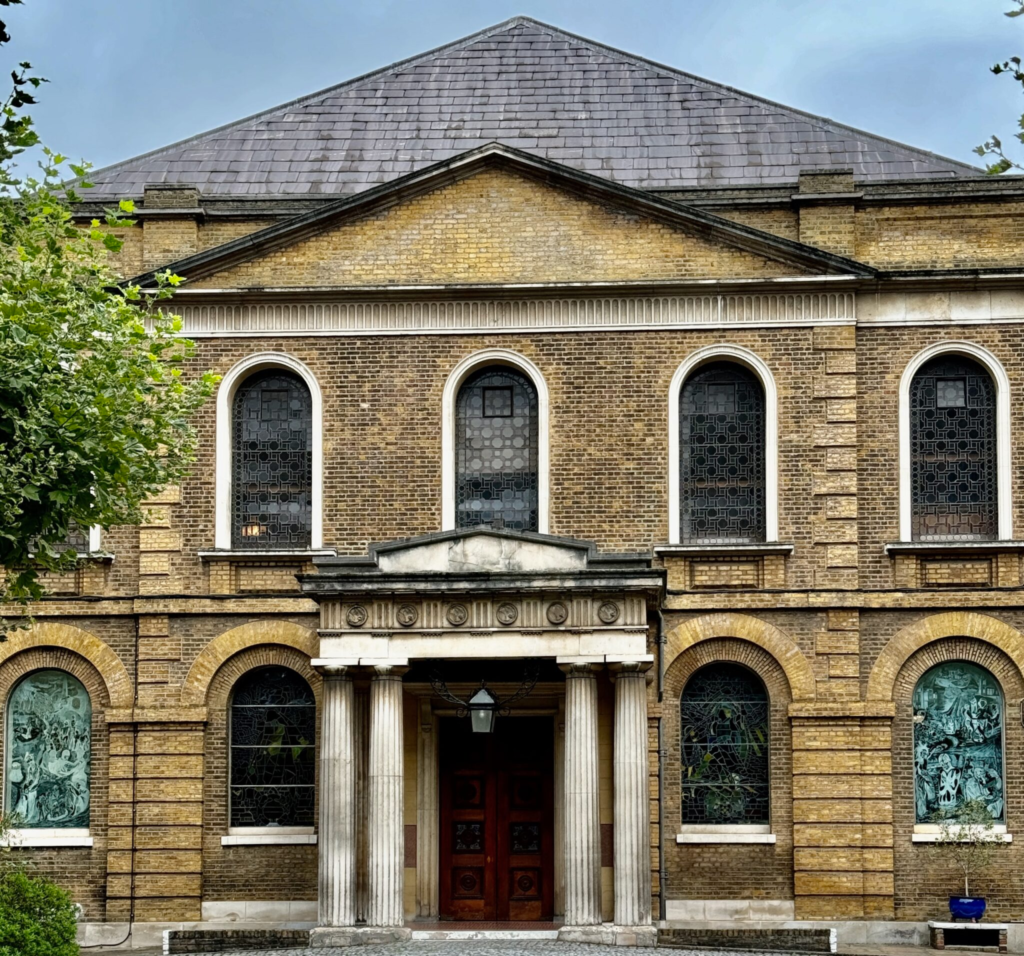
9. This is Wesley’s Chapel on City Road, home of Methodism …

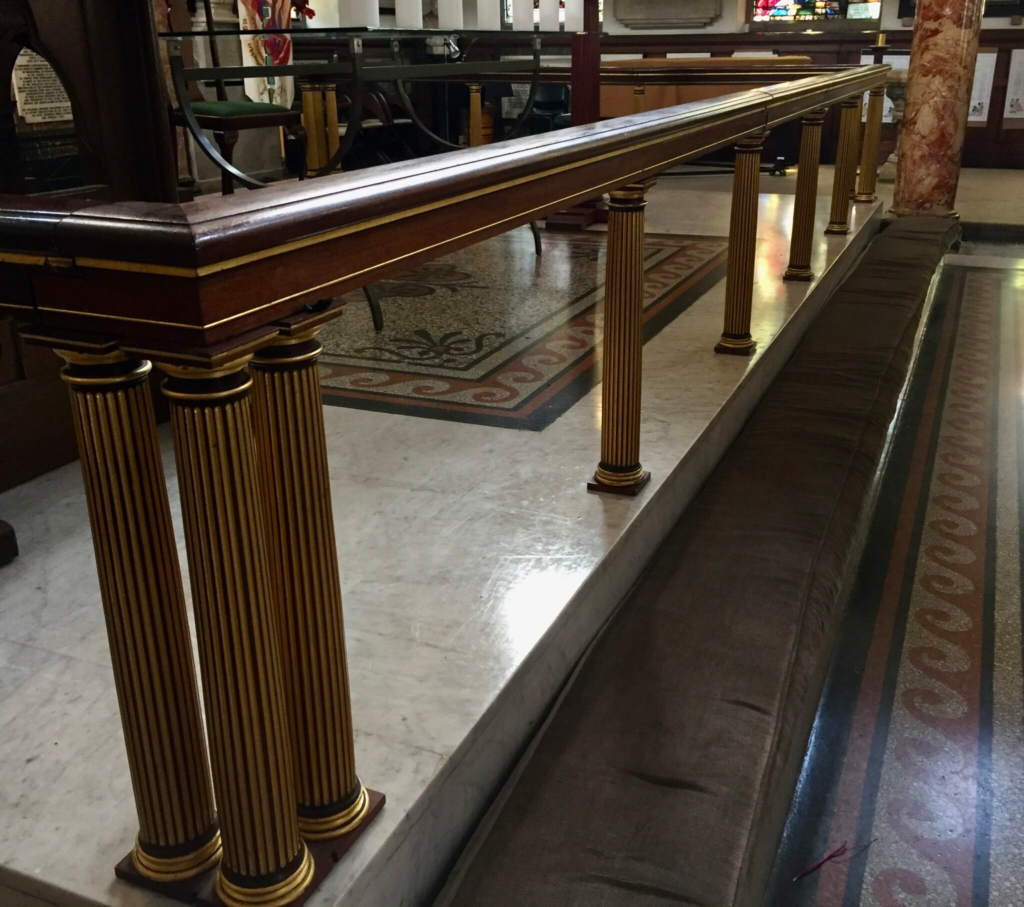
A very famous lady got married here, had her children baptised here, and donated these altar rails …

Who was she?

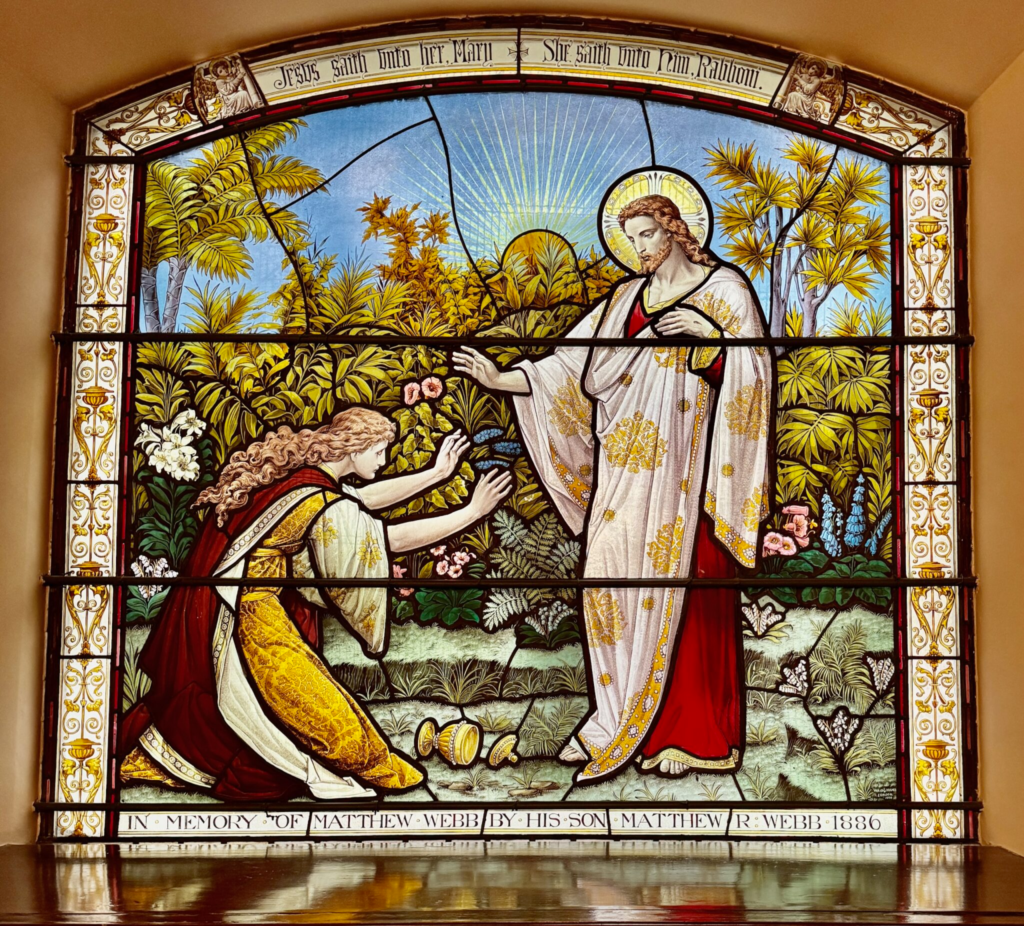
10. In St Botolph without Aldersgate is this memorial window commemorating the life of Matthew Webb. What was he famous for?

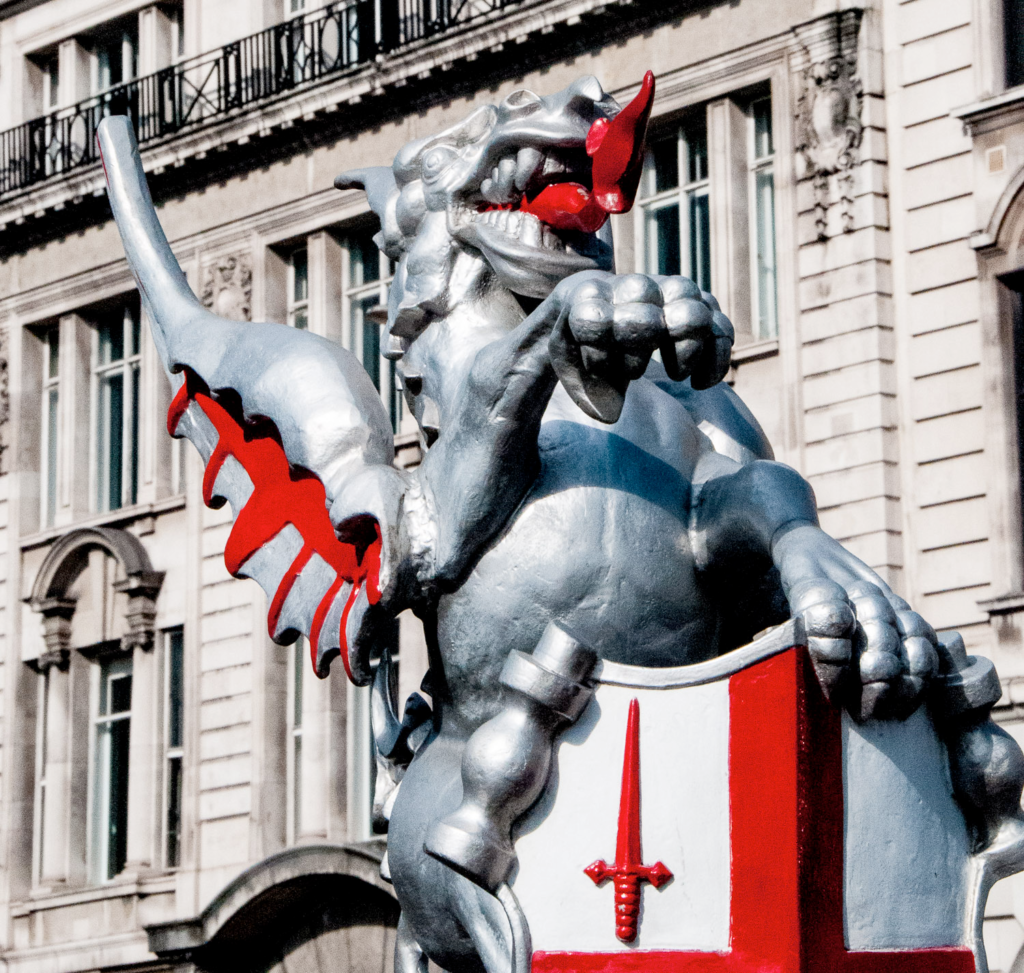
11. Is the symbol of the City of London a dragon or a gryphon …

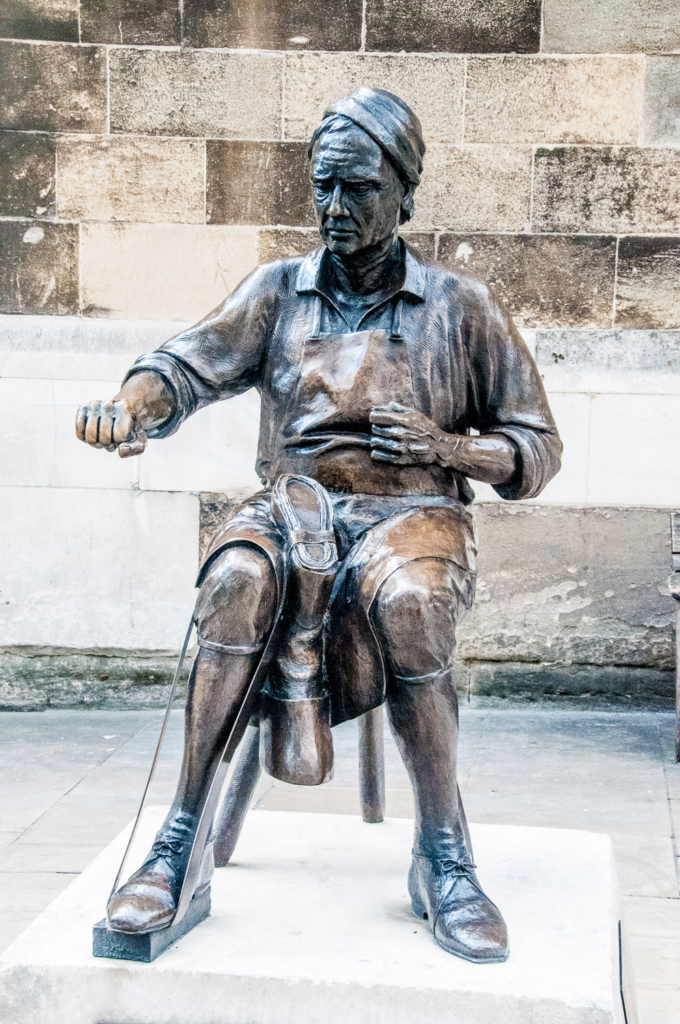
12. On Watling Street, what ancient trade is this man practising …

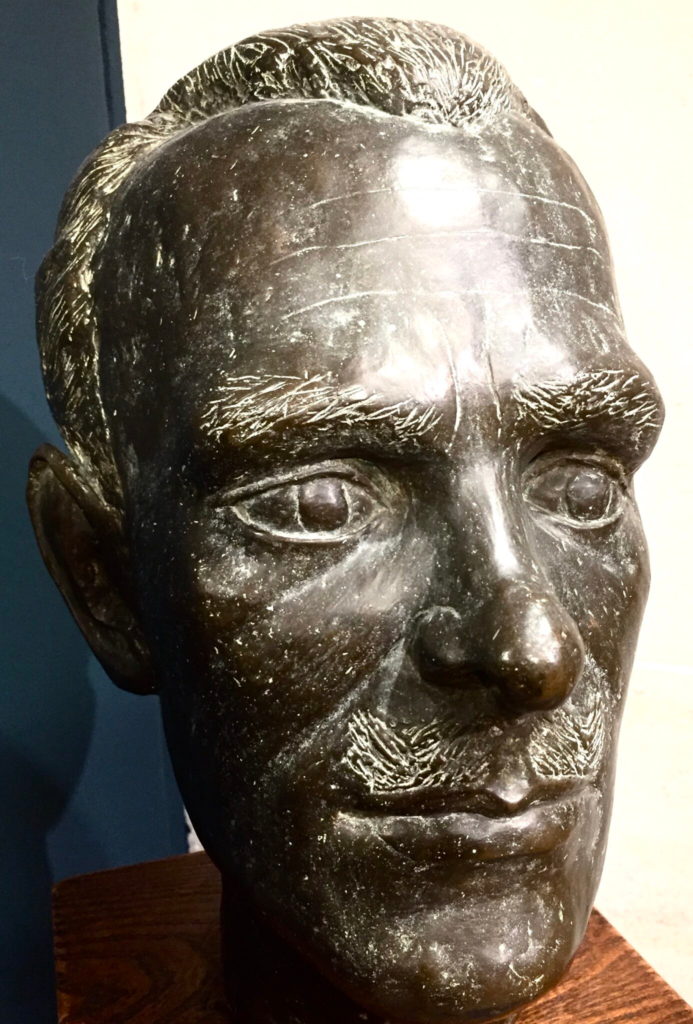
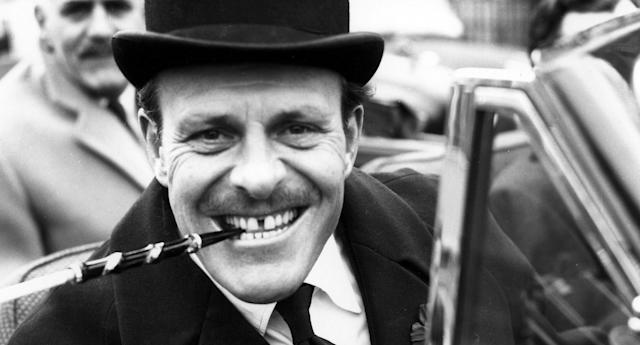
13. At the Guildhall Art Gallery, who is the subject of this terrific sculpture of a thoughtful, gentle man, created by someone who knew him very well personally …

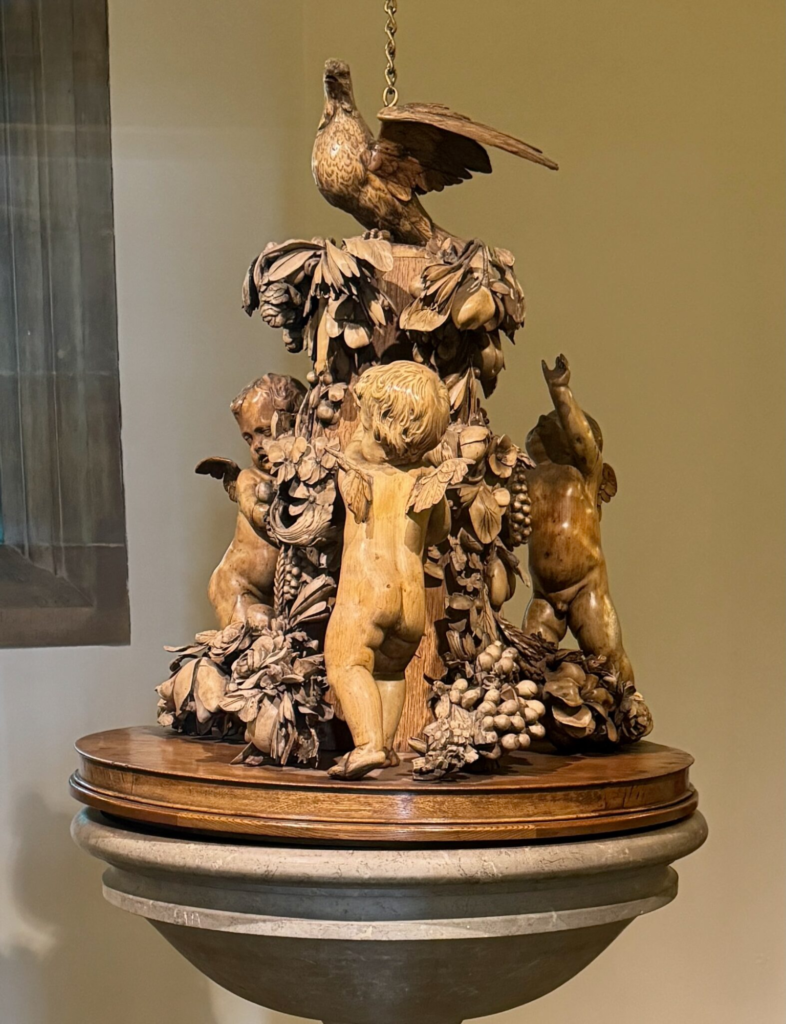
14. This font cover in All Hallows by the Tower is by one of the most famous sculptors and wood carvers of all time. Who was he (a clue, his initials were GG) …

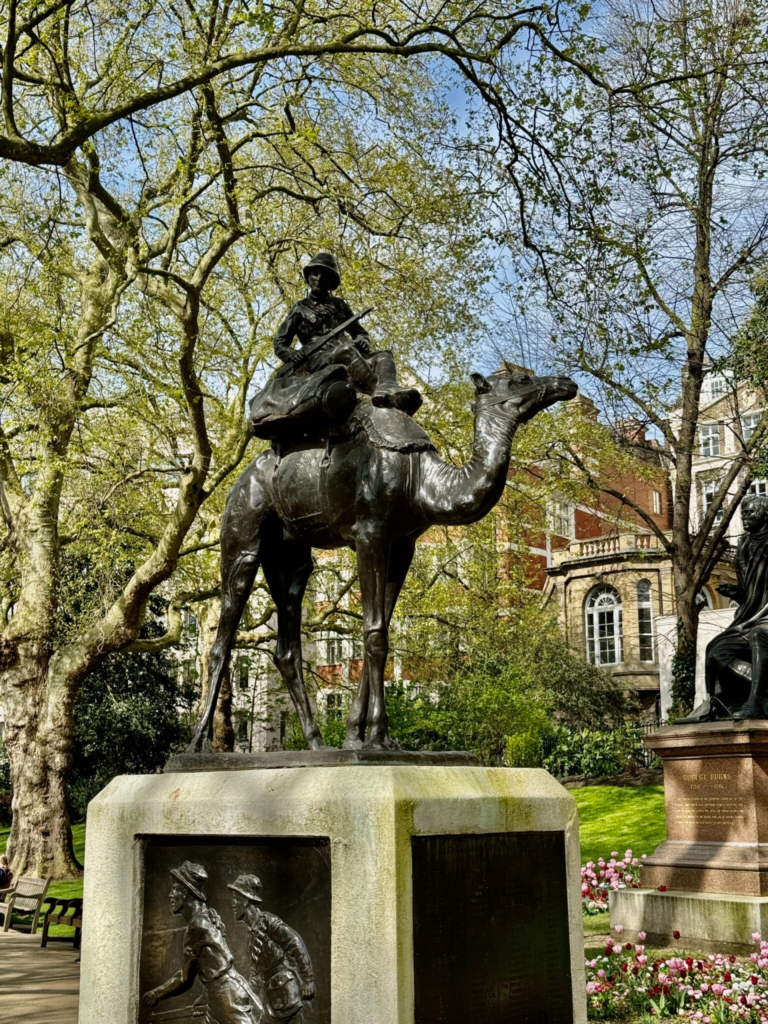
15. This memorial on the Embankment commemorates a famous Brigade consisting of four regiments, a mixture of British, Australian and New Zealand soldiers. What was the Brigade commonly known as …

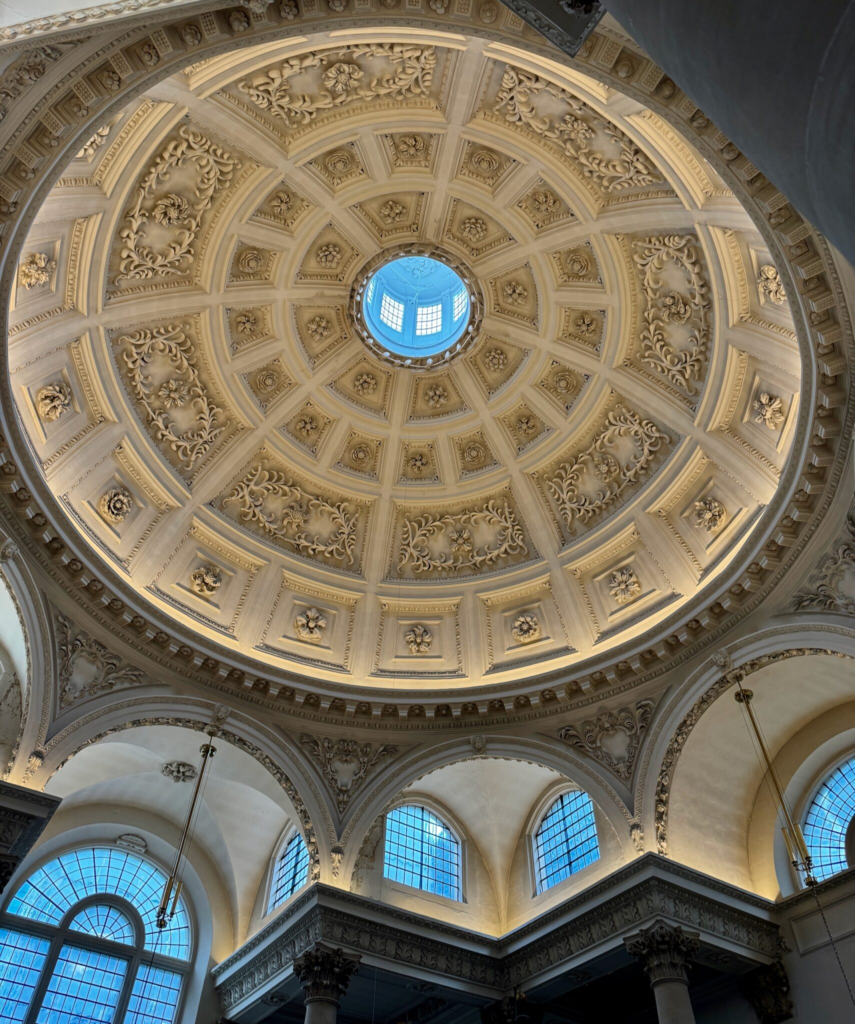
16. In this church you will find Wren’s finest dome based on his original design for St Paul’s …

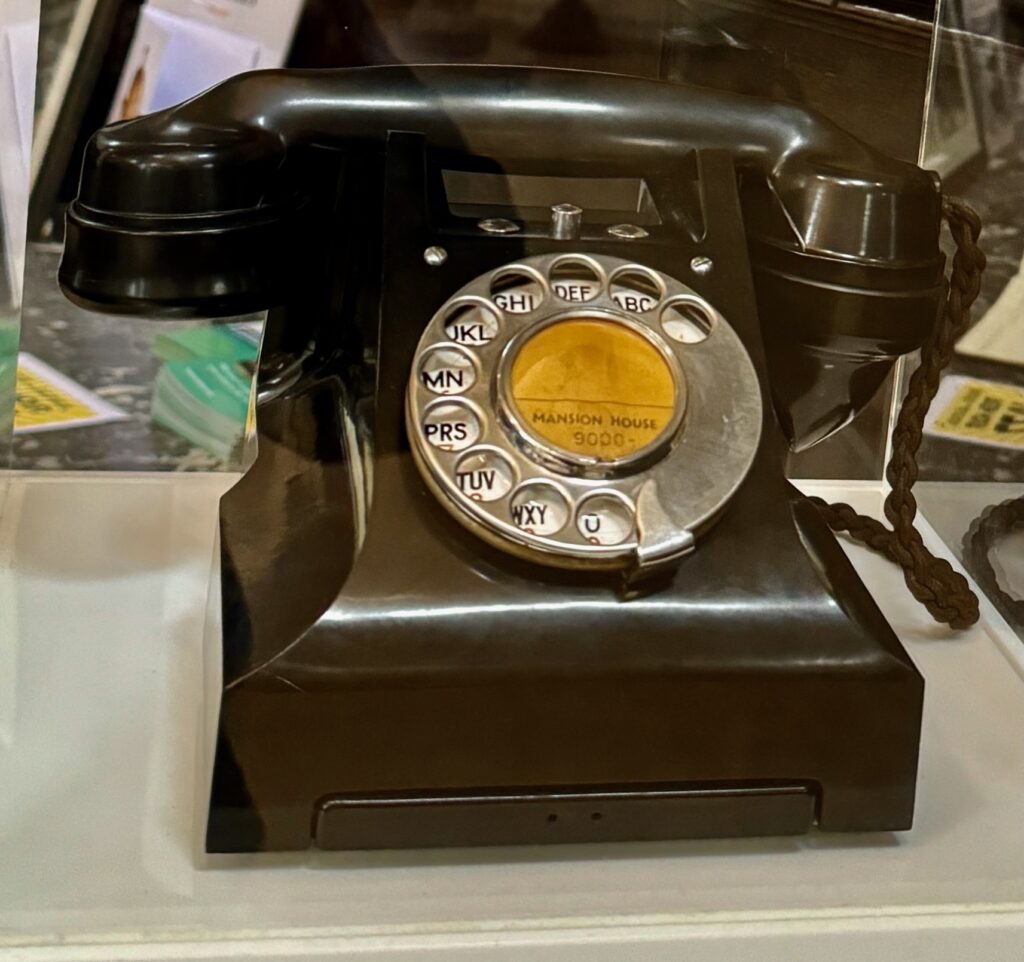
There’s also an old fashioned telephone …

What’s the name of the church and what’s the significance of the telephone?

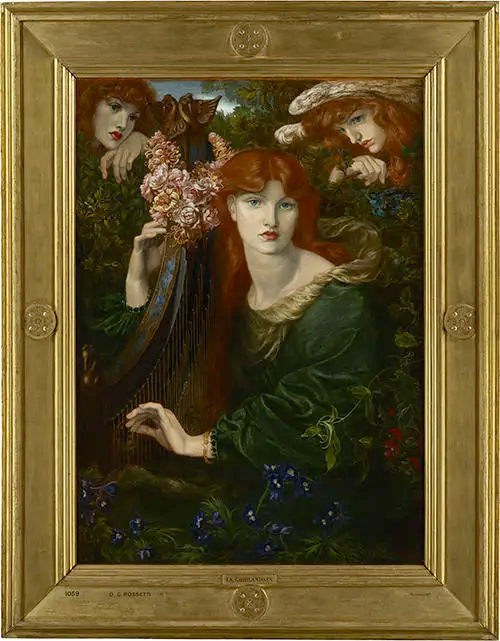
17. This is one of the Guildhall Art Gallery’s most famous paintings. It’s called La Ghirlandata, who is it by …

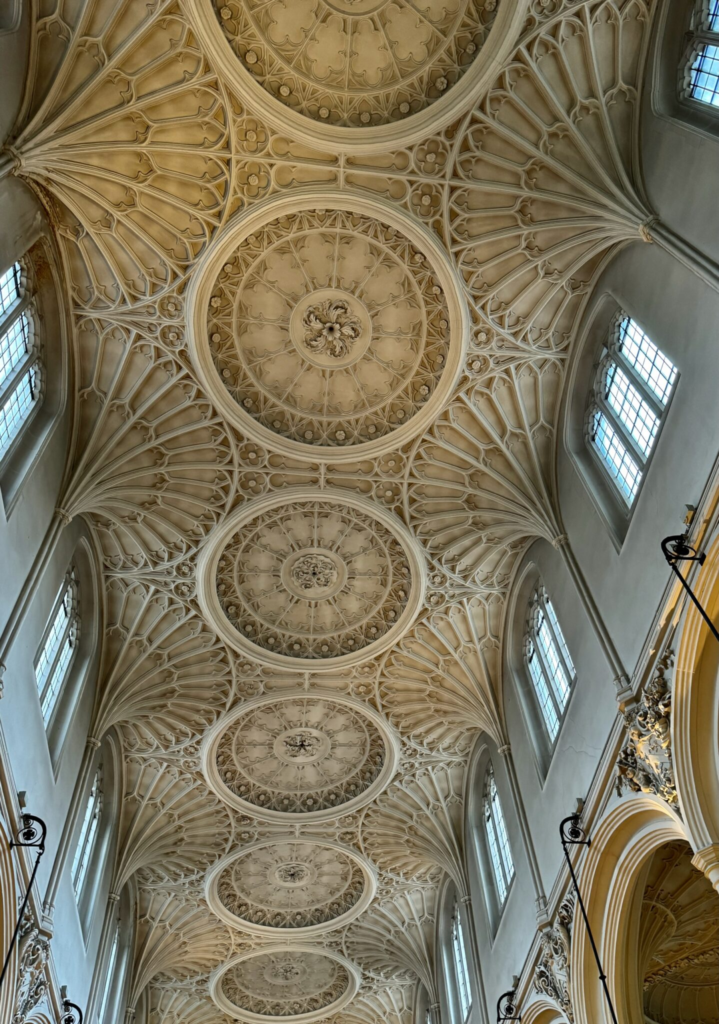
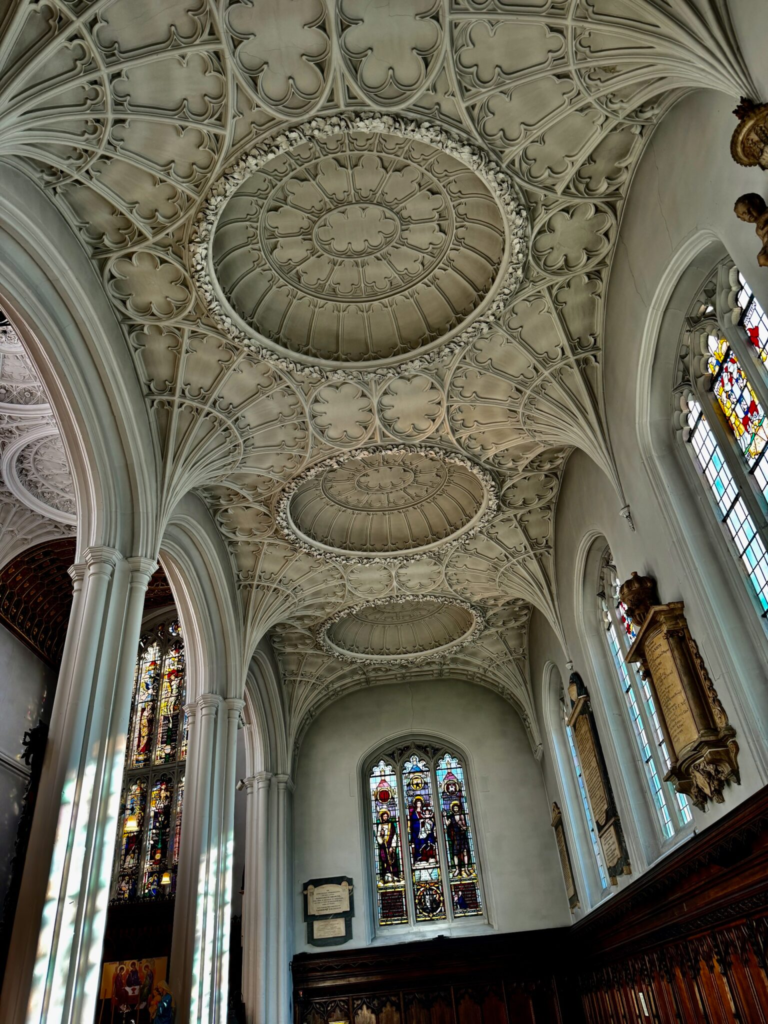
18. There are six churches in the City that include the name Mary in their title but only one of them contains a fabulous plaster fan-vaulted ceiling that is more reminiscent of a cathedral. It’s is the only parish church in England known to have one, which ‘Mary’ is it ?

This is the nave …

This is the south side aisle …

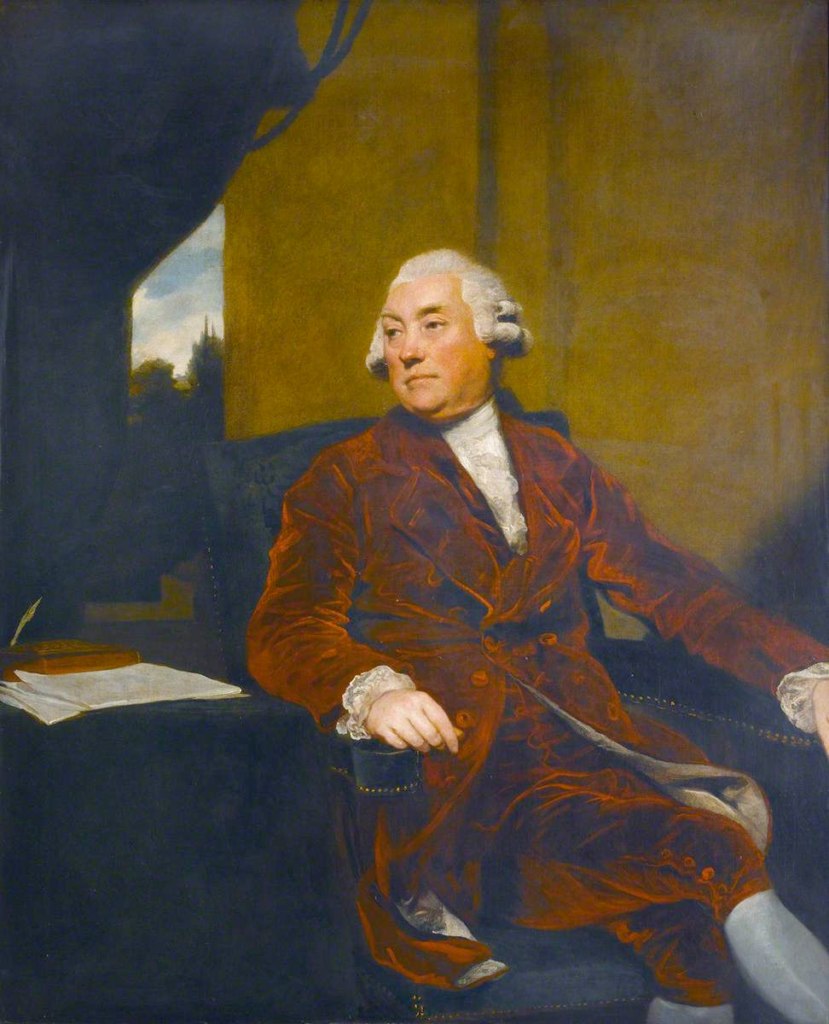
19. This man is Percivall Pott (1714-1788) as painted by Sir Joshua Reynolds …

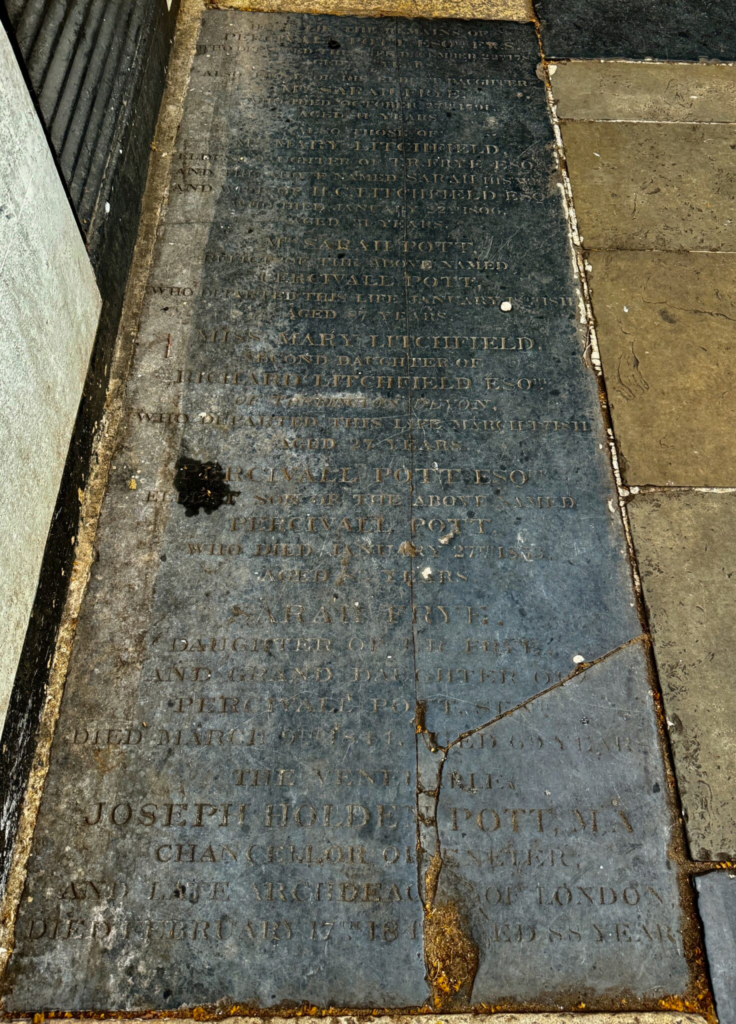
And here’s his tombstone outside St Mary Aldermary …

Why is his name familiar to most medical professionals?

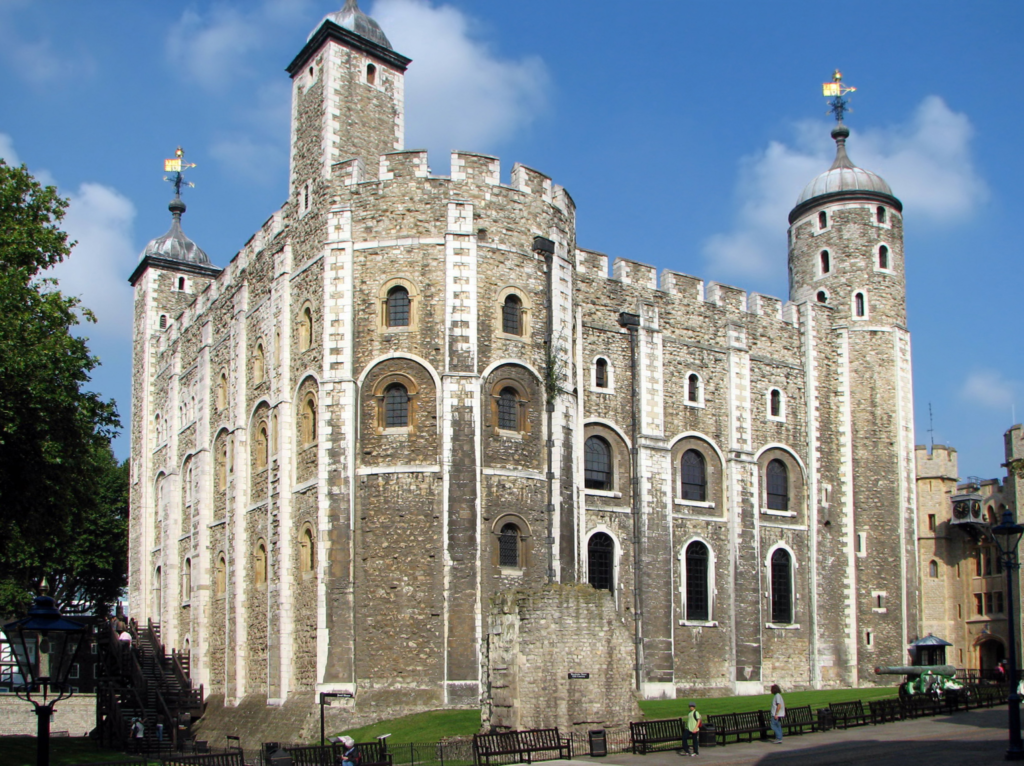
20. An easy one to finish. He was often known as ‘The Bastard’ and he started the construction of this building in 1066 ….

Who was he?

The answers:

1. Penguins – see their images here

2. The Blackfriar Pub – see more here

3. It contained trial coins for the reign of King Edward VIII that were never issued because of his abdication. You can view them here.

4. I’m on the Docklands Light Railway on my way to Trinity Buoy Wharf.

5. The Barbican Conservatory …

6. The Peabody Estate Whitecross Street.

7. The Apostrophe is in the wrong place – surely it should be before the ‘S’?

8. Mappin & Webb. The old building in 1994 just before demolition …

It’s replacement …

I make no comment!

9. Baroness Margaret Thatcher. You can see more of the chapel and the surrounding area here.

10. He was the first man to successfully swim the English Channel. His first attempt was on 12 August 1875 but poor weather and sea conditions forced him to abandon his attempt. Twelve days later, he set off again and, despite several jellyfish stings and strong currents, he completed the swim, which was calculated at 40 miles, in 21 hours and 40 minutes …

Tragically, he drowned in 1883 while attempting to cross the Whirlpool Rapids below Niagara Falls. A memorial in his home town of Daley, Shropshire, reads: “Nothing great is easy.”

11. It’s a dragon. See examples of both here.

12. He is a Cordwainer. Here on Watling Street you are in the Ward of Cordwainer which in medieval times was the centre of shoe-making in the City of London. The finest leather from Cordoba in Spain was used which gave rise to the name of the Ward’s craftsmen.

13. It’s a sculpture of Terry Thomas, a major star in the 1950s and 60s best known for playing disreputable members of the upper classes especially ‘cads’, ‘toffs’ and ‘bounders’ …

The sculptor was Ronald Moody (1900-1984).

14. Grinling Gibbons of course.

15. The Imperial Camel Corps Brigade.

16. The church is St Stephen Walbrook and the phone was the original Samaritans ‘hotline’. Read more about the church here and the Samaritans here.

17. It’s by the Pre-Raphaelite artist and poet Dante Gabriel Rossetti who described it as “my very best picture”.

18. It’s St Mary Aldermary in Bow Lane.

19. Today, over 300 years since his birth, he is known as one of the founders of orthopaedics and occupational health. His name lives on in a number of conditions that he identified, such as Pott’s disease of the spine and Pott’s Puffy Tumour. The one that initially intrigued me, however, was Pott’s Fracture and how it came to get its name. It was literally by accident! Read all about it and this very likeable man here.

20. William the the Conqueror. Read more about him and other famous monarchs with City connections here.

Happy New Year! Thank you again for subscribing.

If you would like to follow me on Instagram here is the link …
https://www.instagram.com/london_city_gent

The Christmas Quiz!

I almost can’t believe that this is my seventh Christmas quiz. When I started my blog way back in 2017 I wasn’t sure I could maintain a weekly publication, but here I am now writing blog number 325!

Happy Christmas and thank you so much for subscribing.

Here are the questions. They are all based on blogs published during 2023 and the answers are at the end of today’s edition.

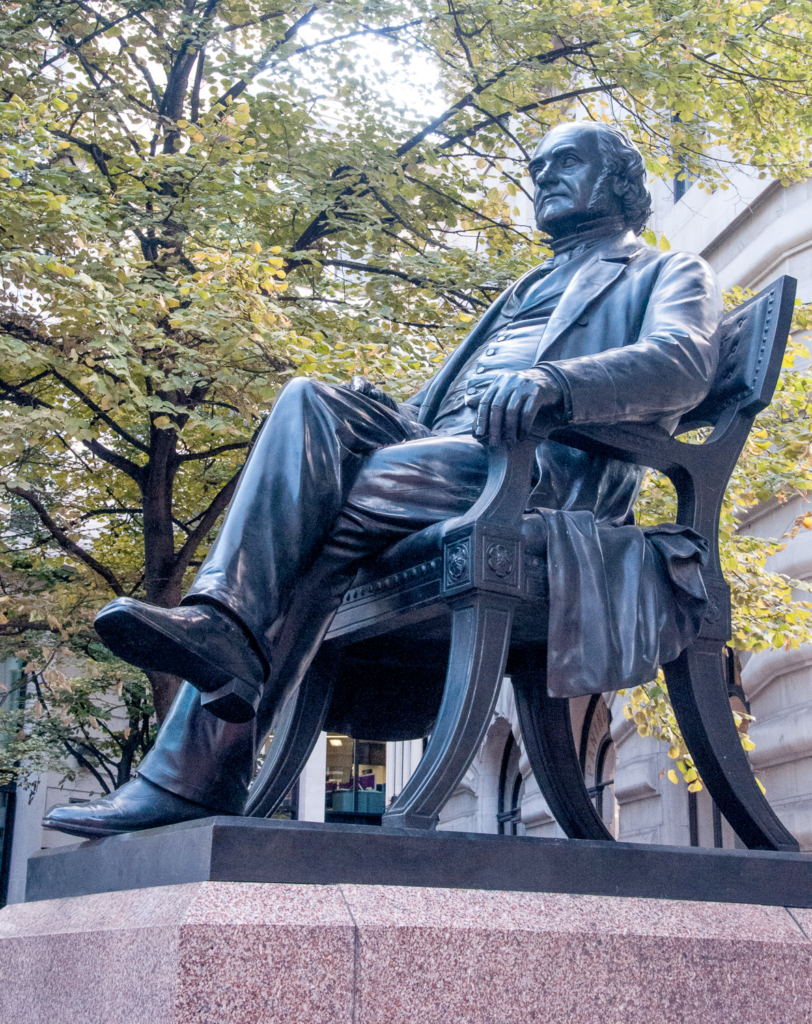
1. This great 19th century philanthropist gave his name to good quality housing specifically designed for London’s ‘working poor’. Born in America, he was so admired by Queen Victoria that, when he died, she arranged for his body to be returned home on a British battleship. Who was he?

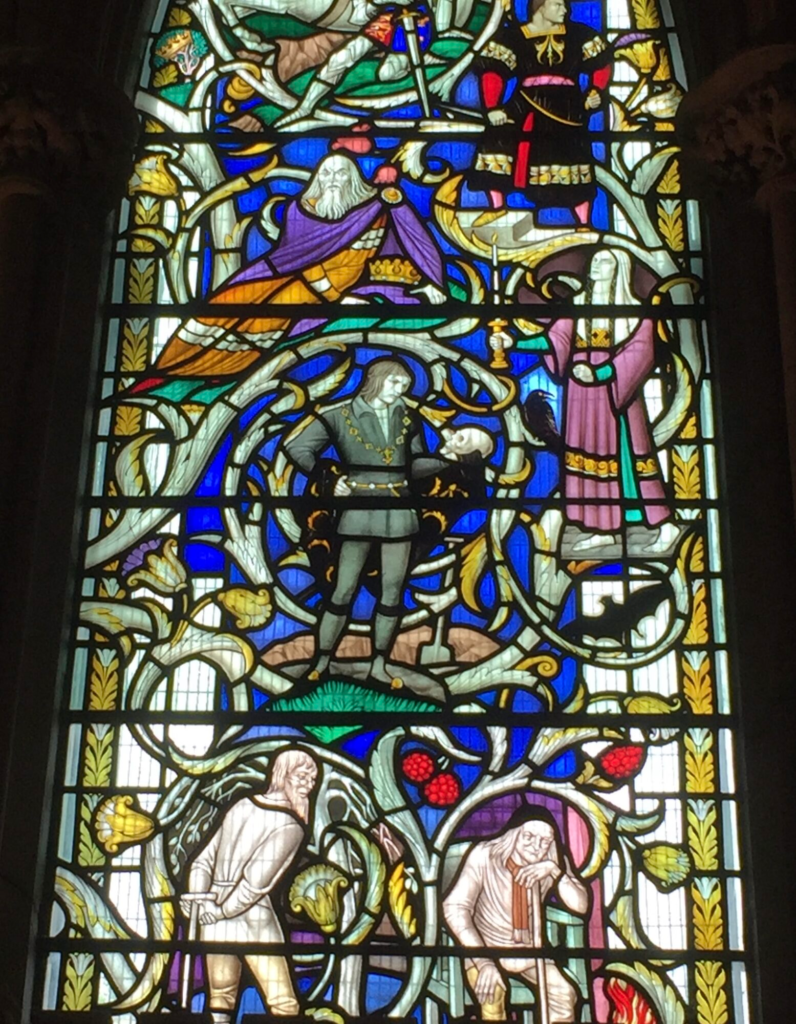
2. ‘Alas, poor Yorick! I knew him, Horatio: a fellow of infinite jest, of most excellent fancy …’

Where is this window commemorating Shakespeare’s plays?

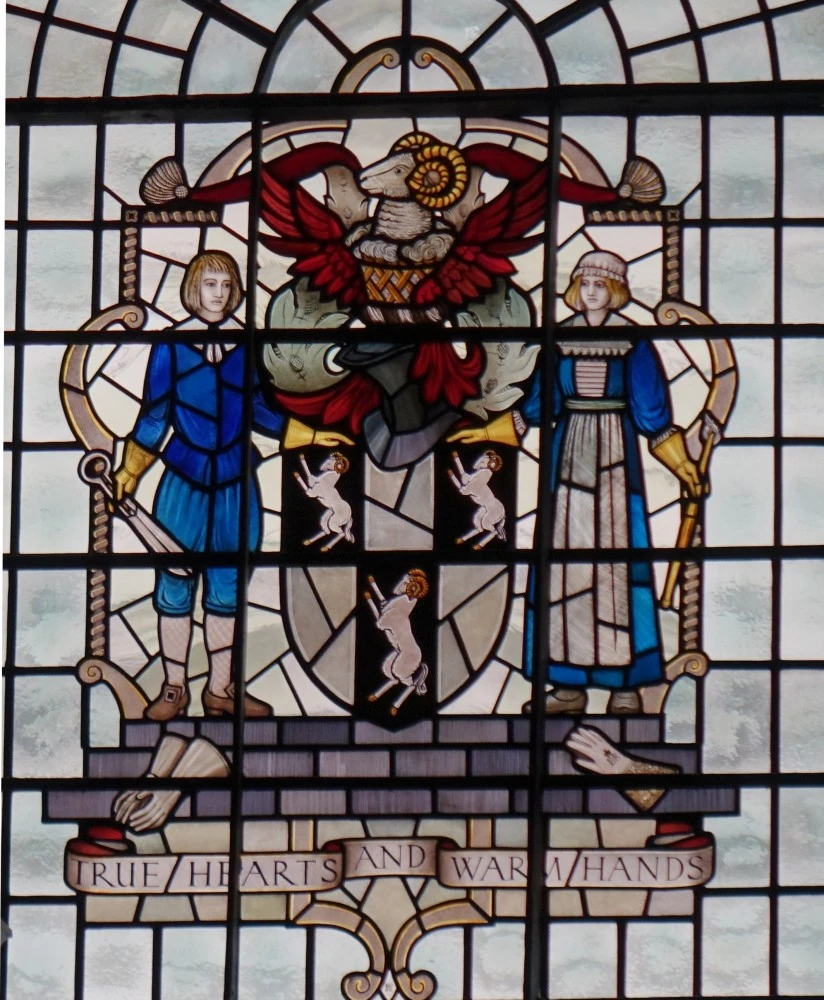
3. This window can be found at St Margaret Lothbury. What Livery Company has the lovely motto True Hearts and Warm Hands?

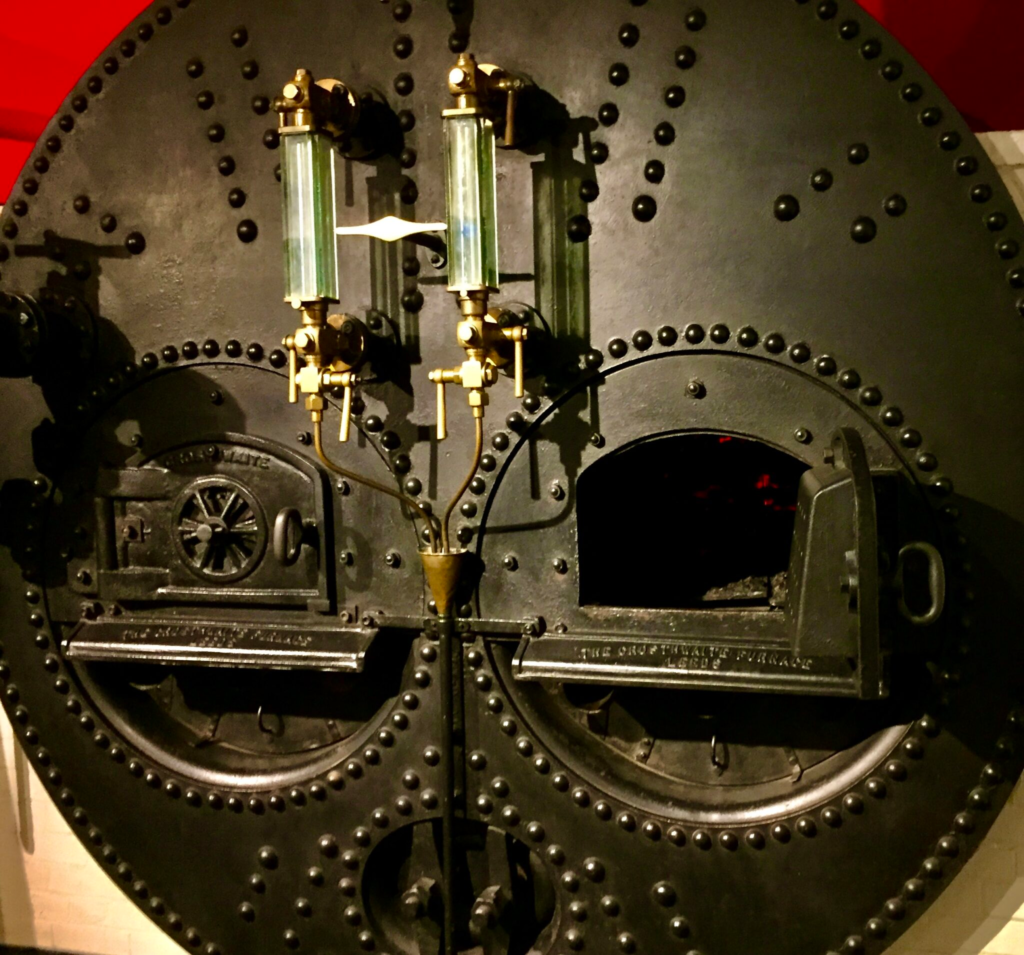
4. Look at these formidable boilers …

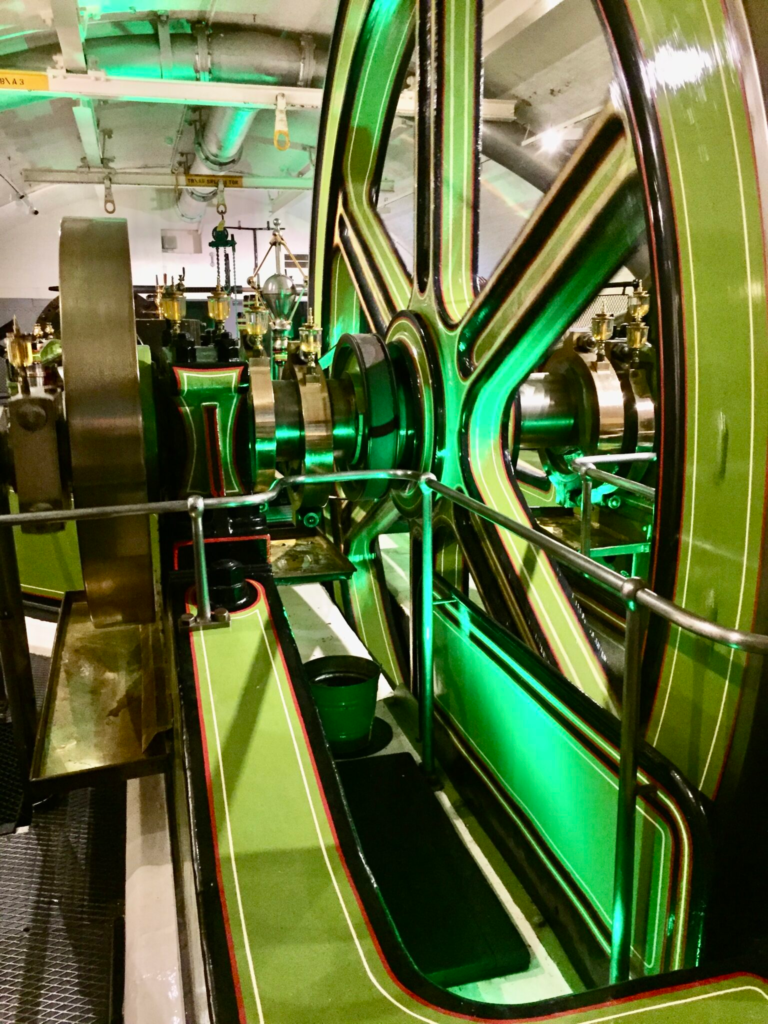
… and the massive pumping engine they service …

What world famous London landmark did they once help to operate?

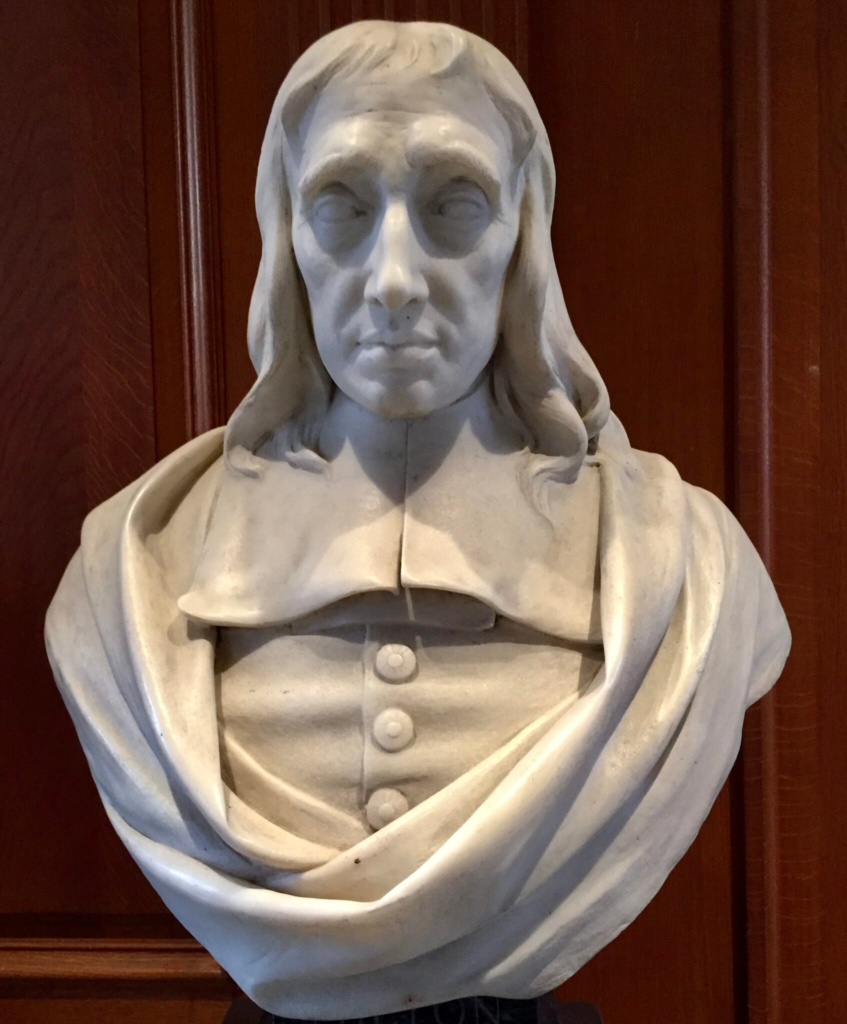
5. The eyes of the man represented in this bust clearly indicate blindness …

He is commemorated in the church of St Giles-without-Cripplegate where he was buried in 1674. Who is he?

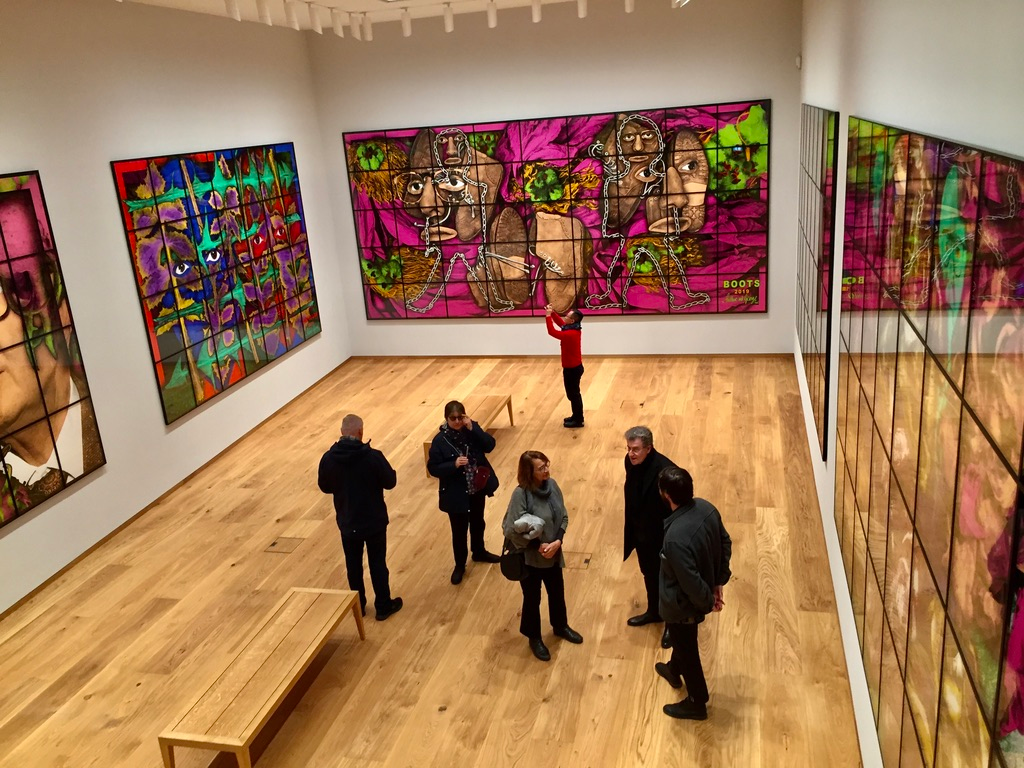
6. They are ‘two people’ but ‘only one artist’. Their new gallery opened on 1st April 2023. Who are they?

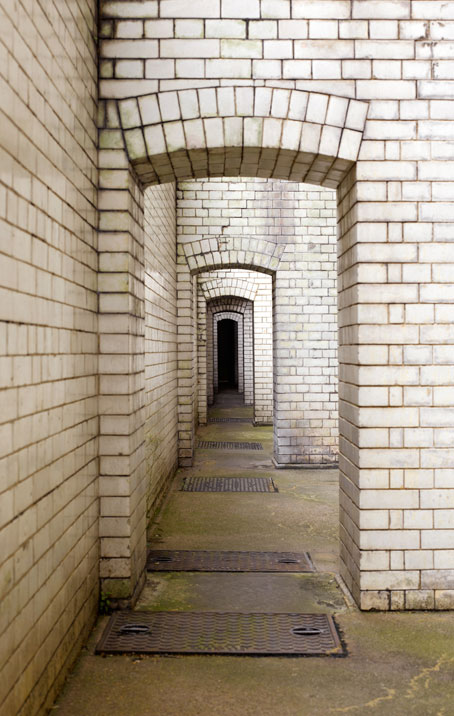
7. This innocuous tiled corridor was known as ‘Dead man’s walk’. Where is it?

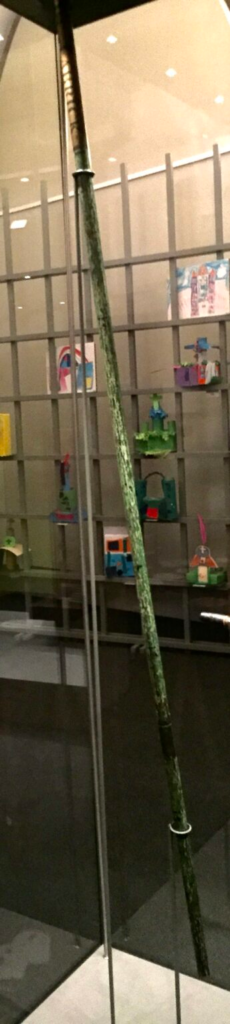
8. This ceremonial staff, inscribed with his title ‘Surveyor to the Fabric’, belonged to a man whose work as an architect created much of the way the City looks today, over 300 years after his death. Who was he?

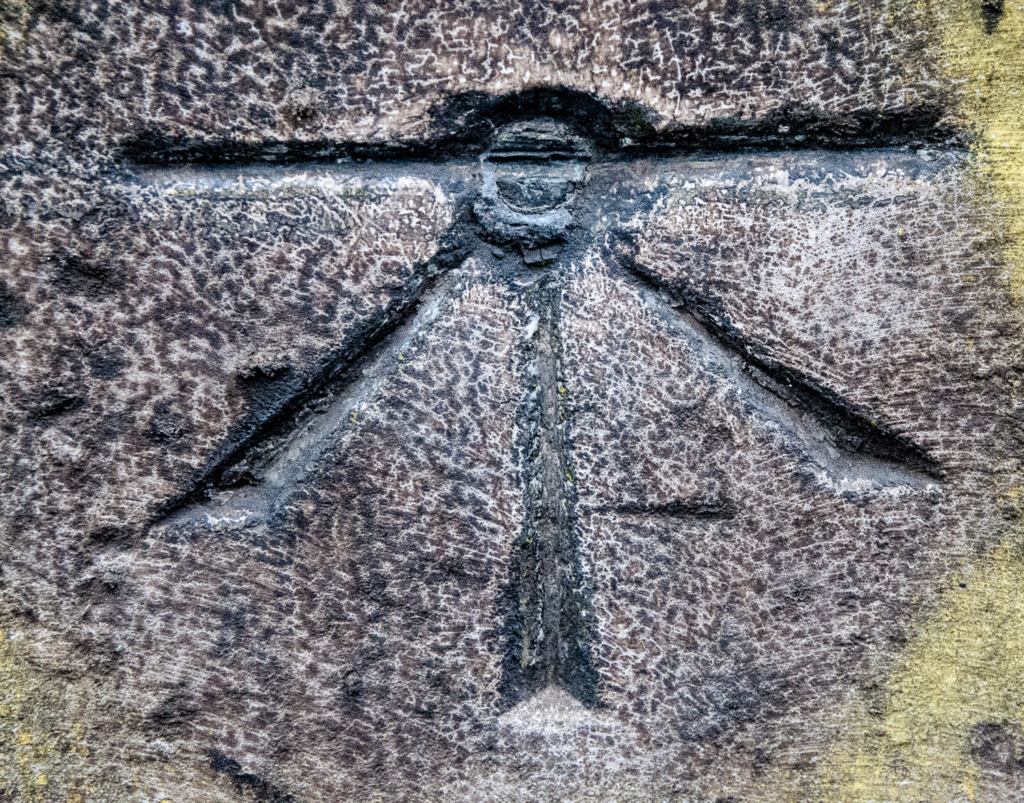
9. This mark is chiselled into the base of the church tower of St Alban Wood Street …

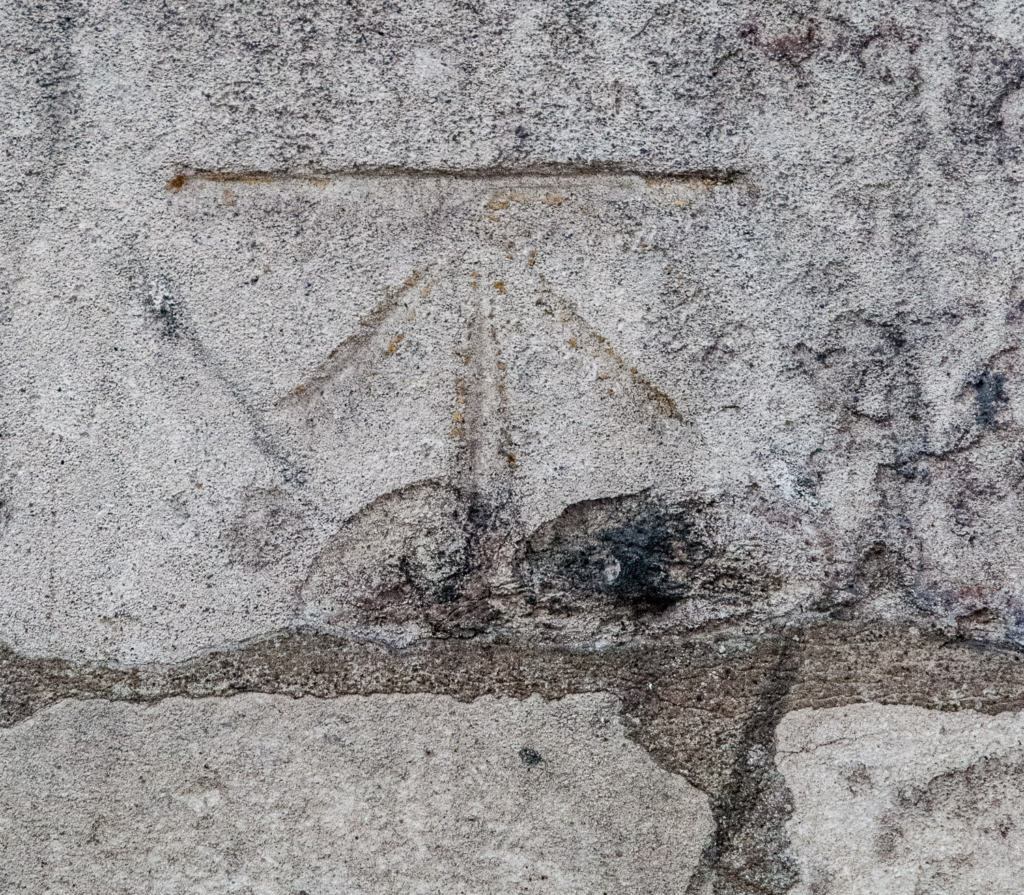
This one is on the Cheapside face of St Mary-le-Bow …

What do they signify?

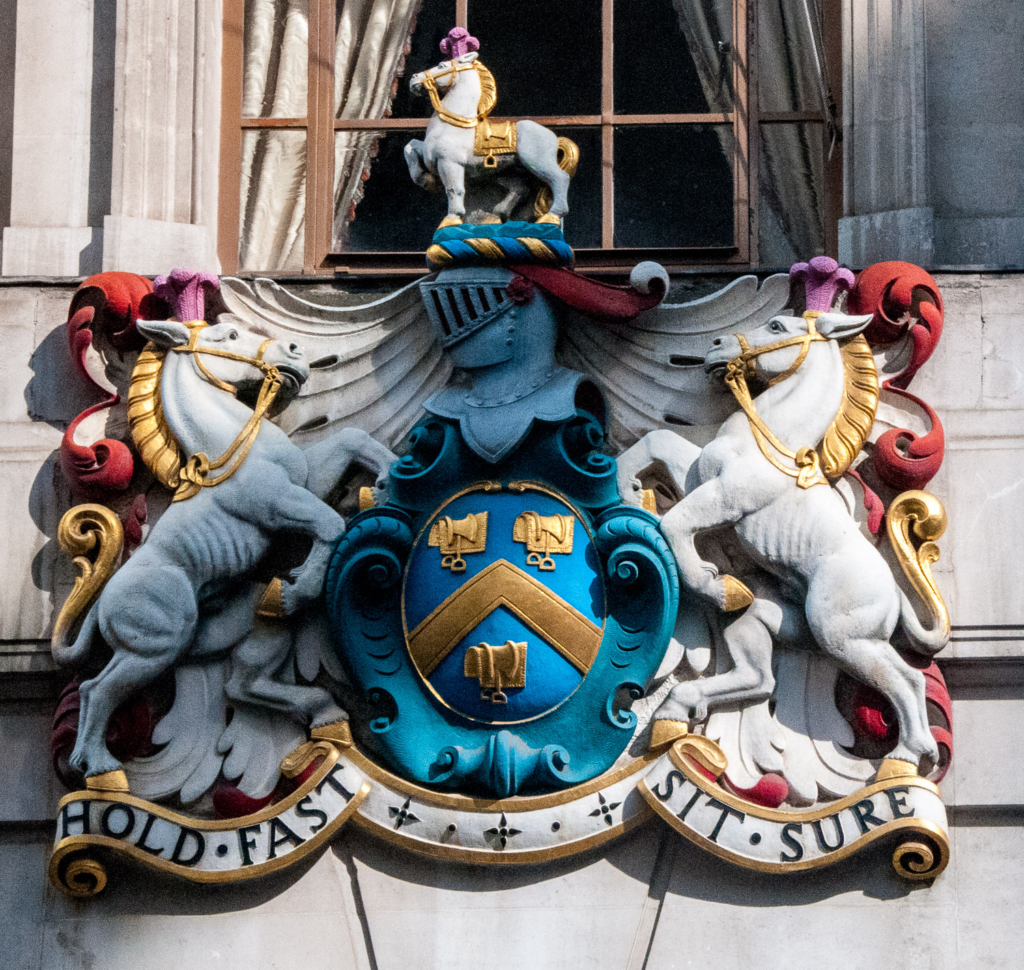
10. What Livery Company is represented by this coat of arms?

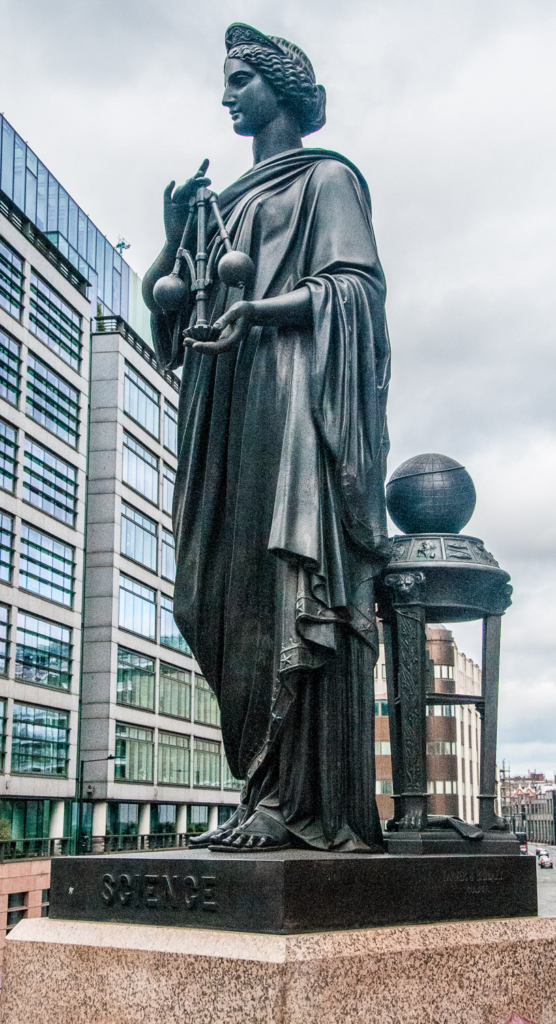
11. This lady represents Science …

Nearby other ladies represent Fine Art, Agriculture and Commerce. Where are they?

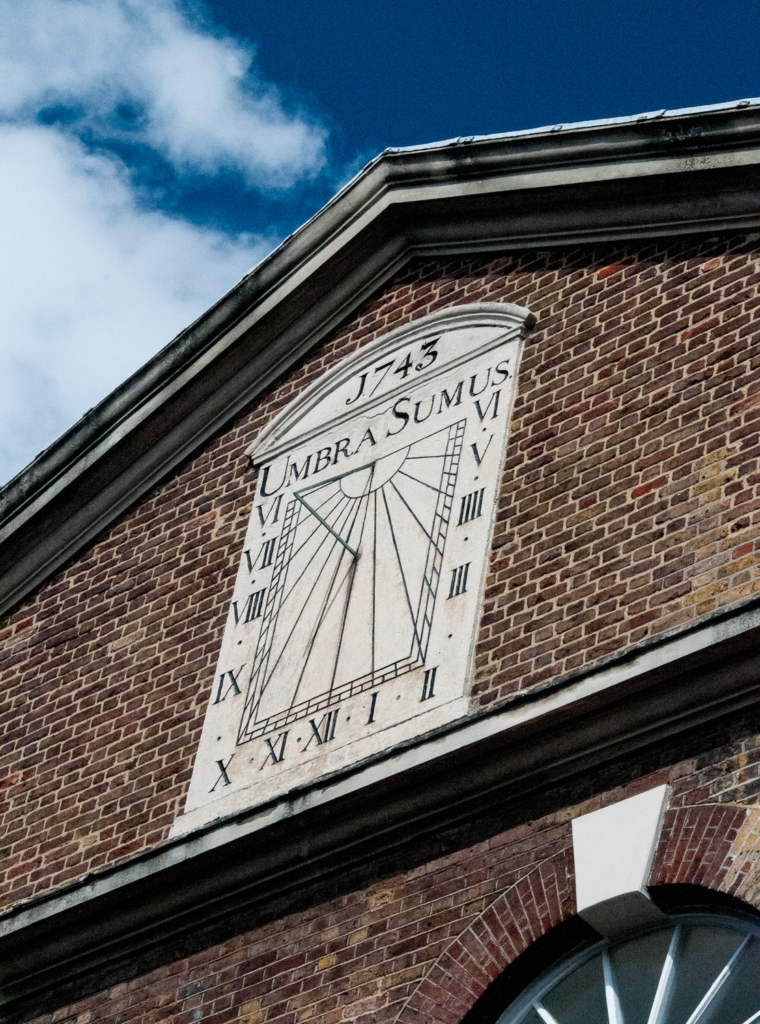
12. This sundial is on a building that was once a Protestant church, then a Methodist Chapel, next a Jewish synagogue and is now a Mosque …

Where is it?

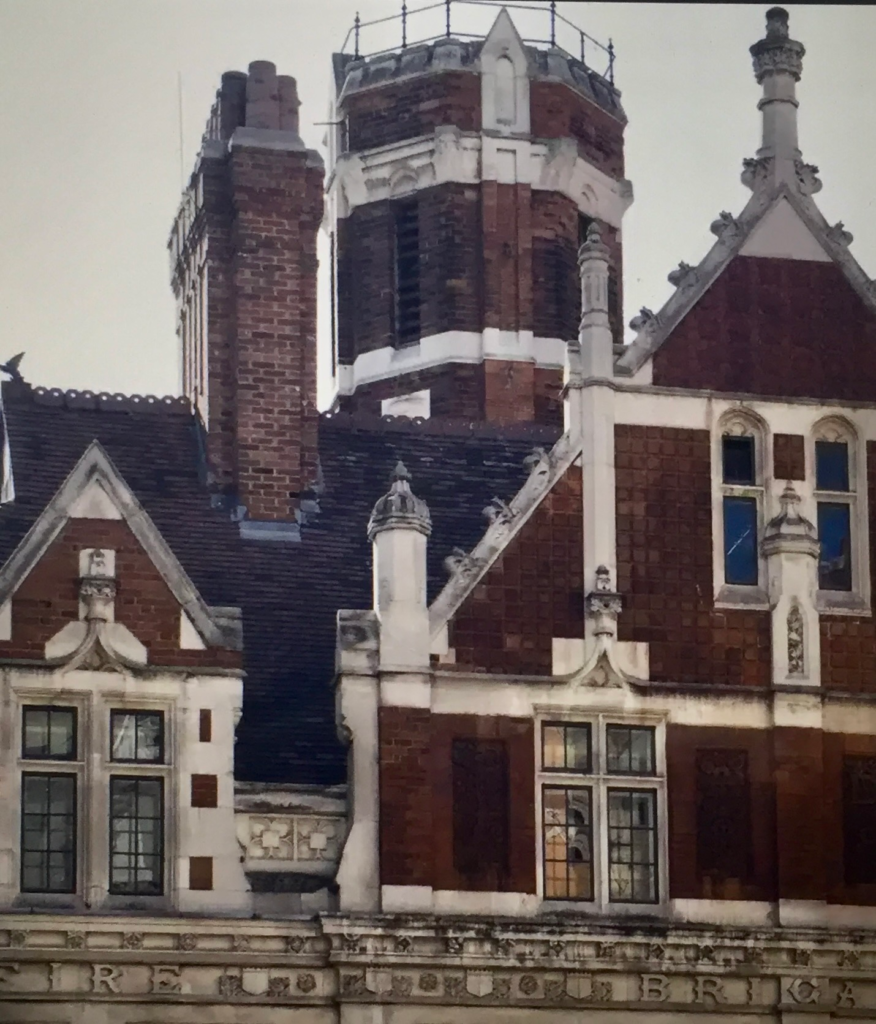
13. This watchtower was once used by brave crews who, when spotting danger to life, rushed to the rescue. Where is it and who were they?

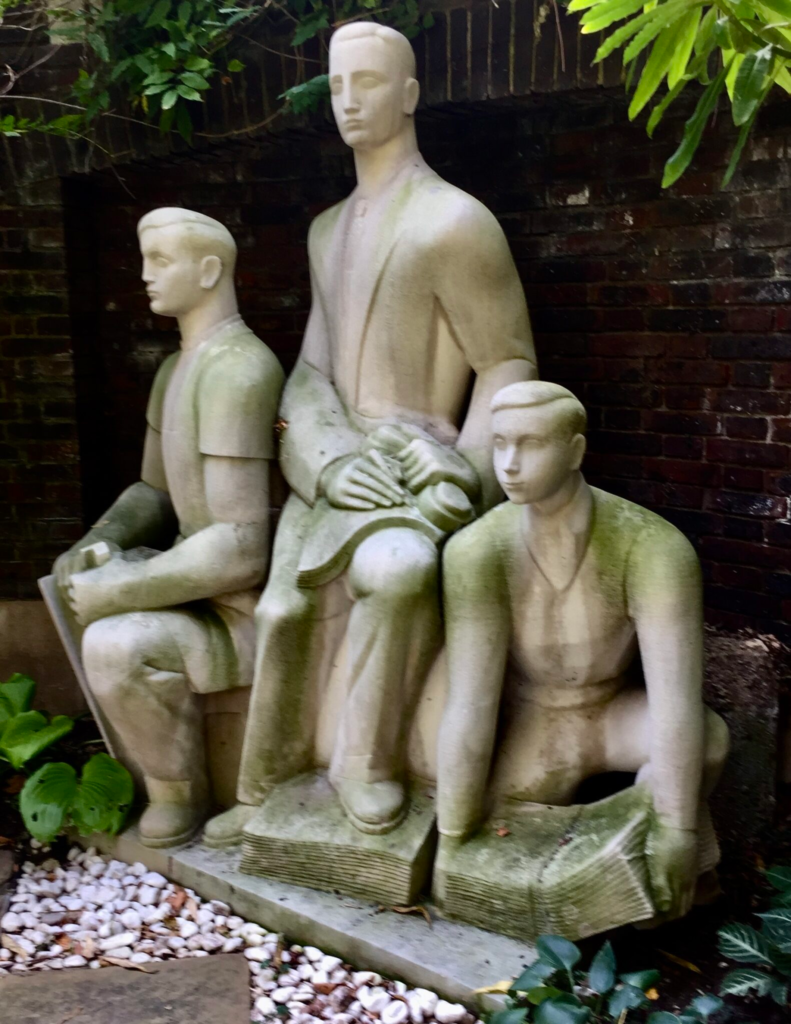
14. These figures in the old churchyard of St John Zachary in Gresham Street represent a trade and profession that once flourished in nearby Fleet Street. What was it? And who do the figures represent?

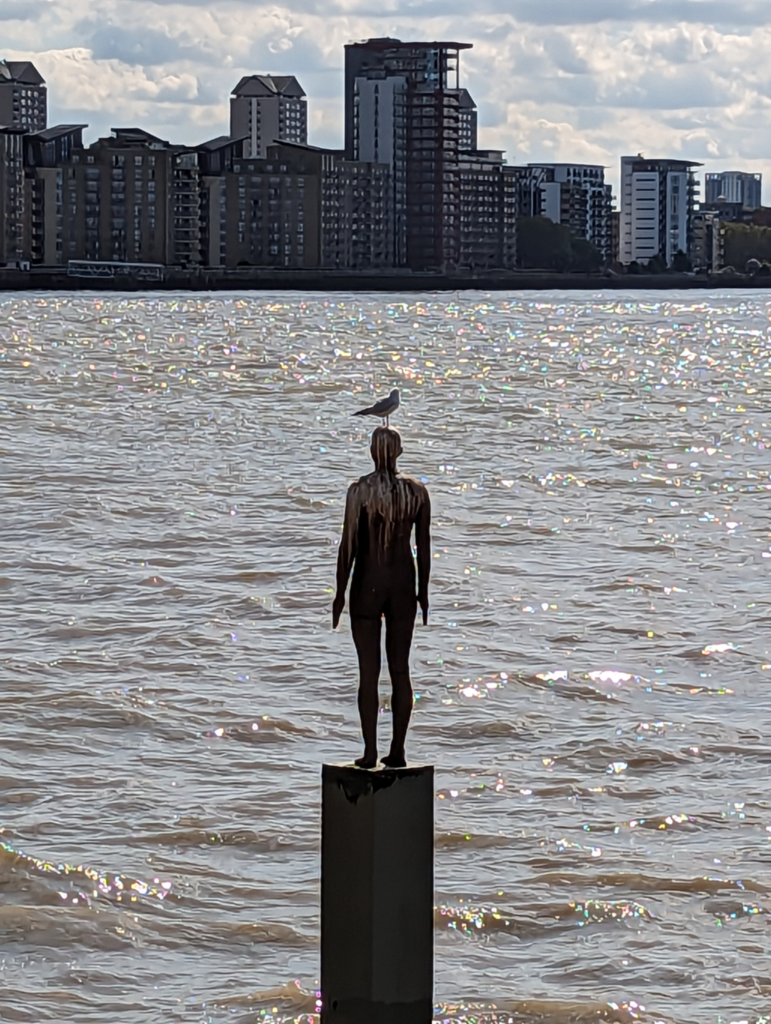
15. This statue stands in the river opposite The Grapes pub in Limehouse. Who is the sculptor?

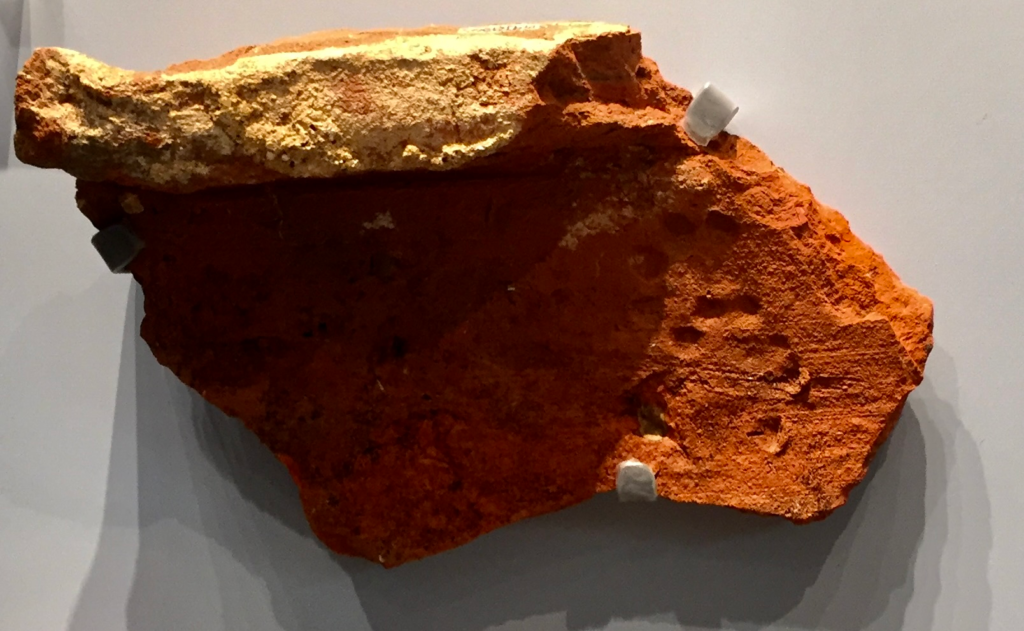
16. It’s believed that the Romans brought these animals to Britain and this one left its mark on a 2,000-year-old tile. What kind of animal was it?

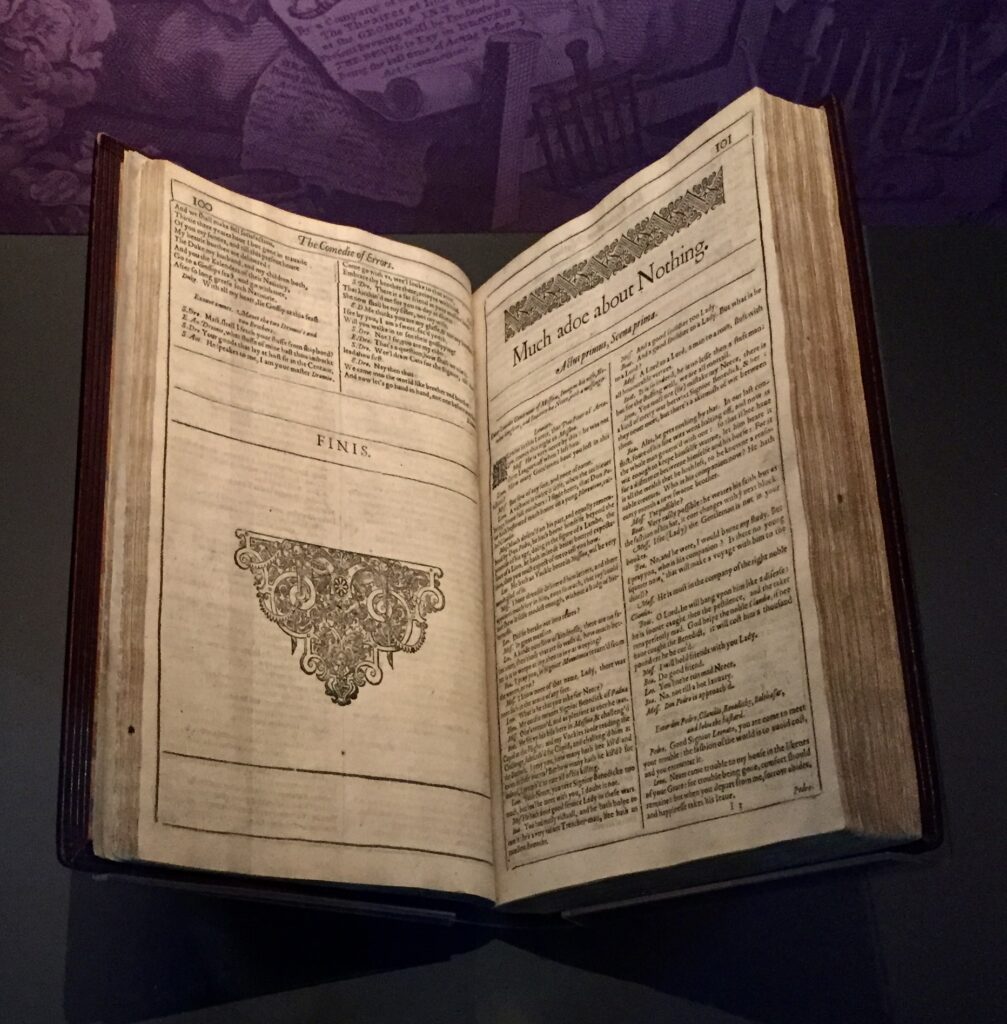
17. This book was published in 1623, seven years after Shakespeare’s death. It’s a collection of 36 of his works and was brought together by two of his friends, John Heminge and Henry Condell. What is it commonly known as?

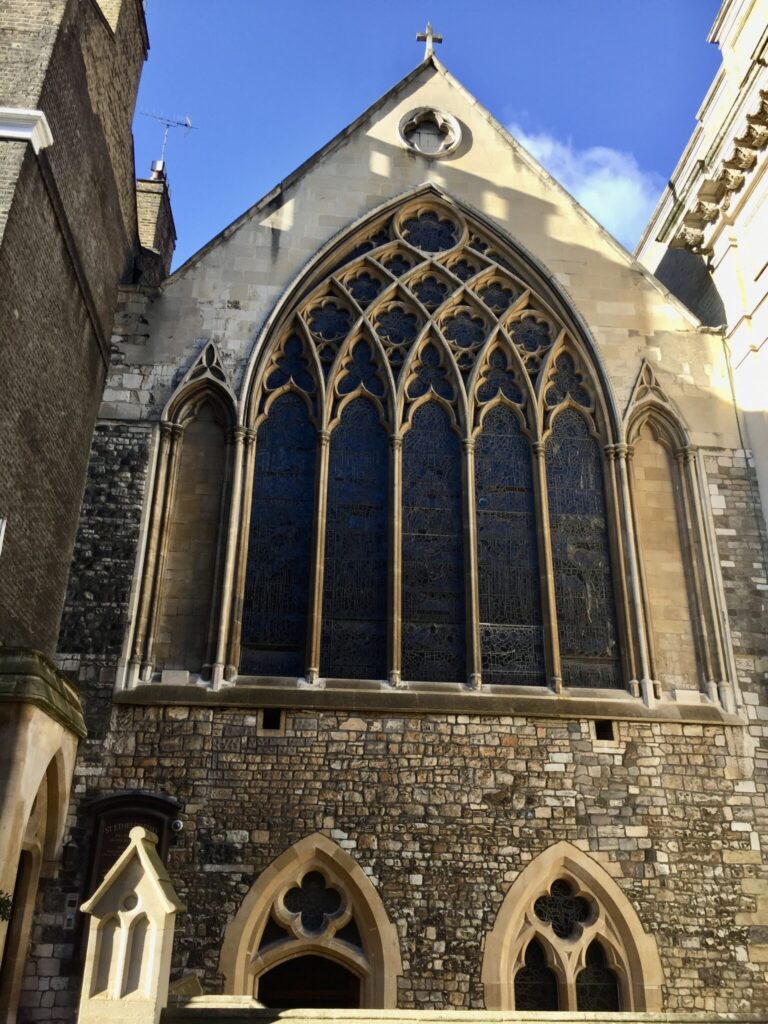
18. This is the oldest Catholic church in England and was once located on a vast estate owned by the Bishop of Ely. Where is it?

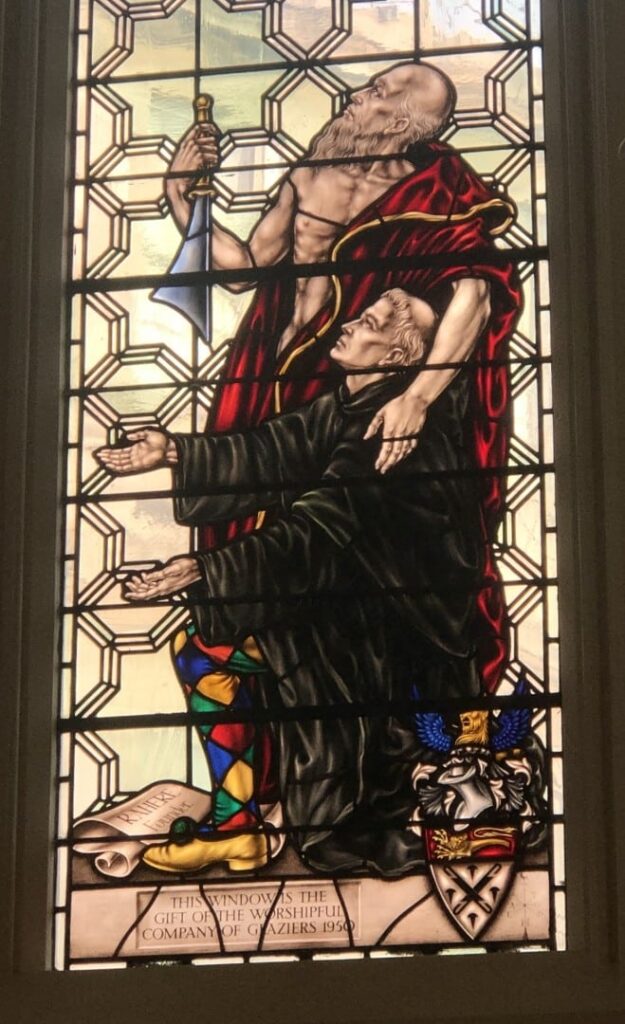
19. Represented in beautiful stained glass in the church of St Bartholomew the Less, who is the chap in the snazzy tights?

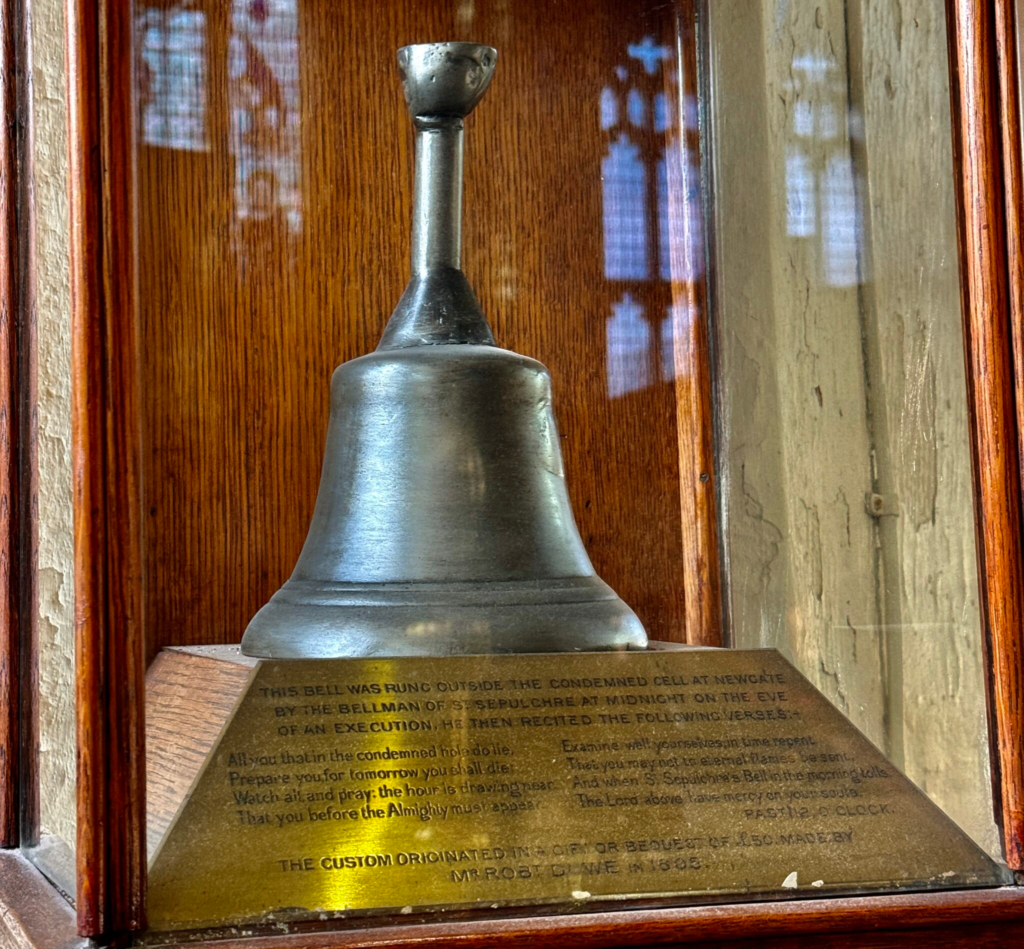
20. This bell, dating from the early 17th century and on display in the Holy Sepulchre church, has a morbid connection with Newgate Gaol. When and why was it rung?

The answers:

1. George Peabody (1795-1869). Read more about him here.

2. Southwark Cathedral. See more images here.

3. It’s the Worshipful Company of Glovers. Read more here about the St Margaret’s stained glass.

4. Tower Bridge. Read more here.

5. John Milton. He was not allowed to rest in peace – read more here.

6. Of course, it’s Gilbert and George.

7. Below the Old Bailey, the Central Criminal Court.

8. Sir Christopher Wren.

9. They are what is known as Bench Marks and indicate where the height above sea level has been calculated.

10. The Worshipful Company of Saddlers.

11. On Holborn Viaduct.

12. Brick Lane. The Latin roughly translates as ‘We are but shadows’. Read about more sundials here.

13. The firefighter crews based at the old Bishopsgate Fire Station.

14. The trade and profession was the newspaper industry. Commissioned by the Westminster Press Group in 1954, it represents the newspaper process with a newsboy (sales), printer and editor (or proprietor).

15. It’s a sculpture by Anthony Gormley and is one of a series entitled Another Time.

16. A Cat. Read all about a terrific new exhibition about Roman London here.

17. The First Folio. An original copy (and other fascinating Shakespeare related material) is on display at the Guildhall Art Gallery until 25th January 2024.

18. Ely Place.

19. Rahere, the founder of St Bartholomew’s.

20. In 1605, a wealthy merchant called Robert Dow made a bequest of £50 for a bellman from the church to stand outside the cells of the condemned at midnight, ring the bell, and chant as follows:

All you that in the condemned hole do lie, Prepare you, for tomorrow you shall die; Watch all and pray, the hour is drawing near, That you before the Almighty must appear; Examine well yourselves, in time repent, That you may not to eternal flames be sent: And when St. Sepulchre’s bell tomorrow tolls, The Lord above have mercy on your souls.

Read more about the church here.

If you would like to follow me on Instagram here is the link …
https://www.instagram.com/london_city_gent/

Page 1 of 3

Powered by WordPress & Theme by Anders Norén

Symbols & Secrets
Privacy Overview

This website uses cookies so that we can provide you with the best user experience possible. Cookie information is stored in your browser and performs functions such as recognising you when you return to our website and helping our team to understand which sections of the website you find most interesting and useful.