Walking the City of London

Category: Sculpture Page 43 of 44

St Stephen Walbrook: the Samaritans, Henry Moore and a brave doctor.

One day in 1936 a young priest officiated at his first funeral – a 14 year old girl who had killed herself because, when her periods started, she thought it was a sign of a sexually transmitted disease. That there seemed to have been no one she could talk to had a profound effect on him, but it was not until 18 years later that, as he put it,

I read somewhere there were three suicides a day in Greater London. What were they supposed to do if they didn’t want a Doctor or Social Worker … ? What sort of a someone might they want?

He looked at his phone, ‘DIAL 999 for Fire, Police or Ambulance’ it said …

There ought to be an emergency number for suicidal people, I thought. Then I said to God, be reasonable! Don’t look at me… I’m possibly the busiest person in the Church of England.

When the priest, Chad Varah, was offered charge of the parish of St Stephen in the summer of 1953 he knew that the time was right for him to launch what he called a ‘999 for the suicidal’. He was, in his own words, ‘a man willing to listen, with a base and an emergency telephone’. The first call to the new service was made on 2nd November 1953 and this date is recognised as Samaritans’ official birthday.
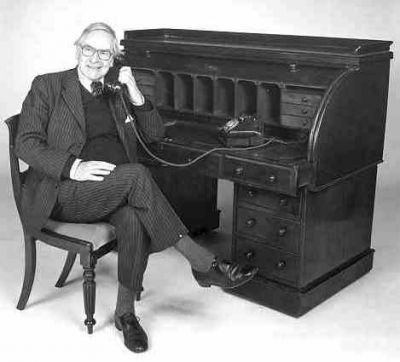
The Reverend Dr Chad Varah at his telephone – you just had to dial MAN 9000.

It soon became obvious that the volunteers, who used to keep people company whilst they were waiting to speak to Chad, were also capable of helping in their own right and in February 1954 he officially handed over the task of supporting the callers to them.

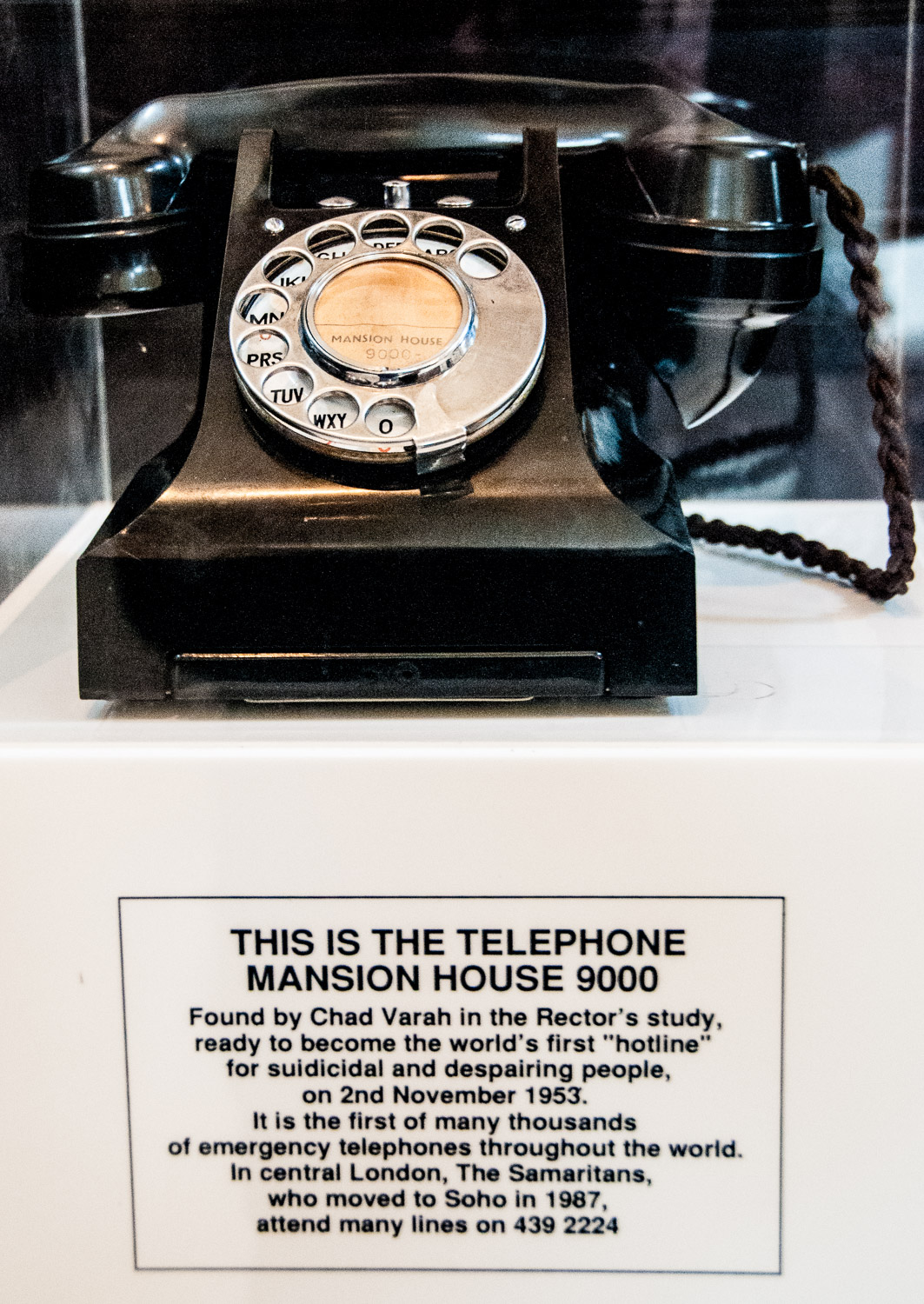
If you visit the church you can see the phone itself …
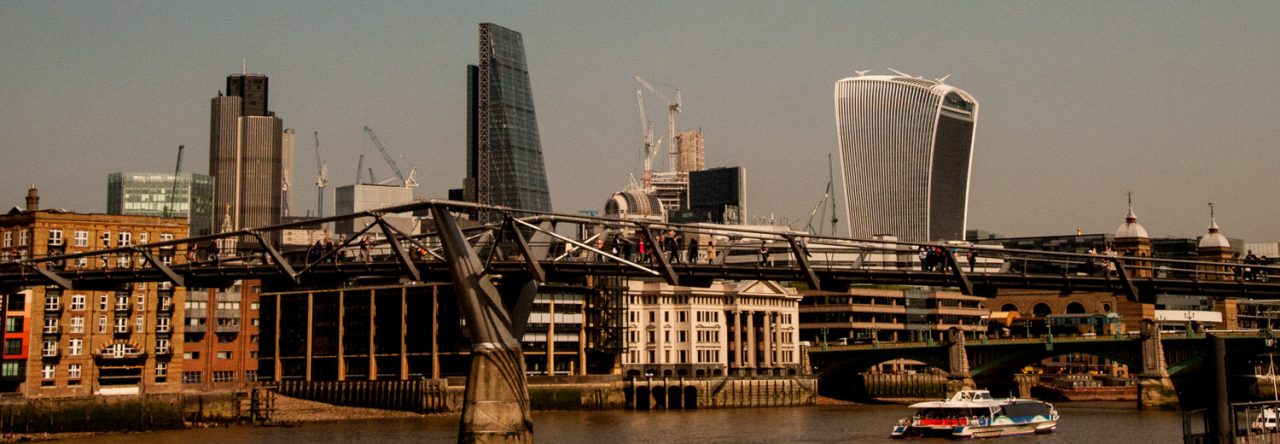
St Stephen Walbrook (rebuilt 1672-80) was one of Wren’s largest and earliest churches and the meticulous care taken with it might, some suggest, be because Sir Christopher lived next door. Incidentally, Mr Pollixifen, who lived on the other side, bitterly complained about the building taking his light. Maybe he was mollified when the the church’s internal beauty was revealed.

Views towards St Stephen’s have opened up since completion of the new development on Walbrook, which also houses a meticulously restored Temple of Mithras (see my 25th January blog: The Romans in London – Mithras, Walbrook and the Games).

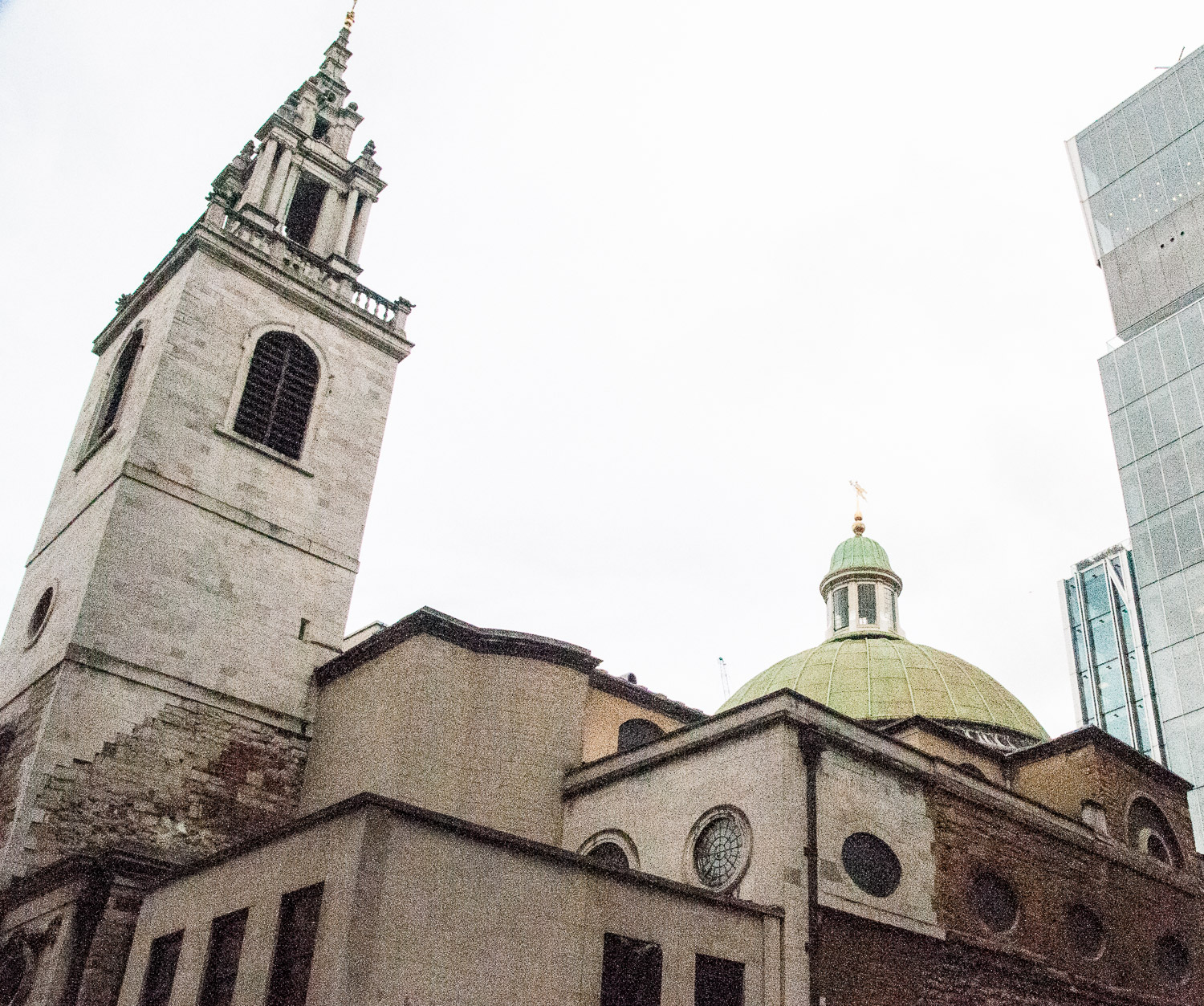
Looking at the exterior one can see the lovely green Byzantine style dome …
The interior is bright, intimate and stunning, old Victorian stained glass having been removed …
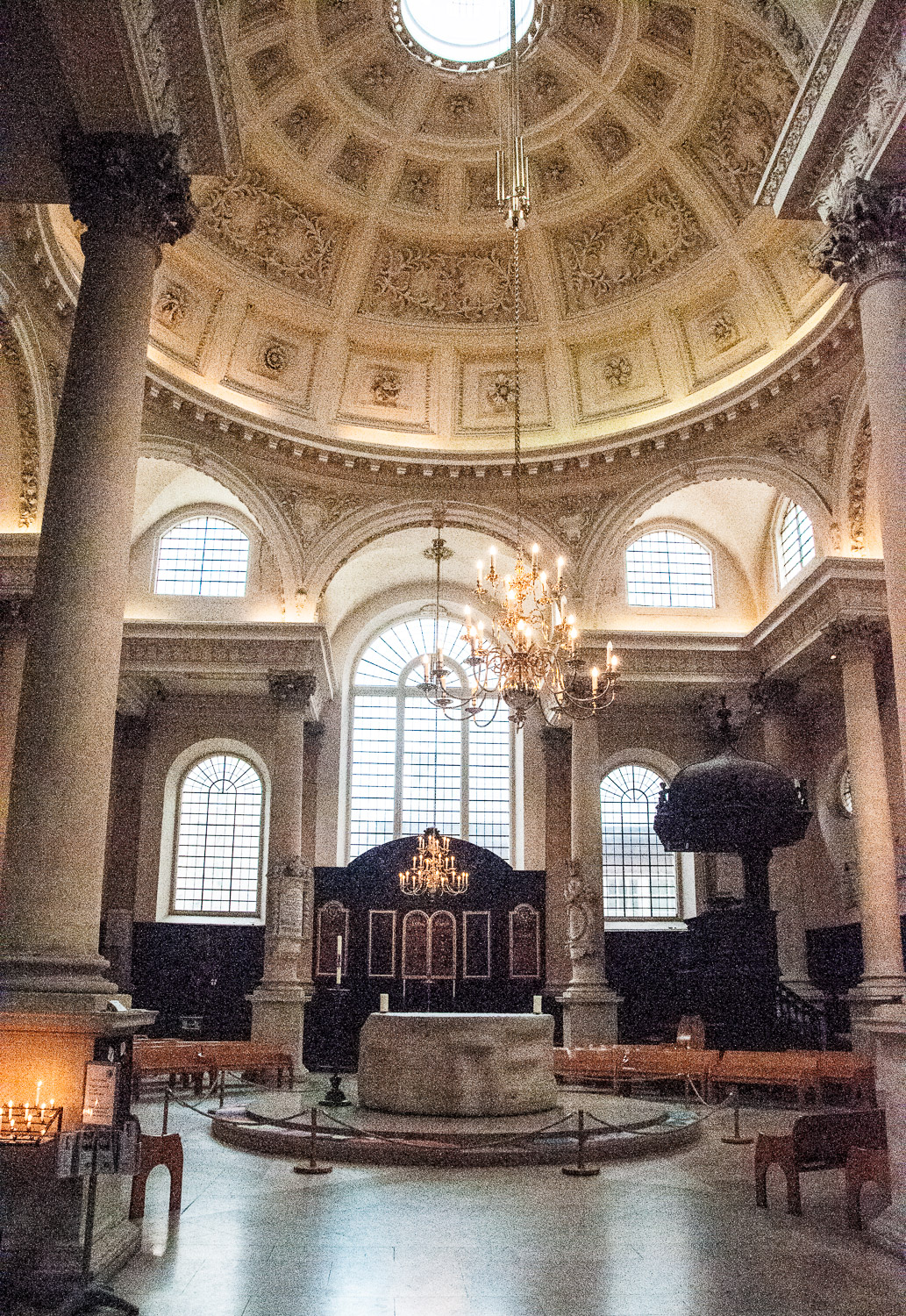
Wren’s dome and Sir Henry Moore’s altar

The dome was the first of its kind in any English church and a forerunner of Wren’s work on St Paul’s Cathedral. After being damaged in the Blitz the church was restored by Godfrey Allen in 1951-52. Controversy broke out when, between 1978 and 1987, the church was re-ordered under the sponsorship of churchwarden Peter (later Lord) Palumbo and a striking ten tonne altar by Sir Henry Moore was placed at its centre.

Sometimes I look at church memorial plaques and, if they are entirely in Latin, just rather lazily move on. In this case it was a big mistake since I was ignoring a tribute to a very brave man …
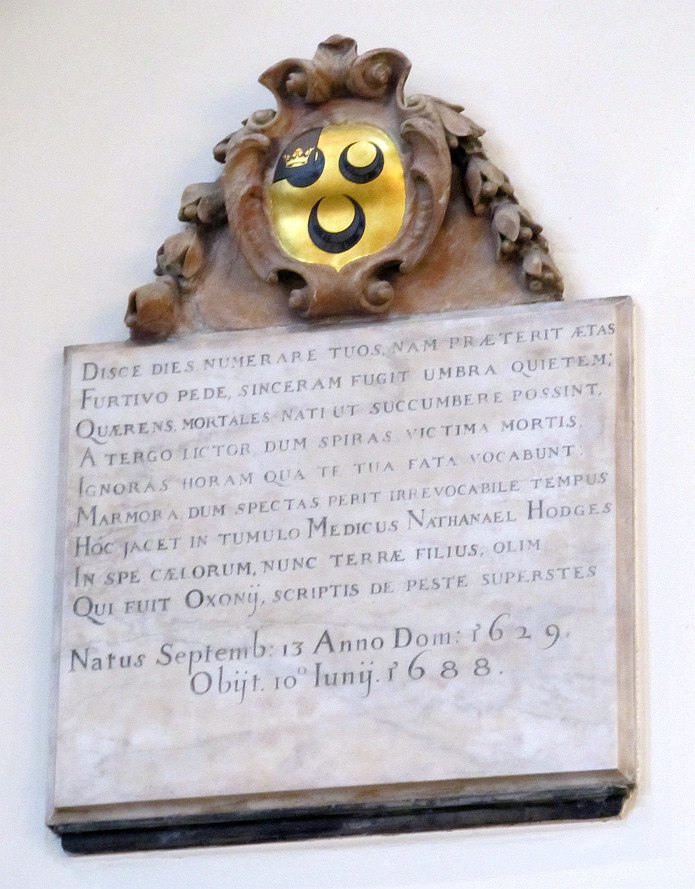
Dr Nathaniel Hodges’ memorial on the north wall. Photograph: Bob Speel.

Unlike many physicians, Dr Hodges stayed in London throughout the time of the terrible plague of 1665.

First thing every morning before breakfast he spent two or three hours with his patients. He wrote later …

Some (had) ulcers yet uncured and others … under the first symptoms of seizure all of which I endeavoured to dispatch with all possible care …

hardly any children escaped; and it was not uncommon to see an Inheritance pass successively to three or four Heirs in as many Days.

After hours of visiting victims where they lived he walked home and, after dinner, saw more patients until nine at night and sometimes later.

He survived the epidemic and wrote two learned works on the plague. The first, in 1666, he called An Account of the first Rise, Progress, Symptoms and Cure of the Plague being a Letter from Dr Hodges to a Person of Quality. The second was Loimologia, published six years later …
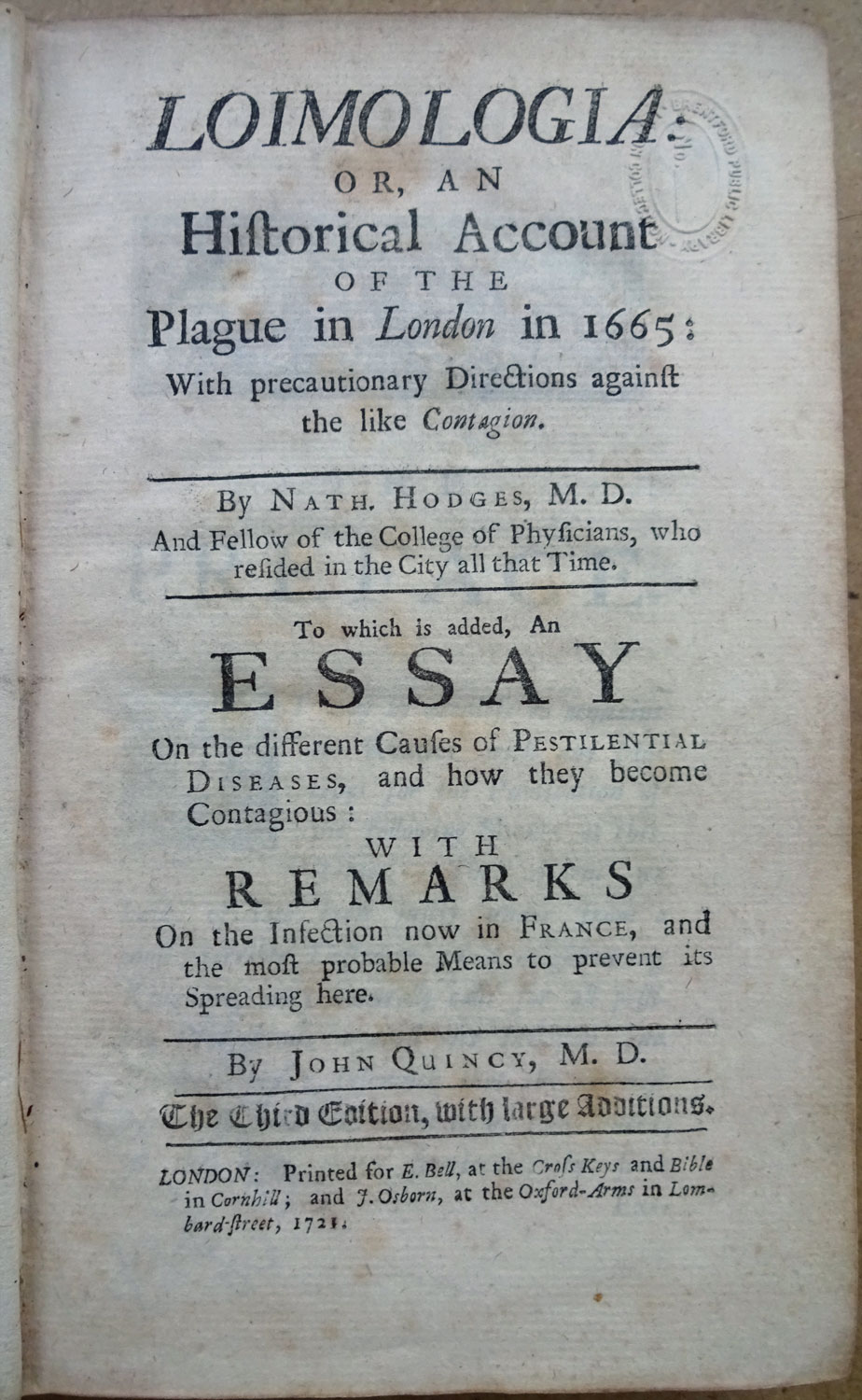
A later edition of Dr Hodges’ work, translated from the original Latin and published when the plague had broken out in France.

It seems particularly sad to report that his life ended in personal tragedy when, in his early fifties, his practice dwindled and fell away. Finally he was arrested as a debtor, committed to Ludgate Prison, and died there, a broken man, in 1688.



The Mysterious Panyer Boy – and other curiosities

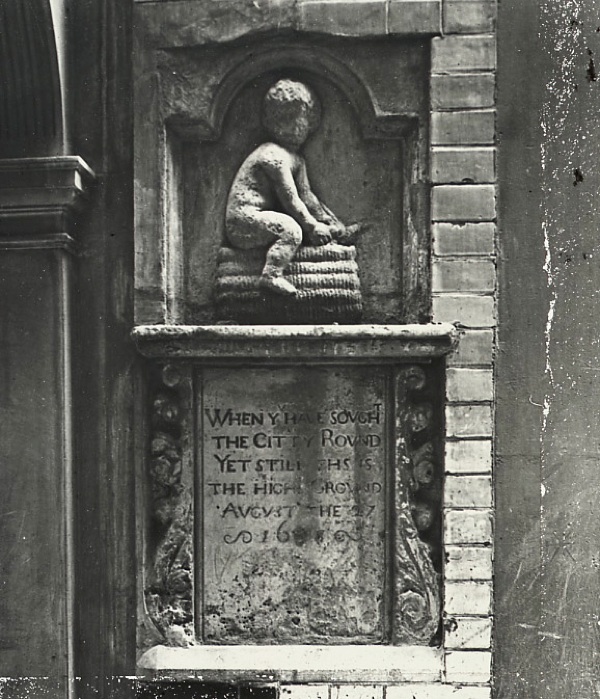
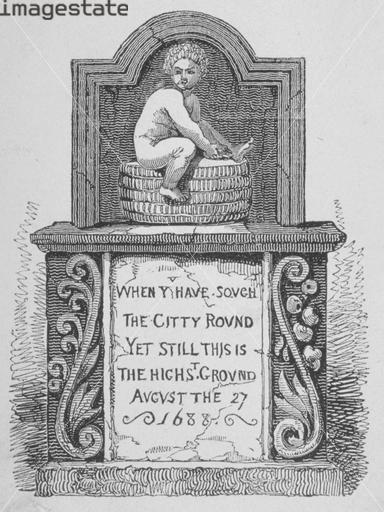
Here he sits in Panyer Alley, just beside an entrance to St Paul’s Underground Station, a naked little boy astride what looks like a basket, and a strange inscription precisely dated ‘August the 27 1688’. What is going on?

Sadly the little chap has become very eroded and damaged over the years, and it is pretty surprising that he has survived at all. After a bit of searching I have found a drawing of him, possibly from the 18th or 19th century, which may give us a better idea of what he used to look like …

The pedestal and scrollwork have now disappeared.

I have also found this old photograph, probably early 20th century …

For this picture and other really interesting photos, visit the ‘Spitalfields Life’ website and search for ‘Signs of Old London’.

As with all mysteries, there are many theories, but all are agreed that the sign really does date from the 17th century since this is acknowledged in trusted sources such as Thomas Pennant’s Of London (1790). What the boy is doing and what he represents are the areas where there is much dispute, for example:

‘Is he: sitting on a pannier (basket), or a coil of rope, or a woolsack, or a barrel?’

‘Is he holding: a bunch of grapes, or a loaf of bread, or his foot (perhaps pulling out a thorn – apparently the carving was once known locally as ‘pick my toe’)?’

‘Does he represent: the bread market that was here in medieval times, and at nearby St Martin’s Le Grand, or the sign of a brewhouse (brewery)? There was a Panyer brewhouse recorded nearby as long ago as 1426.’

‘Does he have any connection whatsoever to the claim to the highest ground?’.

I don’t know the answer to these questions, but one thing that is certain is that this is not the ‘highest ground’ in the City, that description nowadays belongs to Cornhill.

Nearby on the north west corner of Warwick Lane is a small bas-relief of Guy, Earl of Warwick. It is believed that the lane was so named since it was the location of the Warwick Inn owned, not surprisingly, by the Earls of Warwick.

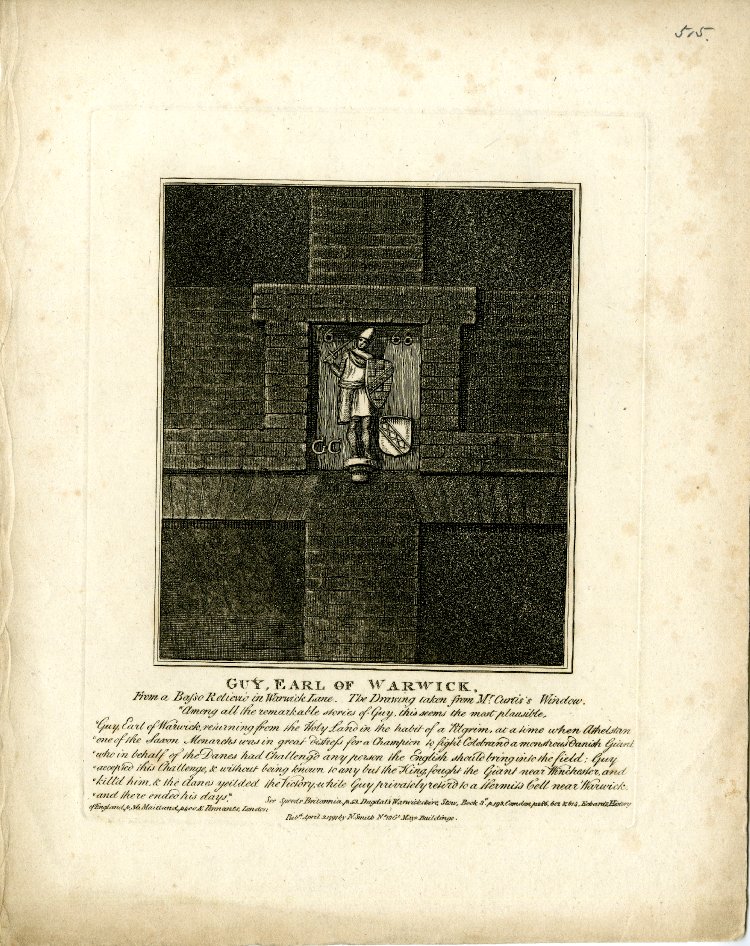
The knight represented is the 10th Earl (c.1272-1315) and the British Museum archives hold a picture of the carving as it was illustrated in Antiquities of London (1791) …

Copyright : British Museum

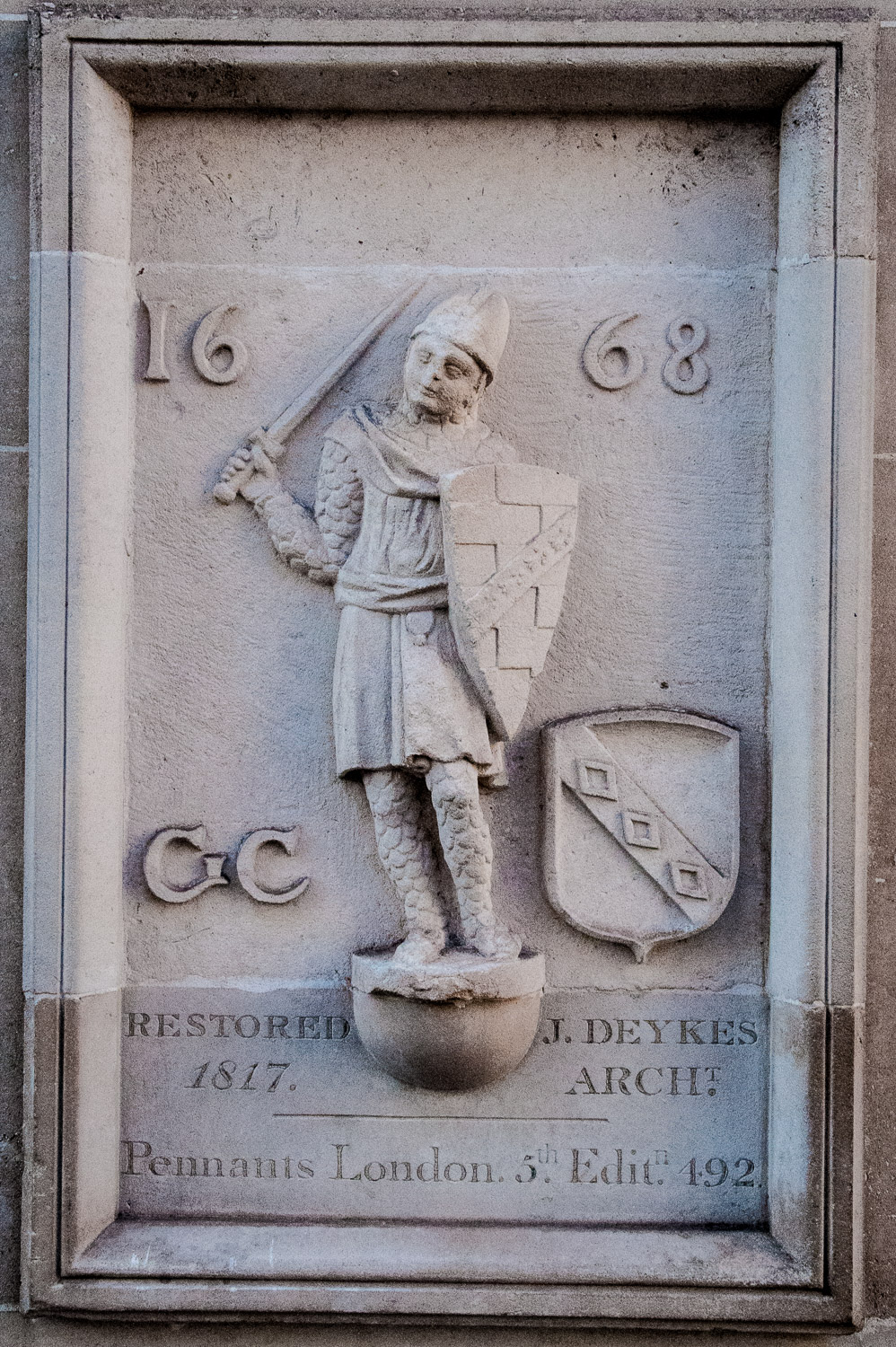
And here is how it looks now …

You can see that the top and bottom sections of the present-day relief were added later, most likely at the time of a restoration in 1817 by John Deykes (an architect and surveyor). Pennants London is a book published in 1805 and its 5th edition (1815) gets a mention on the relief, right down to the page number where  the carving is discussed (492). Maybe the publisher paid for the restoration in return for this smart piece of advertising?

Incidentally, whilst researching the Warwicks I came across this reference to the Warwick Inn. Neville, the 16th Earl …

At a meeting of the great estates of the realm in 1547 … lodged himself  (there) with 600 men where, says Stowe, ‘there were oftentimes six oxen eaten at … breakfast, and every tavern was full of his meat; for he that had any acquaintance in that house, might have there so much of sodden [boiled] and roast meat, as he could prick and carry upon a long dagger.’

Now that’s what I call a buffet.

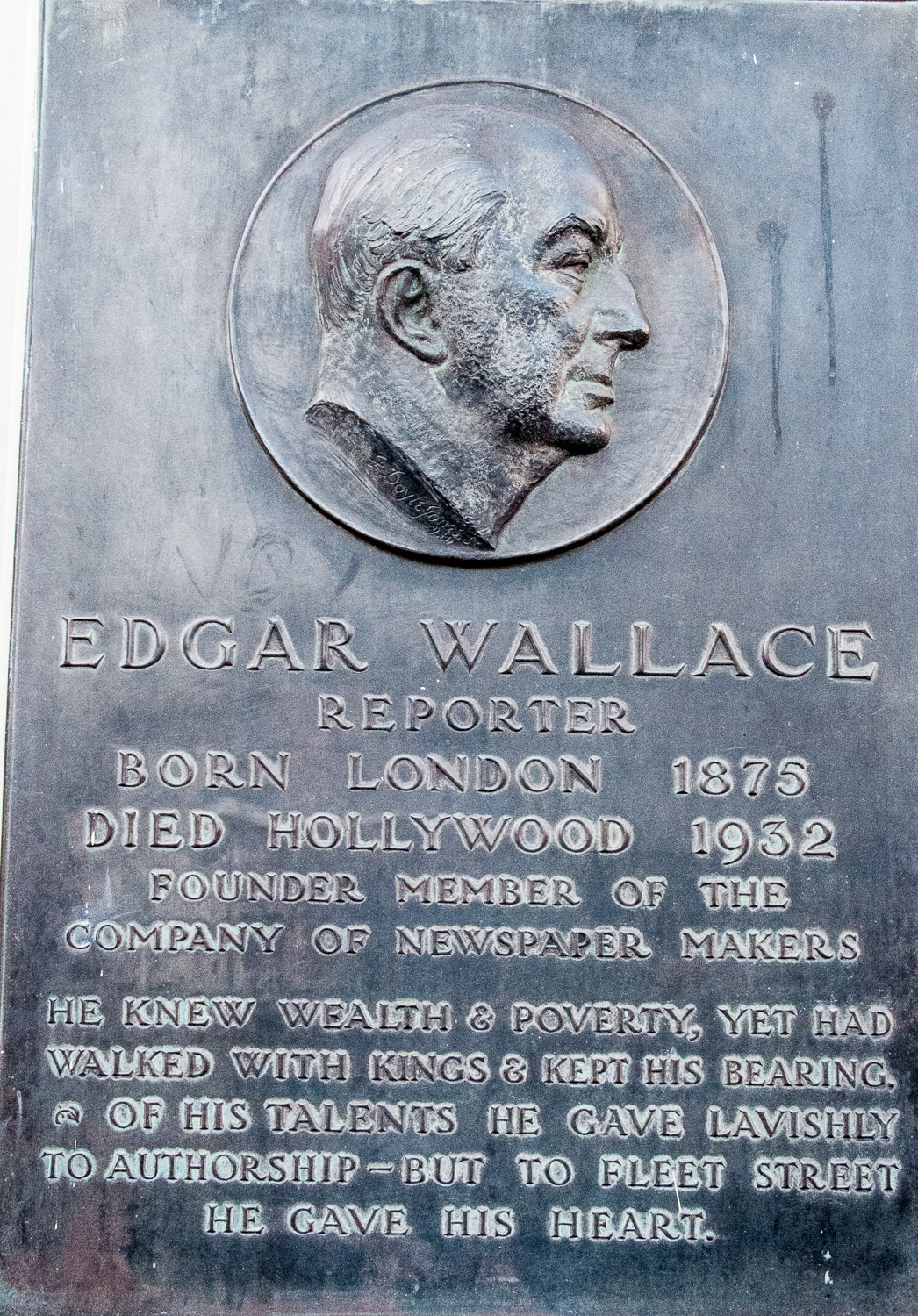
On the north west side of nearby Ludgate Circus is this memorial plaque. Wallace sold newspapers on this corner when he was eleven years old …

The memorial is by F.W. Doyle-Jones (1934)

Born out of wedlock in Greenwich in 1875, and with both of his parents itinerant actors, he was adopted by a kindly Billingsgate fish porter and his wife. Asked by a journalist years later to contribute to a celebrity feature entitled ‘What I Owe My Parents’, Wallace replied on a postcard:

‘Sorry, cock, I’m a bastard’.

Despite such a challenging start to life (or perhaps because of it) his story is extraordinary. As well as journalism, Wallace wrote screen plays, poetry, historical non-fiction, 18 stage plays, 957 short stories, and over 170 novels, By 1926, he was knocking out 18 novels a year and by 1929, he was up to 34, and it was claimed that a quarter of all books read in English were by him.

When he turned to writing fiction in 1905 he told his wife he would give his readers :

 ‘Crime and blood and three murders to the chapter; such is the insanity of the age that I do not doubt for one moment the success of my venture.’

More than 160 films have been made of Wallace’s work and he sold over 50 million copies of his combined works in various editions, The Economist describing him as ‘one of the most prolific thriller writers of [the 20th] century’.

So why is he hardly known at all now compared to his overlapping contemporaries Arthur Conan Doyle and Agatha Christie? His biographer, Neil Clark, sees him as a victim of literary snobbery, being one of the first crime writer to come from a working-class background. Another factor may be that the characters of his investigators, JG Reeder and the gloomy Inspector Elk, were not as seductive as Holmes, Poirot or Maigret. For example, Elk was introduced in The Fellowship of the Frog as ‘tall and thin, a slight stoop accentuated his weediness.’

Wallace’s last piece of work was on one of the most famous movies of all time …

In 1931 RKO invited him to Hollywood to work on an idea that Wallace would generously credit to the director, Merian C. Cooper. However, as Neil Clark makes clear in his biography, the Bodleian’s existing script shows that Wallace conceived the ‘beauty and the beast’ motif himself, the climb up the Empire State building and the aeroplane attack.

He also created the final scene …


‘Kong opens his eyes, picks the girl up, holds her to his breast like a doll, closes his eyes and drops his head,’

Wallace died in Hollywood on 10th February 1932 after falling into a diabetic coma, compounded by double pneumonia, from which he never recovered.

And finally, would you like a close look at a piece of work by the pioneering modern sculptor Jacob Epstein?

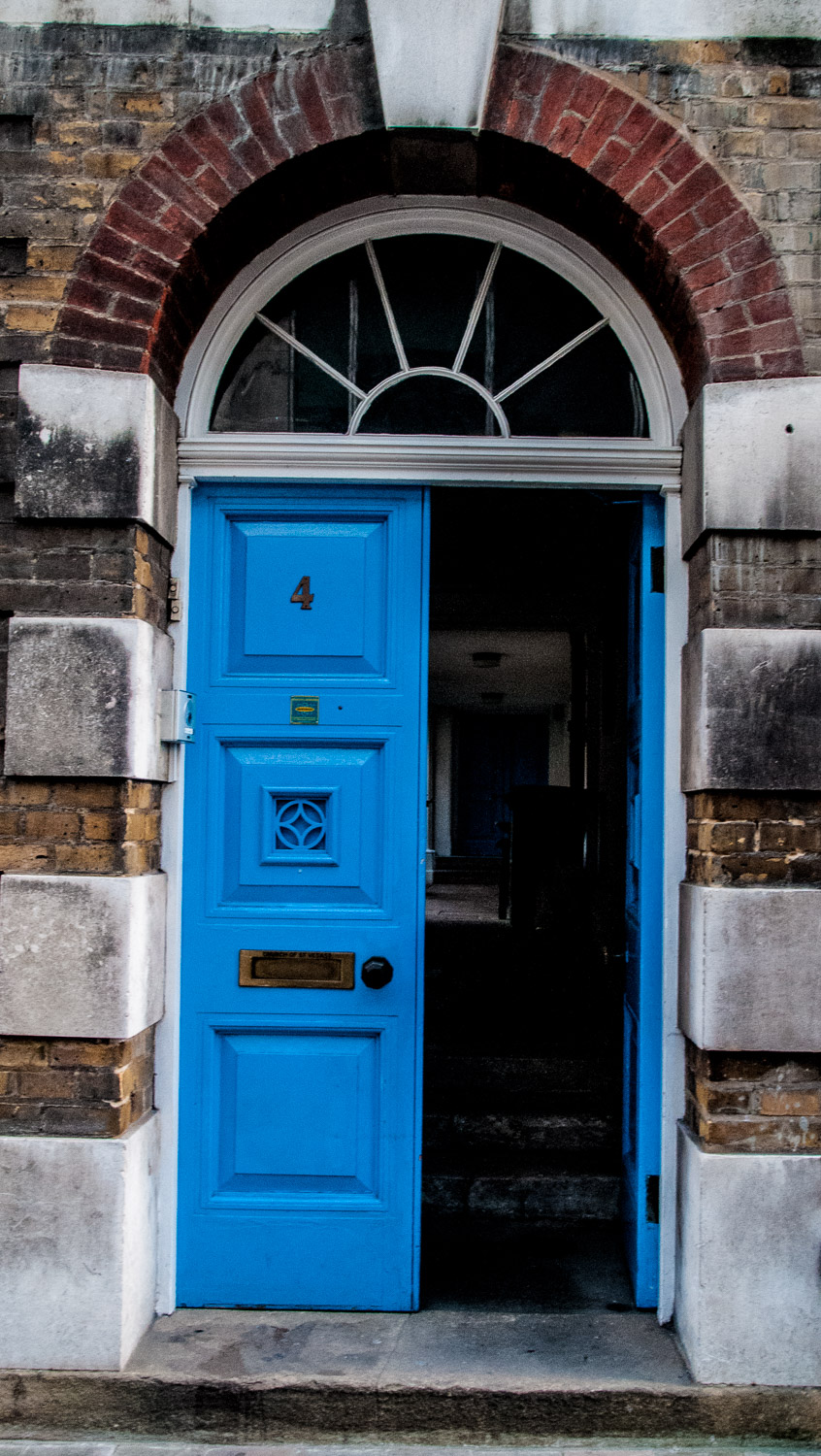
Once again, as in previous blogs, I invite you to pass through the blue doors in Foster Lane to the lovely tranquil garden of St Vedast-alias-Foster  …

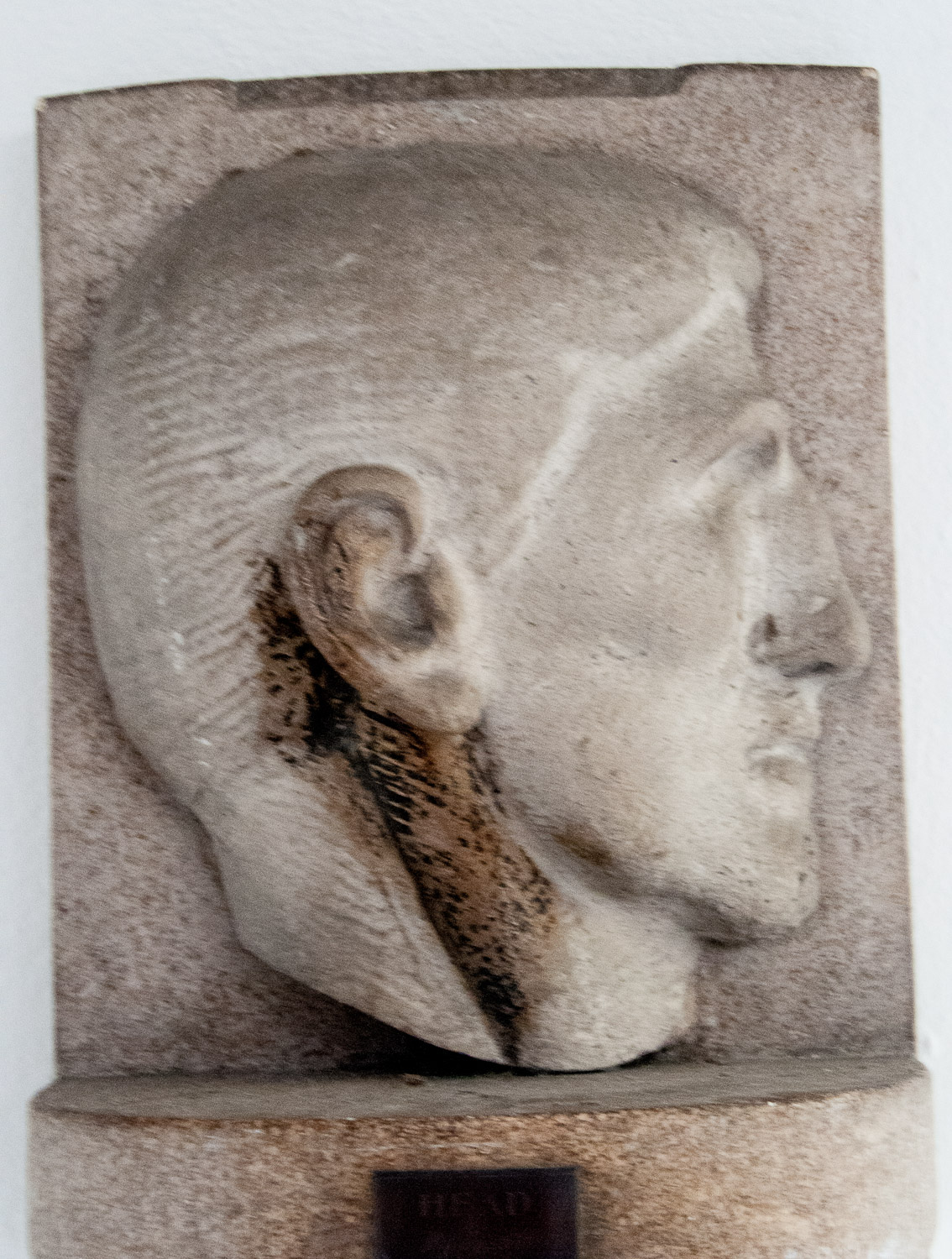
In the corner you will find Epstein’s Head and Shoulders of Canon Mortlock (1936)…

Mortlock was a personal friend of Epstein’s and also of Max Mallowan (Agatha Christie’s husband) who gave him the cuneiform marked tablet also displayed in the churchyard – see my blog City Churches and Churchyards – more Tales of the Unexpected.


The Romans in London – Mithras, Walbrook and The Games

My two Roman London blogs this month are in celebration of the opening of the London Mithraeum in Bloomberg Space, Walbrook, which I enjoyed tremendously when I visited last week.

If you want to immerse yourself more completely in the Mithras Temple story, you might like to call in to the Museum of London beforehand and view the treasures there from the Walbrook excavation. I have put together a small selection.

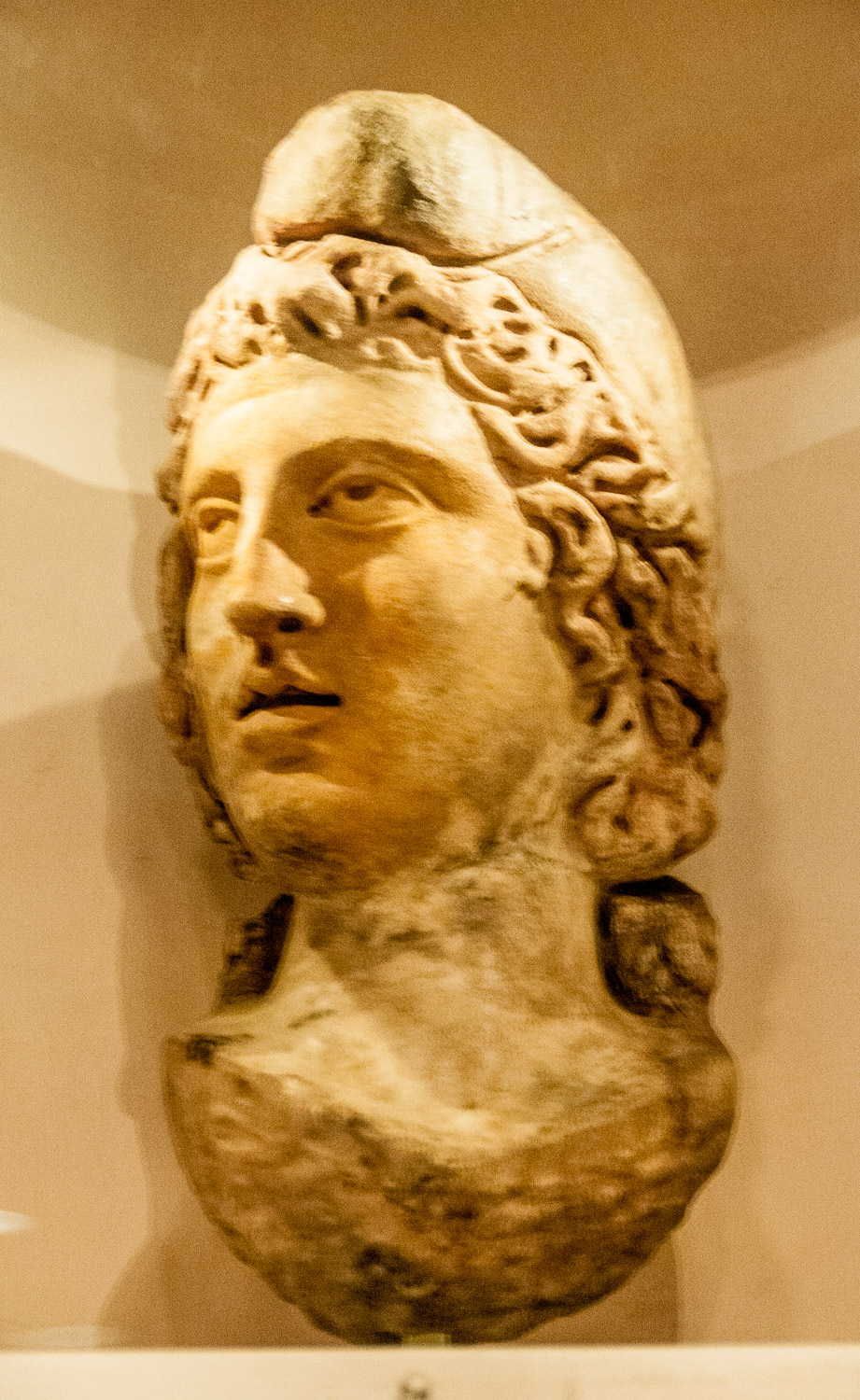
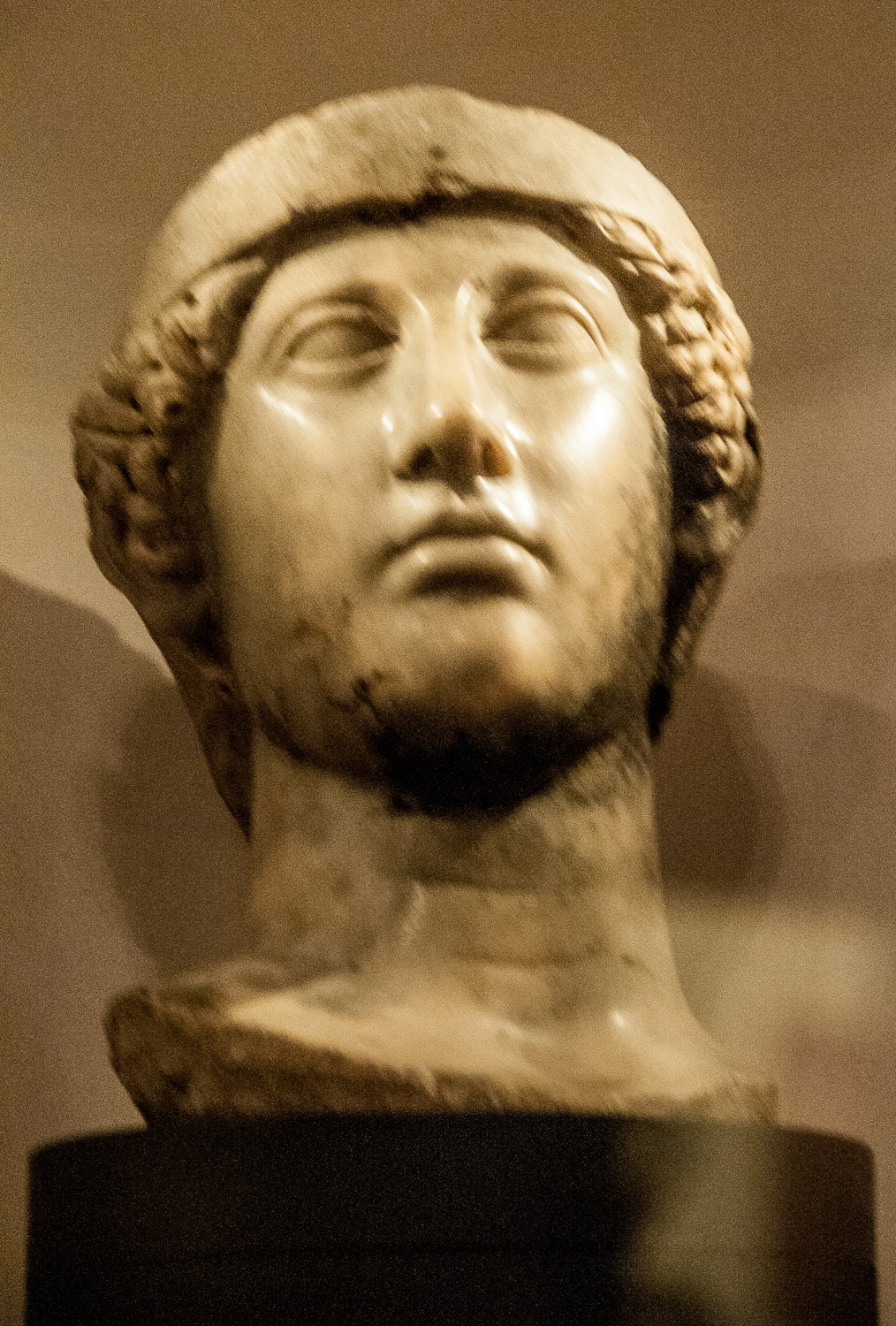
There is this head of Mithras …

Head of Mithras, marble, late 2nd century

He is shown as a handsome youth, the head probaly part of a large sculpture forming a focal point at the apse end of the Temple.

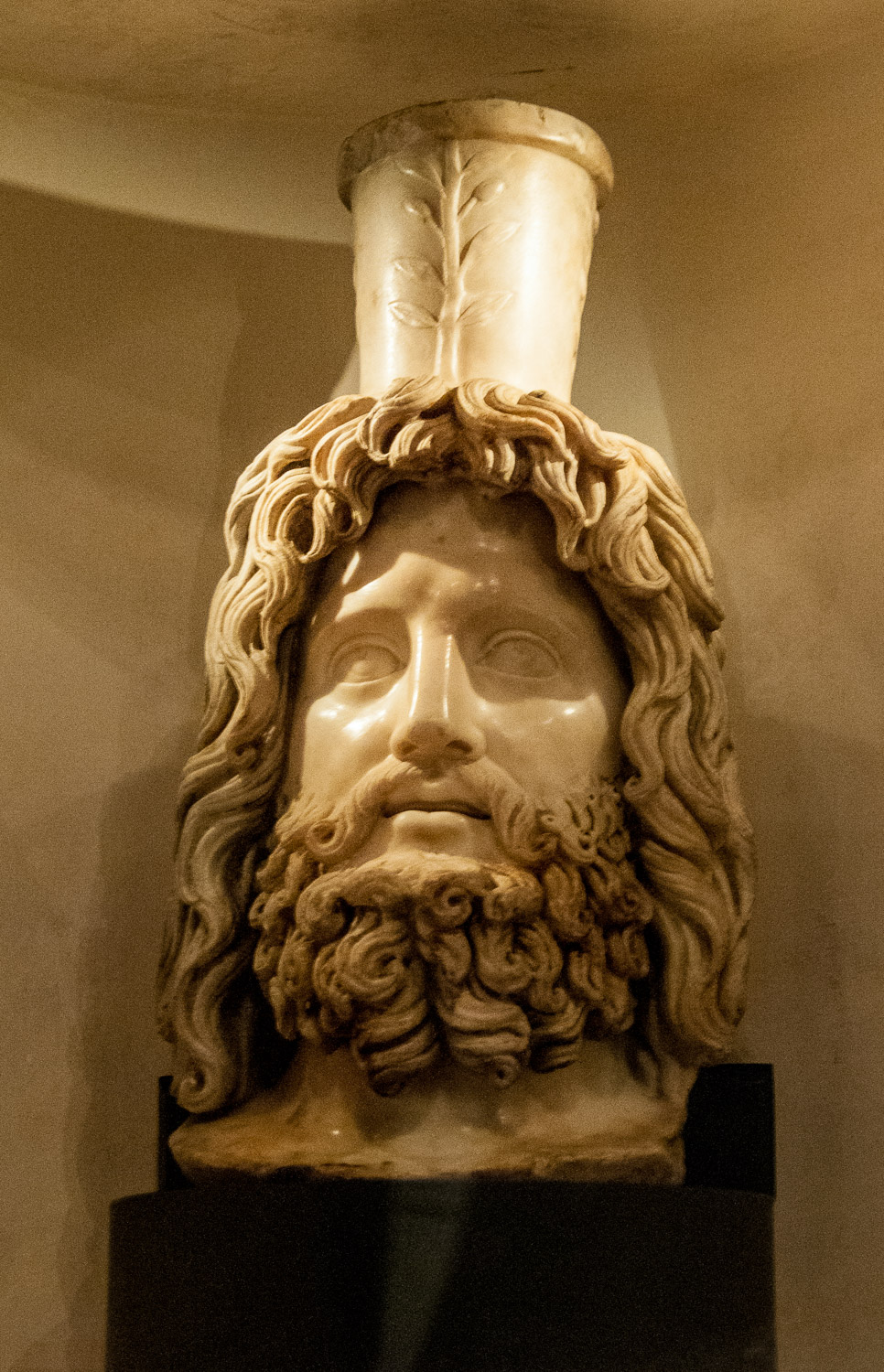
Serapis, the Egyptian God of the Underworld, was also represented …

Head of Serapis, marble, late 2nd – early 3rd century

He carries a corn measure on his head symbolising the wealth and fertility of the earth.

And Minerva, the Roman Goddess of Wisdom …

Head of Minerva, marble, early 2nd century, possibly AD 130

Again, the head was probably originally part of a larger statue.

So now on to the Mithraeum itself at 12 Walbrook. Entry is free but you must book a time slot in advance using the website.

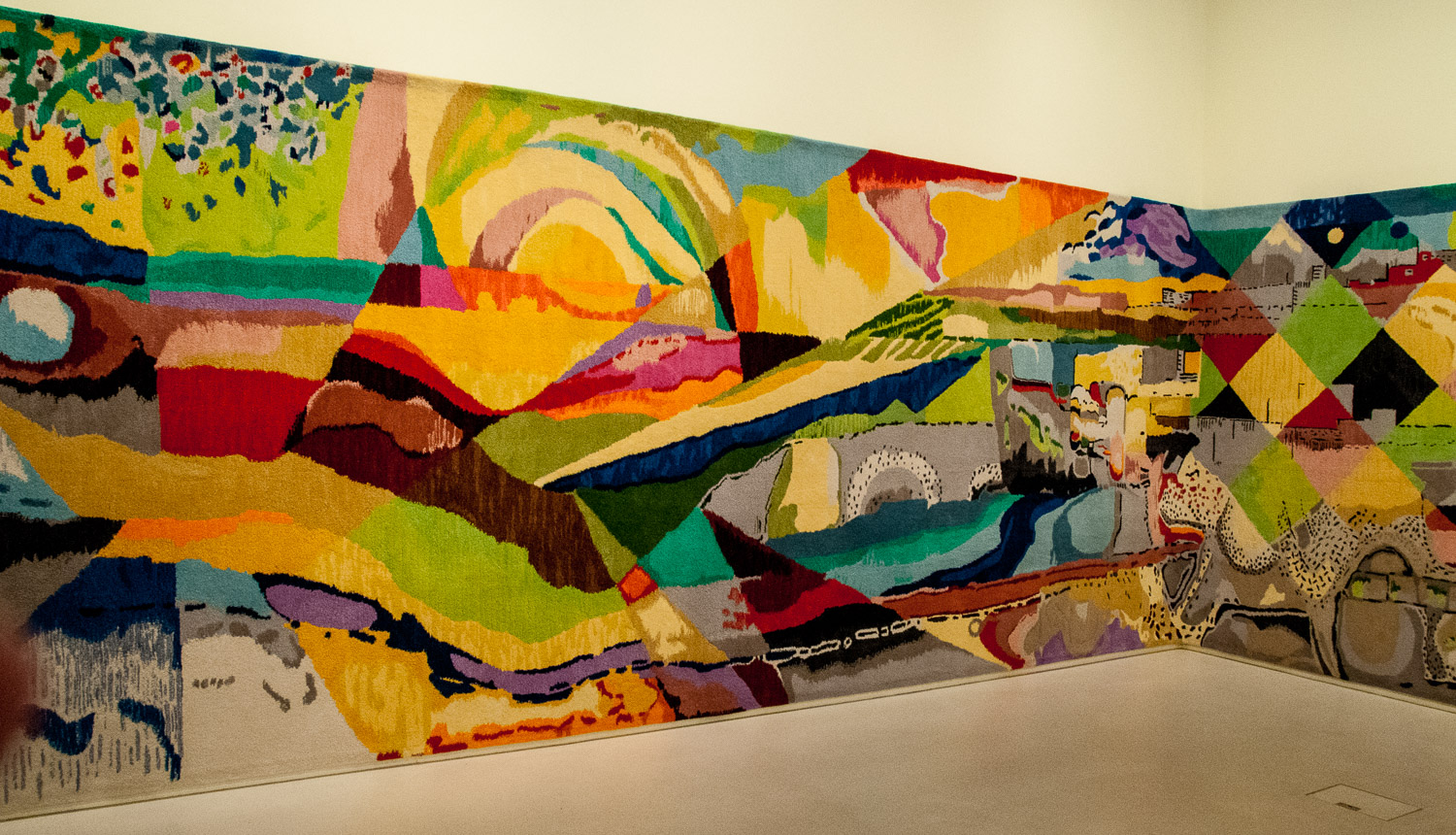
The first thing you see is this stunning tapestry by Isabel Nolan …

Another View from Nowhen, 2017

There are helpful guides ready, and very willing, to introduce you to the Mithraeum, explain the tapestry and an accompanying sculpture, and hand you an excellent printed guide. There is a well organised display of Roman artefacts which can be explored using your own mobile device, a tablet that they provide, or just by reading the labels. Unfortunately I couldn’t get a good enough photograph of these for the blog – please take my word for it that they are fascinating.

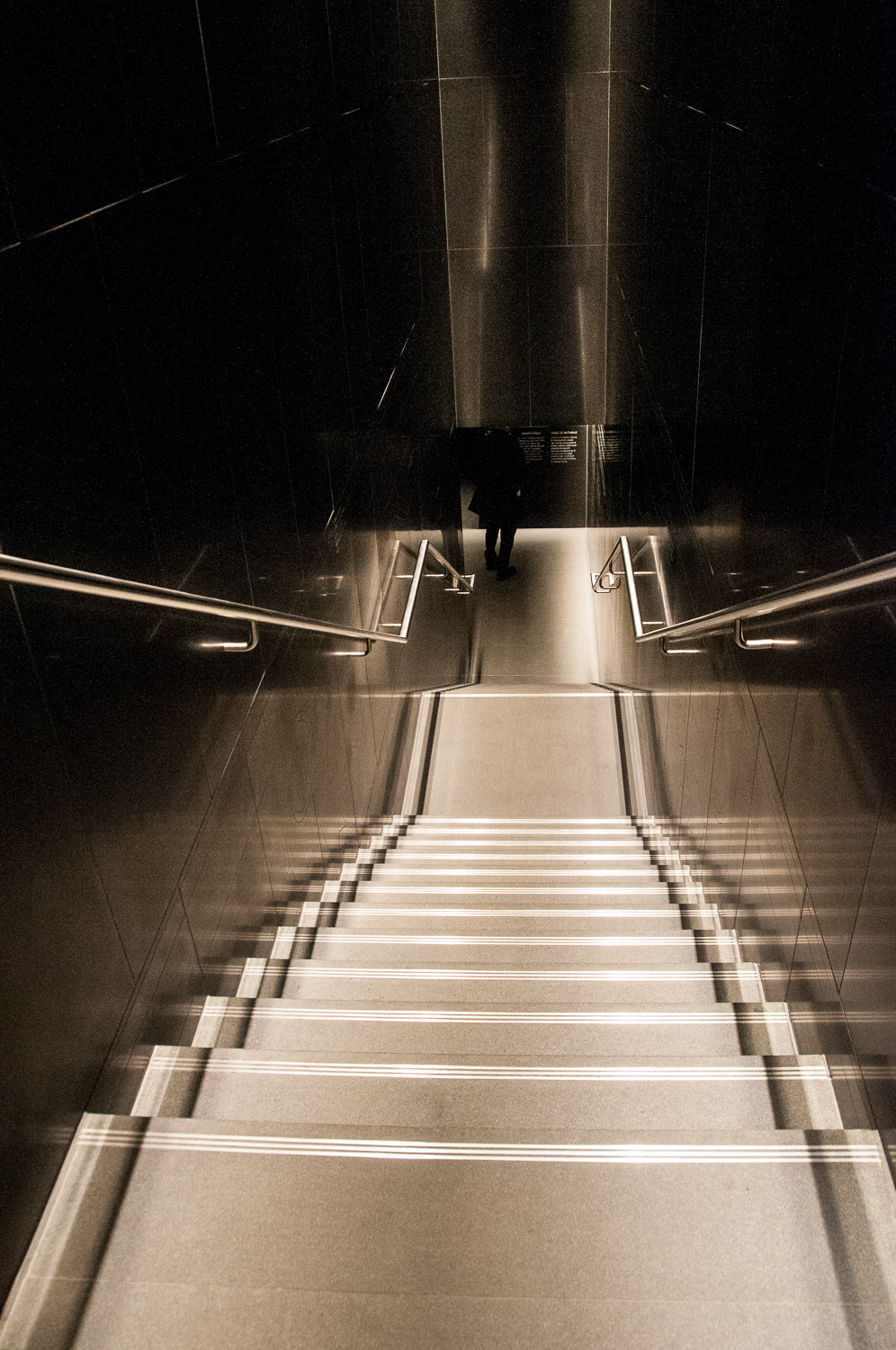
Then you are ready to descend through time, seven metres or so, from modern London to the very last days of the Romans in Britain, about AD 410.

Various levels of history are inscribed on the wall as you descend – there is also step-free access

At mezzanine level there is a further exhibition consisting of a reproduction of artefacts from the site including, of course, the head of Mithras, and a helpful commentary.

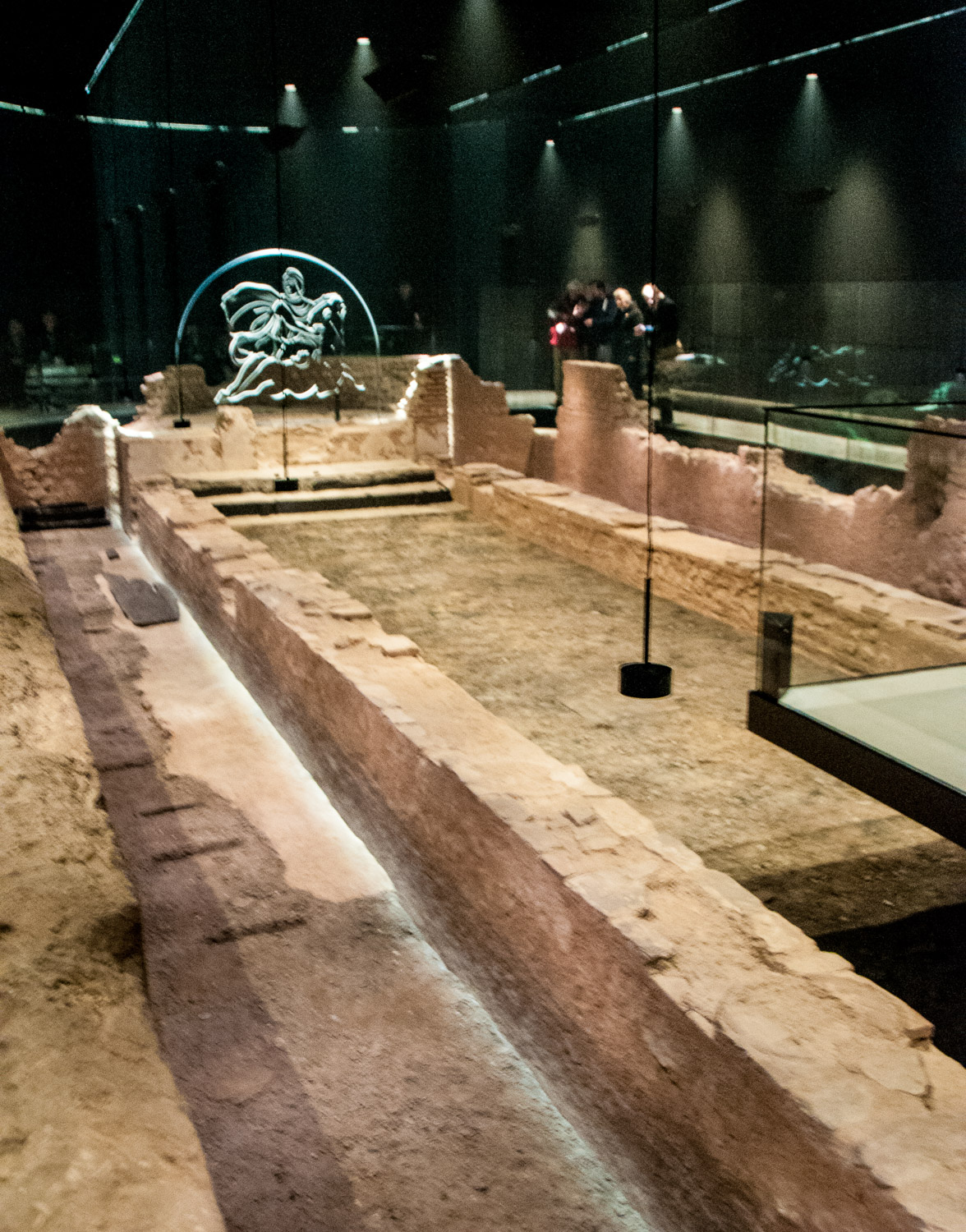
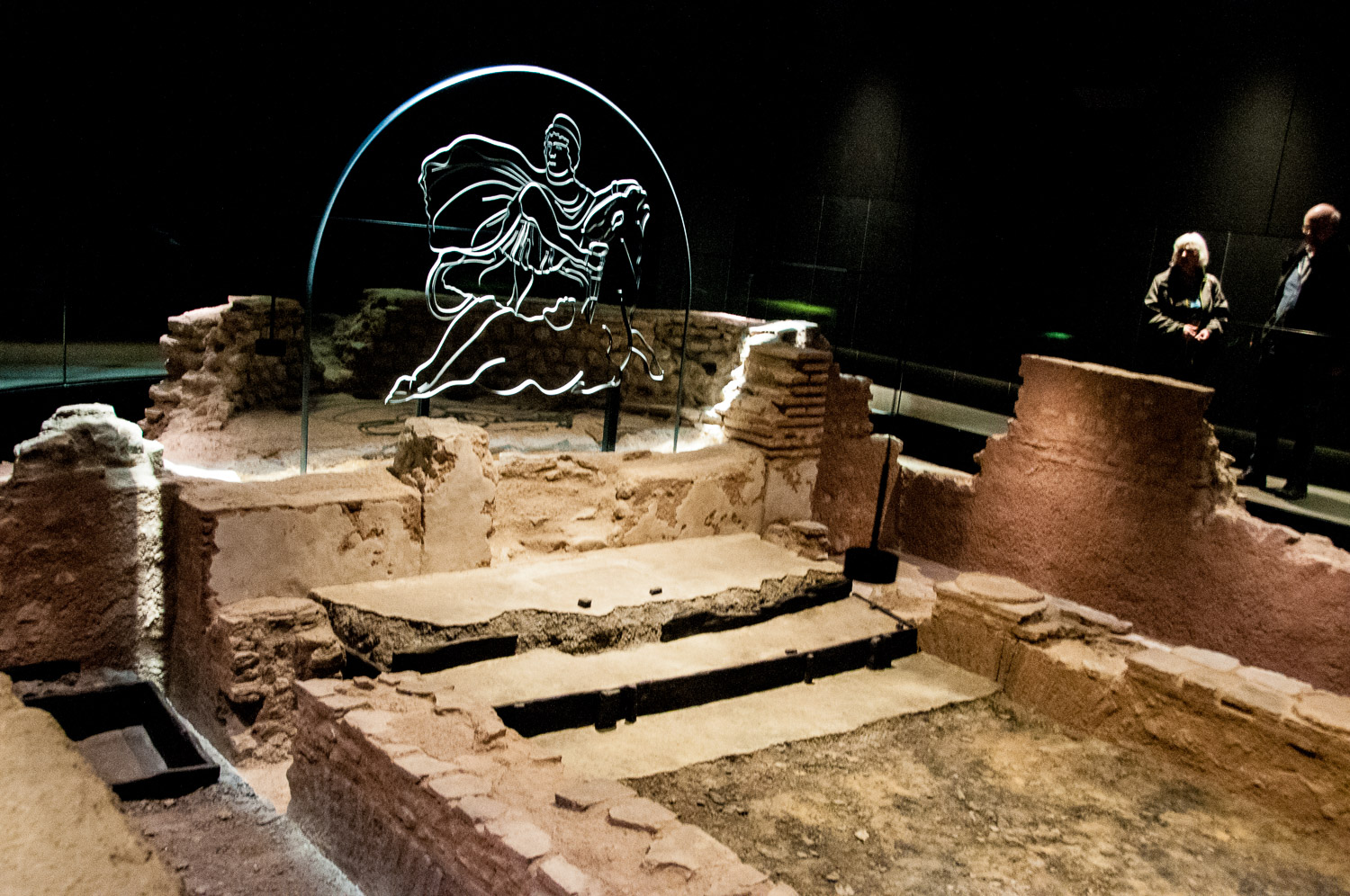
You then descend further to see the Temple itself. Initially it is dark and shrouded in mist but, as this gradually clears to the sound of evocative chants, you will see an accurate reconstruction of the ruin as it was on the last day of excavation in October 1954.

All the stone that you see and most of the bricks are from the original structure

The central icon of the cult is Mithras killing a bull

All I can say is ‘well done Bloomberg’.

The Walbrook stream played a very important part in the establishment of Roman London. Originating in what is now Finsbury Park, it carried fresh water in to the walled City and carried waste away to the River Thames. As the City developed it became imprisoned underground.

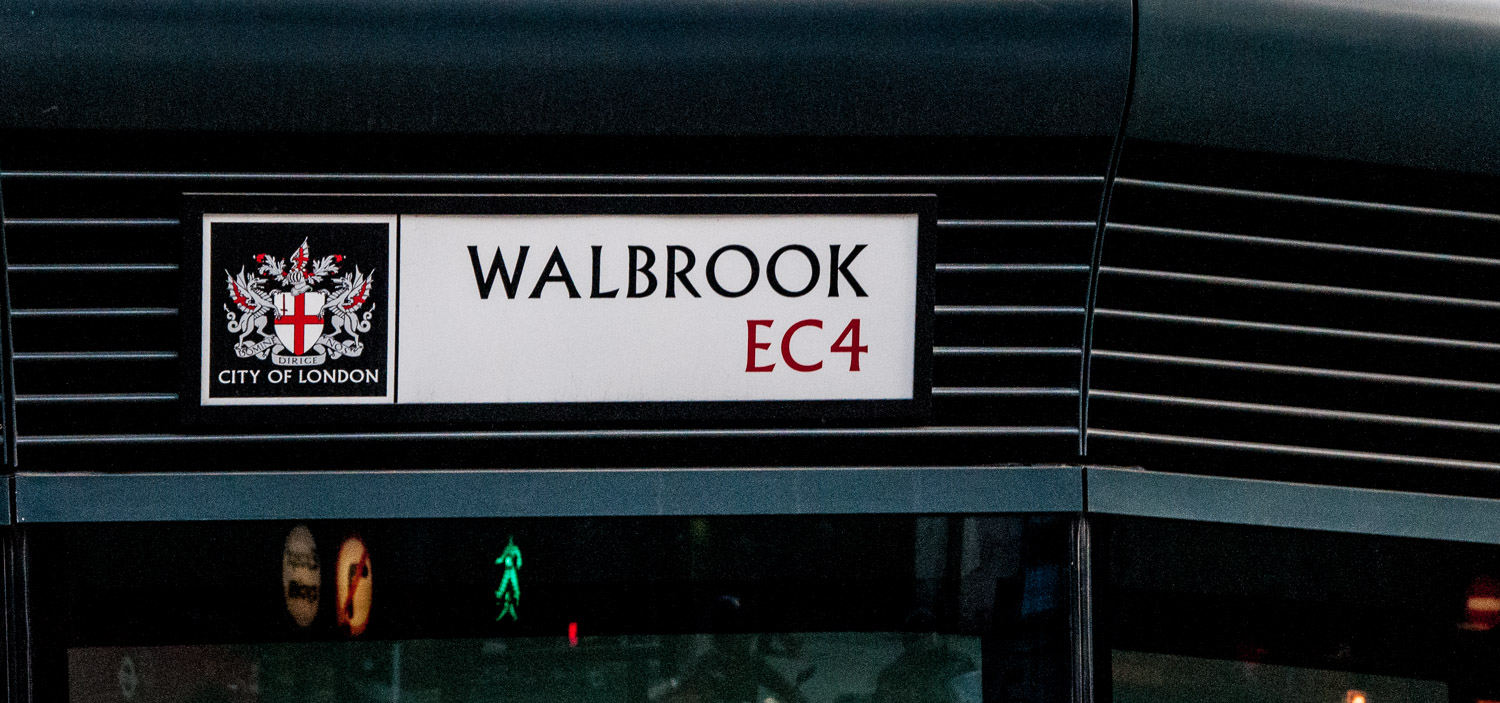
The stream lives on in the name of the street

The area has been difficult to access lately because of construction work, but is now a new open space and I took the opportunity to explore.

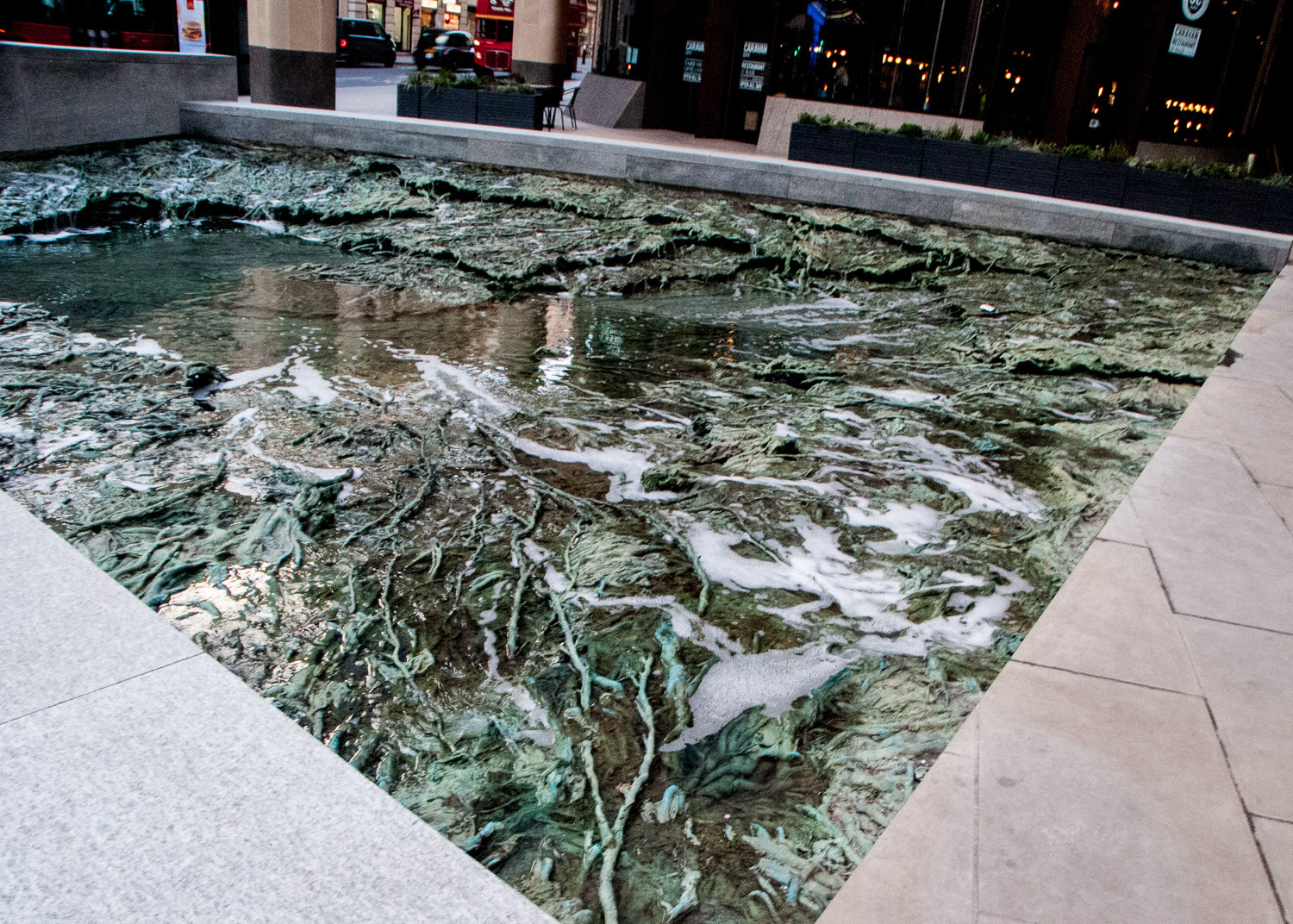
What a wonderful surprise! It looks like the Walbrook is flowing again above ground through the City…

Alongside Cannon Street

Parallel to Queen Victoria Street

Entitled Forgotten Streams, and cast in bronze, the Spanish artist Cristina Iglesias took as her inspiration the ancient Walbrook itself. It looks very authentic and quite beautiful.

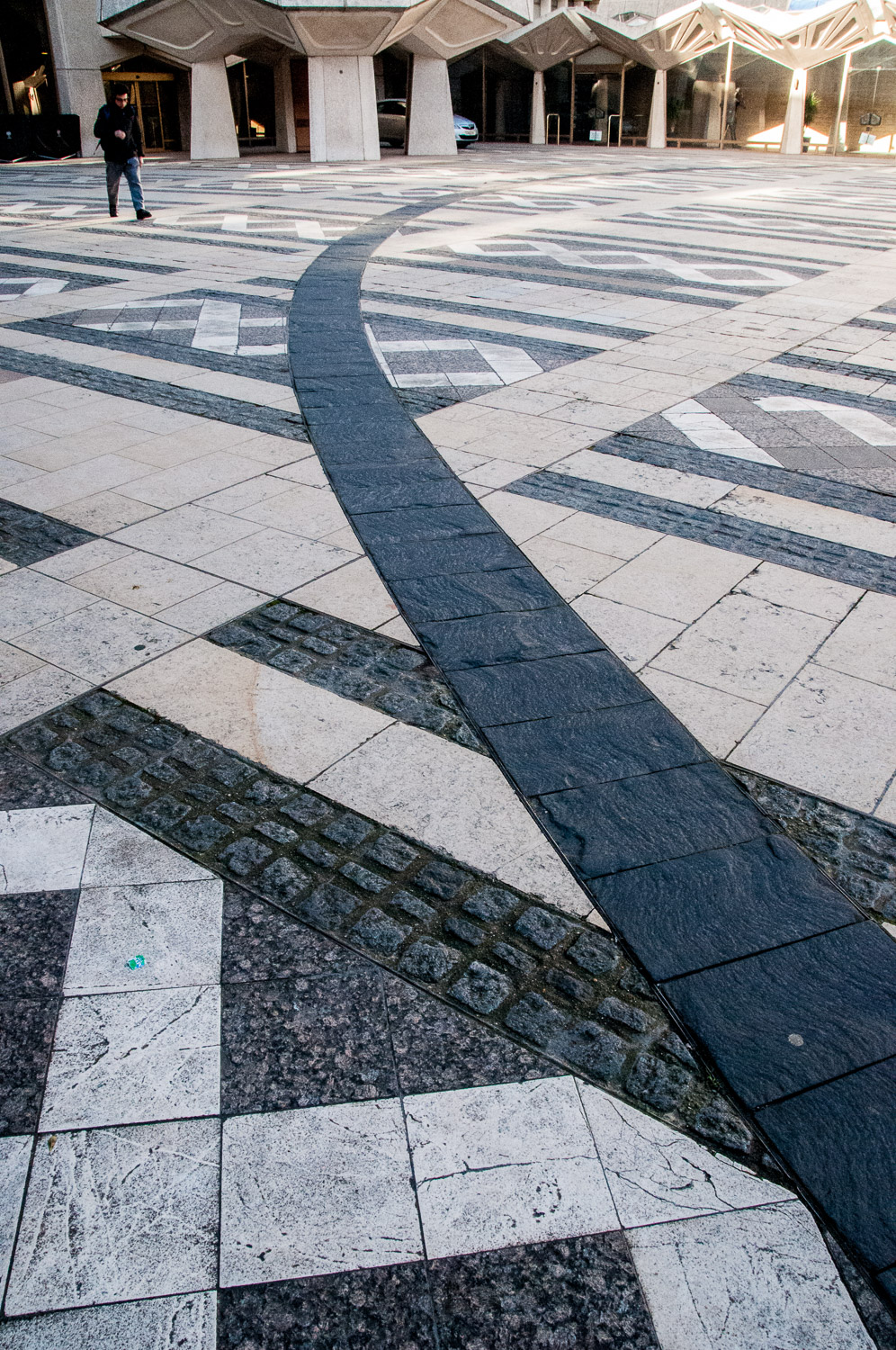
And finally, to complete a Roman London experience, you might want to visit the Guildhall Art Gallery, in the lower level of which you will find Roman London’s Amphitheatre. An 80 metre wide curve of dark stone in Guildhall Yard marks out the area of the Amphitheatre, the site of the famous Roman ‘Games’ …

An outline of what existed about 8 metres below

The site of the Amphitheatre

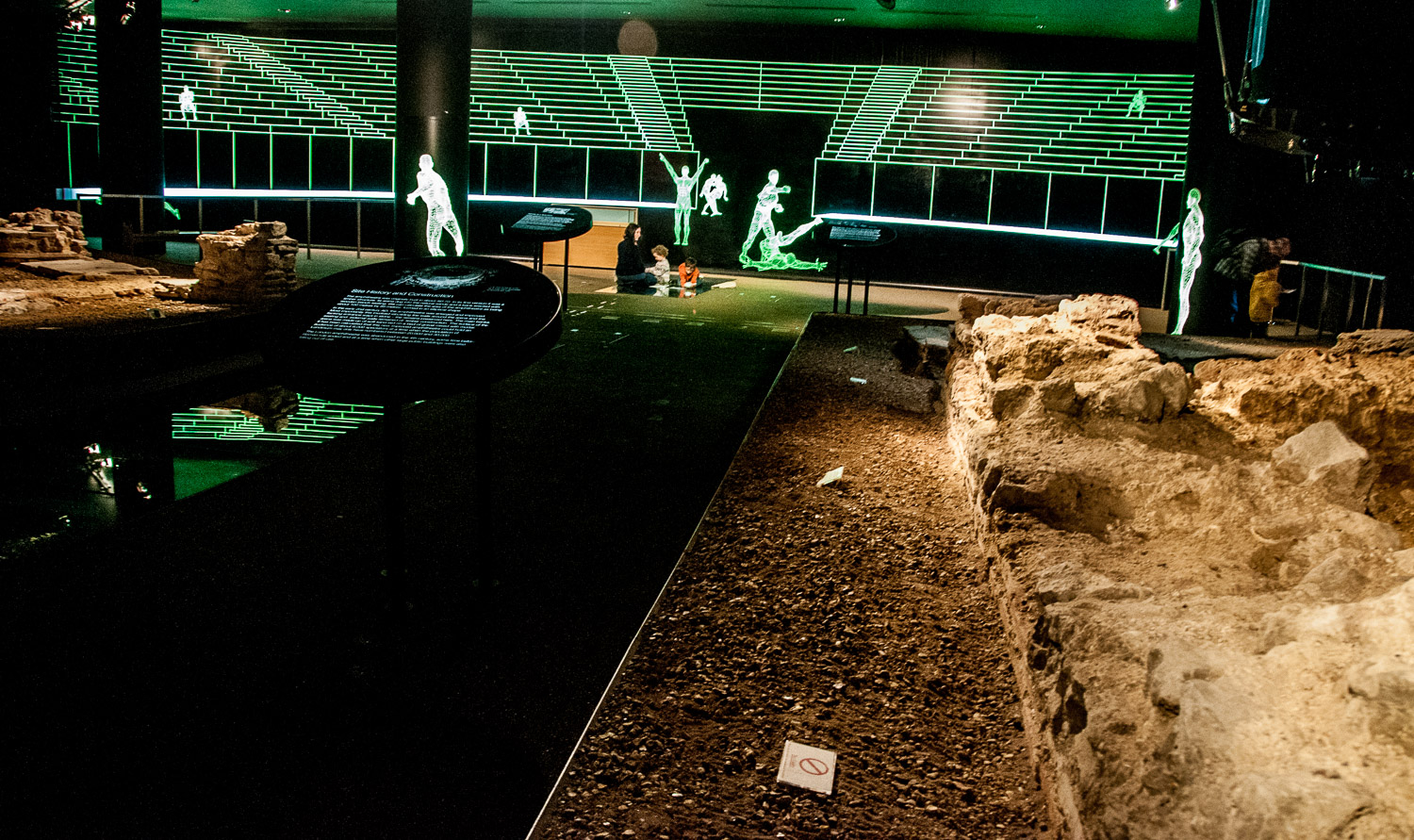
Once inside you will see the remains of the original walls, the drainage system, and a rather impressive digital projection that fills in the gaps in the ruins.


Page 43 of 44

Powered by WordPress & Theme by Anders Norén

Symbols & Secrets
Privacy Overview

This website uses cookies so that we can provide you with the best user experience possible. Cookie information is stored in your browser and performs functions such as recognising you when you return to our website and helping our team to understand which sections of the website you find most interesting and useful.