Walking the City of London

Month: March 2026 Page 1 of 2

Some brilliant AI along with old City images and Spring flowers.

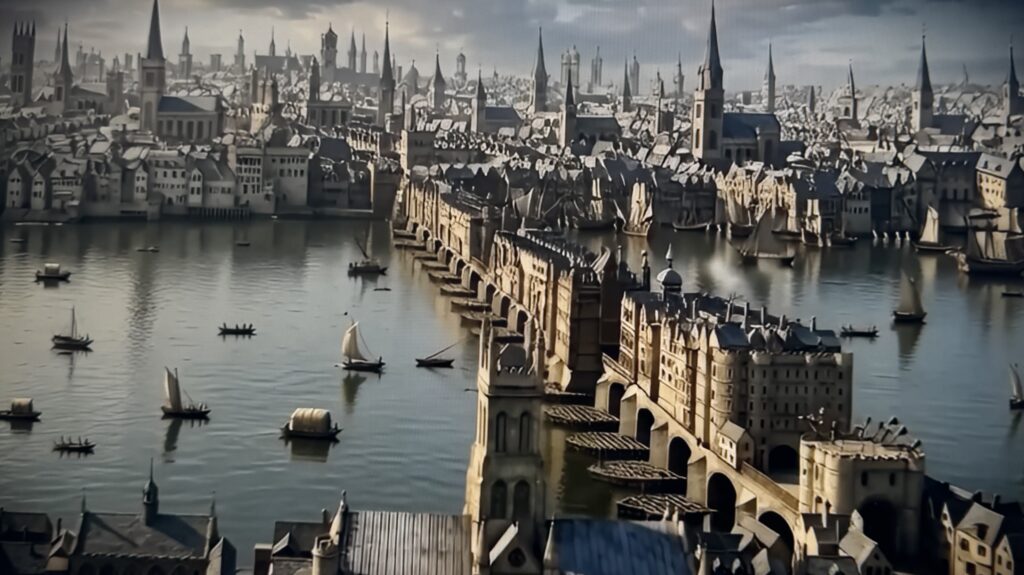
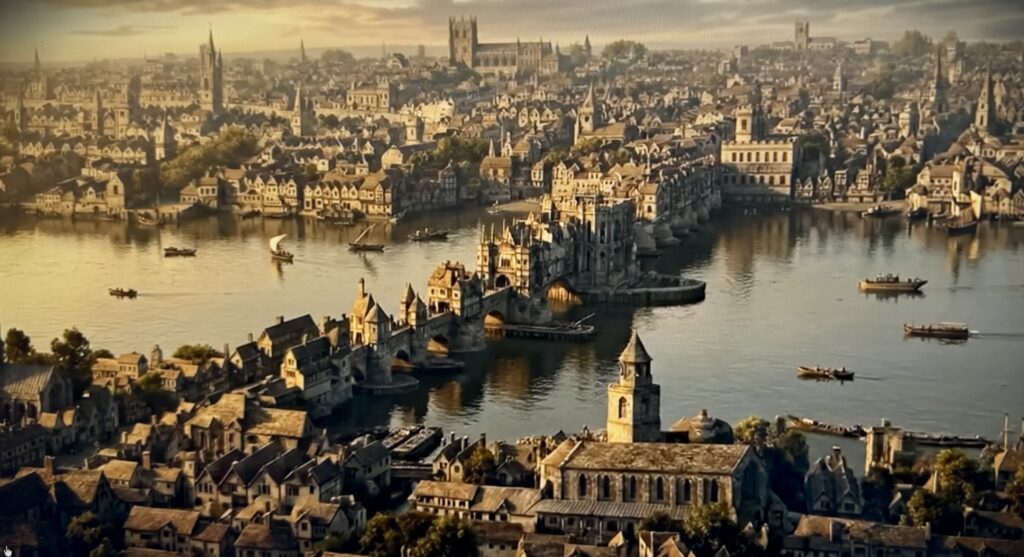
It’s true that some applications of artificial intelligence should be treated with caution but have a look at these screenshots from an AI generated ‘Tour of London’ in the 15oos.

Old London Bridge …
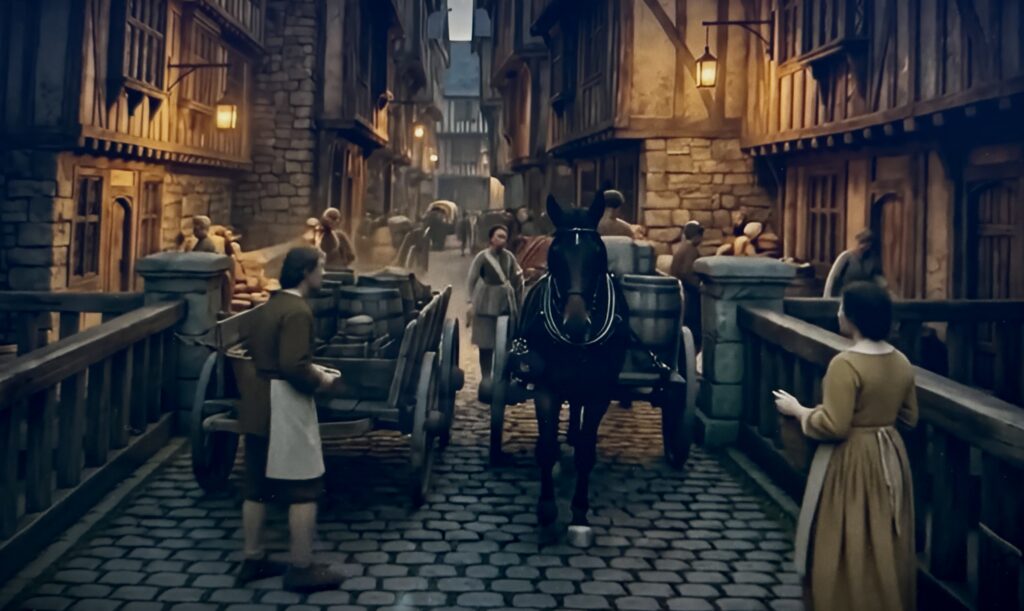
Walking across old London Bridge, it doesn’t appear to be over water at all due to the houses and businesses on either side …
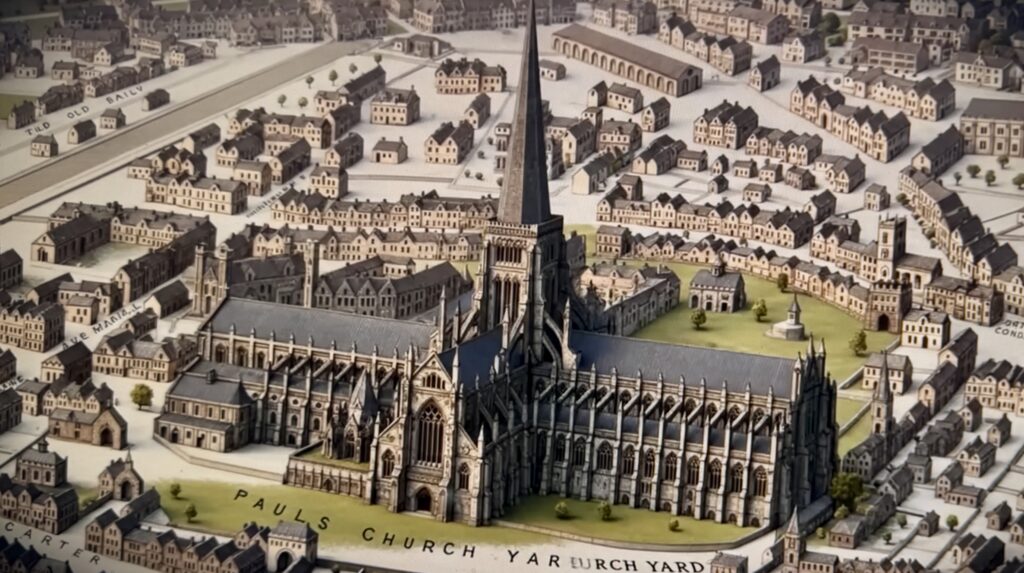
St Paul’s Cathedral before the spire was struck by lightning …
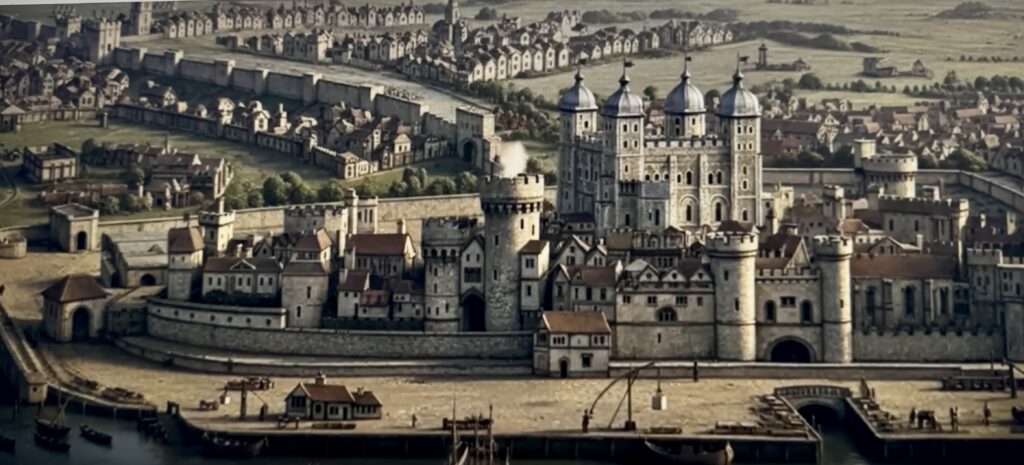
The Tower of London …
I found the images fascinating and they come with a nice commentary. Here’s a link to the youtube version. If the link doesn’t work, just Google A Tour of London in the 1500s.

Thinking of old London, I had a quick dive back into my three volumes of Wonderful London to see if I could find some pictures I hadn’t used before …
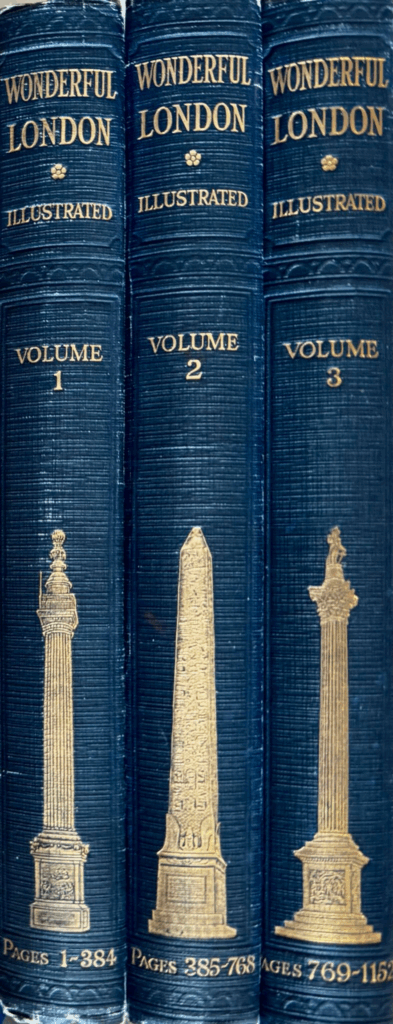
The books were published in 1929 and therefore illustrate London and its people in the short period between the wars.

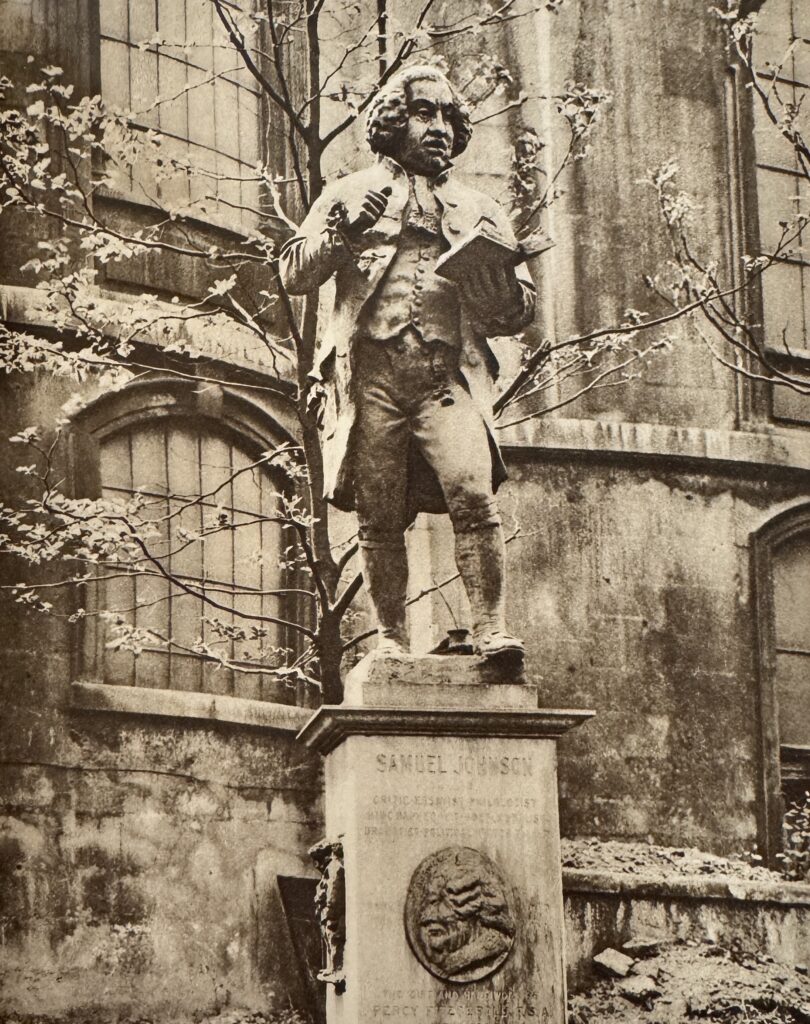
Dr Johnson on the Strand facing Fleet Street …
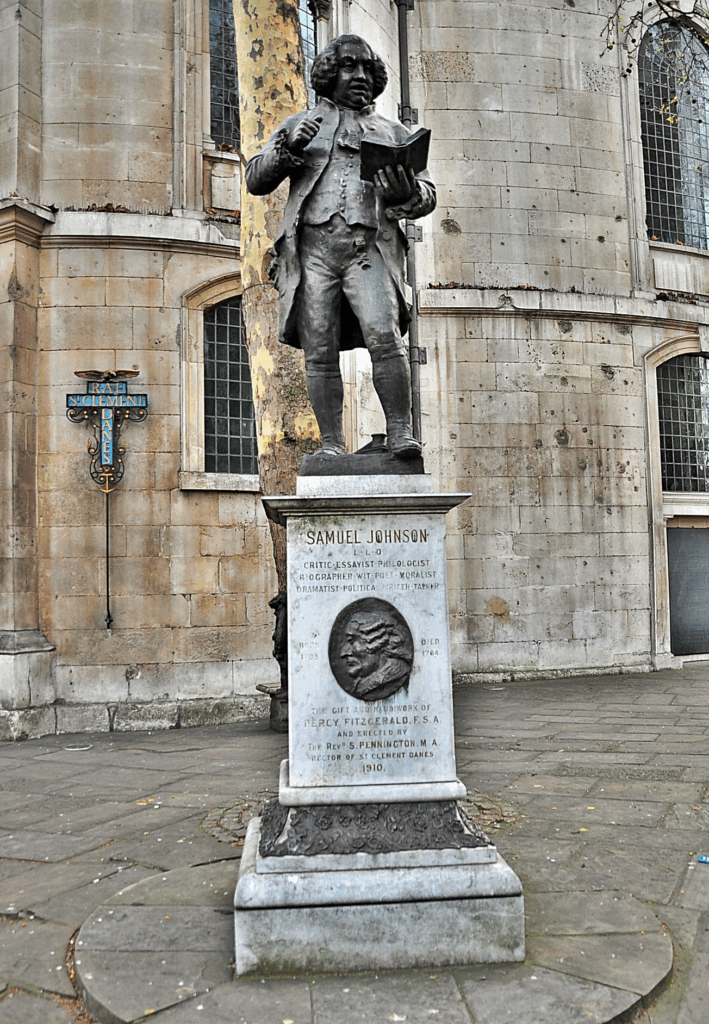
A more recent image shows the Second World War shrapnel scars on the east side of St Clement Danes church …
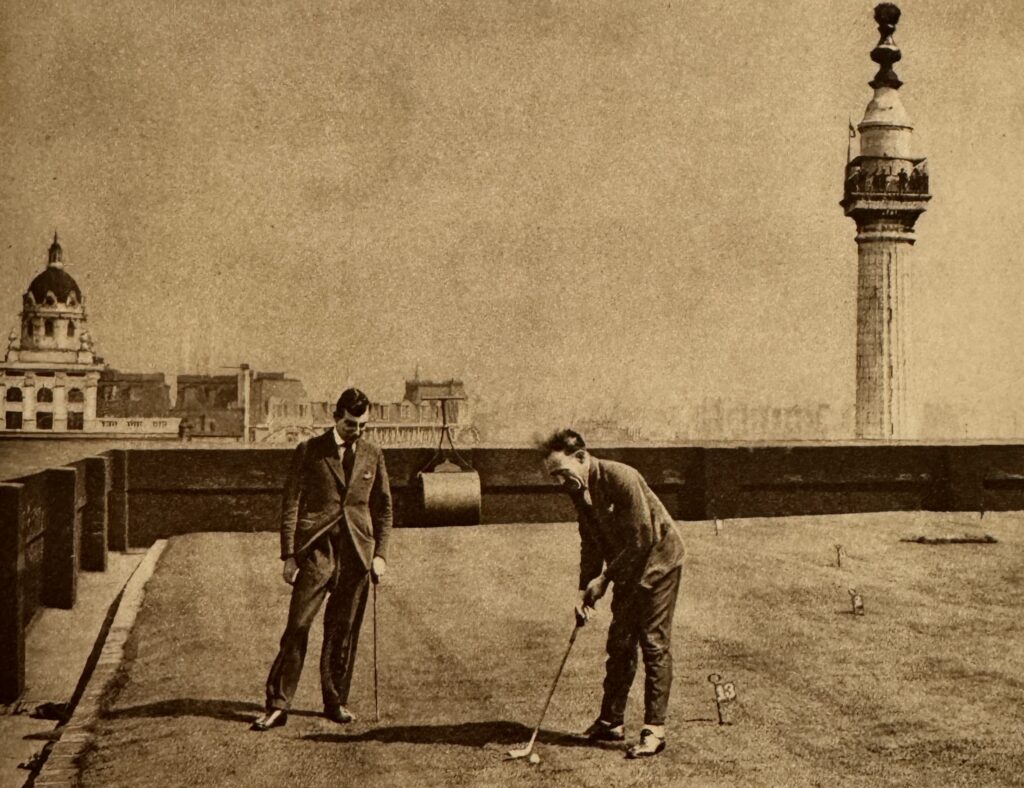
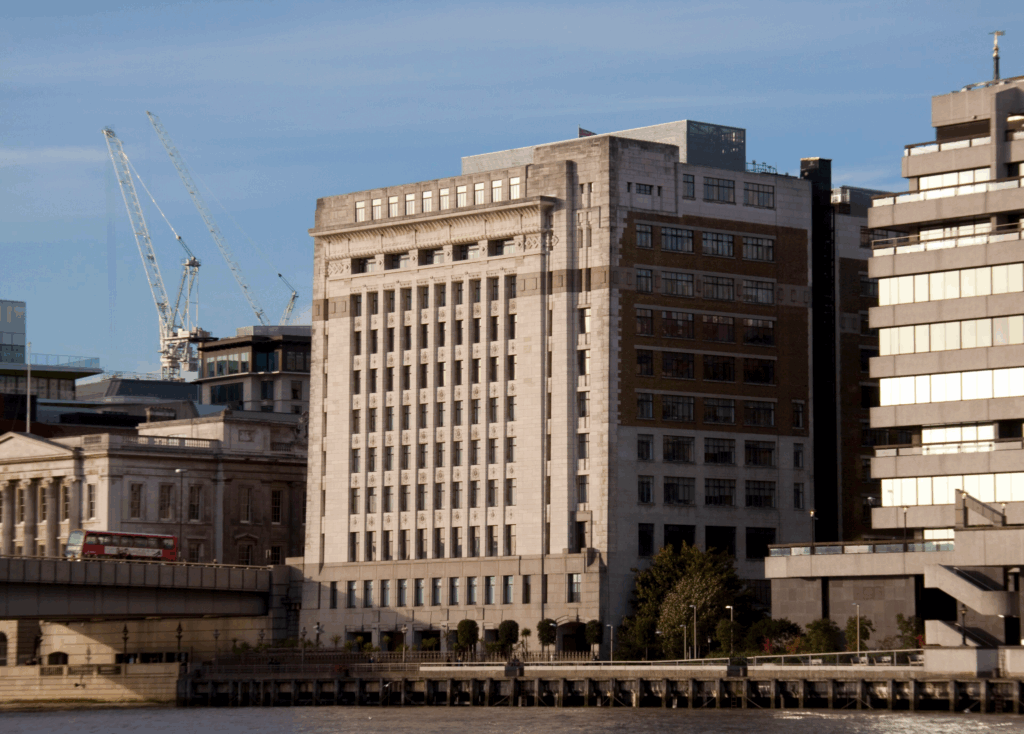
Amazingly, these guys are practising their putting on the roof of Adelaide House just north of London Bridge, and it’s obviously real grass, hence the roller in the background …
Here’s the building, I think it’s covered in scaffolding at present due to refurbishment …
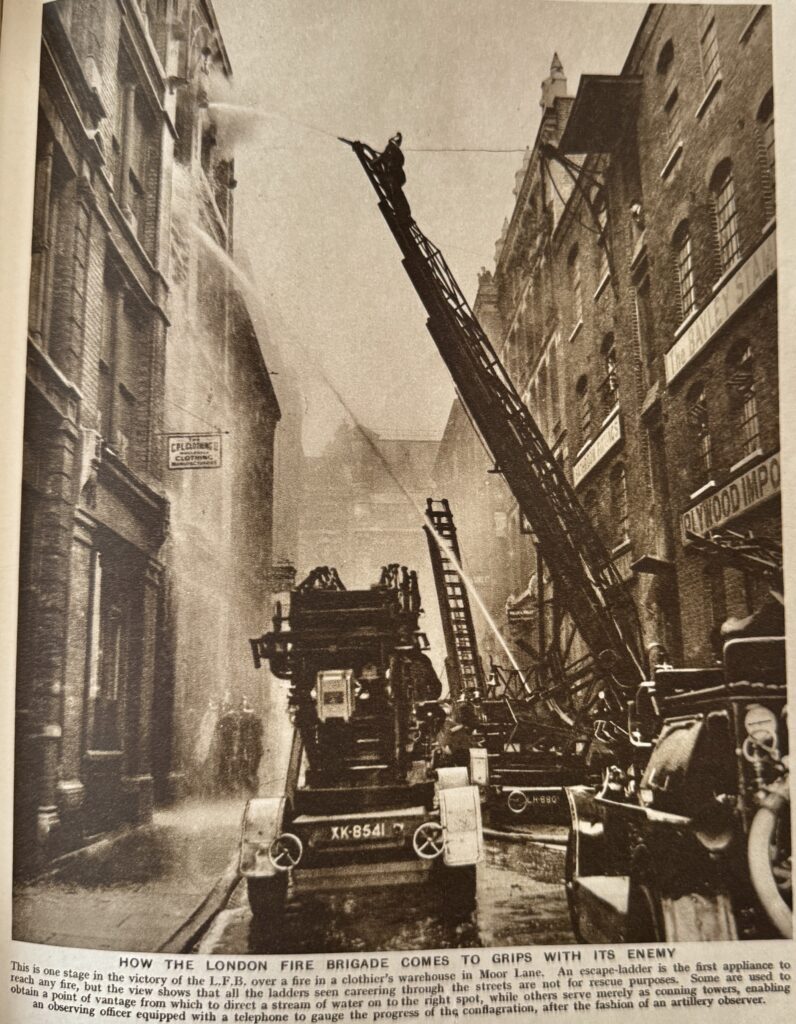
These are poignant images of the London Fire Brigade in action before the War.

Putting out a fire in Moor Lane. All these buildings were subsequently destroyed in wartime bombing …
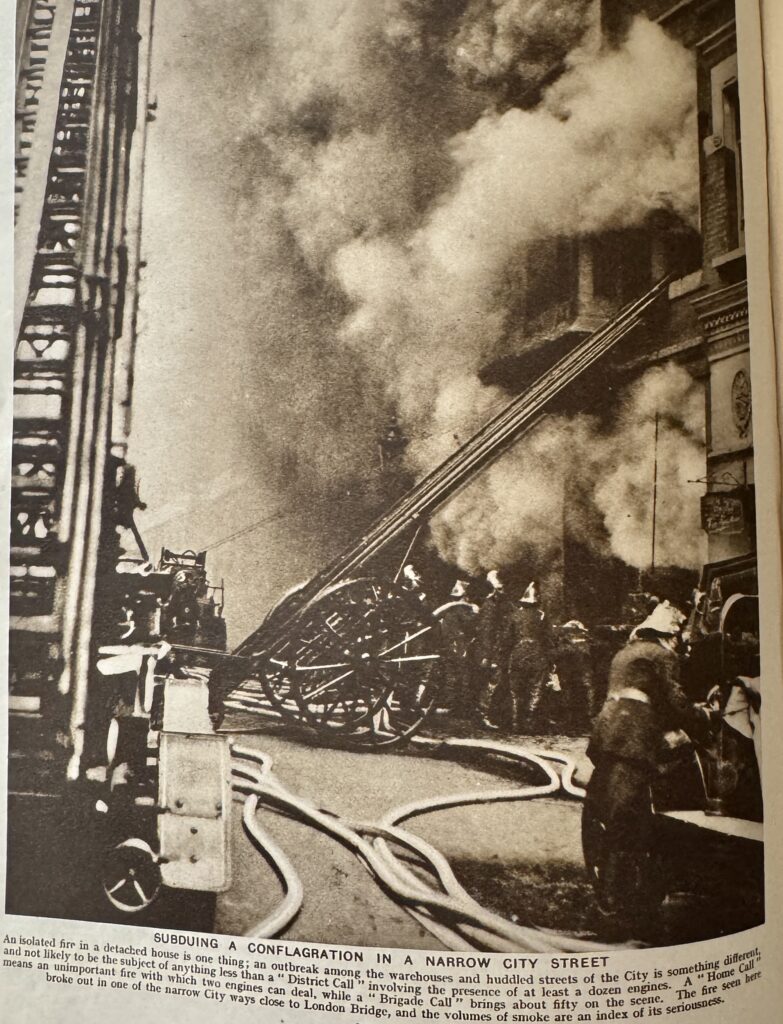
A warehouse blaze …
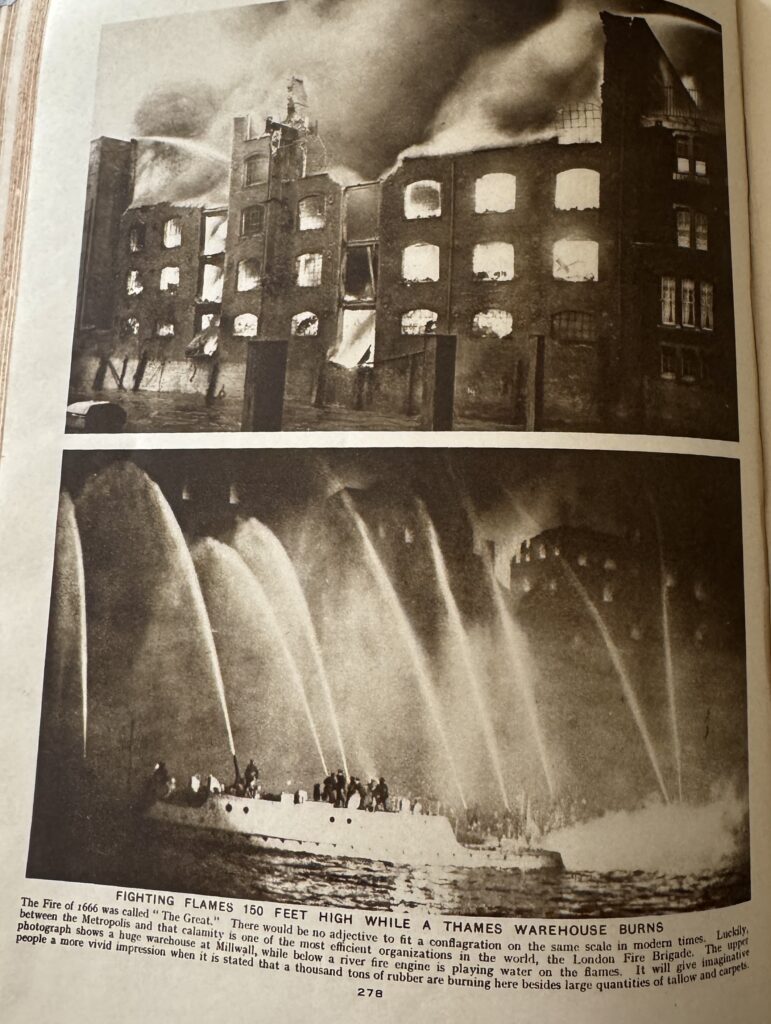
Their experience was invaluable during wartime raids. During the 57 nights of relentless bombing (now known as The Blitz) 997 firefighters lost their lives of which 327 were based in London. Many were part-time volunteers from the Auxiliary Fire Service – ordinary people doing extraordinary things. They were shopkeepers, factory workers, teachers – men and women who put on a uniform, picked up a hose, and ran towards the flames.

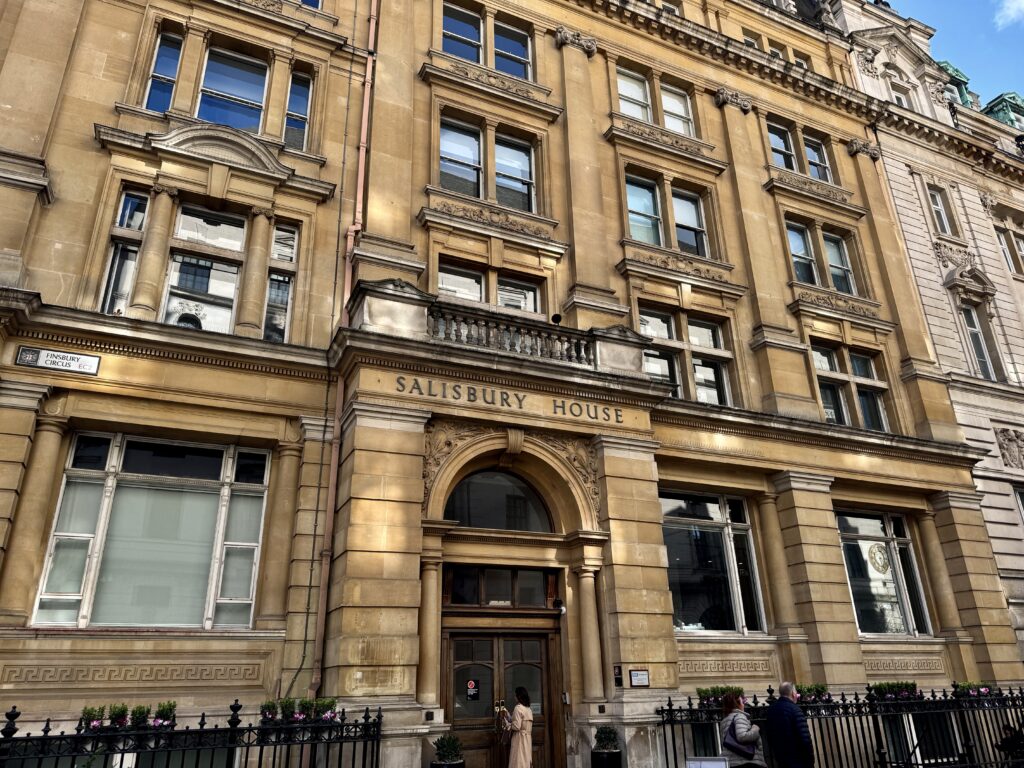
‘Palatial’ Salisbury House …
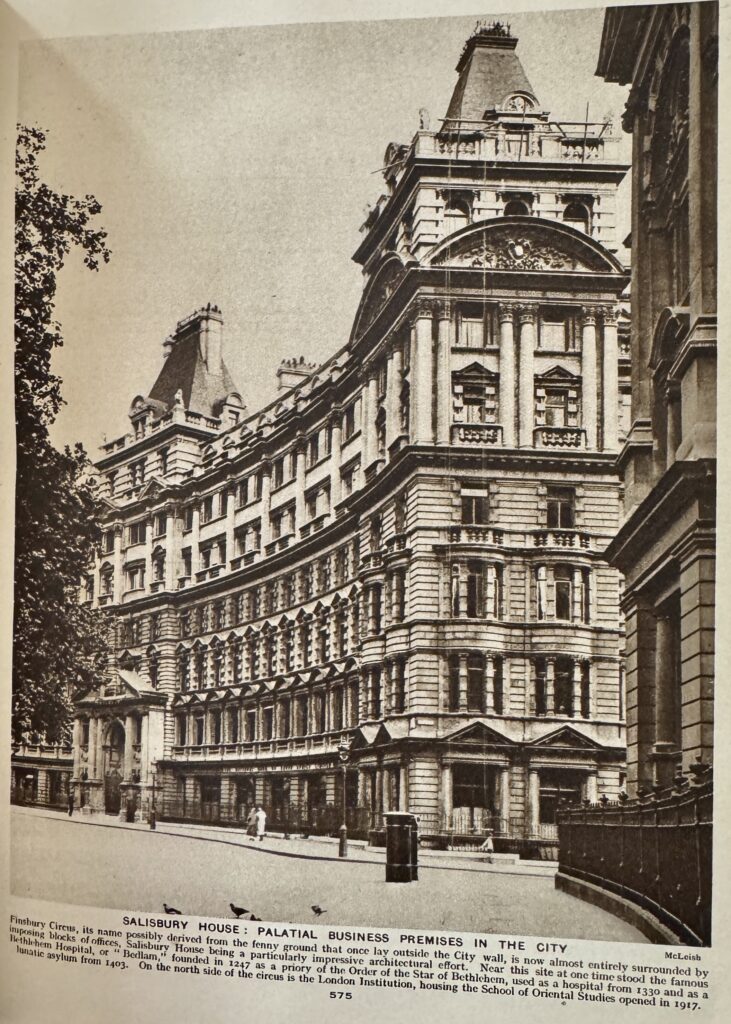
Still there …
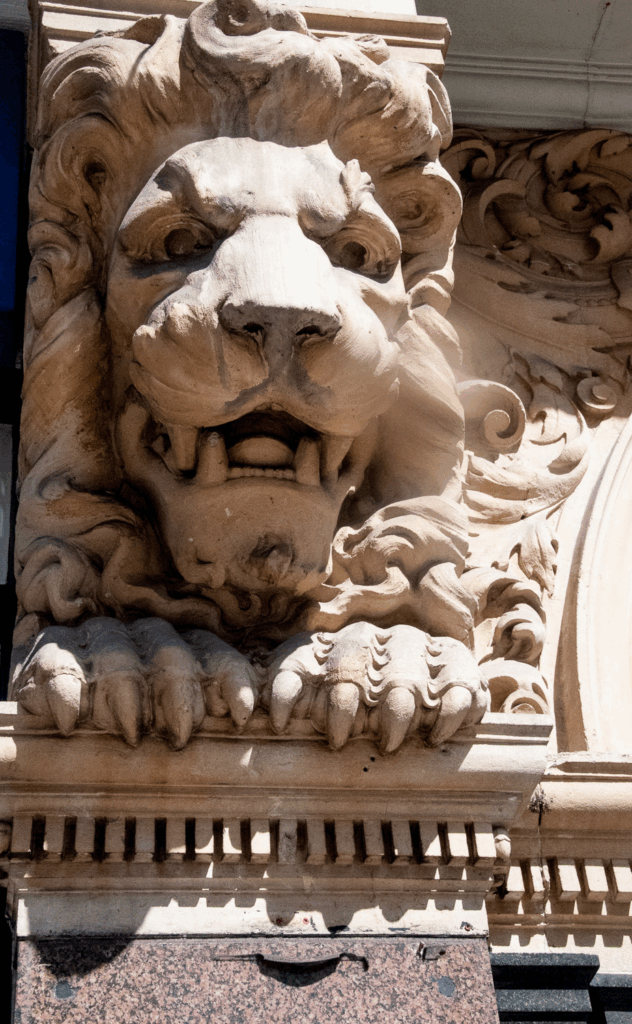
A ferocious lion guards the London Wall entrance …
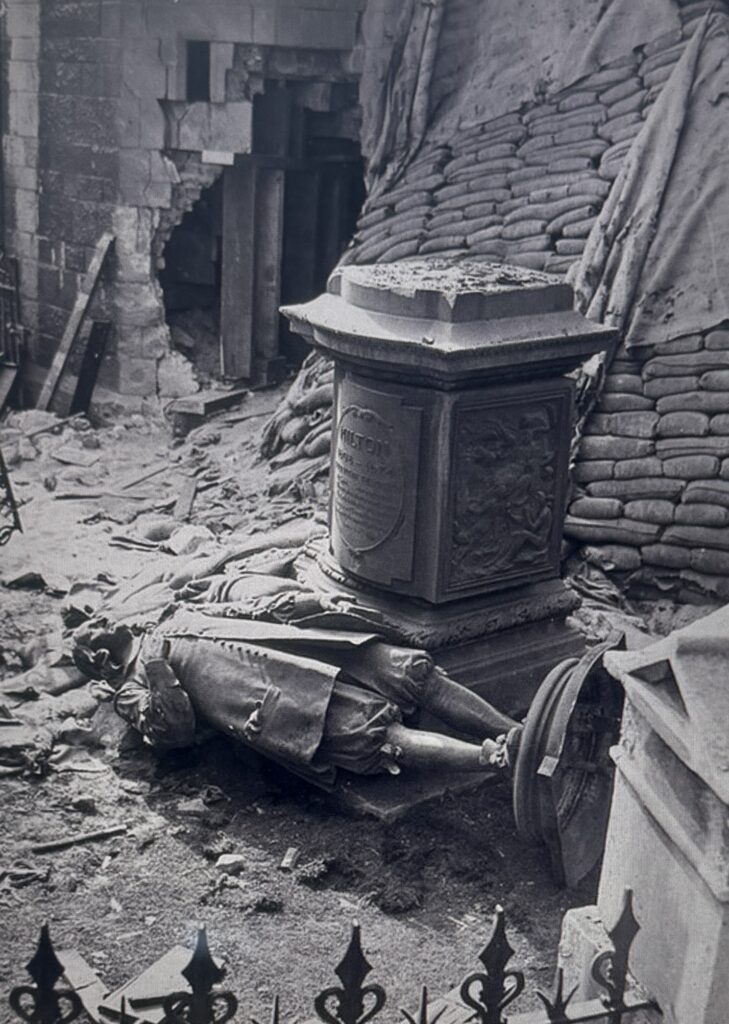
John Milton on his original plinth before he was blown off by the blast from a nearby bomb …
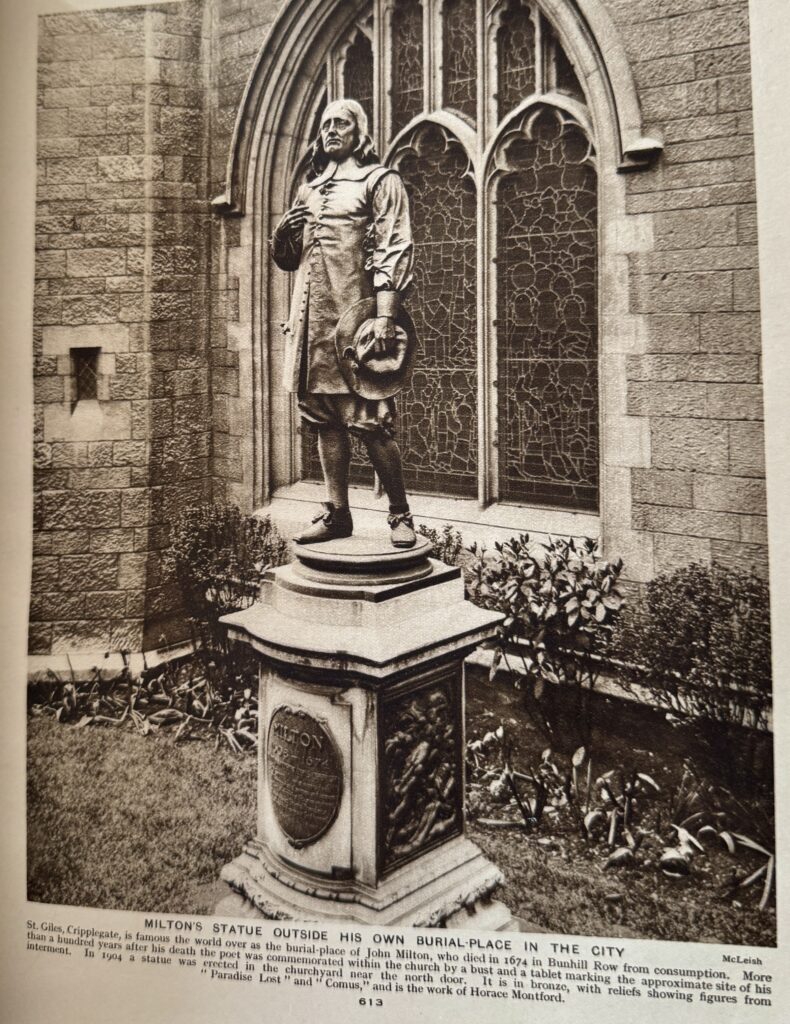
So undignified …
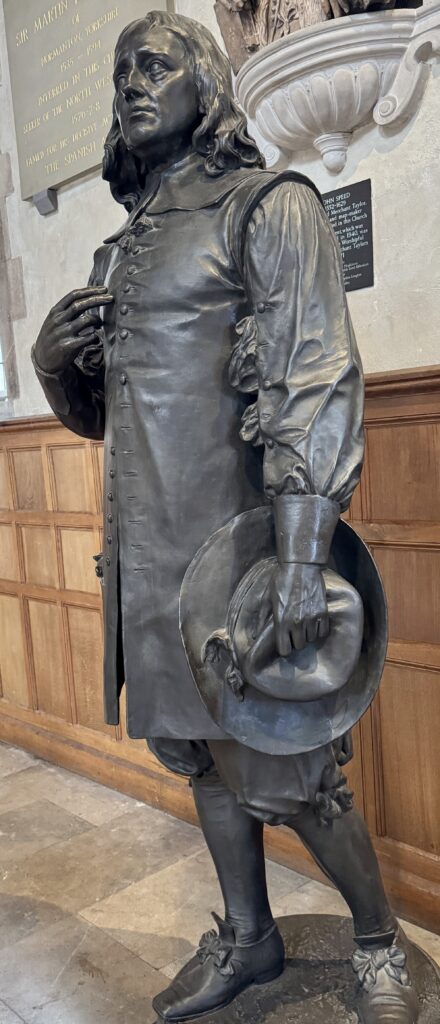
His new home in St Giles Cripplegate, the church in the first picture above. It was gutted in the Blitz but is now beautifully restored …
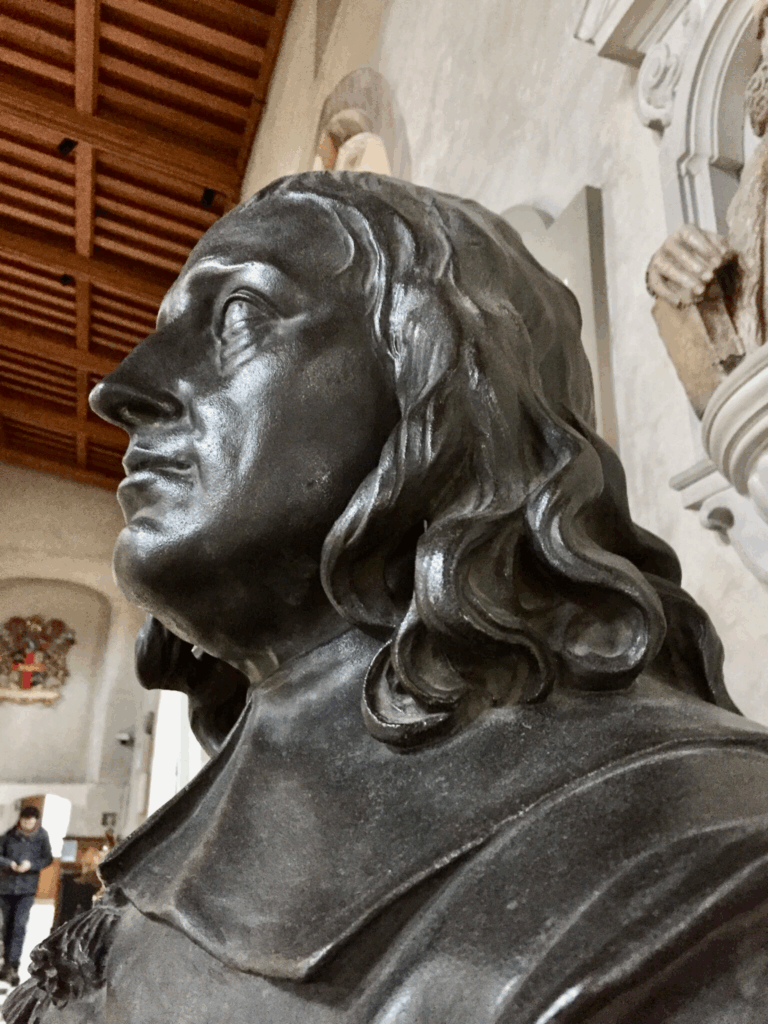
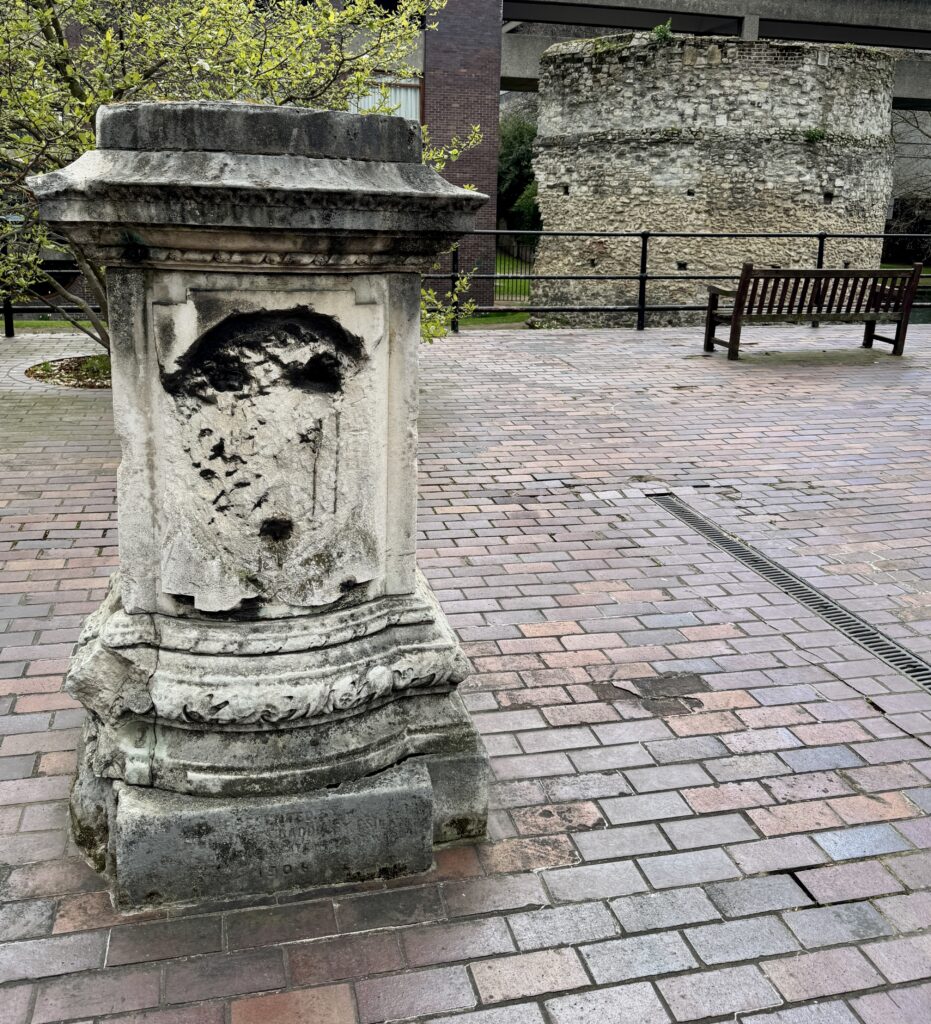
His original plinth today. In the background to the right you can see a portion of the old City wall bastion

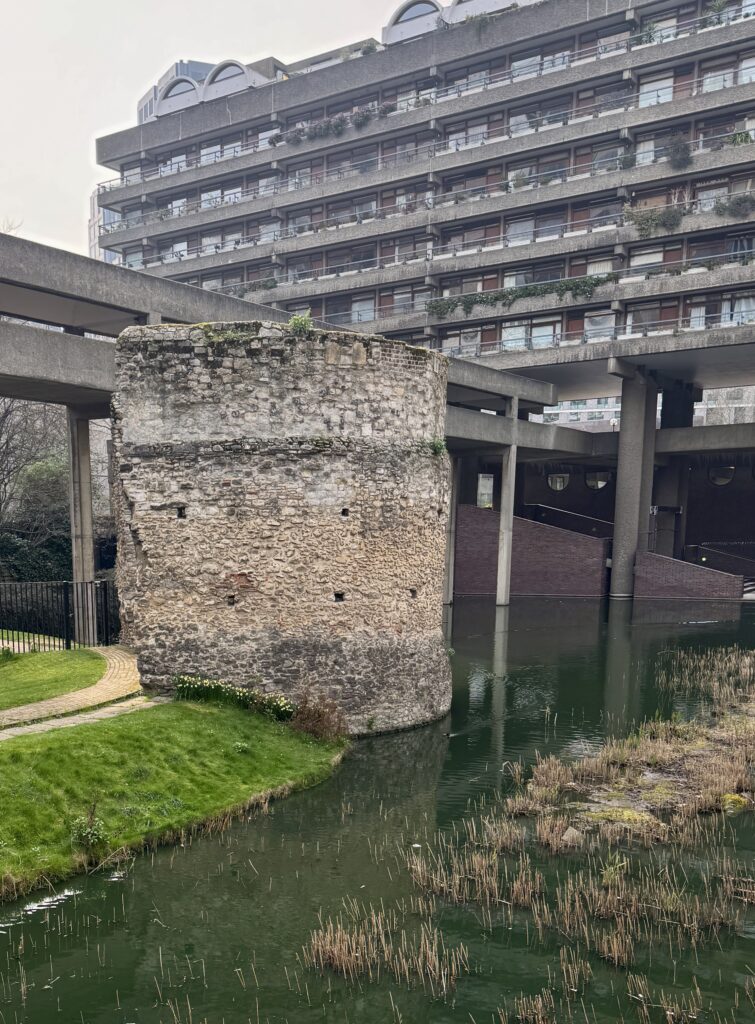
Here it is from another angle …

As can be seen from the 1920s picture below, the top of the bastion was level with, and part of, the St Giles churchyard. I suspect the lower part was subsequently revealed by Second World War bombing …
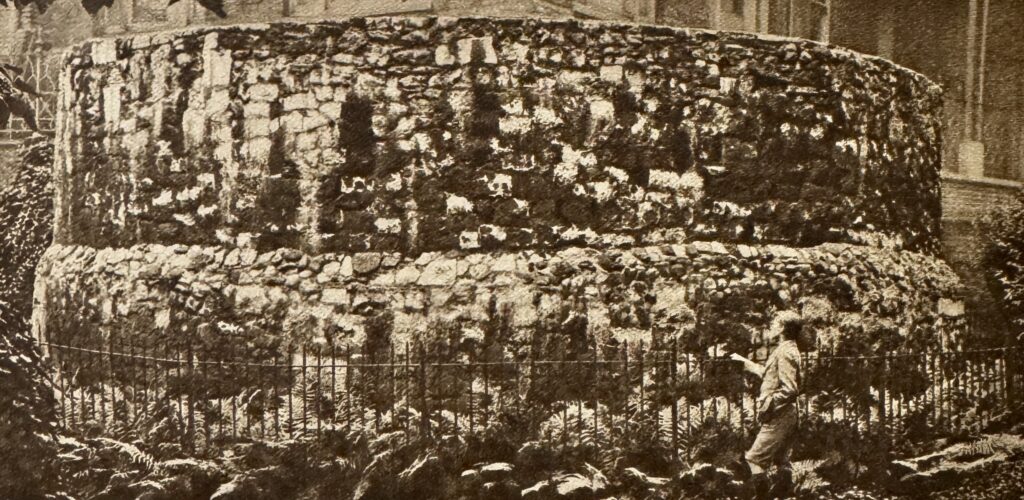
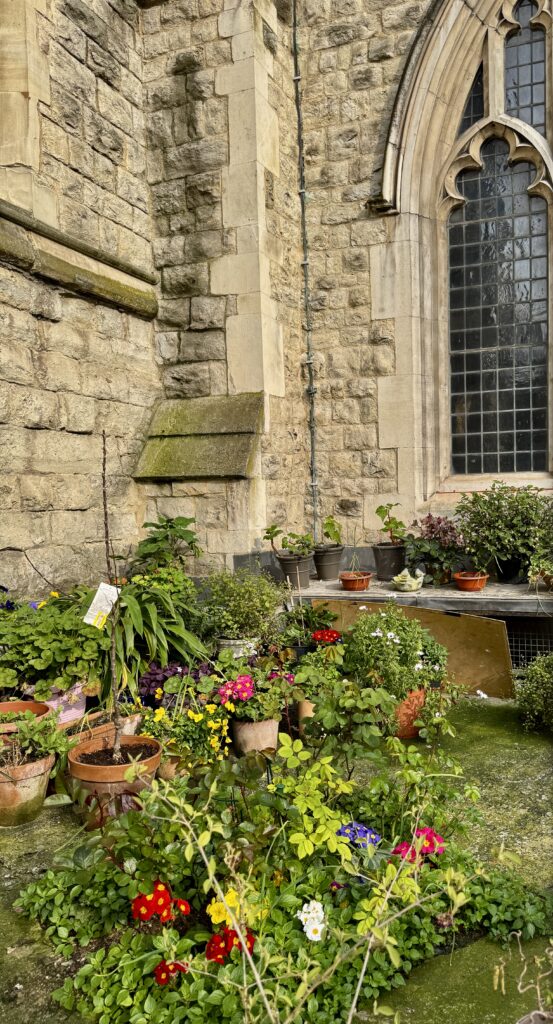
A little ‘secret’ garden at St Giles …
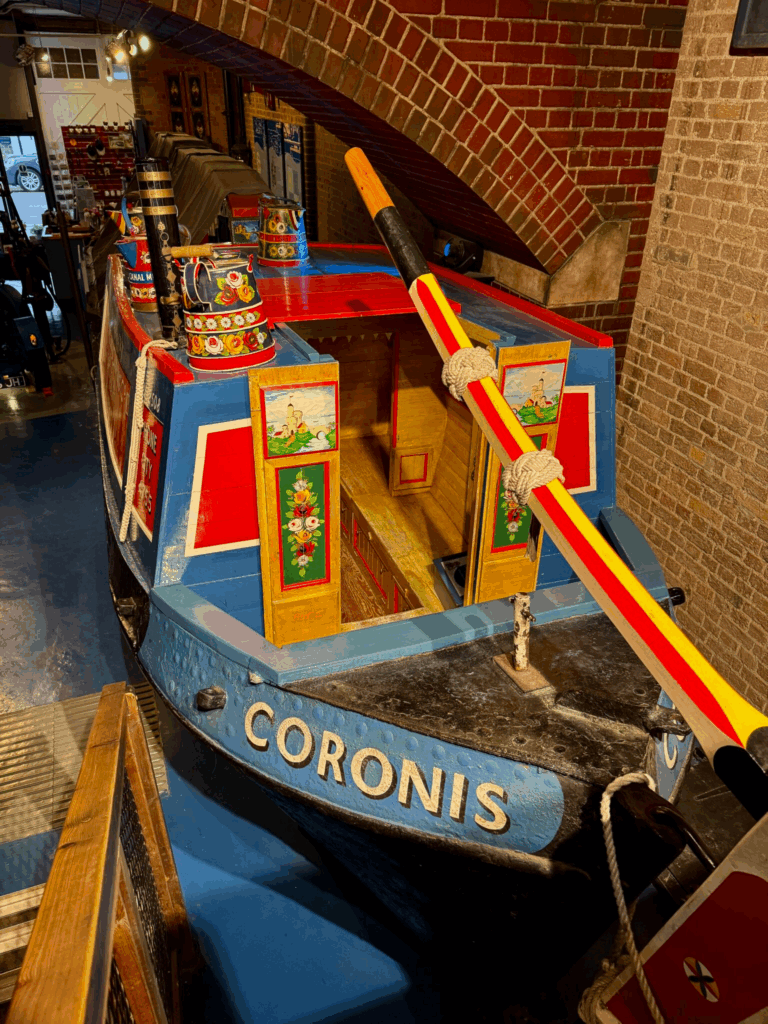
Life on the canals …
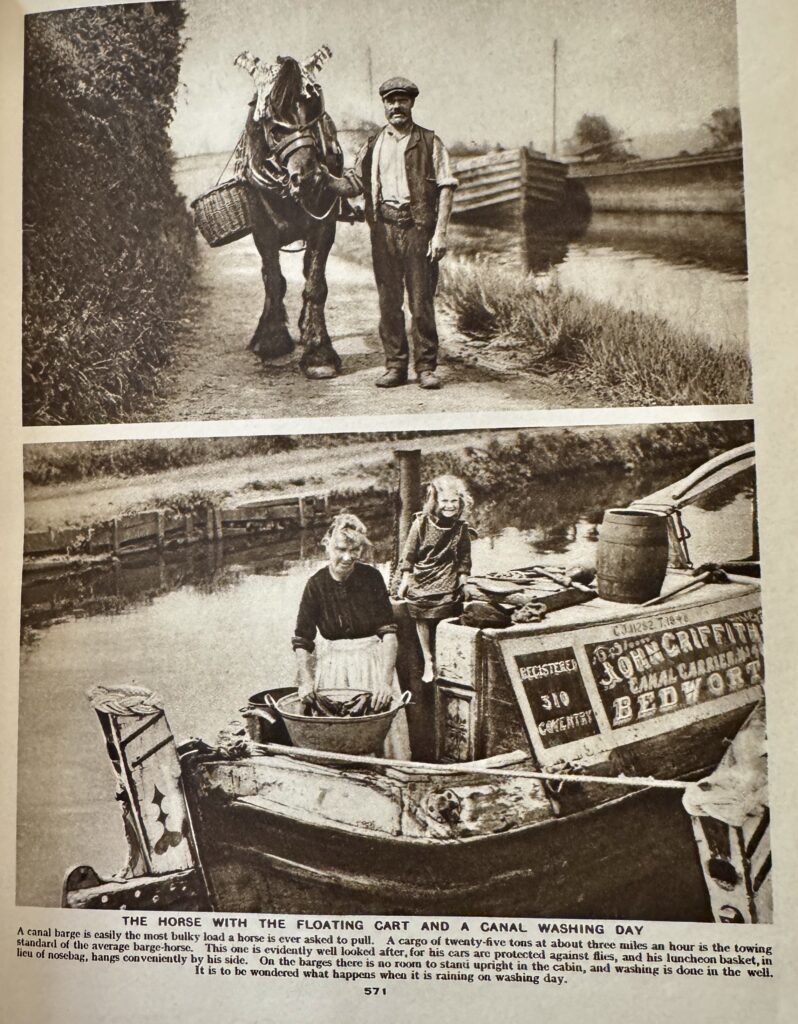
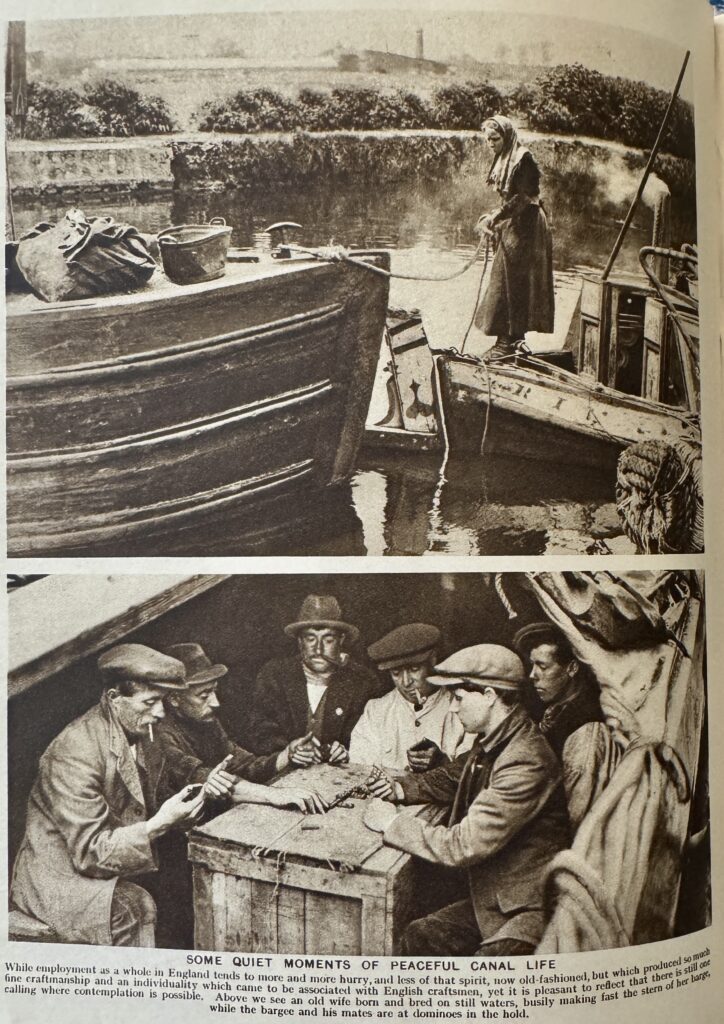
For more images and stories, have a look at my blog on the London Canal Museum

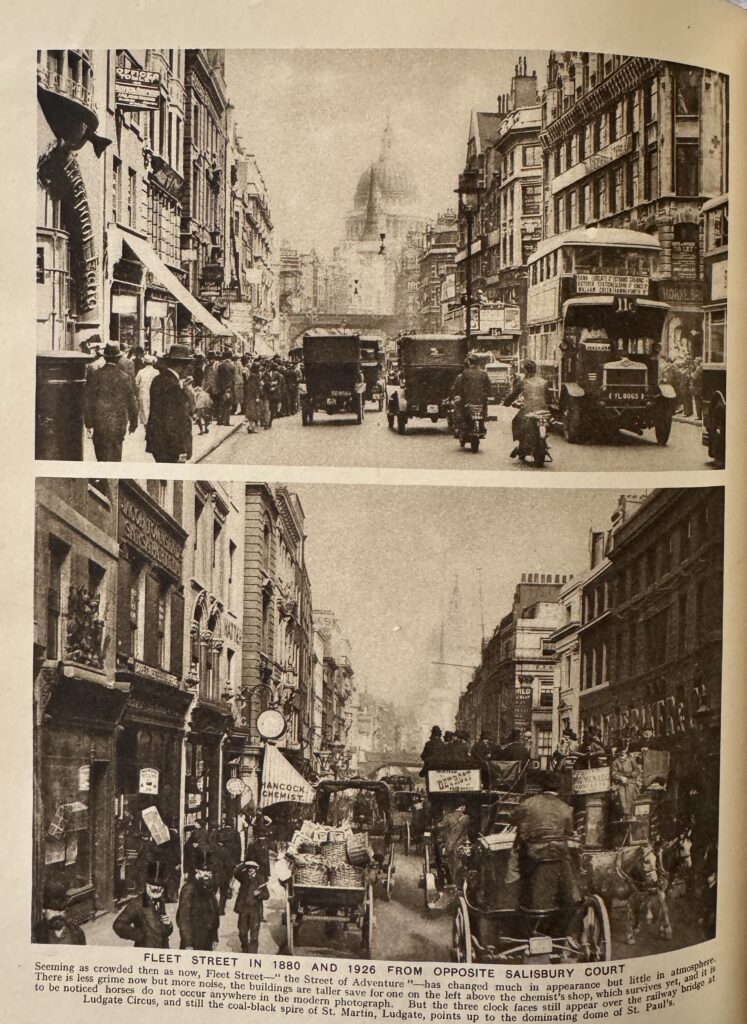
Fleet Street in 1926 and 1880 …

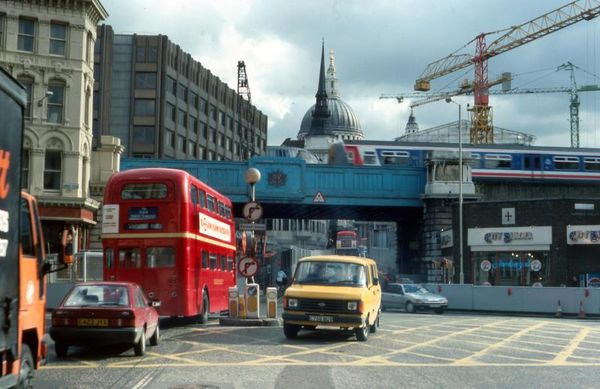
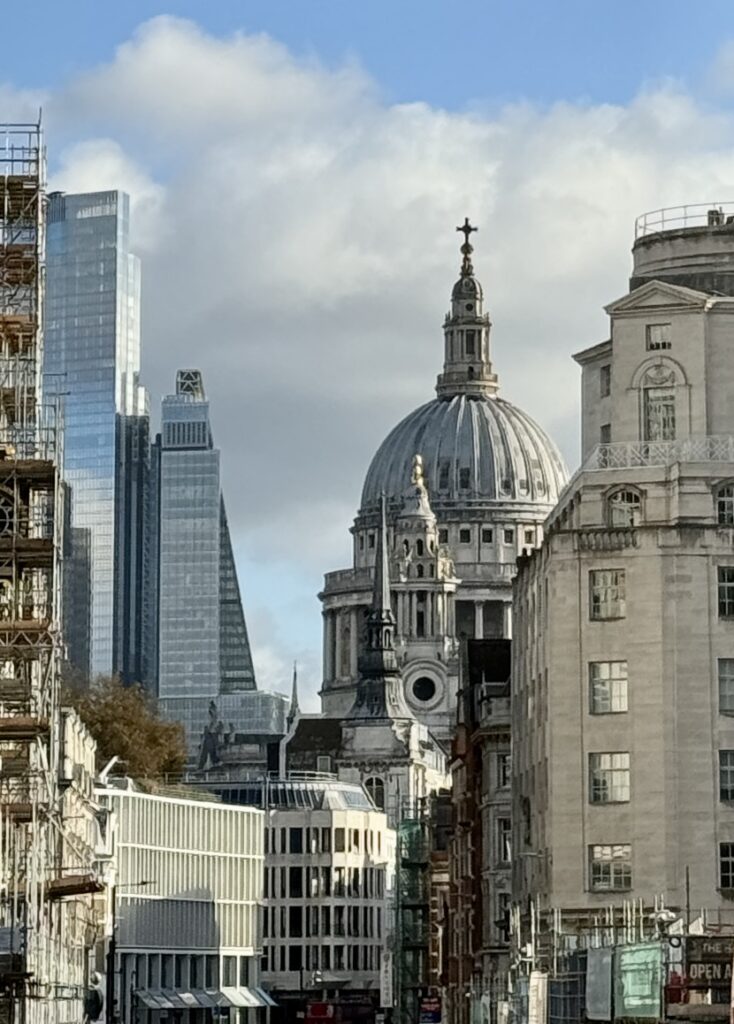
Hard to believe that the railway bridge blocking the view of St Paul’s Cathedral wasn’t demolished until 1990 …
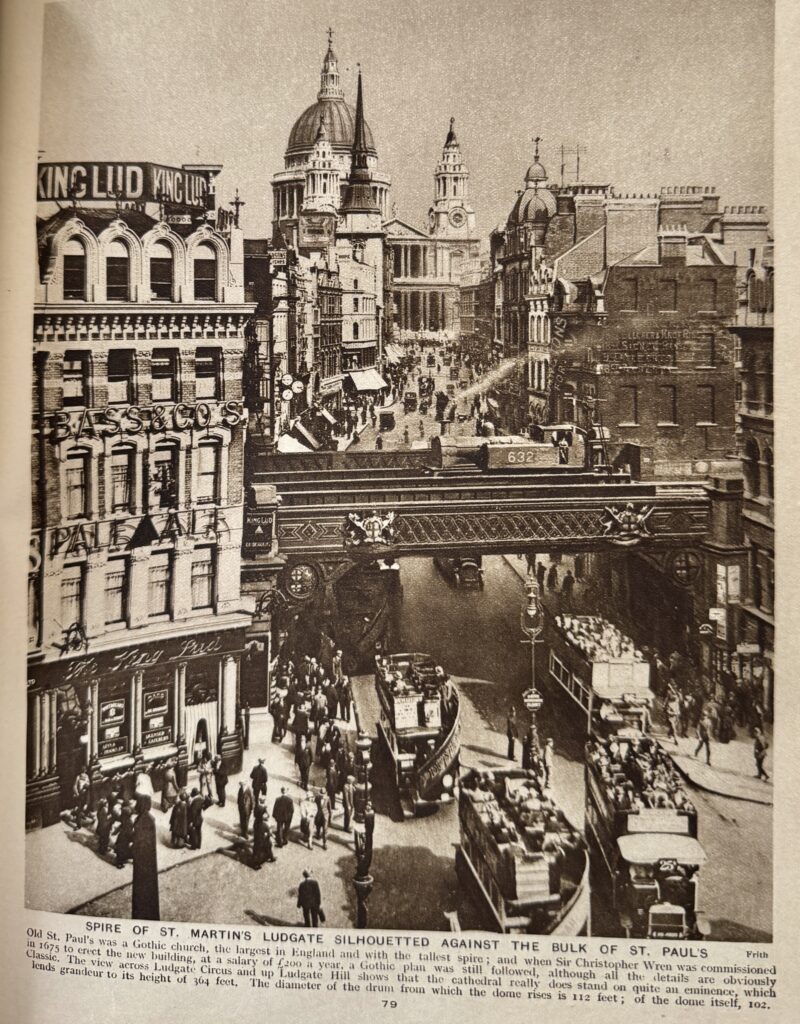
Just before demolition …
And now …
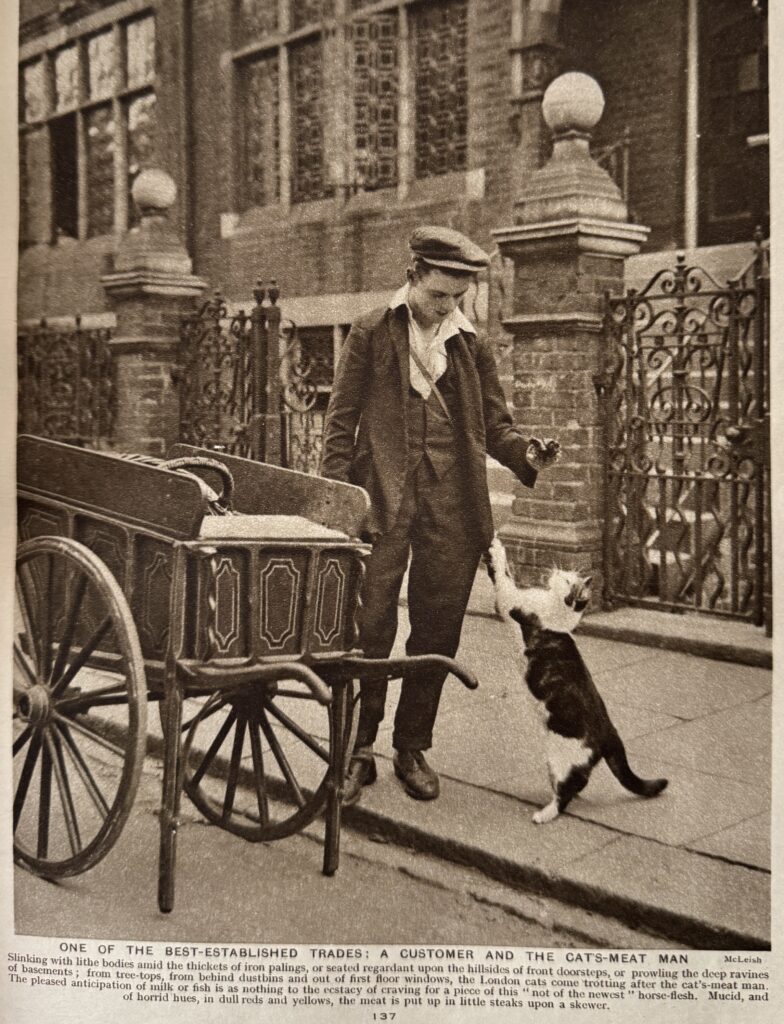
One of my favourite pictures and captions, the ‘Cats-meat man’ …
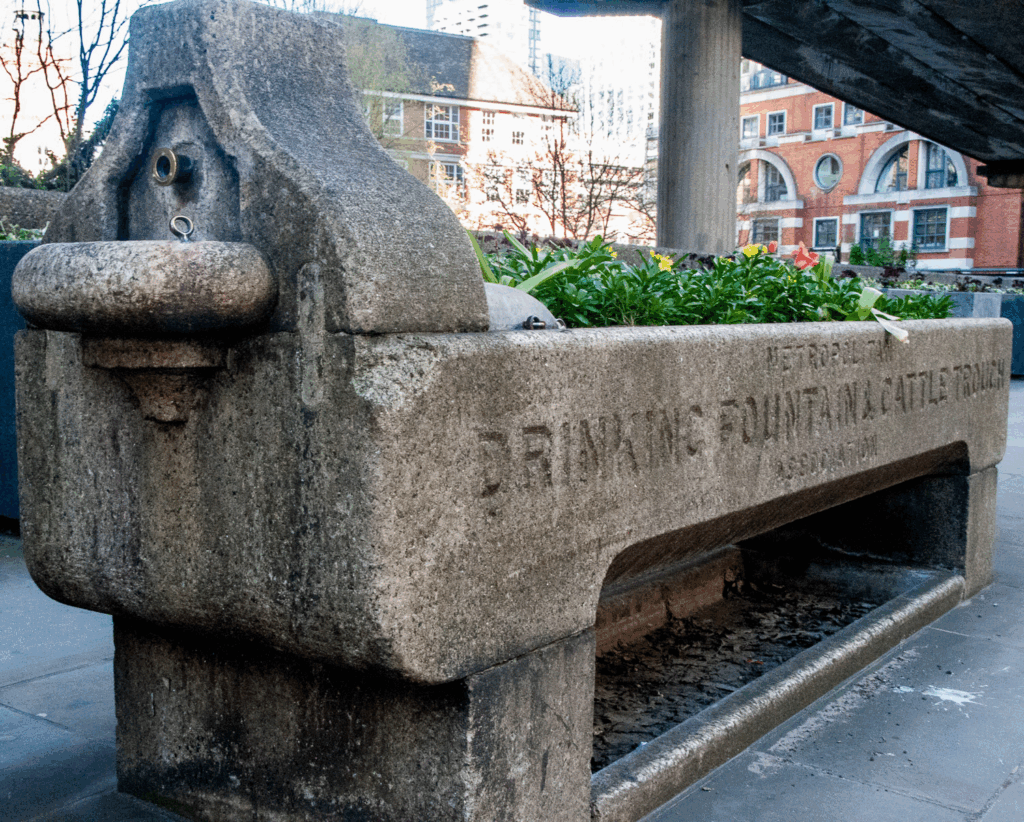
Horses quenching their thirst at a Metropolitan Drinking Fountain Association trough …
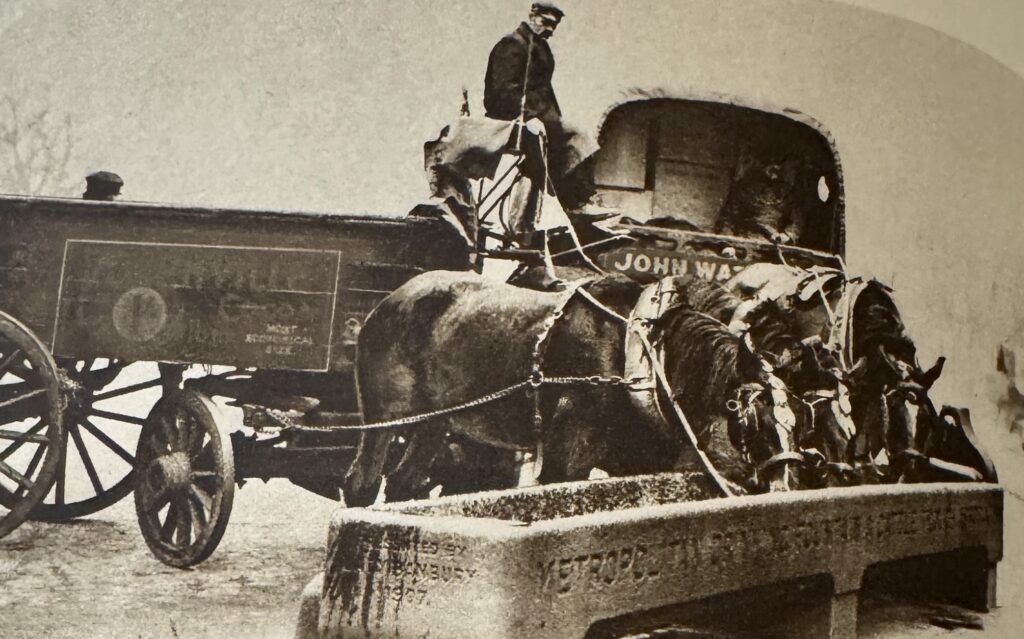
Read more about the Association and its history in my blog Philanthropic Fountains. A trough on London Wall …
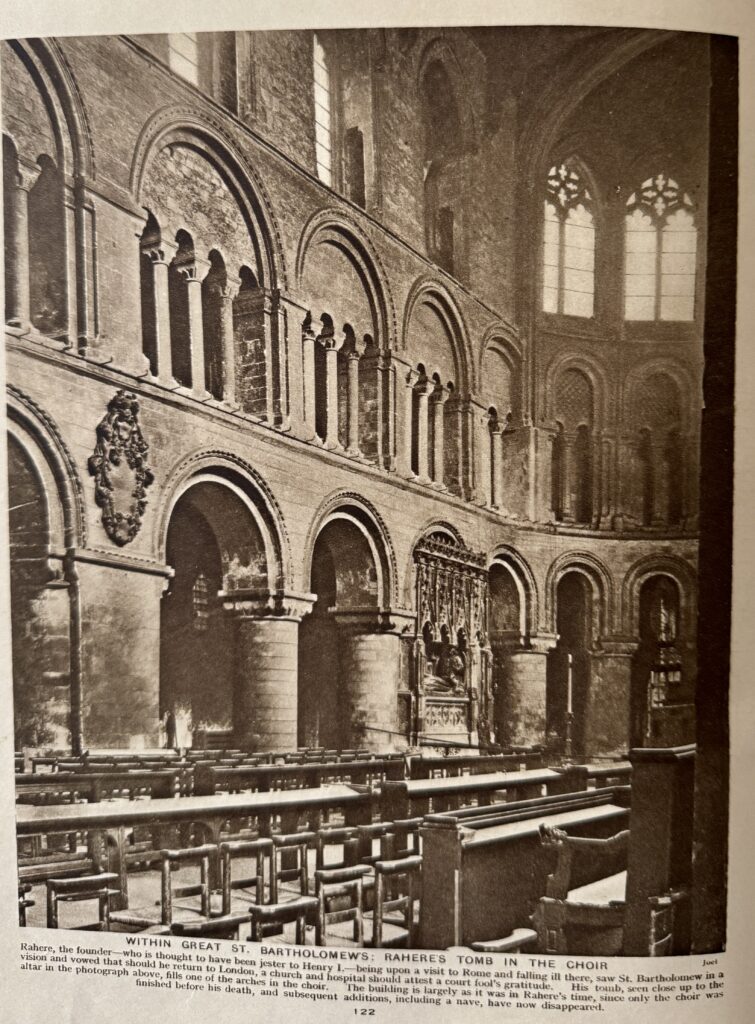
St Batholomew the Great then ..
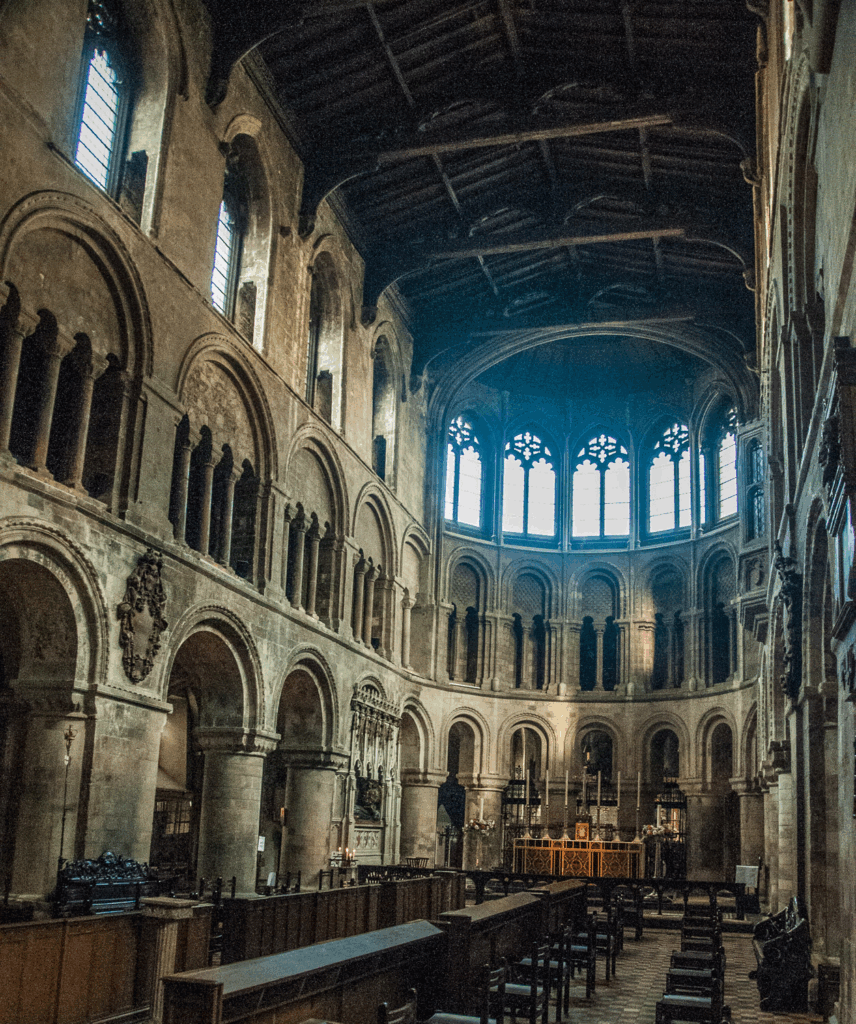
And now …
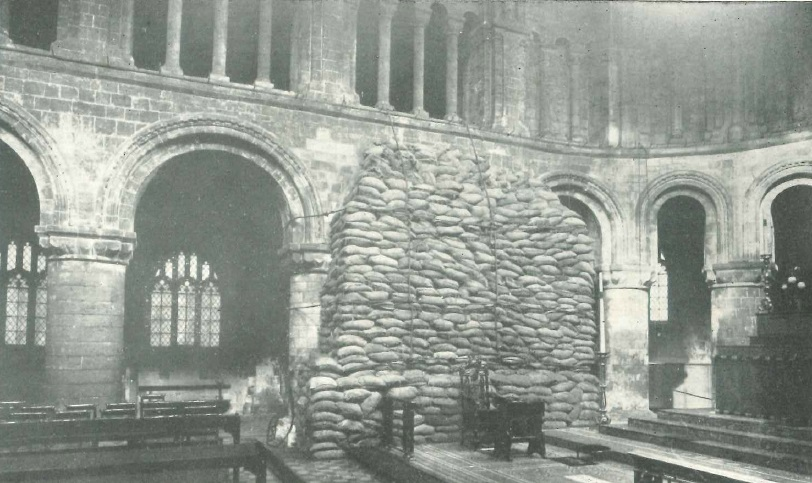
A 1915 image. Rahere’s tomb protected from bombing by sandbags during the First World War …
I visited and wrote in detail about this amazing church about five years ago and you can read my blog here.

The Old Bailey …
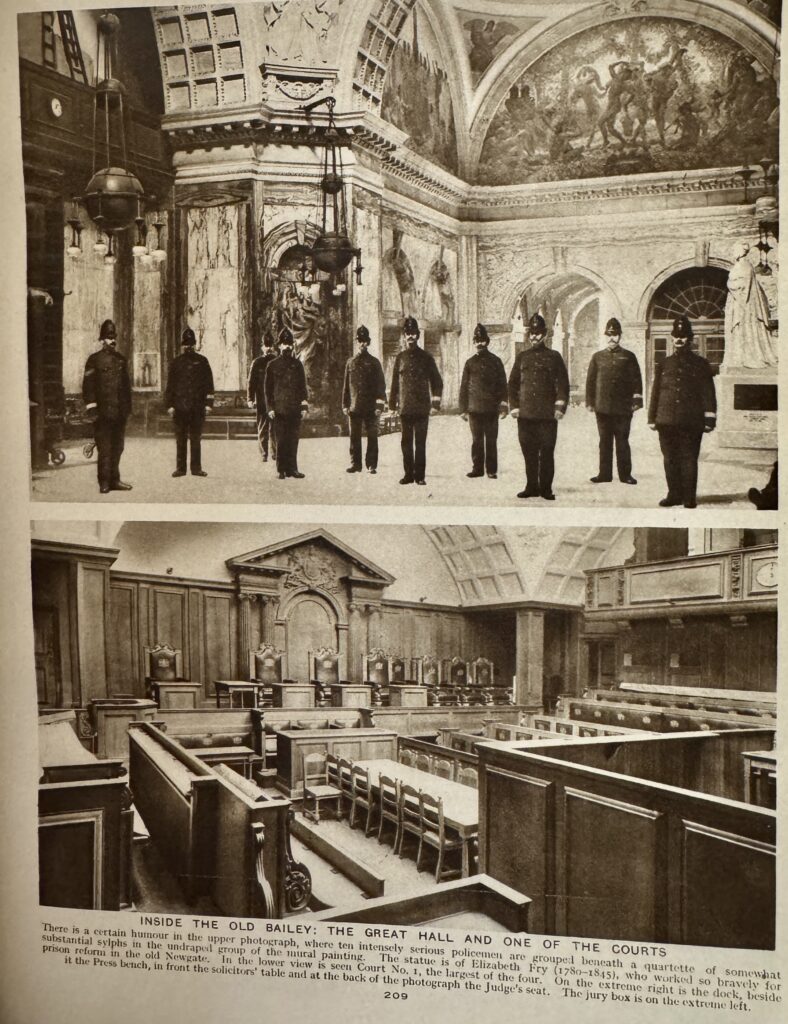
You can read about my Old Bailey tour here.

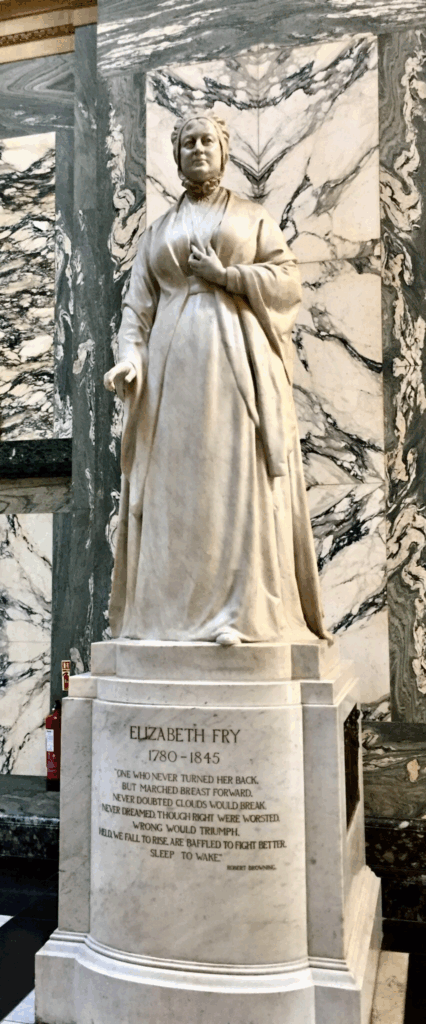
Here’s the picture I took then of Elizabeth Fry’s statue …
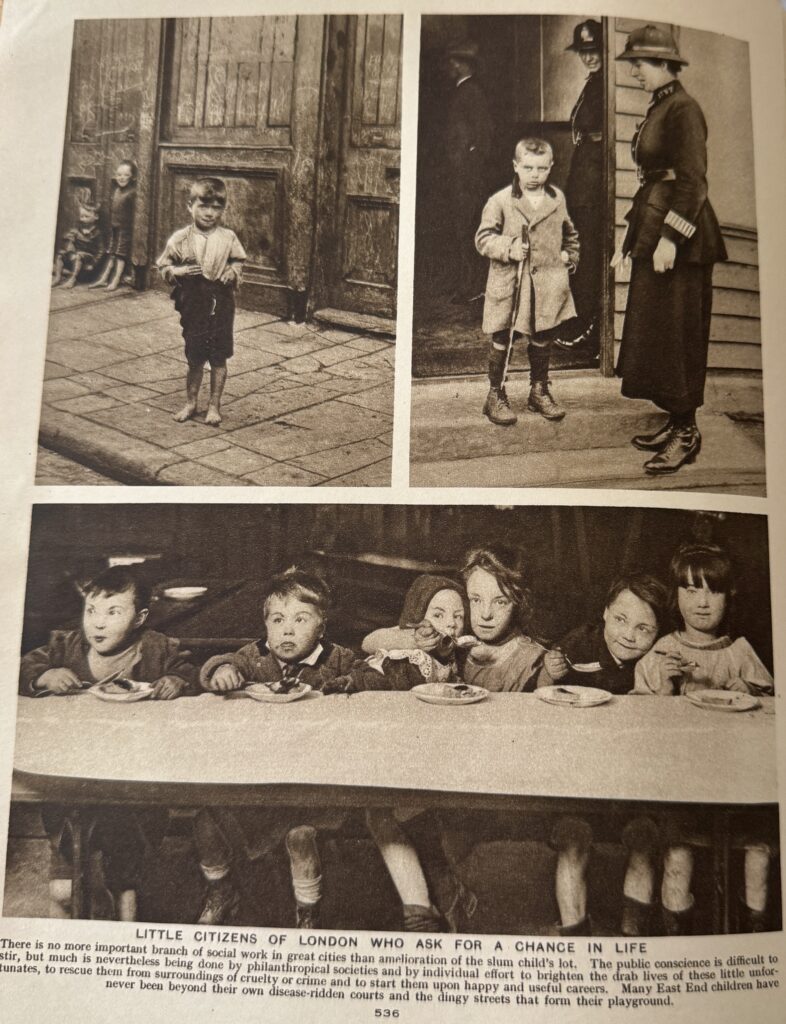
Help for the homeless and disabled …
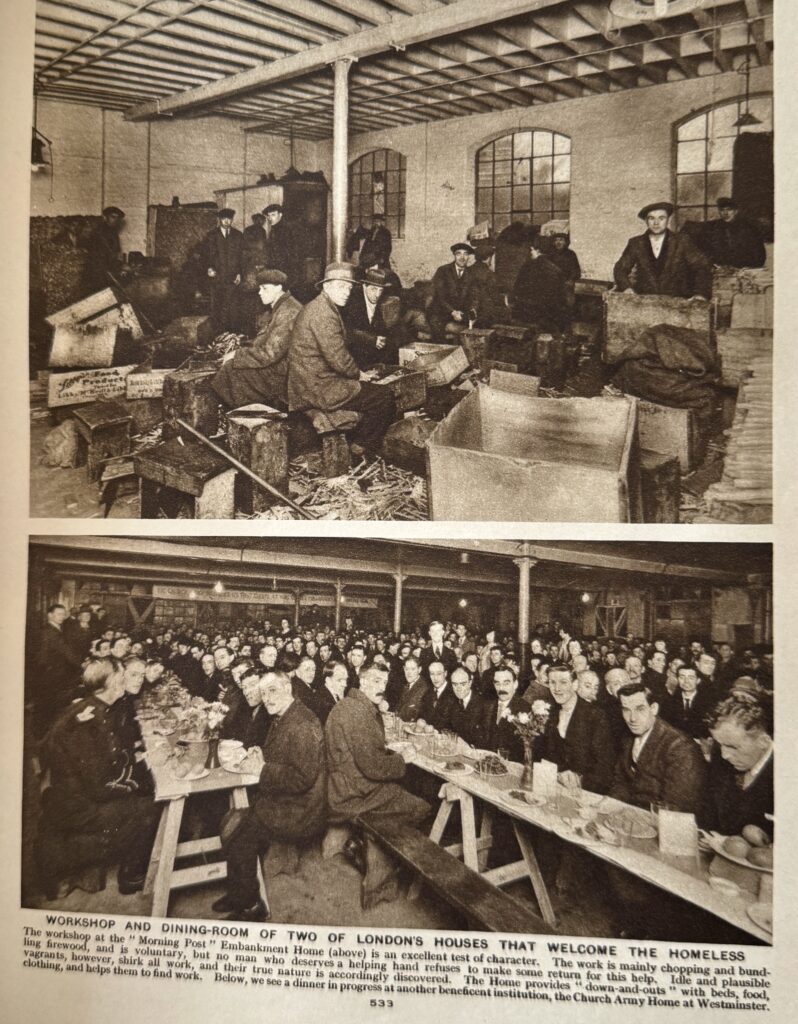
The judgmental caption referring to idle vagrants shirking all work made me cringe a bit.

Scenes and captions resonant of the times …
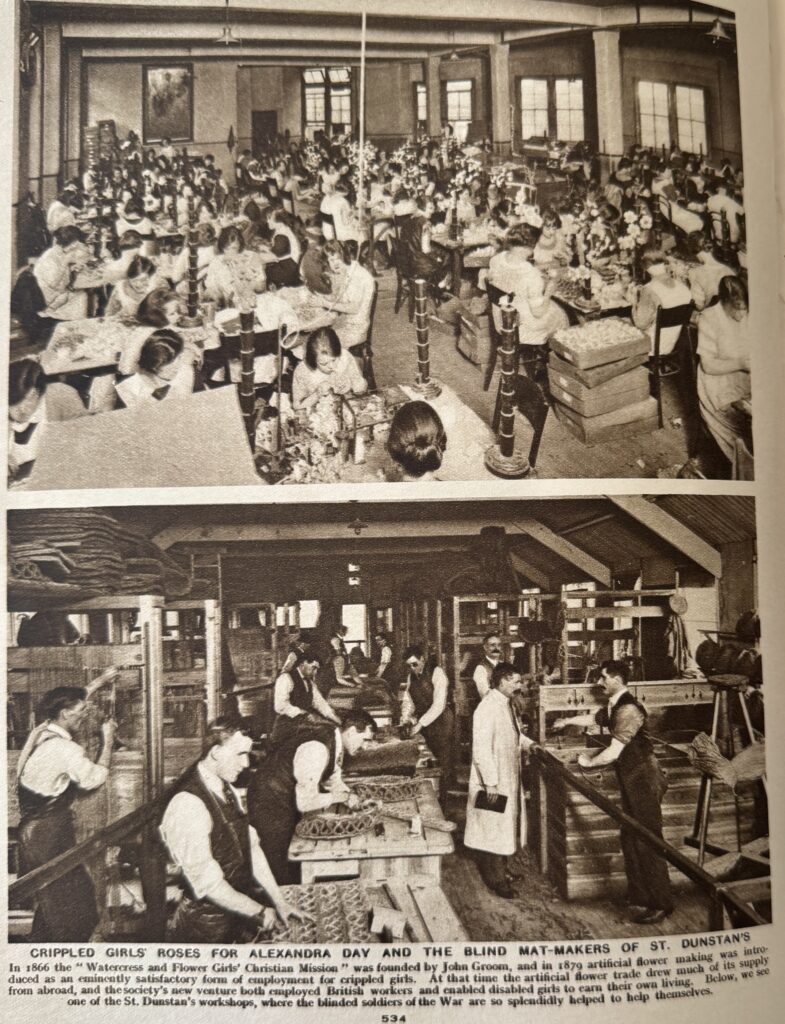
Presumably the top two pictures are intended to illustrate ‘before’ and ‘after’. I can’t help but wonder what the little chap was thinking when the second photo was taken.

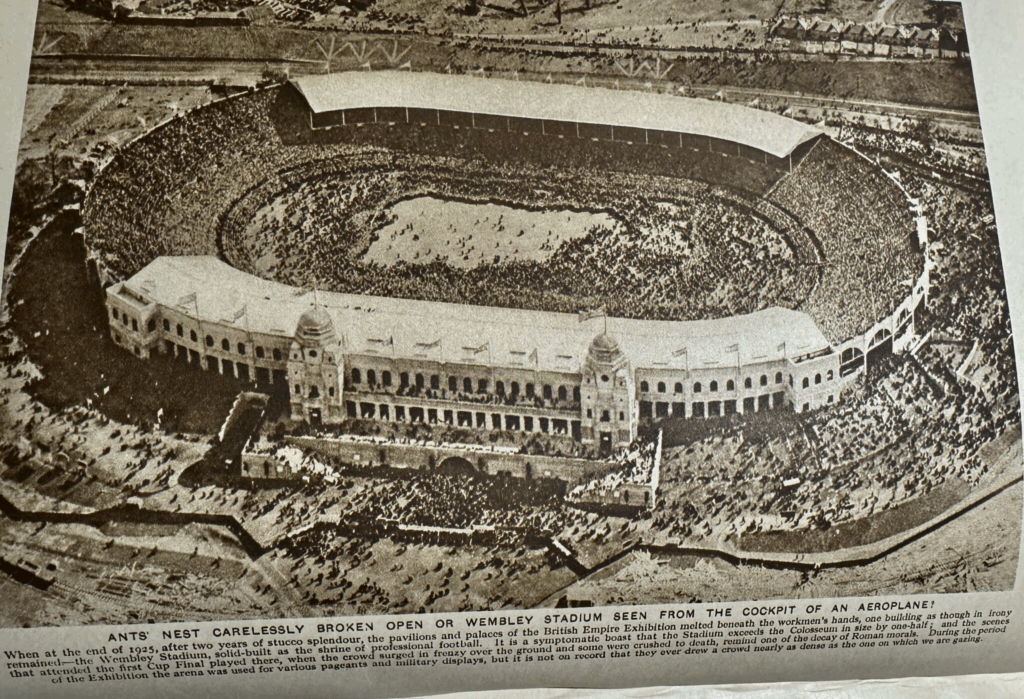
Wembley Stadium ‘…like an ants’ nest carelessly broken open’. And the commentary below the image, comparing the stadium with the Colosseum (‘…exceeding it in size by one half’) and the people crushed to death in the crowd on Cup Final day a reminder of ‘the decay of Roman morals’!
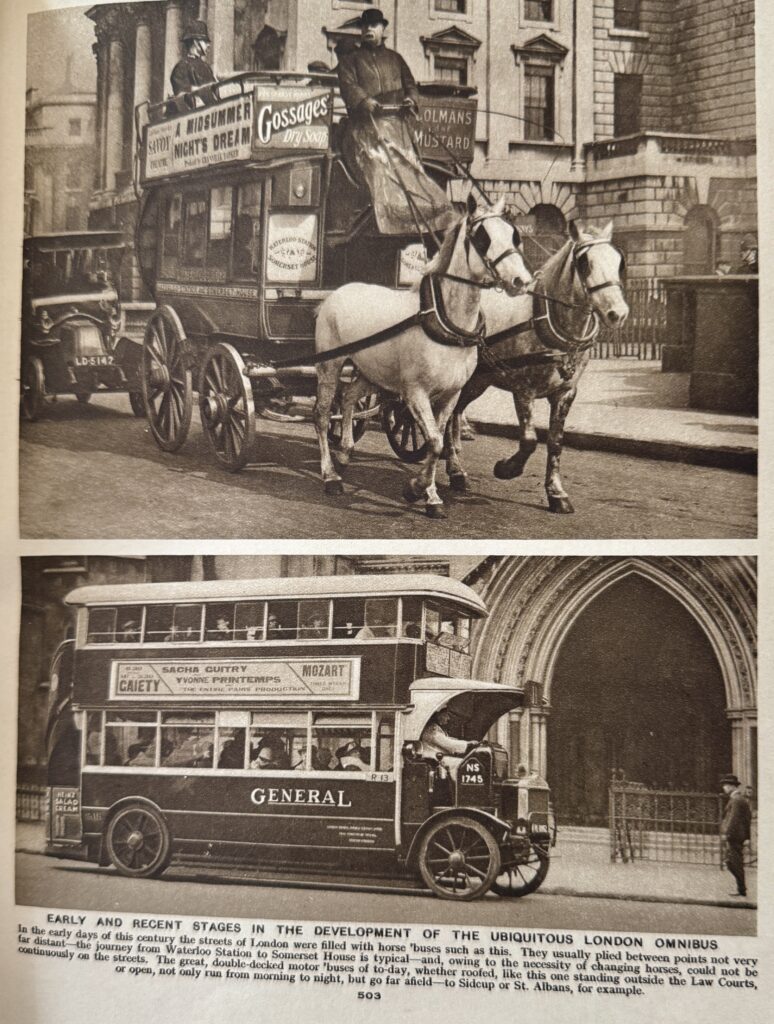
Buses old and new in the 1920s …
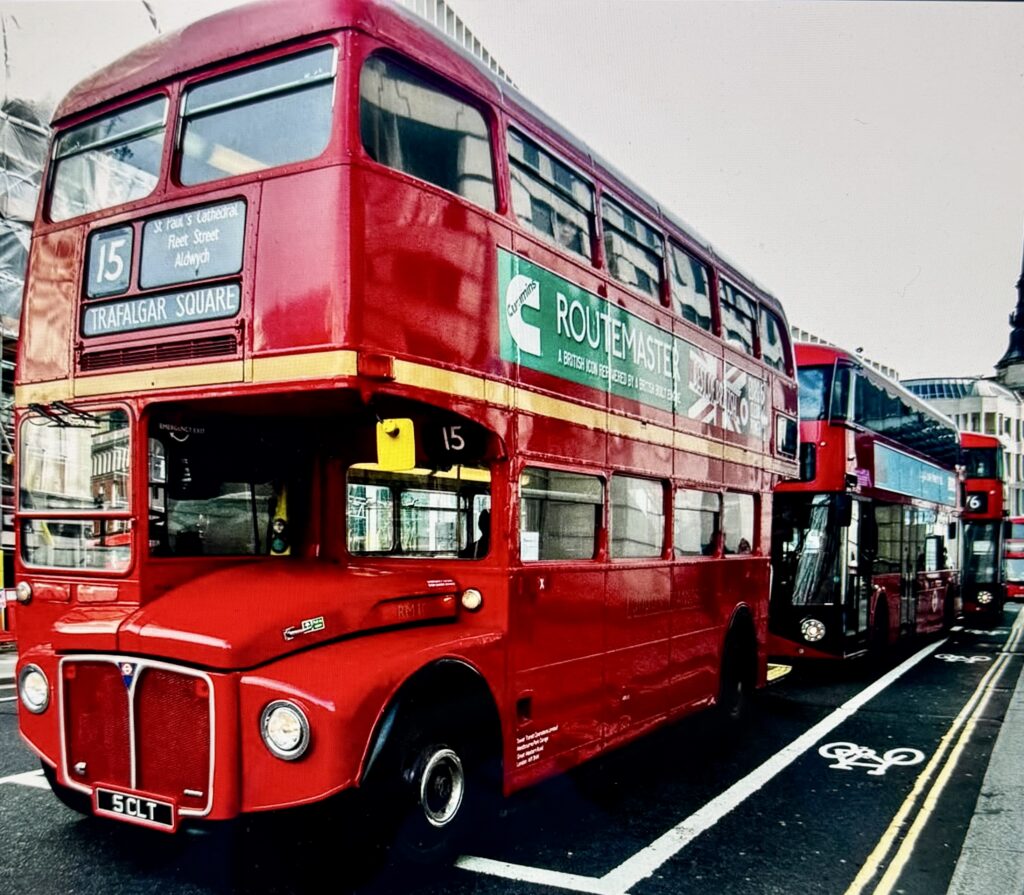
And now, outside Cannon Street Station …
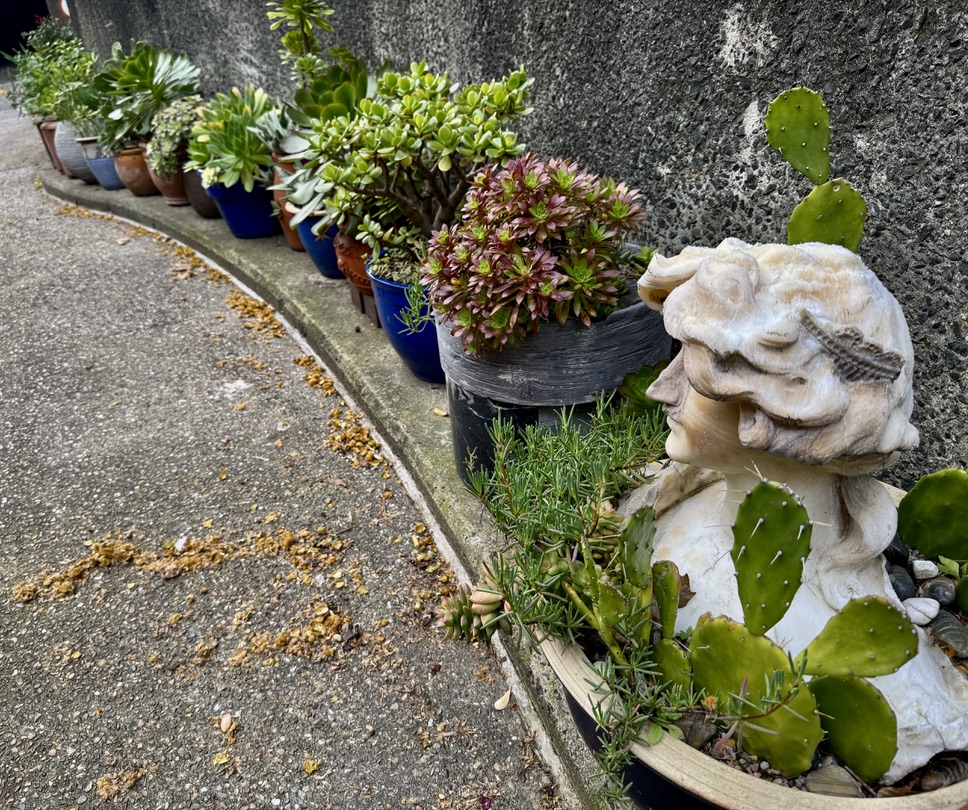
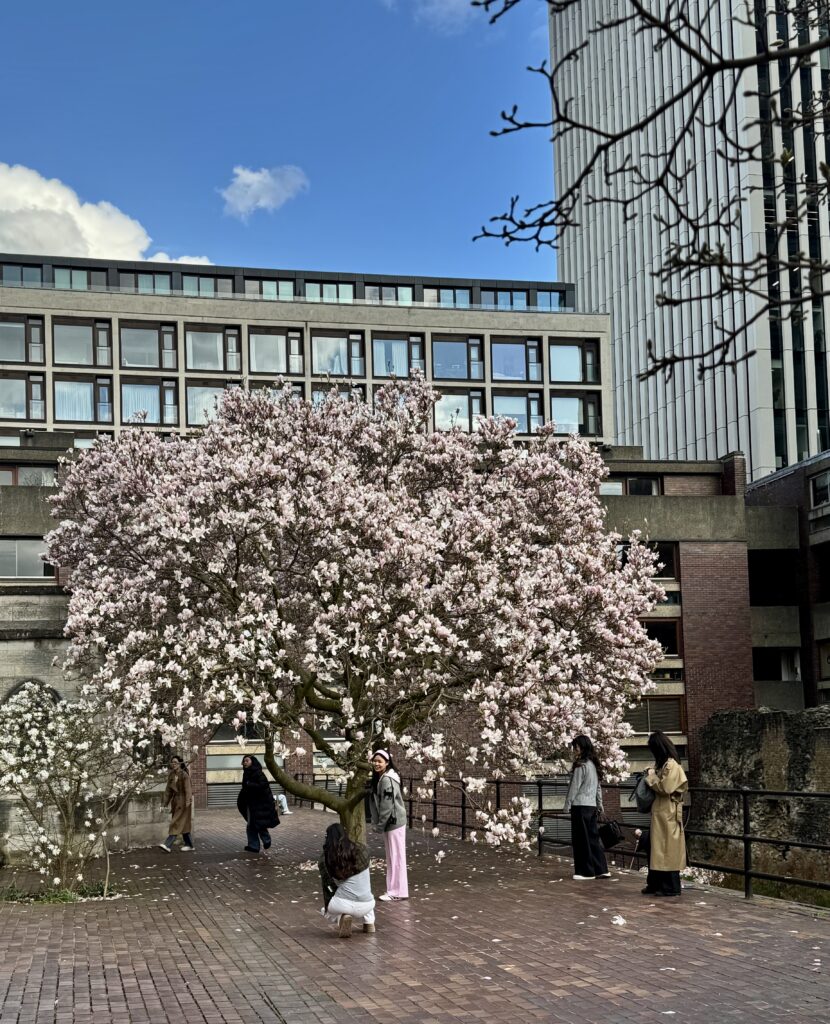
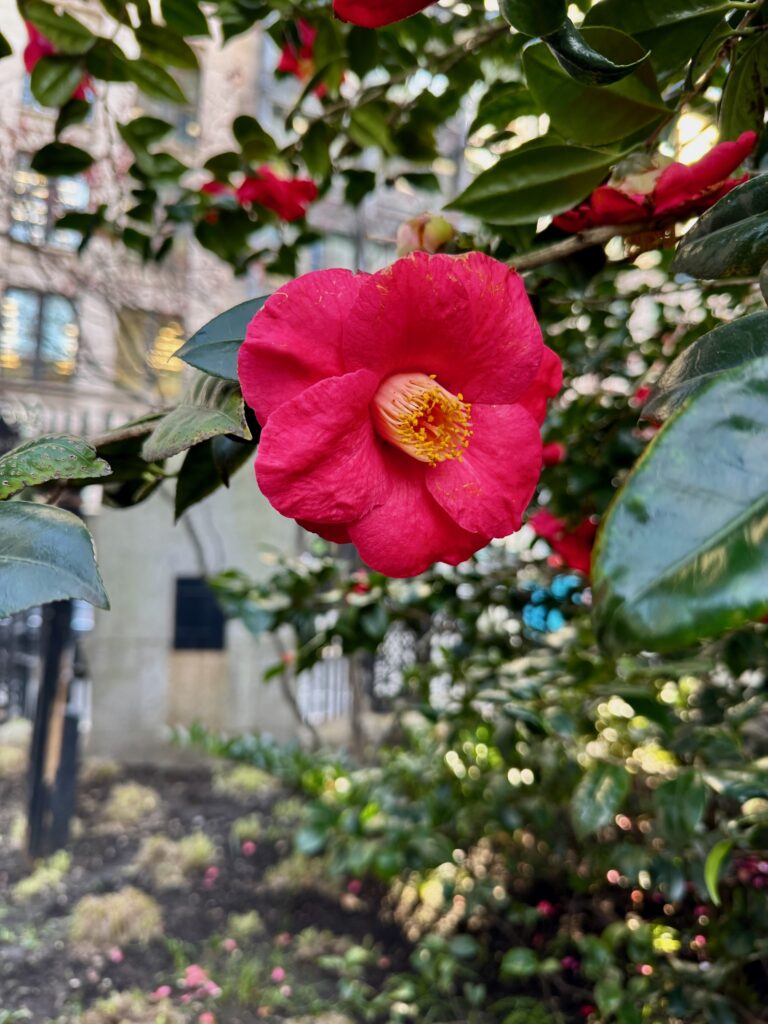
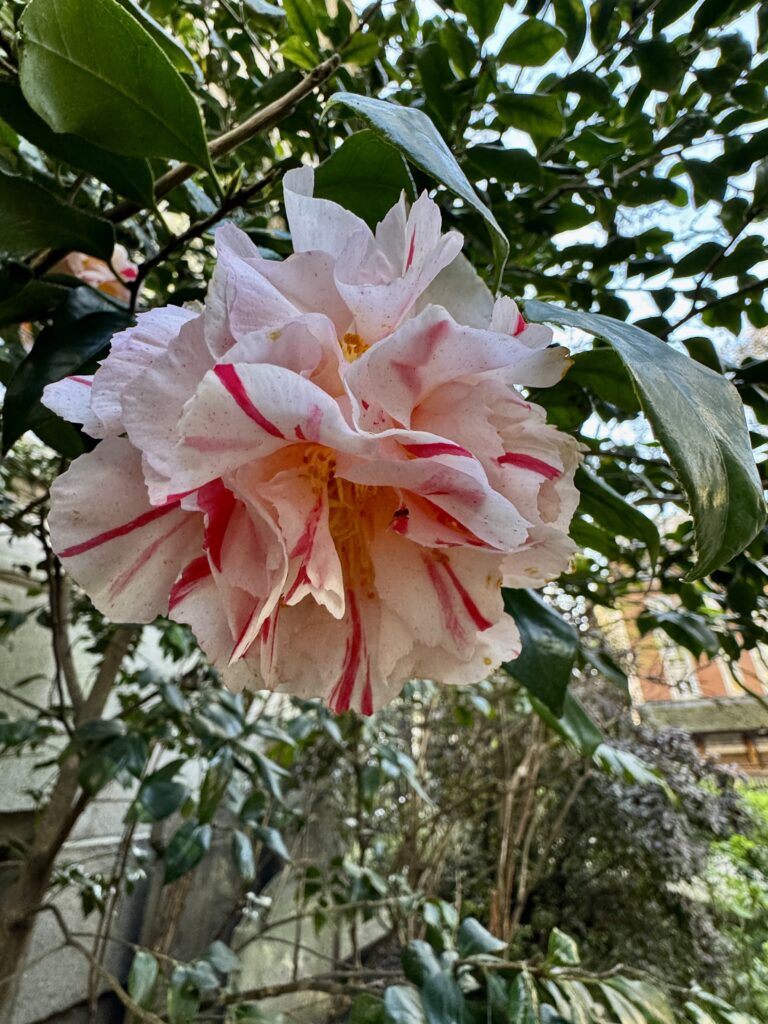
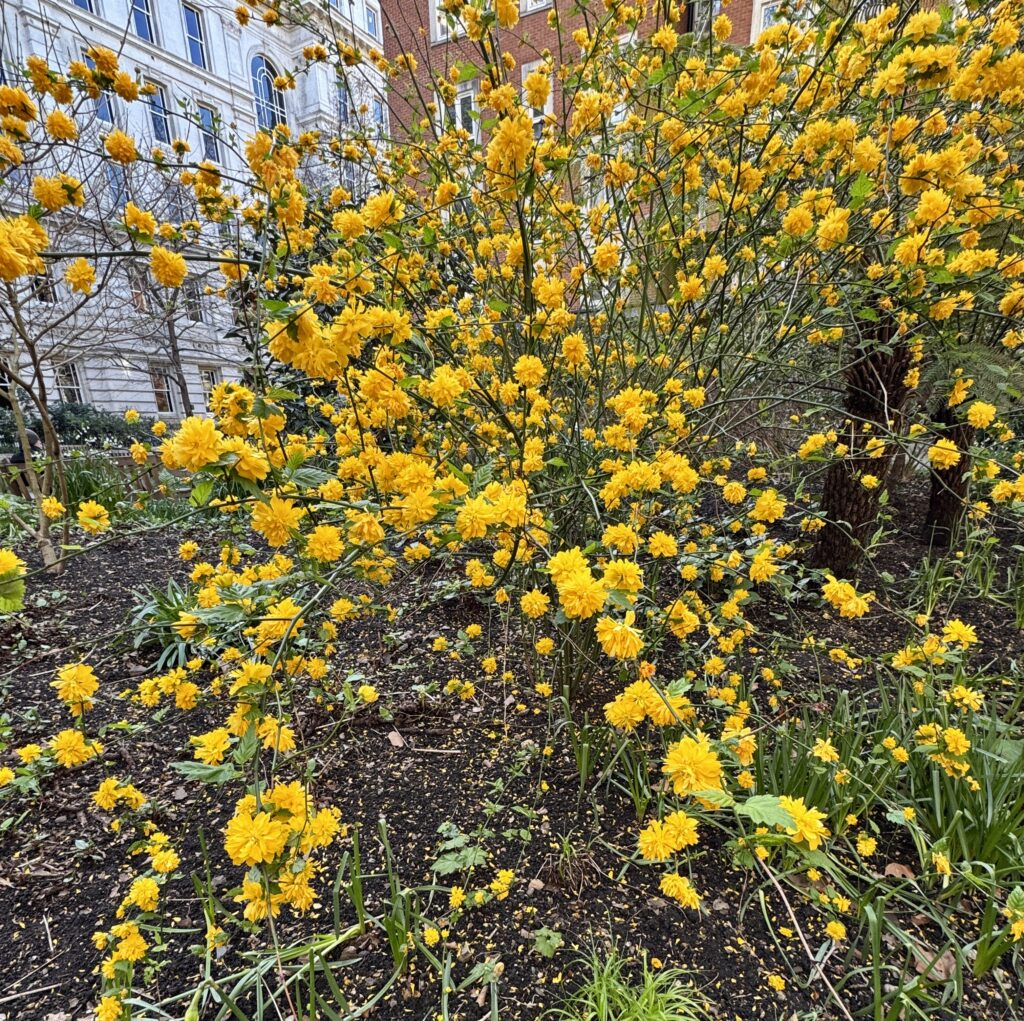
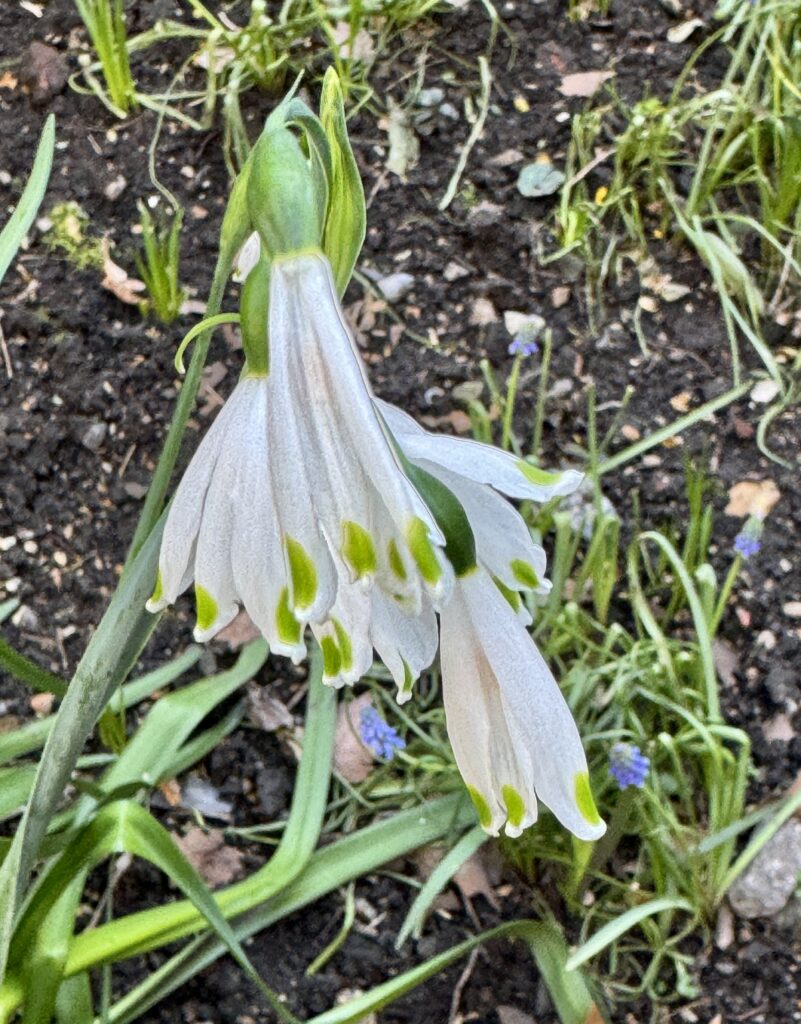
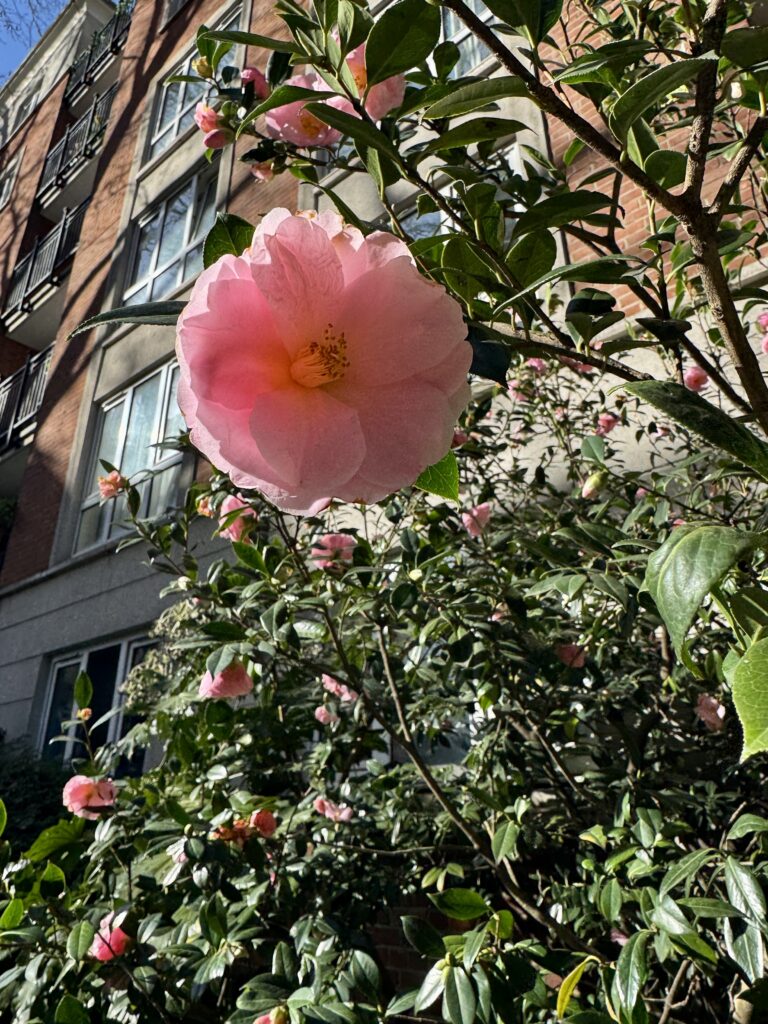
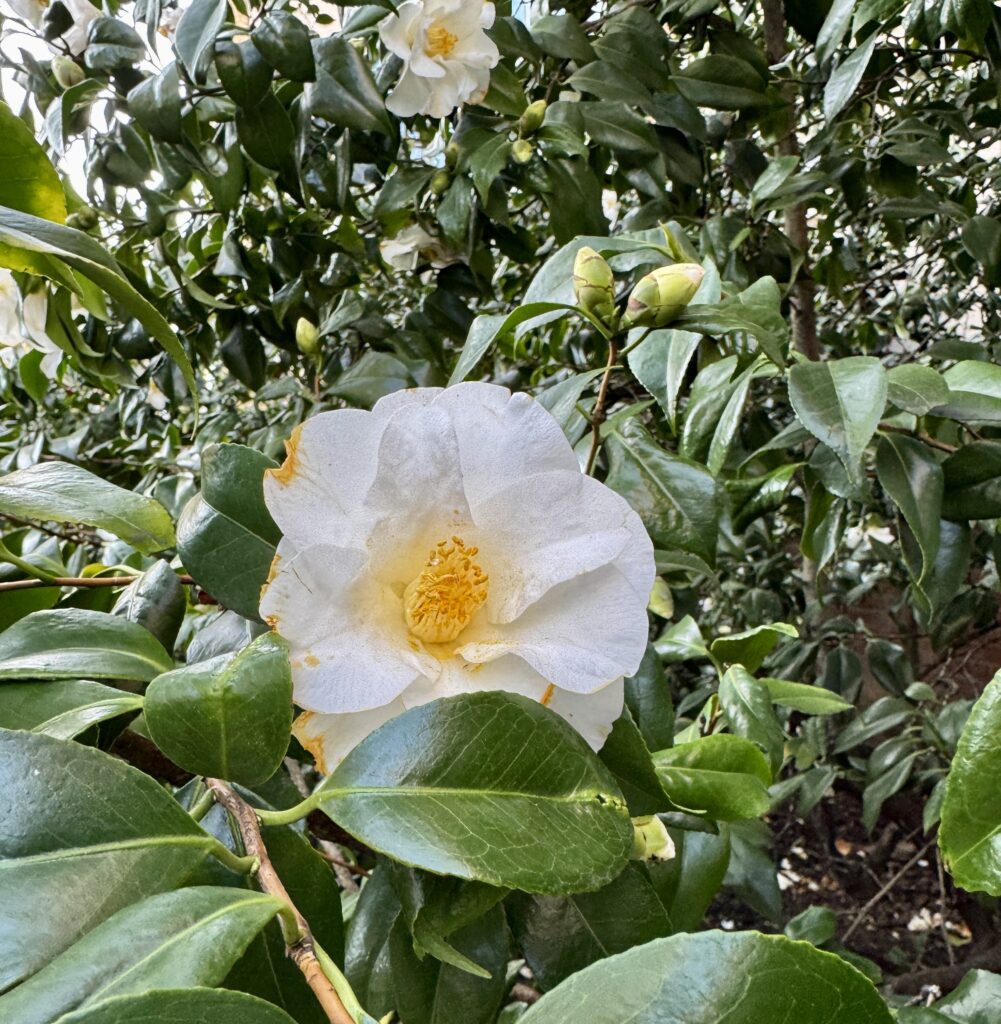
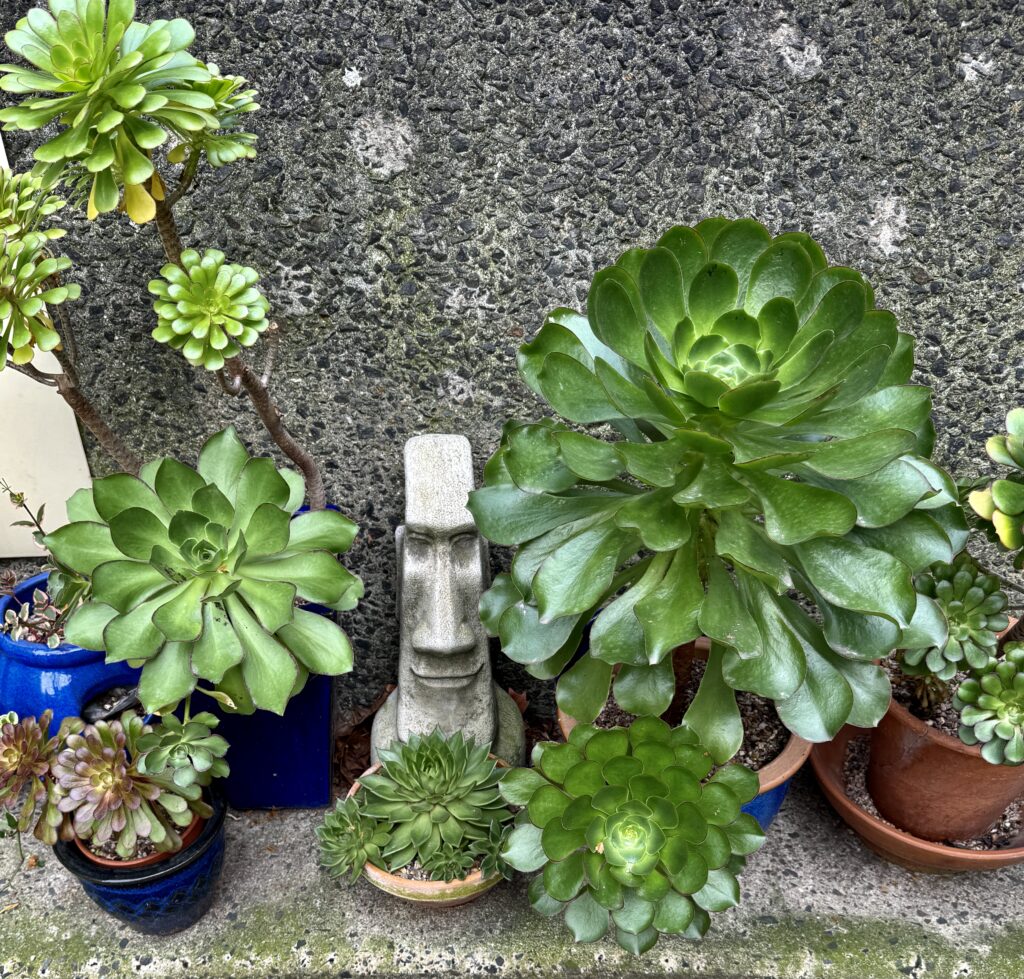
Finally, some Spring pics of nature to cheer us up.

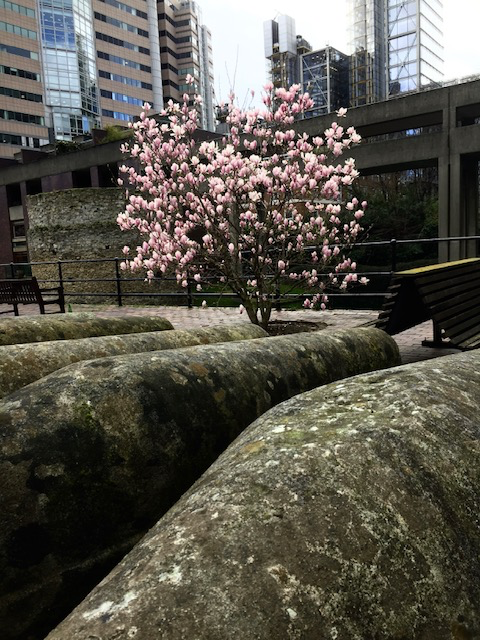
Andrewes House Car Park …
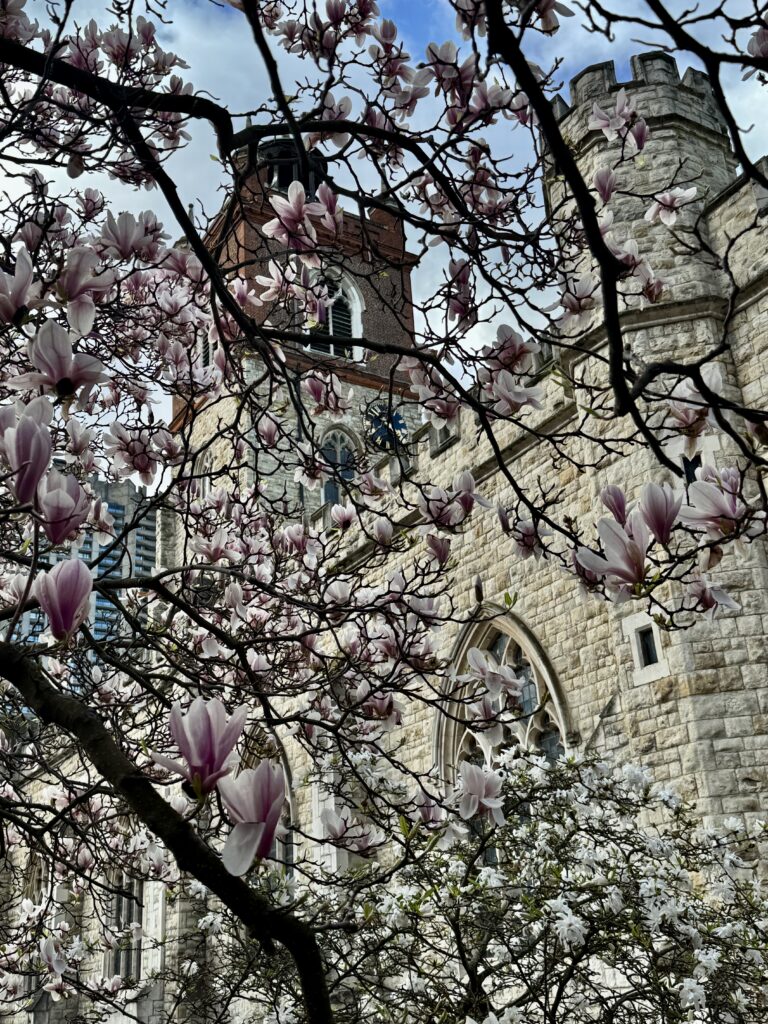
St Giles Magnolias …
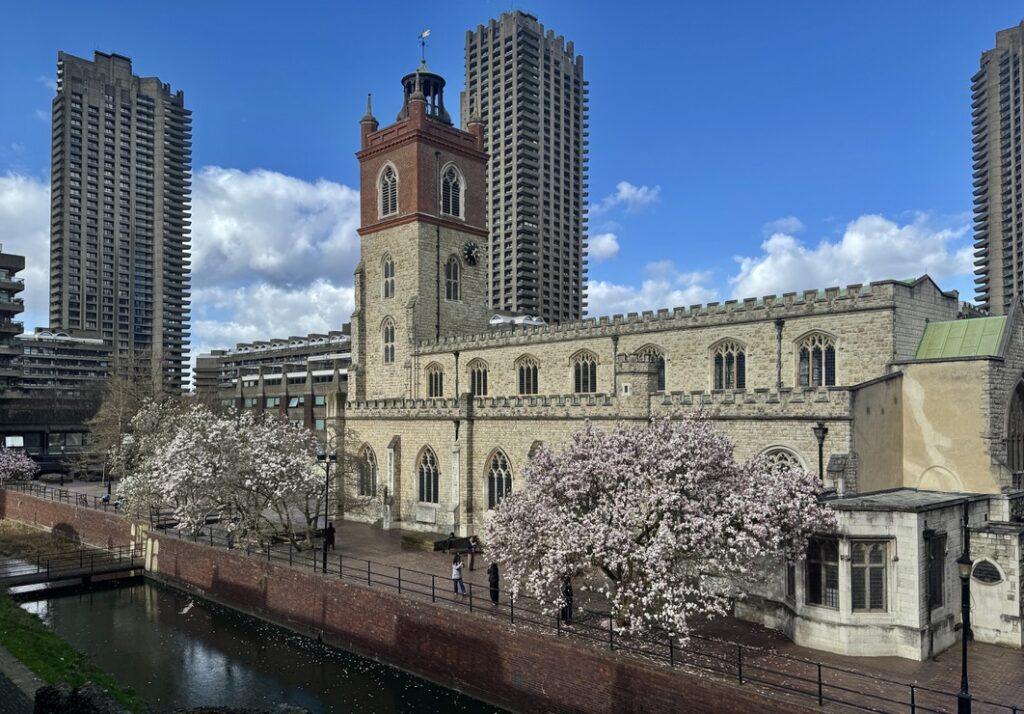
Opposite Salters’ Hall …
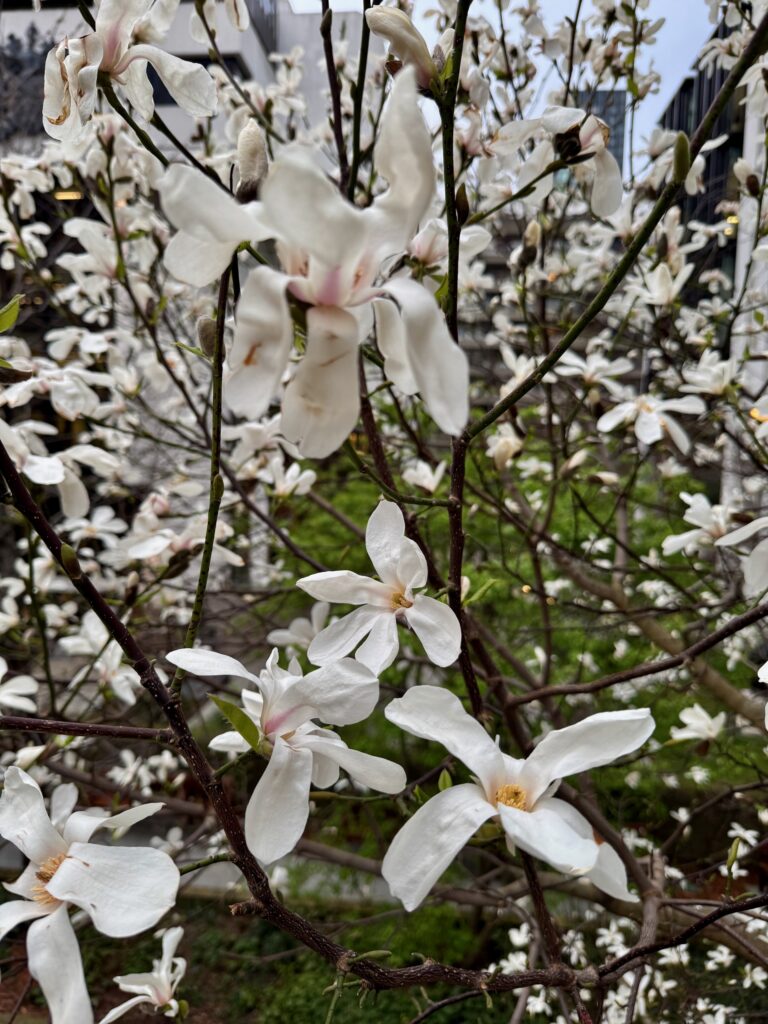
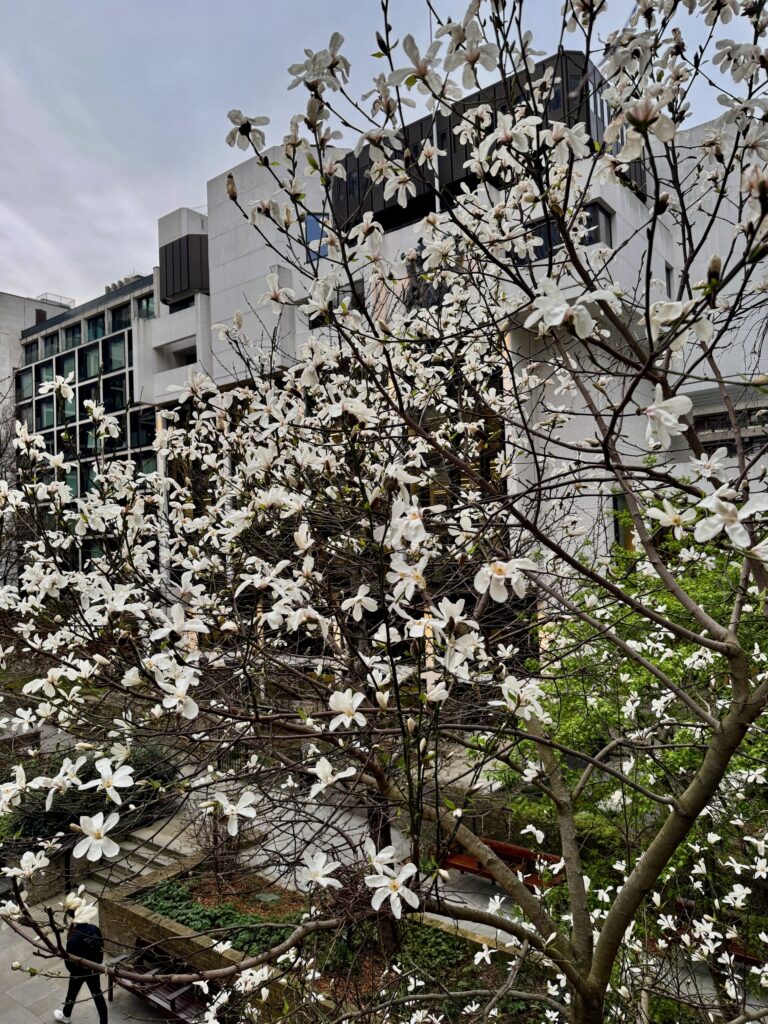
Silk Street …
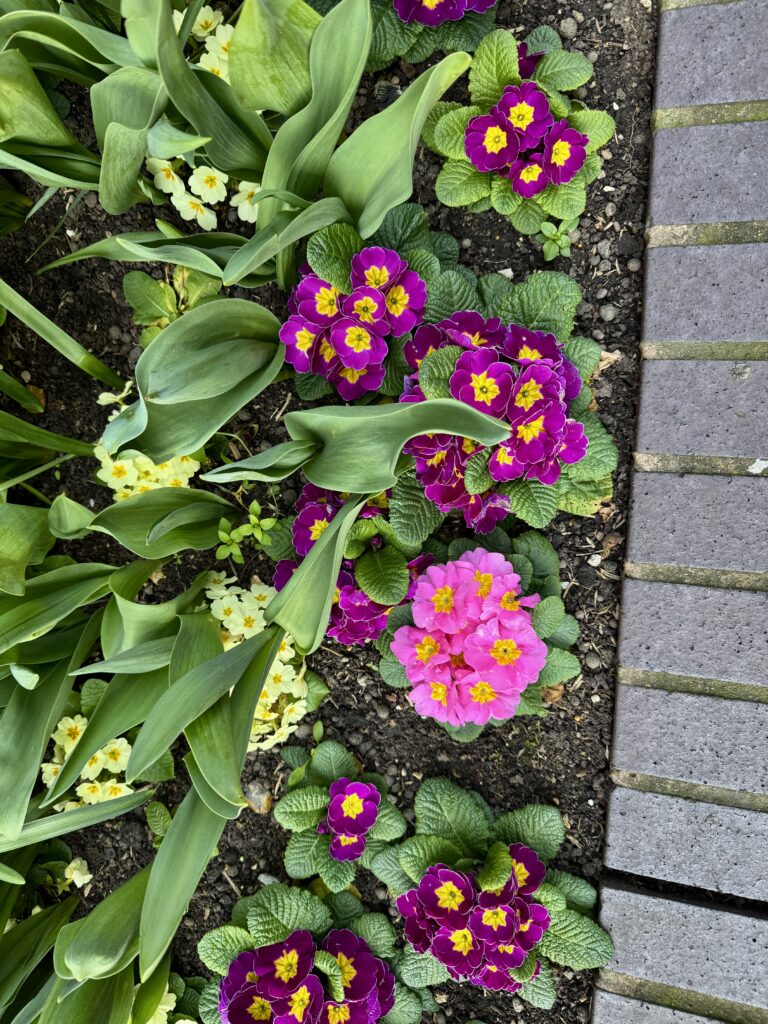
In Postman’s Park …
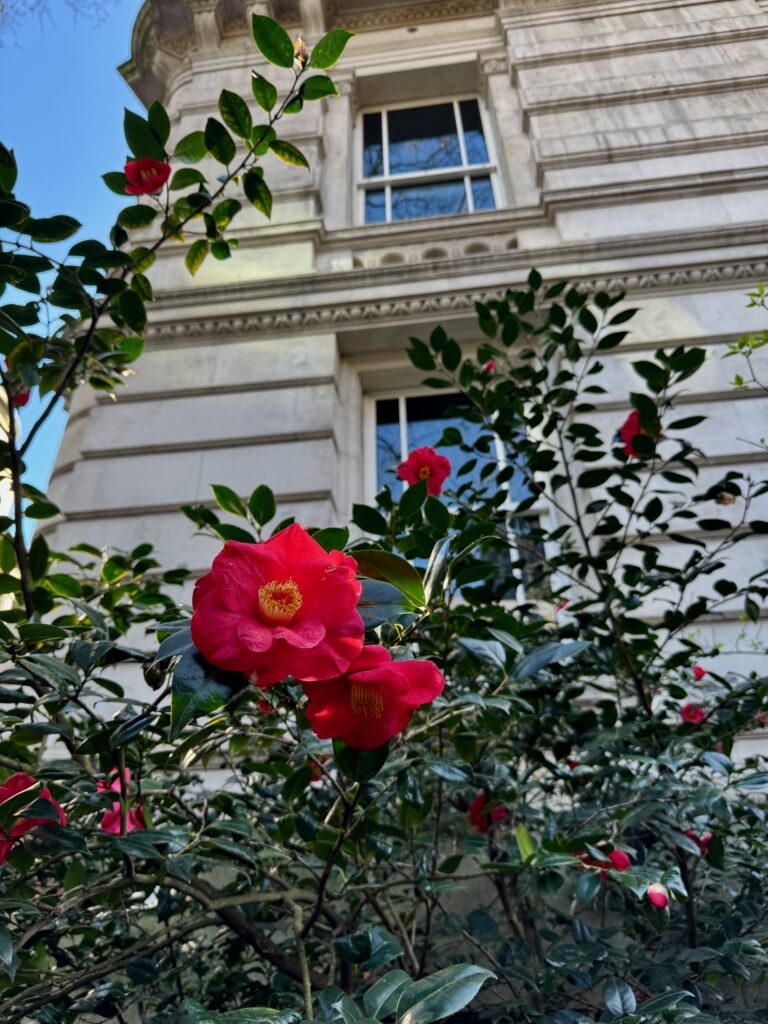
Finally, ‘lest we forget’, when you next visit Postman’s Park, do pause and observe the sundial …
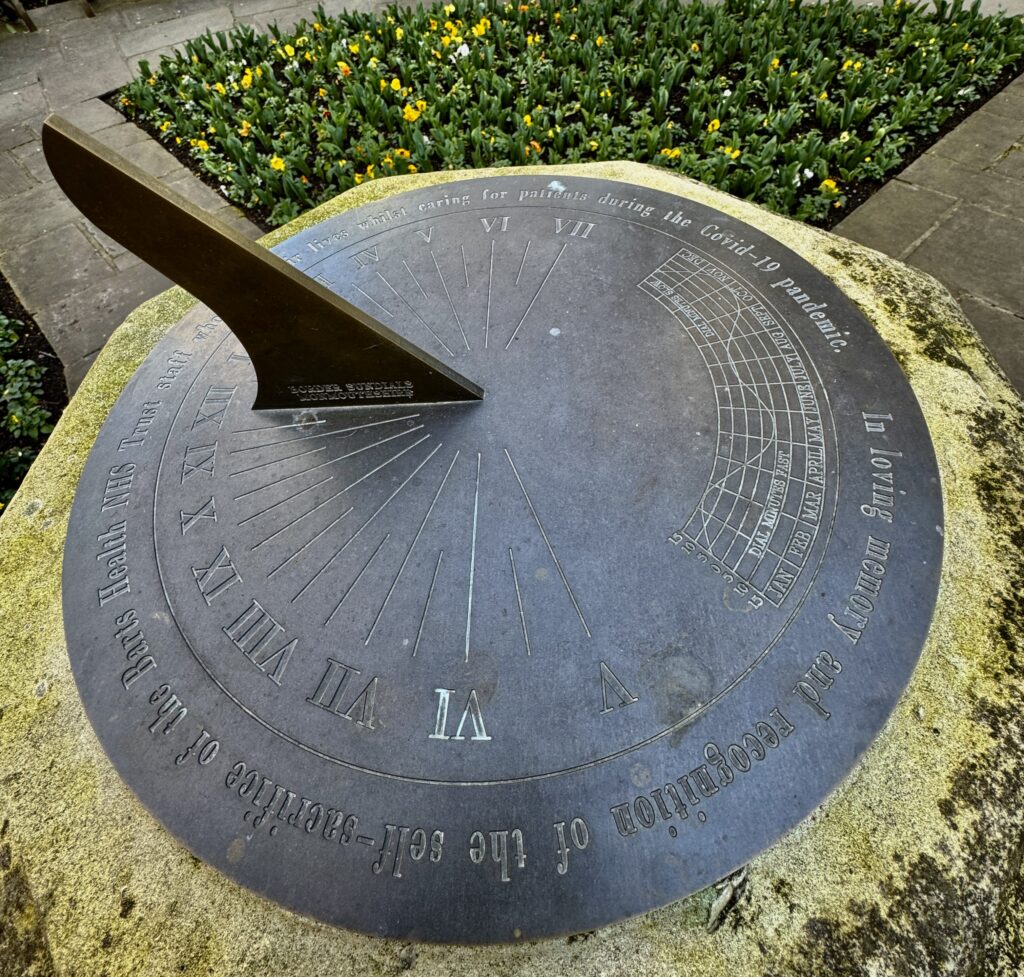
It features the inscription, ‘In loving memory and recognition of the self-sacrifice of the Barts Health NHS Trust staff who lost their lives whilst caring for patients during the Covid-19 pandemic.’

The idea to install a memorial in the Park came from Helen Parker, an A&E consultant and the deputy medical director of Newham Hospital, who spent time there during lockdown. She said: ‘NHS staff surrendered so much during the pandemic including time with loved ones and relationships. It was the ultimate example of self-sacrifice and this is a fitting place to remember them.’
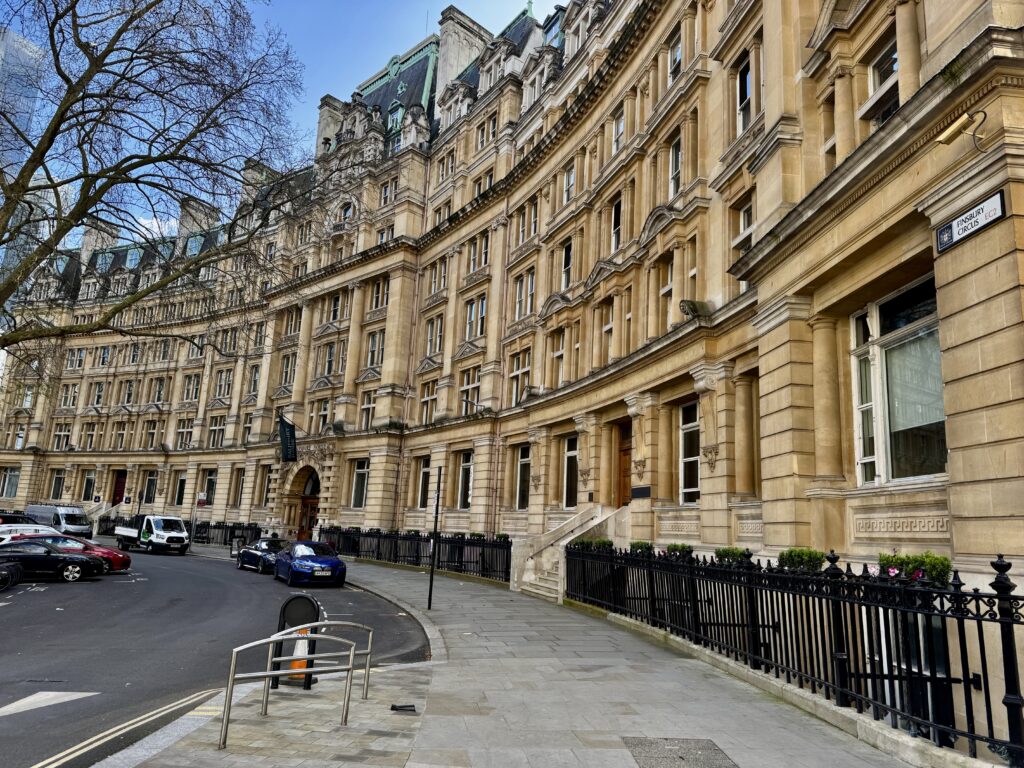
Finsbury Circus Reborn!

I finally got around to having a walk through Finsbury Circus since it was reclaimed from the Crossrail excavations last year.

The park has two boasts – firstly, that it’s the largest public space in the City, and secondly, that it’s the oldest public park in London. At two acres, the first statement is undoubtedly true. The second, however, is a bit tenuous but I’ll relate the history of the space and you can reach your own conclusion.

Once upon a time, this area was part of the 12th century manor of Finsbury (hence the name). According to the Museum of London archive, archaeological investigations at seven sites within the nearby Finsbury Square area have revealed important evidence for the medieval and post-medieval development of this former marshy area north of the city walls. Evidence was recovered for Finsbury manor house, documented from 1272 and moated by the 14th/15th centuries, and for widespread quarrying and brick manufacturing beyond the manor in the later 15th century, along with dumping from nearby leather workshops in the 15th and 16th centuries.

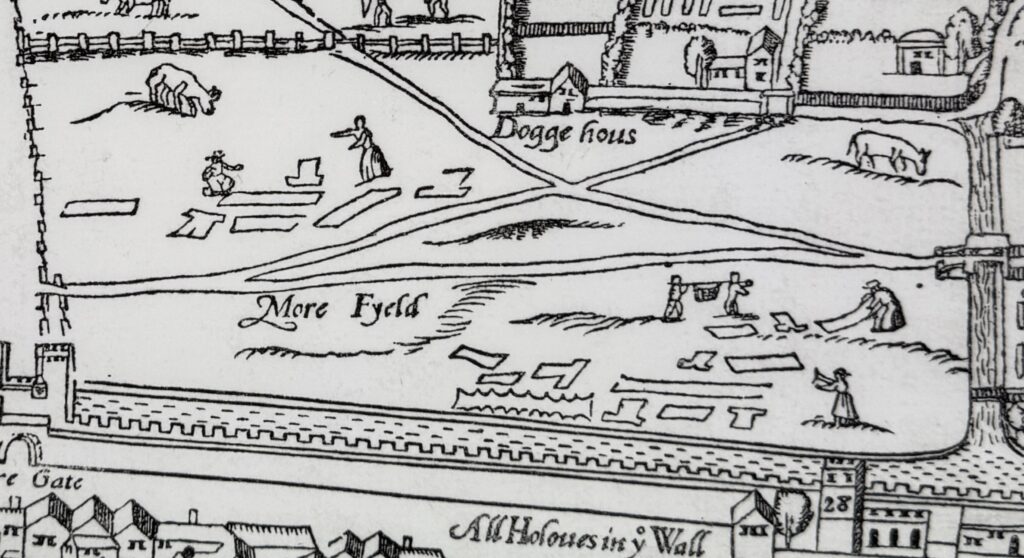
The 16th century Agas map identifies the area as More Fyeld and, as you can see from this section of the map, it was a public open space where clothes could be laid out to dry …

The dog house, incidentally, was where the Lord Mayor of London kept his hunting dogs.

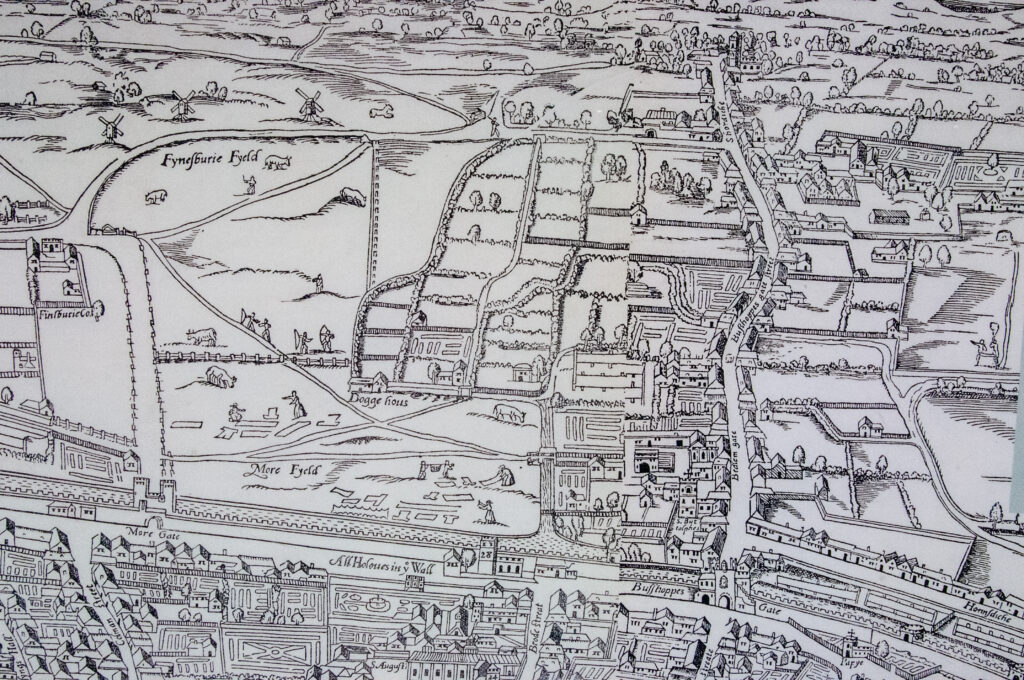
The area in a wider perspective. Note the windmills, the men practising archery and the packed housing inside the London Wall. You can also see two of the City gates – Moorgate and Bishopsgate. Look north of the latter and you can observe how the City is already spreading out into farmland …

The designation of this as a public open space in 1607 was quite revolutionary since previously large open spaces tended to be enclosed (and were often the property of institutions such as the monasteries or the inns of court).

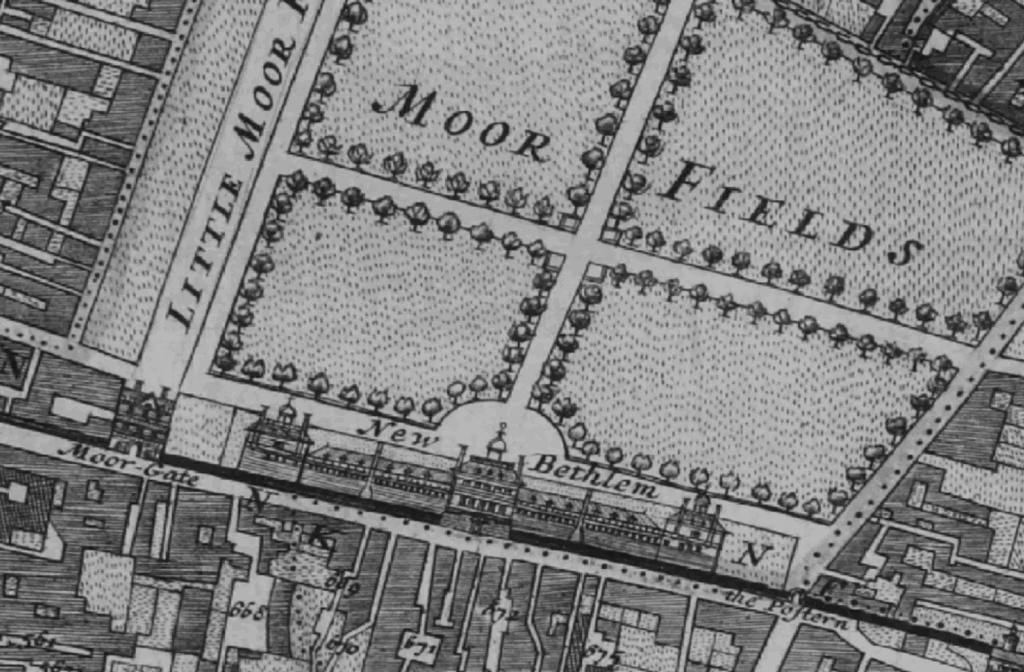
By the late 17th century it had acquired a notorious neighbour, as can be seen in this map of 1682 …

Bethlem Royal Hospital was England’s first asylum for the treatment of mental illness, and for many years a place of inhumane conditions, the nickname of which – Bedlam – became a byword for mayhem or madness. It was also a popular London attraction for the morbidly entertained.

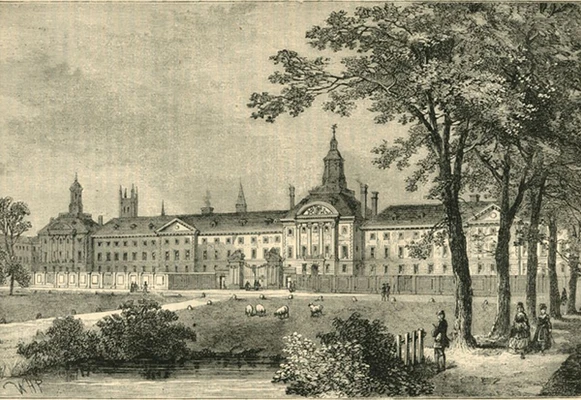
Old Bethlehem Hospital at Moorfields about 1750 …

By the 1750s Bethlem was accepting tens of thousands of paying visitors a year, making it a top tourist attraction for Londoners, second only to St Paul’s Cathedral in popularity. Most did not wish to admire the manicured gardens or ornate architecture but came instead to visit the hospital’s ‘crackbrained’ patients. For as little as a penny, anyone could gain access to Bethlem’s wards in order to stare at, taunt or abuse inmates.
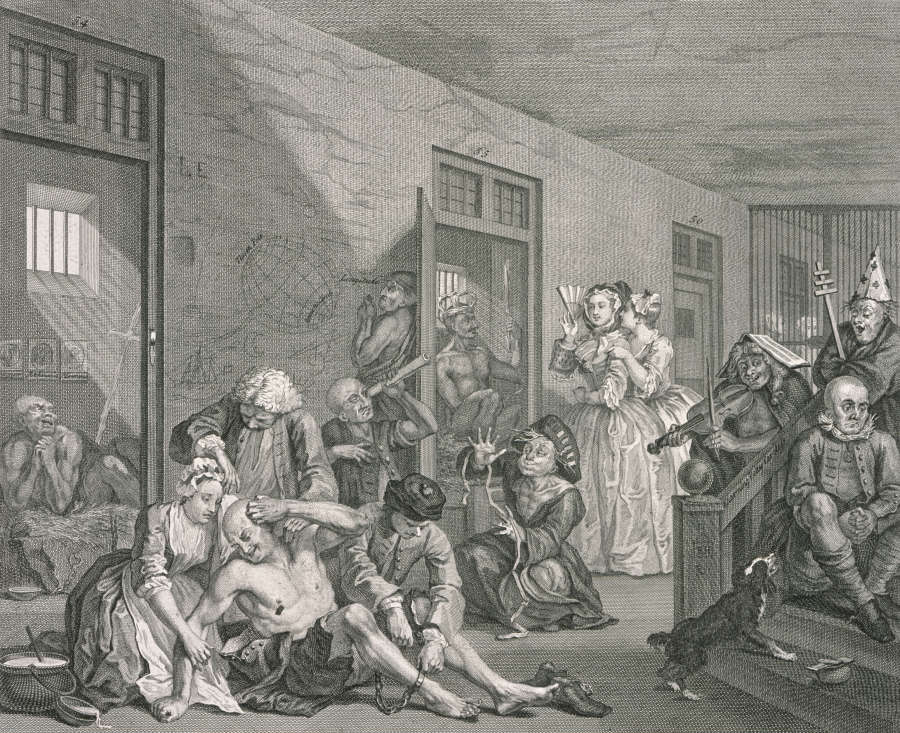
An insight into the chaos of the hospital can be seen in Hogarth’s ‘madhouse’ scene from his series, A Rake’s Progress. The ‘Rake’, a previously wealthy young man has lost his money gambling and is thrown into Bethlehem Hospital. He is half naked with his head shaved, his ankles about to be shackled, while around him are various scenes of madness while two well-dressed women visitors look on in amusement …

In 1815, Bethlem was moved from its collapsing Moorfields site to a brand new building at St George’s Fields, south of the Thames. Lessons had been learned and an 1818 report found patients ‘clean, amply supplied with wholesome provisions and well clothed [with none] under restraint’. A financial audit suggested that the hospital was solvent and generally well-managed.

In 1815 the City Surveyor, William Mountague laid out the large, oval design that still exists today. The space was unique in the City of London, a copy of the grand garden squares in the West End, and the circus was originally flanked by houses whose residents had exclusive use of the garden. Eventually, however, the houses were gradually demolished and the circus was opened as a public park in the early 20th century.

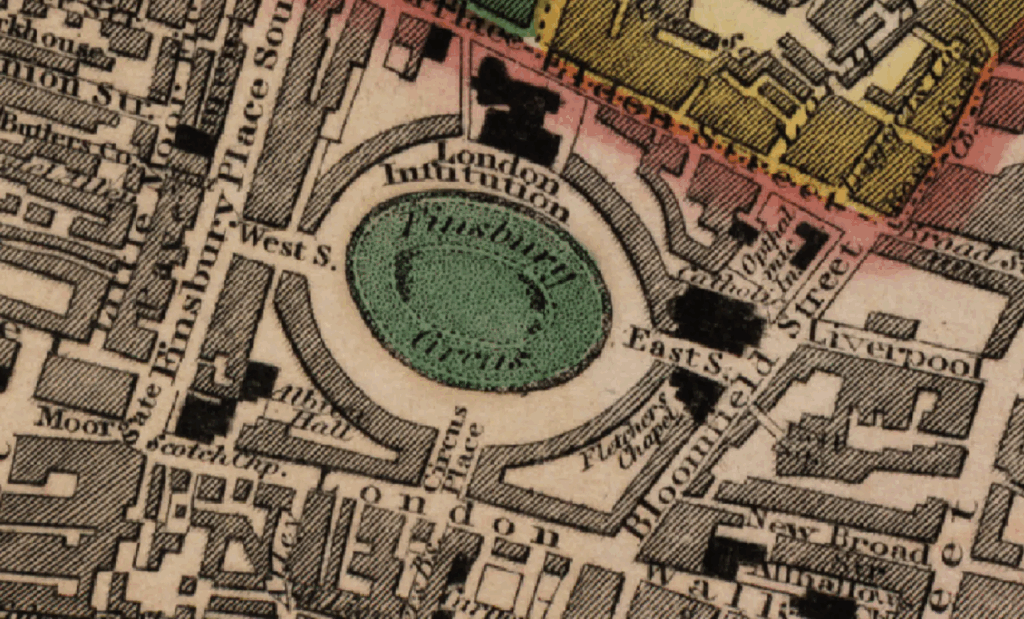
Looking at the 1828 C and J Greenwood map, the oval lawn is clear and one of the most prominent buildings is the London Institution. The educational institution specialised in the study of chemistry and only closed in 1912. It was briefly used by University of London but then the buildings were demolished in 1936 …

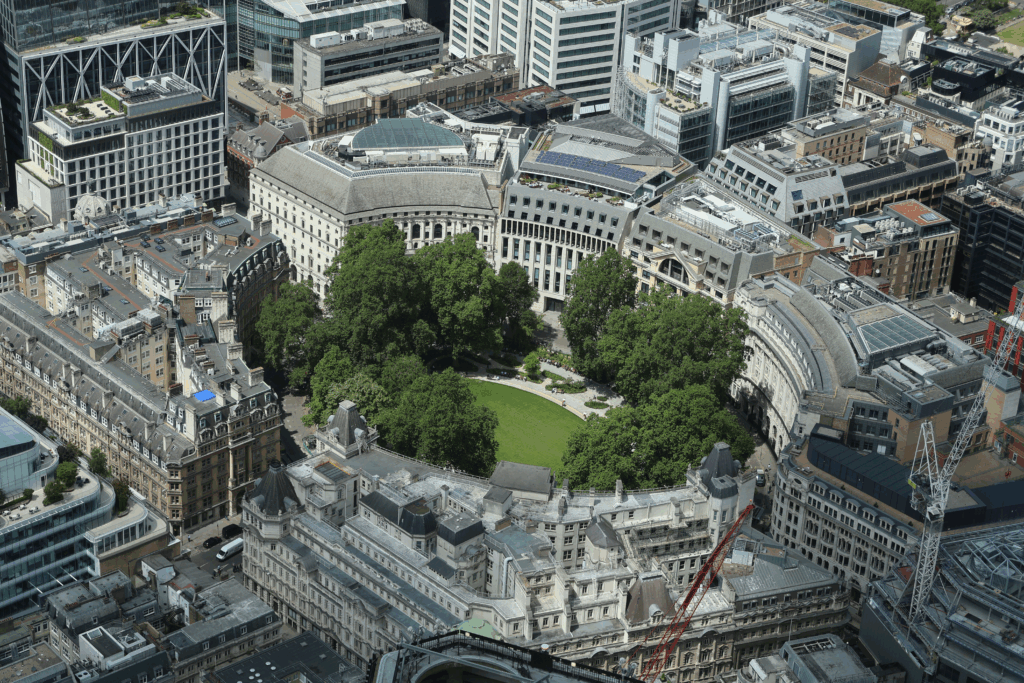
The ‘circus’ of the name reflects the elliptical shape of the space, similar to the circus venues of ancient Rome. This recent aerial image illustrates this nicely …

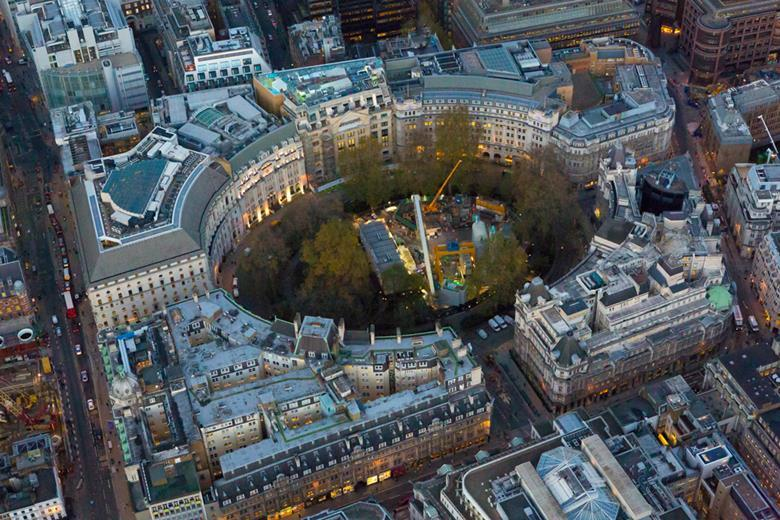
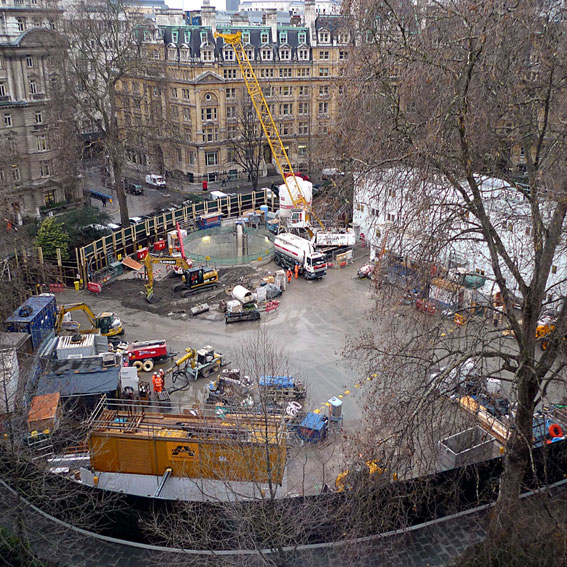
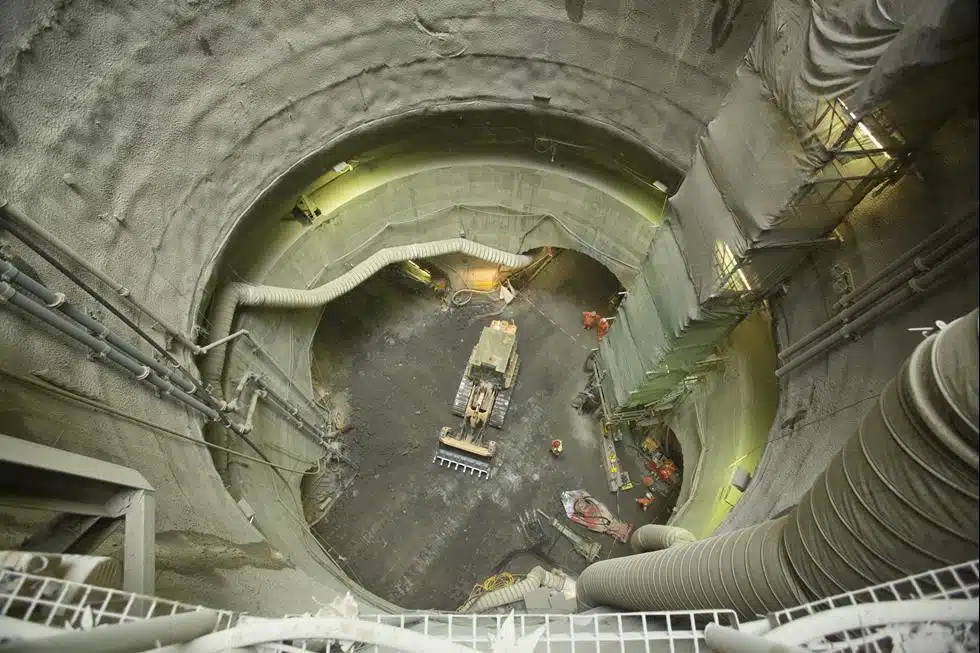
From 2010 Crossrail took over the site to utilise the open green space as an access shaft to building the Elizabeth Line’s Liverpool Street Station. This was an extraordinary feat of engineering and here are some images showing the work in progress at the circus …

Looking down the shaft. It was 42 metres deep (that’s twice the height of the surrounding buildings if you want to picture it!) …

The garden is now restored and open. Policy Chairman at the City of London Corporation, Chris Hayward, said: Finsbury Circus Gardens is a beautiful, tranquil retreat in the heart of the City – now revitalised and ready to be rediscovered. Our green spaces play a vital role in making the Square Mile a welcoming and attractive place to live, work, and visit – delivering on our vision for a more inclusive, innovative, and sustainable City. These gardens reflect what makes the City of London so special – not just a global financial powerhouse, but a destination rich in beauty, history, and moments of escape.

I’m inclined to agree. Here are some images I took last week when there was actually some sunshine for a change!

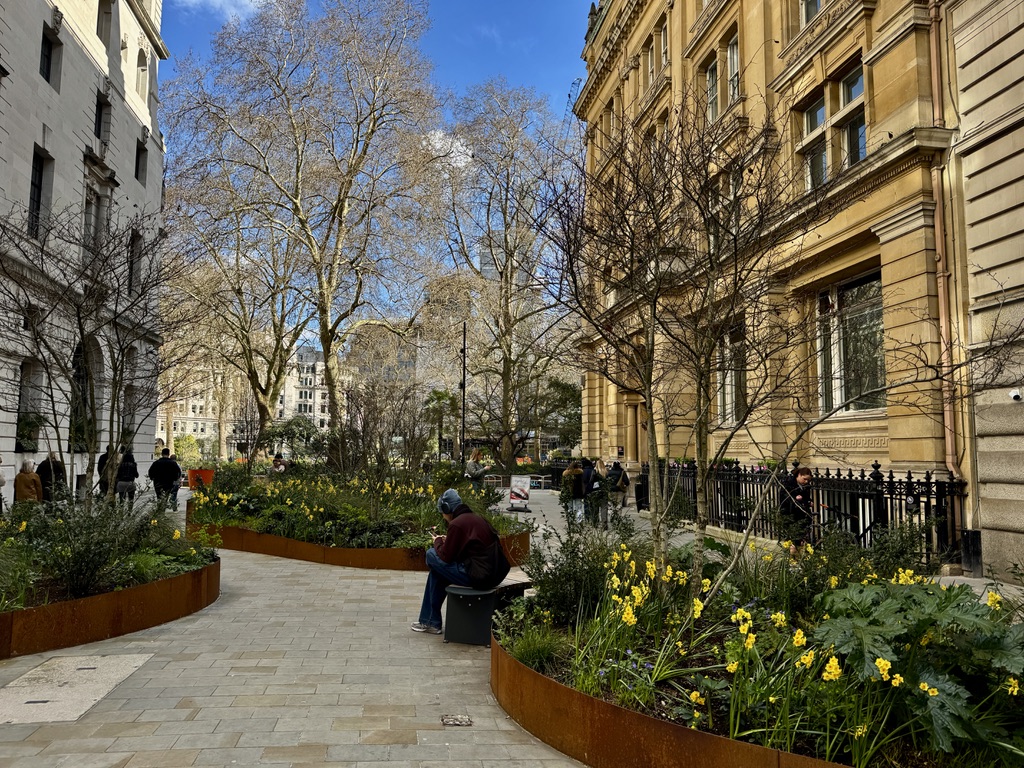
The approach from Moorgate has been pedestrianised with some nice new planting …

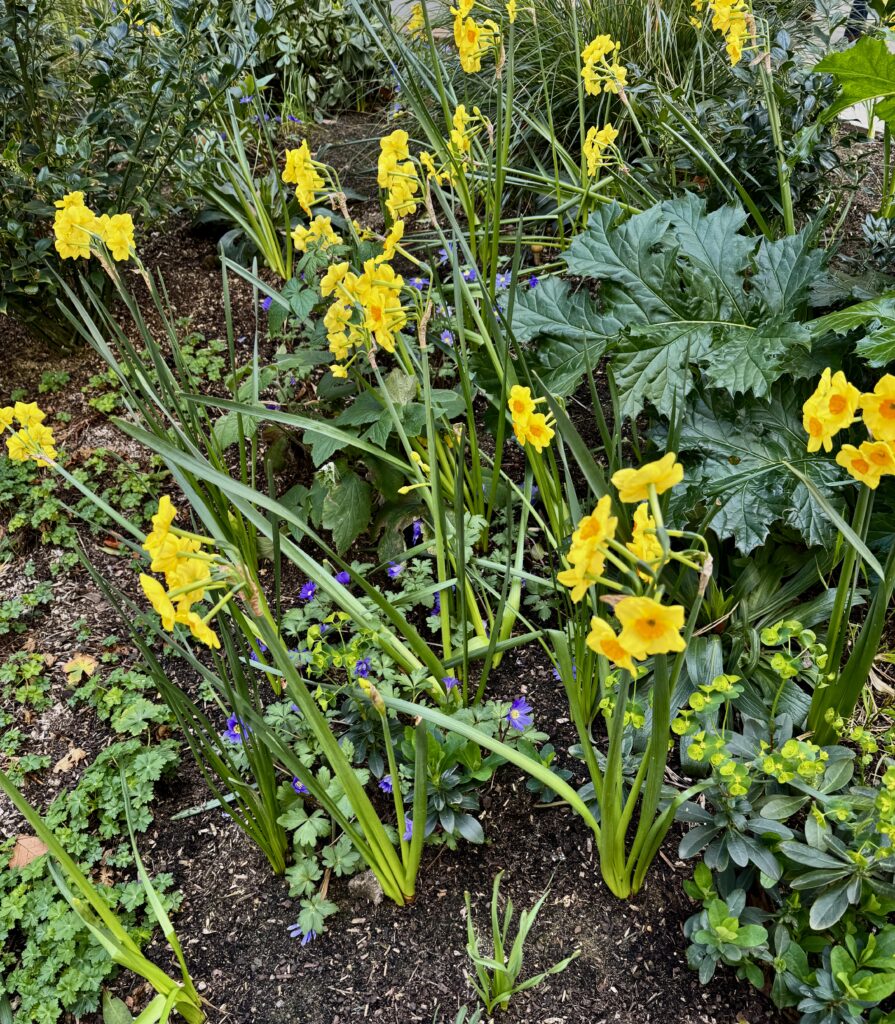
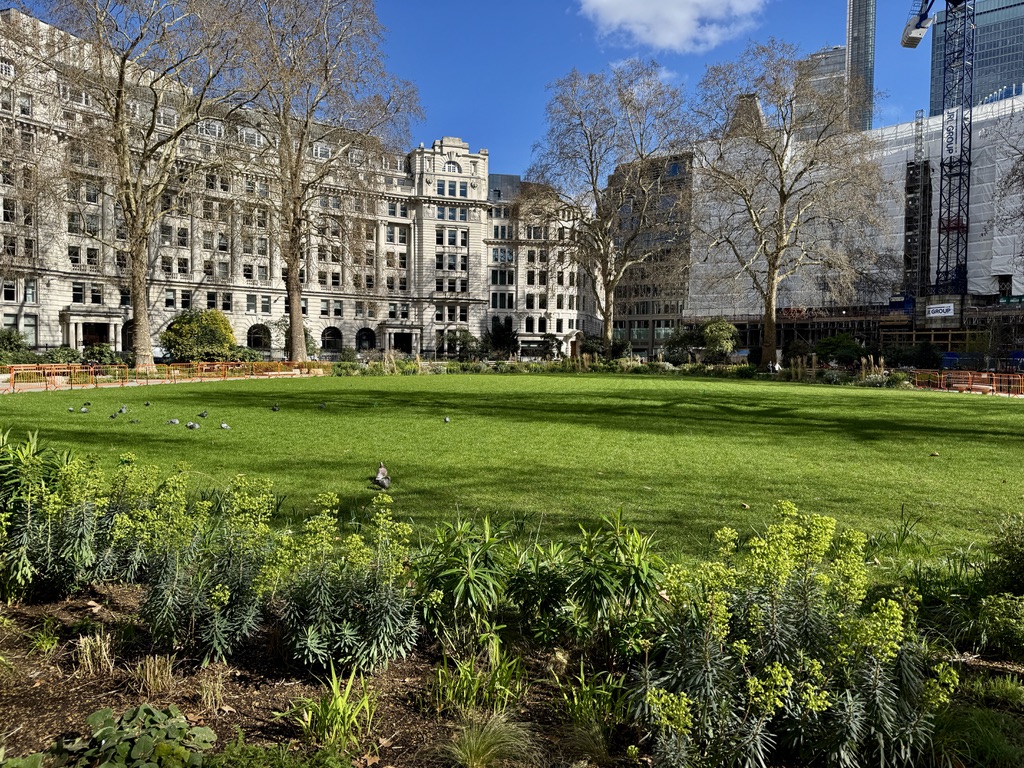
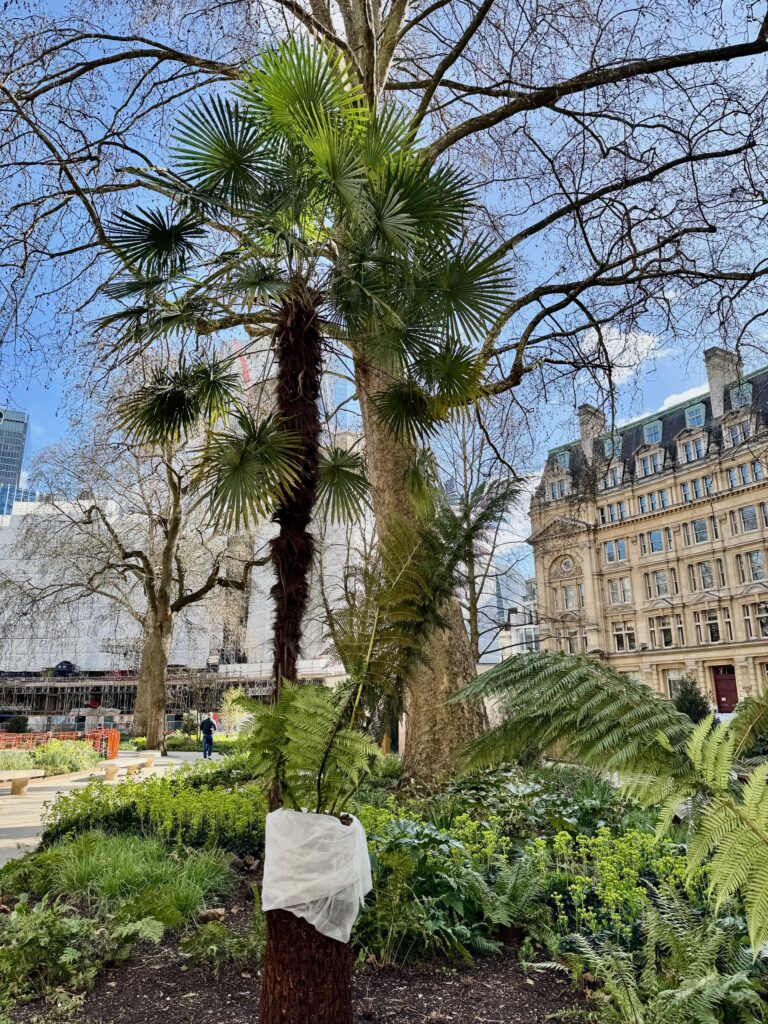
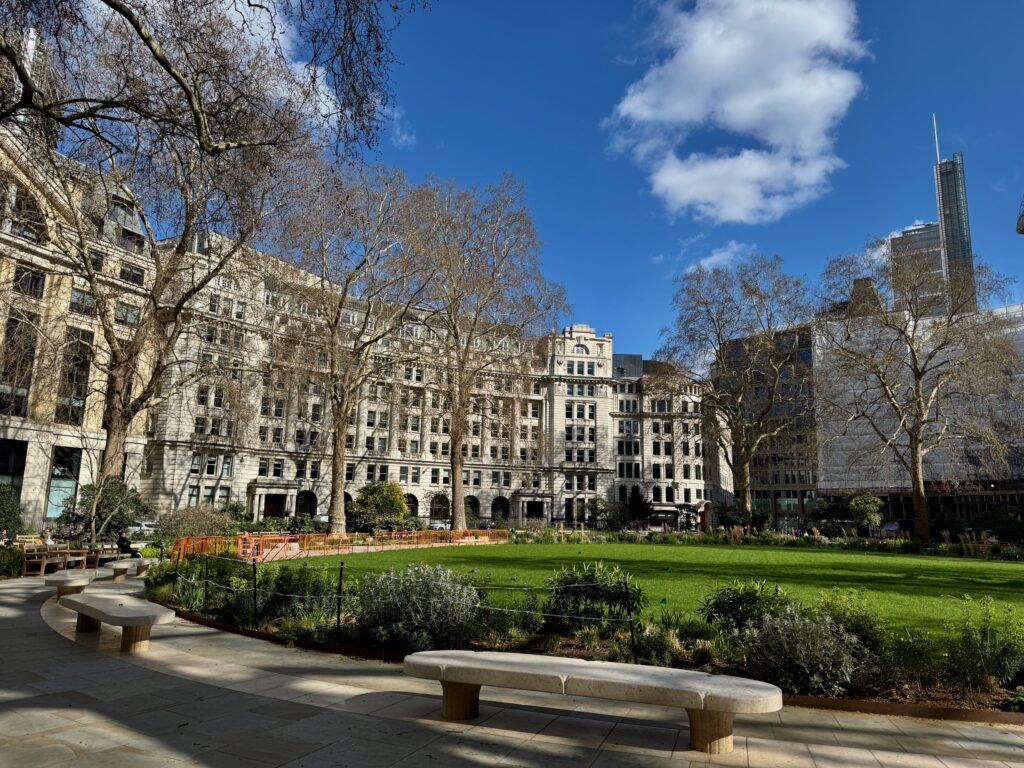
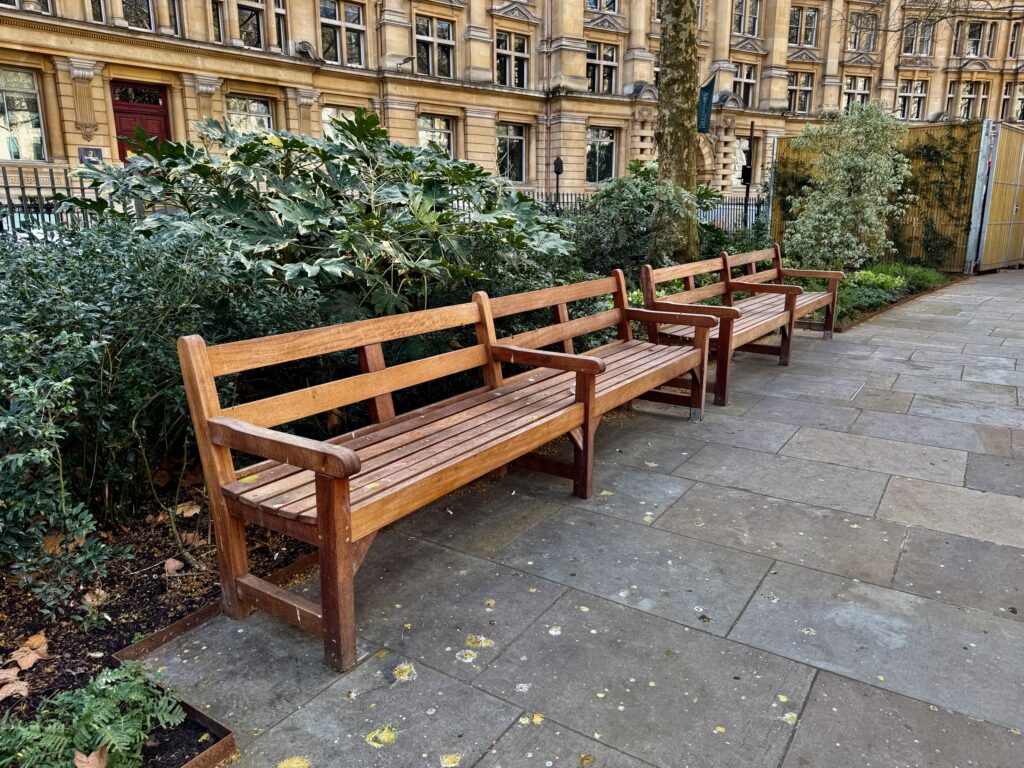
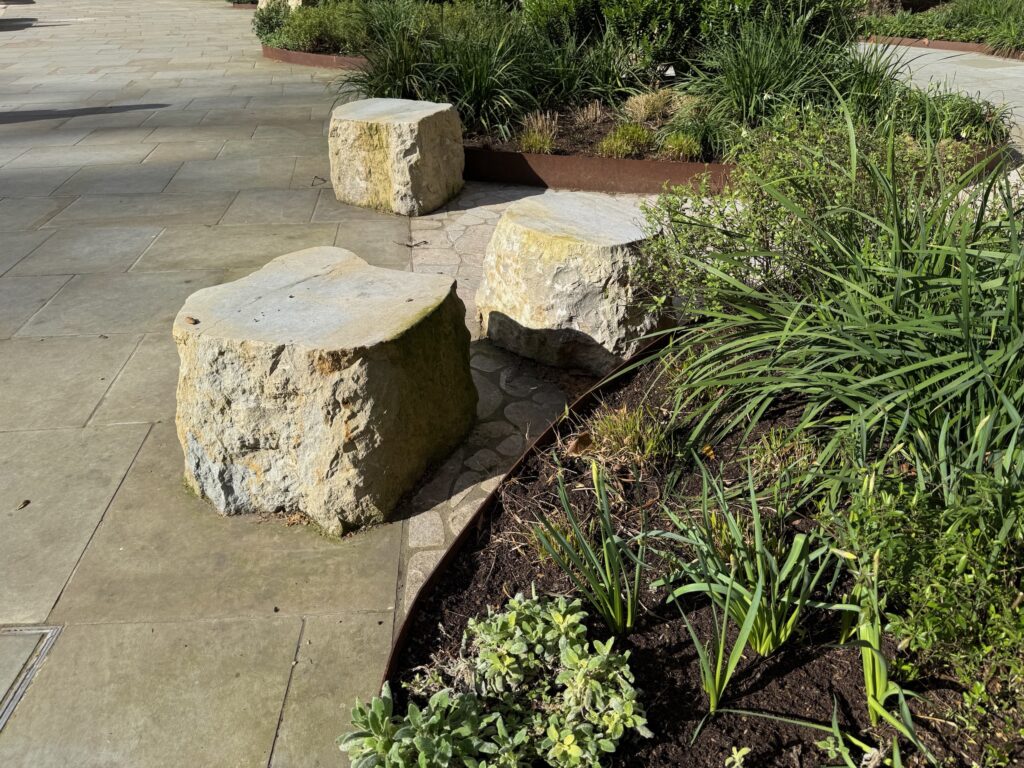
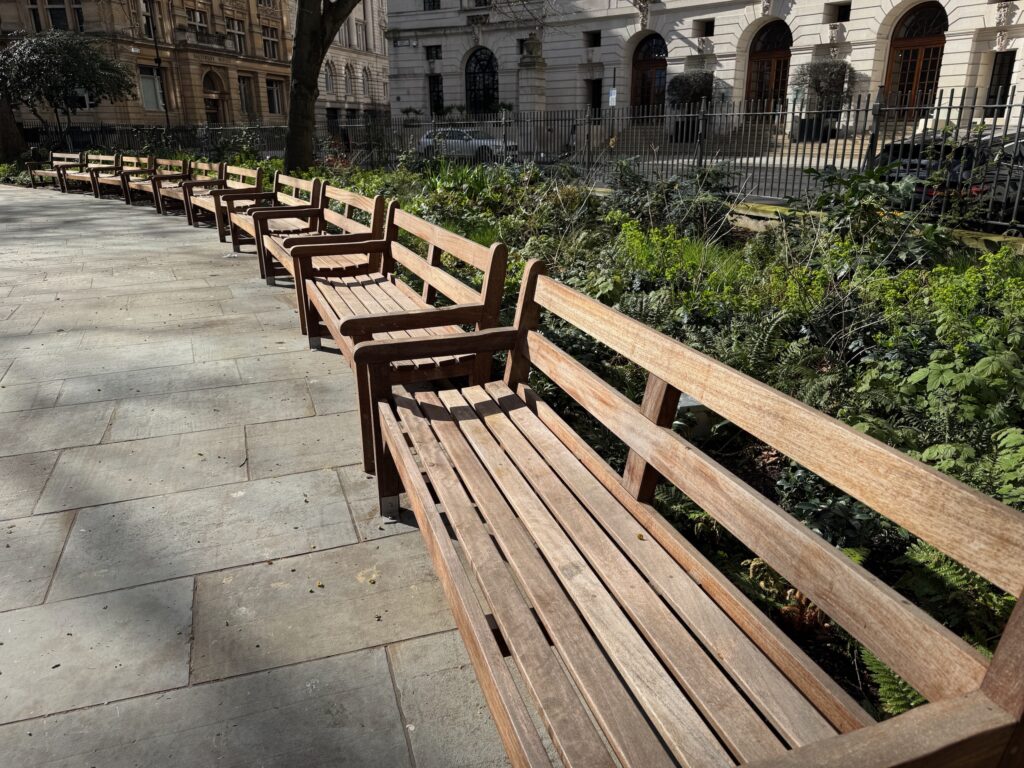
New landscaping has allowed 12 additional tree species to be introduced, along with 13,000 plants and 6,000 bulbs, creating a habitat for birds, bees and bats. A large central lawn is surrounded by flat, wide pathways and seating in the form of many benches, which will no doubt be popular with workers from nearby offices during sunny lunchtimes …

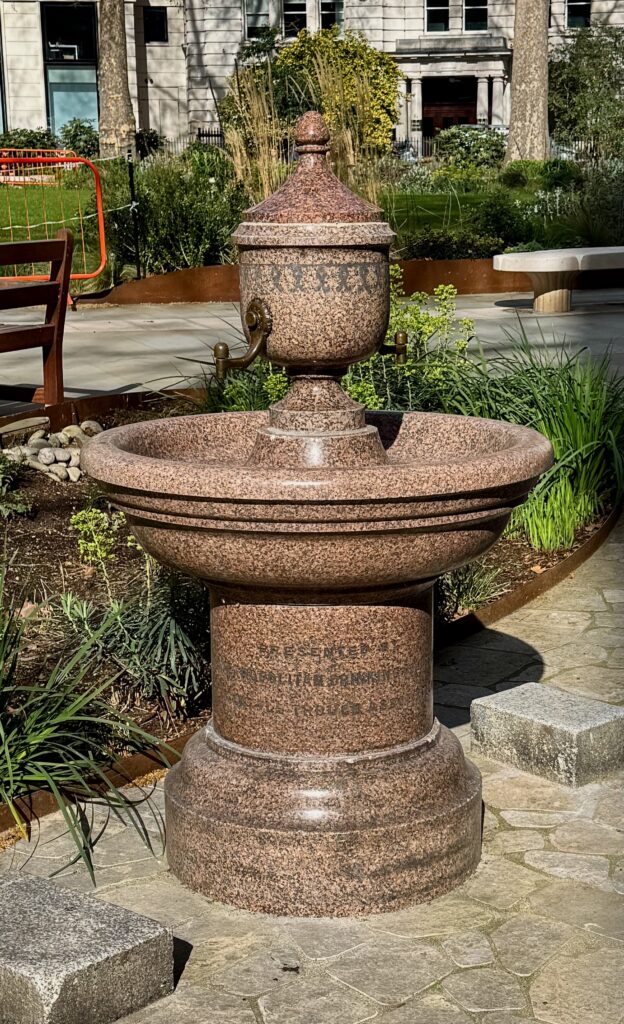
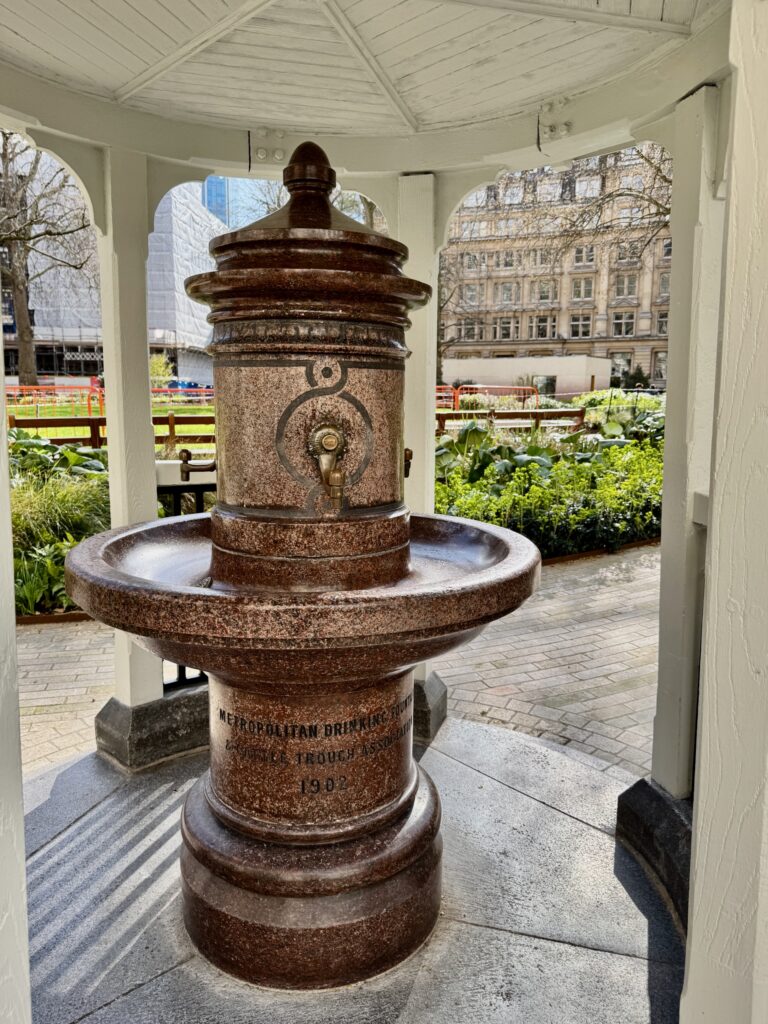
Two lovely old drinking fountains …

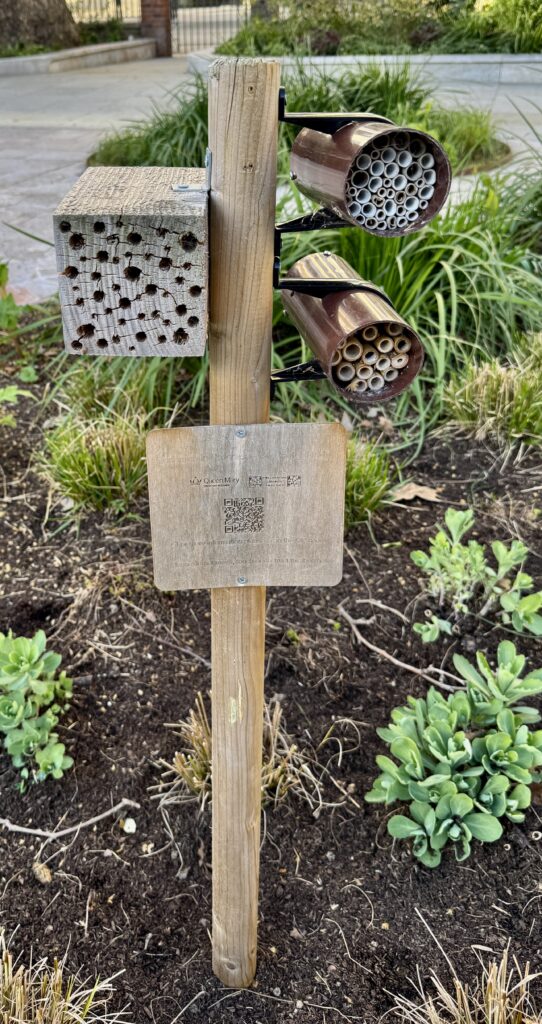
Insect hotel …

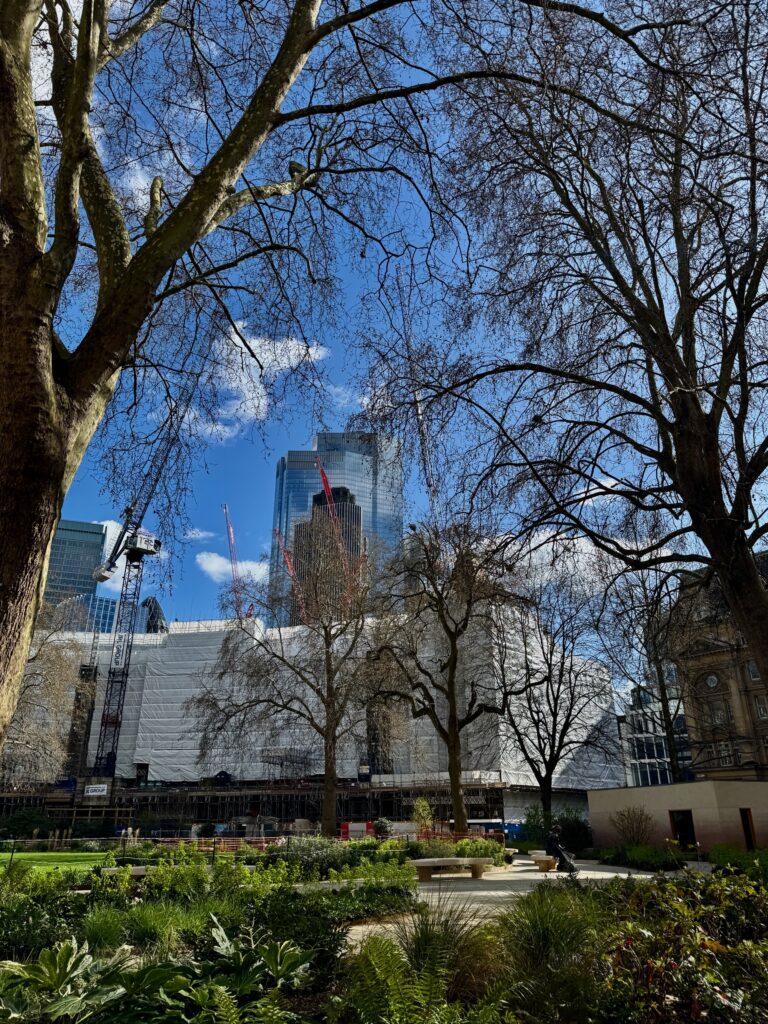
I was relieved to see that the beautiful mature trees had survived the disruption …

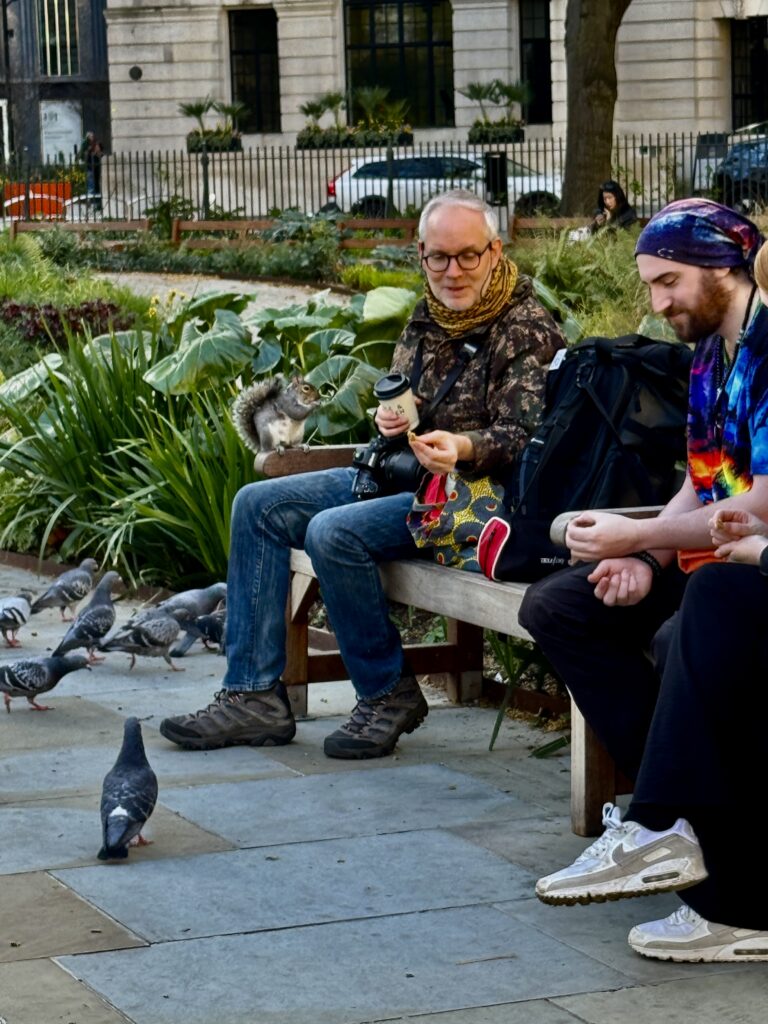
The squirrels and pigeons carry on their traditional roles as professional beggars …

I was puzzled as to what became of the squirrels during the fifteen years of disruption after Crossrail moved in. Did they hang around in the trees or did they arrange an orderly retreat up City Road to Bunhill Fields until things returned to normal? I suppose I’ll never know.

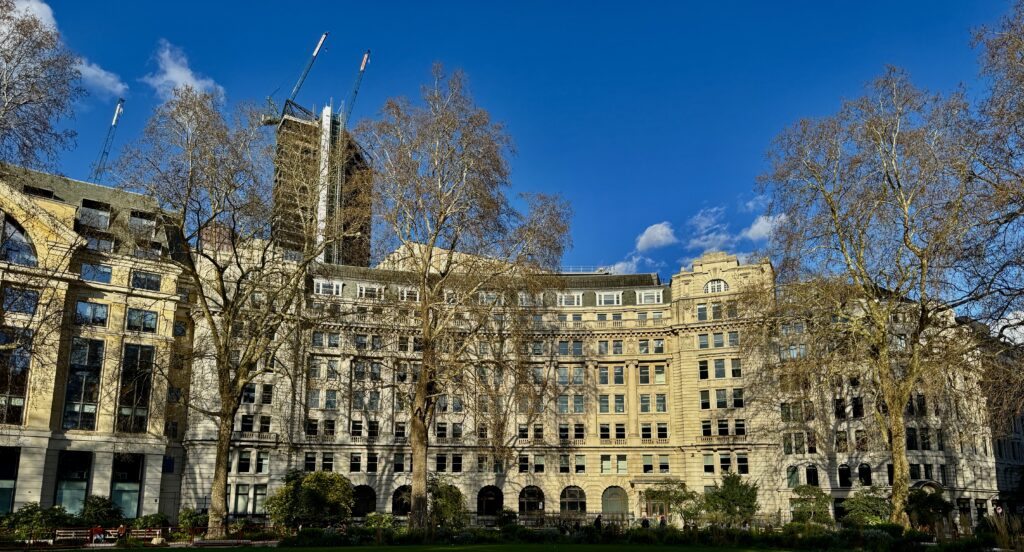
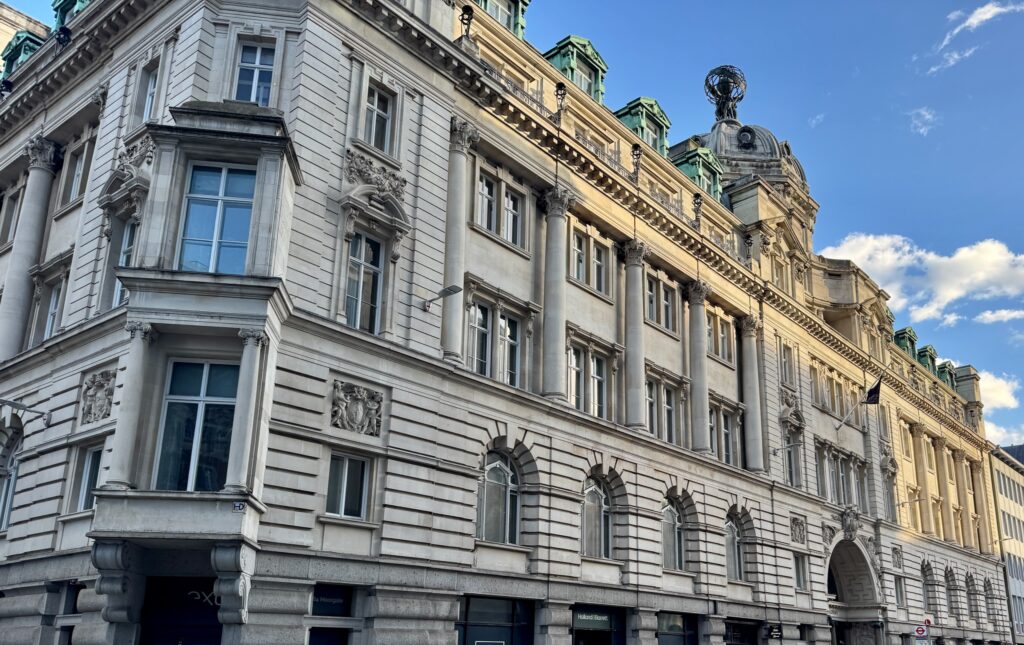
There are interesting buildings both near and overlooking the circus and I shall write about them in another blog. Here’s a taster …

My thanks to Katie Wignall of Look Up London whose blog gave me some of the ideas for this week’s edition. You can read her post on Finsbury Circus here.

If you would like to follow me on Instagram here is the link …

https://www.instagram.com/london_city_gent

Two new fun exhibitions.

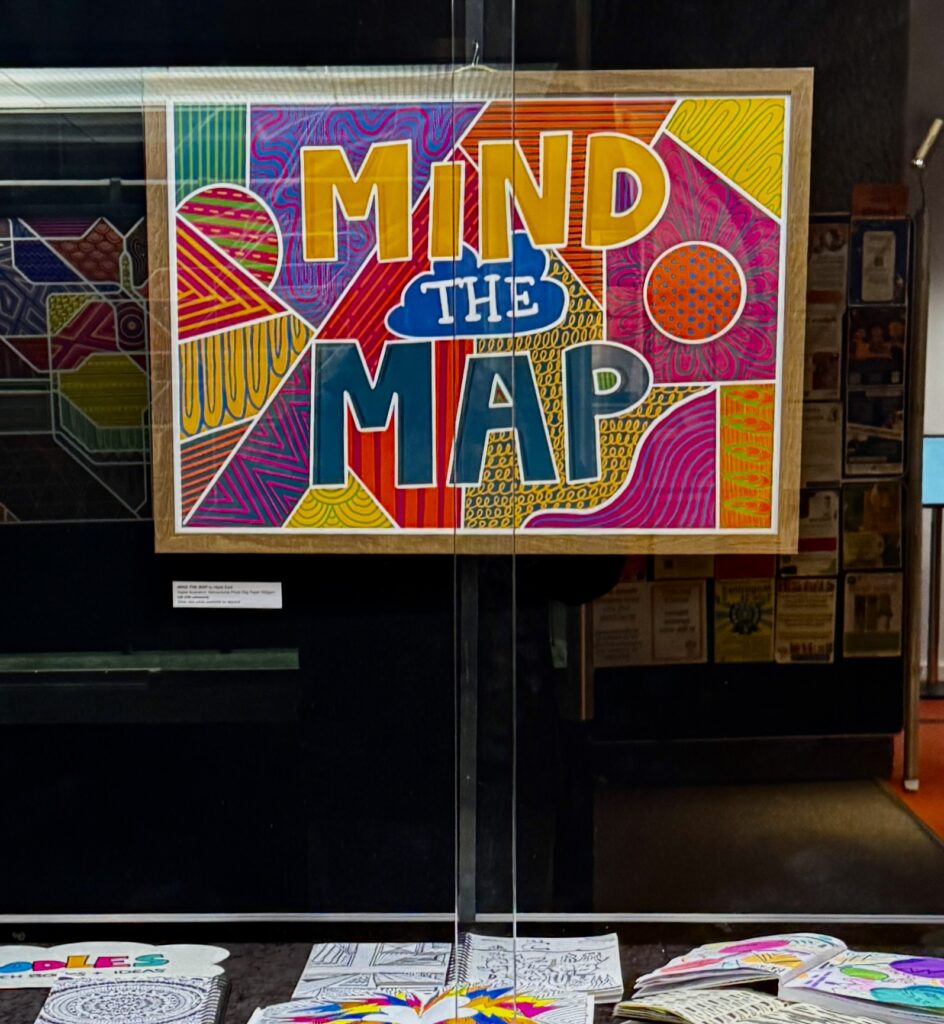
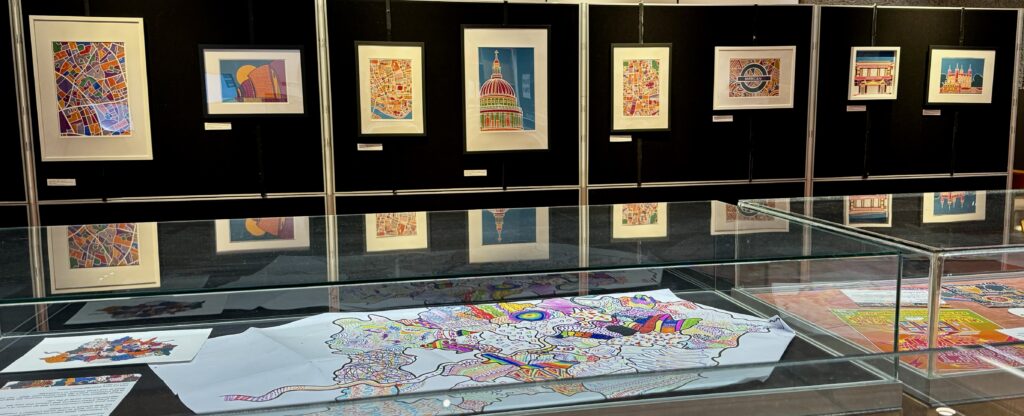
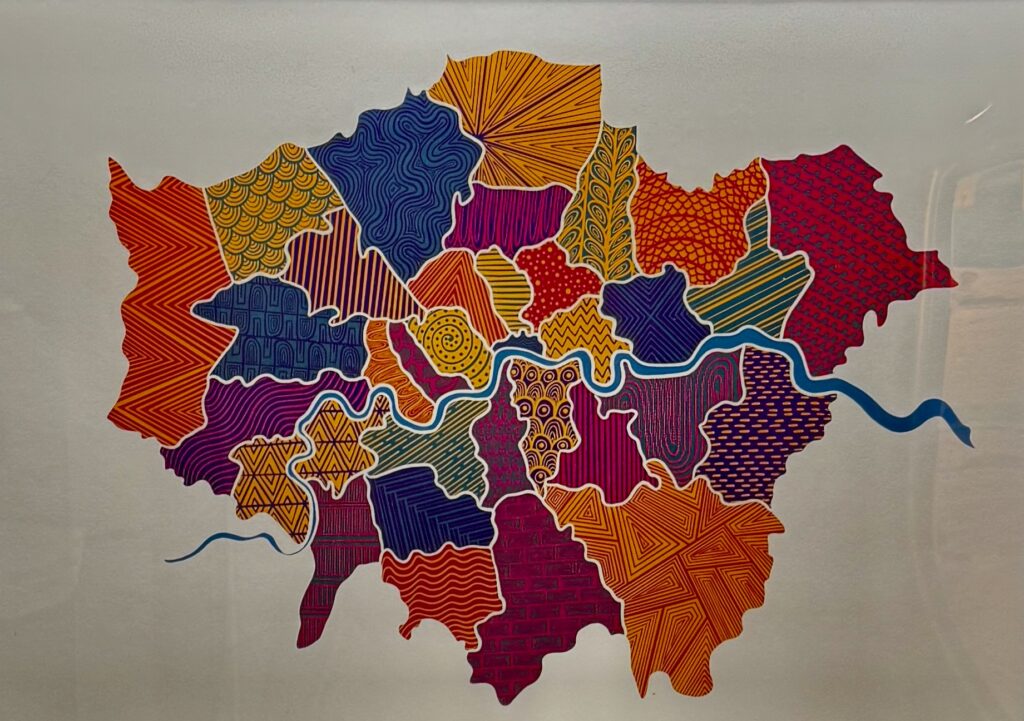
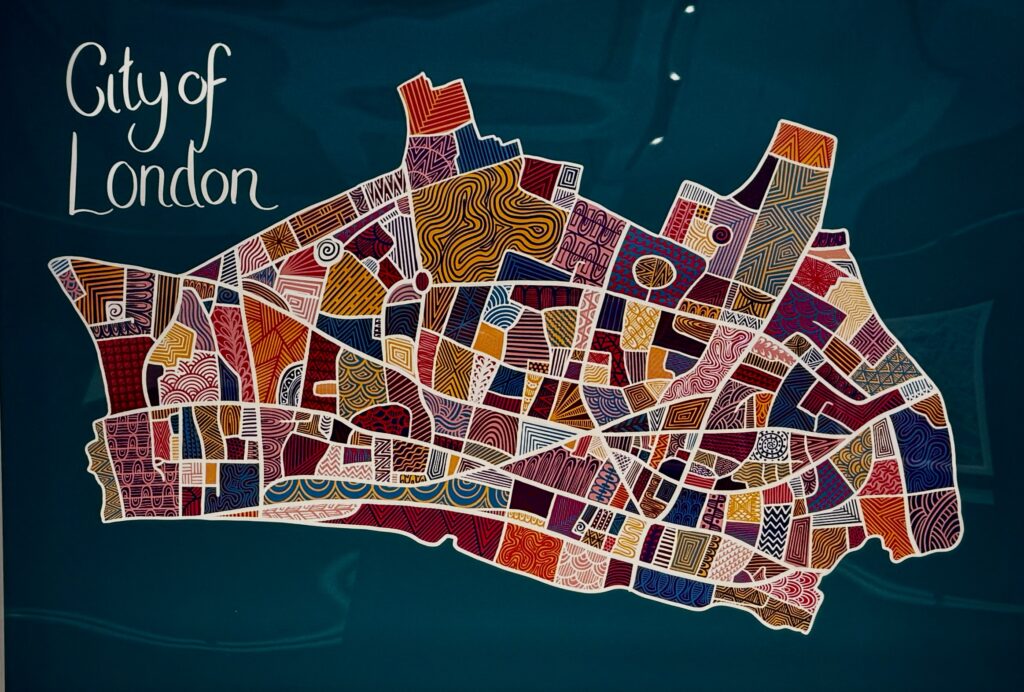
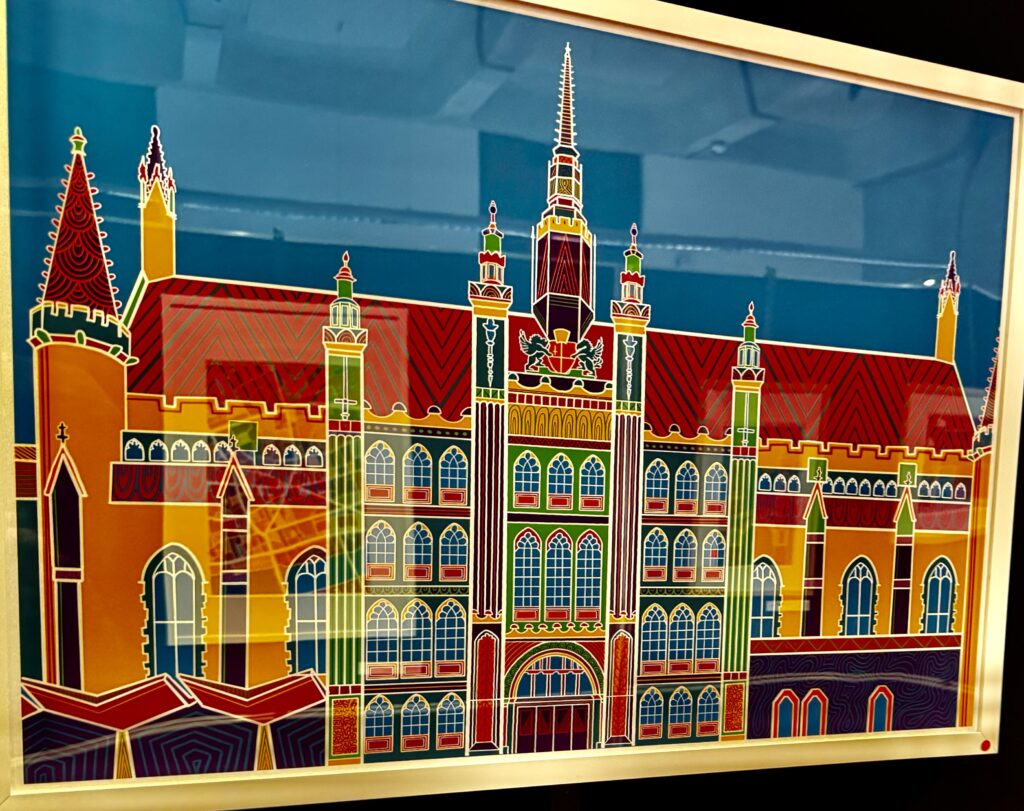
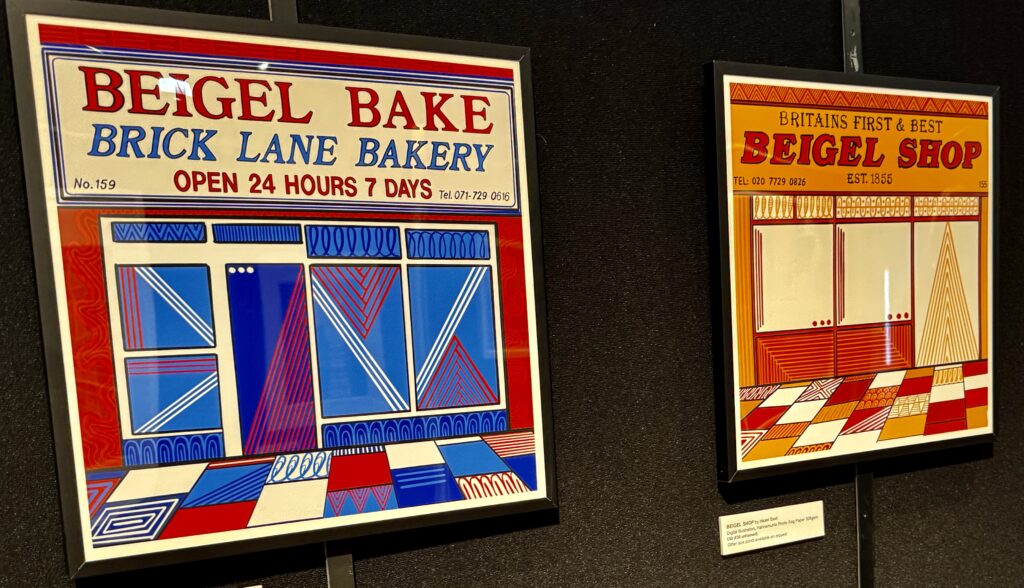
‘Mind the Map’ (a phrase obviously reminiscent of Tube platform warnings about the dangerous ‘Gap’) is a new exhibition in the Barbican Library …

The nearby notice tells us that Mind the Map is artist Hazel East’s playful celebration of the city’s landscapes, buildings and hidden corners – reimagined through vibrant patterns and bold colour. She grew up in East Yorkshire and has called South London home for the past 16 years. Her illustrations are shaped by a lifelong love of maps, architecture and the ways places connect.

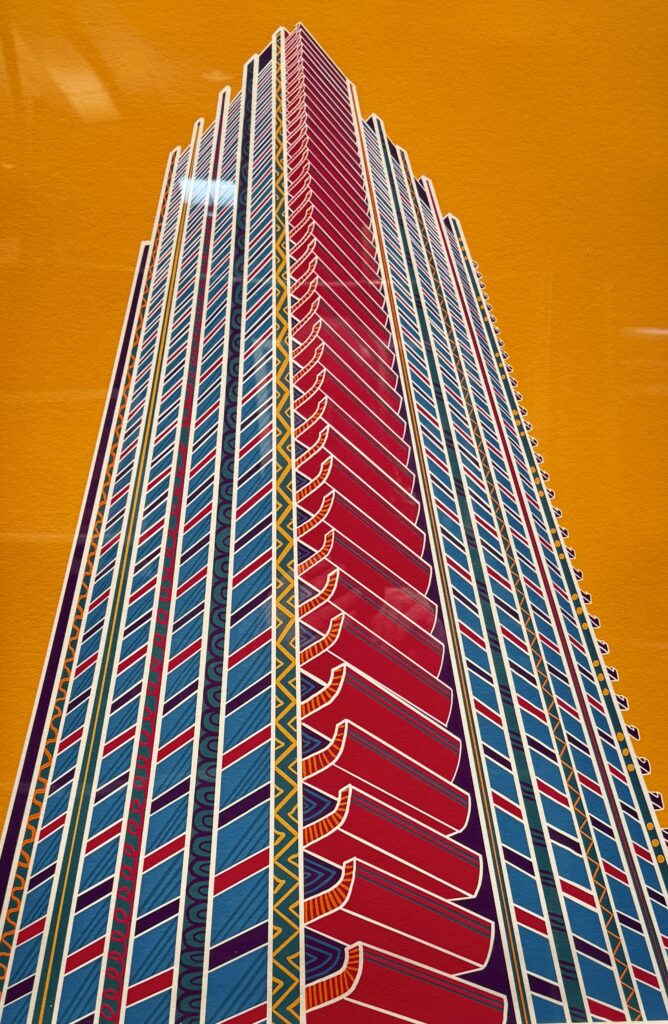
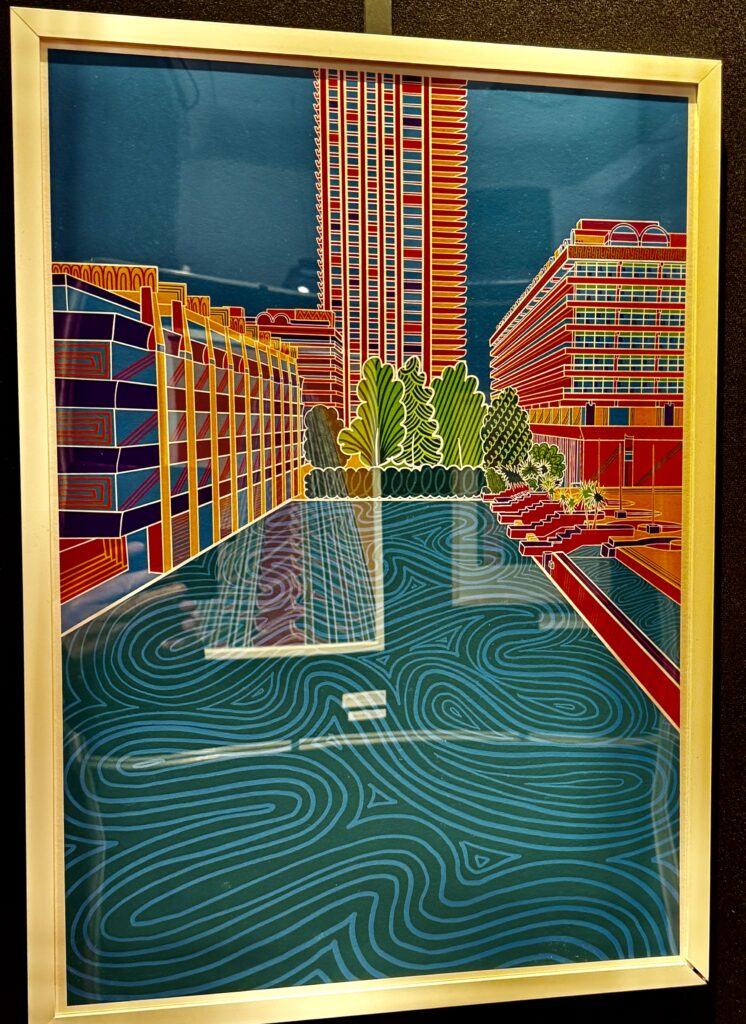
This exhibition brings together a new collection of Hazel’s digital illustrations, with a focus on maps and architecture across the City of London and beyond. Inspired by the energy of London’s vibrant local communities, the works combine familiar landmarks with overlooked gems – from train stations and bridges to neighbourhood corners rich with local stories.

Here are a few examples.

Barbican Tower …

Barbican general view …

London Boroughs …

Guildhall …

East of the City …

It’s a great little exhibition – well worth a visit …

I’ve kept the Underground pictures to last since they will lead neatly to the next exhibition I’m recommending.

Tube Map …

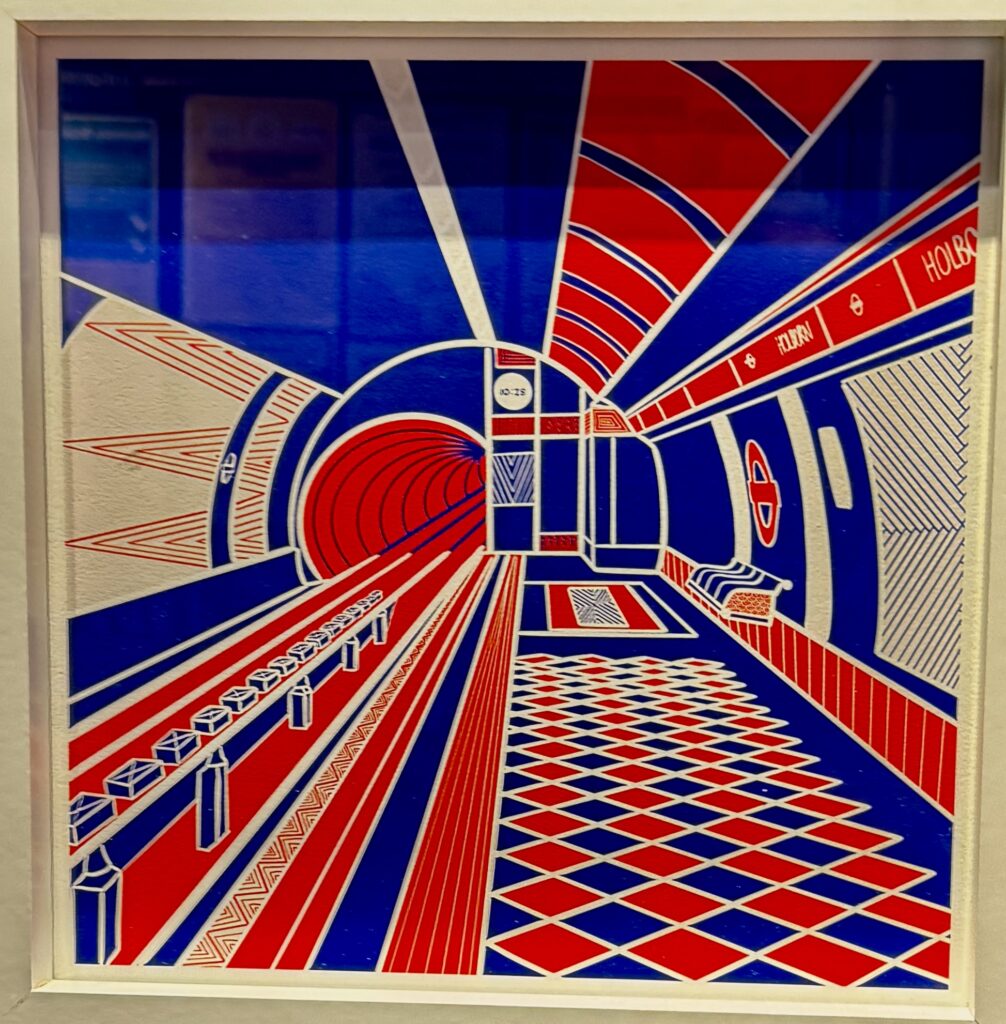
Holborn Station …

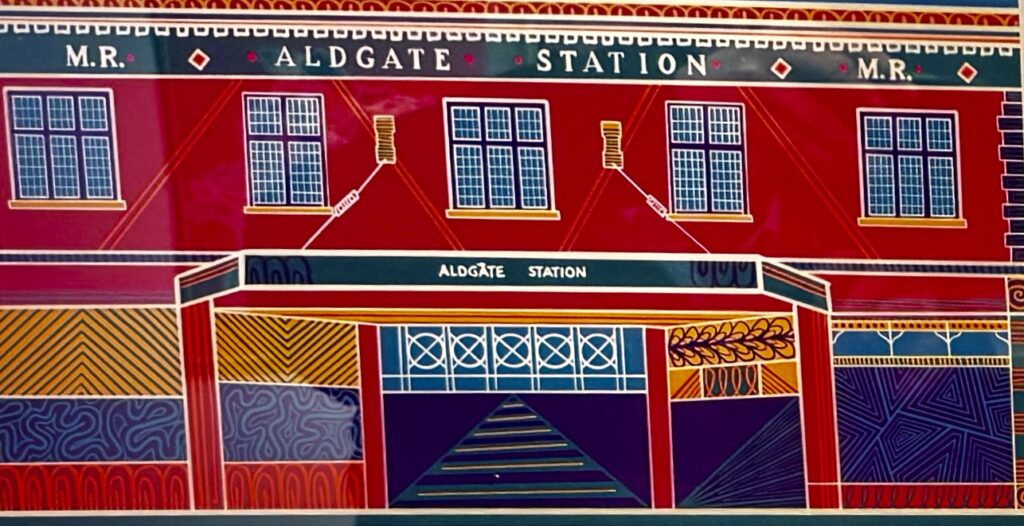
Aldgate Station …

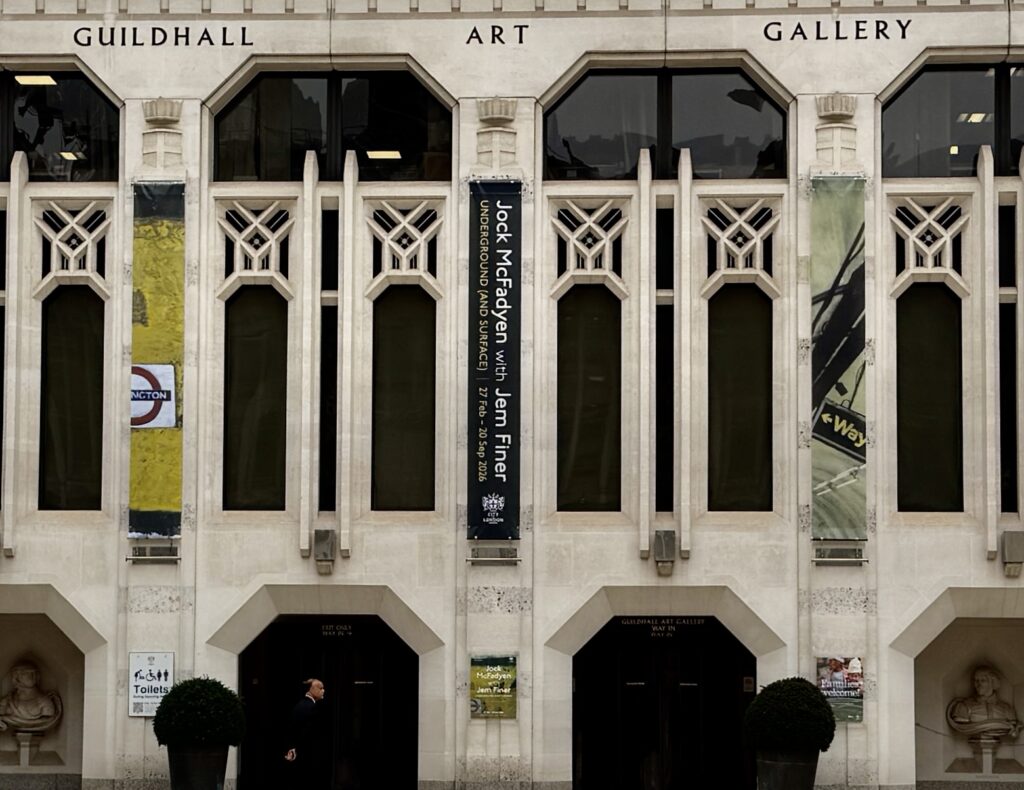
Onward to the sensory, immersive world of the London Underground at the Guildhall Art Gallery …

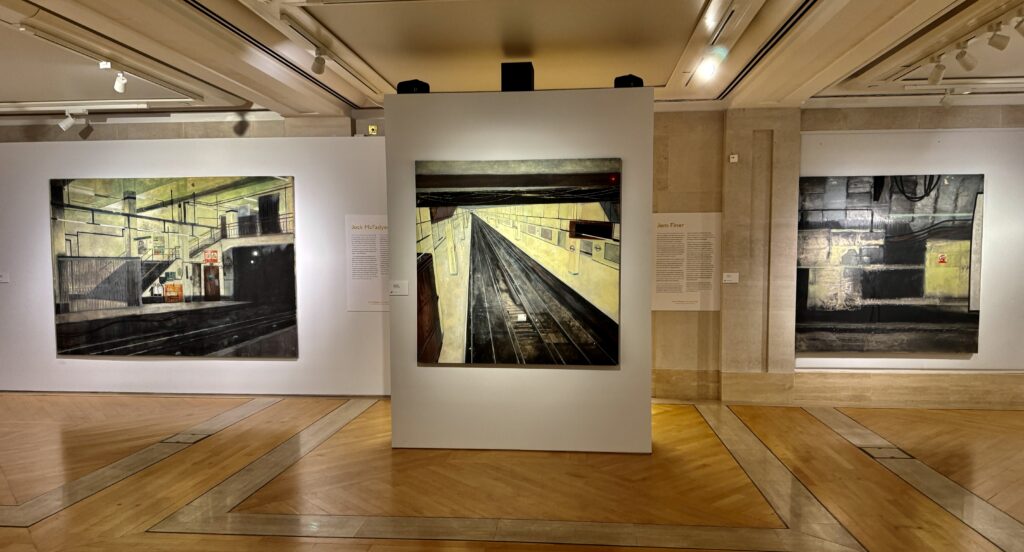
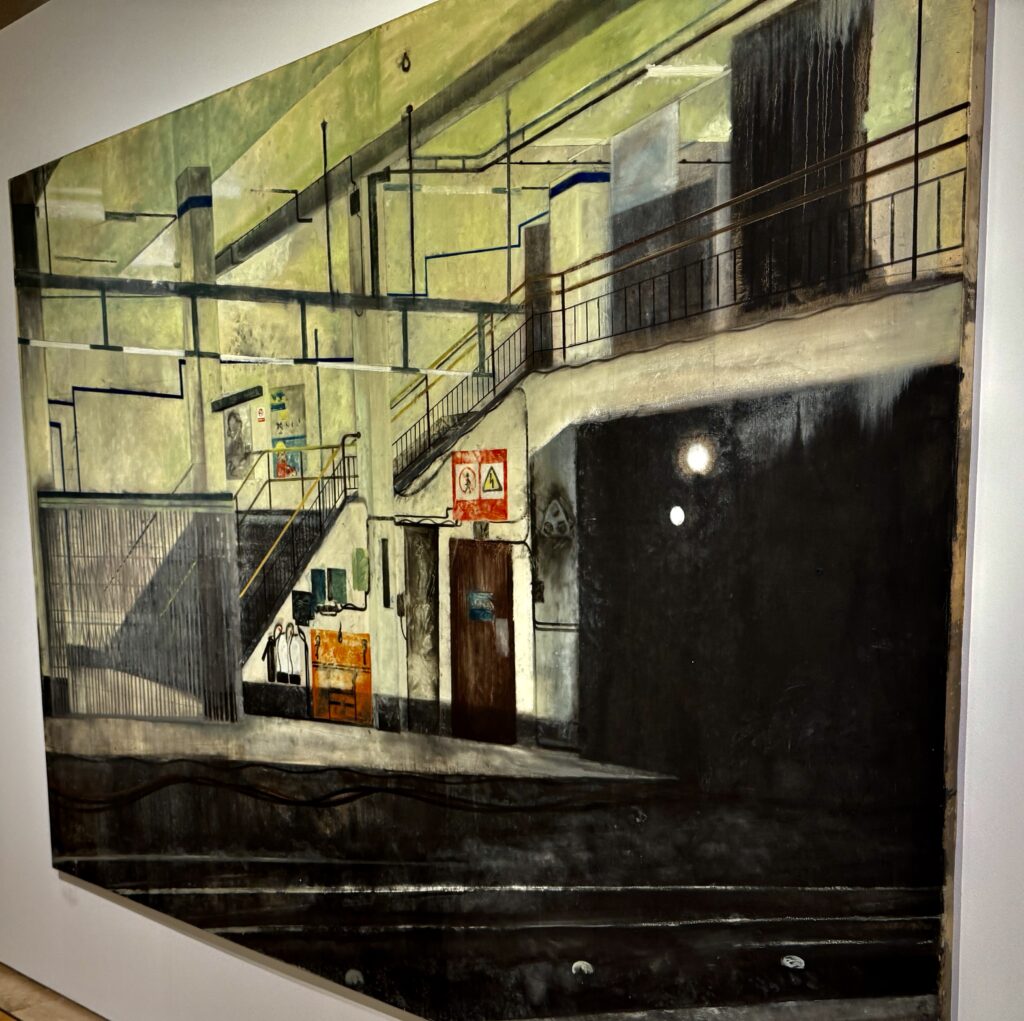
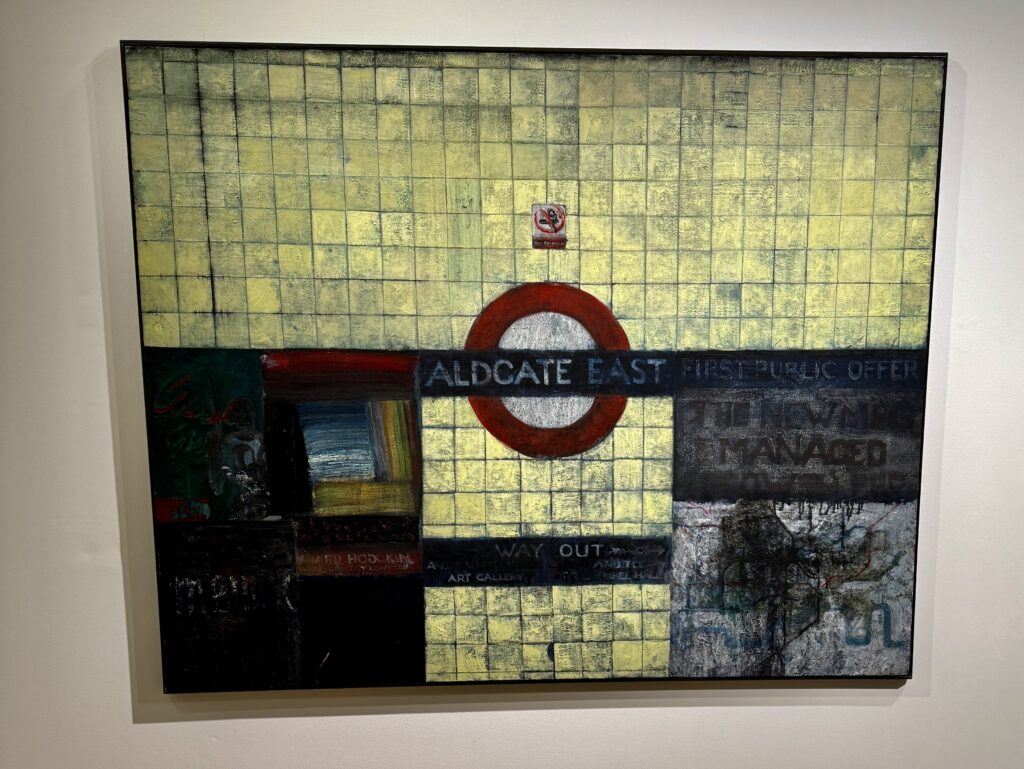
The publicity blurb tells us that Jock McFadyen with Jem Finer: Underground (and Surface) brings together Jock McFadyen’s large-scale Tube station paintings, revisiting his Underground series from the late 1990s, with a layered soundscape by Jem Finer of The Pogues, composed from field recordings on the Northern and Central lines.

On entering I just stood still listening to the evocative soundscape …

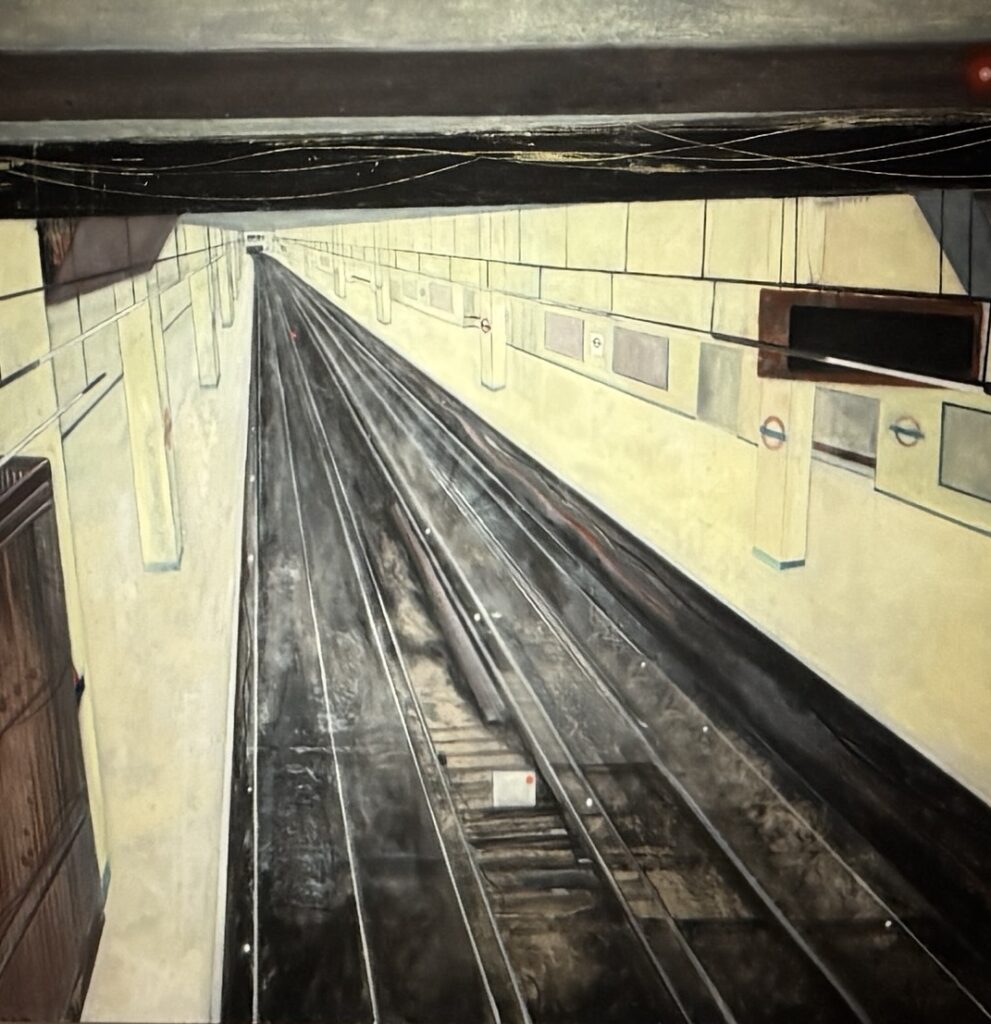
A closer look at some of the pictures …

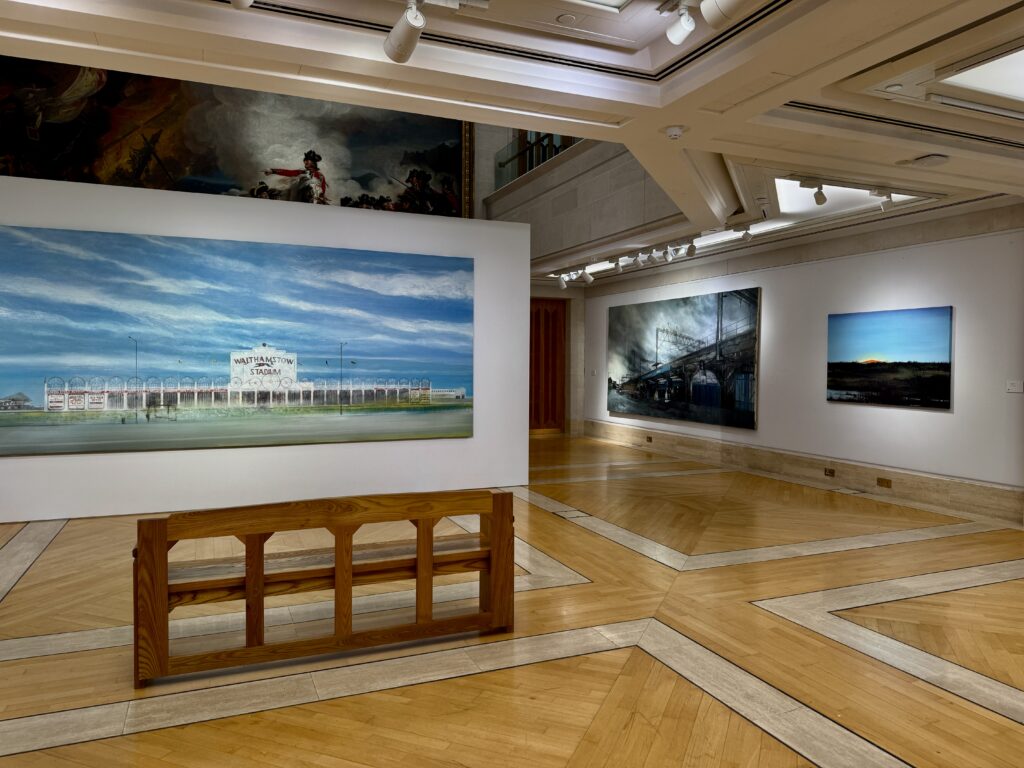
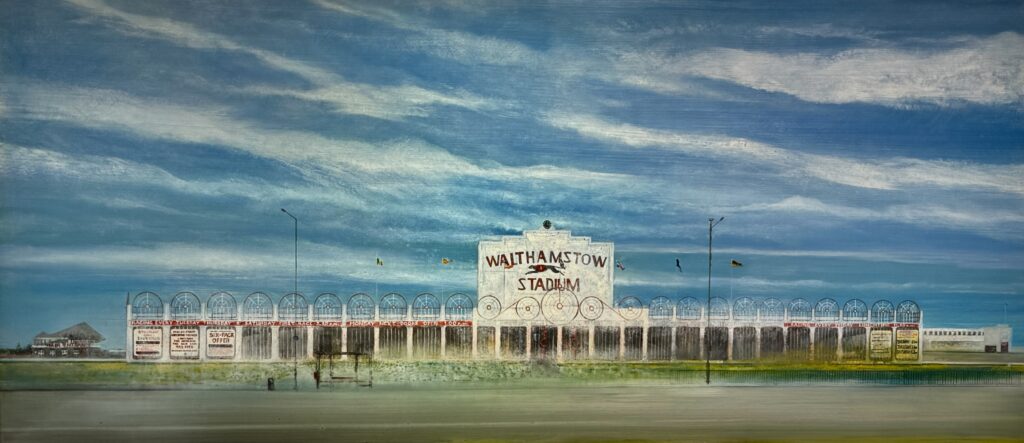
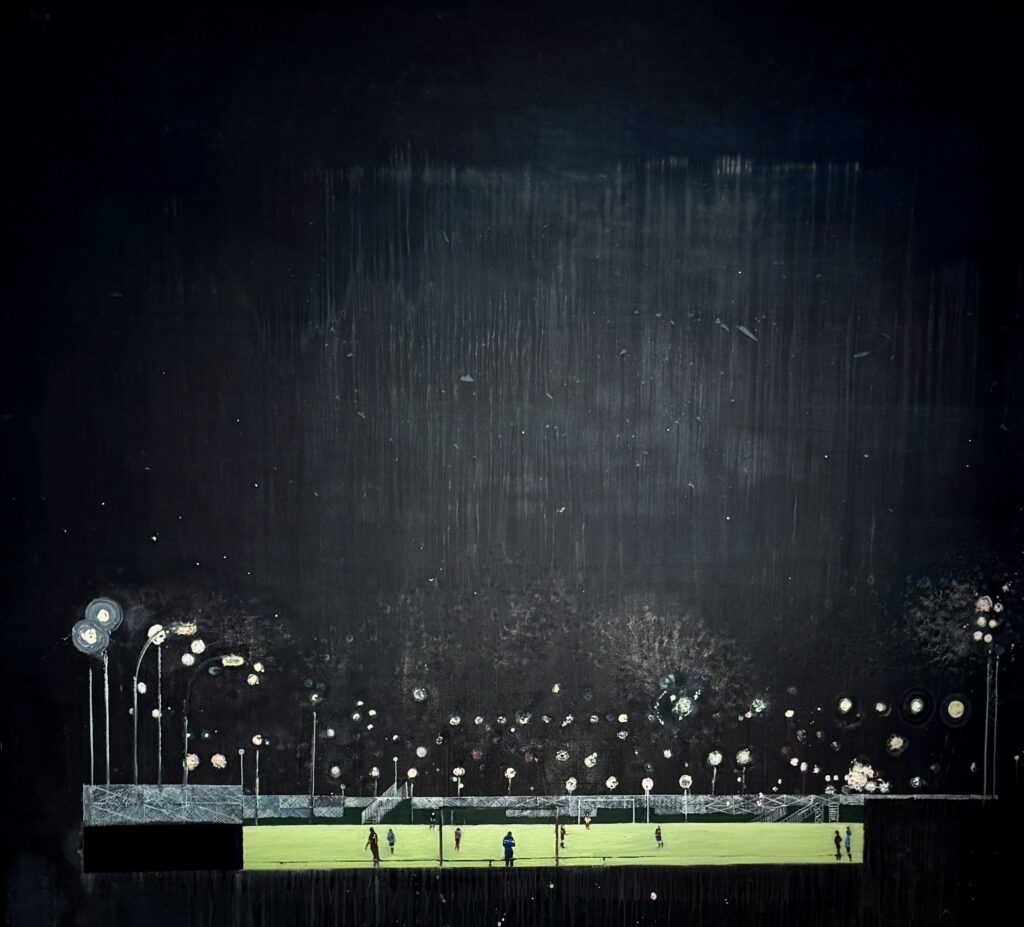
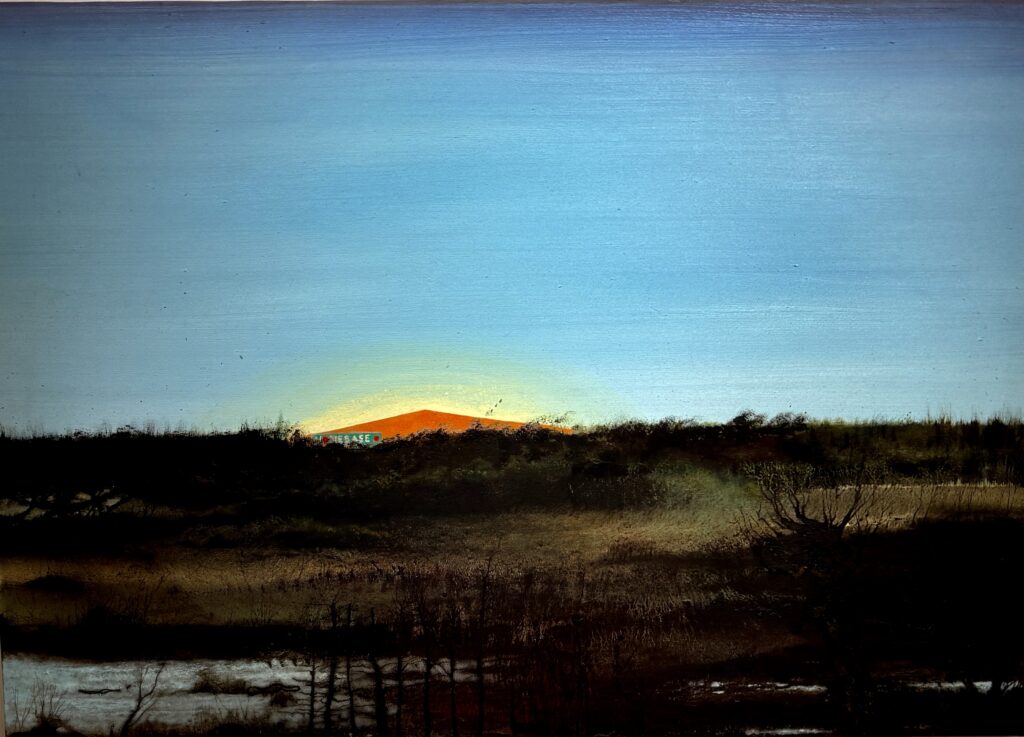
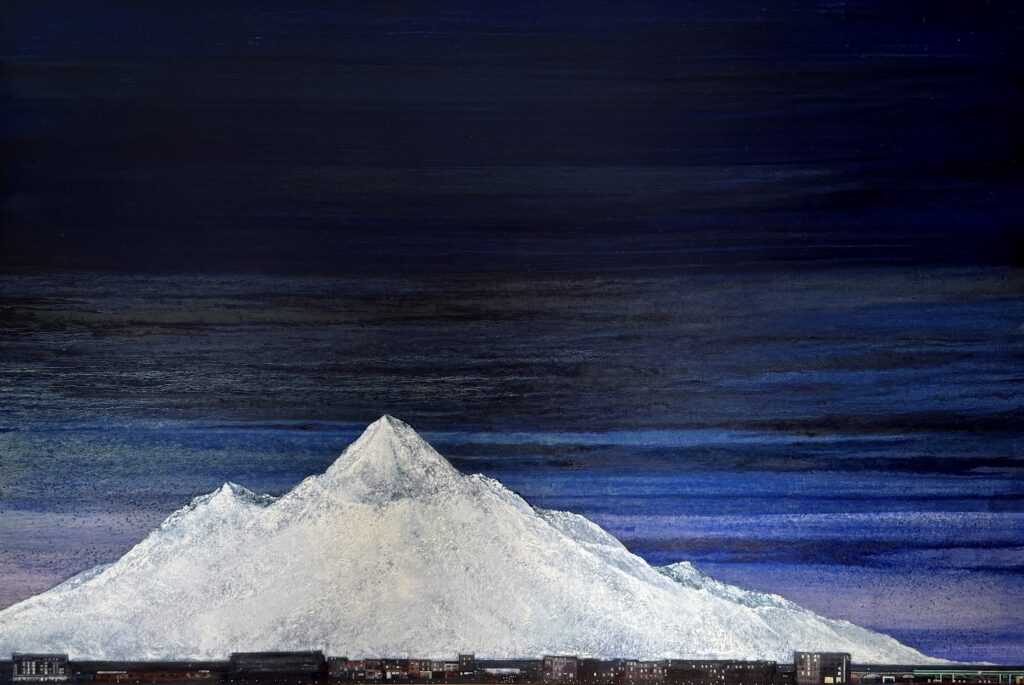
Moving away from the Underground to other work by Jock …

Another Stadium …

Homebase …

One I particularly like, Bethnal Green and Mont Blanc!

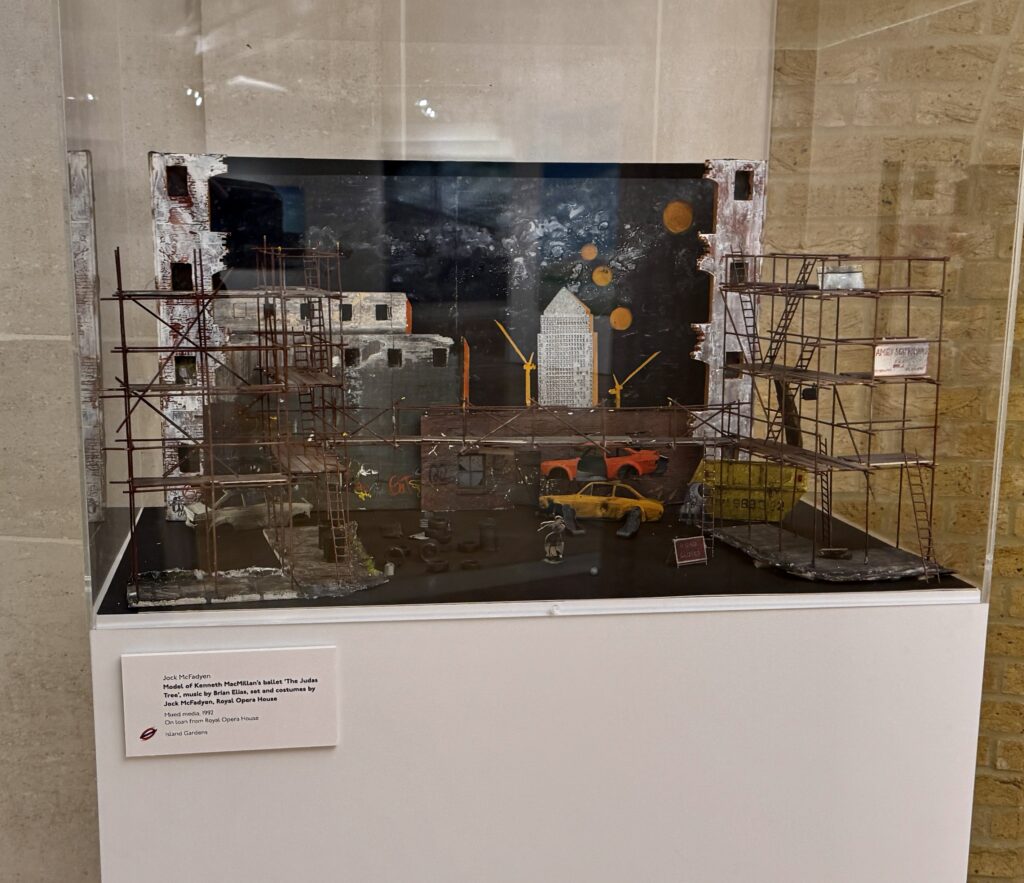
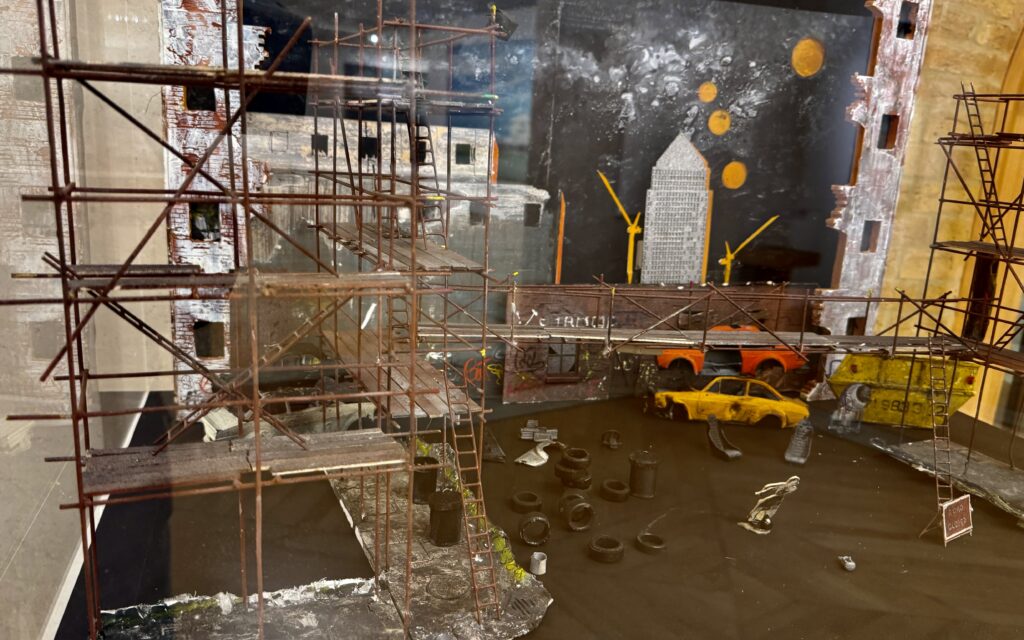
And a surprise, a set design by McFadyen for the Kenneth MacMillan ballet The Judas Tree performed at The Royal Opera House …

The exhibition runs until 20 September 2026 and admission is ‘Pay what you can’.

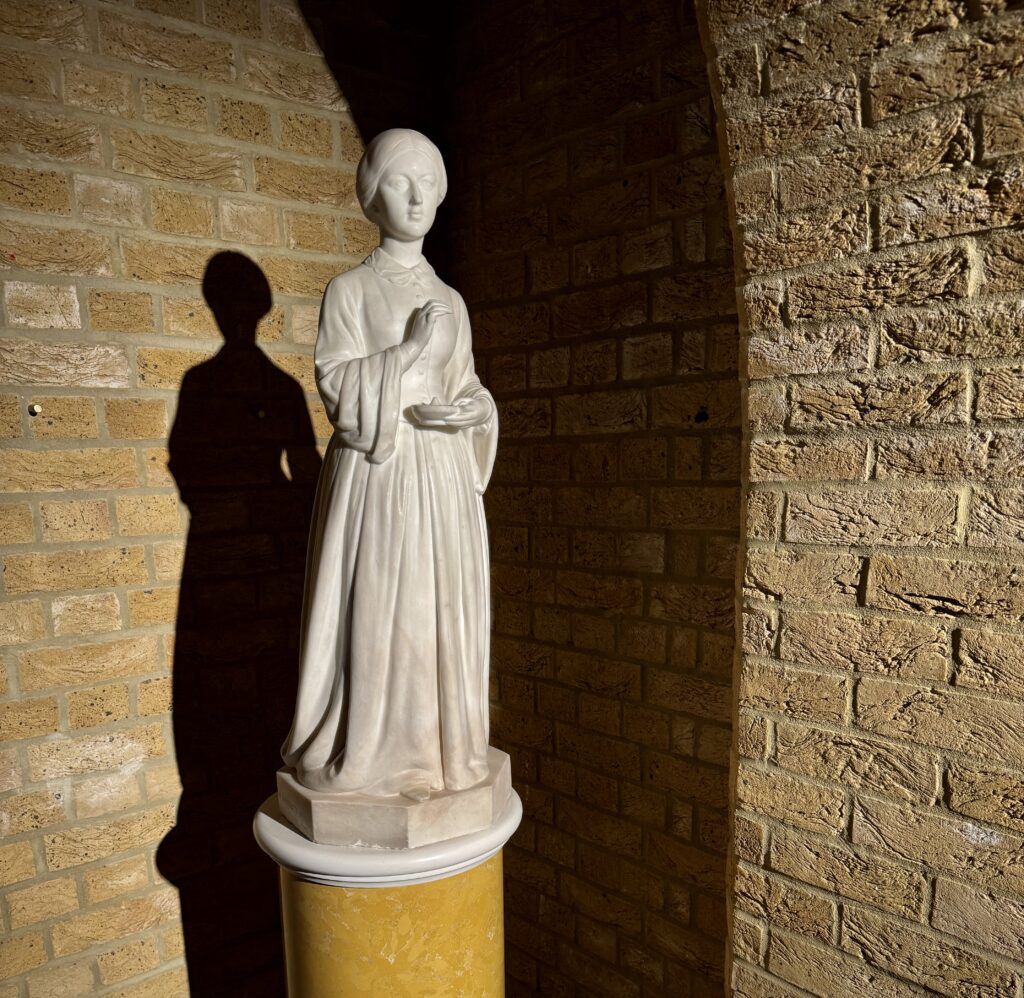
Incidentally, if you Peep through the doors next to the ballet exhibit you will, like me, get the nice surprise of finding this beautiful 1912 sculpture of Florence Nightingale by Walter Merrett …

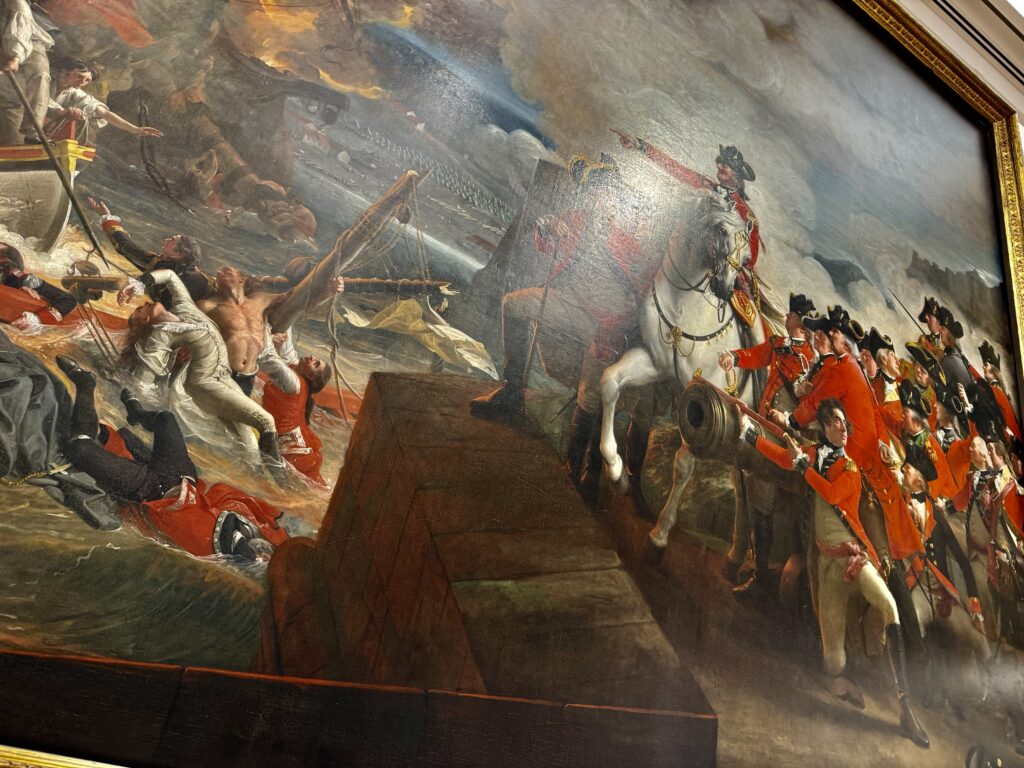
Another bonus is that you can take a closer look at the massive artwork Defeat of the Floating Batteries at Gibraltar, September 1782 (The Siege of Gibraltar) by John Singleton Copley (1738–1815) …

You can read more about it, along with other wonderful artworks, in my blog about the Gallery here.

If you would like to follow me on Instagram here is the link …

https://www.instagram.com/london_city_gent

Page 1 of 2

Powered by WordPress & Theme by Anders Norén

Symbols & Secrets
Privacy Overview

This website uses cookies so that we can provide you with the best user experience possible. Cookie information is stored in your browser and performs functions such as recognising you when you return to our website and helping our team to understand which sections of the website you find most interesting and useful.