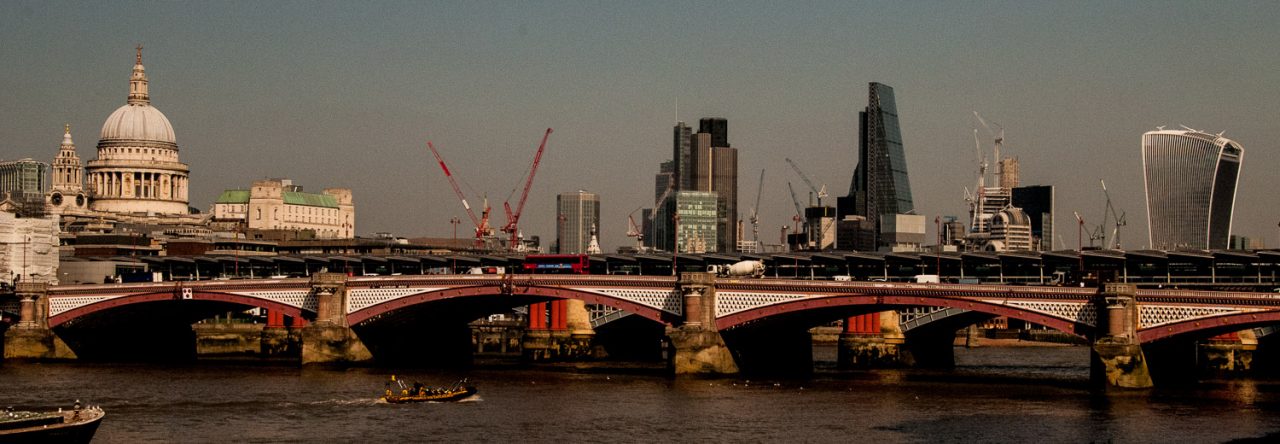
Sculpture is going to feature highly in my next book so I’ve been out in the recent lovely weather revisiting some old favourites. I know they have featured in previous blogs but I hope you won’t mind me sharing them again.
First up is the Royal Fusiliers War Memorial, a work by Albert Toft. Unveiled by the Lord Mayor in 1922, the inscriptions read …
To the glorious memory of the 22,000 Royal Fusiliers who fell in the Great War 1914-1919 (and added later) To the Royal Fusiliers who fell in the World war 1939-1945 and those fusiliers killed in subsequent campaigns.
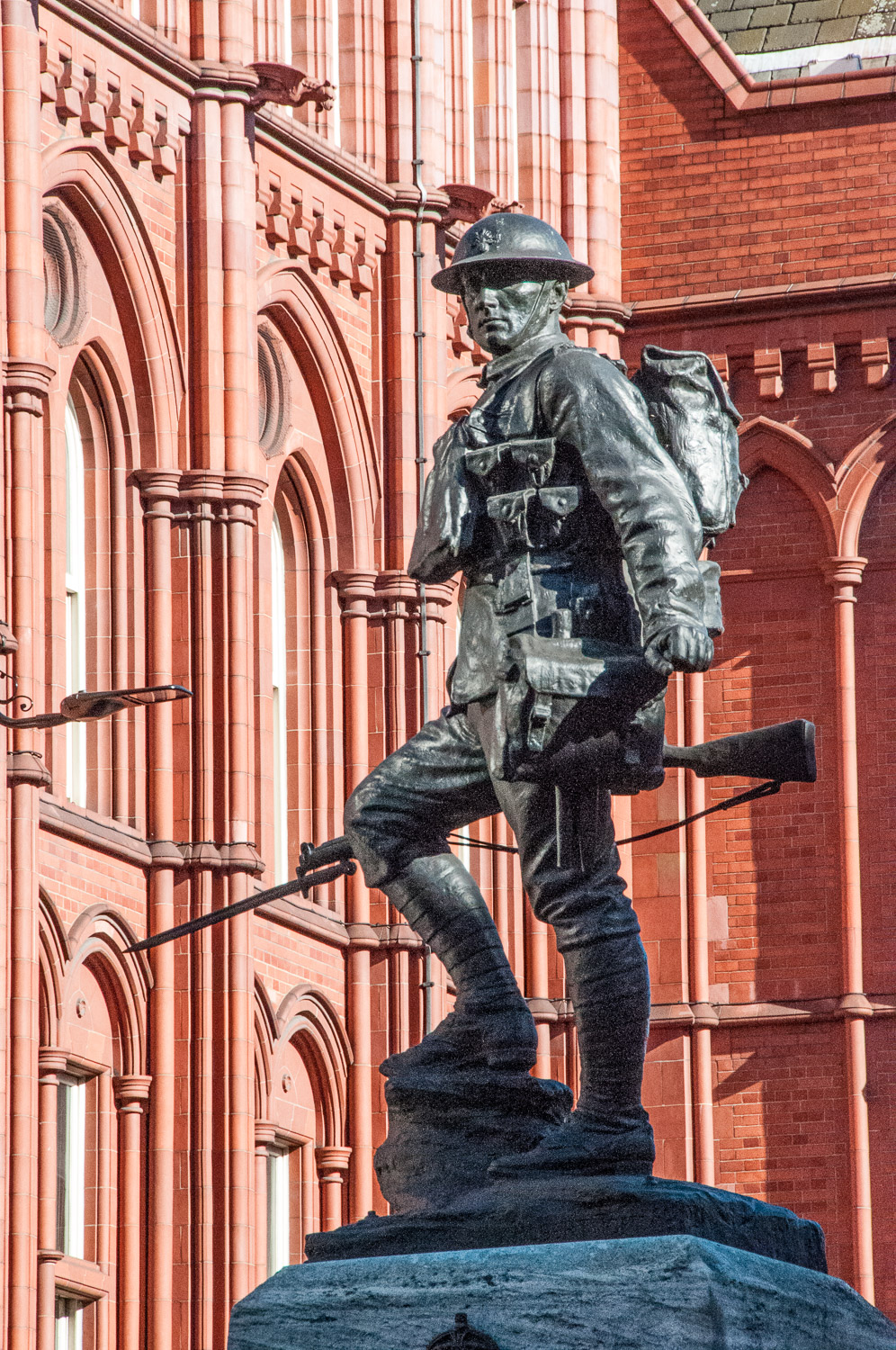
Toft’s soldier stands confidently as he surveys the terrain, his foot resting on a rock, his rifle bayoneted, his left hand clenched in determination. At the boundary of the City, he looks defiantly towards Westminster. The general consensus on the internet is that the model for the sculpture was a Sergeant Cox, who served throughout the First World War.
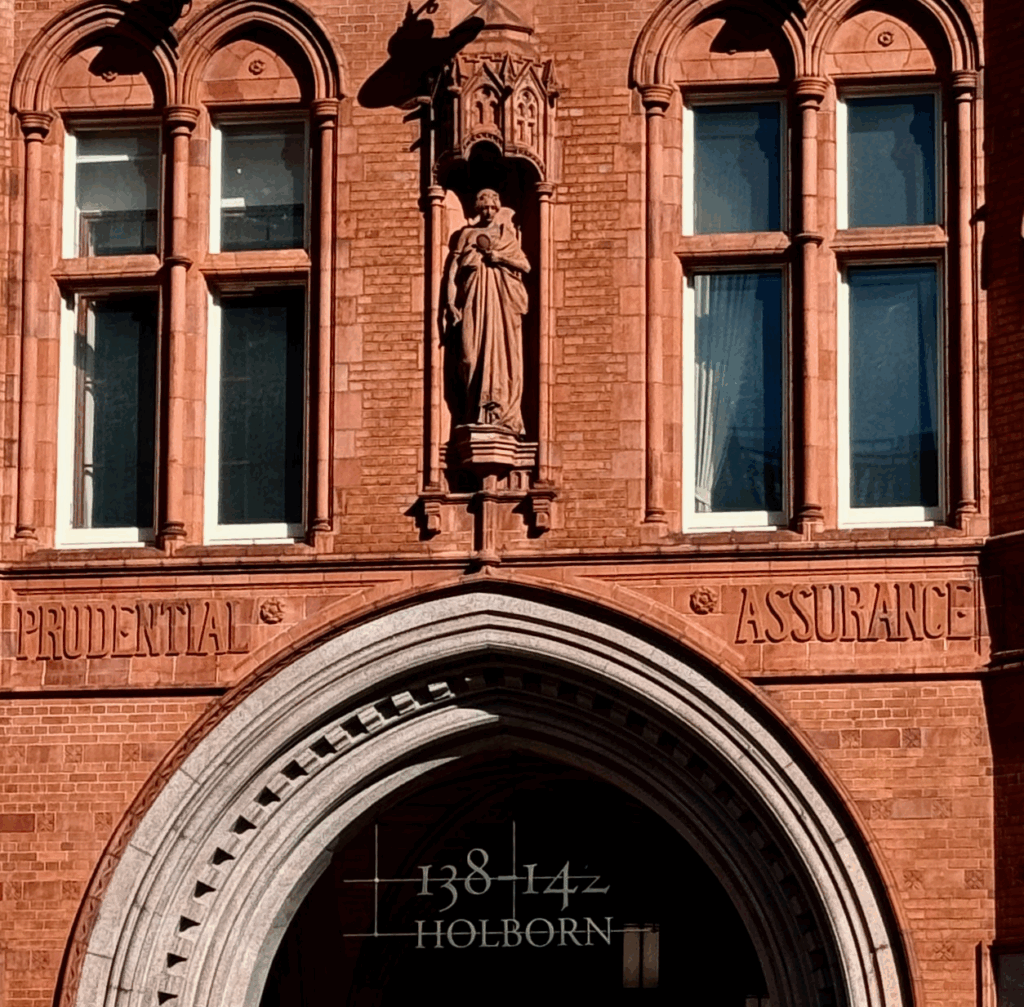
Behind him is the magnificent, red terracotta, Gothic-style building by J.W. Waterhouse, which once housed the headquarters of the Prudential Insurance Company. The entrance incorporates a sculpture of Prudence carrying one of the attributes of this Virtue, a hand mirror …
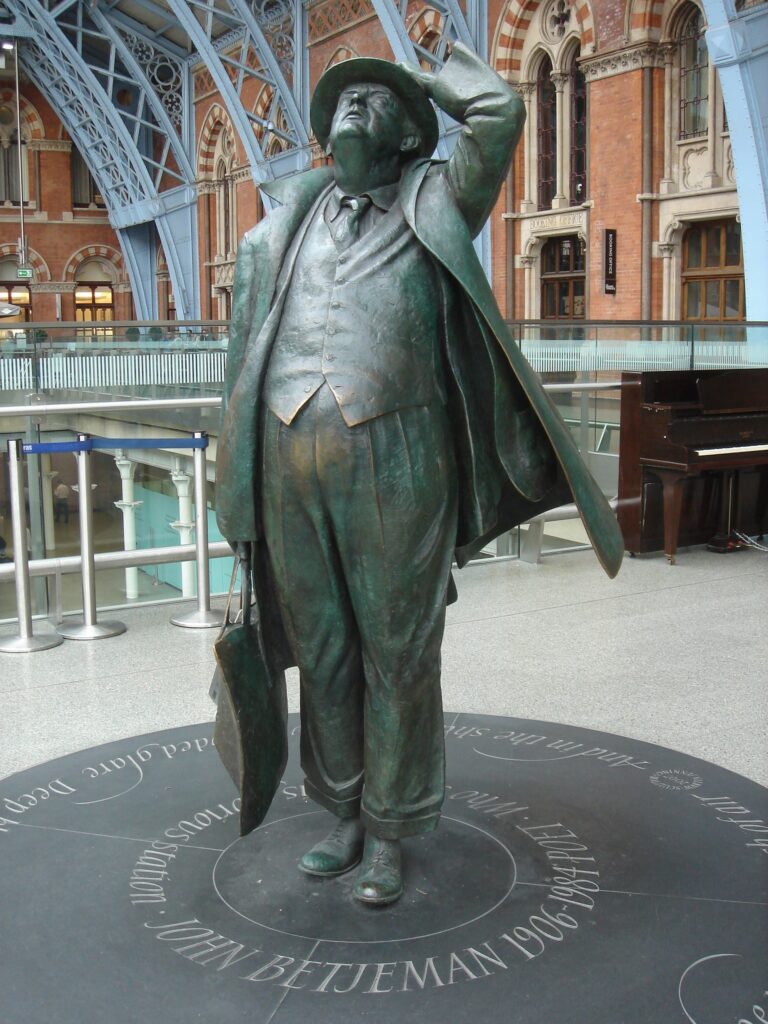
Every now and then I have to travel to King’s Cross St Pancras and when I do I occasionally like to make my way up to the Upper Level (where Eurostar terminates). From there I admire the stunning architecture and one of my favourite statues, a bronze by Martin Jennings of the poet John Betjeman, the man who did most to save the station from demolition …
Apart from the magnificent shed roof you can admire Tracey Emin’s message …
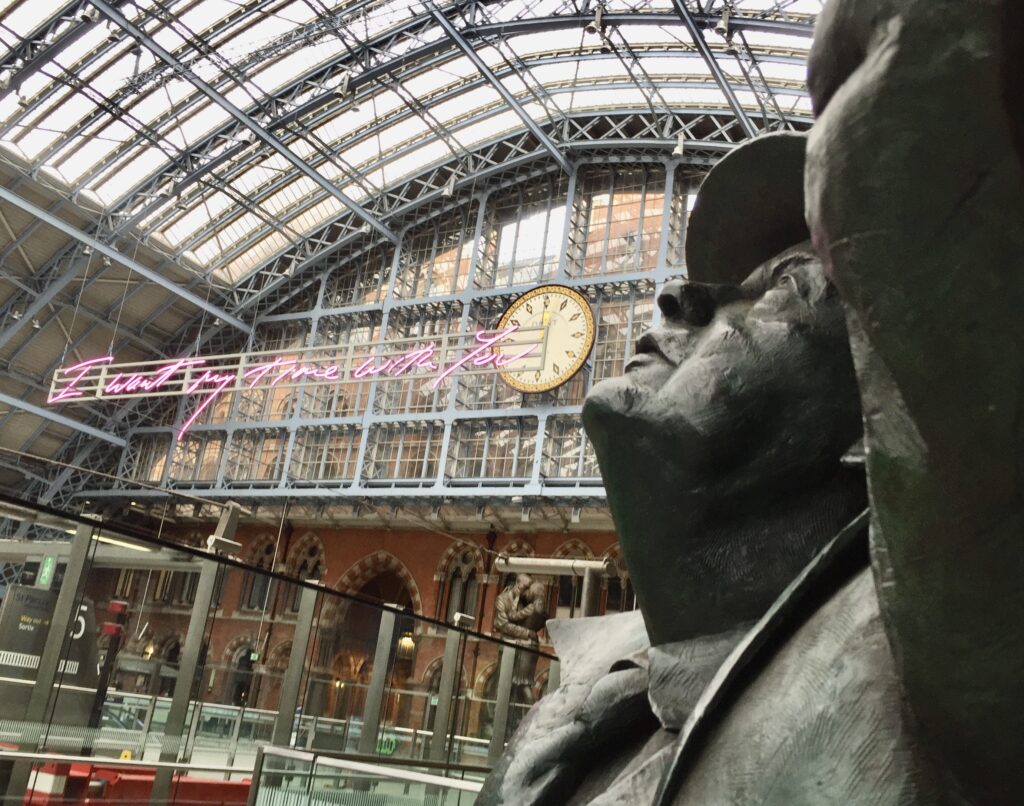
It’s a hot pink neon sculpture, the largest she has ever created …
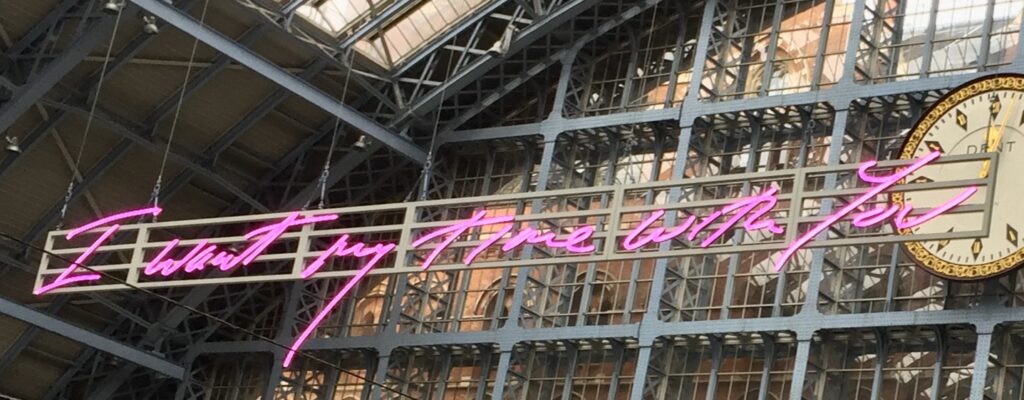
She made this sweet comment …
I cannot think of anything more romantic than being met by someone I love at a train station and as they put their arms around me, I hear them say ‘I want my time with you‘.
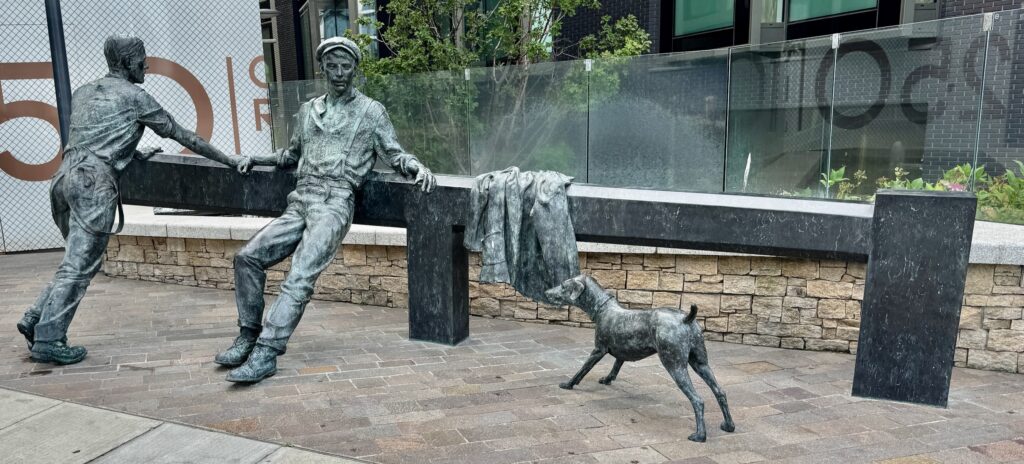
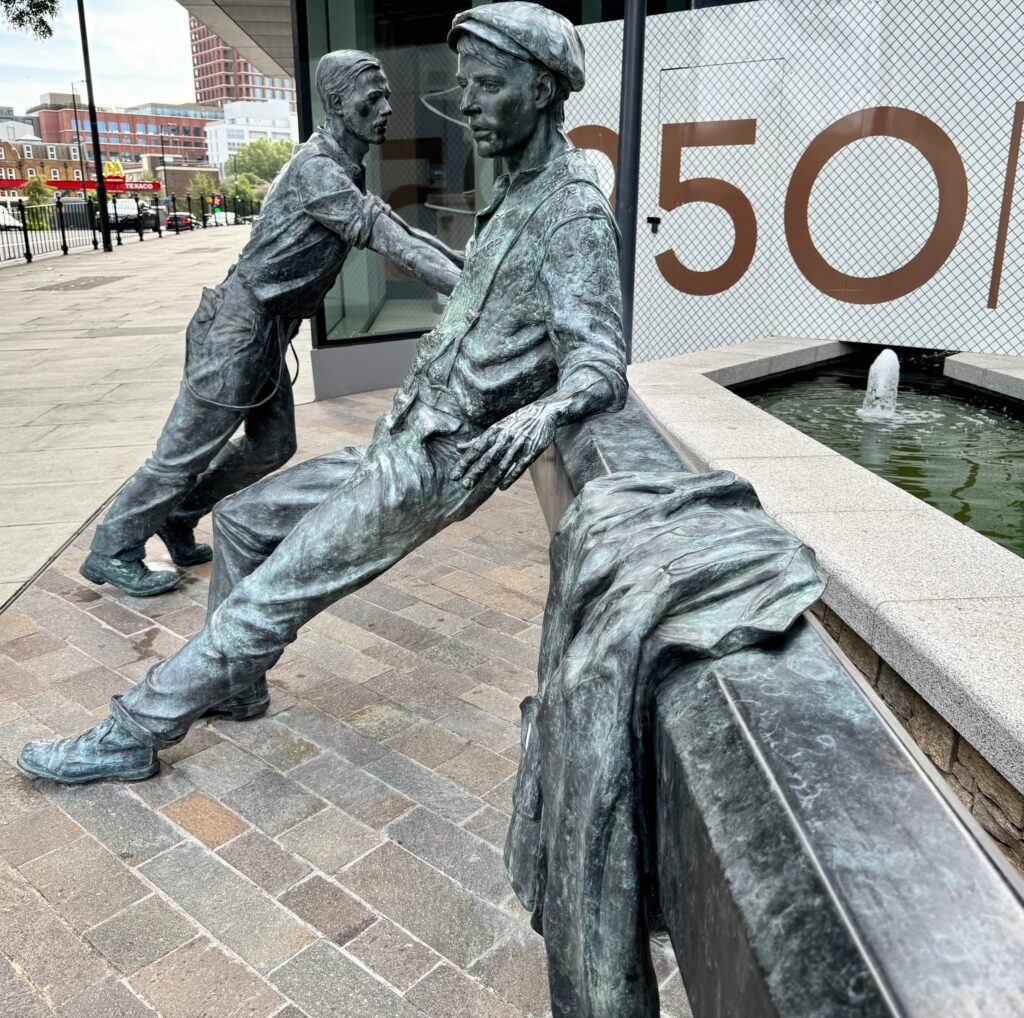
On City Road I encountered these remarkably lifelike characters and their dog …
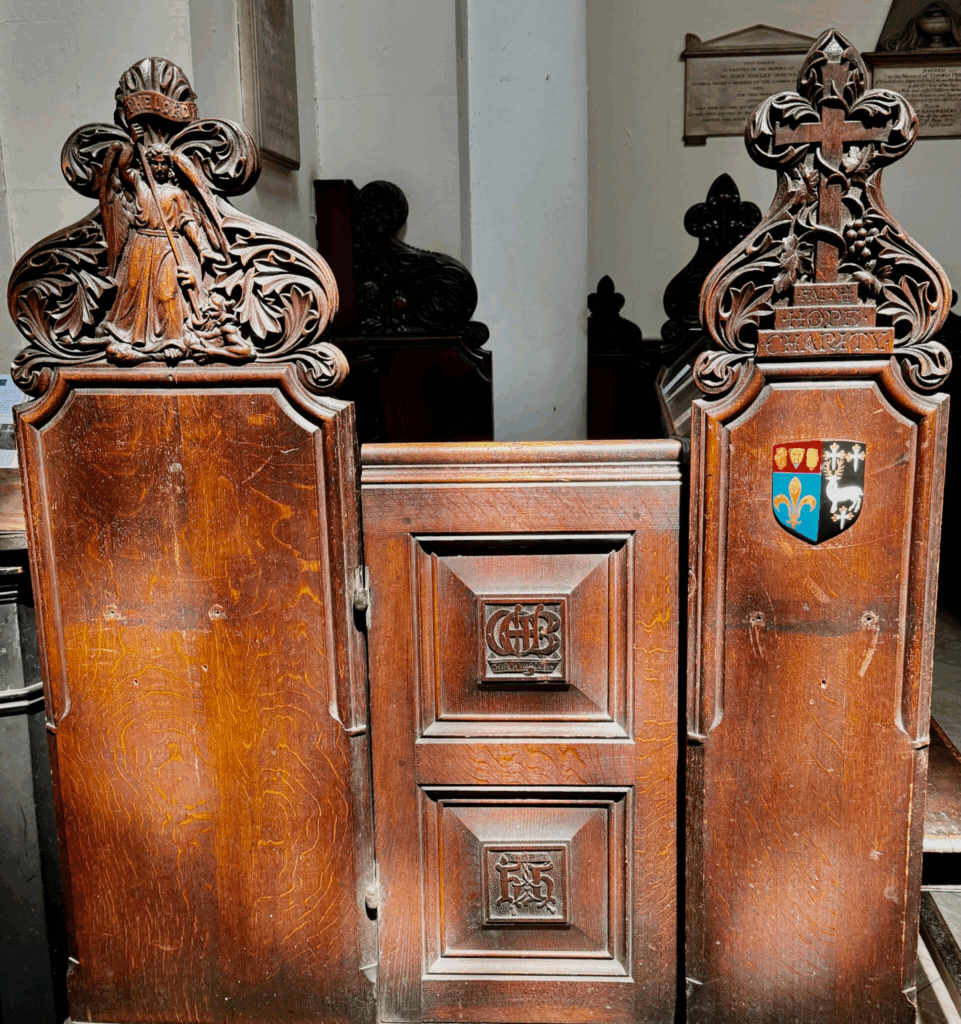
Always nice to visit St Michael Cornhill. Look to the left on entering and you’ll see the noteworthy Churchwarden’s pew …
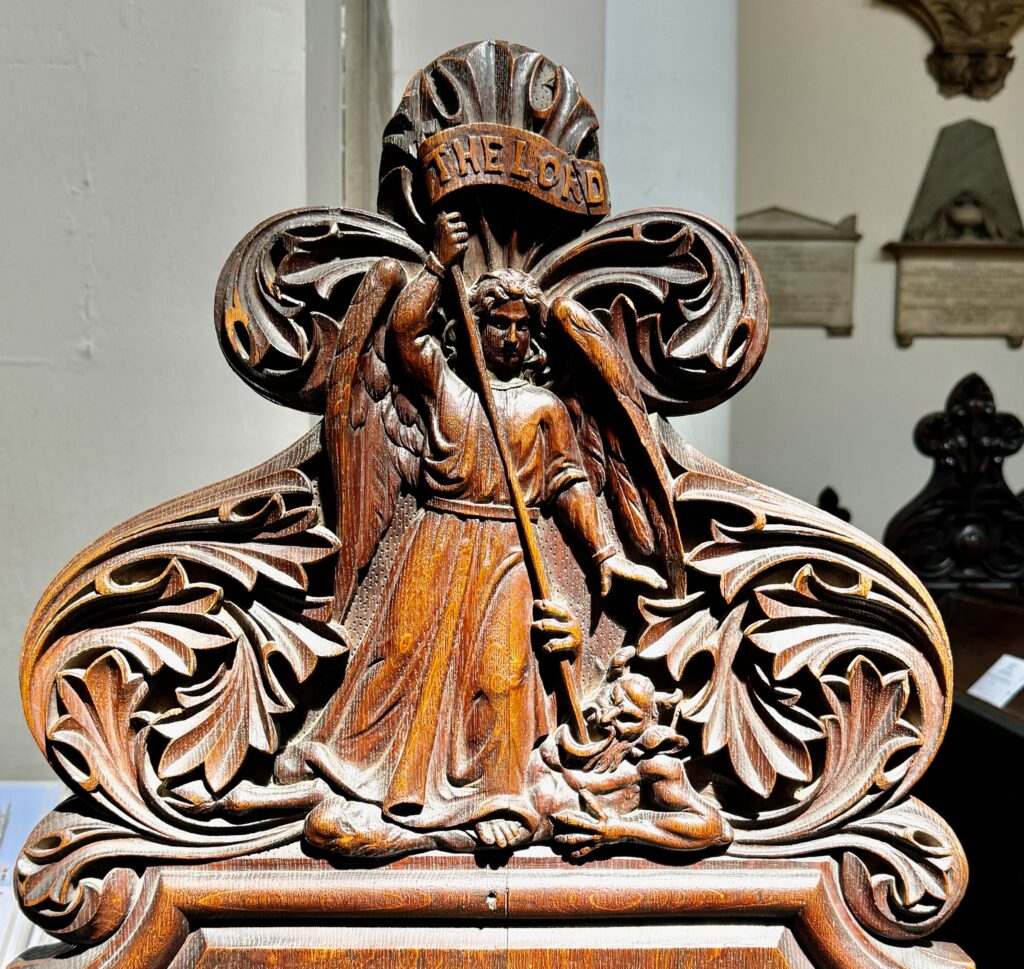
The carving shows St Michael thrusting a lance into the mouth of a truly evil-looking devil. It’s a work by the eminent wood carver William Gibbs Rogers (1792-1875) …
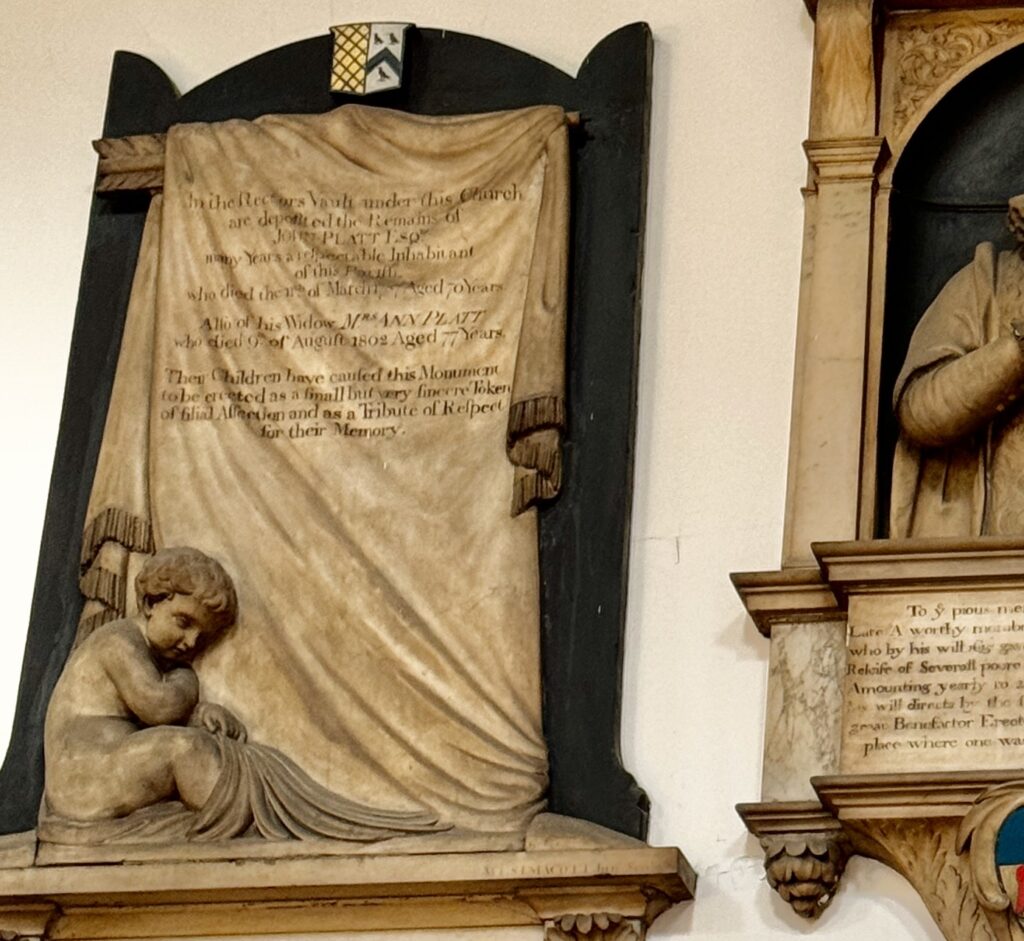
The Platt Family cherub endeavours to keep his feet warm …
In Paternoster Square is a 1975 bronze sculpture by Elisabeth Frink which I particularly like – a ‘naked’ shepherd with a crook in his left hand walks behind a small flock of five sheep …

Dame Elisabeth was, anecdotally, very fond of putting large testicles on her sculptures of both men and animals. In fact, her Catalogue Raisonné informs us that she ‘drew testicles on man and beast better than anyone’ and saw them with ‘a fresh, matter-of-fact delight’. It was reported in 1975, however, that the nude figure had been emasculated ‘to avoid any embarrassment in an ecclesiastical setting’. The sculpture is called, appropriately, Paternoster.
This is Alma Boyes’s The Cordwainer …
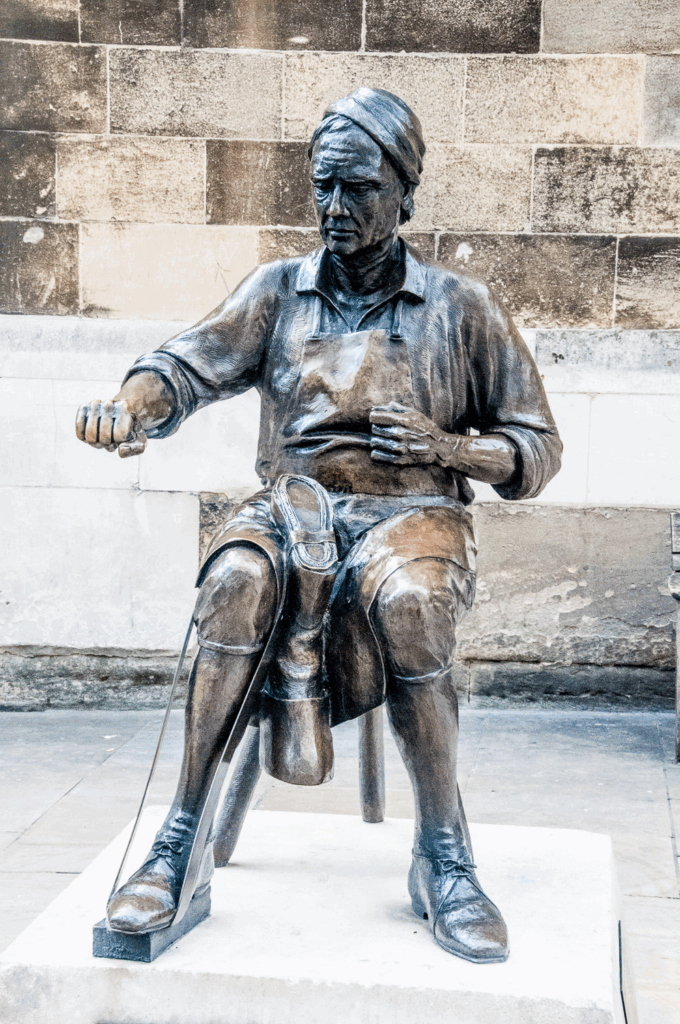
Here on Watling Street (EC4N 1SR) you are in the Ward of Cordwainer which in medieval times was the centre of shoe-making in the City of London. The finest leather from Cordoba in Spain was used which gave rise to the name of the craftsmen and the Ward.
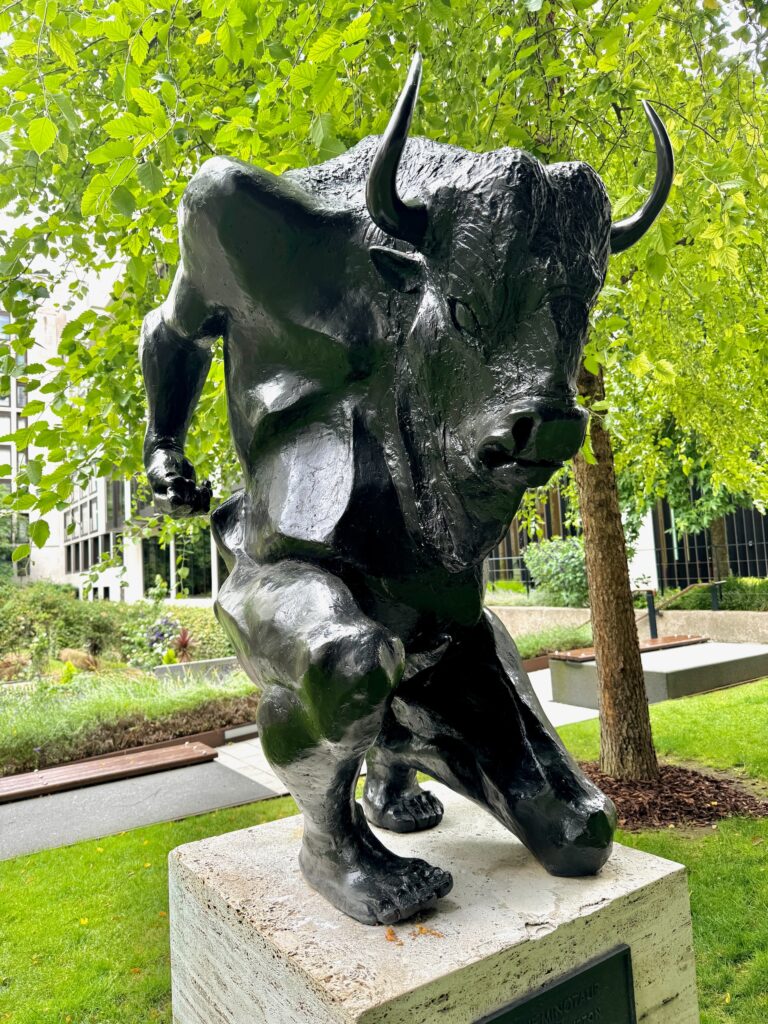
The magnificent Minotaur by Michael Ayrton. After an itinerant life, he now looks rather wonderful in his more recent location in St Alphage Gardens …
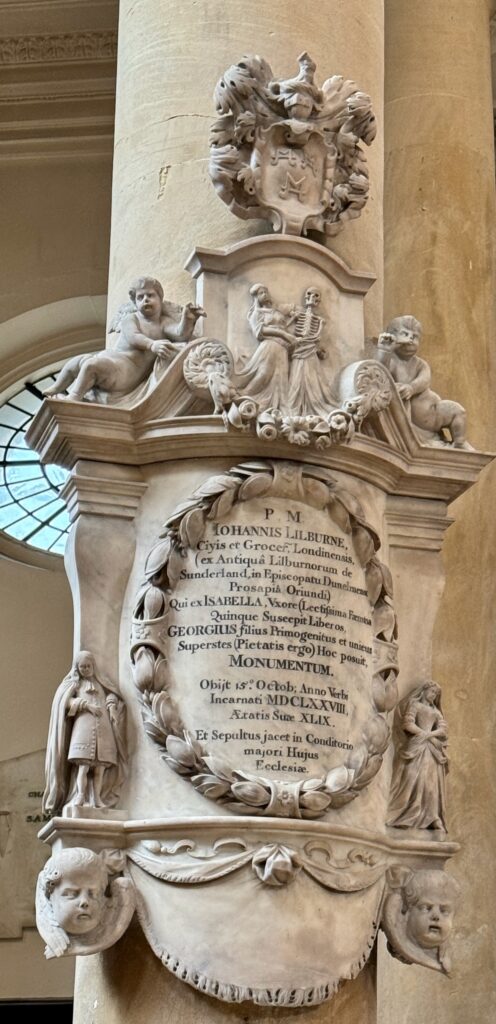
St Stephen Walbrook is another great Wren church. The earliest monument in the Church is to John Lilburne (d.1678), citizen and grocer, of the Lilburn family of Sunderland, and his wife Isabella …
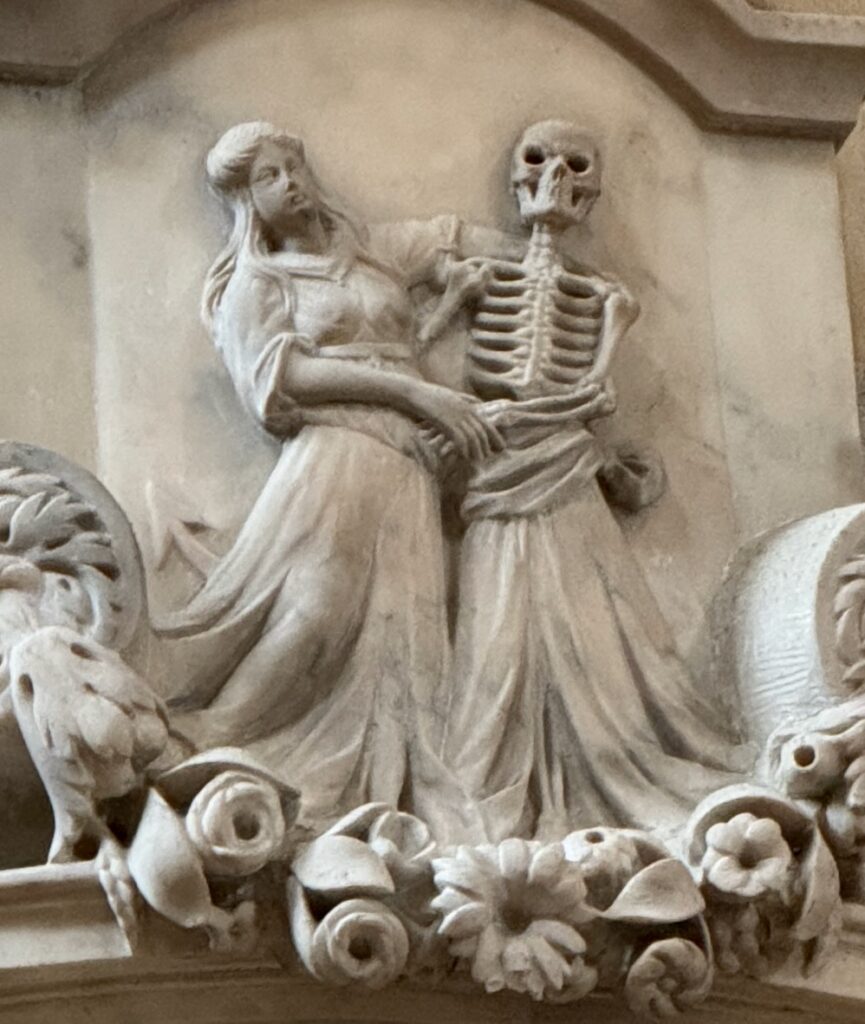
And how about its memento mori, a sculpture of a woman dancing with Death, who is a skeleton wearing a long skirt …
I love visiting St Olave Hart Street. It’s tiny and wonderfully atmospheric, being one of the few surviving Medieval buildings in London. It was badly damaged during the War but many of its treasures had been removed to safety and others have been beautifully restored.
I first visited with my camera some years ago when I was writing about Samuel Pepys and I was immediately captivated by this sculpture of his wife Elizabeth. She died of typhoid fever at the age of 29 and, despite his dalliances with other women, Pepys was devastated by her death at such a young age. He commissioned this bust in white marble from the sculptor John Bushnell …
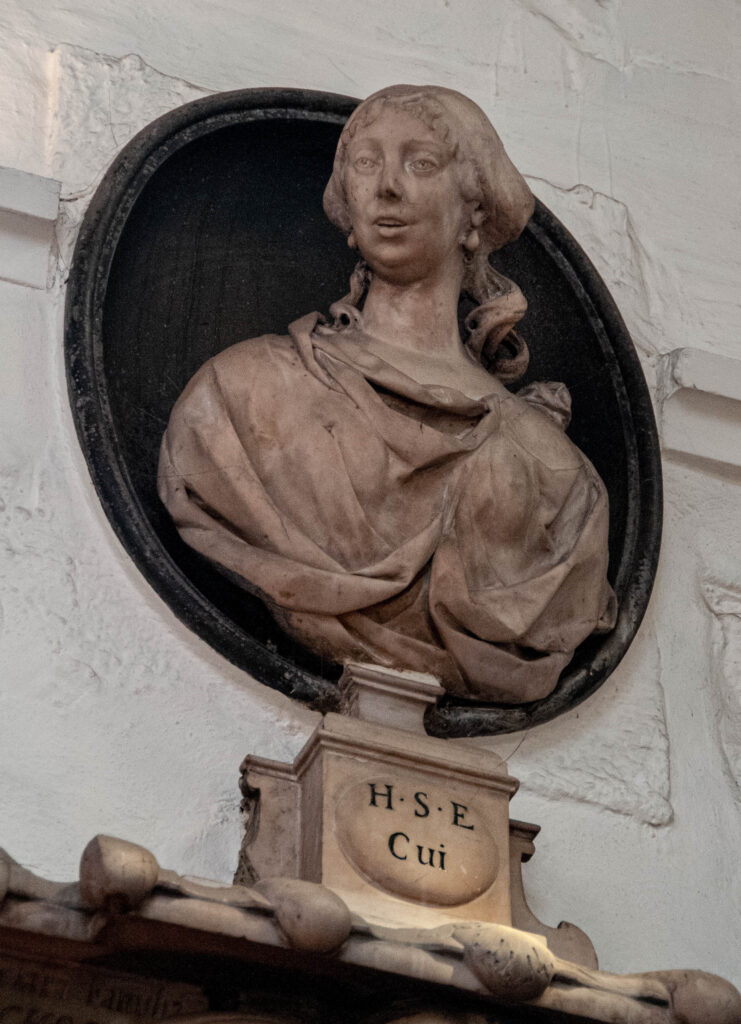
She is shown with her gaze directed towards the location of the Navy Office Pew where her husband would have sat, her mouth open as if in conversation.
His pew was in the gallery he had had built on the south wall of the church with an added outside stairway from the Royal Navy Offices so that he could go to church without getting soaked by the rain. The gallery is now gone but a memorial to Pepys marks the location of the stairway’s door …
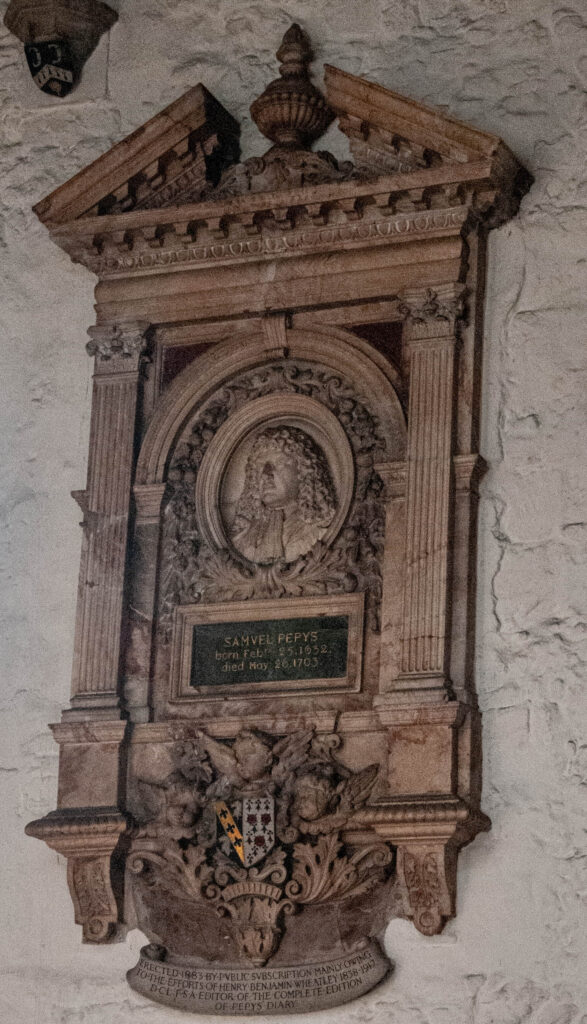
Pepys never married again and arranged to be buried in St Olave’s next to Christine. Now they face one another across the aisle for eternity.
On a more lighthearted vein, walk east from the Memorial on the north side of the road and you’ll find this chap frantically trying to hail a taxi …
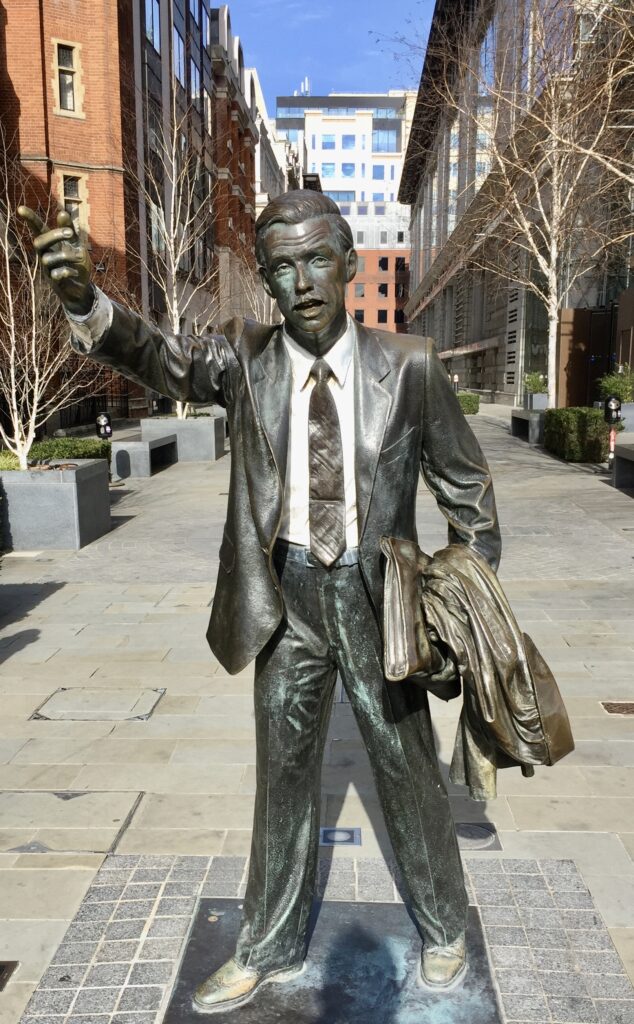
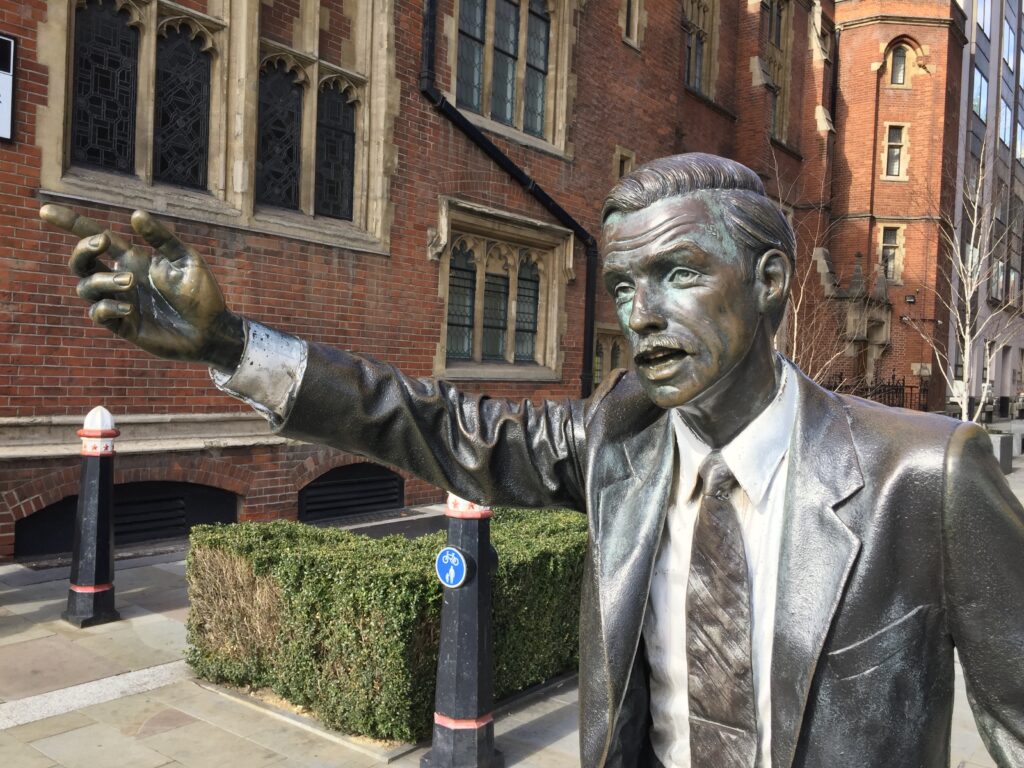
Taxi! by the American Sculptor J Seward Johnson is cast bronze and is now interestingly weathered. If you think the baggy trousers, moustache and side parting are erring on the retro, that’s because this particular office worker was transferred from New York in 2014. It was sculpted in 1983 and originally stood on Park Avenue and 47th Street.
Prince Albert at Holborn …
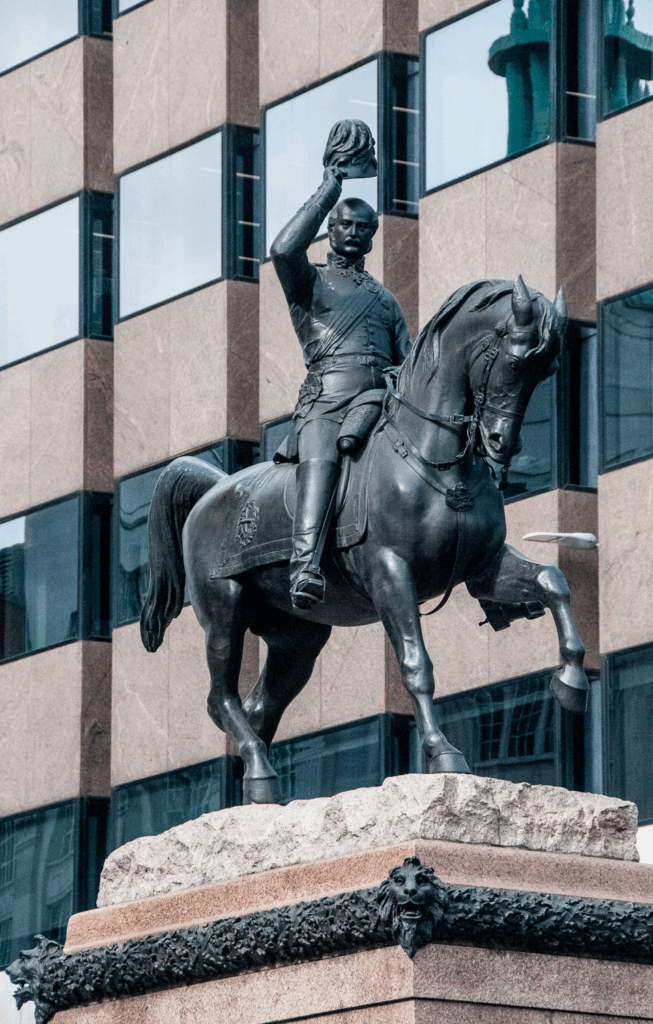
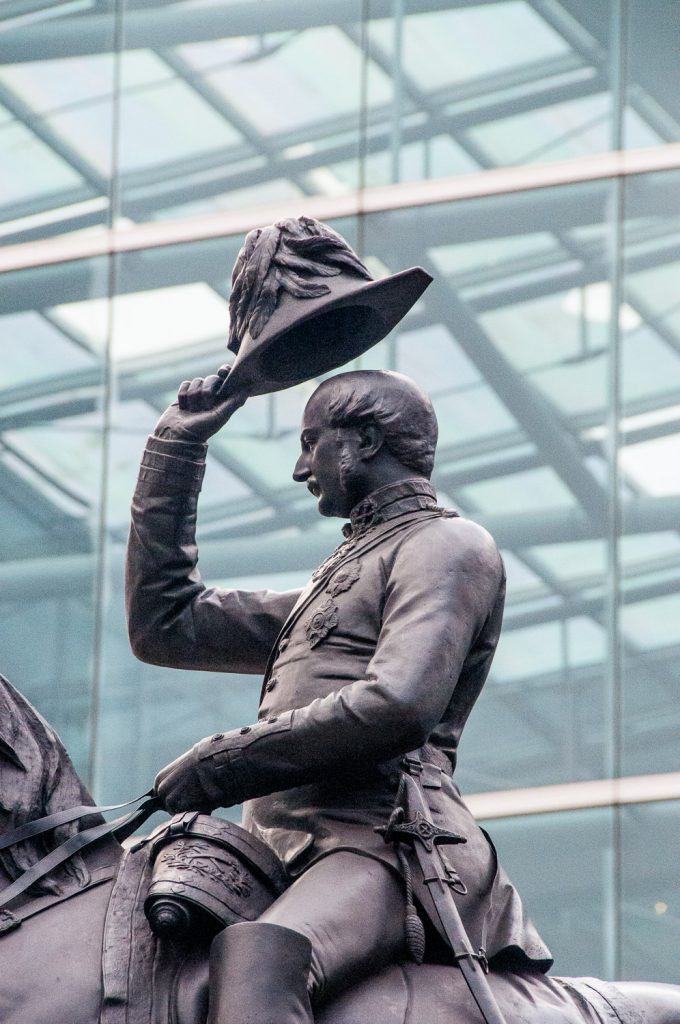
Here is a close up of the Prince taken from the north …
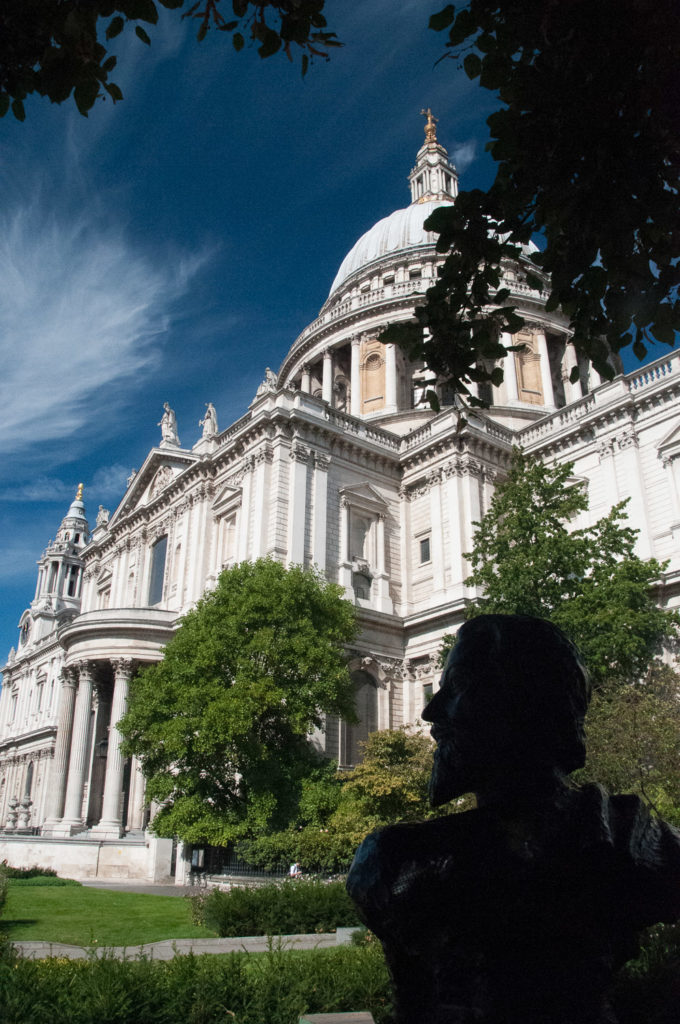
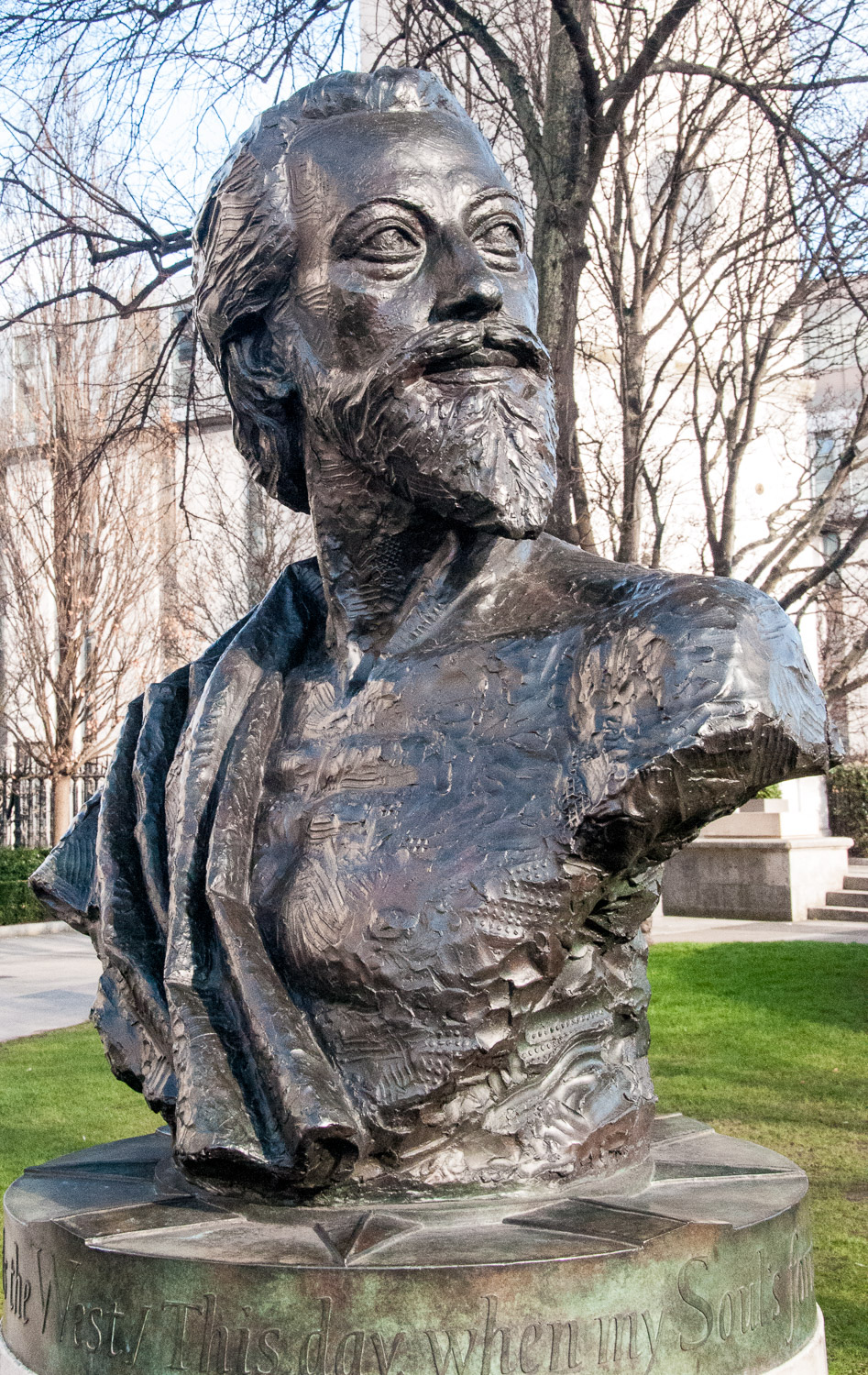
Another handsome chap. Since the weather was so nice, I took the opportunity to capture this profile of the one-time Dean of St Paul’s John Donne …
Not quite so handsome – the only statue I know of where the subject has an obvious squint …
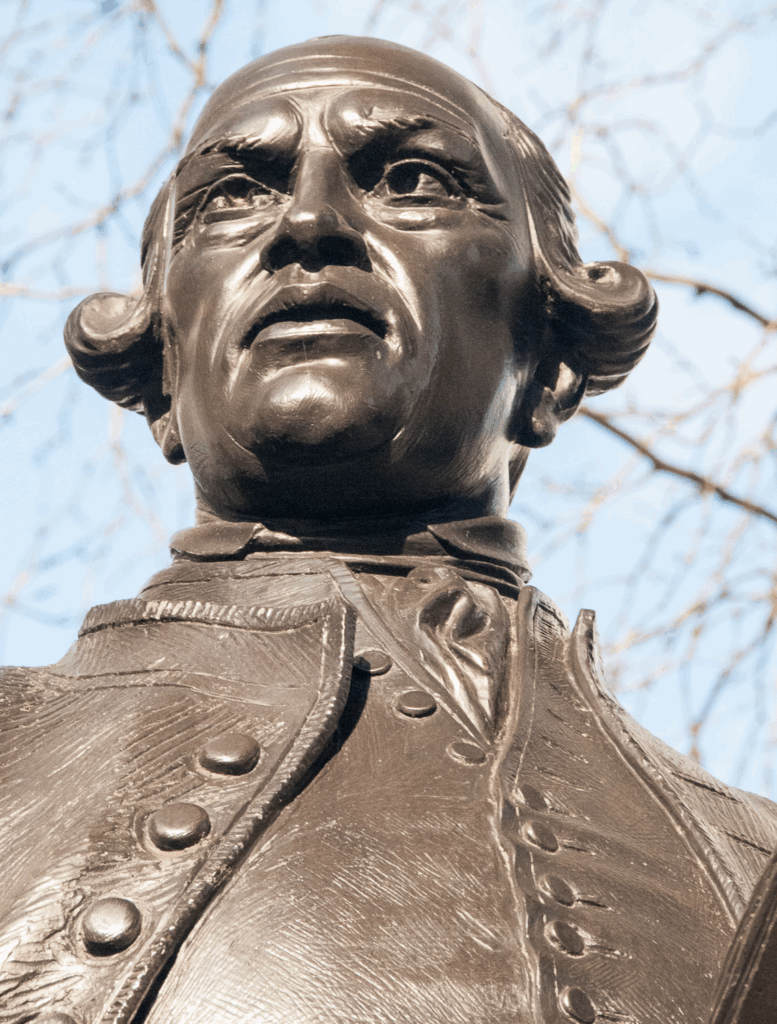
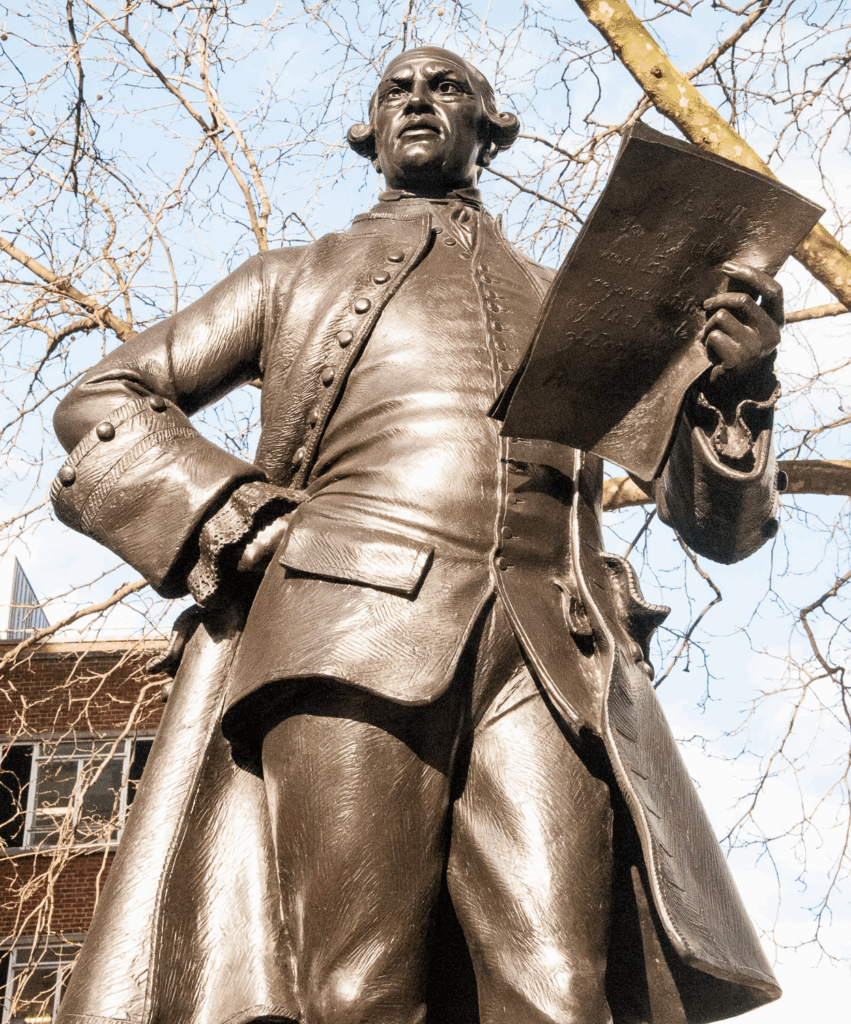
The inscription reads: A champion of English freedom, John Wilkes 1727-1797, Member of Parliament, Lord Mayor.
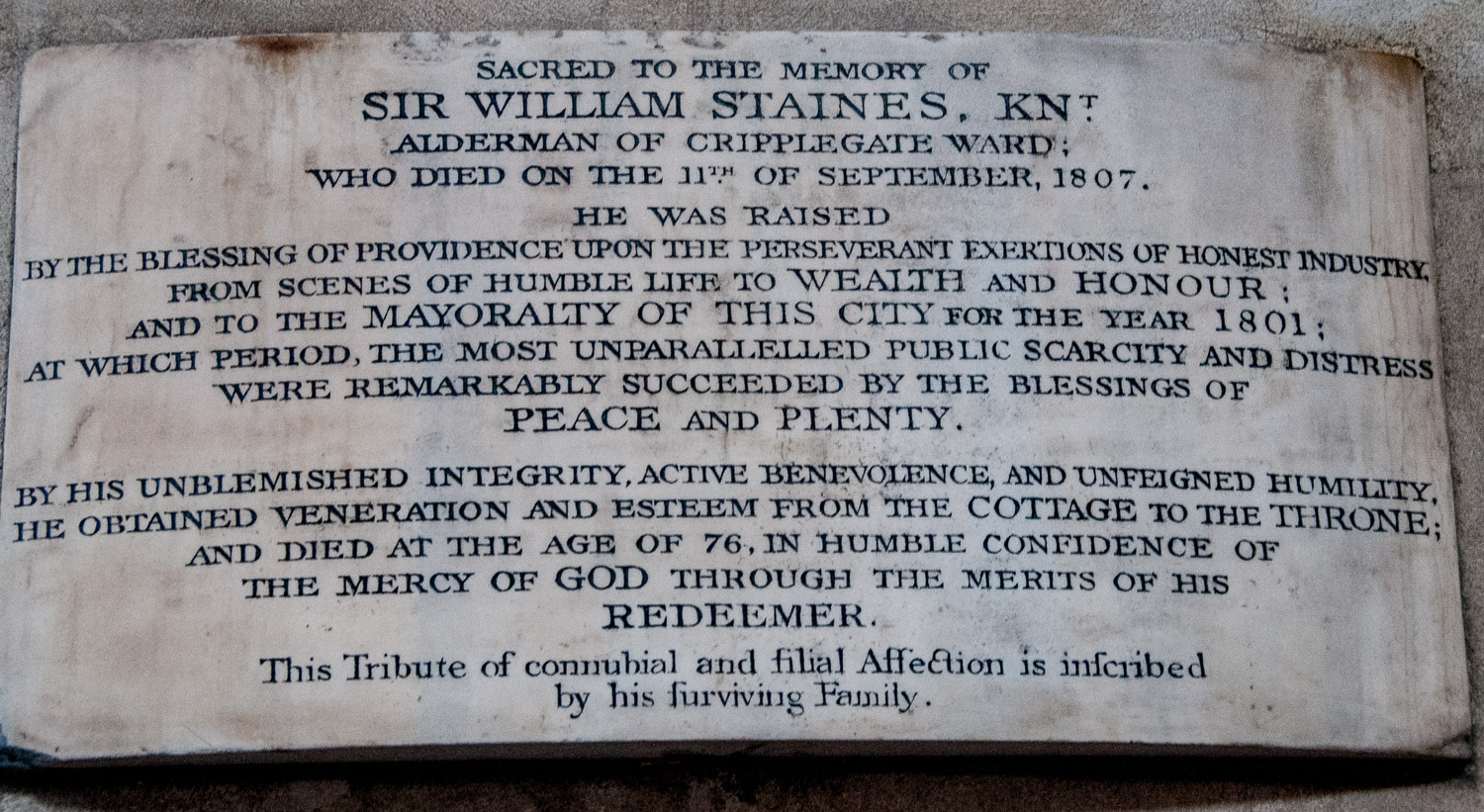
In my local church, St Giles-without-Cripplegate, there is this touching memorial to Sir William Staines, a contemporary of Wilkes …
And here is the man himself …
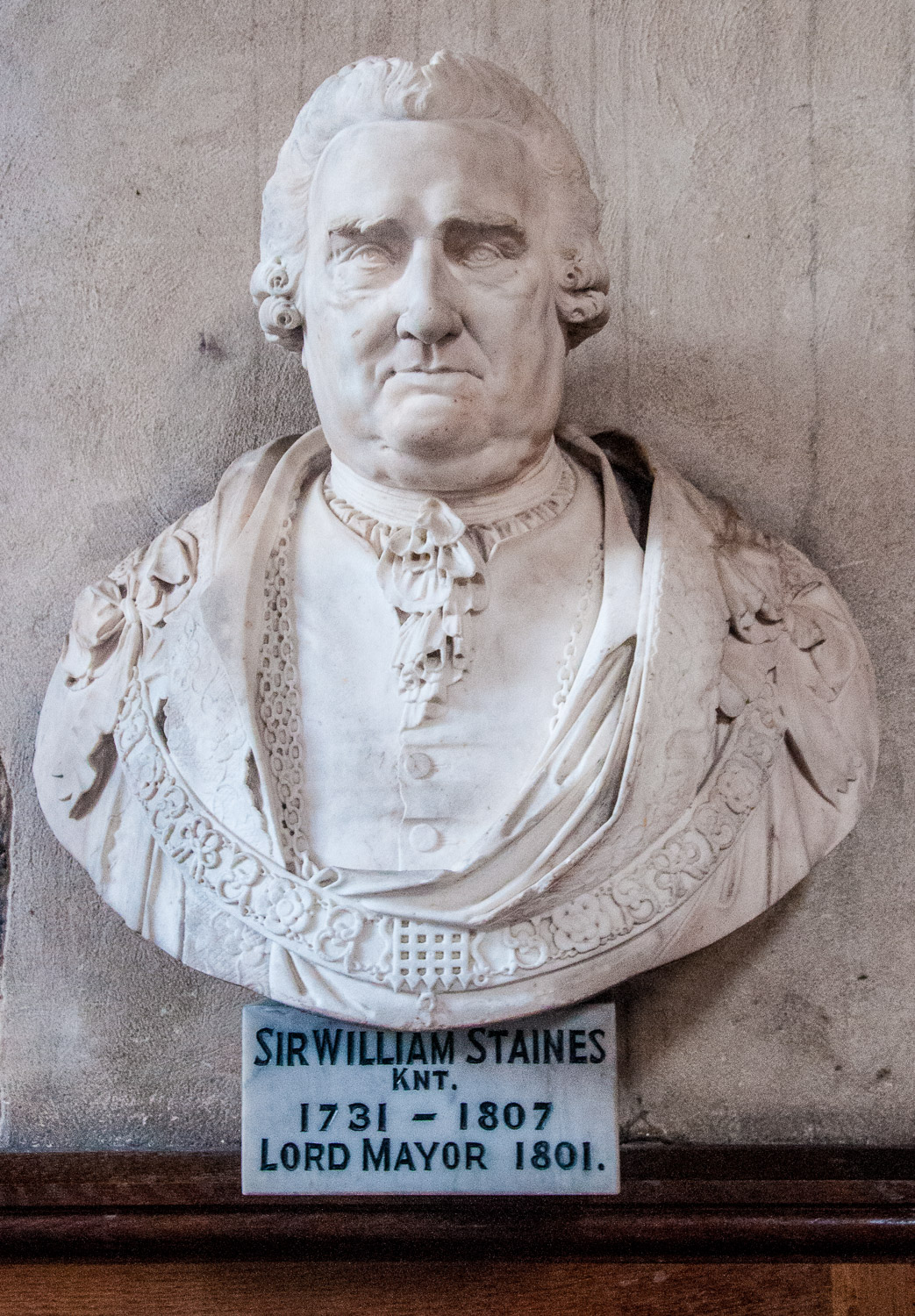
Staines had extremely humble beginnings working as a bricklayer’s labourer, but eventually accumulated a large fortune which he generously used for philanthropic purposes. He seemed to recall his own earlier penury when he ensured that the houses he built for ‘aged and indigent’ folk would have ‘nothing to distinguish them from the other dwelling-houses … to denote the poverty of the inhabitant’.
British History Online records an encounter he had with the notorious Wilkes who referred rather rudely to Staines’ original occupation …
The alderman was an illiterate man, and was a sort of butt amongst his brethren. At one of the Old Bailey dinners, after a sumptuous repast of turtle and venison, Sir William was eating a great quantity of butter with his cheese. “Why, brother,” said Wilkes, “you lay it on with a trowel!”
Sir William’s family vault outside the church …
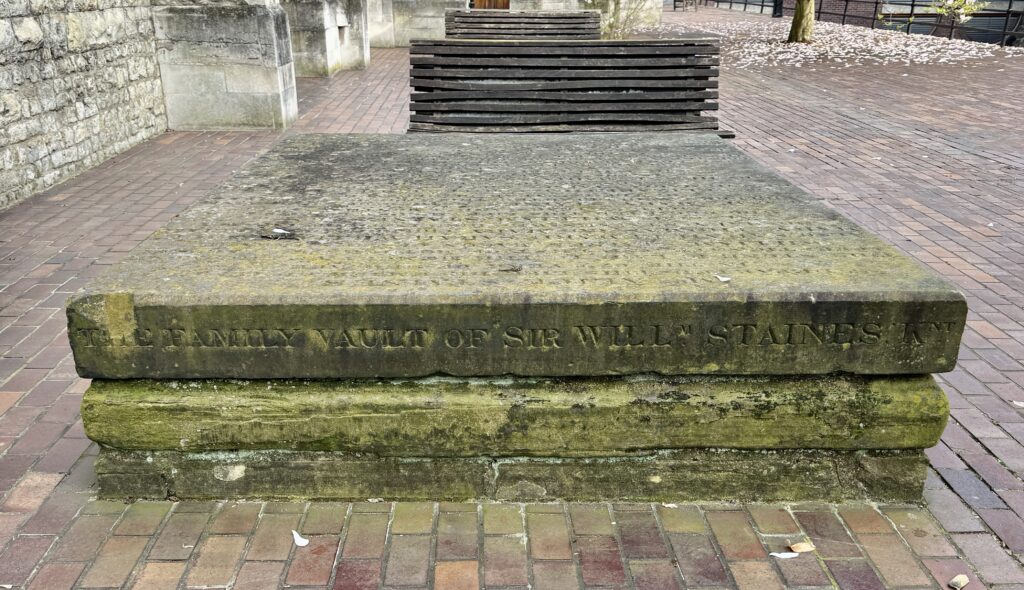
So good it survived the Second World War bombing, although I’m afraid the remains of its 15 occupants (including eight ‘infants’) did not.
You can read the full inscription here.
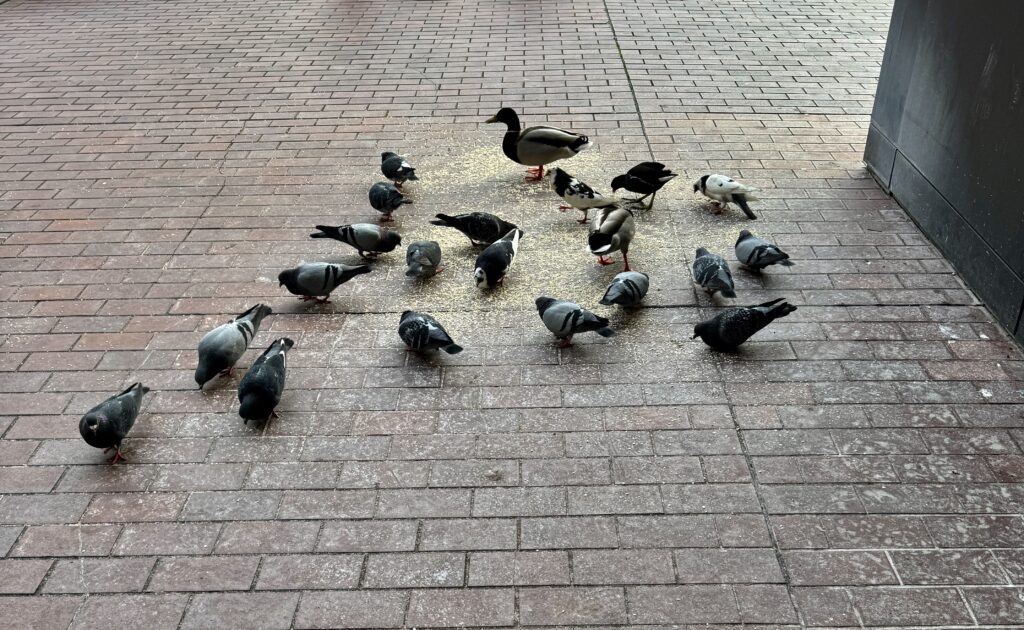
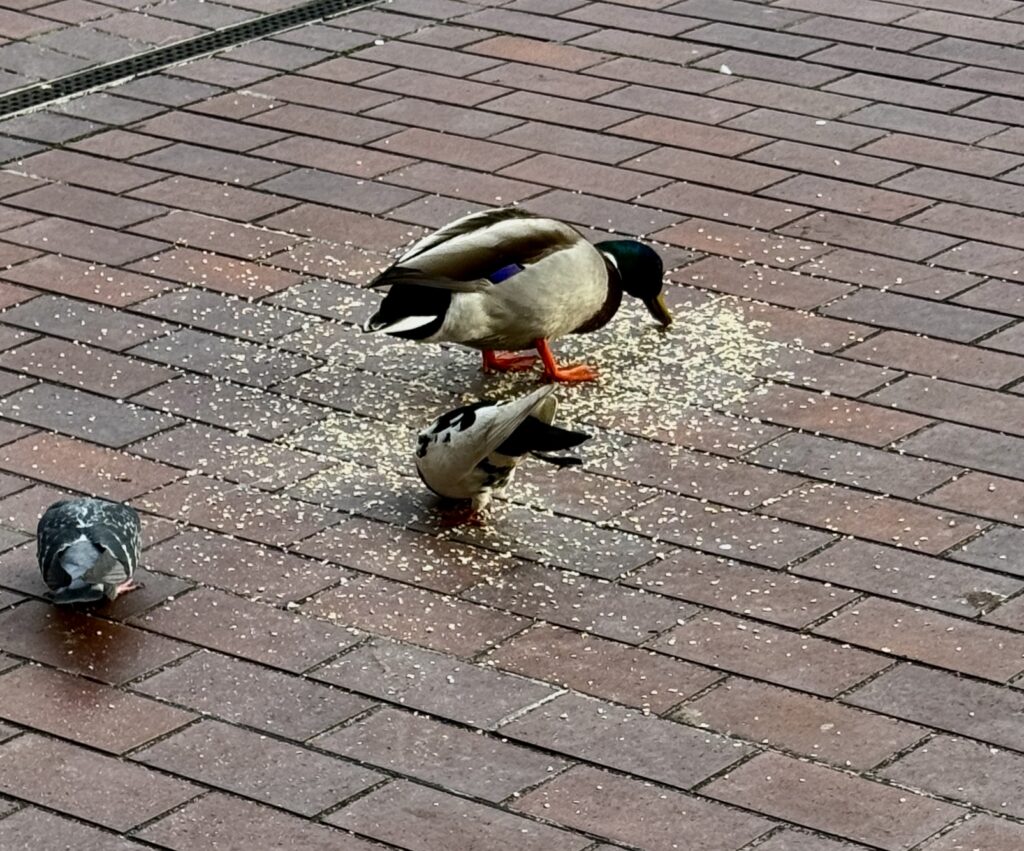
Every now and then someone puts breadcrumbs out for the pigeons on the Barbican Terrace and this time two ducks decided to have a snack too. I didn’t think their beaks would be suitable for this task but obviously they were …
A weird brand name …
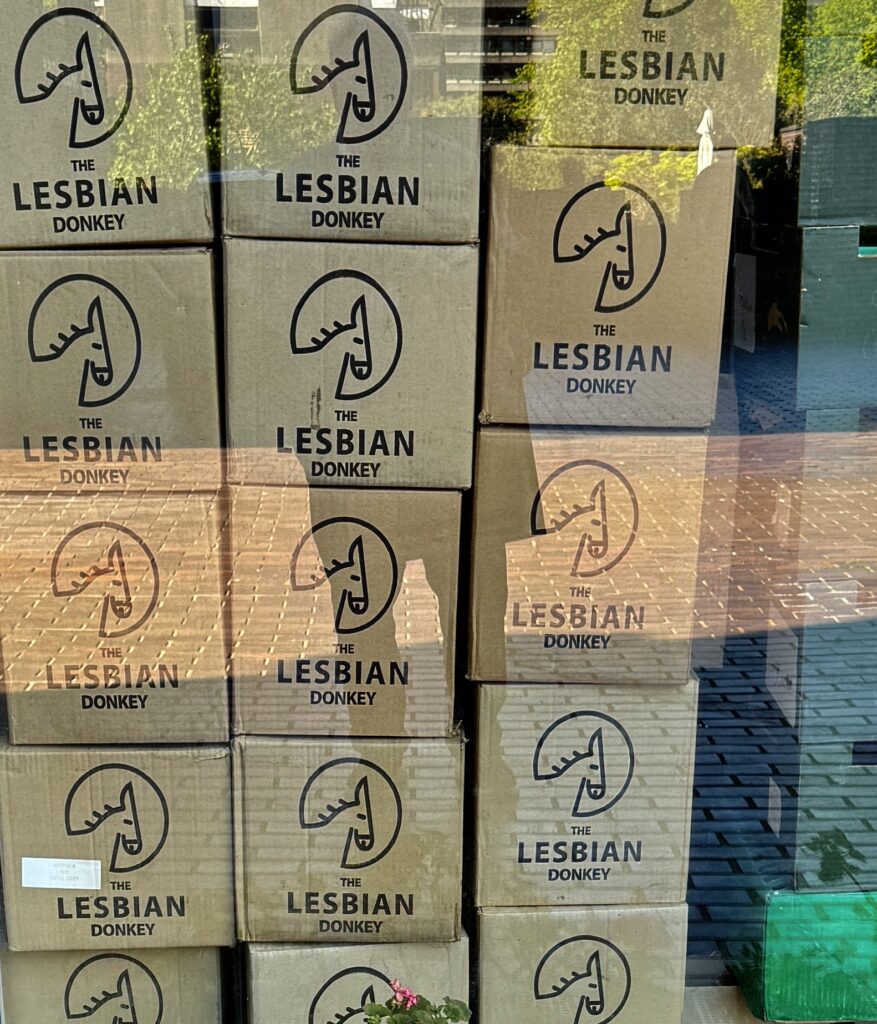
It oviously sparked my curiosity and I Googled it. Bet you do too.
And finally …
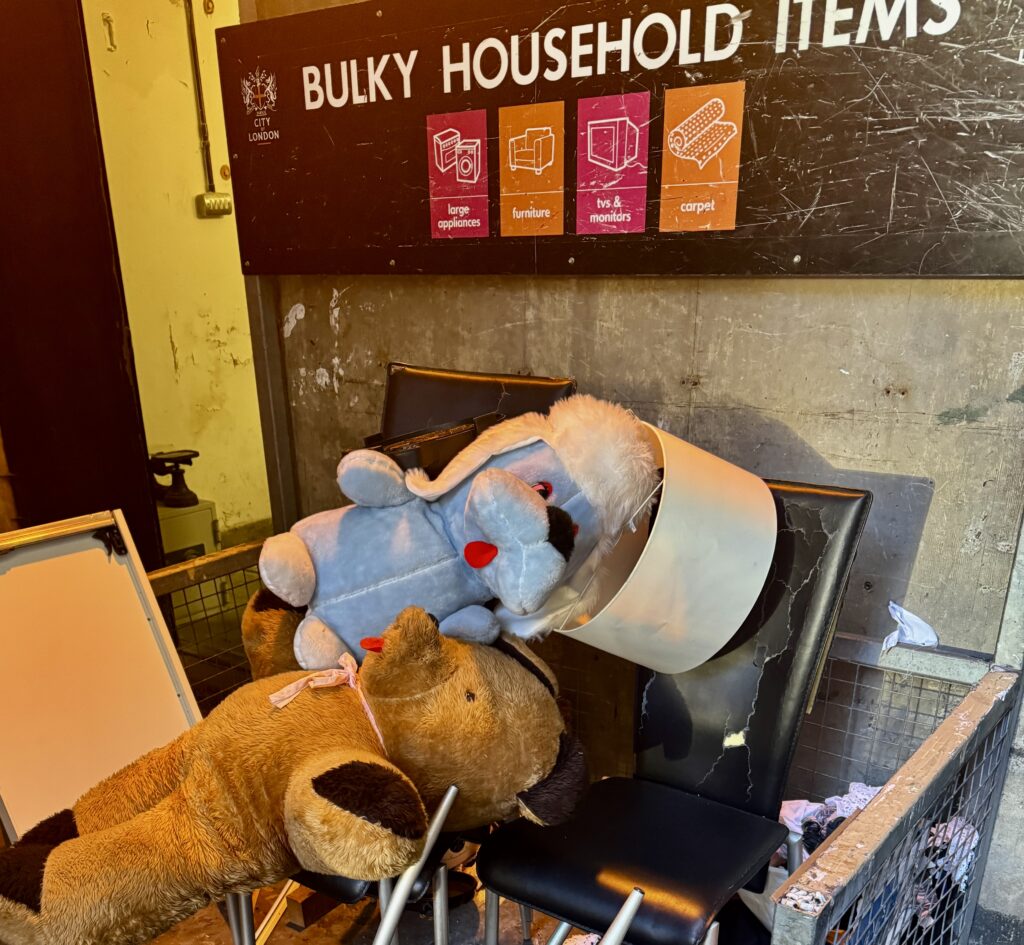
One minute you’re being cuddled, next minute you’re a ‘Bulky Household Item’ put out for recycling. Life for a soft toy is very precarious.
If you would like to follow me on Instagram here is the link …