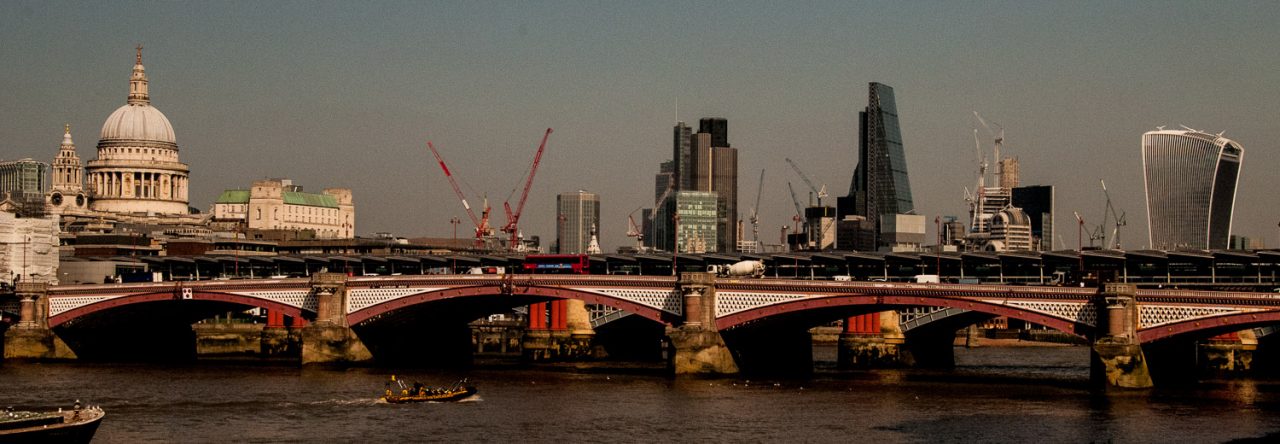
I wrote about the Bank of England Museum and its fascinating exhibits in my 28 April 2018 blog and was tempted to visit again this week because it is hosting a special exhibition (in conjunction with the Insurance Museum) entitled After the Fire.
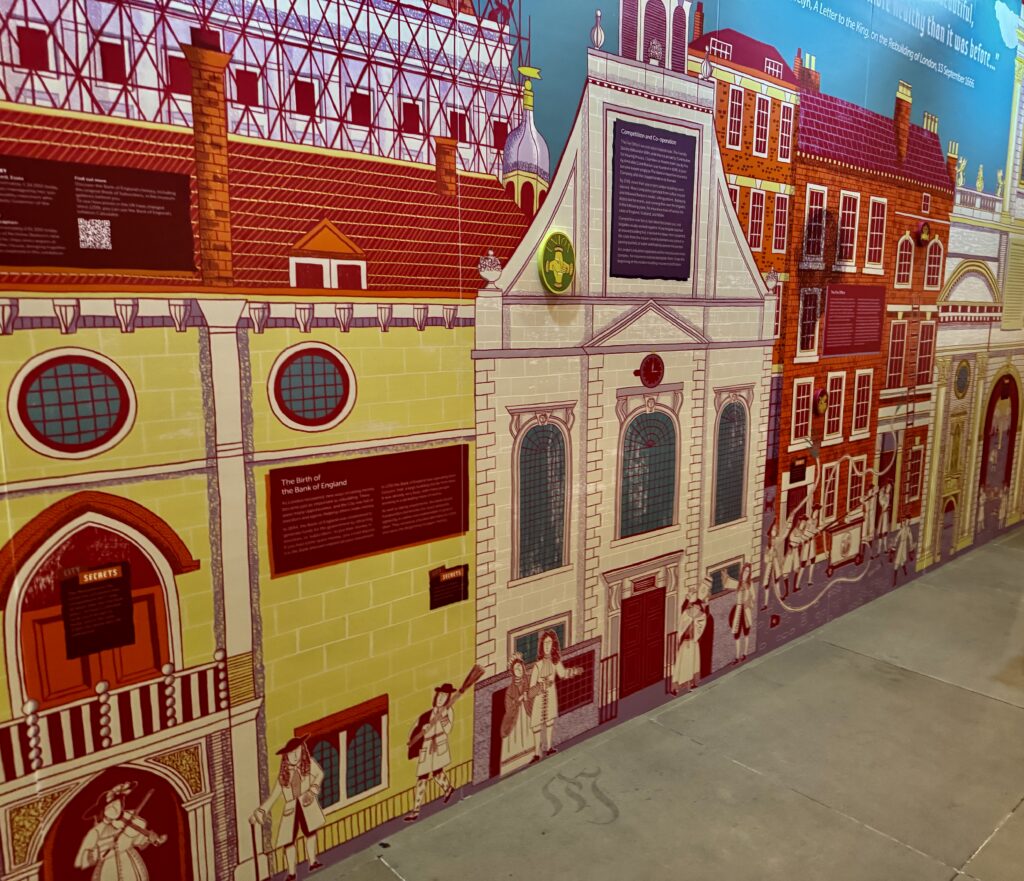
The first thing you see on entering the building are the wonderful illustrated panels by Alice Pattulo – you can see some of her beautiful prints here (along with a special wallpaper collection!) …
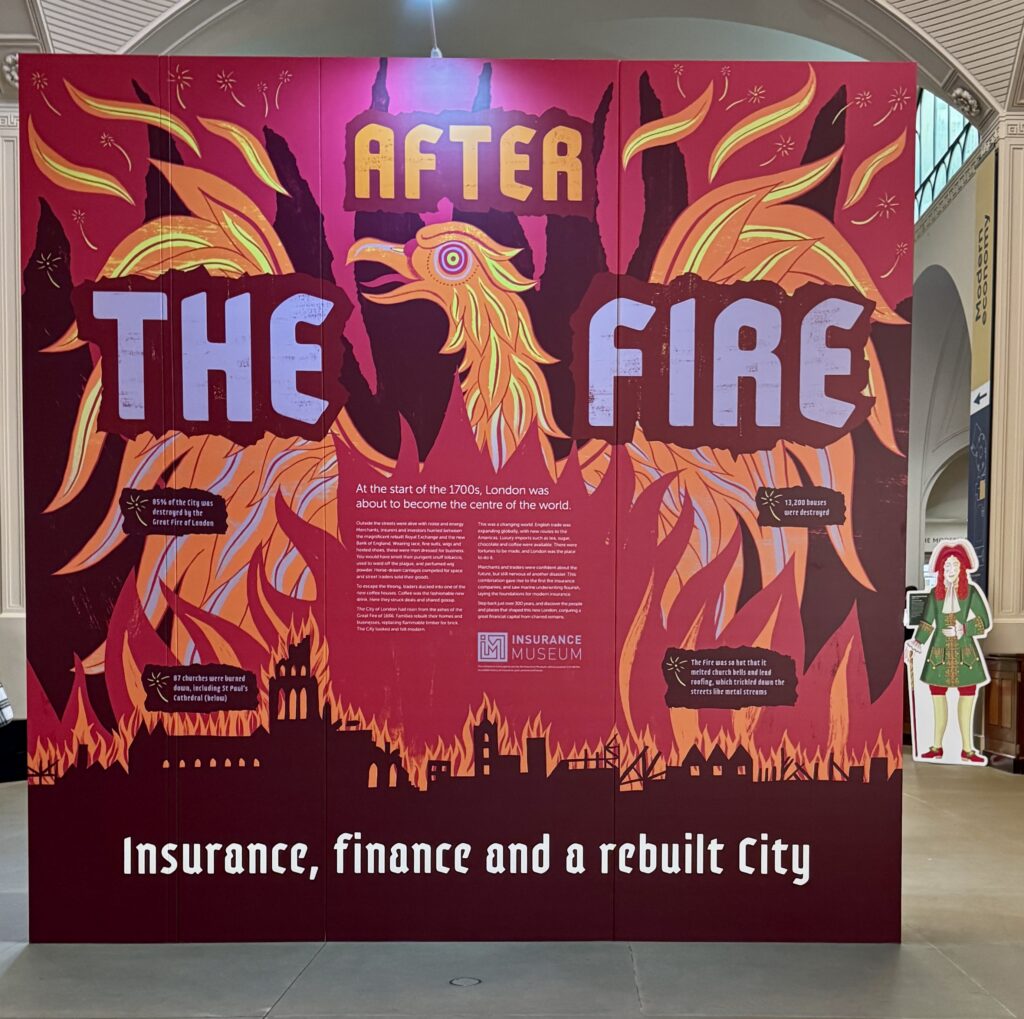
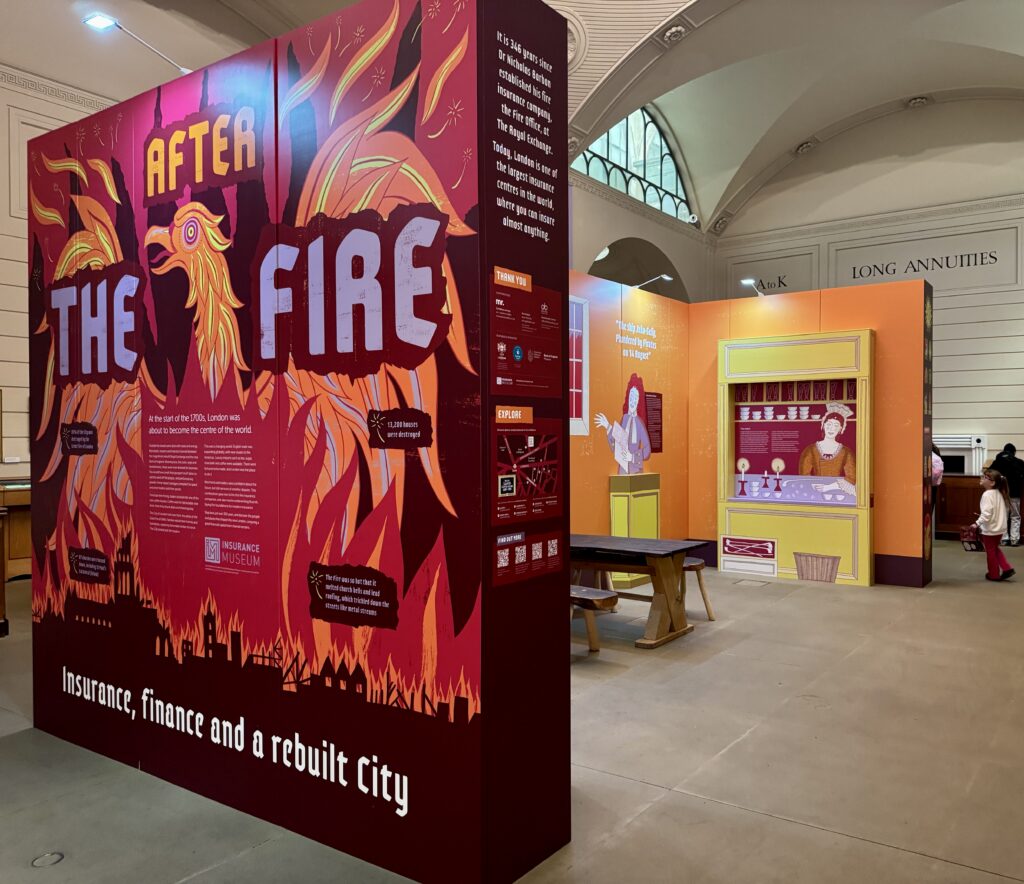
A fascinating, immersive experience packed with accessible information about the period such as Edward Lloyd’s Coffee House …
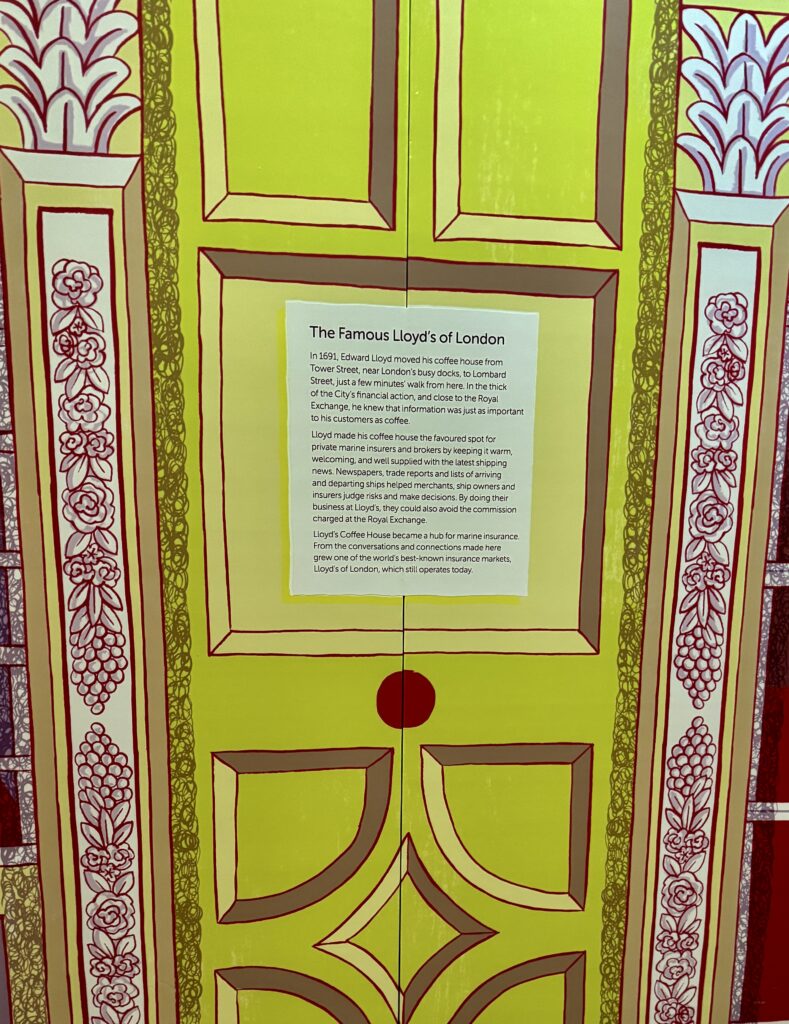
Take a seat, chat to a sea captain and maybe do a spot of underwriting …
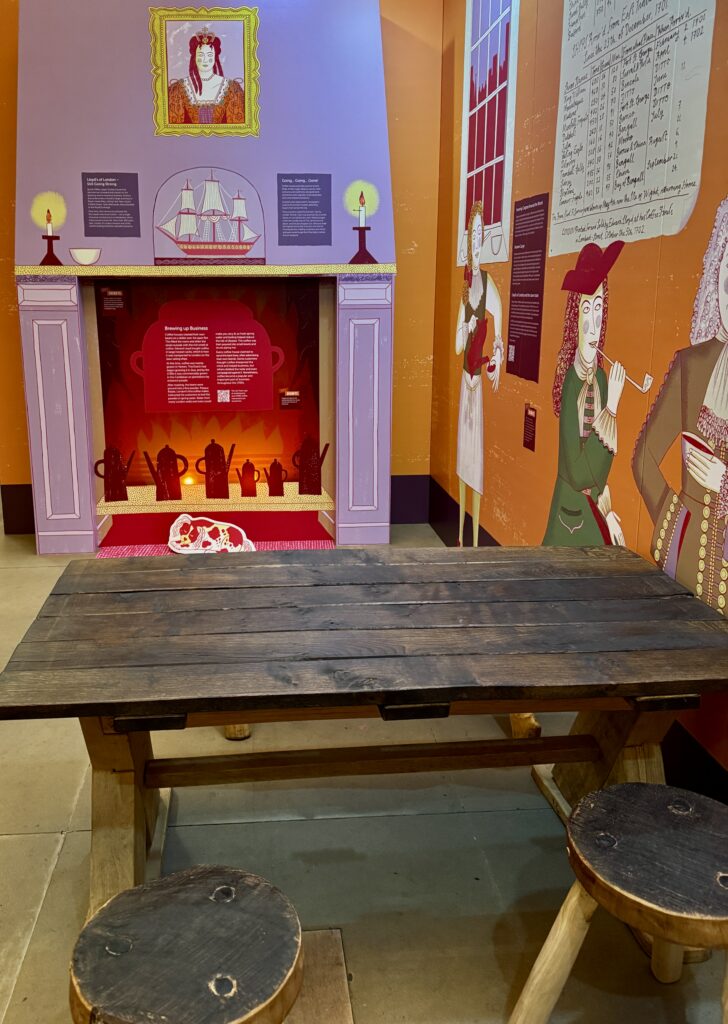
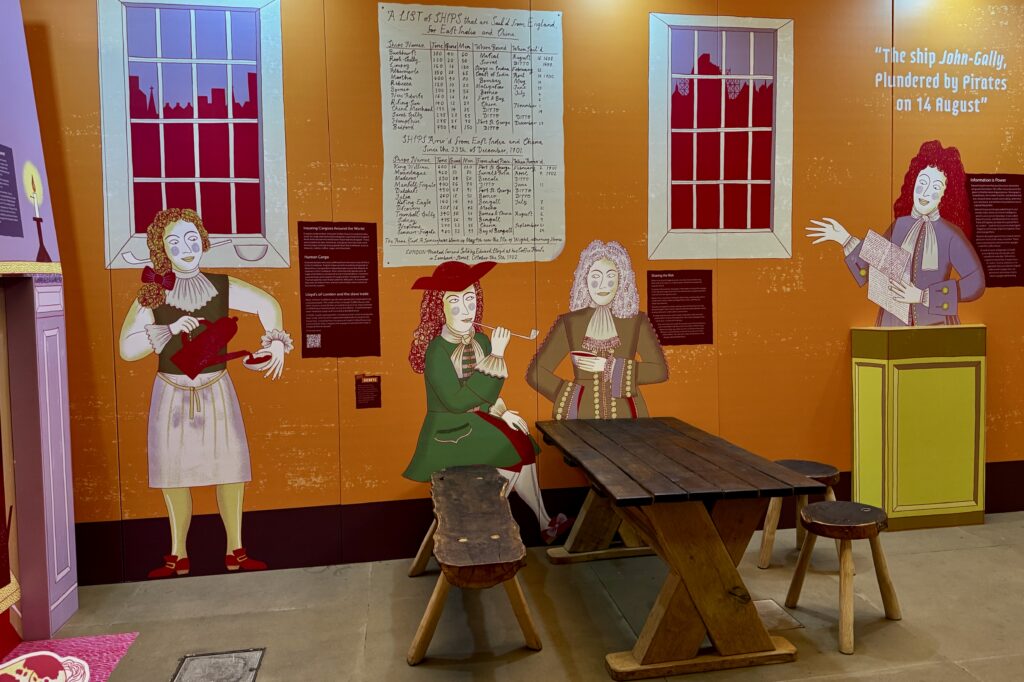
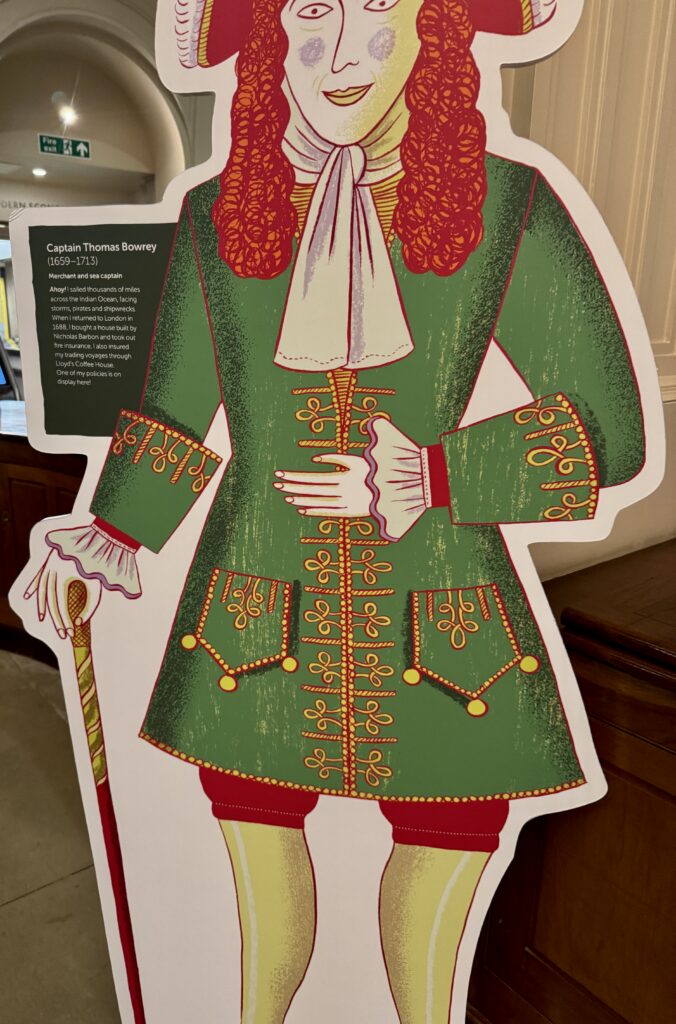
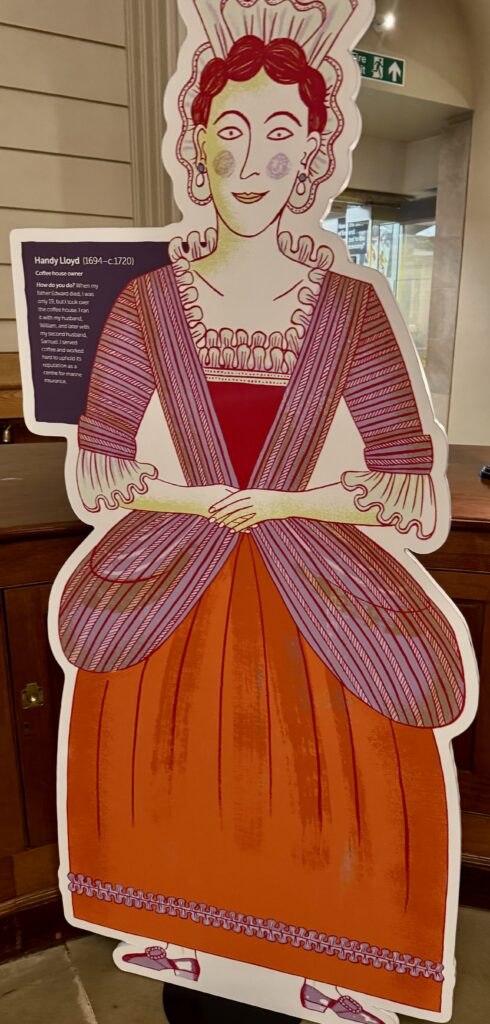
Some of the period’s characters …
A street view …
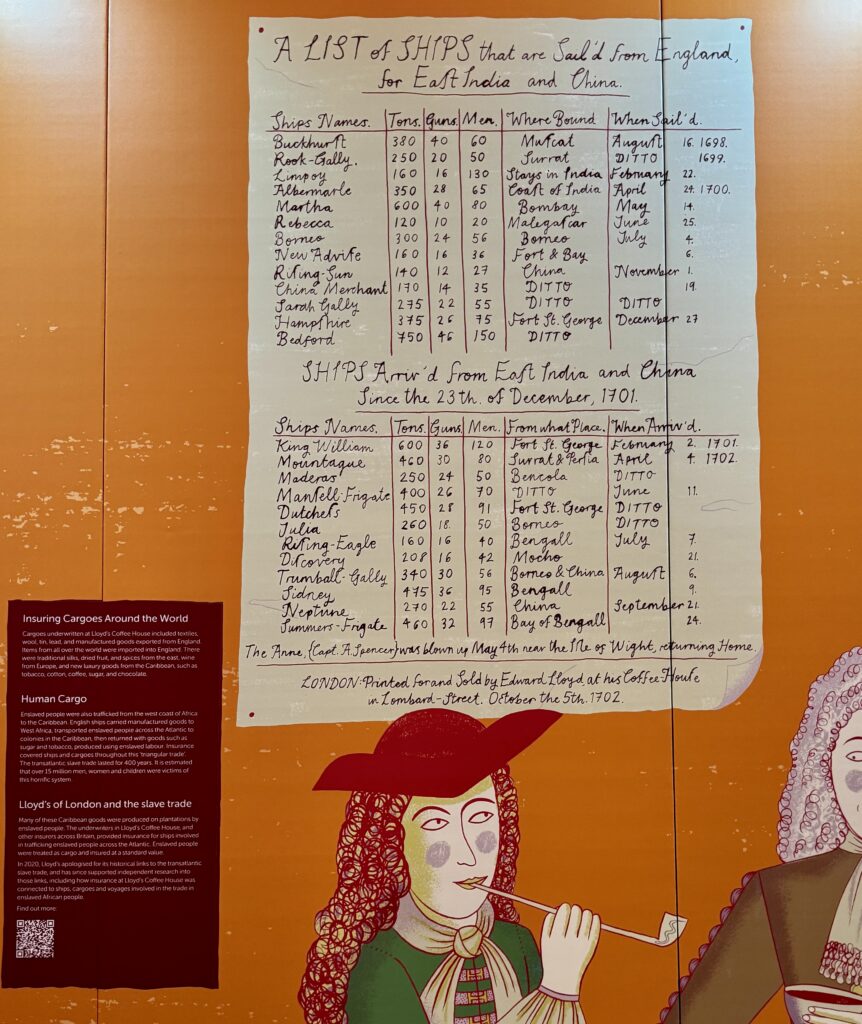
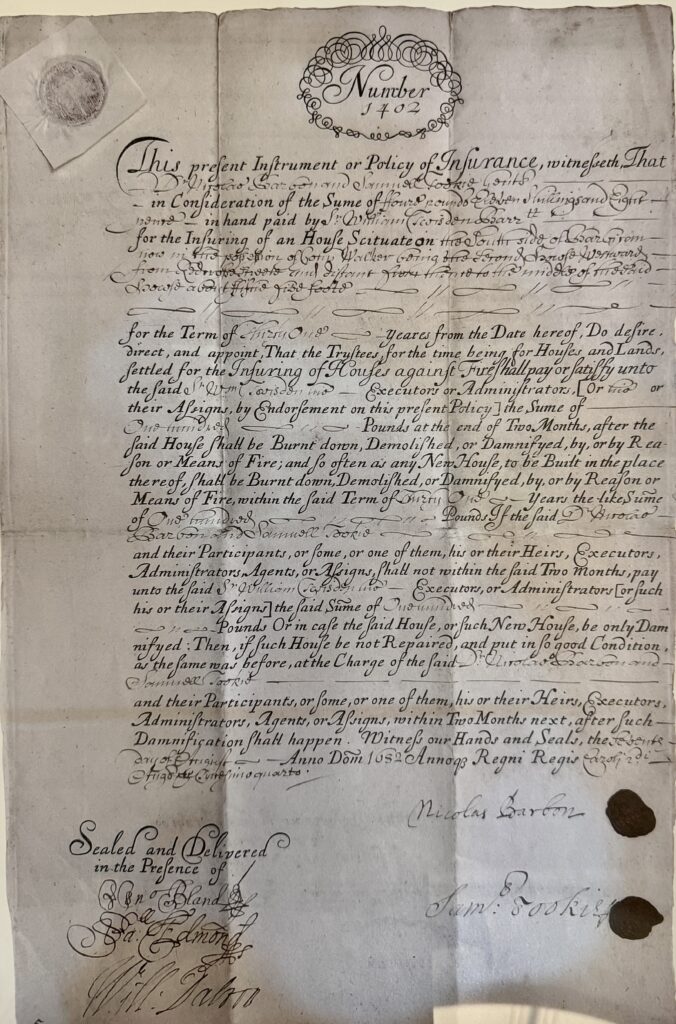
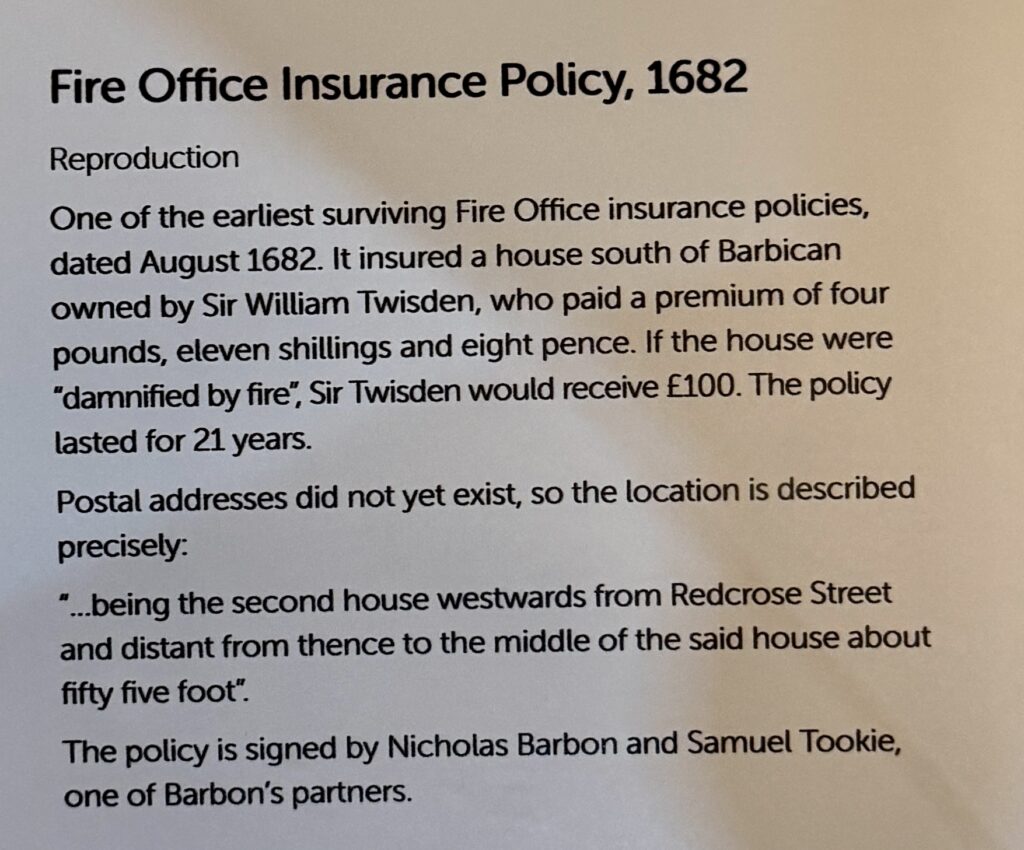
There are also reproductions of various historically significant documents …
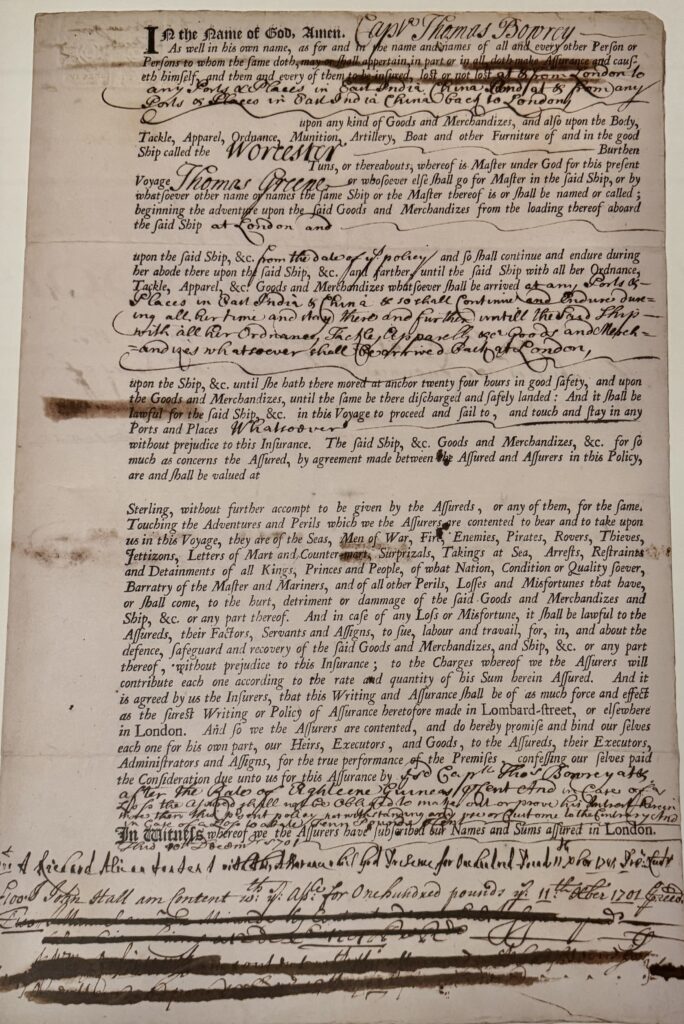
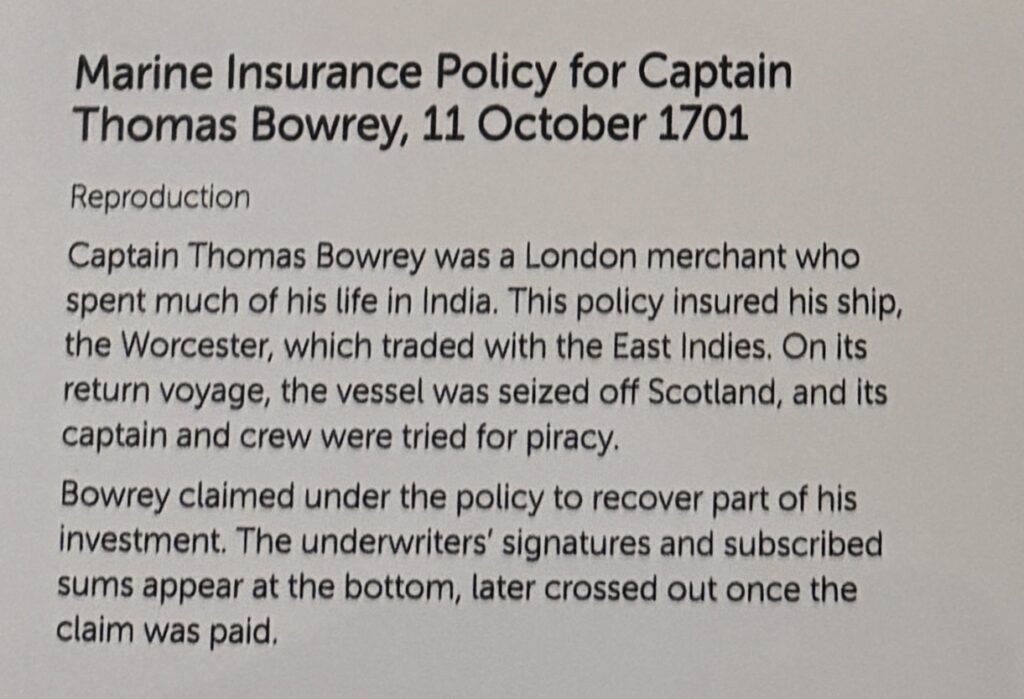
Other exhibits …
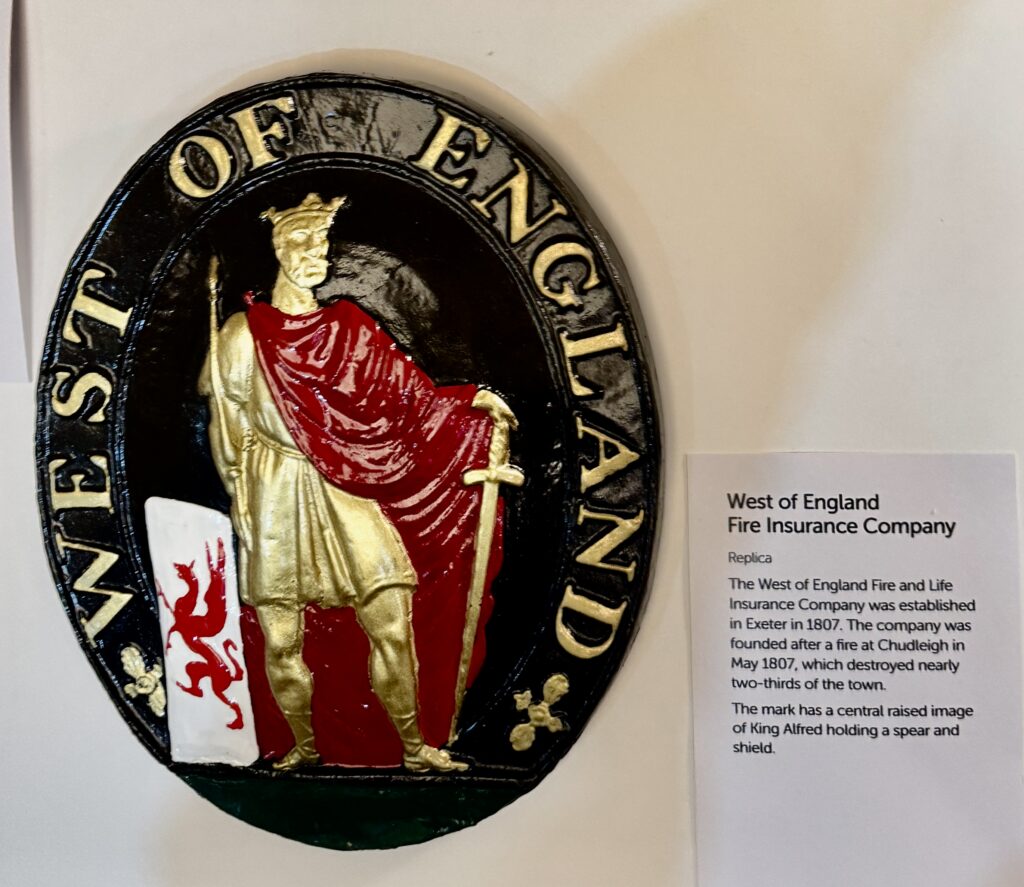
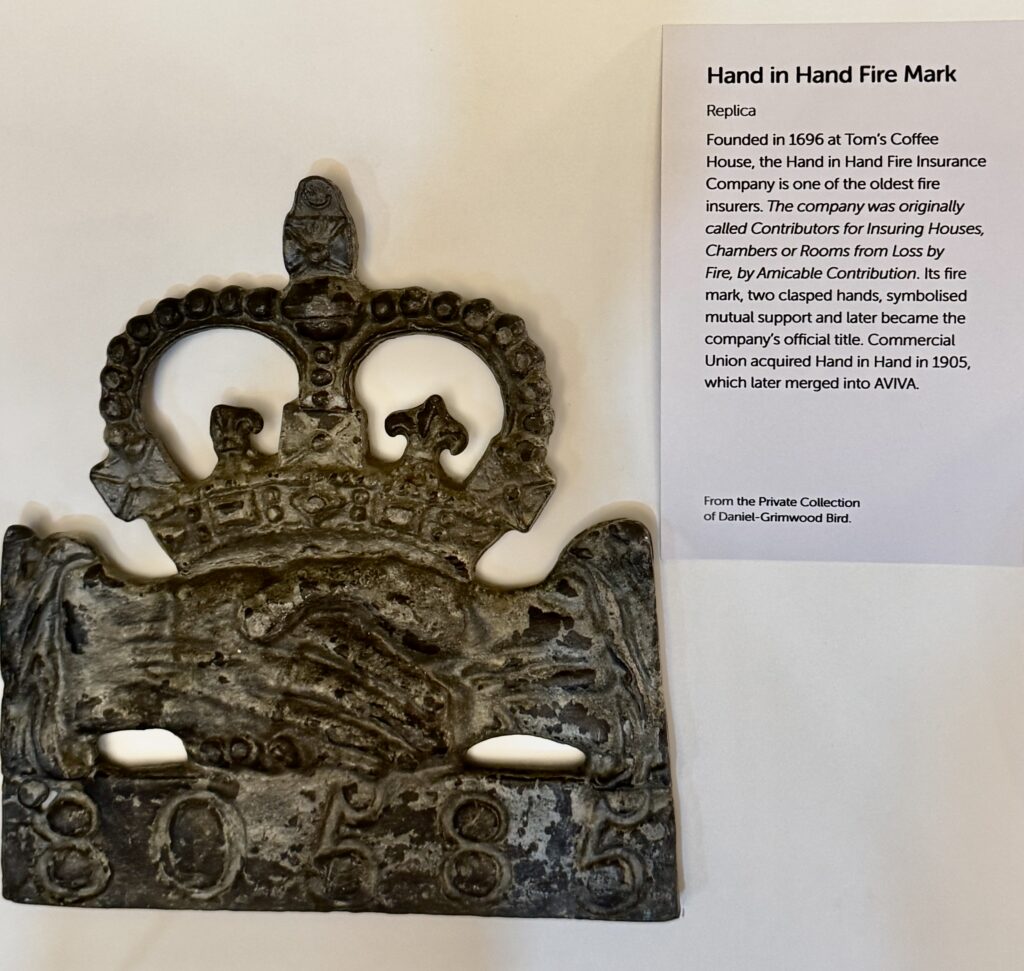
If you want to know more about Alice Pattulo’s background, I found this interview she did for Spitalfields Life way back in May 2012.
A bonus of my visit was this exhibition about someone who has always fascinated me, Eleanor Coade (1733-1821). She was born in Exeter, the daughter of a wool merchant. In the mid-1760s, after the family had moved to London, she set up in business in the City, selling linen. After her father’s death in 1769, she bought the premises of an ailing business run by Daniel Pincot at Narrow Wall, Lambeth, which was making a type of artificial stone. Here she began to experiment with her own formula. She sacked Pincot as her business partner two years later and continued as sole owner of the company.
The artificial stone that she invented and produced, and which bore her name, was one of the most widely used materials of the 18th century. A ceramic material – whose recipe remained a closely guarded secret – Coade stone was exceptionally resistant to weathering and erosion. Its versatility made it immensely popular for a great variety of sculptures, large and small – monuments, statues, garden ornaments and furniture, and architectural details.
Here are some of informative panels on display in the museum.
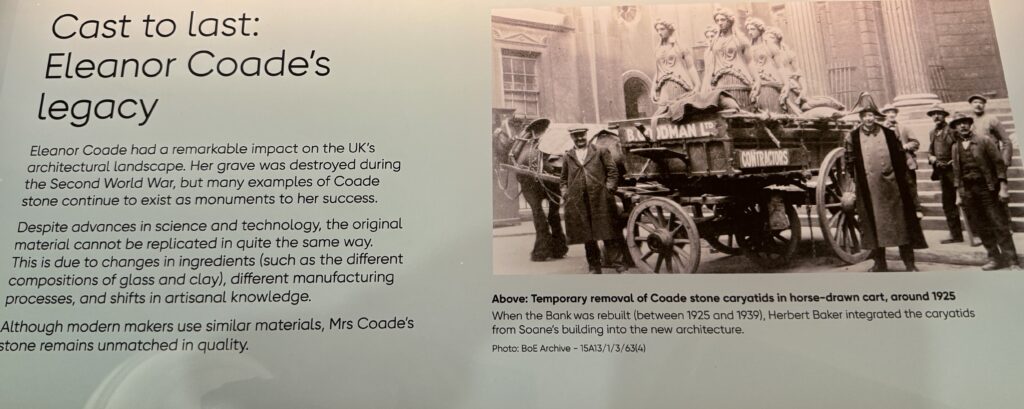
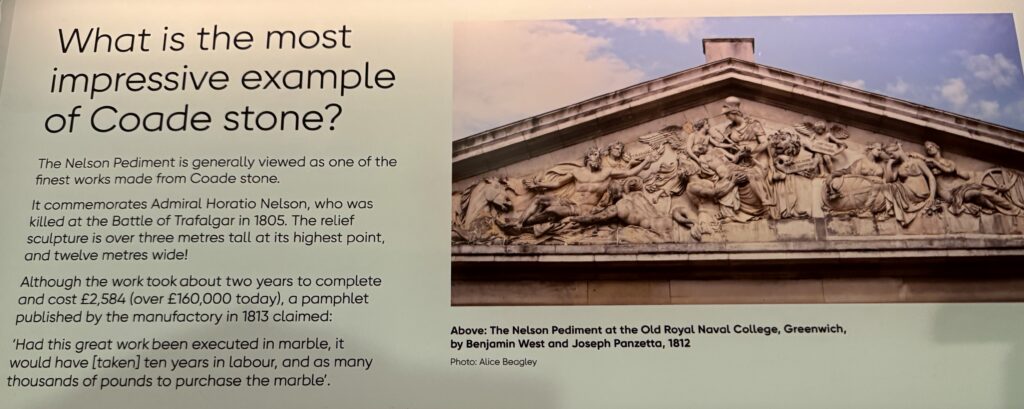
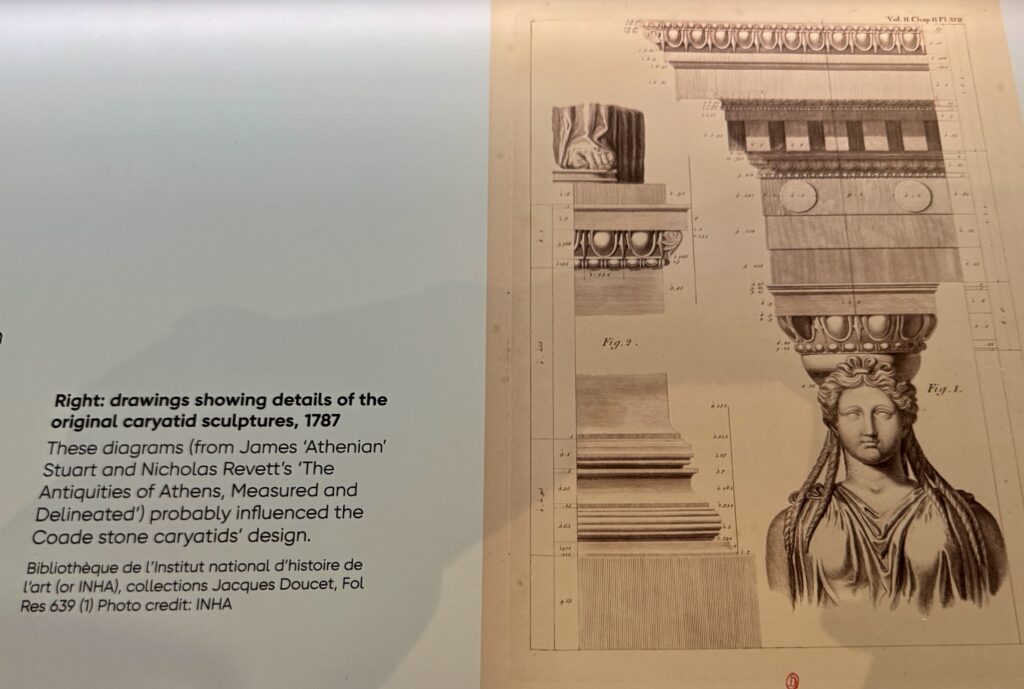
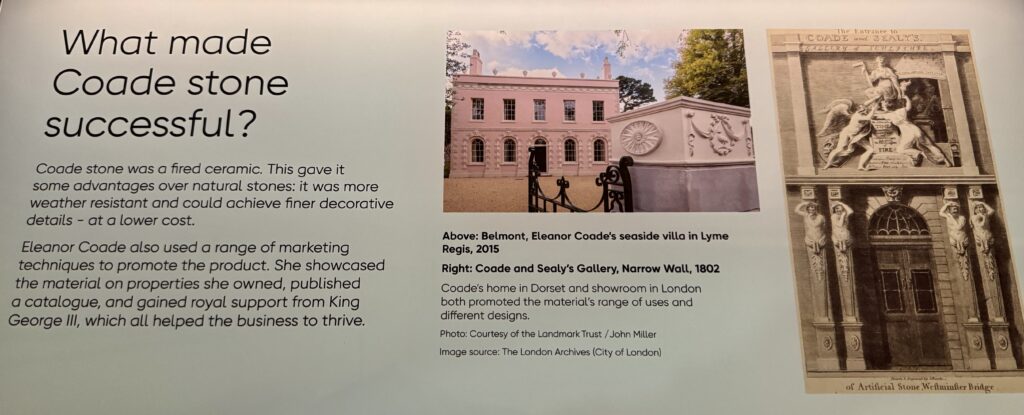
What an extraordinary woman. Unfortunately no image of her seems to have survived. If you want to see some good examples of Coade Stone you’ll find them in Charterhouse Square …
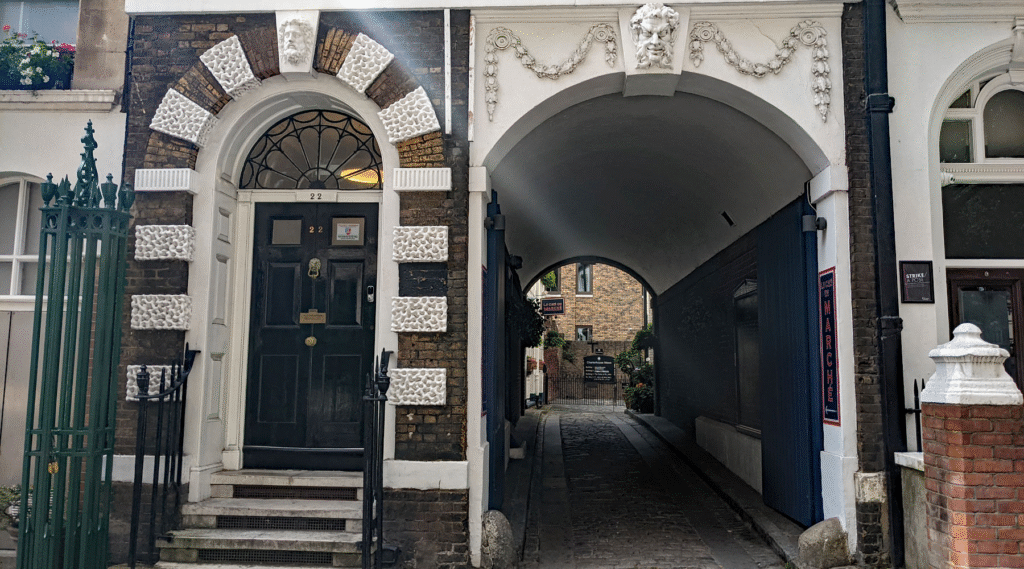
Read more about the area in the excellent Ian Visits blog.
In other news.
On my way home, I decided to allow myself to become diverted and, on entering Lothbury, stopped to take an image of this impressive building which overlooks the Bank of England. It was built between 1923 and 1931 for the London & Westminster Bank, …
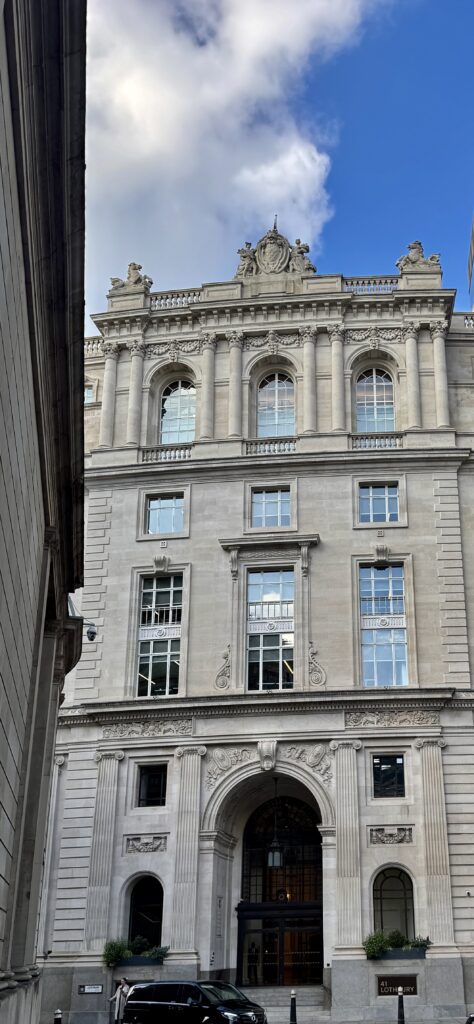
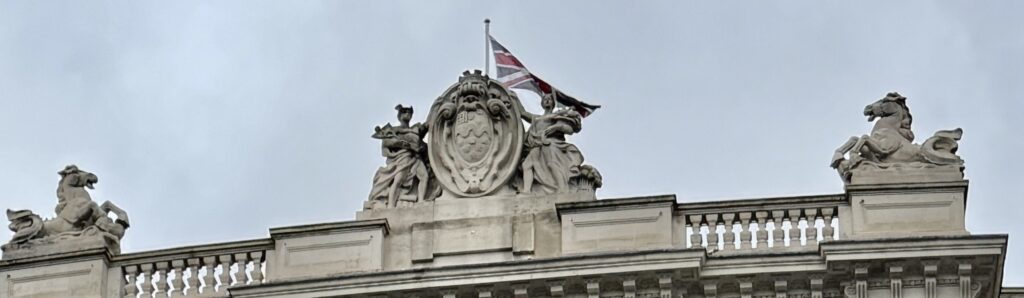
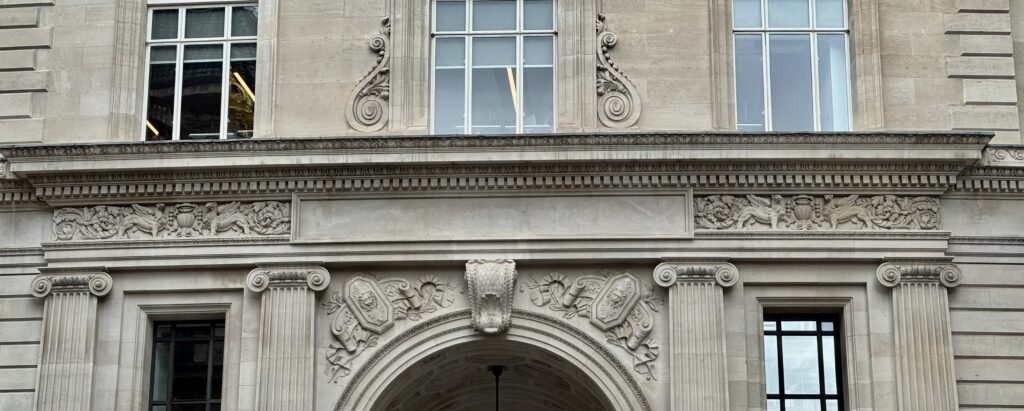
It has recently been renovated and you can read more about this project here.
The unusual looking Number 7 Lothbury is now converted into apartments …
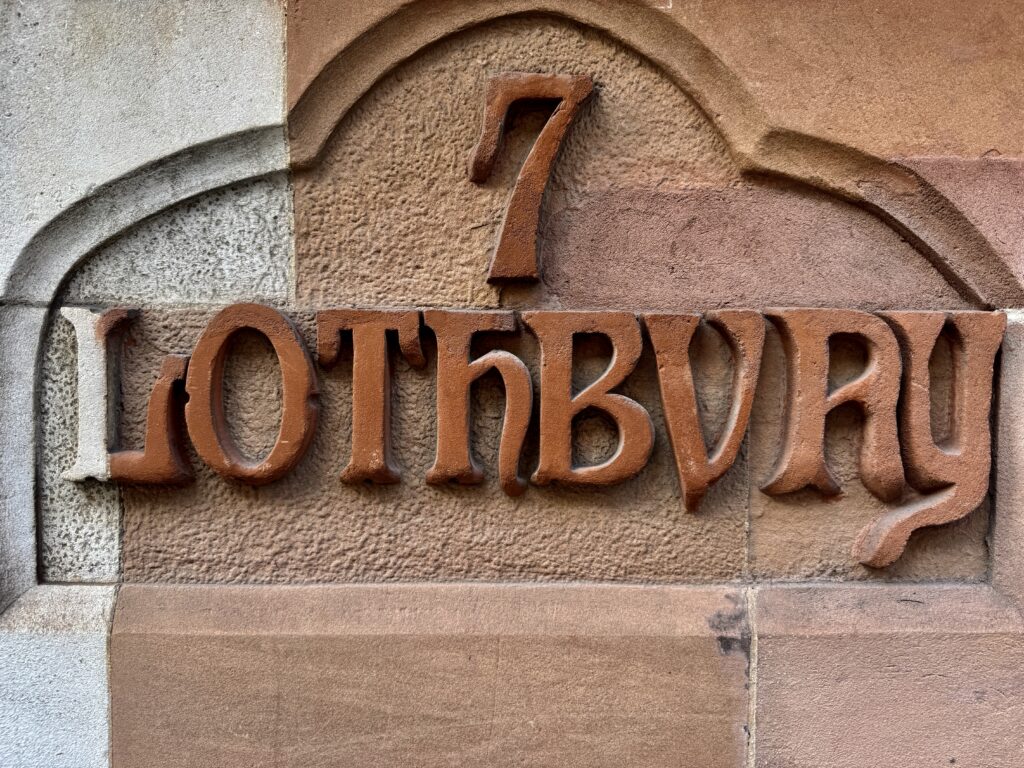
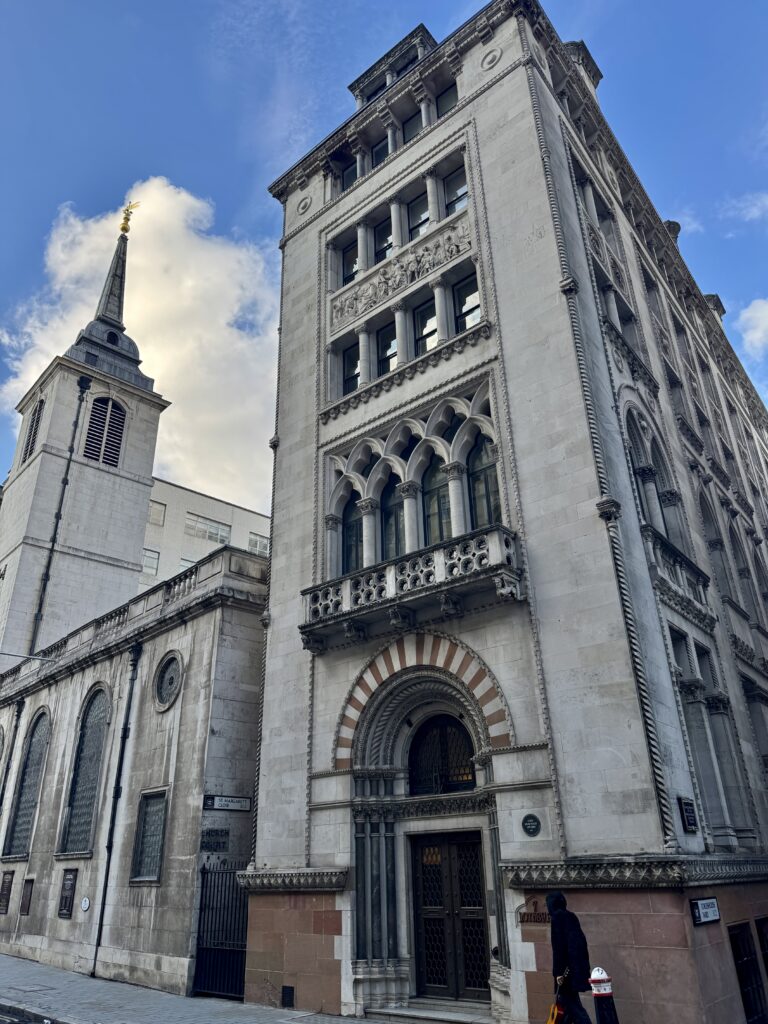
There’s a great blog post (with super images) comparing it to a Venetian palace – you can read it here. If you’re interested, there is an apartment for sale there at the moment through Savills.
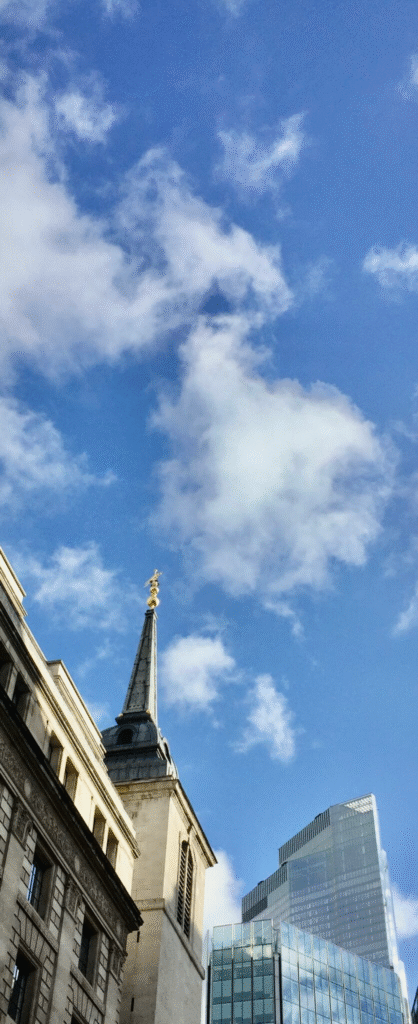
Next door is the lovely St Margaret’s church …
I popped in to admire the stunning baptismal font, in my opinion the most beautiful in the City. Its believed to be by Grinling Gibbons (1648–1721), and came from St Olave, Old Jewry, after that church was partially demolished in 1887. The font is a carved bowl with cherub heads at each corner and the sides are decorated with Adam and Eve …
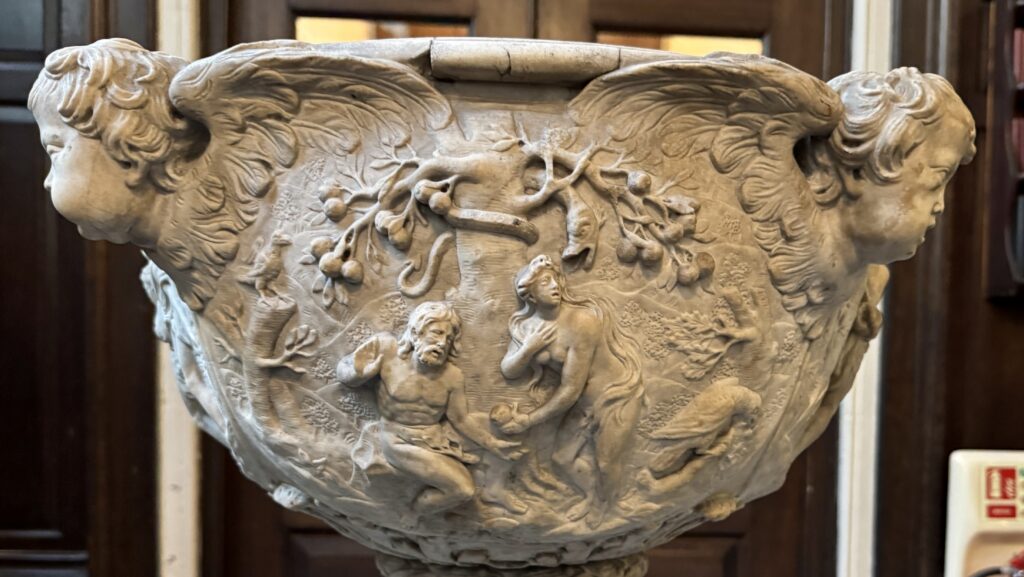
… the dove returning to the ark …
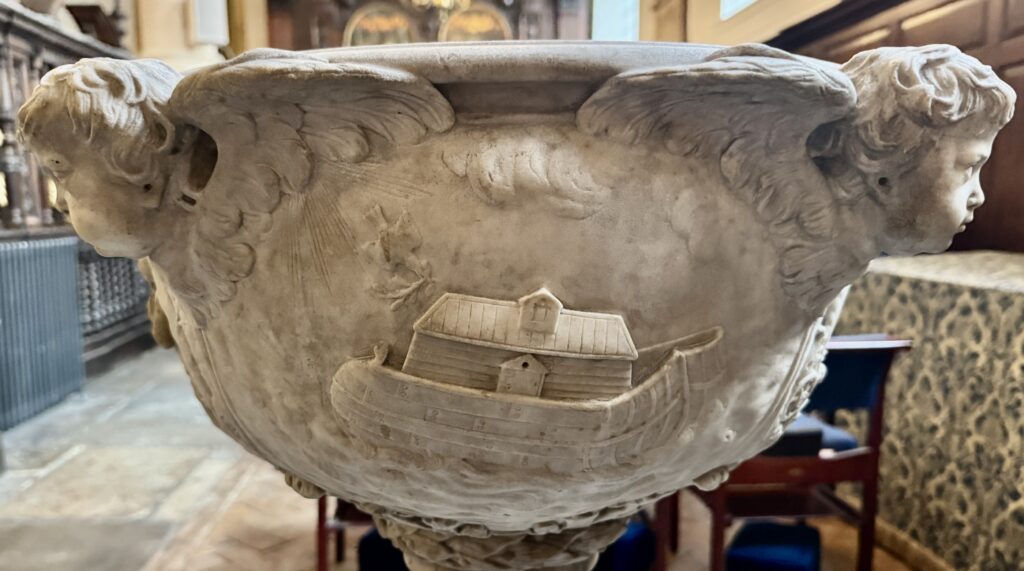
… the baptism of Jesus …
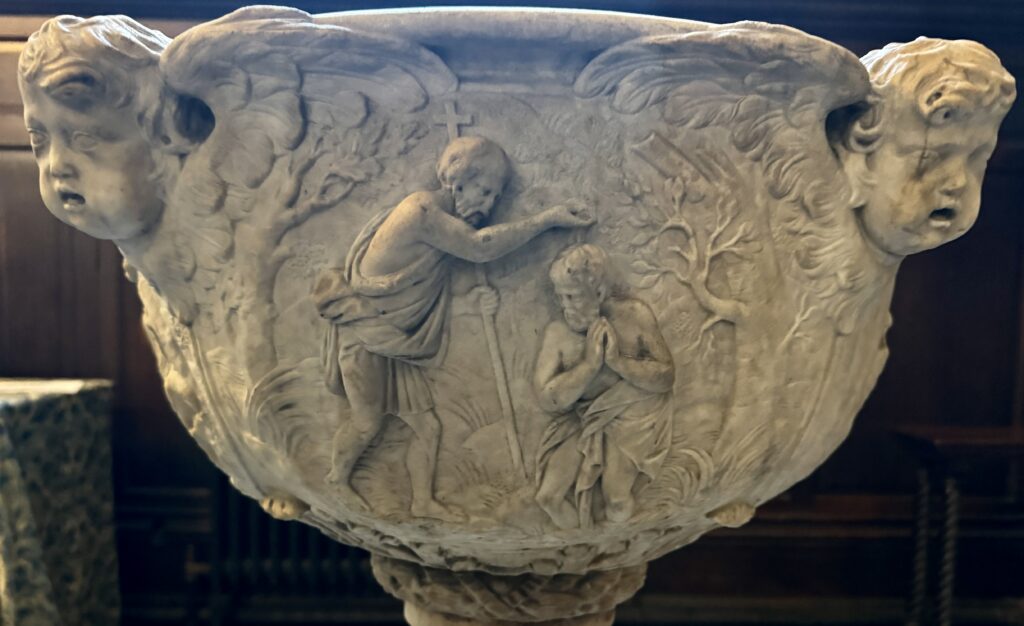
… and the baptism of the Ethiopian eunuch by Philip …
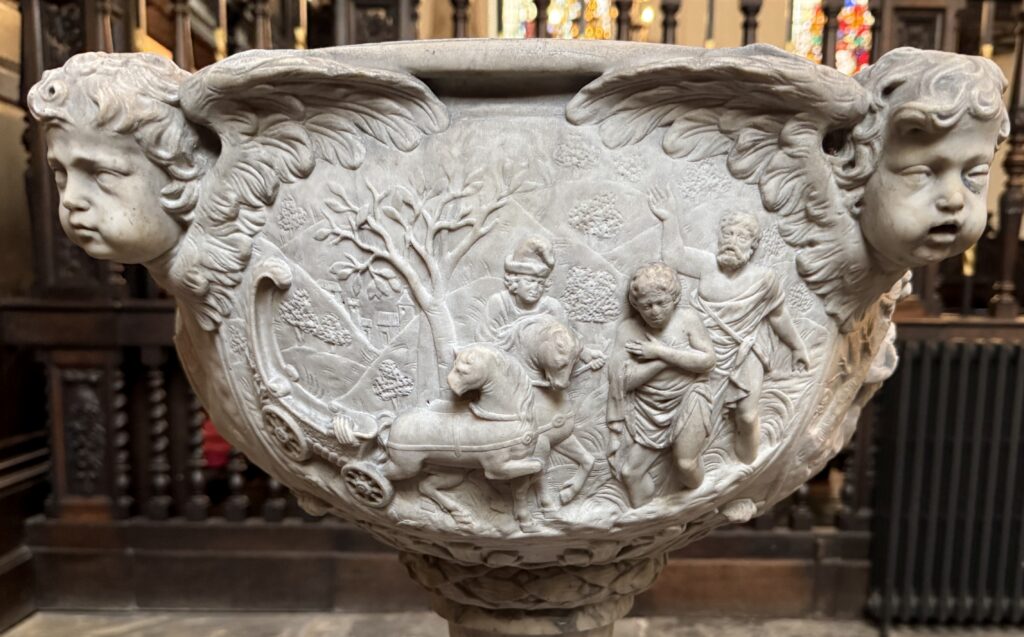
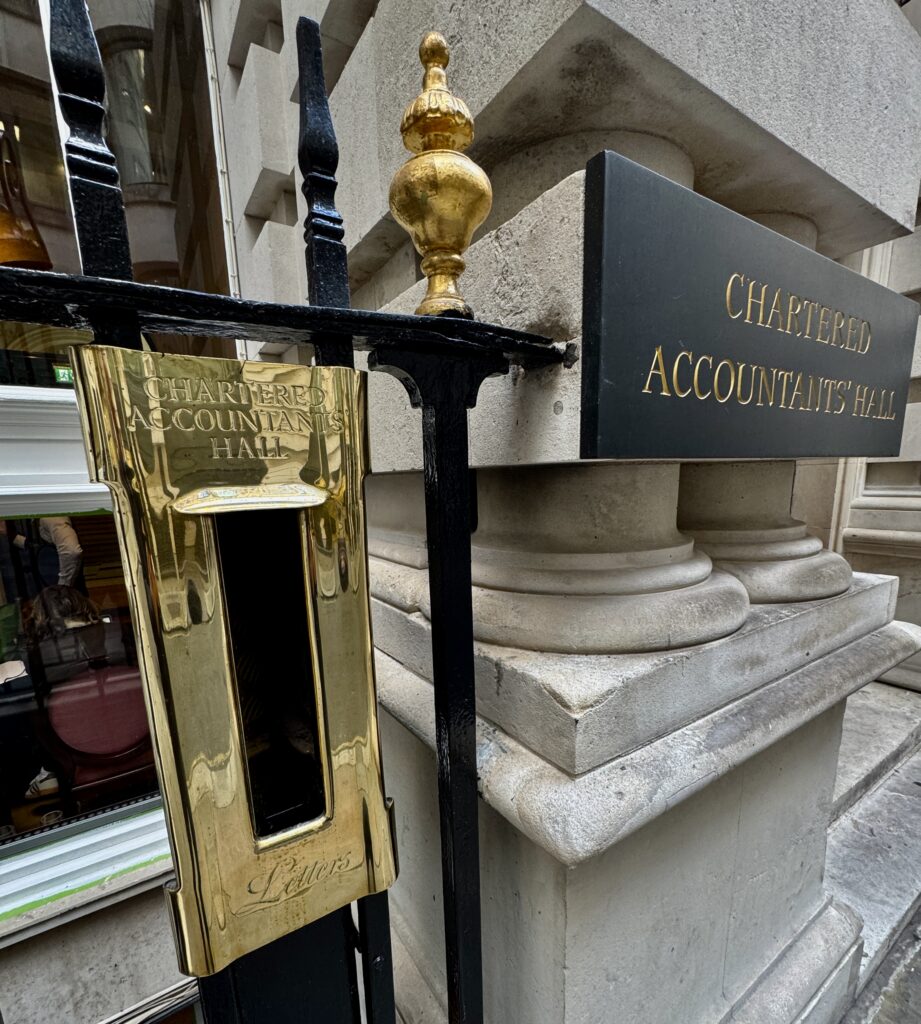
On to One Moorgate Place and The Institute of Chartered Accountants in England and Wales, where my favourite Lady Justice upstages the number-crunching gentlemen in the background …
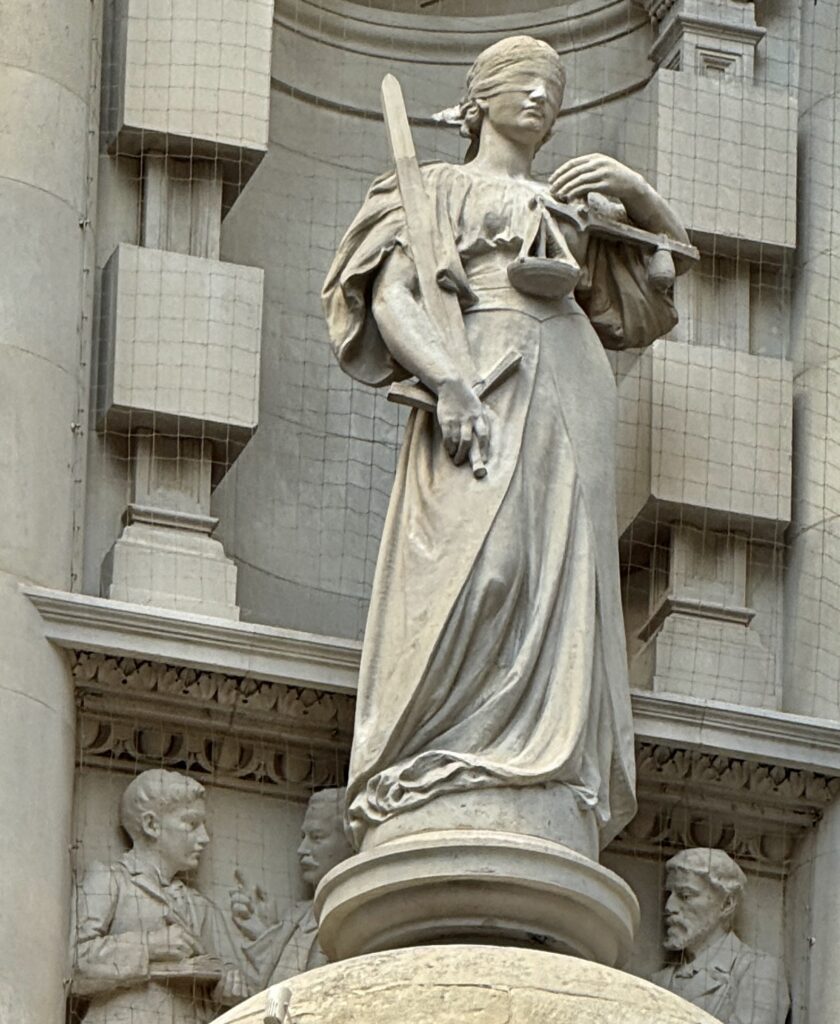
The building also boasts what I believe is the poshest and most beautifully polished letter box in the City …
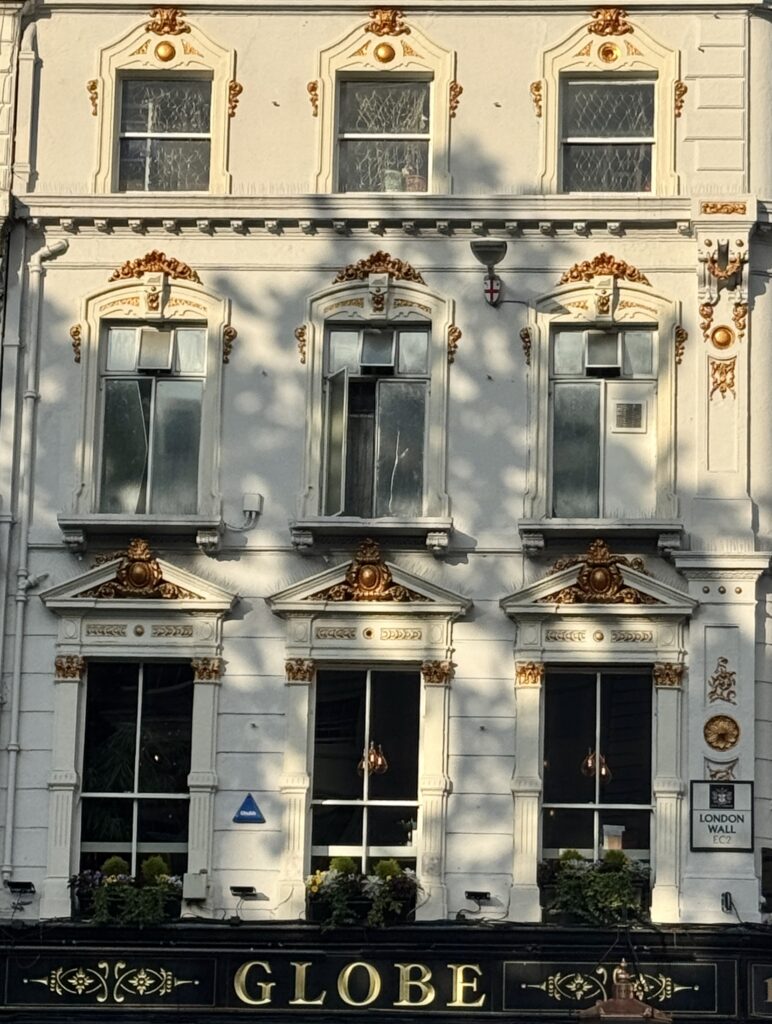
And finally, the Globe pub shows off its bling in the late afternoon light …
If you would like to follow me on Instagram here is the link …