Walking the City of London

Category: Animals Page 8 of 20

More City Animals.

I love my City Animals collection and I have gathered so many images now I can start to put them into little categories and that’s what I’ve done today.

For example, in the ‘faithful friends’ category would be the following.

Dr Johnson’s cat Hodge …

Here in Gough Square he sits proudly on top of his master’s famous dictionary having just enjoyed a tasty oyster snack. Johnson was immensely fond of him (‘A very fine cat indeed!’) and personally bought oysters for him rather than ask the servants to. He was (probably justifiably) concerned that the staff would resent this and take their annoyance out on poor Hodge.

He looks towards the house where they both lived at the time and where the dictionary was written …

The House is open to the public …

Now two dogs.

Philip Thomas Byard Clayton (1885-1972), popularly known as ‘Tubby’ Clayton, served as a priest during the First World War, and opened and maintained a place of rest near Ypres, an Everyman’s Club, much frequented by officers and men alike. This became the TocH movement which continues to this day but has, sadly, struggled in recent years.

Tubby became Vicar of All Hallows by the Tower in 1922 and remained there for forty years, until his retirement in 1962. His effigy in the church is one of the last works by Cecil Thomas, the ‘soldier sculptor’, and Tubby’s dog Chippy sits on a tasselled cushion at his feet …

Clayton owned a succession of Scottish Terriers, one of them a gift from the Queen Mother. All of them were called Chippy.

King Charles II was very fond of his spaniels. Here one runs alongside his horse as they parade down Cheapside …

The terracotta frieze was saved from a Victorian building that previously occupied the site. It’s now displayed on the north side of 1 Poultry.

Whilst on Poultry look up and you’ll see a reference to the old poultry market that once stood here, a boy struggling to hold a goose …

The goose was a suggestion by the architect Sir Edwin Lutyens. The building is now a private club and restaurant, called The Ned in Sir Edwin’s honour.

My collection contains many water creatures.

At the incredibly moving memorial to the men of the Merchant Navy lost at sea during the two World Wars a boy rides a dolphin surrounded by fishes and sea horses …

These two dolphins on The Ship pub in Hart street look rather miserable despite being Grade II listed like the building itself …

Mr Grumpy …

There are some nicely carved fishes in Cheapside, part of a Zodiac motif …

Not surprisingly, there are lots of fishy folk along the Thames Walk, both on and near what was once Billingsgate Market …

I’m told that could be a Herring Sky in the background – very appropriate …

This one looks like he’s poking his tongue out at us …

I also have a fine collection of insects.

Bees in Fleet Street …

Bees in Pope’s Head Alley …

And a solitary bee in Cheapside …

There’s a flea in the Seething Lane Garden

And numerous grasshoppers celebrating the philanthropy of Thomas Gresham …

And finally, a few slightly quirky ones – two from London and two from a recent trip to Malta.

A beaver referencing the Hudson’s Bay Company …

A ram at the entrance to an old wool warehouse …

And the Maltese selection:

A crane disguised as a giraffe …

And a colourful cat …

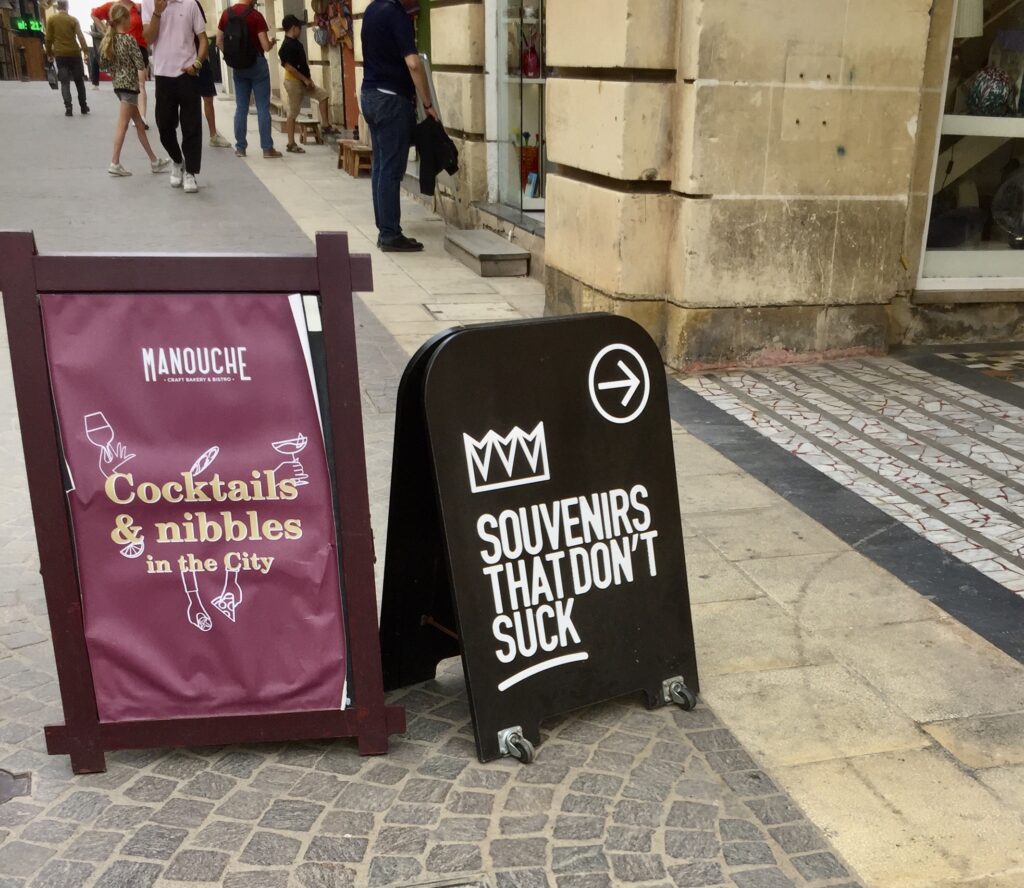
Incidentally, when I do a blog on ‘weird signage’ I shall definitely include this one …

The temptation to leave a footprint was almost irresistible.

If you would like to follow me on Instagram here is the link …
https://www.instagram.com/london_city_gent/

Some cheerful Spring pics.

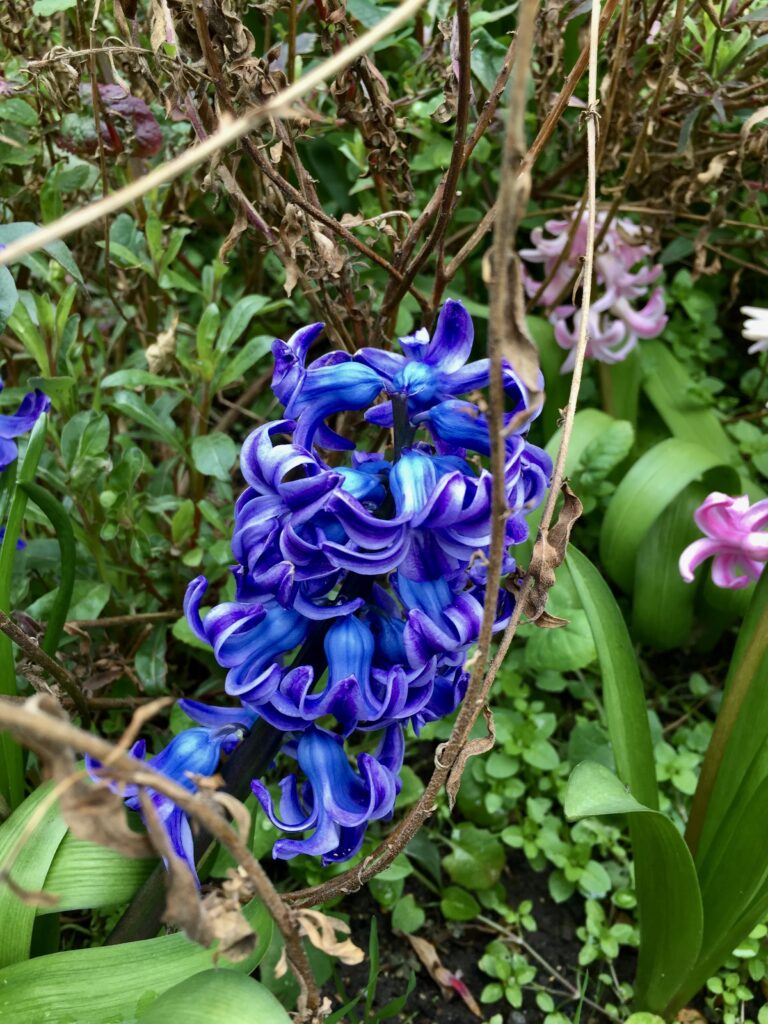
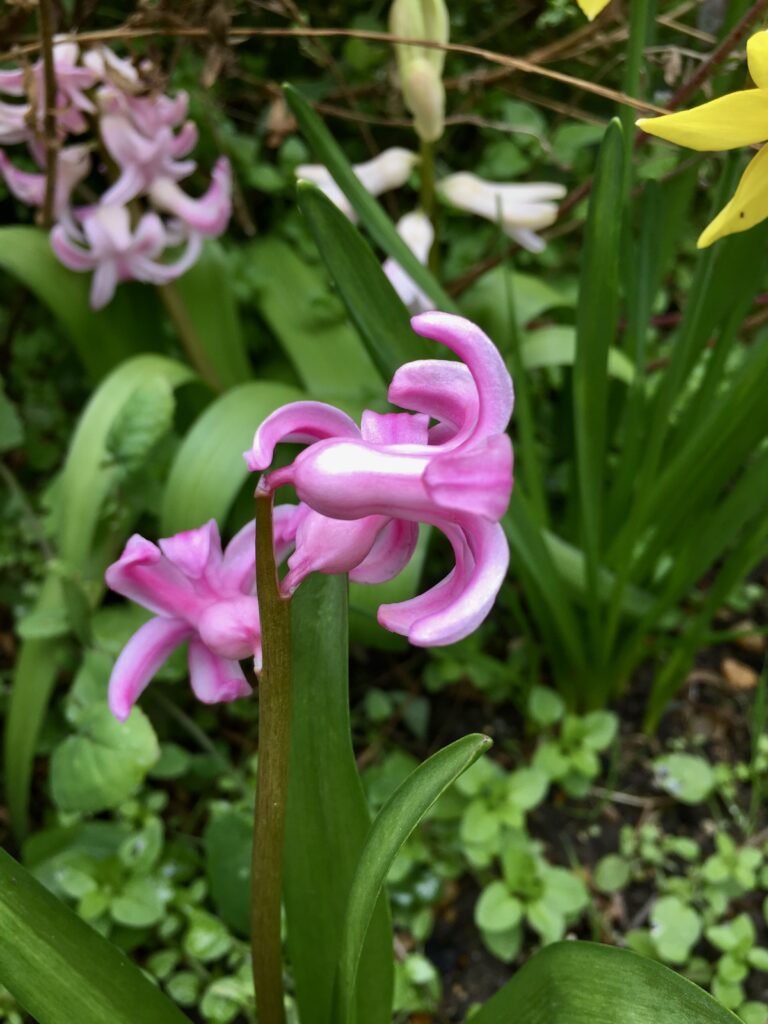
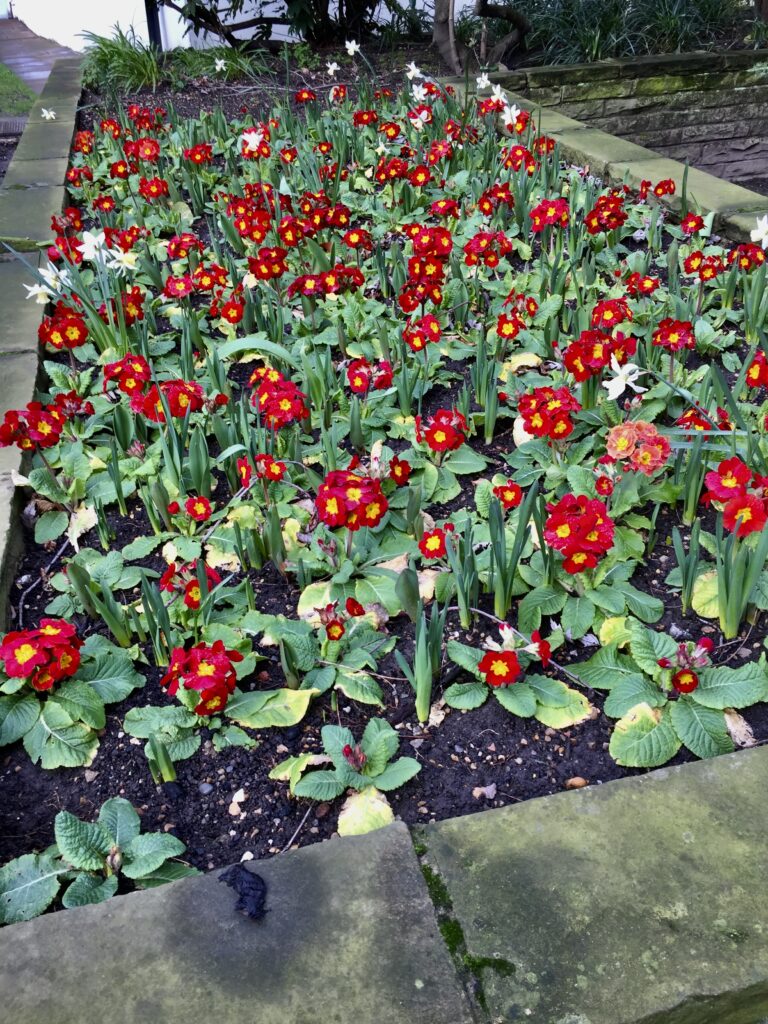
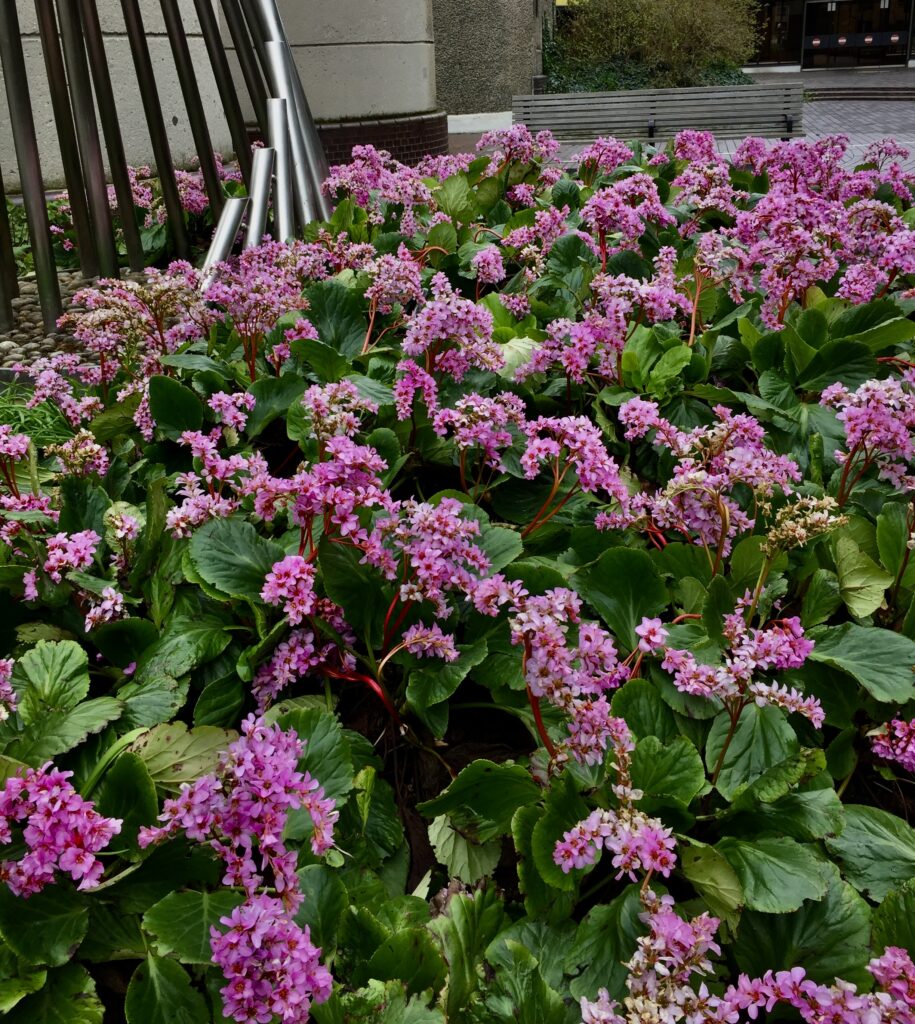
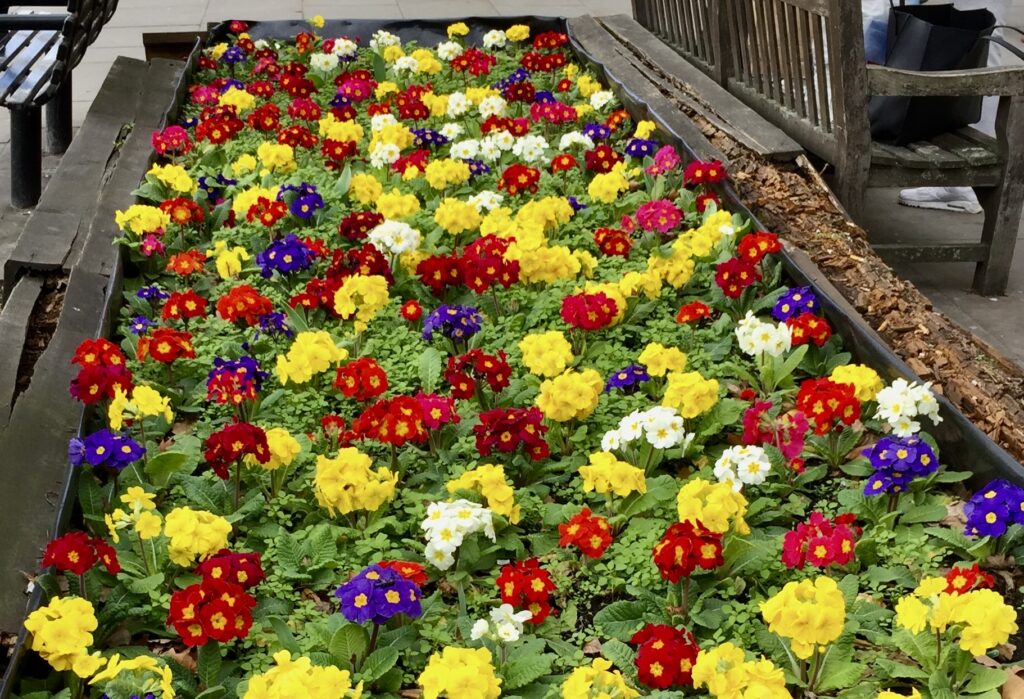
In this week’s blog I have just put together some of the random pictures I have been taking over the last few weeks that will hopefully create a cheerful mood.

Who wouldn’t smile on seeing this Baker Street doggie …

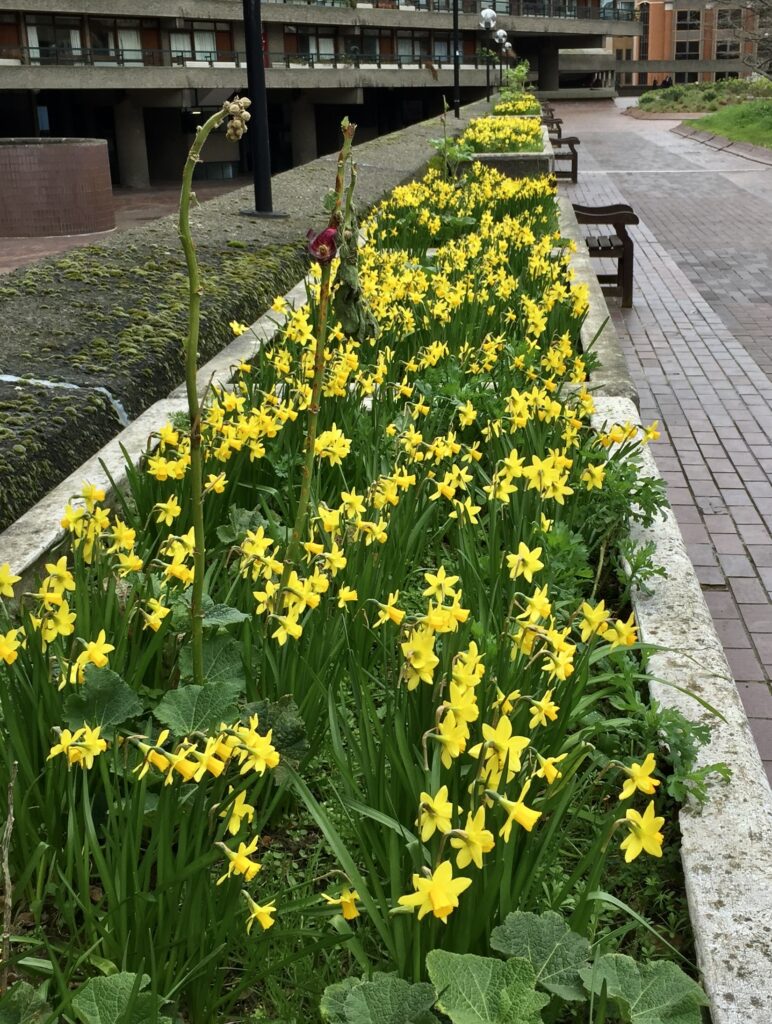
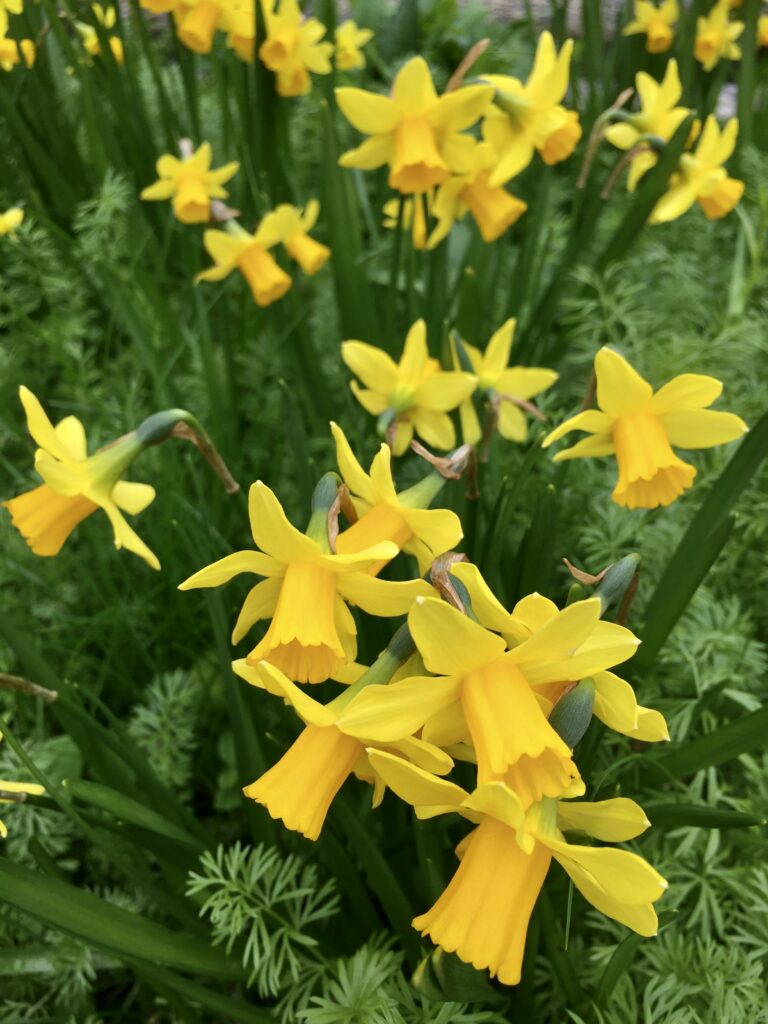
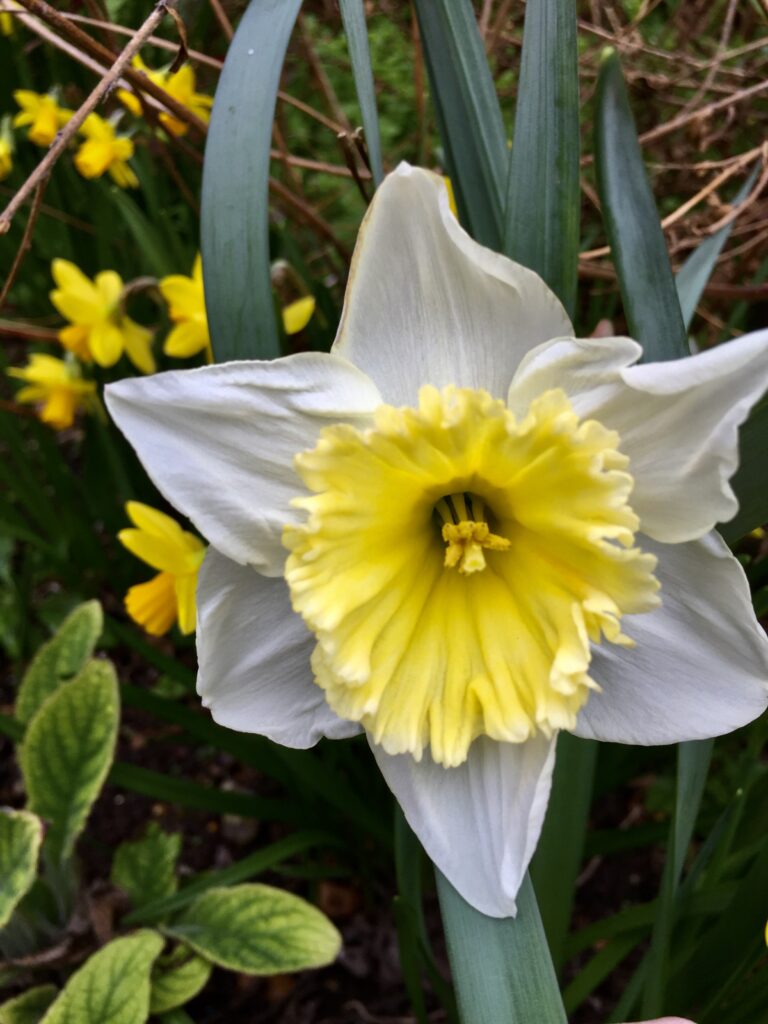
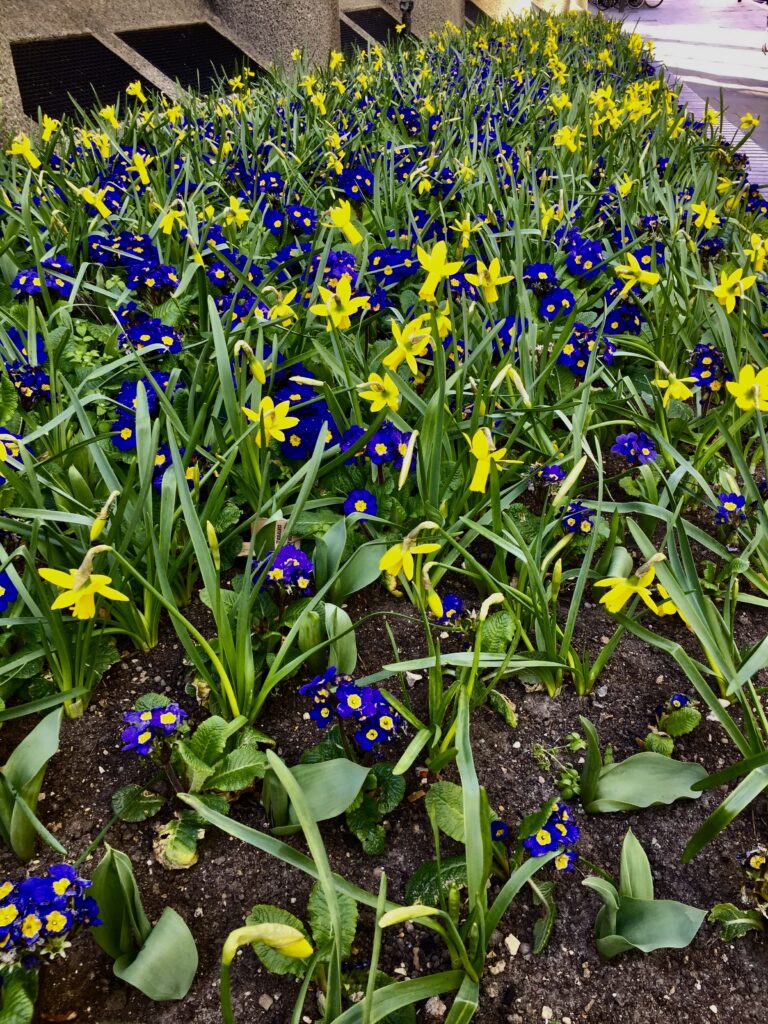
This time of year is, for me, a great opportunity to grab images from nature.

A corporate window box in Wood Street …

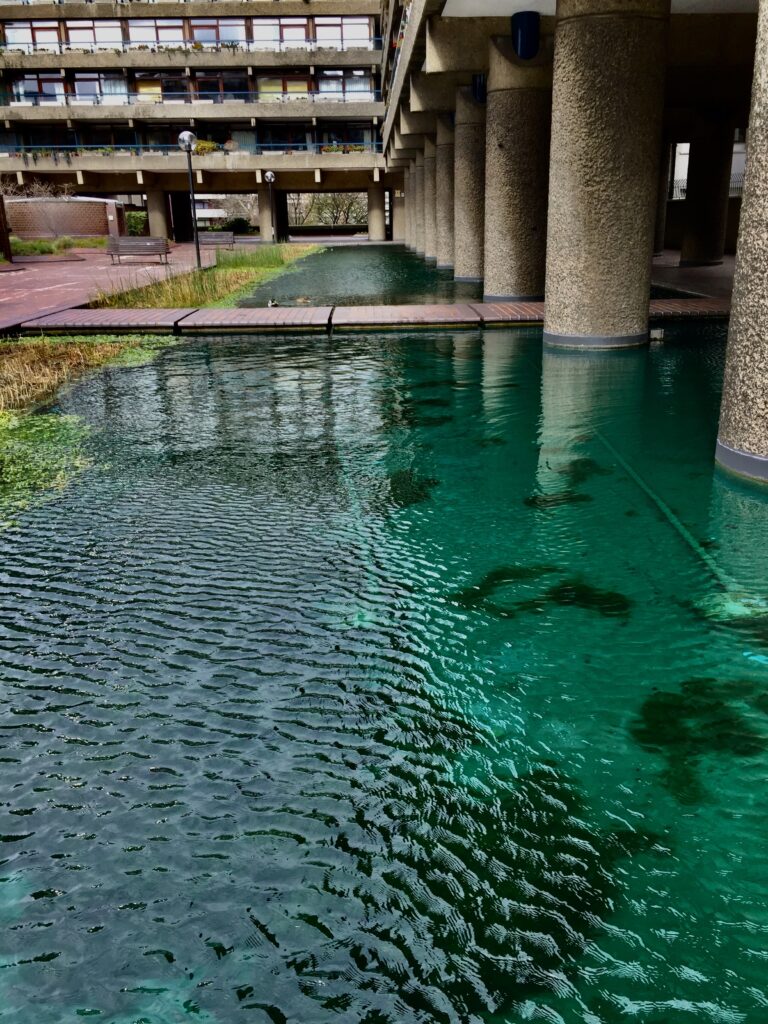
On the Barbican Estate …

An afternoon nap …

In Fortune Street Park …

A pretty piece of art …
With a sad back story …

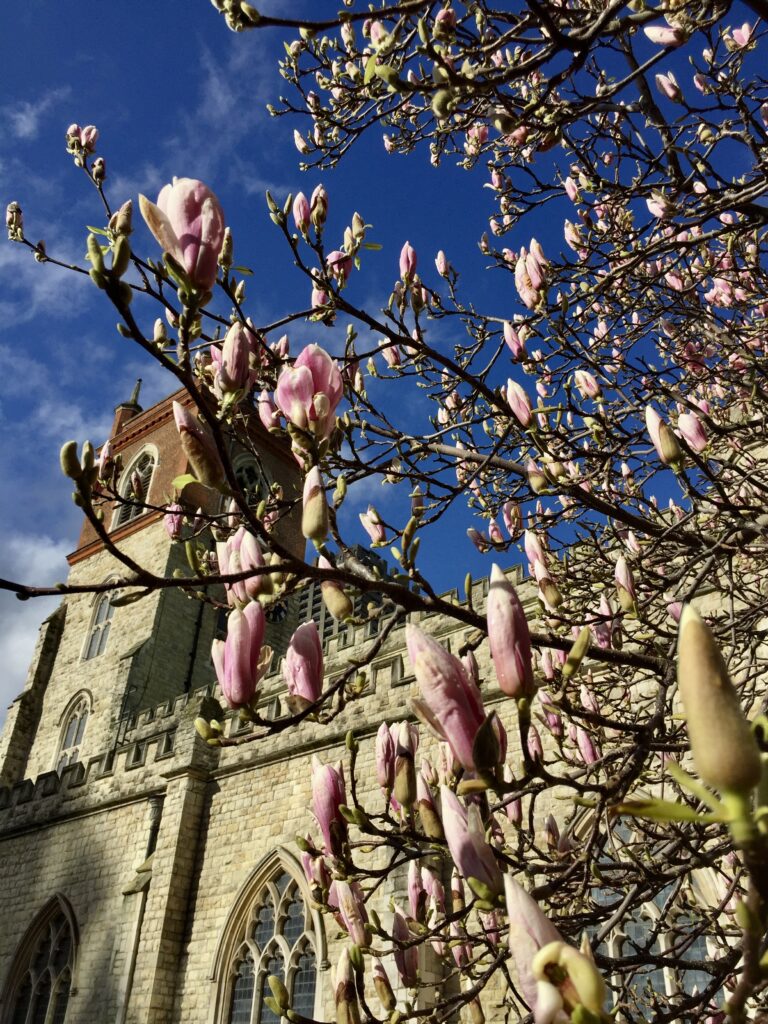
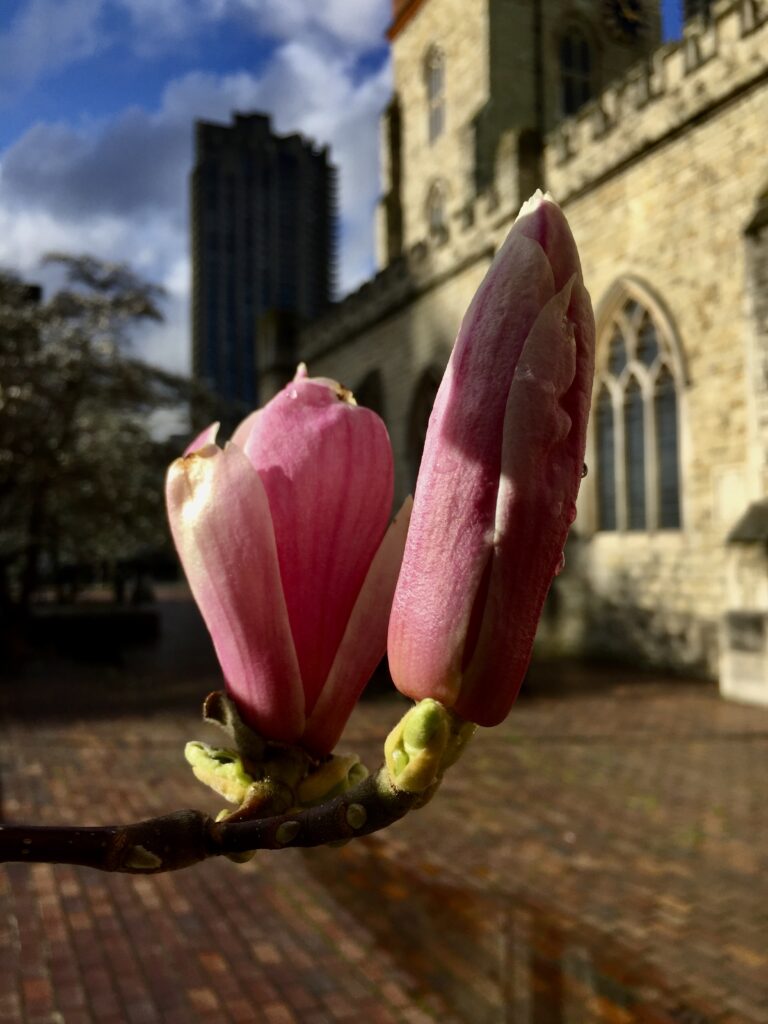
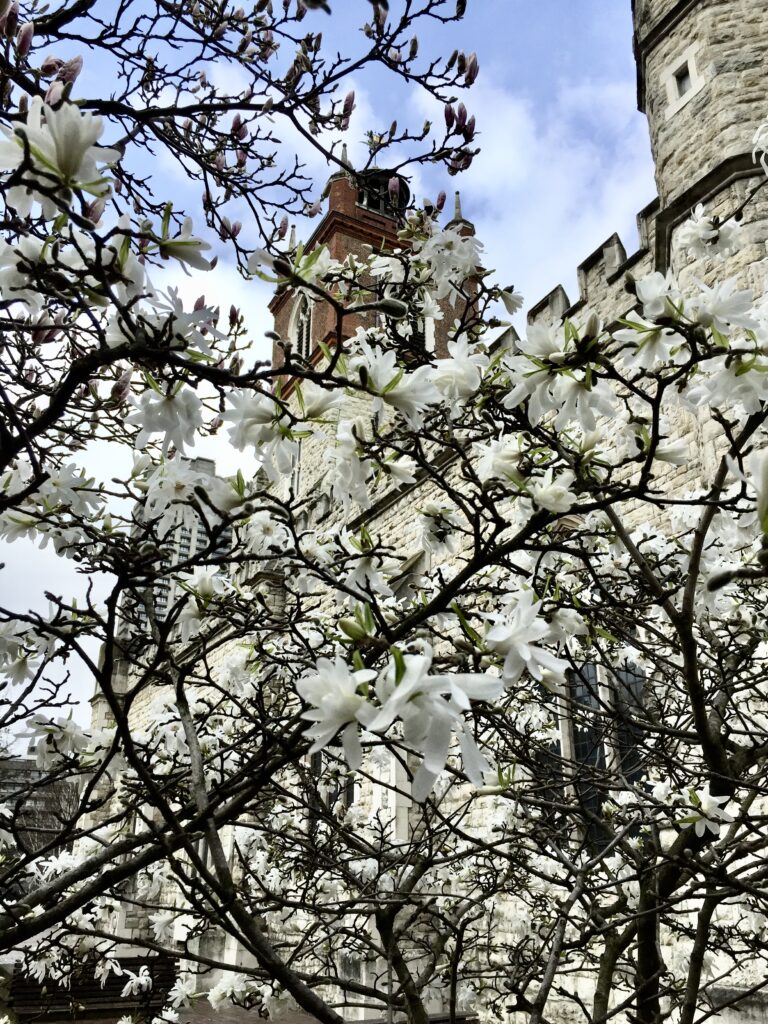
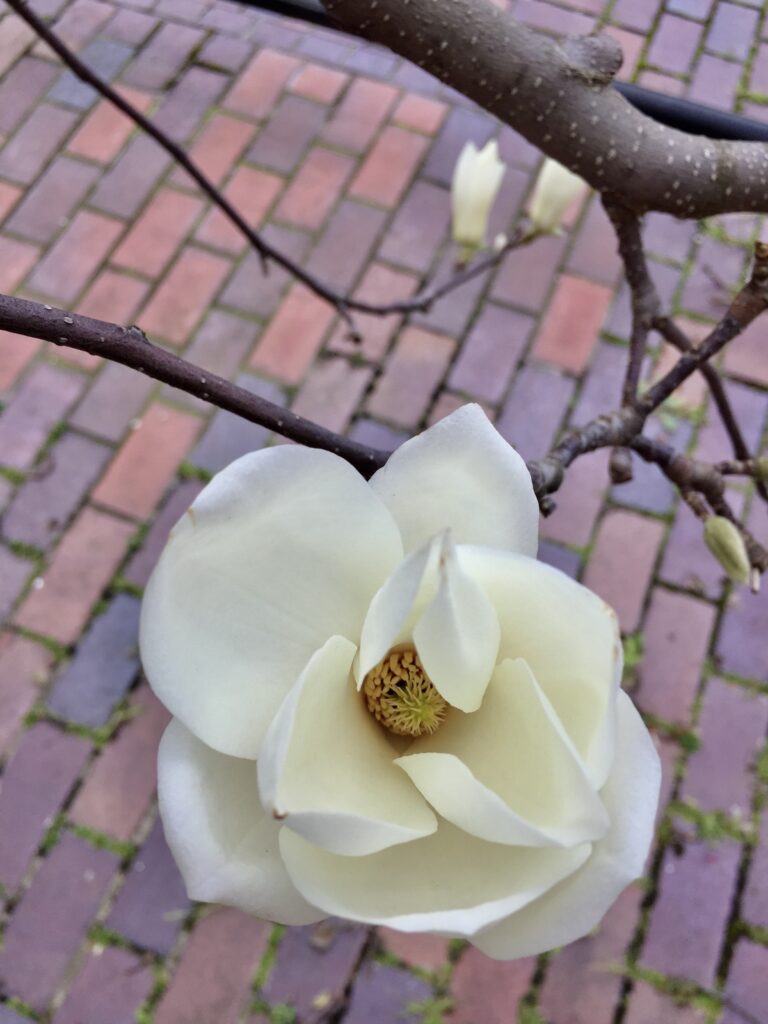
Blossom time at Aldgate …

Opposite St Paul’s Underground Station …

The Festival Gardens at St Paul’s Cathedral …

On London Wall …

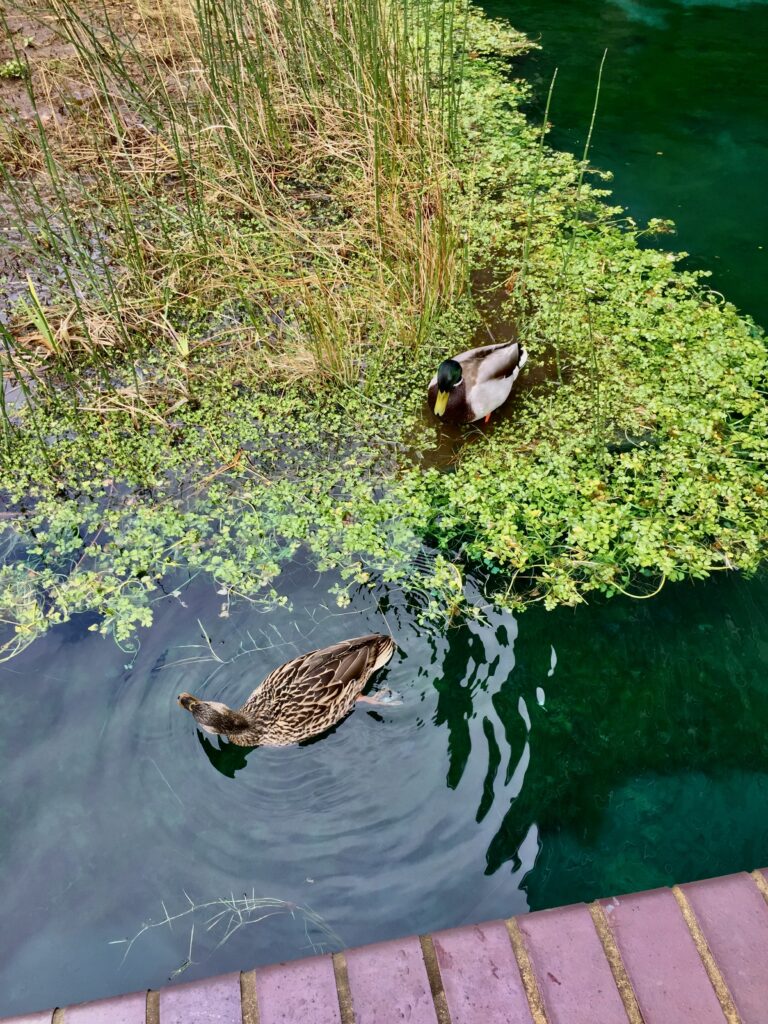
Visitors to the office whilst I was writing my blog. Mrs Duck …

And her handsome partner …

‘Goodbye – I have better things to do than pose for you!’

If you would like to follow me on Instagram here is the link …
https://www.instagram.com/london_city_gent/

Fun on the Tube – from a piece of Roman Wall to a beloved cat.

Every now and then I like to explore our fascinating Underground network to see what new discoveries I can make.

If you go to the east end of the westbound platform at Tower Hill you will see this sign …

And here is the piece of wall …

If you get off the train at Aldgate East you can admire these intriguing tiles …

There are many to choose from and you can read all about them in my visit to Aldgate East blog.

You’ll also find at the station a fine example of a 1930s roundel …

There’s another heritage example just outside Temple Station. It’s a London Passenger Transport Board Underground map from 1932 (to avoid potential confusion the attached notice points out that there is ‘An up-to-date Journey Planner located inside the station’!) …

Here is the part of the 1932 Map covering the stations I visit in this blog. ‘Post Office’ became ‘St Paul’s’ five years later …

Whilst you wait there for your train, look up and you will see the tops of the ornate columns that once supported the canopy covering the tracks and platforms …

When Temple Station was first opened locomotive drivers were forbidden to sound their whistles at the station lest they disturb the barristers working (or dozing) in the Inns of Court nearby.

Also on the platform are some images of historical interest. This, for example, is Blackfriars Station in 1876 …

And today (image courtesy of Network Rail) …

Nowadays, if you want to travel by rail to Continental Europe, you head for St Pancras International and Eurostar. Once upon a time though, your gateway to the Continent was Blackfriars.

The station was badly damaged during the Second World War but the wall displaying a selection of the locations you could catch a train to survived and you can see it today in the ticket hall. It was part of the original façade of the 1886  station (originally known as St Paul’s) and features the names of 54 destinations – each painstakingly carved into separate sandstone blocks and illuminated with gold leaf …

You can read more about the wall and the interesting area around the station in my Terminus Tales blog.

I noticed this instruction at the top of the escalator …

I believe that, on his first visit to London, Paddington Bear interpreted this as meaning you couldn’t use the escalator unless you were carrying a dog.

Onward now to the refurbished Farringdon Station. On climbing the stairs from the platform you can admire the original 19th century roof supports …

Just before exiting through the barriers I spotted some nice stained glass windows which date from 1923 …

Farringdon Station moved to its current location on 23 December 1865 when the Metropolitan Railway opened an extension to Moorgate. It was renamed Farringdon & High Holborn on 26 January 1922 when the new building by the architect Charles Walter Clark facing Cowcross Street was opened, and its present name was adopted on 21 April 1936 …

From mid-1914, the Metropolitan Railway introduced its own version of the Underground roundel. This originally appeared as a blue station name plate across a red diamond and the diamond is still there, above the entrance …

It has also been reproduced on Moorgate Station as a nod to the railway’s past history …

Trivia quiz question. Only two station names contain all the vowels …

This is one of them – what is the other? The answer is at the end of this week’s blog – no peeping!

And finally to Barbican. The station was originally known as Aldersgate Street when it opened in 1865, changing its name to Aldersgate in 1910, Aldersgate & Barbican in 1923 and finally settling for Barbican in 1968.

Just inside the barriers is a nice photo montage illustrating some of the station’s history …

The station platforms used to be covered by a glazed arch but after suffering serious bomb damage during the Second World War, it was eventually removed in 1955 …

Those were the days, with carriages pulled by steam locomotives …

You can still see the support brackets for the now demolished roof …

Do pause in the entrance hall and pay your respects to the memory of Pebbles the Blackfriars Station cat.

For many years Pebbles was a favourite of staff and passengers, often sleeping soundly on top of the exit barriers despite the rush hour pandemonium going on around him. This is a picture from the wonderfully named purr’n’furr website, a great source for moggie-related stories …

Clearly he was greatly missed when he died, as the plaque faithfully records, on 26th May 1997.

This was doubly sad because he was due to be given a Lifetime Achievement Award. This was sponsored by Spillers Pet Foods and named after Arthur, a cat they used in their advertising who ate with his paws. The Certificate that came with the award is also displayed (the co-winner, the aptly named Barbie, was Pebbles’ companion) …

Incidentally, here is Arthur in action …

The TV ads ran between 1966 and 1975 with a succession of Arthurs playing the role. At one time a terrible rumour circulated that the advertising agency had taken the original cat to the vet and had all his teeth removed in order to encourage his rather eccentric eating behaviour. This story was subsequently demonstrated to be untrue. Obviously there is a detailed entry about Arthur on the purr’n’furr website and there’s lots more about him if you just Google Arthur the cat that ate with his paws. There is some great footage of the ads themselves with hilarious voice-overs by eminent actors such as Peter Bull, Leo McKern and Joss Ackland.

If you would like to follow me on Instagram here is the link …
https://www.instagram.com/london_city_gent/

The other station with all the vowels is, of course …
Page 8 of 20

Powered by WordPress & Theme by Anders Norén

Symbols & Secrets
Privacy Overview

This website uses cookies so that we can provide you with the best user experience possible. Cookie information is stored in your browser and performs functions such as recognising you when you return to our website and helping our team to understand which sections of the website you find most interesting and useful.