Walking the City of London

Category: Animals Page 7 of 20

A wander down Tooley Street – A King of Norway, charming chimps and a beautiful figurehead.

Why is this splendid Art Deco building on Tooley Street called St Olaf House?

Why is it called St Olaf House? The answer is beautifully engraved on the wall …
The man himself …
The main entrance …

St Olaf House was built between 1928 and 1932 for the Hay’s Wharf Company and now houses the London Bridge Private Hospital’s consulting and administration rooms. You can read more about the building here.

Walking east you come acoss Hay’s Galleria …

In a fountain at the centre is a 60 ft moving bronze sculpture of a ship, called The Navigators, by sculptor David Kemp, unveiled in 1987 to commemorate the Galleria’s shipping heritage …

There are also some chimps from the Chimps Are Family Trail

Further east on the south side of the road is The Shipwrights Arms, built in 1884 and now a Grade 2 listed building. I love the beautiful lady figurehead above the main door …

Back on the north side it’s easy to miss this commemorarive plaque …

It reads as follows : To the memory of James Braidwood, superintendent of the London Fire Brigade, who was killed near this spot in the execution of his duty at the great fire on 22nd June 1861. A just man and one that feared god, of good report among all the nation.

I shall be writing more about the heroic James Braidwood and the Great Tooley Street Fire next week.

If you would like to follow me on Instagram here is the link …

https://www.instagram.com/london_city_gent/

Random subjects I found interesting, from street animals to stained glass. And did Batman and Robin share a bed?

Having a camera on my phone is a great asset but also leads to me taking pics of all kinds of random subjects that don’t have a particular theme. The time then comes when I don’t have a blog theme in mind so I cop out by publishing examples of this miscellaneous collection.

This is one of those times and I hope you enjoy this occasionally quirky selection.

I’ll start with the street animals.

Cricklewood Station boasts a friendly multi-coloured cow …

A cow painted in the red and green colours of the Portugal national football team stands outside a souvenir shop in the Algarve …

Same street – different cow …

Leadenhall market porker …

Every year the Worshipful Company of Paviours bring an inflatable animal (known as a St Anthony’s pig) to the Lord Mayor’s Show …

In medieval times the London meat market at Smithfield released pigs that were unfit for slaughter into the streets to fend for themselves. They were identified by a bell around their neck and some prospered sufficiently to get fat enough to eat. Every now and then the paviours (who maintained the roads) rounded them up and delivered them to feed the poor and needy in the care of St Anthony’s Hospital.

Now, from pigs to swans.

The Vintners and Dyers Companies share in the ownership of mute swans with the monarch and it is their job to catch and ring them in a ceremony known as ‘swan upping’ done each June. This man, the Swan Marker, is in charge of the Vintners’ Swan Uppers for the event, but also wears the uniform of Barge Master, dating back to the time when the Company owned a ceremonial barge on the Thames. Here he is with a feathered companion outside the church of St James Garlickhythe

The Barge Master badge …

Clever advertising in Portugal …

Gifts to take home from Portugal …

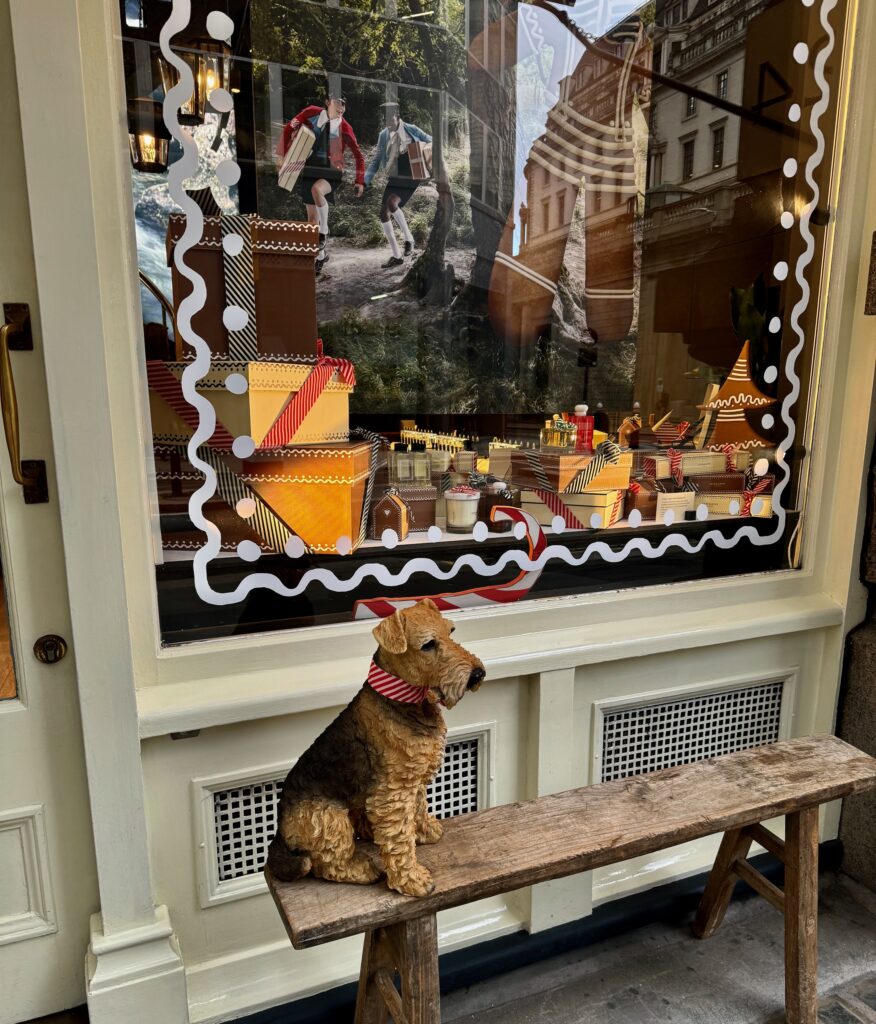
Gifts to take home from London …

A sunny day at the Regent’s Canal, St Pancras …

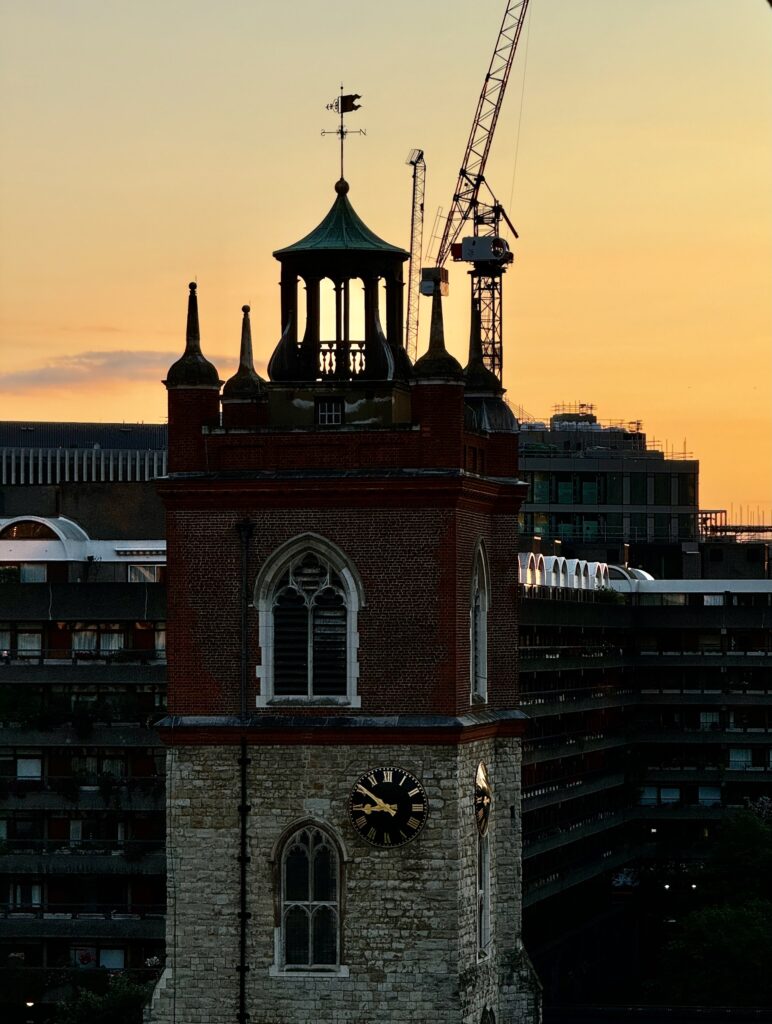
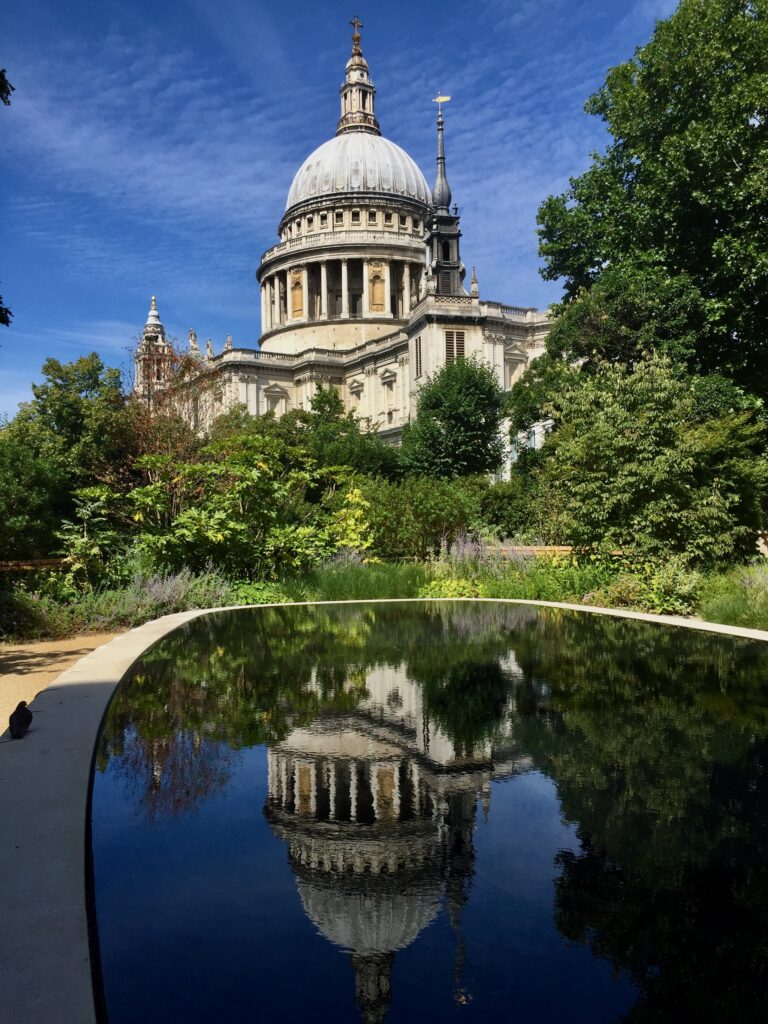
I grabbed this image since the sky and clouds were so attractive. St Stephen Walbrook (1672) was Christopher Wren’s prototype for the dome of St Paul’s Cathedral. It was the first classical dome to be built in England at the time …

Whoever decided to place this pool here in Cannon Street was a genius …

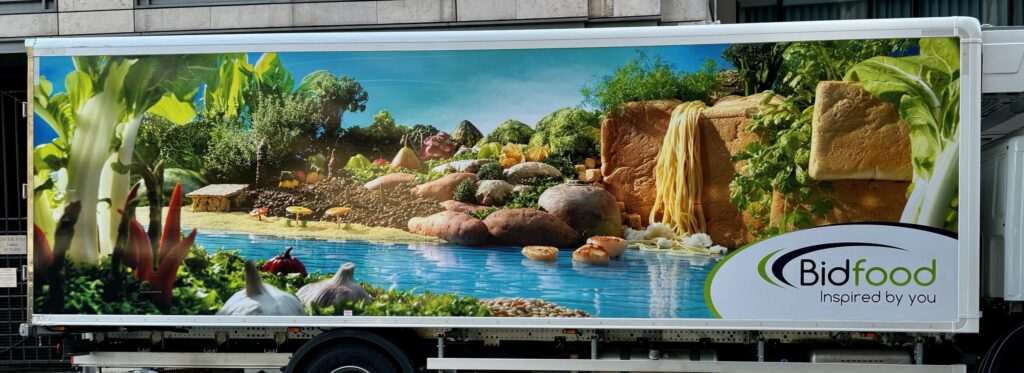
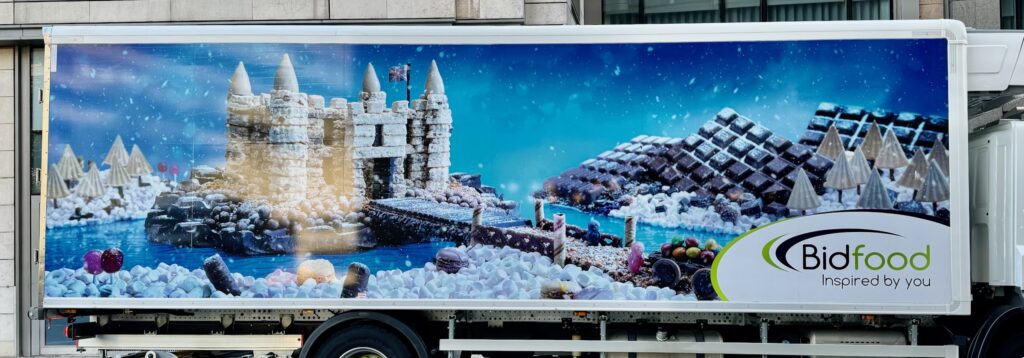
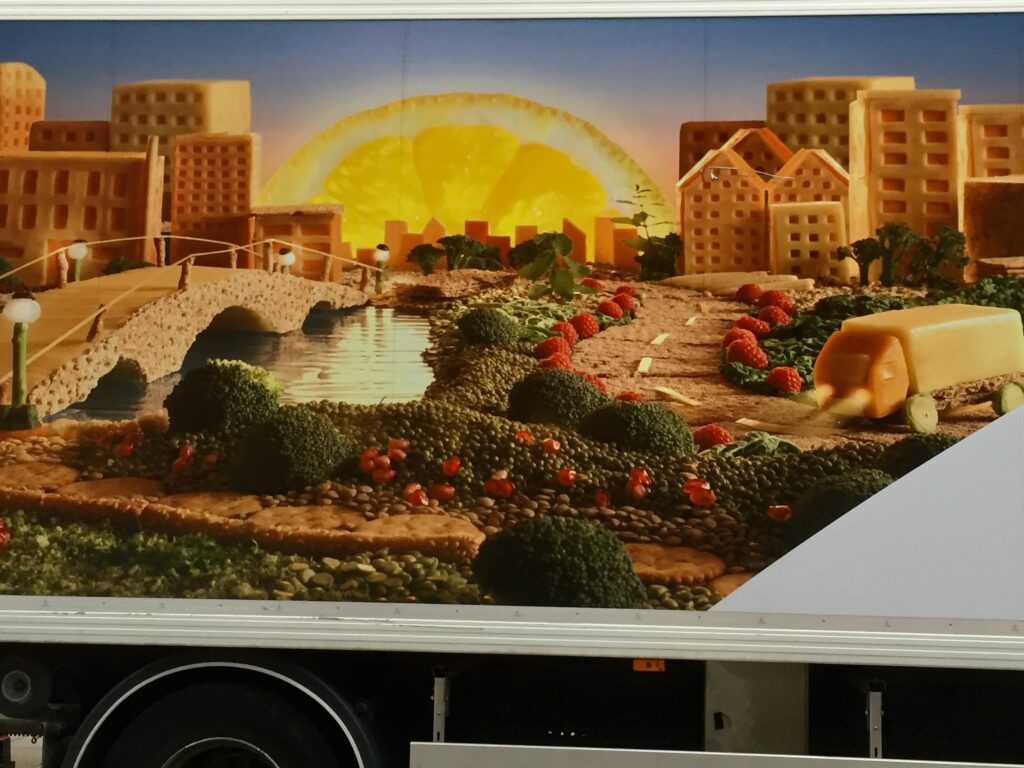
Lots of creative ideas for your pastry …

Batman and Robin street art snog …

You may be surprised to know that in the early 1950s comics they seemed to share a bed …

When observations were made about this the publishers were quick to make a statement, and I quote it here :

‘It’s necessary to point out that, no — they’re not sharing a bed, as many mistakenly think. You can distinctly make out a gap in the backboard, meaning that, though they are sleeping unusually close together for an adult guardian and his teen ward, they’re not in bed together‘.

So that’s cleared that up!

Nothing odd about a bit of nude sunlamp toning either, by the way …

Speculation as to the pair’s sexuality is discussed in The Slate article entitled, rather unfortunately, A Brief History of Dick.

I was invited for lunch at the Institute of Chartered Accountants and so got to see some of their splendid stained glass …

Another highlight of my year was seeing Tower Bridge raised. I have lived in London all my life and can’t recall witnessing this before in person rather than on TV …

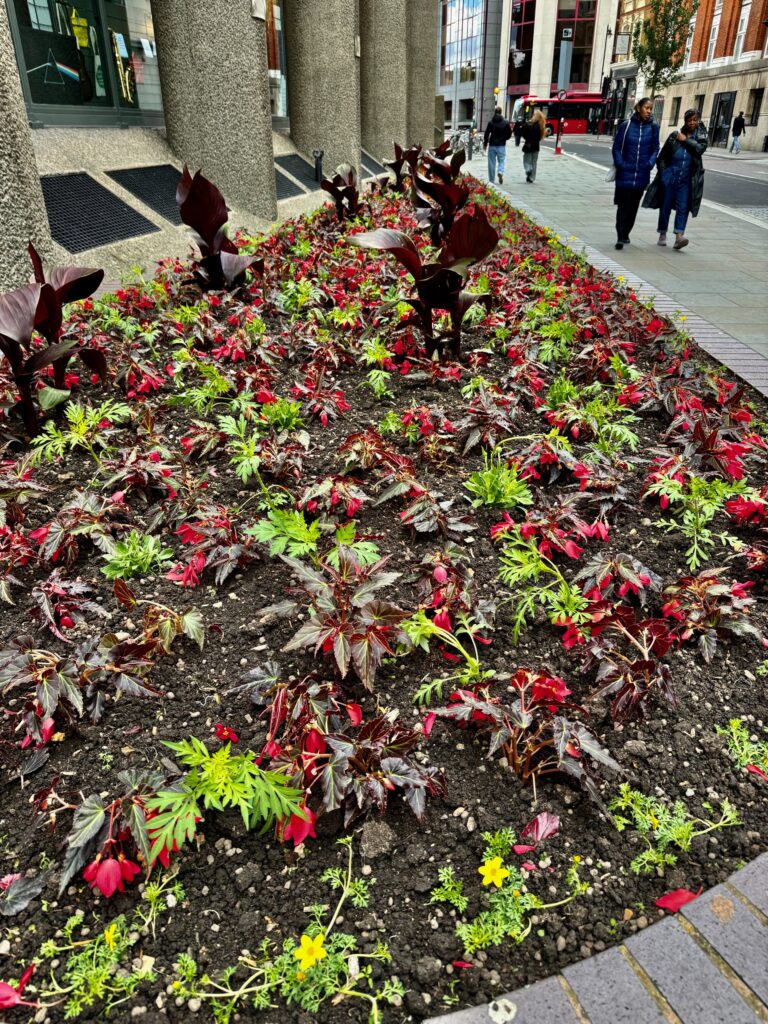
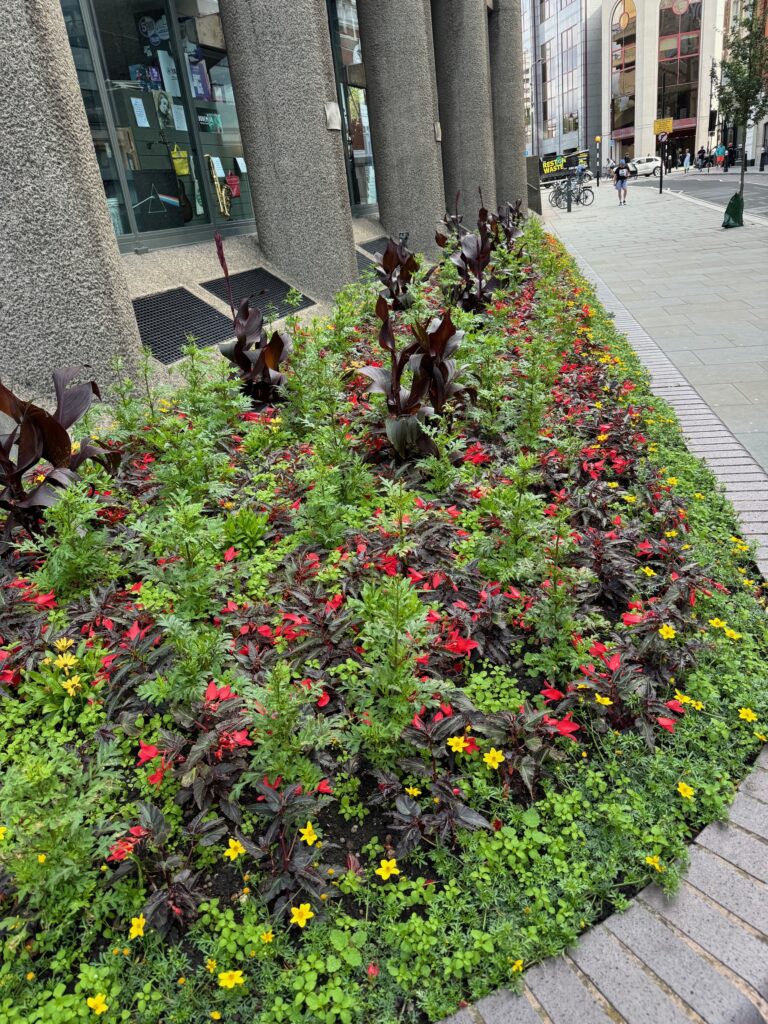
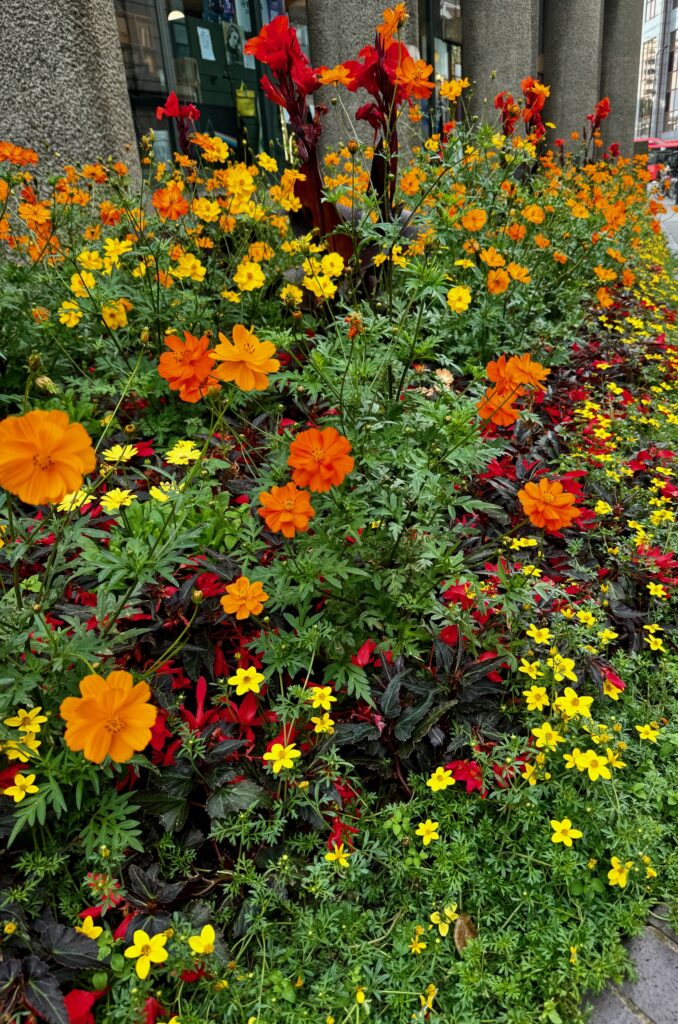
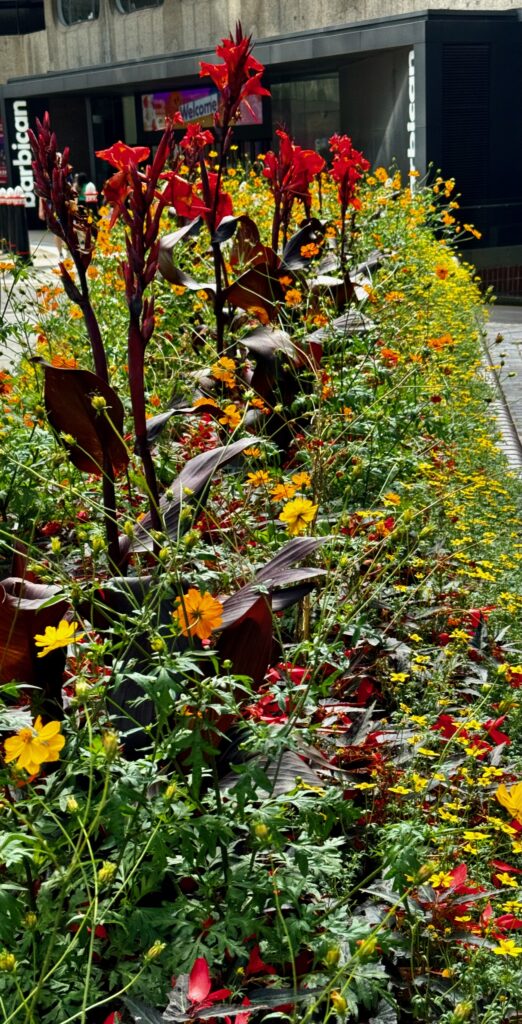
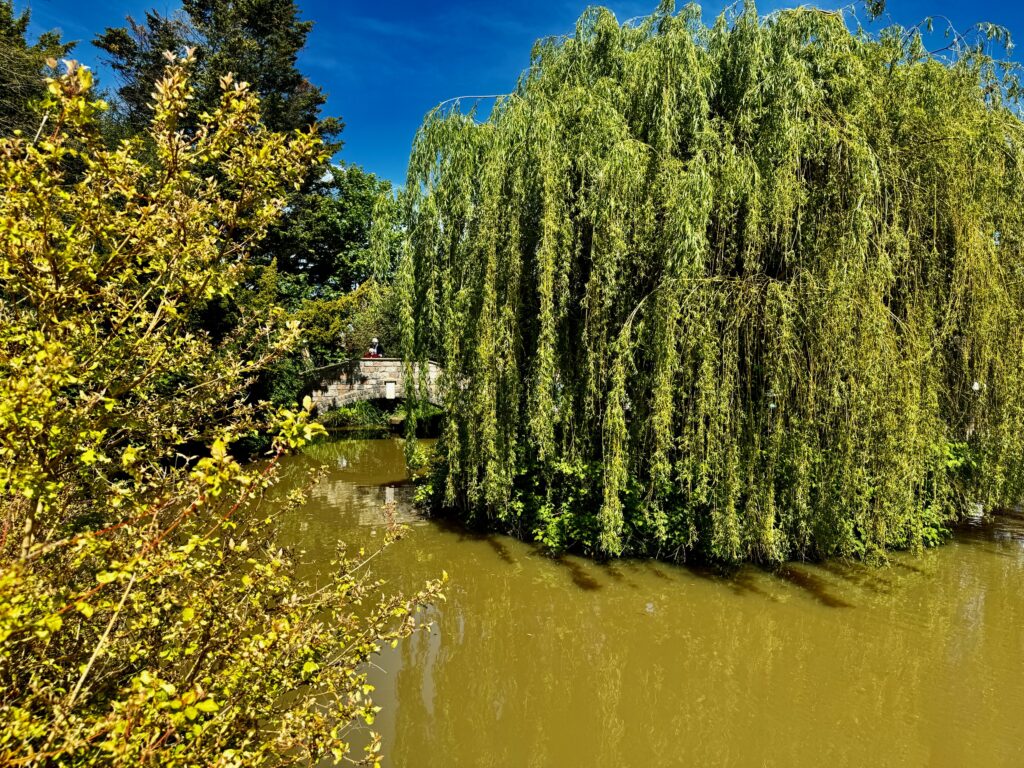
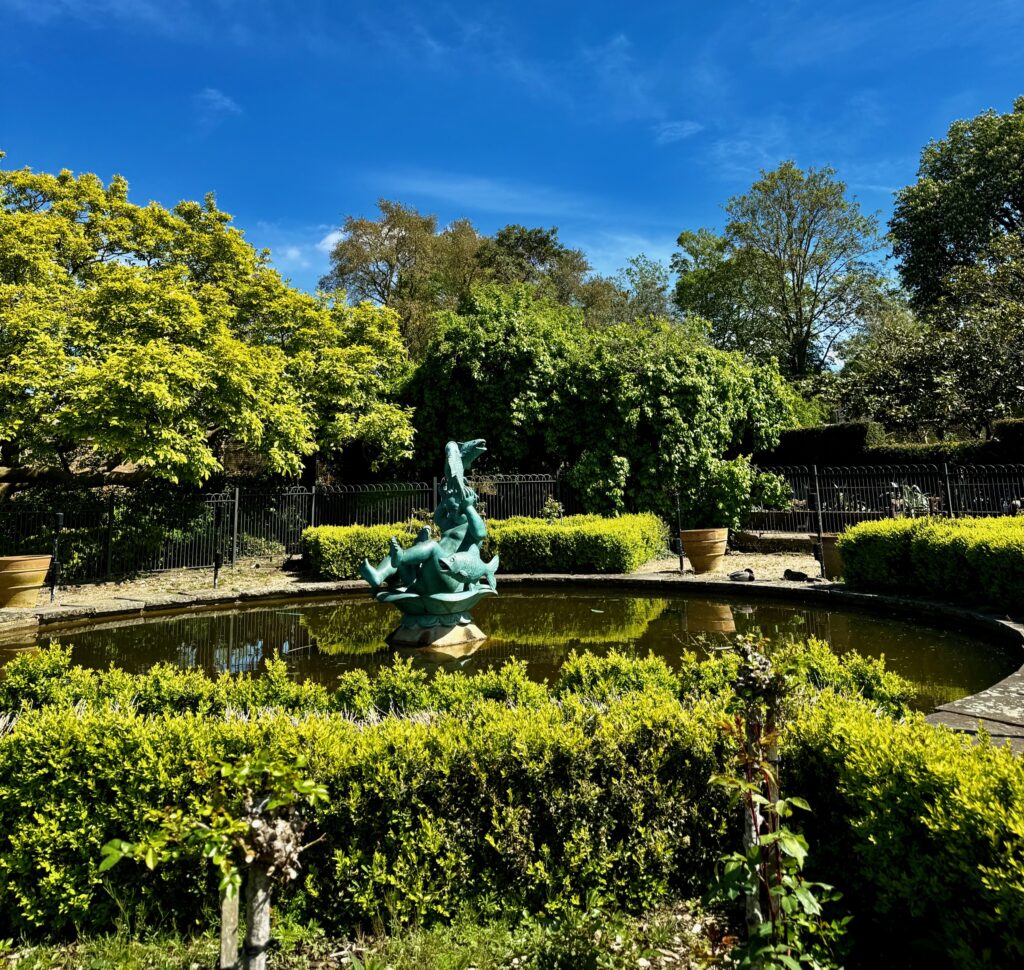
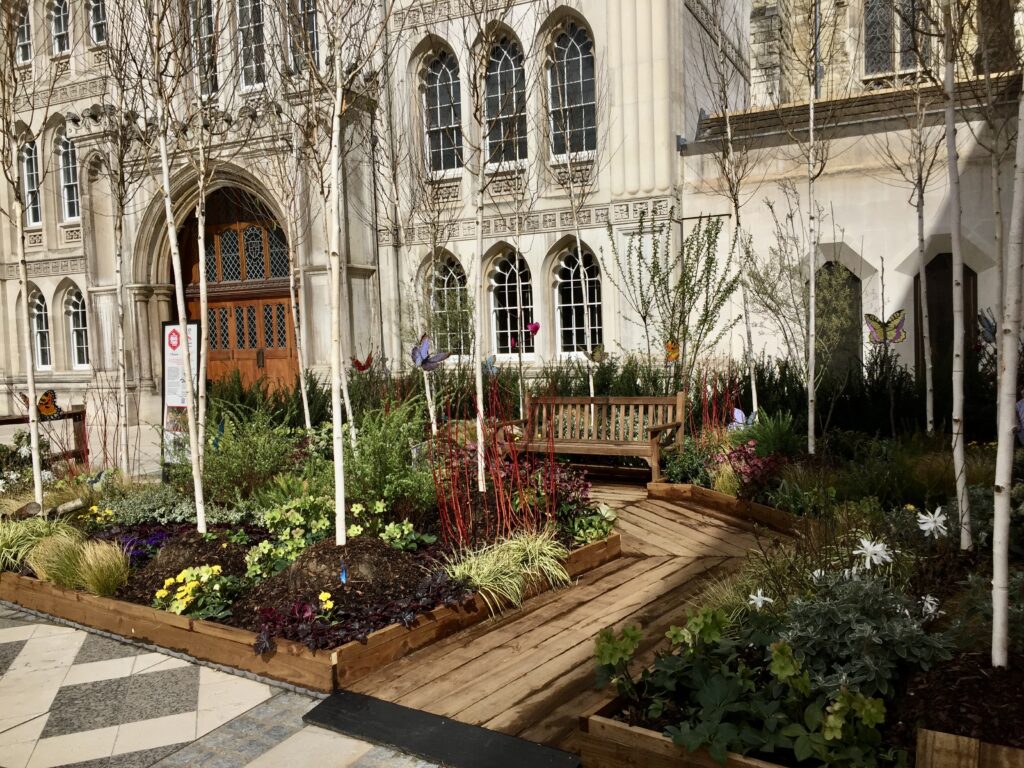
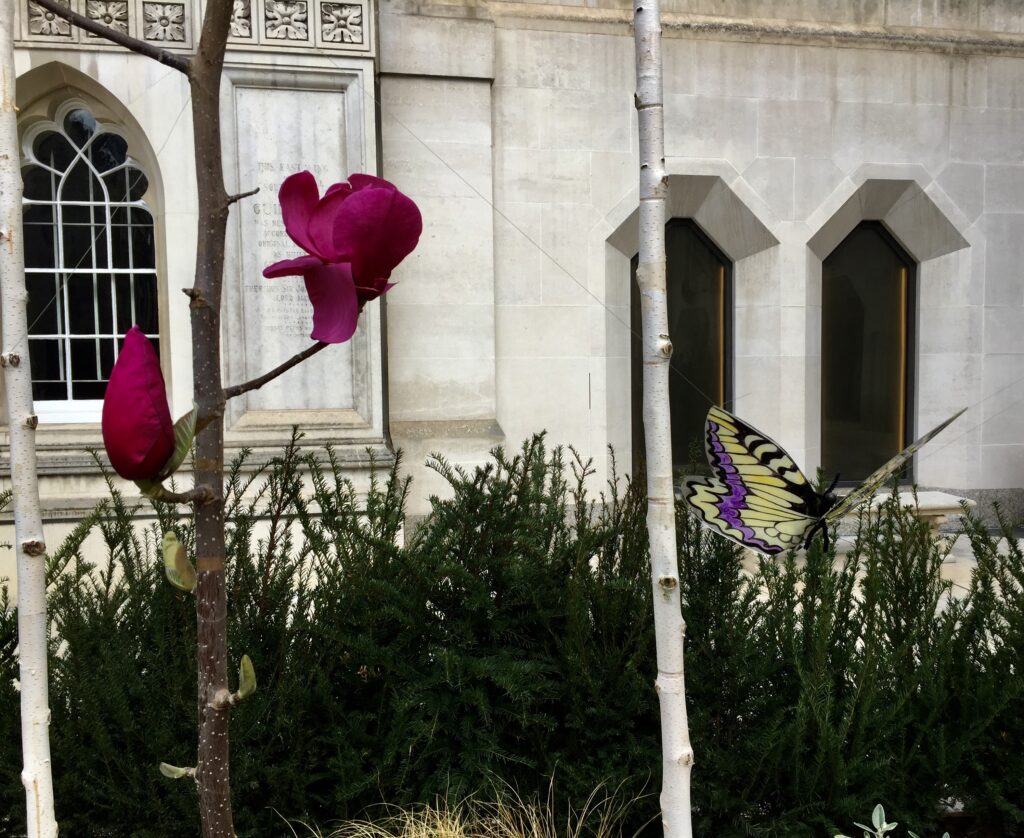
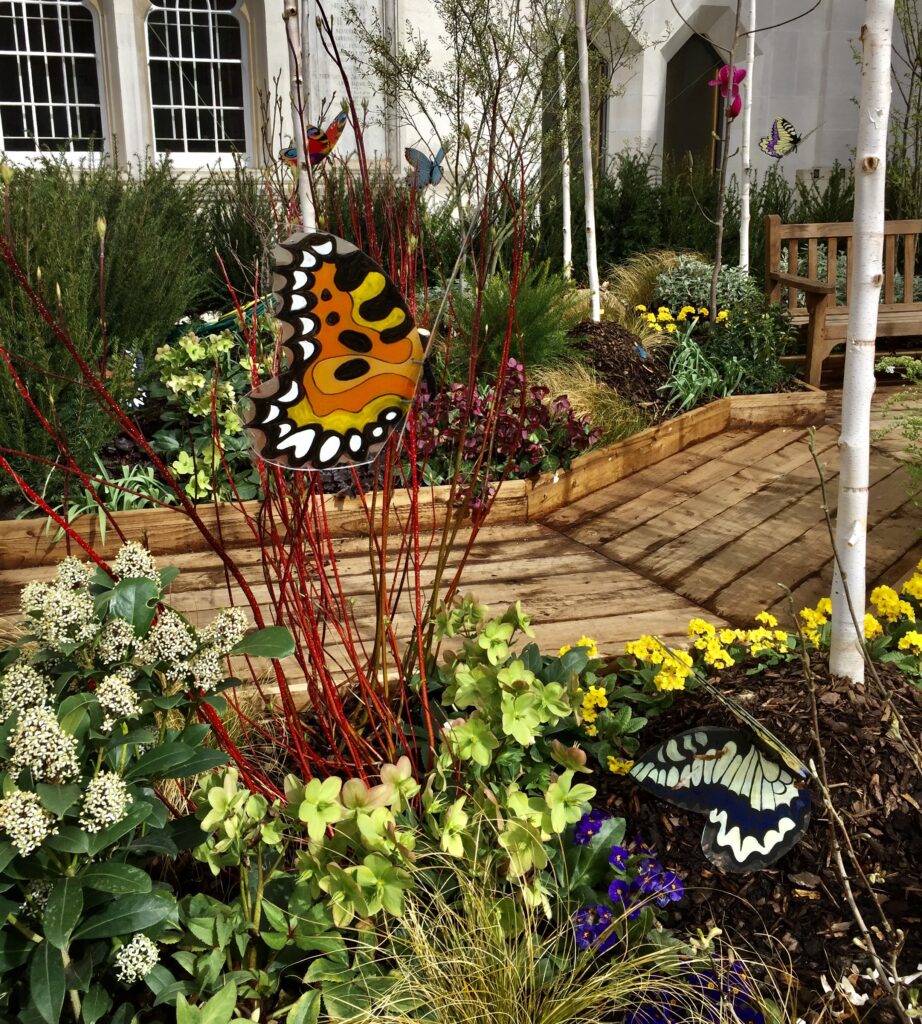
And finally, another big ‘thank you’ to our wonderful City of London gardeners who work so hard all year to keep the place looking fresh and green …

If you would like to follow me on Instagram here is the link …

https://www.instagram.com/london_city_gent/

‘Cock a Doodle Doo’ – Special farm animal edition – with added Jubilee Corgis!

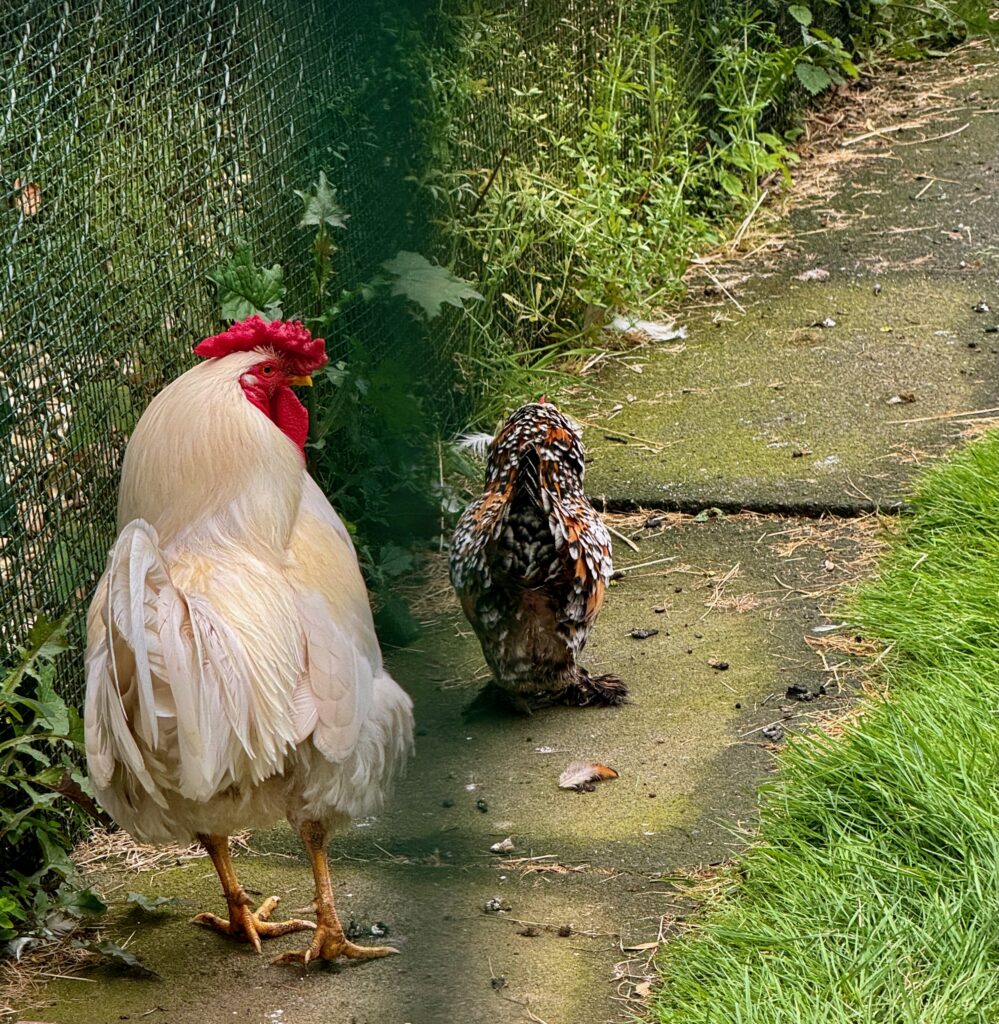
More animals this week with, of course, a nod to Her Majesty’s special weekend. More of this chap and his friends later …

Researching this blog has led me to some fascinating facts. I didn’t, for example, know that a cockerel is a young male bird which, after it’s a year old, is called a rooster. Generously, I provide important information like this to my blog subscribers free of charge.

The rooster had profound religious significance. In the Bible, Jesus foretold that Peter, one of his most devoted disciples, would betray him. “…Verily I say unto thee, that this night, before cock crow, thou shalt deny me thrice.” (Matthew 26:34). And so the rooster became an emblem of Peter’s betrayal. Sometime between 590 and 604 A.D., Pope Gregory I declared that the rooster, emblem of St. Peter, was the most suitable symbol for Christianity. In the 9th century, Pope Nicholas made the rooster official and declared that that all churches must display the rooster on their steeples or domes. I’ve found three in the City.

All Hallows-by-the-Tower …

St Andrew Undershaft …

And St Dunstan-in-the East …

The weathervane above the Rookery Hotel in Smithfield references the nearby meat market …

The building is at the junction of Cowcross Street and Peter’s Lane. Wander down the Lane and you’ll see that the brick walls of the tower have been embellished with bulls’ and cows’ heads modelled and cast in glass reinforced resin by Mark Merer and Lucy Glendenning. The bovine theme was used as a decorative motif because for centuries Cowcross street was part of a route used by drovers to bring cows to be slaughtered at Smithfield …

Another bull at the Smithfield Tavern on Charterhouse Street (EC1M 6HW) …

A herd moves along the north side of the street opposite the meat market …

Two rams are following up the rear. There a quite few of them around the City.

At the end of New Street off Bishopsgate (EC2M 4TP) you will find this one over the gateway leading to Cock Hill …

It’s by an unknown sculptor, dates from the 186os and used to stand over the entrance to Cooper’s wool warehouse.

The Worshipful Company of Clothworkers have a ram in their coat of arms, Here one presides over the entrance to Dunster Court, Mincing Lane (EC3R 7AH) …

I have always been curious about these ram’s heads on the corner of St Swithen’s Lane and Cannon Street …

I consulted a great source of City knowledge, The City’s Lanes and Alleys by Desmond Fitzpatrick. He writes that …

For well into the second half of the last century, the building was a branch of a bank dealing with services to the wool trade, a business connection pleasantly expressed … by the rams’ heads crowned with green-painted leaves, as if Bacchus and Pan had met!

There are sheep in the City too.

In Paternoster Square is a 1975 bronze sculpture by Elisabeth Frink which I particularly like – a ‘naked’ shepherd with a crook in his left hand walks behind a small flock of five sheep …

Dame Elisabeth was, anecdotally, very fond of putting large testicles on her sculptures of both men and animals. In fact, her Catalogue Raisonné informs us that she ‘drew testicles on man and beast better than anyone’ and saw them with ‘a fresh, matter-of-fact delight’. It was reported in 1975, however, that the nude figure had been emasculated ‘to avoid any embarrassment in an ecclesiastical setting’. The sculpture is called Paternoster.

Outside Spitalfields Market, is the wonderfully entitled I Goat. In the background is Hawksmoor’s Christ Church …

It was hand sculpted by Kenny Hunter and won the Spitalfields Sculpture Prize in 2010.

The sculptor commented …

Goats are associated with non-conformity and being independently-minded. That is also true of London, its people and never more so than in Spitalfields.

And now to those Corgis.

I just had to visit the magnificent Elizabeth Line shortly after it opened. Looking down the escalators at Farringdon I noticed a flash of pink on the left …

Fortunately I didn’t have to run backwards to get a close up shot since you’ll find these little creatures looking out at you on numerous walkways and platforms …

Inside the carriages you can admire the specially designed moquette …

‘Moquette’ is a woven pile fabric. With an almost velvet-like texture, it’s comfortable but still extremely durable, making it ideal for seats on public transport. Transport for London’s moquette designs tend to consist of a repeat geometric pattern, making it easy to match fabrics when upholstering seats, as well as helping to reduce wastage and keep costs down. You can read more about the background to the design here.

If you really like it you can buy a matching scarf and socks! Or maybe a nice bench – a snip at £450. If you’re working from home perhaps you could sit on it and pretend you’re commuting.

I took the train to Whitechapel and had a quick look at some of the portraits by Chantal Joffe. She has lived in east London for many years and her 2m-tall portraits are made from laser-cut aluminium. They’re inspired by her Sunday wanderings among the cosmopolitan crowds thronging the streets and markets around the station—a neighbourhood that has been home to many of London’s migrant communities for centuries. Here are a few examples of her work …

Definitely worth a visit.

If you would like to follow me on Instagram here is the link …

https://www.instagram.com/london_city_gent/

Page 7 of 20

Powered by WordPress & Theme by Anders Norén

Symbols & Secrets
Privacy Overview

This website uses cookies so that we can provide you with the best user experience possible. Cookie information is stored in your browser and performs functions such as recognising you when you return to our website and helping our team to understand which sections of the website you find most interesting and useful.