Walking the City of London

Category: Wartime Page 11 of 16

Horses, mermaids and memorials – more City Ladies

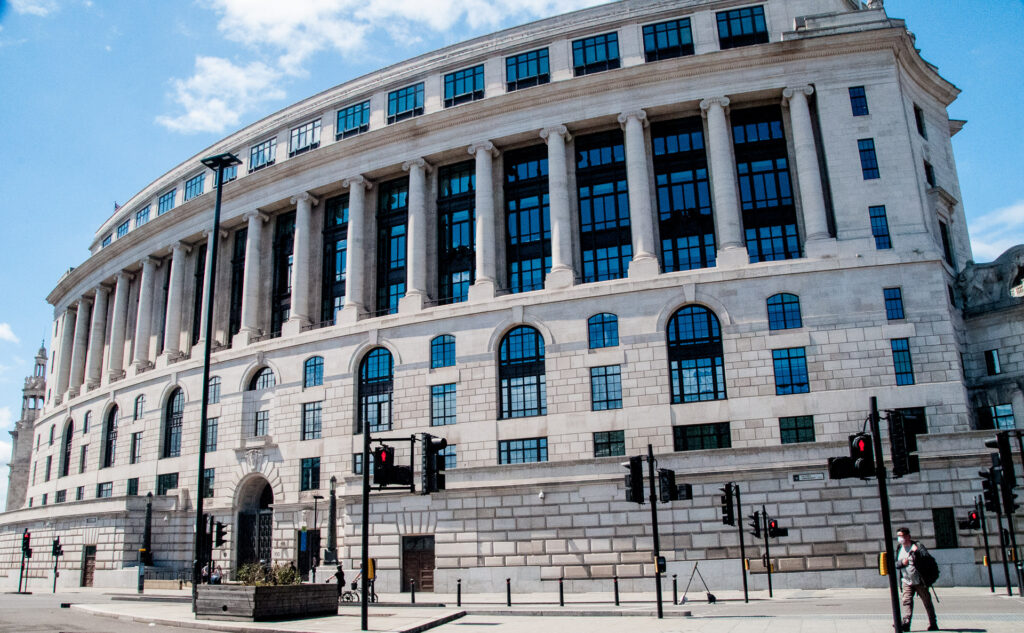
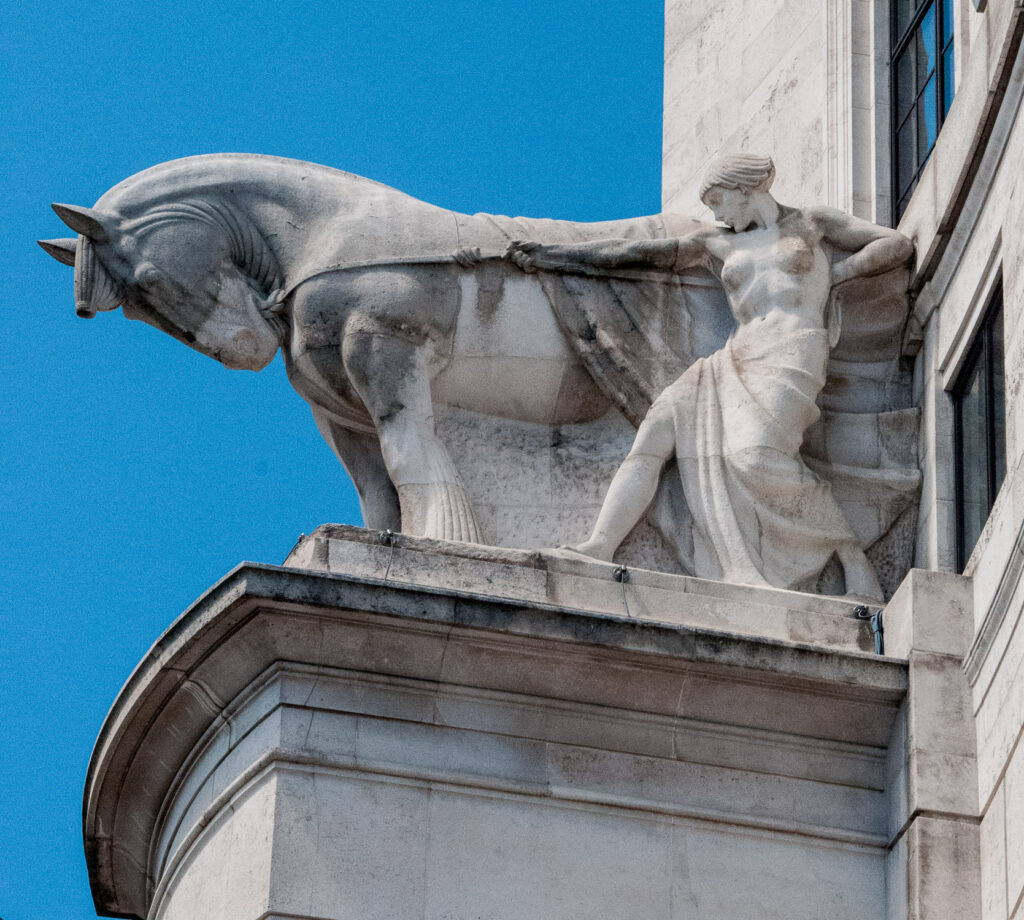
My first stop was Unilever House where a lady, her head bowed, strains hard to control a gigantic horse (EC4Y 0DY) …

The sculpture, called Controlled Energy, dates from 1932 and the sculptor, William Reid Dick, had a real horse model for him. Dr Philip Ward-Jackson, in his book Public Sculpture of the City of London, tells us …

This was no ordinary horse. A light bay gelding called Victor, it was a little over 18 hands high and, when shown at Olympia, had been described as ‘the biggest horse in the world’. The sculptor later told a reporter ‘I am sorry to say it died shortly after I finished with it’.

There is a similar male figure at the other end of the building and, when asked why he had included female figures as well as male ones, this was the sculptor’s interesting reply …

These days women are controlling affairs nearly, if not quite, as much as men. They begin to take control in some respects … as soon as they are out of their cradles, and the idea would have been incompletely carried out if only men had been used.

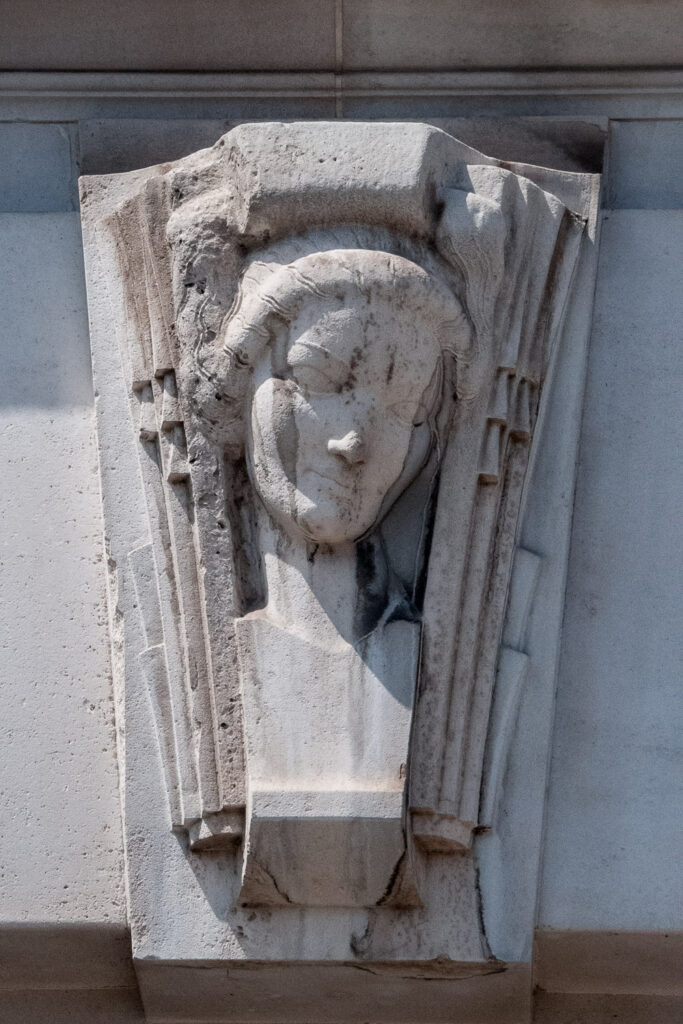
There are a number of female head keystones …

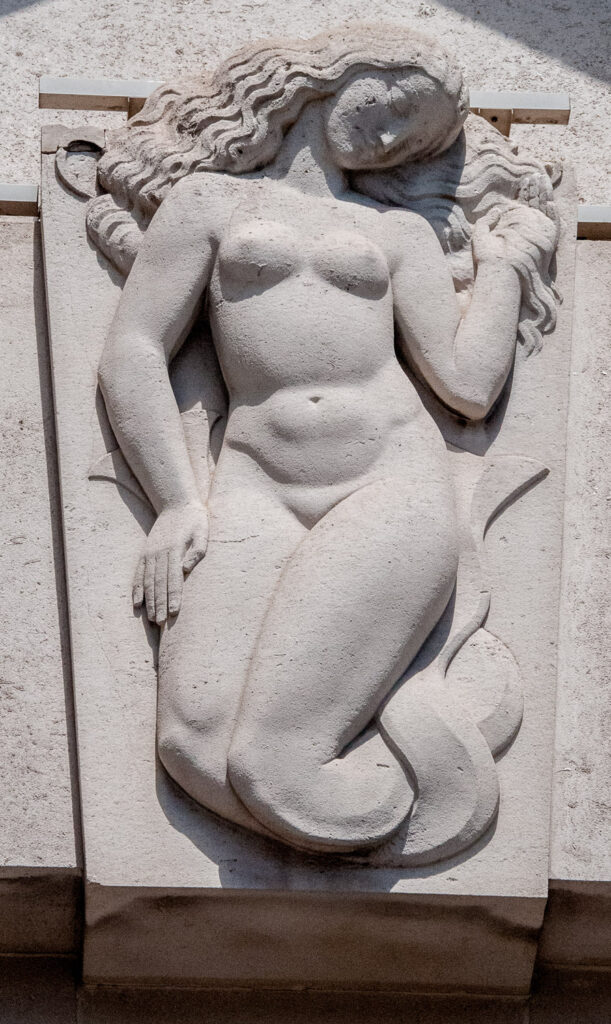
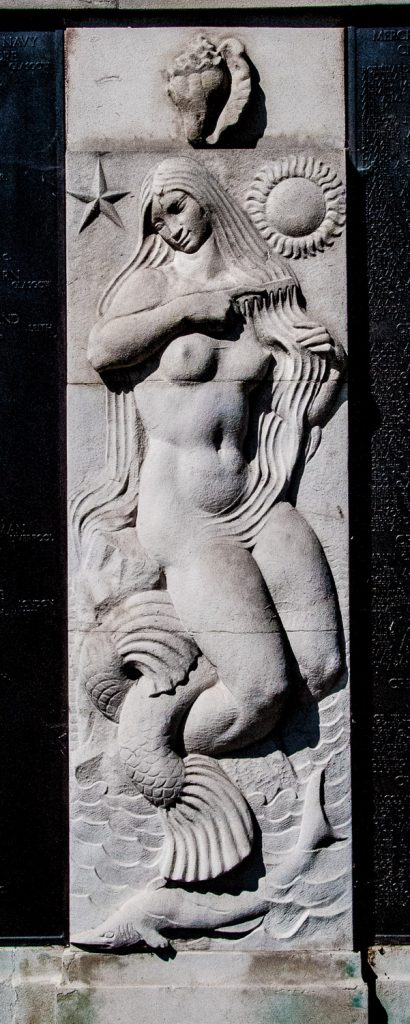
… and a pretty mermaid sculpted by Gilbert Ledward …

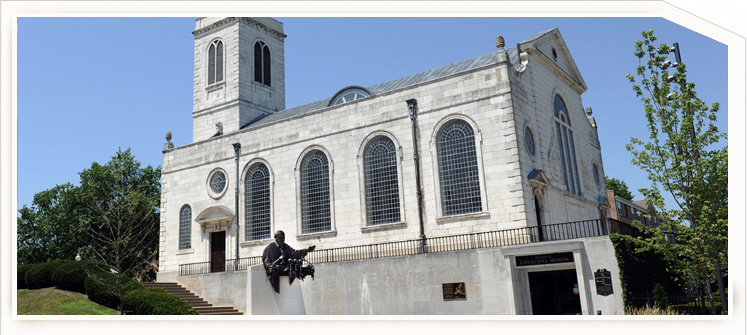
Just in case you are not familiar with the building here it is, opposite Blackfriars Station …

Ledward’s sculpture reminded me of the mermaid combing her hair at the Merchant Navy Memorial on Tower Hill …

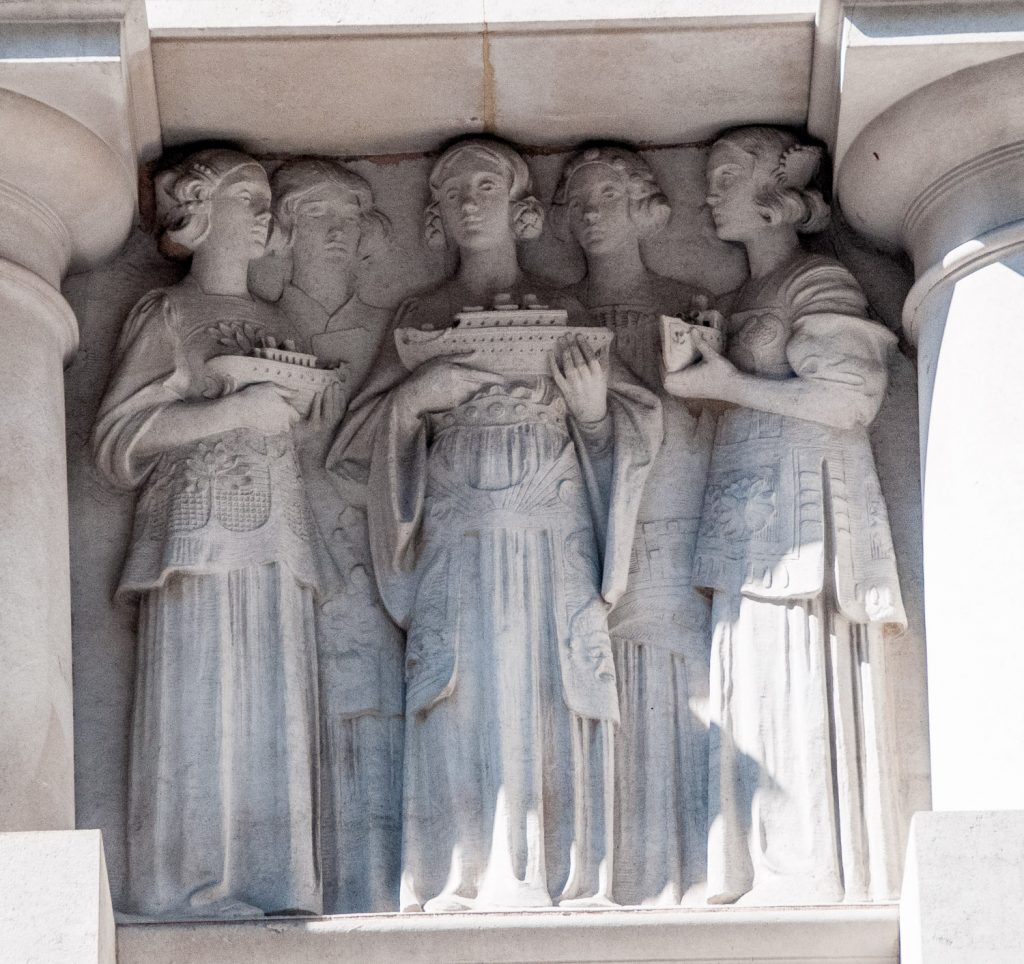
In last week’s blog I wrote about the numerous female figures decorating the Lloyd’s Register of Shipping’s offices in Fenchurch Street. Here a group of maidens hold models of ships …

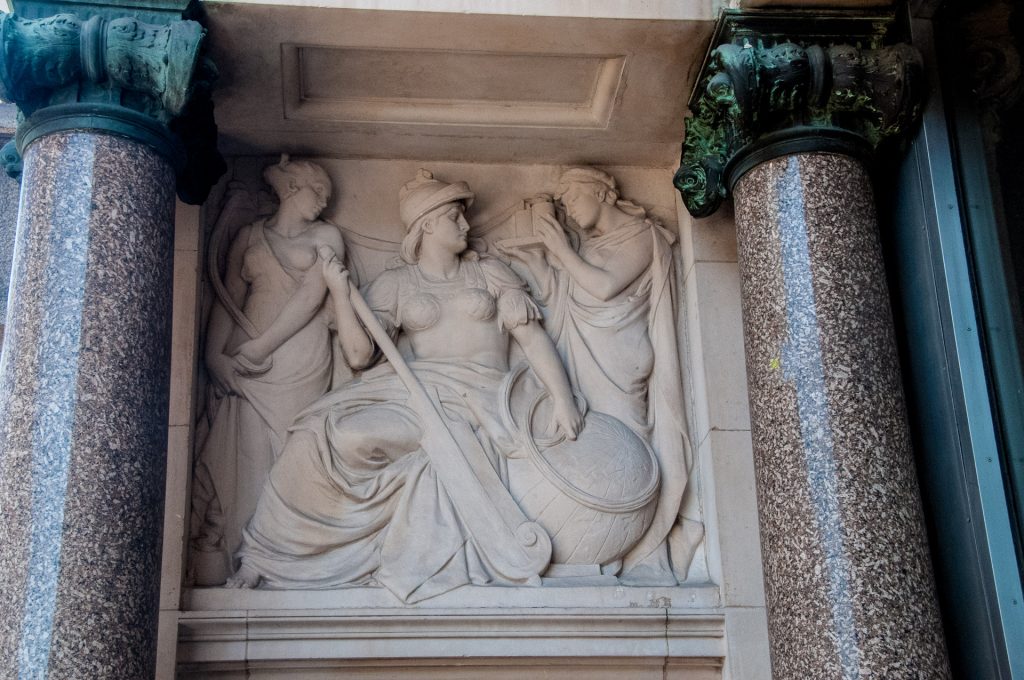
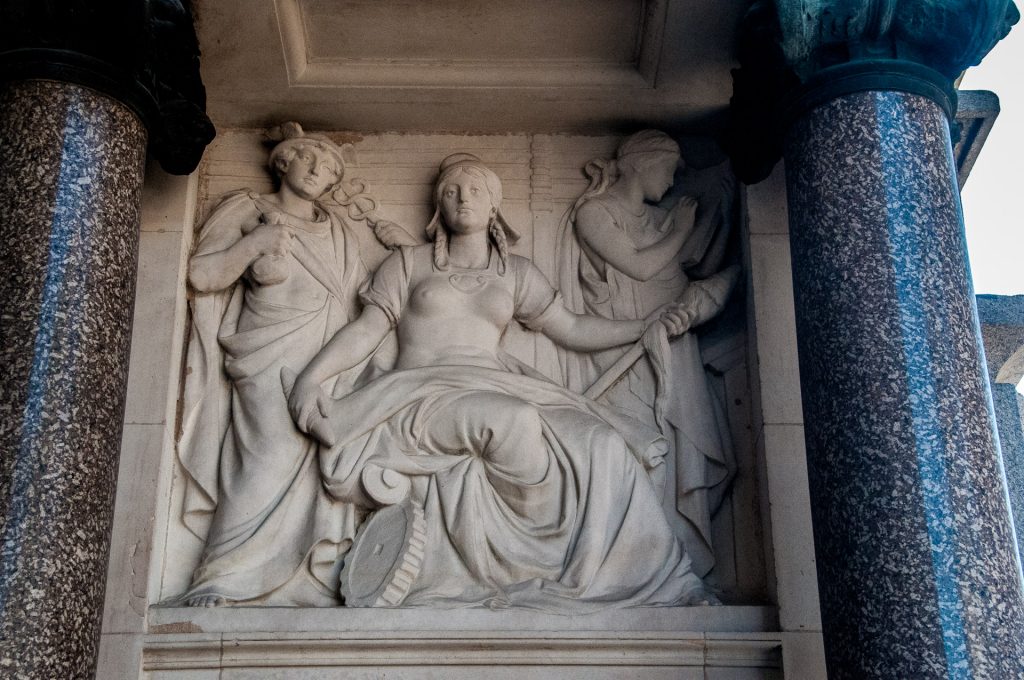
In my 2nd April blog, Moorgate and the Goddess of Electricity, I wrote about the impressive building called Electra House. I didn’t, however, venture into the entrance hall. If I had I would have seen two allegorical panels by F.W. Pomeroy who did much work on the Central Criminal Court, including the statue of Lady Justice. Again, there is more in last week’s blog.

The panel to the left has a seated figure, which may be Britannia, holding a rudder in one hand and a loop of cable in the other …

The cable encircles a globe and the figure to the right holds up two batteries on a tray.

This is the panel opposite …

The female figure holds a distaff in one hand and a weaving shuttle in the other. Standing to her left is Mercury, holding his caduceus and a bag of money. The lady on the right writes in a ledger whilst in the background is a telegraph pole. The panel probably represents the advantages to trade and industry of the telegraph.

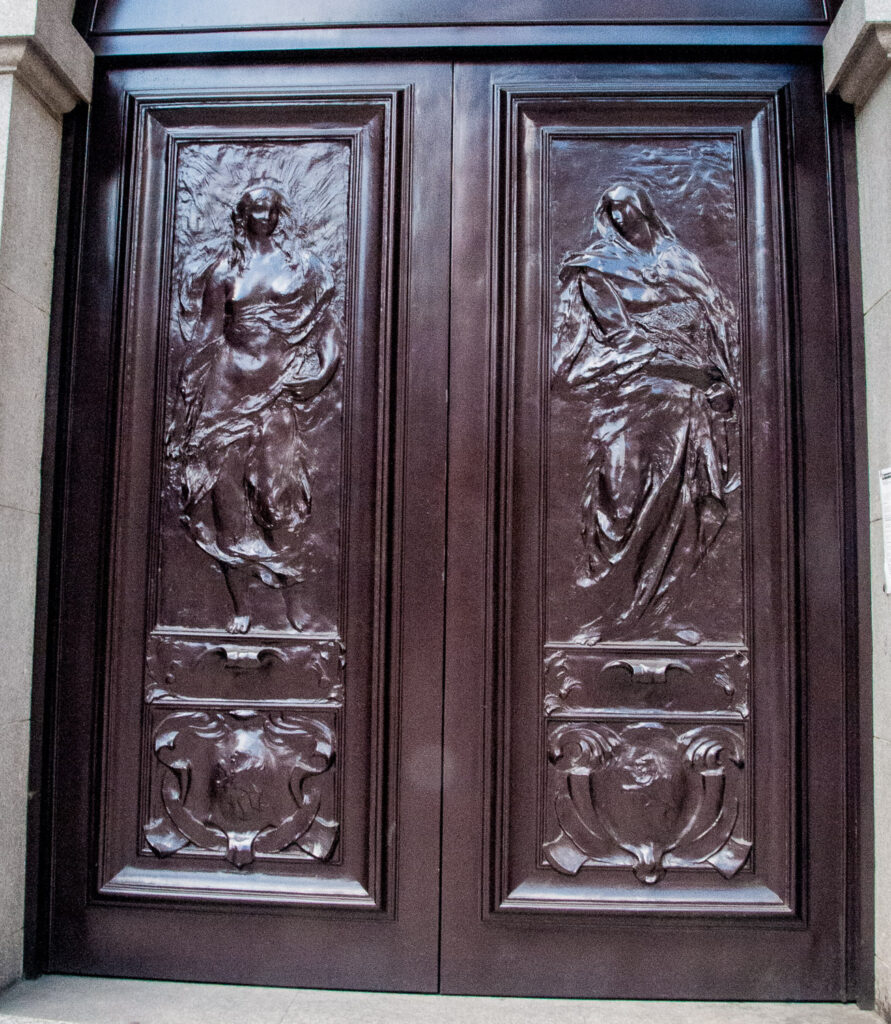
And now south, to Number 1 Moorgate which was once the Banco di Napoli. Created in the 1980s, the bronze doors portray two ladies in peasant costume …

The woman on the left is sowing seeds and the one on the right holds a sickle and a sheaf of cut corn.

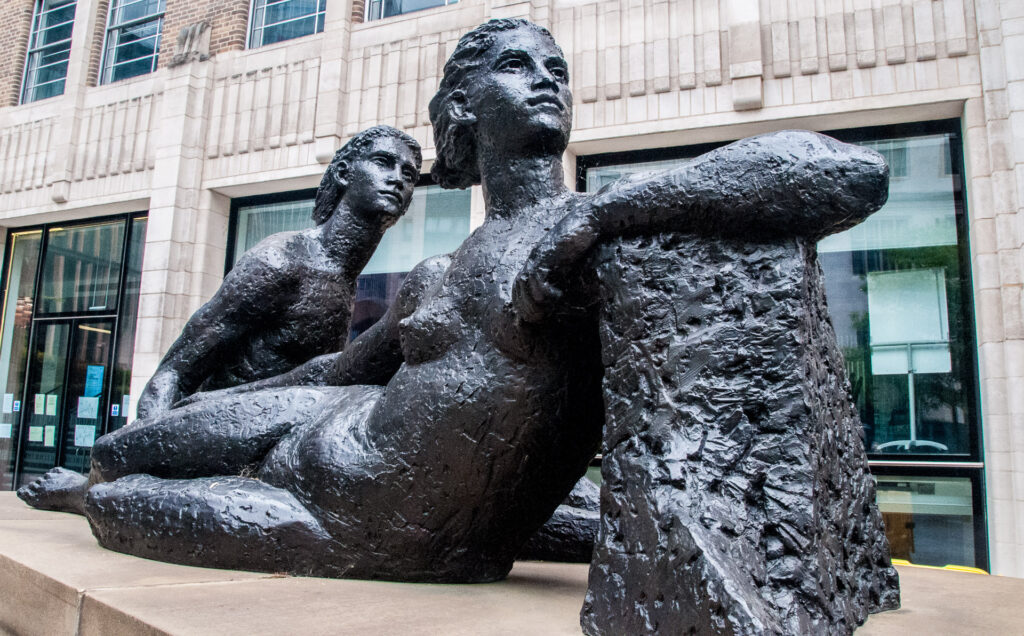
Just off Aldermanbury and to the north of the Guildhall is this 1972 bronze by Karin Jonzen called Beyond Tomorrow

A young couple look expectantly towards the future.

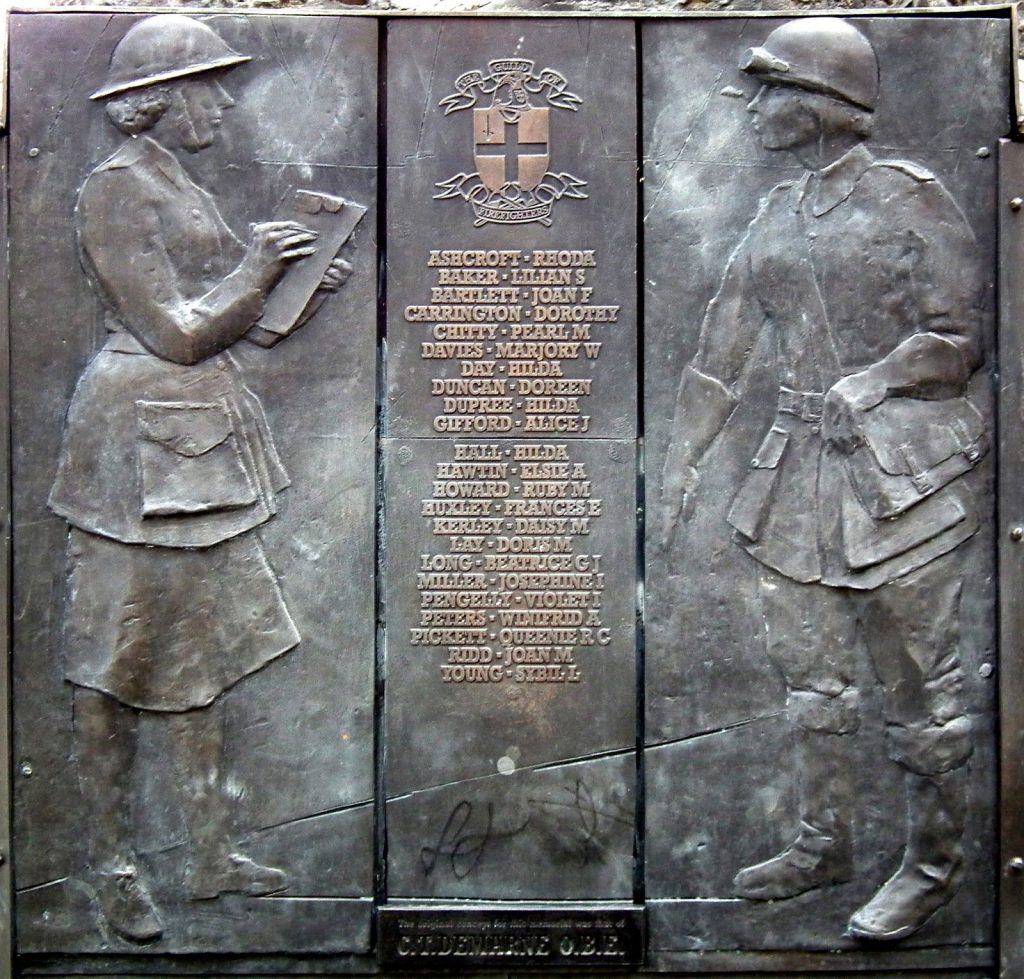
During the Second World War almost a thousand firefighters sacrificed their tomorrows trying to save property and lives during the intense bombing. On Sermon Lane opposite St Paul’s Cathedral can be found The National Firefighters’ Memorial (1991). On the north side is this representation of the women members of the National Fire Service and a list of those killed whilst on duty …

The lady on the right is a Dispatch Rider and the one on the left an Incident Recorder. Although not meant to actually fight fires, a former wartime firefighter declared …

The reality … was that firewomen were more widely involved in active work than is generally acknowledged, and they could often be found in the midst of things during the blitz, whether helping out on the pumps, in control rooms close to the centre of the severest raids or delivering supplies to firefighters.

Twenty-one-year-old Gillian Tanner was awarded the George Medal for bravery when she delivered petrol to fire pumps around Bermondsey while the docks were being bombed during the height of the Blitz.

Their pay was set at two thirds of that of the men, the Home Office having turned down their union’s request for equal pay in 1943.

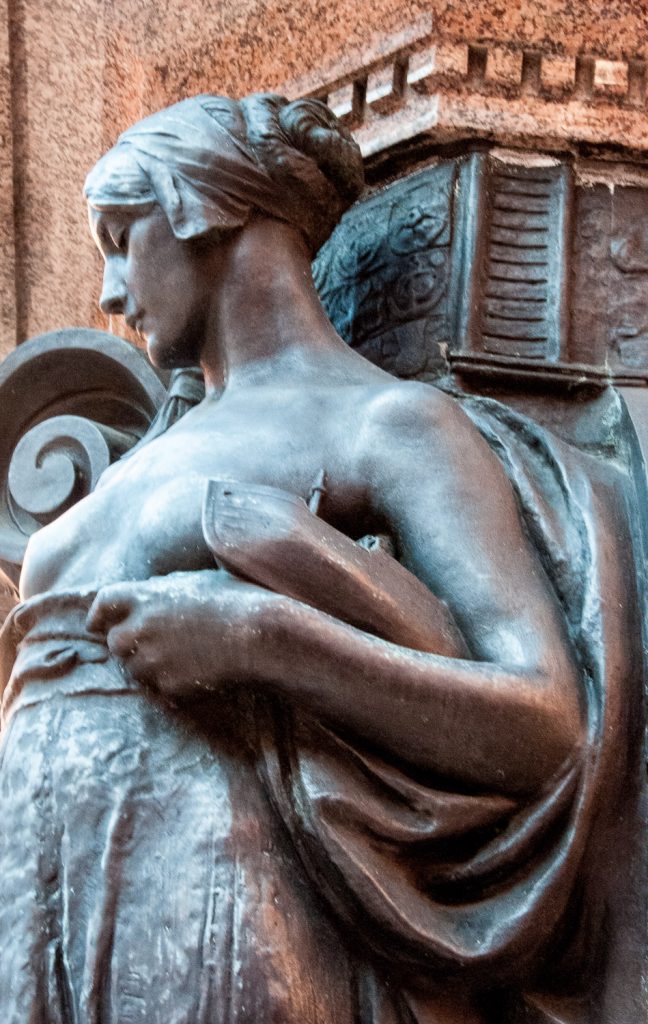
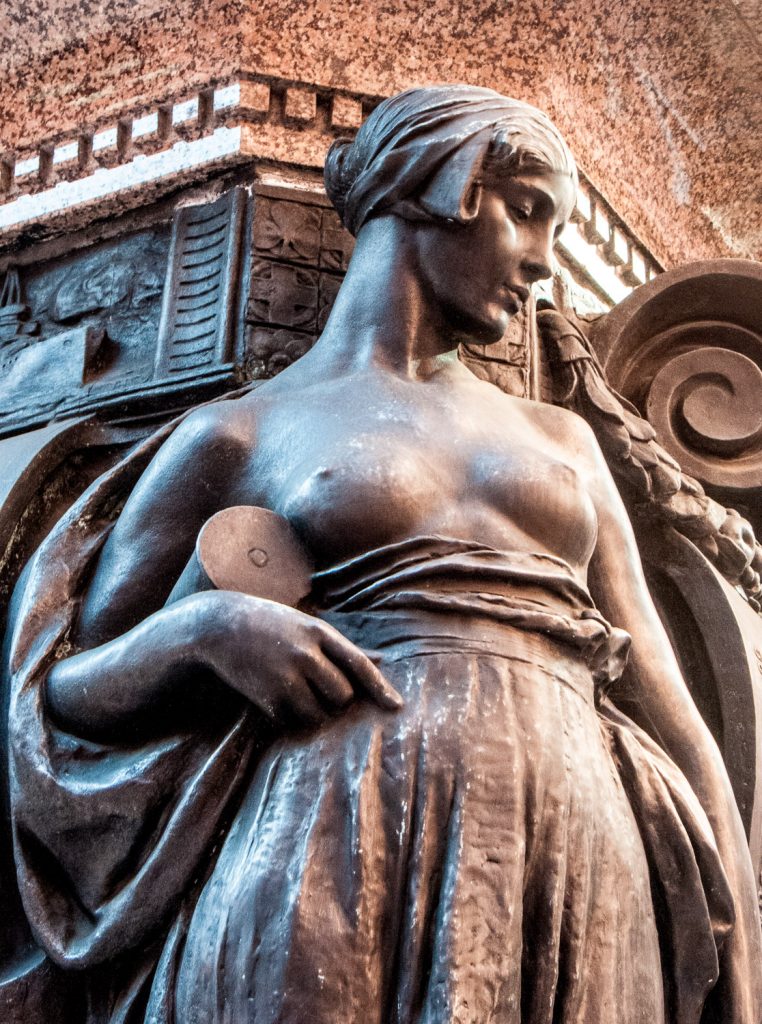
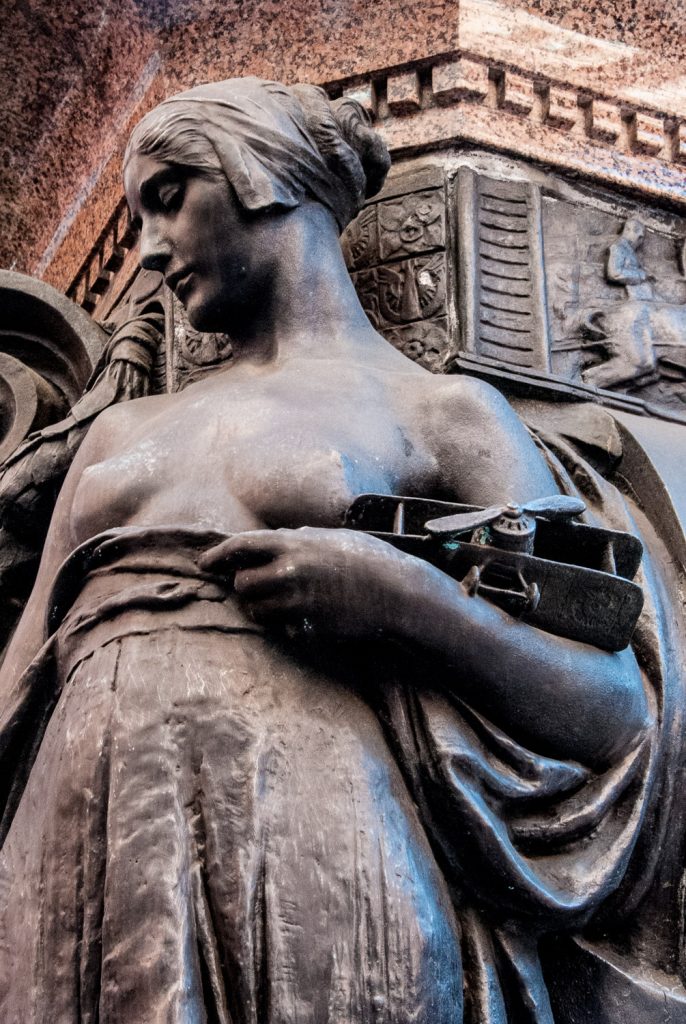
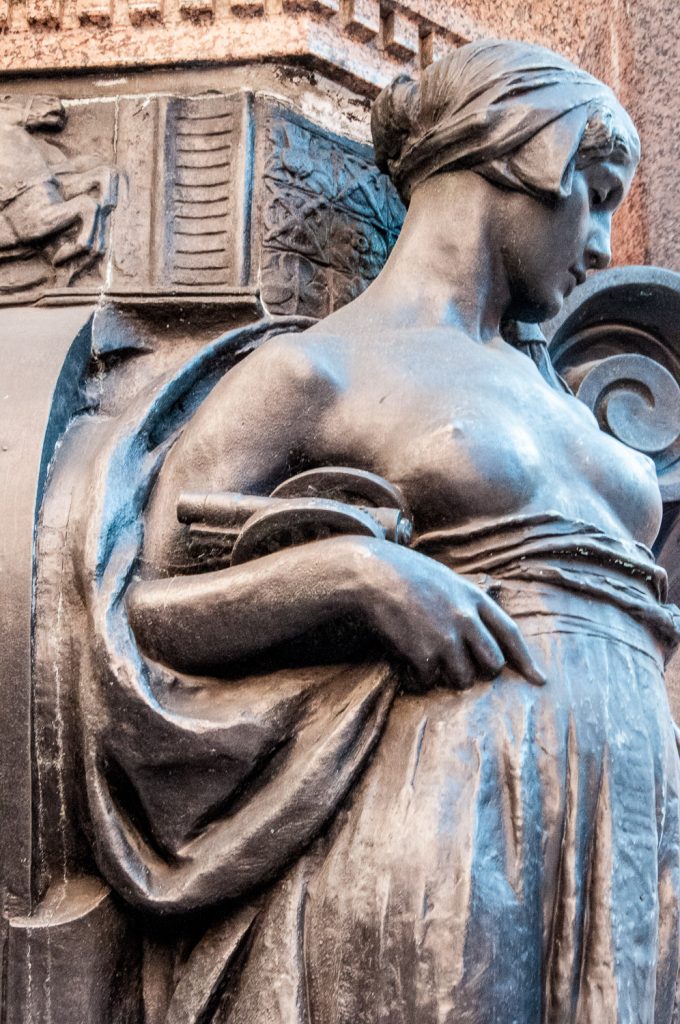
Four ladies adorn the memorial to the 786 employees of the Prudential Assurance Company who gave their lives in the First World War. It can be found in the courtyard outside their old headquarters in Holborn and you can read more about it here.

This lady holds a seagoing vessel, representing the Navy …

At the back is a figure holding a shell representing National Service …

The bi-plane represents the Air Force …

And this one holds a field gun and represents the Army …

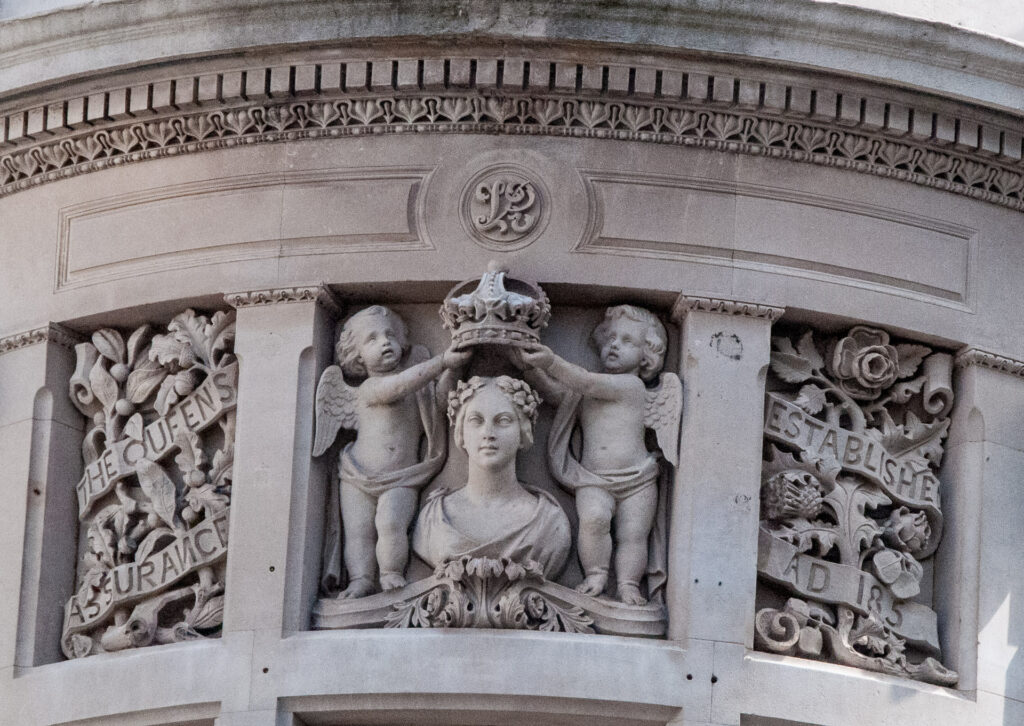
I like the Queen’s Assurance sign from 1852 at 42-44 Gresham Street …

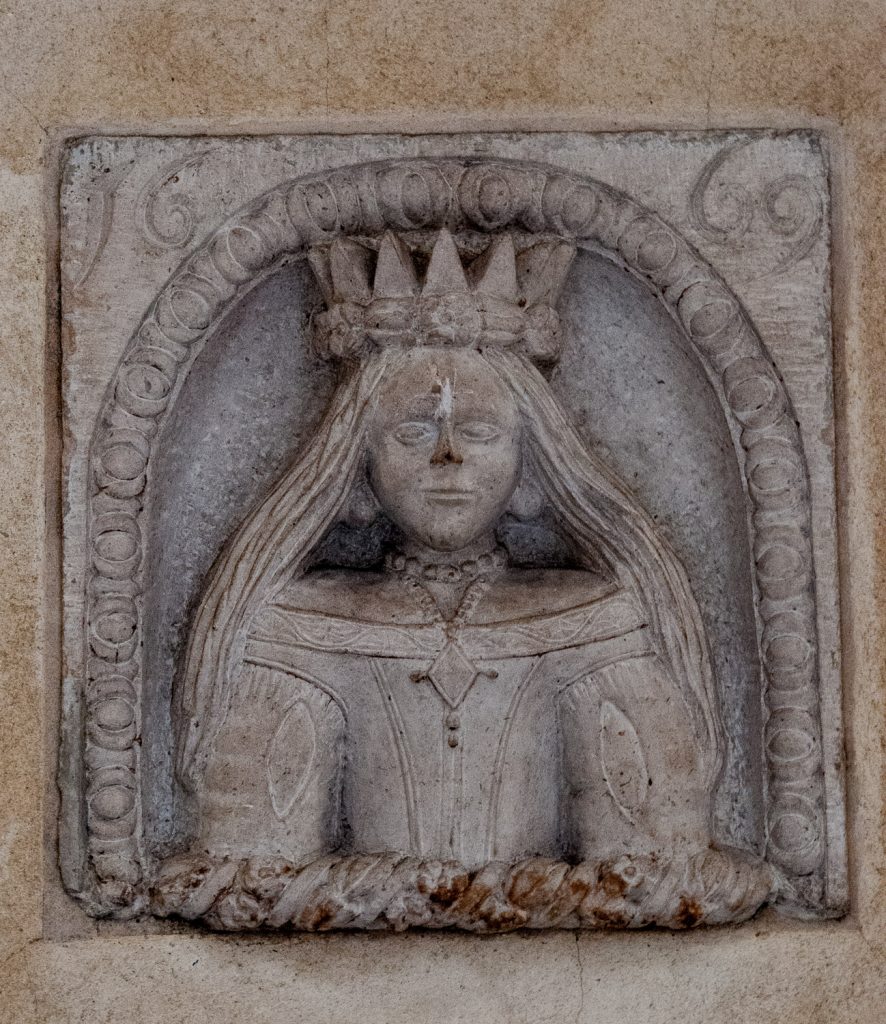
And finally, she may be the oldest City Lady I have found but she still looks beautiful and serene …

Dated 1669, she must have witnessed much of the rebuilding of the City after the great fire of 1666. She now resides in a sheltered spot in Corbet Court (EC3V 0AT). I have written about Mercer Maidens like her in an earlier blog entitled Dragons and Maidens.

Remember you can follow me on Instagram :
https://www.instagram.com/london_city_gent/

Swinging angels, an alligator and public sculpture around St Paul’s

First of all, some great news! You can now follow me on Instagram at :

www.instagram.com/london_city_gent/

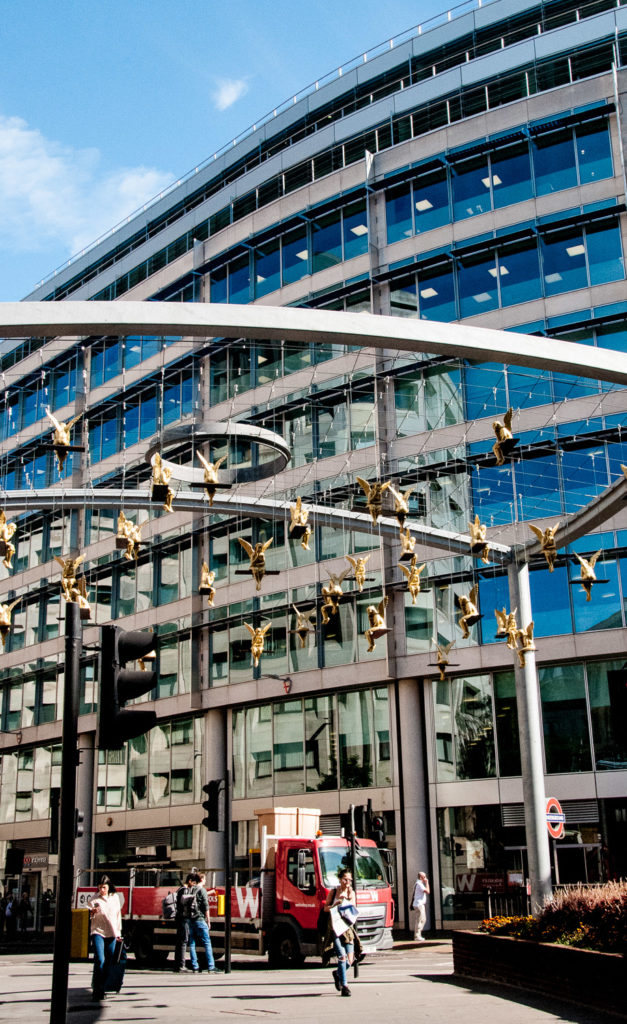
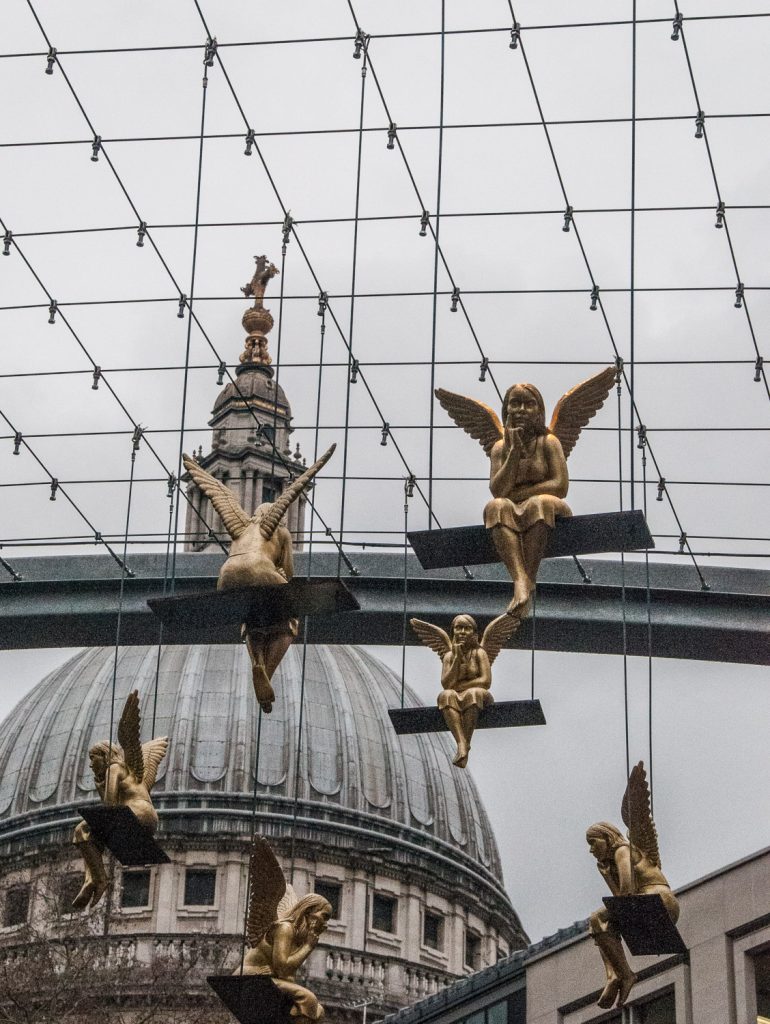
Crossing the road outside St Paul’s Underground station I came across the surprising sight of 40 golden angels resting on swings above my head …

Entitled Lunch Break they are an installation by architects KHBT in collaboration with artist Ottmar Hörl. Intended to create a strong conceptual and visual link to the Cathedral it is, the note nearby tells us, also an emotional and imaginative work that is aiming to make people think and smile. ‘After all, in this particular time, guardian angels deserve some rest’ …

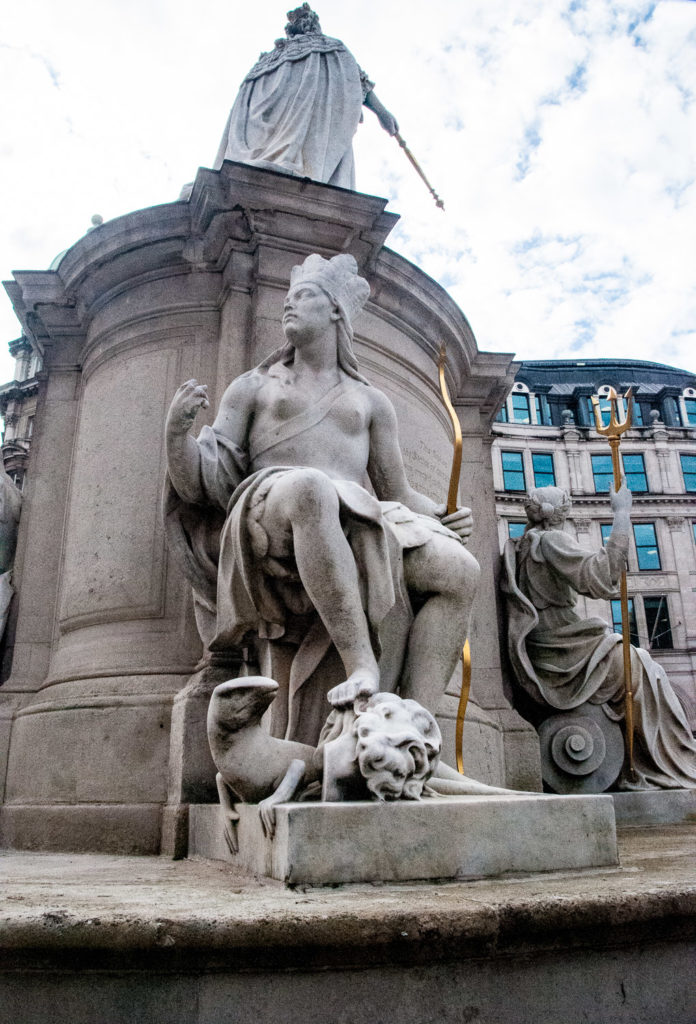
Outside the west front of the Cathedral is the statue commemorating Queen Anne, a Victorian replica of an earlier work that had become weathered and vandalised. The queen is surrounded by four allegorical figures and this one represents America …

She wears a feathered head-dress and skirt whilst her left hand grasps a metal bow. Her right hand may once have held an arrow.

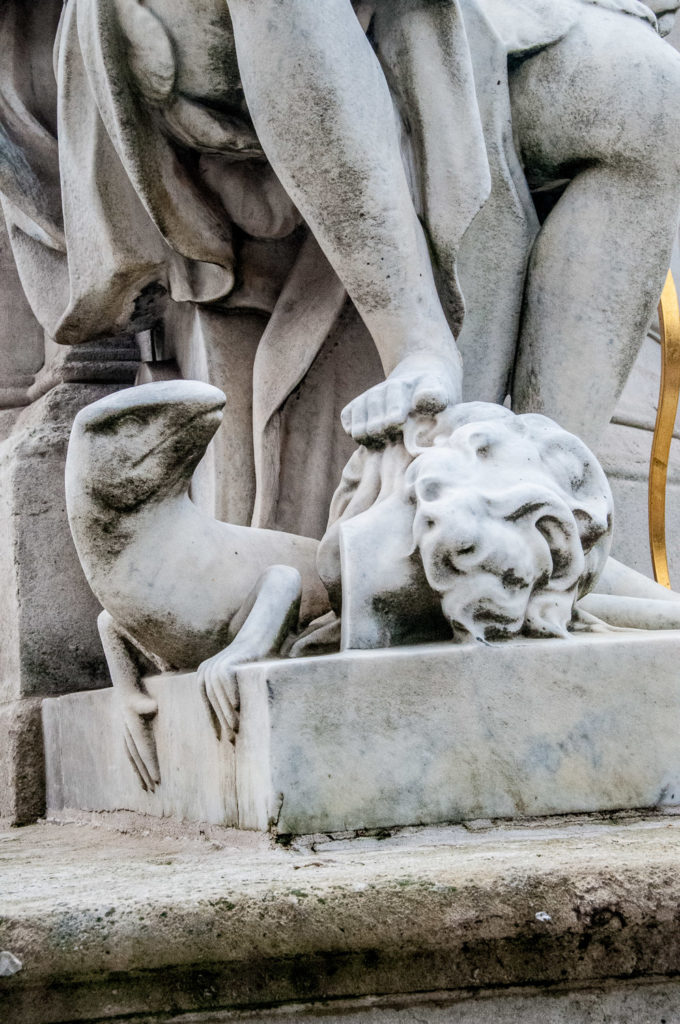
What fascinated me, however, is the creature by her feet which resembles a rather angry Kermit the frog (alongside the severed head of a European) …

In 1712, this is what the original sculptor Francis Bird imagined an alligator would look like. A contemporary description of the statue states …

There is an allegator creeping from beneath her feet; being an animal very common in some parts of America which lives on land and in the water.

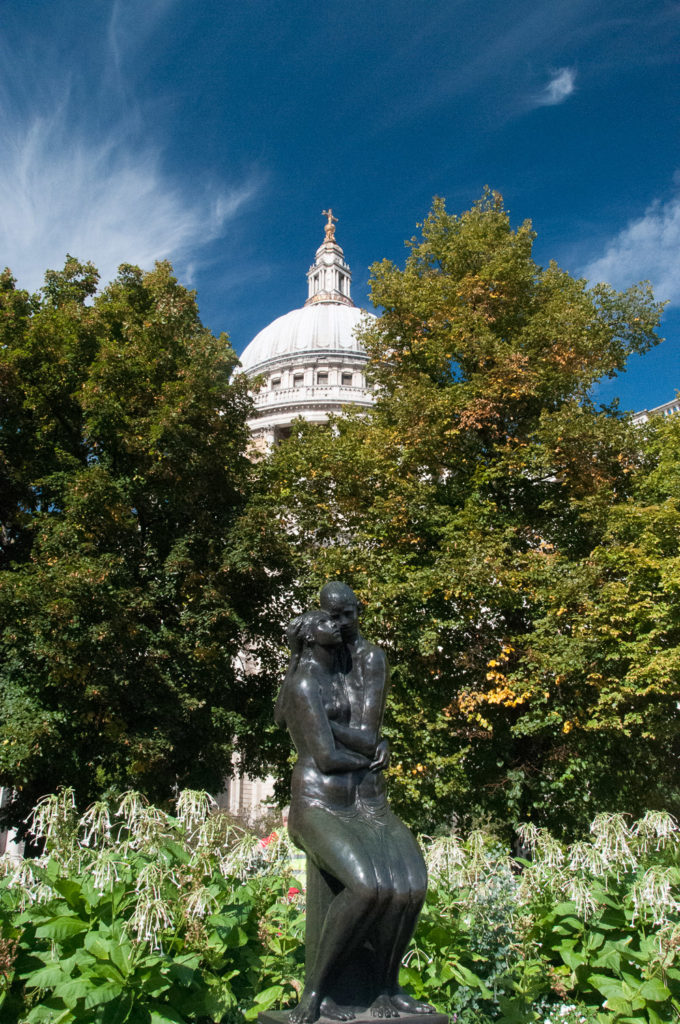
In the Diamond Jubilee Gardens close by is this work, The Young Lovers, by Georg Ehrlich (1897-1966). The Cathedral gives it a dramatic backdrop …

Ehrlich was a Austrian sculptor who was born and studied in Vienna. During the First World War he served in the Austrian Army and in 1930 he married the artist Bettina Bauer. After the rise of the Nazis, Ehrlich decided that it was too dangerous for them to be in Austria since they were both Jewish and they moved to London. He became a British citizen in 1947 and was elected an Associate of the Royal Academy in 1962.

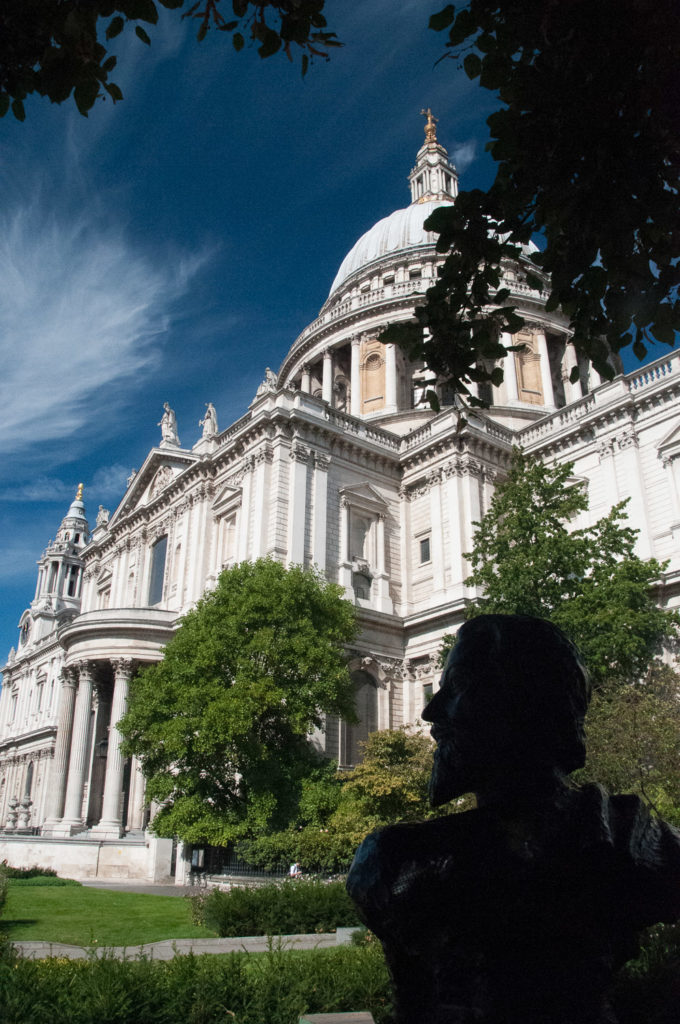
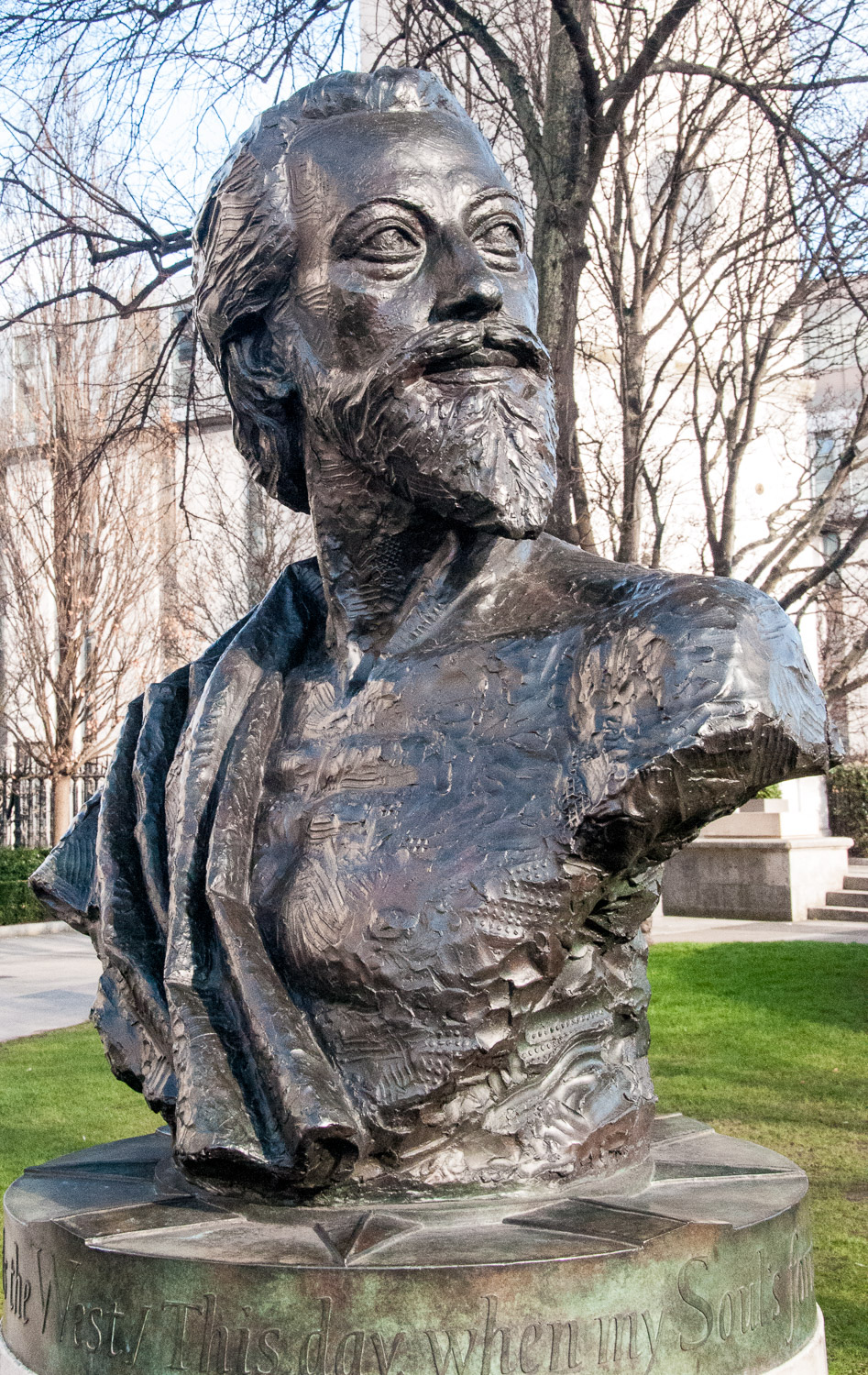
Since the weather was so nice, I took the opportunity to capture this profile of the one-time Dean of St Paul’s John Donne …

John Donne 1572 – 1631 by Nigel Boonham (2012)

I have written about Donne before and you can access the blog here.

His bust points almost due west but shows him turning to the east towards his birthplace on Bread Street. The directions of the compass were important to Donne in his metaphysical work: east is the Rising Sun, the Holy Land and Christ, while west is the place of decline and death. Underneath the bust are inscribed words from his poem Good Friday – Riding Westward :

Hence is’t that I am carried towards the west, This day when my soul’s form bends to the east

The most familiar quotation from Donne comes from his Meditation XVII – Devotions upon Emergent Occasions published in 1624:

No man is an island, entire of itself; every man is a piece of the continent, a part of the main … and therefore never send to know for whom the bell tolls, it tolls for thee.

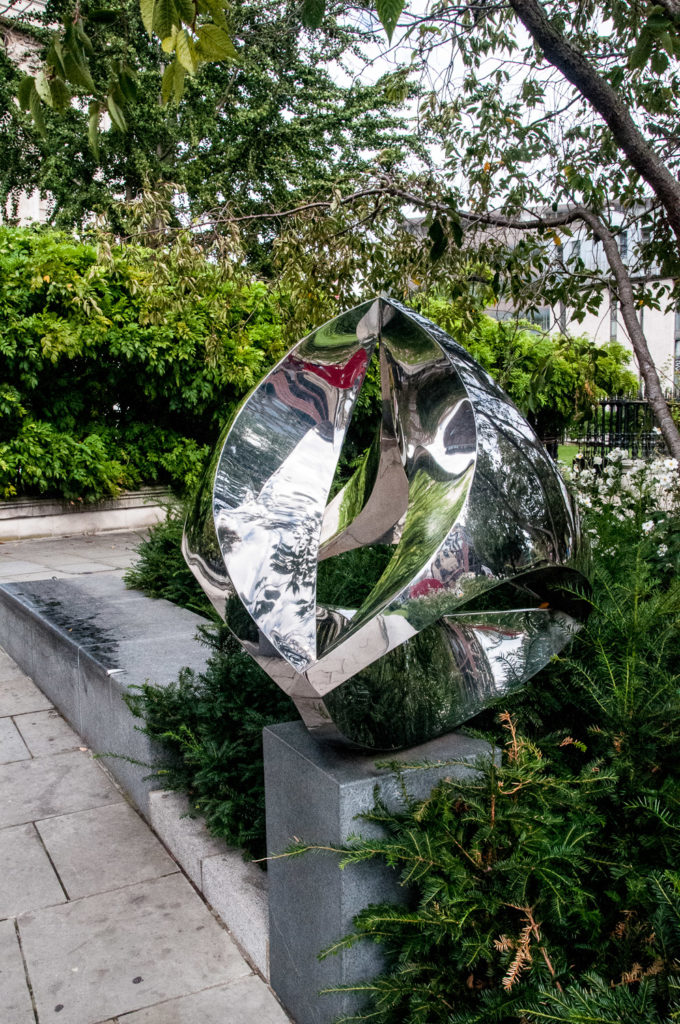
I really like this work by Paul Mount (1922-2009), also to be found in the gardens …

Amicale (2007)

Mount was one of the last British artists whose careers were interrupted by the Second World War. A lifelong pacifist, he served in the Friends Ambulance Unit in North Africa and then France, where he stayed on after the end of the war to do relief work. Once free to work again, artists like him never really lost their sense of a world to be made anew through art. For Mount, sculpture expressed an essential human dignity. He observed …

The way that two shapes relate is as important as the way two people relate.

There is a nice obituary notice about him and his fascinating life in The Guardian which you can access here.

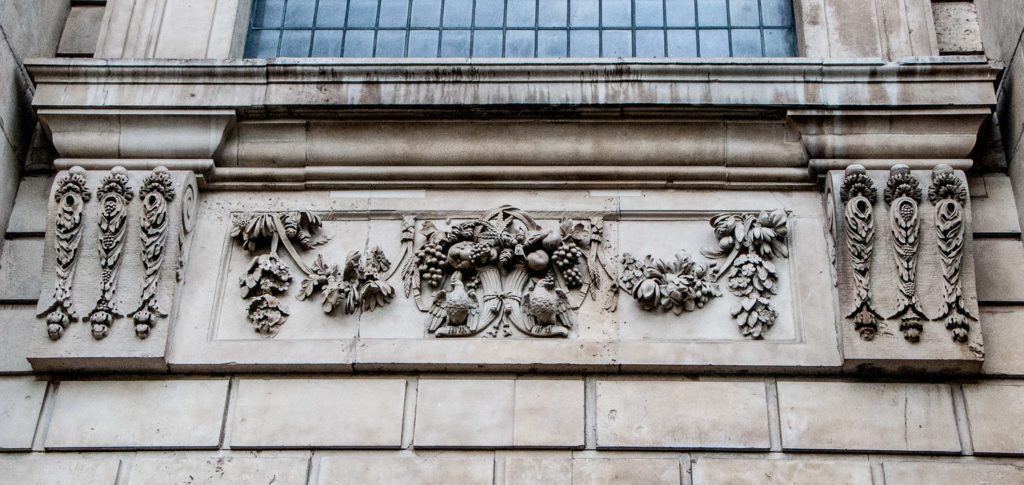
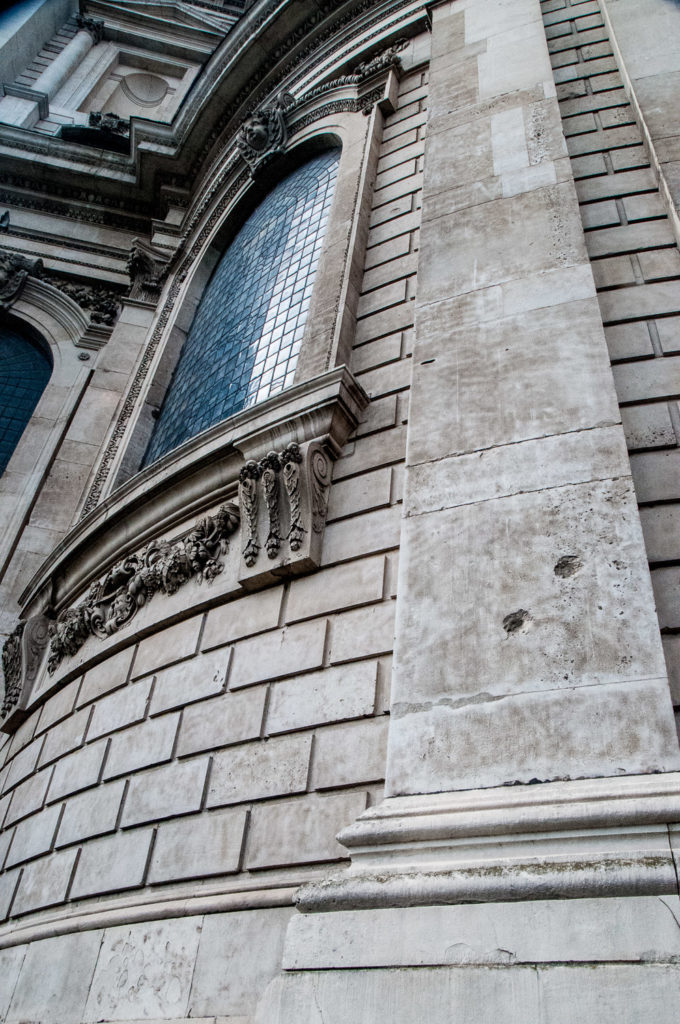
And finally, every time I walk past St Paul’s I am struck by the beauty of the stone carving, take this example …

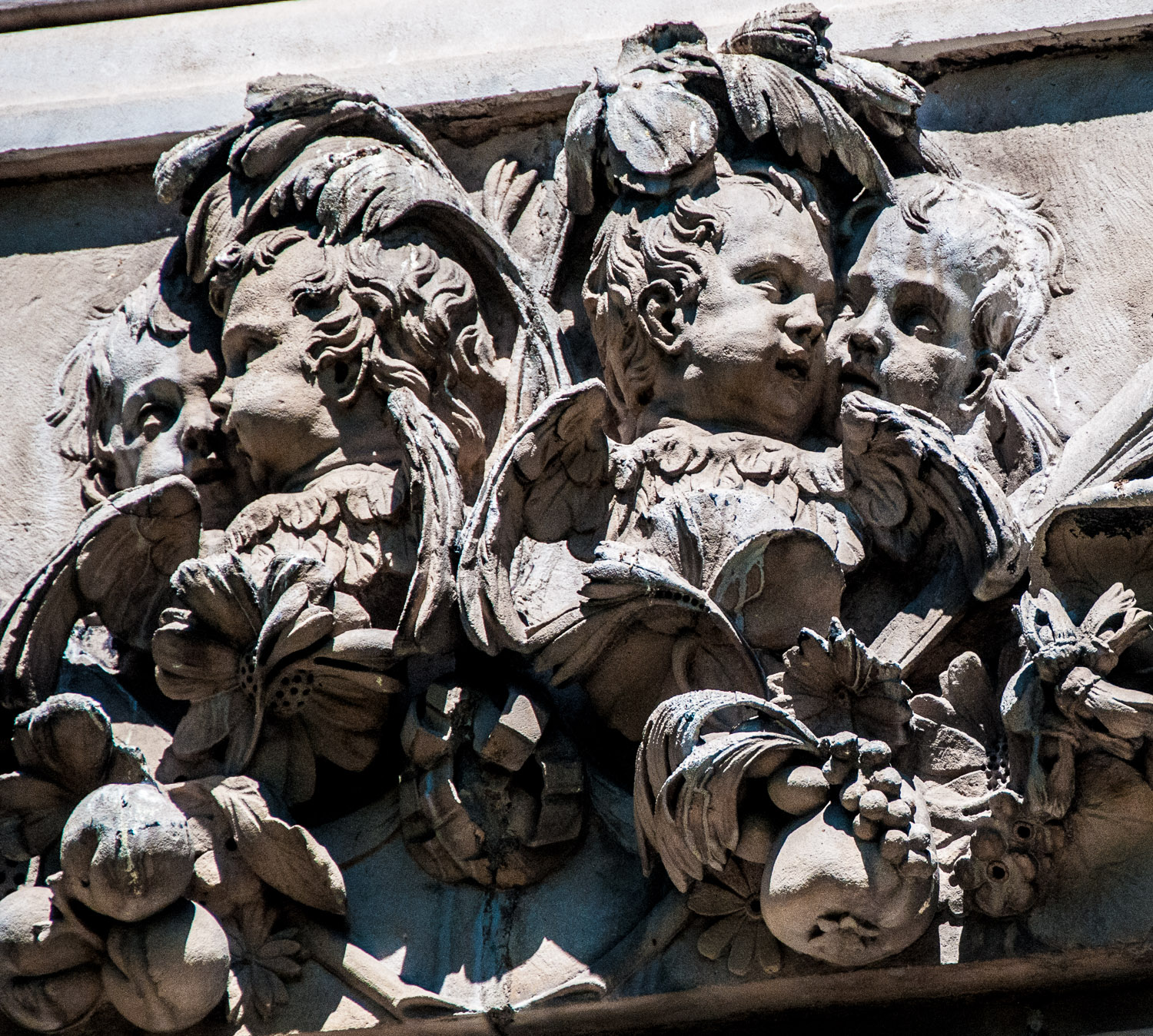
Or this abundance of cherubs …

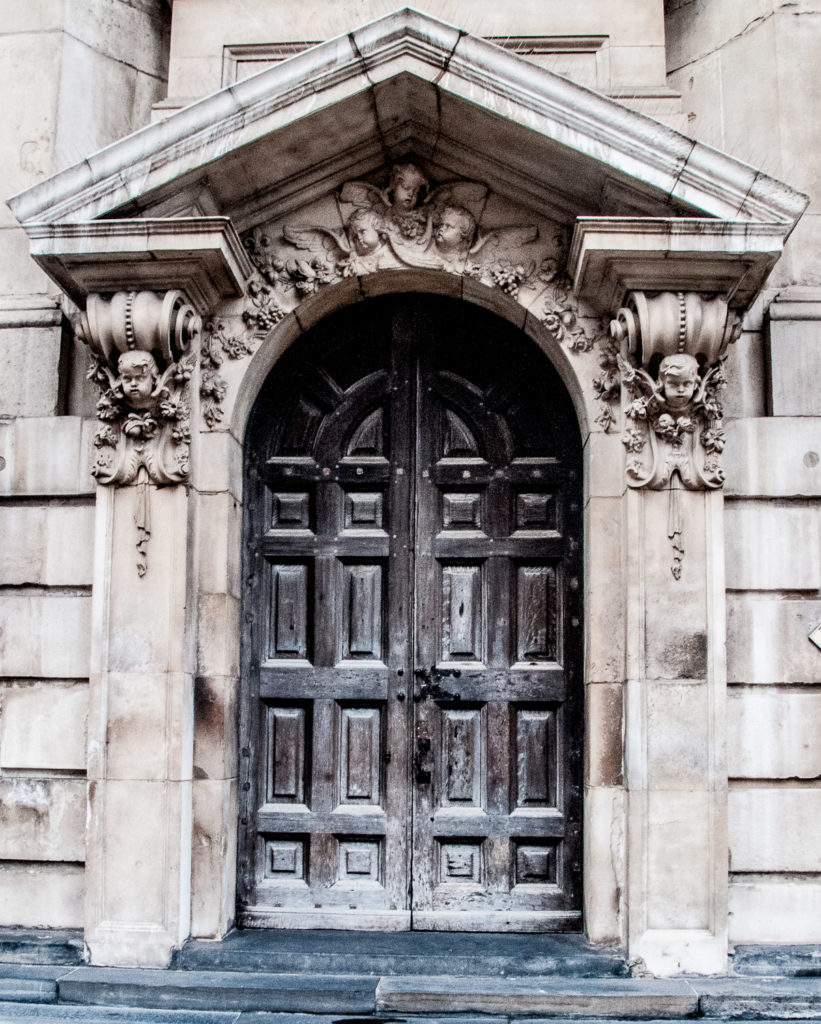
And this meticulous carving around the Dean’s Door …

Christopher Wren paid the sculptor, William Kempster, an additional £20 for the excellence of his work.

As memories of wartime fade, these shrapnel marks from a nearby bomb blast serve to remind us of how close the Cathedral came to destruction …

A number of other City buildings bear scars from World War bombing and you can read about them here.

Don’t forget to find me on Instagram: www.instagram.com/london_city_gent/

My Barbican Architecture Tour Part 2

In last week’s blog I talked about cruise liners and curves. This week it’s castles, crenellations and concrete (I am familiar with the rule ‘always avoid annoying alliteration’ but I just couldn’t help myself).

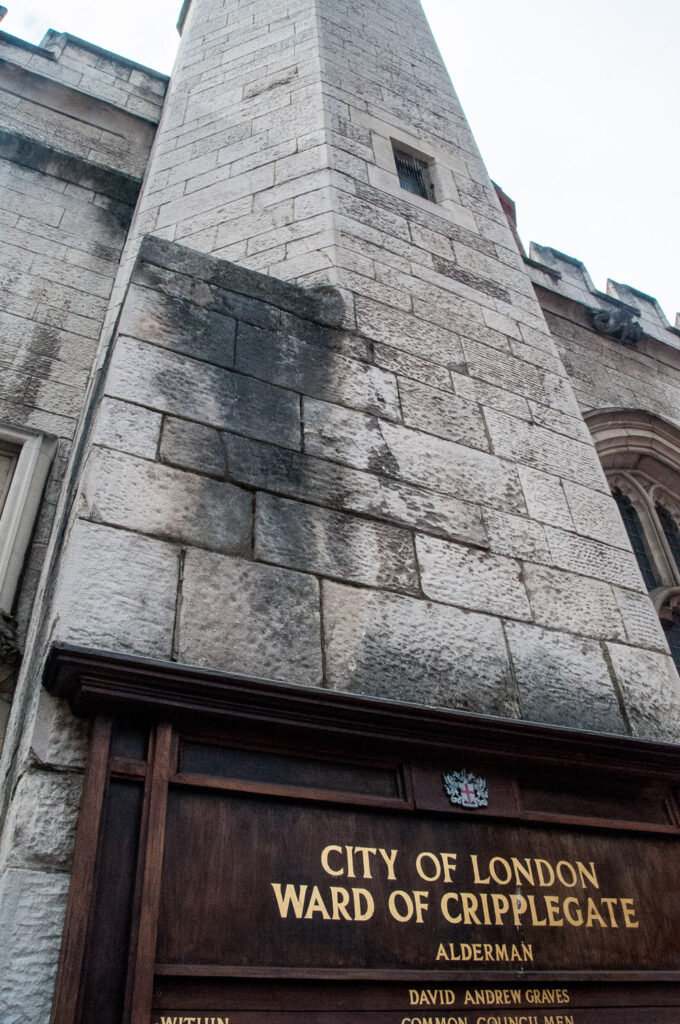
‘Barbican’ used to be the name of a street in a bustling commercial area in the ward of Cripplegate. By the end of the 19th century it was the centre of the rag trade and was home to fabric and leather merchants, furriers, glovers and a host of other tradesmen. You can see it on the so-called Agas map of 1633 …

On the 29th December, 1940, at the height of the Second World War, an air raid by the Luftwaffe razed virtually the entire surrounding area to the ground.

The word (from Old French: barbacane) means a fortified outpost or gateway, such as an outer defence to a city or castle, or any tower situated over a gate or bridge which was used for defensive purposes. And it’s easy to spot the architects’ references to that function as you walk around the 35 acre estate.

What about this entrance to the art gallery …

Those steps look formidable, and those crenellations (aka battlements) look like they are there to house a castle’s defenders.

Inside the walls are thick and the gates ready to be clanged shut against intruders …

More battlements look down on the Sculpture Court …

Where you can also spot some slits for archers to use …

Along the highwalk the archers’ reference is even more obvious …

It can also be seen on the extraordinary pyramid-topped entrance on Aldersgate, and even the bridge looks like a defensive structure (I’m thinking World War 2 pill boxes) …

Interesting shadows form at certain times of day …

The architecture responds very well to being photographed in monochrome, for example these crenellations at the top of the towers …

And this vertiginous view …

There are three flats per floor arranged within a triangular plan. Entrances, circulation spaces, lifts and escape stairs are in the centre of the tower.

These classical looking columns appear to support the structure …

The Barbican is the best surviving example of the post-war plan to separate pedestrians and traffic using raised pavements, rather clumsily called ‘pedways’. The plan failed due to a combination of the need to protect listed buildings, lack of coordination and the public’s reluctance to climb away from street level and embrace a new elevated world.

You can observe this part of the highwalk stopping in mid-air, its further progress into the City impeded by the wall of the Museum of London …

The often-derided yellow line was painted to help visitors navigate their way to the Centre …

Gilbert Bridge

It reminds me of a drawbridge over a moat since I saw it from the east end of the estate …

There was a plan at one time to run a road through the development roughly where Gilbert Bridge is now in order to preserve the north-south access lost in the bombing. Needless to say the architects objected and their argument prevailed.

The architecture here is often described as Brutalist, the term being derived from the French béton brut, meaning raw or unfinished concrete. Although the concrete at the Estate was left exposed, it was not unfinished, having been pick-hammered to give it a rough, rusticated appearance implying a sense of monumentality. You can see examples of raw and pick-hammered concrete side by side at the entrance to the Conservatory …

Getting the desired effect was incredibly labour intensive. After the concrete had dried for at least 21 days, workers used handheld pick-hammers or wider bush-hammers to tool the surface and expose the coarse granite aggregate …

We were told that the hammering needed for the entire Estate, including the towers, was carried out by a team of only six men.

Our tour guide not only imparted information about the architecture but also lots about the history of the Estate and the surrounding area. Highly recommended! It’s free and you can book on the website.

Page 11 of 16

Powered by WordPress & Theme by Anders Norén

Symbols & Secrets
Privacy Overview

This website uses cookies so that we can provide you with the best user experience possible. Cookie information is stored in your browser and performs functions such as recognising you when you return to our website and helping our team to understand which sections of the website you find most interesting and useful.