Walking the City of London

Category: Sculpture Page 26 of 43

Reflections, colours and shapes – what fun I have had.

Sometimes, when the weather is nice, I find it great fun to just wander about taking whatever images I fancy, hoping they will eventually build into some kind of coherent whole. For a while now, sunshine has drawn me into looking at subjects in a slightly more abstract way rather than trying to make them tell a story, and this blog is the result.

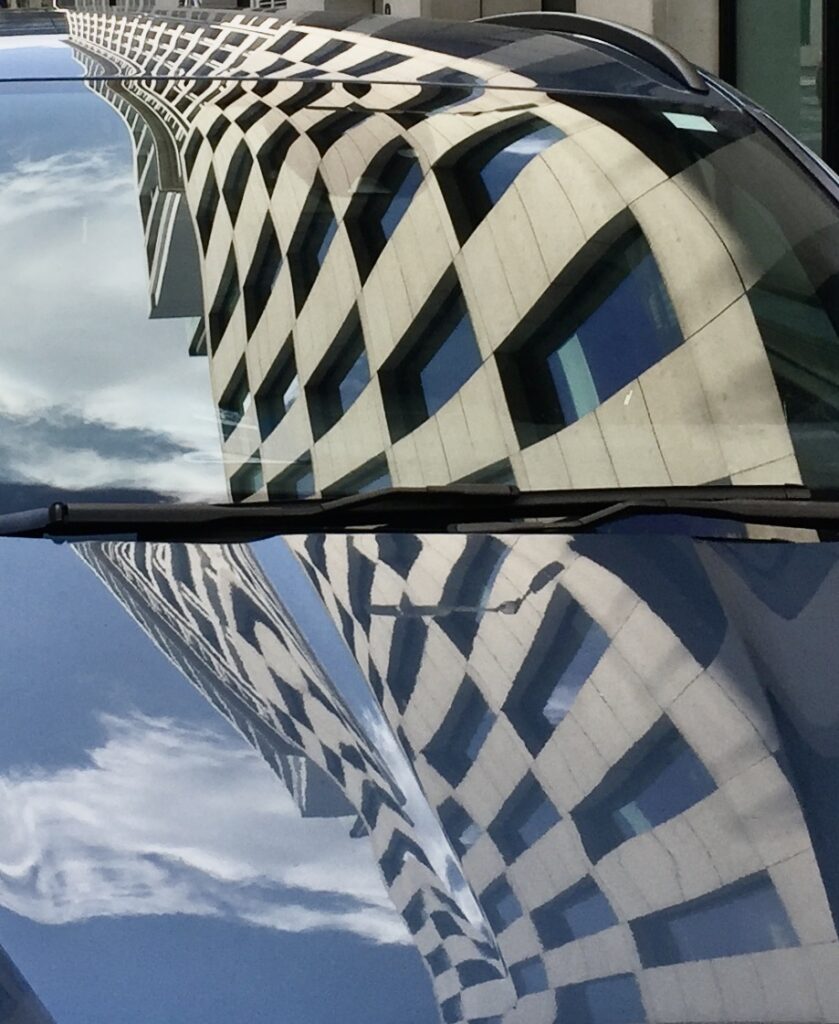
I am really, really proud of this image. It’s the reflection on the bonnet and windscreen of a car parked in Wood Street. I love the way the nearby building seems to stretch away into infinity …

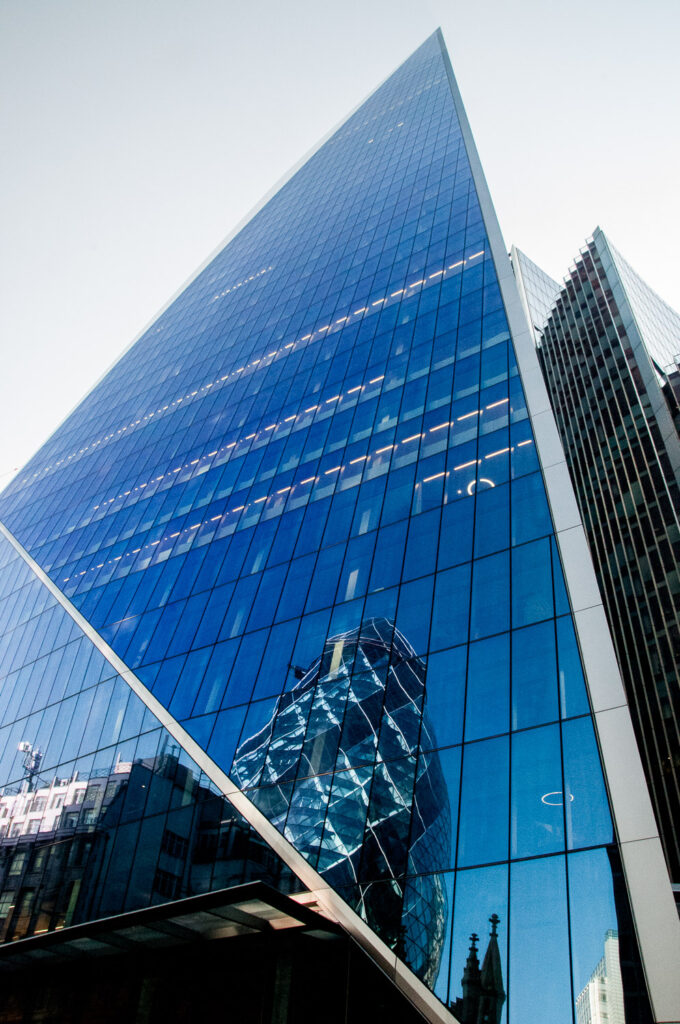
The Gherkin and part of the tower of St Andrew Undershaft are reflected in the Scalpel skyscraper (EC3M 7BS) …

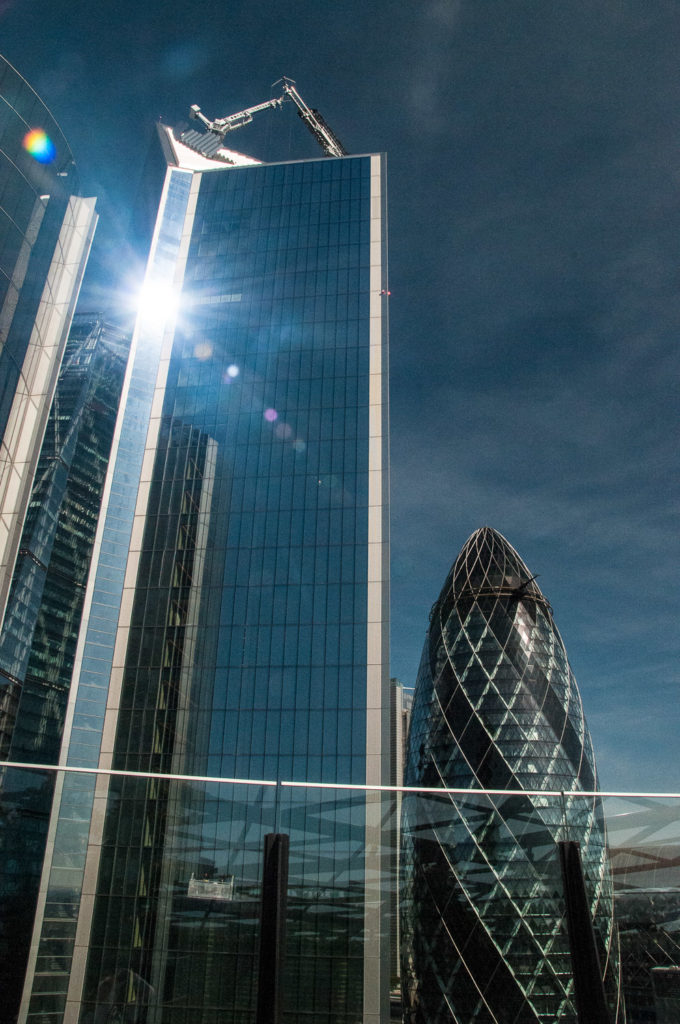
The poor Gherkin is gradually vanishing behind its more intrusive neighbours …

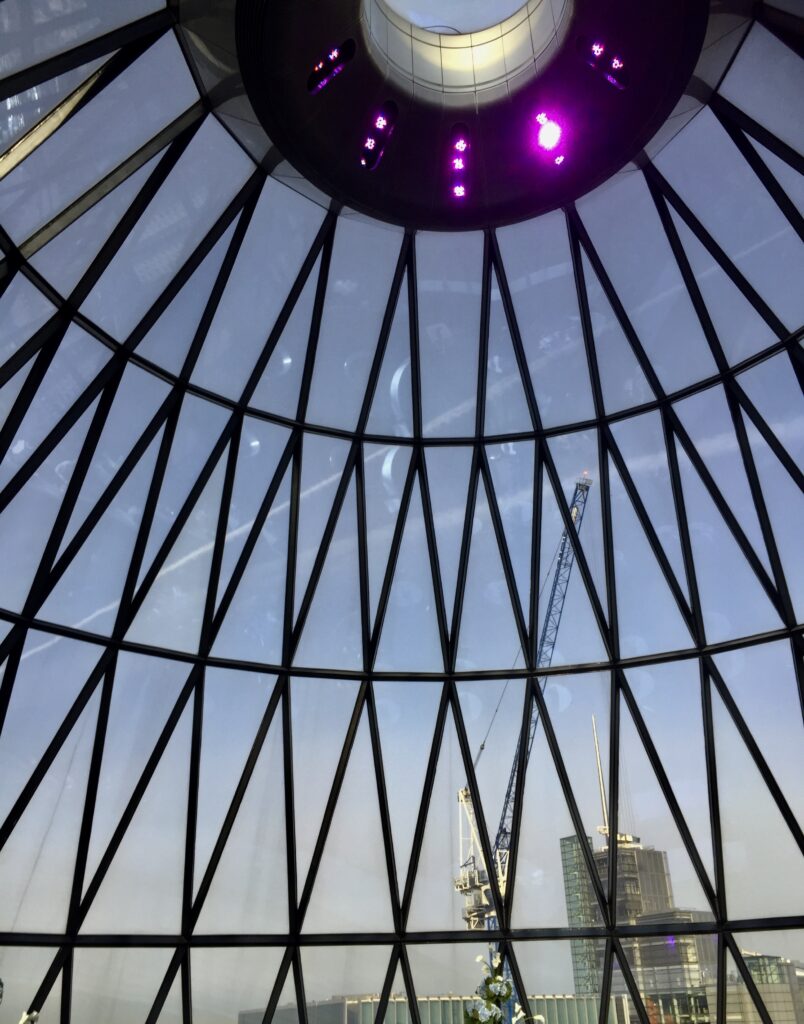
But it’s still great to visit the restaurant on the roof and just look up …

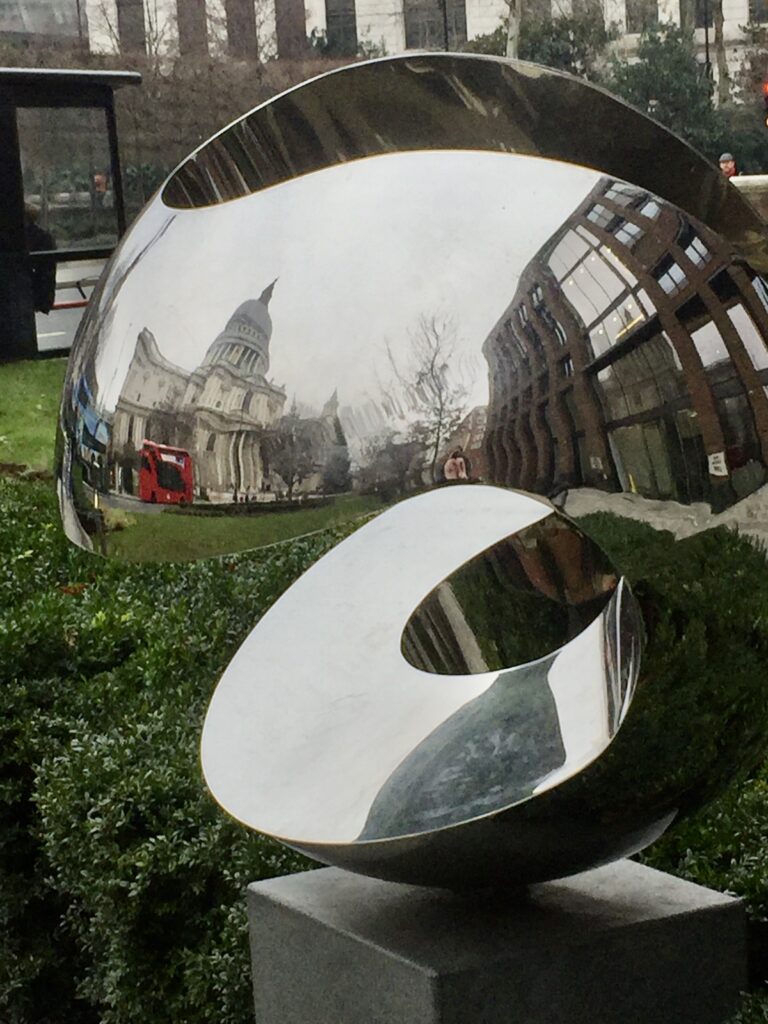
A mirror sculpture across the road from St Paul’s Cathedral – I waited specially for the red bus …

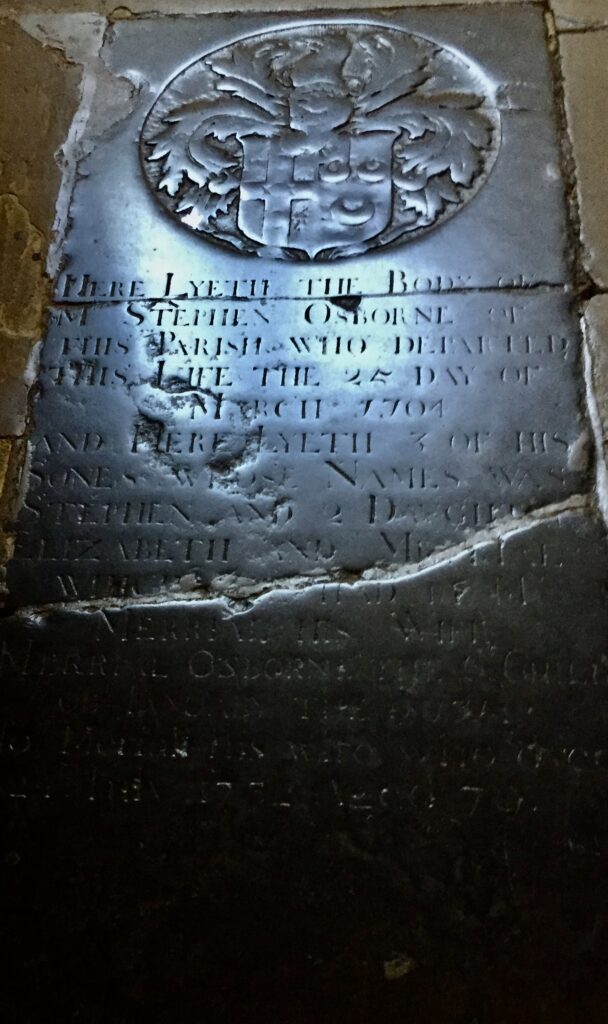
Stephen Osborne was laid to rest here almost 320 years ago and since then the sunlight has been reflecting off his gravestone in the south aisle of Southwark Cathedral (SE1 9DA). Hundreds of years of footfall have worn down the elaborate family coat of arms but the quality of the stone and the carving mean we still know today the name of the person it commemorates …

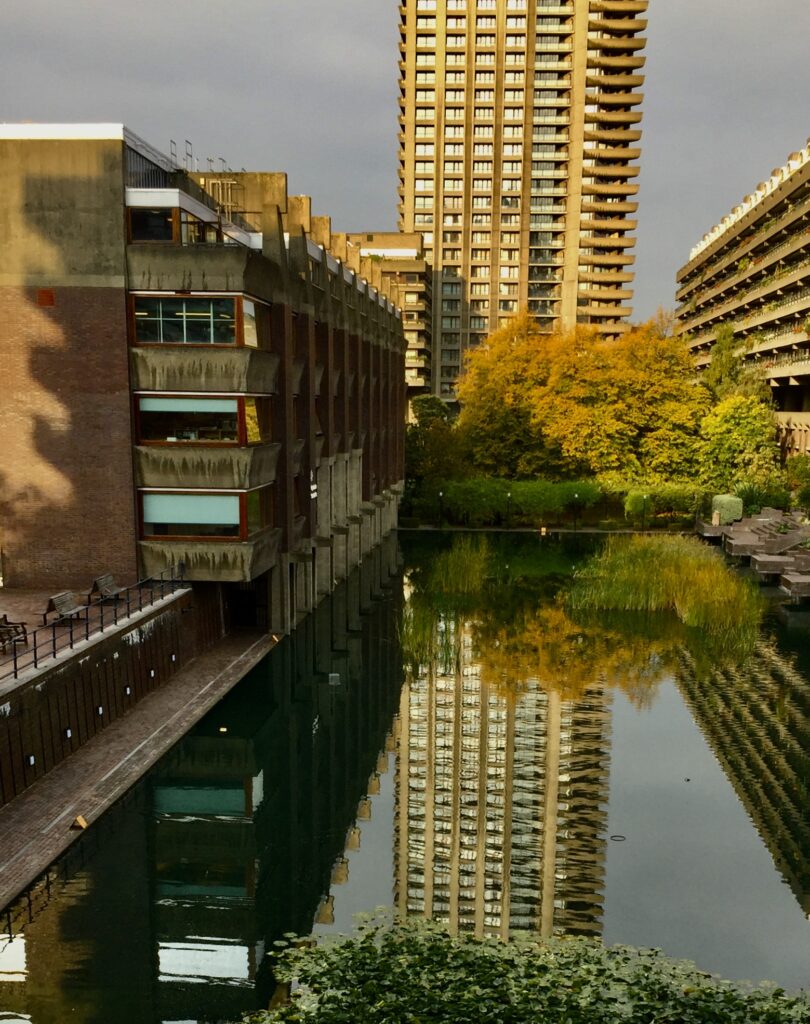
Early morning colours, reflections and shadows …

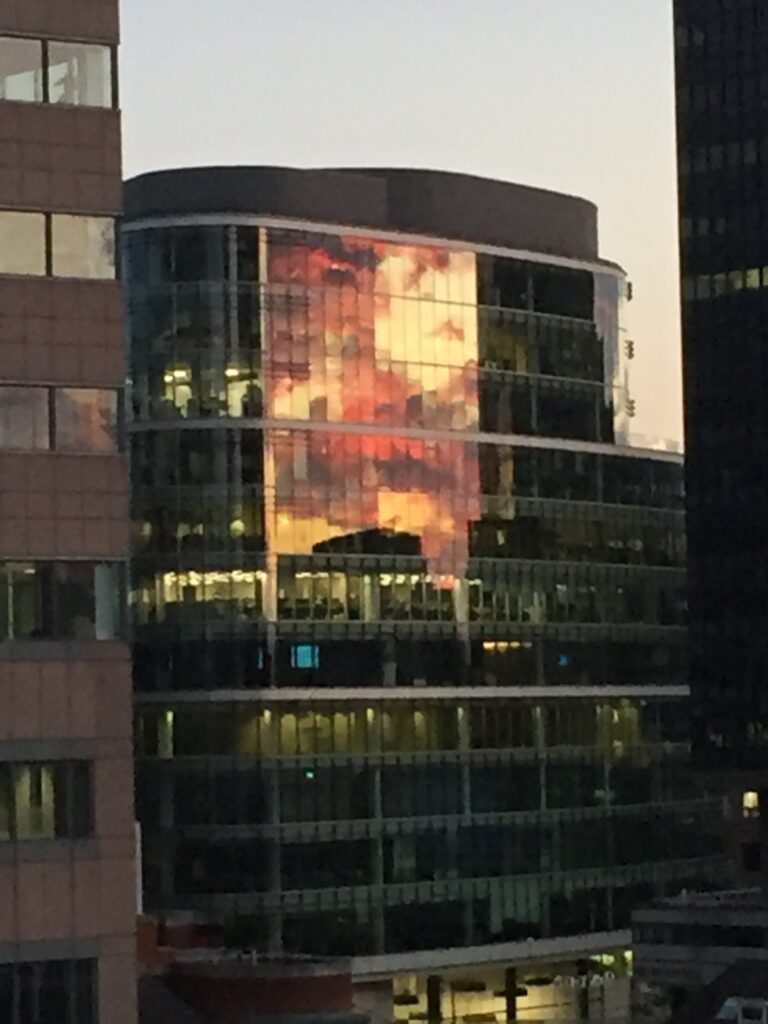
A fiery, dramatic sunset reflection …

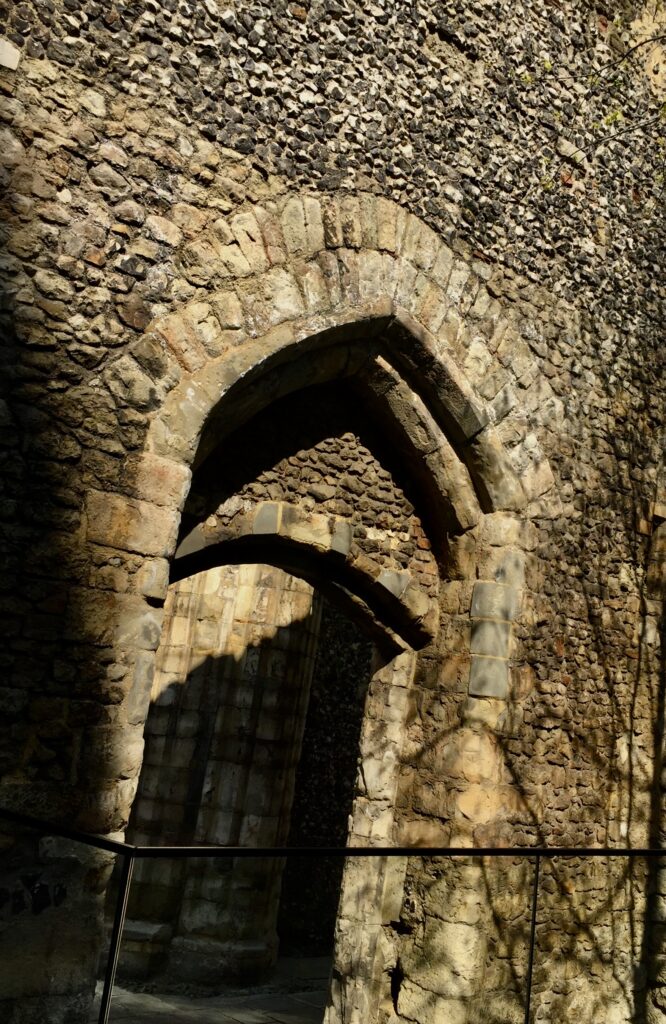
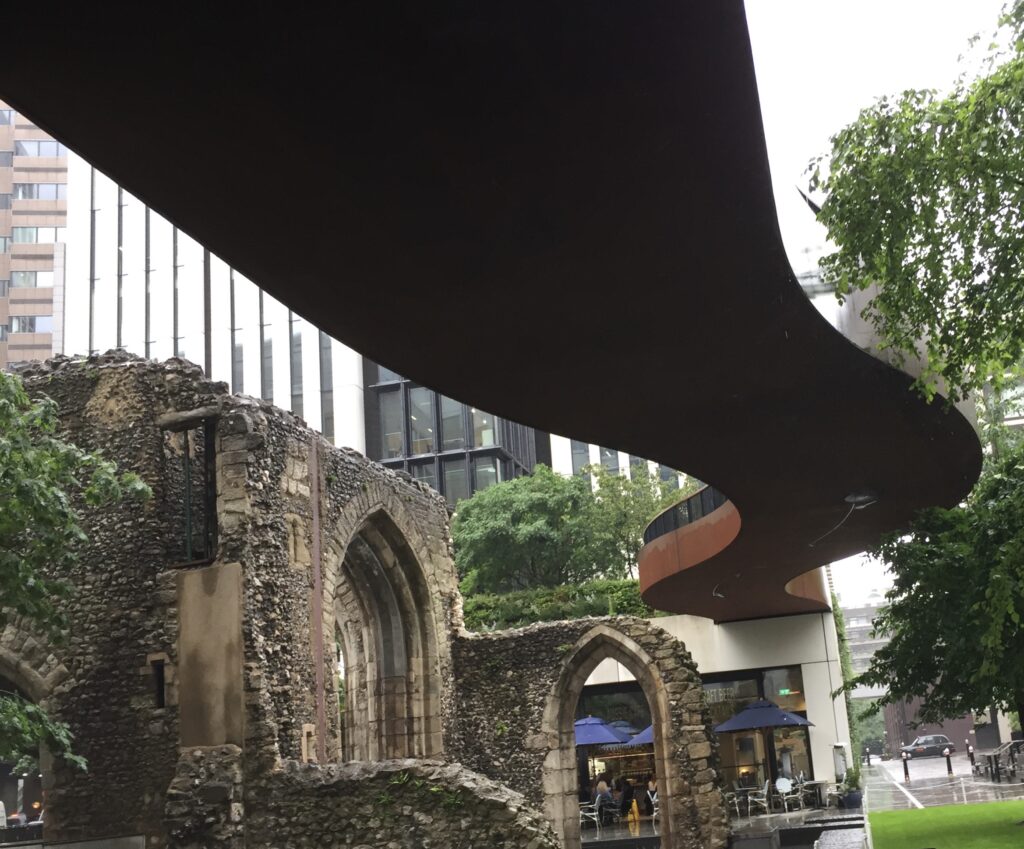
These walls alongside London Wall are from the chapel of St Mary Elsing. It was part of a hospital and priory which had been founded by Sir William Elsing early in the 14th century. I can just imagine a hunched medieval monk or nun emerging from the shadows …

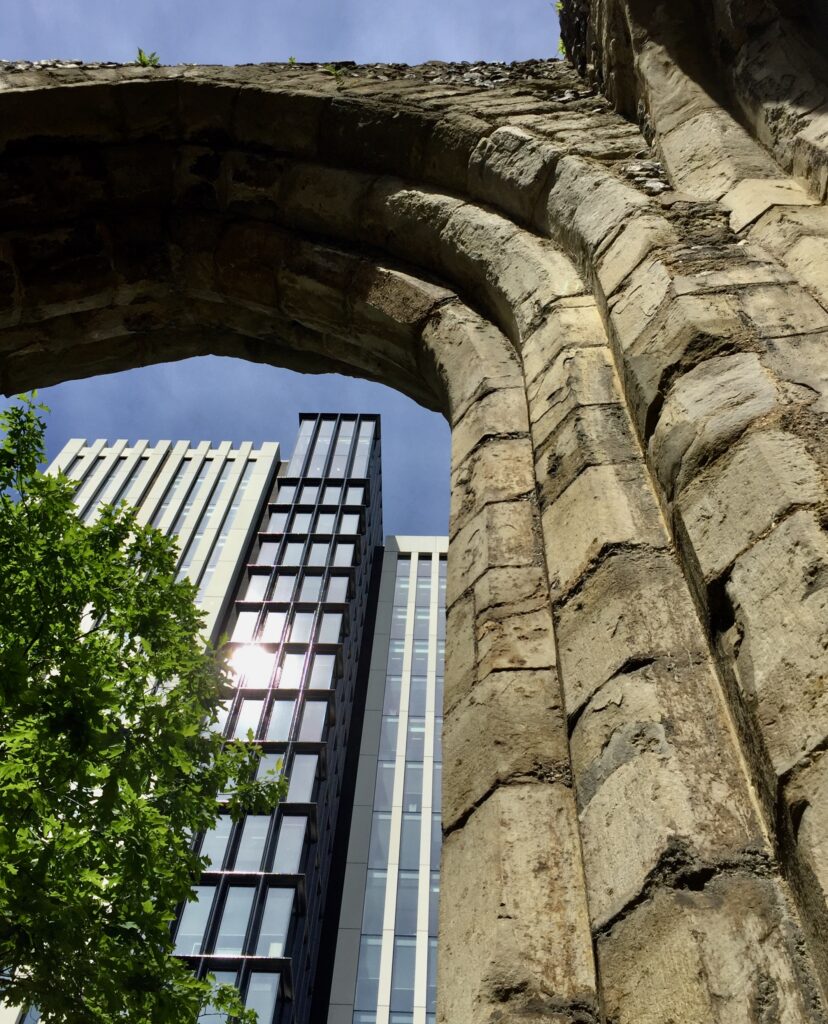
If they could look up they’d get a bit of a shock. I like the way the modern building is framed by a six hundred-year-old arch …

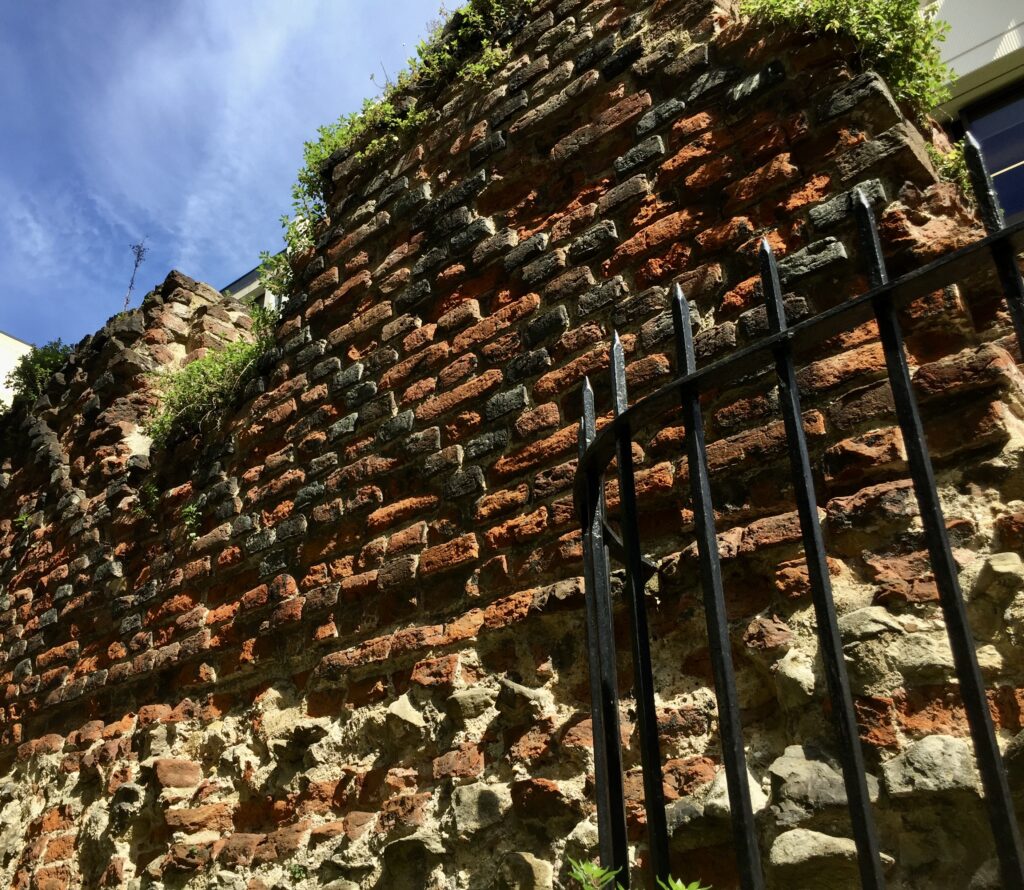
Nearby are the lovely red bricks and diamond patterns of the medieval wall, built on top of the original Roman fortification (EC2Y 5DE) …

Now for some more colour.

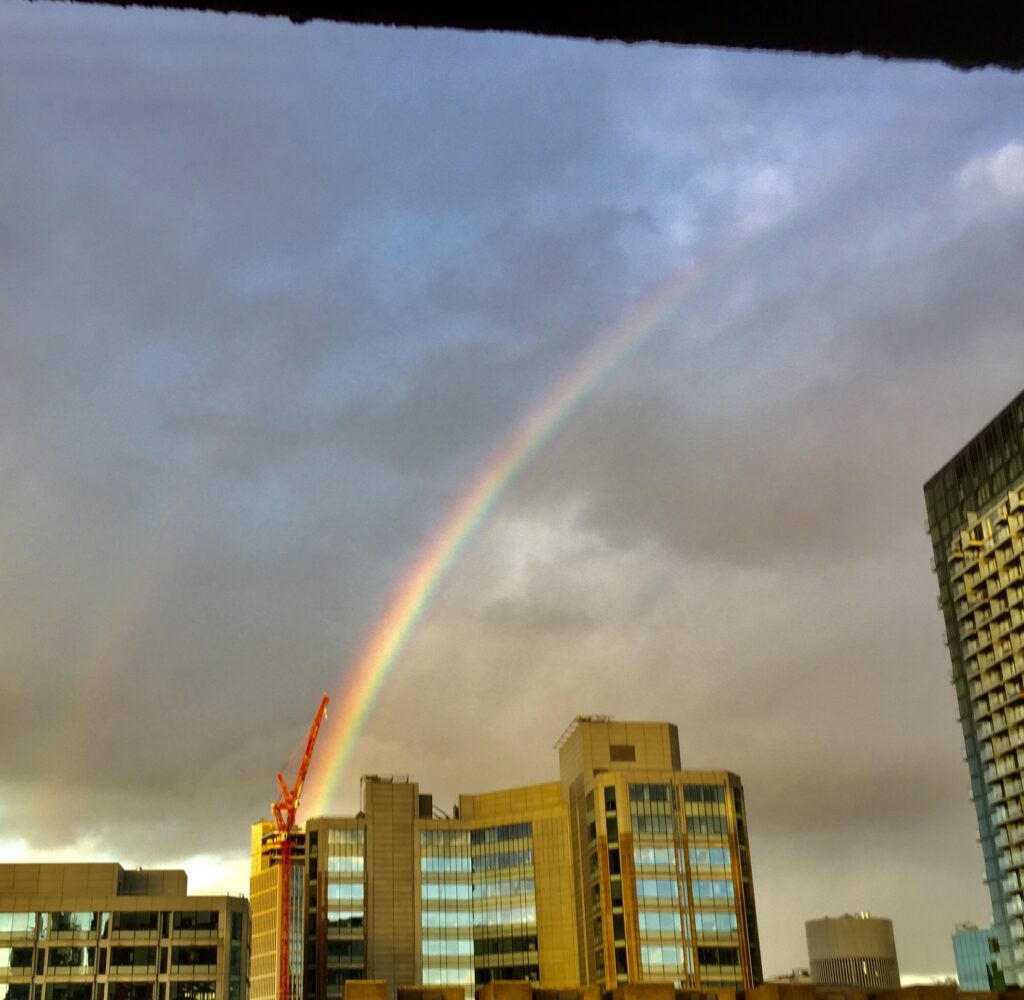
A lucky shot – red crane and rainbow (a double rainbow, actually, if you look carefully) …

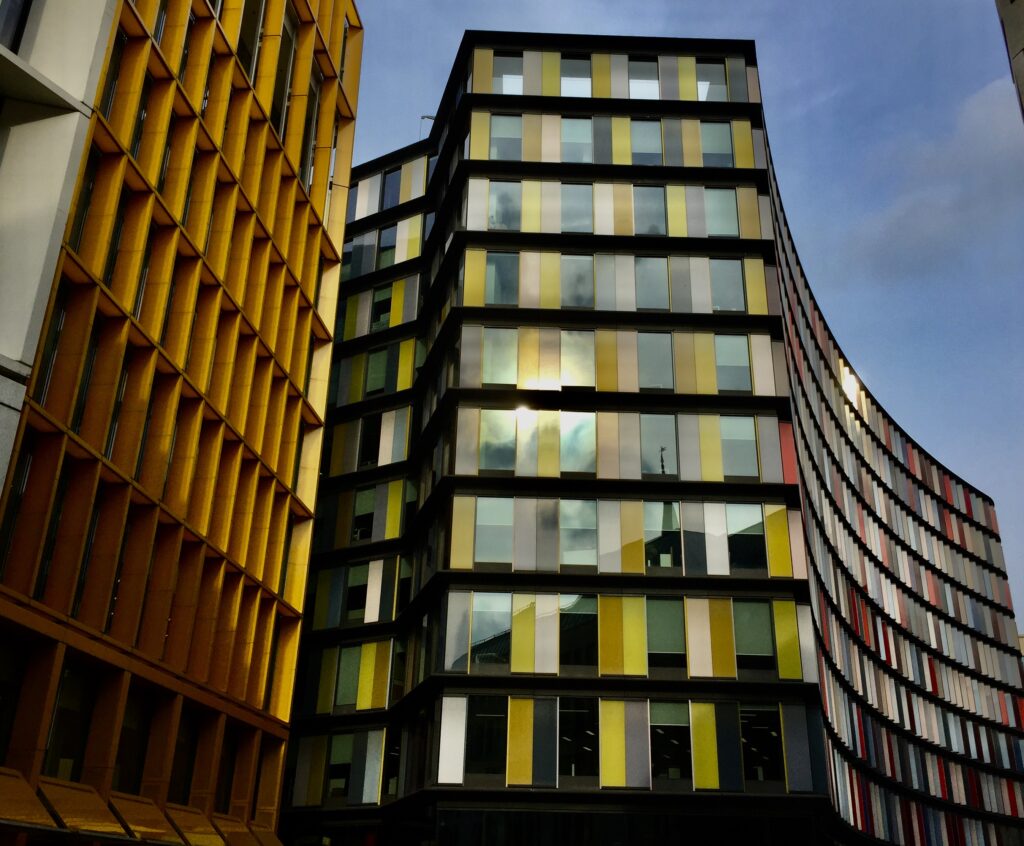
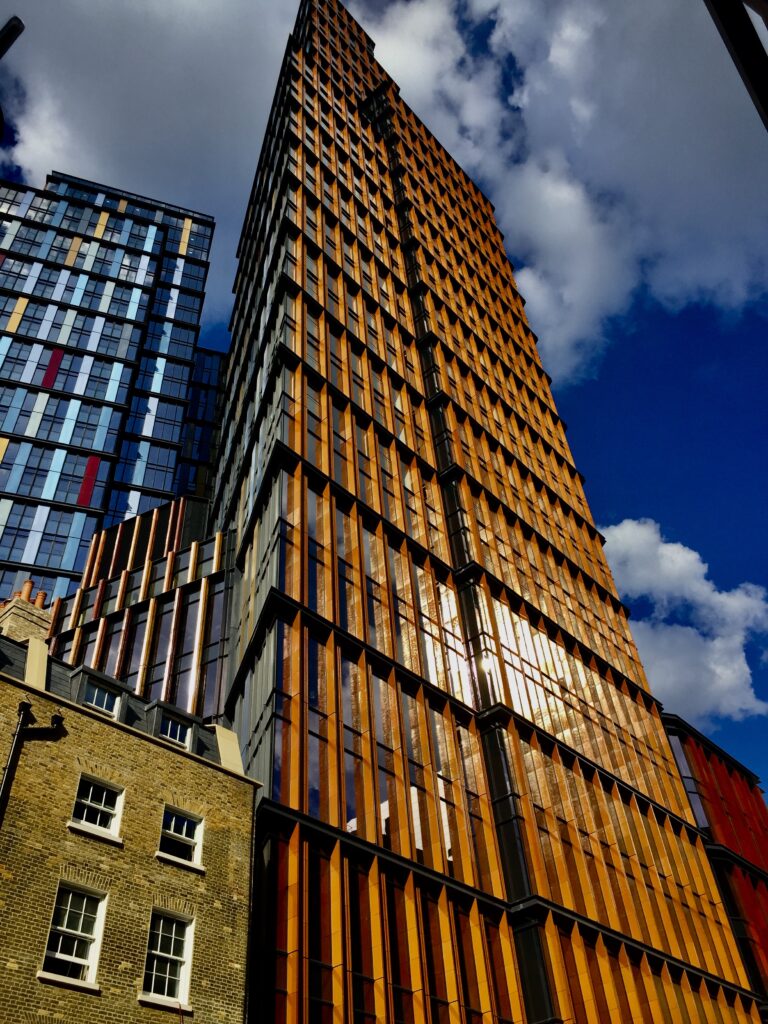
Modern architects seem to be using colour more adventurously …

Offices in Old Bailey – EC4M 7NB
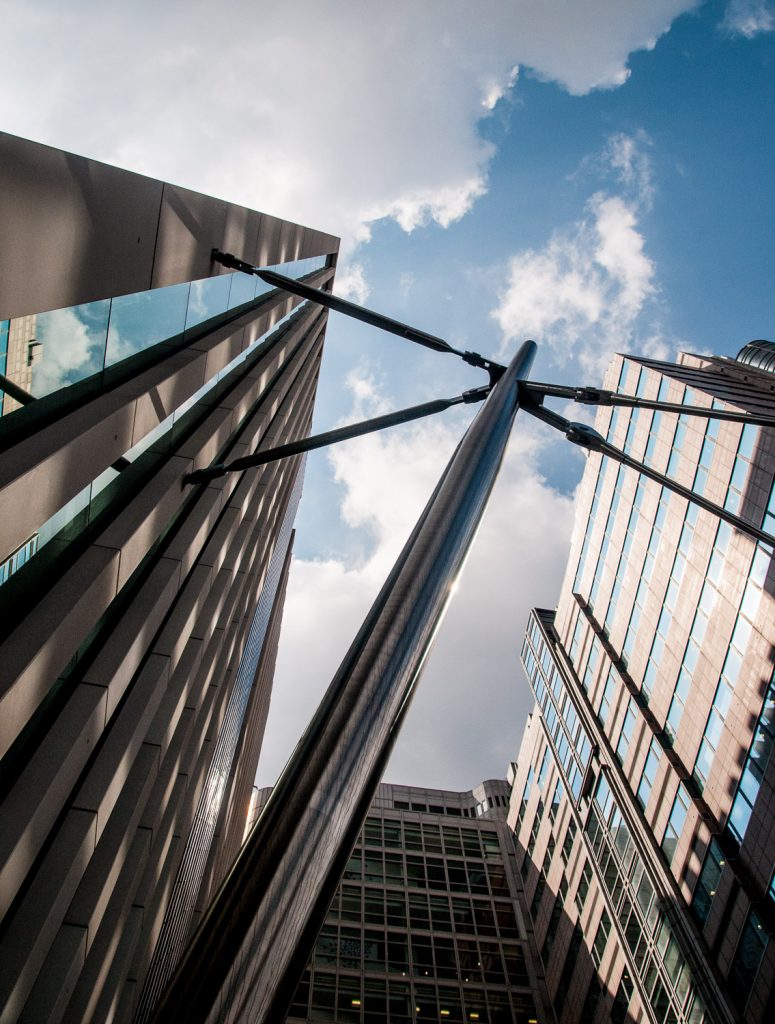
View looking up from Sun Street (EC2A). The Georgian terrace house in the foreground and its neighbours are being converted into a hotel.

I like 88 Wood Street, but it’s a bit hemmed in by other buildings (EC2V 7QF) …

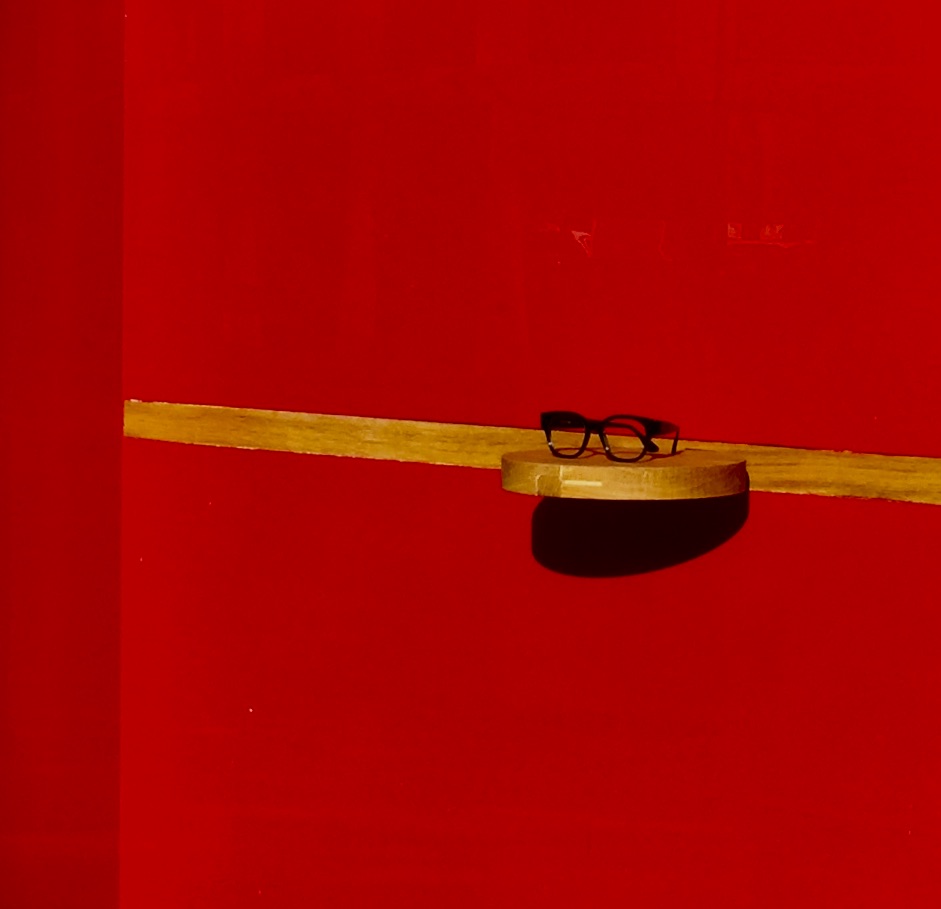
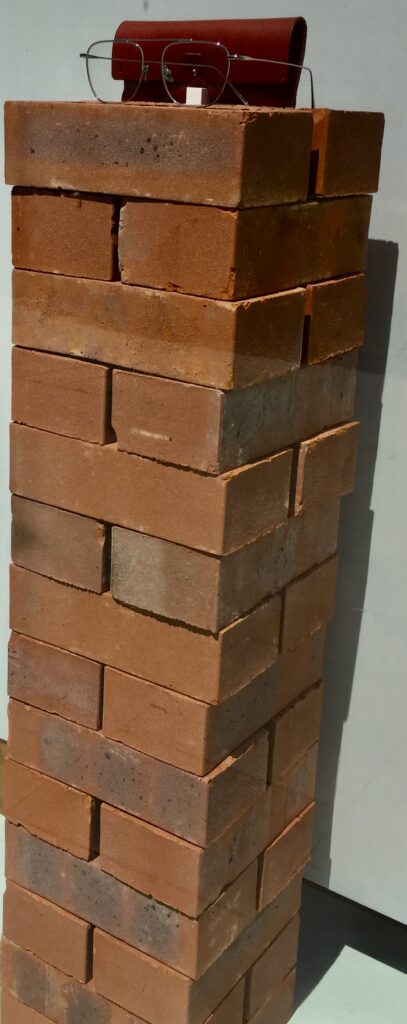
This optician on London Wall likes rather wacky window displays (EC2Y 5JA) …

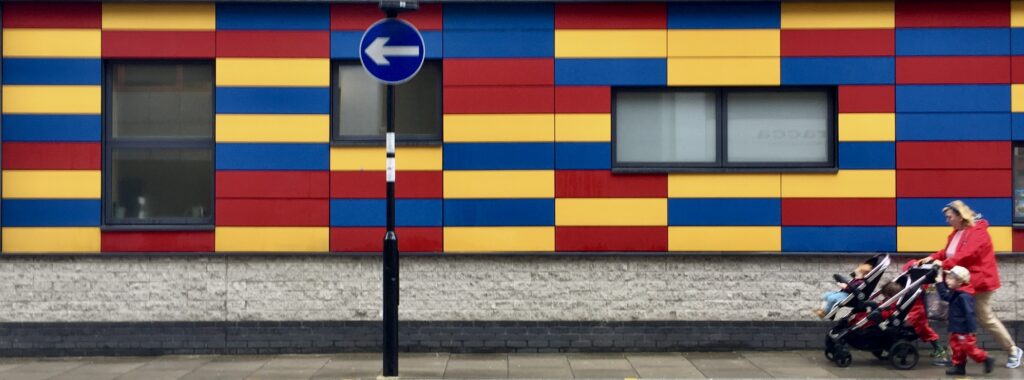
Lady in red on Whitecross Street (EC1Y 8JA). She’s walking past the colourful exterior of the Prior Weston Primary School campus …

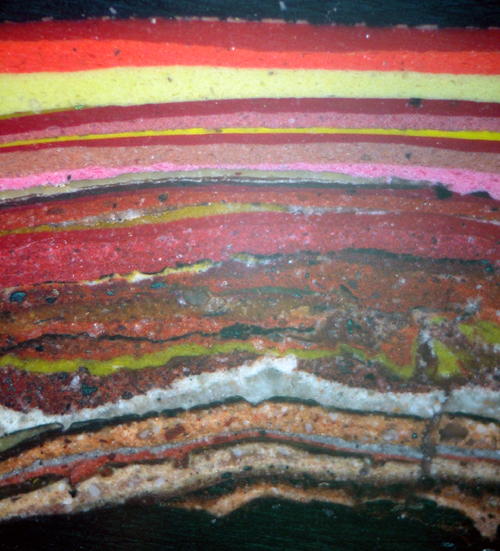
Now some very old colours. Crafts people restoring Holborn Viaduct recently discovered layers revealing 150 years of repainting …

Time for some shapes and shadows.

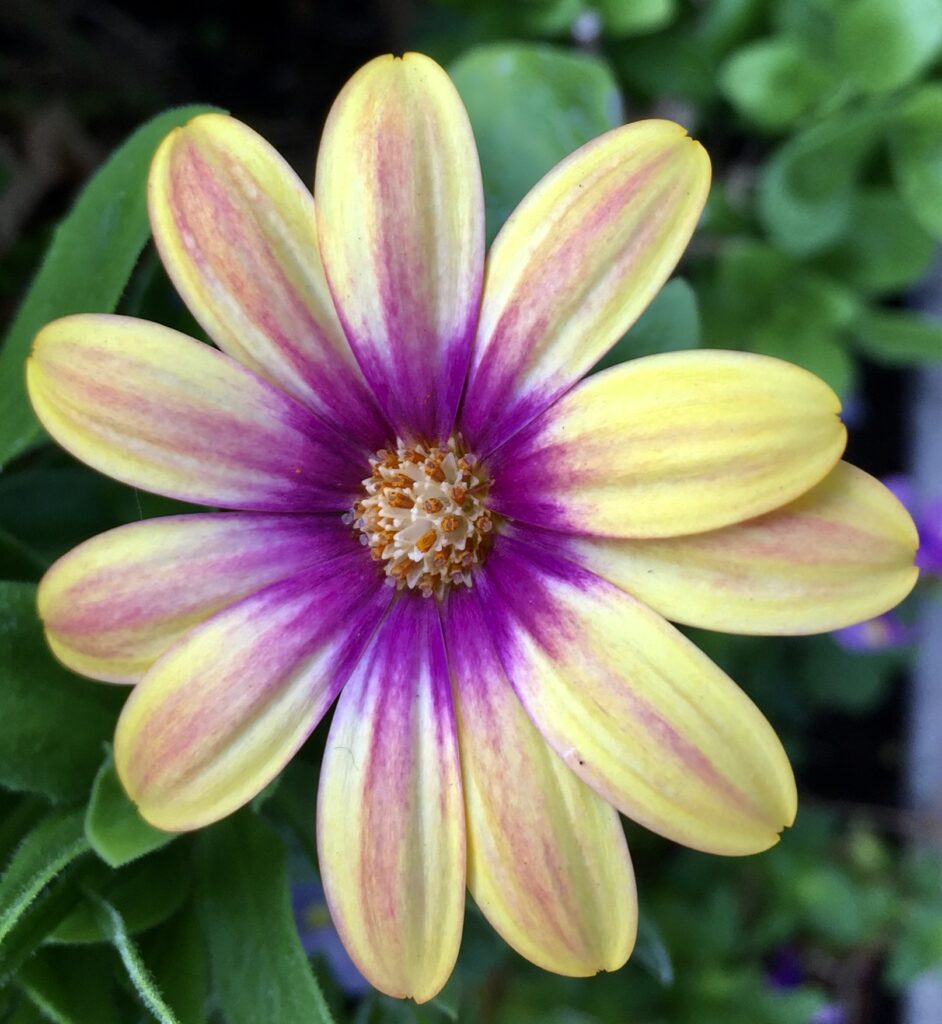
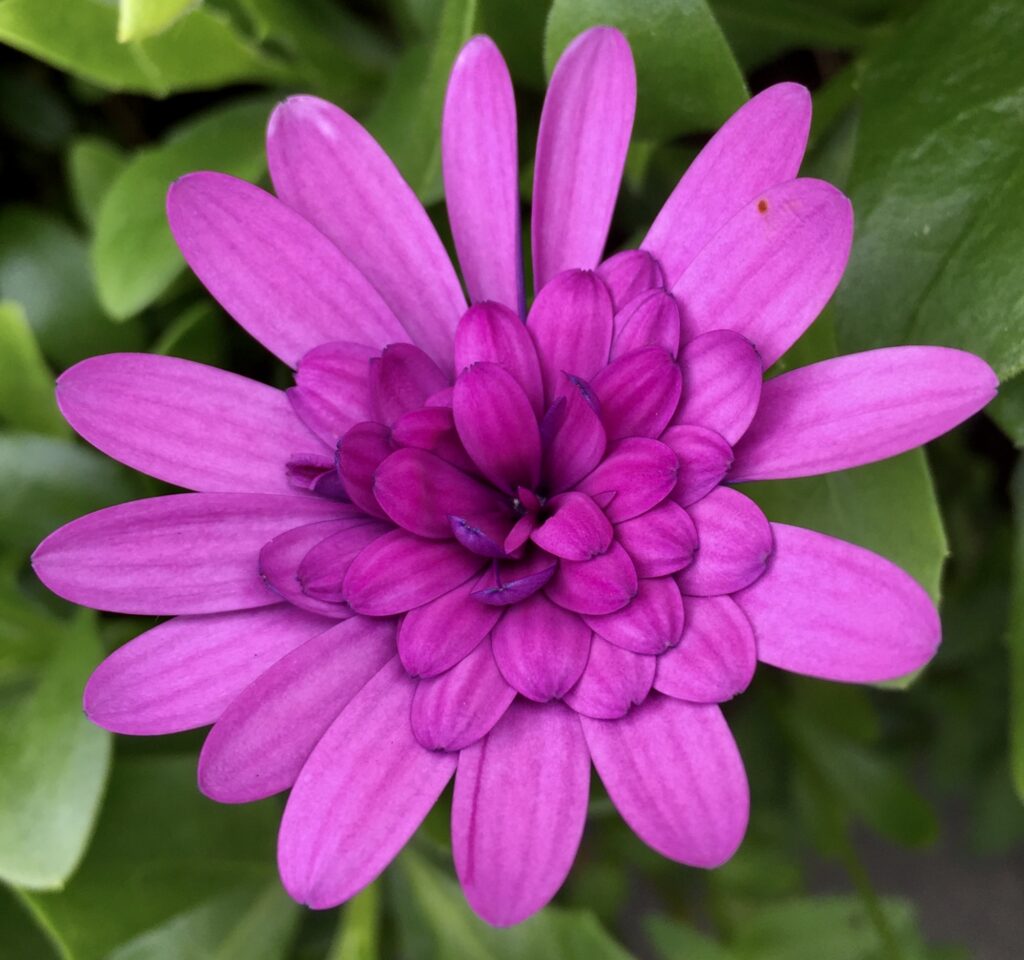
No one does symmetry quite like Mother Nature …

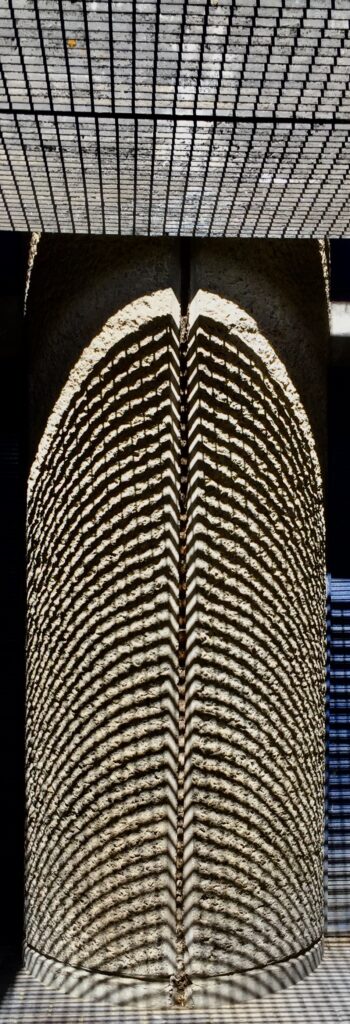
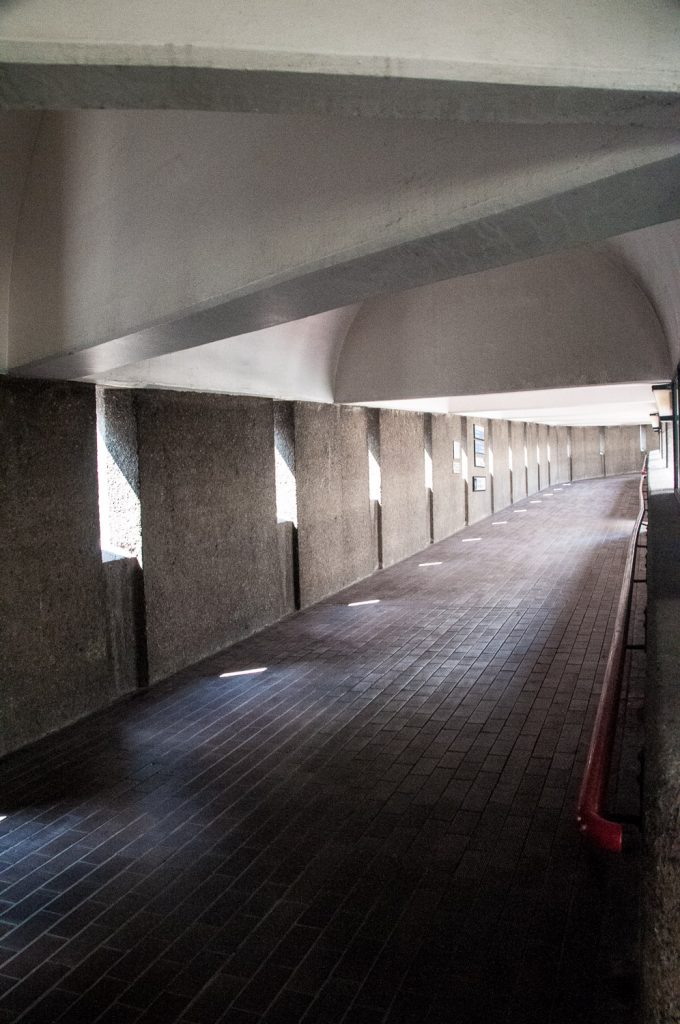
A concrete buttress in a car park resembles the prow of a ship as the sun shines through the grating above …

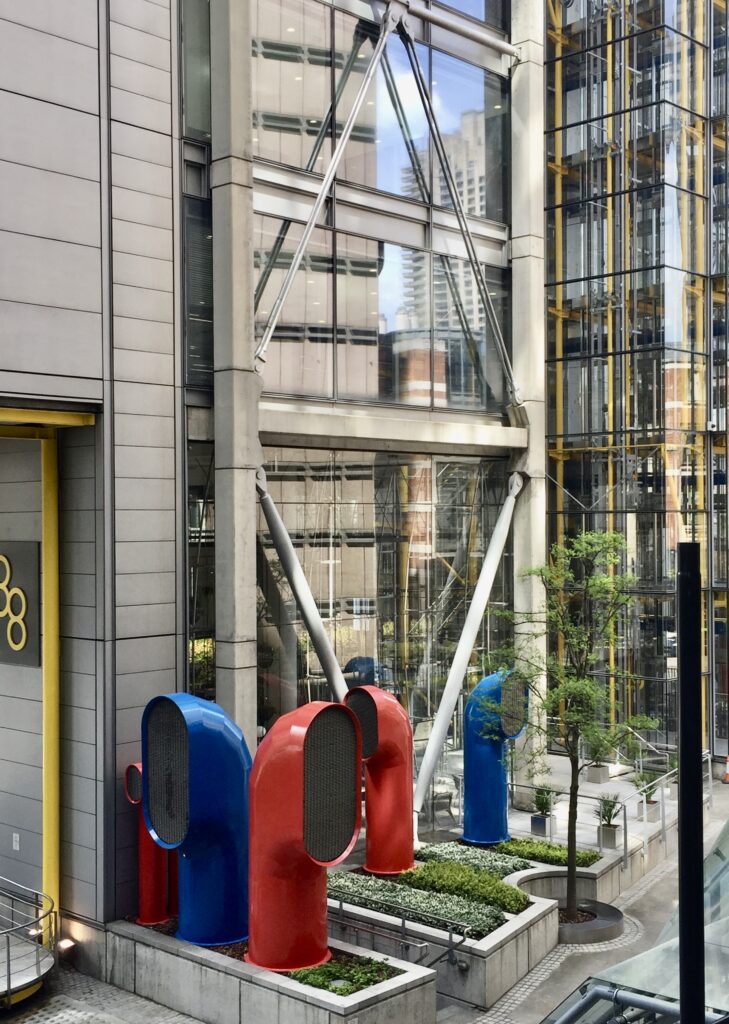
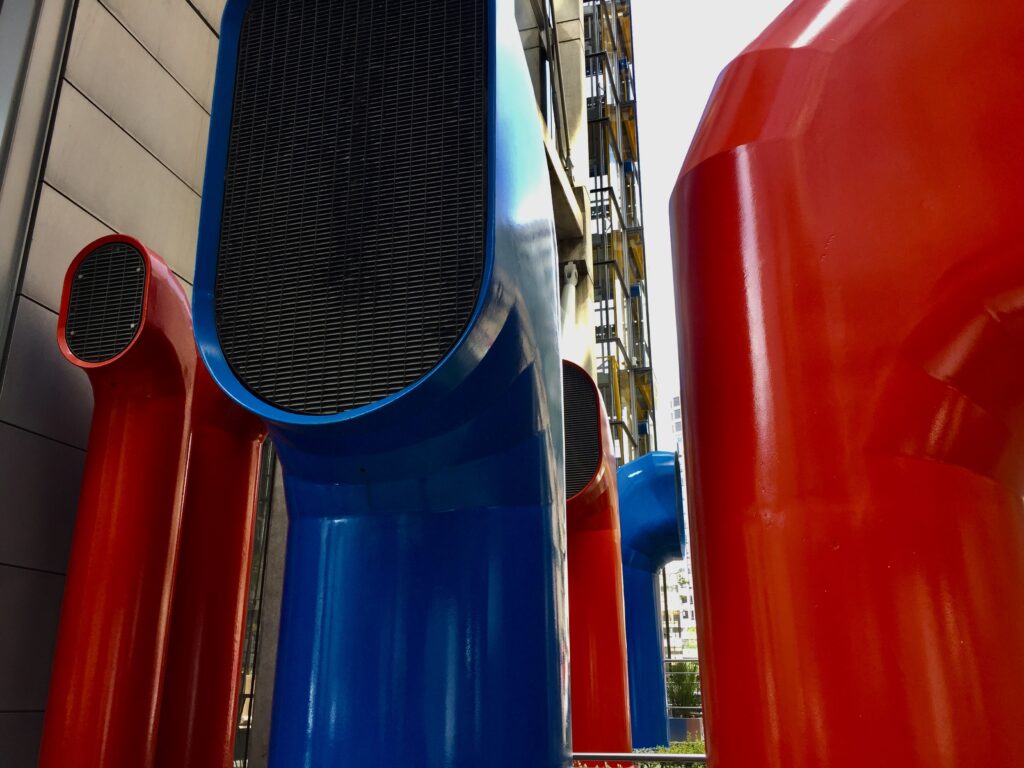
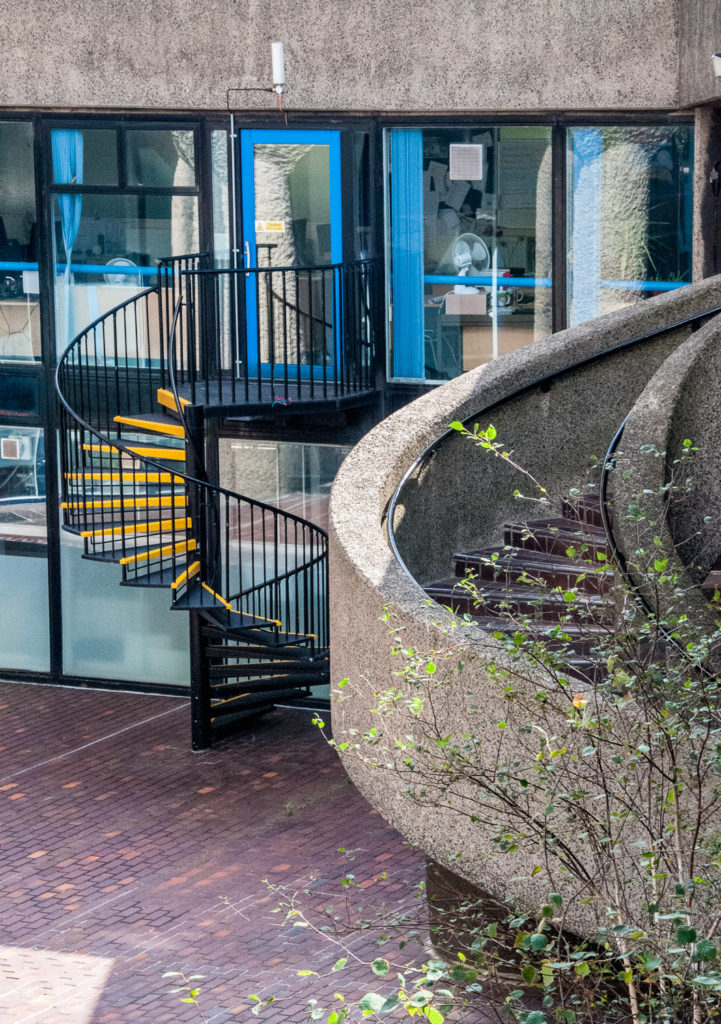
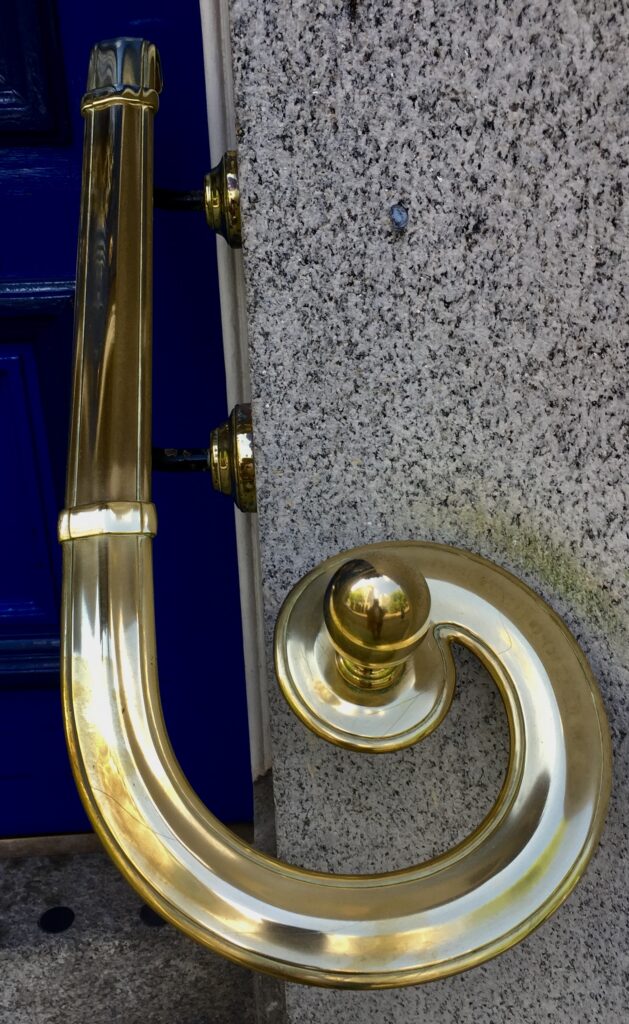
Practicality combined with aesthetic beauty …

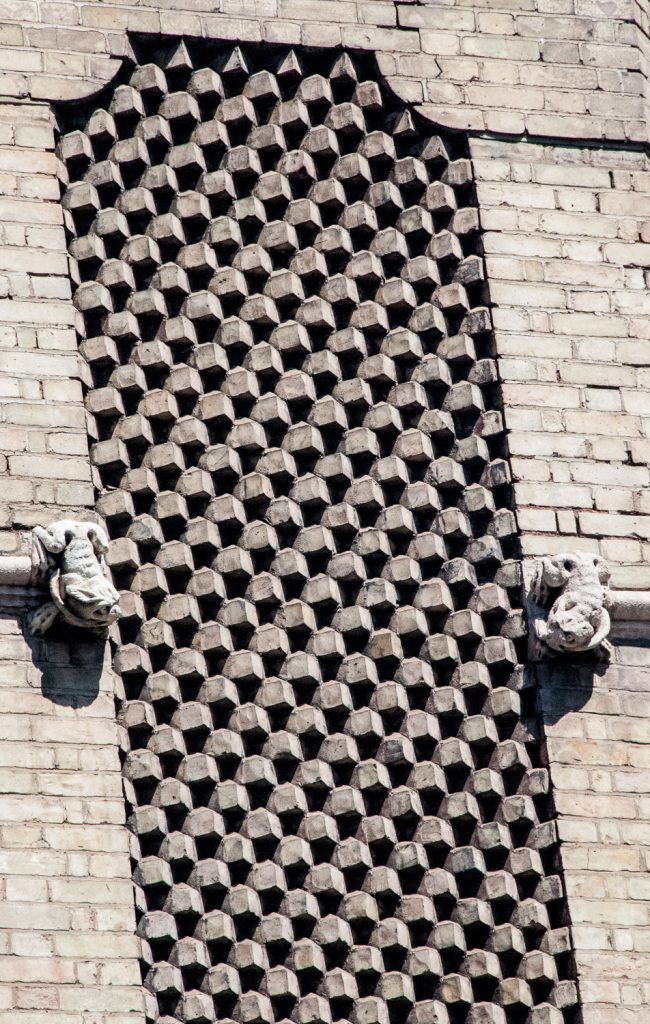
At the corner of Clerkenwell Road and St John Street is the building which once housed the Criterion Hotel (EC1V 4JS). Look up and you will see this lovely, painstakingly created Victorian brick decoration. I don’t know what the frogs represent, or maybe they are toads …

Read more about the area in my blog City of London Pub Ghosts.

Where the Barbican archers will be placed if the Estate requires defending …

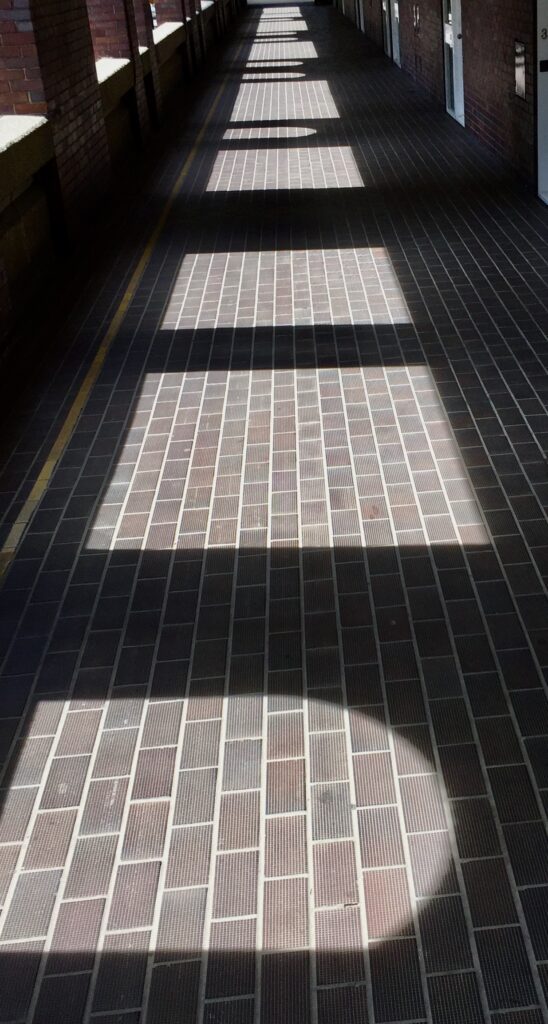
More morning shadows …

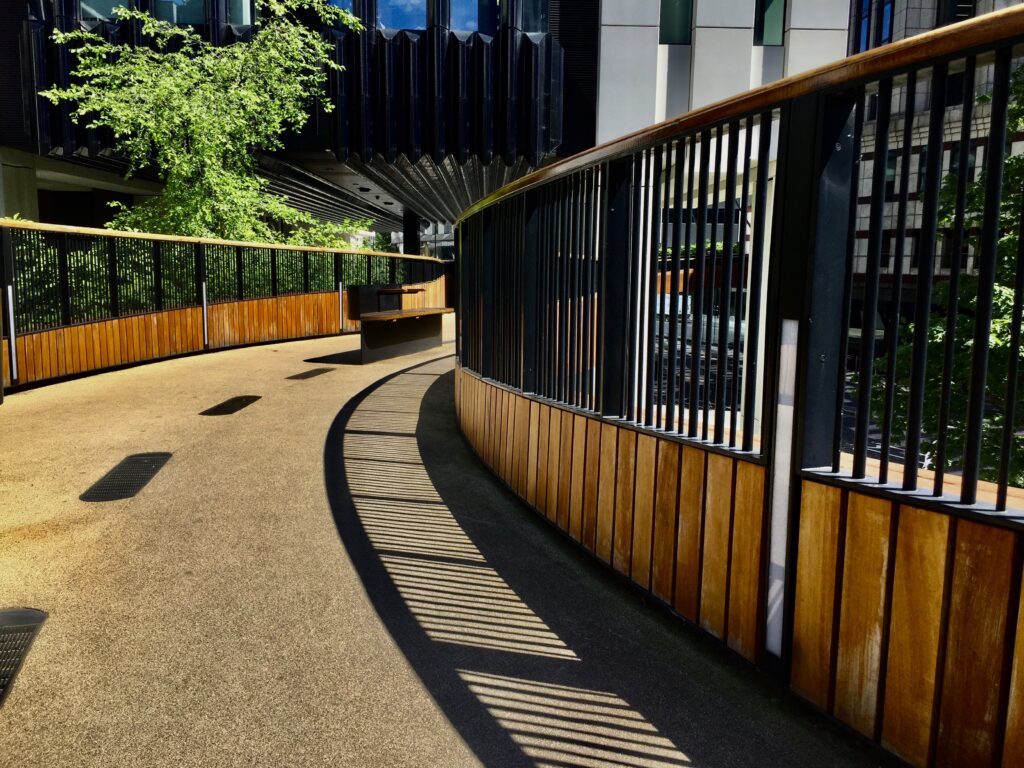
A gentle curve …

And seen from below …

And two more in sync …

Another outside Wax Chandler’s Hall in Gresham Street (EC2V 7AD) …

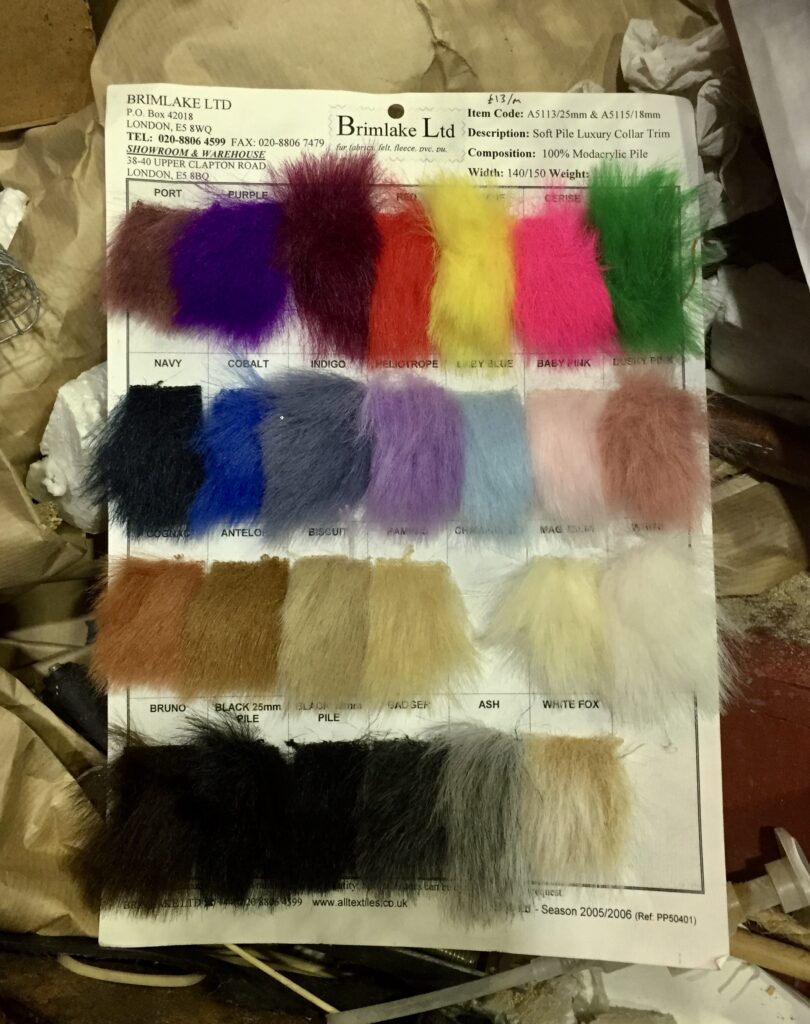
On a lighthearted note, ‘Luxury collar trim’ colour sample discarded in a skip outside the Barbican Theatre …

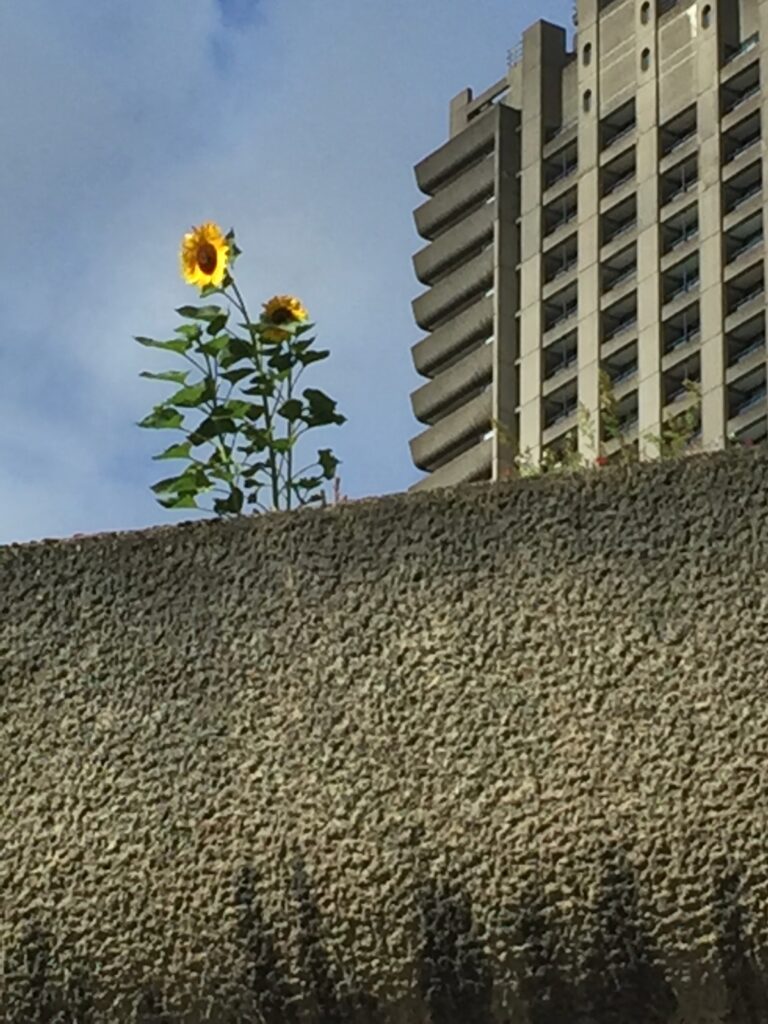
Finally, ‘Sunflower Surprise’ …

If you would like to follow me on Instagram here is the link …

https://www.instagram.com/london_city_gent/

Heroes, Hops and Housing. A short wander around Southwark.

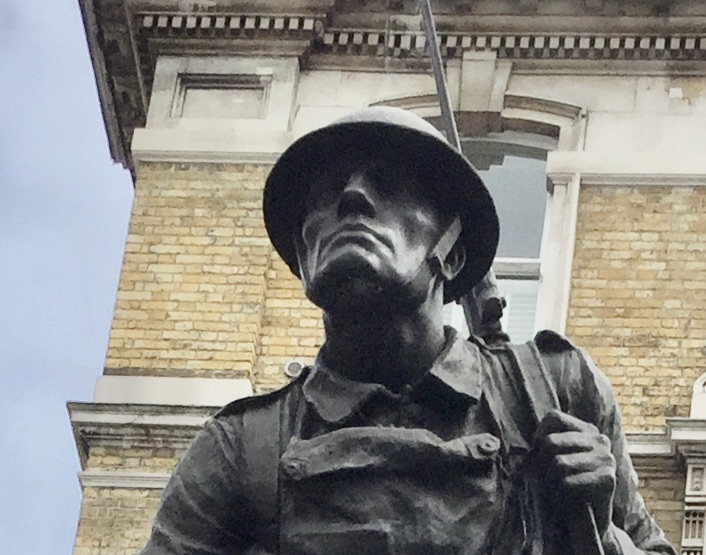
For an expression of grim determination, it would be hard to beat the look on this man’s face …

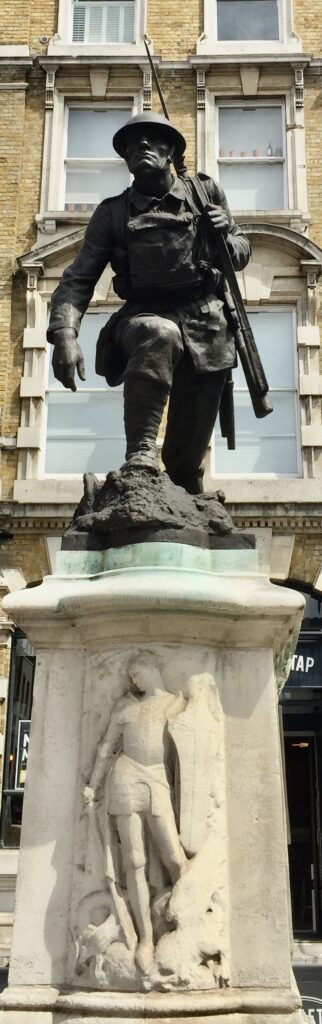
This is the St Saviour’s War Memorial on Borough High Street, in the former parish of Southwark St Saviour (SE1 1NL). St Saviour’s Church became Southwark Cathedral in 1905 …

An infantryman in battledress advances resolutely through thick mud. He carries a rifle with bayonet attached slung over his shoulder …

Beneath his feet is a Portland Stone pedestal depicting St George doing battle with a dragon.

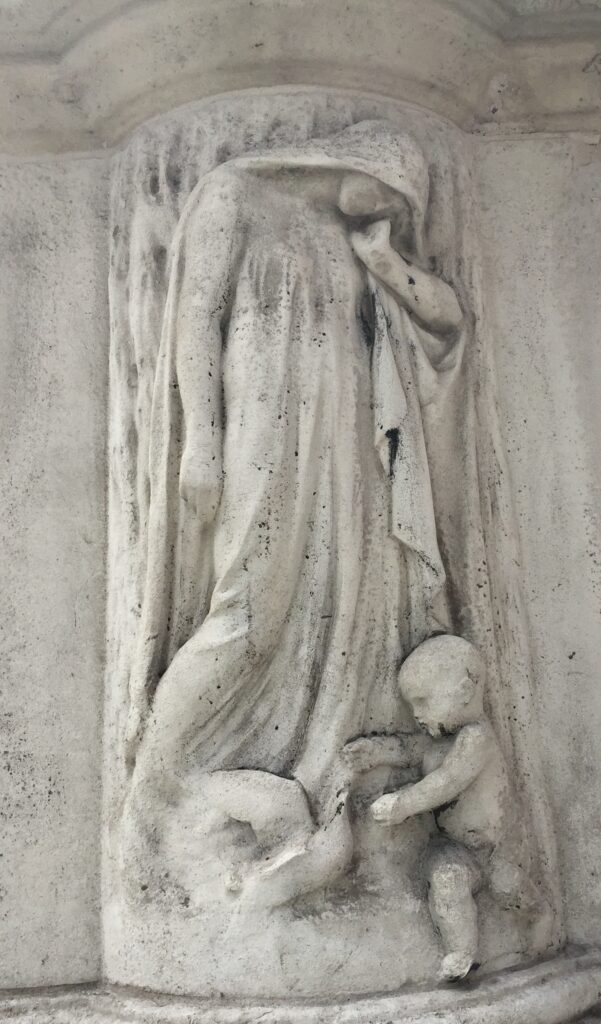
On the opposite side there is a carving of a mourning woman. Her child is reaching out to a dove …

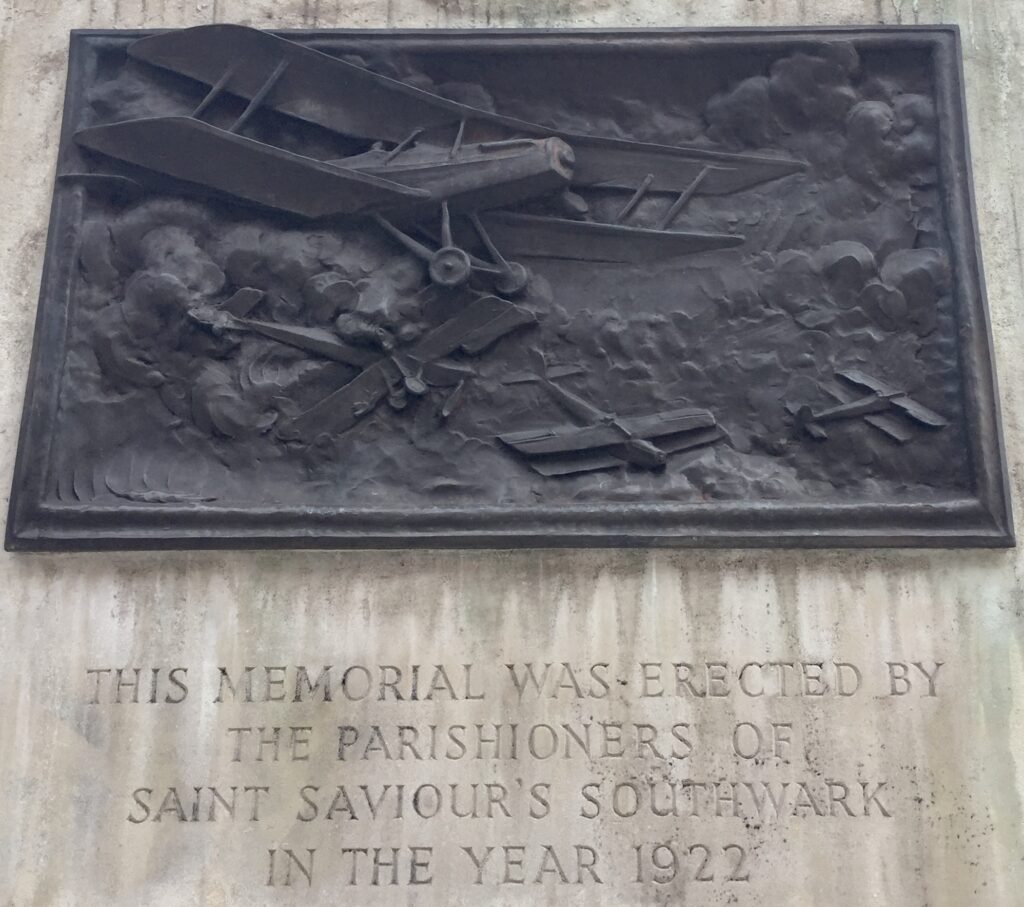
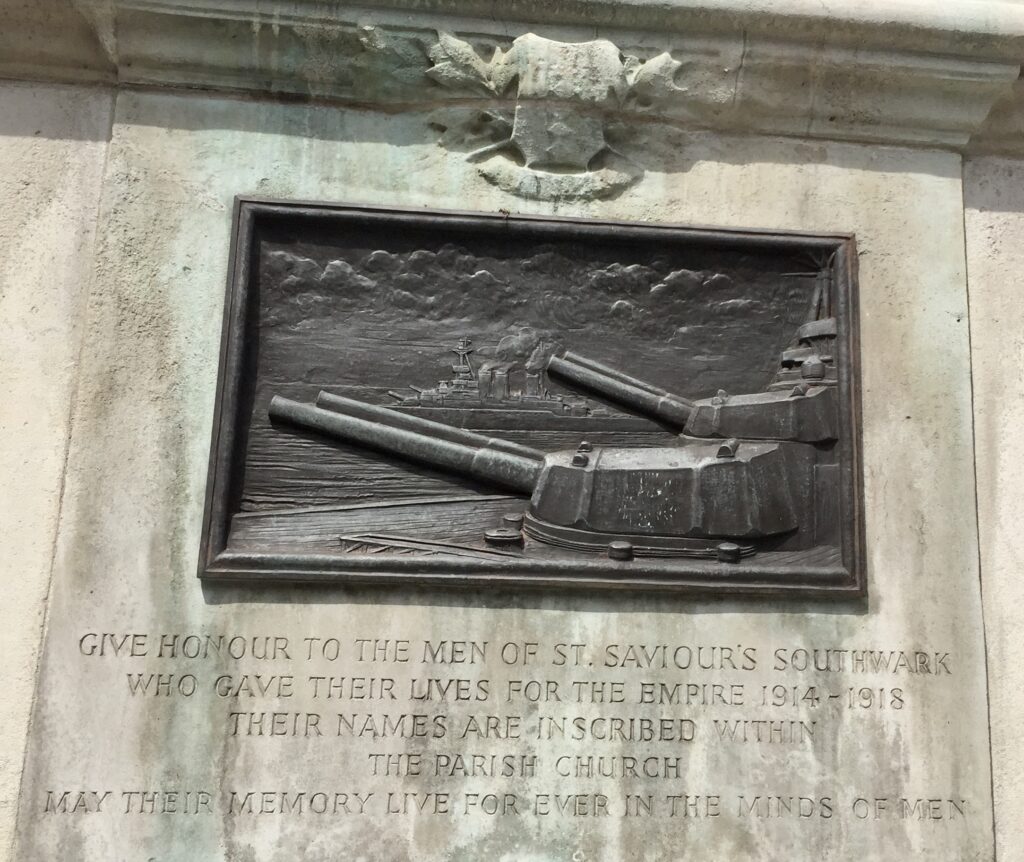
On the pedestal’s long sides are bronze reliefs.

One with biplanes, to the west …

… and another with battleships, to the east.

The memorial’s sculptor was Philip Lindsey Clark (1889-1977). Having joined up with the Artists’ Rifles in 1914, he had distinguished himself in the First World War having been awarded the Distinguished Service Order (DSO) for ‘ … conspicuous gallantry and devotion to duty when in command of the left flank of the Company of the Battalion’. Despite being severely wounded, he had fought on until relieved two days later. In 1926 he created the Bakers of Widegate Street, details of which can be found in my blog On the Tiles again.

The story of the Artists’ Rifles is a fascinating one, it came as a surprise to me that they had one of the highest casualty rates of the First World War. Click here to read a short History of the Regiment (and watch the last scene from Blackadder – ‘Good luck everyone‘).

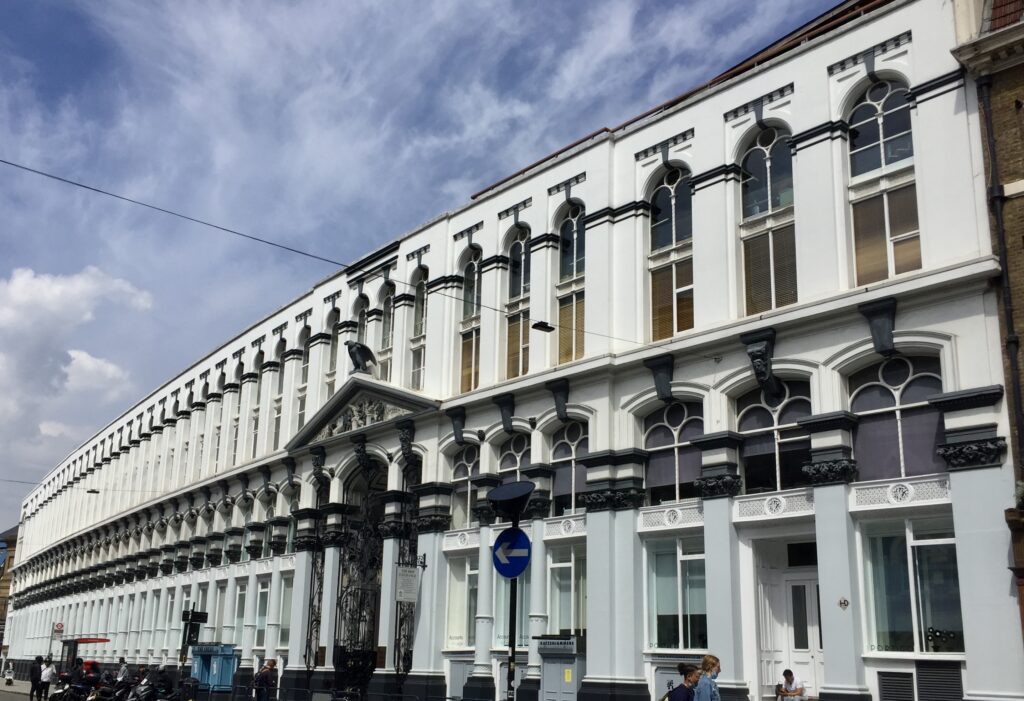
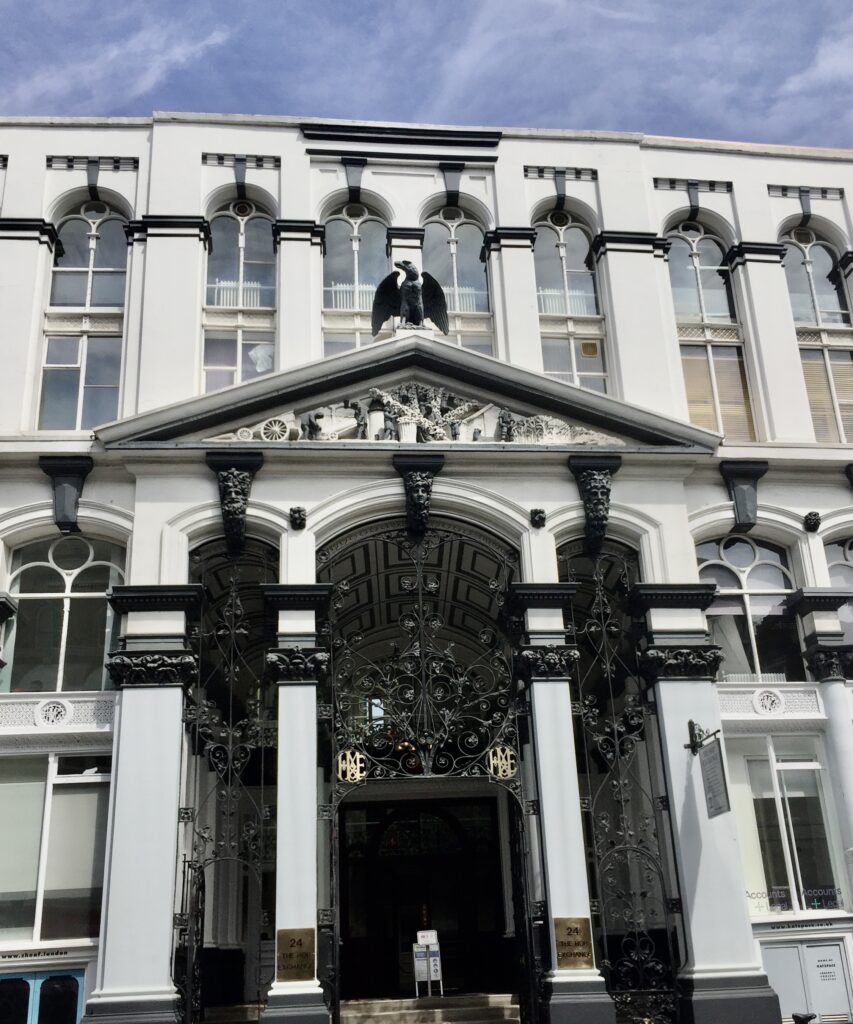
Walking along Southwark Street, I came across this magnificent, gently curving building called The Hop Exchange (SE1 1TY) …

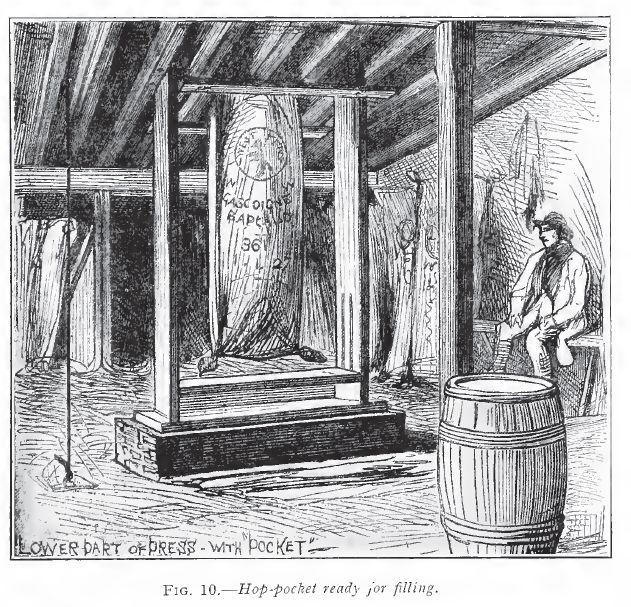
This area in Southwark was where the hops from the southern counties, and especially from Kent, were brought to after the autumn picking. After picking, the hops were dried in the oast houses and then packed into large compressed sacks of 6 by 2 feet, called ‘pockets’. These pockets were then transported to Southwark, first by horse and cart, but later by train …

The Hop Exchange was built in 1867 …

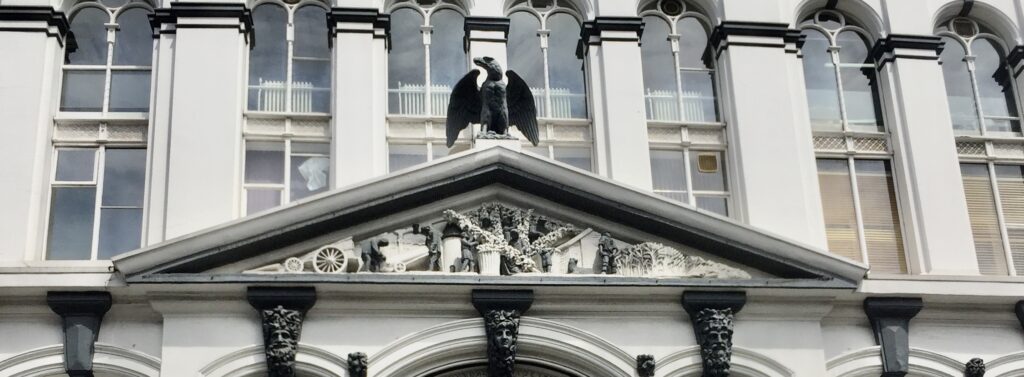
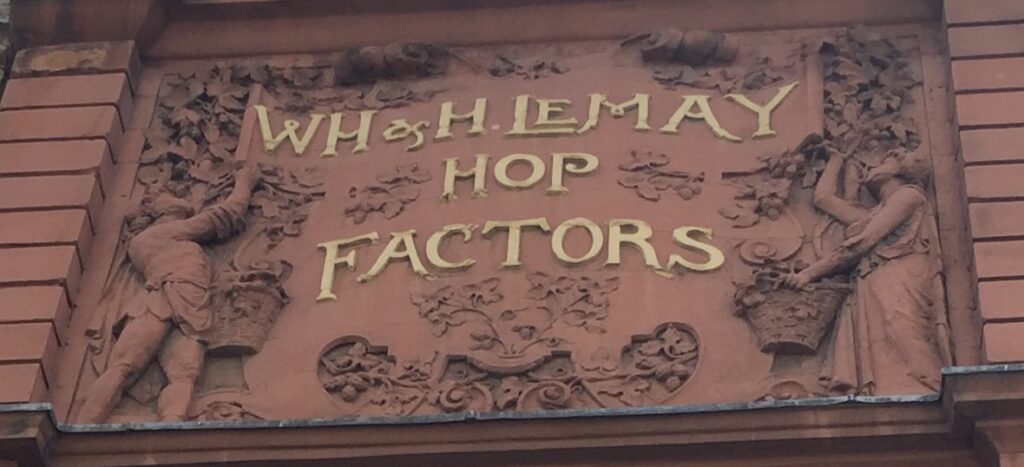
You can see the hop pickers at work in the carving contained in the pediment …

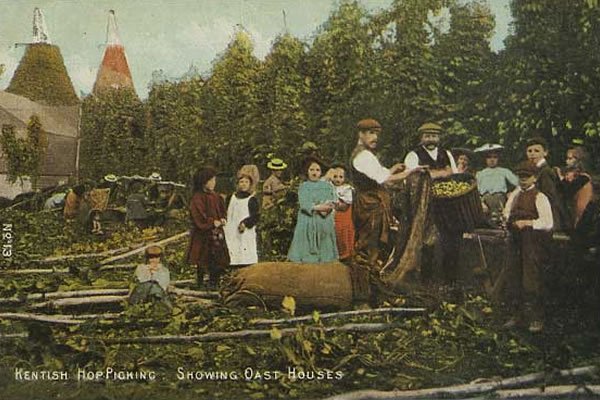
Up to the 1960s, many of the poorer London families went to the hop gardens each September for a working-holiday. Not just for the fresh air, but to supplement their all too meagre income …

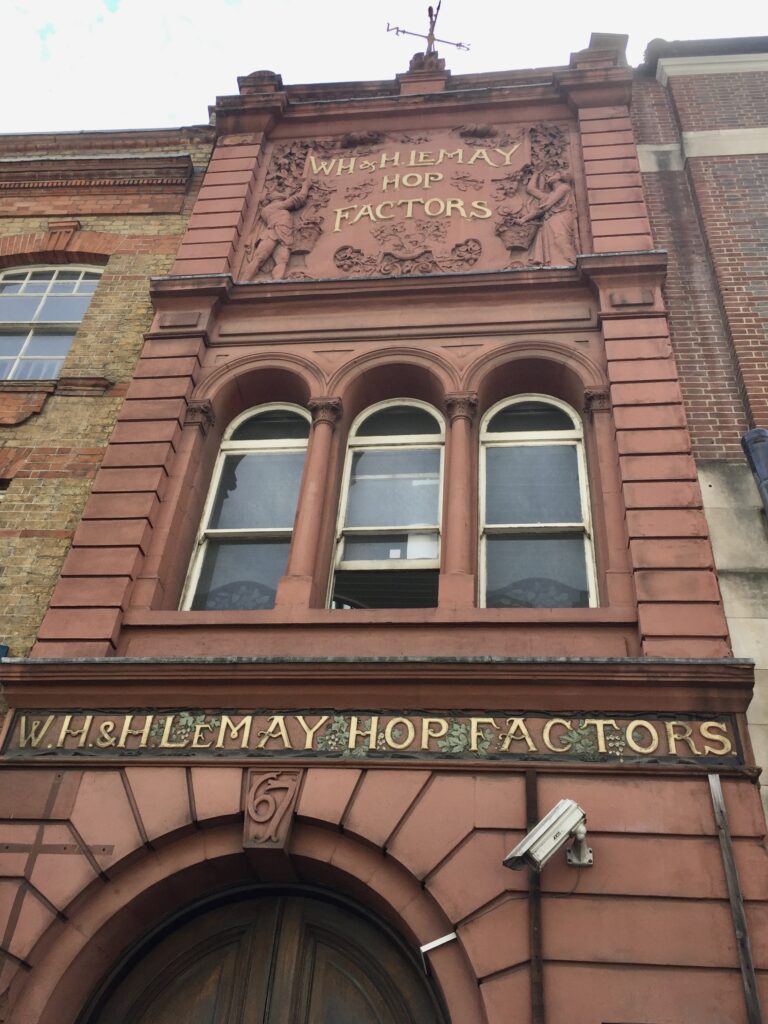
At 67 Borough High Street you can find the former offices of the hop merchants, or factors as they were usually called, W.H. and H. Le May (SE1 1NF). It is a Grade II listed building with a spectacular frieze on the front depicting hop gatherers and proudly displaying the firm’s name. One may easily assume that the building is constructed of red sandstone, but according to the description on the British Listed Buildings site, it is ‘just’ coloured stucco …

A rather romanticized view of picking …

I am indebted to the London Details blog for much of my research. You can read two of the posts here and here.

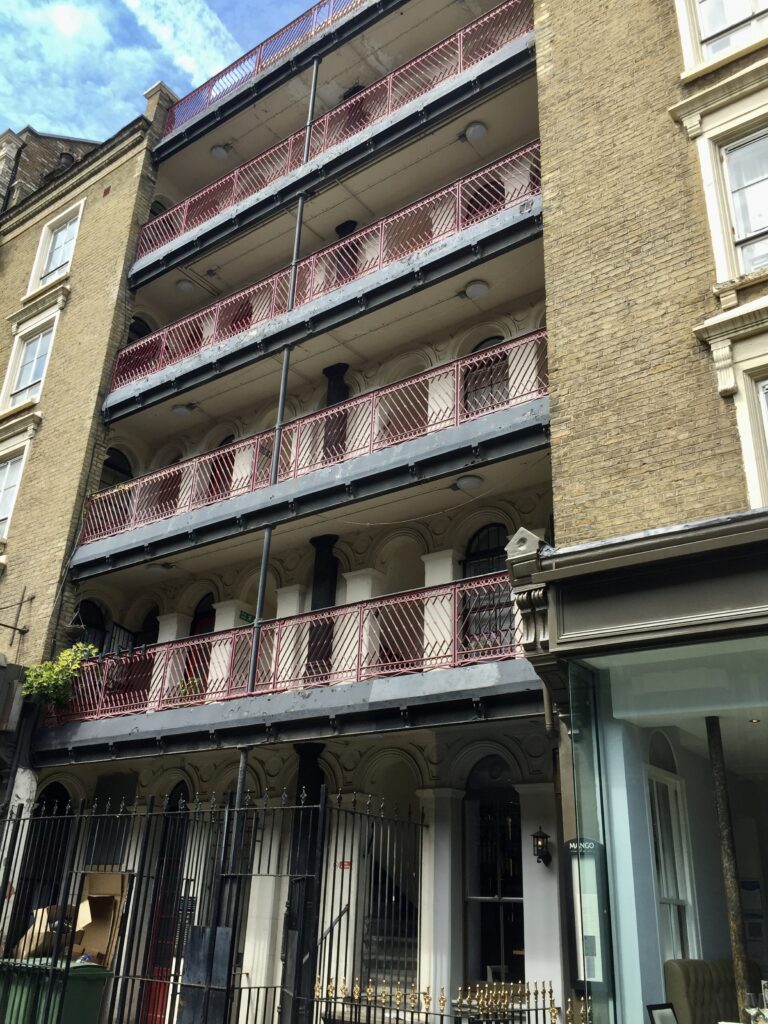
These flats, Cromwell Buildings in Redcross Street (SE1 9HR), were constructed in 1864 by Sir Sydney Waterlow, founder of the Improved Industrial Dwellings Company, and were modelled after a pair of houses designed by the Prince Regent for the Great Exhibition of 1851. Waterlow set the company up in 1863 with capital of £50,000 and by 1900 it was said to be housing some 30,000 London people …

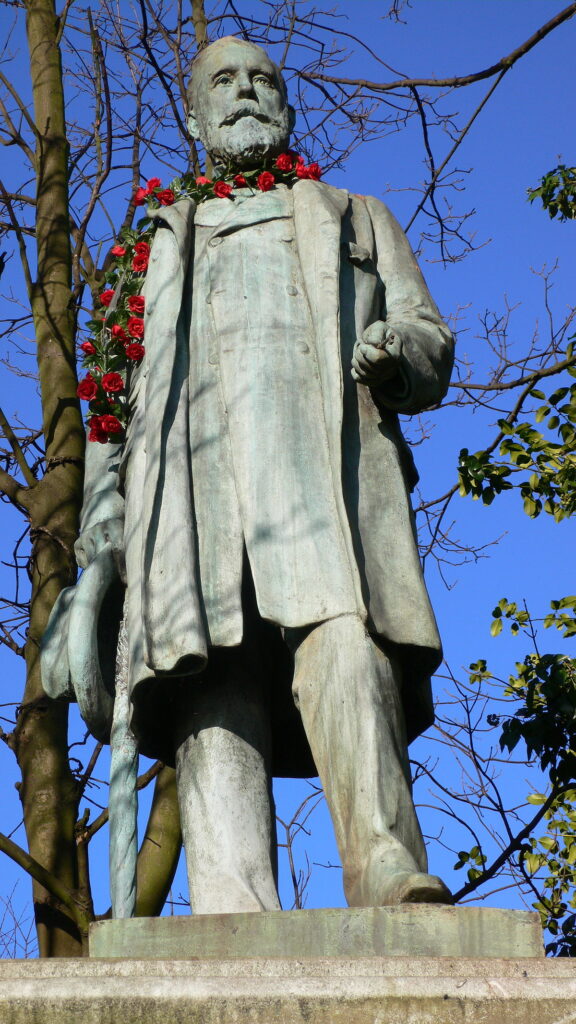
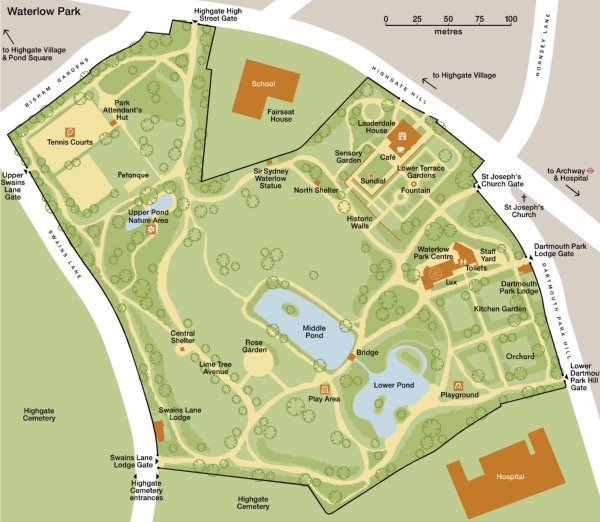
If you ever find yourself in Highgate, do visit the beautiful Waterlow Park (N6 5HD). It covers 26 acres and was given to the public by Sir Sydney as ‘a garden for the gardenless’ in 1889. Seek out this statue of the great man – it’s the only statue I have ever come across of a man carrying an umbrella. In his left hand you will see he is handing over the key to the garden gates …

The Friends of Waterlow Park have produced this useful map. If you have time, I strongly recommend a visit to the nearby Highgate Cemetery

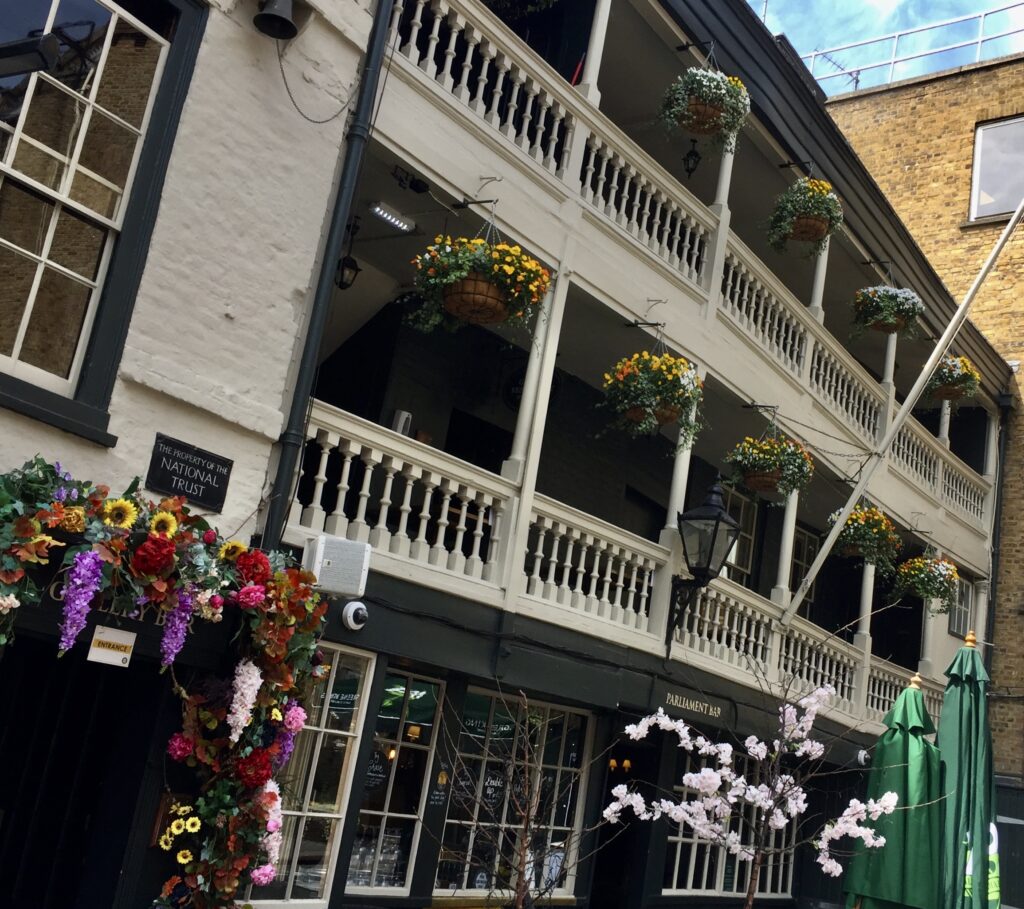
Back in Southwark, if you’re feeling thirsty and a bit peckish treat yourself with a visit to the George Inn, the only surviving galleried coaching inn in London (SE1 1NH) …

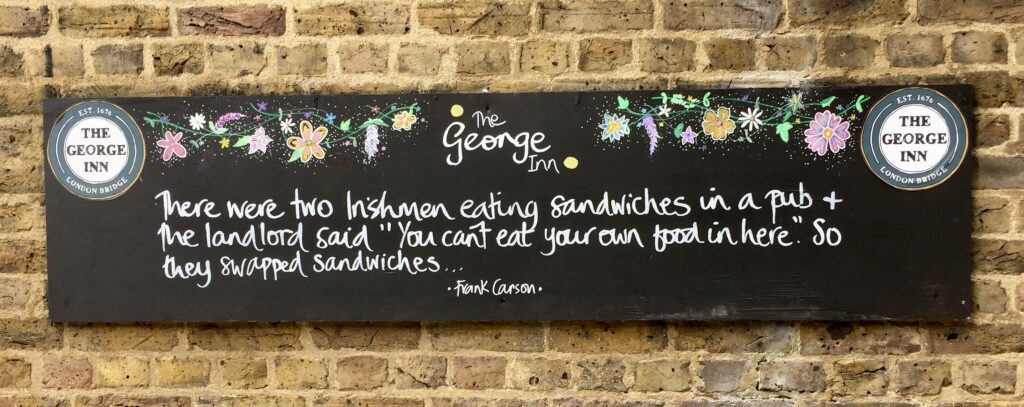
When I popped in to take a photo this made me smile …

I’ll visit Southwark again when I also go back to the Cathedral.

If you would like to follow me on Instagram here is the link …

https://www.instagram.com/london_city_gent/

Monkeys and lions in Seething Lane

I couldn’t resist going back to visit the fascinating carvings in the Seething Lane Garden that I wrote about last week. They all relate to the life of Samuel Pepys and have revealed a few things that I did not know.

I was puzzled by this carving of a monkey who is sitting on some books and appears to have taken a bite out of a rolled up document …

Then I found the following entry in Pepys’s diary for Friday 18th January 1661 …

I took horse and guide for London; and through some rain, and a great wind in my face, I got to London at eleven o’clock. At home found all well, but the monkey loose, which did anger me, and so I did strike her till she was almost dead …

I’m not sure whether it was his pet or his wife’s, but it certainly paid a heavy price for its misbehaviour.

He also got upset with his wife’s pet dog. On 16th February 1660 he wrote …

So to bed, where my wife and I had some high words upon my telling her that I would fling the dog which her brother gave her out at the window if he pissed in the house any more.

On 11th January 1660 he visited the Tower of London menagerie and ‘went in to see Crowly, who was now grown a very great lion and very tame’. And here he is …

Amazingly, Pepys once owned a pet lion himself.

As the Navy’s principal administrator he wielded considerable influence and was frequently sent gifts in order to curry favour. Kate Loveman, in her book Samuel Pepys and His Books: Reading, Newsgathering, and Sociability, 1660-1703 writes : ‘In Algiers the consul Samuel Martin found providing suitable presents taxing … He sent Pepys naval intelligence and (in despair) …

A Tame Lion, which is the only rarity that offers from this place …

Pepys kept the creature in his home at Derby House and sent the following gracious message to Martin, assuring him that the animal was …

… as tame as you sent him and as good company.

In 1679 tragedy struck when Pepys was arrested, dismissed from service and sent to the Tower of London on charges of ‘Piracy, Popery and Treachery’. The first two were outlandish and easily disproved but much more damaging and dangerous was the rumour that he had sold state secrets to the French (a crime which carried the terrifying penalty of being hanged, drawn and quartered).

Using his own resources and considerable network, he tracked down the story to a lying scoundrel called John Scott. Pepys was subsequently freed but was left homeless, jobless and in a perilous situation financially. In her book Samuel Pepys, The Unequalled Self, Claire Tomalin made the poignant observation that whilst in the Tower ‘he could console himself only with the sound of the familiar bells of All Hallows and St Olave’s’.

Here is the carving of Pepys in the Tower …

You can read the full story of his first imprisonment in The Plot against Pepys by Ben and James Long.

He was to return to office in 1686 with the full support of the new king, James II, and set up a special ‘Navy Commission’ to clear the navy’s accounts and restore the force to its 1679 levels. This was completed six months ahead of schedule and was probably his last, and arguably greatest, achievement.

Back in 1649 Pepys had skipped school and witnessed the execution of King Charles the First outside the Banqueting House in Whitehall. Here is the poor King’s head being held aloft by his executioner …

The death warrant of King Charles I, 29 January 1649 (detail). Parliamentary Archives.
HL/PO/JO/10/1/297A.

Eleven years later, on 13th October 1660, he witnessed the execution of Major-General Thomas Harrison, one of the regicide signatories to the warrant. The punishment was hanging drawing and quartering. Pepys’s droll diary entry made me smile …

I went out to Charing Cross, to see Major-General Harrison hanged, drawn, and quartered; which was done there, he looking as cheerful as any man could do in that condition.

Pepys loved theatrical performances and represented in the garden is an early version of Punch and Judy …

On 9th May 1662 he wrote …

Thence with Mr Salisbury, who I met there, into Covent Garden to an alehouse, to see a picture that hangs there, which is offered for 20s., and I offered fourteen – but it is worth much more money – but did not buy it, I having no mind to break my oath. Thence to see an Italian puppet play that is within the rayles there, which is very pretty, the best that ever I saw, and great resort of gallants. So to the Temple and by water home …

On 4th September 1663 he visited the notorious Bartholomew Fair in Smithfield and toured the attractions with his wife. He wrote, ‘above all there was at last represented the sea, with Neptune, Venus, mermaids, and Ayrid on a dolphin‘. The mermaid is also here in the park …

The first page of the diary in the shorthand code he had devised for it …

Blessed be God, at the end of last year I was in very good health, without any sense of my old pain but upon taking of cold. I live in Axe Yard, having my wife and servant Jane, and no more family than us three. My wife, after the absence of her terms for seven weeks, gave me hopes of her being with child, but on the last day of the year she hath them again.

Samuel had been a student at Magdalene College, Cambridge and bequeathed the College his vast library of over 3,000 tomes (including the six volumes of his diary). The library, which bears his name, is represented here (the Wyvern is the College crest) …

Photo credit : Spitalfields Life.

The Gentle Author, who publishes Spitalfields Life, has written an eloquent description of his visit to the library which you can read here.

I have written about Pepys before : Samuel Pepys and his ‘own church’ and Samuel Pepys and the Plague.

If you would like to follow me on Instagram here is the link …

https://www.instagram.com/london_city_gent/

Page 26 of 43

Powered by WordPress & Theme by Anders Norén

Symbols & Secrets
Privacy Overview

This website uses cookies so that we can provide you with the best user experience possible. Cookie information is stored in your browser and performs functions such as recognising you when you return to our website and helping our team to understand which sections of the website you find most interesting and useful.