Walking the City of London

Category: Animals Page 18 of 20

Anniversary Blog! Things that made me smile.

I am really pleased to be celebrating the 52nd edition of my blog. Thank you so much for subscribing – especially those of you who have been doing so since the beginning.

As this is a special occasion, I am departing from the usual format and have been looking back at pictures from previous editions as well as other pictures that, for various reasons, I did not use. My only criteria for inclusion is that they made me smile and I hope you find them amusing too – where there is a blog you can click on the links to access it.

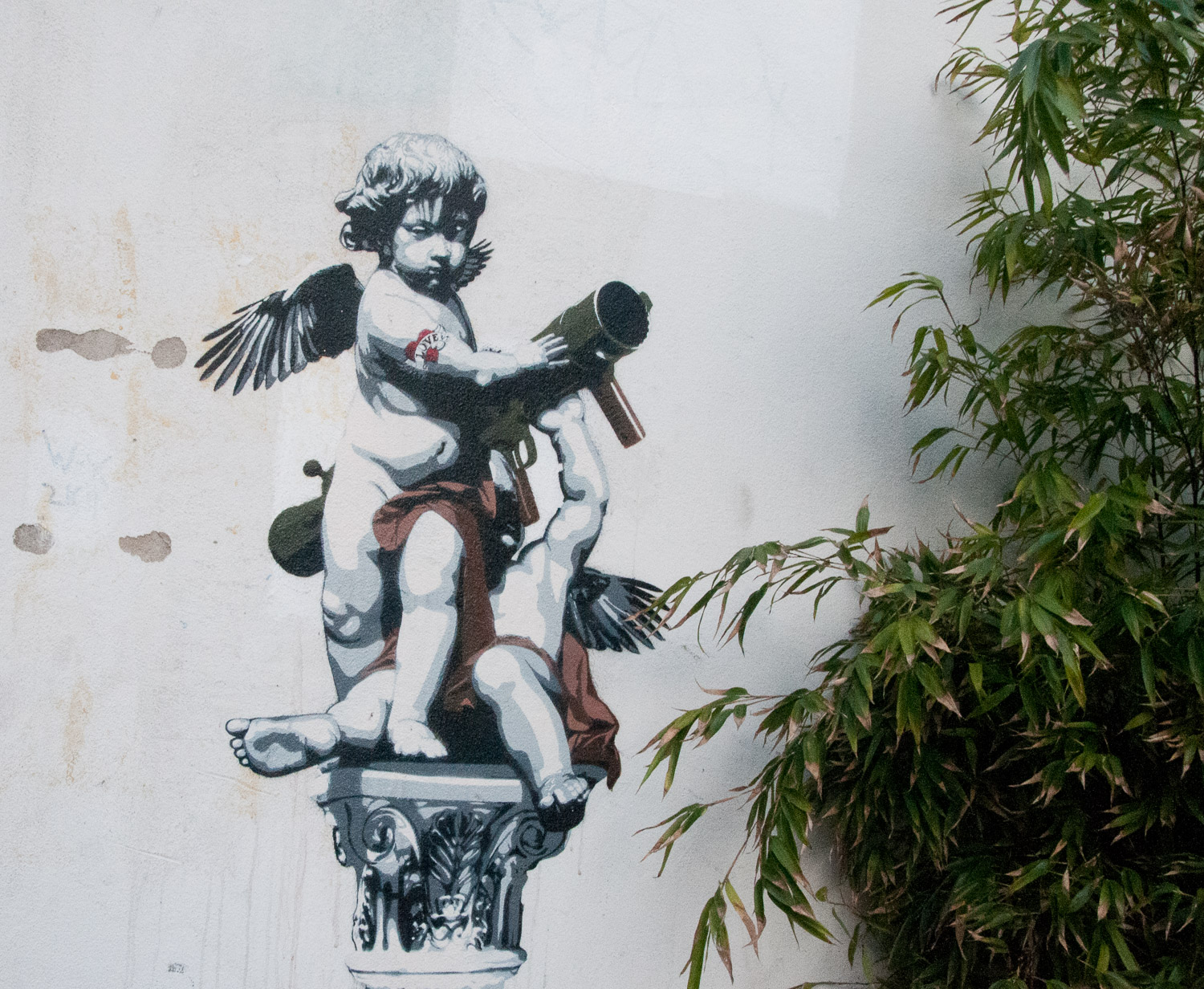
First up are these cherubs busy assembling a bazooka – I particularly like the ‘LOVE’ tattoo that one of them has on his arm …

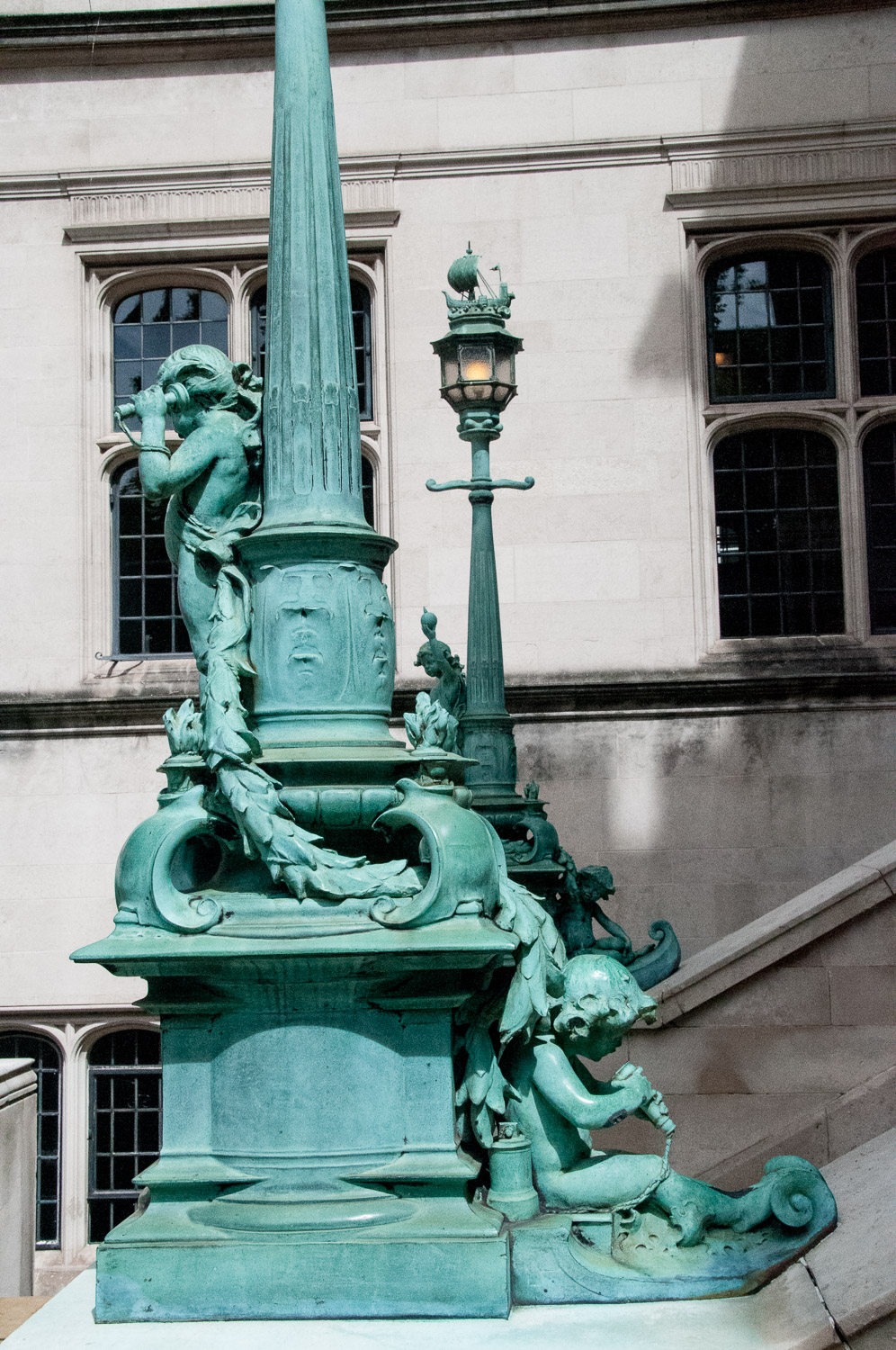
And what about these two chatting on a 19th century telephone …

They all appeared in my blog Charming Cherubs

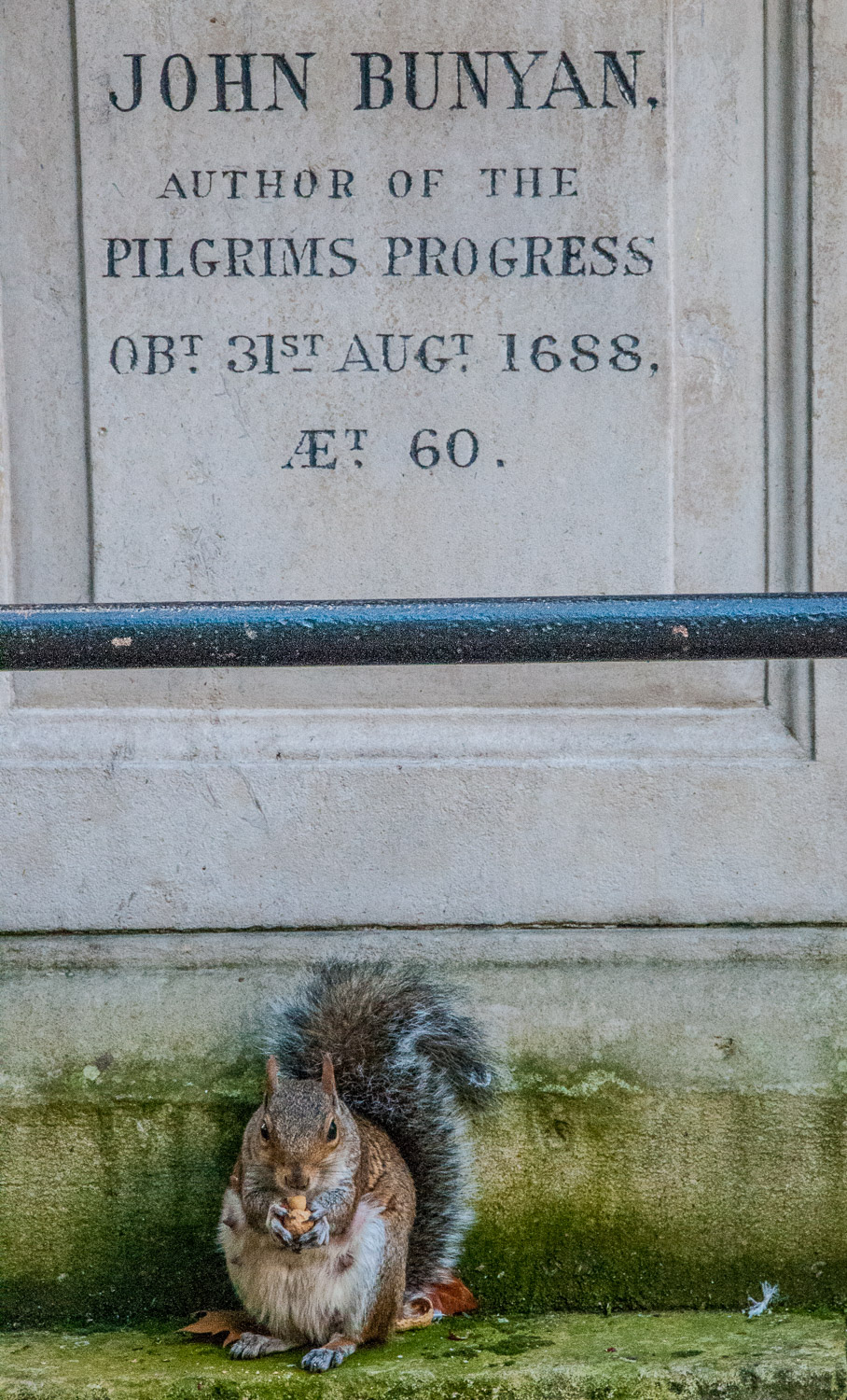
On looking through the archive I was surprised at just how many animals have found their way into my blog. For example, when I was photographing John Bunyan’s tomb in the Bunhill Burial Ground, I was photobombed by this cheeky squirrel. He decided to tuck into his lunch just as I was about to take the picture …

You can read more here

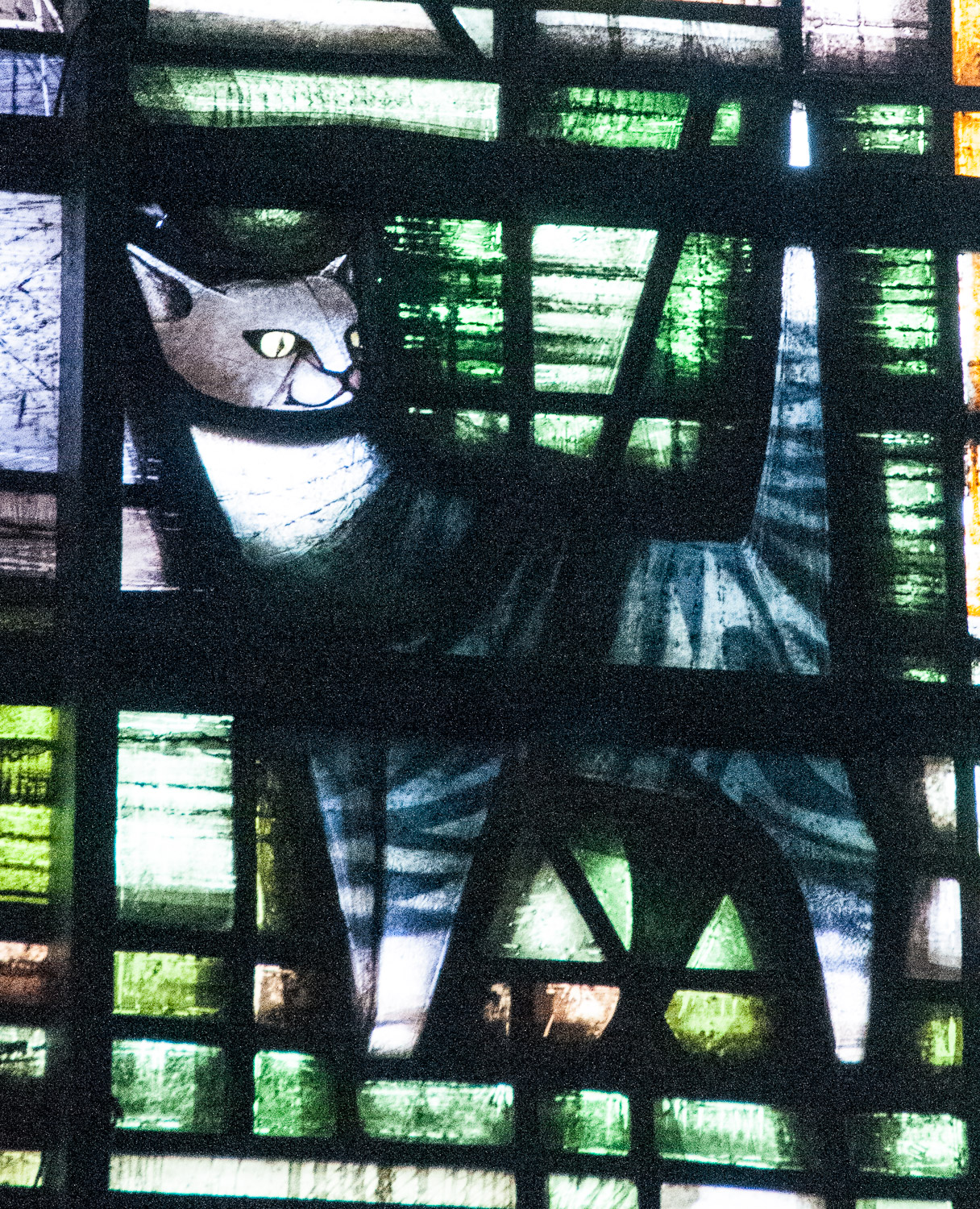
Everyone knows the story of Dick Whittington and his cat and here the animal is portrayed in stained glass. He looks like he has just seen a mouse – and I love his perky tail …

This and other stunning stained glass windows are celebrated here

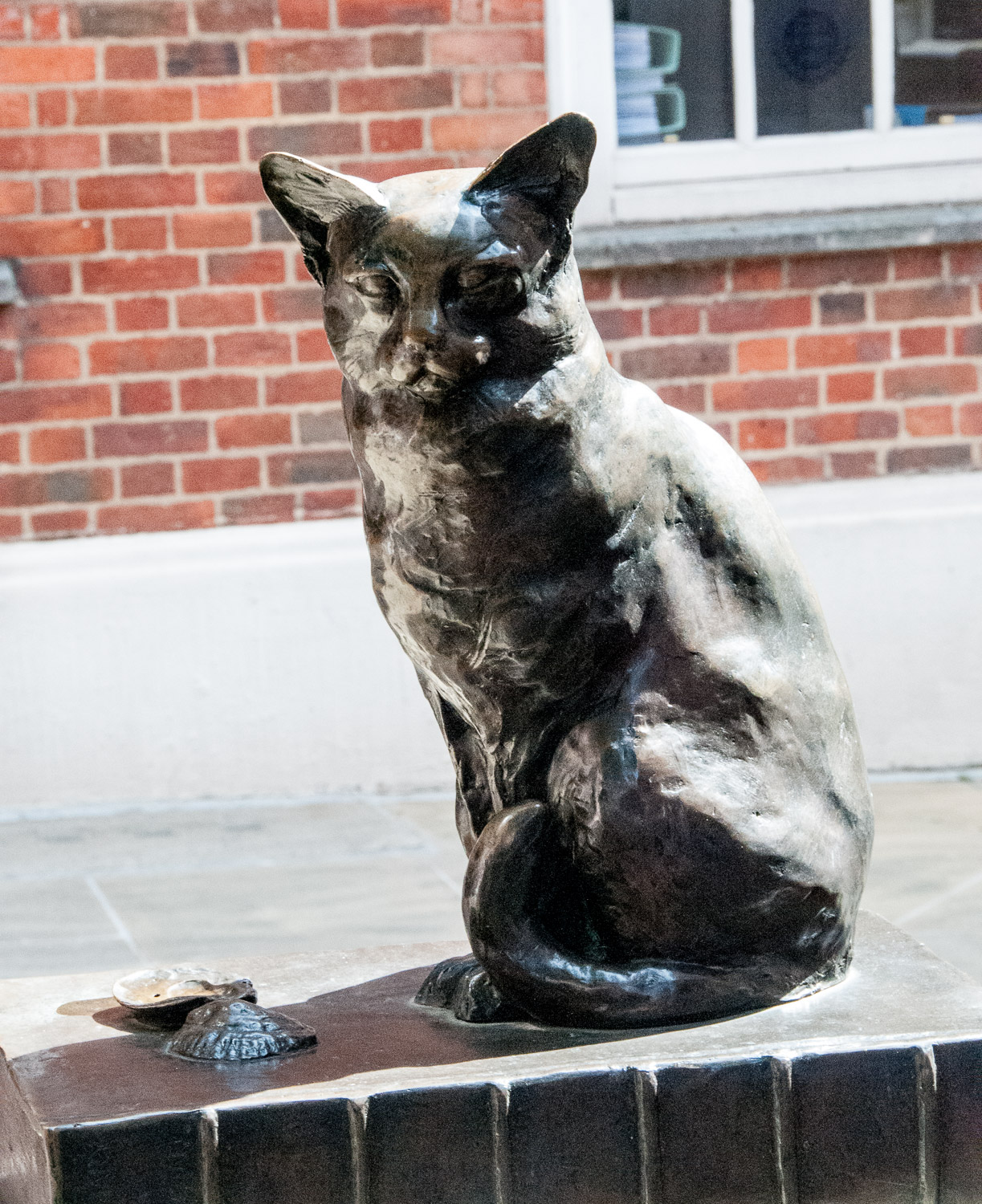
Another well known cat can be found in Gough Square. His name is Hodge and he is sitting on his master’s famous dictionary …

His owner, Dr Johnson, declared him  ‘A very fine cat, a very fine cat indeed’

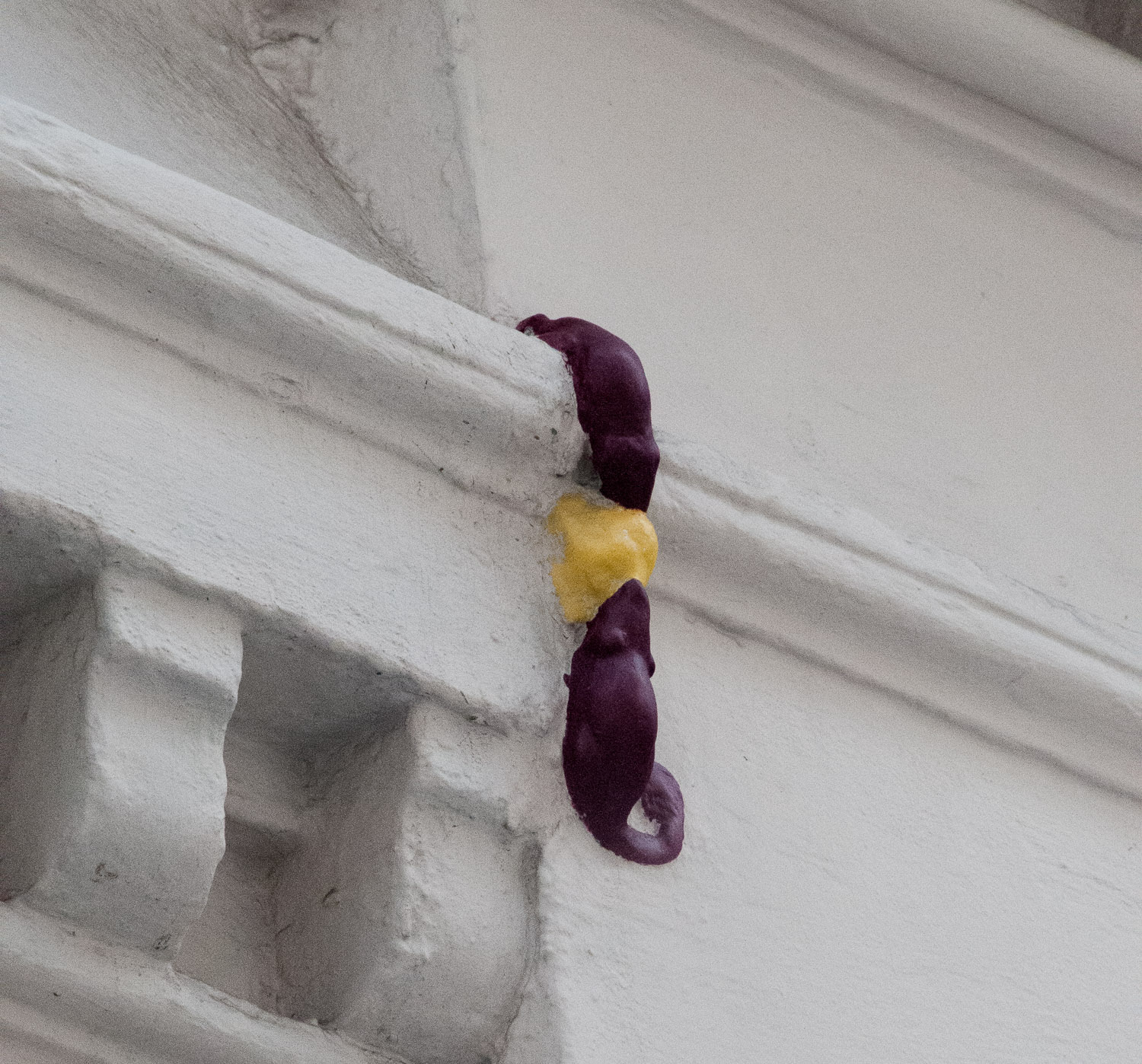
From famous cats to mysterious mice. Nibbling a piece of cheese, they add charm to a building in Philpot Lane off Eastcheap and have been described as London’s smallest sculpture.

No one knows their origin but there are a few theories. You can read more about the mice and other animals here

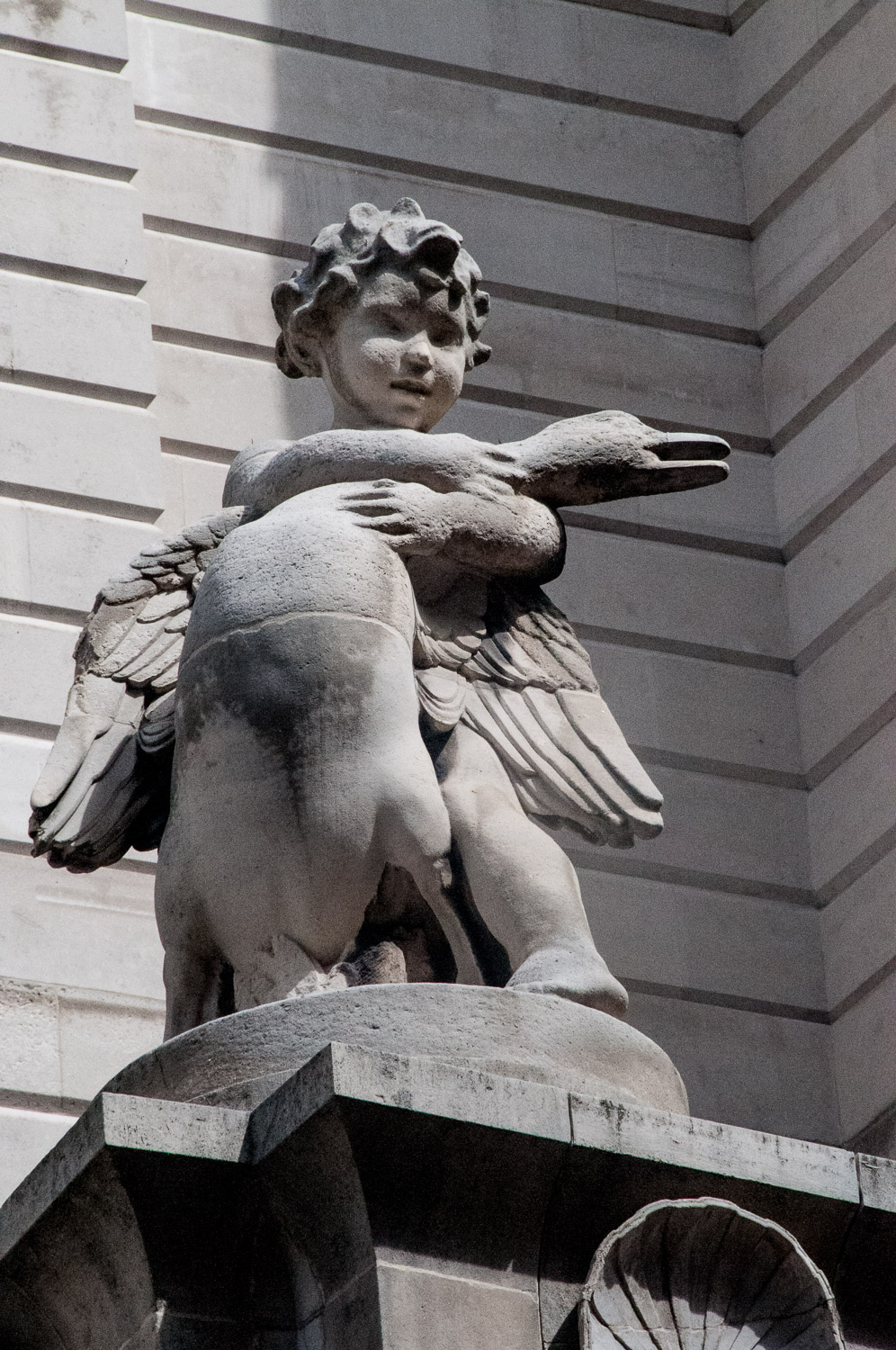
When deciding on how to decorate this imposing City building the sculptor had a bit of fun by adding this little boy struggling to hold a goose …

The street it is on is, of course, Poultry

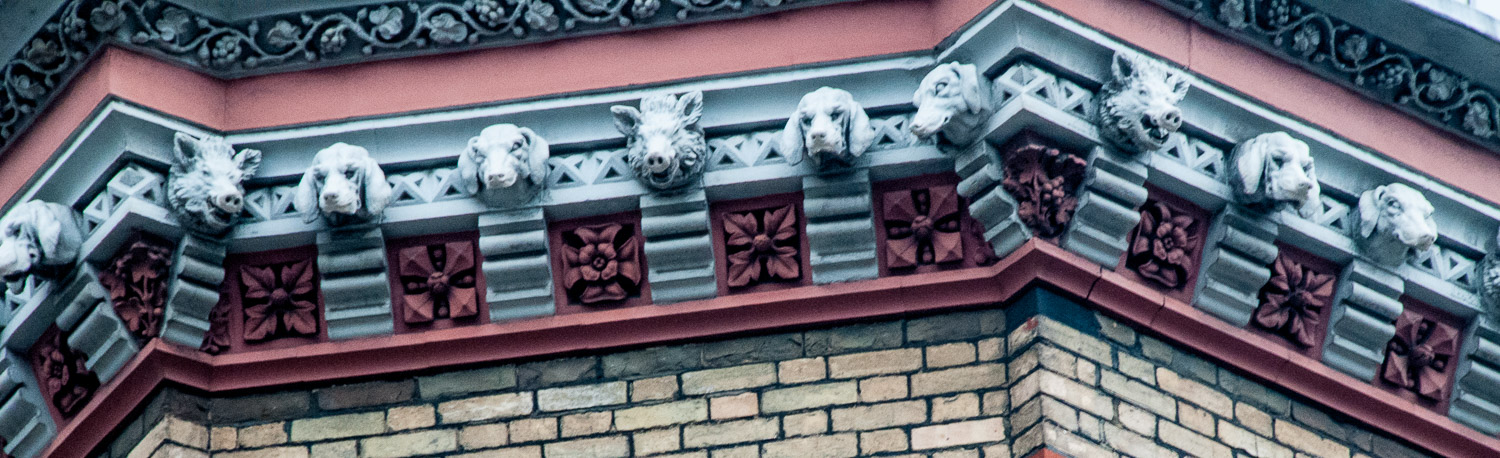
Floppy eared dogs and smiling boars’ heads compete for your attention at the corner of Eastcheap and Philpot Lane …

Unfortunately when I looked recently they had been repainted a dull, boring cream.

They reference a Shakespeare play and you can read more here

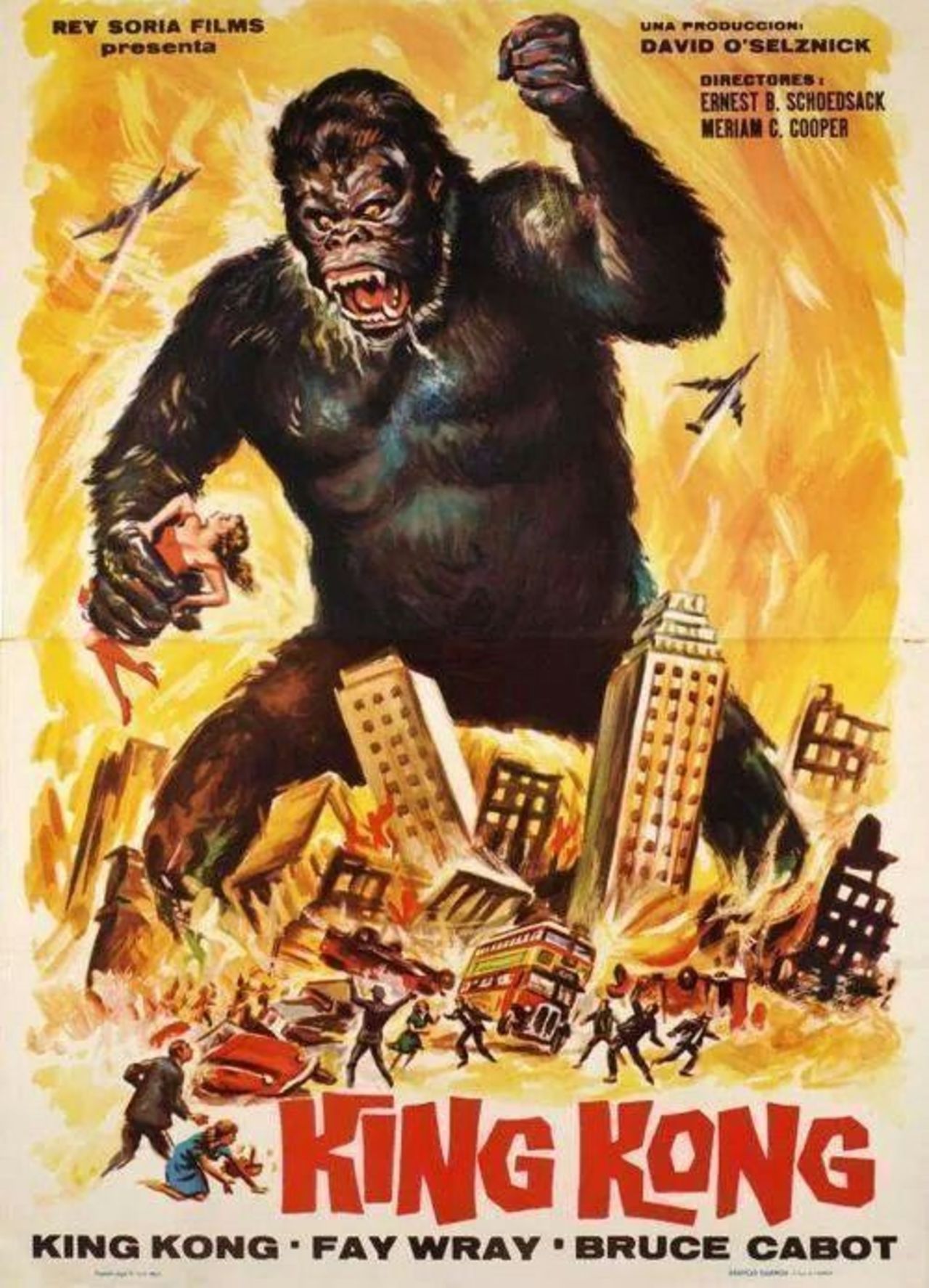
I really liked this poster for the movie King Kong and then had to smile when, looking closely, I noticed an unusual feature. As Kong rampages through New York, he also seems to be chasing a double-decker London bus …

Edgar Wallace worked on the script for the film and I recount some of his story here

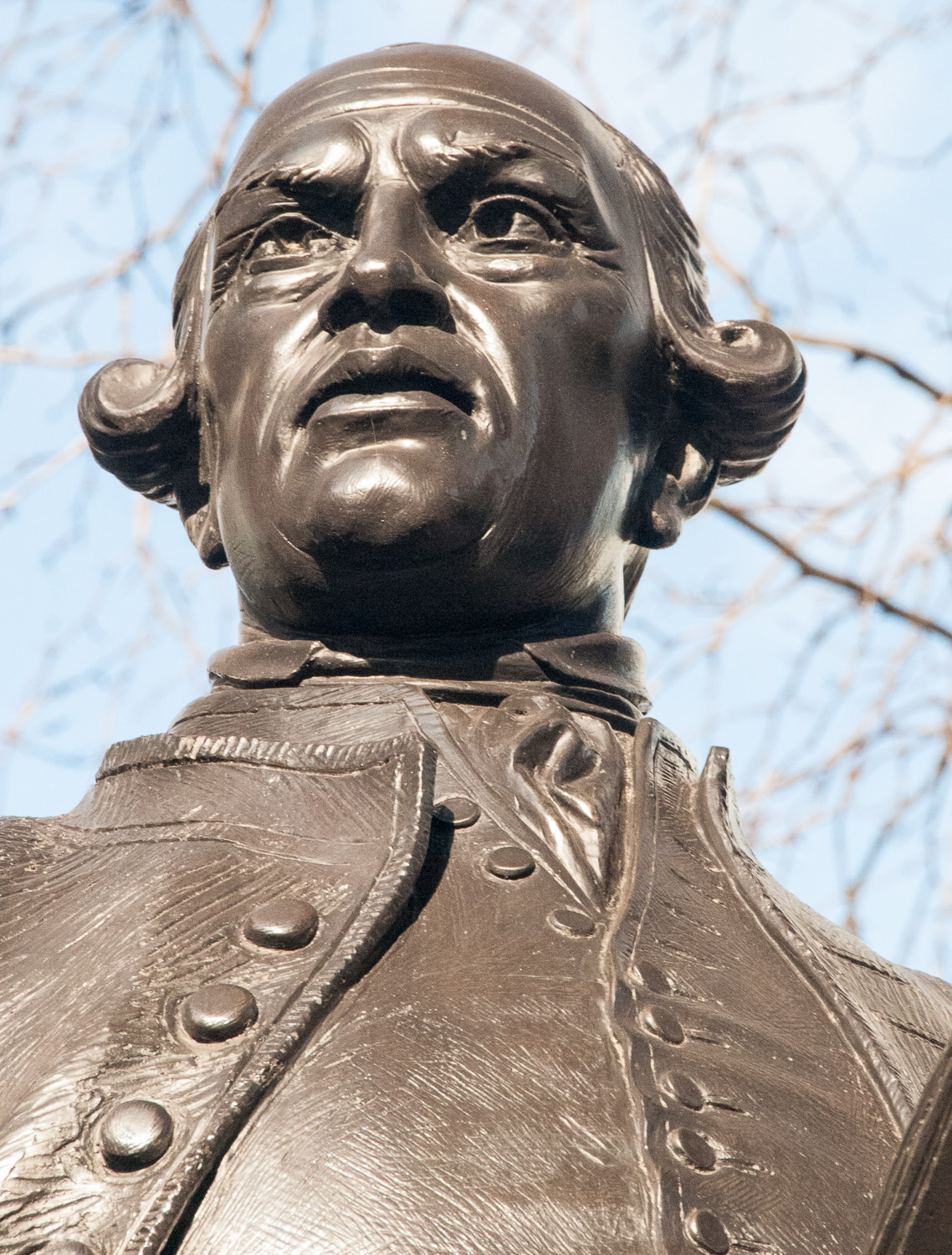
Is this the only statue in London portraying a man with a pronounced squint?

The inscription on his statue reads as follows: ‘A champion of English freedom, John Wilkes 1727-1797, Member of Parliament, Lord Mayor.’ You can read more about him here

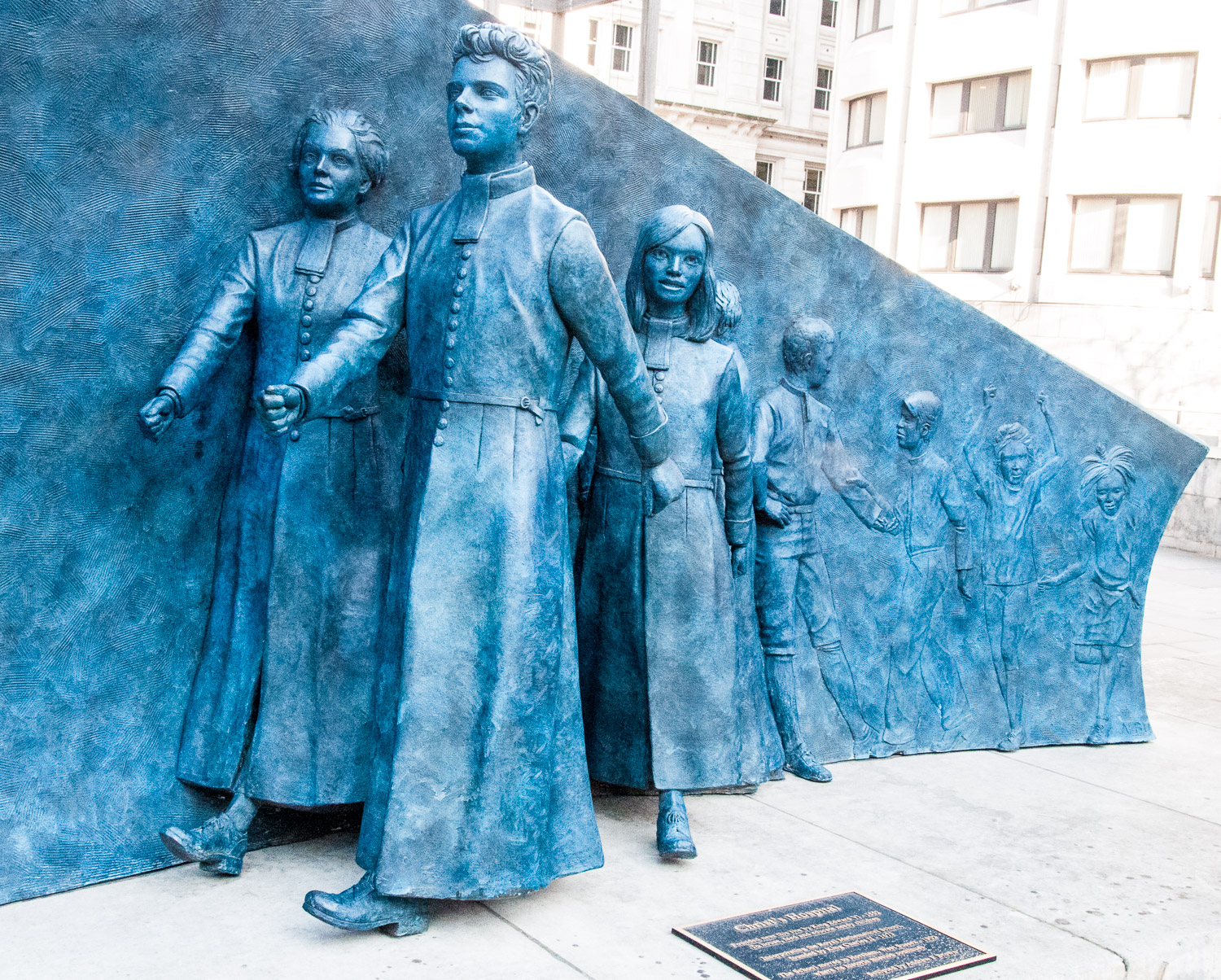
Unveiled in November 2017, this splendid sculpture in the Christchurch Greyfriars Church Garden commemorates Christ’s Hospital School’s 350 years presence in the City of London from 1552 to 1902.

The sculpture is ‘designed to curve gently, reflecting the care and support provided to children, who flow from the youngest entering the School to confident adolescents marching boldly into their futures’.

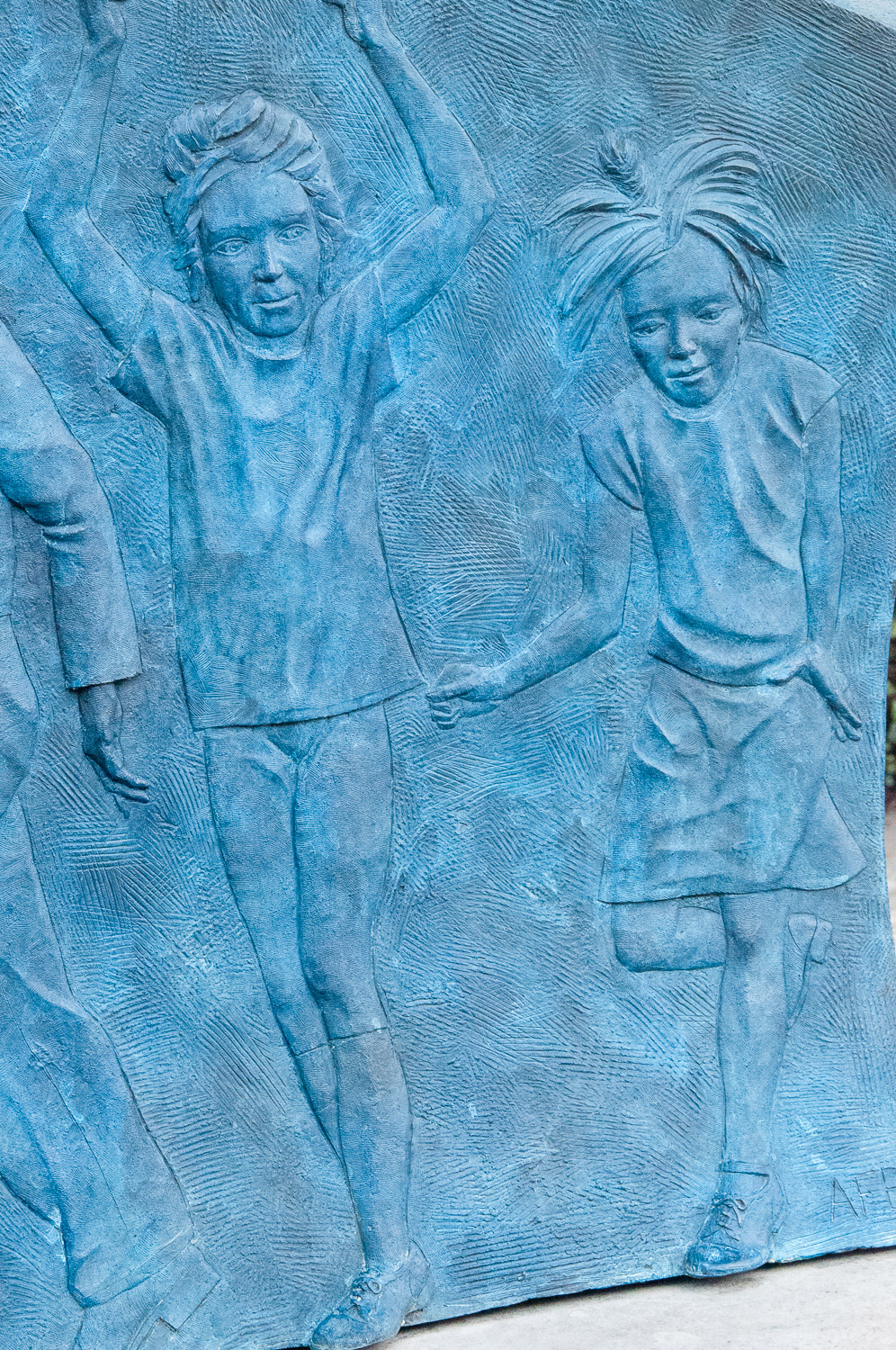
What made me smile was the portrayal of the ragamuffins at the far right, obviously before they benefited from the school’s civilising influence …

They look like they are having great fun running wild.

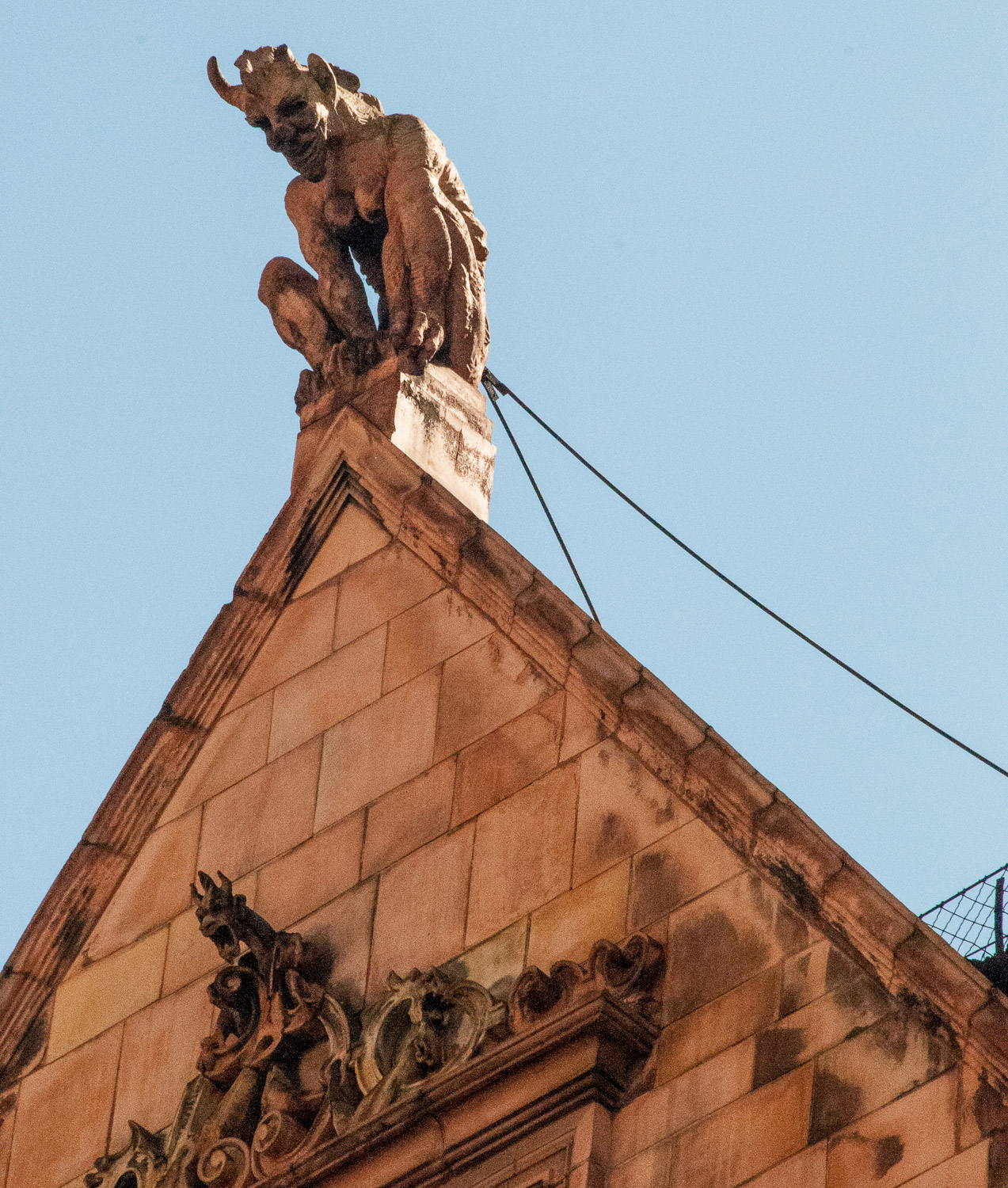
The Cornhill Devils are said to resemble the rector of the church next door …

I tell the story of the devils in this blog

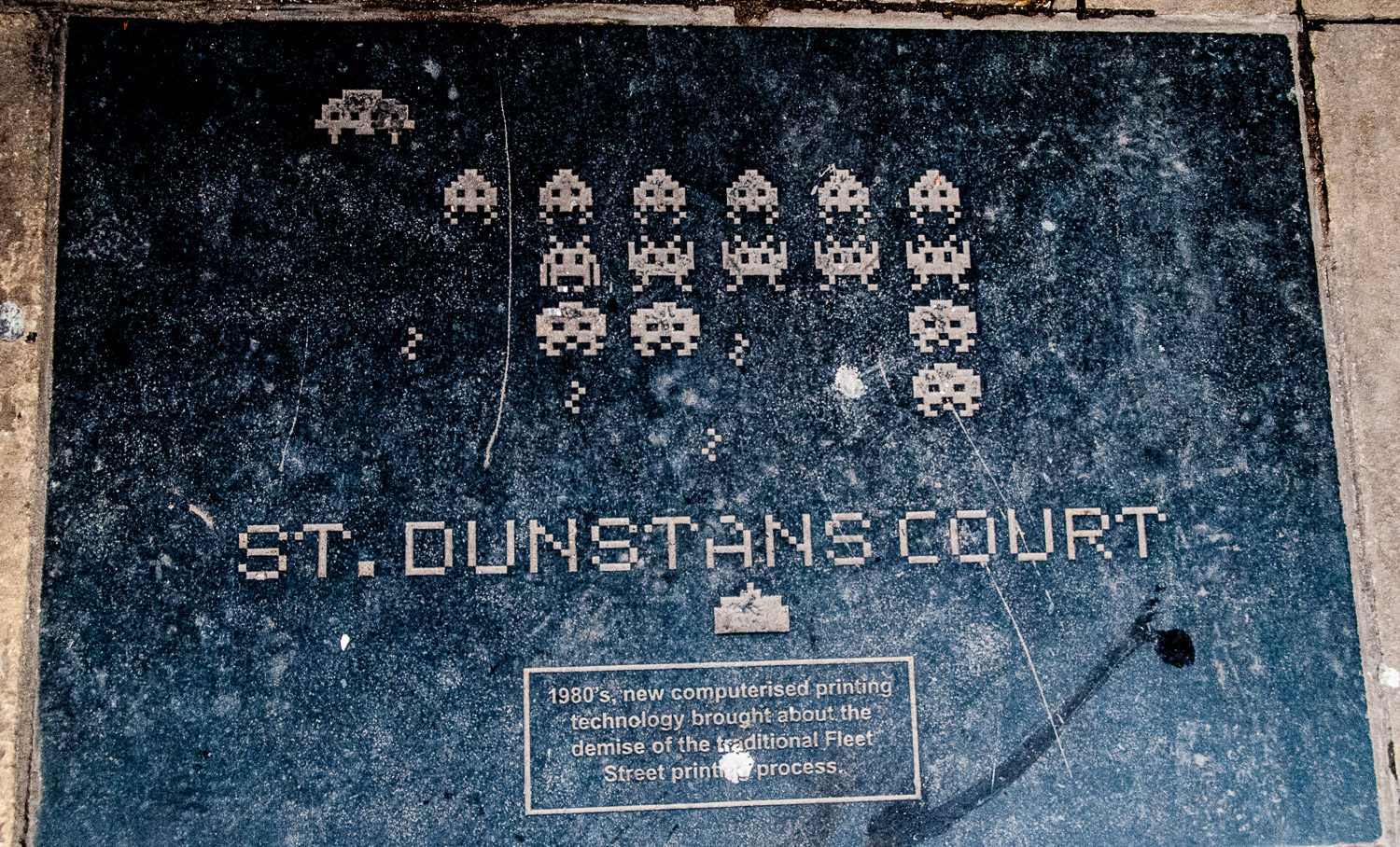
If you walk down Fleet Street you will notice that many of the narrow alleyways leading off to the north have plaques embedded in their entrance telling stories of Fleet Street in its heyday as the print news capital of the UK. The one at the entry to St Dunstan’s Court reminds one of the way game technology has moved on. Older readers will recognise figures from Pacman, the game used here to illustrate ‘hi tech’ developments. Younger readers will probably have no idea what we are talking about …

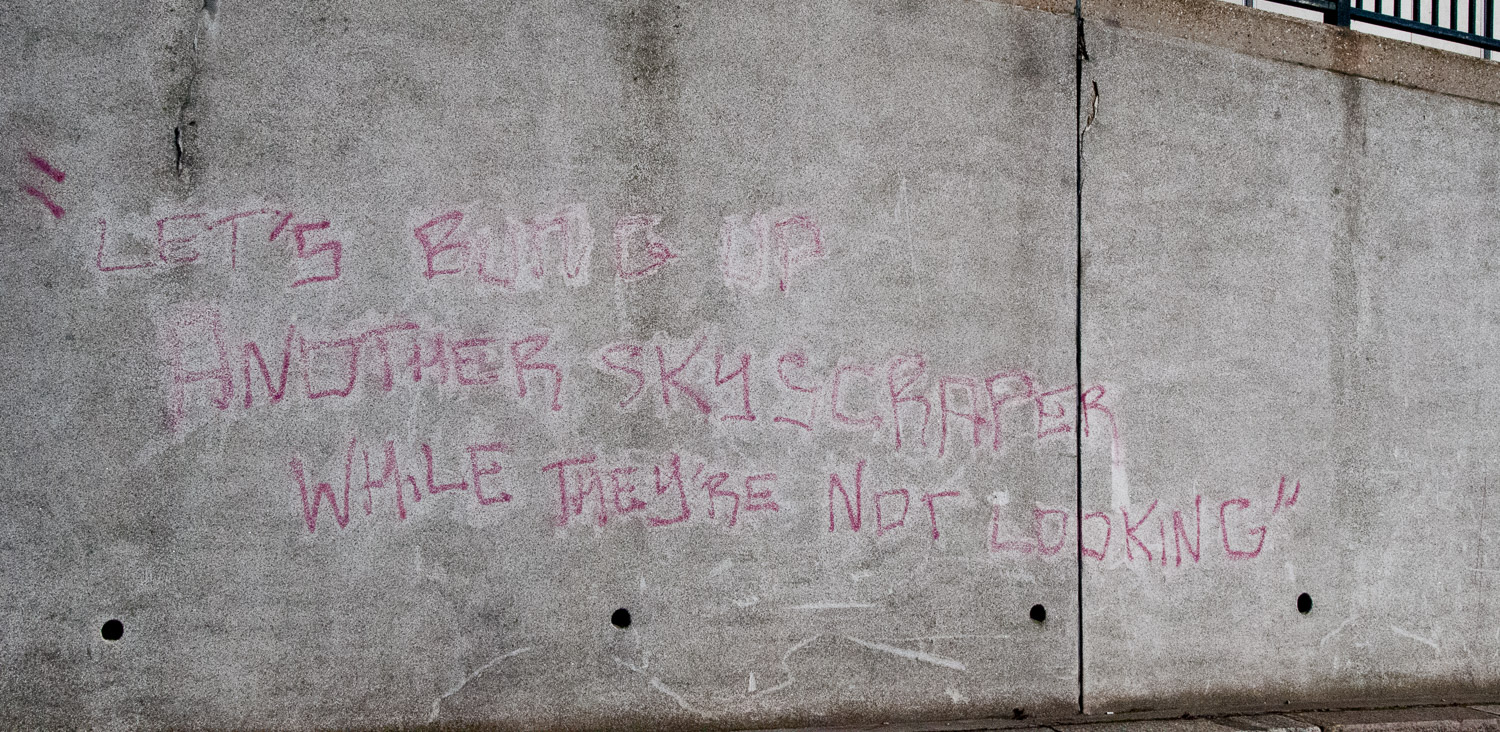
I don’t normally like graffiti but this seemed fair comment when you look around the City today …

‘Let’s bung up another skyscraper while they’re not looking.’

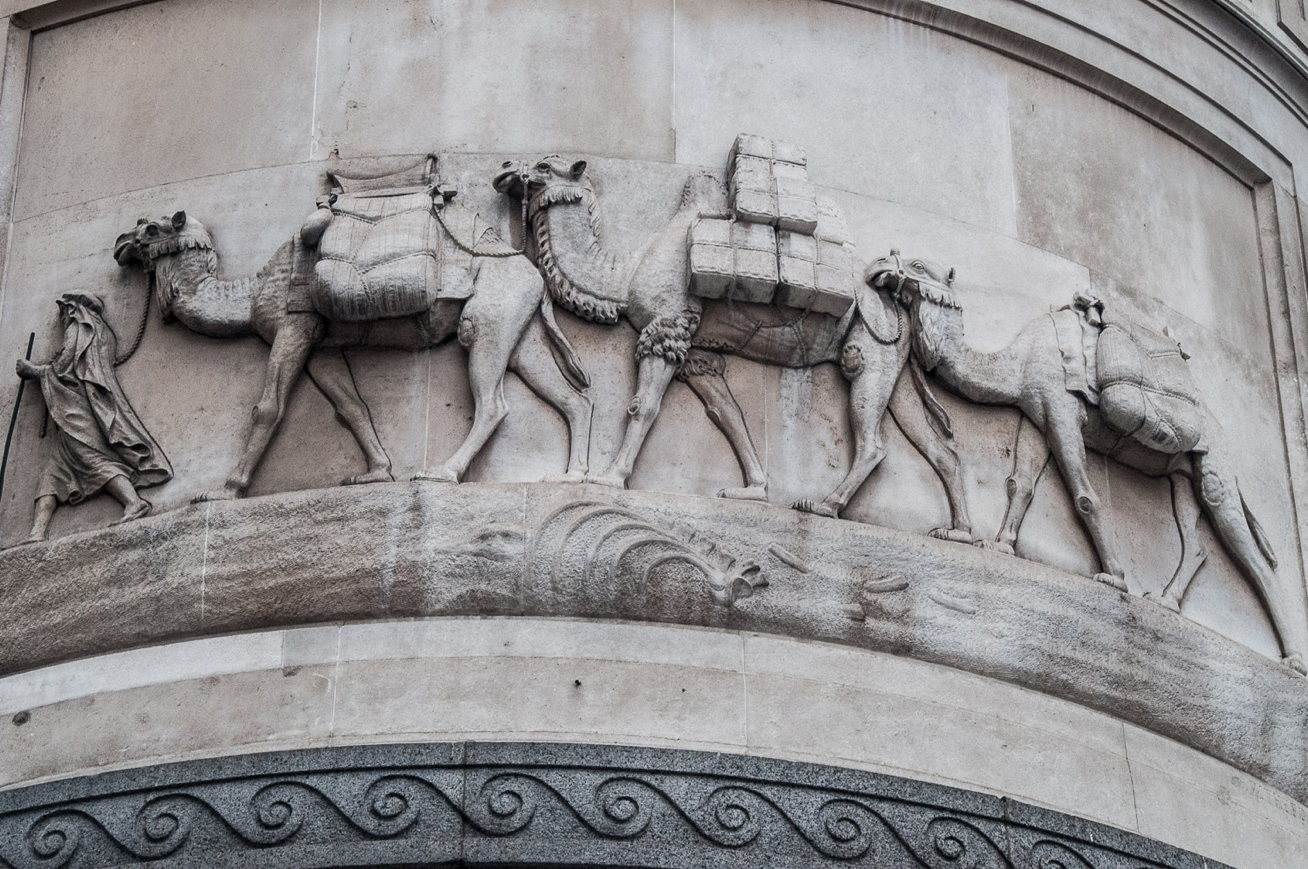
And I will end with a picture from my first blog. Happily these camels are still being led towards Tower hill …

Here’s a link to my first blog

Thank you again for subscribing!

Fish tales – a walk along the river

I started my westward walk at the old Billingsgate Market on Lower Thames Street. Once the centre of London’s fish trade, it has been comprehensively smartened up and no trace remains of its pulsating, pongy past, its interior now a soulless ‘event space’.

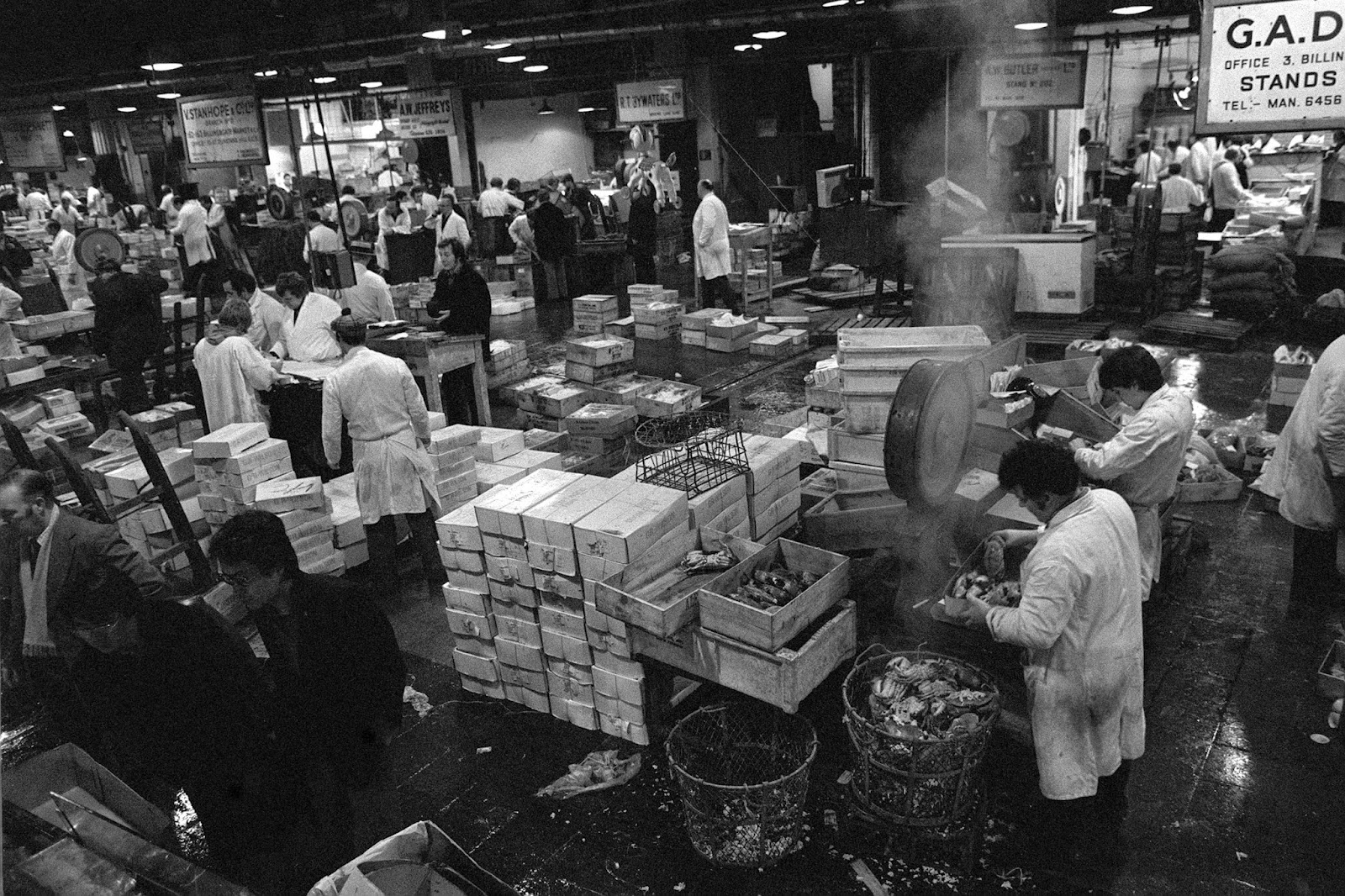
The market in its 20th century heyday.

Billingsgate was originally a general market for corn, coal, iron, wine, salt, pottery, fish and miscellaneous goods and does not seem to have become associated exclusively with the fish trade until the sixteenth century.

In 1699 an Act of Parliament was passed making it ‘a free and open market for all sorts of fish whatsoever’. The only exception to this was the sale of eels which was restricted to Dutch fishermen whose boats were moored in the Thames. This was because they had helped feed the people of London during the Great Fire.

The present building dates from 1876 and was designed by Sir Horace Jones, an architect perhaps best known for creating Tower Bridge but who also designed Leadenhall and Smithfield markets. Business boomed until 1982, when the fish market moved to the Isle of Dogs.

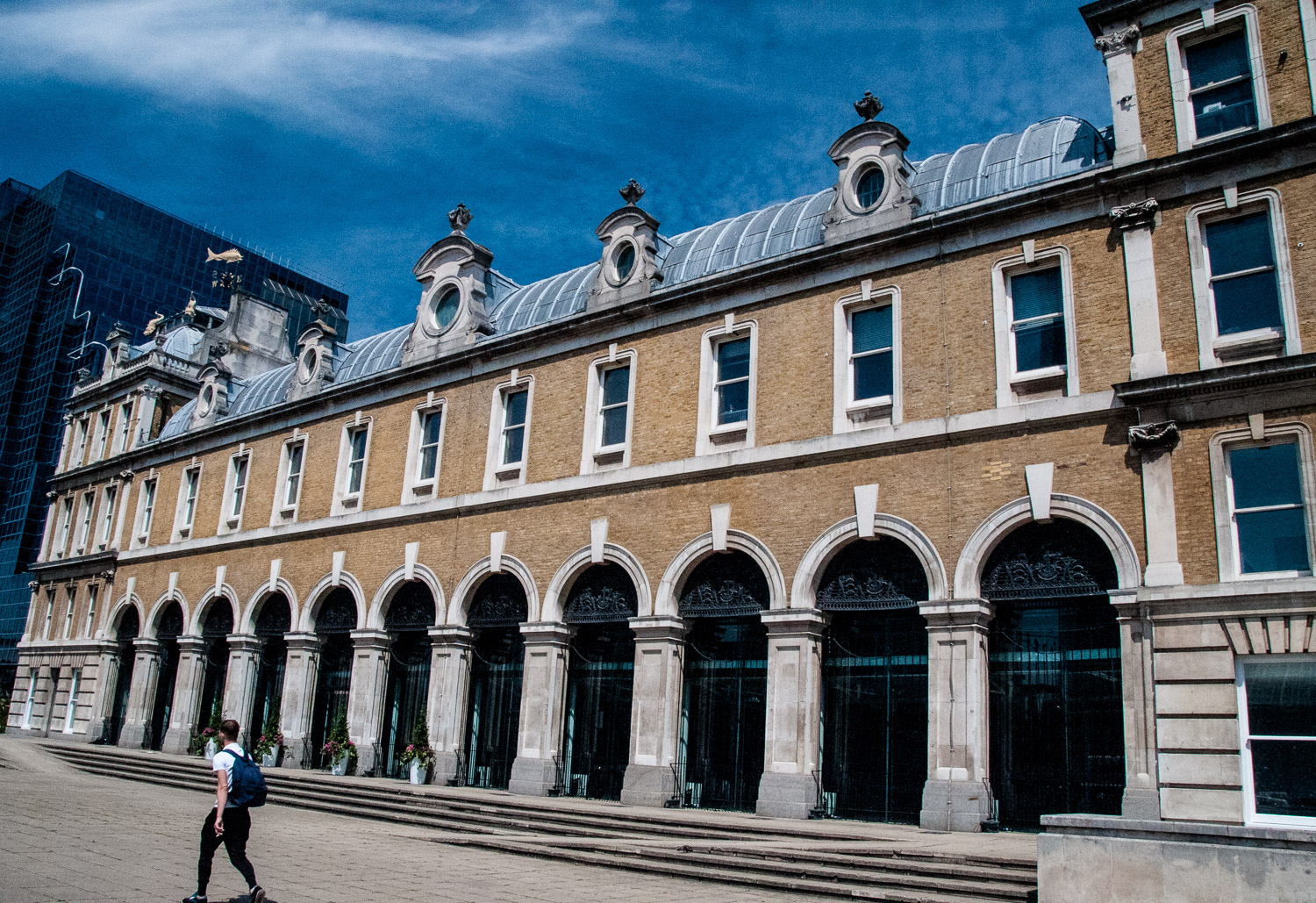
The south side of the old market today.

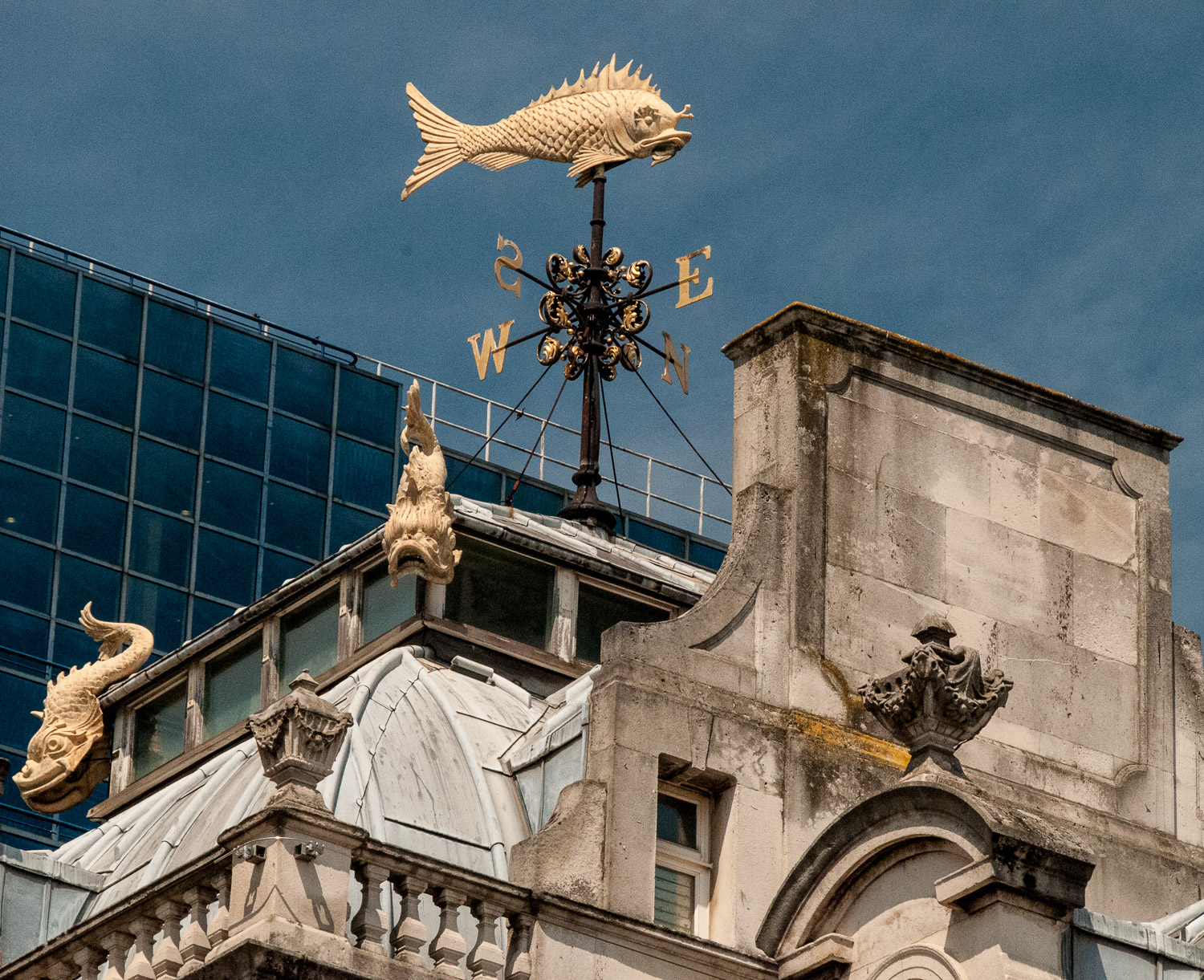
I love the weathervanes …

The weathervane at the west end of the market.

Similar weathervanes adorn the new market buildings in Docklands but they are fibreglass copies.

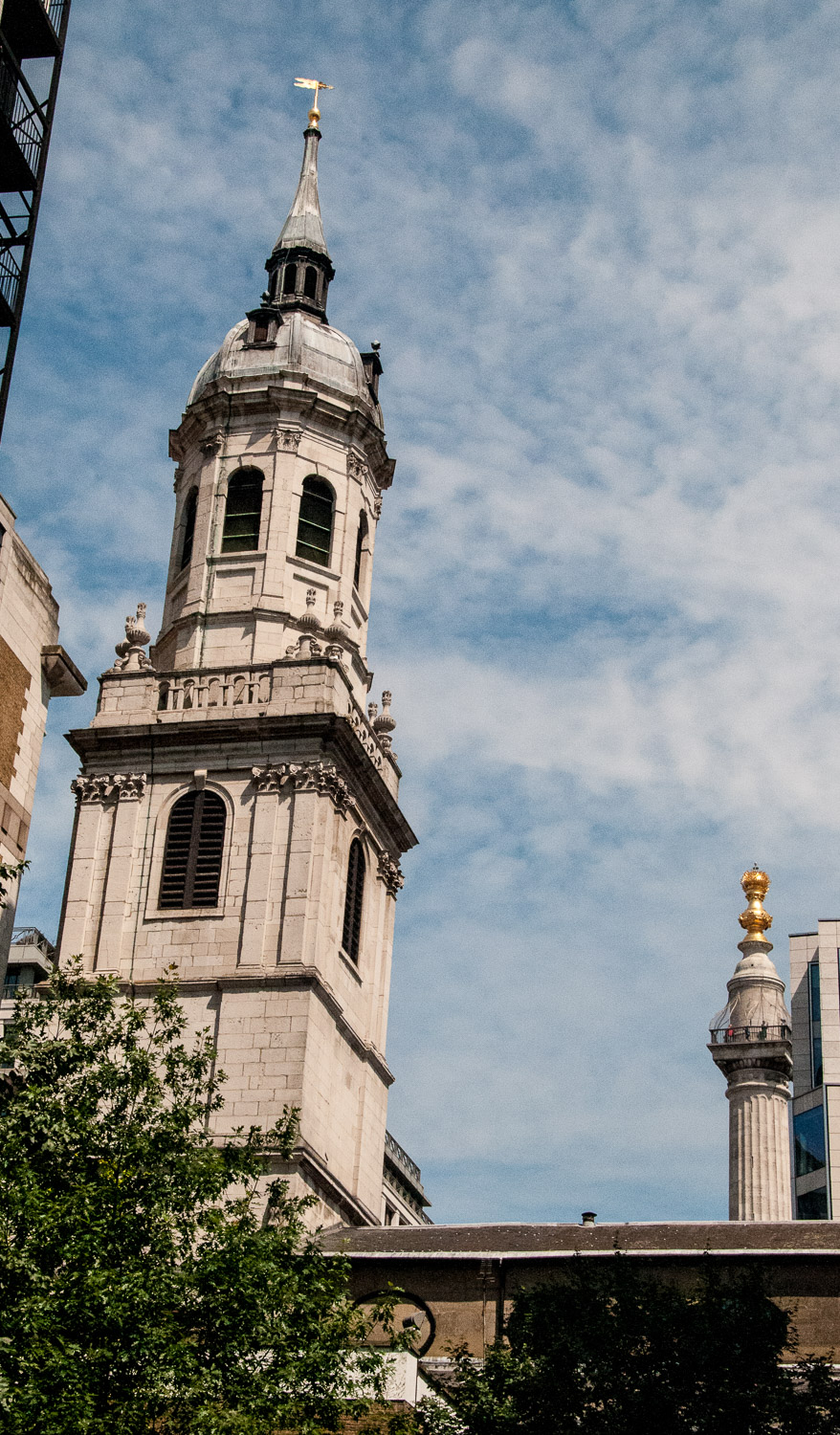
As you walk westwards you will see on your right a view of both the tower of St Magnus-the-Martyr and Wren’s monument to the Great Fire of 1666 …

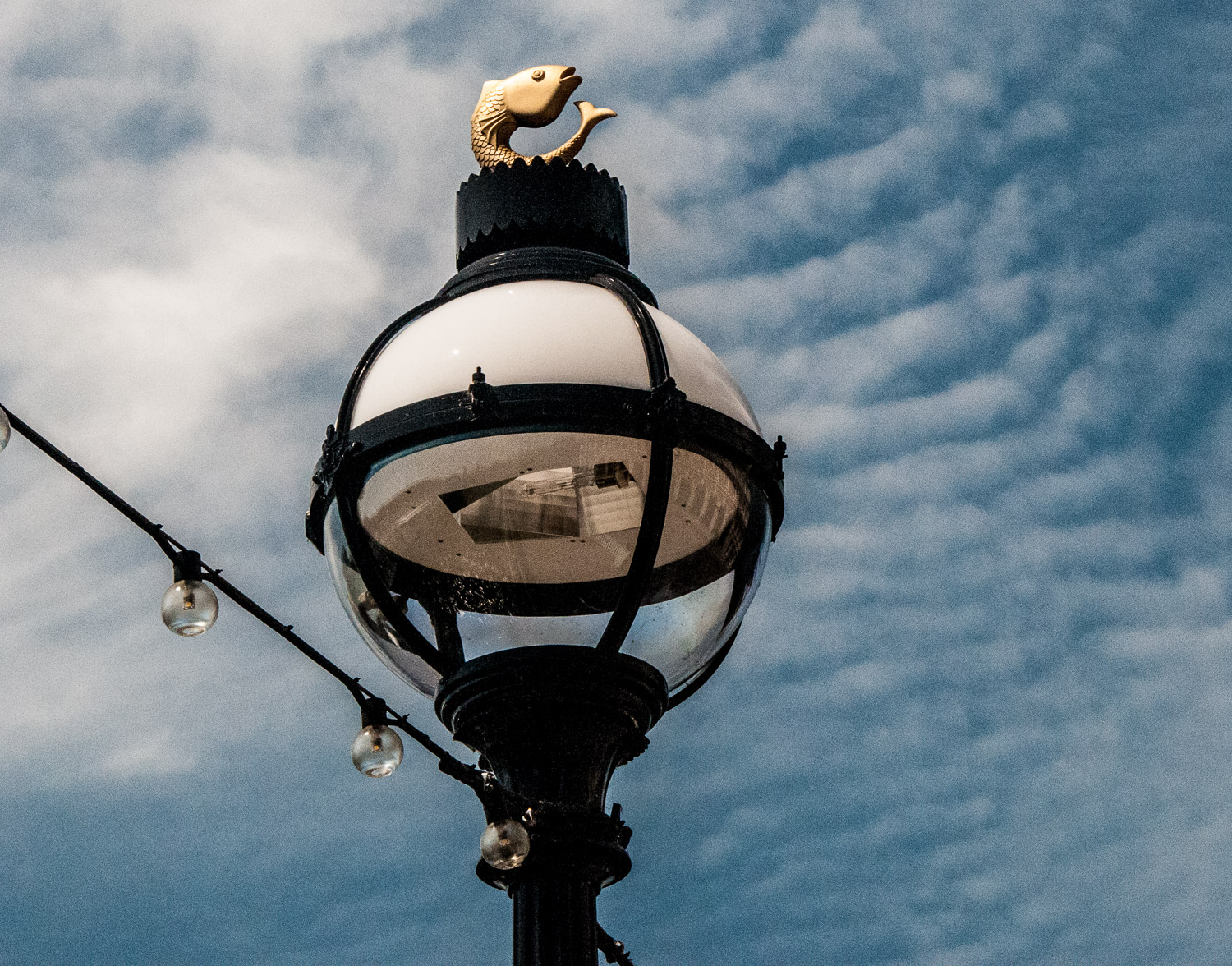
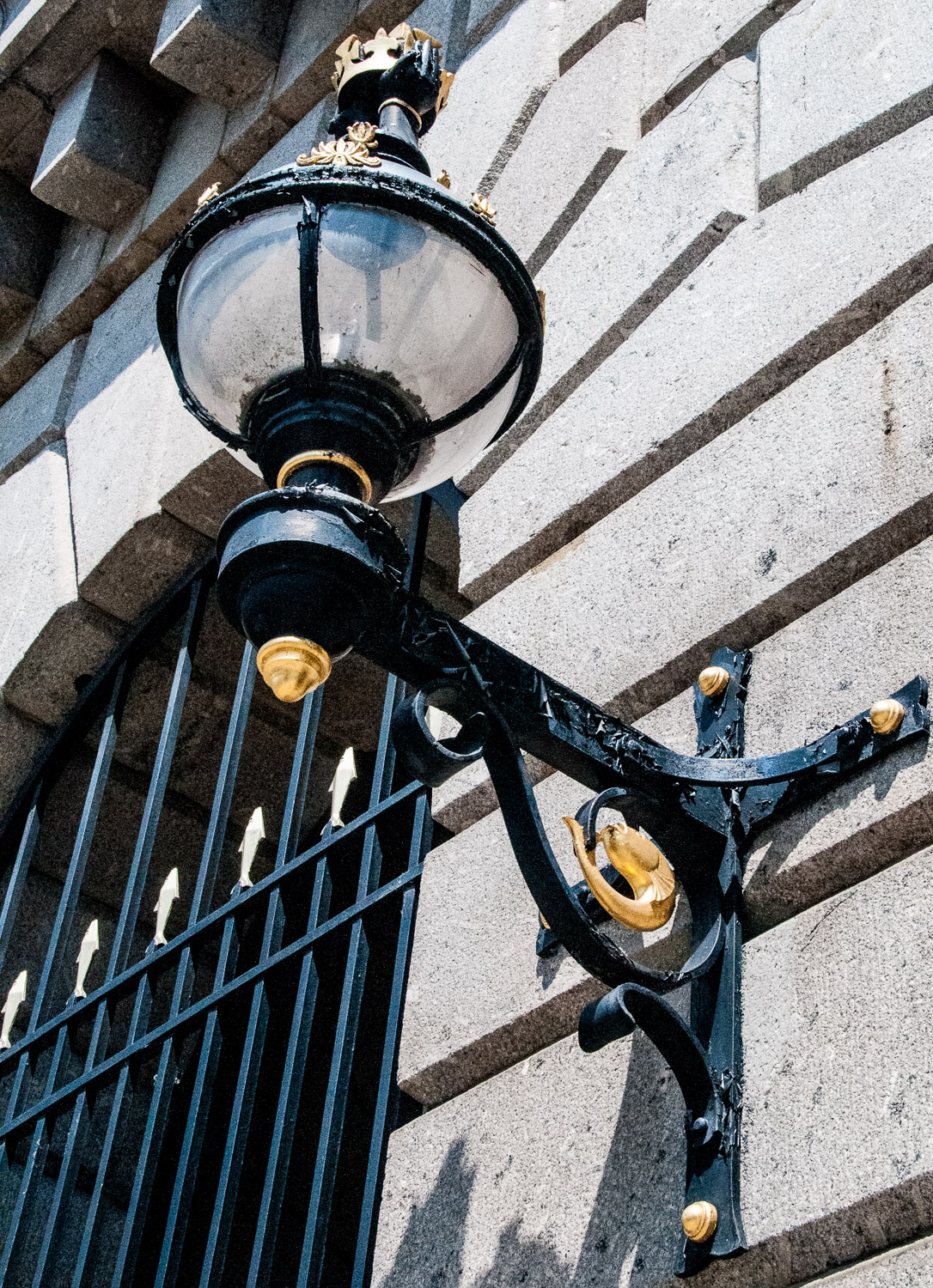
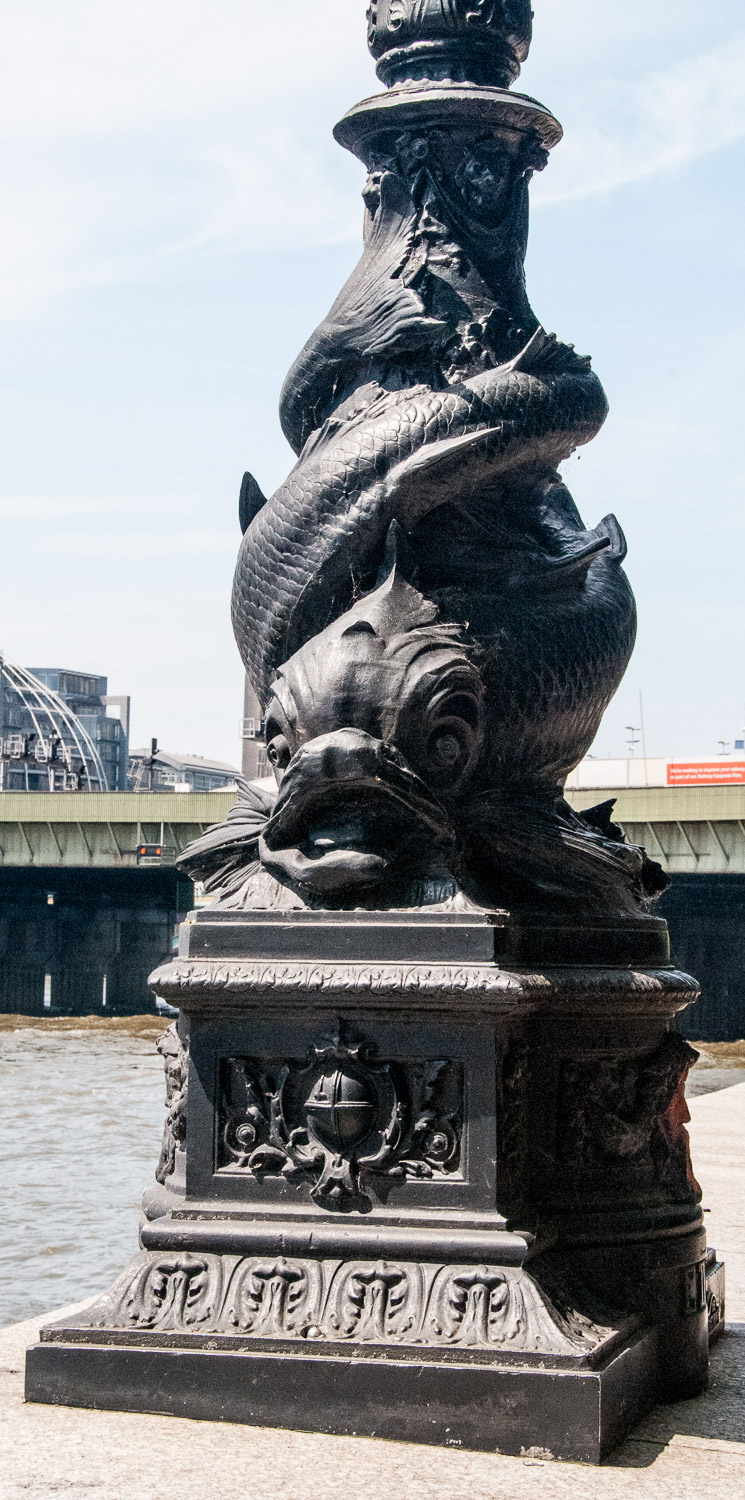
The fishy environment is enhanced by the lamps that illuminate the path at night …

And, amazingly, I think the cloud formation behind is the beginning of what is known as a ‘mackerel sky’.

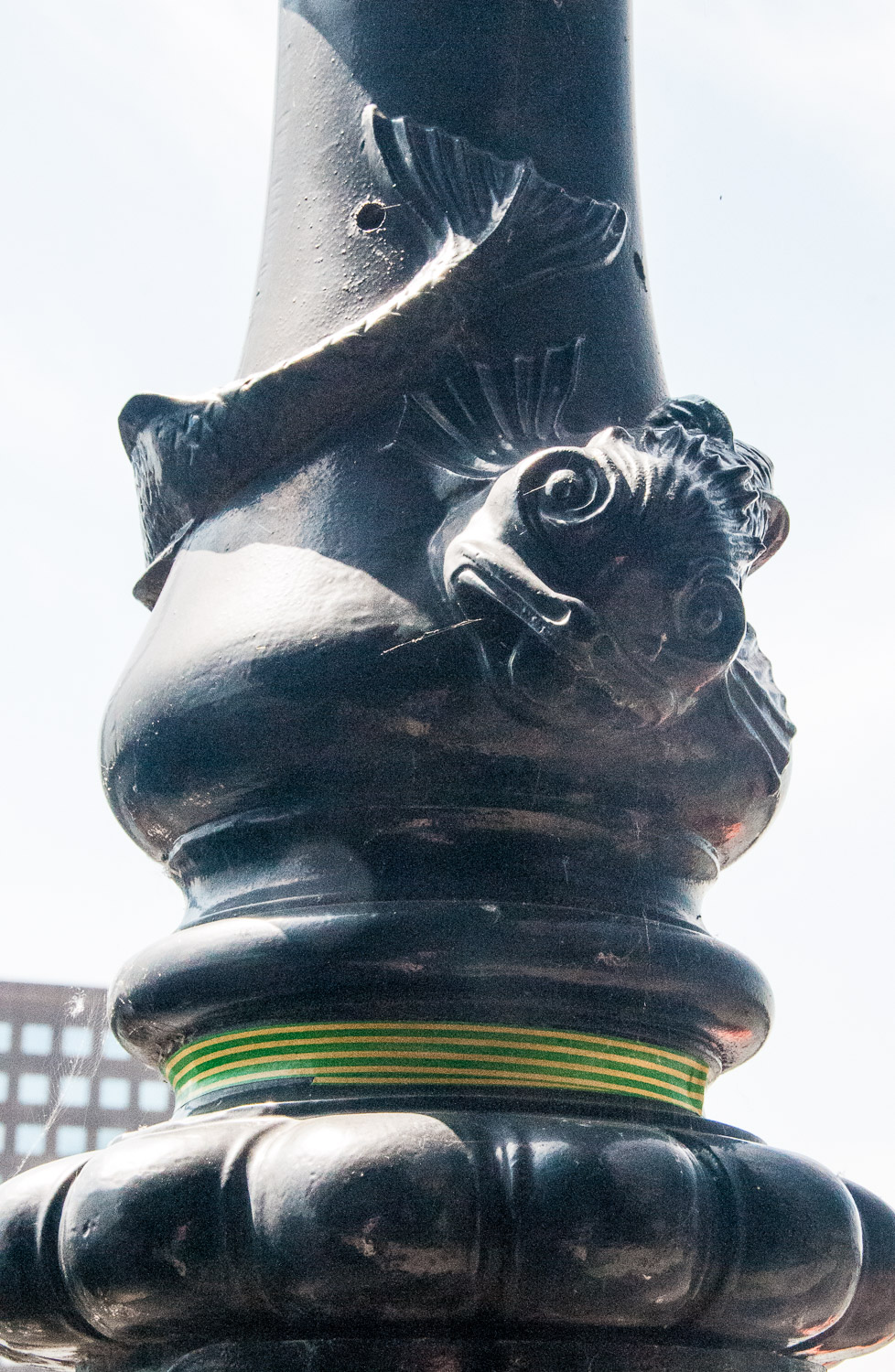
‘Hello, there!’ : Face-to-face with a fish at eye level.

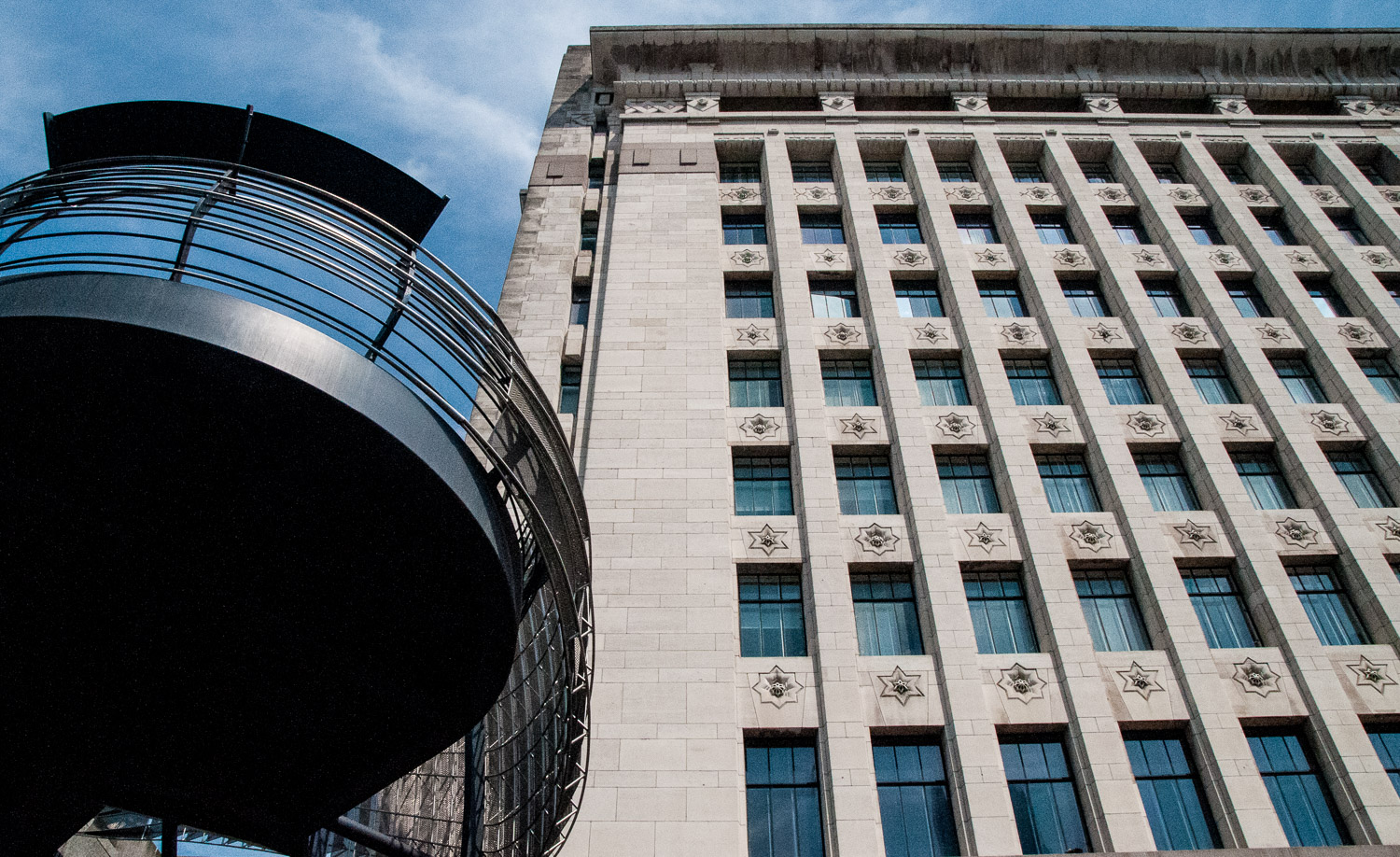
Further along Adelaide House looms above you …

Built in 1925, it was then the City’s tallest block and is now Grade II listed. The building was named in honour of King William IV’s wife Adelaide who, in 1831, had performed the opening ceremony of London Bridge. Office workers there could once access an 18-hole mini-golf course on the roof. When I discovered this an image came to mind of an errant golf ball flying over the parapet and bonking a London Bridge commuter on the head.

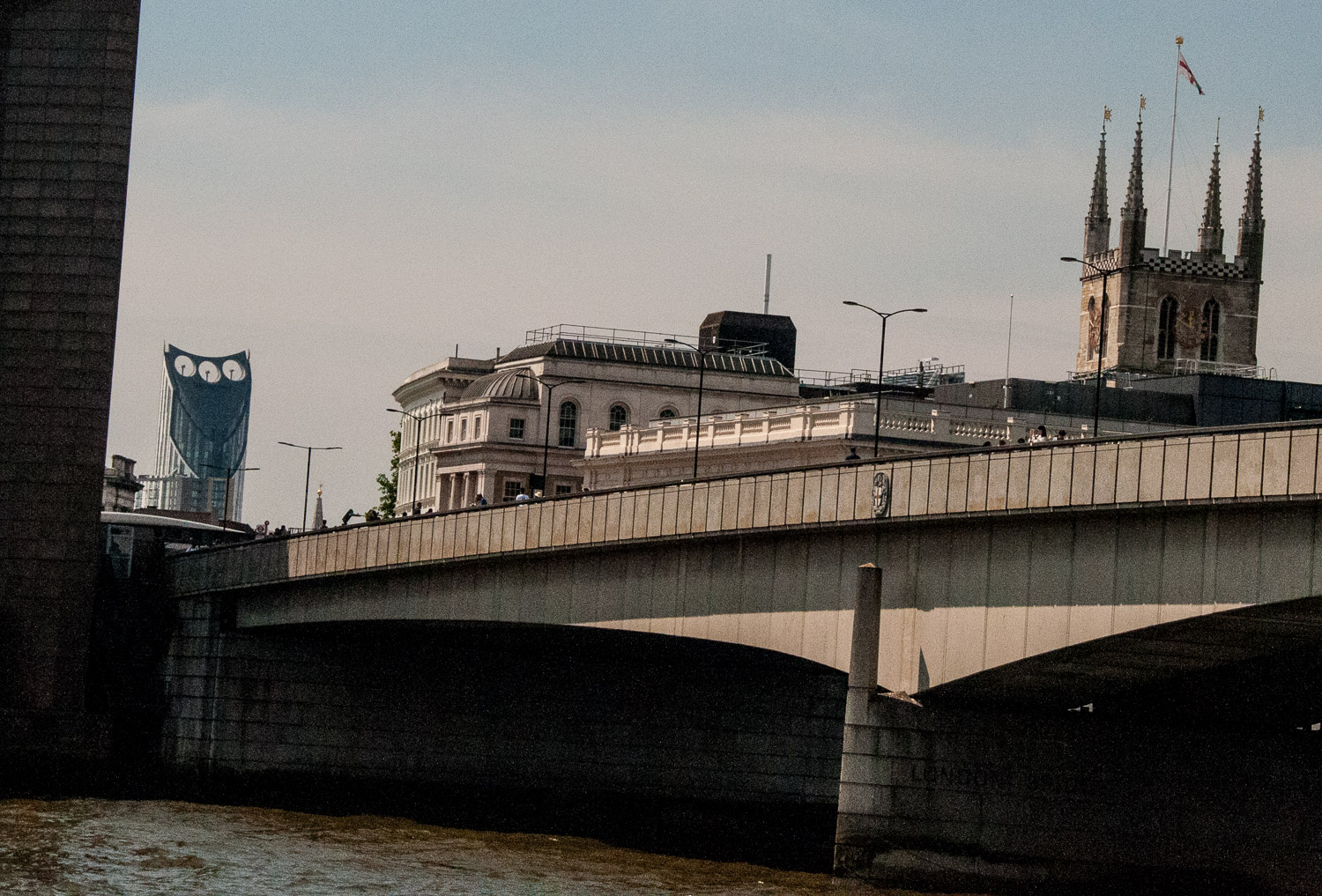
Glance across the river for an interesting contrast of old and new …

On the right, the 16th century tower of Southwark Cathedral peeps over London Bridge. In the distance the Strata tower block at Elephant & Castle, with its three wind turbines, stares back at you. The turbines were supposed to generate electricity but I have never seen them move. I am told that locals have nicknamed the building Mordor.

The Fishmongers’ Livery Company is one of the most ancient of the City Guilds and you encounter the river frontage of their hall as you continue to walk westwards. You will also spot more fish motifs both on the lamps and on the railings …

The south side of Fishmongers’ Hall.

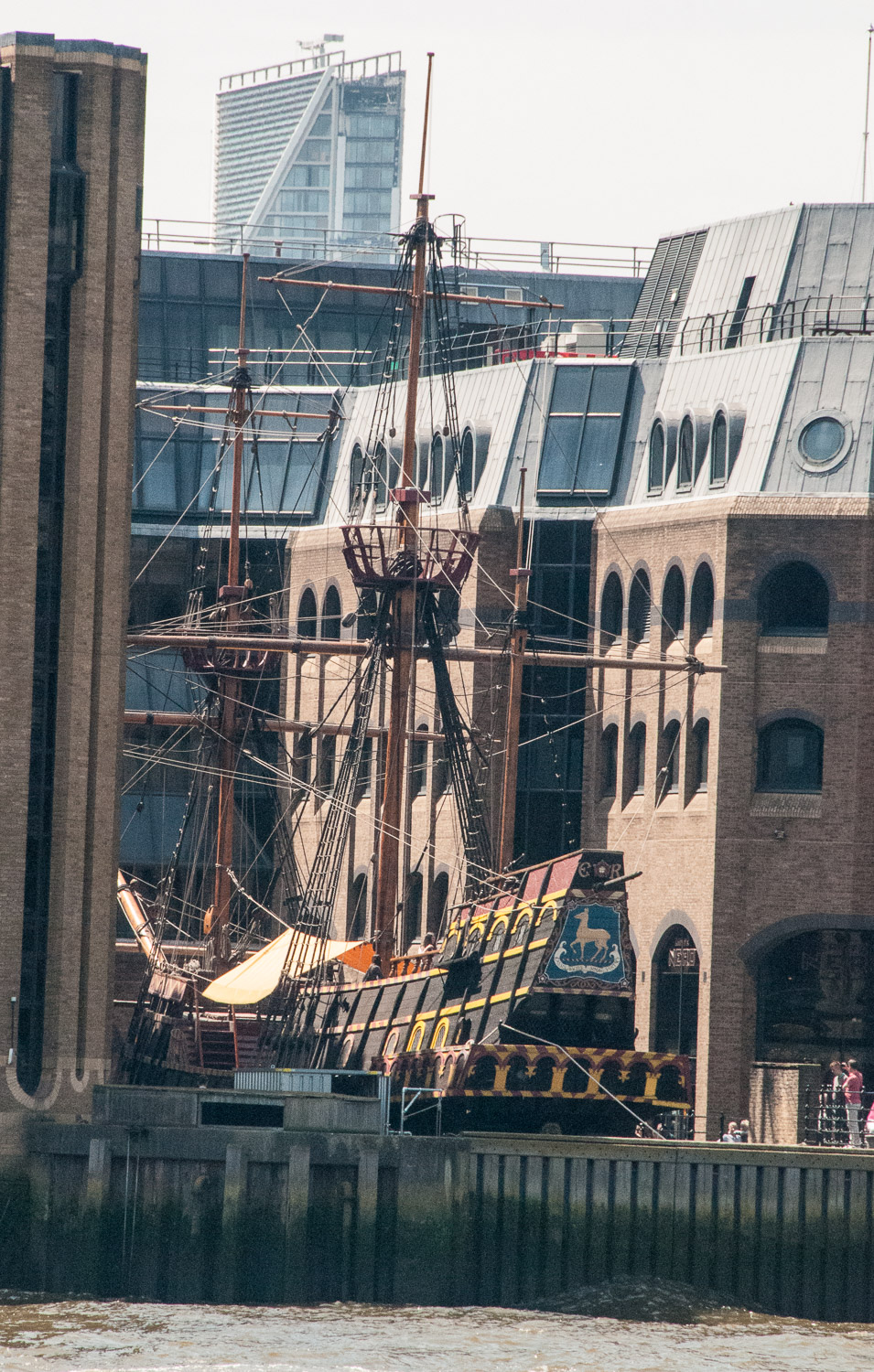
Glance across the river and there, perched in a dry dock, is a replica of a very famous Elizabethan vessel …

The Golden Hinde, under the captaincy of Sir Francis Drake, circumnavigated the globe between 1577 and 1580. It is open to visitors at St Mary Overie Dock SE1.

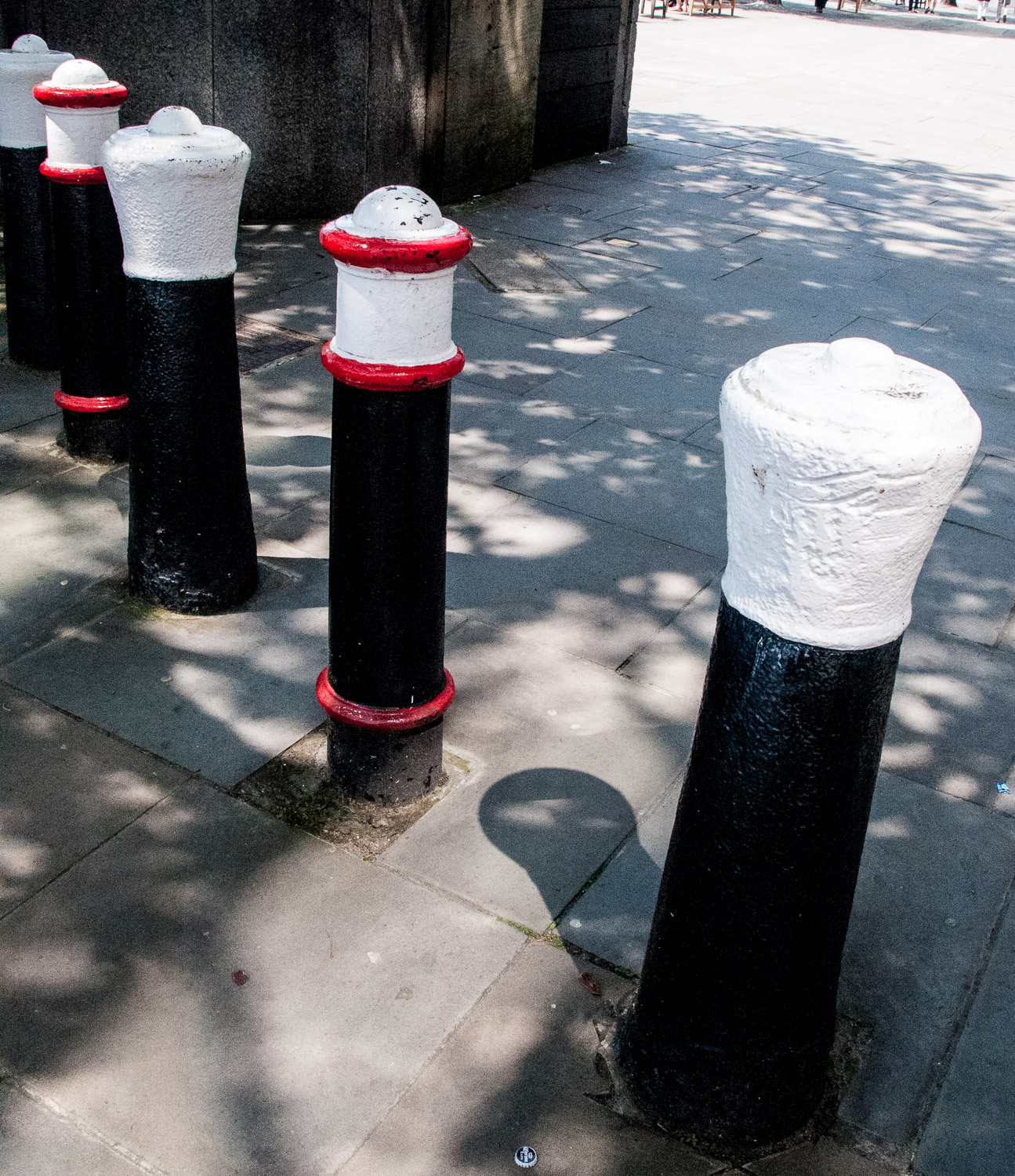
And now some bollards …

After the Battle of Trafalgar, it was discovered that the captured French cannons could not be retrofitted to British ships, and many of them were taken to London and erected as bollards. A cannon ball too large for the barrel was welded into the muzzle to give a distinctive shape. Most have disappeared, or are actually modern replicas, but I do think these fat black and white ones have an authentic look.

Further on, another fish lamp …

This one dates from 1998 when this part of the Thames Path was opened.

You will now pass under Cannon Street Station through the atmospheric Steelyard Passage which I wrote about in last week’s blog about Cannon Street Station.

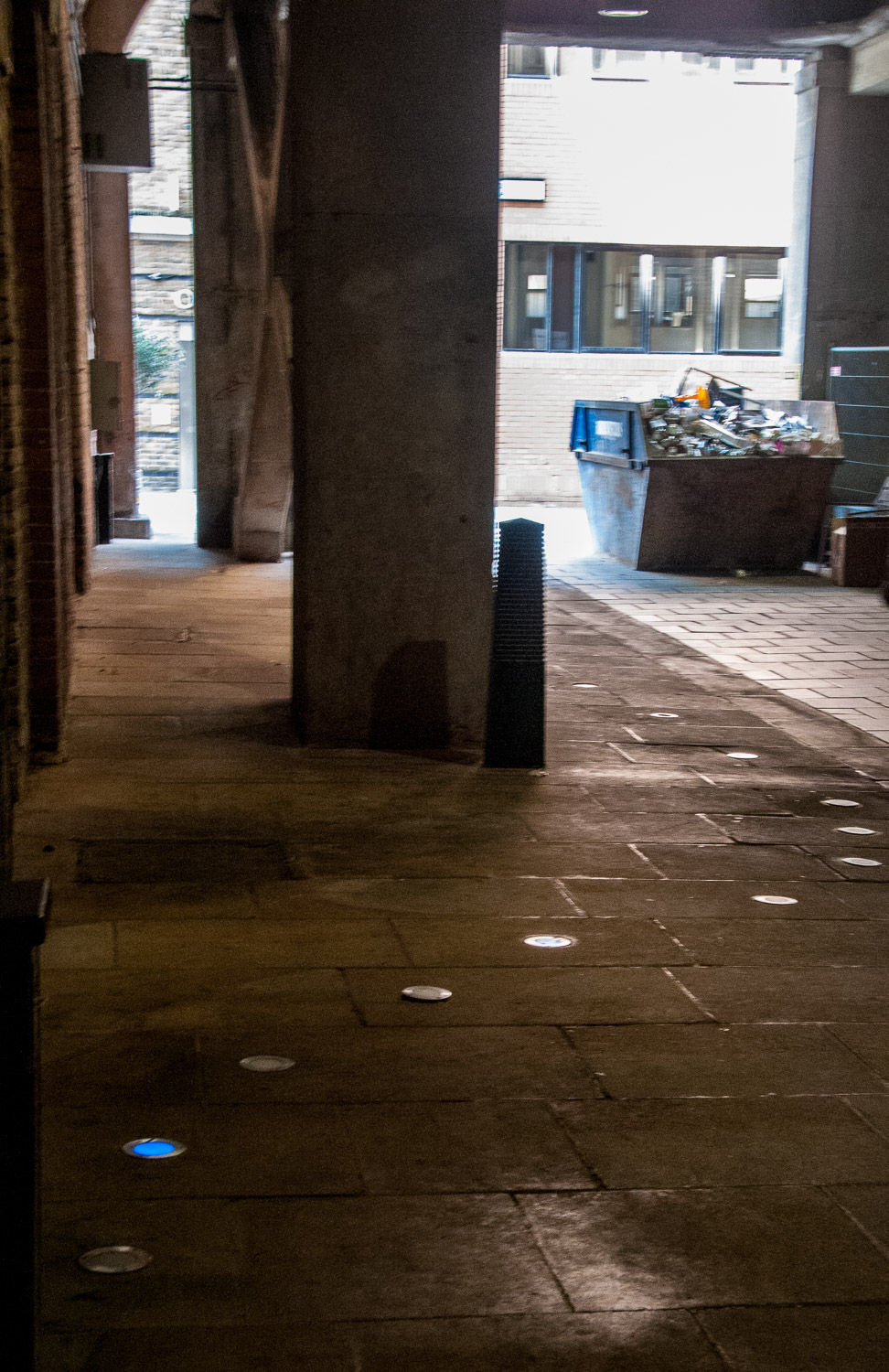
One feature I didn’t mention was these blue lights built into the path …

The lights illustrate the edge of the River Thames at high tide before the Embankment was built in the 19th century. Shame about the skip.

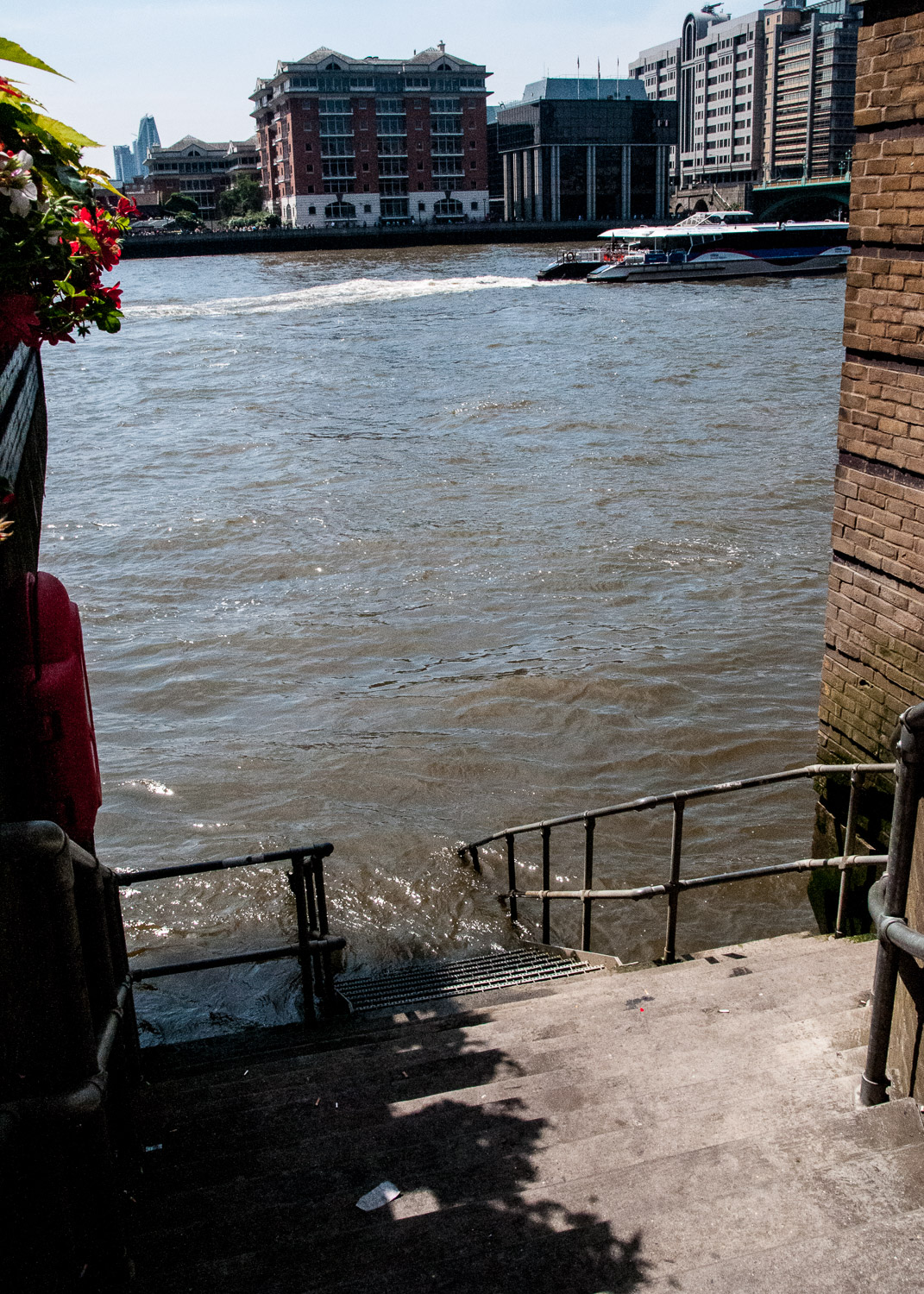
At the end of the path turn left and you can look down onto the River …

You are standing above the old Walbrook River which entered the Thames at approximately this point. Now totally covered over, it was once quite a torrent. The historian John Stow wrote that it had …

Such a swift course that in the year 1564 a lad of eighteen years, minding to have leapt over the channel, was borne down that narrow stream towards the Thames with such violent swiftness as no man could rescue or stay him.

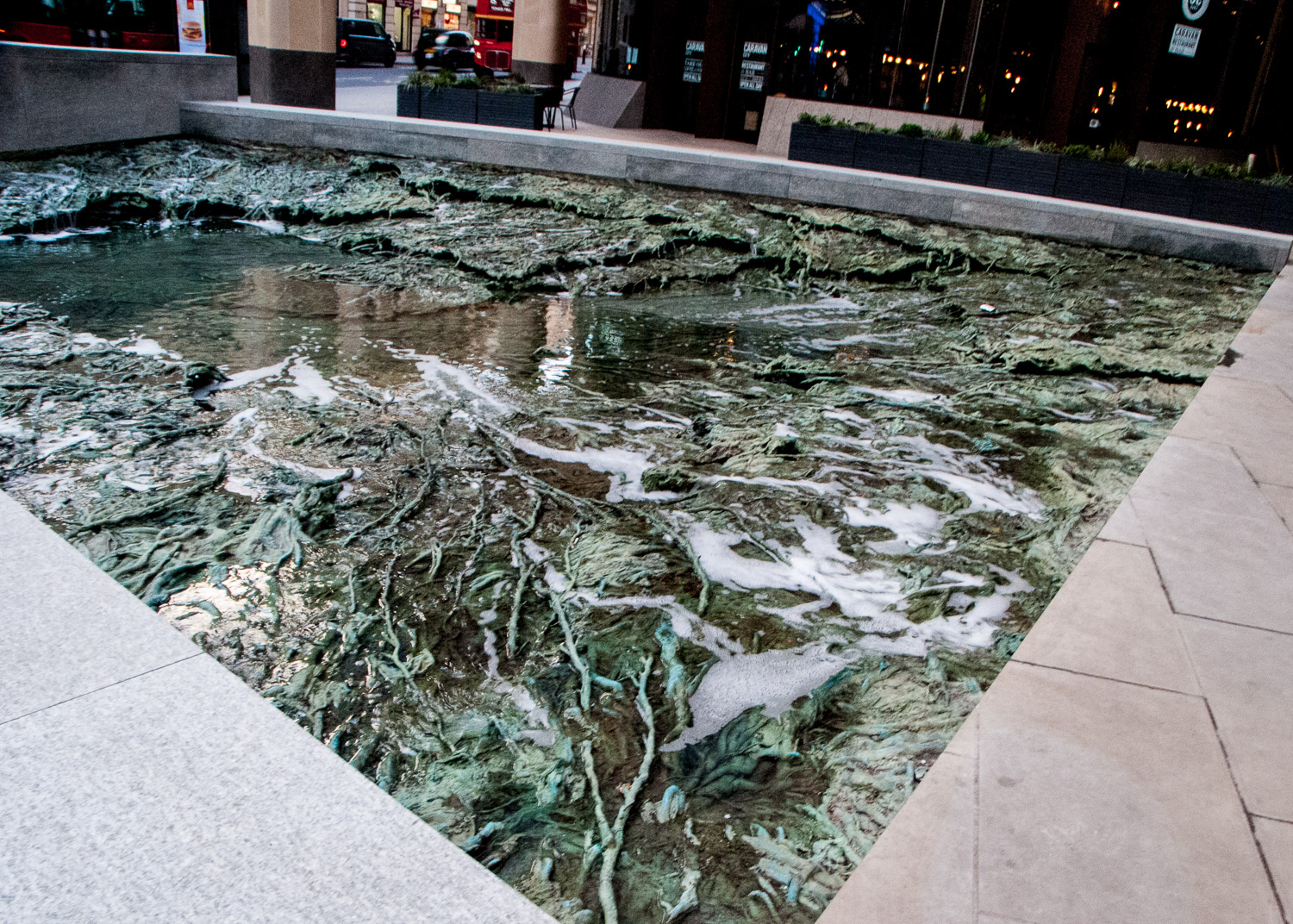
If you turn round now and walk up Cousin Lane you follow the course of the old Walbrook. On the north side of  Cannon Street it is commemorated in this sculpture entitled Forgotten Streams by the Spanish artist Cristina Iglesias …

Terminus tales – Blackfriars Station

Nowadays, if you want to travel by rail to Continental Europe, you head for St Pancras International and Eurostar. Once upon a time though, your gateway to the Continent was Blackfriars Station in the City.

The station was badly damaged during the Second World War but the wall displaying a selection of the locations you could catch a train to survived and you can see it today in the ticket hall. It was part of the original façade of the 1886  station (originally known as St Paul’s) and features the names of 54 destinations – each painstakingly carved into separate sandstone blocks.

The destinations are gilded in 24 carat gold leaf …

‘Where shall we buy a ticket to today? Crystal Palace or Marseilles? Westgate-on-Sea or St Petersburg? Tough choices!’

The new station gave the London Chatham & Dover Railway an important foothold in the City of London.

If you leave the station and turn left you can walk across Blackfriars Bridge and take in a few more interesting sights.

There are these columns rising out of the river …

In 1862-64 a bridge was built to accommodate four trains at one time. John Wolfe-Barry and H M Brunel built a second bridge to increase the number of trains coming into St Paul’s. The columns are the remains of the original bridge, which was removed in 1985 as it was deemed too weak for modern trains.

On the south side is the beautifully restored coat of arms of the London Chatham & Dover Railway …

Note the white horse rampant, symbol of Kent, and the county motto ‘Invicta’ meaning ‘undefeated’ or ‘unconquered’.

And now features not everyone notices. They are not related to the station but if you have ventured onto the bridge they are worth looking out for.

Peer over the parapet and on either side you will see some birds on the capitals of the bridge supports, beautifully carved in Portland stone by J.B.Philip.

The birds on the west side are fresh water birds and plants to be found on the upper reaches of the river …

And on the east side, sea birds and seaweeds to be found at the mouth of the Thames …

Just after you turn left outside the station you will see one of my favourite water fountains, recently liberated from behind hoardings and nicely restored.

Sculptor Wills Bros.

The pretty lady represents ‘Temperance’ and she originally stood outside the Royal Exchange.

The fountain was inaugurated by Samuel Gurney, MP, the Chairman of the Metropolitan Free Drinking Fountains Association, on 27 July 1861 and you can read more about him, and the Association, in my earlier blog Philanthropic Fountains.

Page 18 of 20

Powered by WordPress & Theme by Anders Norén