Walking the City of London

Category: Special Exhibitions Page 22 of 23

My visit to the Wellcome Collection and the ‘Cult of Beauty’.

I hope those of you who are regular readers don’t mind too much when I wander outside the bounds of the City when I think there is something interesting happening elsewhere, and in the case of the Wellcome Collection it’s only a few Tube stops away.

At the entrance to the Cult of Beauty exhibition …
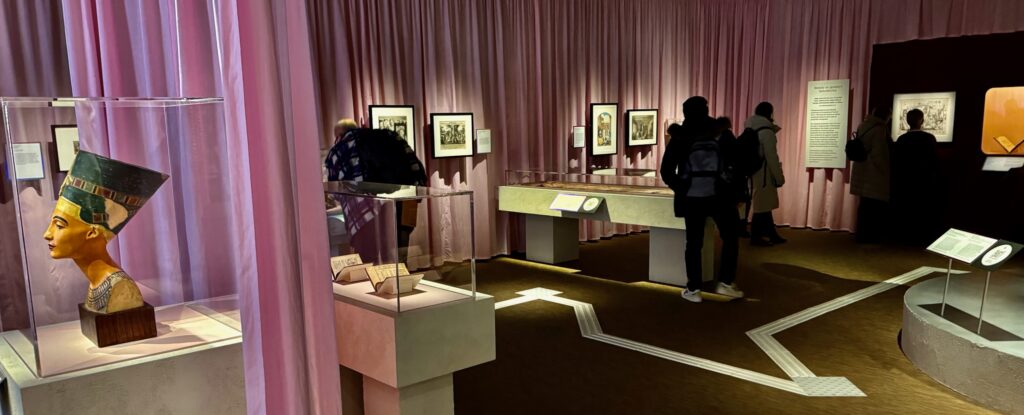
The guide tells us that the exhibition explores notions of beauty across time and cultures. ‘Around the world, beauty is constantly seen as an ideal worthy of going to great lengths to achieve. But what are the driving forces that lead us to believe in a myth of universal beauty, despite its evolving nature?’

‘Featuring over 200 items, including historical objects, artworks, films and new commissions, the exhibition considers the influence of morality, status, health, age, race and gender on the evolution of ideas about beauty.’

Reproduction of the bust of Nefertiti, originally created circa 1354-1351 BCE …
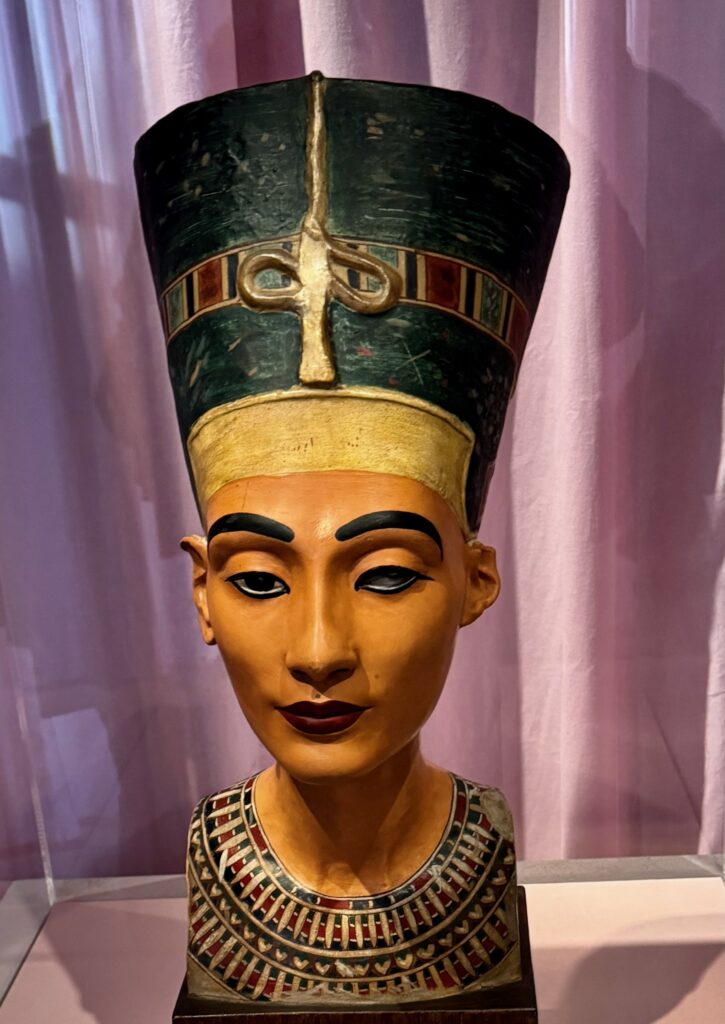
‘An archytype of African feminine beauty’.

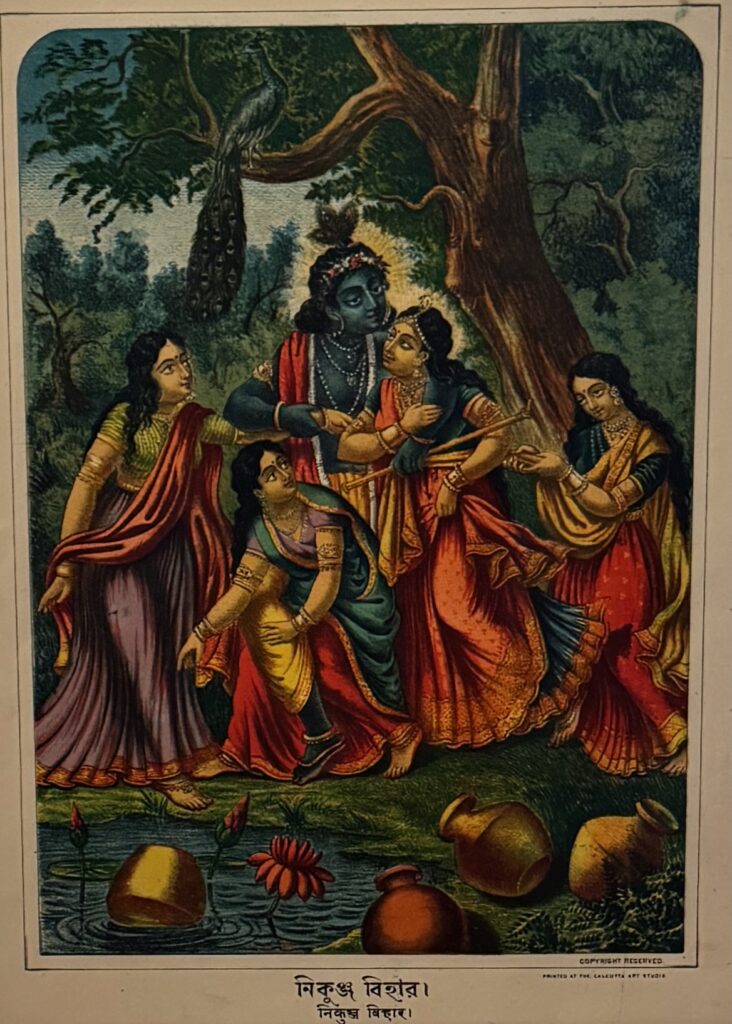
‘Beautiful features have long been seen as a gateway to the spiritual in different belief systems. The print of Krishna challenges Christian associations of beauty with morals such as chastity’ …
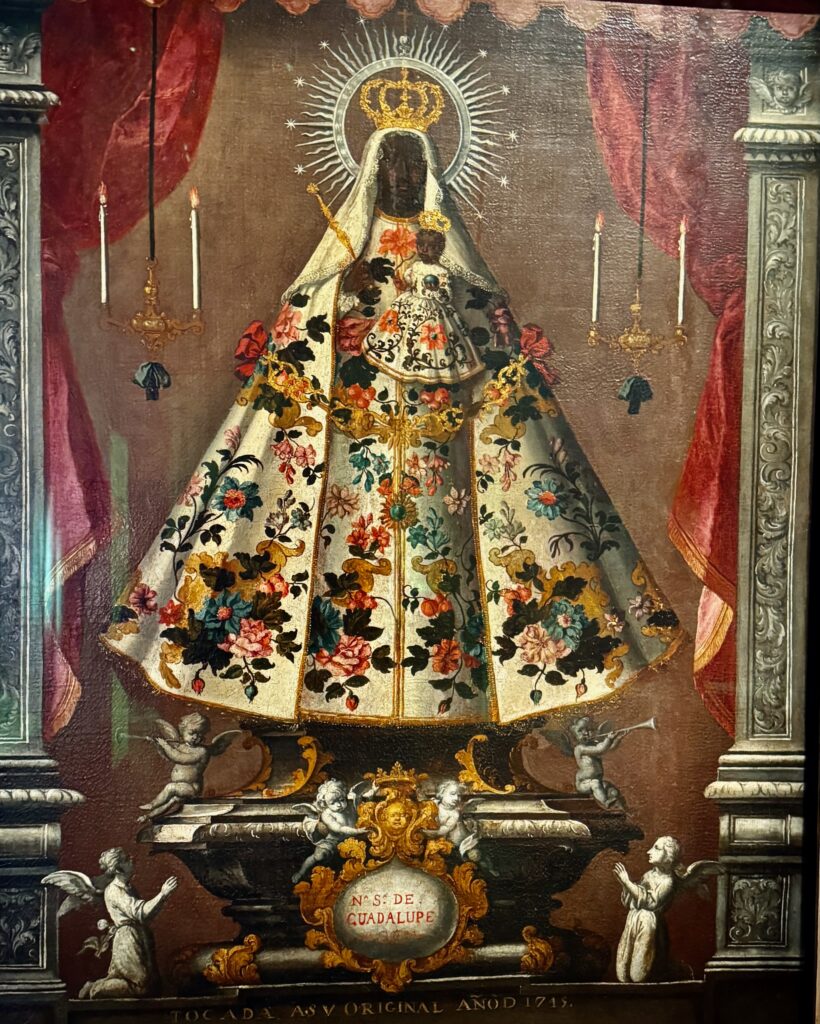
‘The Virgin of Guadalupe is a symbol of multicultural and multi-ethnic identities, especially in areas where different religions and cultural traditions meet’ …
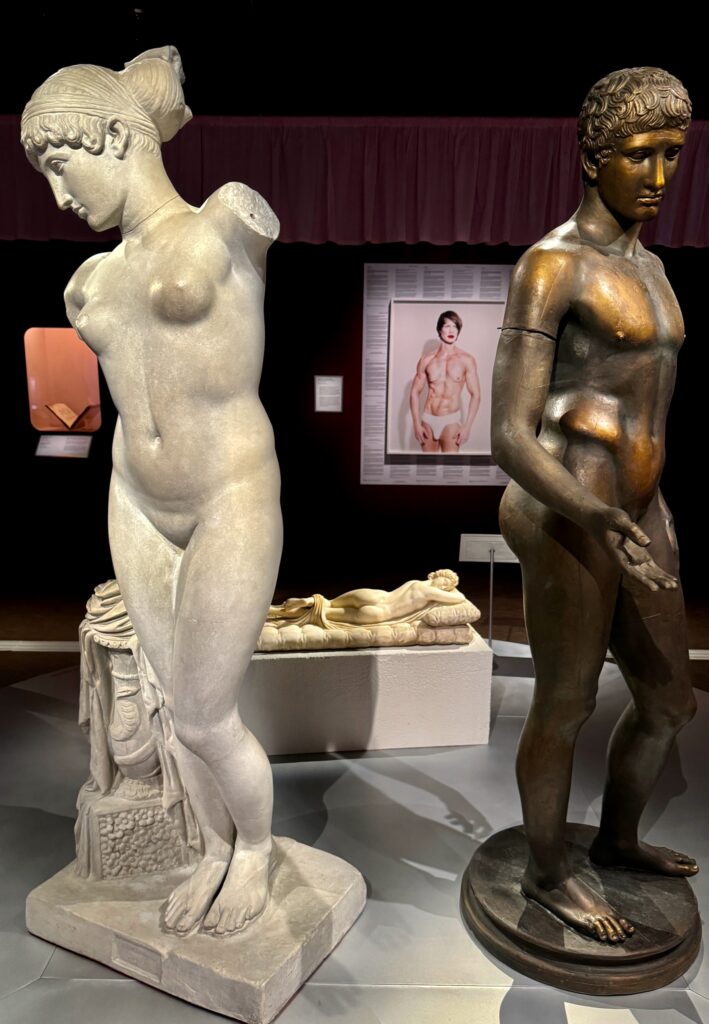
The ‘Esquiline Venus’ and the ‘Idolino’ or ‘Little Idol’ – First Century concepts of beauty reproduced in the late 19th century …
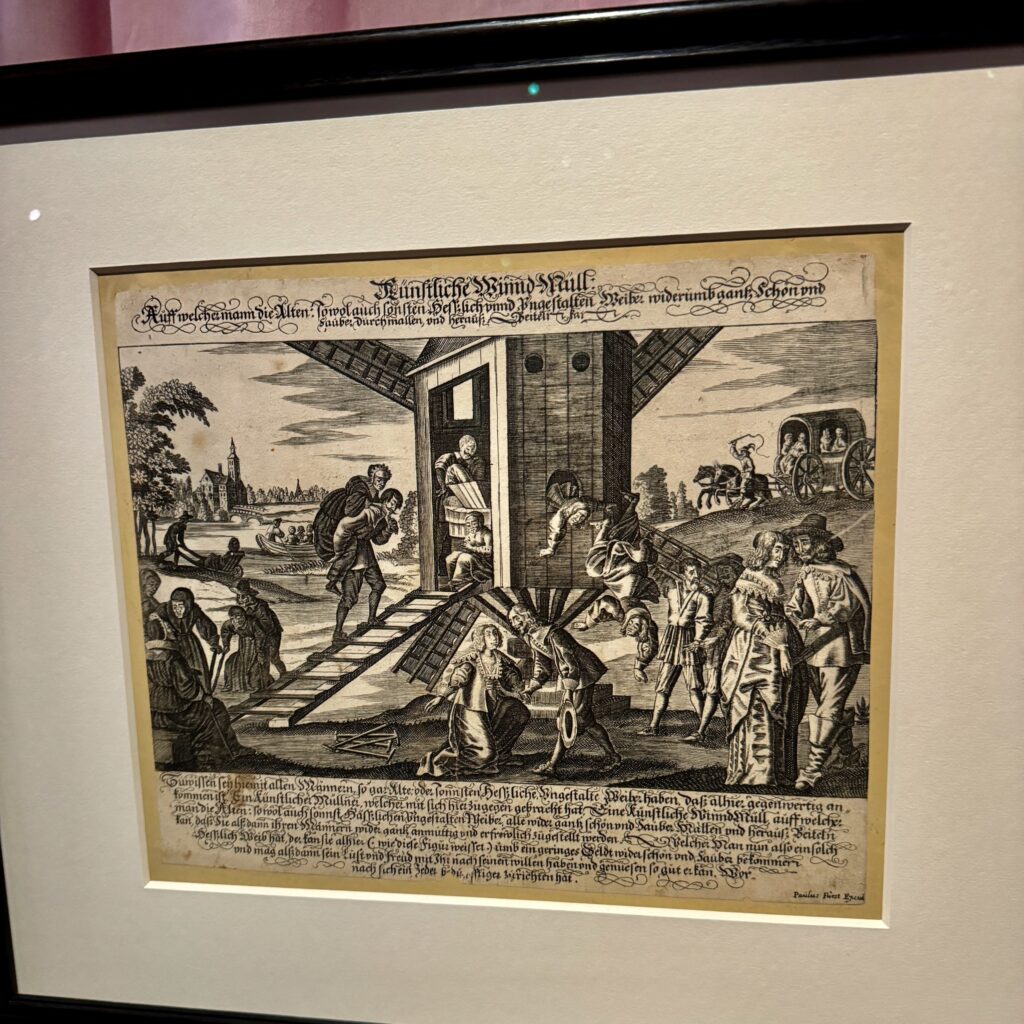
‘Husbands bringing their ugly wives to a windmill, to be transformed into beautiful women’ – German chapbook circa 1650 …
Trying to get that figure in shape …
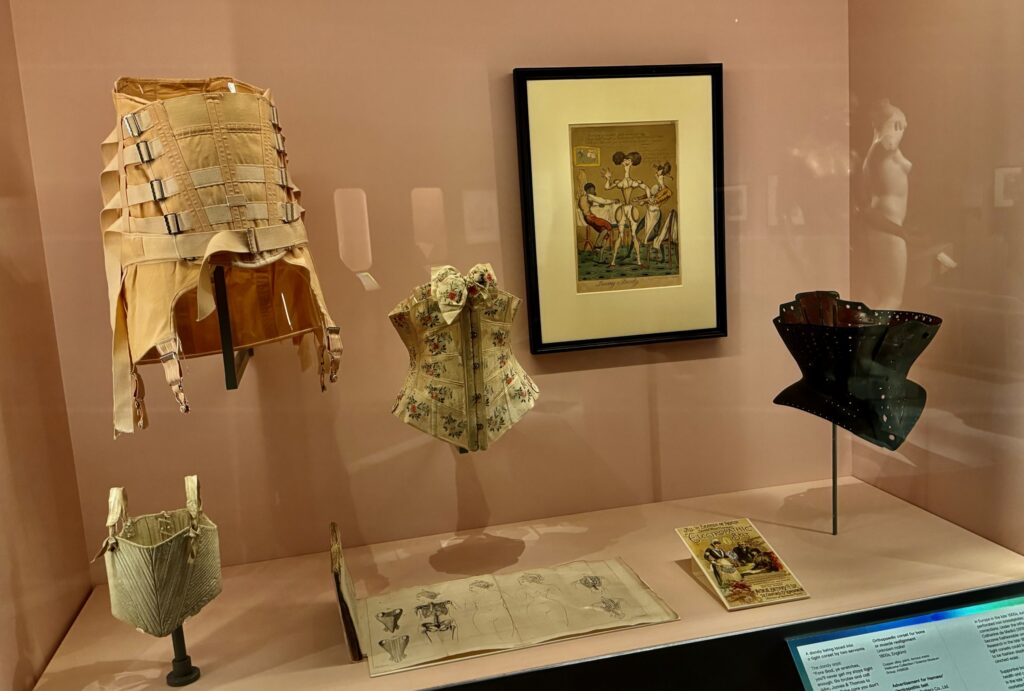
It was not just women enduring torture …
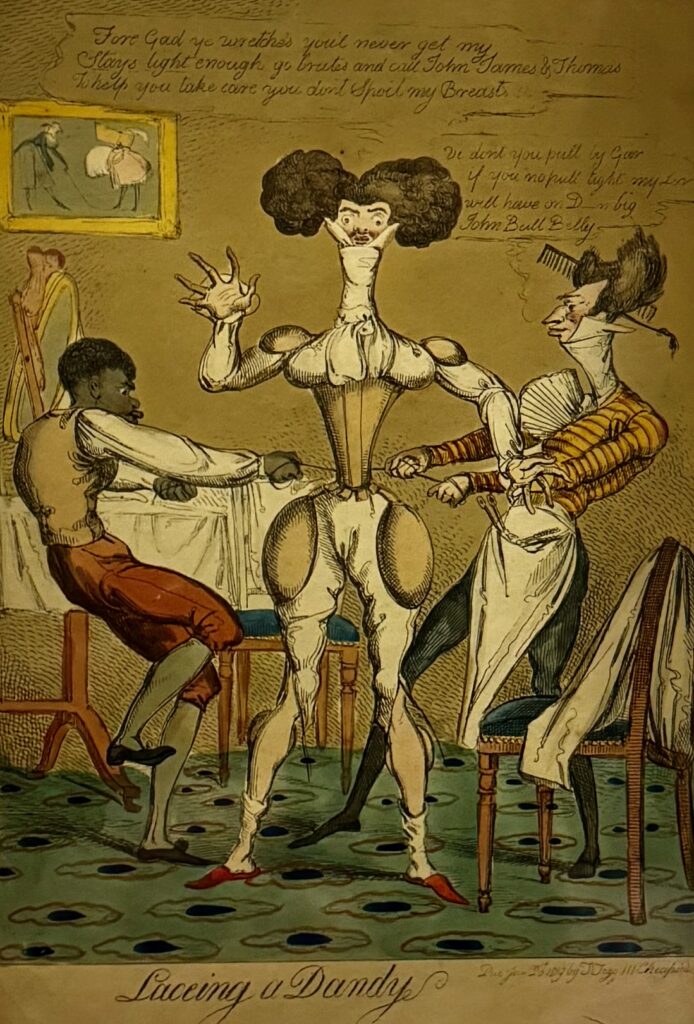
A dandy being laced into a tight corset by two servants (1819).

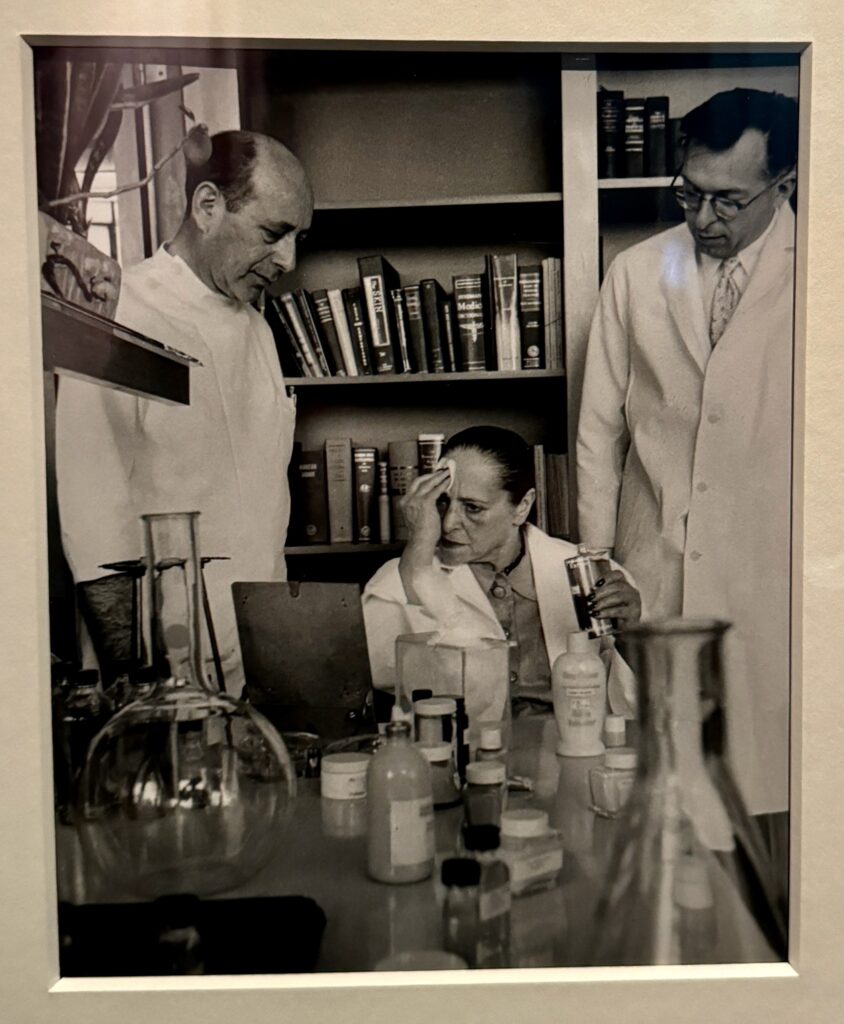
Cosmetic entrepreneur Helena Rubenstein testing products in her Long Island Factory (1950s) …
The installation ‘Beauty Sensorium’ brings together historical references with reconstructions of Renaissance make-up recipes, inviting visitors to look, smell and touch …
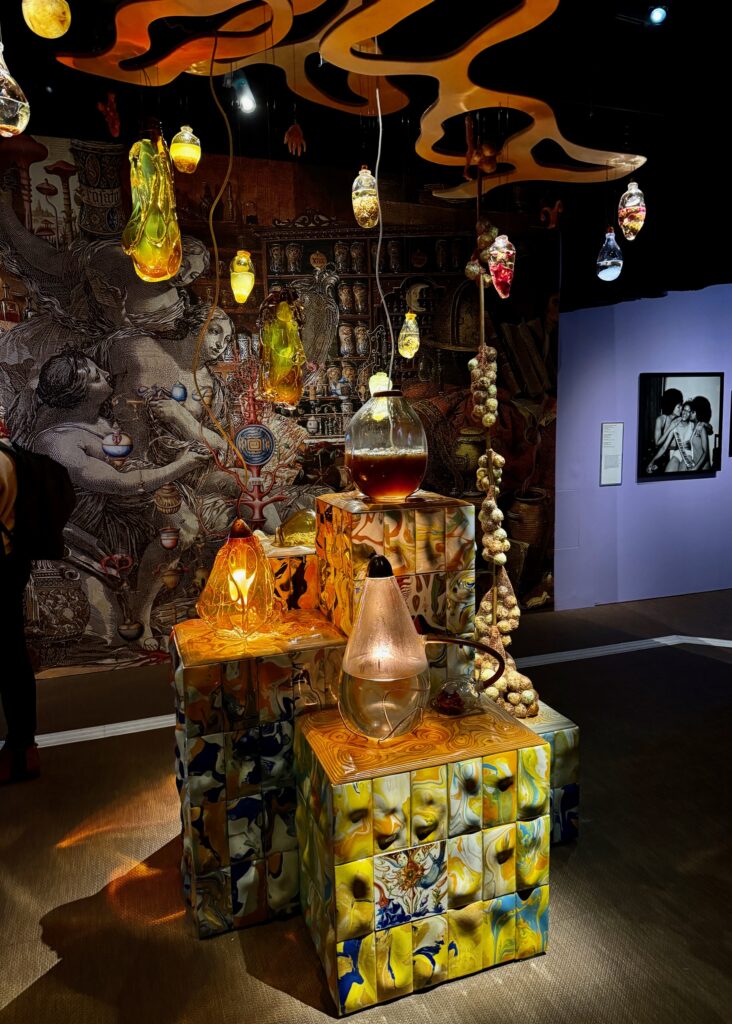
Equipment to enhance appearance and fragrance …
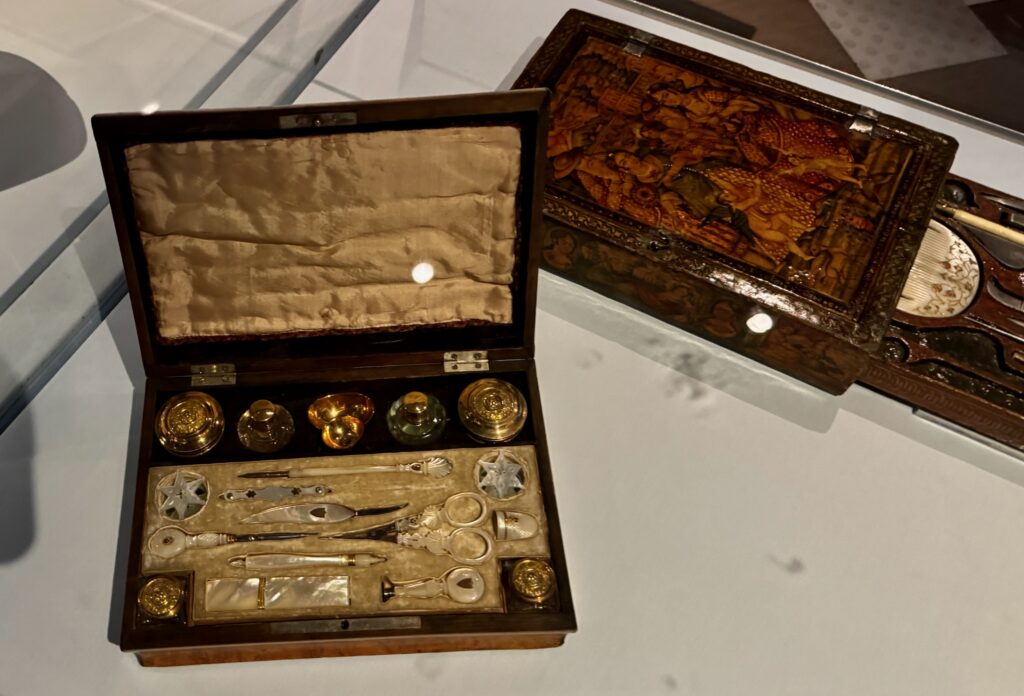
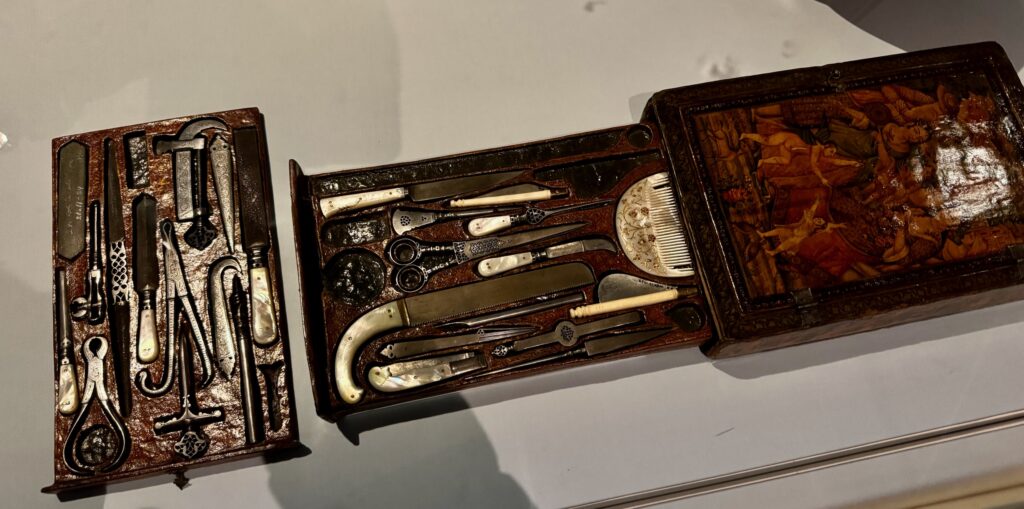
More like a surgeon’s travelling kit …
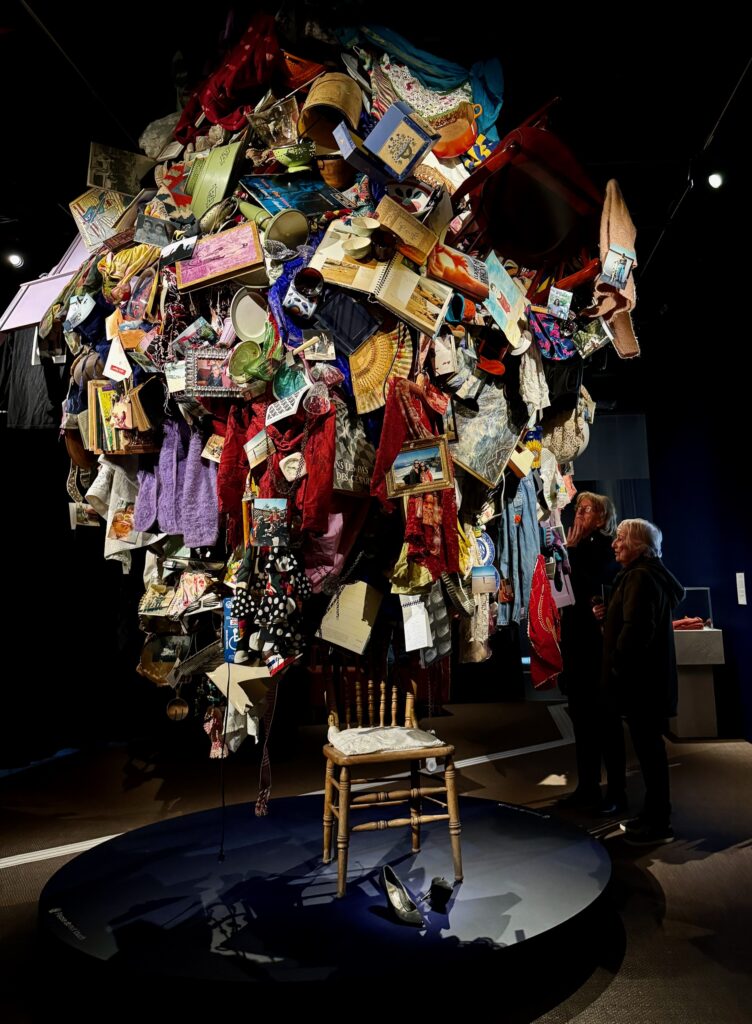
‘Narcissister’s three-metre-tall hanging sculpture ‘(Almost) all of my dead mother’s beautiful things’ centres on the crushing weight of beauty ideals that are passed from one generation to another’ …
‘Makeupbrutalism’s multimedia installation ‘It makes no sense being beautiful if no one else is ugly’ encourages us to question our beliefs, confront our raw selves beneath social pressure and to peel back the layers of the beauty industry’ …
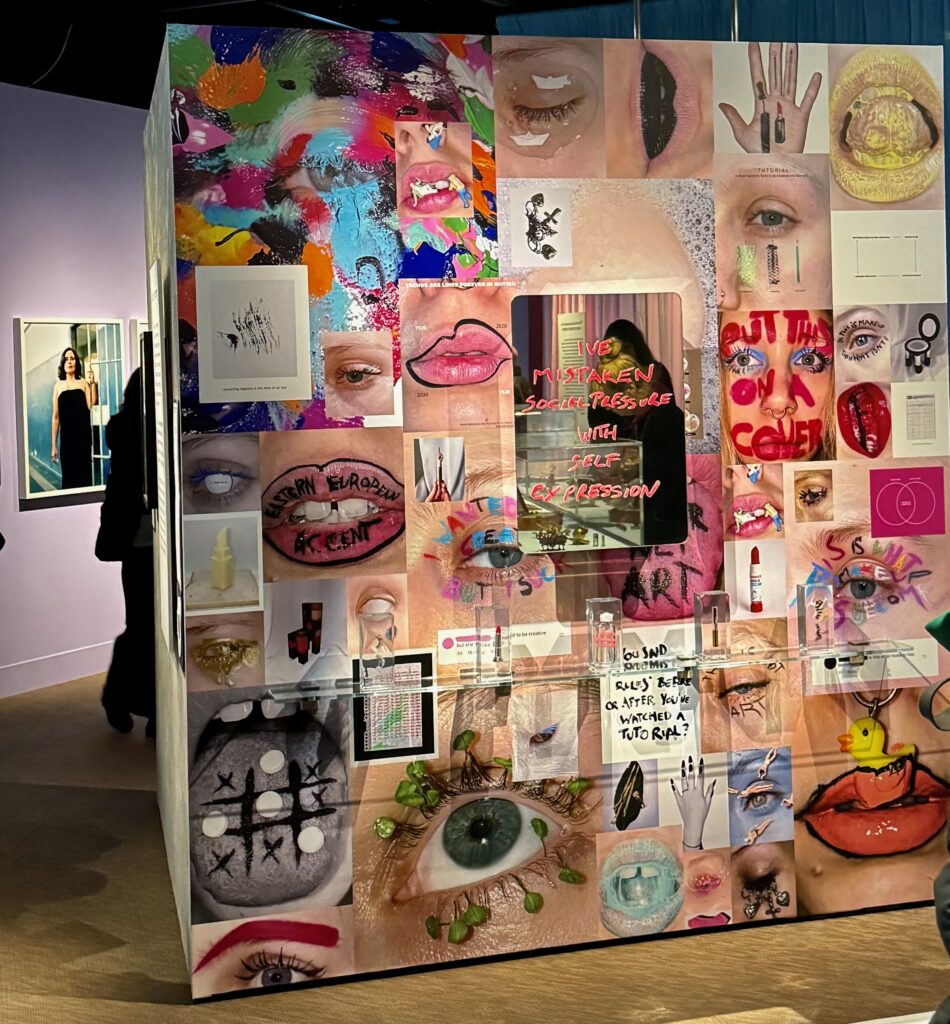
What represents beauty changes all the time …
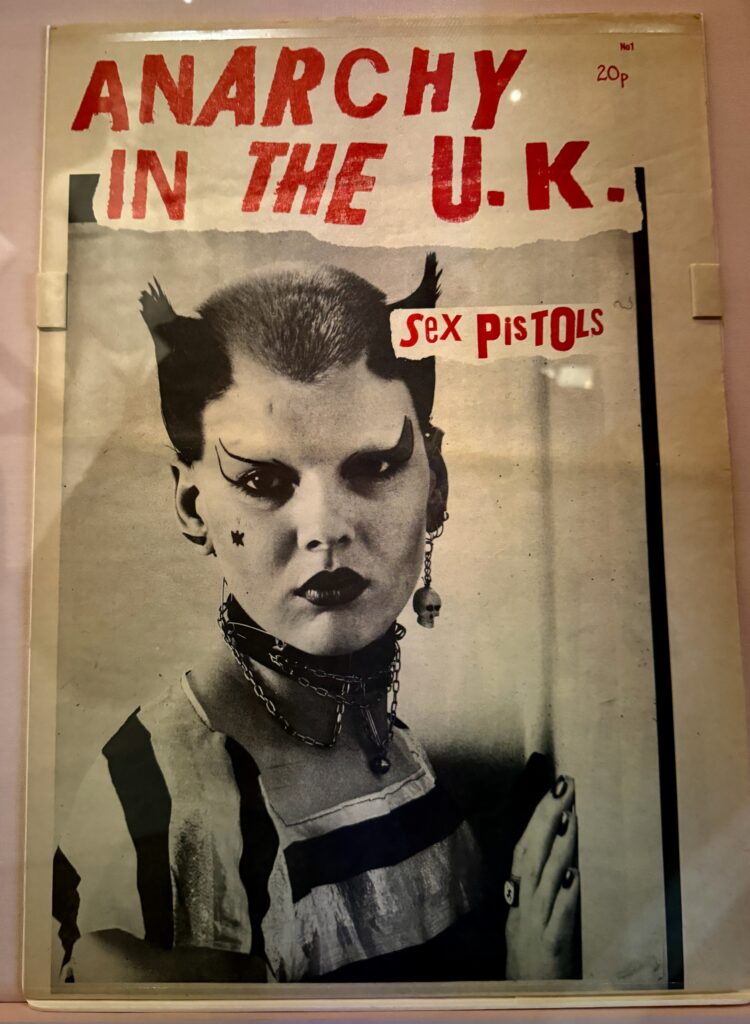
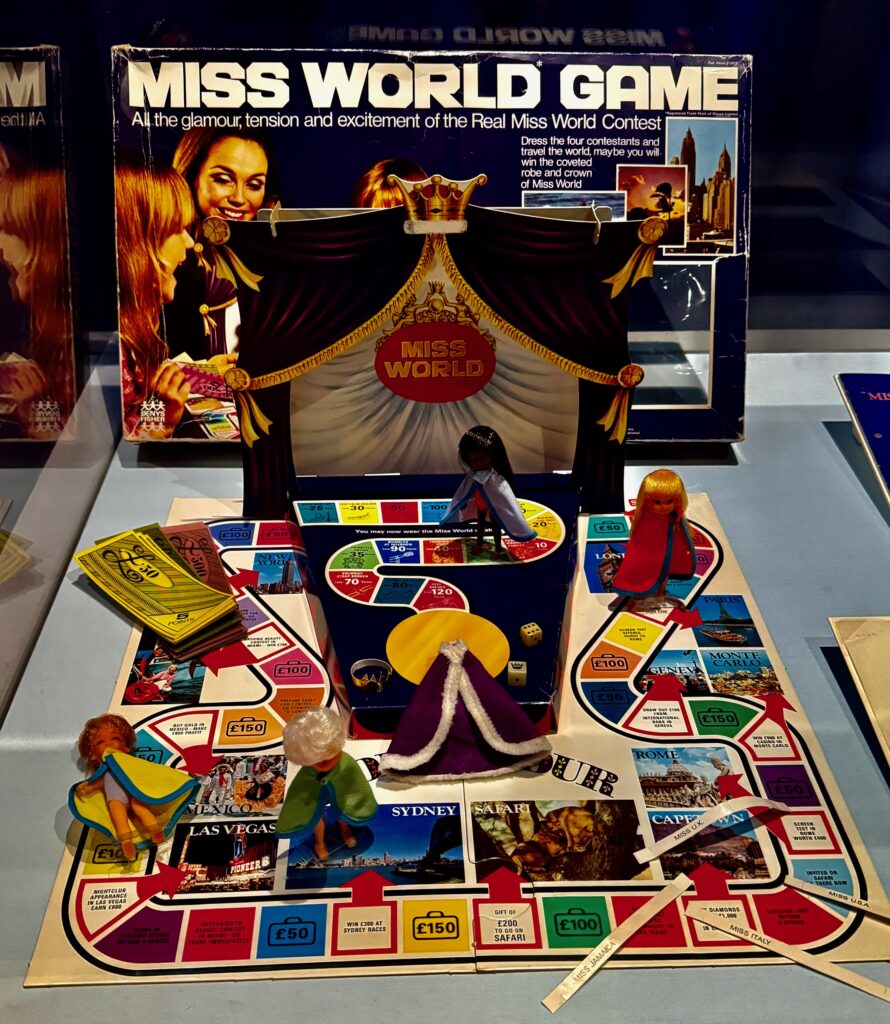
This 1970s product made me smile …
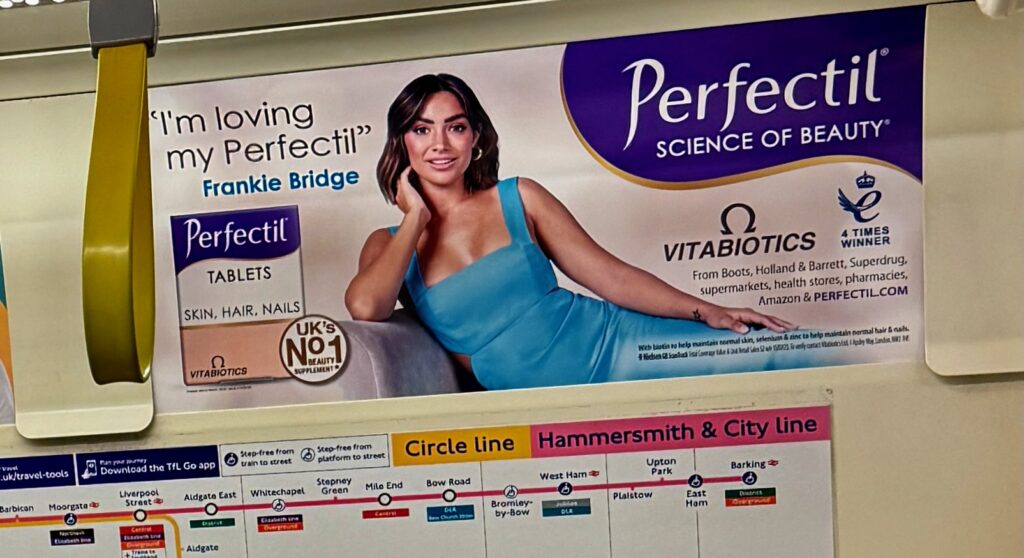
And on the Underground going home later, I had to smile again when I looked up and saw this (plus ça change) …
It is a provocative and thoughtful exhibition and I enjoyed it very much.

Remember you can follow me on Instagram …
https://www.instagram.com/london_city_gent/

A terrific new exhibition – a Roman cat, Georgian rabbits and much more.

Earlier this week I visited the recently opened Roman Wall exhibition in Vine Street. Entrance is free but you need to book a time slot online.

Looking down through a window near the entrance you get an excellent sense of Roman London’s street level …

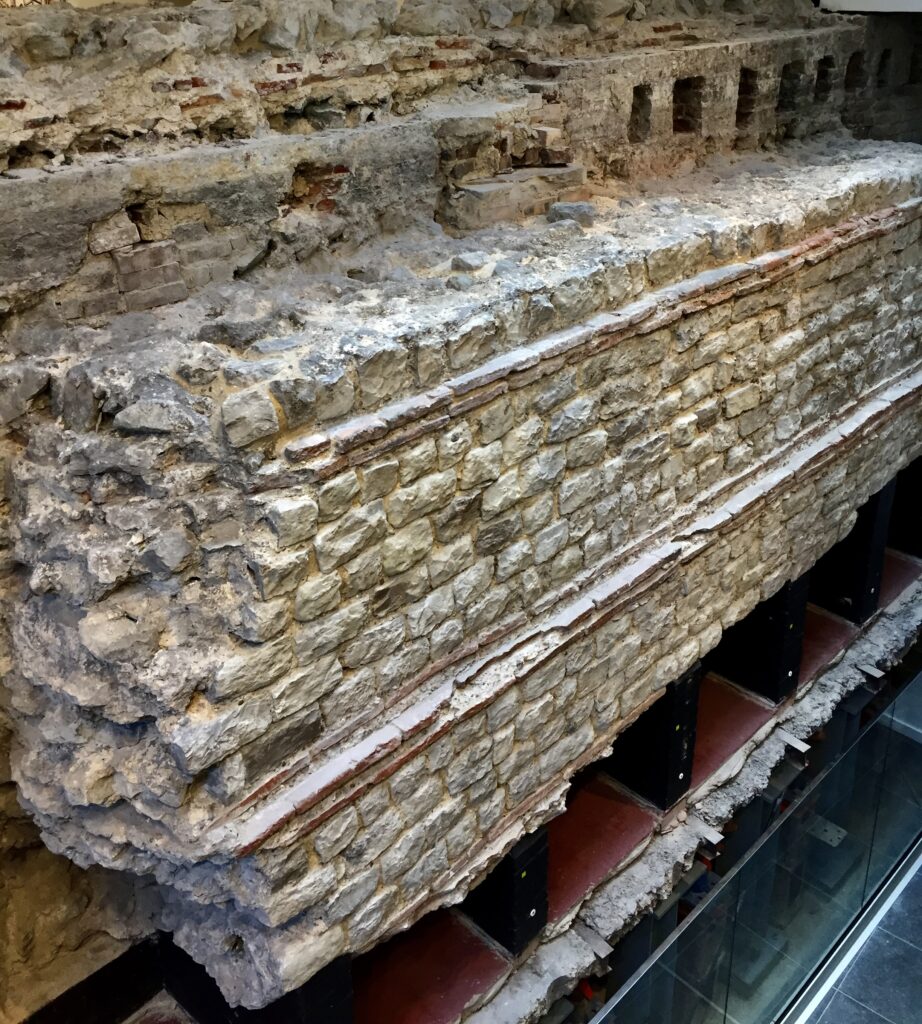
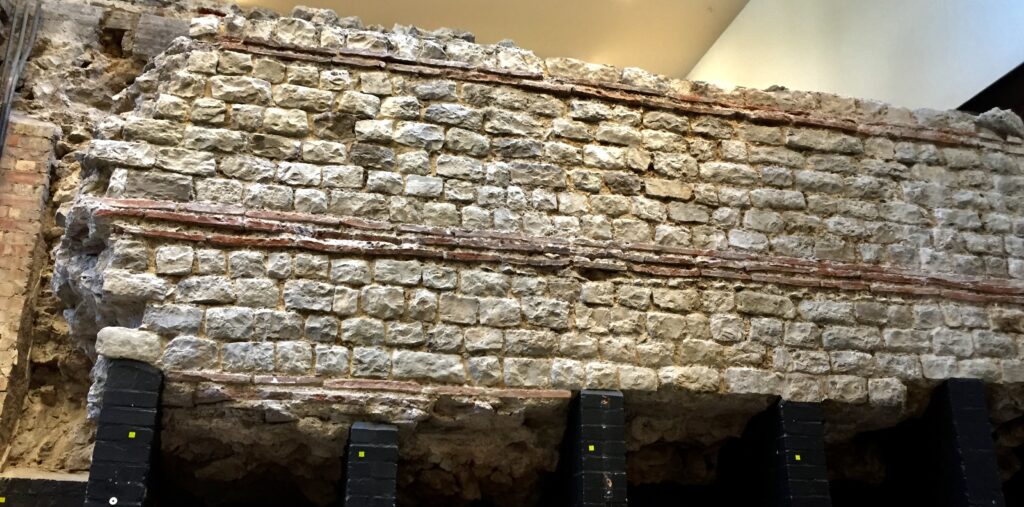
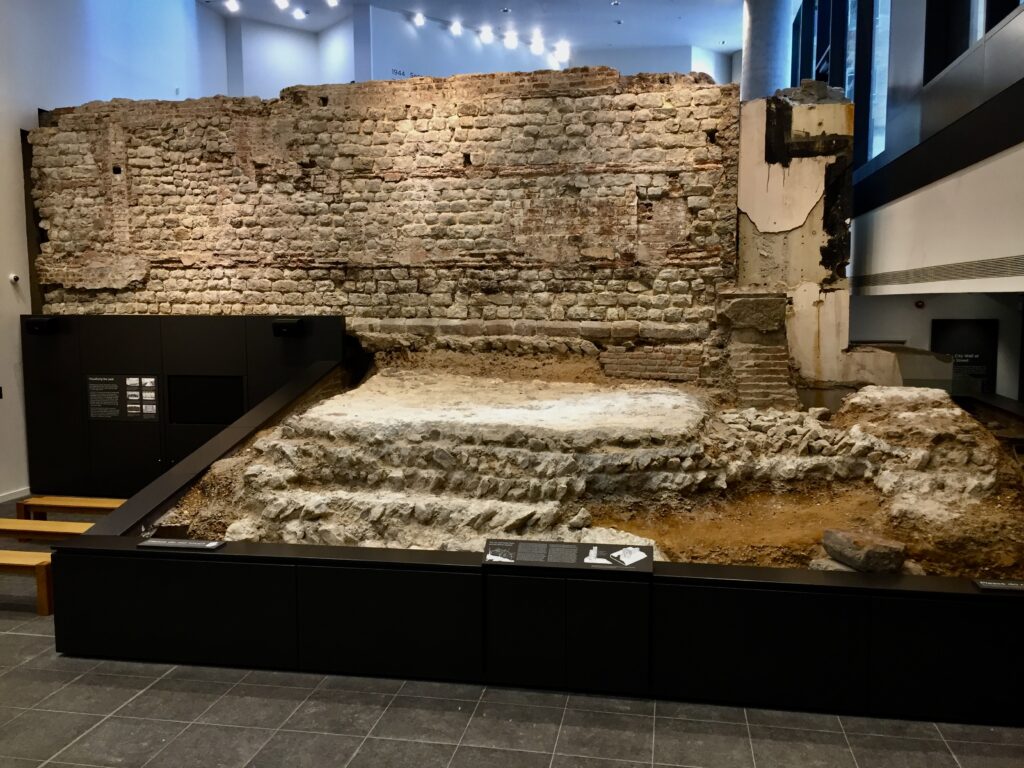
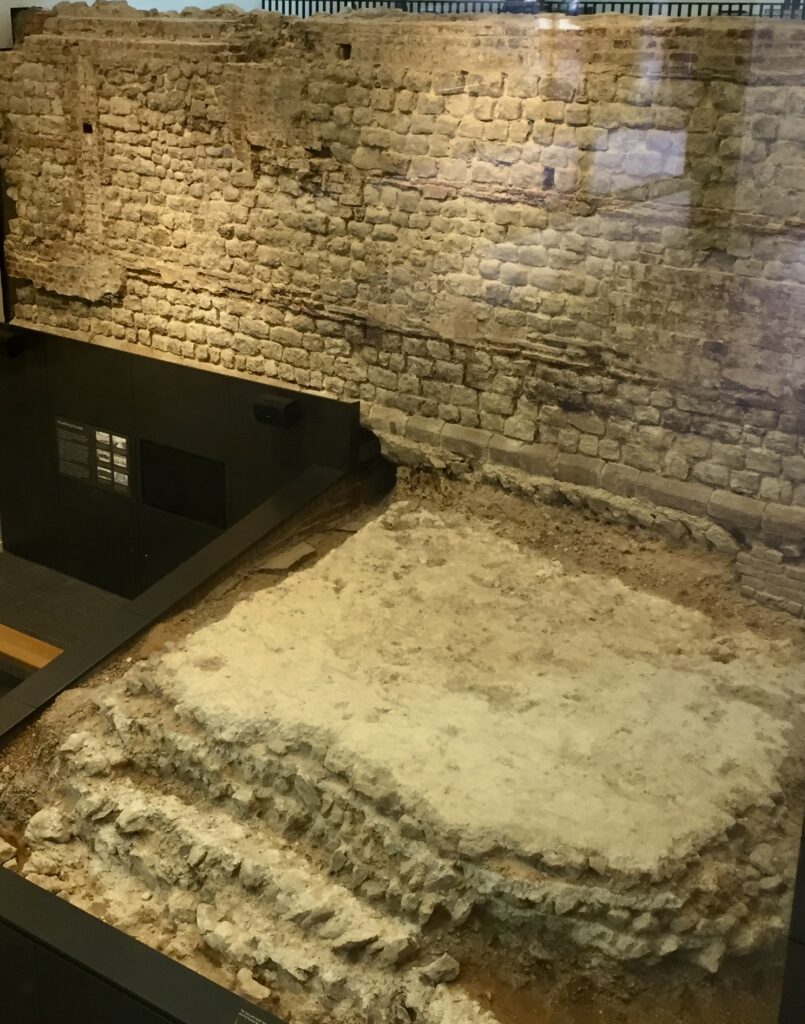
Once inside the imposing nature of the wall itself is immediatly apparent…

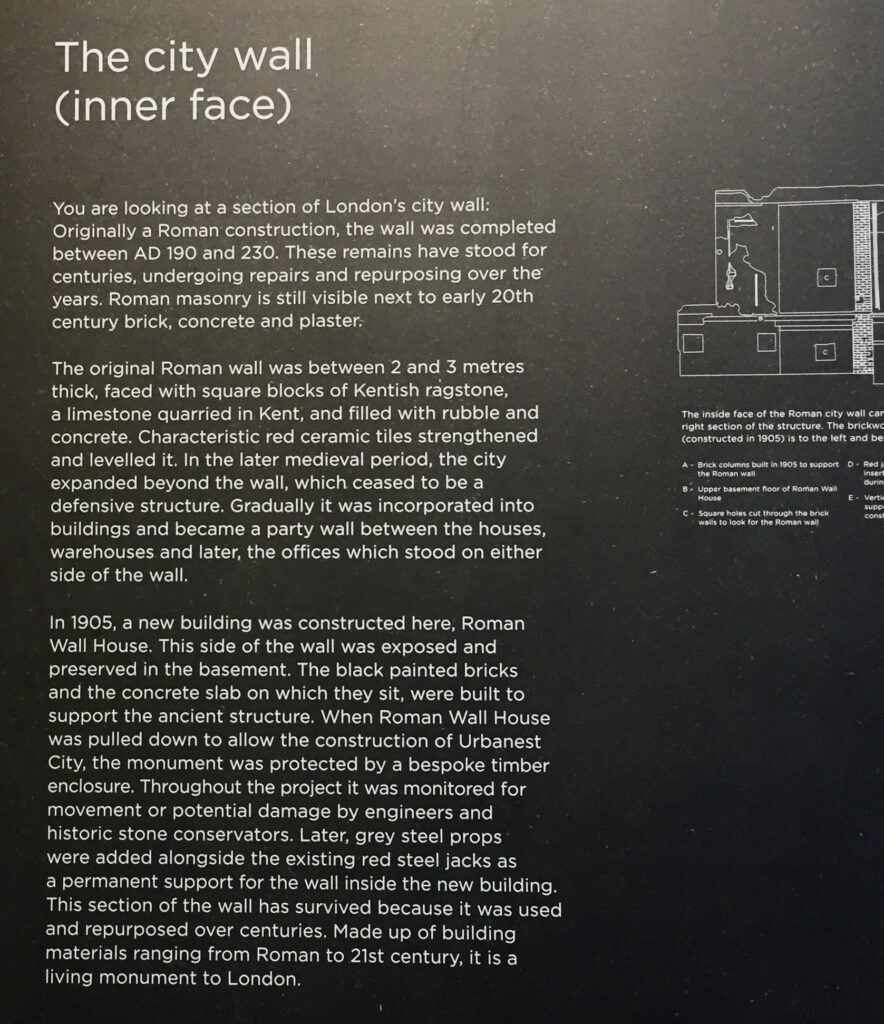
The exhibition signage is first class throughout …

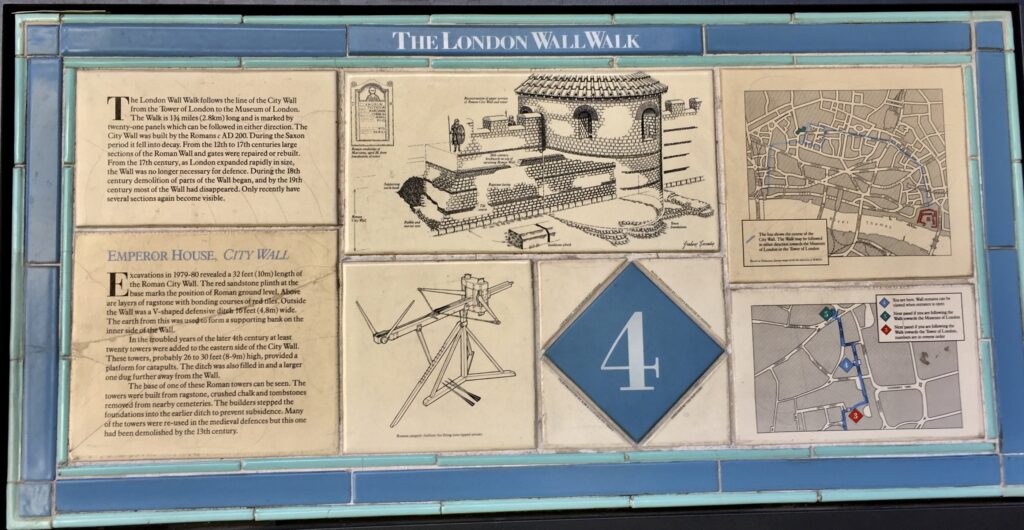
It is also complemented by Museum of London plaques …

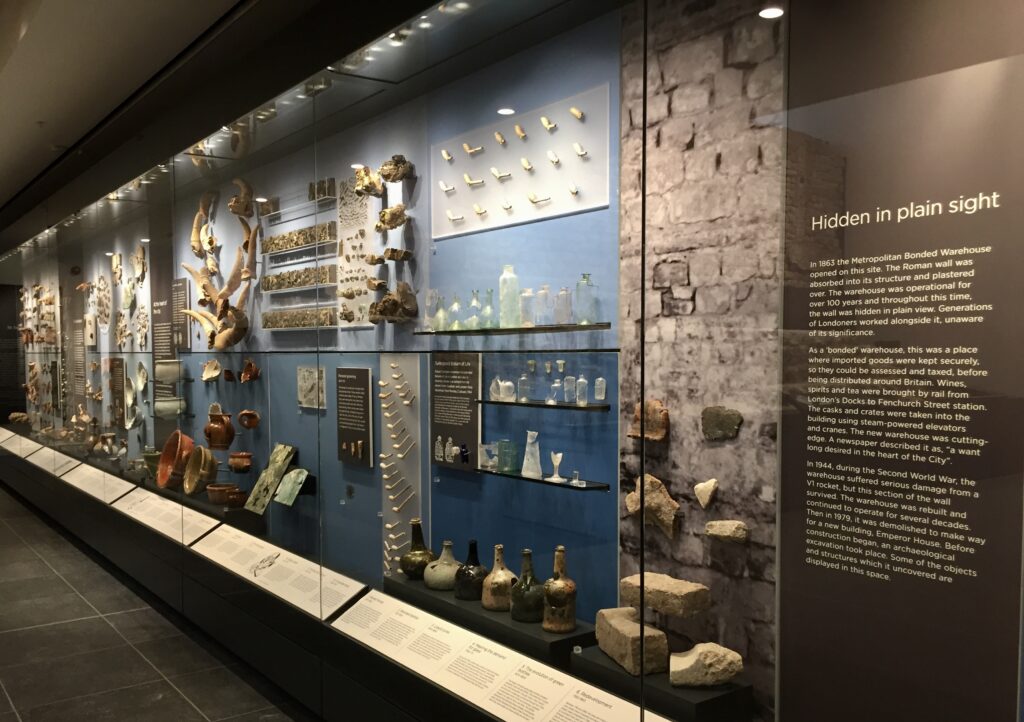
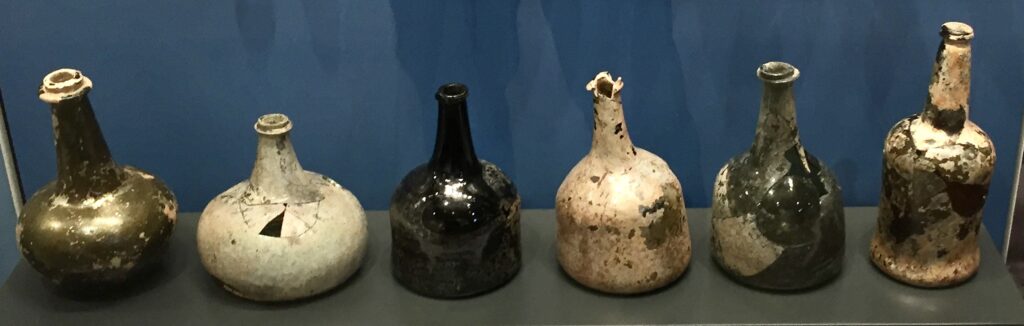
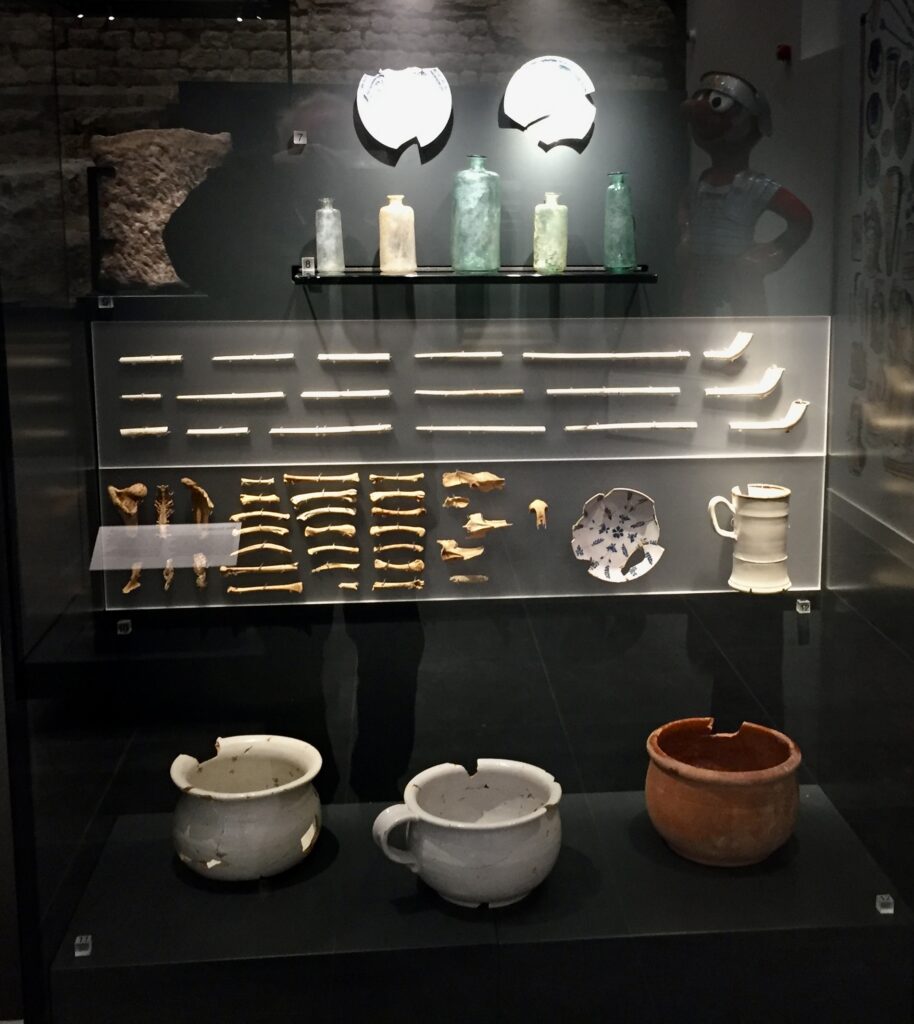
Archaeoligical finds from the site (which served as a cesspit for many years) are beautifully displayed ..

As regular readers will know, I rather like quirky stuff, and some of the finds displayed fall into that category.

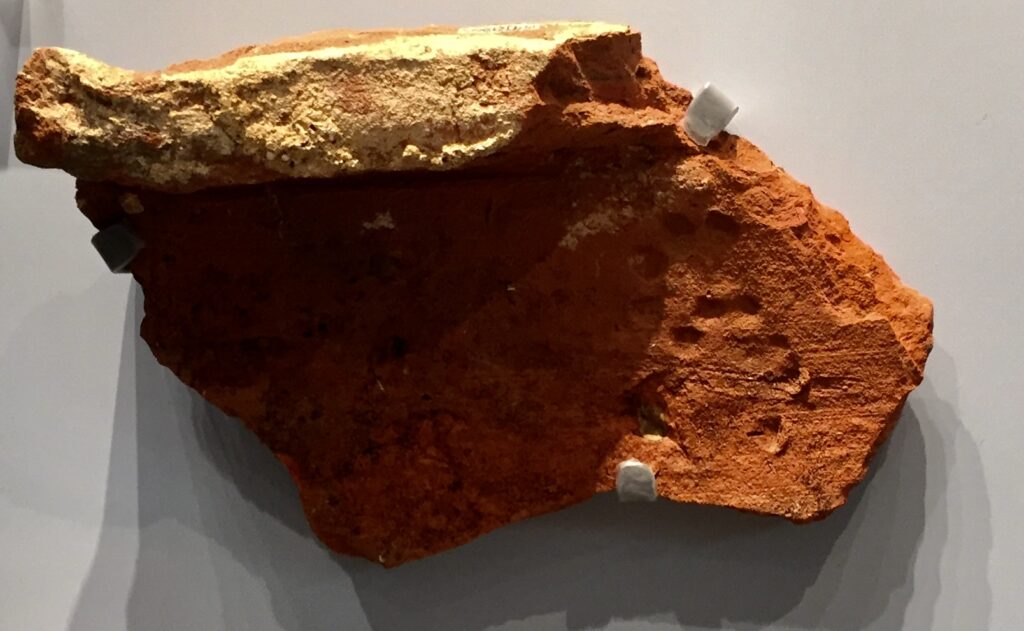
The paw prints on this tile are a cat’s …

The Romans brought cats with them to Britain although there is some evidence of domesticated felines before this time. Like modern cats, they knew no boundaries. When this tile was still soft and lying on the ground of the tile yard to dry, one of our cats’ ancestors strolled casually across it, leaving its territorial mark for posterity.

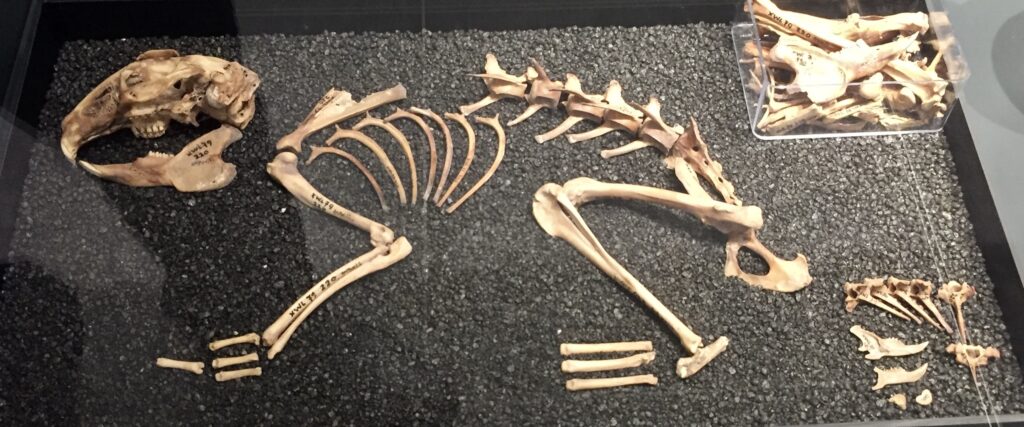
This rabbit skeleton has been dated to between 1760 to 1770 …

There are no visible butchery or skinning marks, so it was probably not kept for eating. It is likely that it was kept as a domestic pet, perhaps by the children of the family. Alongside it are the vertebrae and jawbones from a younger rabbit. These bunnies may have been much loved when alive. But having died, it appears that both were dropped unceremoniously into the cesspit in the backyard. Or maybe, horror of horrors, they fell in accidentally and drowned.

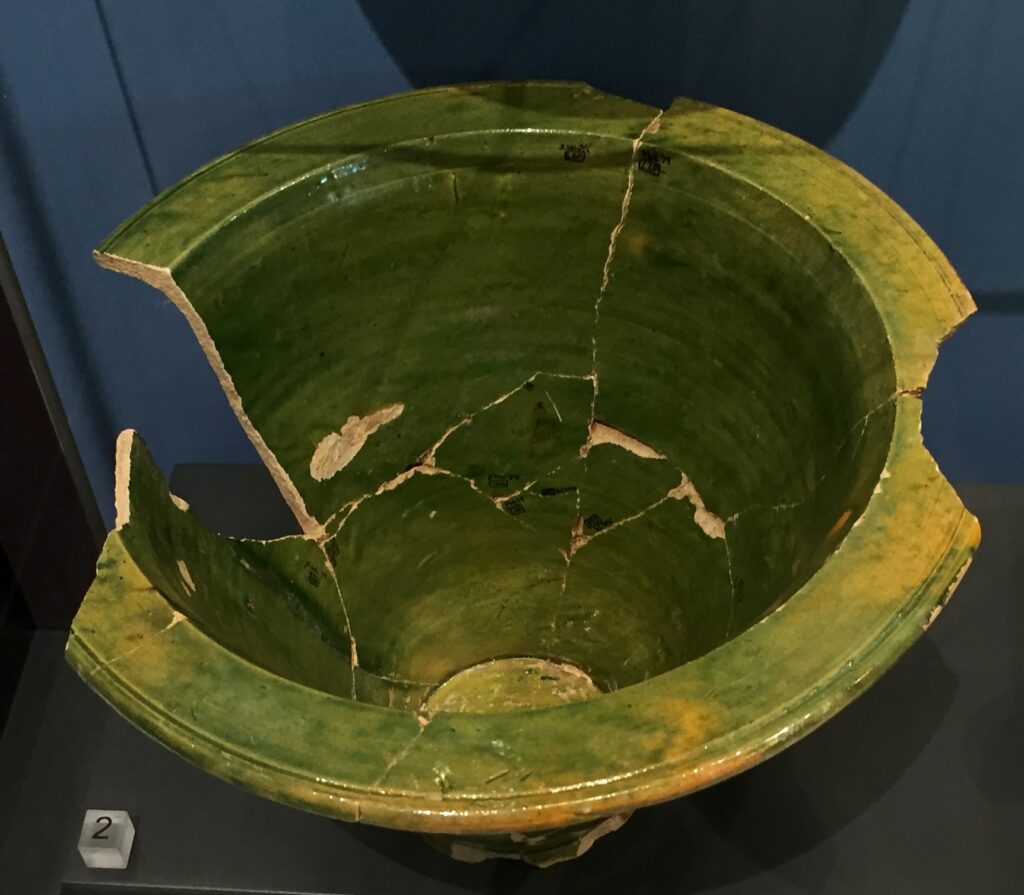
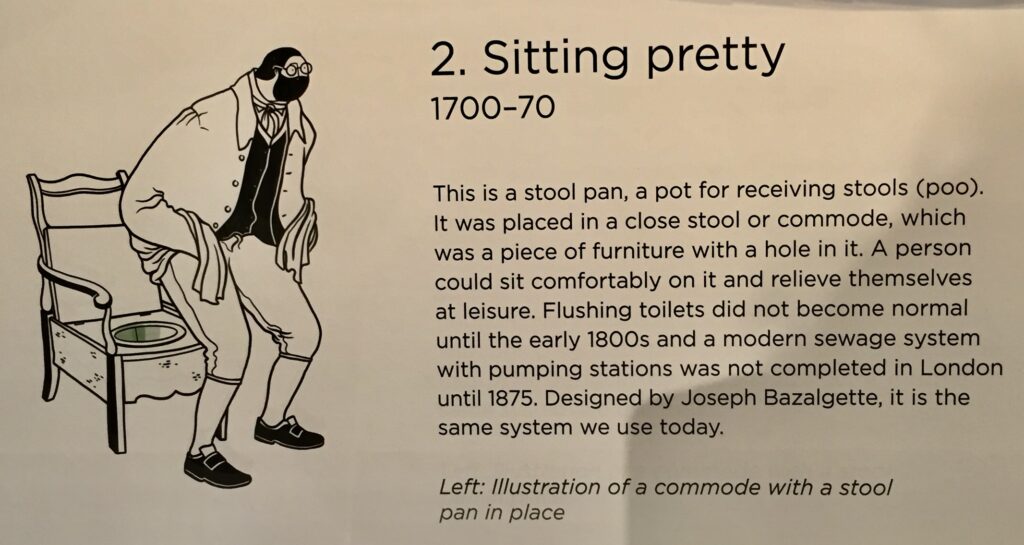
Of course I had to include this, a charmingly named ‘stool pan’ …

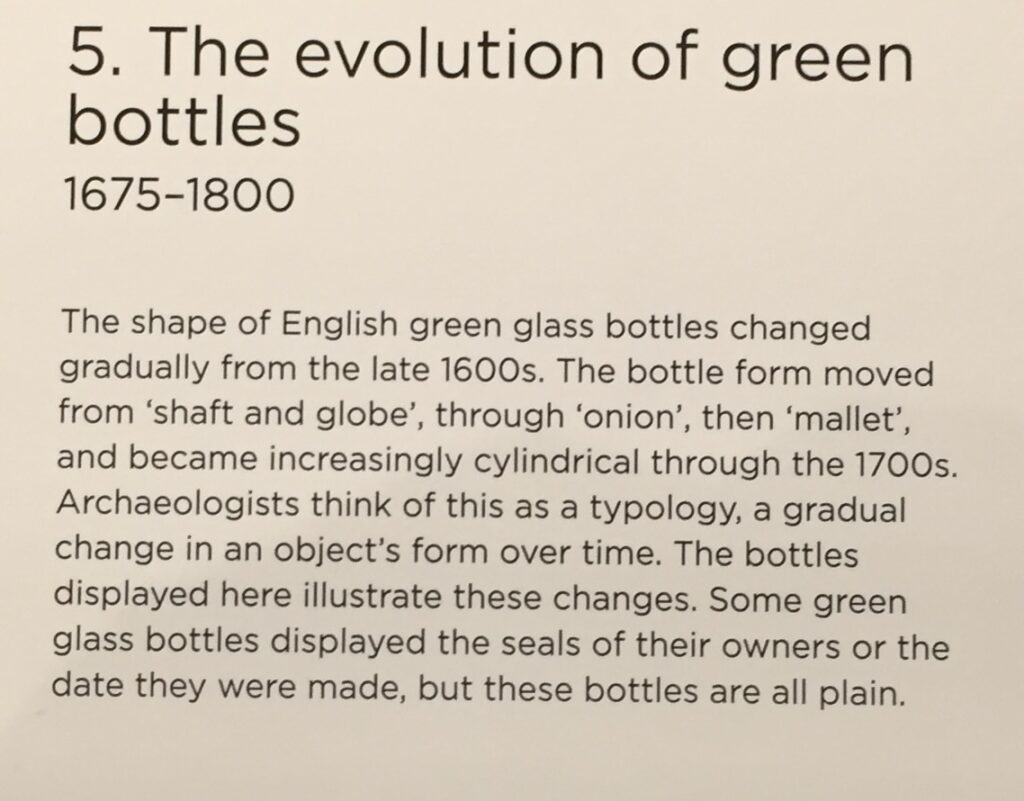
Another useful explanation …

Nice to see he’s wearing a decidedly modern-looking anti-Covid mask.

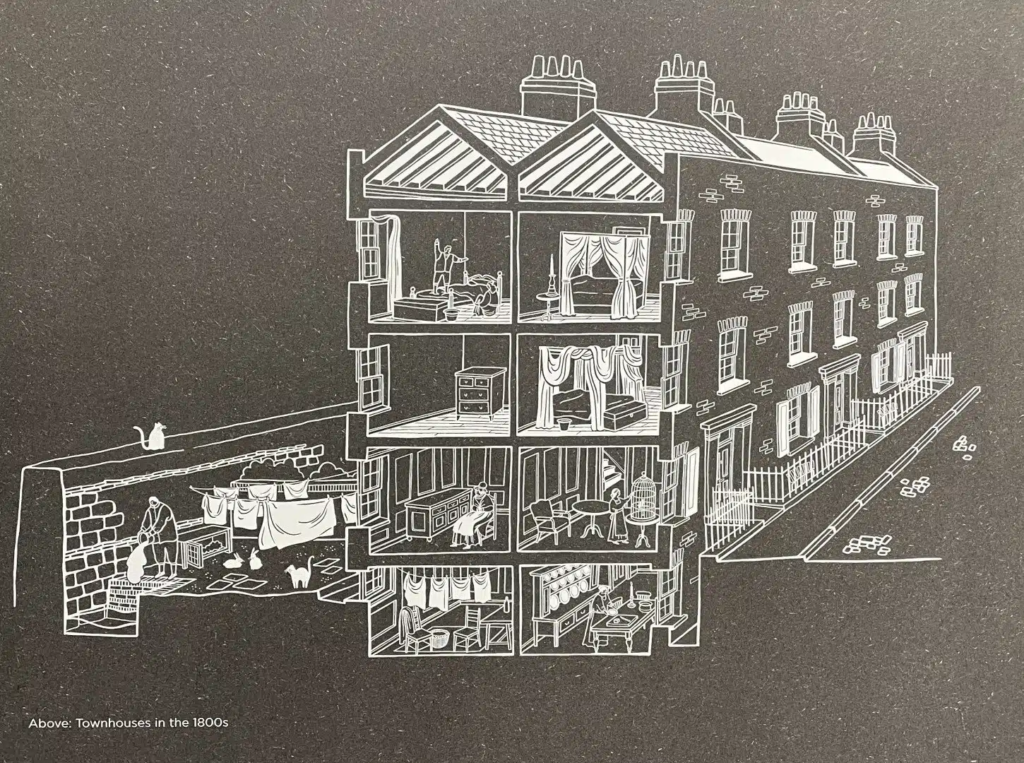
How the terraced houses on the site may have looked …

Some of the other artefacts on display include the following.

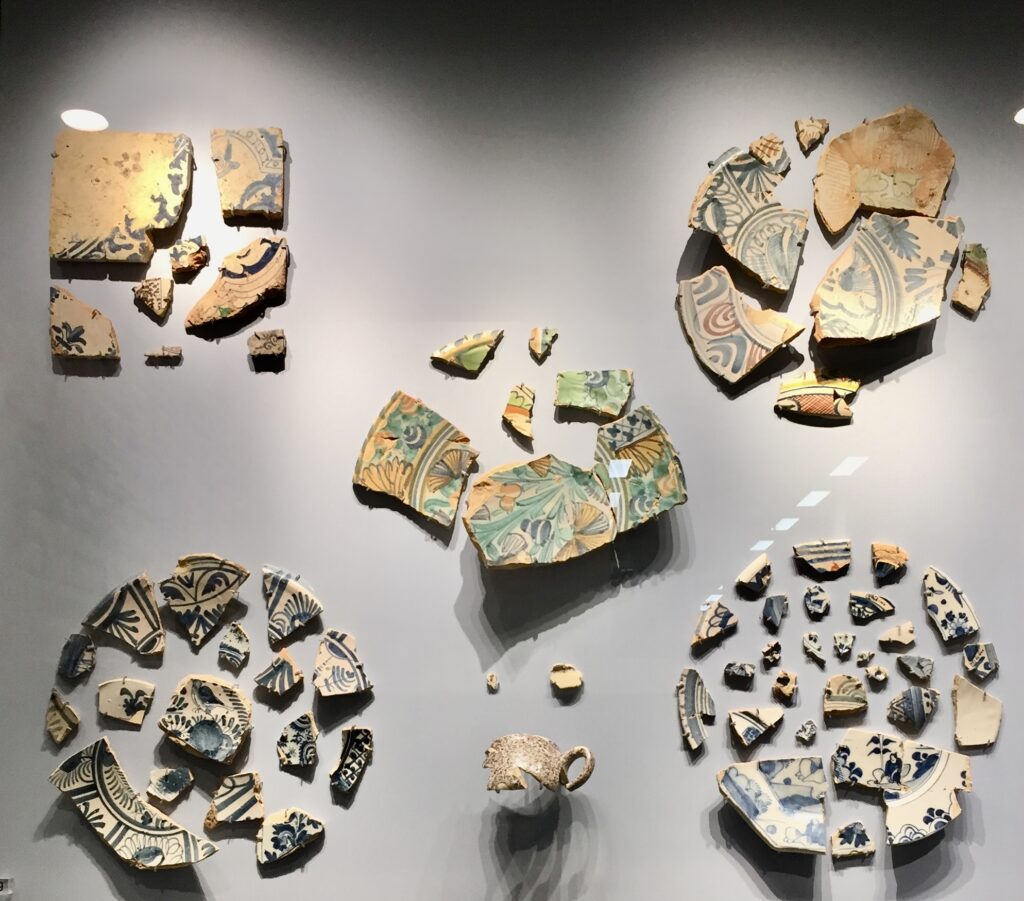
Pretty chinaware – someone must have been very unhappy when these articles were broken and had to be consigned to the rubbish pit. Or maybe they had just fallen out of fashion and were discarded …

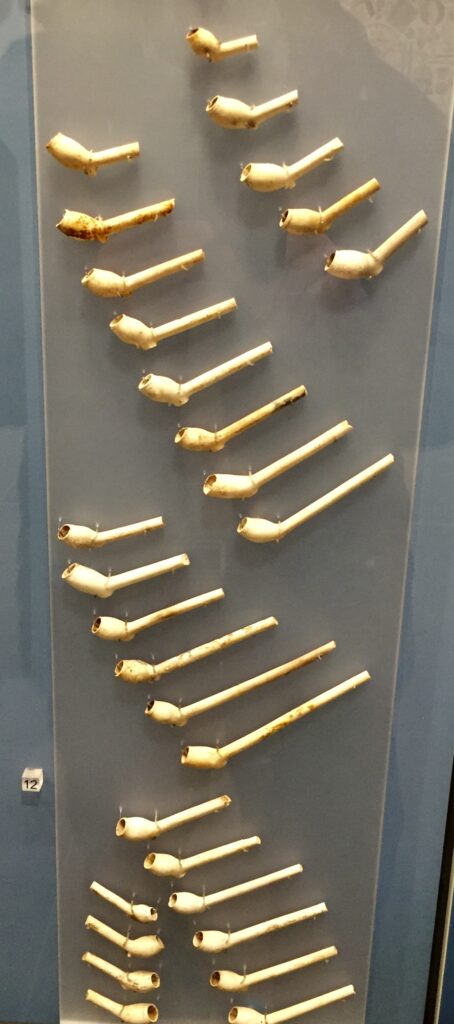
Clay pipes galore …

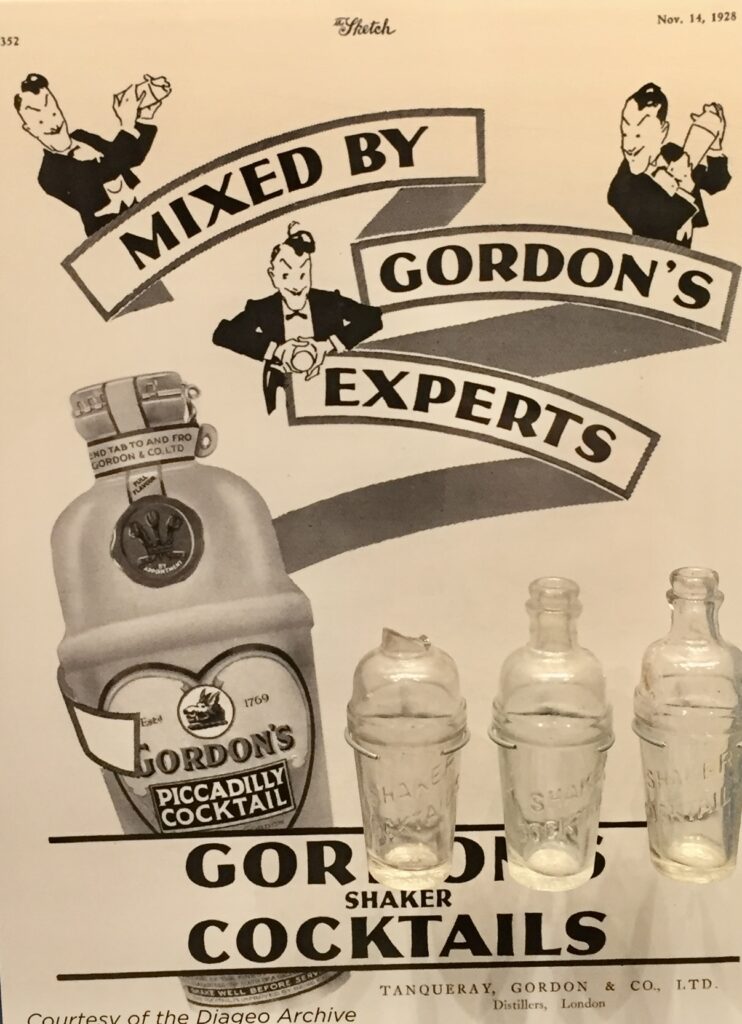
A familiar brand …

Lots to see, very well displayed and explained …

As you leave you get a fine view of the outer face of the wall …

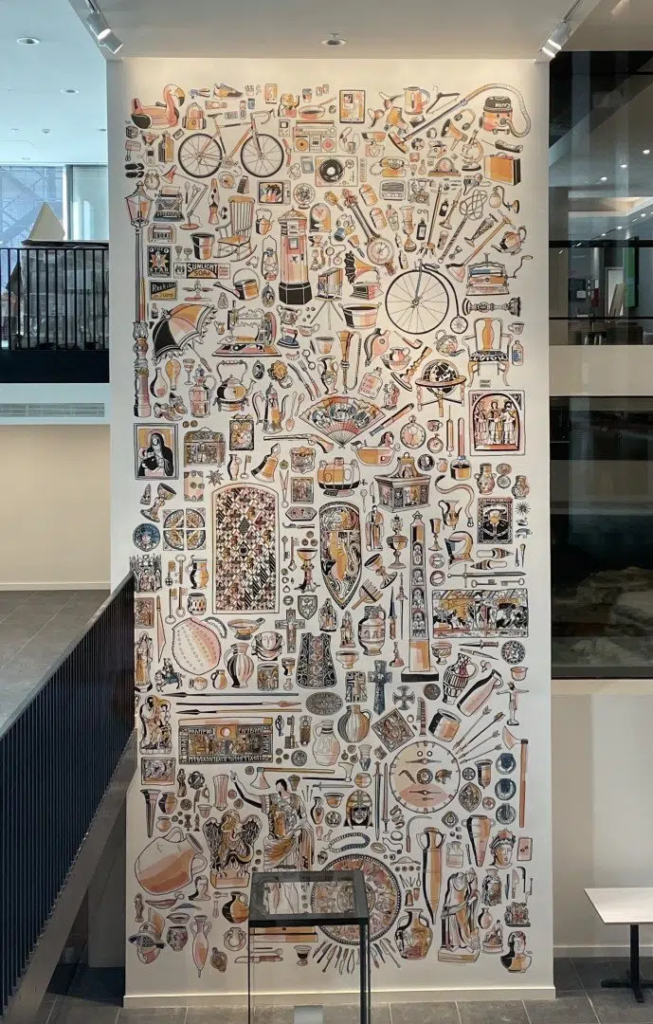
The last thing to admire is the artwork by Olivia Whitworth, the East London-based artist who creates wonderfully detailed illustrations …

If you are in ‘London Wall mode’, don’t forget there are two other wonderful examples nearby.

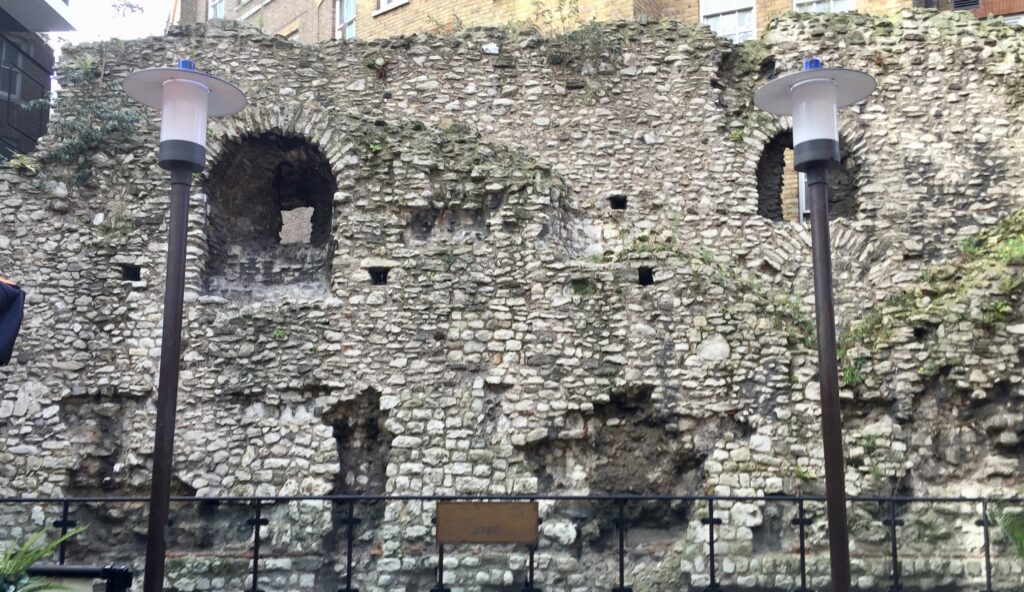
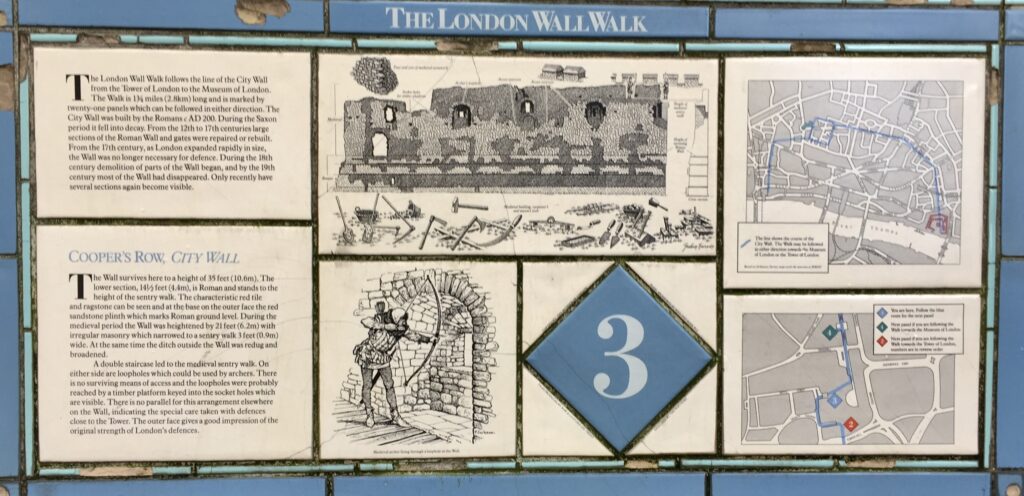
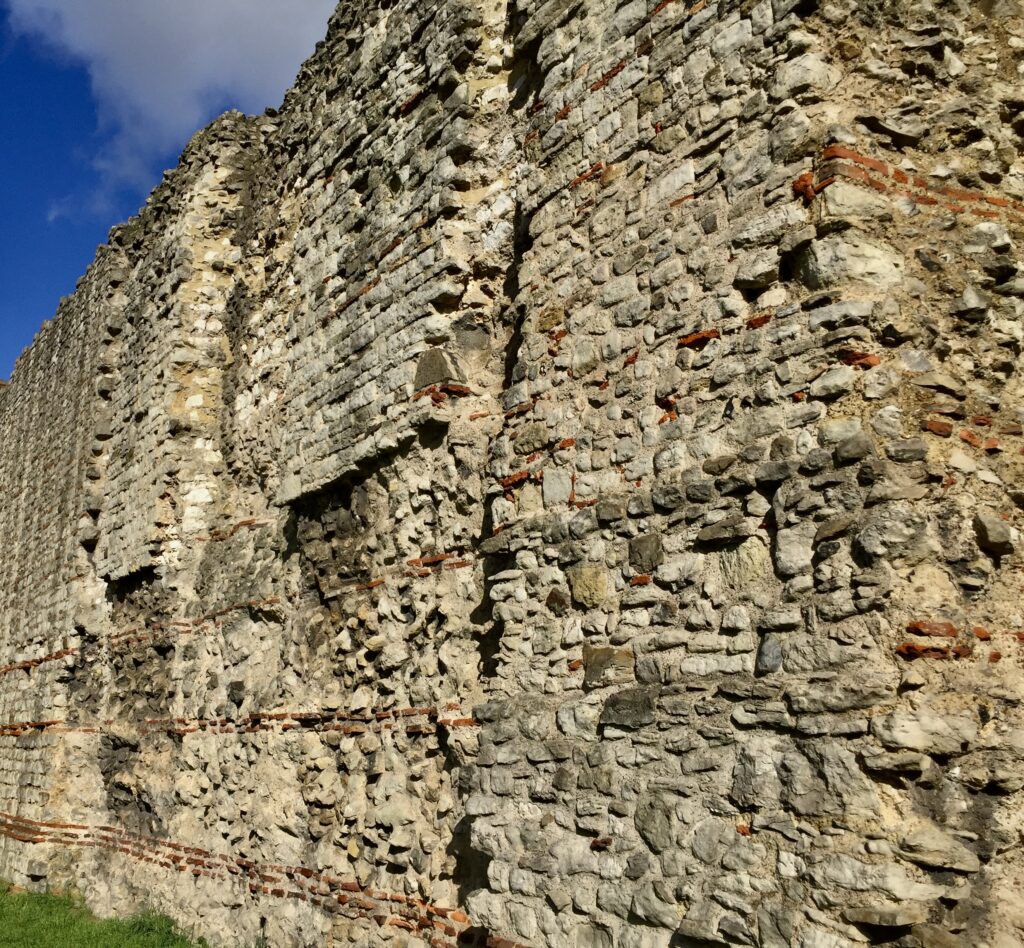
Just five minutes’ walk away at Cooper’s Row, round the back of a hotel, is an equally spectacular stretch of wall that is off the tourist trail. Here you can see the marks of former staircases and medieval windows cut through to create a rugged monument of significant height …

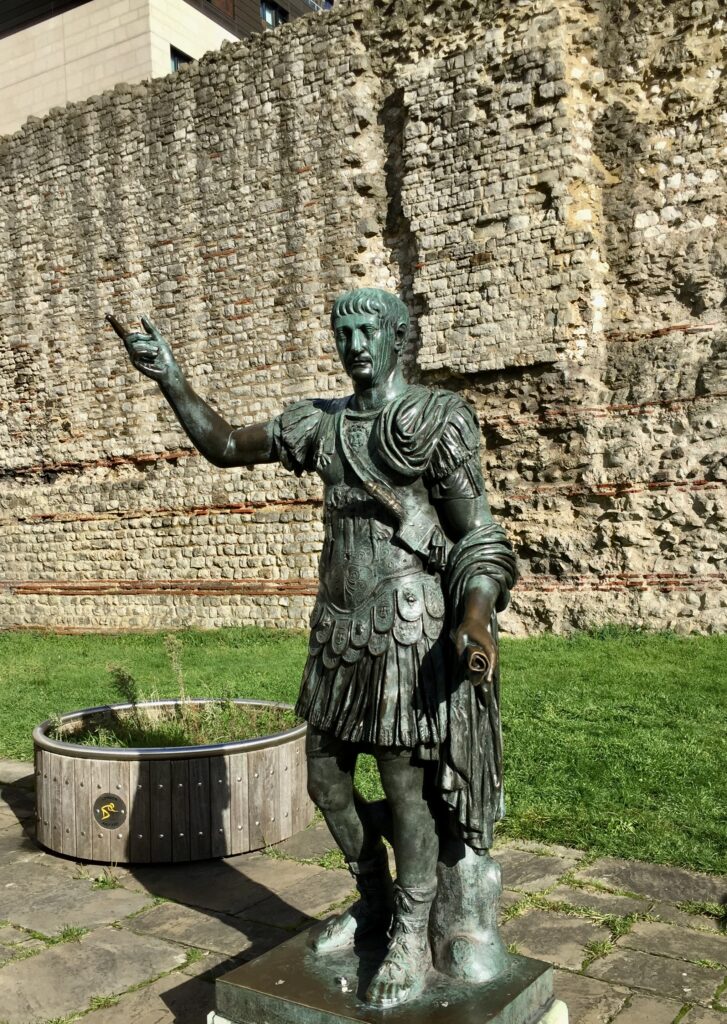
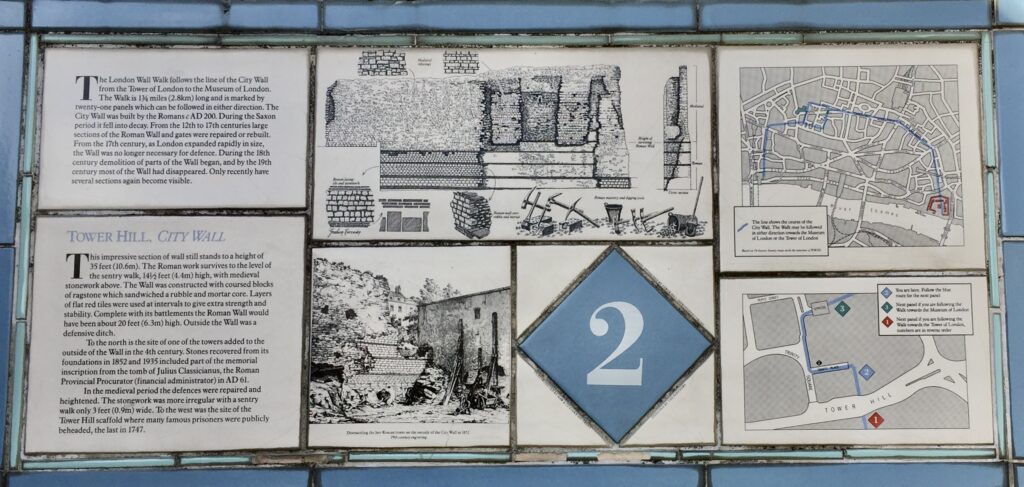
Also, alongside Tower Hill Underground Station, the Roman Emperor Trajan stands in front of another magnificent section …

If you would like to follow me on Instagram here is the link …

https://www.instagram.com/london_city_gent/

Shakespeare at the Guildhall Art Gallery – not to be missed.

A property deed signed by William Shakespeare and a near-perfect copy of the First Folio are on display as part of celebrations to mark the 400th anniversary of the publication of one of the world’s most significant literary treasures

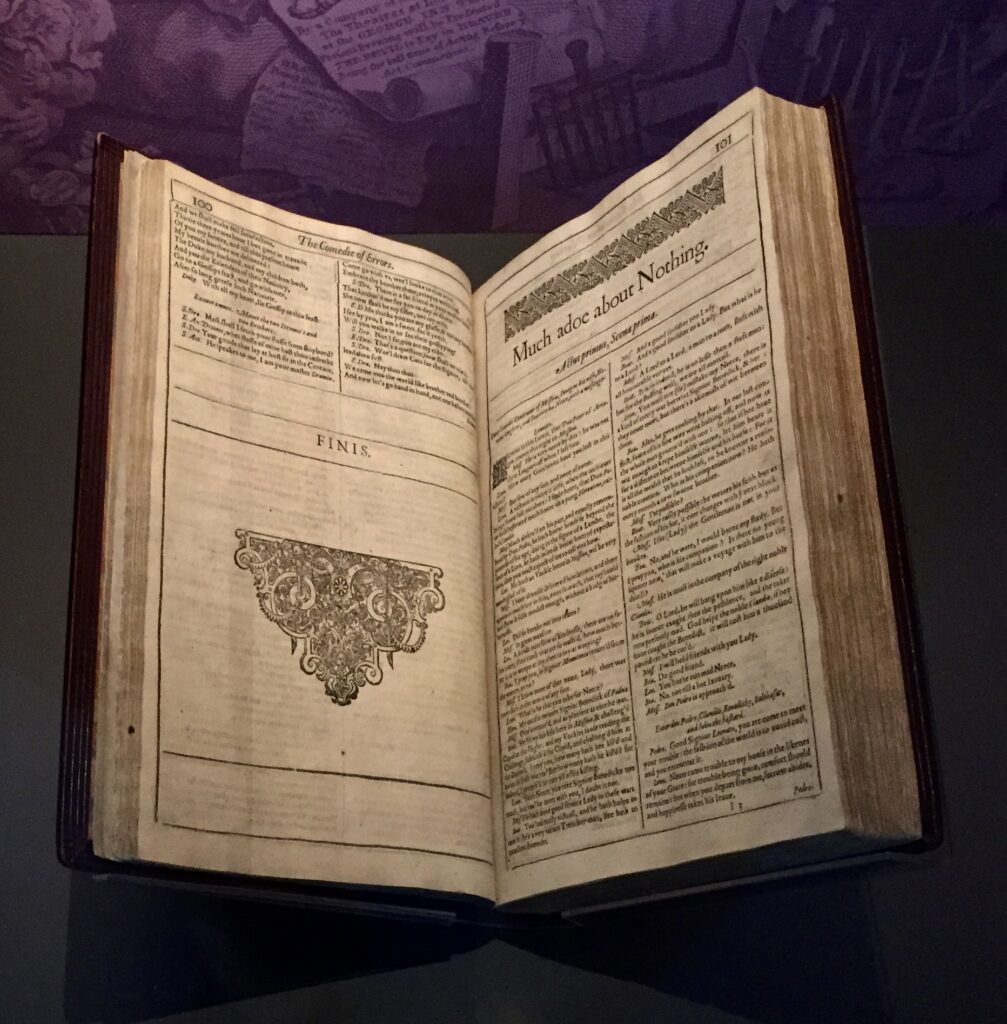
The City of London Corporation’s copy of the 1623 First Folio, which was owned by one-time Prime Minister, William Petty Fitzmaurice, and is now conserved at Guildhall Library, is one of the finest and most complete copies in the world …

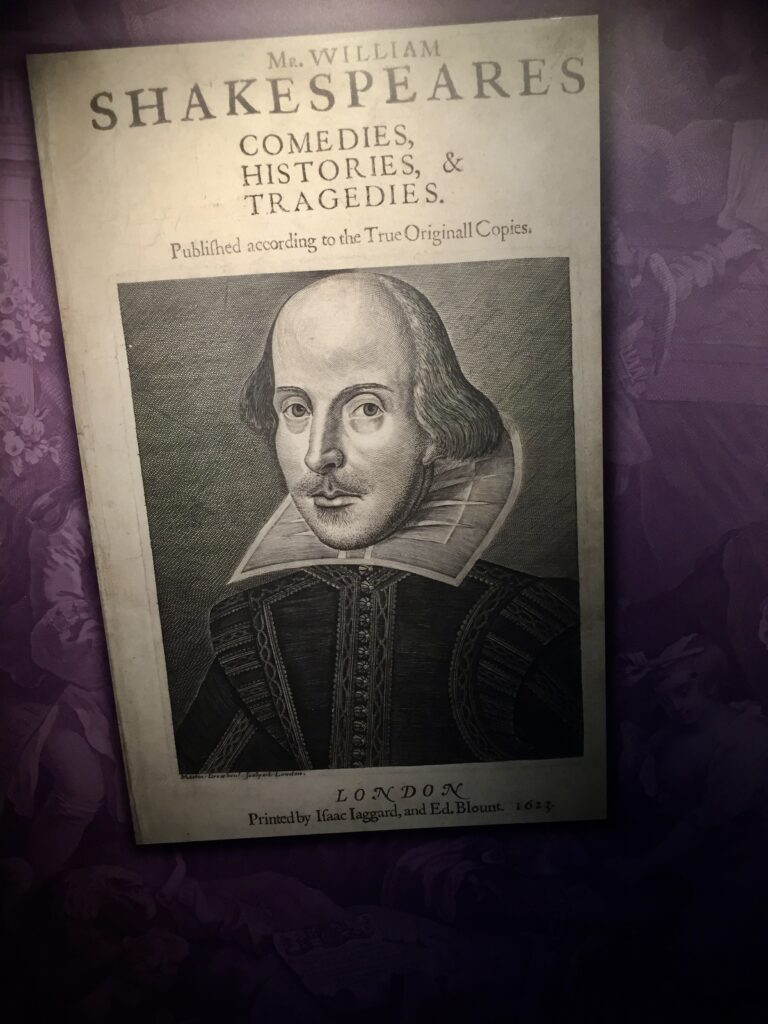
The book was published in 1623, seven years after Shakespeare’s death. It’s a collection of 36 of his works and was brought together by two of his friends, John Heminge and Henry Condell under the full title of:

Mr. William Shakespeares comedies, histories, & tragedies. Published according to the true originall copies.

As a tribute to their friend, Heminges and Condell wanted to put forward the best possible version of Shakespeare’s plays, so they used original prompt books, quartos, and original notes to collate the final collection. 

The title page has an engraving of the playwright …

This is an important image since it’s one of the few portraits of Shakespeare to have been approved by those who had known him personally.

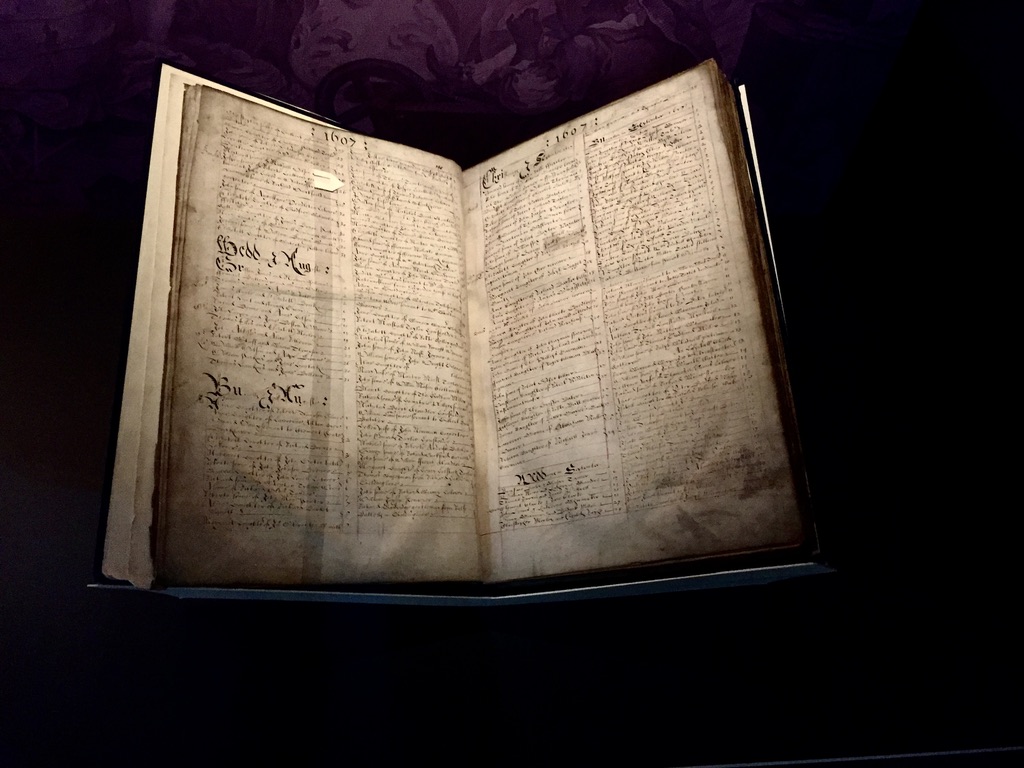
The parish register containing the entry for the burial of Edmund Shakespeare, William’s nephew, is also on display …

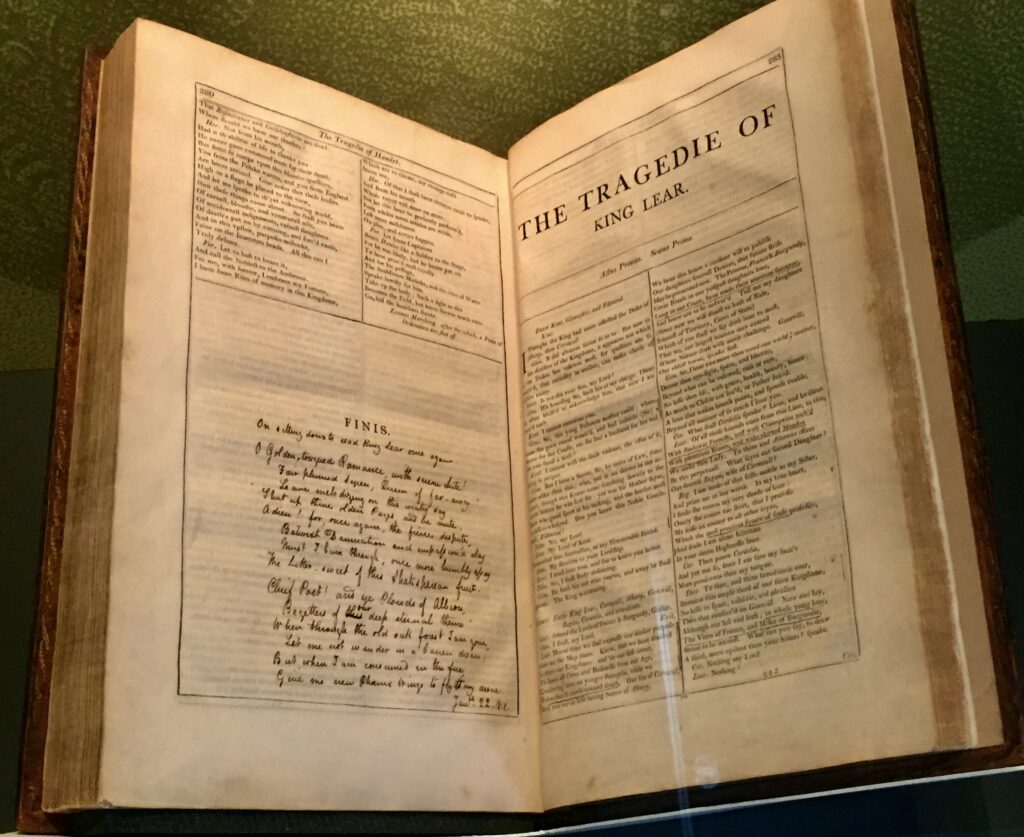
In the exhibition you will see John Keats’s facsimile of the First Folio, in which he wrote two poems, including ‘On Sitting Down To Read King Lear Once Again’, and which is open to the play’s first page …

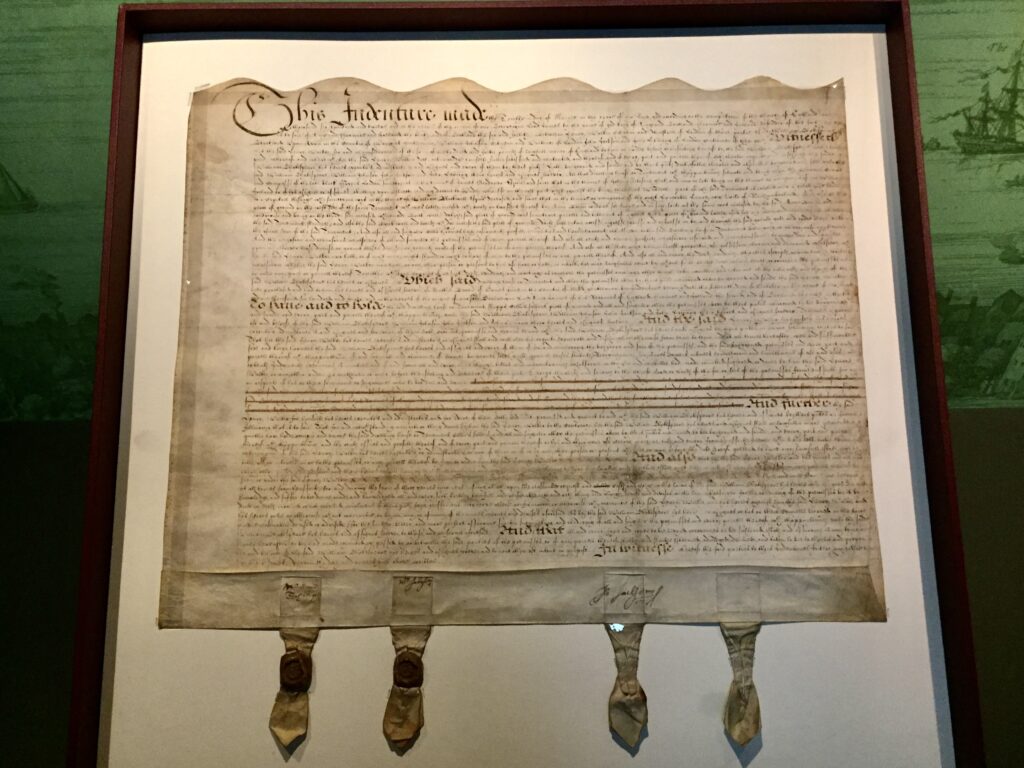
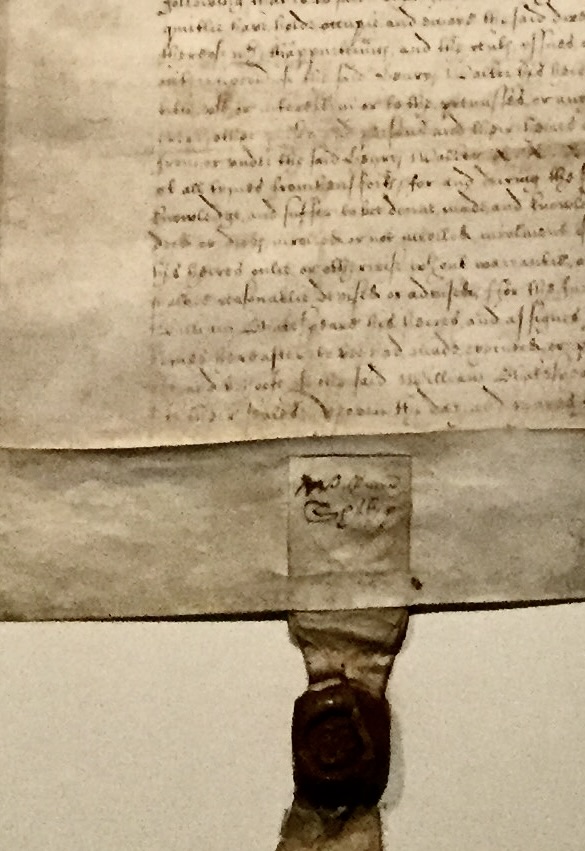
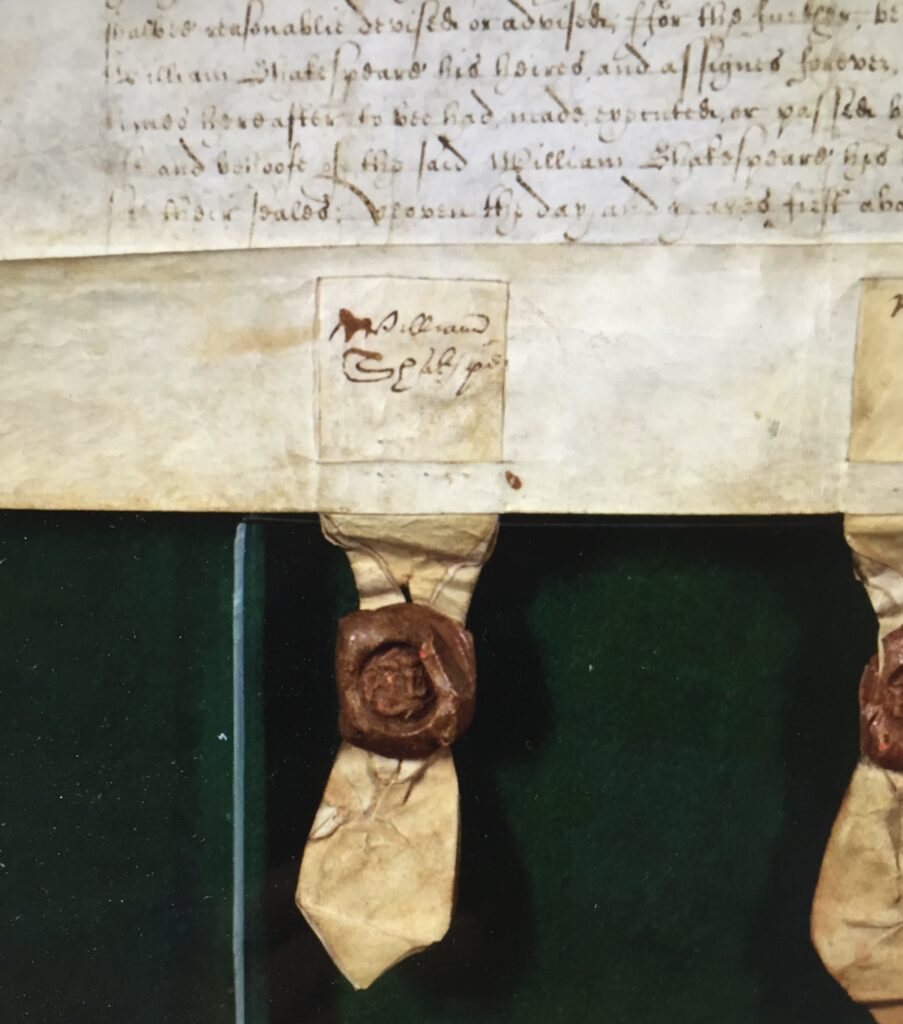
In March 1613 William Shakespeare and three associates agreed to purchase the Gatehouse of the former Dominican priory in London known as Blackfriars from Henry Walker for the sum of £140. The indenture of bargain and sale is dated March 10. The purchasers also agreed to the mortgage shown here, dated March 11, for the same property, in the amount of £60, implying that the buyers put up only £80 at the time of sale. The document is signed by three buyers, William Shakespeare, William Johnson and John Jackson. The place set aside for the signature of John Heminges is left blank …

The thrill here, of course, is that this document contains one of the only six Shakespeare signatures known to exist. Here it is ..

My image is not great so this is a screenshot of a better one from the Internet …

The heroes of the story of Shakespeare’s plays and of the First Folio are John Heminge and Henry Condell without whom most, if not all, of his work would have been lost forever.

They were both buried at the church of St Mary Aldermanbury which was destroyed by the Great Fire of London in 1666 and then rebuilt by Sir Christopher Wren. Unfortunately it was gutted during the Blitz in 1940, leaving only the walls intact. Rather unusually, in 1966 the remains of the church were shipped to Fulton, Missouri, USA. The church now stands as a memorial to Winston Churchill’s ‘Iron Curtain’ speech made at Westminster College, Fulton, in 1946.

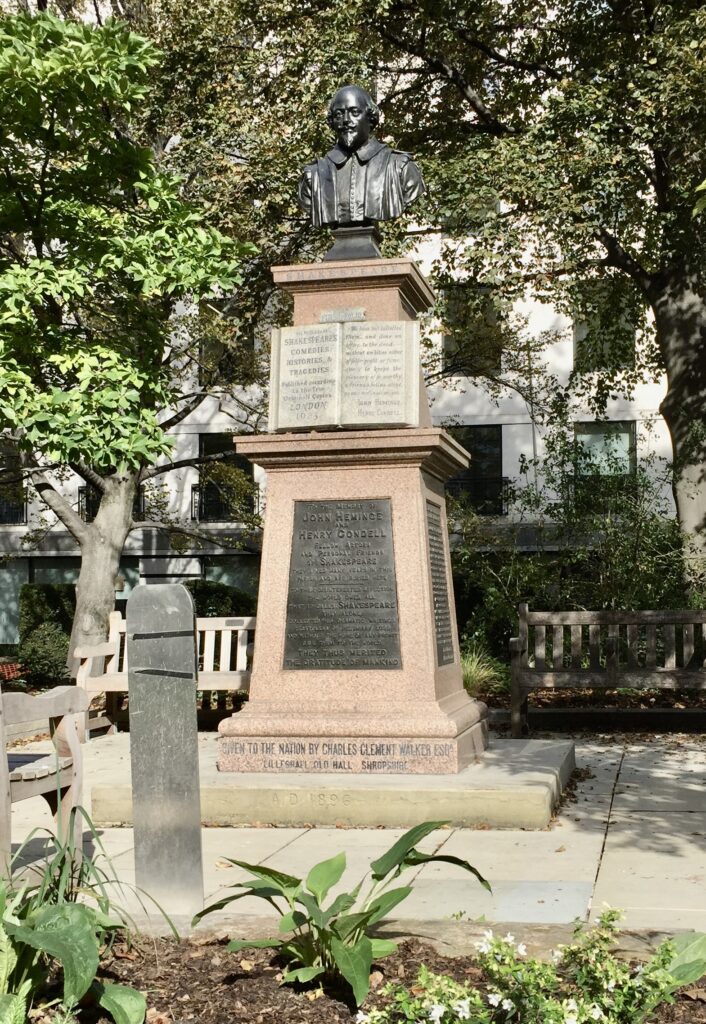
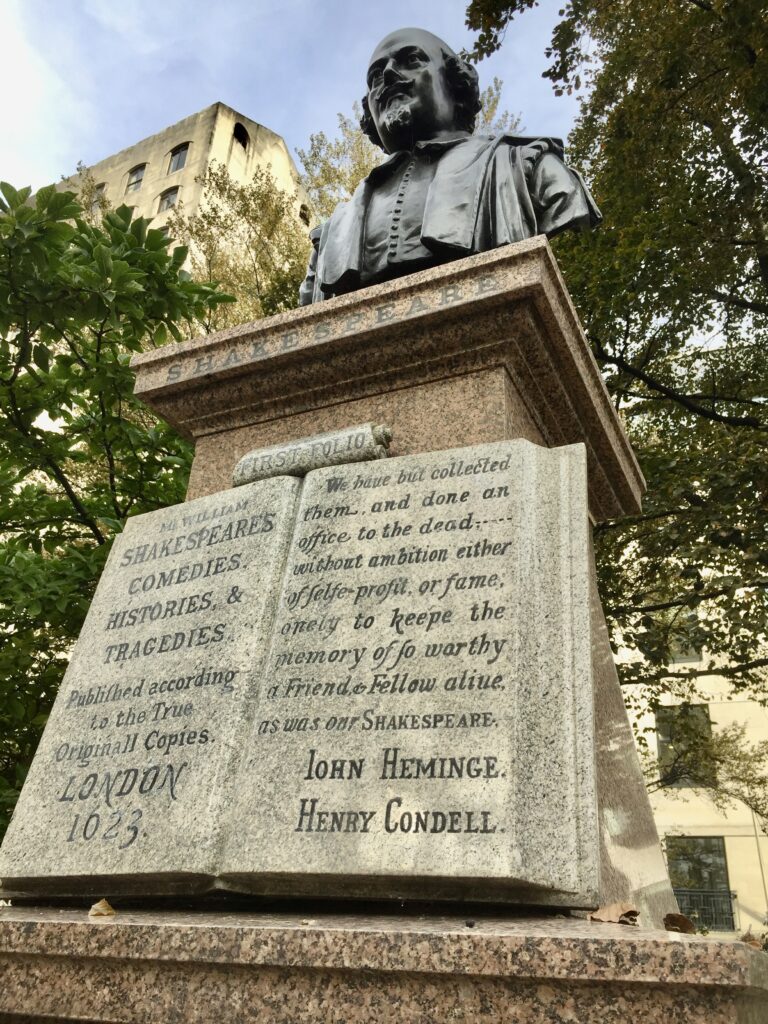
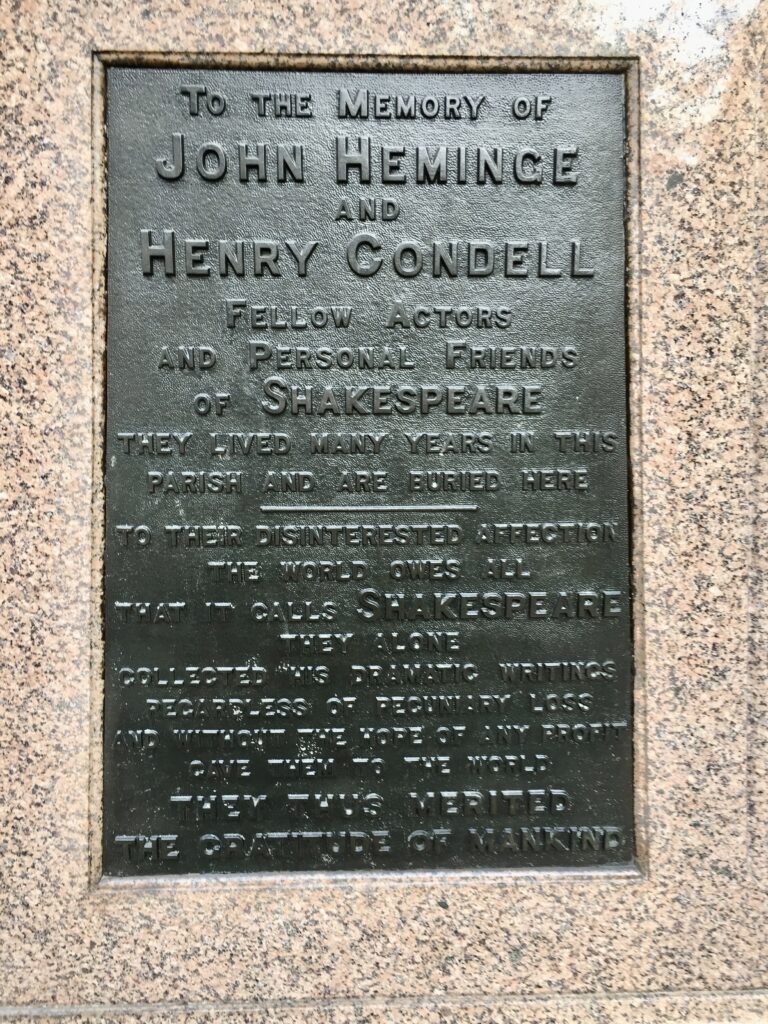
Heminge and Cordell, however, have been honoured with a splendid memorial on the previous site of the church …

‘TO THEIR DISINTERESTED AFFECTION THE WORLD OWES ALL THAT IT CALLS SHAKESPEARE. THEY ALONE COLLECTED HIS PRINTED WRITINGS REGARDLESS OF PECUNIARY LOSS AND WITHOUT THE HOPE OF ANY PROFIT GAVE THEM TO THE WORLD. THEY THUS MERITED THE GRATITUDE OF MANKIND’

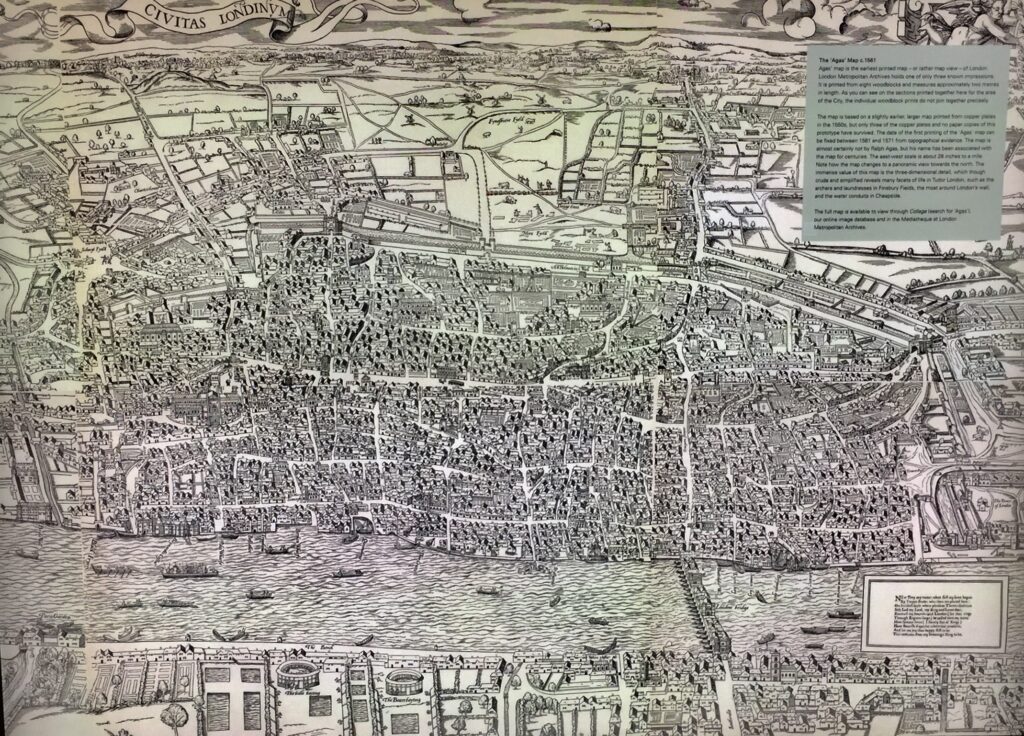
Incidentally, the Heritage Gallery in the Guildhall Art Gallery is a bit of a hidden treasure with ever-changing displays of great interest drawn from the City of London collections and archives. It also boasts a splendid back-lit copy af the Agas map of Early Modern London …

If you would like to follow me on Instagram here is the link …

https://www.instagram.com/london_city_gent/

Page 22 of 23

Powered by WordPress & Theme by Anders Norén

Symbols & Secrets
Privacy Overview

This website uses cookies so that we can provide you with the best user experience possible. Cookie information is stored in your browser and performs functions such as recognising you when you return to our website and helping our team to understand which sections of the website you find most interesting and useful.