Walking the City of London

Category: Sculpture Page 21 of 41

‘True Hearts and Warm Hands’ at St Margaret Lothbury.

After the Great Fire of London of 1666 St Margaret’s was rebuilt by Christopher Wren between 1683 and 1692. As some churches around St Margaret’s were demolished under the 1860 Union of Benefices Act, St Margaret’s benefited from acquiring some of the interior furnishings of these buildings. The church now houses an outstanding collection of seventeenth century fittings, many by the sculptor and wood carver Grinling Gibbons. It is one of the few Wren churches that sustained only minor damage during the Second World War.

In 1698–9 the top stage of the tower with large belfry openings and all of the spire were added and this work was probably designed by Robert Hooke. Hooke was Surveyor to the City of London and chief assistant to Christopher Wren, in which capacity he helped Wren rebuild London after the Great Fire.

The church and tower (EC2R 7HH).

The baptismal font, believed to be by Grinling Gibbons (1648–1721), came from St Olave, Old Jewry, after that church was partially demolished in 1887. The font is a carved bowl with cherub heads at each corner and the sides are decorated with Adam and Eve, the dove returning to the ark, the baptism of Jesus and the baptism of the Ethiopian eunuch by Philip.

Of the subsequent additions to the church the most splendid is the choir screen, one of only two in a Wren church, erected originally in the Church of All Hallows the Great, Thames St. in 1683-84 …

The screen, along with the tester above the pulpit, was moved to St Margaret’s in 1894 when the Church of All Hallows the Great was demolished, to allow widening of Thames Street and building of the City of London Brewery on the site.

The tester above the pulpit.

The Stuart royal arms are part of the screen which was originally donated by the German merchant Theodore Jacobson in c.1685. The eagle is supposed to refer to Herr Jacobson’s nationality …

The lovely stained glass windows celebrate St Margaret’s links with a number of City Livery Companies and Institutions. The windows were donated by either the Livery Companies or their Masters.

The Worshipful Company of Glovers of London – True hearts and warm hands

The Worshipful Company of Tin Plate Workers alias Wire Workers’ motto is Amore Sitis Uniti, Latin for Be United in Love (rather sweet!) …

The Institute of Chartered Accountants in England and Wales. The phrase Recte Numerare means to reckon or number rightly in Latin …

The Worshipful Company of Tylers and Bricklayers : In God is all our trust, let us never be confounded.

The Worshipful Company of Scientific Instrument Makers. The motto Sine Nobis Scientia Languet Knowledge cannot flourish without us – reflects the fundamental role the craft has played in the achievement of science over the past centuries …

The Worshipful Company of Armourers and Brasiers. The Company’s present Coat of Arms was granted in 1709 and incorporates the former arms of the Armourers granted in 1556 with a new coat for the Brasiers. The two mottos are Make All Sure for the Armourers, and We are one for the joint Company. ‘Put on the whole armour of God’ …

There’s much more to see at St Margaret’s so I shall return.

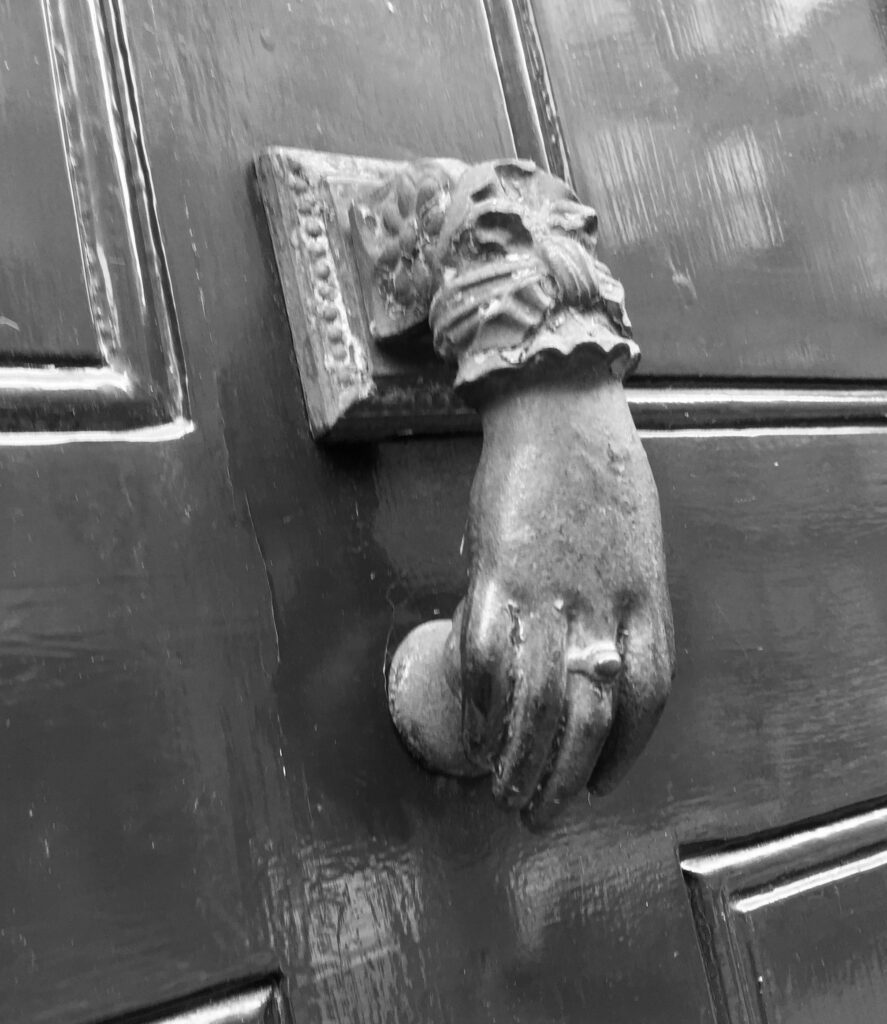
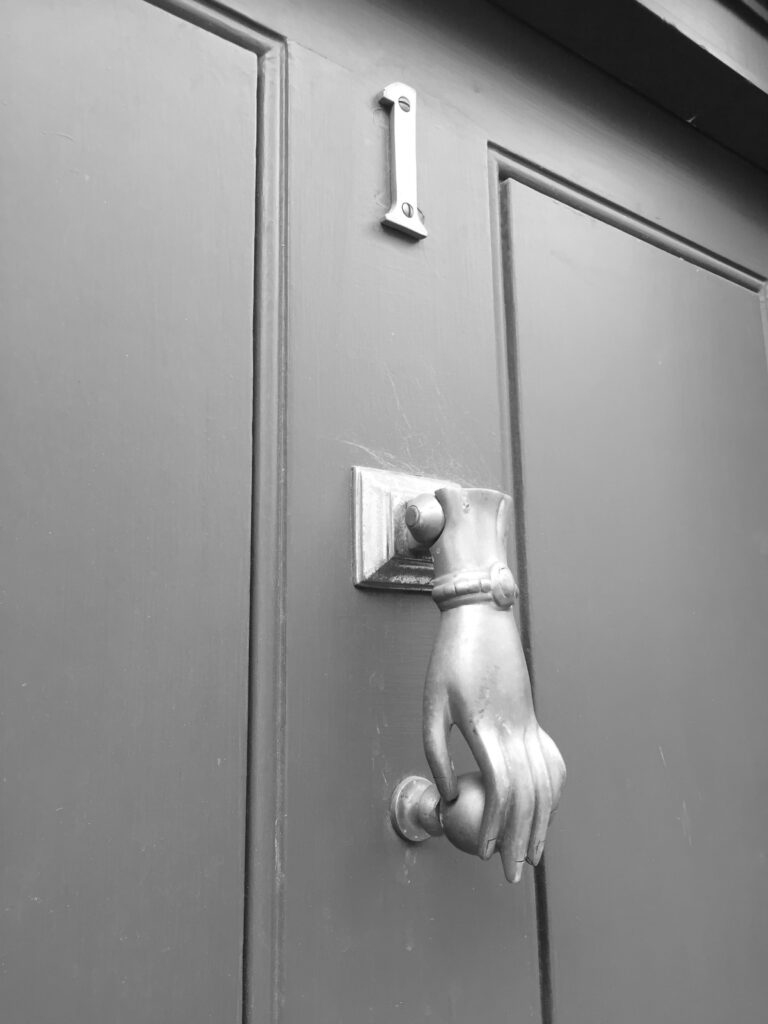
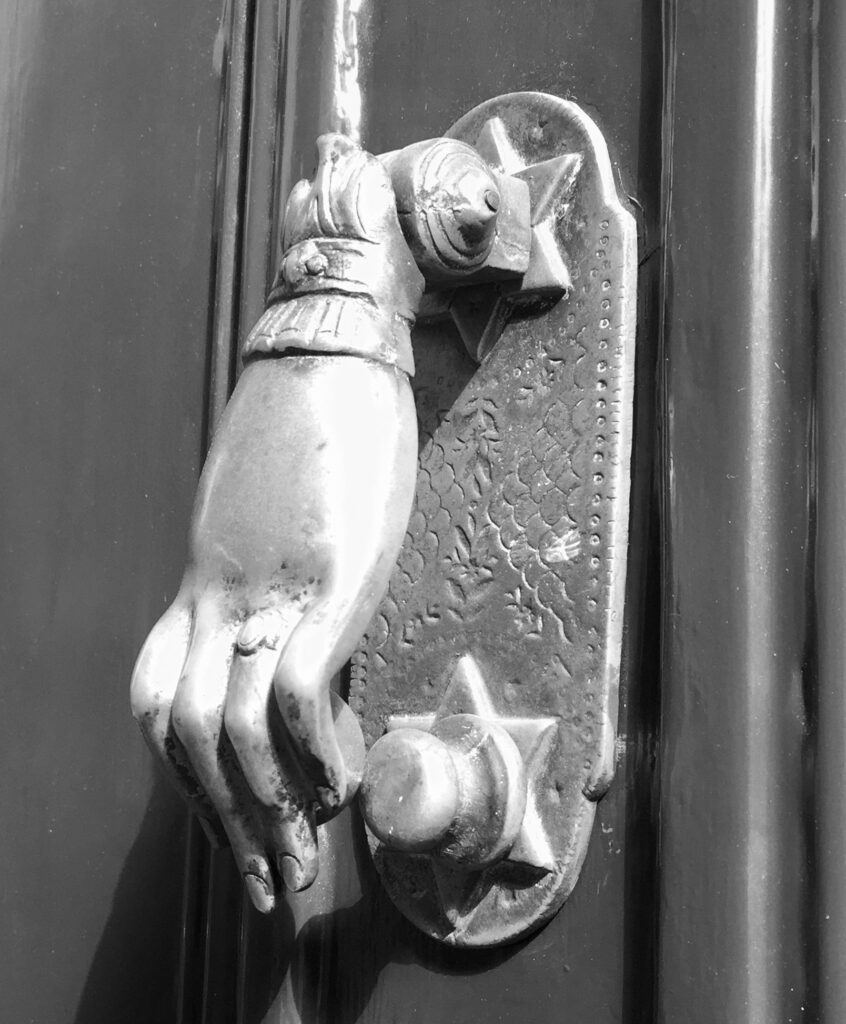
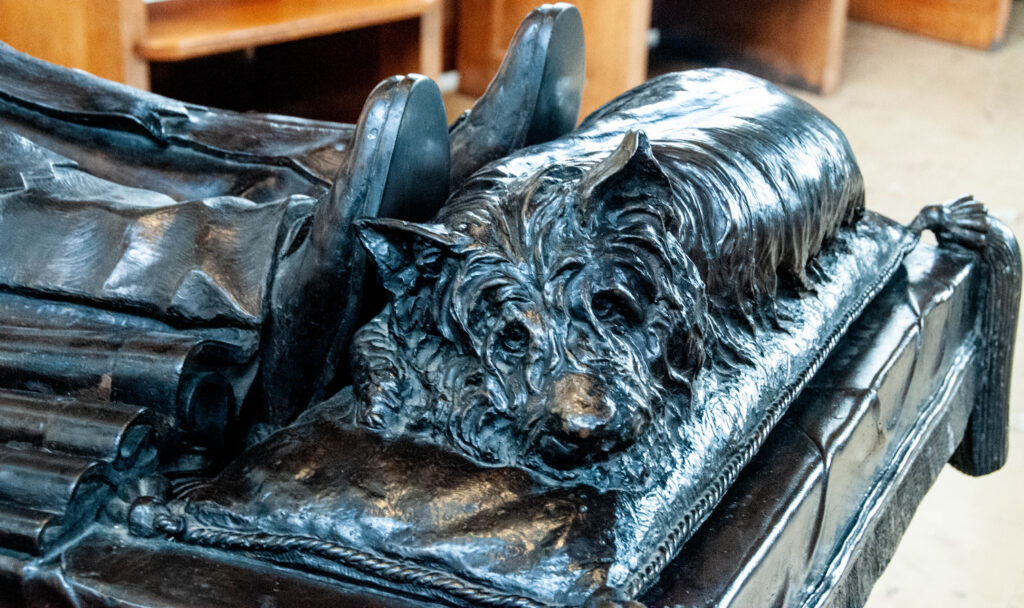
Incidentally, if you are passing near the Royal Exchange check out Paparazzi Dogs

If you would like to follow me on Instagram here is the link …
https://www.instagram.com/london_city_gent/

Fun in the Seething Lane Garden.

Last Saturday I was once again drawn to the Seething Lane Garden. It was a sunny afternoon and I thought I’d revisit the wonderful carved paving stones that I have reported on before. The garden is much more open than it used to be …

These are the carvings I like best out of the 30 that are laid there..

A scene from a Punch & Judy show …

Trigger warning! They’ve dropped the baby …

A monkey sitting on a pile of books chewing a rolled up document …

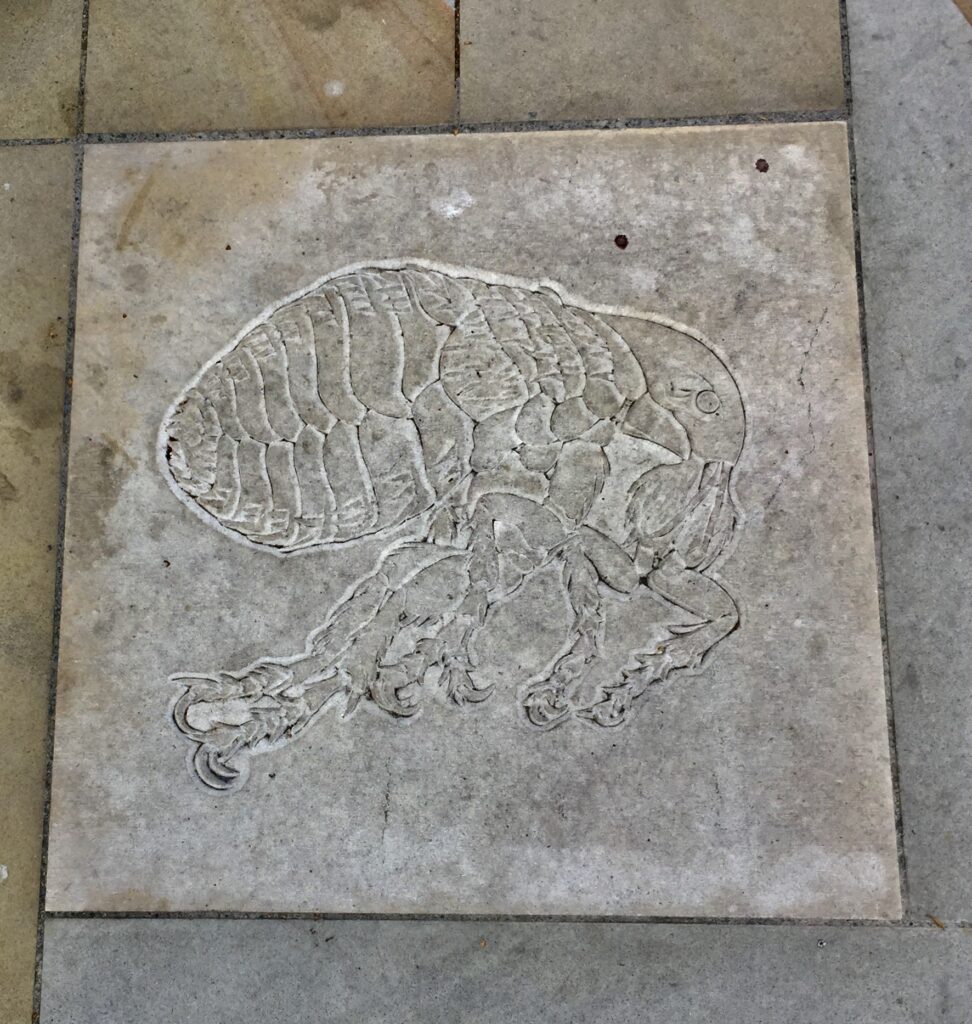
A meticulous representation of a flea …

A plague doctor in 17th century PPE. He wouldn’t have known that the rat crouching cheekily at his feet was a carrier of the pestilence …

After his decapitation, the head of poor King Charles I is held up by the executioner …

A very happy lion …

A galleon under full sail …

All the carvings refer to incidents in the life of Samuel Pepys – some of which are recorded in his famous diary. In the examples above, he wrote of visiting a Punch & Judy show, of his pet monkey getting loose and misbehaving, his purchase of Robert Hooke’s Micrographia (which contained the flea drawing) and his visit to the zoo to see an old lion called Crowly.

As a schoolboy he witnessed the execution of the King and in 1665 he stayed in London throughout the time of the plague (represented by the doctor). The galleon is the Royal Charles that brought Charles II back to England at the Restoration (and Pepys was on board). Trinitas refers to Trinity House where Pepys was a Master on two occasions.

He was in London during the Great Fire of 1666 and took a boat out on the River Thames to witness the destruction …

Note the piece of furniture floating past.

At the age of 25 he survived an operation to remove a bladder stone ‘the size of a tennis ball’ and this too is represented in the garden …

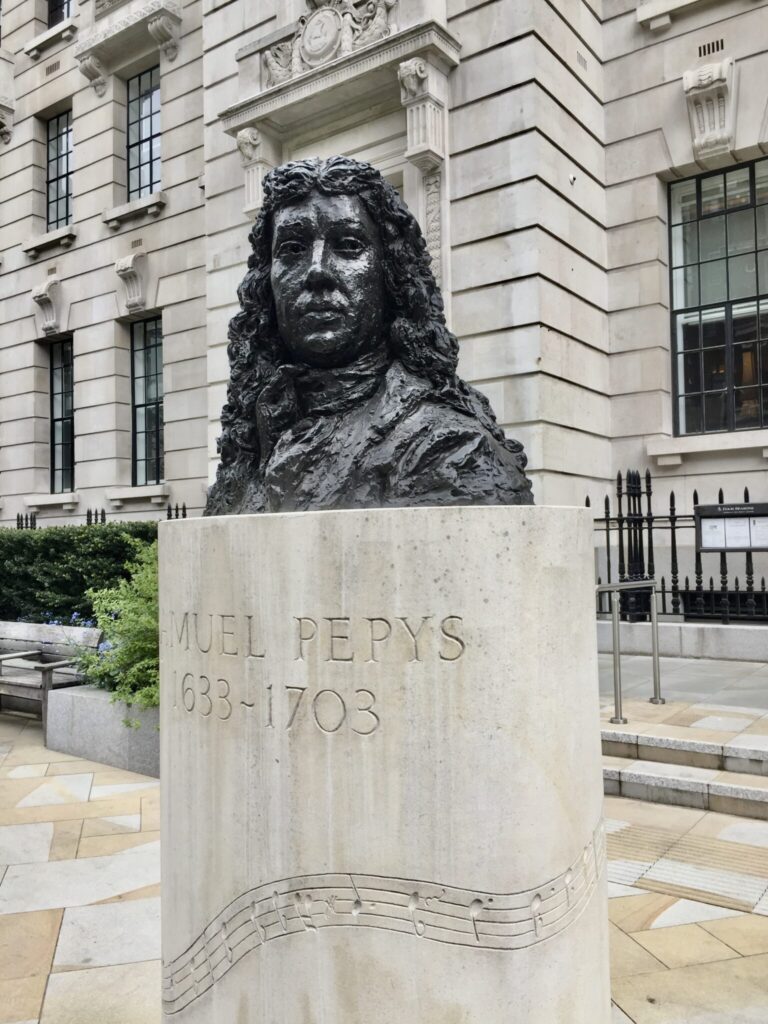
Pepys is commemorated with a splendid bust by Karin Jonzen (1914-1998), commissioned and erected by The Samuel Pepys Club in 1983 …

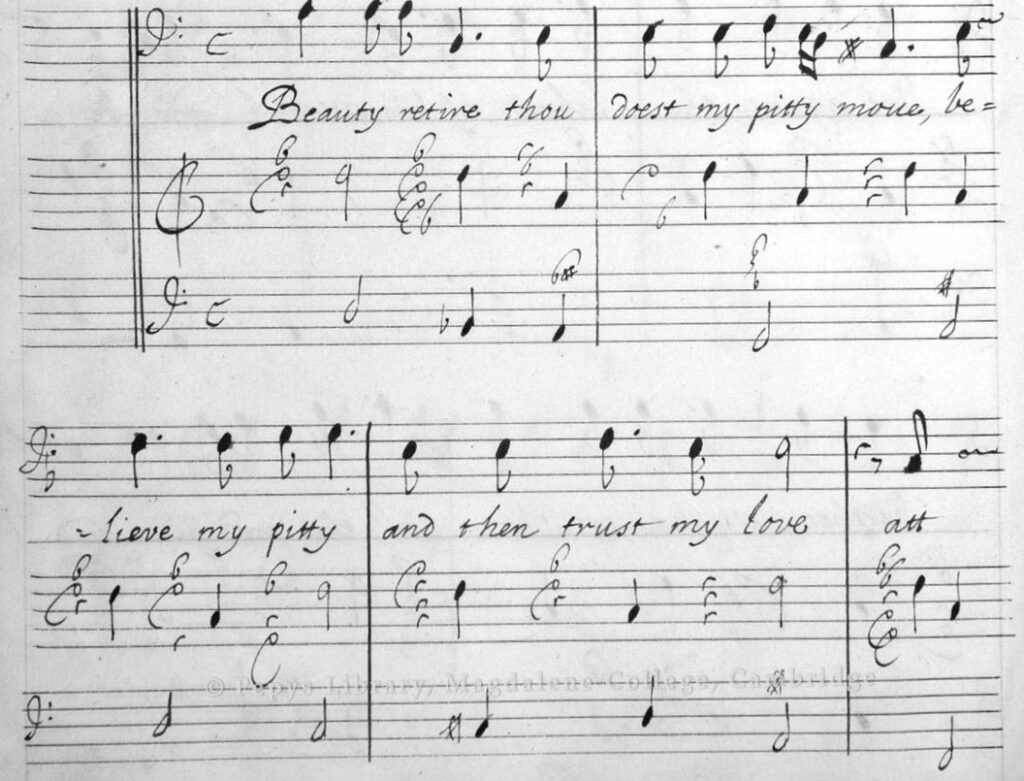
The plinth design was part of the recent project and the music carved on it is the tune of Beauty Retire, a song that Pepys wrote. So if you read music you can hear Pepys as well as see his bust …

Pepys was evidently extremely proud of Beauty Retire, for he holds a copy of the song in his most famous portrait by John Hayls, now in the National Portrait Gallery. A copy of the portrait hangs in the Pepys Library …

The paving designs were created by a team of students and alumni of City & Guilds London Art School working under the direction of Alan Lamb of Swan Farm Studios Ltd. Here are some pictures of the sculptors at work.

Tom Ball working on the flea …

Mike Watson working on Pepys’s monogram …

And finally, Alan Lamb working on a theorbo lute, one of many instruments Pepys could play …

Do visit the garden if you have the chance. Another of its interesting features is that it is irrigated by rainwater harvested from the roof of the hotel next door!

I have written two blogs about Pepys in London and also two about this garden. You can find them here:

Samuel Pepys and his ‘own church’.

Samuel Pepys and the Plague – ‘God preserve us all’.

Bladderstones and fleas in the Seething Lane Garden.

Monkeys and lions in Seething Lane.

All of them contain quotes from his famous diary.

If you would like to follow me on Instagram here is the link …
https://www.instagram.com/london_city_gent/

A painful arrow wound and a ‘beloved’ pair of bankers. More tales from St Giles.

Last week I looked back at St Giles in the period immediately after the Second World war. Over the last few days I’ve been looking for much earlier images.

Here it is in 1739 in a picture from the British Museum archive described as: View of the church from the graveyard; one of the churches to escape the Great Fire. 1739. Etching and engraving

Now forward to 1815 in a painting by George Shepherd …

And another entitled St.Giles Cripplegate, Fore Street engraved by J.Henshall after a picture Shepherd (published in London in the Nineteenth Century, 1831) …

The church now (on a wet and windy day!) …

The churchyard and its graves suffered terribly in the Blitz and the old grave stones have been incorporated into low level seating

Some inscriptions still just about legible. For example, the deaths in the Williams family, recorded over the years 1802 to 1840, give typical examples of the high incidence of child mortality …

Let’s go inside now and have a look around.

There are a number of modern stained glass windows. In the baptistery is the Cripplegate Window, which celebrates the centenary of the Cripplegate Foundation www.cripplegate.org which gives grants, advice and support to local organisations. The Foundation was formally established in 1891 but its origins lie in gifts made to St Giles’ for the poor and the needy dating back centuries. John Sworder made the first recorded gift in his will, dated 2 April 1500, and the head at the top of the window represents him, the first of the pious donors of the parish that we know by name …

On the north wall is a memorial window to Edward Alleyn, the parish’s generous benefactor. The design is the work of John Lawson of stained glass studio Goddard & Gibbs and depicts Alleyn in the centre, as well as the Fortune Theatre (which he founded), almshouses (which he built in the parish and which were destroyed in the Second World War), and St Luke’s Church, Old Street …

Monuments include one to John Speed. He was born at Farndon in Cheshire in 1552 and followed his father’s trade as a tailor until nearly fifty. He lived in London (probably in Moorfields) and his wife Susanna bore him twelve sons and six daughters! His passion in life, however, was not tailoring; from his early years he was a keen amateur historian and map maker, producing maps for the Queen and the Merchant Tailors Company, of which he was a Freeman. He joined the Society of Antiquaries and in 1597 his interests came to the attention of Sir Fulke Greville, who subsequently gave Speed an allowance for his research. As a reward for his earlier efforts, Queen Elizabeth granted him the use of a room in the Custom House …

Here’s his map of England (note the Irish Sea, the British Sea and the German Ocean!)…

The oldest monument is that of Thomas Busby. A 19th century guide to the church describes him and his memorial as follows …

… a rich cooper who died in 1575. His painted figure shows him in a black coat, his face full of benevolence, and his epitaph tells us that he gave the poor of Cripplegate every year four loads of the best charcoal and 40 dozen loaves.

Alas the Blitz ensured that only his bust with its benevolent face remains …

In the main body of the church, attached to a pillar on the right, is a sword rest, replacing one destroyed during the Second World War. Its function is to house the ceremonial swords carried on state occasions. This one contains the coats-of-arms of the five Aldermen of Cripplegate who became Lord Mayors of London, including Sir John Baddeley, Sir Peter Studd and Sir Allan Davis …

Nearby there is also a lovely 19th century brass lectern created in memory of Lancelot Andrewes …..

The East Window was designed by Gerald Smith of the Nicholson Studios, a London-based stained glass studio, which made the window in 1960. The firm’s output covered the years of restoration following both World Wars.
The work follows the pattern of the medieval window, of which traces came to light as a result of war damage. The design incorporates many figures of historical significance to the church, as well as the instruments of the crucifixion at the top …

St Giles is there, of course. He is traditionally depicted with a hind and there are various stories as to why that should be so. According to a 10th-century biography, Giles was an Athenian from a wealthy family who gave away his inherited wealth, fled to France and made himself a hermitage in a forest near the mouth of the Rhone, where, we are told, he lived on herbs and the milk of a hind. This retreat was finally discovered by the hunters of the King of the Franks, who had pursued the hind to its place of refuge. An arrow shot at the deer wounded Giles instead, as he put out his hand to protect the deer and was himself speared by the arrow …

Part of the medieval church can be still be seen on the right of the window, where it has been deliberately exposed for visitors to see. Here is the sedilia, where the priests sat, and the piscine, used for washing communion vessels. The tiles in the arch here are of Roman origin …

The Roman tiles …

The west window was designed by the Faircraft Studios and installed in 1968. In the centre is the coat-of-arms of the City of London, which is flanked on its left by the coat-of-arms of the Archbishop of Canterbury, and on its right by that of the Bishop of London. In the lower frame, from left to right, are the coats-of-arms of Robert Glover, Somerset Herald of Arms in the reign of Henry VIII, who was buried in the church; of John Milton; of the Earls of Bridgewater; Oliver Cromwell, and Sir Martin Frobisher. There were ten Earls of Bridgewater and three Earls of Kent buried in the church …

Nearby is this plaque dedicated to a pair of twins ‘respected and beloved by all who knew them’ …

They were joint secretaries to the Cripplegate Savings Bank …

Established in 1819, it became the Cripplegate Bank Limited in 1879. Renamed again in 1900 as London, Commercial & Cripplegate Bank Ltd it was acquired by the Union Bank of London Limited later in the same year (and was eventually swallowed up by NatWest).

As you leave you can say ‘goodbye’ to St Giles. He’s just above the north door, hind at his side. You can also see the scorch marks from the incendiary bombs dropped during the Blitz when even the stone caught fire …

He is depicted with a crutch, as it is thought he was lame …

I am indebted to the really helpful History section of the St Giles website for much of the blog. I strongly recommend you visit it, if only to watch the fascinating YouTube film of the City ruins in 1956.

If you walk around to the south side of the church you will see this odd commemorative stone …

What was the mistake that had to be erased? Maybe it originally referred to the ‘west’ or ‘east’ front when it should correctly have referred to ‘the front’!

If you would like to follow me on Instagram here is the link …
https://www.instagram.com/london_city_gent/

Page 21 of 41

Powered by WordPress & Theme by Anders Norén

Symbols & Secrets
Privacy Overview

This website uses cookies so that we can provide you with the best user experience possible. Cookie information is stored in your browser and performs functions such as recognising you when you return to our website and helping our team to understand which sections of the website you find most interesting and useful.