Walking the City of London

Category: Quirky Page 15 of 26

New year quirkiness – a ‘cottage’ by the tracks, an eccentric doctor and an interesting piece of tree.

Regular readers will know that I can’t always think of a theme and, instead, produce a random collection of stories that may be of interest and today’s blog is one of those.

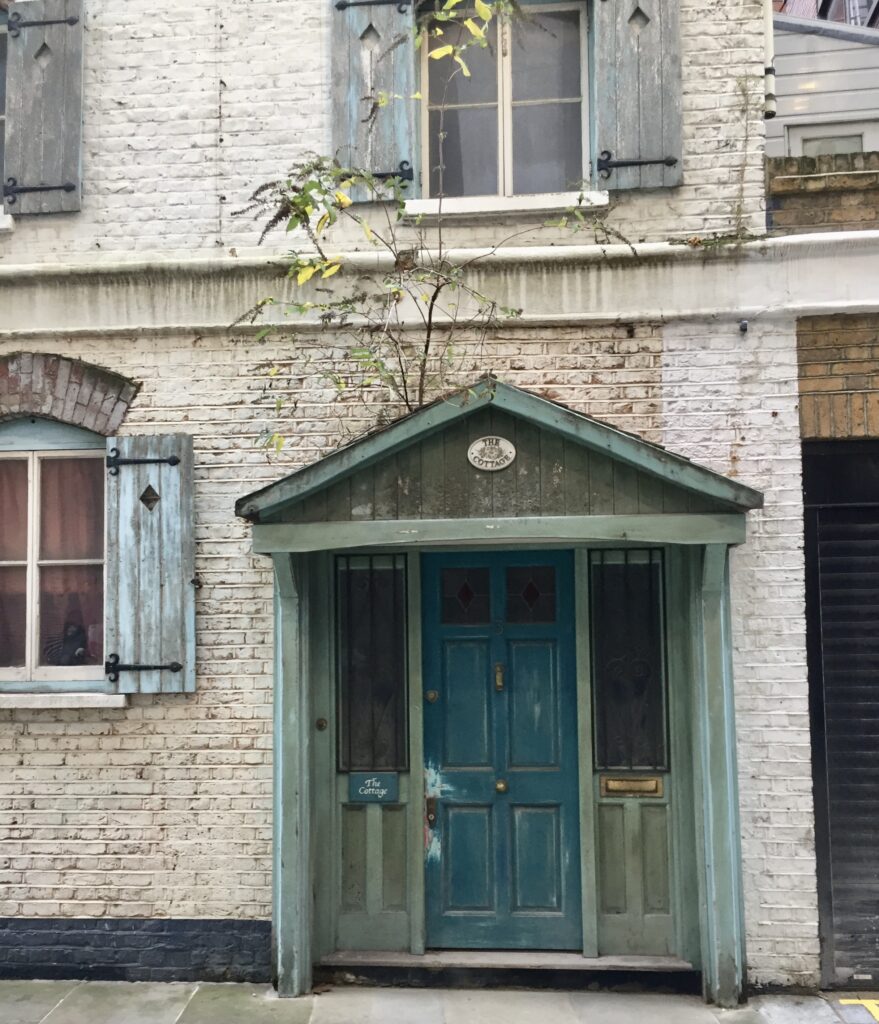
I’ll start with The Cottage at number 3 Hayne Street, just off Charterhouse Square …
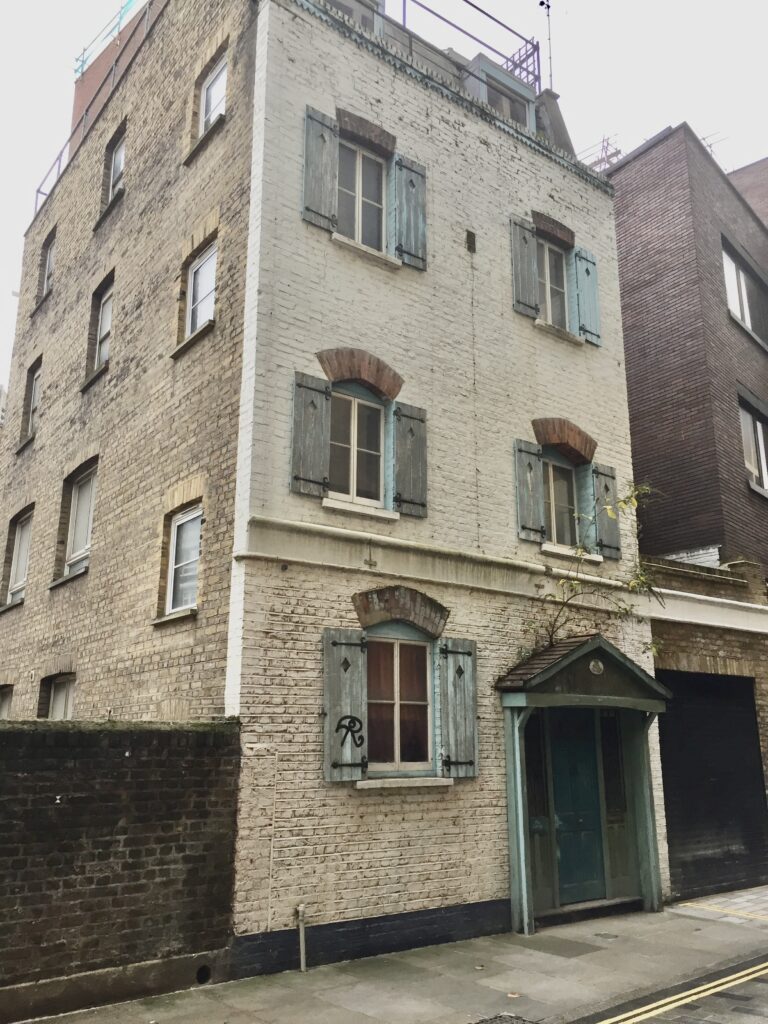
I am indebted to Katie Wignall, the Look up London blogger, for some background information.

The road was first called Charterhouse Street and laid out in 1687 but then along came the Metropolitan Railway and, as part of the work to extend the railway from Moorgate to Farringdon, Charterhouse Street was demolished. In 1873-74 Hayne Street replaced it (according to Pevsner, it’s named after the developer).

So now, teetering on the edge of the tracks and overlooking Barbican Underground Station, house number 3 is the final remnant of this 19th century thoroughfare …
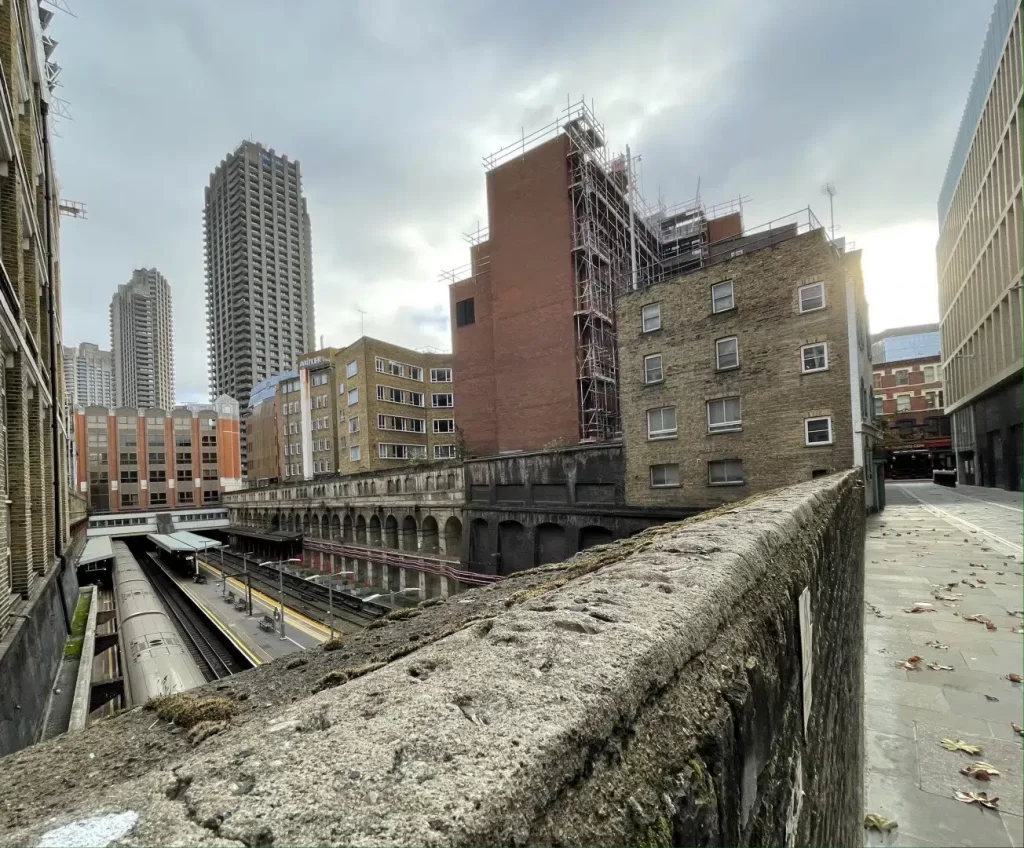
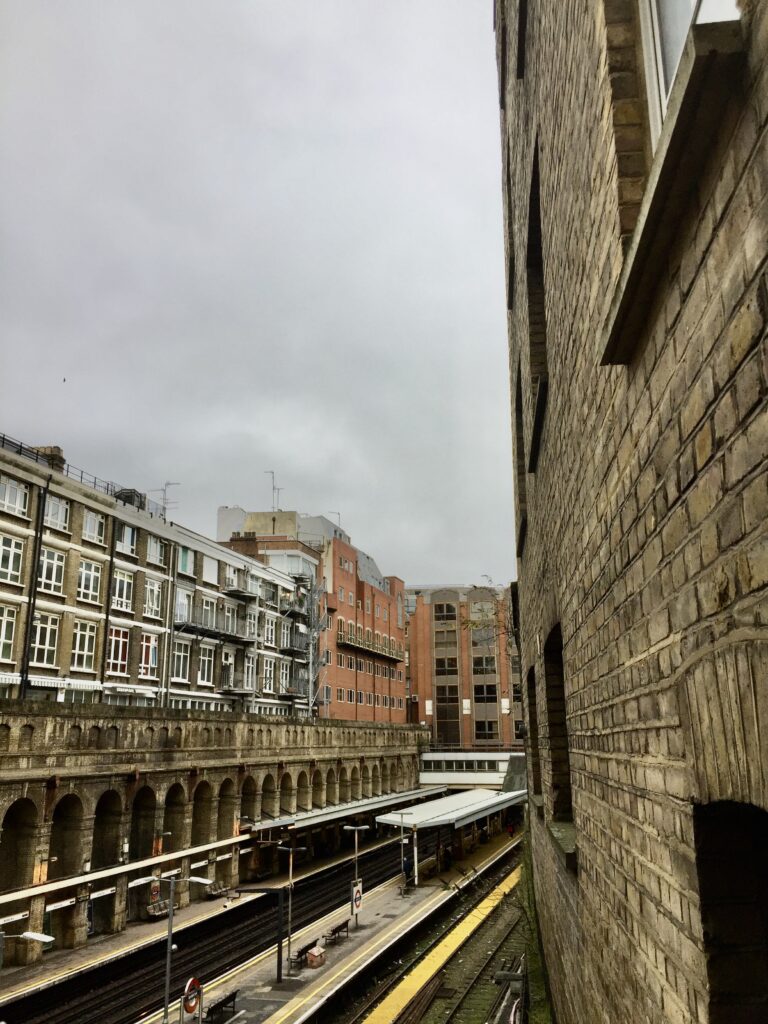
Photo credit : Katie Wignall.

The view from the station platform …
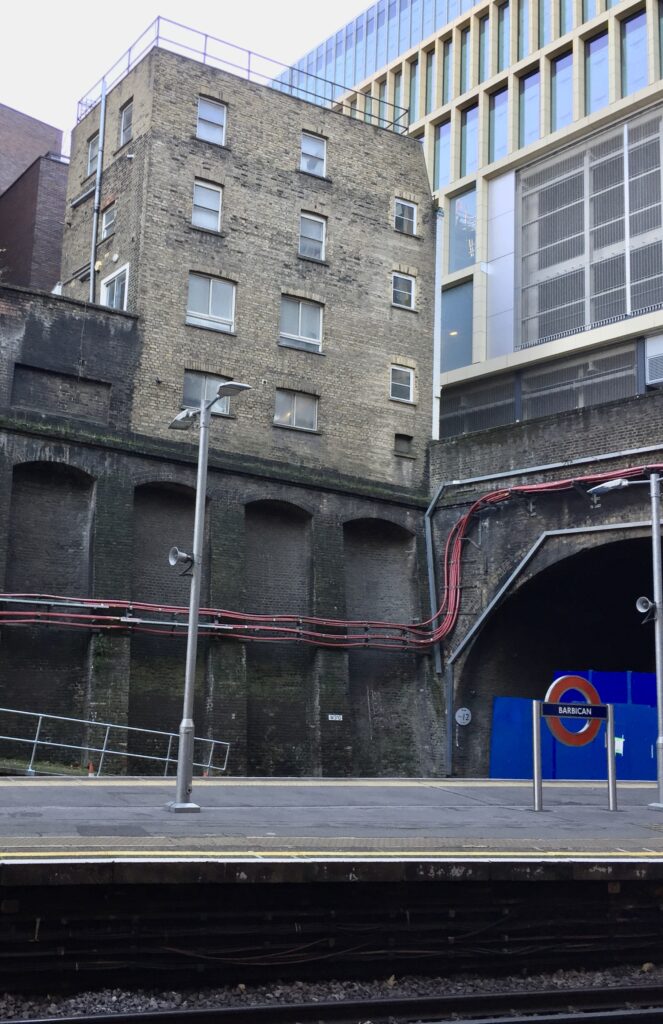
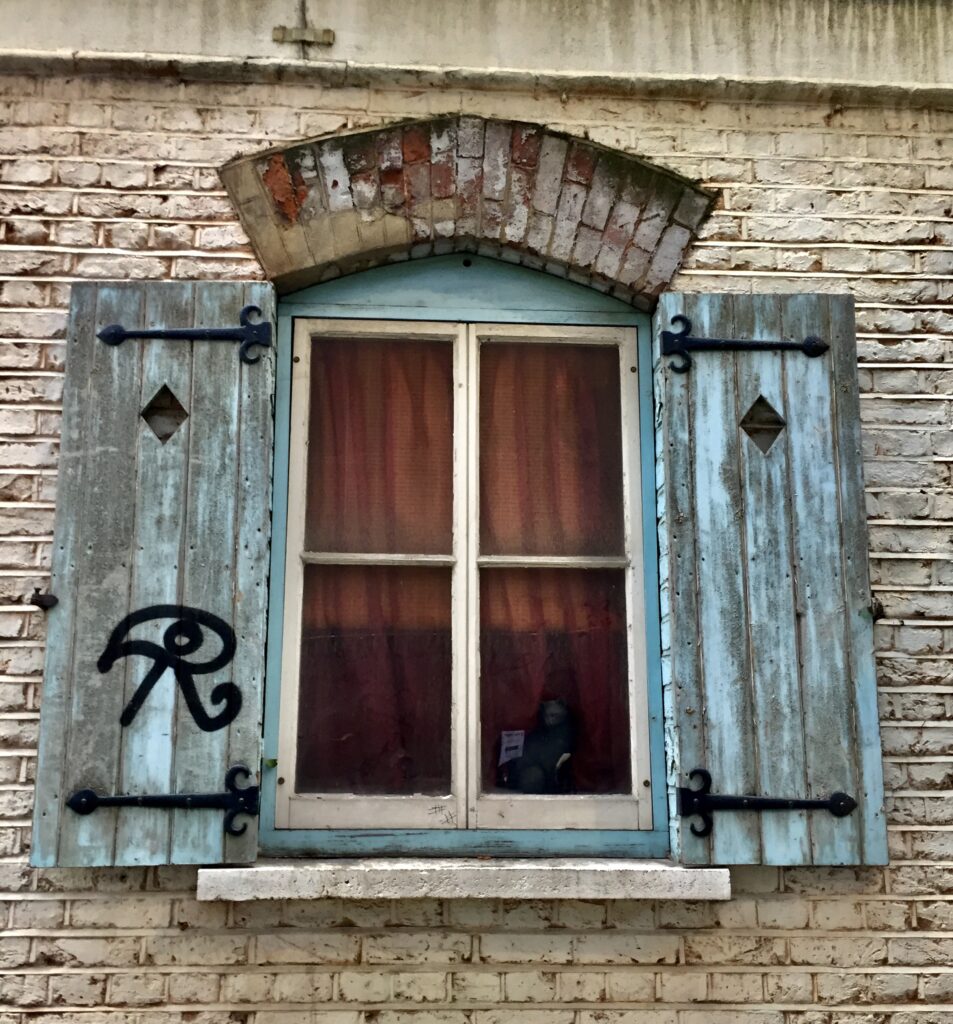
It was scheduled for demolition but I think that would be rather sad. It seems safe at the moment so let’s hope the plans to destroy it have been abandoned. Maybe one day someone might actually live there (would suit an Underground railway enthusiast!) …
So often entrances don’t look very promising but turn out to reveal something quite fascinating and this is true of Masons Avenue.

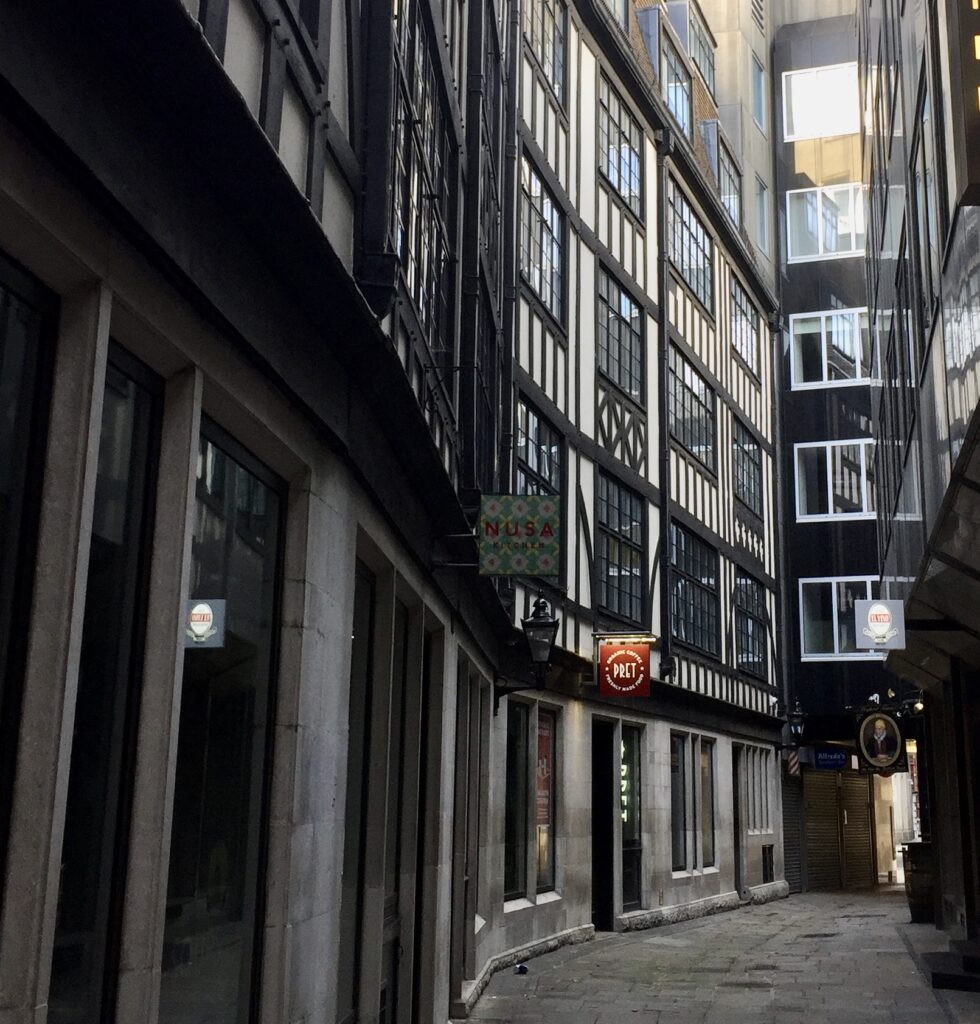
Firstly, it doesn’t look much like an ‘avenue’, defined in my dictionary as ‘a broad road in a town or city, typically having trees at regular intervals along its sides’. Really more of an alley, it runs between Basinghall Street in the west and Coleman Street in the east and contains a number of very interesting features …
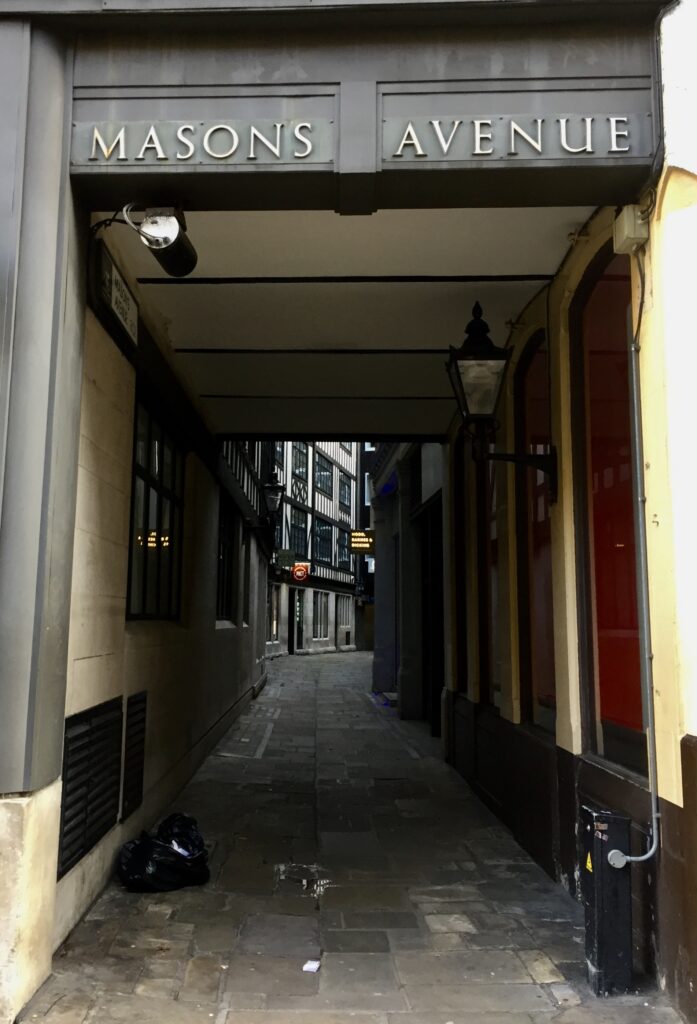
It’s lined with a mock-tudor frontage, which is sadly less than 100 years old — it dates from 1928 …
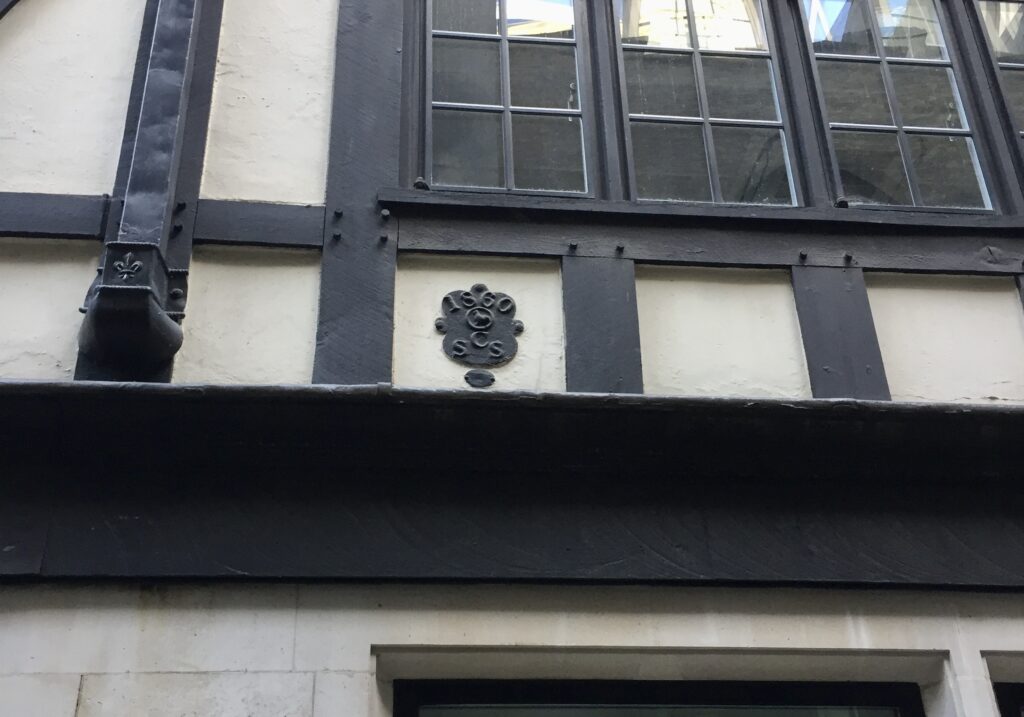
There is also a nice boundary mark for the parish church of St Stephen Coleman Street dated 1860 …
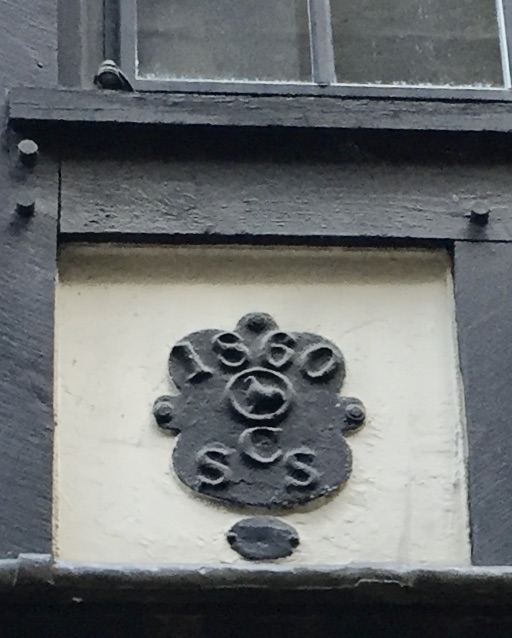
That figure in the middle is a cockerell in a hoop. In 1431, John Sokelyng, who owned a neighbouring brewery called ‘La Cokke on the hoop’, died and left a bequest to St. Stephen’s on the condition that a mass be sung on the anniversary of his death and that of his two wives. The gift was commemorated by a cock in a hoop motif that would decorate the church until the building was destroyed in the Blitz in 1940. Here’s the marker again in its wider setting …
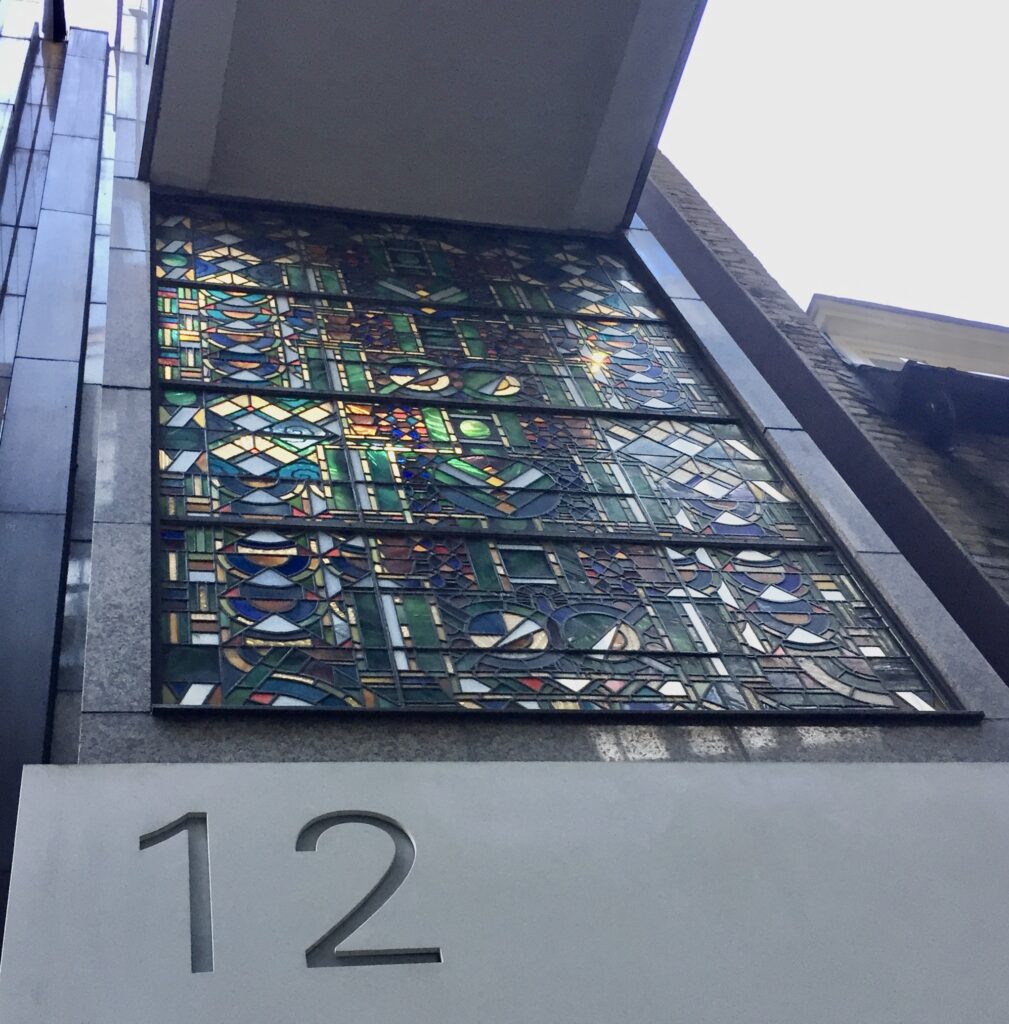
Number 12 boasts an attractive stained glass window (about which I have not been able to find any information) …
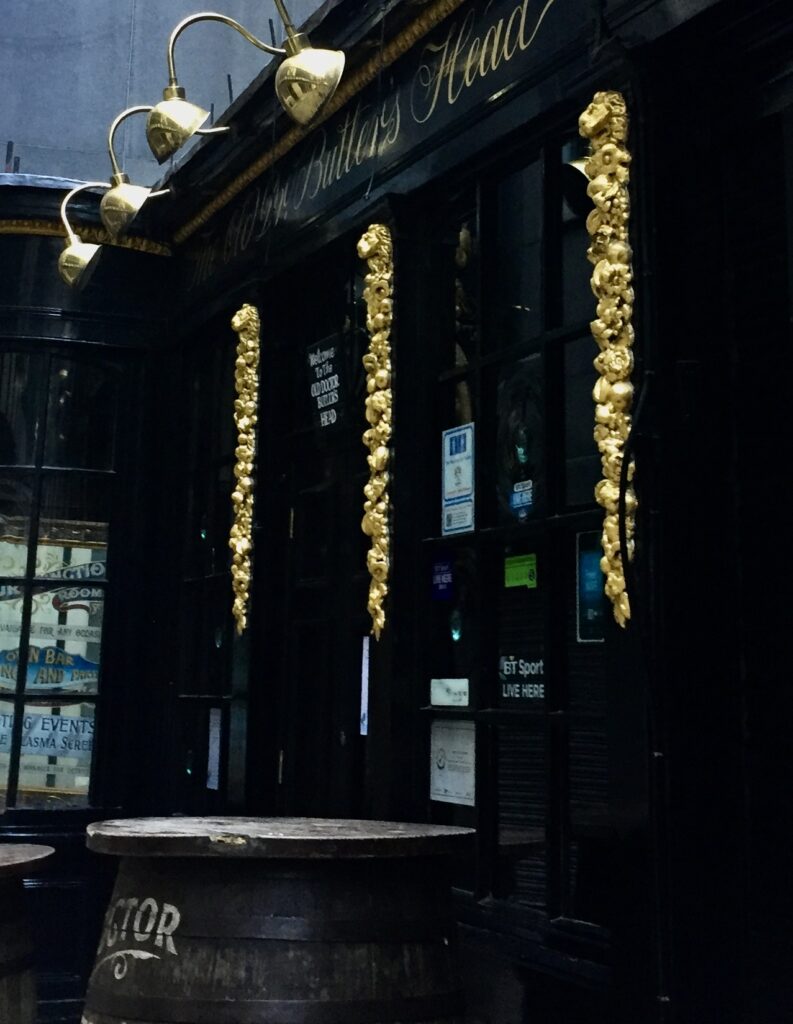
In my view, however, the alley’s crowning glory is this old pub …
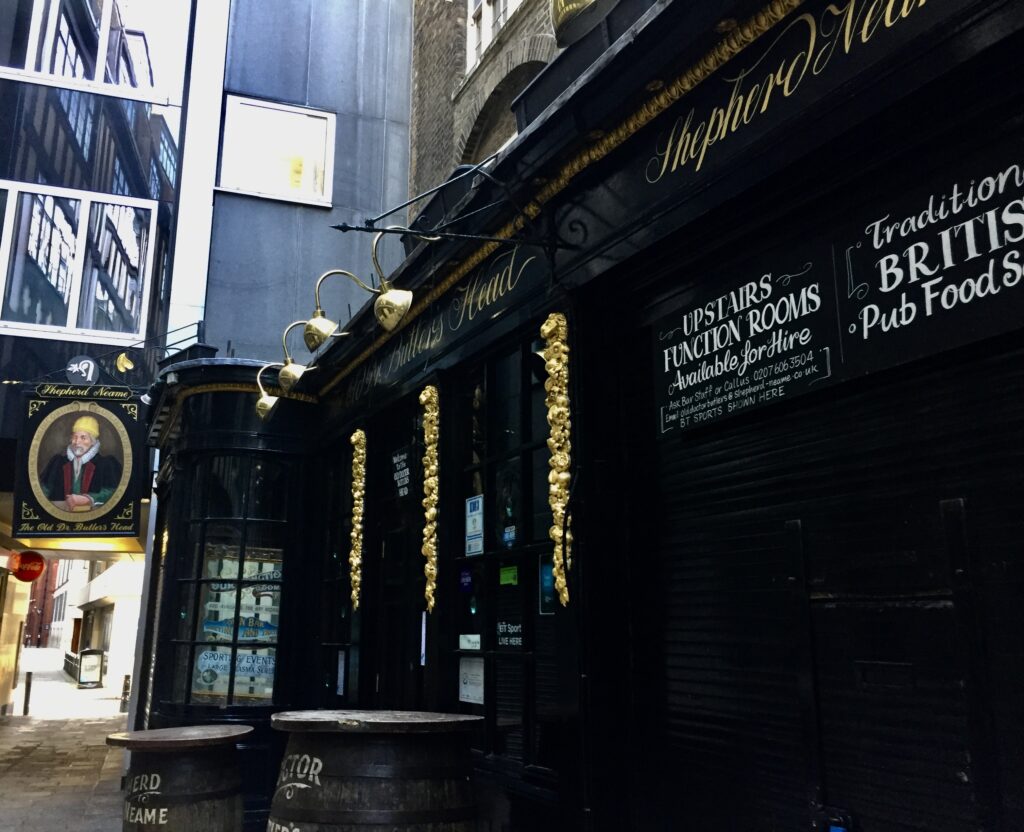
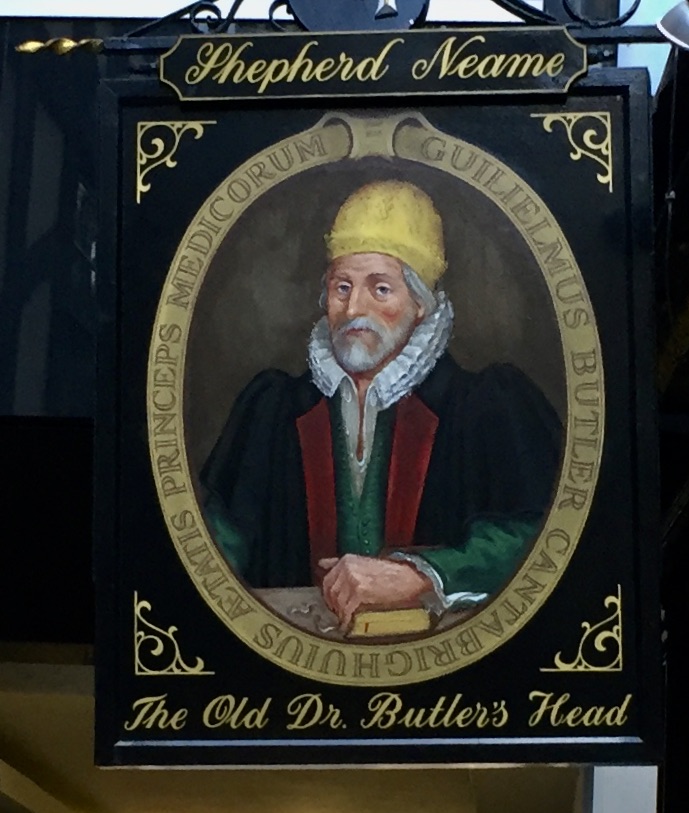
It is very nice to find a pub sign where the portrait does justice to its name, in this case William Butler (1535–1618). Wikipedia states he was ‘an English academic and physician. A Fellow of Clare College, Cambridge, he gained a reputation as an eccentric, a drunkard, and (was once described as) the greatest physician of his time’ …
Here is an image held at la Bibliothèque interuniversitaire de santé …
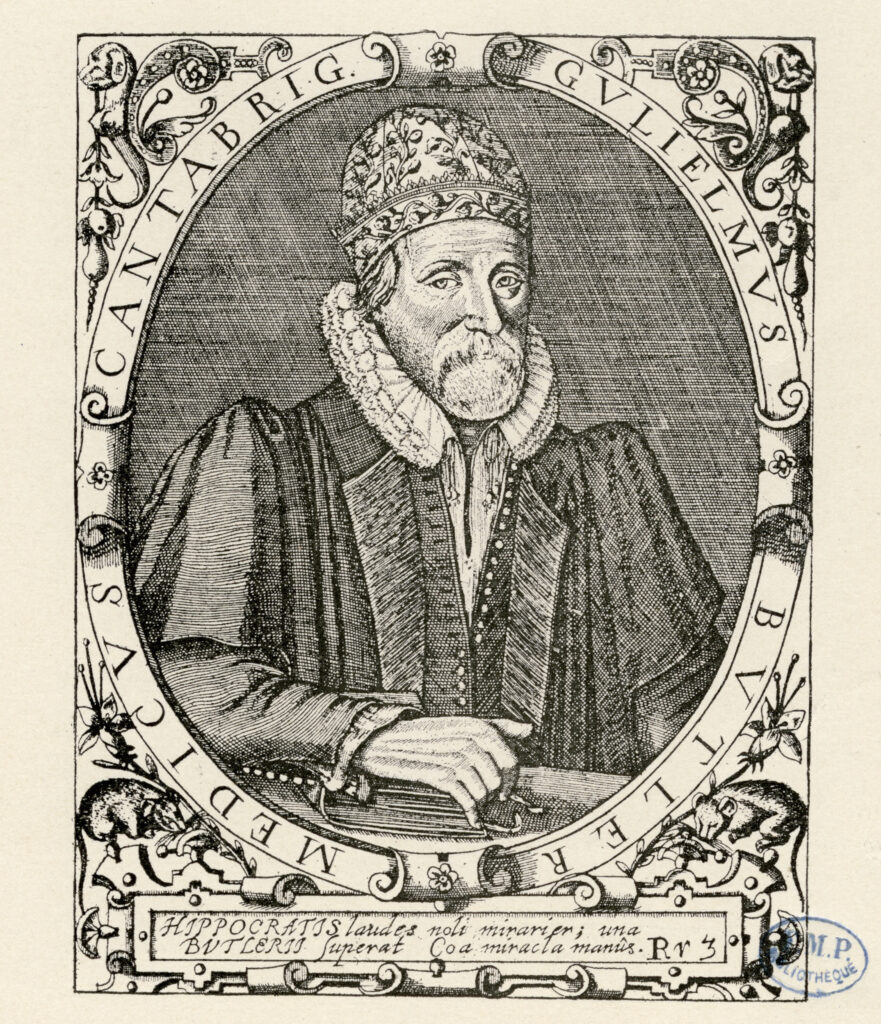
I am always a bit wary of describing medical practitioners from previous centuries as ‘quacks’ since very often they were simply following traditional procedures and in many cases were incredibly well educated.

Some of Dr Butler’s remedies could, however, be described as ‘eccentric’ even for the times. For example, as a cure for epilepsy, he would fire a brace of pistols near his unsuspecting patient, to scare the condition out of them. He is said to have revived a man suffering from an accidental opium overdose by placing him in the chest cavity of a recently-slaughtered cow, and cured another patient of a fever by having him thrown off a balcony into the Thames. On a more enlightened note, he opposed the then common practice of blood-letting.

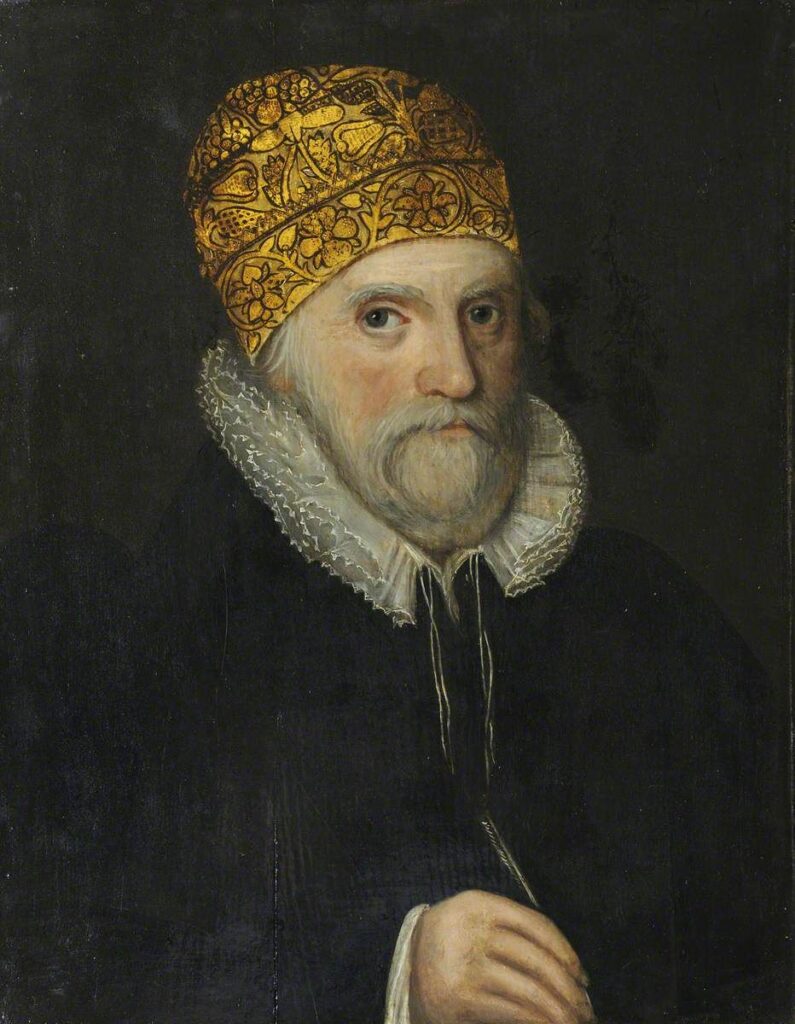
Here’s his portrait, held at Clare College, to which he bequeathed £260 (about £65,000 today) for the purchase of ‘finest gold,’ from which a chalice and a paten were made…
His biggest claim to fame (apart from being court physician to King James I) is his invention of a medicinal drink known as Dr Butler’s purging ale. Eighteenth-century recipes for the drink listed the ingredients as betony (a bitter grassland plant), sage, agrimony (a wayside plant popular in herbal medicine), scurvy-grass (a seaside plant high in Vitamin C, also used to make scurvy-grass ale), Roman wormwood (less potent than “regular” wormwood but still bitter), elecampane (a dandelion-like bitter plant that continues to be used in herbal cough mixtures) and horseradish, which were to be mixed and put in a bag which should be hung in casks of new ale while they underwent fermentation.

Whether this cured anything or not is unknown but it’s quite likely some degree of purging took place after drinking it! In any case, Doctor Butler’s ale became so successful that a number of pubs were named after him of which the Masons Avenue hostelry is the last remaining. Sadly, Purging Ale is no longer available on tap.

His archive is available to view at his old college and you can read more about it here. Look out for this document where he uses an extra thick nib to describe someone as a ‘Brasen faced lyer‘ …
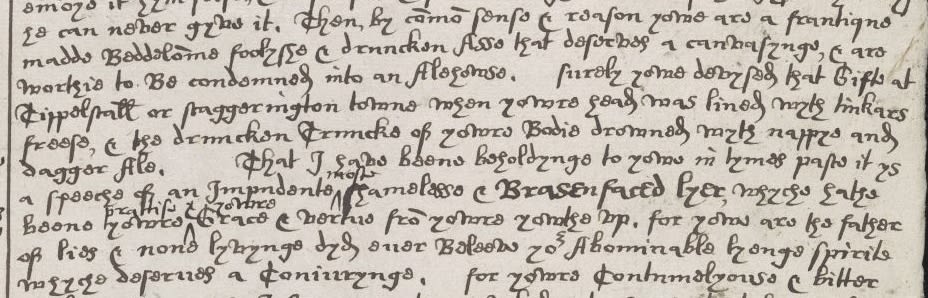
The pub has some nice external decoration but I couldn’t visit the interior due to Covid-related closure …
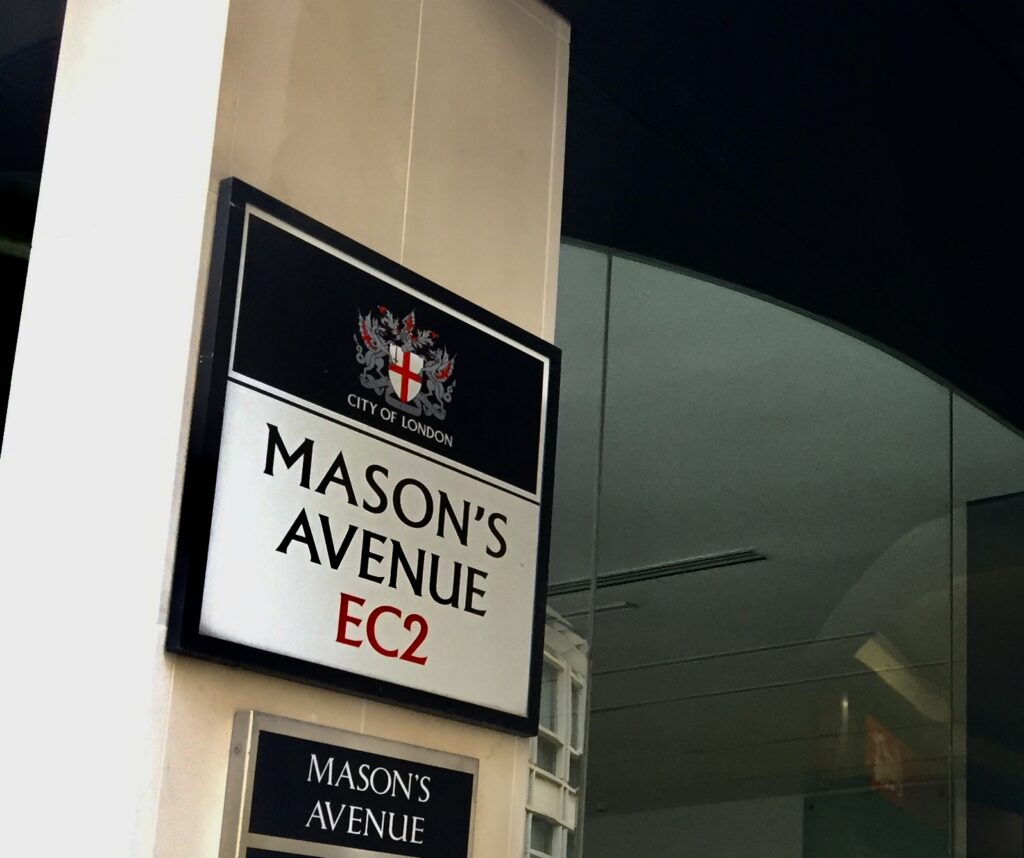
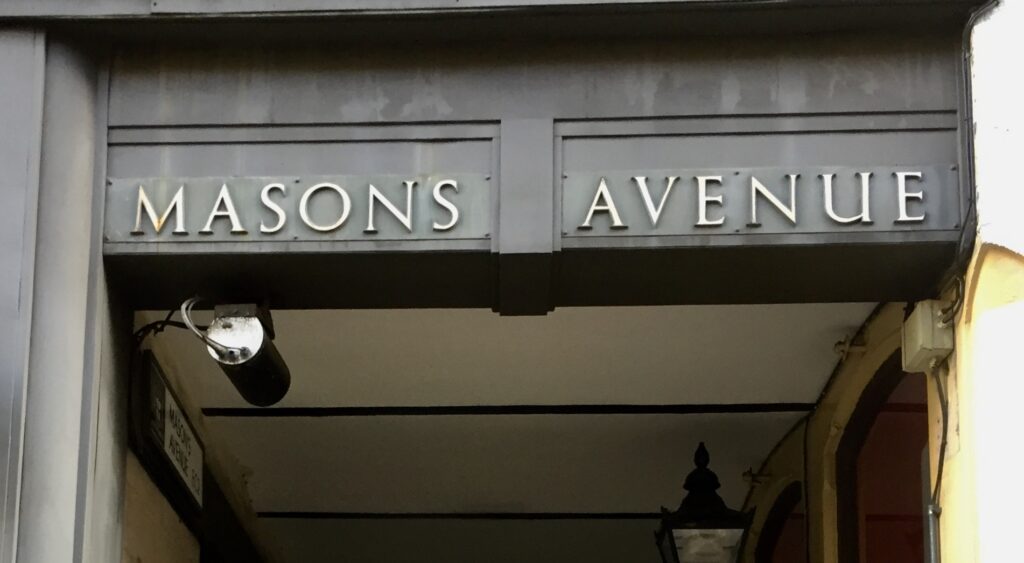
Whilst in pedantic mode I couldn’t help but notice that the name of the alley in the City nameplate carries an apostrophe whereas the name in the pediment over the entrance does not …
And finally, a piece of tree. You’ll find it on the Barbican Highwalk if you access it from Barbican Underground Station …
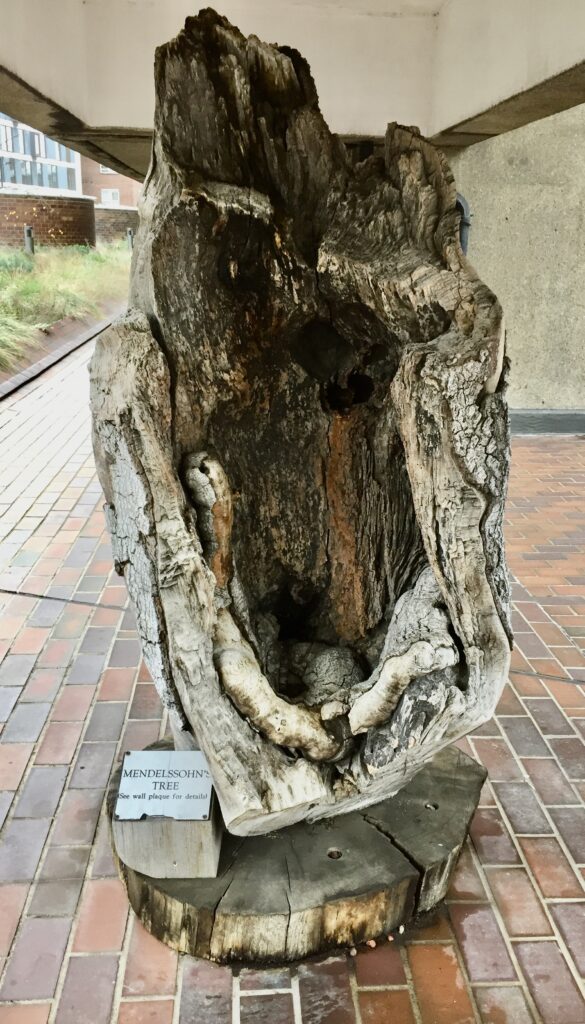
The plaque explains all …
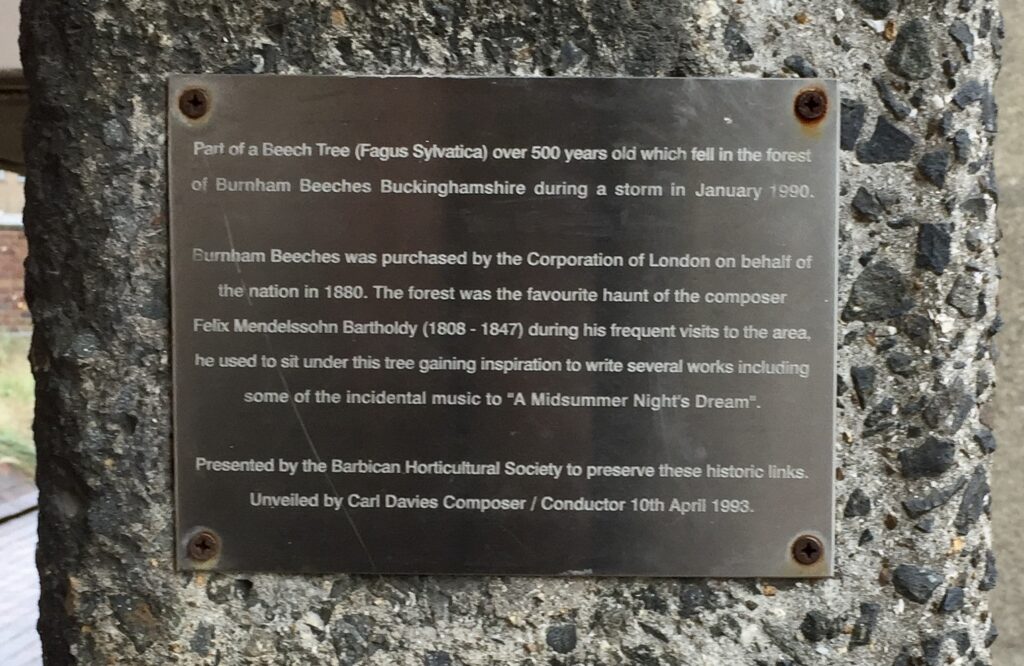
Perhaps I’ll sit there when looking for inspiration for next week’s blog.

If you would like to follow me on Instagram here is the link …
https://www.instagram.com/london_city_gent/

Christmas lights and the Bash Street Kids!

I don’t know about you, but I’ve found it rather difficult to feel very ‘Christmassy’ this year. However, the Christmas lights are beginning to cheer me up and here is my selection (plus a fascinating visit I made to Somerset House).

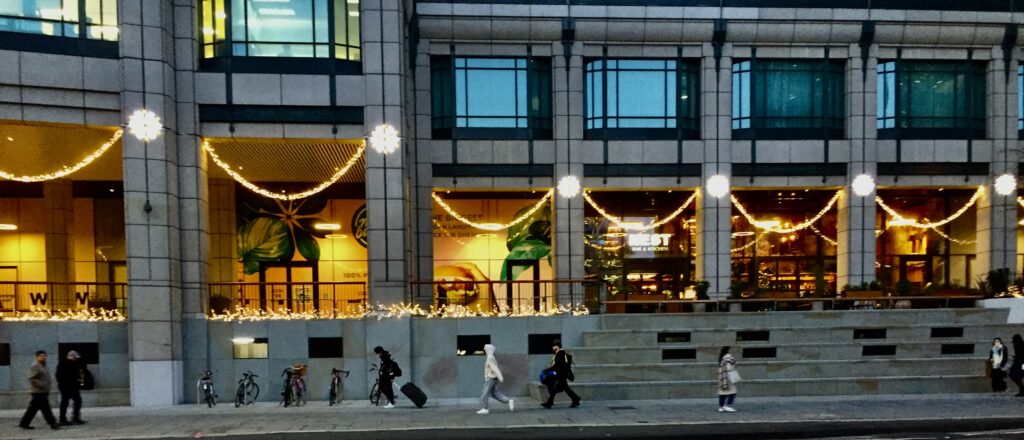
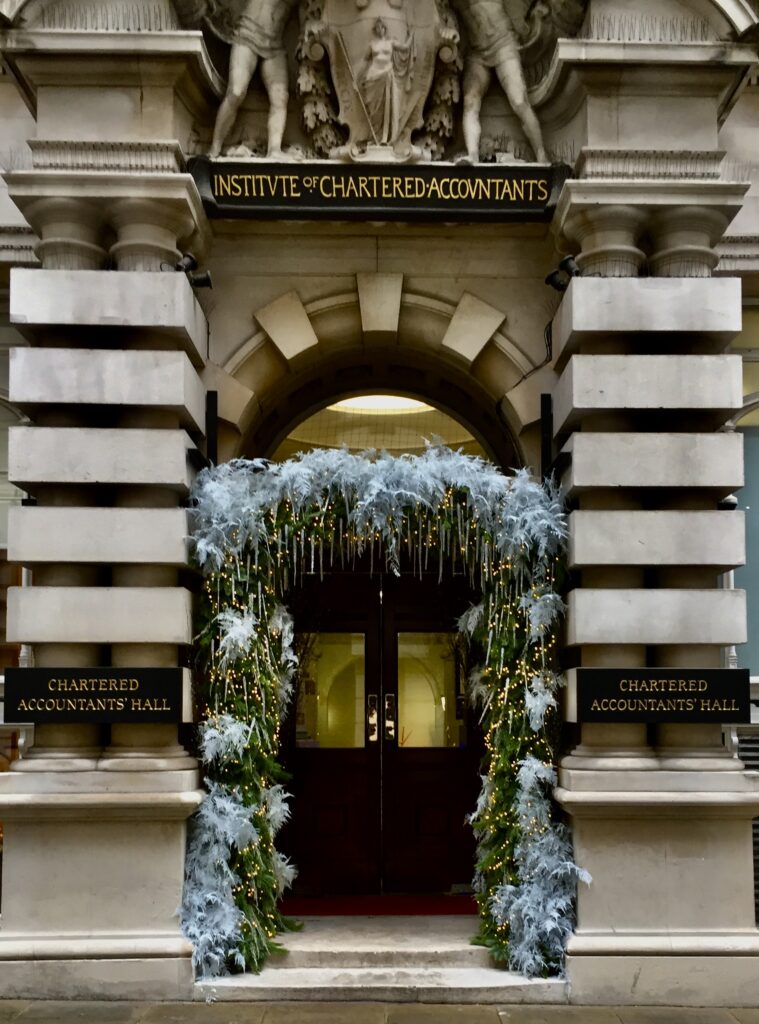
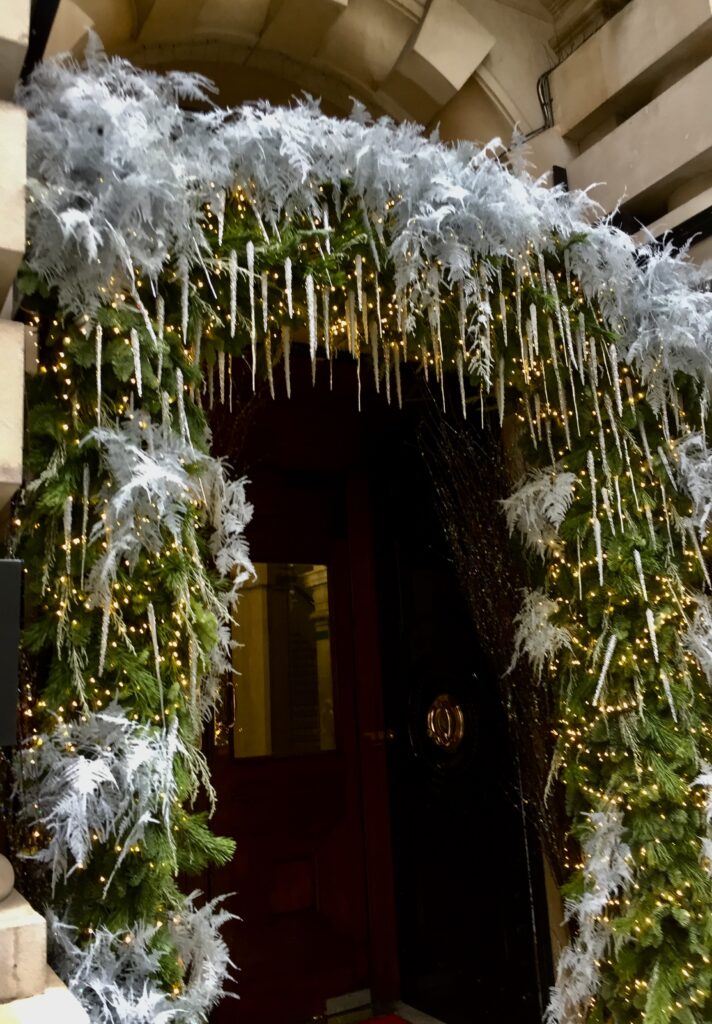
I’ll start with one of my favourites – hats off to Chartered Accountants Hall …

I think those icicles look really authentic …

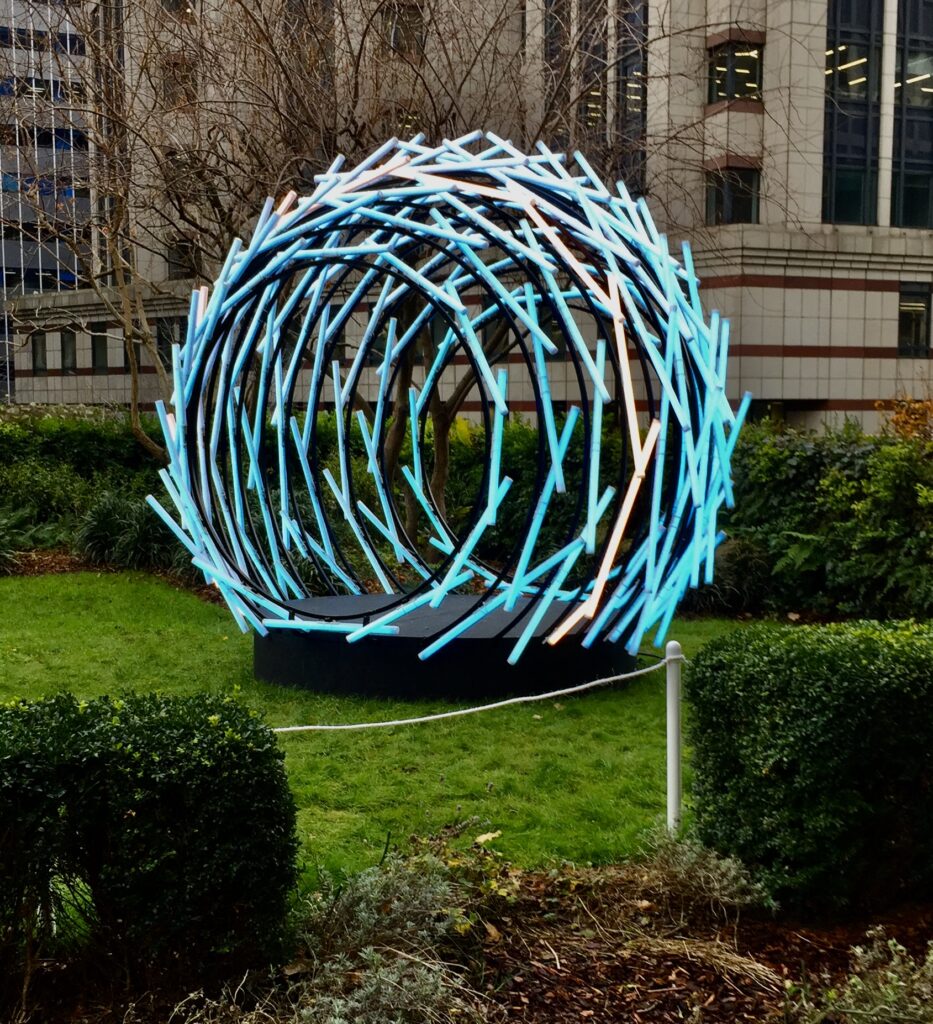
Then there’s this installation at City Point …

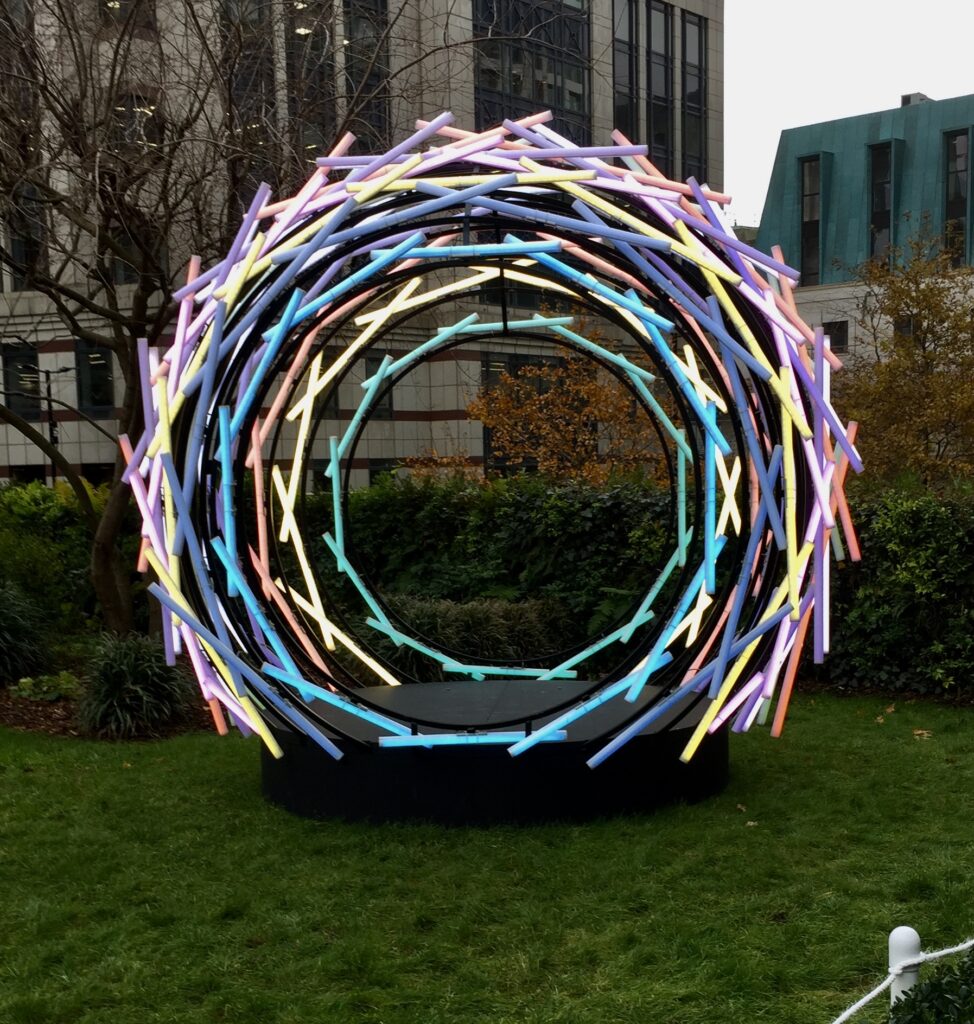
And on the St Alphage Highwalk overlooking the Salters’ Hall garden. This one is constantly changing …

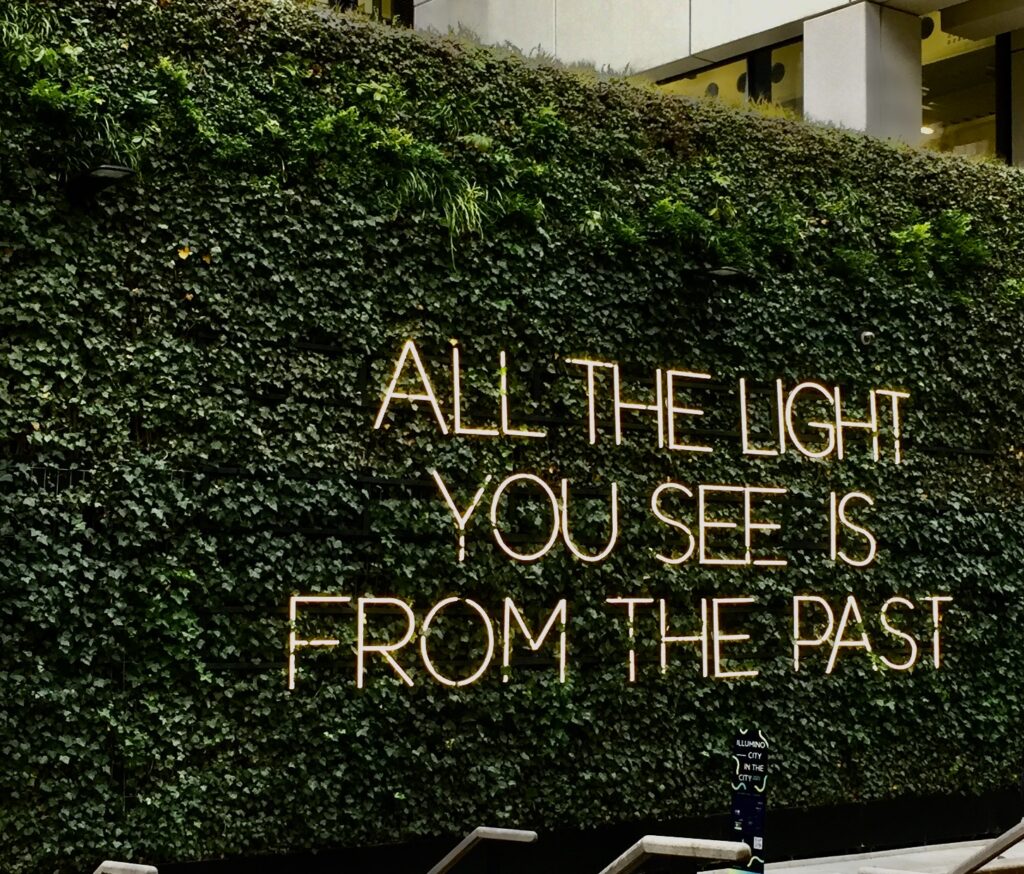
A profound message on the green wall nearby …

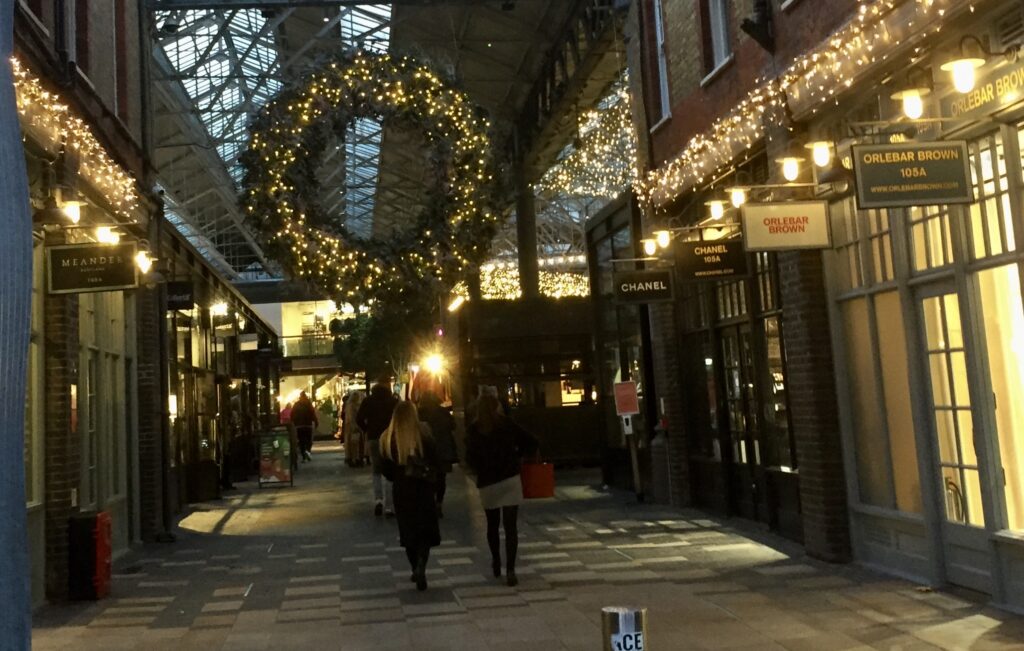
Onward to Spitalfields Market …

And Bishopsgate …

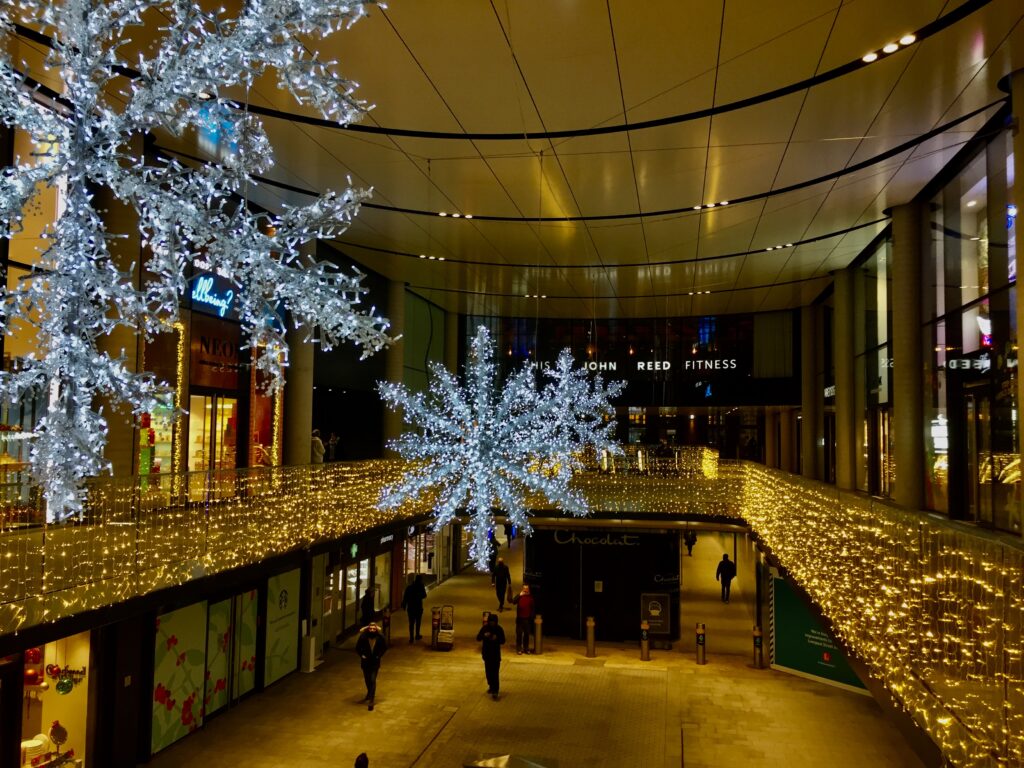
And Broadgate …

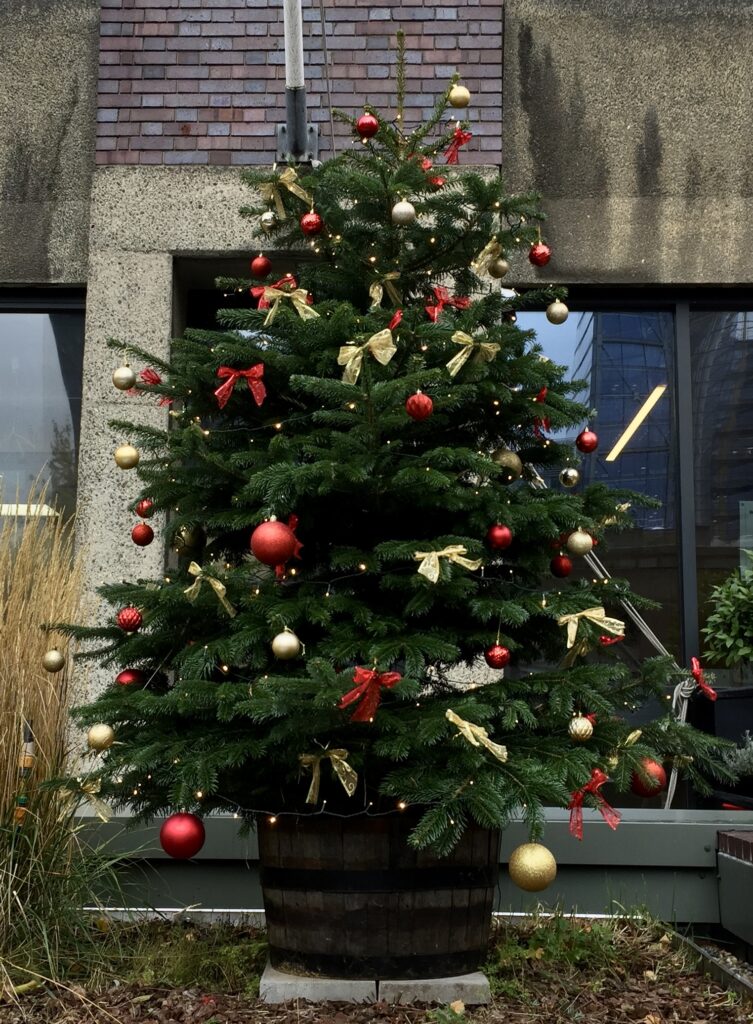
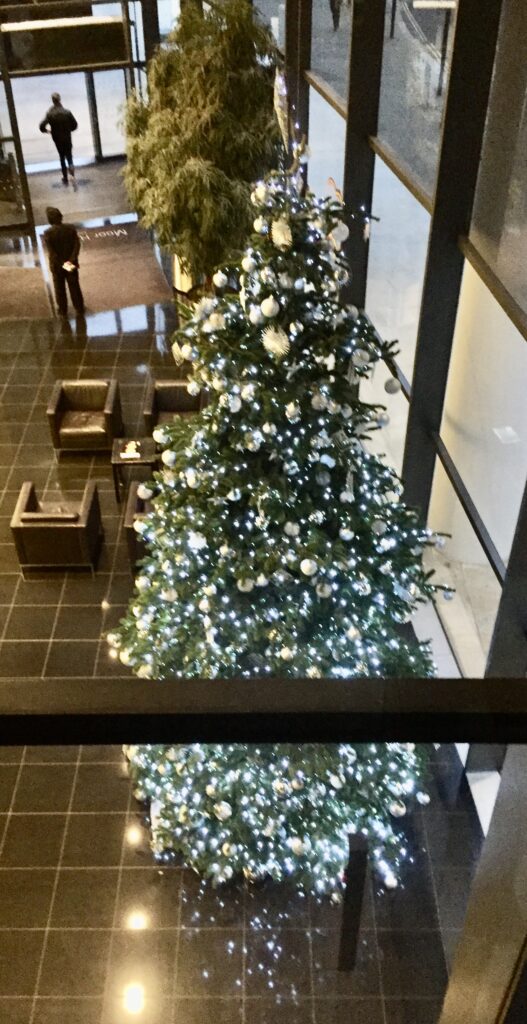
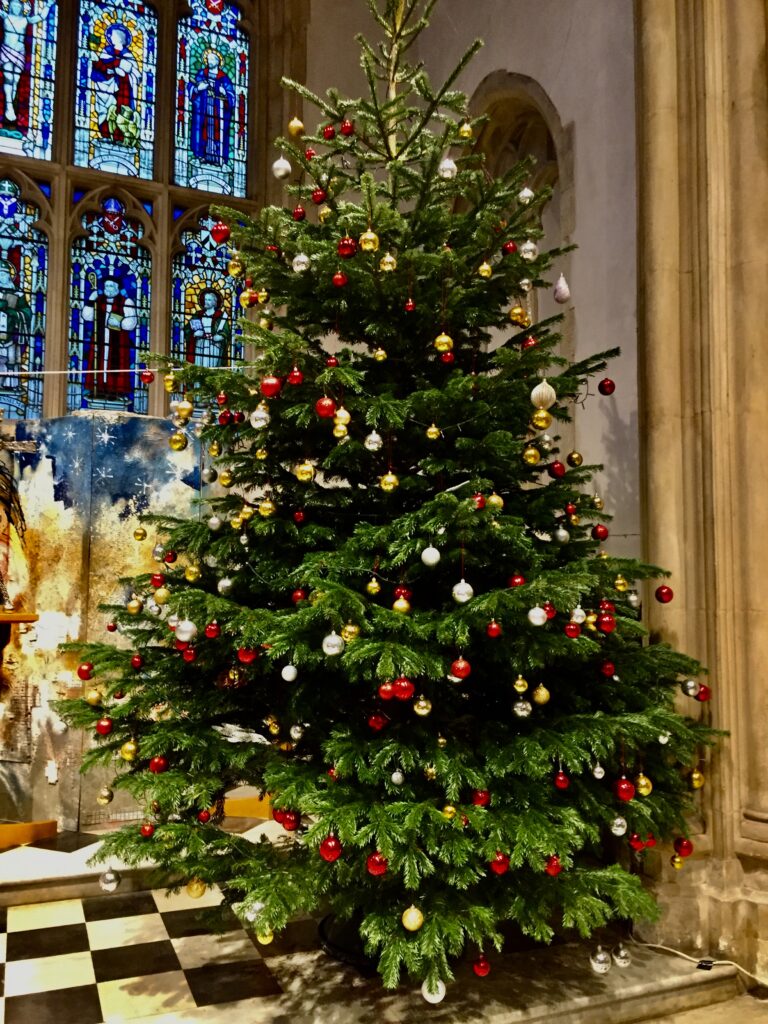
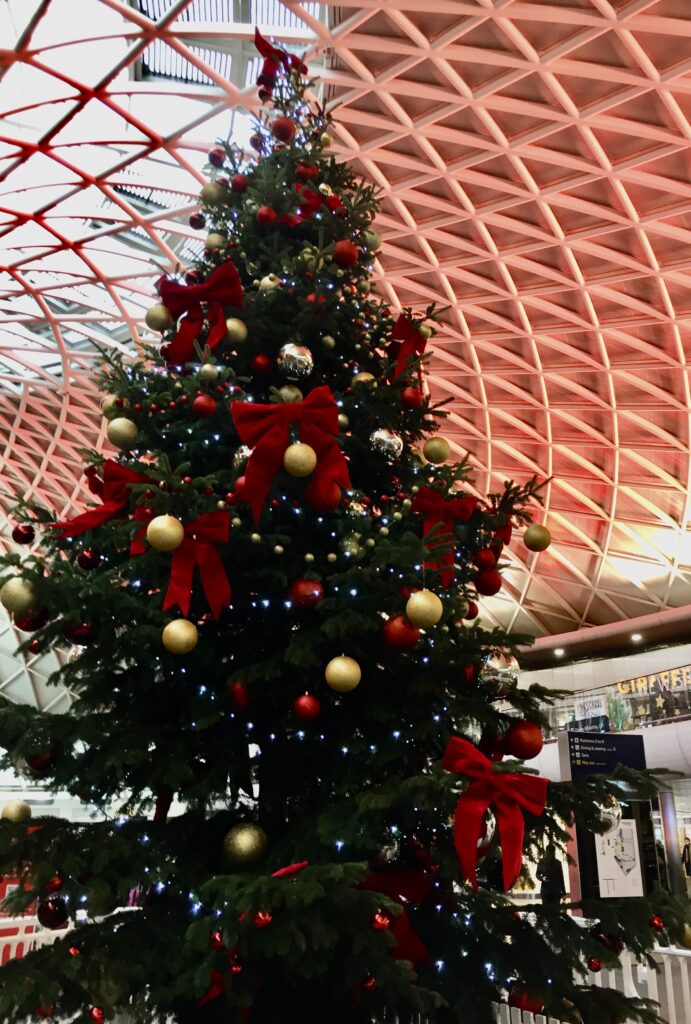
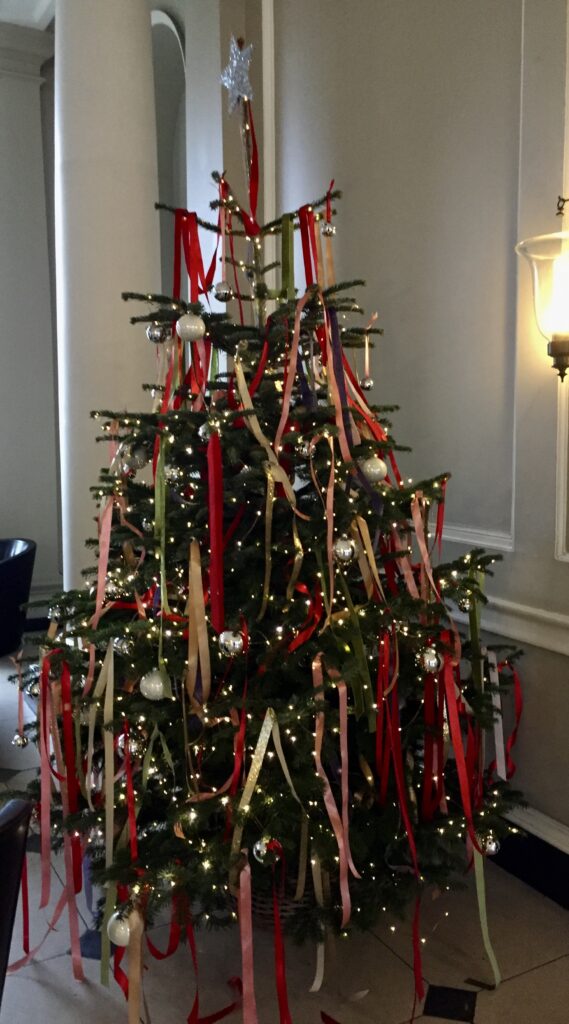
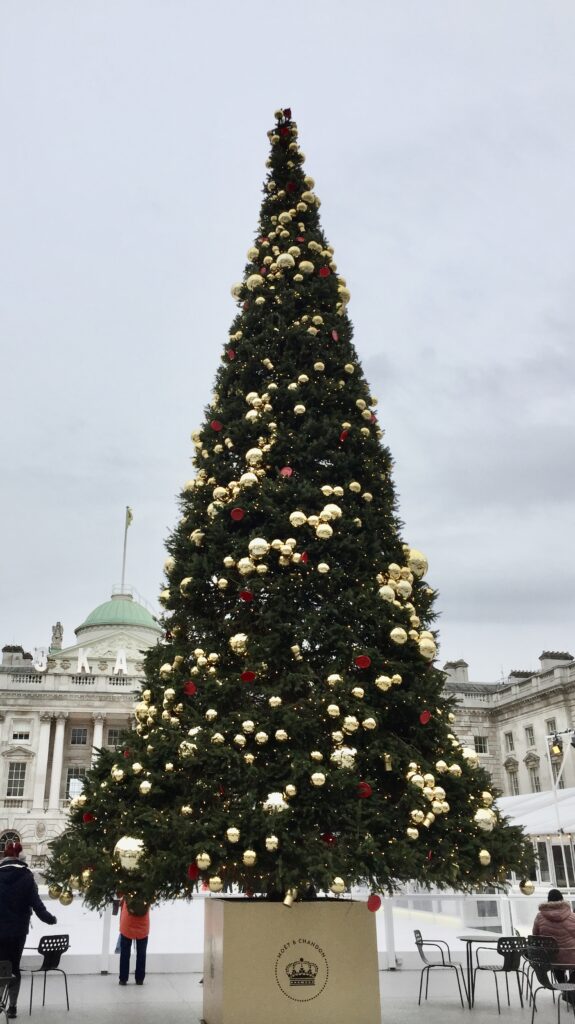
Here’s a small Christmas tree selection, starting with City of London Girls’ School …

Wood Street …

St Giles Church …

King’s Cross Station …

The Courtauld Gallery …

And Somerset House with the skating rink in the background …

What was I doing at Somerset House?

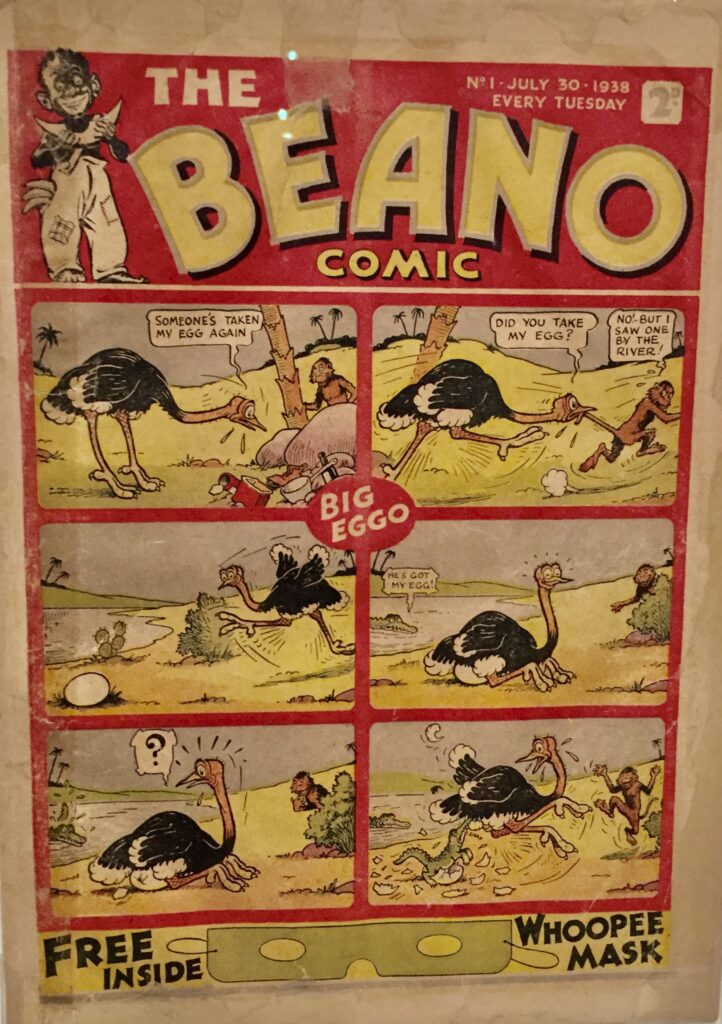
Visiting the Beano Exhibition of course. Here’s edition Number 1 …

There are reckoned to be only 25 copies still in existence and one sold in 2015 for £17,300.

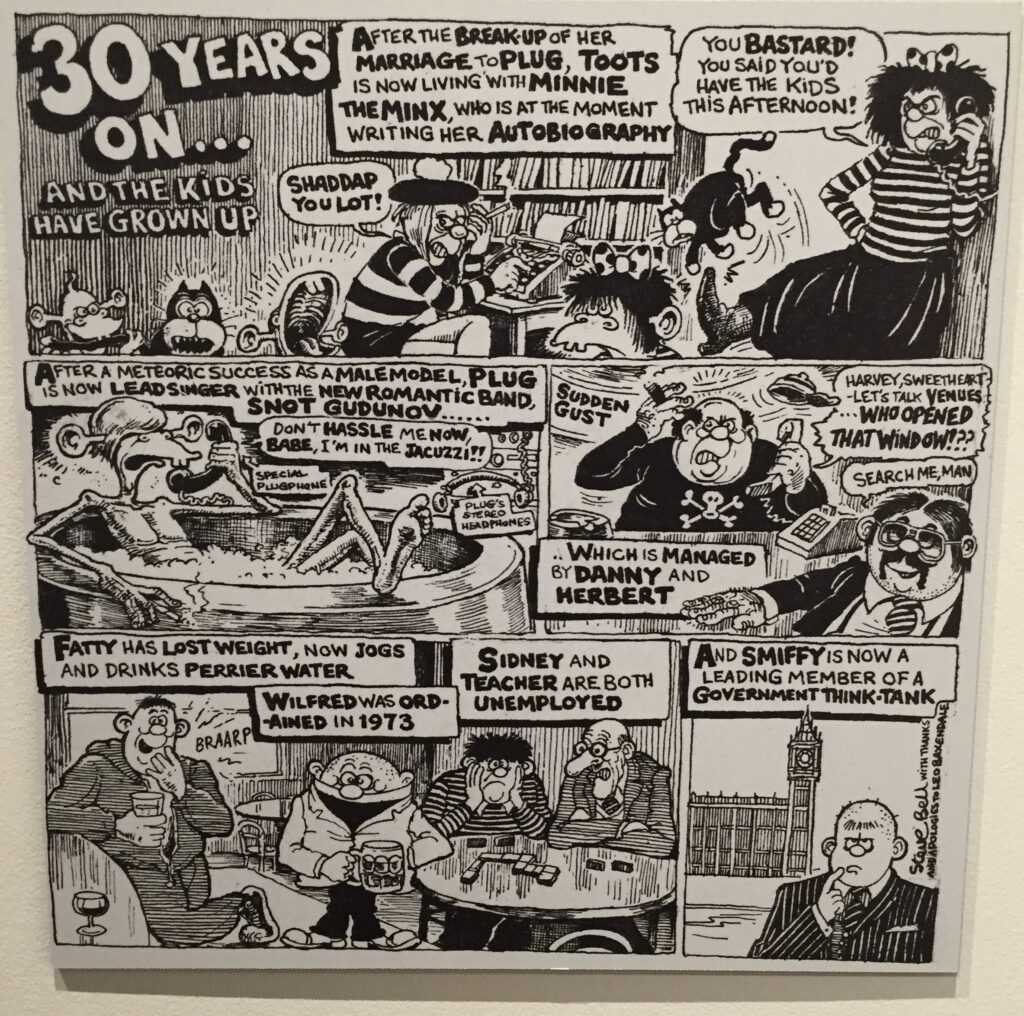
I laughed out loud at this imagining of how the Bash Street Kids turned out 30 years on. Especially Smiffy!

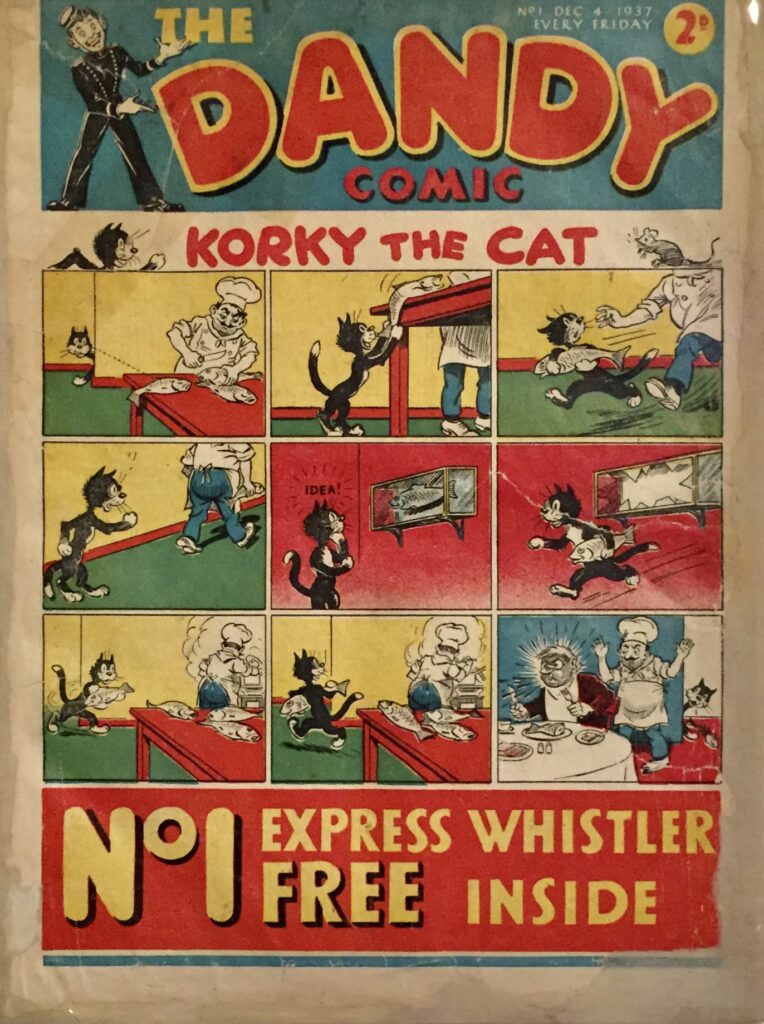
There’s a first edition of the Dandy on display also …

In 2004 a copy fetched £20,350. Only 10 copies of the comic’s first edition are known to exist, but the free gift metal whistler sold in the auction is the only one to have survived.

It’s a great exhibition, highly recommended …

Be sure to log in next week because it’s the famous Christmas Quiz!

If you would like to follow me on Instagram here is the link …
https://www.instagram.com/london_city_gent/

Some things I have seen on recent wanderings – from traitors’ heads to woolly mammoths.

As regular readers will know, every now and then I like to publish some images that I have taken that don’t fit easily into any particular theme and this week’s blog is an example. They include wanderings outside the City and even London itself but I hope you will still enjoy them.

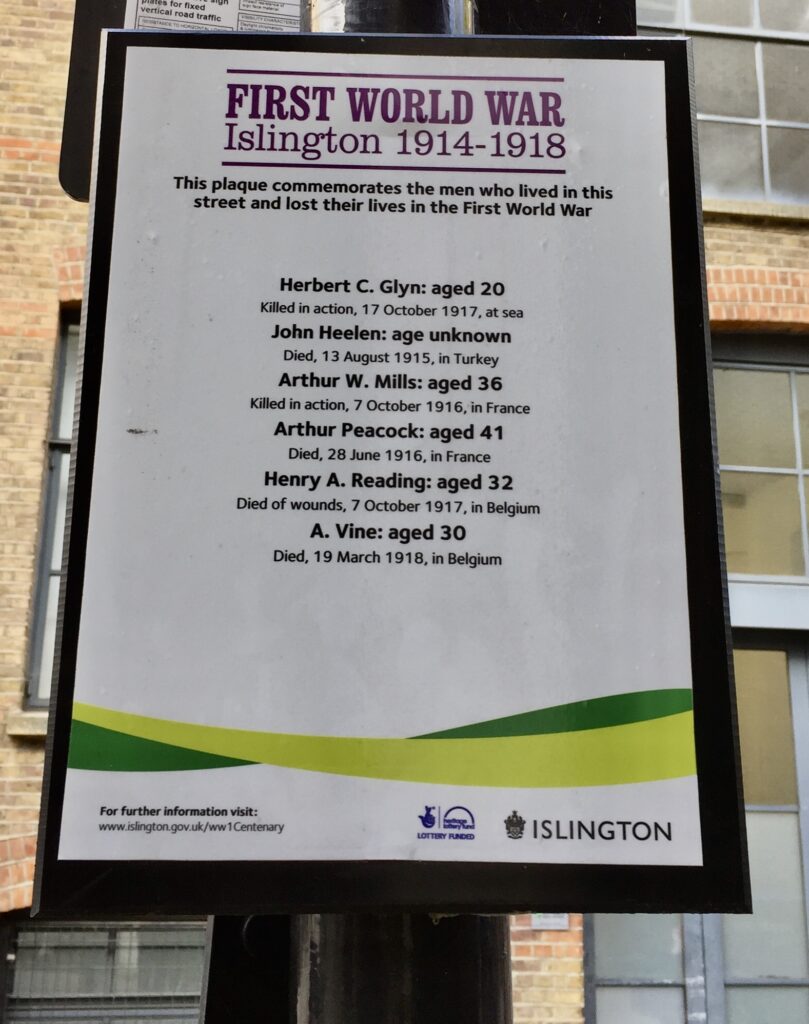
Walking down Errol Street in Islington (EC1Y 8LU – opposite Waitrose) I looked up and, for the first time, noticed this very touching memorial …

This wonderful map entitled The Streets They Left Behind is interactive. Just click on the poppies to read more about the men who never returned.

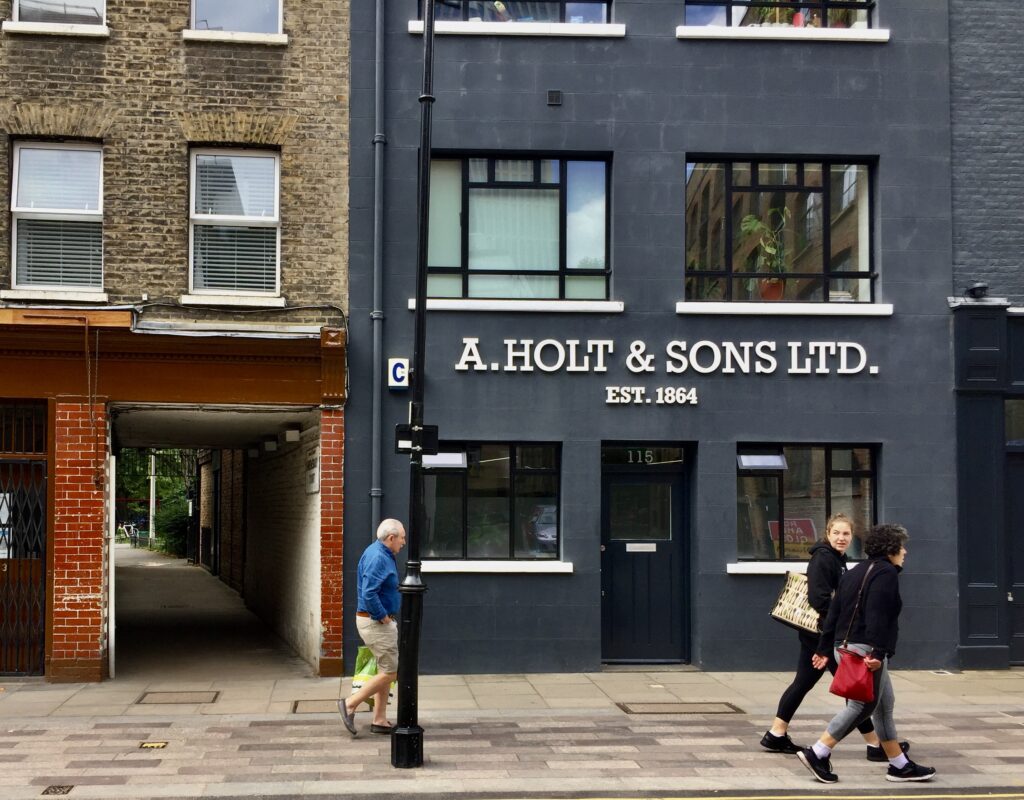
Just across the road in Whitecross Street are the premises of A Holt & Sons Ltd …

Because so many trades have moved out of the City and its adjacent boroughs, I had always assumed that the building contained flats and that the signage had been retained as a quaint ‘feature’ to attract tenants. How wrong I was!

The business (which specialises in cotton textiles) was founded by Abraham Holtz who started his enterprise on a stall nearby and who then bought these premises in 1864. It has been in the family ever since (the ‘z’ was dropped from the name at the time of the First World War). Have a look at their website for the full fascinating story.

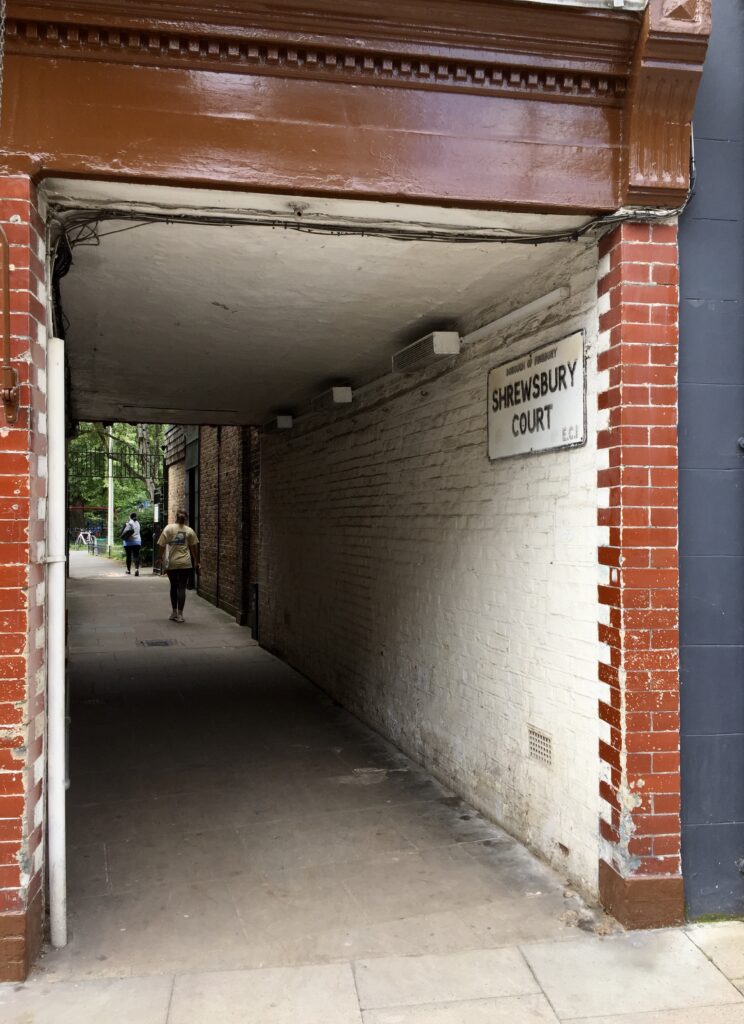
The building is adjacent to the tiny, covered alley called Shrewsbury Court …

Despite my best efforts, I haven’t been able to establish the origin of its name. You can read more about its history here in the splendid Ian Visits blog.

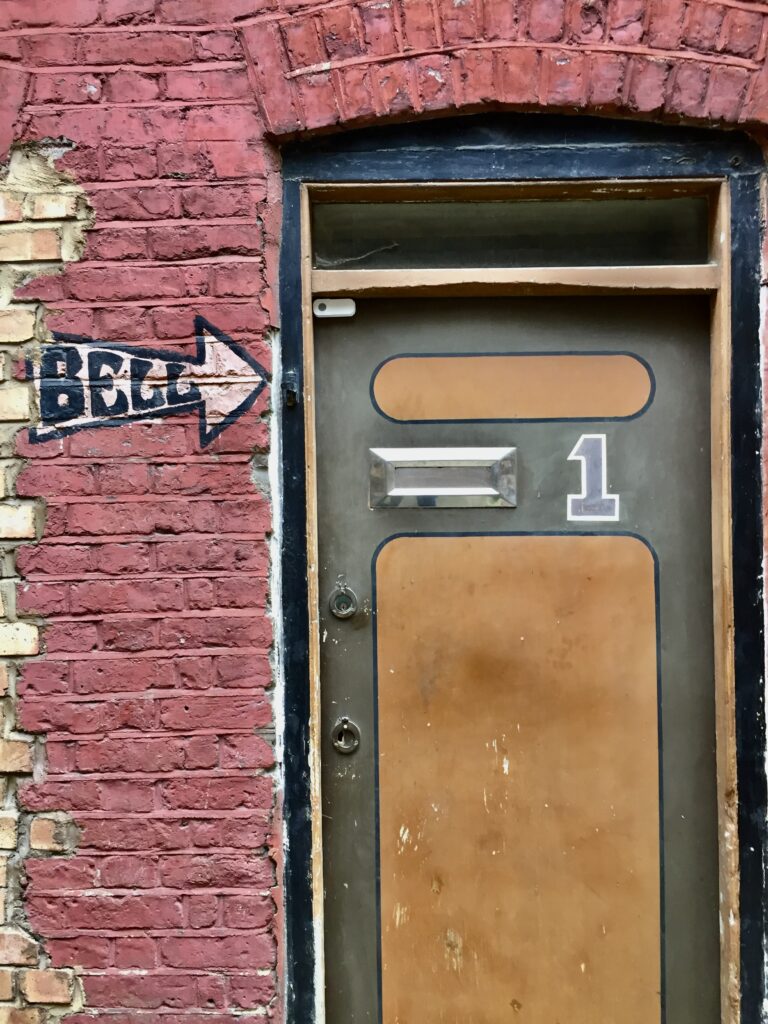
A few yards inside the alley is one of my favourite London doors. The story I have conjured up in my mind is that, some time in the early 1970s, the people living there found that visitors knocked on the door rather than ringing the bell. When asked why, callers usually said that they didn’t know there was a bell. As a consequence, the residents (who obviously had artistic talents) got out their paint brushes and added this helpful sign to indicate where the push button bell was. Brilliant!

If learning a bit more about City doors takes your fancy have a look at my blog entitled That rings a Bell.

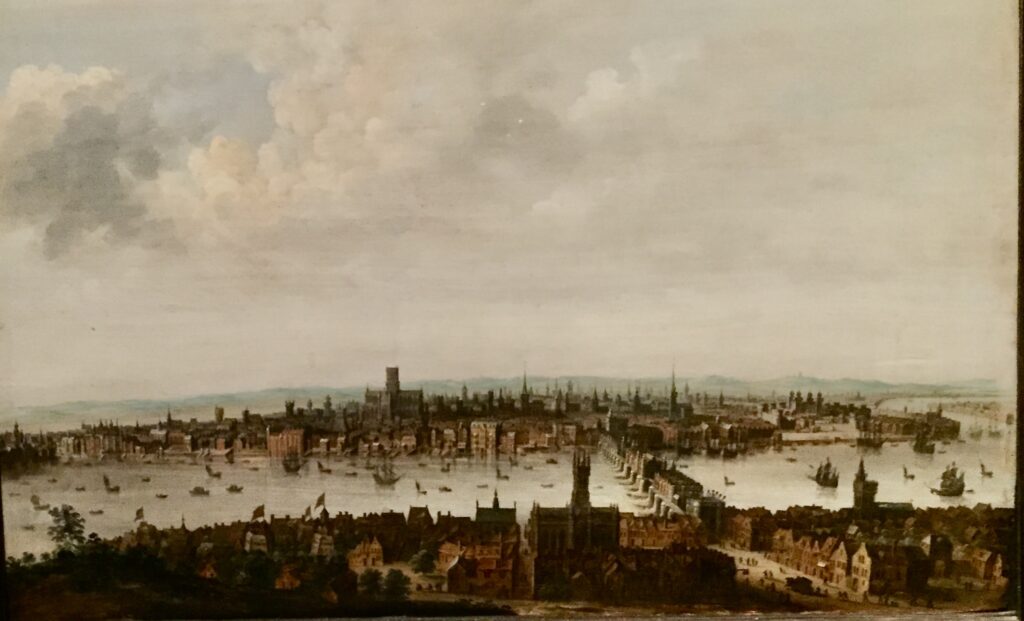
The other day at the Museum of London I was admiring this painting of London as seen from Southwark in around 1630. It’s one of the few painted records of the City before it was destroyed in the Great Fire …

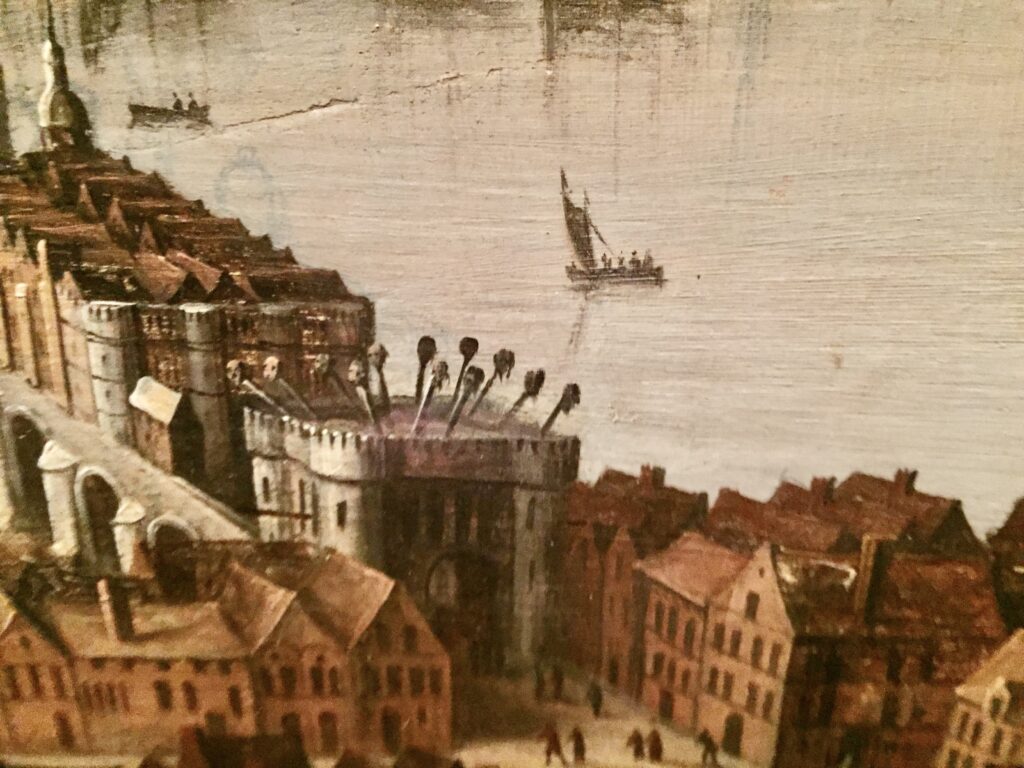
My eye was drawn to London Bridge where a wide selection of traitors’ heads offered a grisly welcome to newcomers approaching from the south …

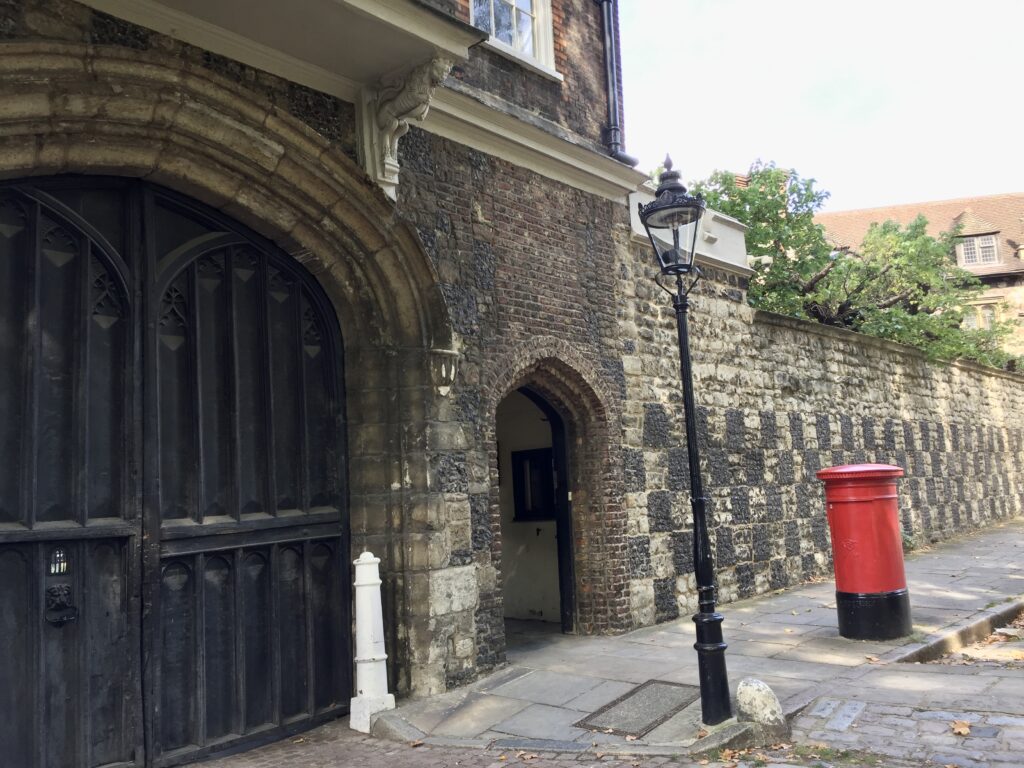
I liked this view of the outside of the Charterhouse with the very old gates, a gas lamp and an iconic red London pillar box …

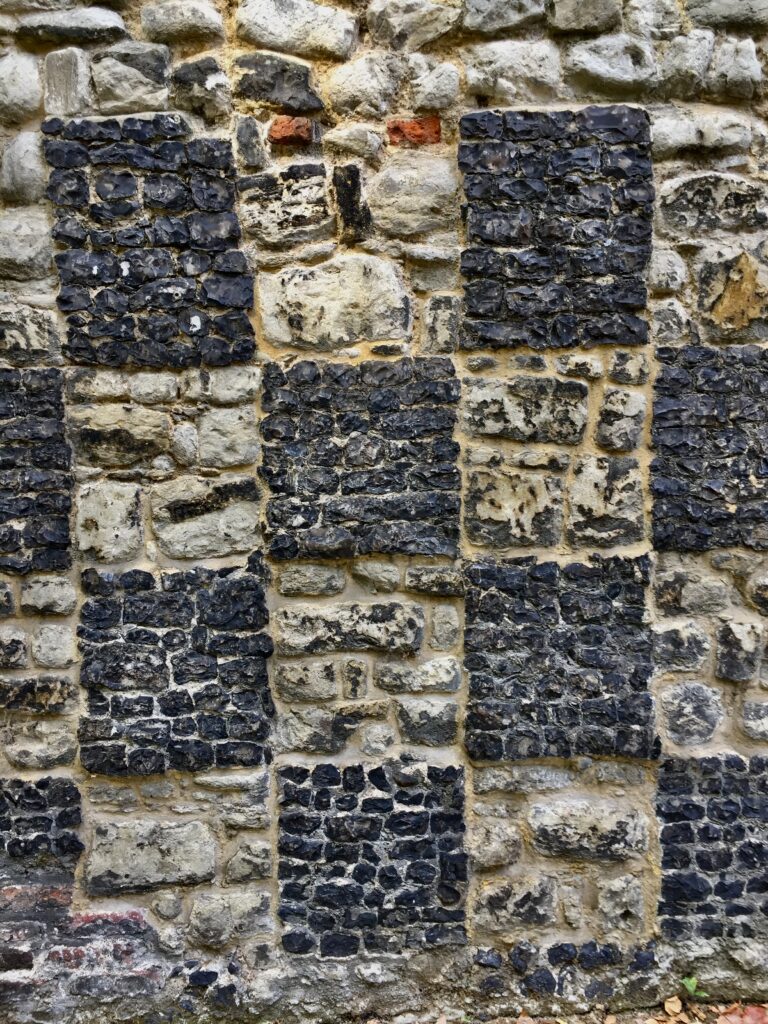
The Kentish ragstone wall is fantastic …

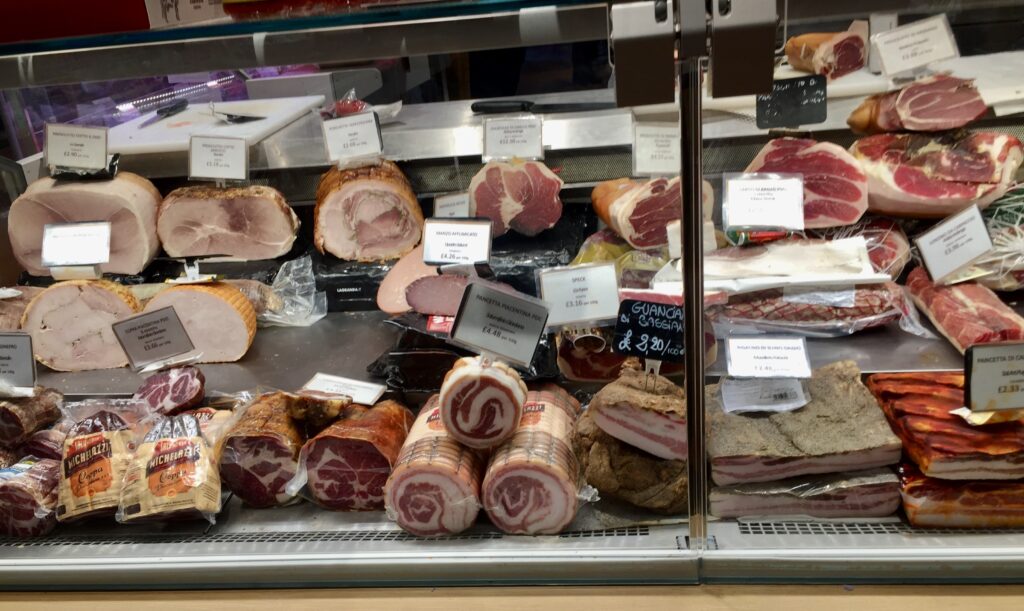
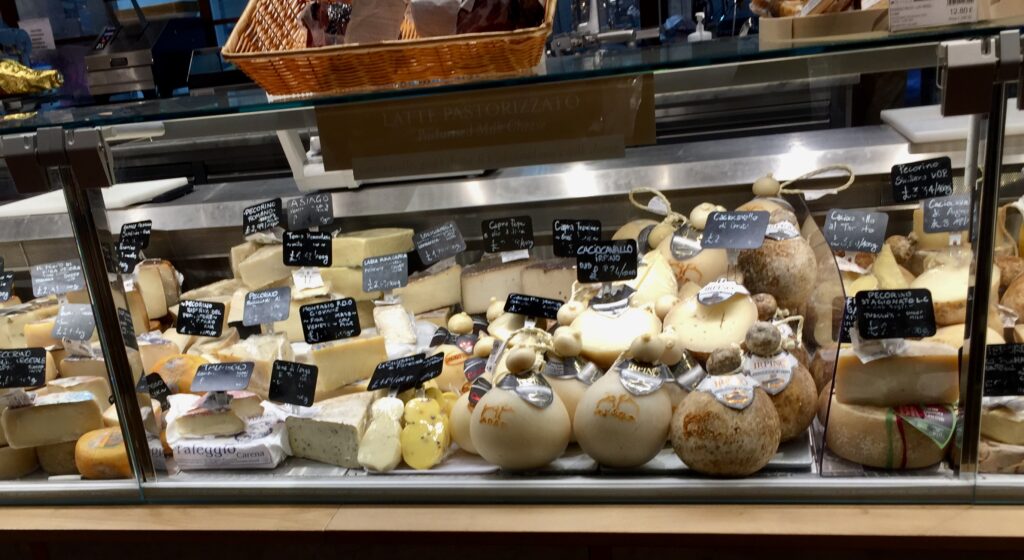
I wrote recently about the great Italian experience that is Eataly on Bishopsgate. Here’s some of the scrumptious produce on sale …

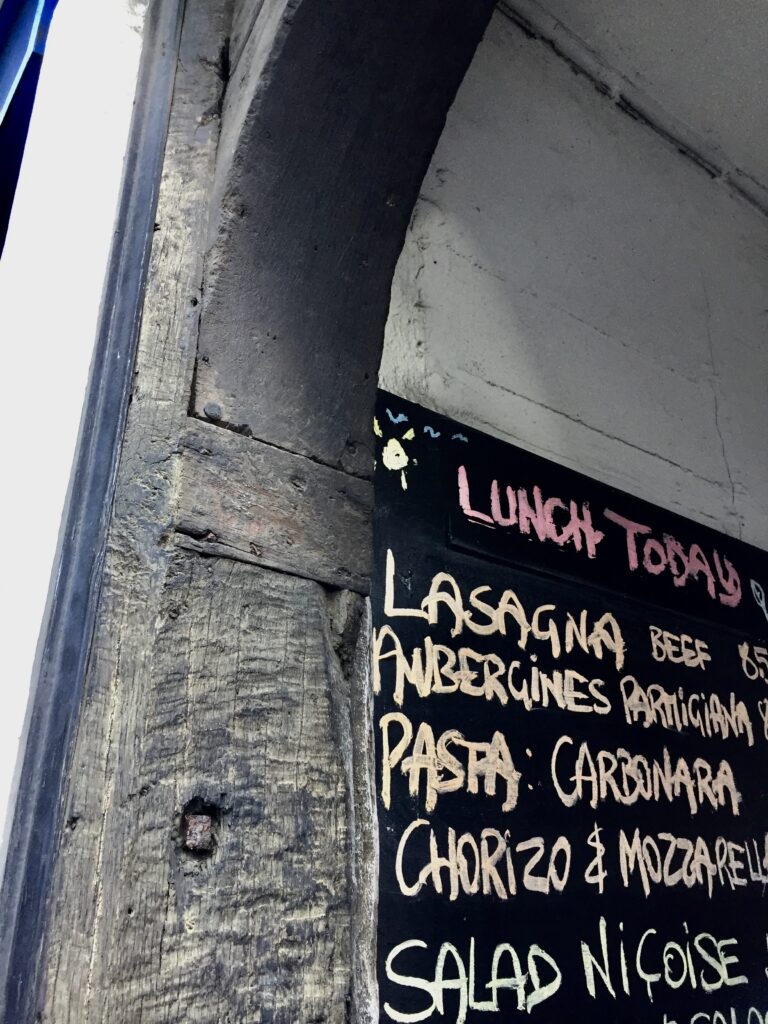
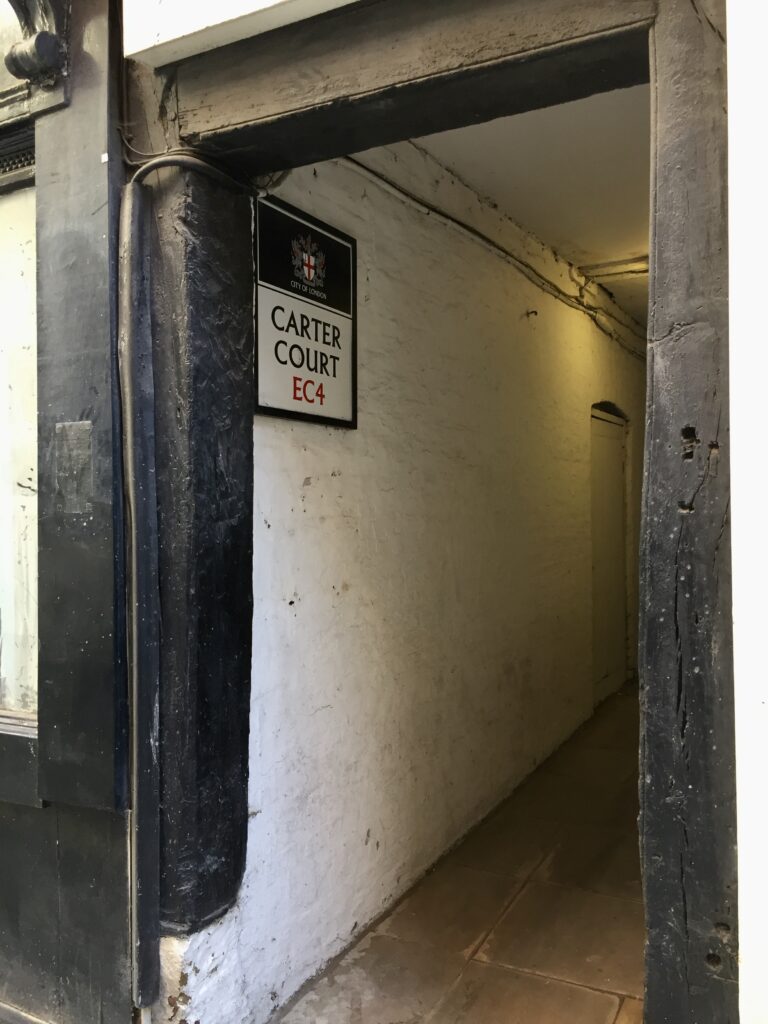
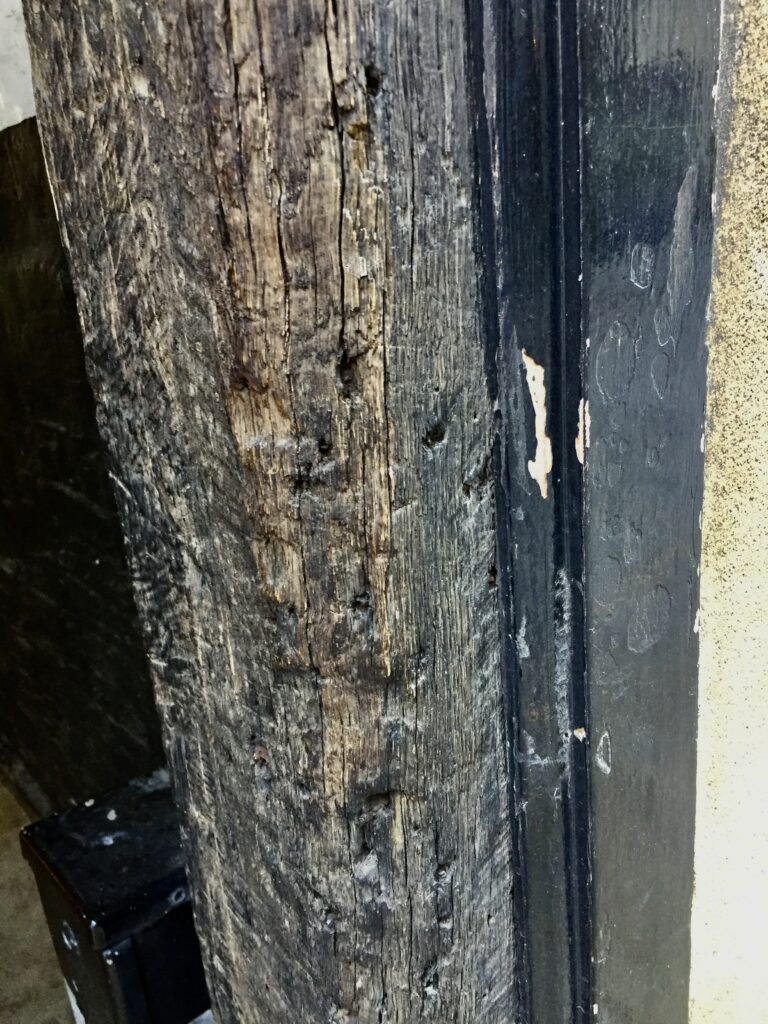
There are a few doorways around the City that have always intrigued me since the wood seems to be incredibly old and repurposed from another function. The first is on Foster Lane and the next two Carter Lane …

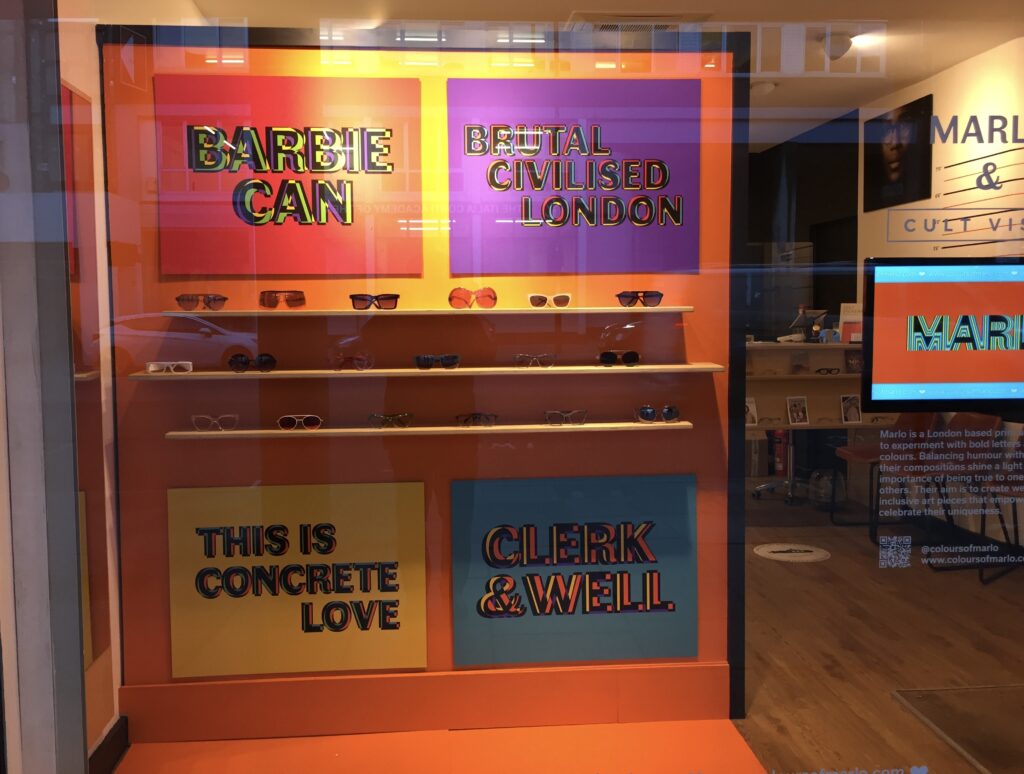
I have noticed a recent trend in City opticians to have really wacky displays that don’t seem to bear much resemblance at all to their product. This one’s in Aldersgate and is obviously referencing the nearby Barbican estate …

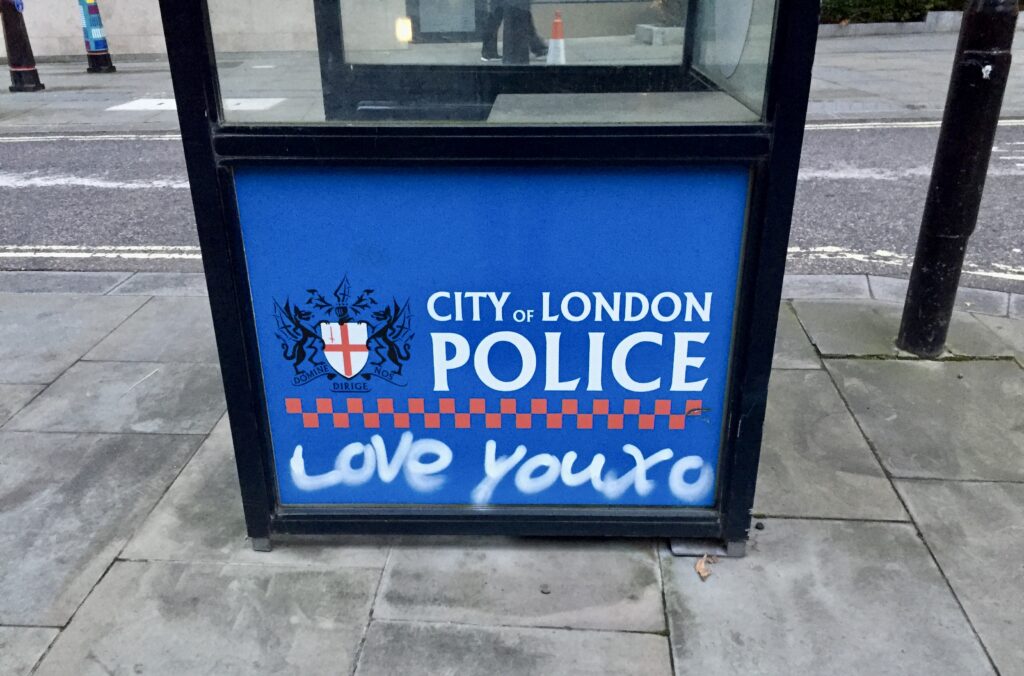
Generally speaking, I don’t approve of graffiti, but this made me laugh …

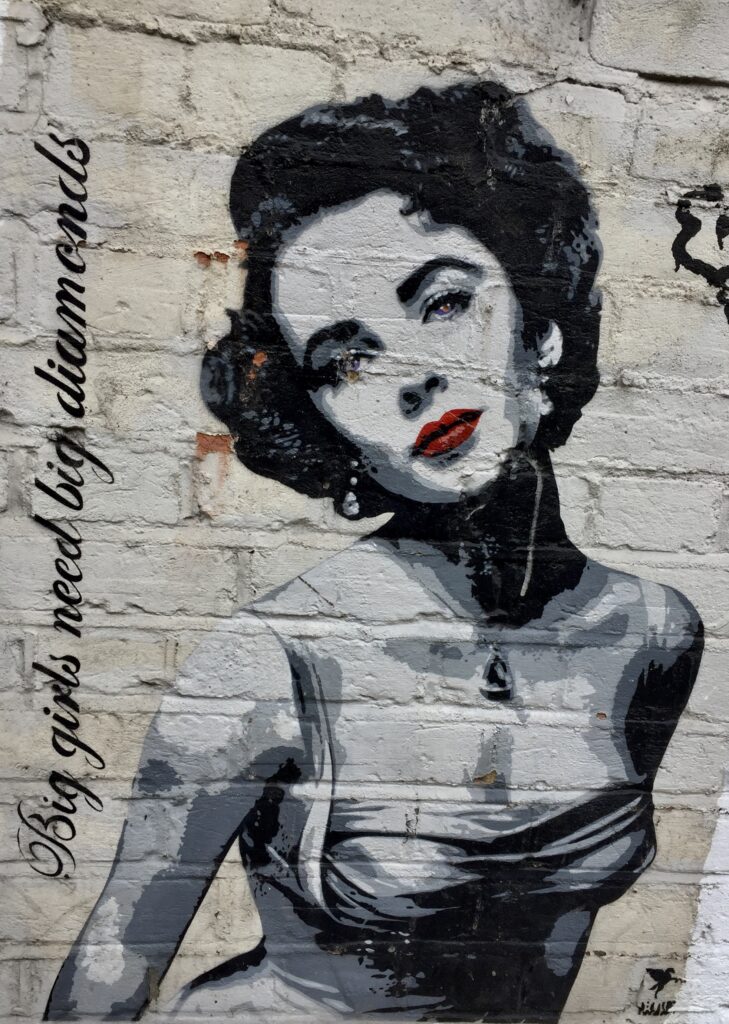
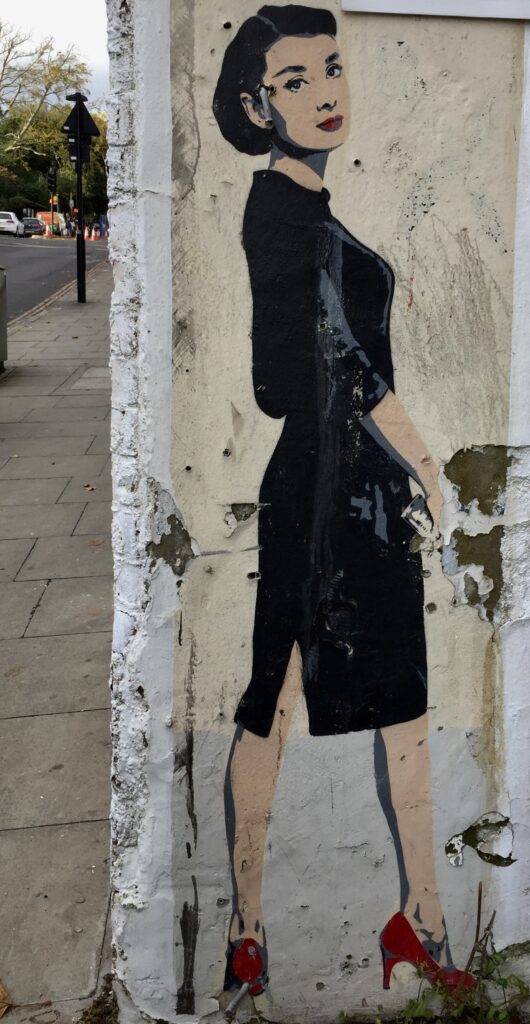
When visiting Highgate Cemetery a few weeks ago I encountered these two ladies on Highgate Hill. The first (‘Big girls need big diamonds’) is obviously Elizabeth Taylor …

If you are visiting nearby and are interested in finding them they are on the outside wall of the oddly named Brendan the Navigator pub (N19 5NQ).

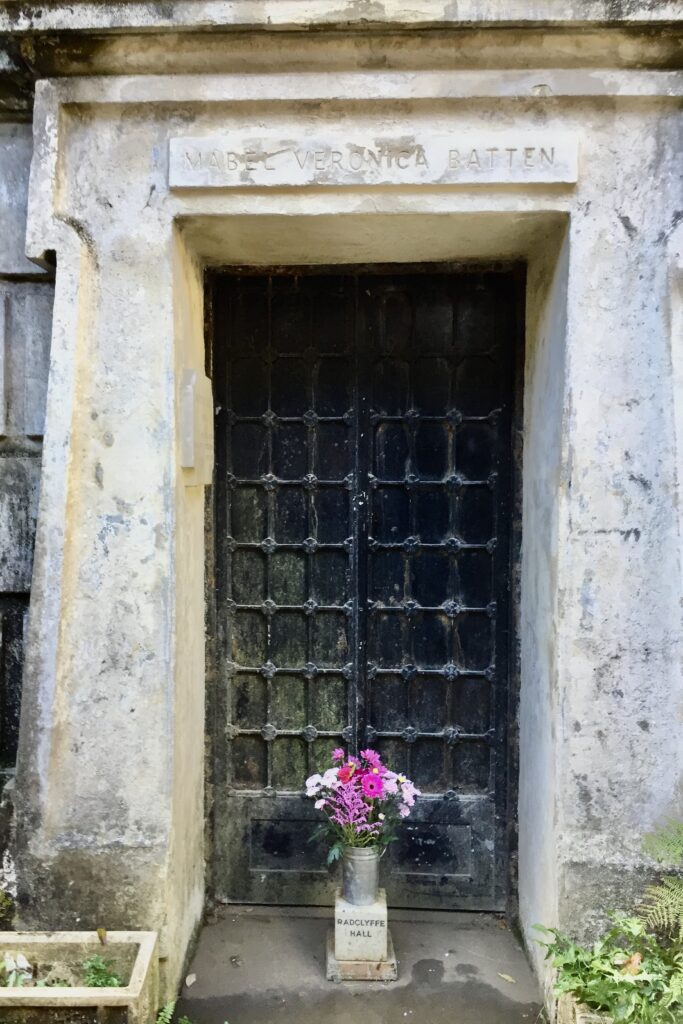
In the Egyptian Avenue in Highgate Cemetery you will come across the vault containing the remains of Mabel Veronica Batten. In front of the entrance there are always fresh flowers placed in a marble container inscribed with the name of her lover, Radclyffe Hall, who is also laid to rest there …

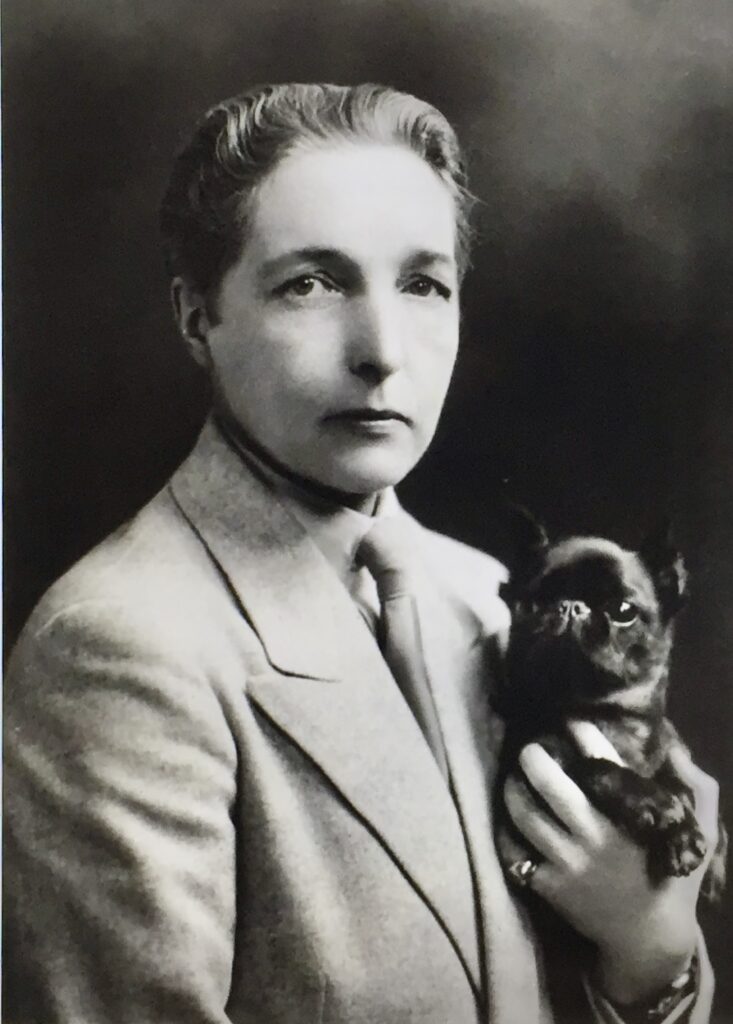
Hall, born Marguerite Radclyffe Hall but known to her loved ones as John, was a lesbian who dressed in men’s clothes in a society and era when same-sex love was considered not only immoral but legally punishable. Her book, The Well of Loneliness, dealing with a love between two women, was published in 1928. Here she is circa 1910 …

Picture: National Portrait Gallery, photographer unknown.

Her novel became the target of a campaign by James Douglas, editor of the Sunday Express, who wrote, ‘I would rather give a healthy boy or a healthy girl a phial of prussic acid than this novel.’ A judge eventually ordered the book destroyed, with the defendants to pay court costs.

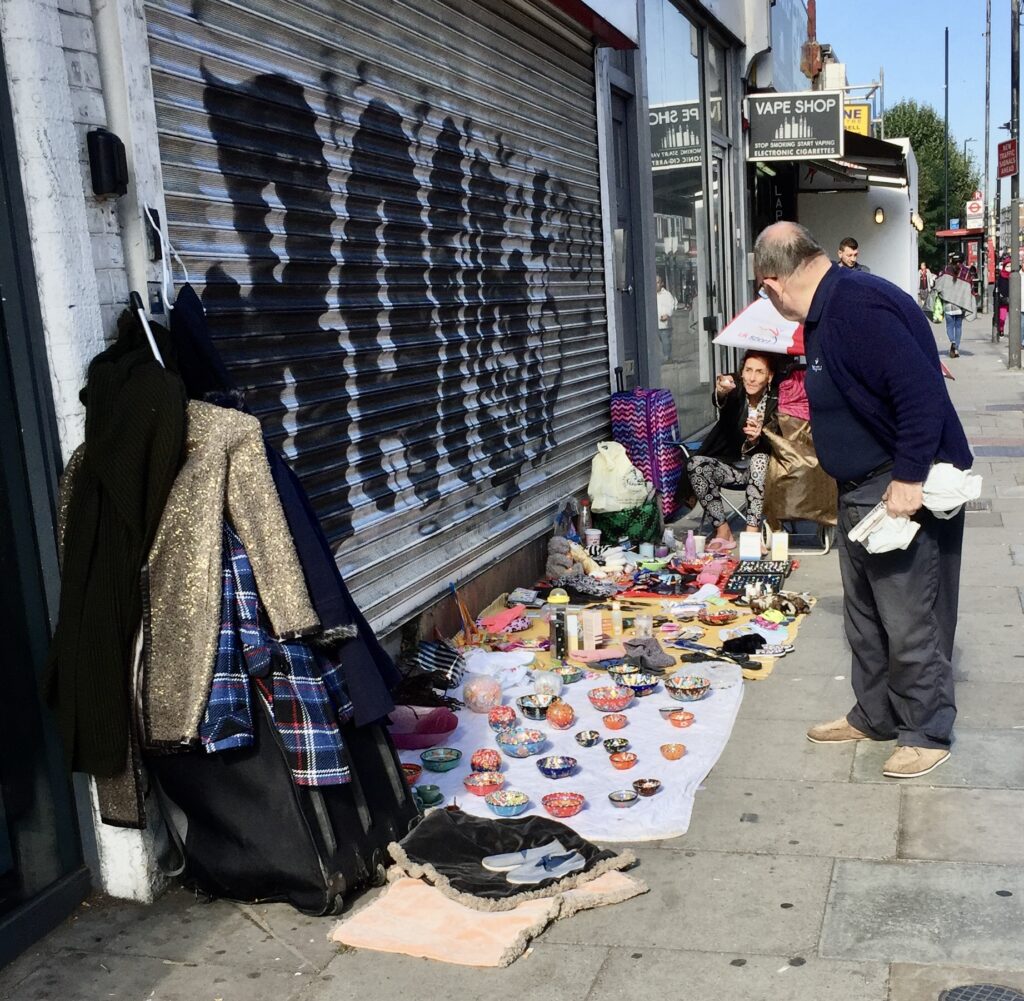
A lady entrepreneur sets out her wares on Kilburn High Road …

Nearby stalls …

And finally, some images from a really enjoyable trip to Ipswich.

Ipswich Museum is a delight containing an extraordinary range of exhibits, all displayed in an authentic Victorian environment.

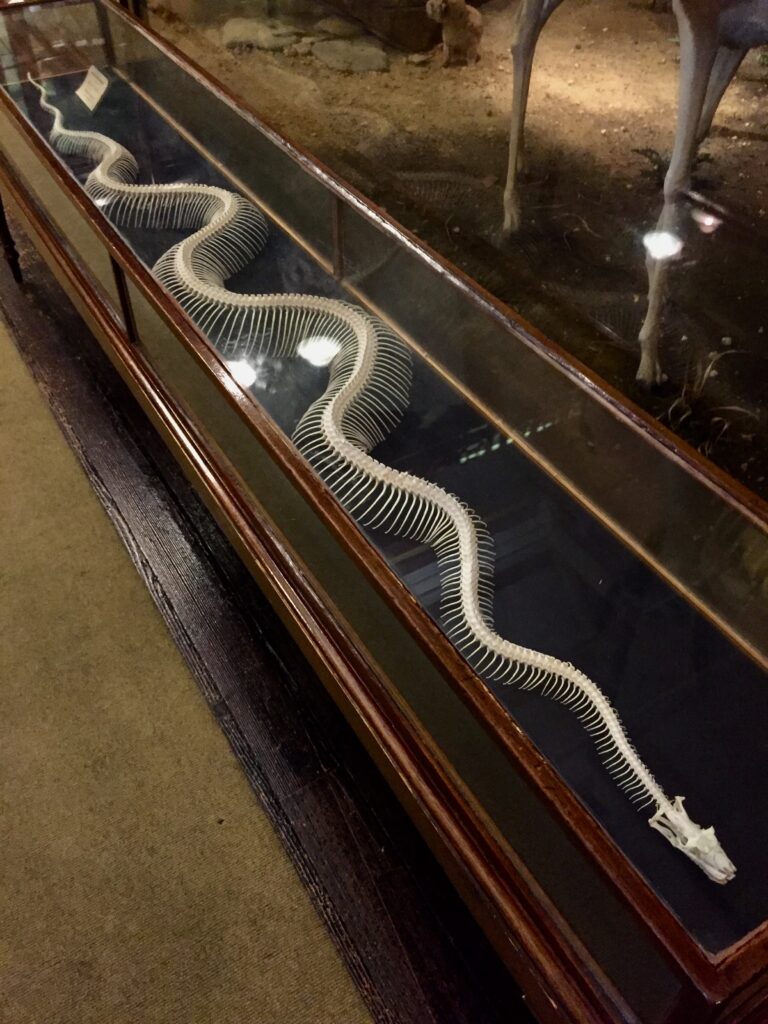
Ever wondered what a boa constrictor’s skeleton looks like? Wonder no more …

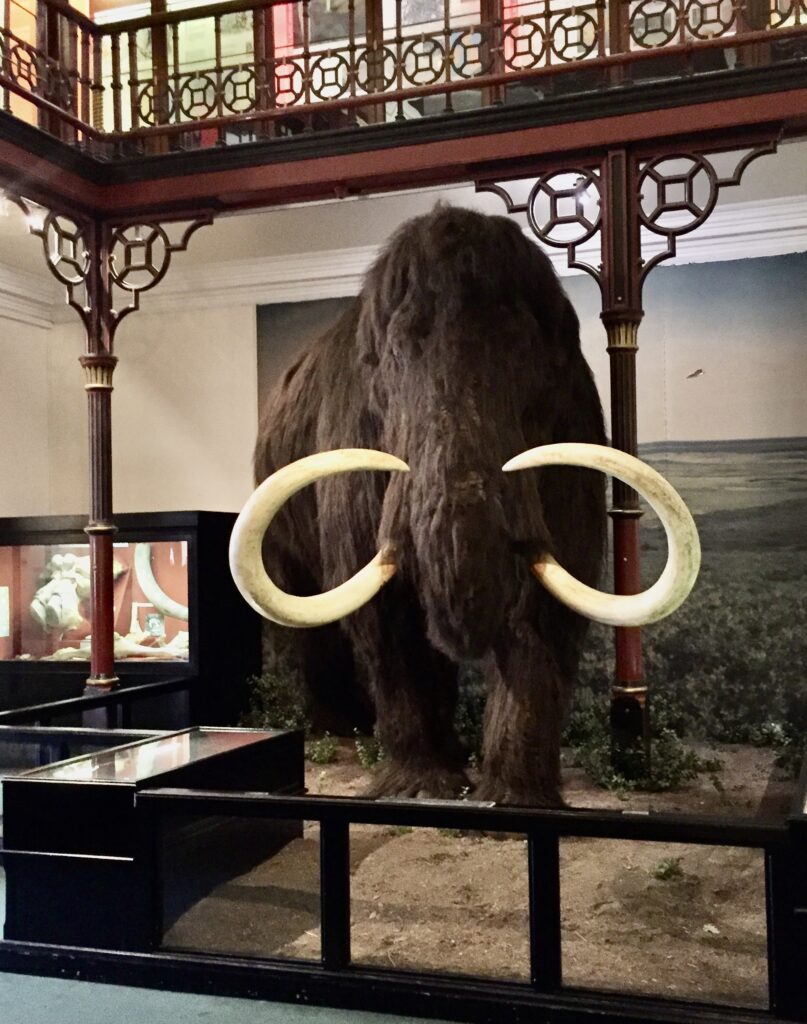
Ever fancied a close encounter with a woolly mammoth? This is the place to come …

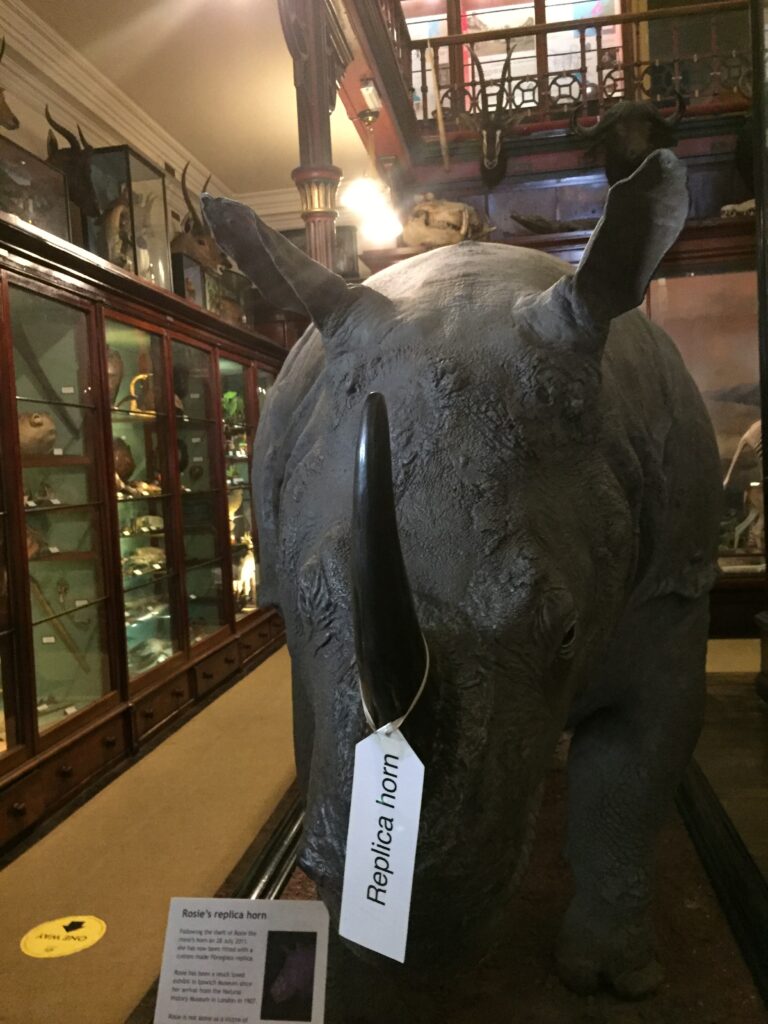
In a sad sign of the times, ten years ago someone broke in and sawed off and stole Rosie the Rhino’s horn!

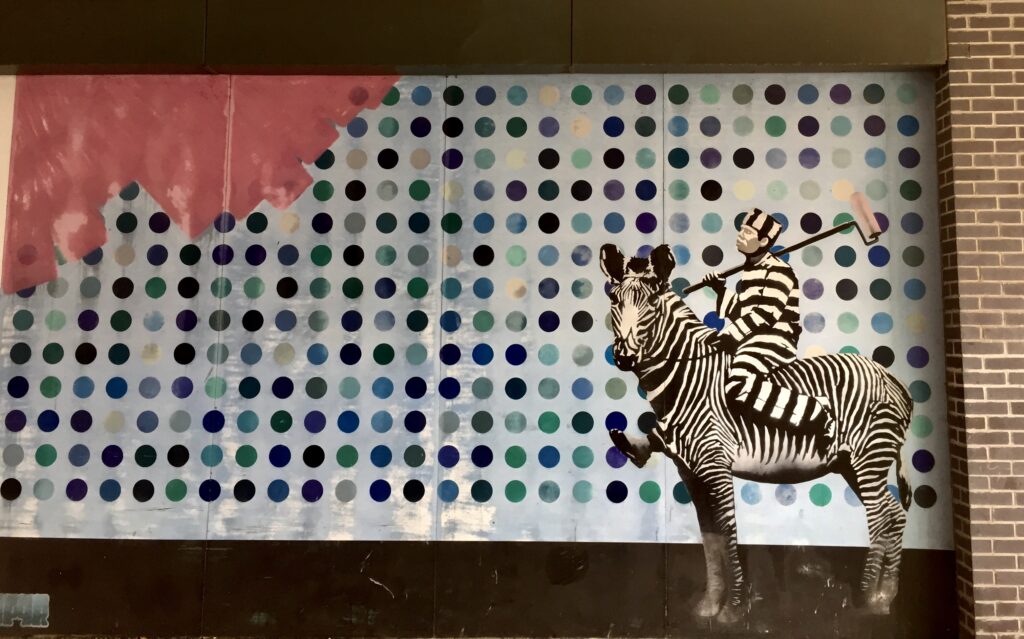
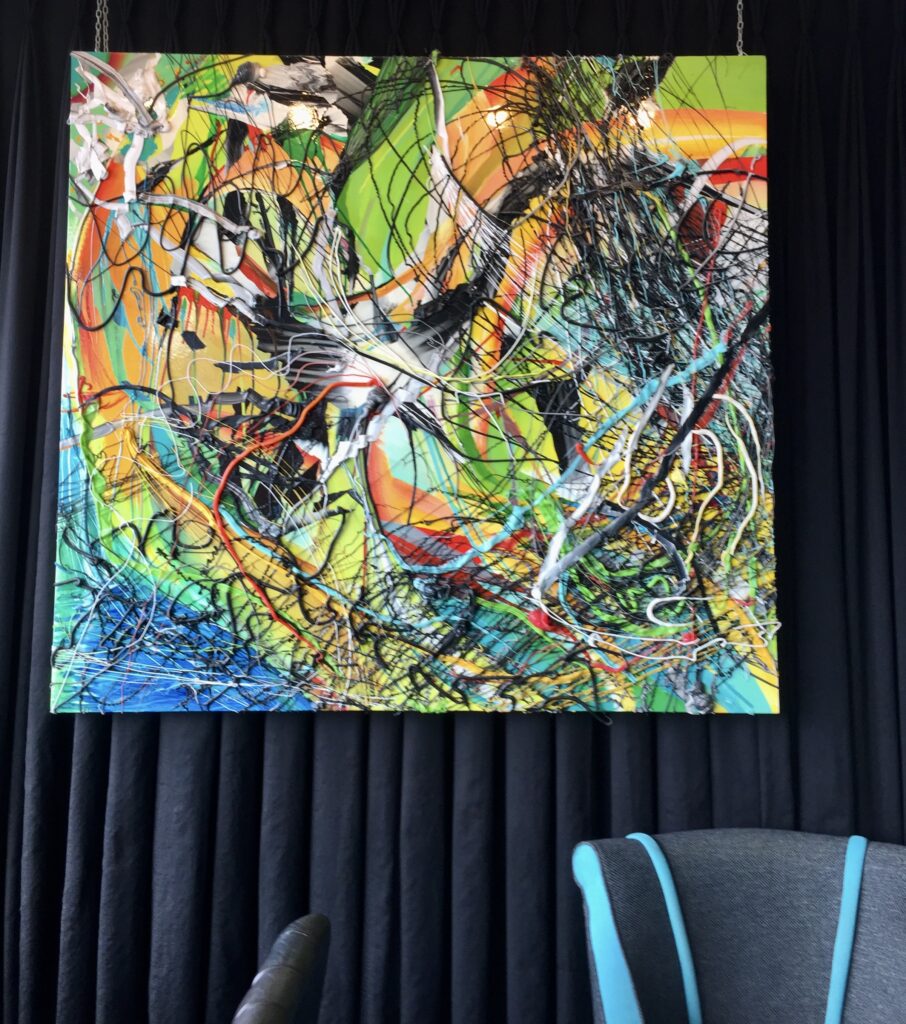
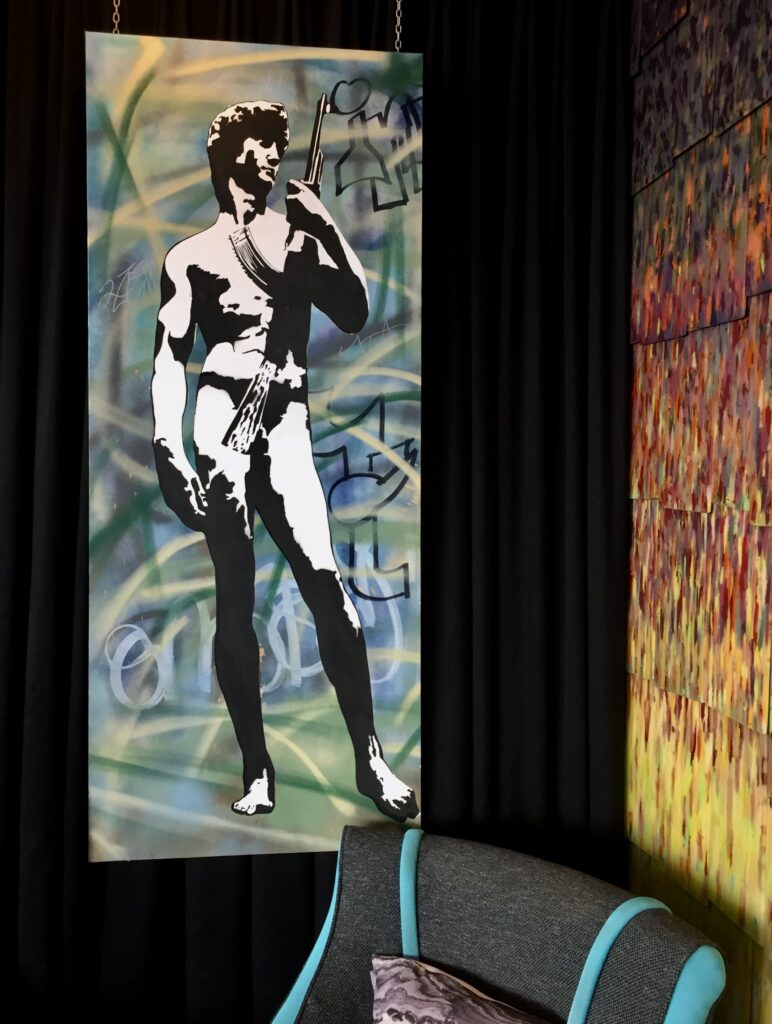
Staying at the Salthouse Harbour Hotel was fun. There is some interesting art on display …

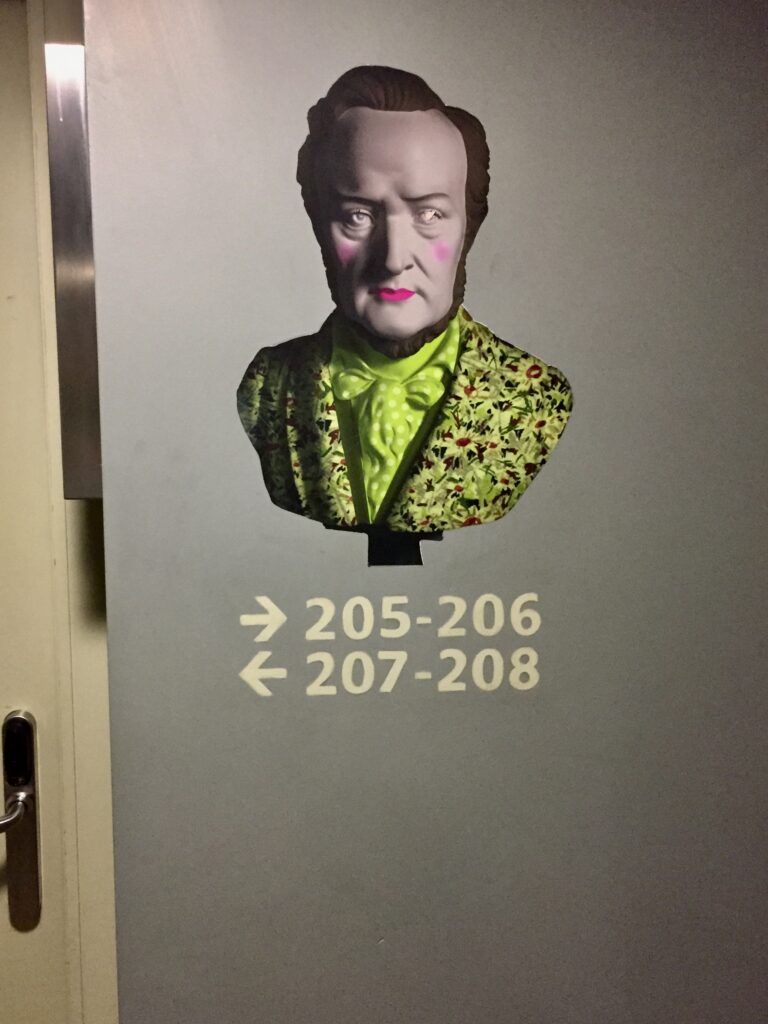
And some, er, rather eccentric signage …

If you would like to follow me on Instagram here is the link …
https://www.instagram.com/london_city_gent/

Page 15 of 26

Powered by WordPress & Theme by Anders Norén

Symbols & Secrets
Privacy Overview

This website uses cookies so that we can provide you with the best user experience possible. Cookie information is stored in your browser and performs functions such as recognising you when you return to our website and helping our team to understand which sections of the website you find most interesting and useful.