Walking the City of London

Category: Memorials Page 32 of 36

The City’s little museums 2

Before Melania Trump arrived in the White House, only one US President’s wife had been born outside America – read on to see who she was.

My first visit was to the Bank of England Museum in Bartholomew Lane EC2. Interactive exhibits mean you can have a go at setting monetary policy or try to navigate some tricky financial crises. It’s a great museum but unfortunately many of the exhibits (such as the building’s architectural development) are not easily photographed so you will have to visit in person to see more.

Among the fun things you can do there is to reach into a box and try to pick up a 13 kilo (28 lb) gold bar …
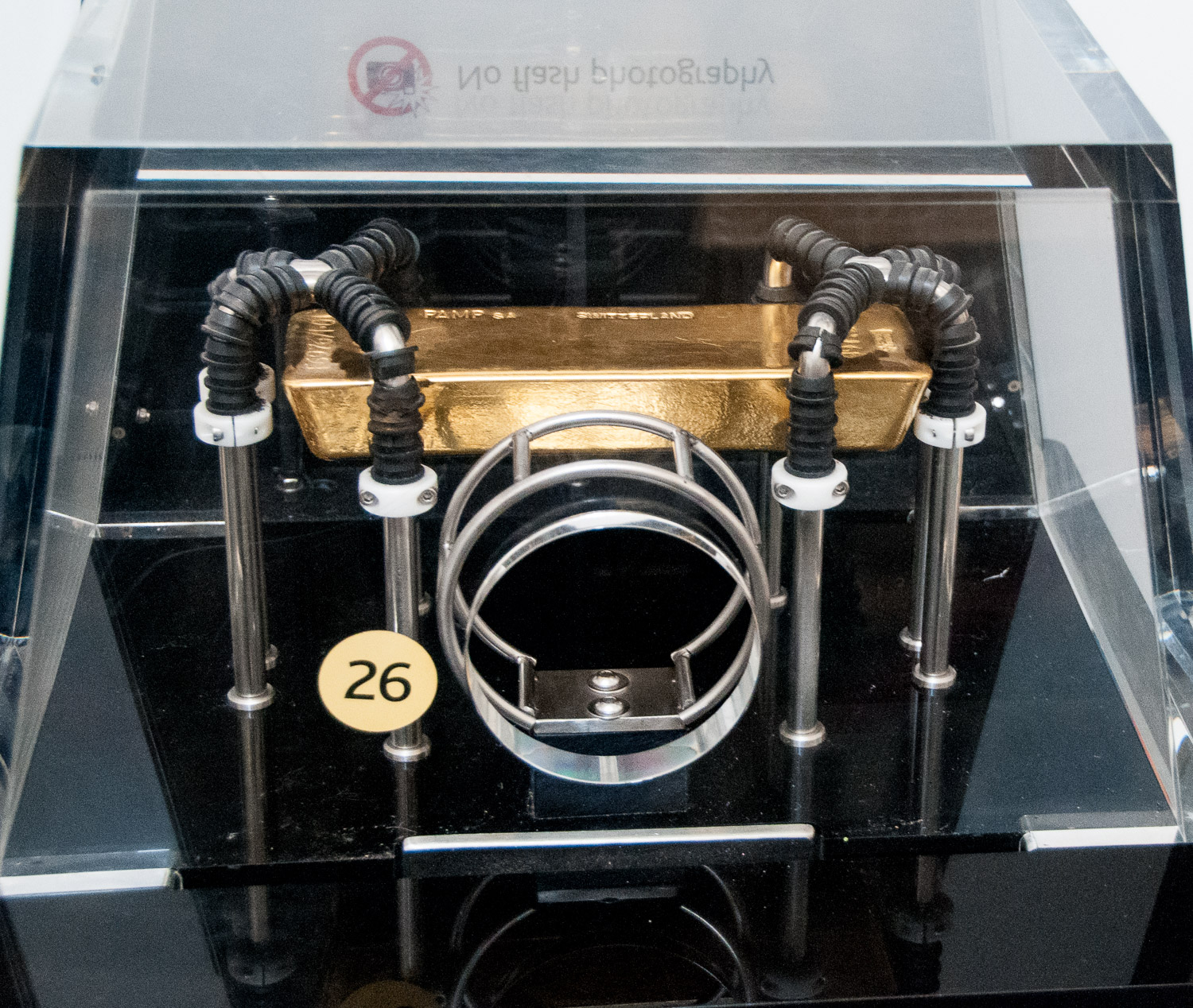
It’s 99.79% pure gold.

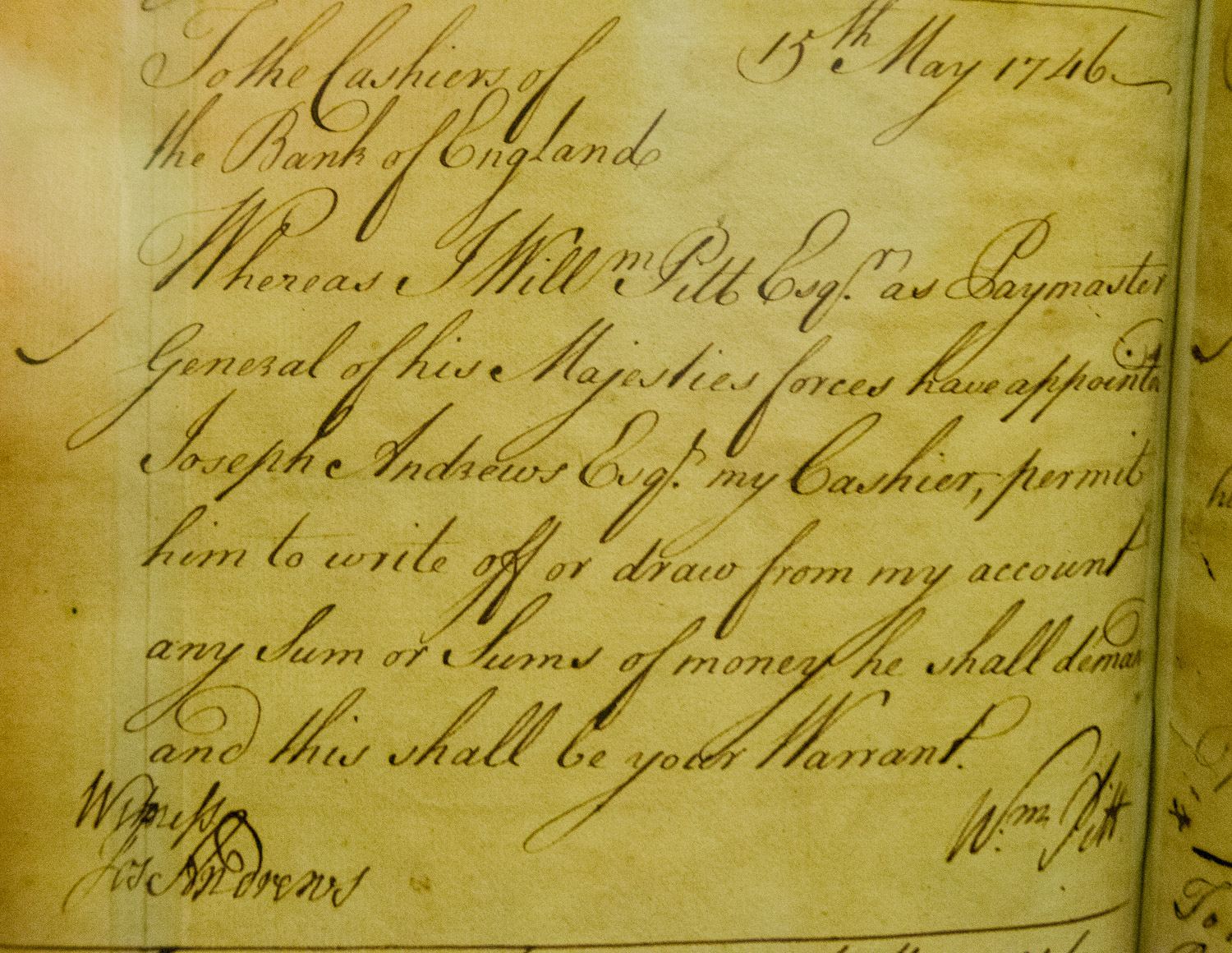
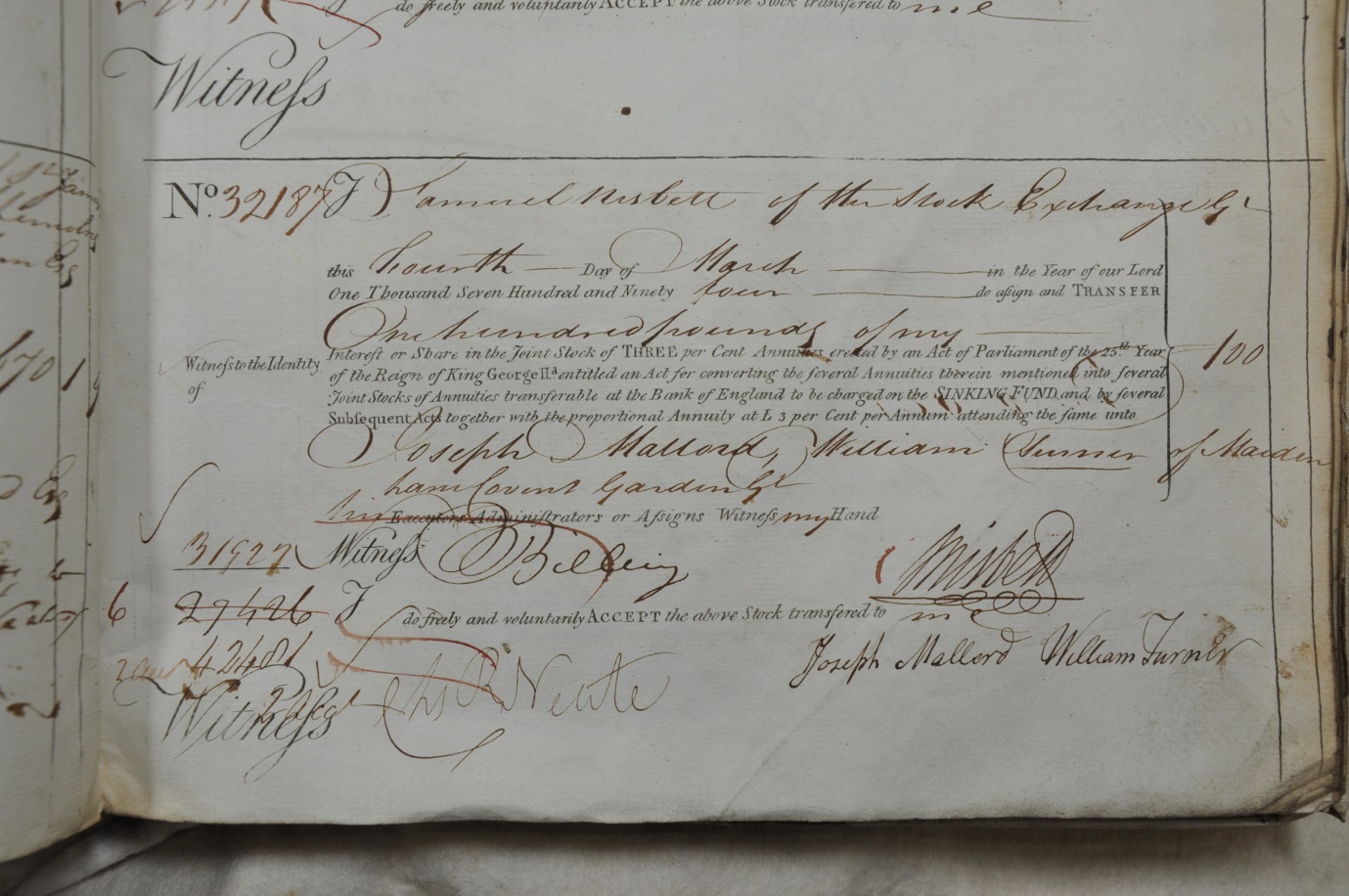
There are some fascinating documents including …
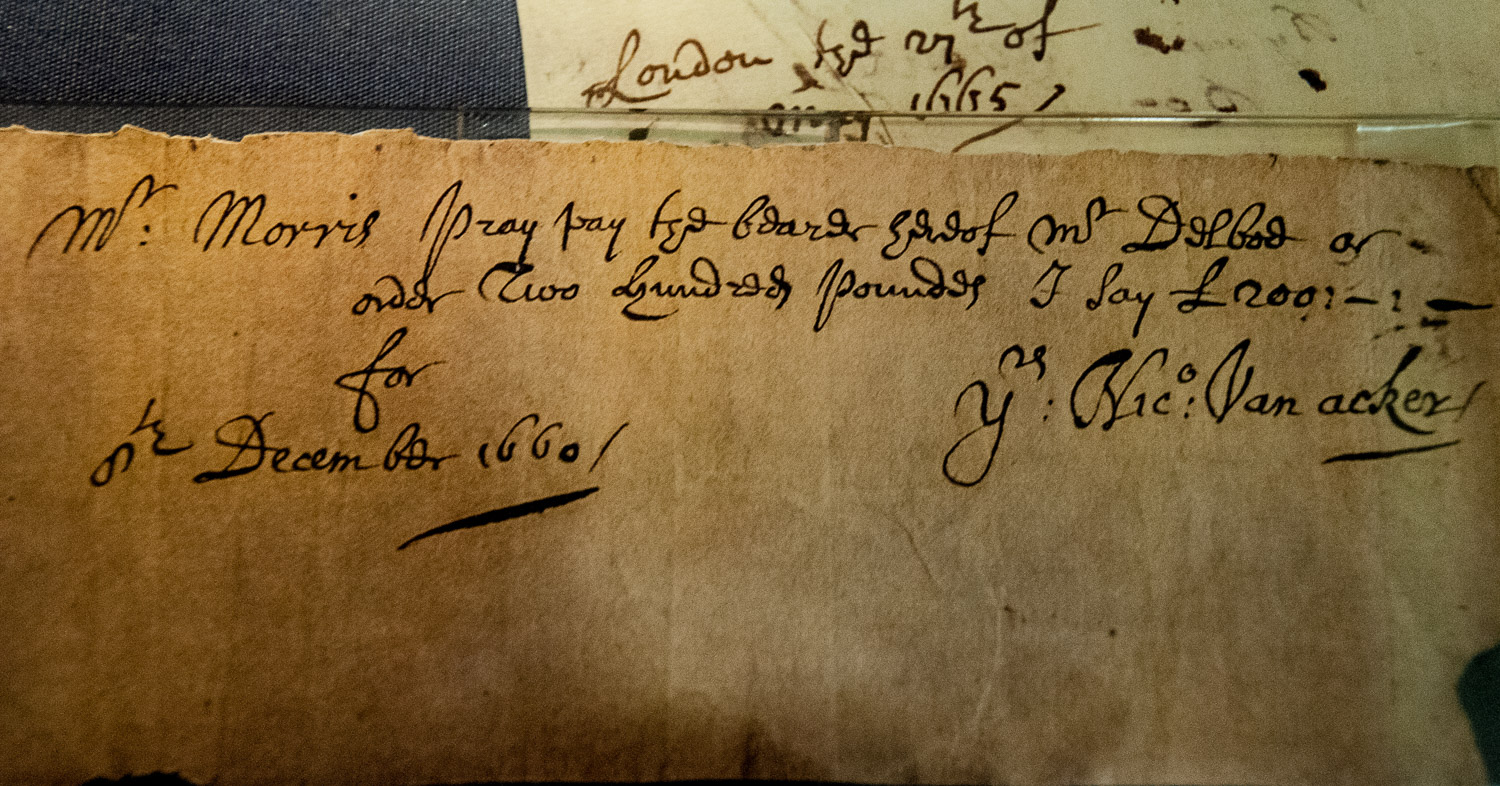
A very early cheque dated 8 December 1660.

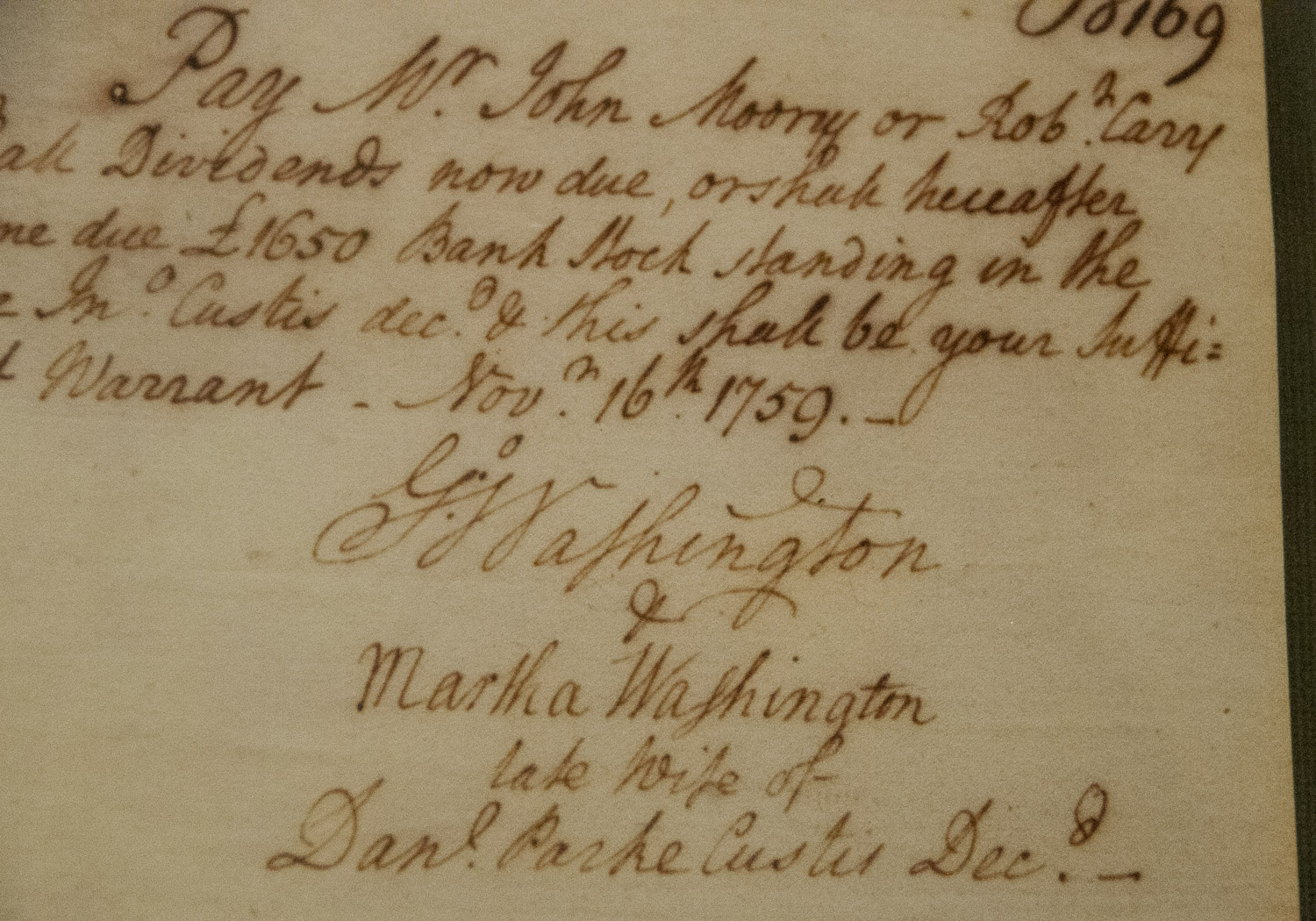
A document signed by the first President of the United states, George Washington, and his wife Martha …
The signature of William Pitt the Elder …
And J M W Turner …
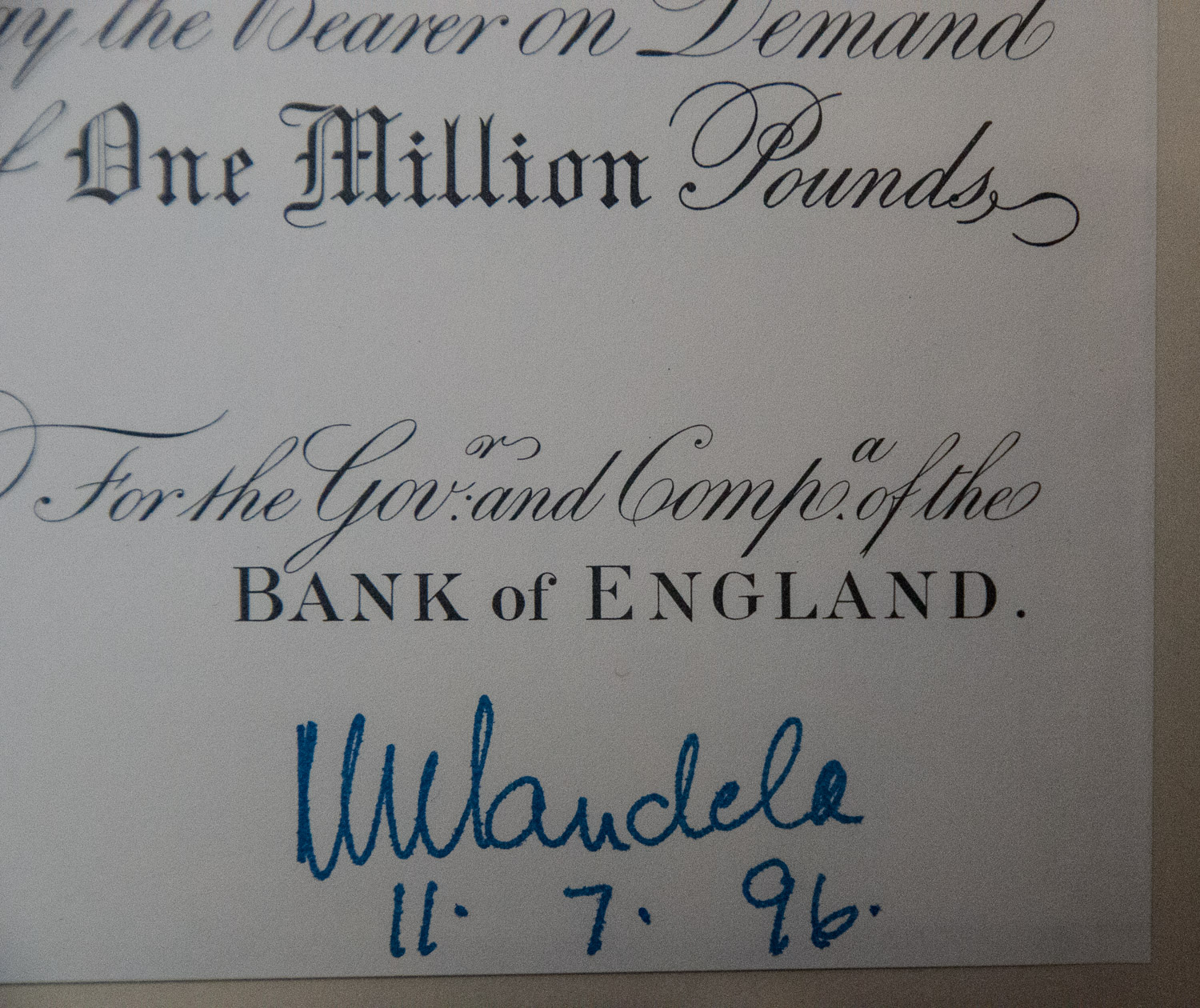
And finally a memento of when Nelson Mandela briefly became the Bank’s Chief Cashier when he was a guest in 1996 …
My next visit was to the Crypt at All Hallows-by-the-Tower on Byward Street EC3. The church was seriously damaged during the War but has now been beautifully restored and, when you have had a look around, head downstairs to the crypt. Here, in what is part of the original Saxon church, you will find the original crow’s nest from a ship …
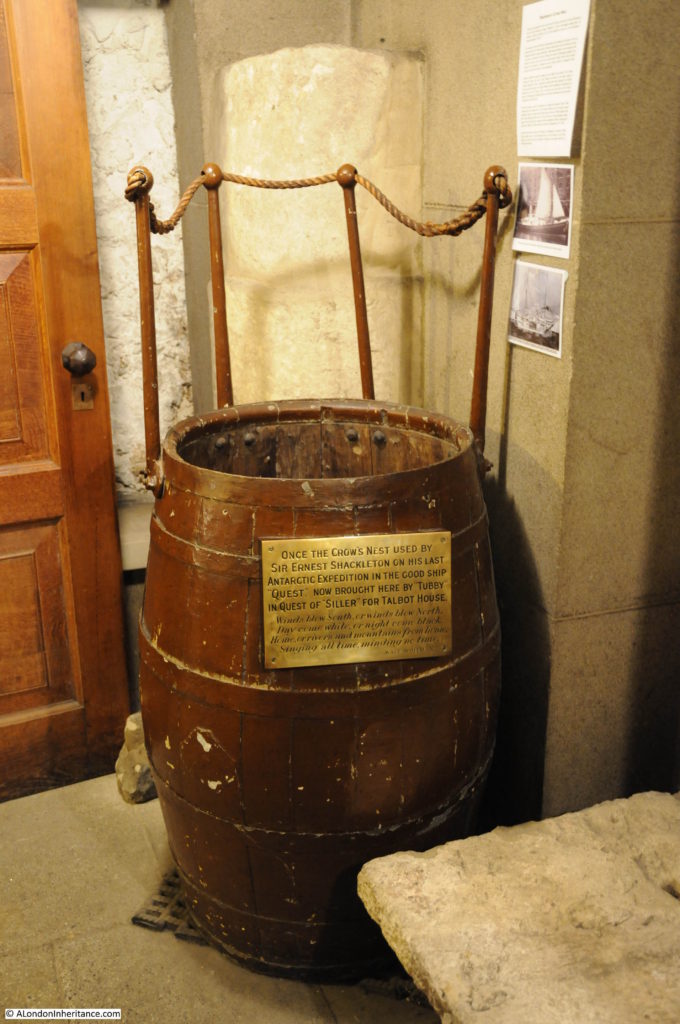
Photo by A London Inheritance.

The Quest sailed from 1917 until sinking in 1962 and was the polar exploration vessel of the Shackleton–Rowett Antarctic Expedition of 1921-1922. It was aboard this vessel that Ernest Shackleton died on 5 January 1922 while the ship was in harbour in South Georgia.

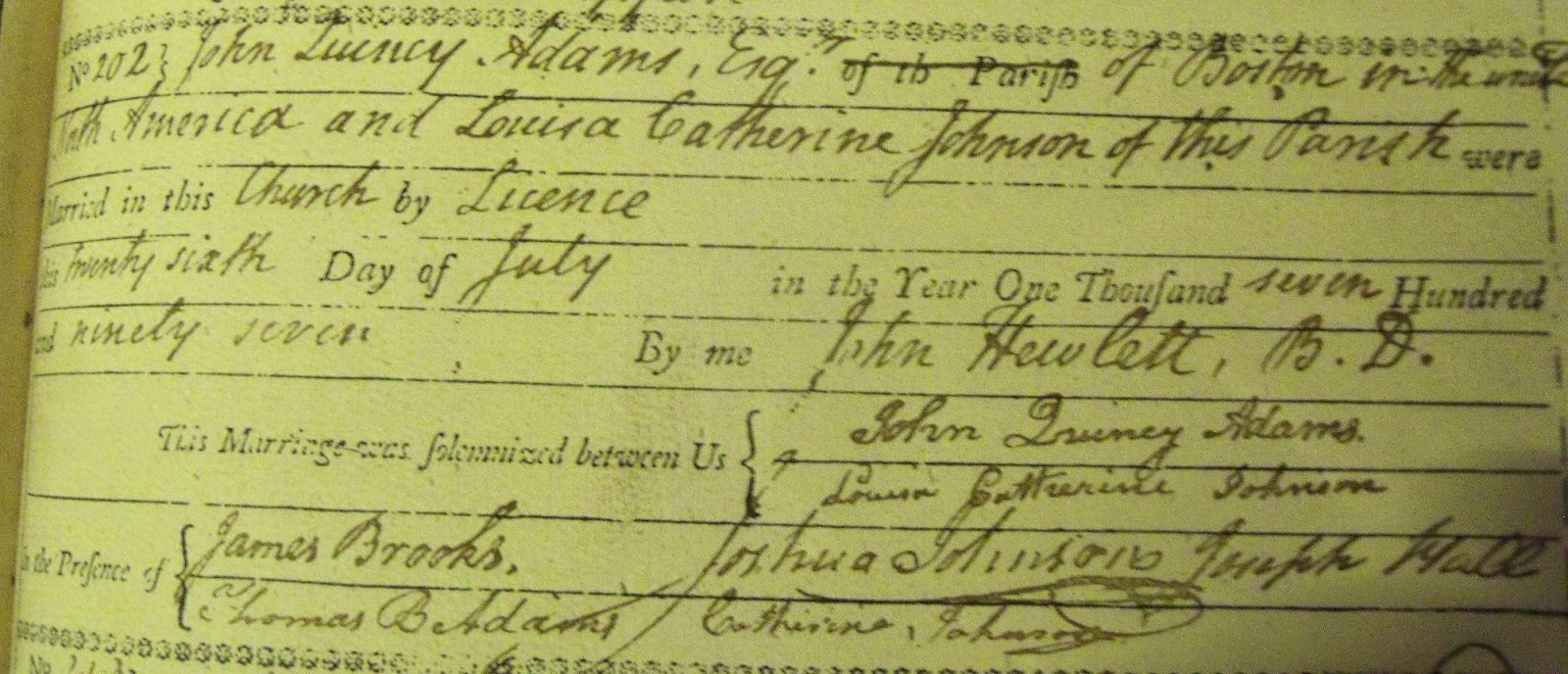
Nearby is displayed the marriage certificate dated 26 July 1797 of John Quincy Adams, later to become the sixth President of the United States. It was his wife Louisa, a local London girl, who was the only foreign born first lady of the United States until the arrival of Melania Trump.
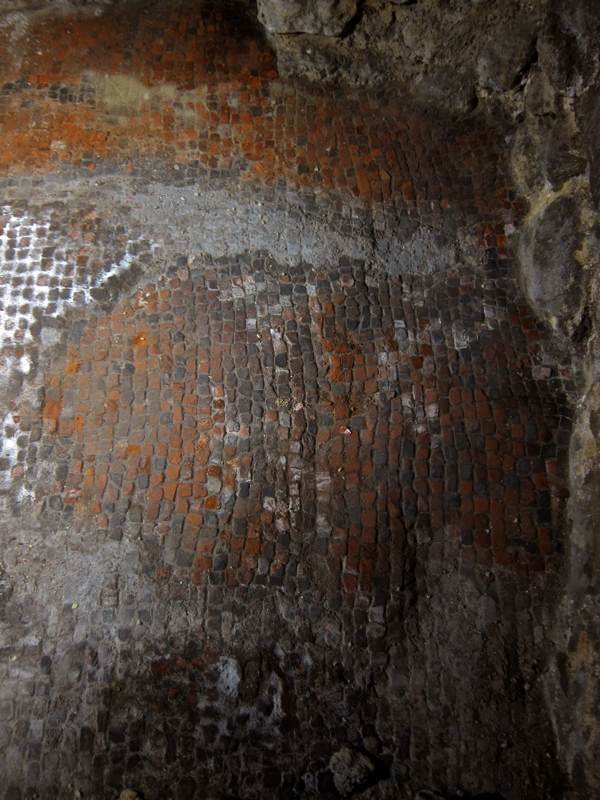
Also in the crypt are remains of the floor of a second or third century Roman house, including part of a corridor and adjacent rooms …
Beneath the present nave is the undercroft of the Saxon church containing three chapels: the Undercroft Chapel, the Chapel of St Francis of Assisi and the Chapel of St Clare.
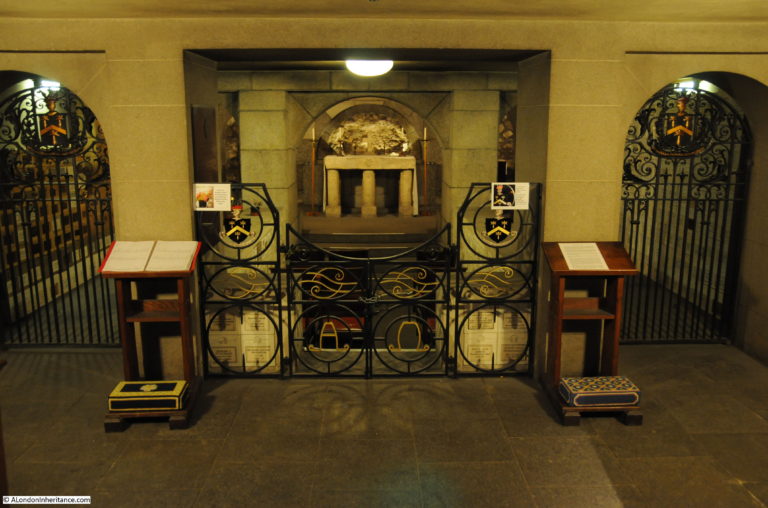
The Undercroft Chapel. Picture by A London Inheritance.

The Undercroft Chapel is constructed out of the former ‘Vicars’ Vault’, and is now a columbarium for the interment of ashes of former parishioners and those closely associated with the church.
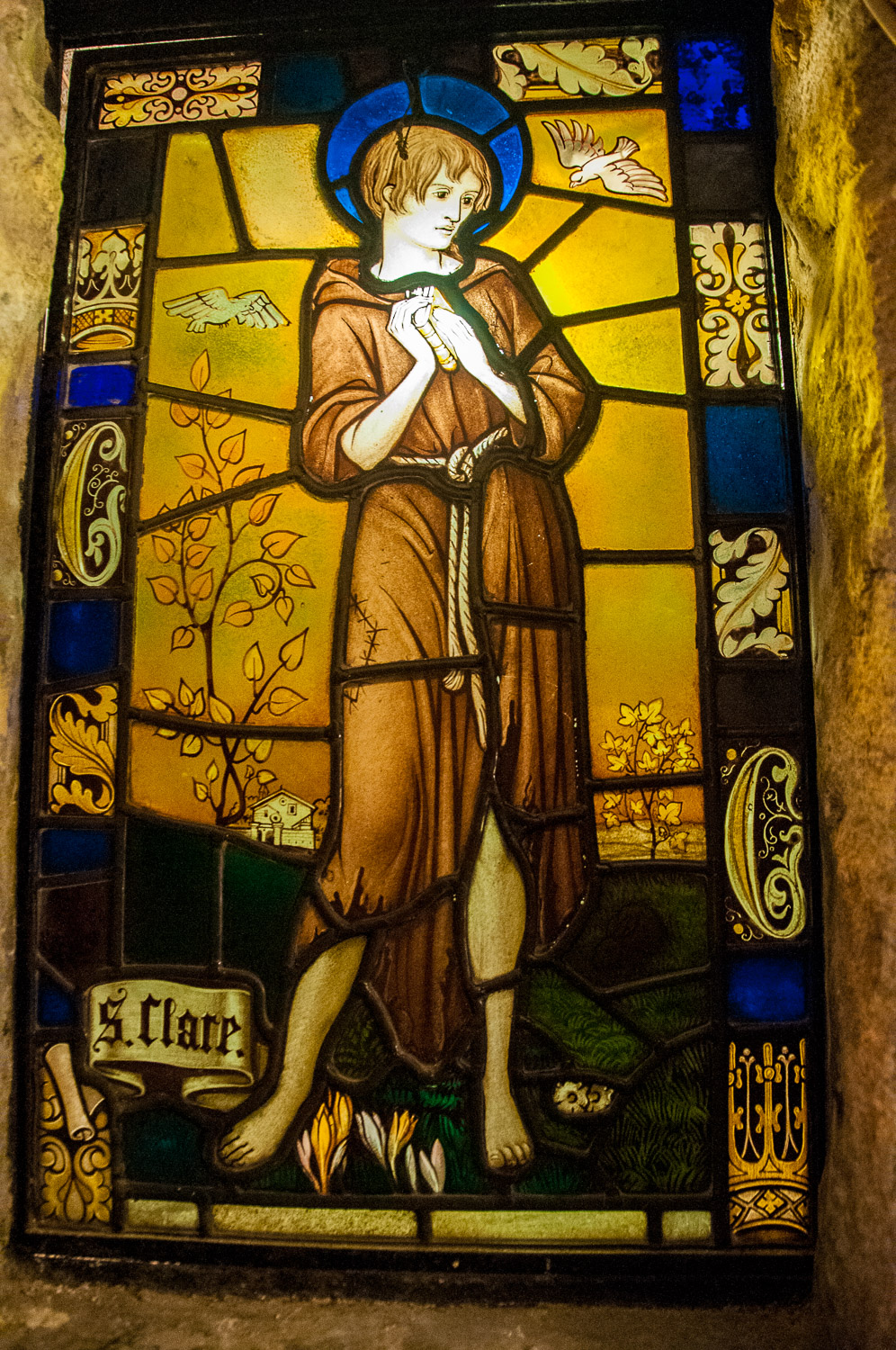
The pretty St Clare chapel stained glass.

Since this year marks the 100th anniversary of the end of the Great War, I will end this blog with these three crosses removed from World War I battlefields and which can be seen in the museum …
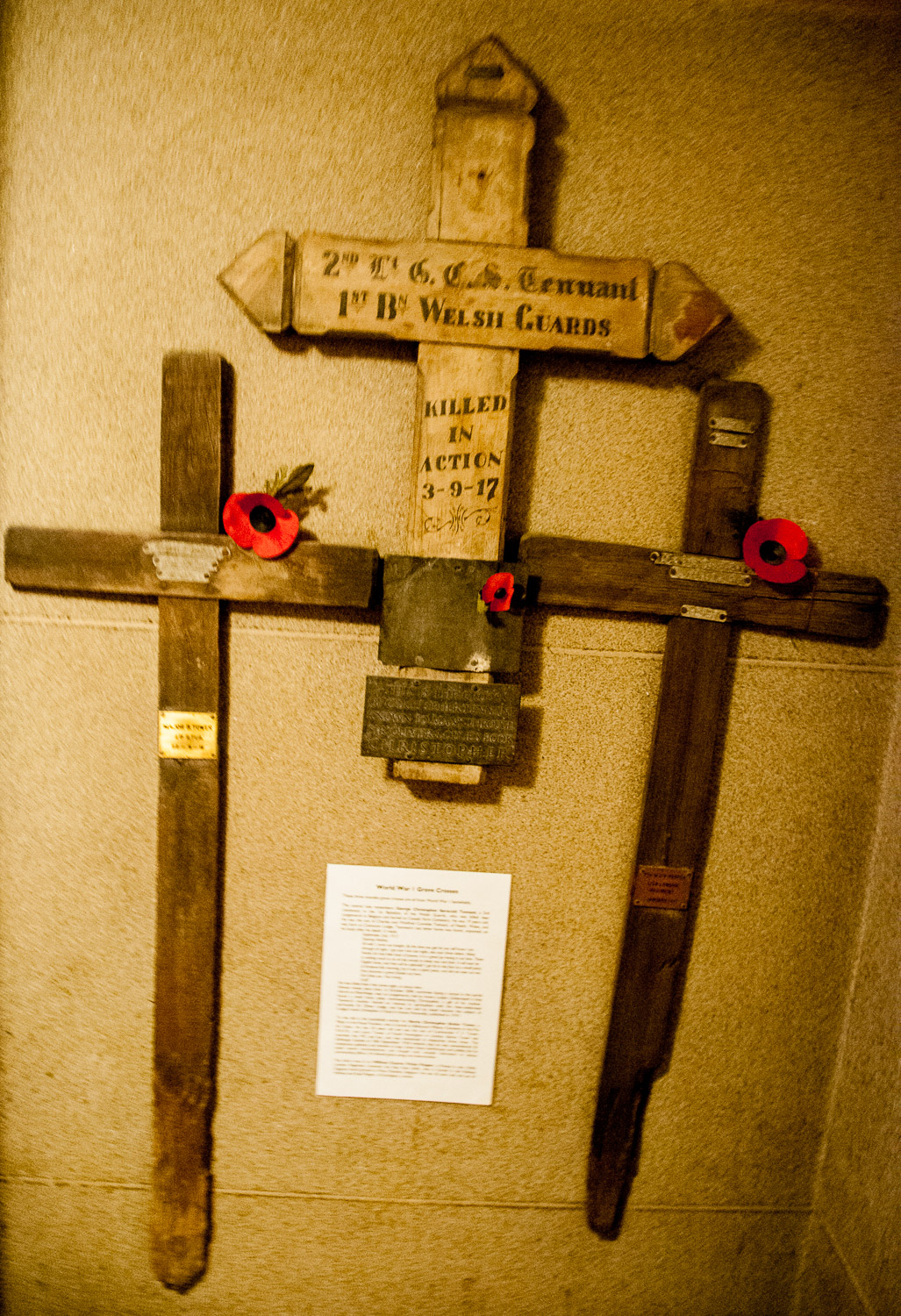
I have done some research on the three men but have only been able to find a picture of one of them.

On the left, Major B. Tower, MC and bar, mentioned in dispatches three times and now buried at Bellacourt Military Cemetery in the Pas-de-Calais. The Edinburgh Gazette of 18th September 1918 remarks that he was remembered ‘for conspicuous gallantry and devotion to duty. Under heavy machine gun and artillery fire he made several reconnaissances and brought back valuable information to various commanding officers. He showed great energy and determination.’

The cross on the right marked the grave of W. C. V. Pepper, a Private in the 1/24th London Regiment and previously the East Kent Buffs. He is buried in Railway Dugouts Burial Ground in West Flanders, Belgium – he was 20 years old and died on New Year’s Day 1917.

In the centre 2nd Lt. G.C.S Tennant. His last letter home was found unposted on his body after his death. It reads:

Sept. 2nd 1917.

Dearest Mother,

All well I come out tonight. By the time you get this you will know I am through all right. I got your wire last night, also your three letters. Many thanks for that little book of poems. It is a great joy having it out here. There is nothing much to do all day except sleep now and then. It will soon be English leave, and that will be splendid! I got hit in the face by a small piece of shrapnel this morning, but it was a spent piece, and did not even cut me. One becomes a great fatalist out here.

God bless you, your loving Cruff.

He was killed later that night, at about 4.00 am, and is now buried at Canada Farm Cemetery. He was 19 years old.
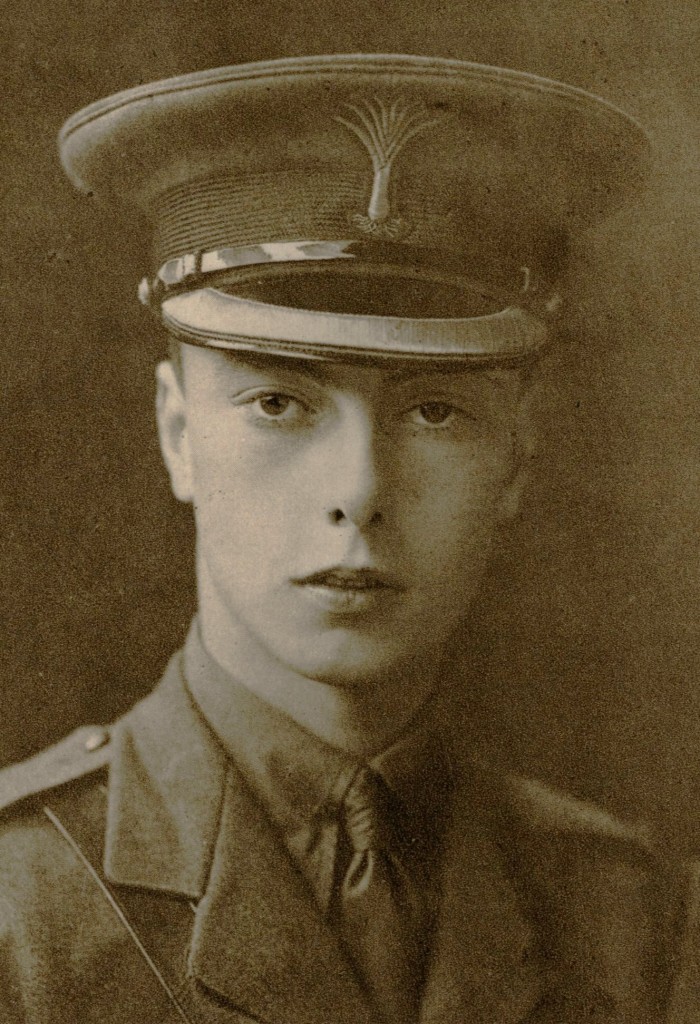
George Christopher Serocold Tennant (1897-1917).
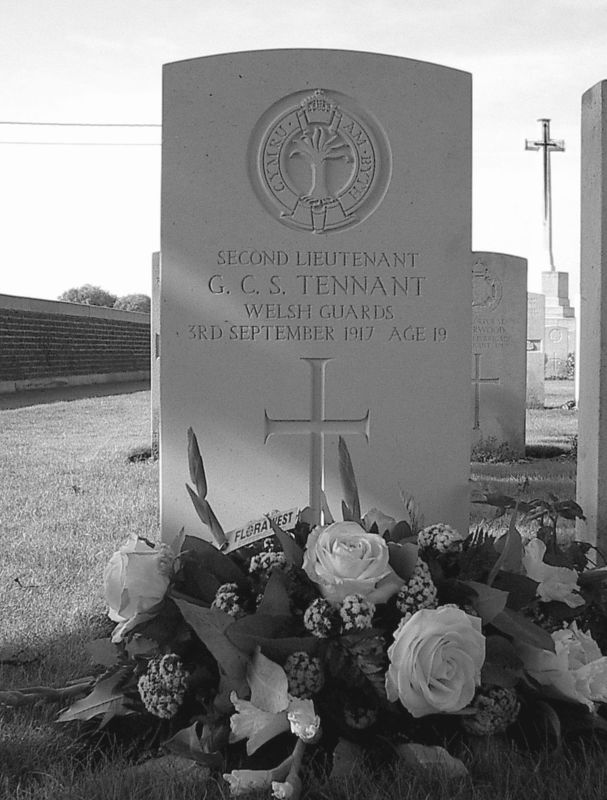
After his death one of his men attested:

‘He was specially loved by us men because he wasn’t like some officers who go into their dug-outs and stay there, leaving the men outside. He had us all in all day long … The men would have done more for him than for many another officer because he was so friendly with them and he knew his job. He was a fine soldier, and they knew it.’
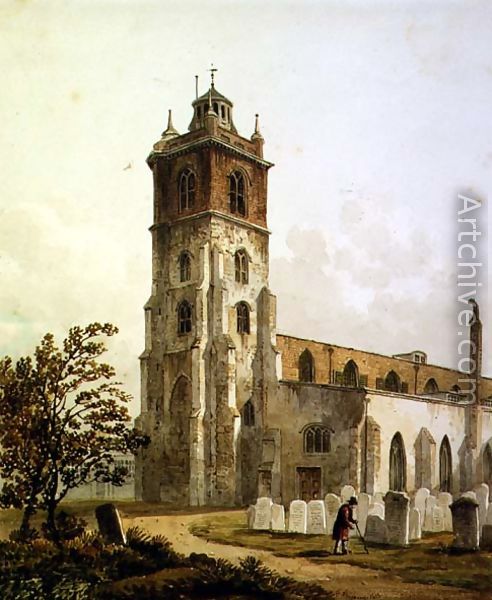
 

City Churchyards then and now

‘I have emptied a cesspool, and the smell of it was rose-water compared with the smell of these graves.’ So declared a gravedigger during an 1842 enquiry into the state of London’s graveyards, a problem acknowledged even in Shakespeare’s day …

‘Tis now the very witching time of night

When churchyards yawn, and hell itself breathes out

Contagion to this world.

(Hamlet’s soliloquy Act 3 Scene 2)

Fear of the ‘miasma’ and cholera eventually led to legislation being passed to prohibit new interments and allow graveyard clearance.

Despite the fact that widespread use of City churchyards as burial grounds ceased over 150 years ago, the remaining sites often still carry an atmosphere of serenity and a link with Londoners long deceased. These folk lived, worked and died here and played their part in the City we see today. Despite fires, war and redevelopment, some still rest here, although bones and stones may have long been separated.

So this is a short journey showing a few of these places before and after the Second World War and what remains of memorials to previous ‘residents’.

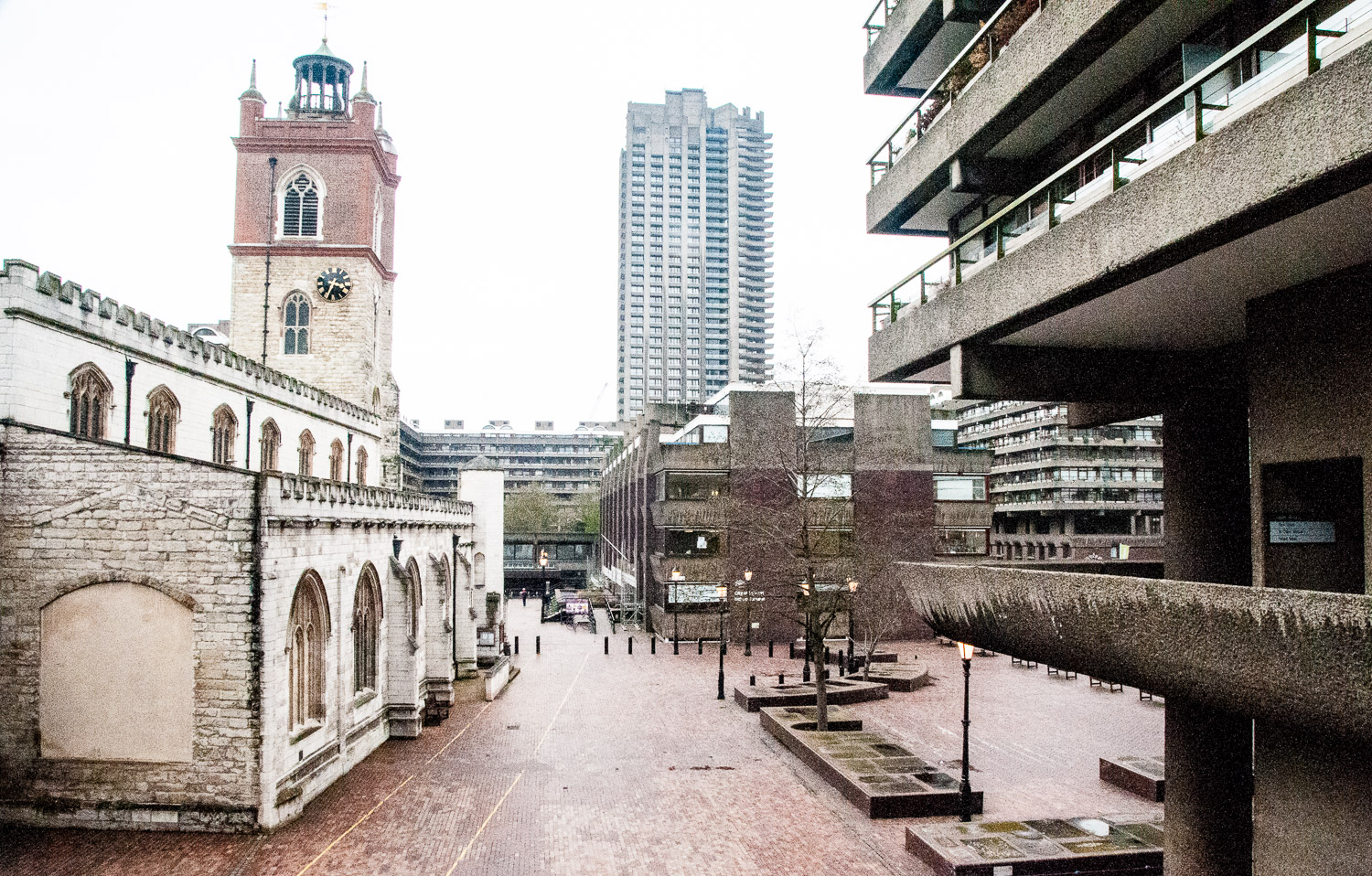
First up is my local church, St Giles Cripplegate, which has many connections with the famous. Oliver Cromwell was married here, it is the final resting place of John Milton and two of Shakespeare’s nephews were christened here. Sadly the church was badly damaged in the war and the graveyard almost completely destroyed.

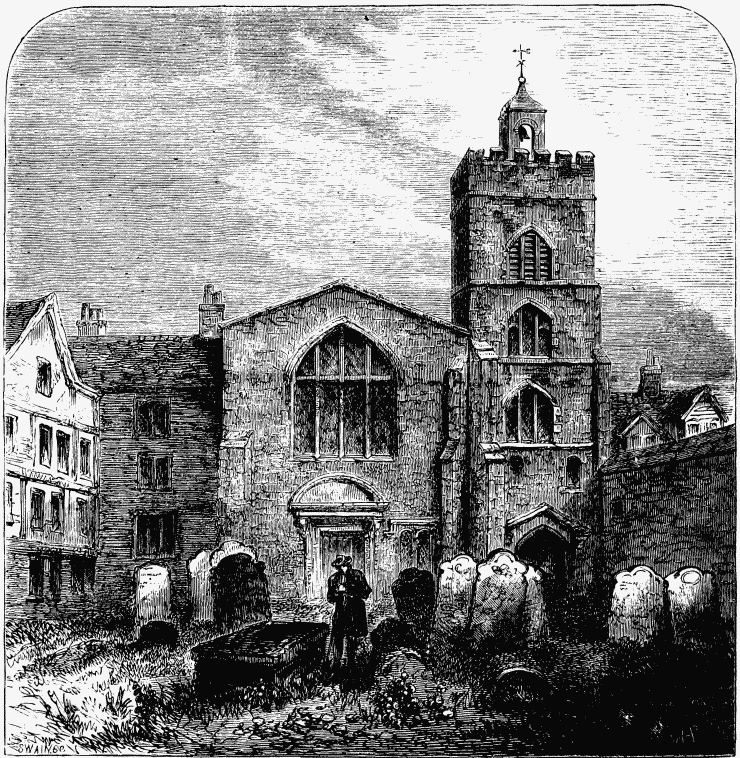
Here is how it looked in 1815 …

Painting by George Shepherd.

And how it looks now …

In the shadow of the Barbican Estate – tombstones are incorporated into the seating on the right.

Some memorials can still be read … …

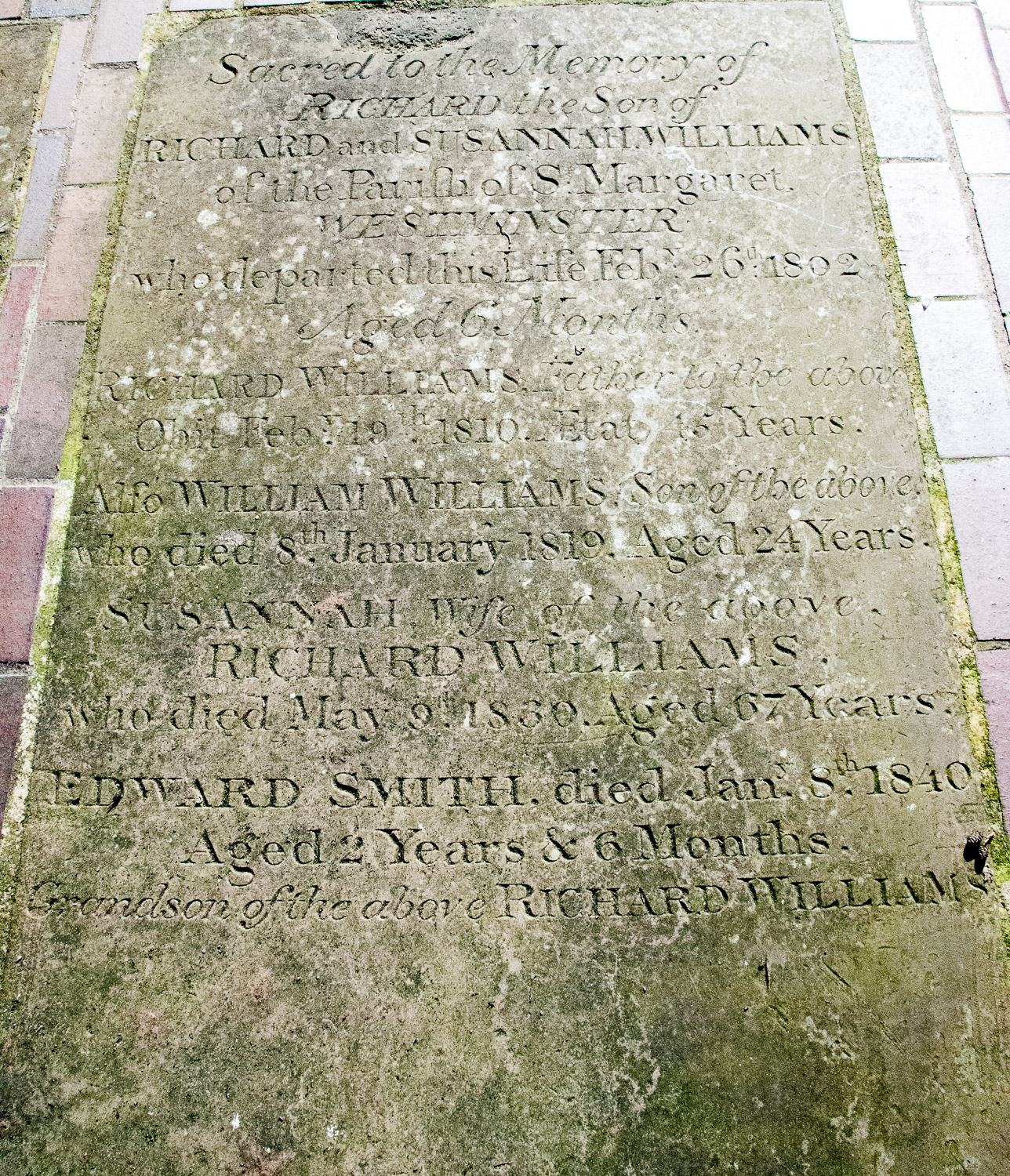
The Williams Family gravestone.

The deaths in the Williams family, recorded over the years 1802 to 1840, give typical examples of the high incidence of child mortality.

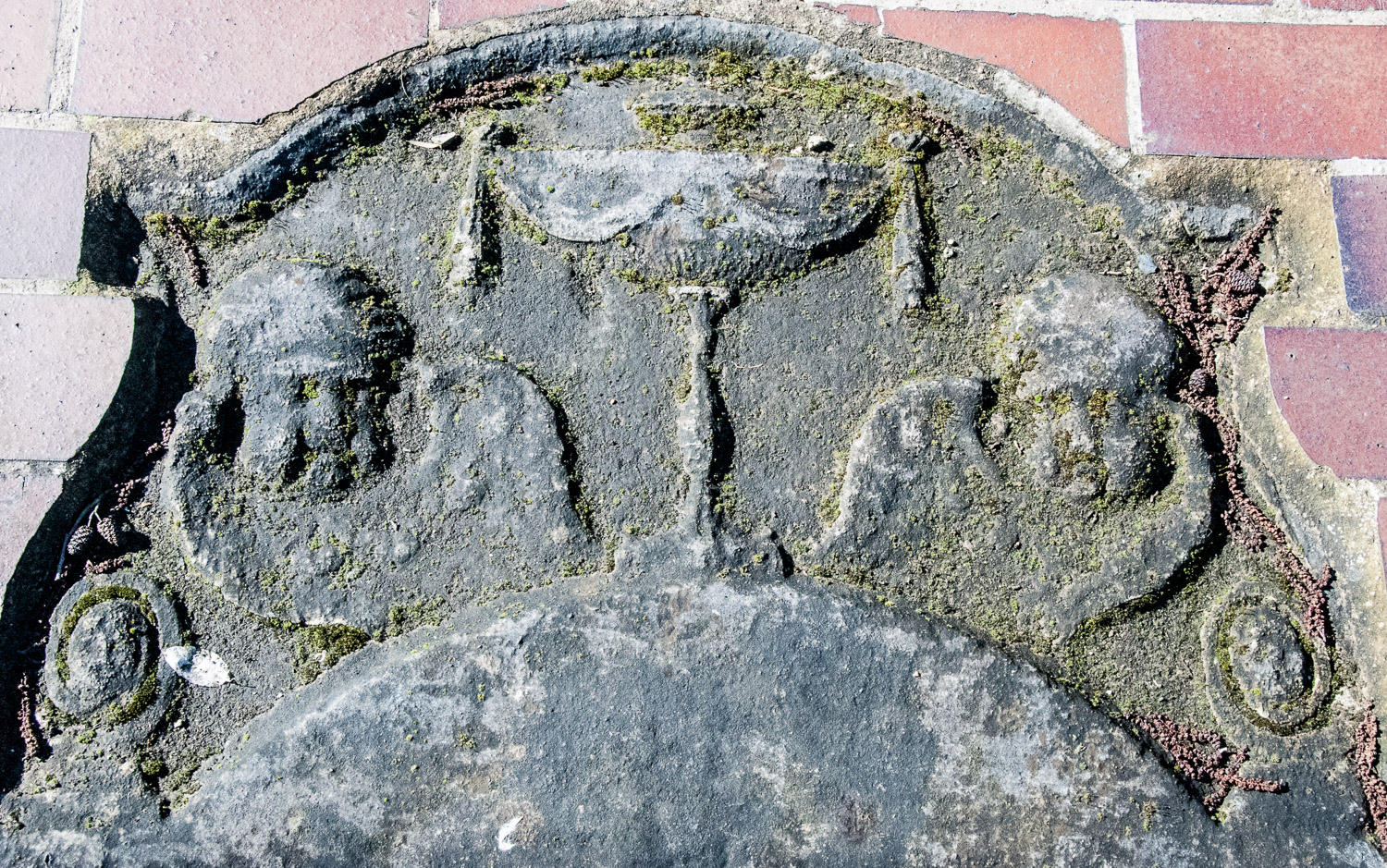
Some other memorials have traces of their original decoration …

Virtually all the other stones are badly eroded and the inscriptions illegible.

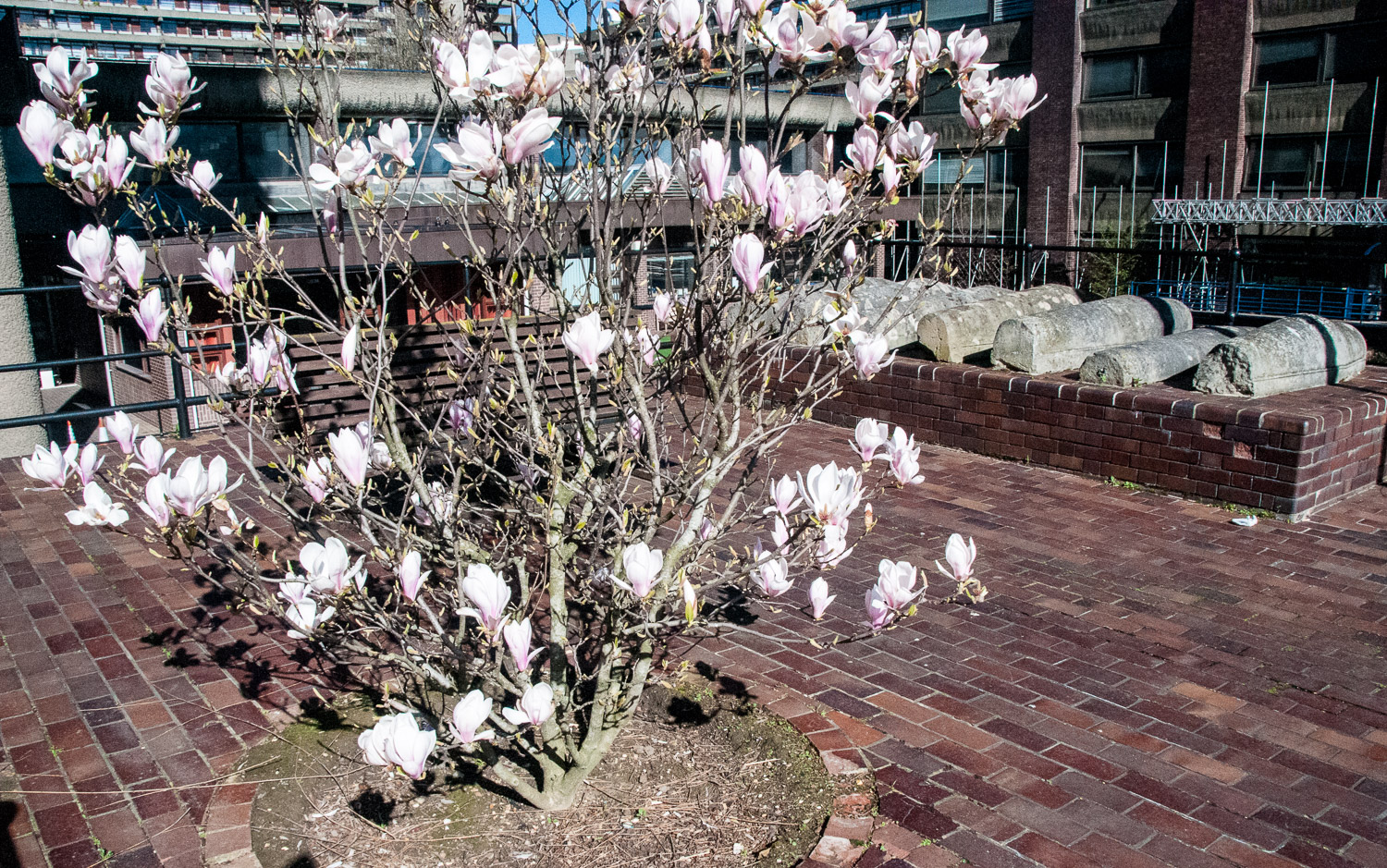
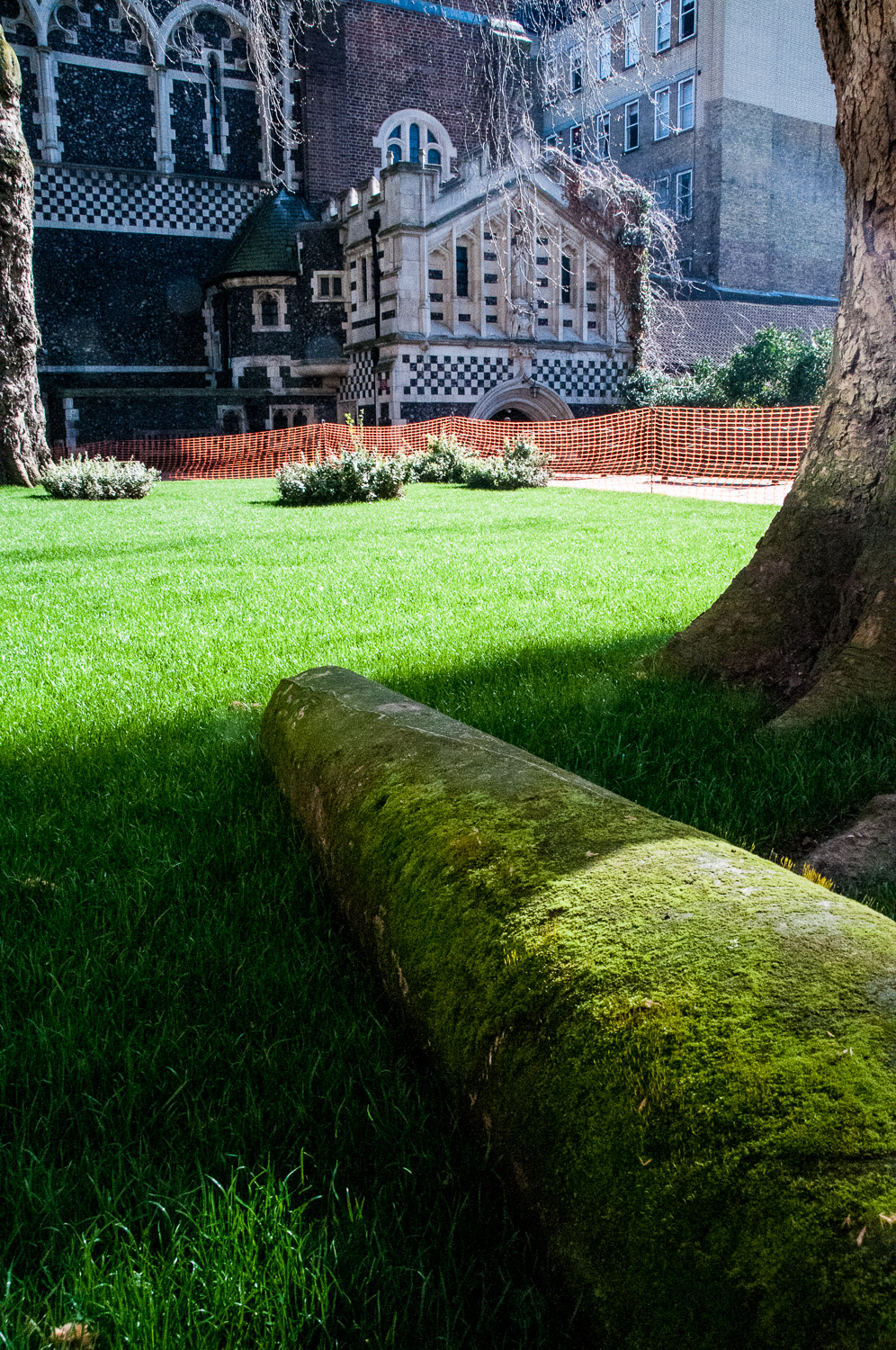
The magnolia trees in the grounds look lovely at the moment – there are some very old barrel tombs laid out in the background.

Nearby in Smithfield, St Bartholomew the Great, the oldest church in the City, survived the Great Fire of 1666 and two World Wars and would be on my must-see list for anyone interested in church architecture.

The graveyard was in constant use until the 1840s …

St Bartholomew the Great 1737 – British History Online

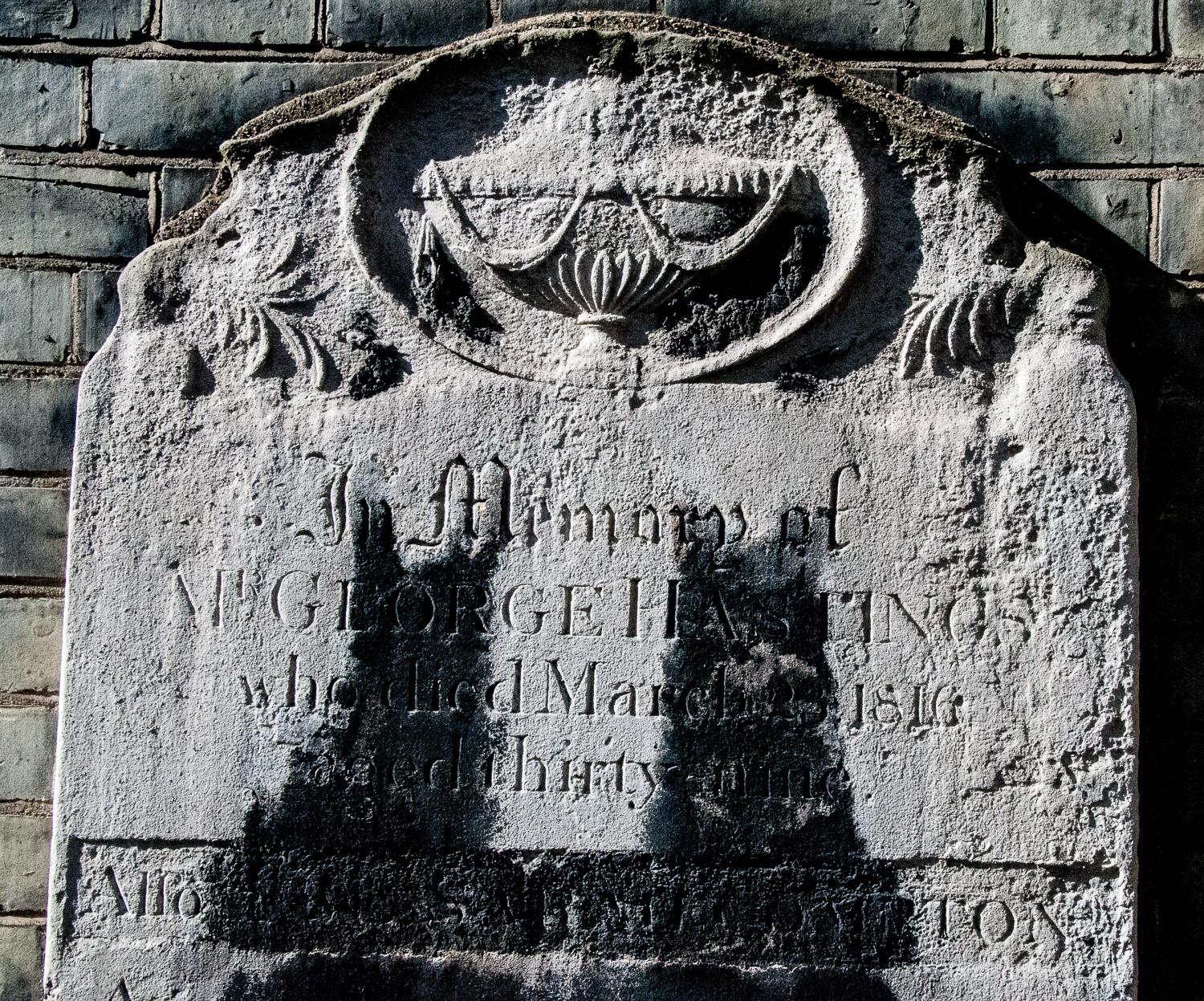
The graveyard space has been tidied up. This memorial rests against the wall …

Memorial stone for George Hastings who died in 1816 aged thirty years. The dark marks are stains on the stone, not the shadows of two scotch terriers!

The site now looking towards the church …

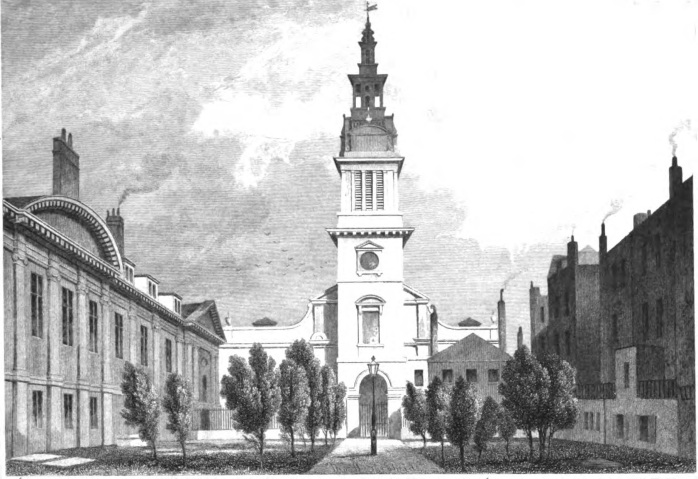
Designed by Wren and completed in 1704, Christ Church Greyfriars, on the corner of Newgate Street and King Edward Street, looked like this in the 1830s …

Christ Church Greyfriars, as depicted in London and its environs in the nineteenth century by James Elmes (1831) (image via Wikimedia Commons). Source : Flickering Lamps website.

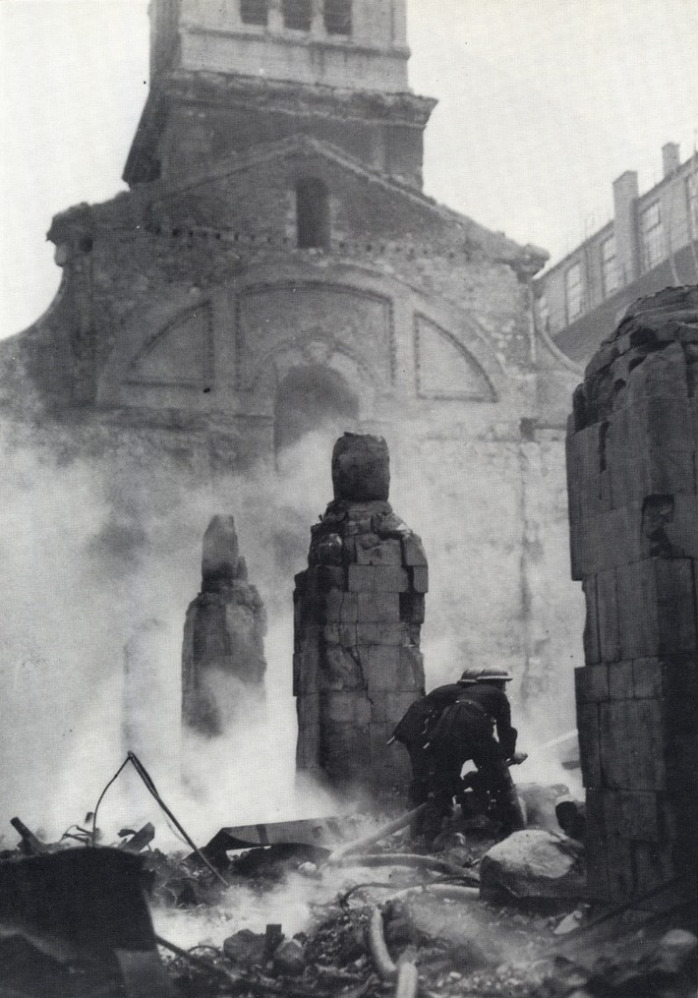
On the night of 29 December 1941, incendiary bombs created the ‘Second Great Fire of London’, and Christ Church was one of its victims …

Firefighters in the smouldering ruins (image from the Citizens’ Memorial).

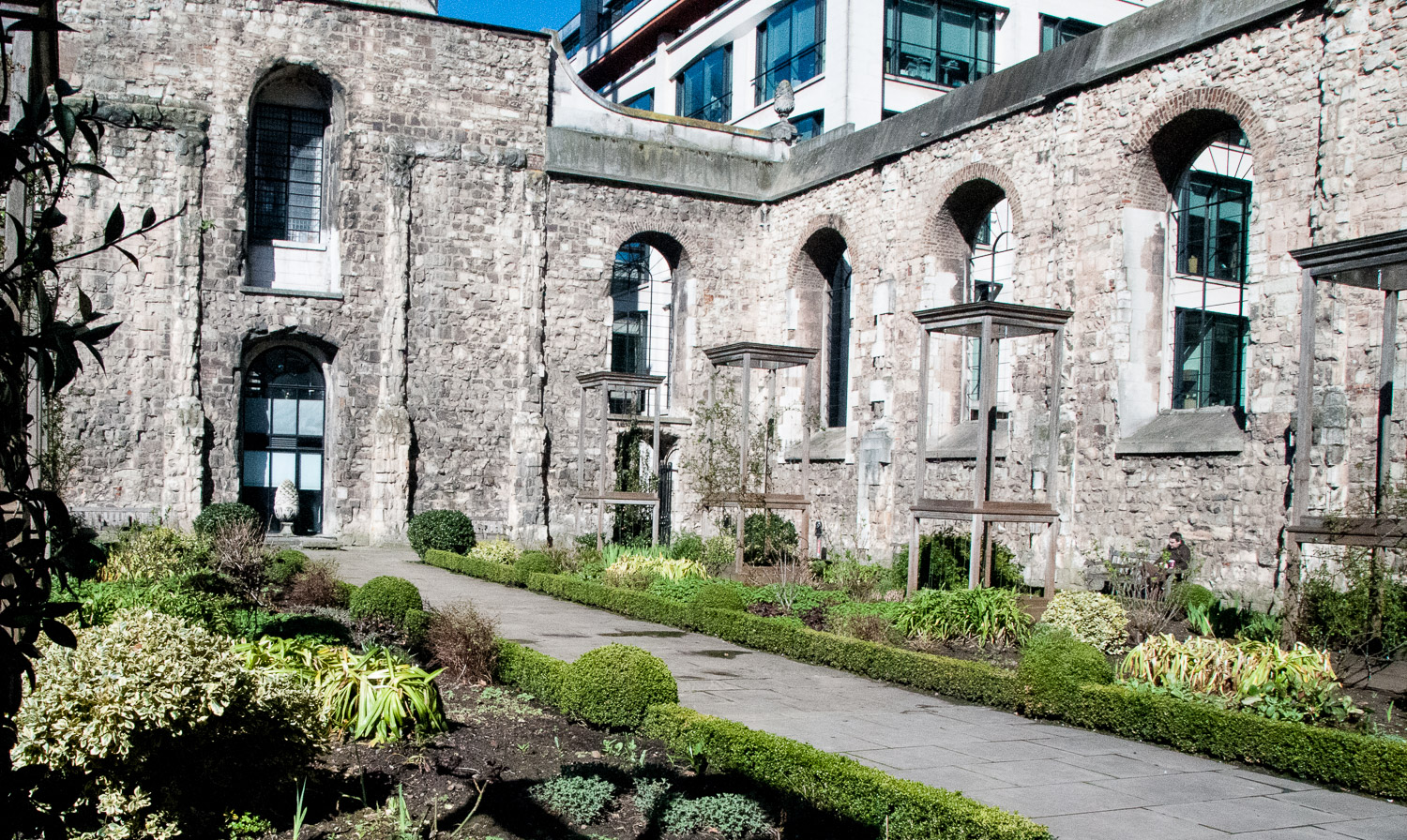
These walls and the tower are all that remain but are laid out as a very attractive garden …

The wooden towers within the planting replicate the original church towers and host a variety of climbing plants.

You can read more about this and other churches in my 28 December 2017 blog The City’s lone church towers and the Blitz.

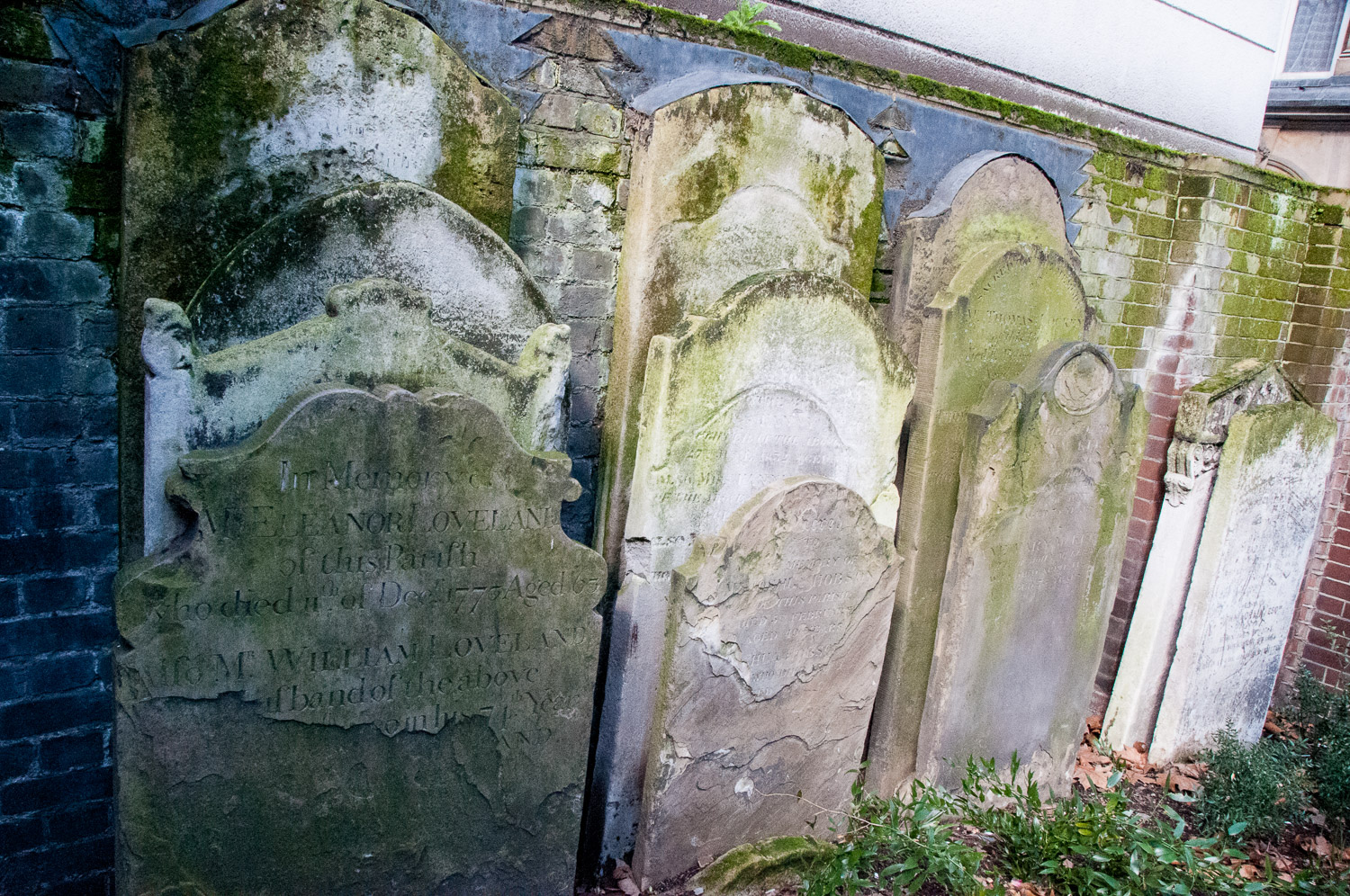
When graveyards were cleared it became common practice over the years to line up old memorials against the wall …

Stones in Postman’s Park, the churchyard of St Botolph’s Aldersgate.

As always, St Vedast alias Foster in Foster Lane EC2 is worth a visit …

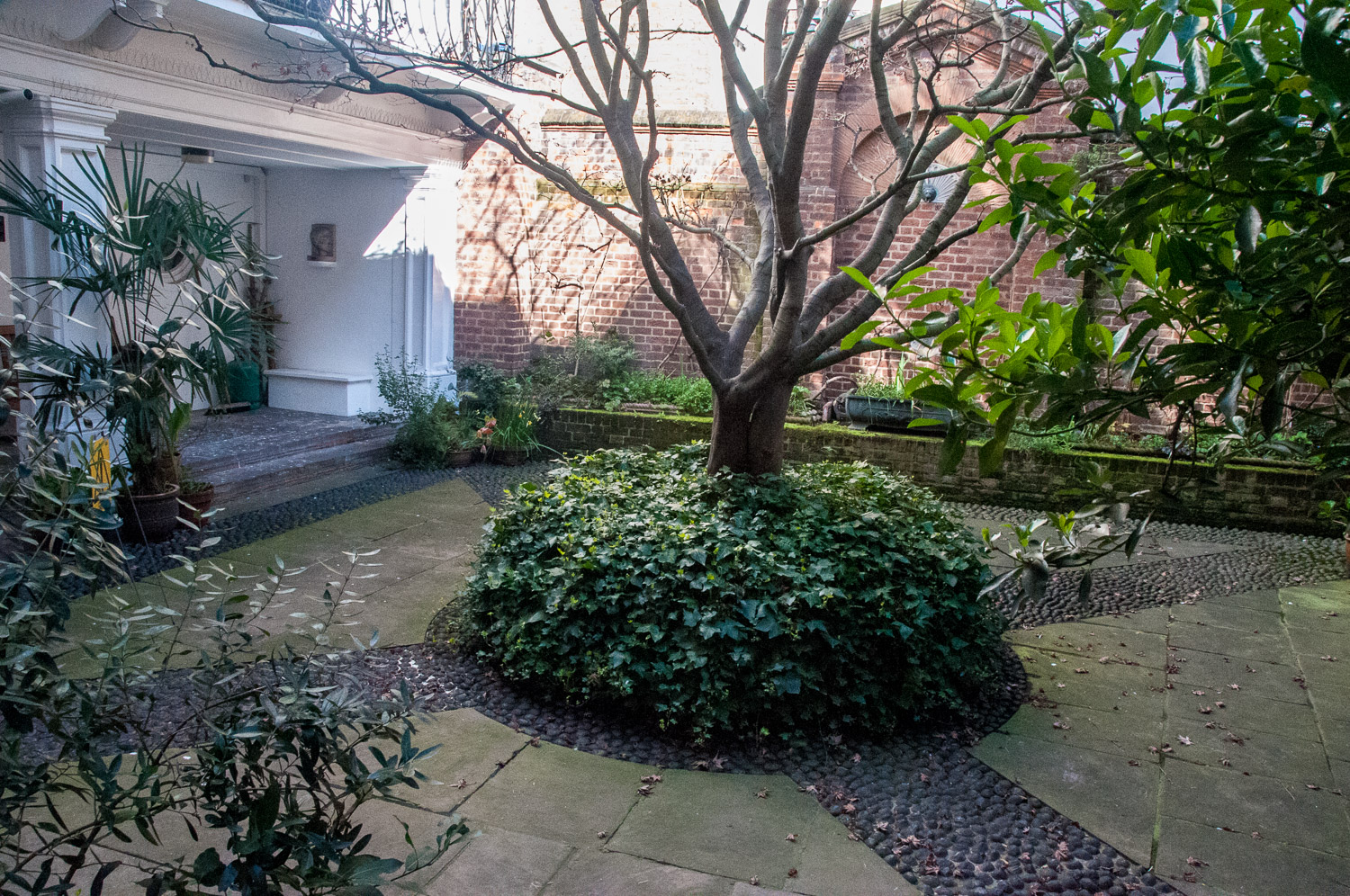
The tranquil Fountain Courtyard and Cloister.

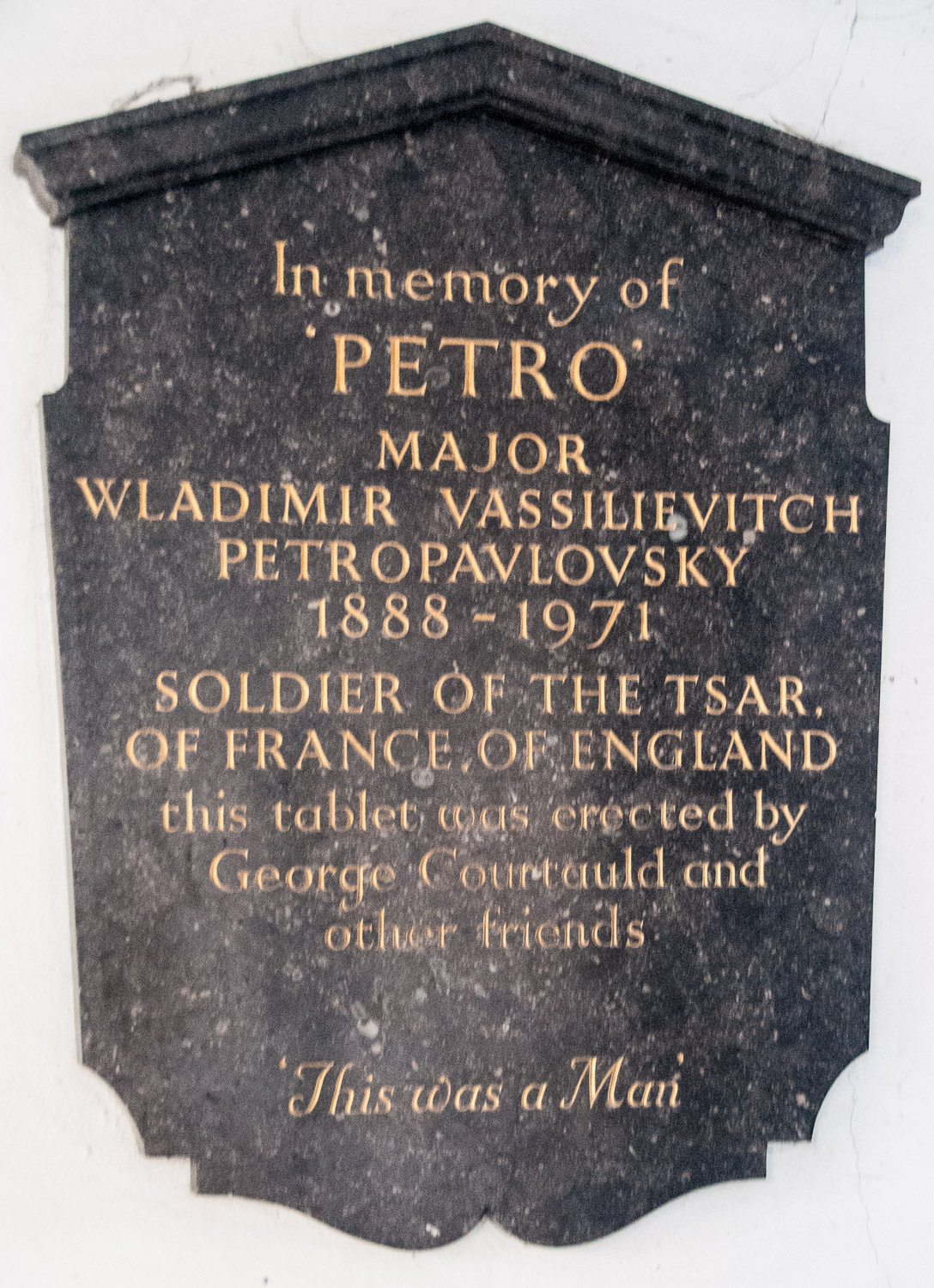
Overlooking the little garden is this memorial …

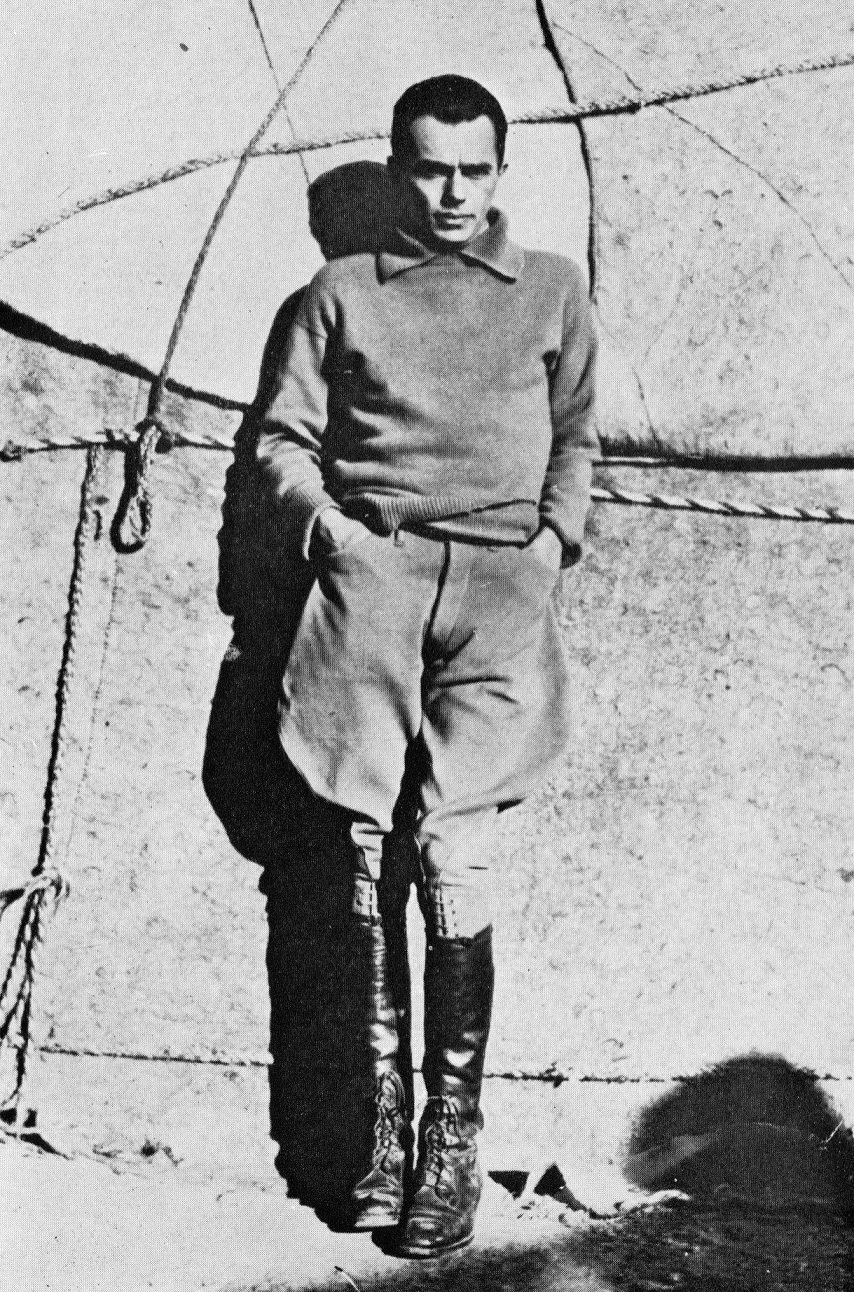
As far as I can discover, ‘Petro’, as his friends called him, was a White Russian who had taken French nationality. He became a member of the Special Operations Executive and, being a supporter of the Free French, he joined the Volunteers in December 1941 and was subsequently wounded in action.

I have been unable to find out any more, which is a shame since he obviously led an extraordinary life. I have managed to find a picture of him though …

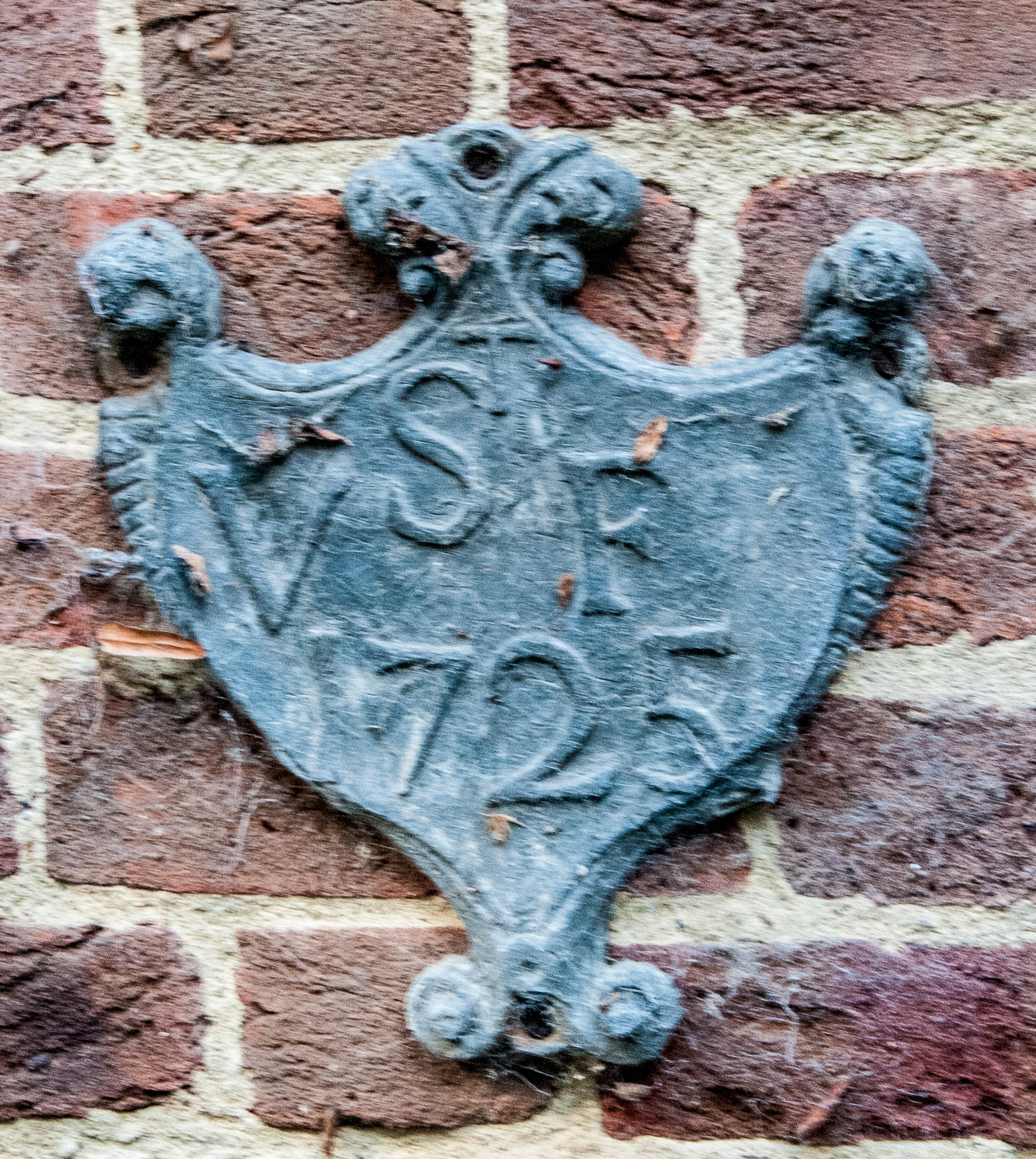
The Courtyard also displays a nice boundary marker …

Boundary marker for St Vedast alias Foster.

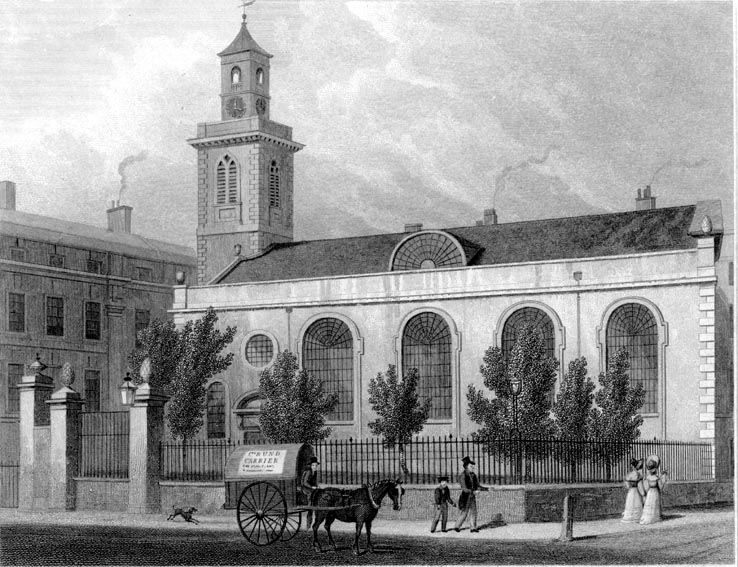
And finally, the church that rose again …

St Mary Aldermanbury in the 19th century.

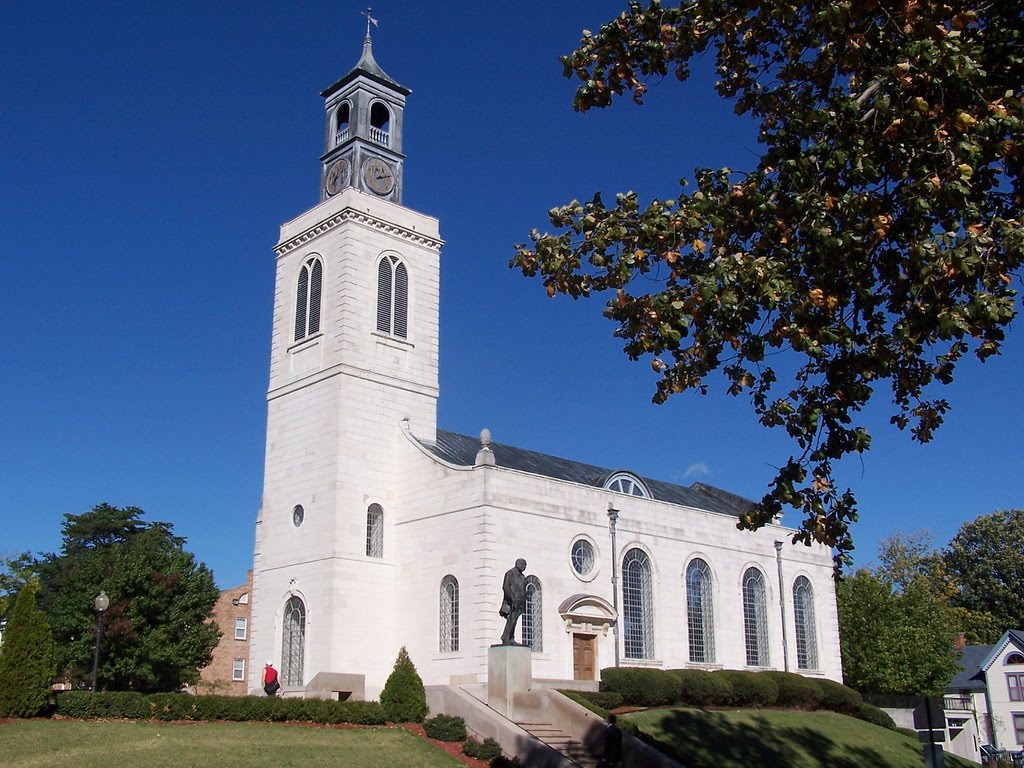
The church was almost completely destroyed in the Blitz, but in 1966 its surviving remains were shipped to Fulton, Missouri, and rebuilt in the grounds of Westminster College. The reconstructed church stands as a memorial to Winston Churchill who made his Sinews of Peace speech in the College Gymnasium in 1946. It became famous for the phrase ‘From Stetin in the Baltic to Trieste in the Adriatic, an iron curtain has descended across the continent’.

St Mary Aldermanbury in its new home …

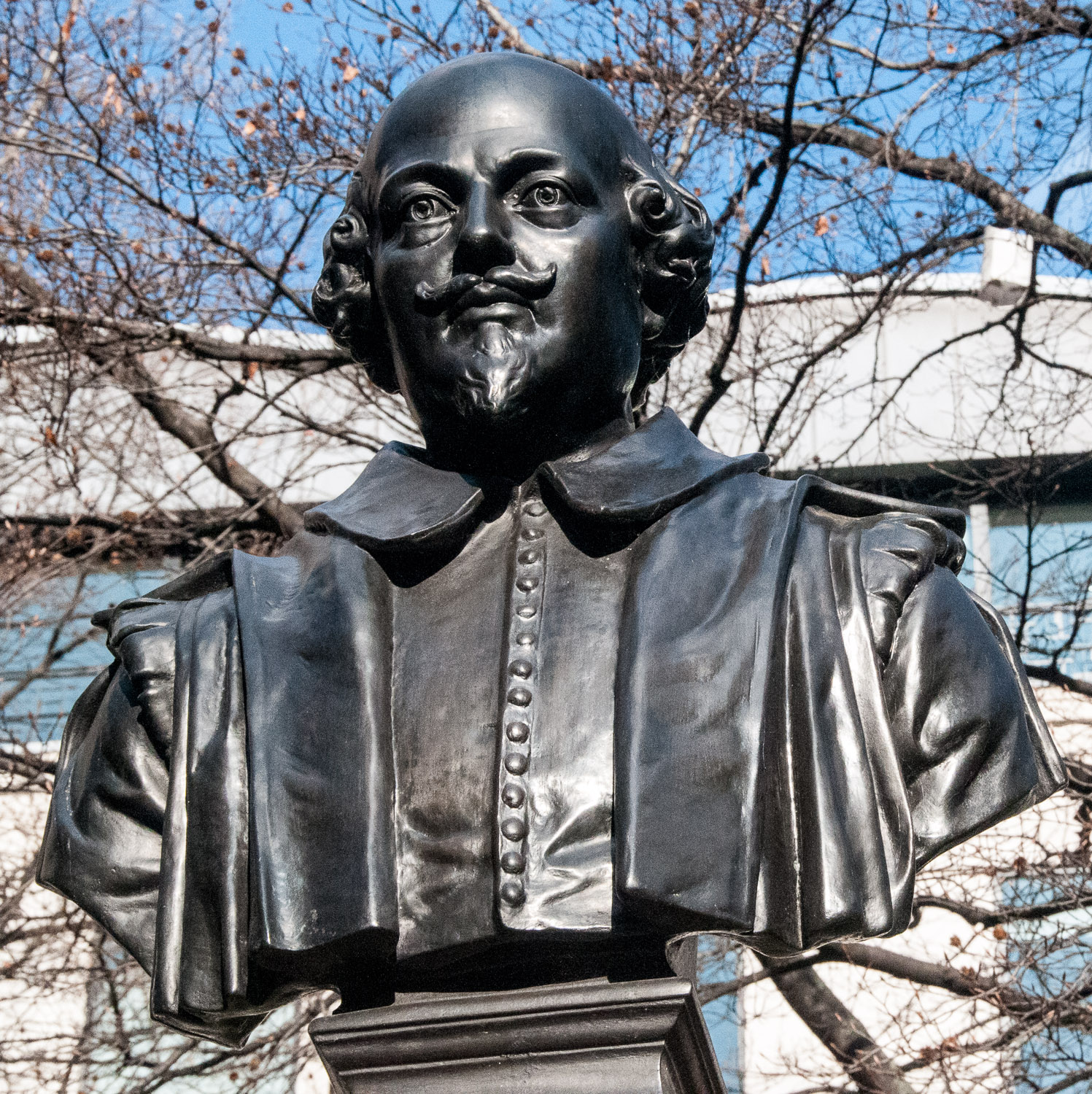
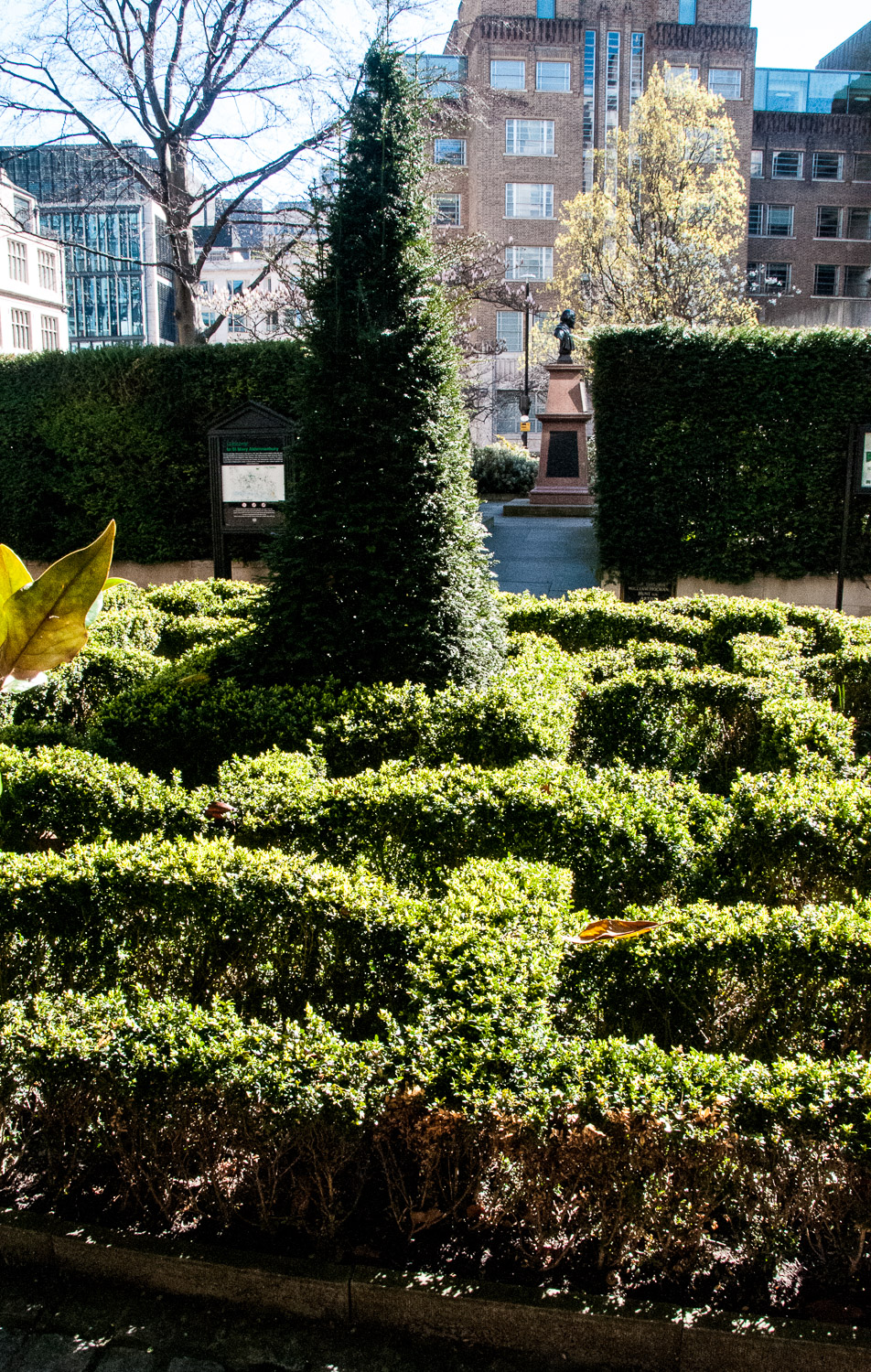
There is now a garden in the footprint of the old church at the junction of Aldermanbury and Love Lane. It contains a memorial to the actors Henry Condell and John Heminge who preserved Shakespeare’s works in the First Folio and who themselves were buried in the church. There is also a majestic bust of the Bard himself …

The sculptor was Charles John Allen and the work created in 1895.

The garden on the original site of St Mary Aldermanbury.

St Stephen Walbrook: the Samaritans, Henry Moore and a brave doctor.

One day in 1936 a young priest officiated at his first funeral – a 14 year old girl who had killed herself because, when her periods started, she thought it was a sign of a sexually transmitted disease. That there seemed to have been no one she could talk to had a profound effect on him, but it was not until 18 years later that, as he put it,

I read somewhere there were three suicides a day in Greater London. What were they supposed to do if they didn’t want a Doctor or Social Worker … ? What sort of a someone might they want?

He looked at his phone, ‘DIAL 999 for Fire, Police or Ambulance’ it said …

There ought to be an emergency number for suicidal people, I thought. Then I said to God, be reasonable! Don’t look at me… I’m possibly the busiest person in the Church of England.

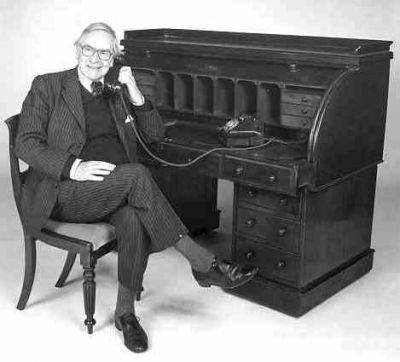
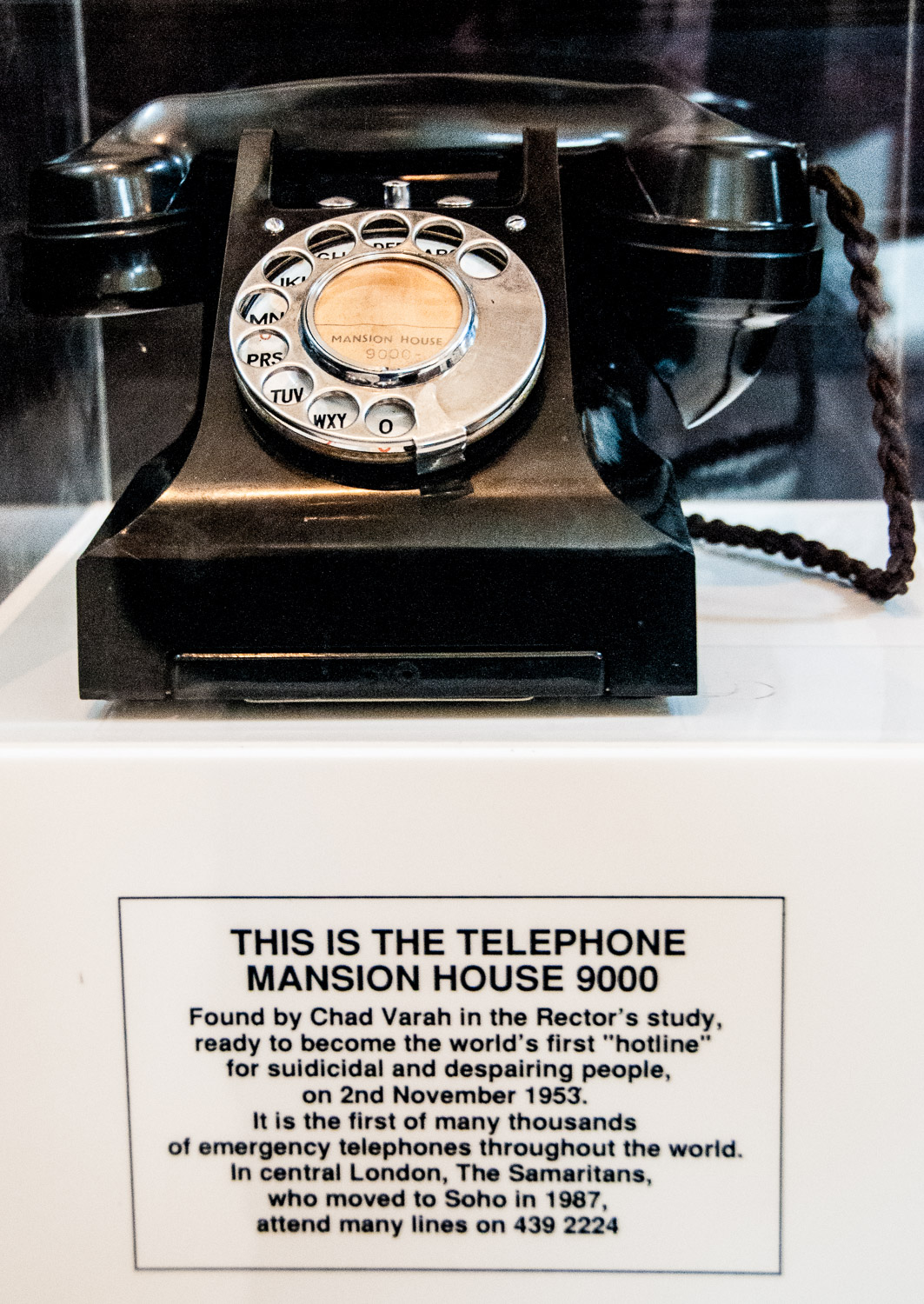
When the priest, Chad Varah, was offered charge of the parish of St Stephen in the summer of 1953 he knew that the time was right for him to launch what he called a ‘999 for the suicidal’. He was, in his own words, ‘a man willing to listen, with a base and an emergency telephone’. The first call to the new service was made on 2nd November 1953 and this date is recognised as Samaritans’ official birthday.

The Reverend Dr Chad Varah at his telephone – you just had to dial MAN 9000.

It soon became obvious that the volunteers, who used to keep people company whilst they were waiting to speak to Chad, were also capable of helping in their own right and in February 1954 he officially handed over the task of supporting the callers to them.

If you visit the church you can see the phone itself …

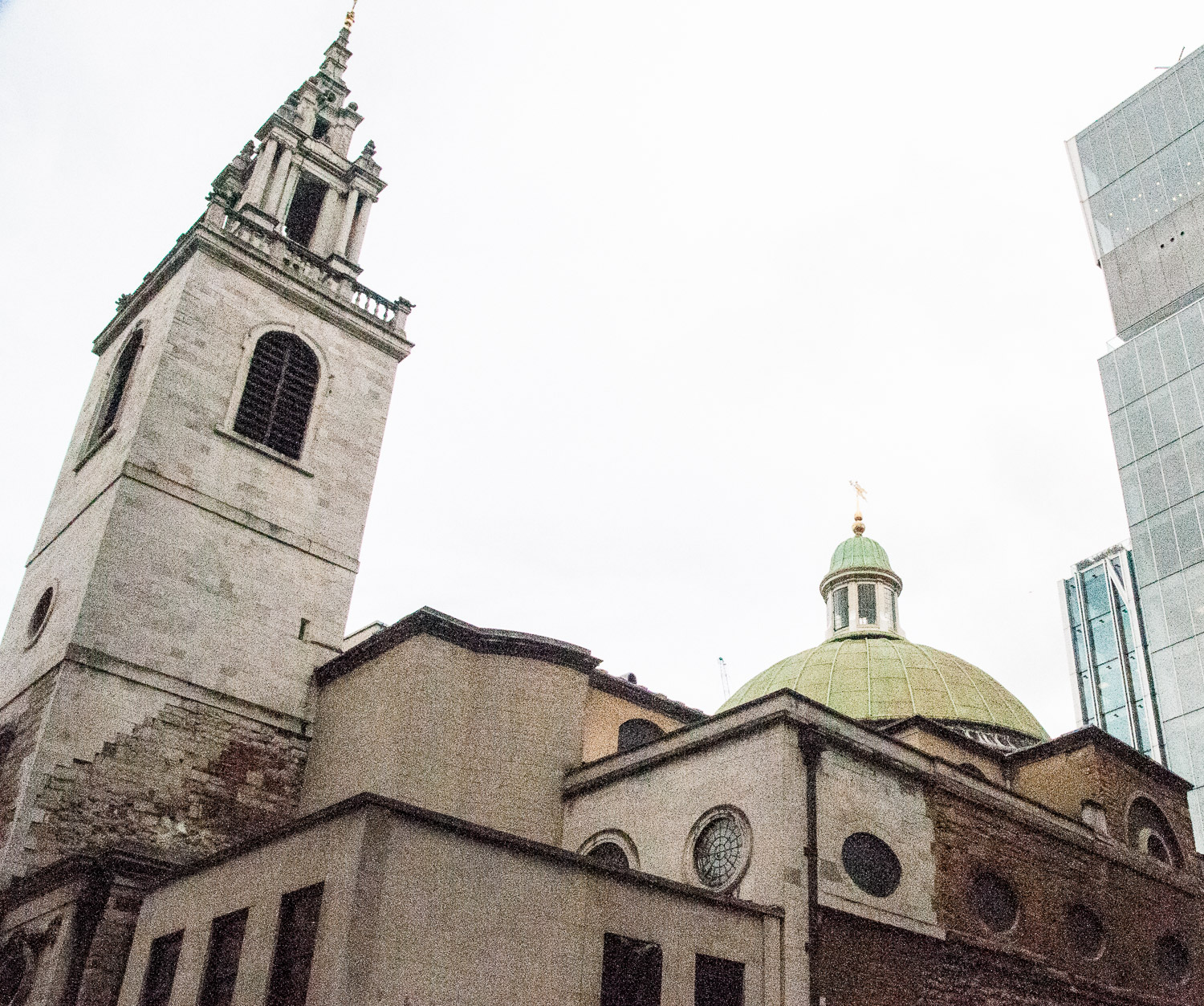
St Stephen Walbrook (rebuilt 1672-80) was one of Wren’s largest and earliest churches and the meticulous care taken with it might, some suggest, be because Sir Christopher lived next door. Incidentally, Mr Pollixifen, who lived on the other side, bitterly complained about the building taking his light. Maybe he was mollified when the the church’s internal beauty was revealed.

Views towards St Stephen’s have opened up since completion of the new development on Walbrook, which also houses a meticulously restored Temple of Mithras (see my 25th January blog: The Romans in London – Mithras, Walbrook and the Games).

Looking at the exterior one can see the lovely green Byzantine style dome …

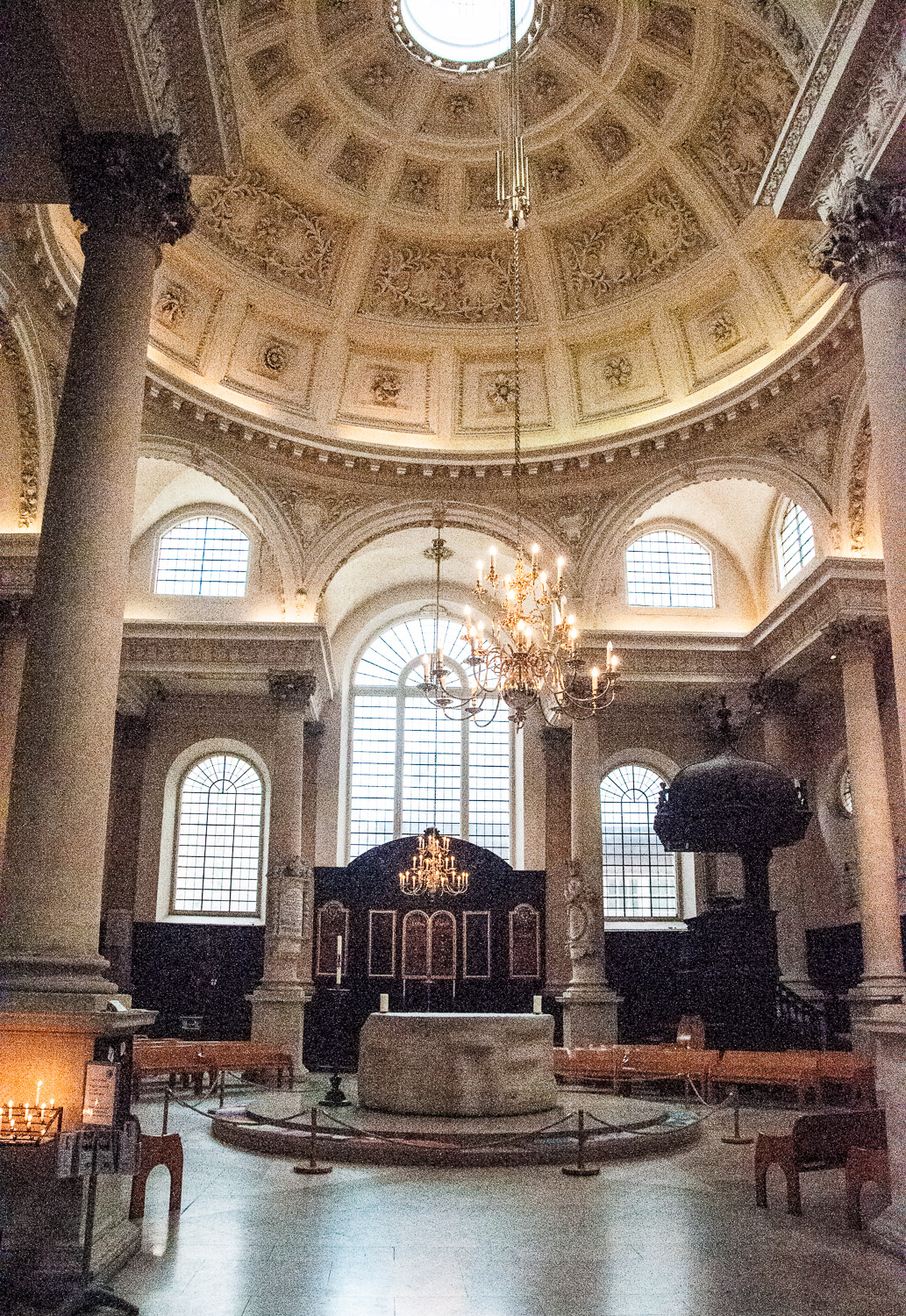
The interior is bright, intimate and stunning, old Victorian stained glass having been removed …

Wren’s dome and Sir Henry Moore’s altar

The dome was the first of its kind in any English church and a forerunner of Wren’s work on St Paul’s Cathedral. After being damaged in the Blitz the church was restored by Godfrey Allen in 1951-52. Controversy broke out when, between 1978 and 1987, the church was re-ordered under the sponsorship of churchwarden Peter (later Lord) Palumbo and a striking ten tonne altar by Sir Henry Moore was placed at its centre.

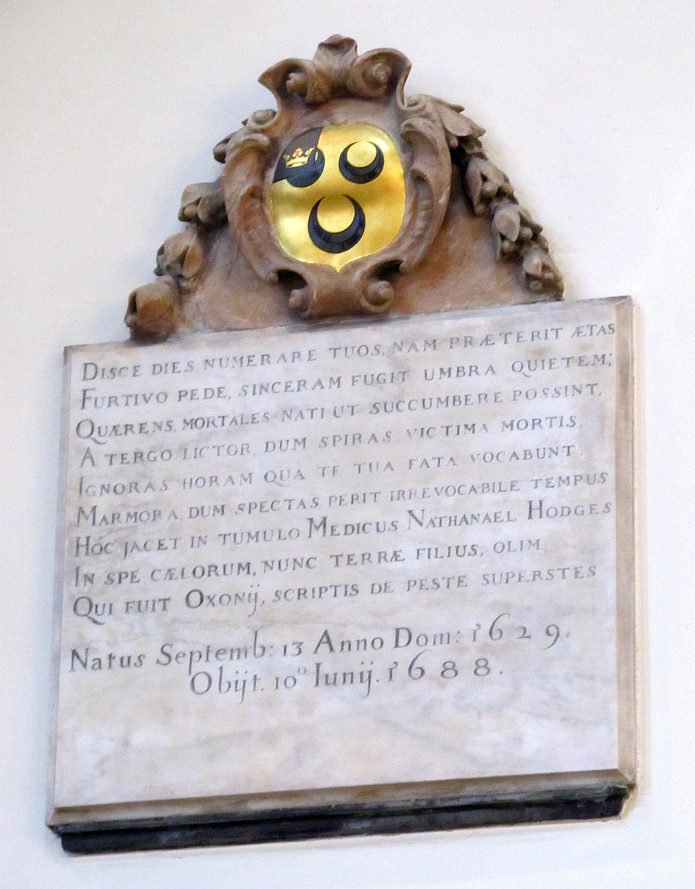
Sometimes I look at church memorial plaques and, if they are entirely in Latin, just rather lazily move on. In this case it was a big mistake since I was ignoring a tribute to a very brave man …

Dr Nathaniel Hodges’ memorial on the north wall. Photograph: Bob Speel.

Unlike many physicians, Dr Hodges stayed in London throughout the time of the terrible plague of 1665.

First thing every morning before breakfast he spent two or three hours with his patients. He wrote later …

Some (had) ulcers yet uncured and others … under the first symptoms of seizure all of which I endeavoured to dispatch with all possible care …

hardly any children escaped; and it was not uncommon to see an Inheritance pass successively to three or four Heirs in as many Days.

After hours of visiting victims where they lived he walked home and, after dinner, saw more patients until nine at night and sometimes later.

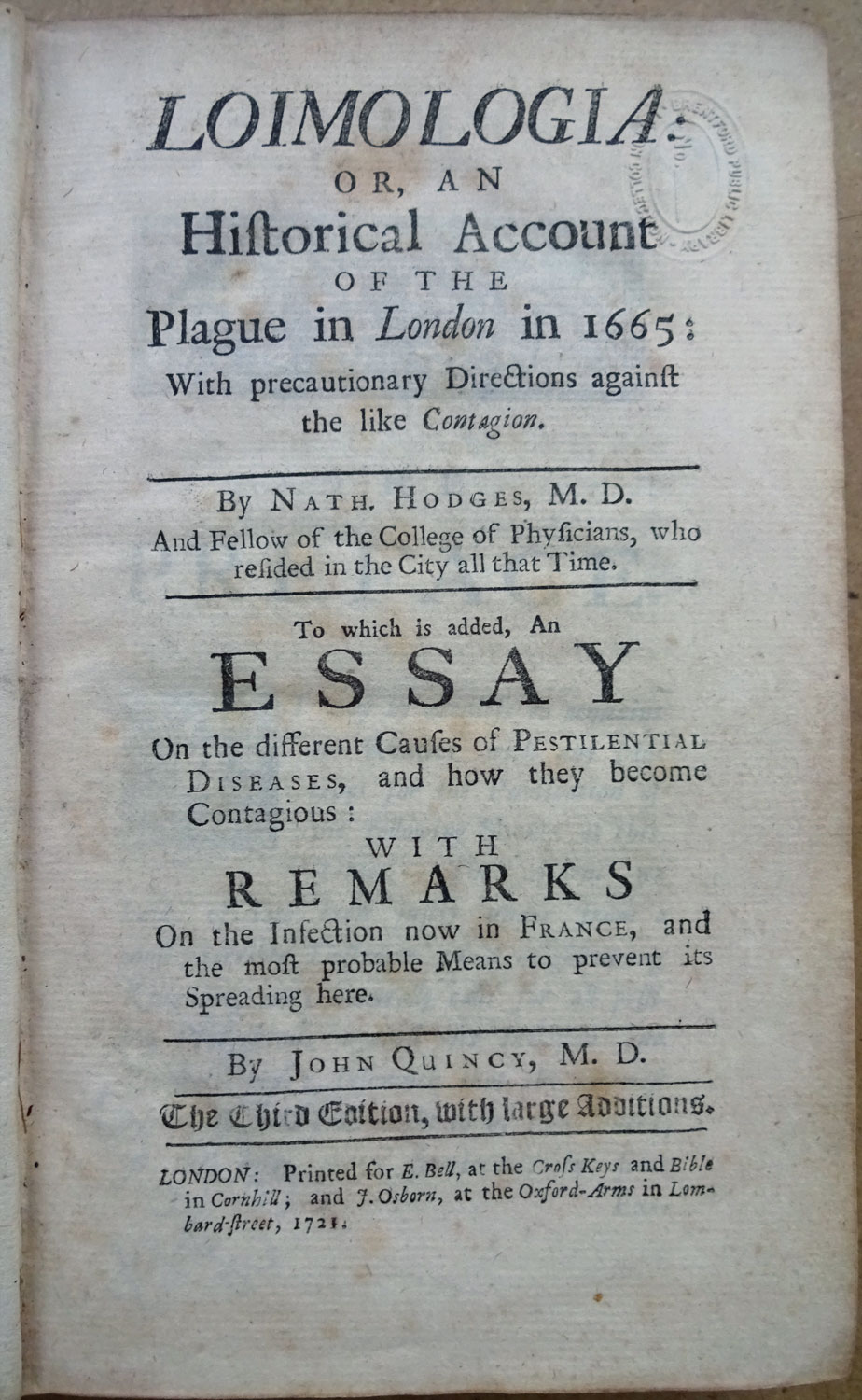
He survived the epidemic and wrote two learned works on the plague. The first, in 1666, he called An Account of the first Rise, Progress, Symptoms and Cure of the Plague being a Letter from Dr Hodges to a Person of Quality. The second was Loimologia, published six years later …

A later edition of Dr Hodges’ work, translated from the original Latin and published when the plague had broken out in France.

It seems particularly sad to report that his life ended in personal tragedy when, in his early fifties, his practice dwindled and fell away. Finally he was arrested as a debtor, committed to Ludgate Prison, and died there, a broken man, in 1688.


Page 32 of 36

Powered by WordPress & Theme by Anders Norén

Symbols & Secrets
Privacy Overview

This website uses cookies so that we can provide you with the best user experience possible. Cookie information is stored in your browser and performs functions such as recognising you when you return to our website and helping our team to understand which sections of the website you find most interesting and useful.