Walking the City of London

Category: Architecture Page 27 of 92

Another look at Smithfield pubs.

I found myself in Smithfield last weekend and thought it might be nice to write again about some of the local pubs.

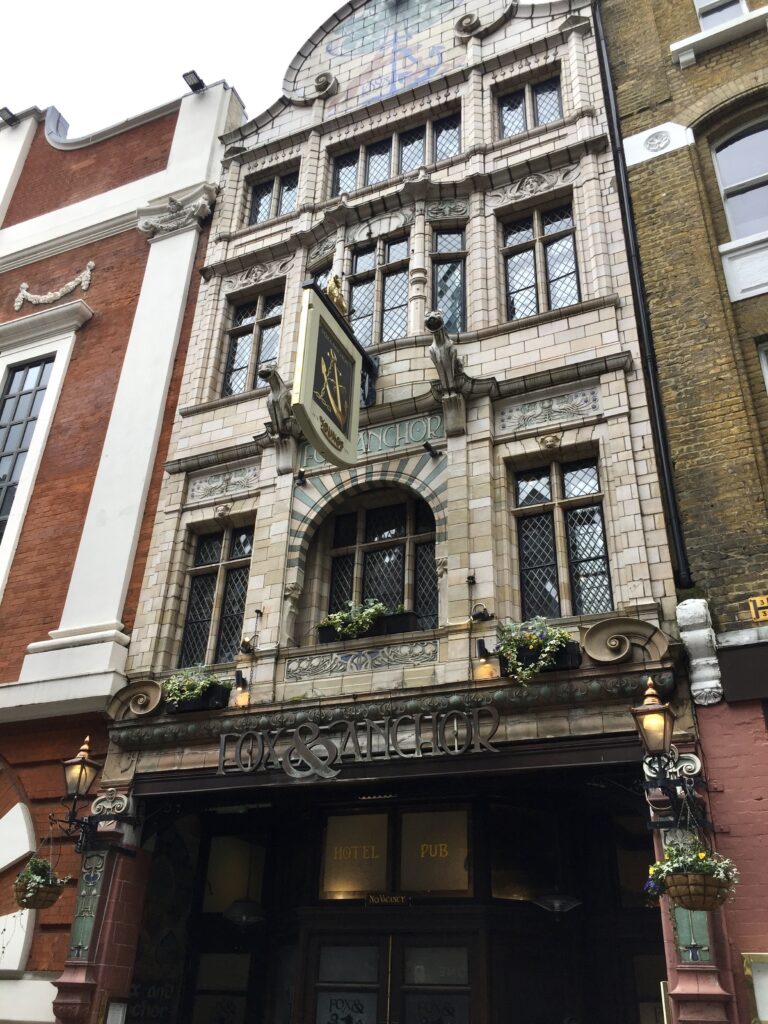
This is the Fox & Anchor in Charterhouse Street …
I’m indebted to the Hidden London website for the following background information.

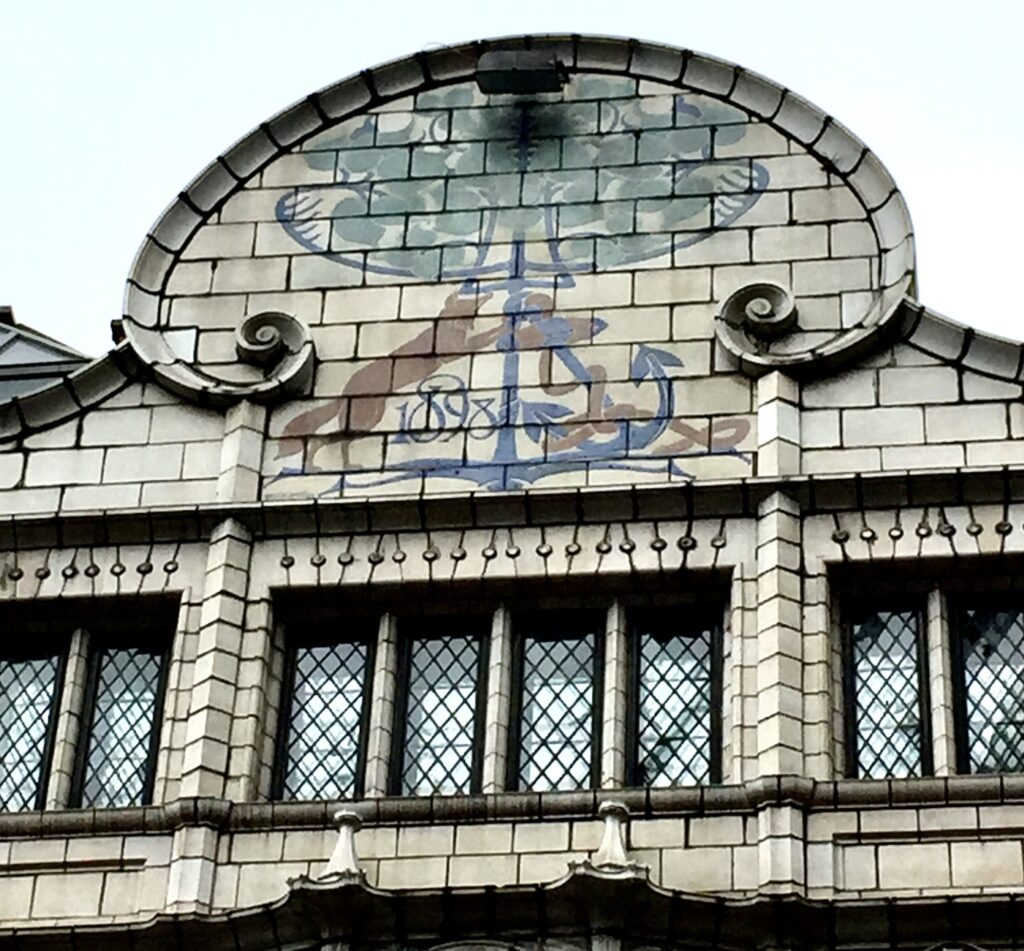
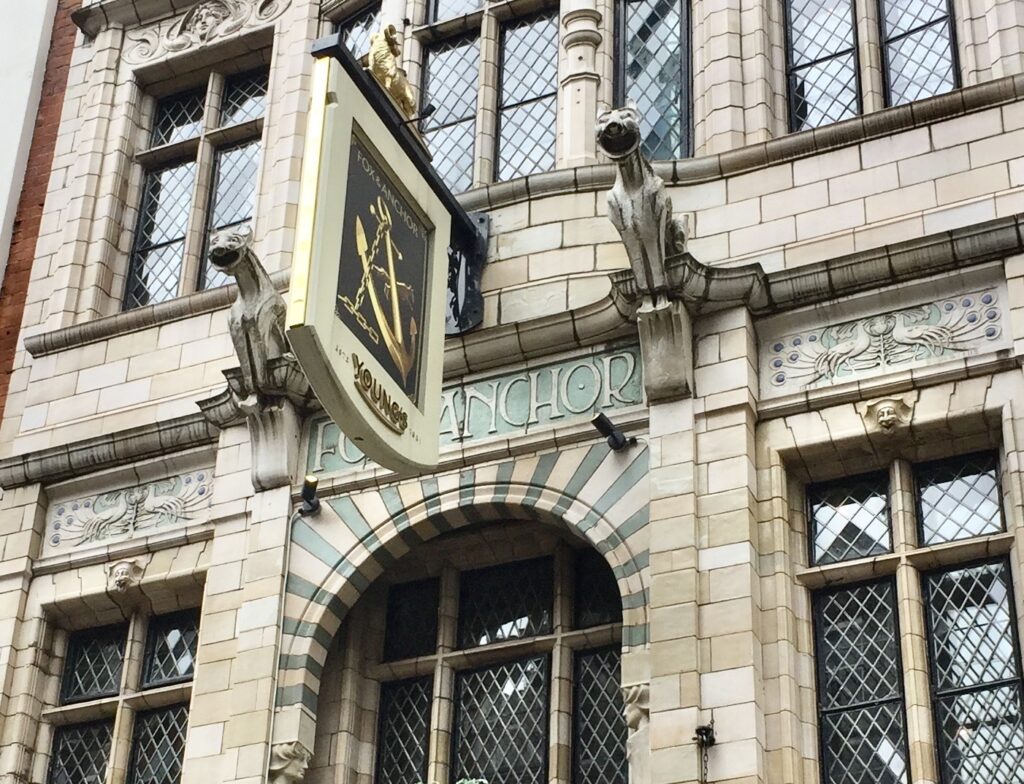
The pub’s present, four-storey incarnation was built in 1897–9. The architect was Lambeth-born Latham A Withall, who trained and practised in Australia before returning to Britain in the late 1880s. The Art Nouveau tiling and grotesques that grace the pub’s facade were the work of William J Neatby, who at that time was head of the architectural department at Doulton and Company of Lambeth, where all the ceramics were produced …
The street across the road has an odd name …
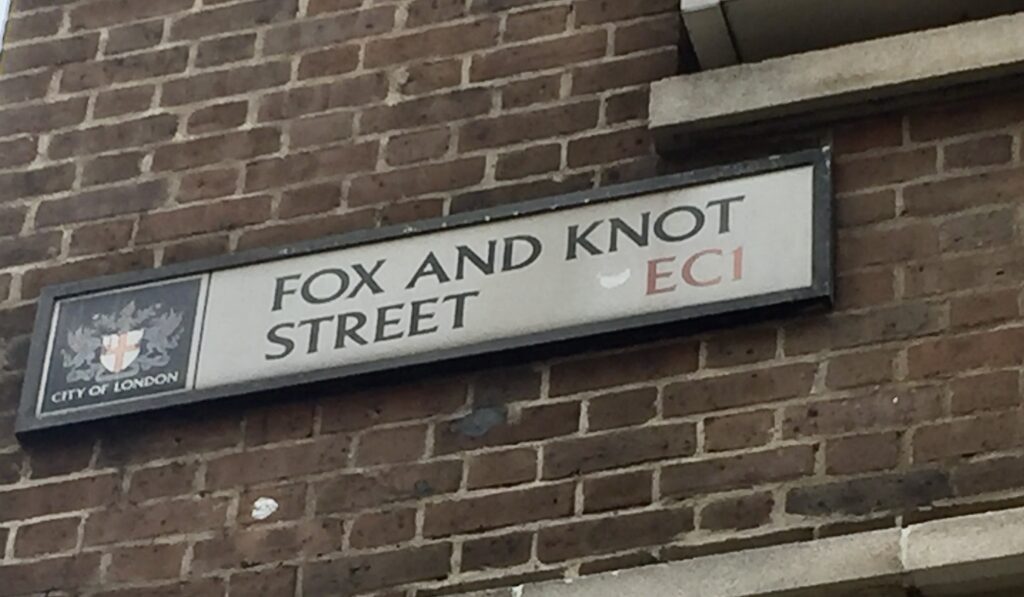
There is, of course, a blogger who writes about street names and they have established that it’s named after a pub that was demolished to make way for the market. They have consulted the Dictionary of Pub Names, which reckons that a landlord of the tavern was called Fox. Furthermore, his wife made headdresses that incorporated the fashionable ‘topknot’ of the time. Therefore, Fox and Knot. Here’s a link to the Street Names blogger.

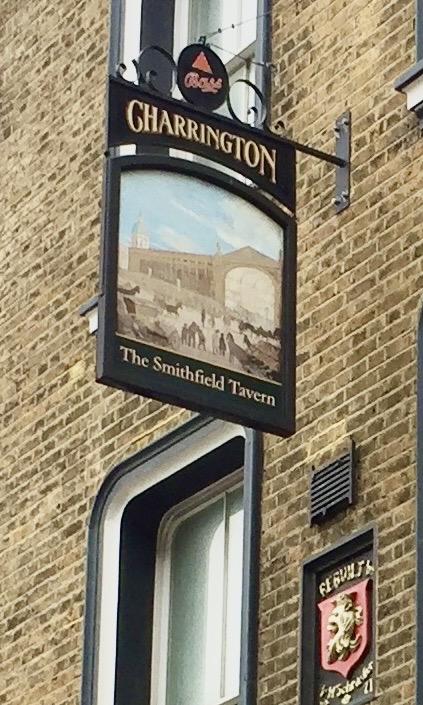
The Smithfield Tavern has been renamed but has retained its rather attractive old pub sign …
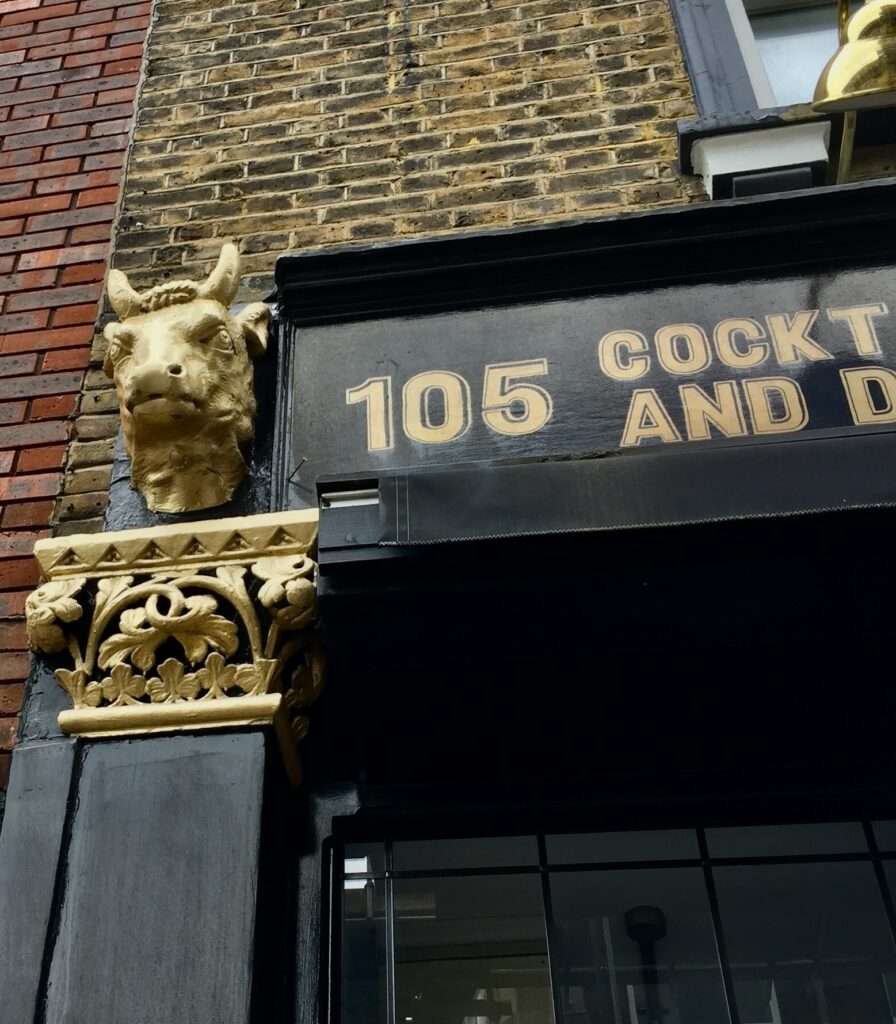
A nod to the market … golden bulls’ heads …
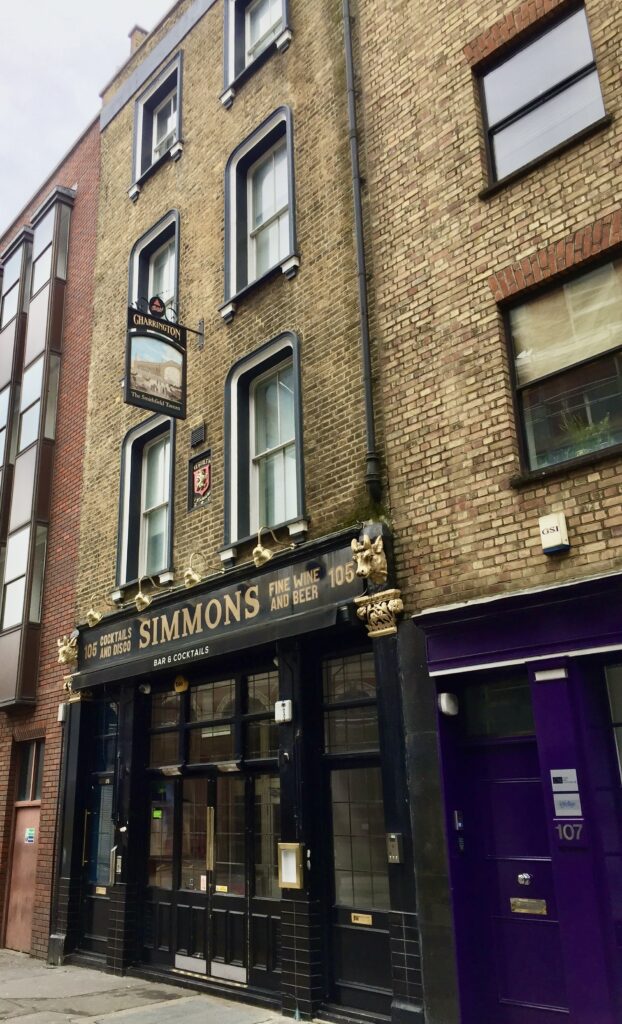
This plaque intrigued me …
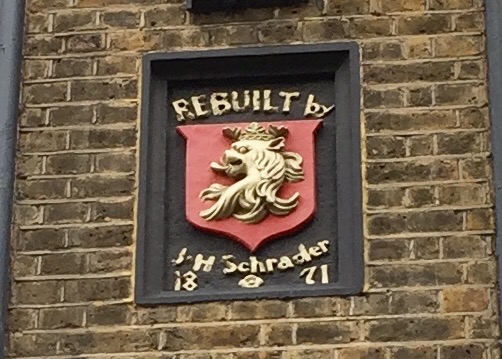
But I couldn’t find out any more about J. H. Schrader.

The Old Red Cow has an impressive exterior even on a miserable dull day …
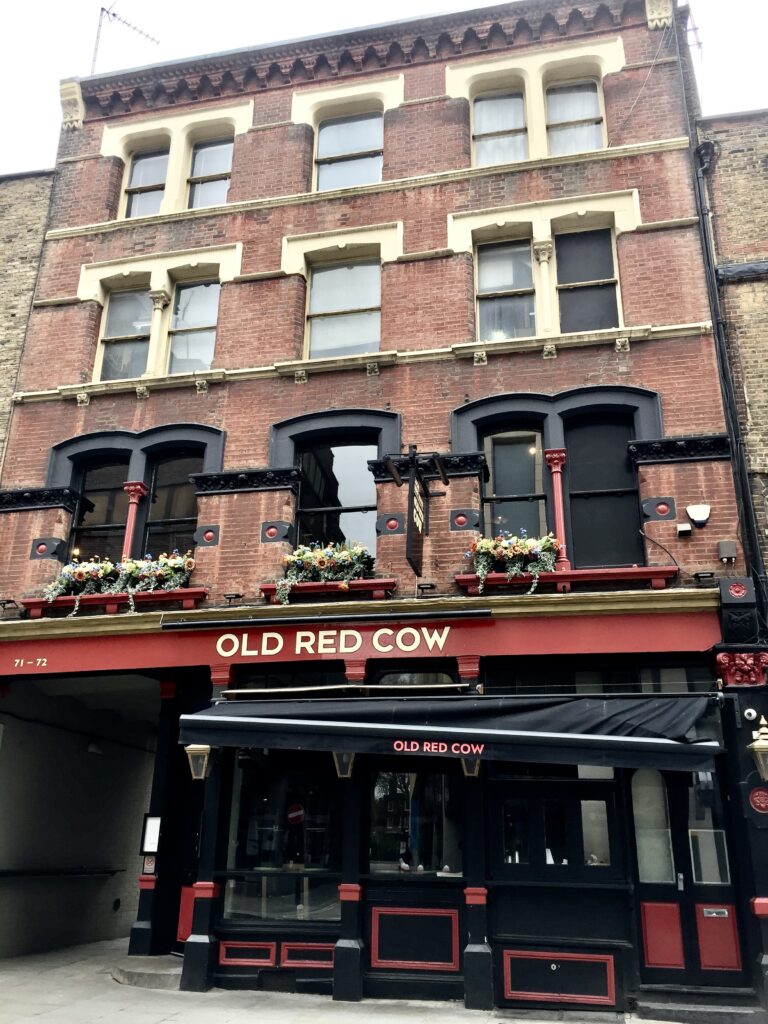
It boasts of its connection to two very famous characters of the mid-20th century world of entertainment – Lord Bernard Miles and Sir Peter Ustinov …
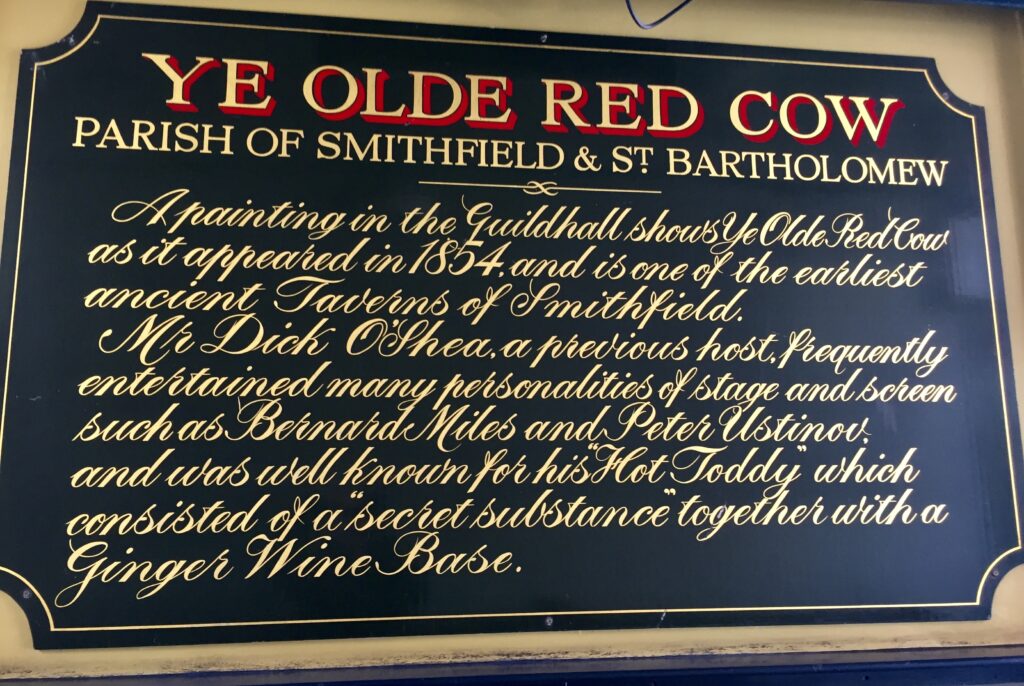
In a walking guide to City pubs published in 1973 the authors Richards and Curl wrote : ‘The origin of this pub name is simplicity itself … As old red cows are a rare sight in this country, it follows that their milk (beer) is of great value.’

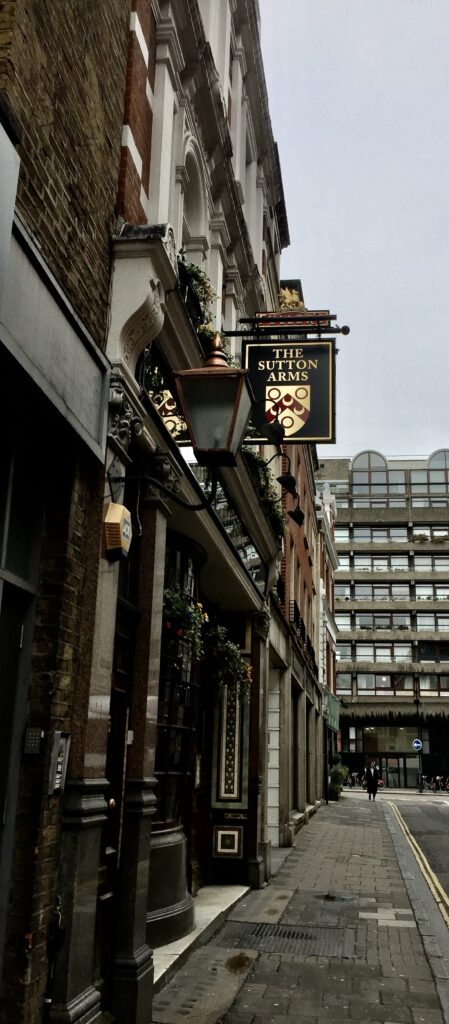
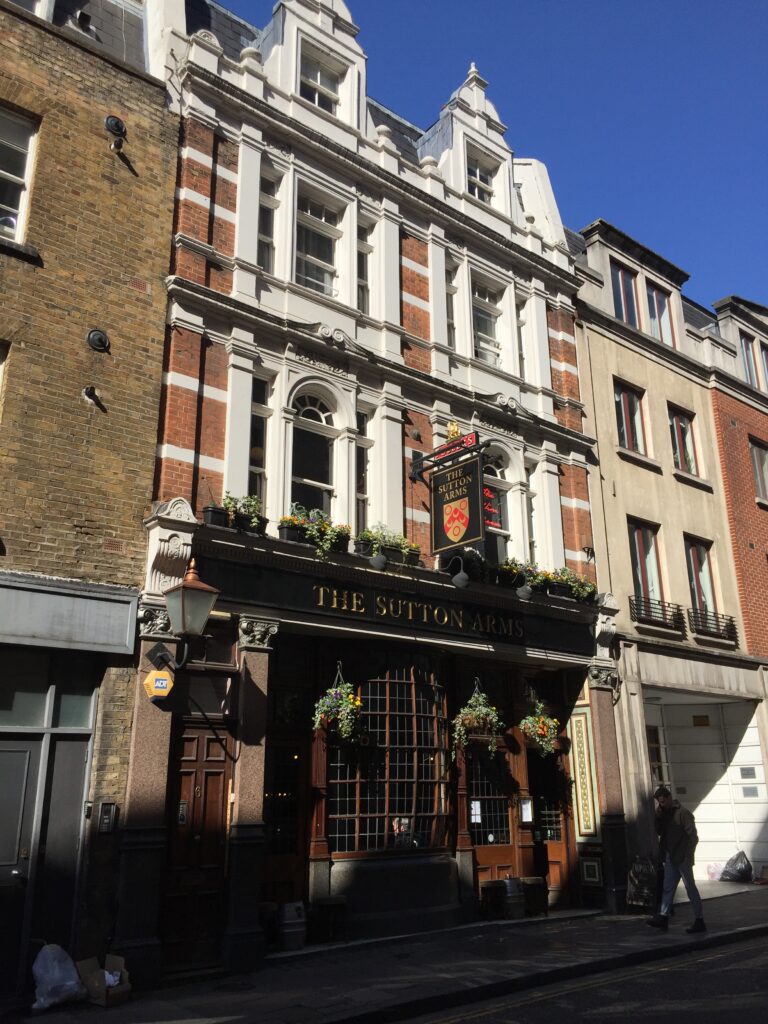
The Sutton Arms is another fine Victorian building …
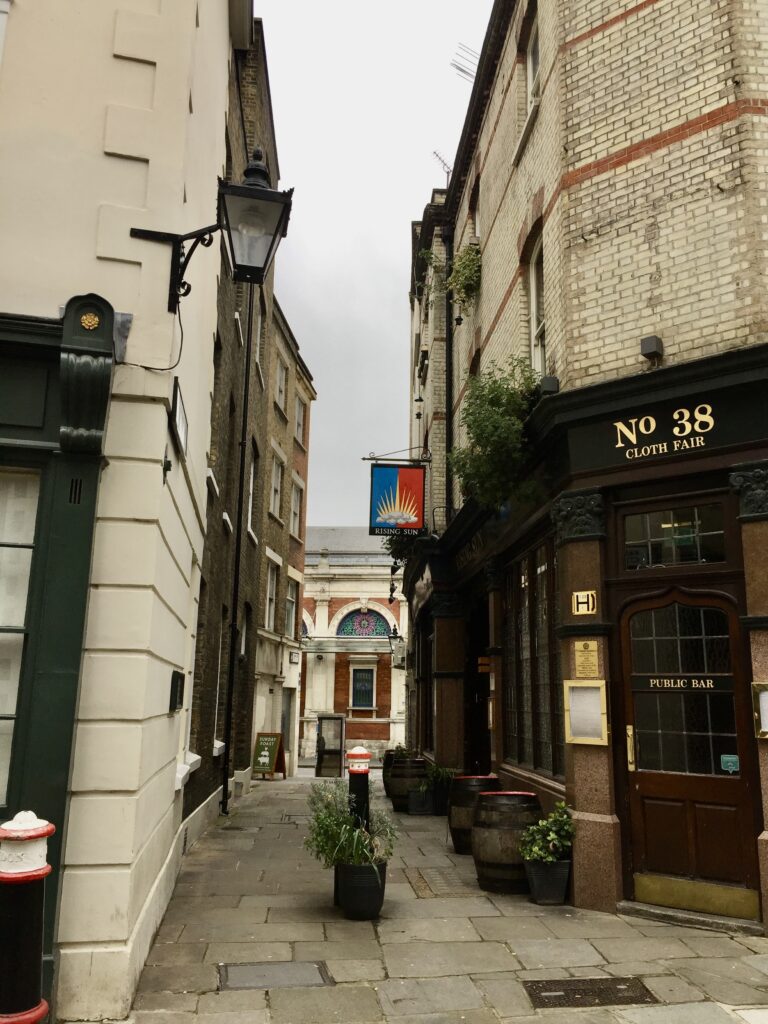
The Rising Sun lives just across the road from the magnificent St Bartholomew the Great church …
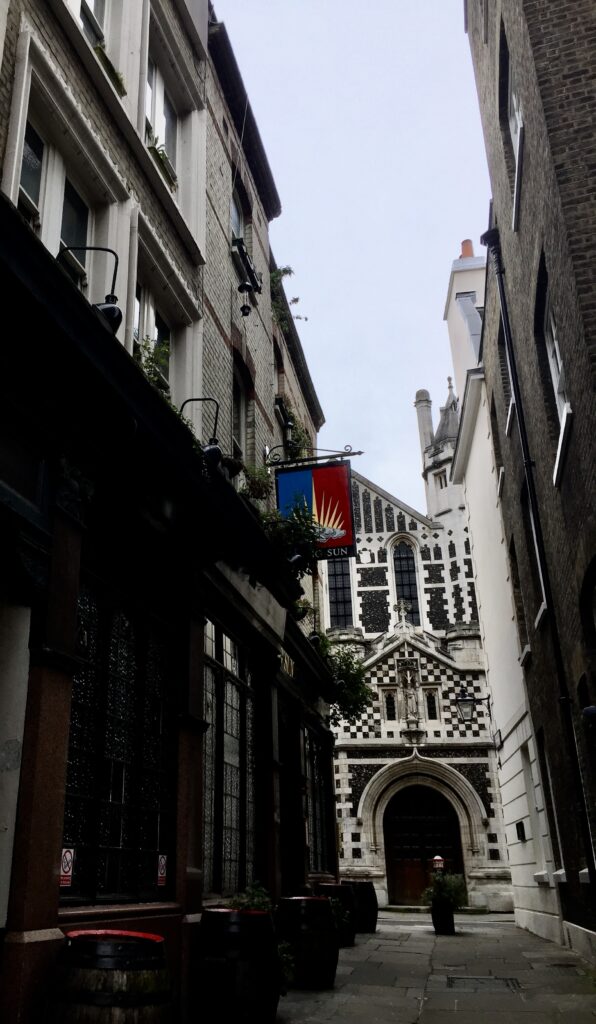
You can also see its conveniently close location relative to the market at the end of the alley …
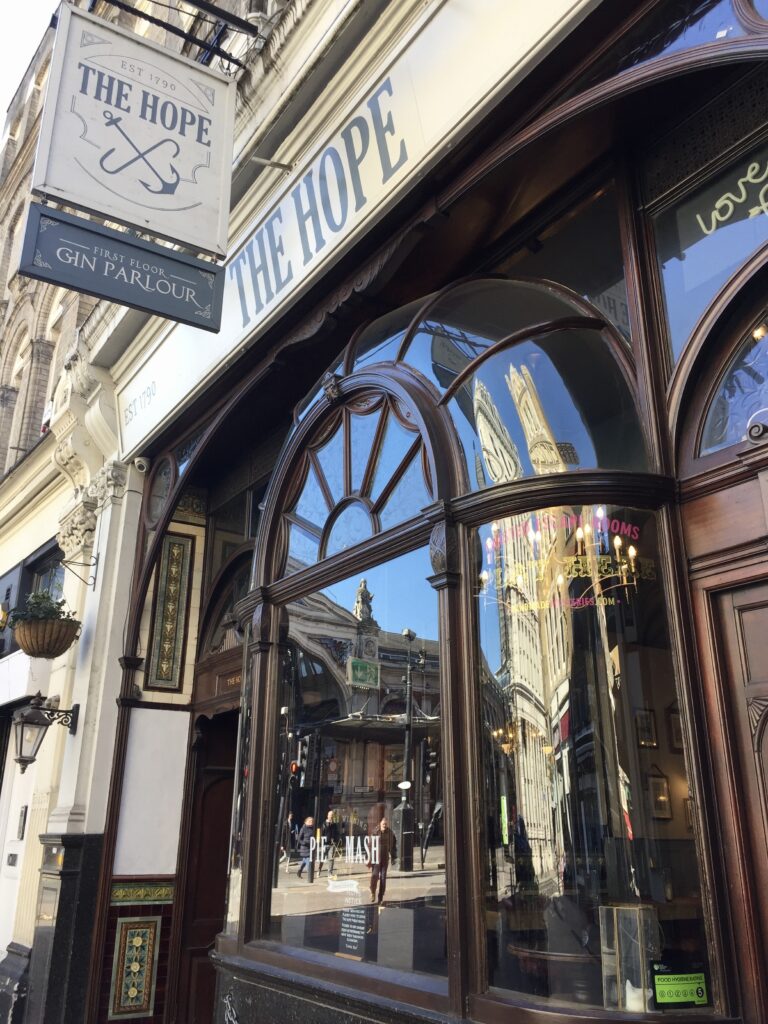
This is The Hope in Cowcross Street …
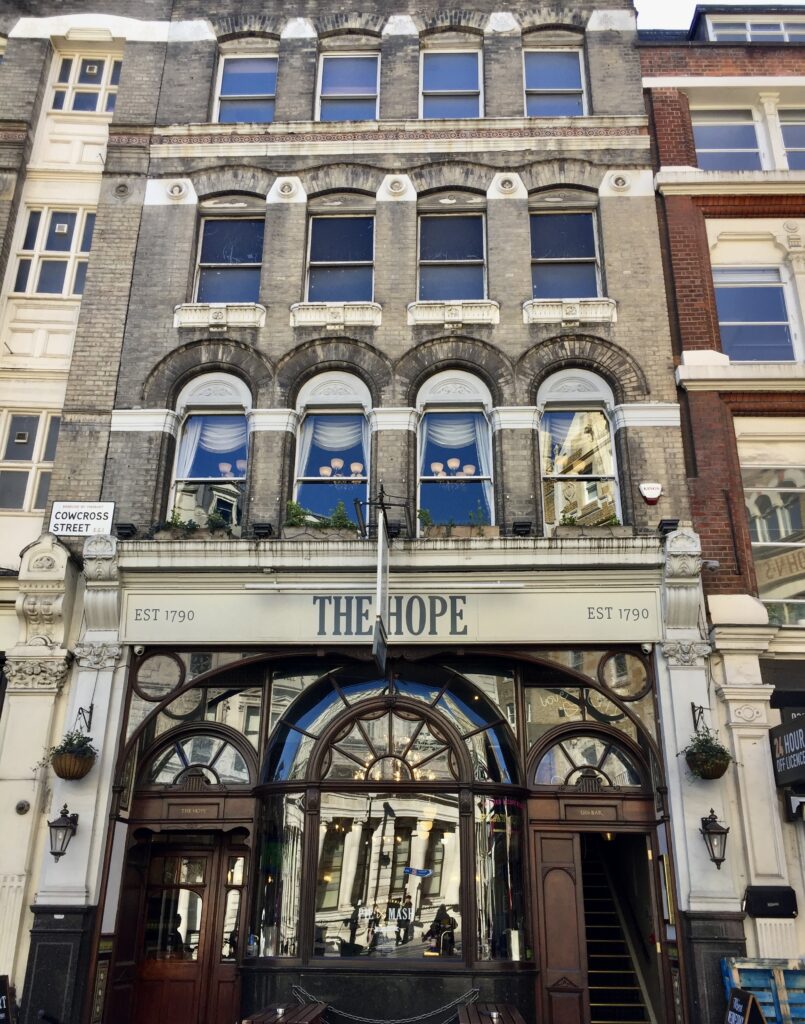
It is still recognisable from the description back in 1973 – ‘an unusual front, with bow window and large fanlight over a granite plinth’ …
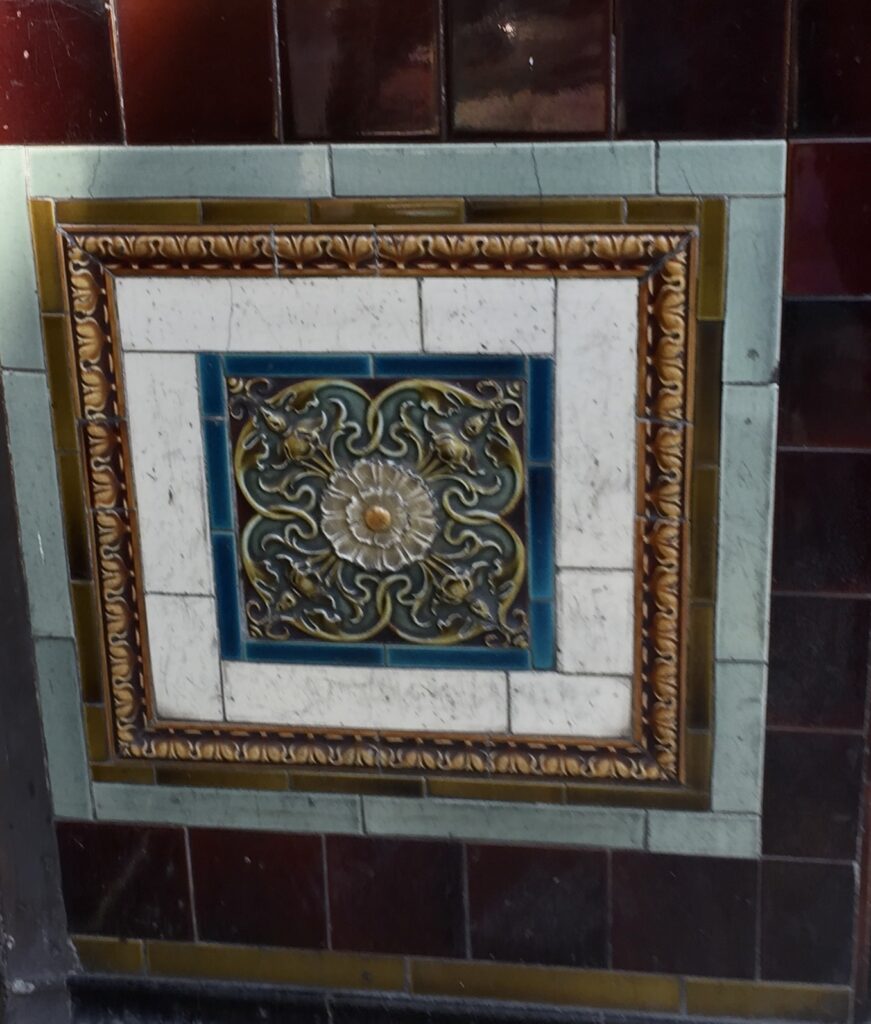
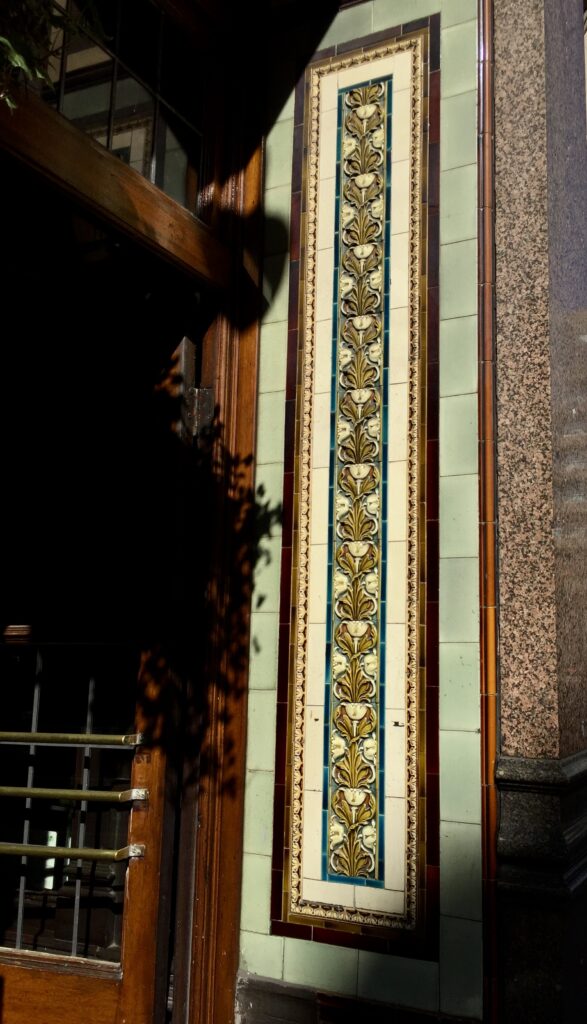
And Richards and Curl also celebrated the ‘encaustic tiles in the corridor and entrance’ …
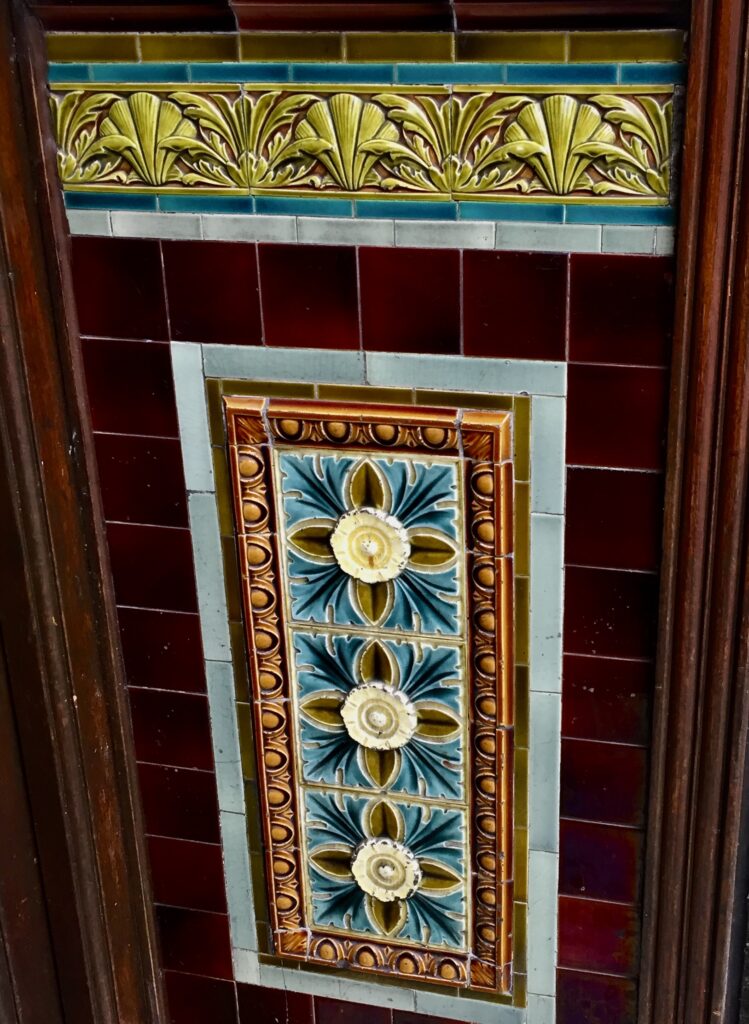
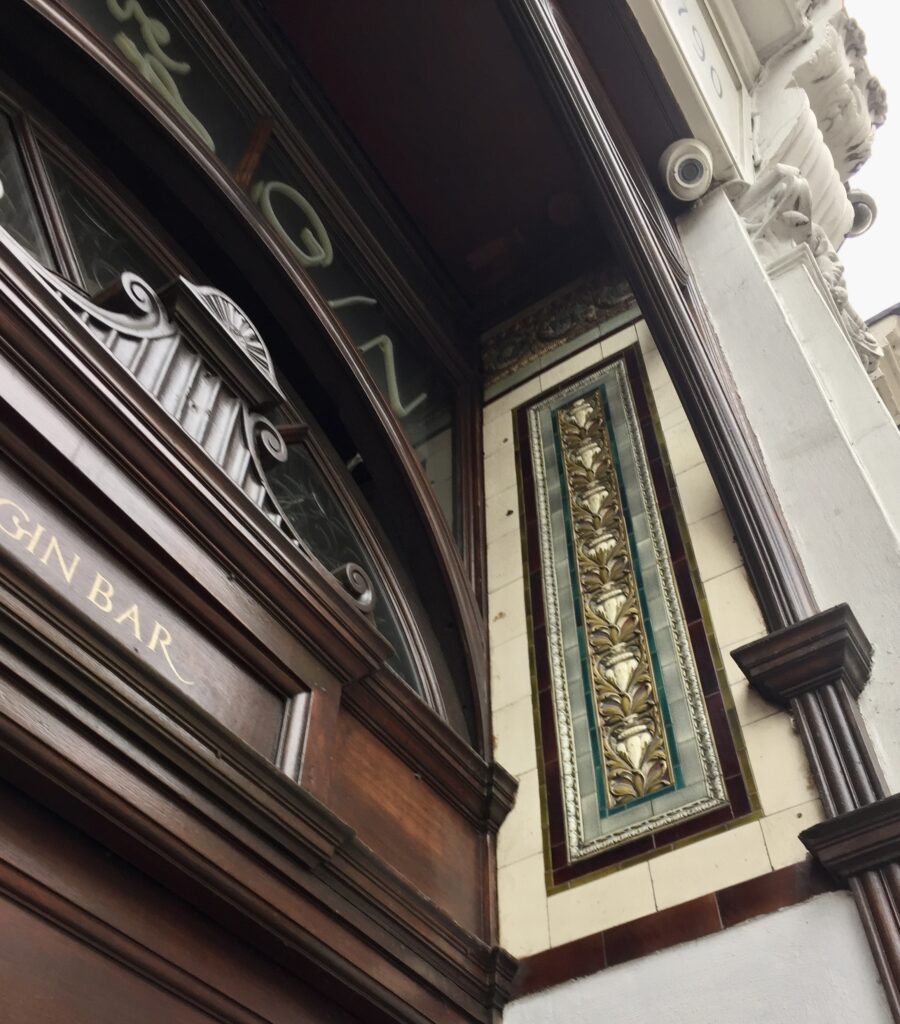
The entrance to the Sutton Arms has similar decoration …
Two other pubs of interest are The Bishop’s Finger and the Hand & Shears – you can read about them in an earlier Smithfield blog of mine from January last year.

If you would like to follow me on Instagram here is the link …
https://www.instagram.com/london_city_gent/

‘On safari’ plus a pink banana and other random images.

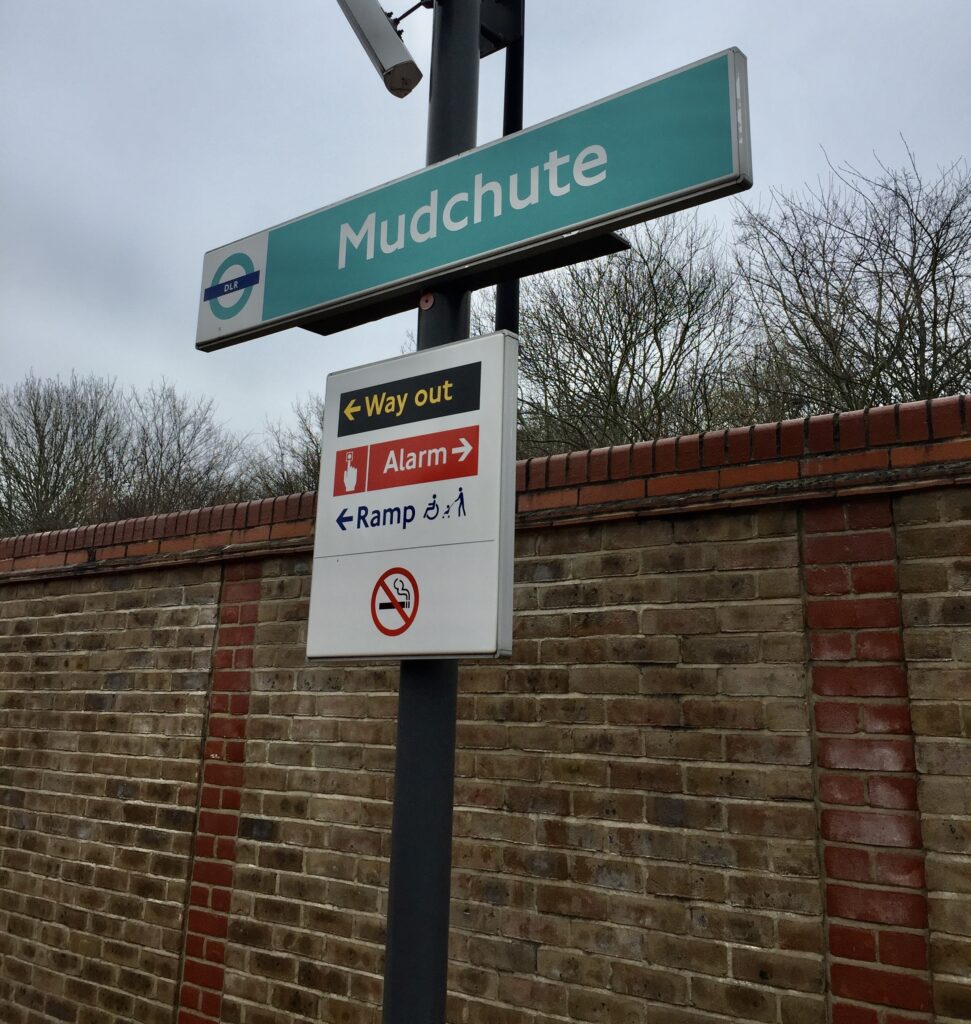
A few weeks ago I had the pleasure of getting off the train at what must be one of the most strangely named stations in London …

Apparently the name derives from it being the former dumping ground for mud dredged from the Millwall Docks, which had to be regularly dredged to prevent silting up.

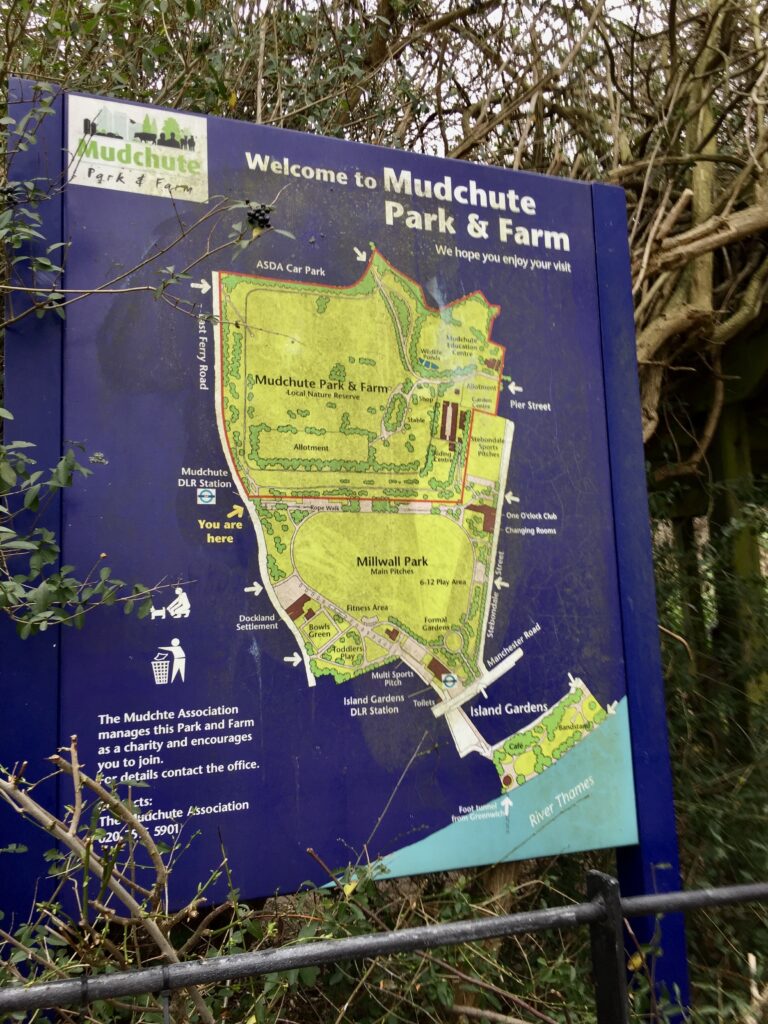
Very close by was the place where my safari started …

I suppose calling my visit a safari is a slight exaggeration but hopefully it sparked your interest to look at the blog.

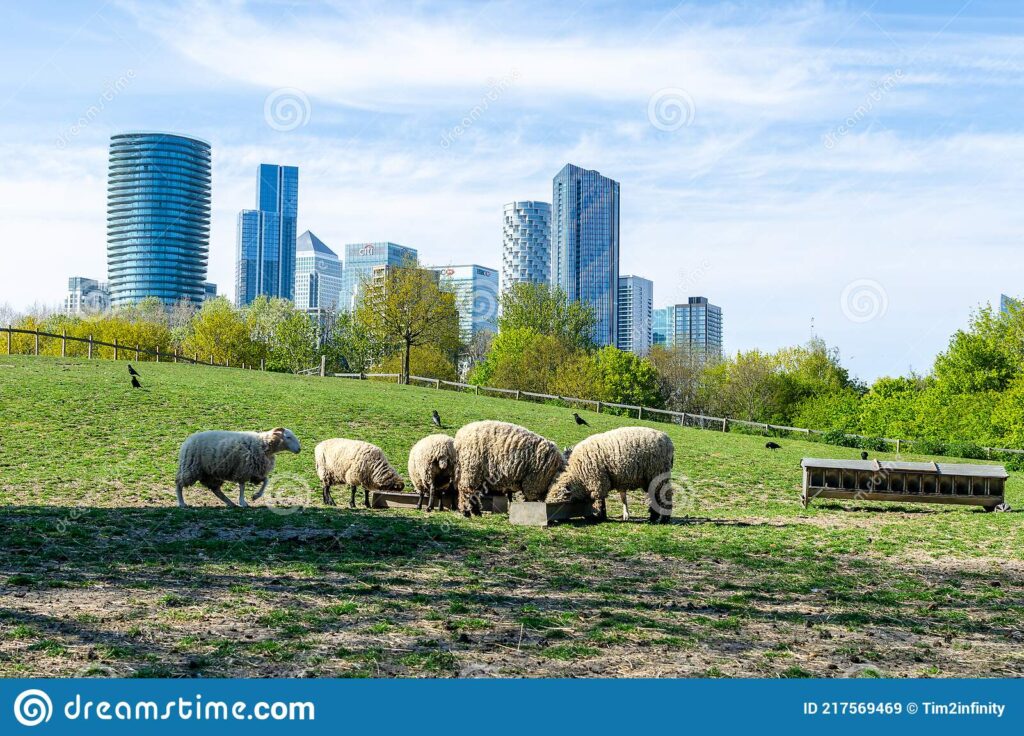
Having browsed the Internet, this was the image I was hoping to replicate …

Sheep grazing with Canary Wharf in the background – what a great shot.

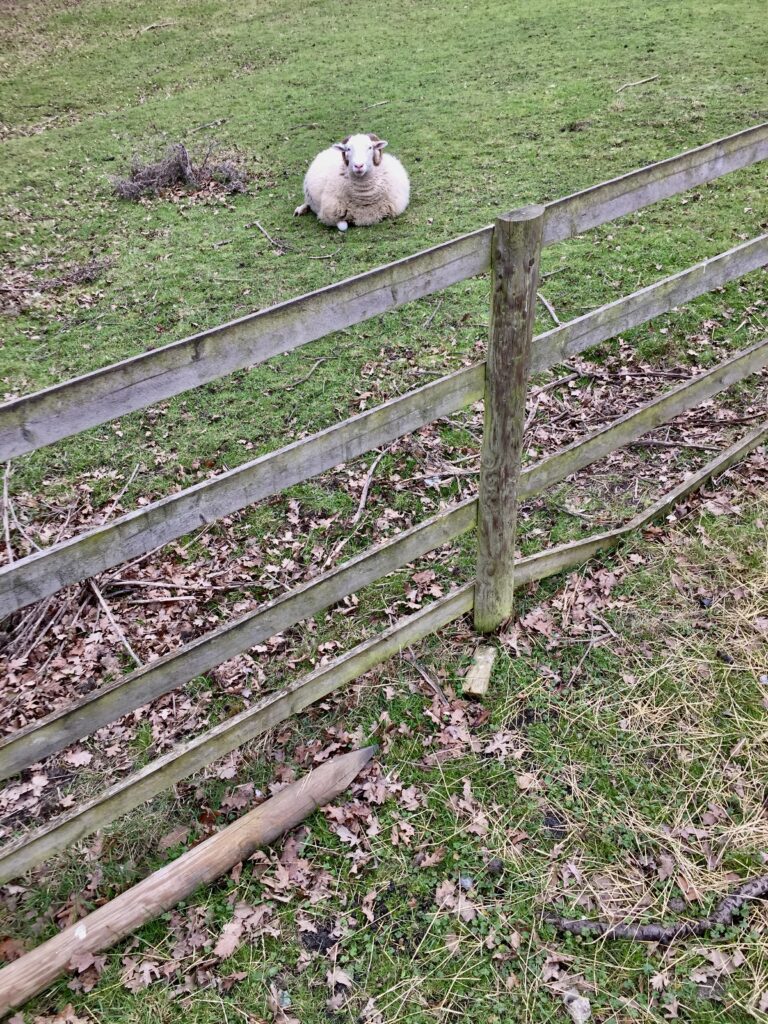
Unfortunately, on the day I visited the weather was awful and the sheep unobliging …

‘Just what do you think you’re staring at?’

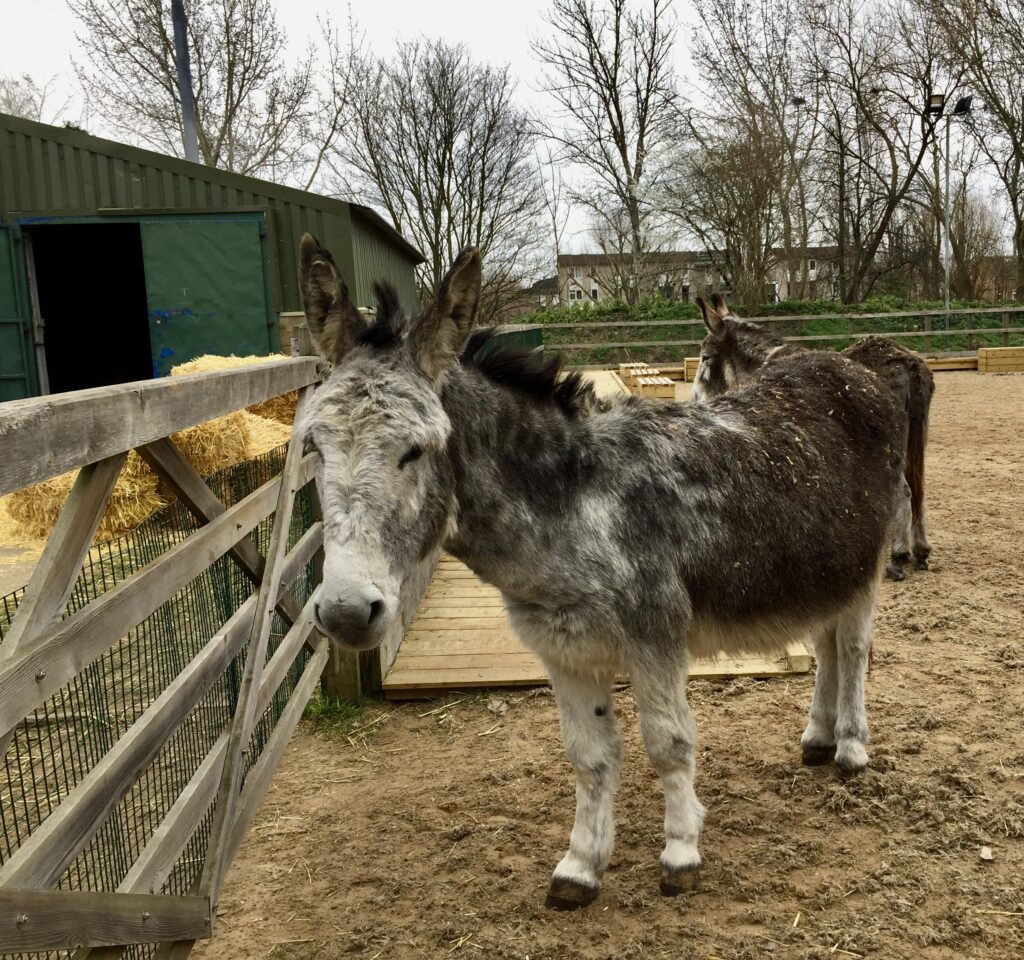
The donkeys looked pretty fed up too …

‘Put that camera away – I’m not looking my best!’

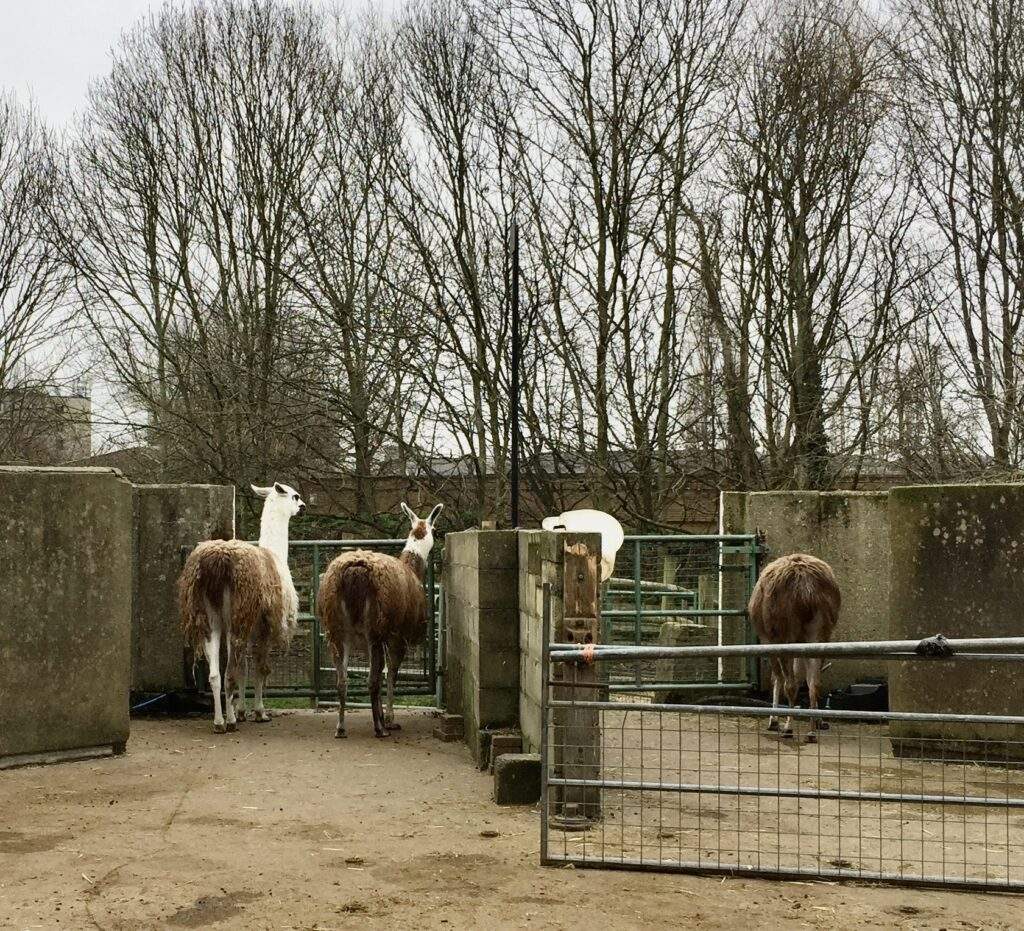
Even the llamas didn’t want to know …

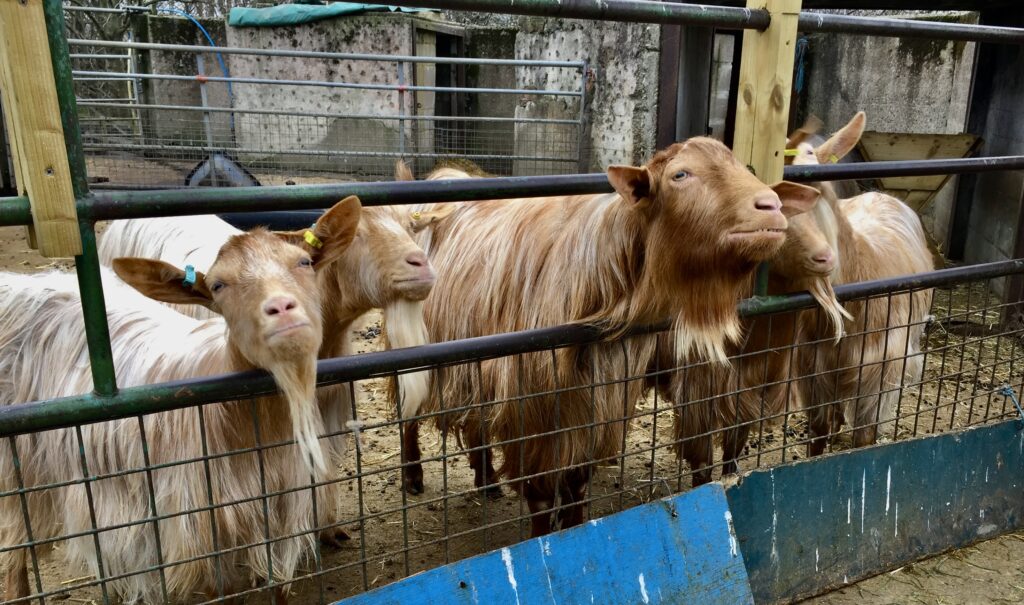
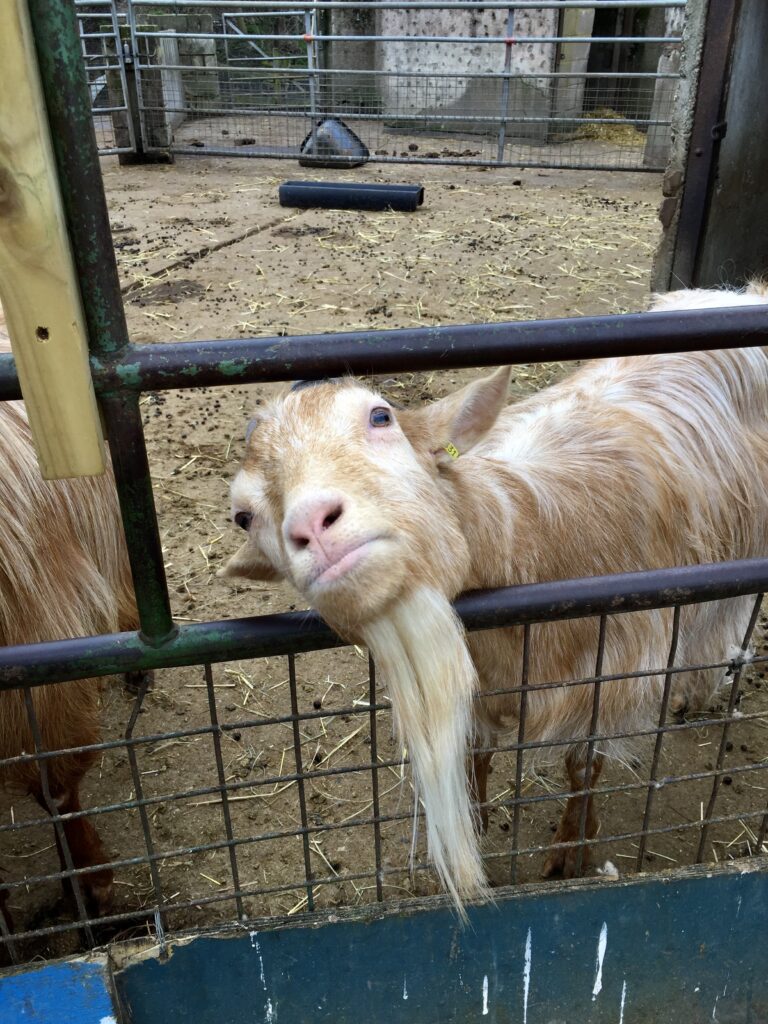
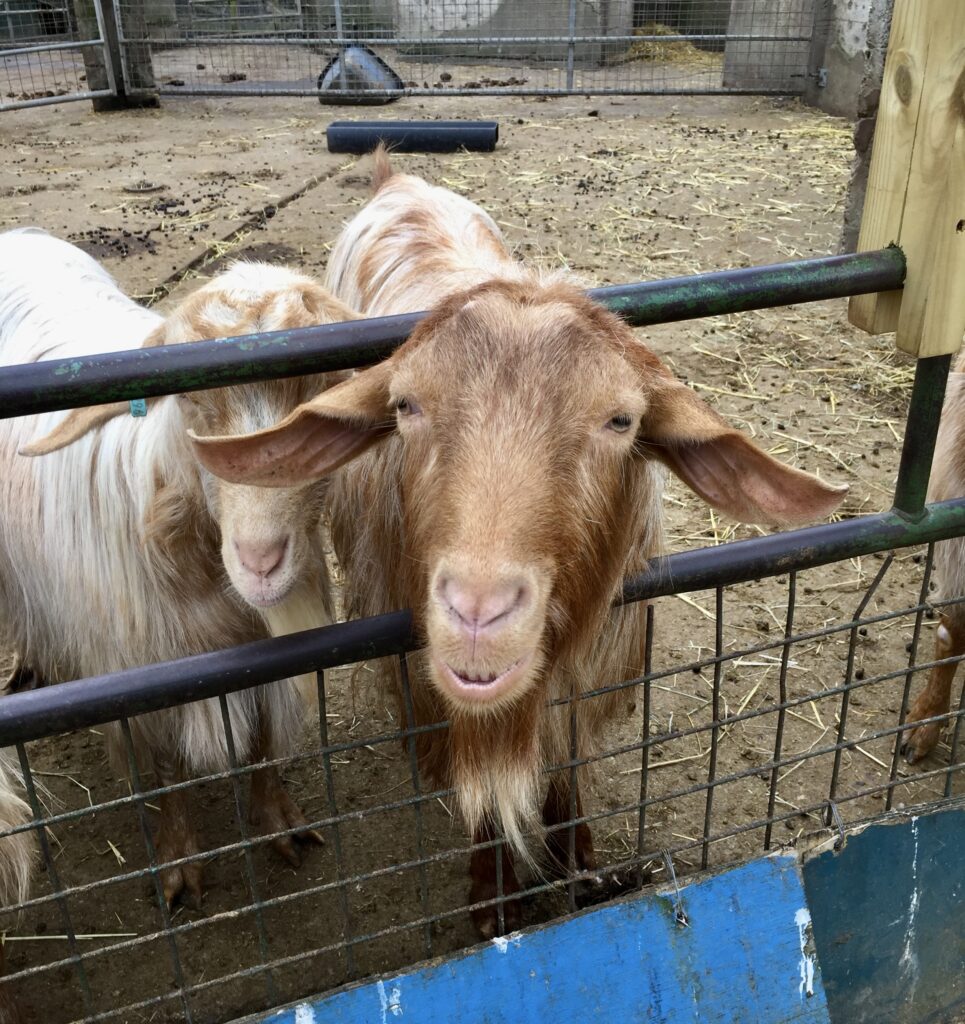
The goats, on the other hand, were delighted to see me …

I have a suspicion that not everyone obeys the ‘Do not feed the animals’ rule.

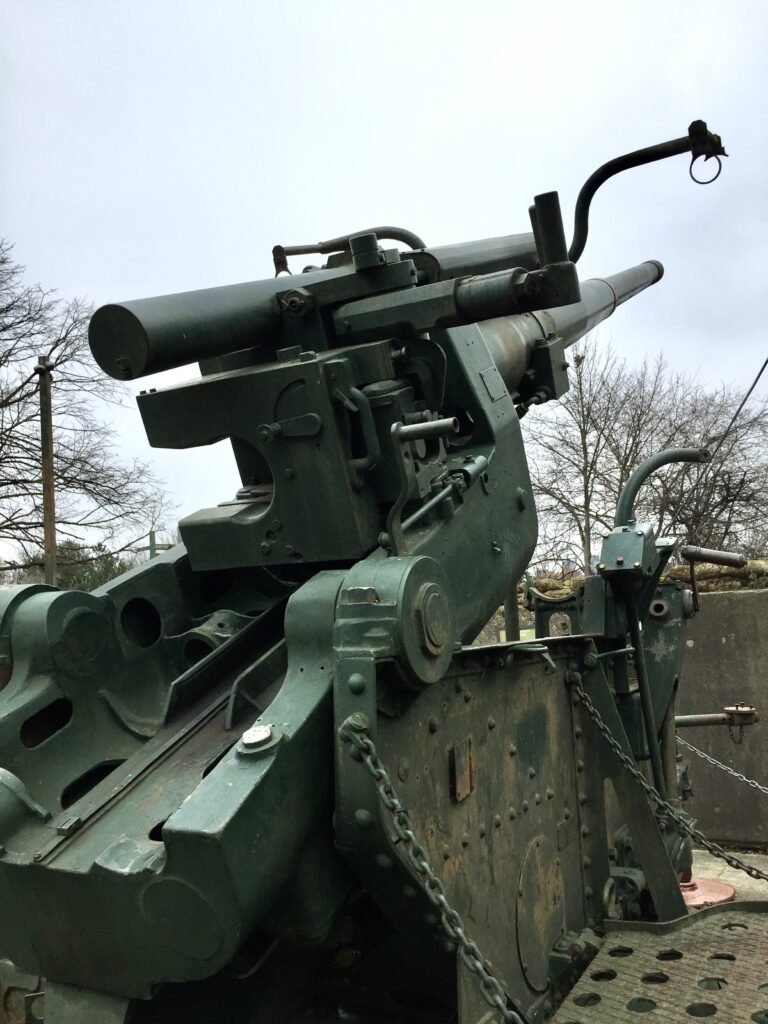
And I must say, this Ack-ack gun was an unexpected discovery …

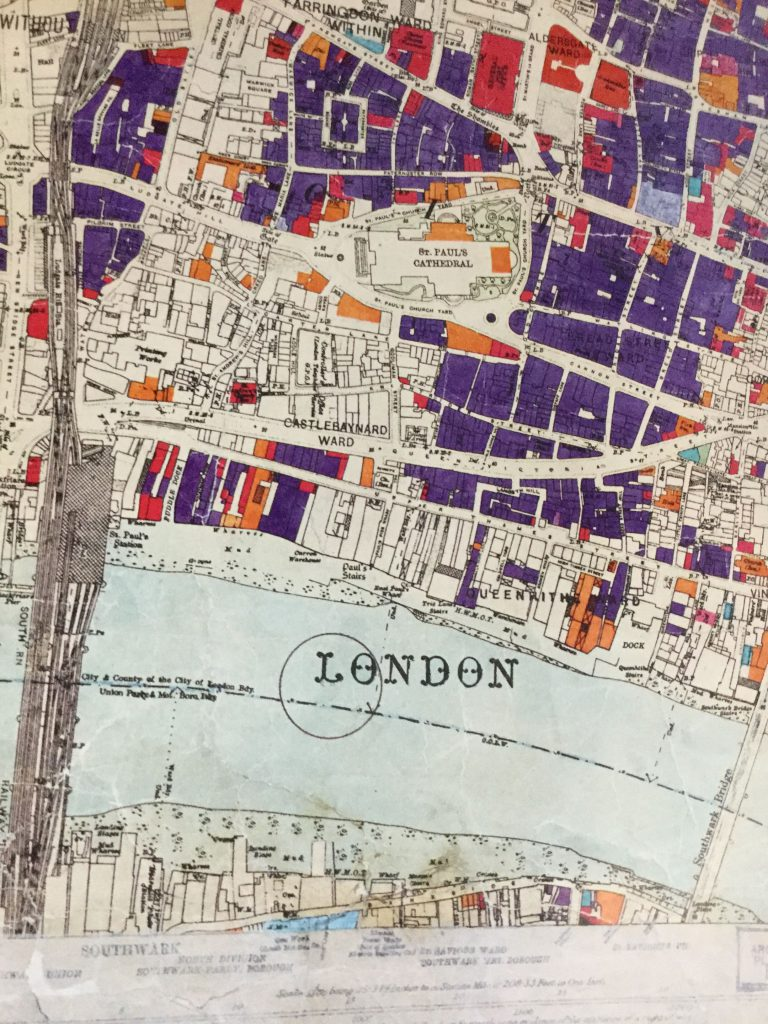
These guns were a crucial part of London’s defence system during the War. Scroll down to the end of the blog to see a map of the damage bombs did around St Paul’s Cathedral.

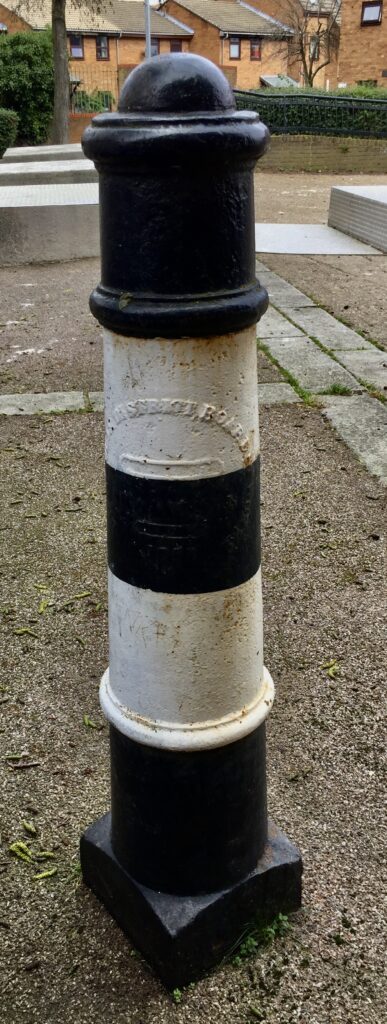
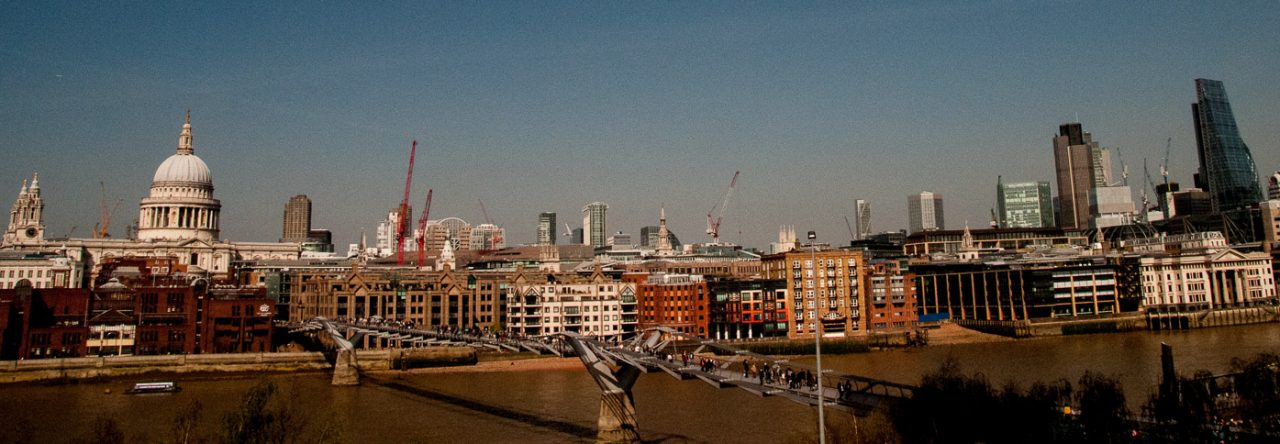
Walking nearby along the river there are some great views and, of course, an interesting bollard or two …

So I’ll try to return when the weather is nicer.

Here are some more random images that I have recorded on my walks.

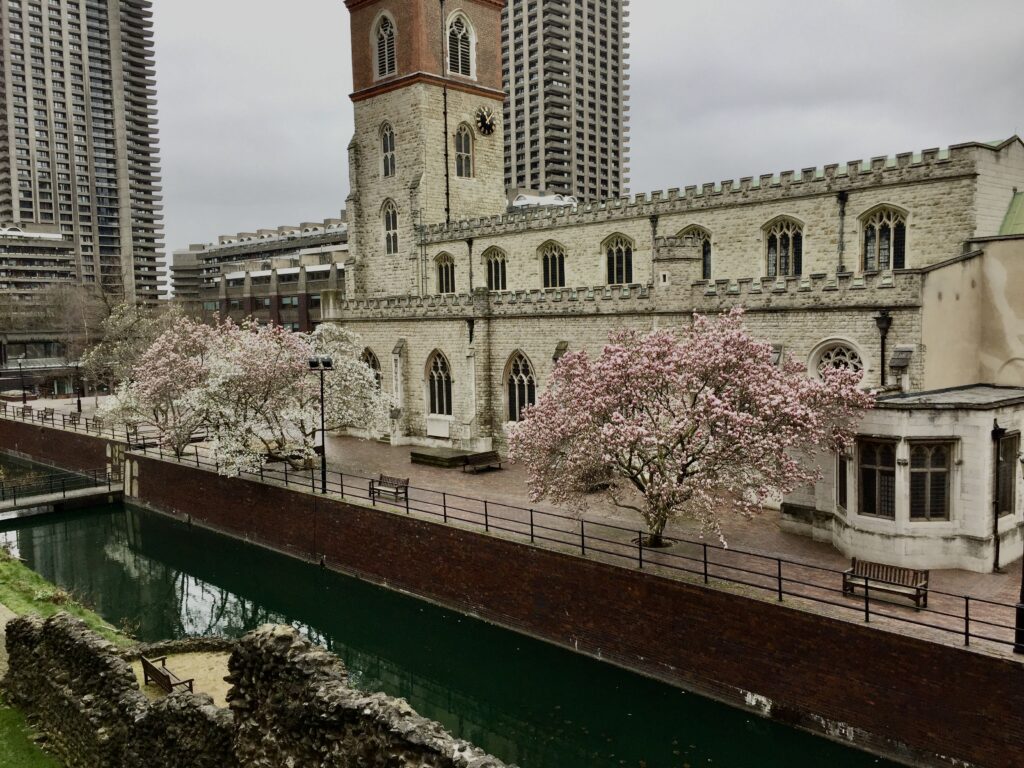
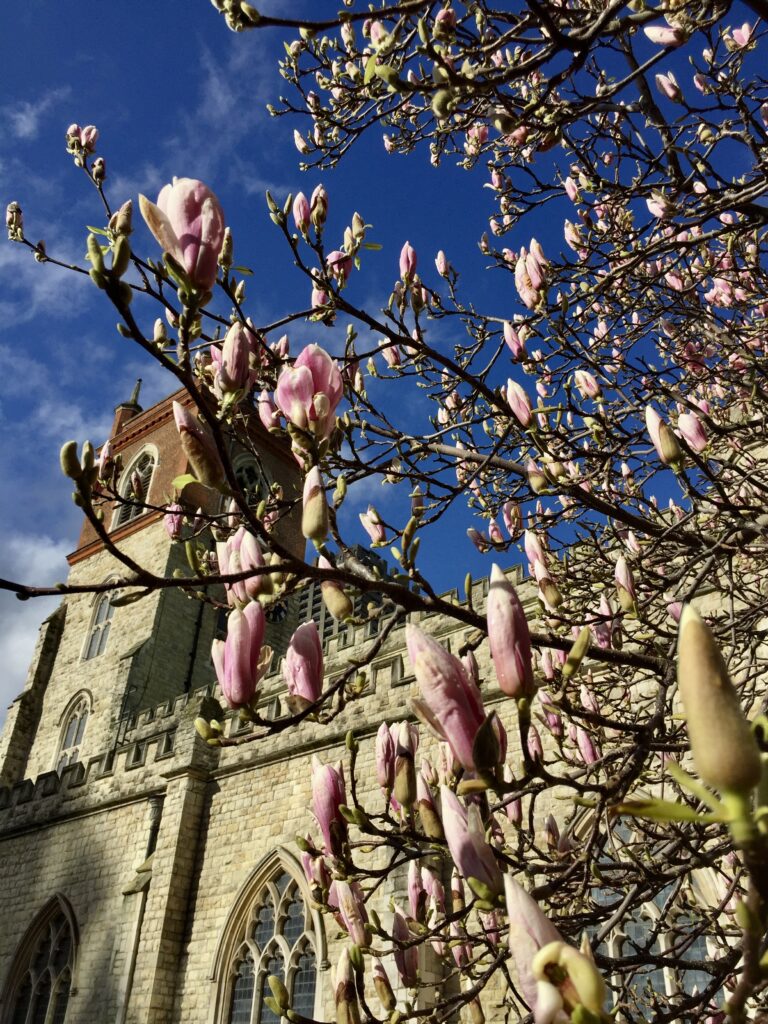
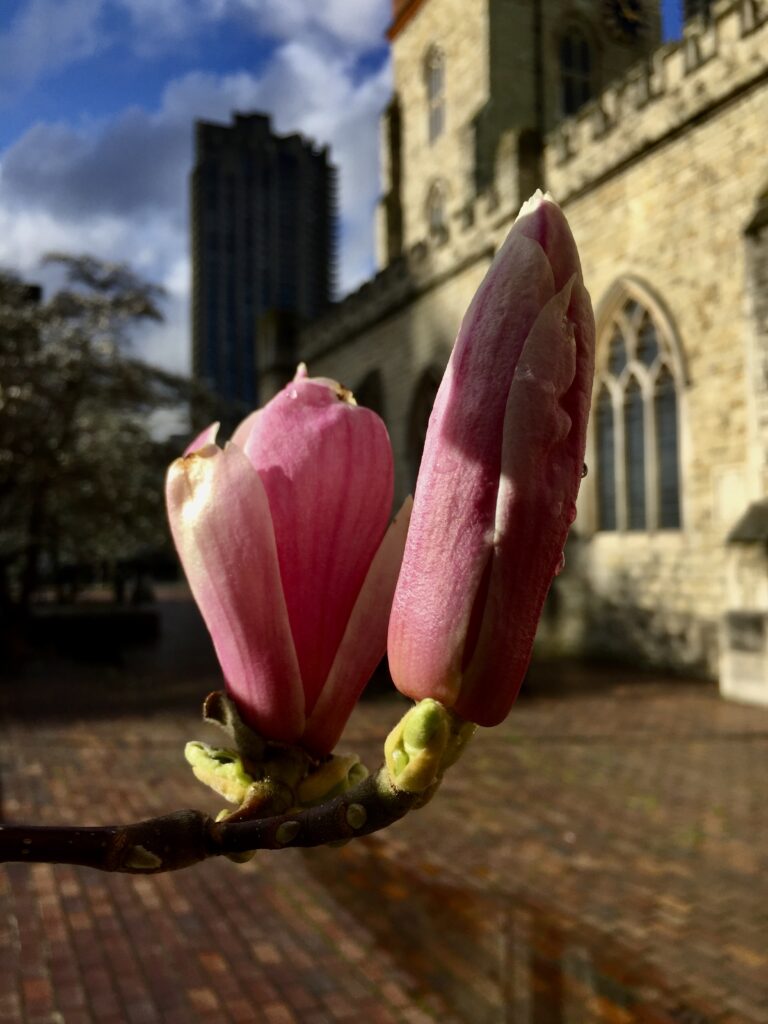
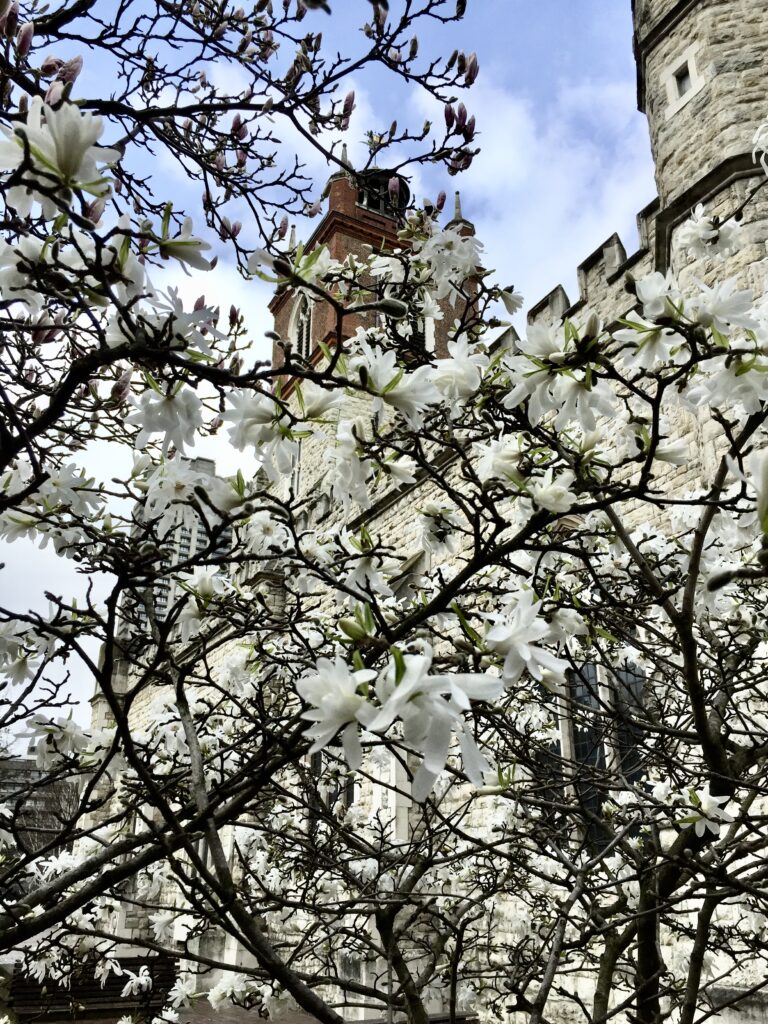
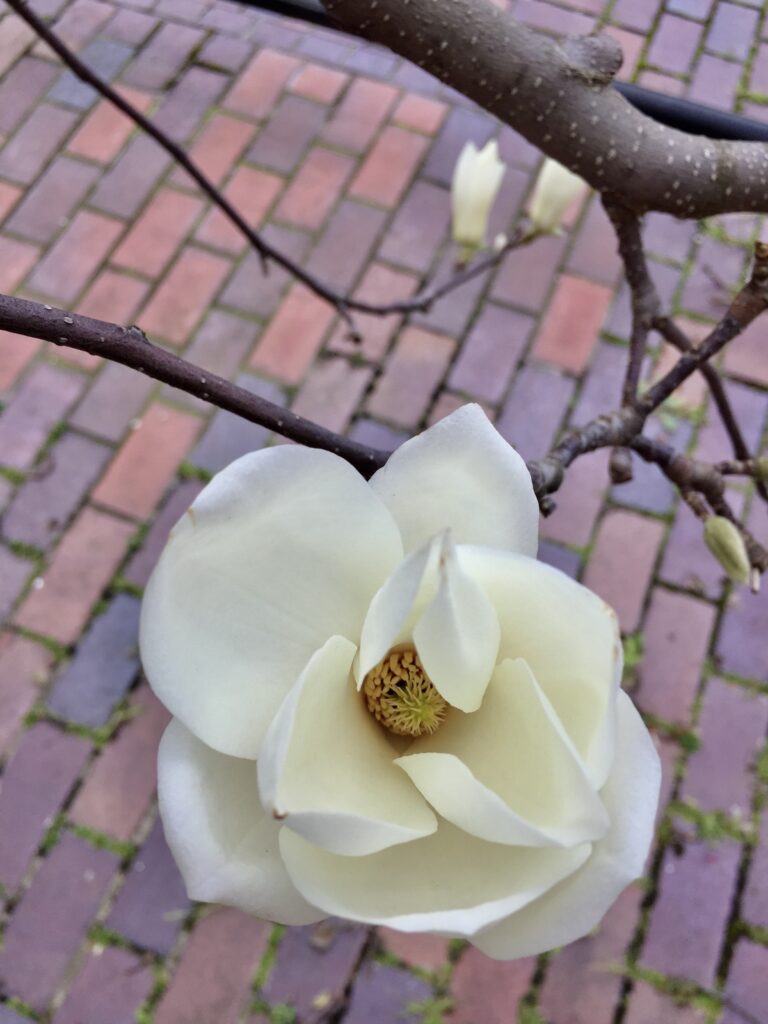
Outside St Giles the Magnolia trees are blossoming …

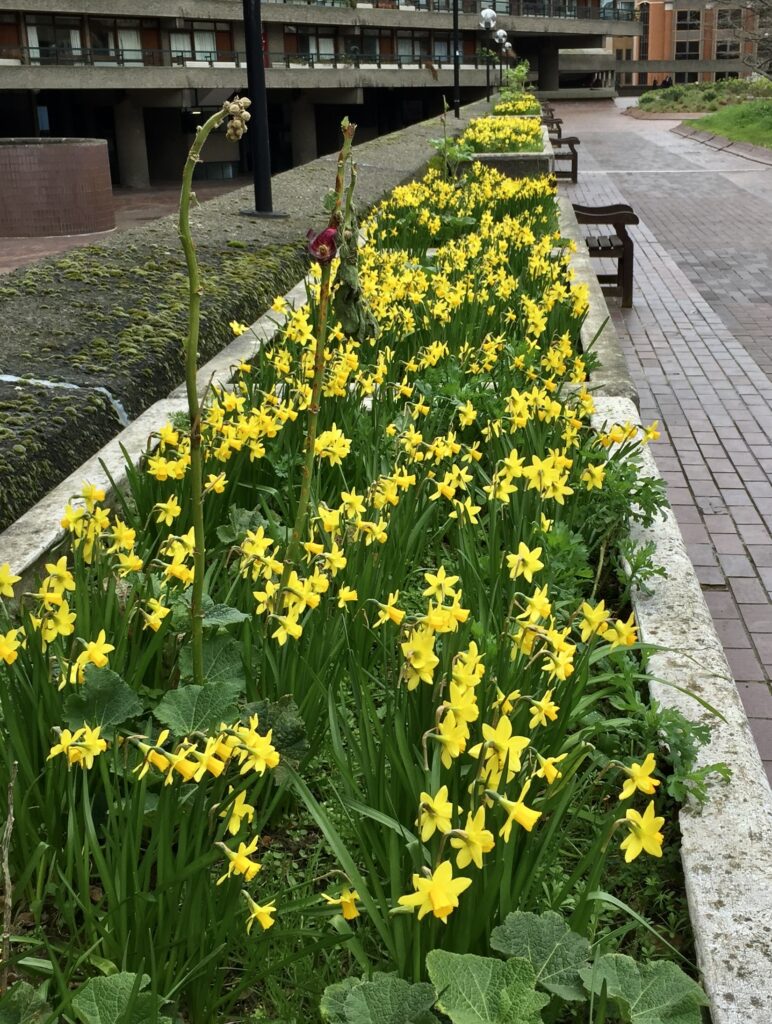
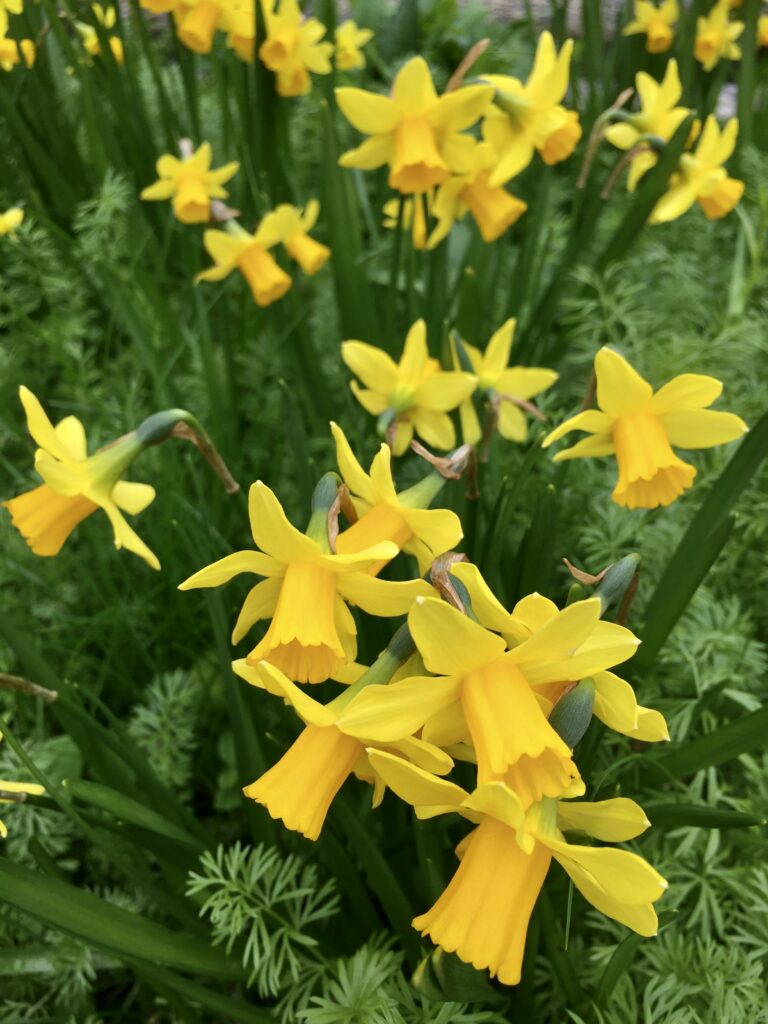
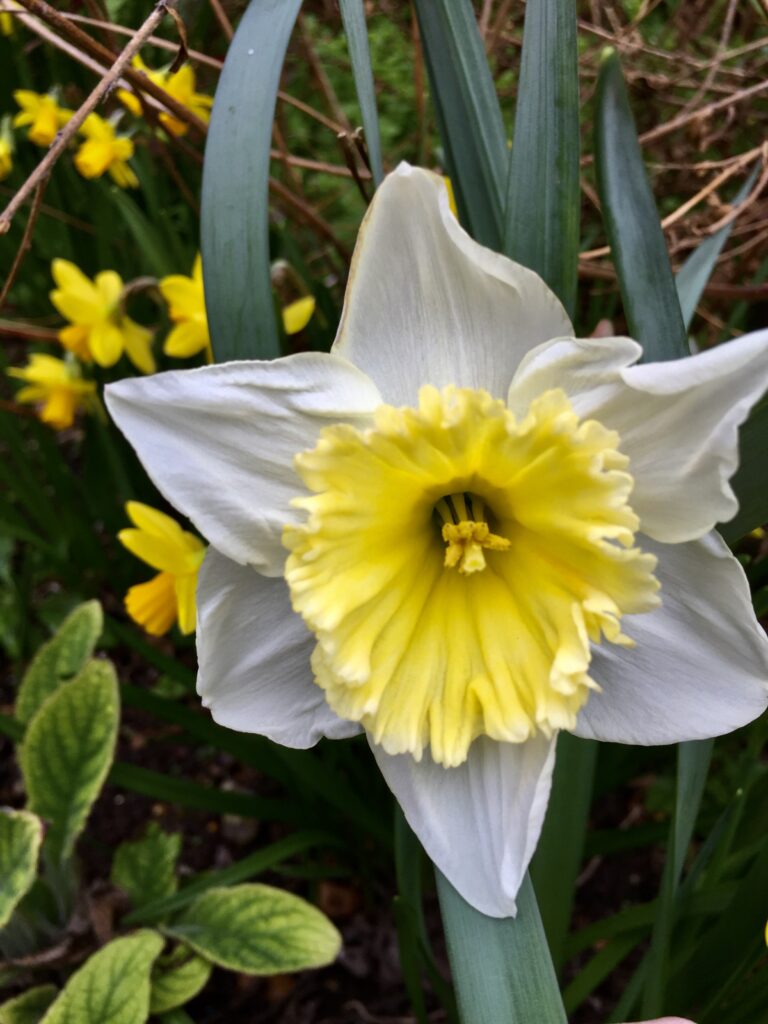
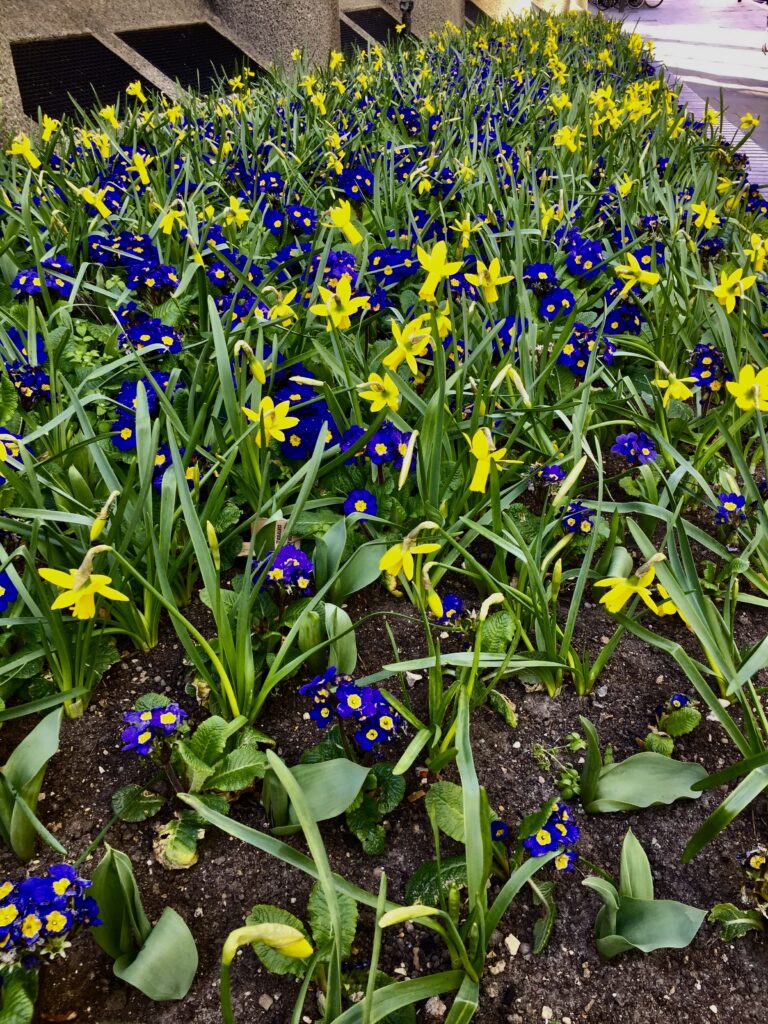
Daffs are popping up everywhere. They cheer me up even when the weather is rubbish …

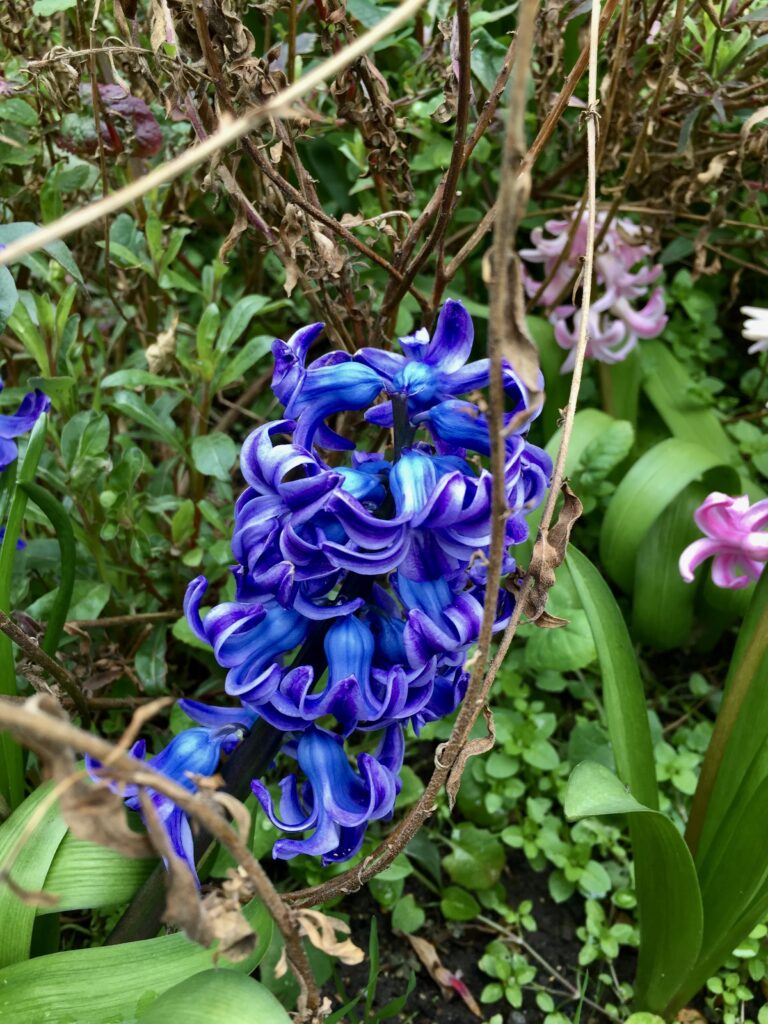
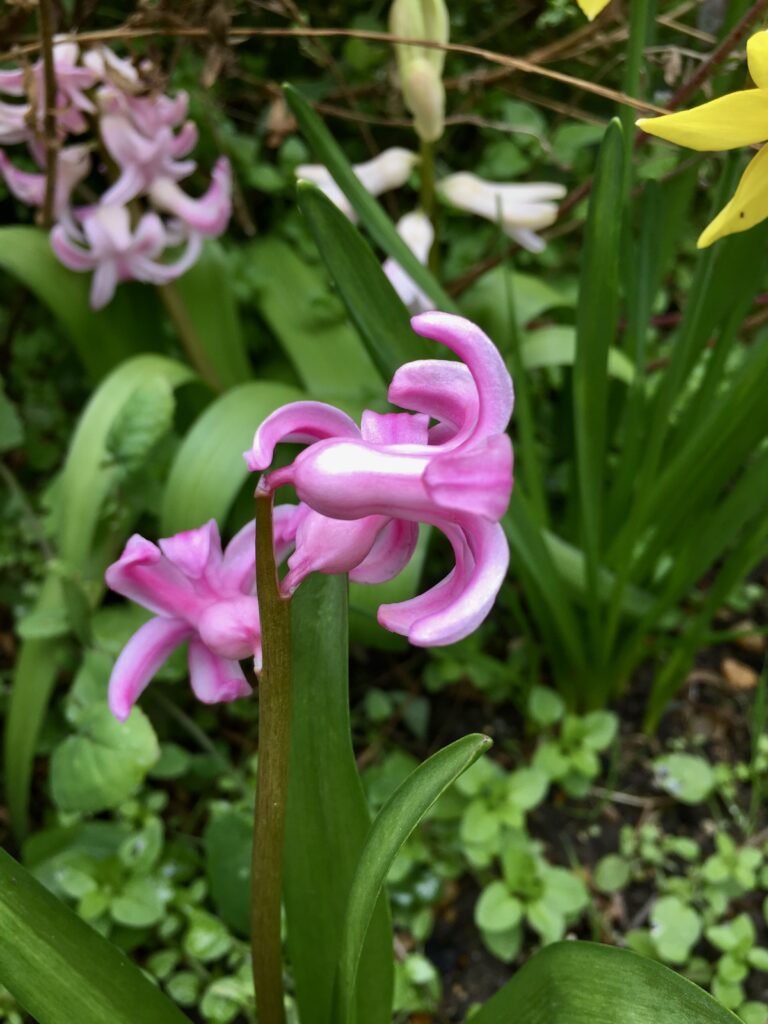
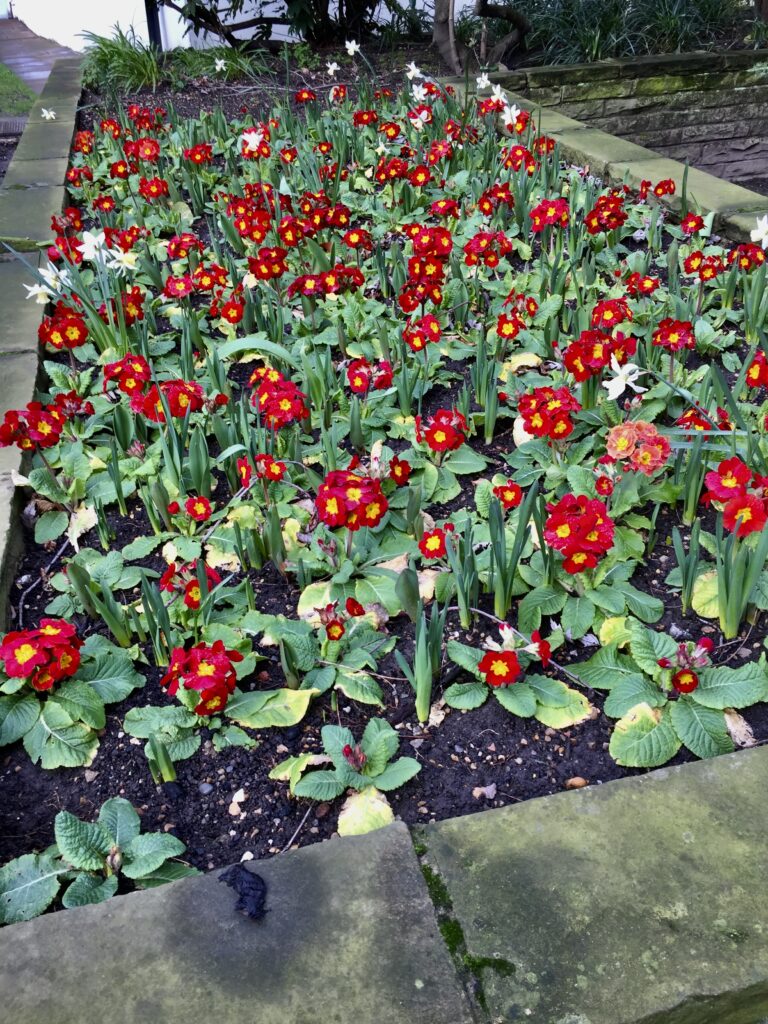
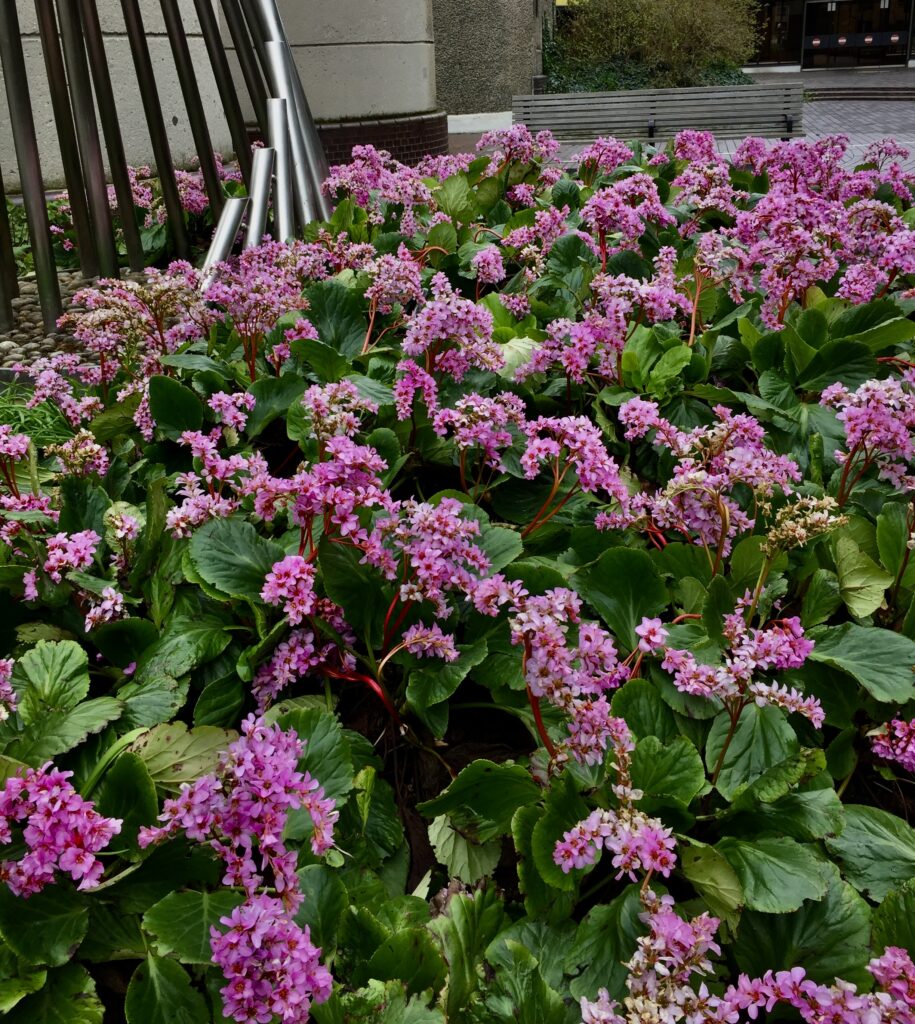
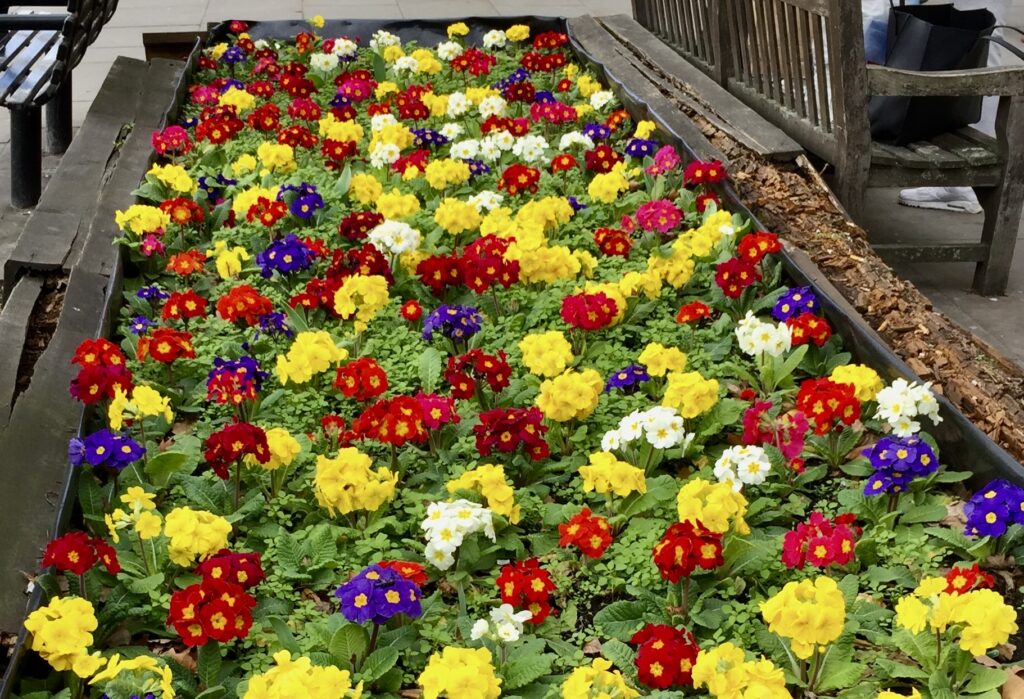
And they’re not alone …

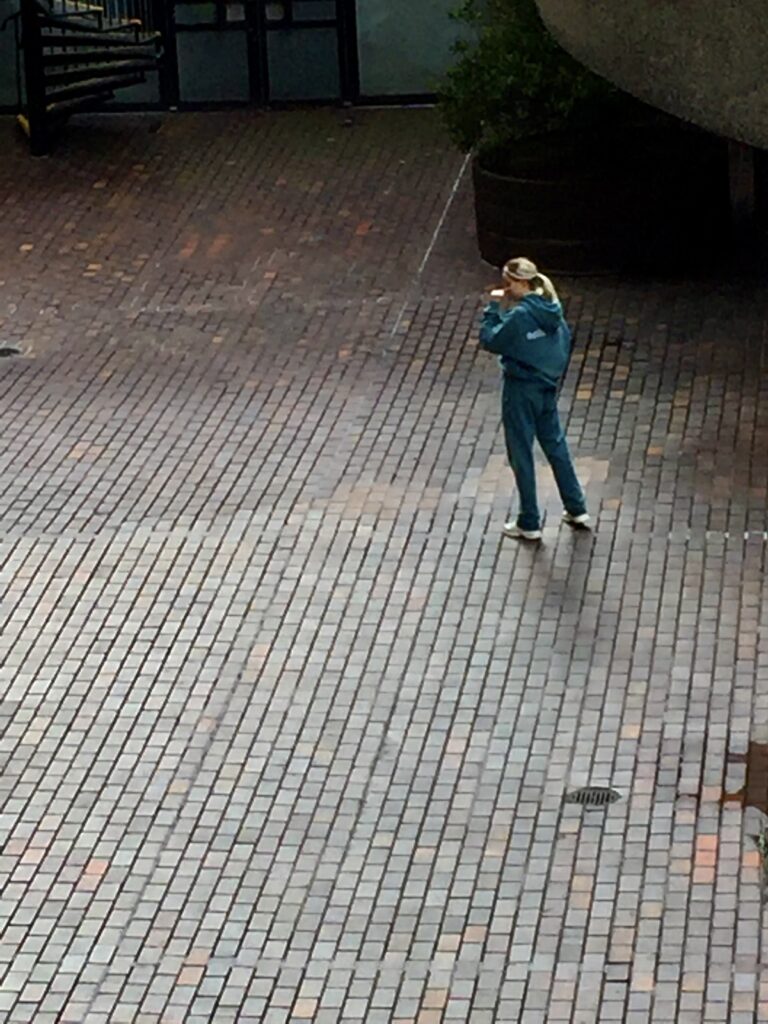
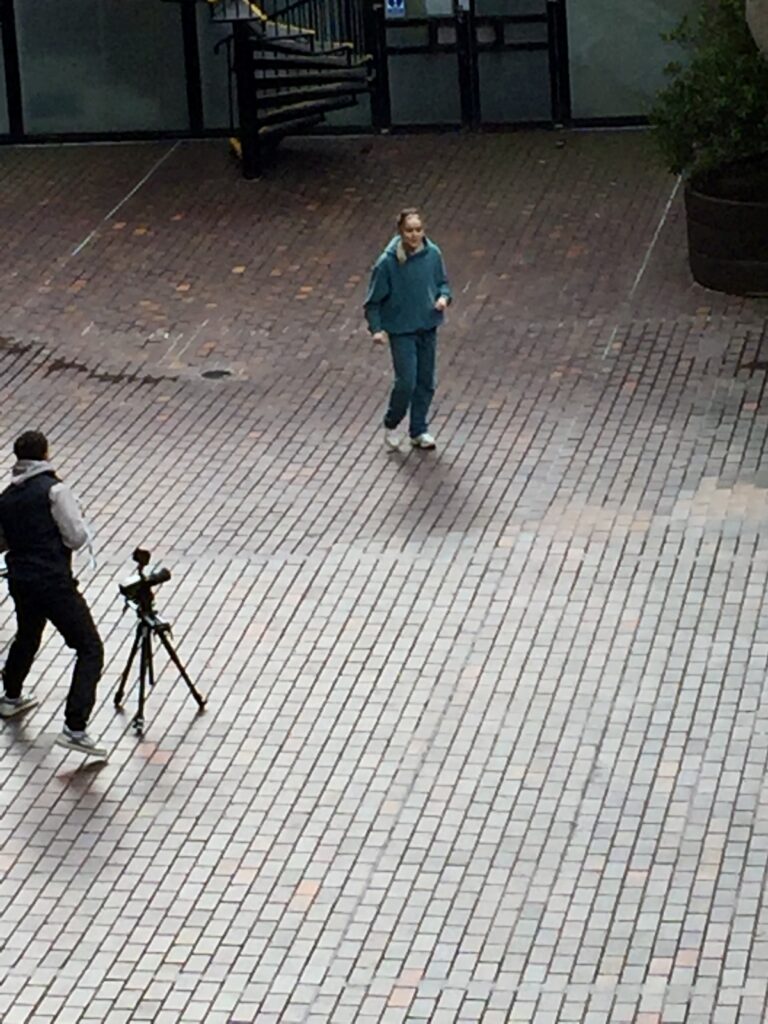
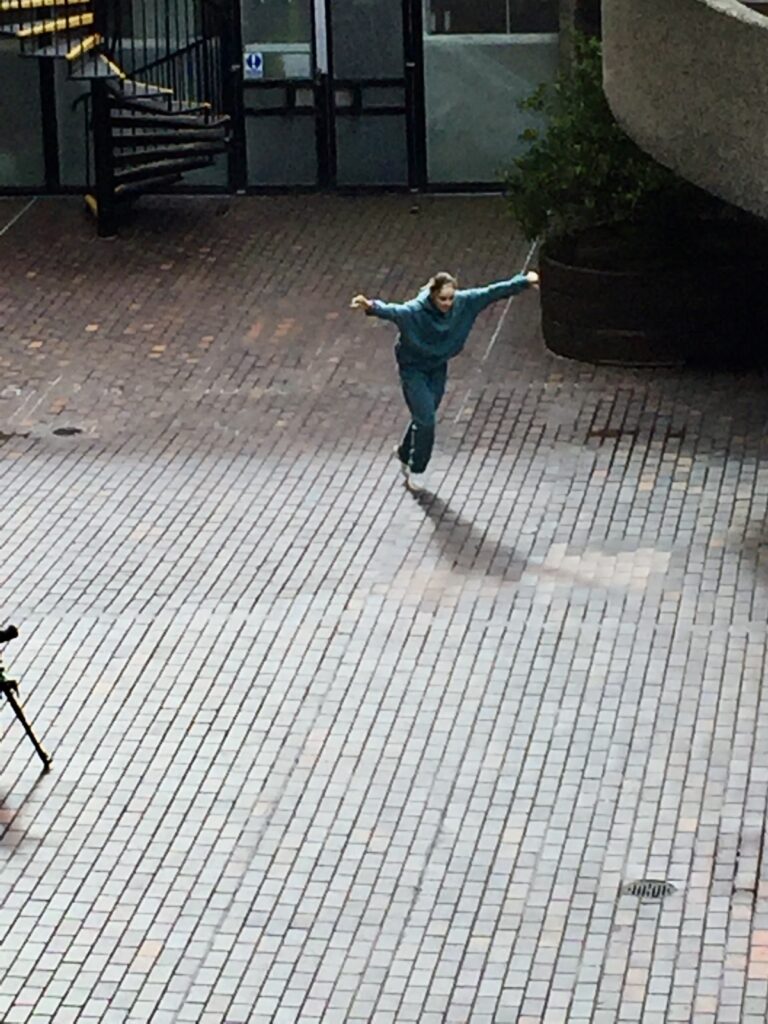
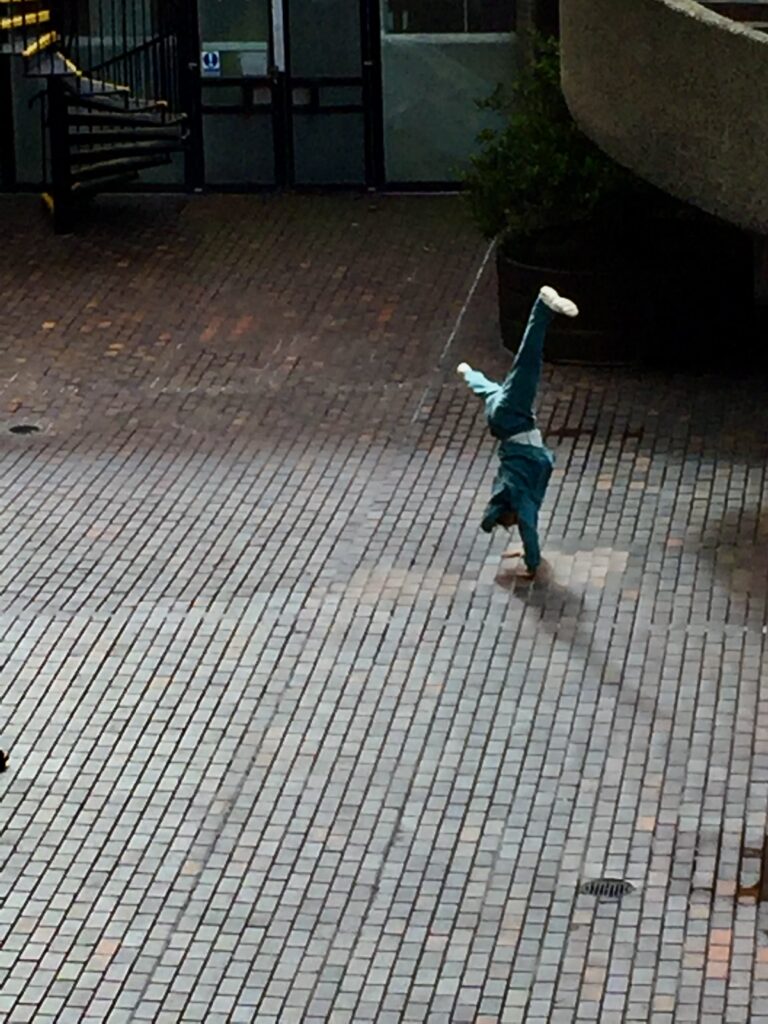
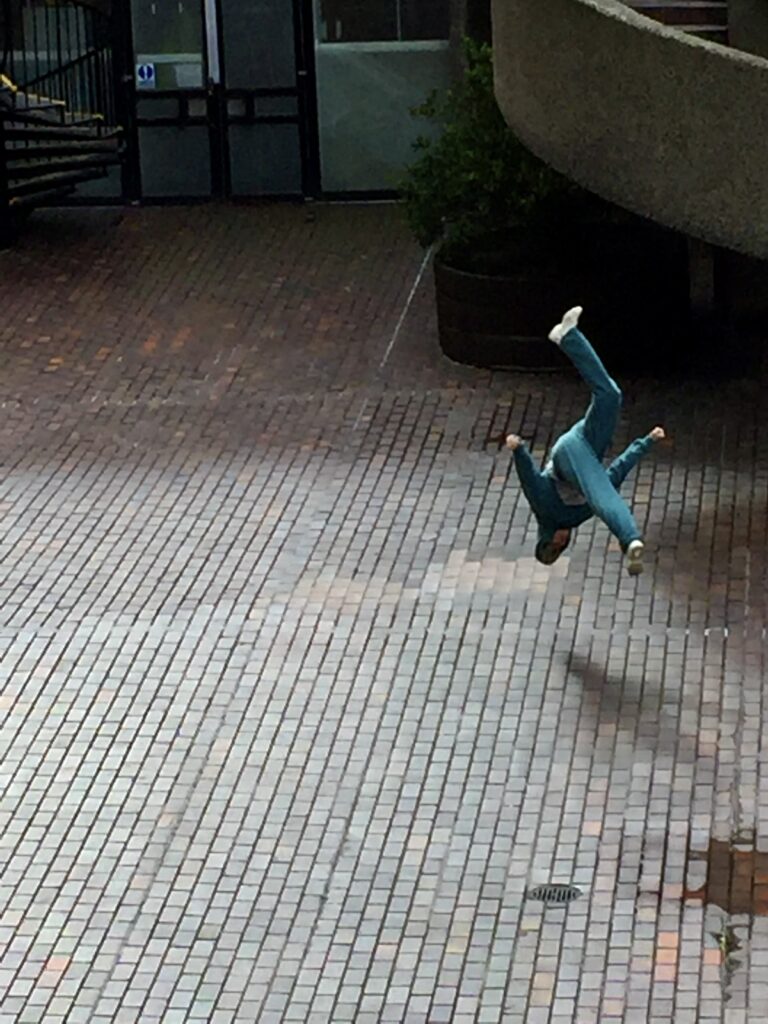
I came cross some Barbican acrobatics …

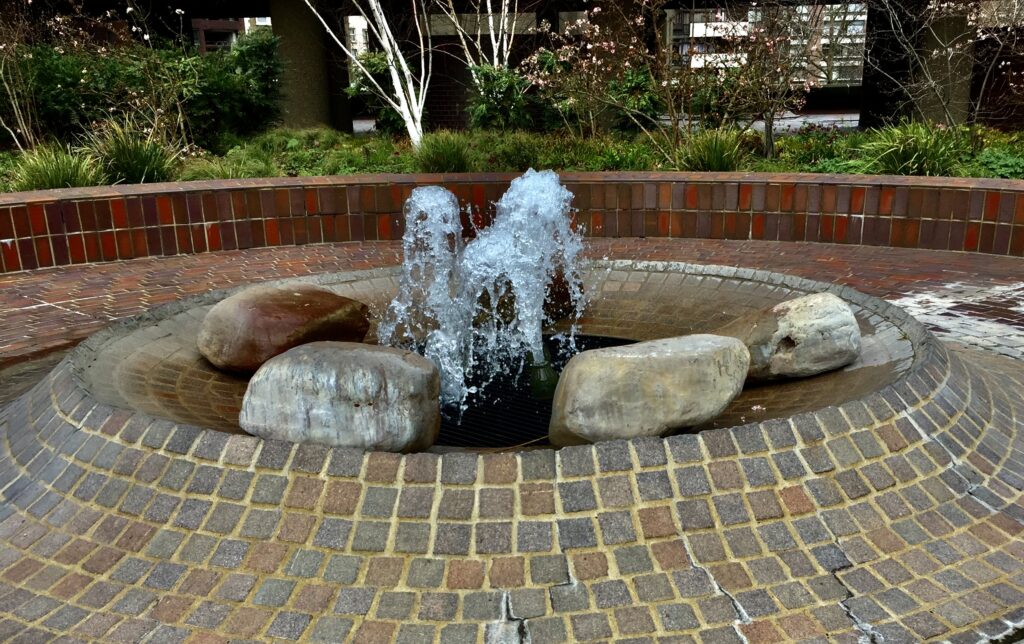
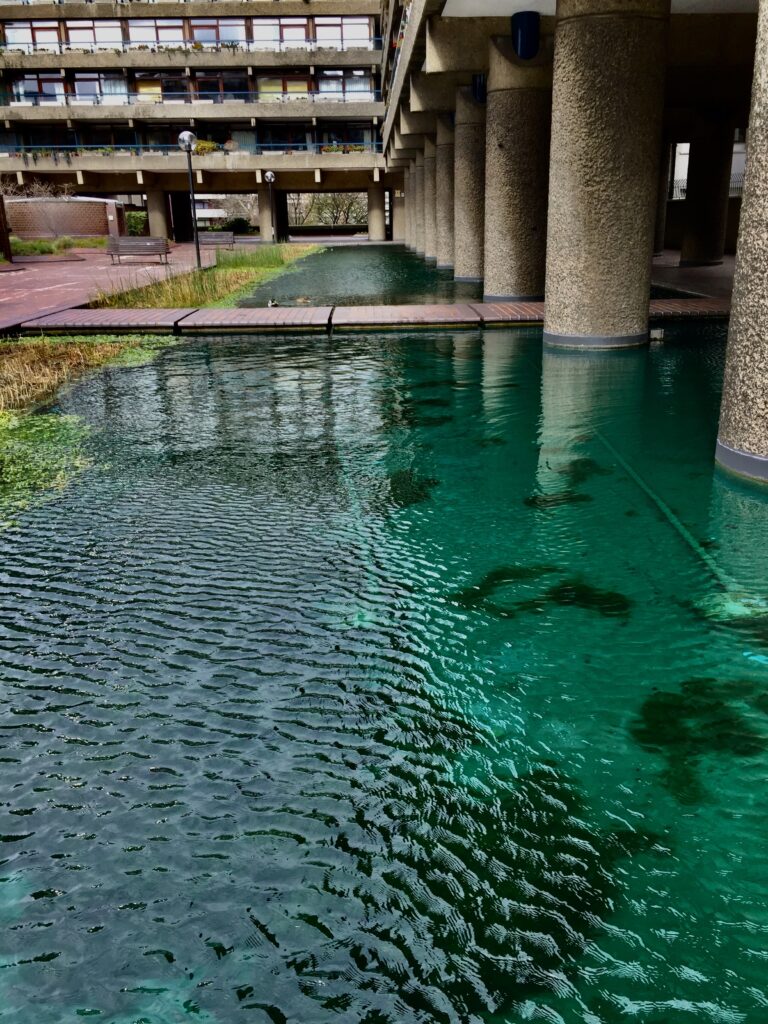
Barbican water feaures …

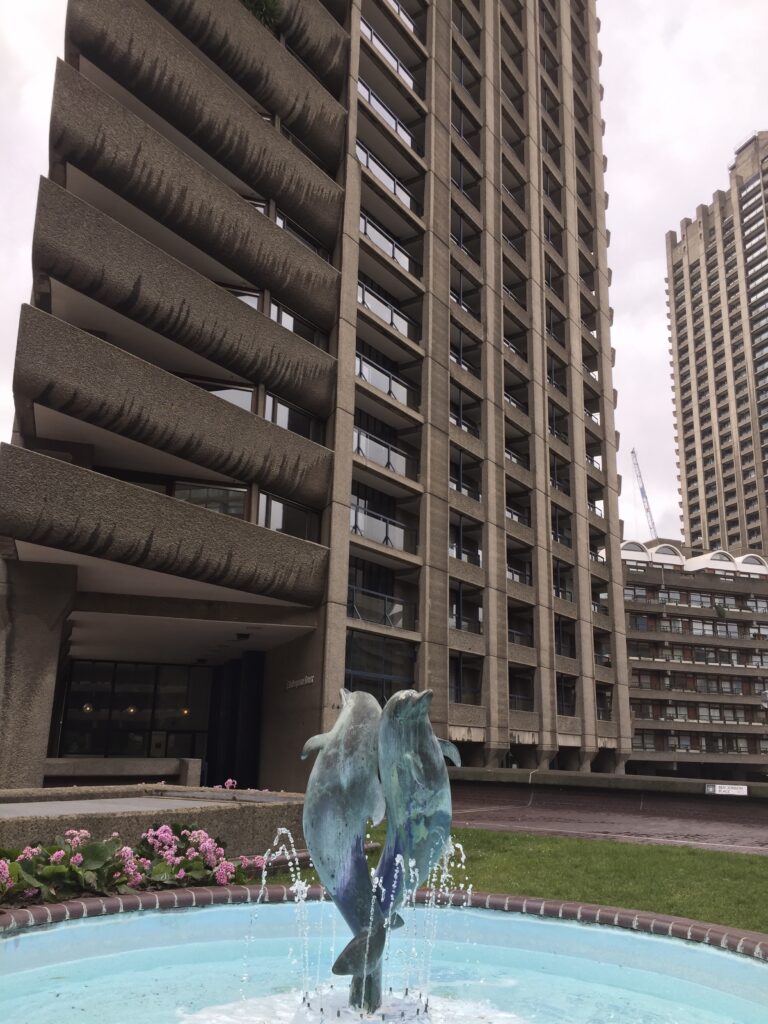
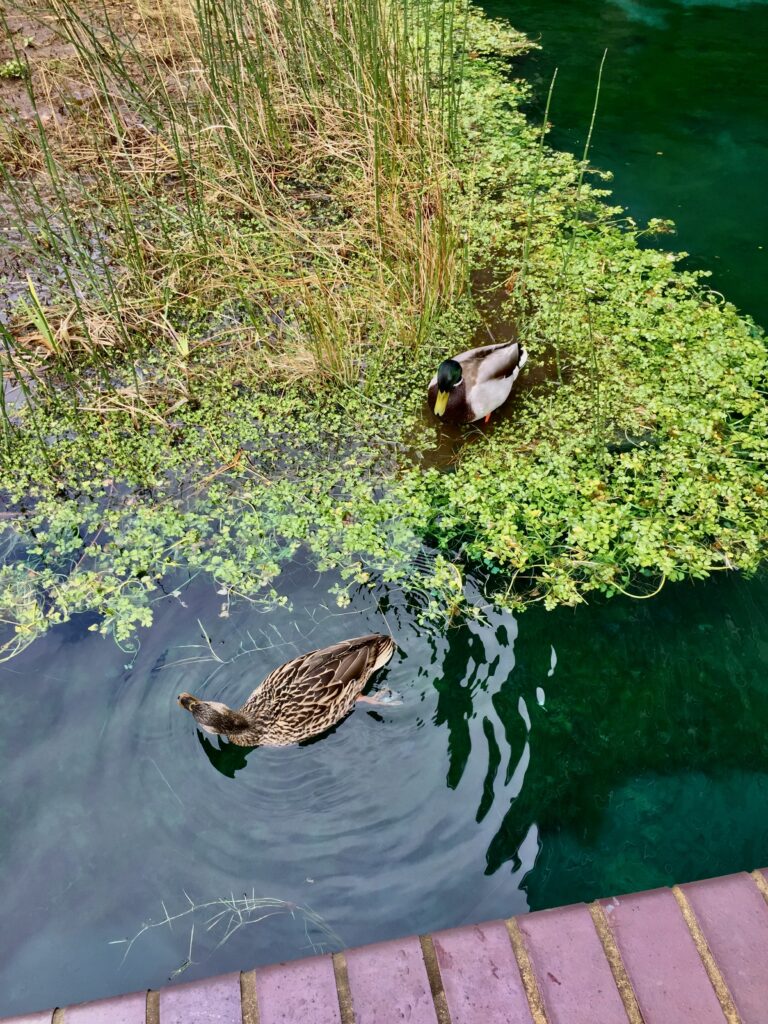
Water feature plus residents …

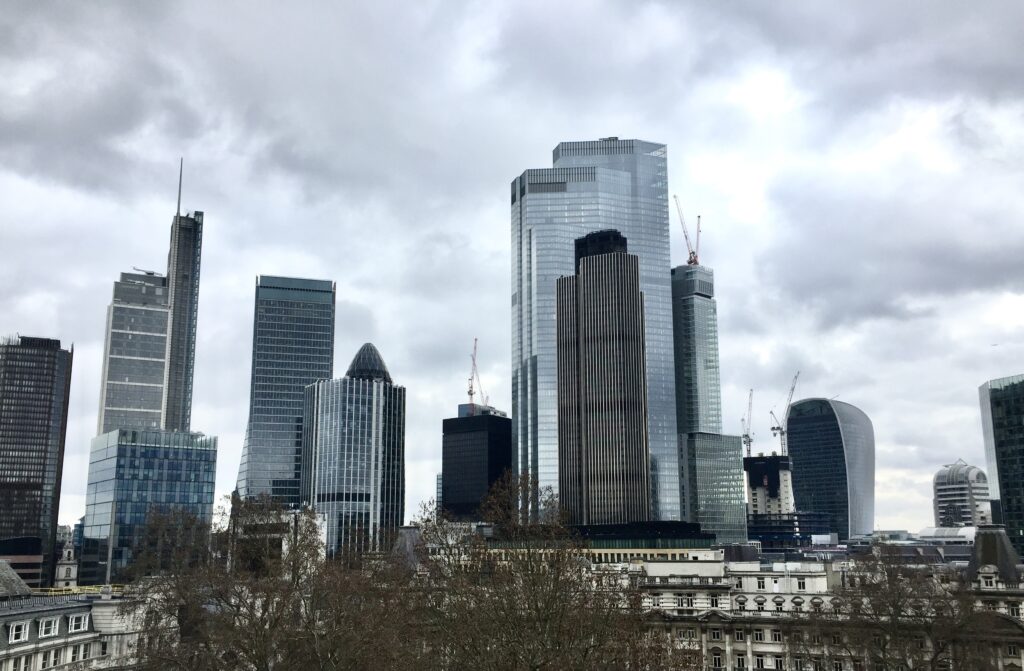
I went to a meeting in Finsbury Circus recently and they had a rather nice roof terrace so I snapped this city skyline view …

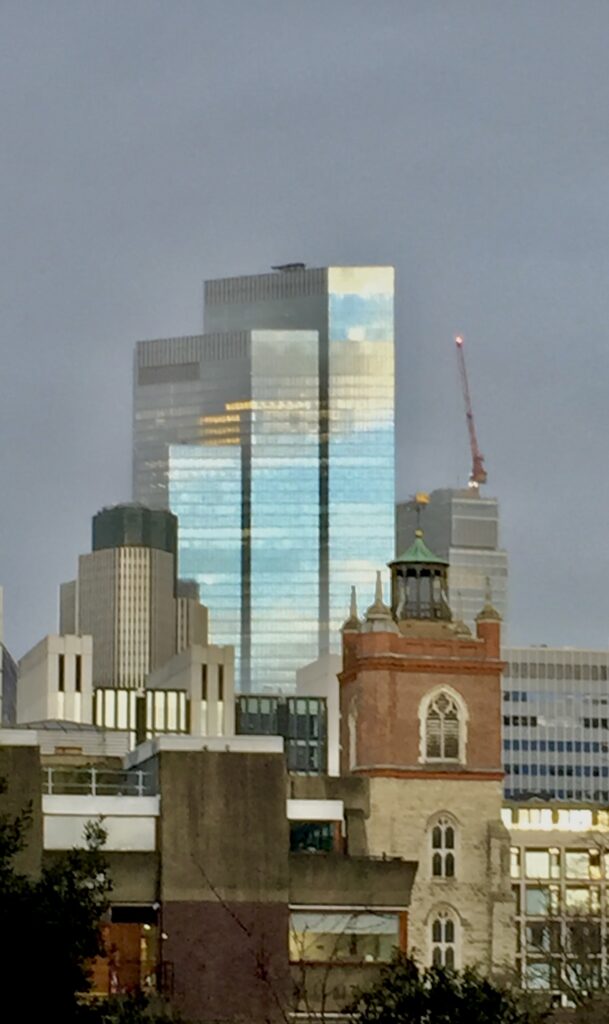
I’m not a great fan of that new monster building on Bishopsgate, but it does generate interesting reflections at certain times of day. In the foreground is St Giles Church and on the left Tower 42 …

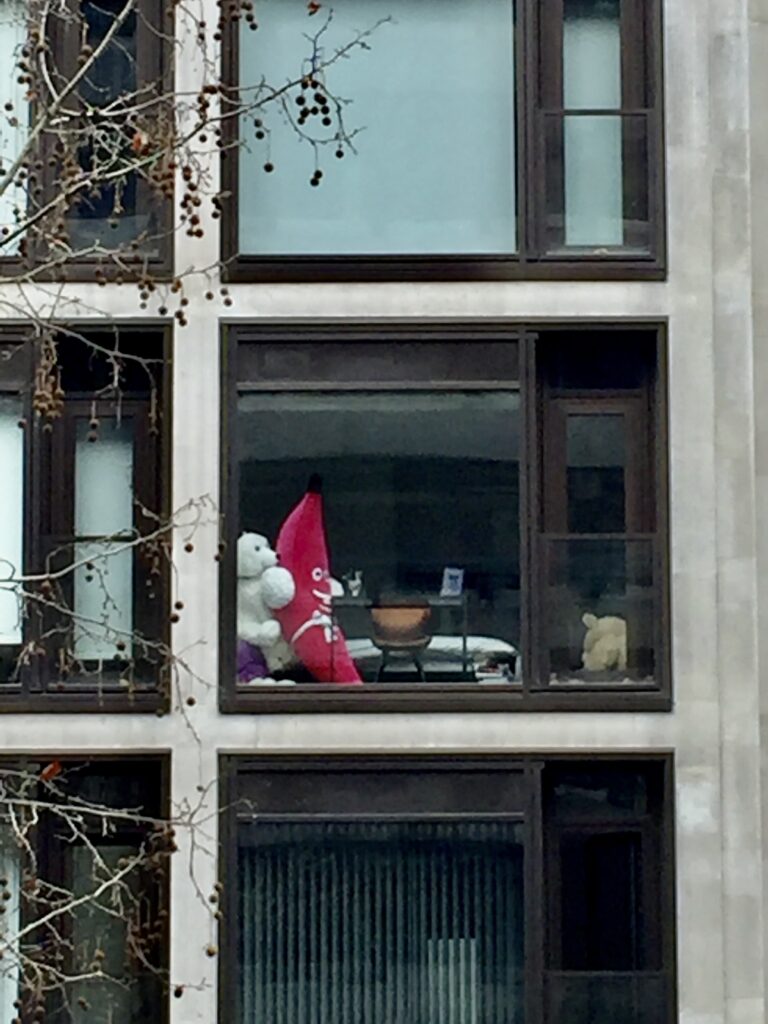
And finally, an apartment hosting a giant pink banana being cuddled by a furry white poodle. I so wish I knew their background story!

PS Don’t forget, the excellent Magnificent Maps exhibition at the Metropolitan Archive finishes on 29th March, so no time to lose if you want to visit.

This is a screen shot of one of the displays showing the bomb damage around St Paul’s Cathedral …

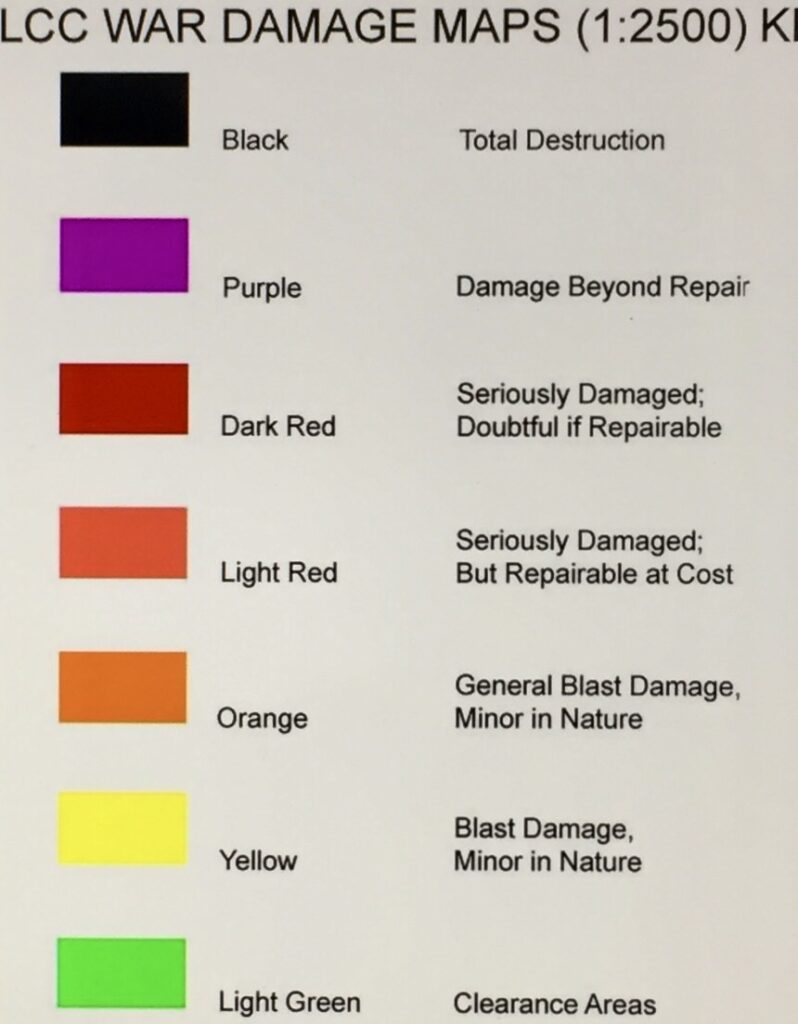
Here is the key – just look at the devastation and wonder how the Cathedral survived …

If you would like to follow me on Instagram here is the link …
https://www.instagram.com/london_city_gent/

‘Love is the Running Towards’ and other surprises.

As regular readers will know, when I am looking for inspiration I often head east and last week was no exception.

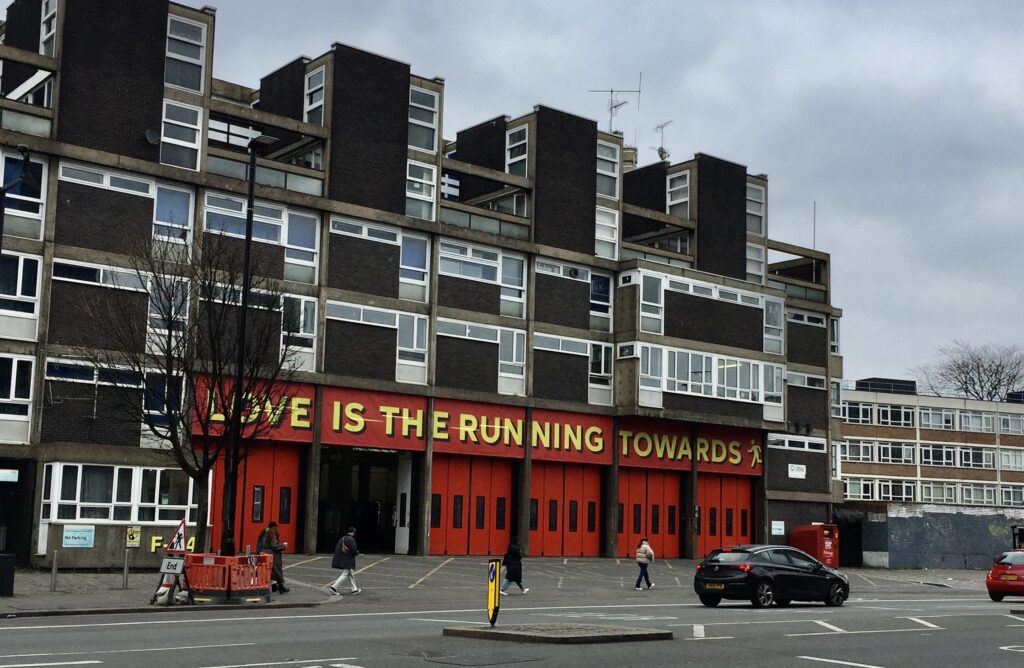
Turning right at the Old Street roundabout I was intrigued to see the words that have appeared above the doors to the fire station …

Dating from November last year, this is part of a homage to the London Fire Brigade which you can read more about here.

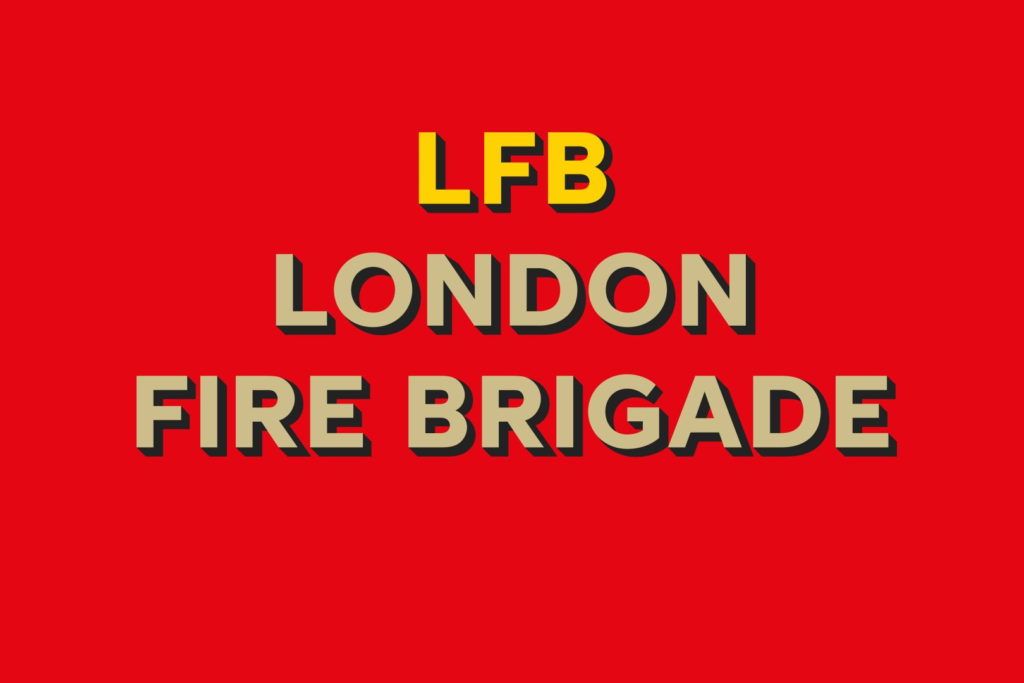
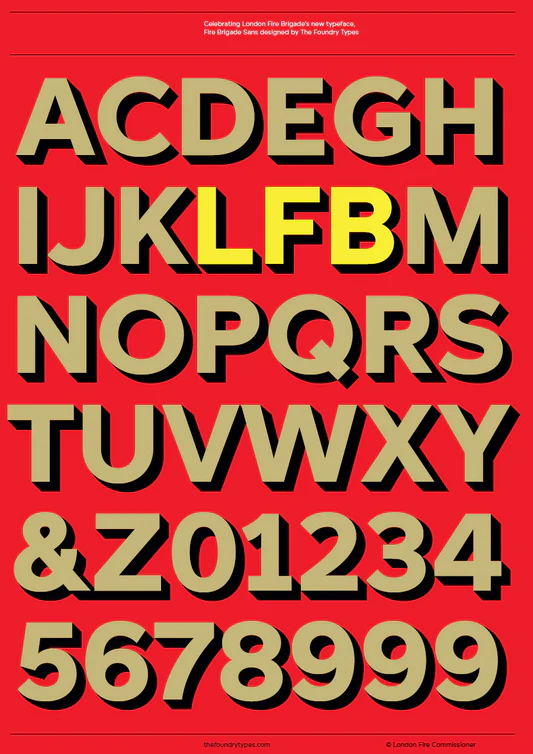
There is also a celebration of the Brigade’s new typeface. It’s called Fire Brigade Sans and here’s what it looks like …

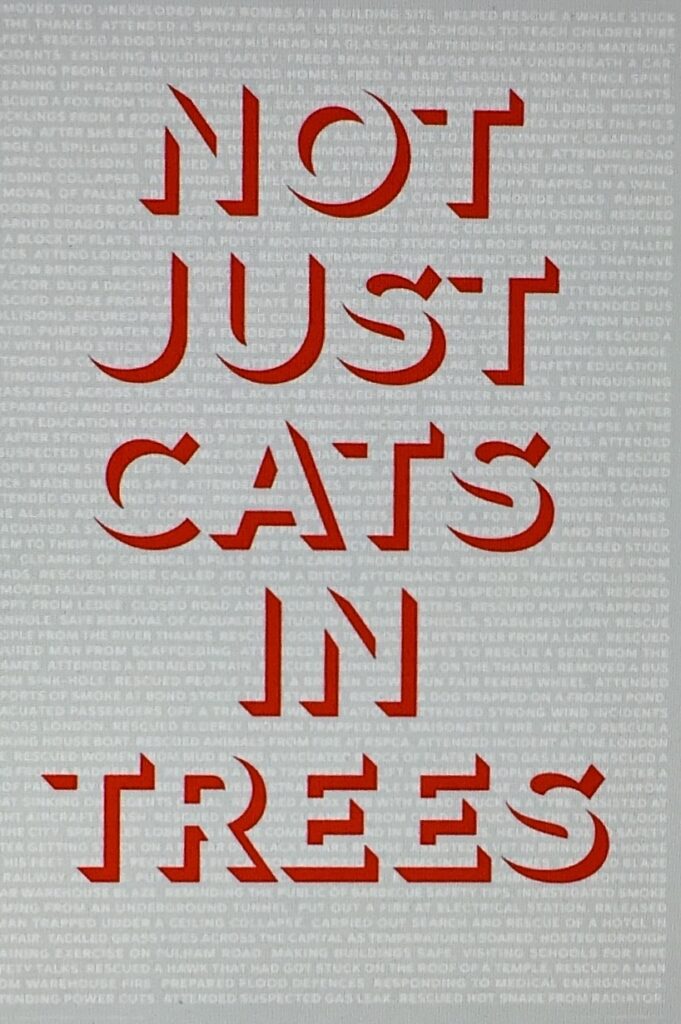
A few posters from the exhibition …

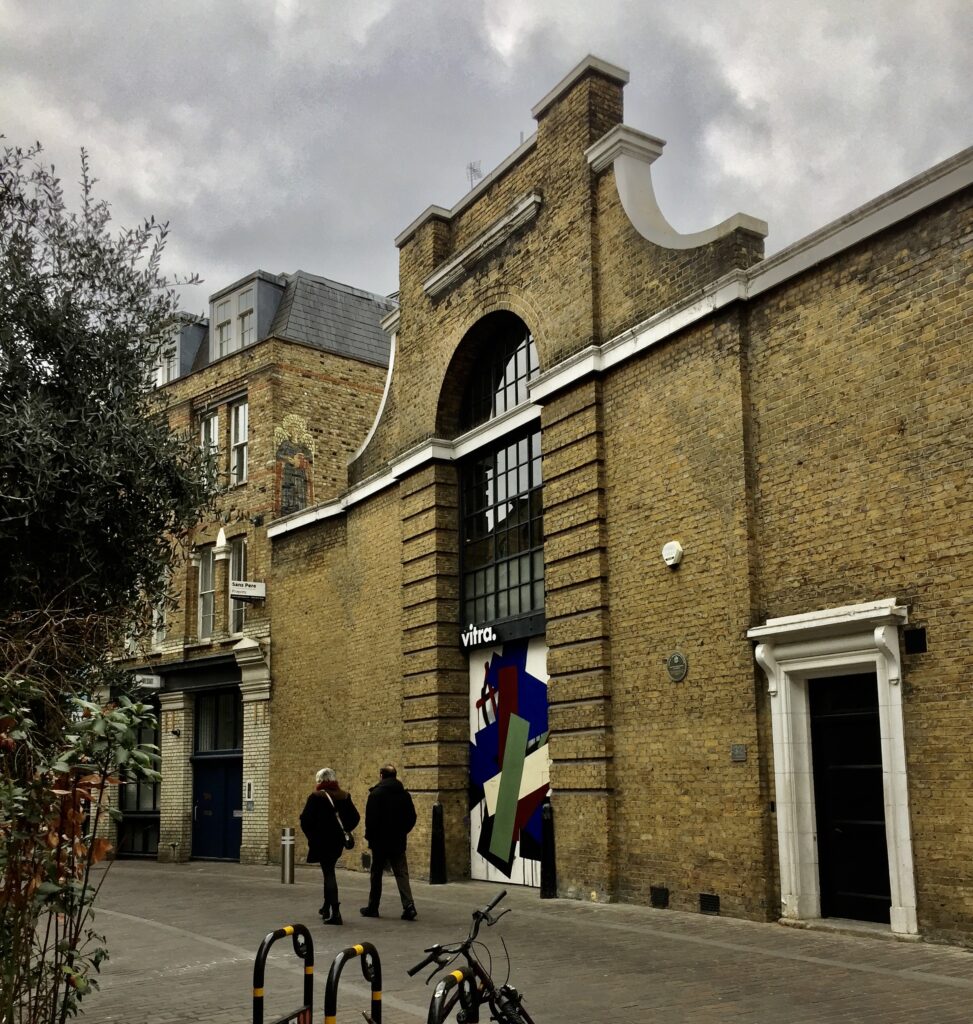
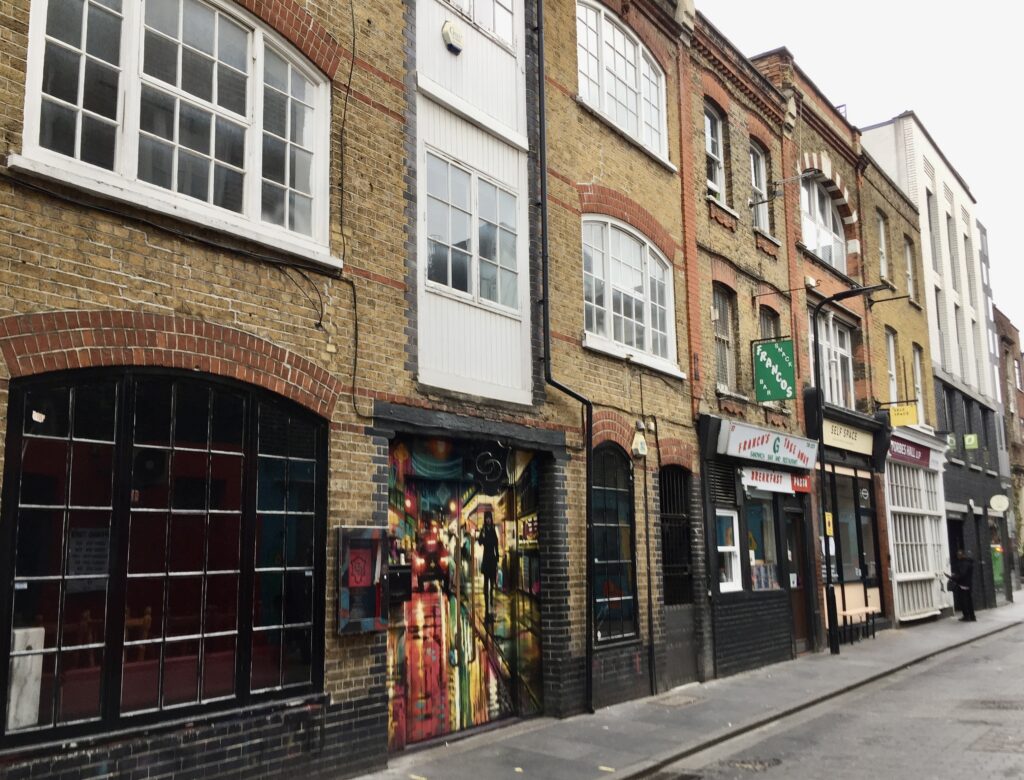
I headed south to Rivington Street where I usually find something to photograph. What about this splendid building …

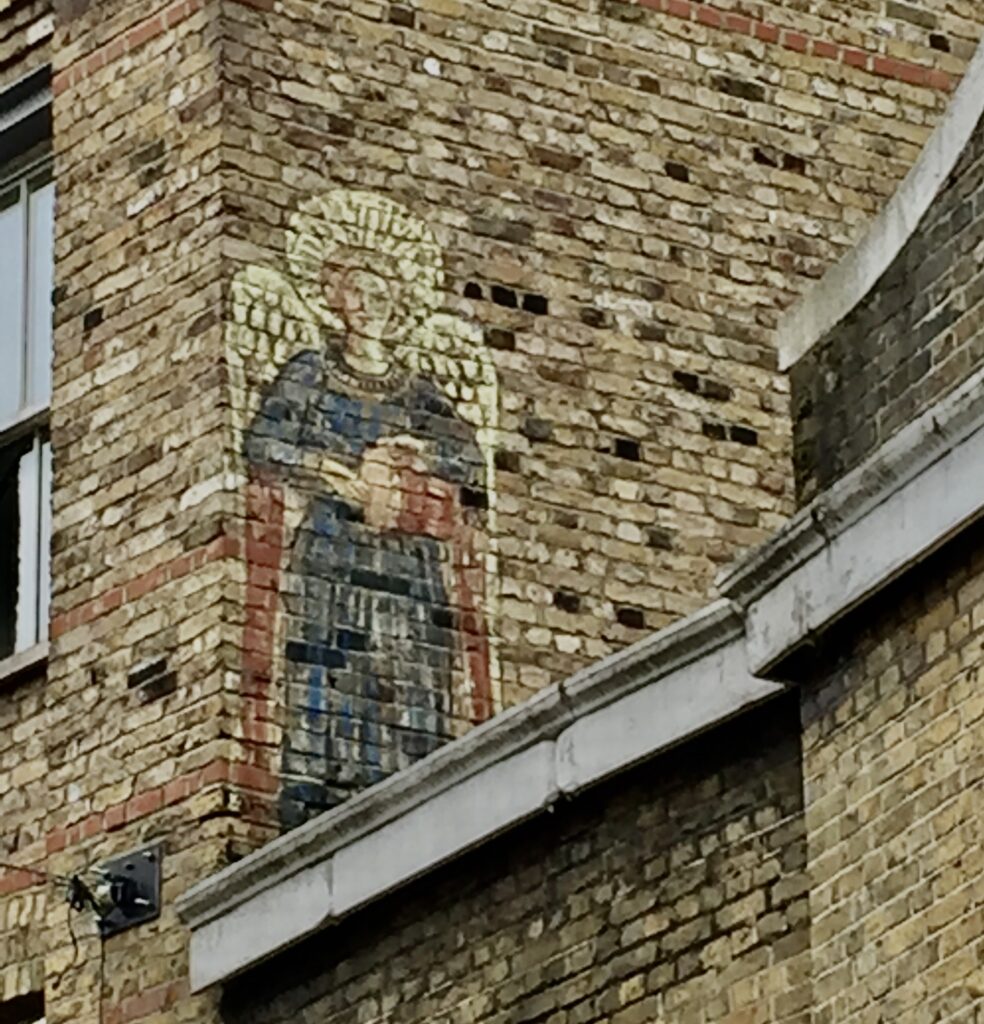
A benevolent angel looks down at us from the corner of the bulding next door …

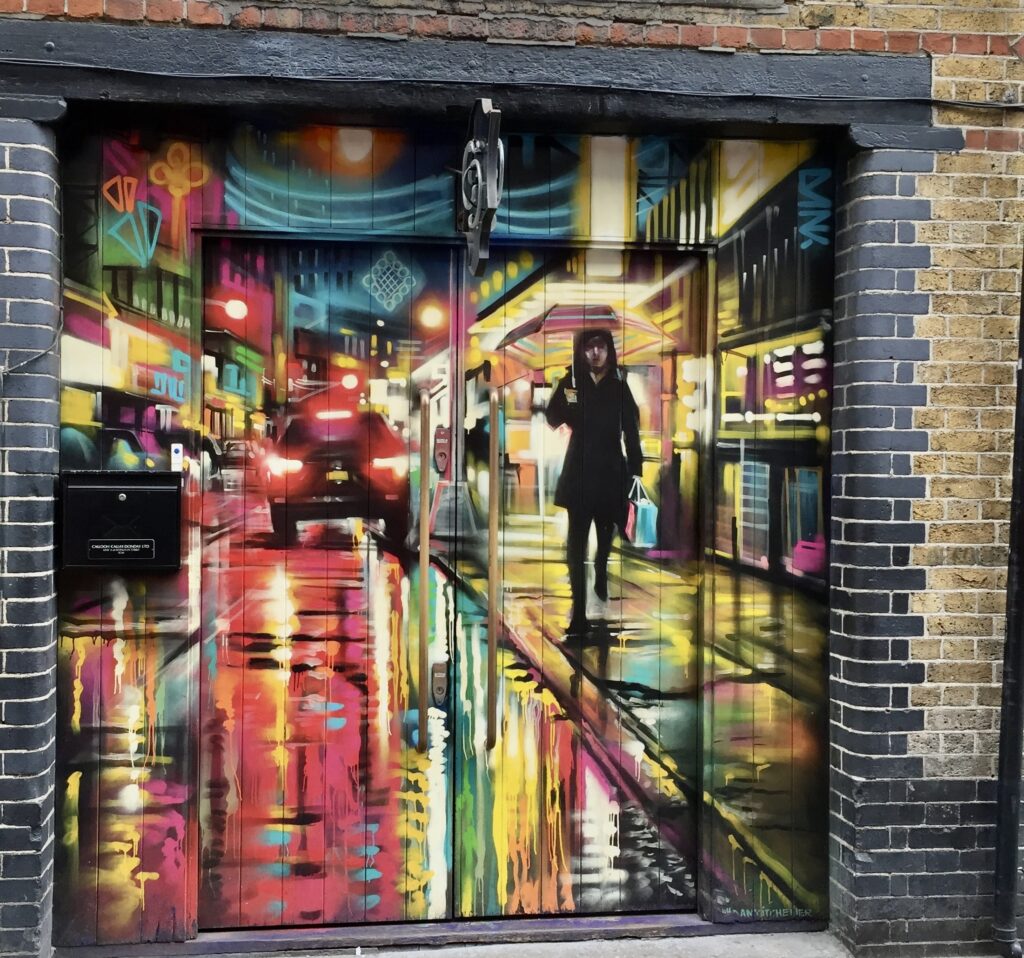
There’s a typical Dan Kitchener mural …

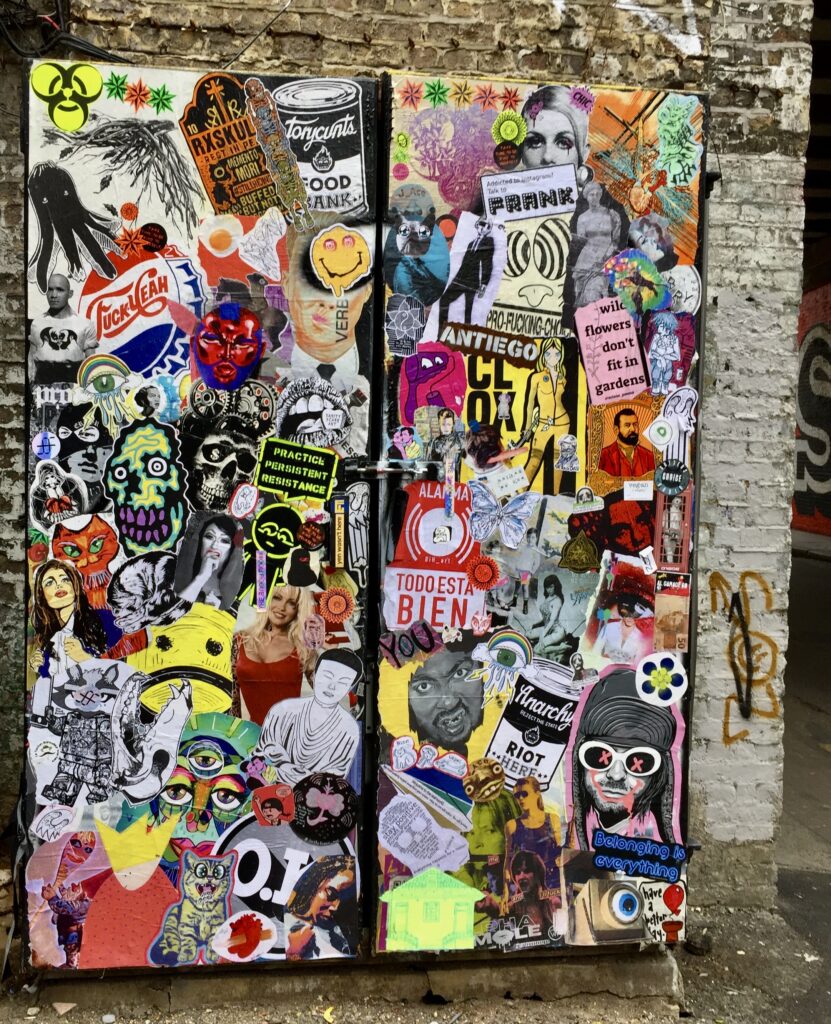
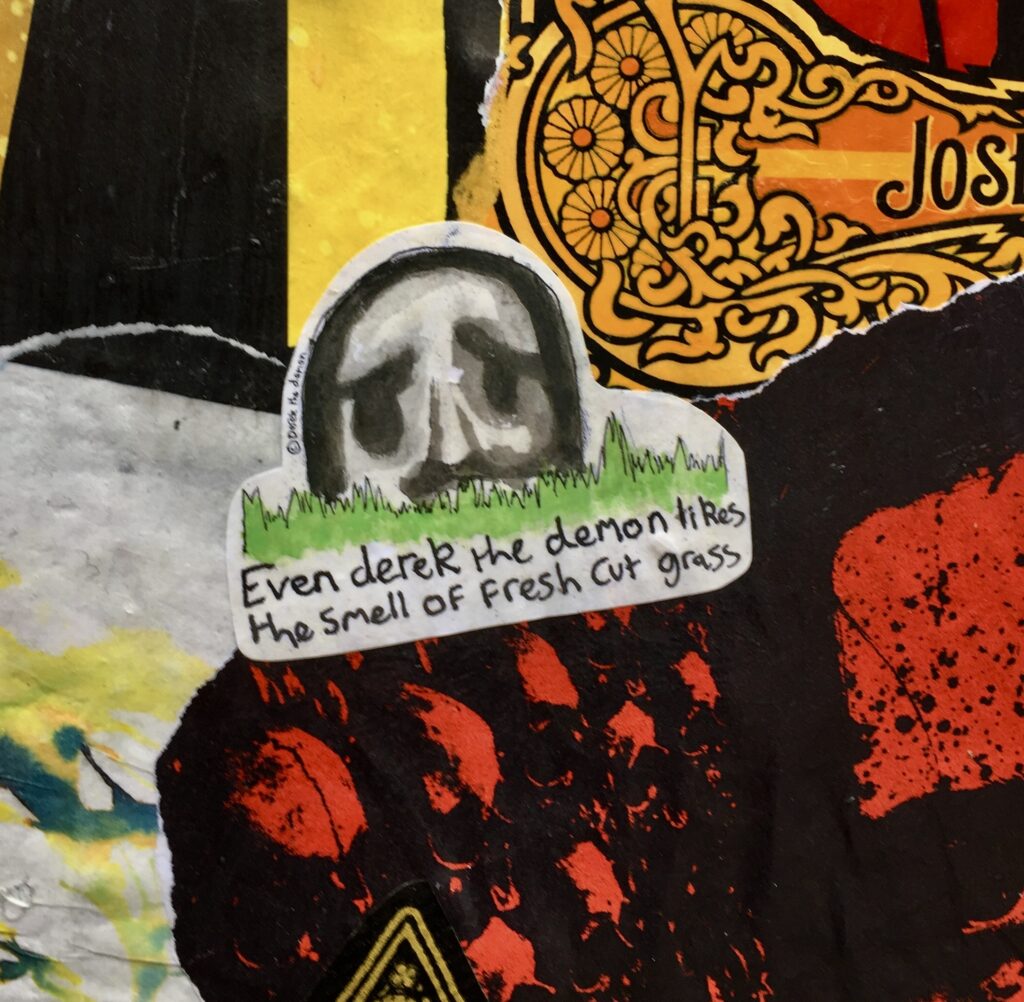
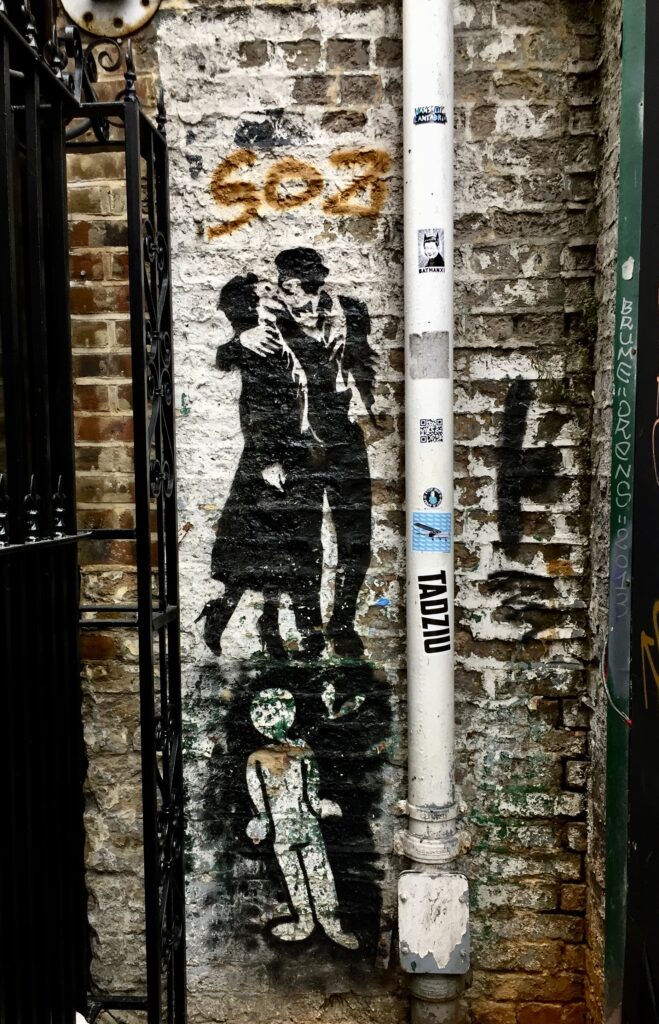
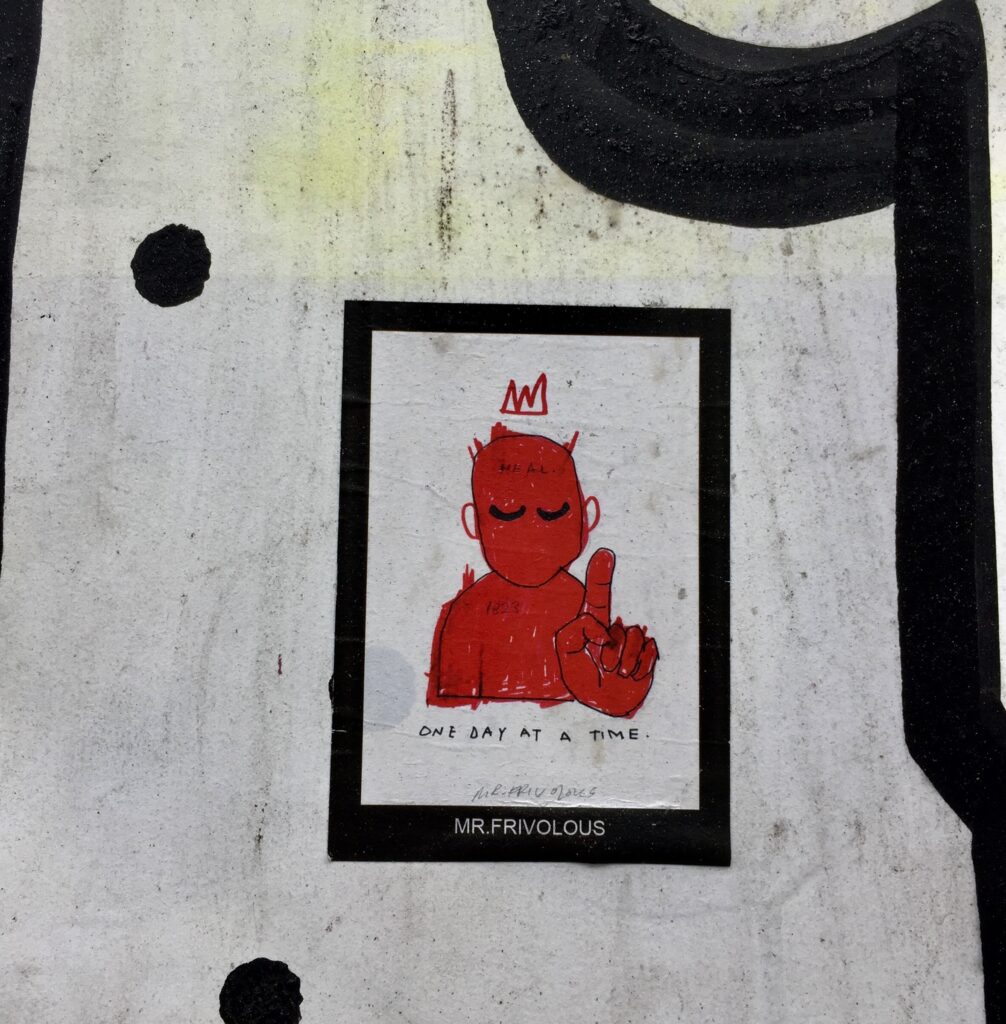
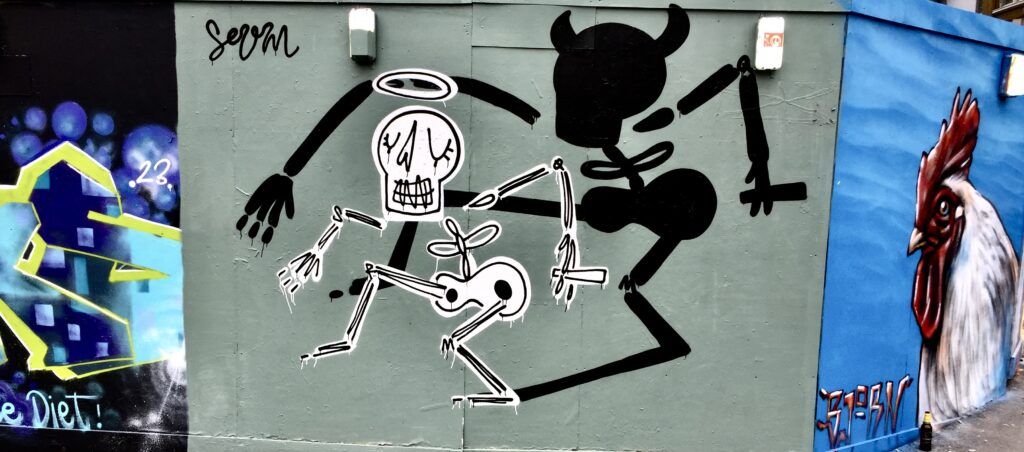
And various other pieces of work that made me smile …

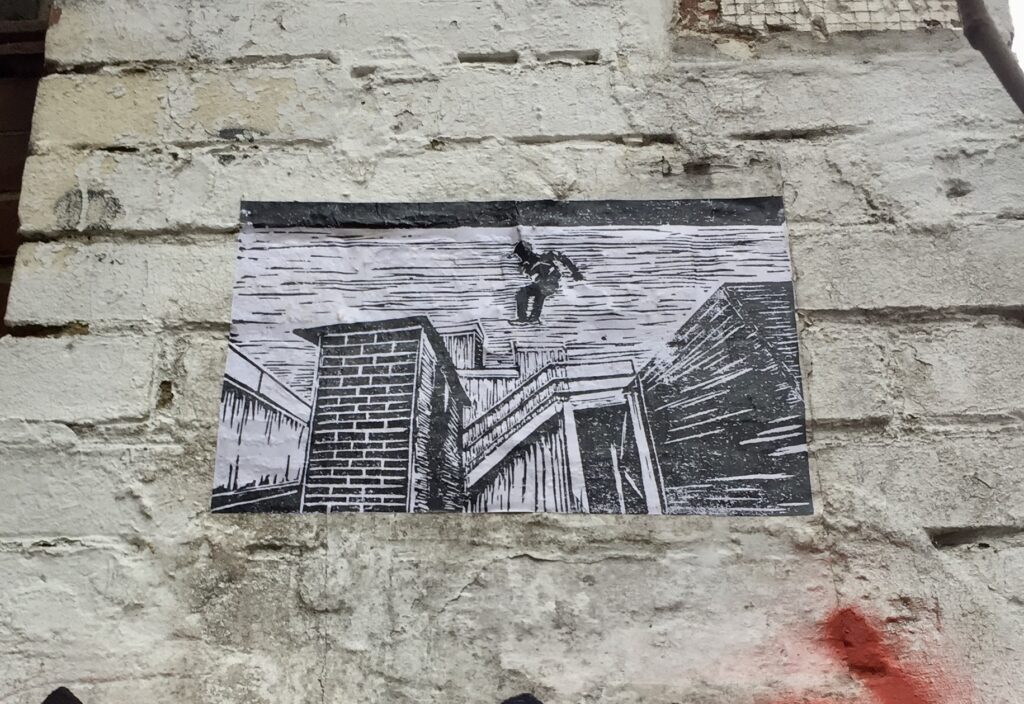
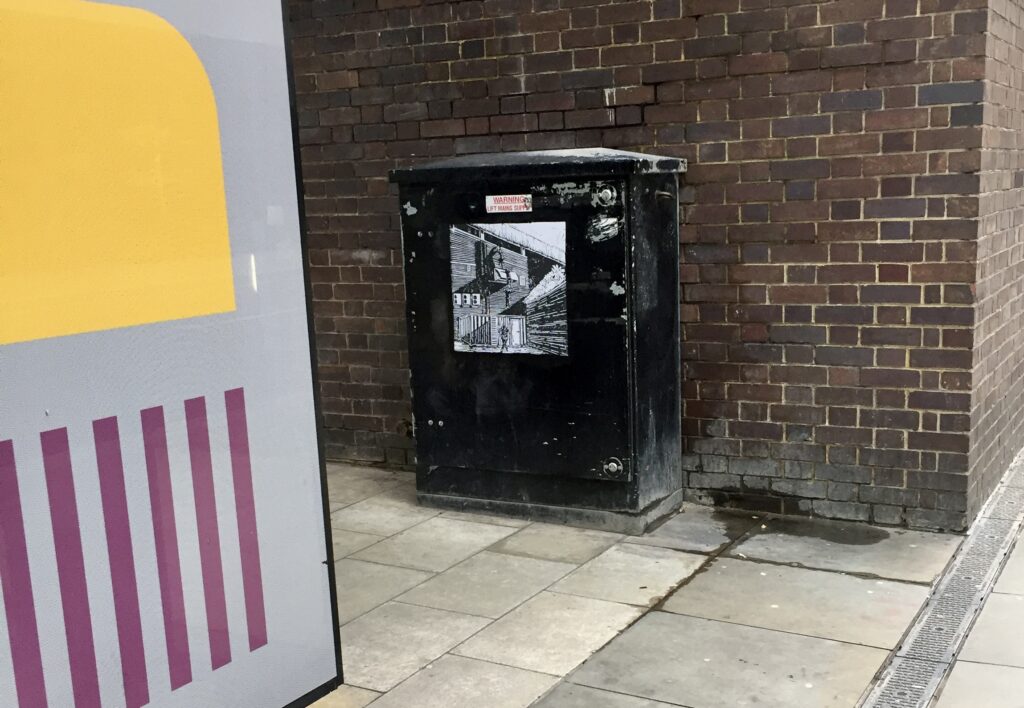
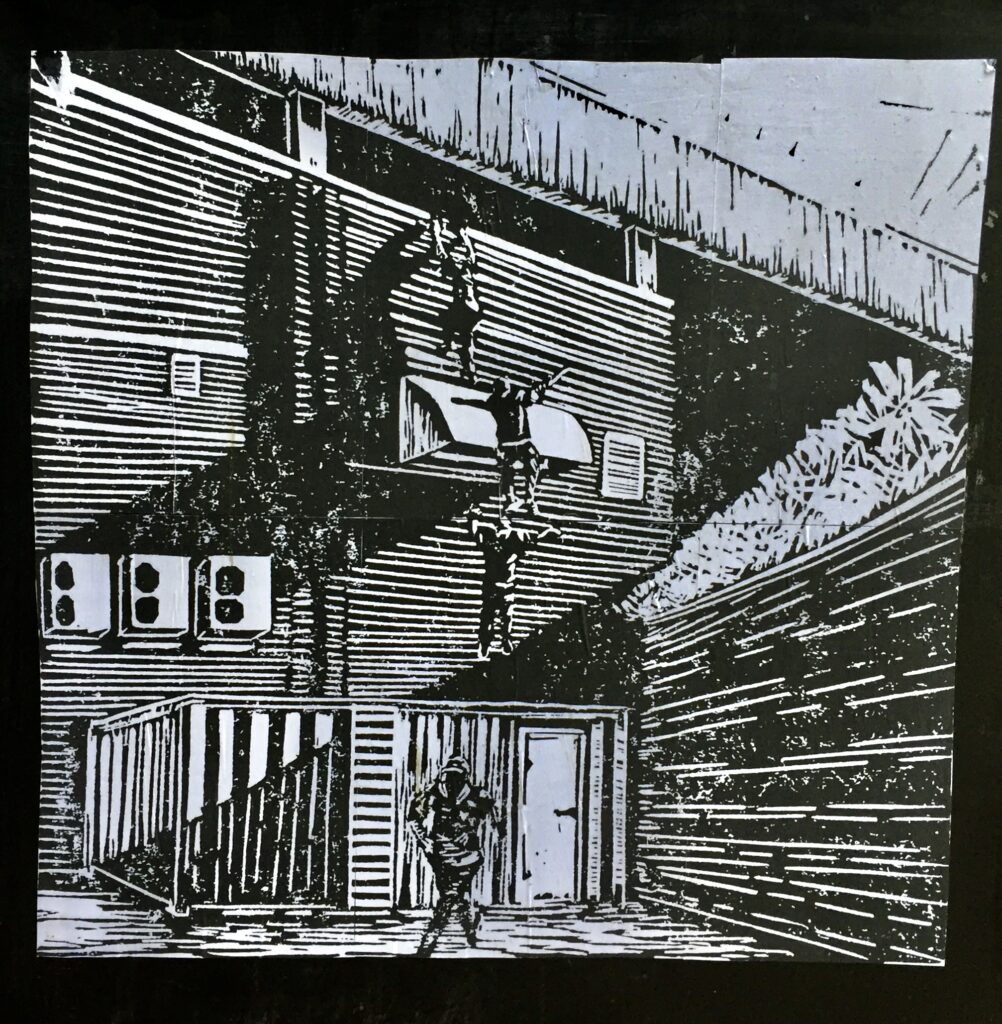
This drawing high up on a wall looked vaguely familiar …

Then I realised I’d seen a work in the same style in Moor Lane outside the Barbican …

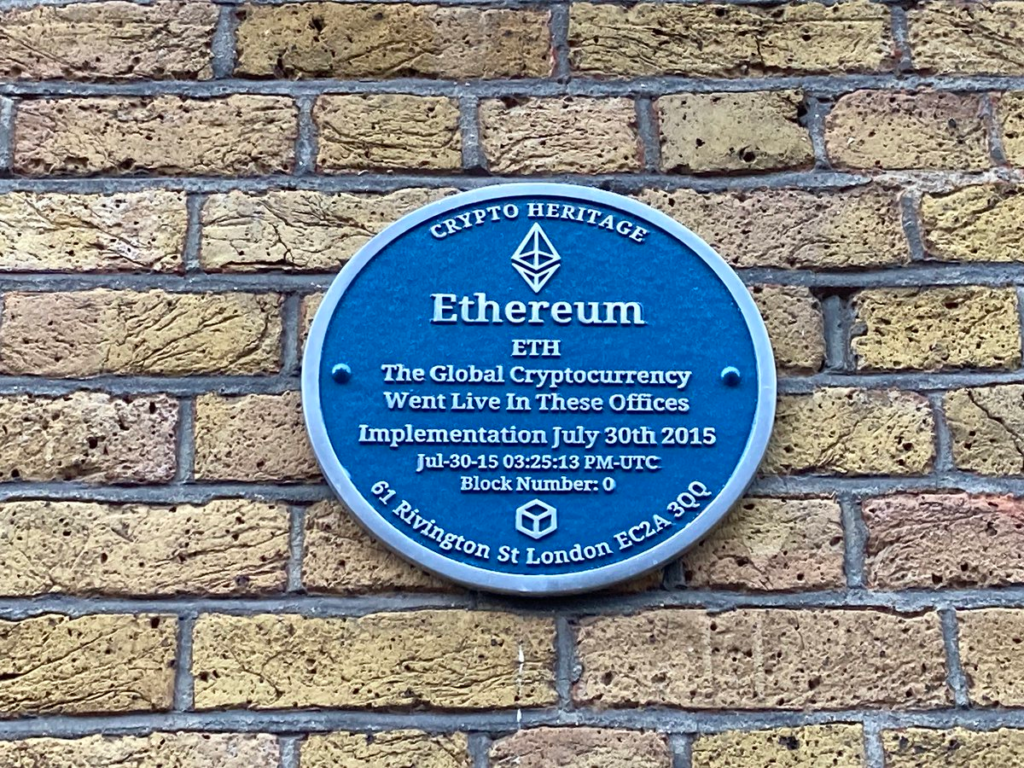
Incidentally, and bizarrely, this ‘crypto heritage’ plaque in Rivington Street celebrates the launch of the cryptocurrency Etherium …

It’s still around if you fancy a risky investment.

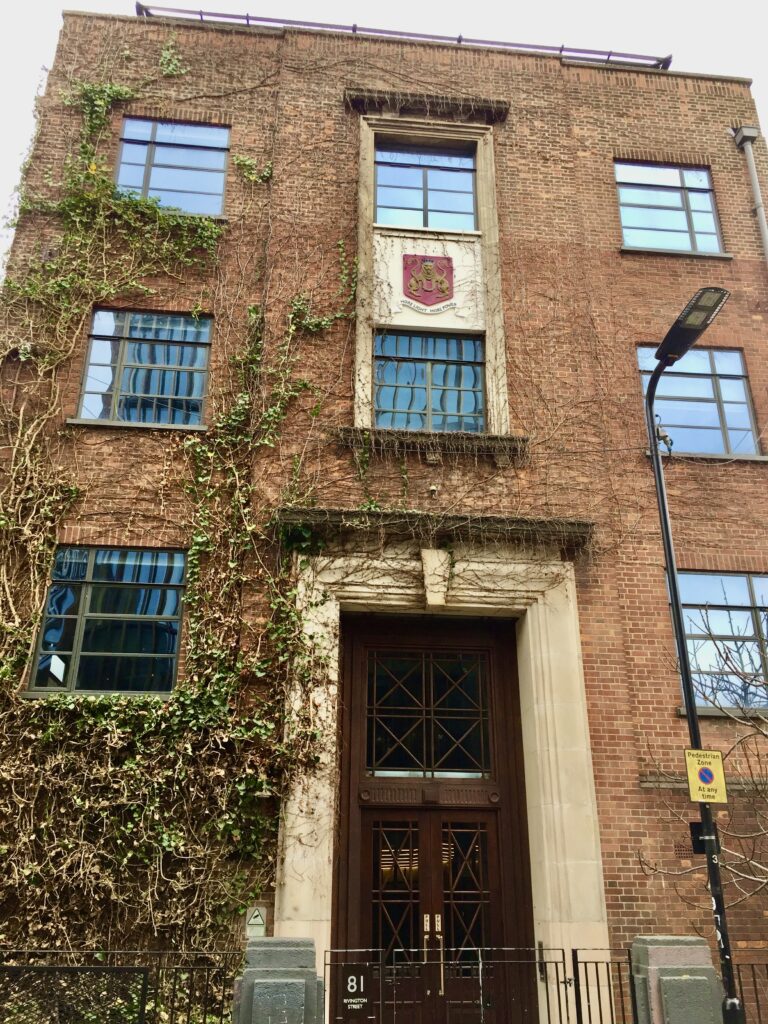
This is number 81 Rivington Street …

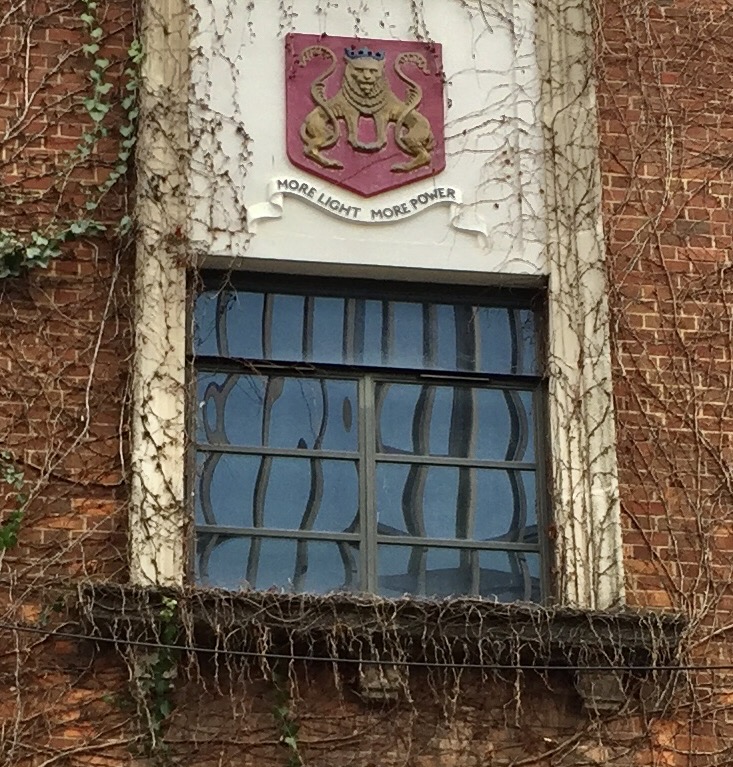
It displays the coat of arms of the Borough of Shoreditch, More Light – More Power. The twin bodied, single headed lion was taken from the coat of arms of the medieval Lord of the Manor, John de Northampton, second Lord of the Manor of Shoreditch and Lord Mayor of London 1381-1382 …

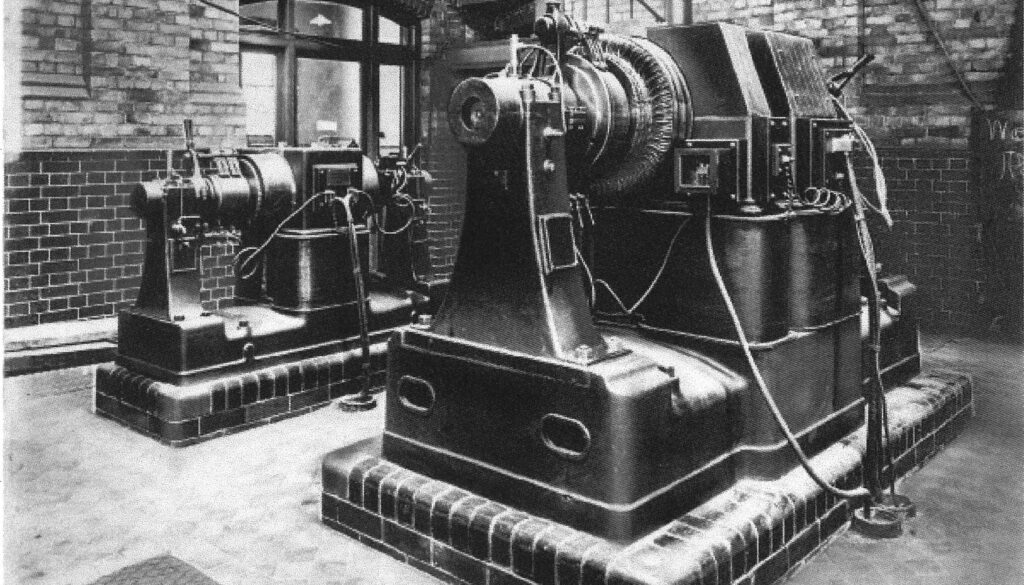
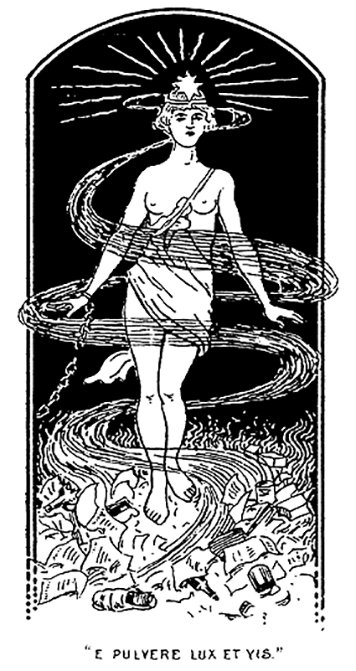
Adopted in 1900, the motto was inspired by the success of the refuse destructor located where National Centre for Circus Arts is now on Hoxton Square. Responding to the need for street lights, the progressive idea to generate power from refuse was launched in 1897. The energy this generated powered the street lighting across Shoreditch and became a particularly powerful symbol of the progressive Shoreditch policies.

The ‘destructor’ …

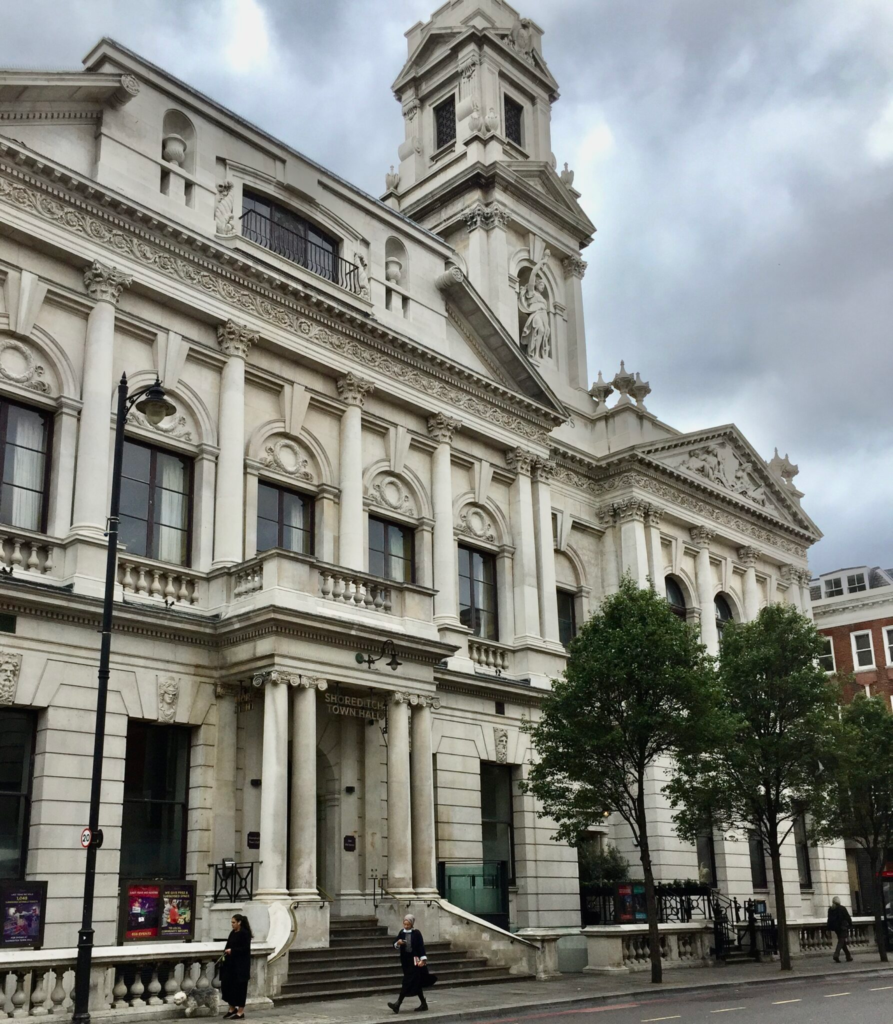
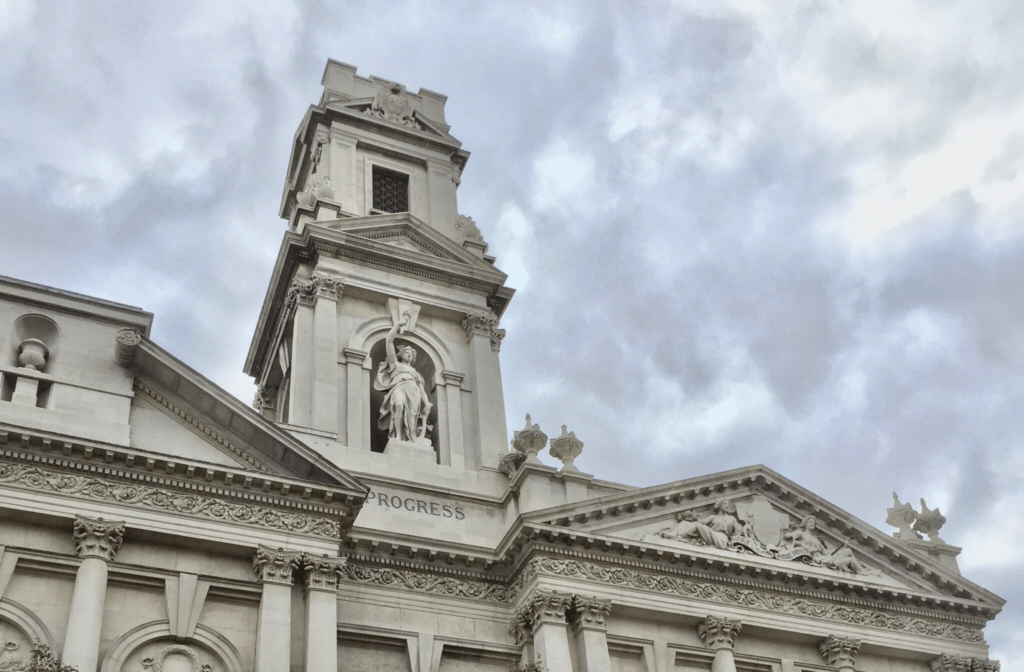
Back in Old Street, I admired once more the beautiful civic building that is the old Shoreditch Town Hall which opened in 1866 …

Later in 1904, the extension to the Town Hall included the tower and statue of Lady Progress.

The statue is based on the popular Victorian figure of ‘Hope’, with allusions to both Greek and Norse mythology and uncanny similarities to the Statue of Liberty. Aligning with the symbolic prominence of the refuse destructor and the progression it represented, she is depicted elsewhere in the borough as a beacon of light rising from ashes.

The latin translates as ‘Out of the dust, light and power’.

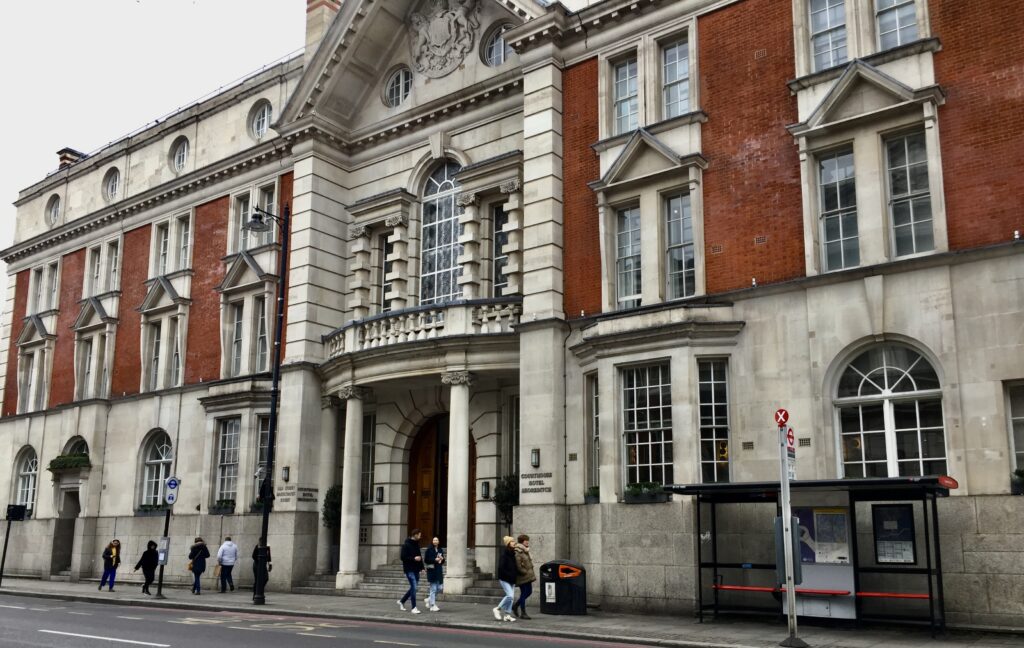
Old Street Magistrates Court was transformed into a hotel in 2016 (previous temporary visitors included Reggie and Ronnie Kray) …

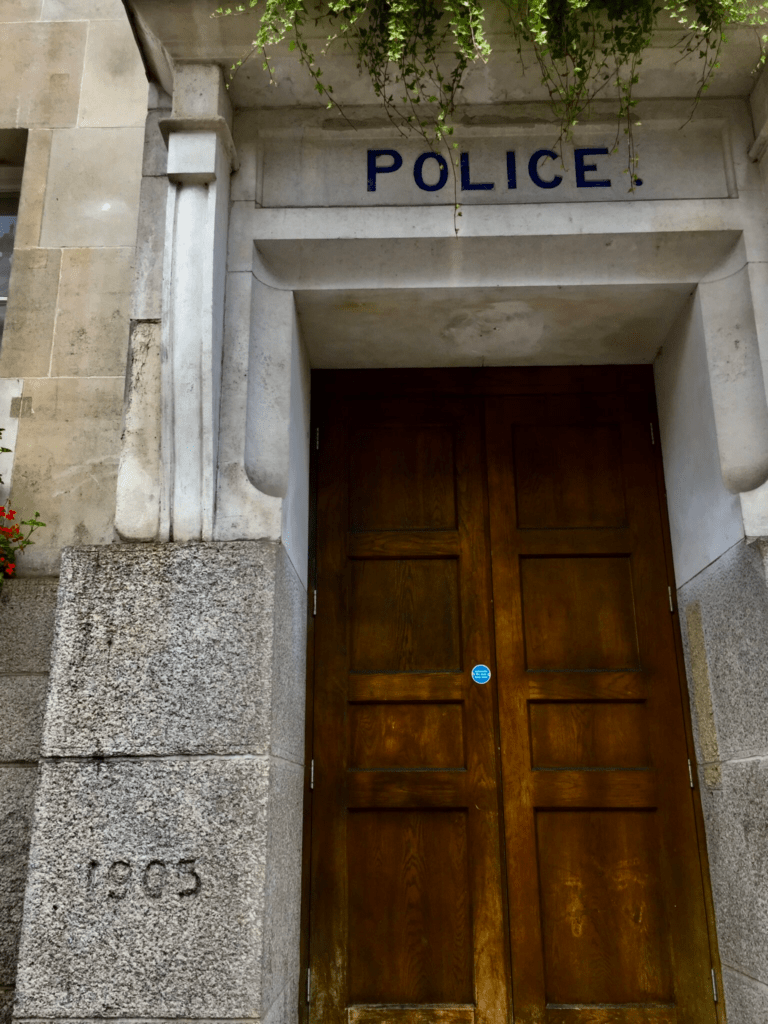
The eastern half of the building contained a police station …

It included accommodation for a married inspector on the first floor and for 40 single men on the second and third floors. There was a kitchen and mess room along with rooms for storing, drying and brushing clothes and boots. You really could say there was a ‘police presence’ in those days.

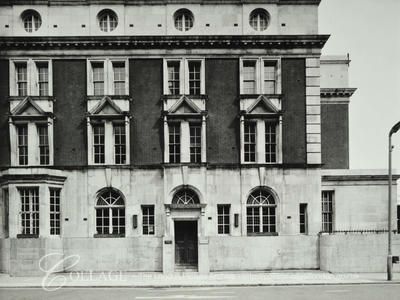
The building in 1974 …

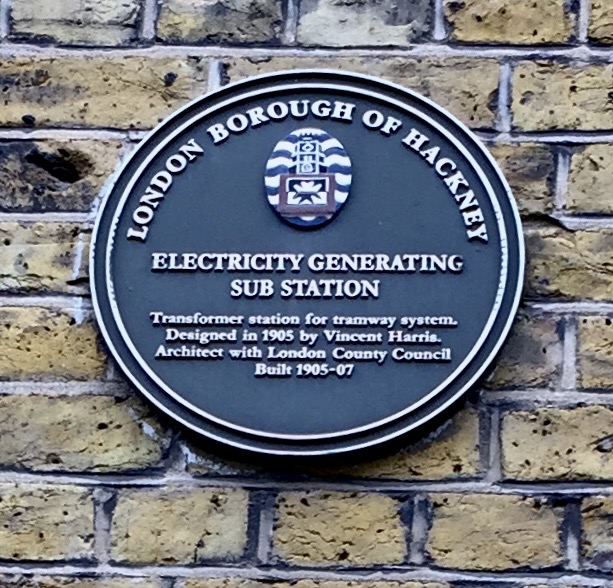
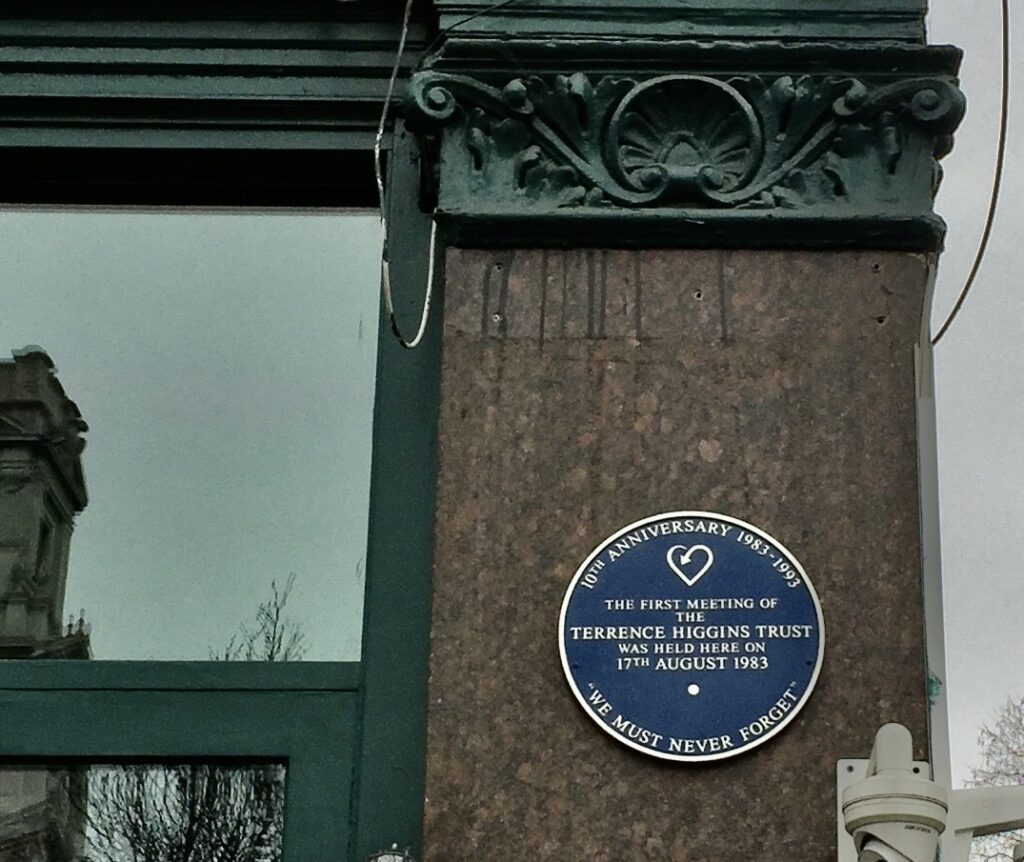
On my walk I checked out a few blue plaques. This one is at 333 Old Street …

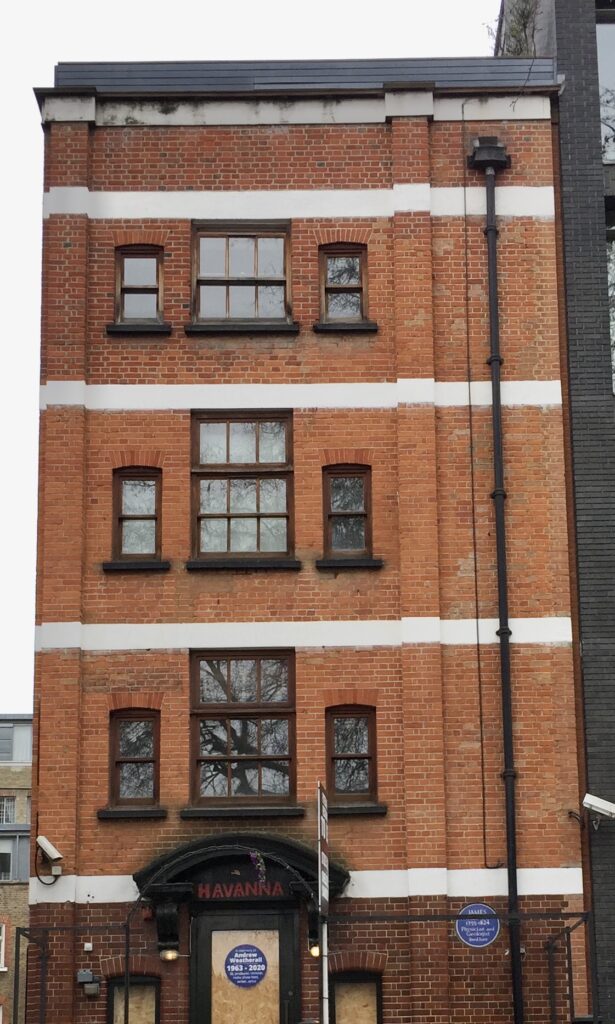
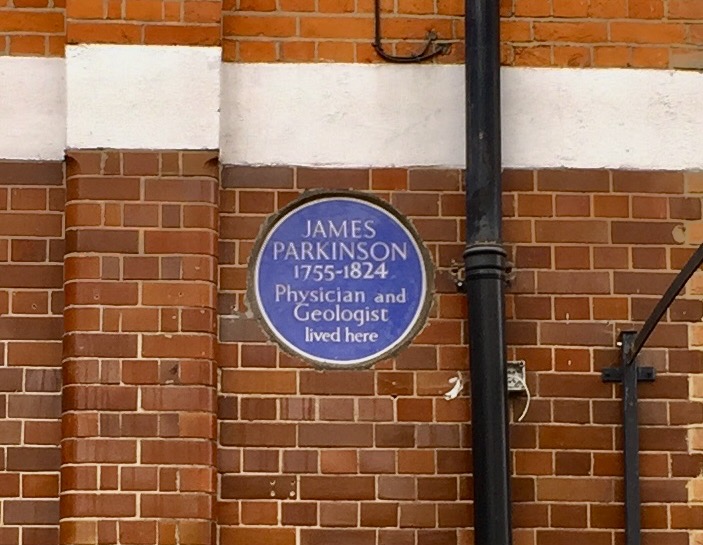
This one is in Hoxton Square …

Parkinson was the first to describe ‘paralysis agitans’, a condition that would later be renamed after him.

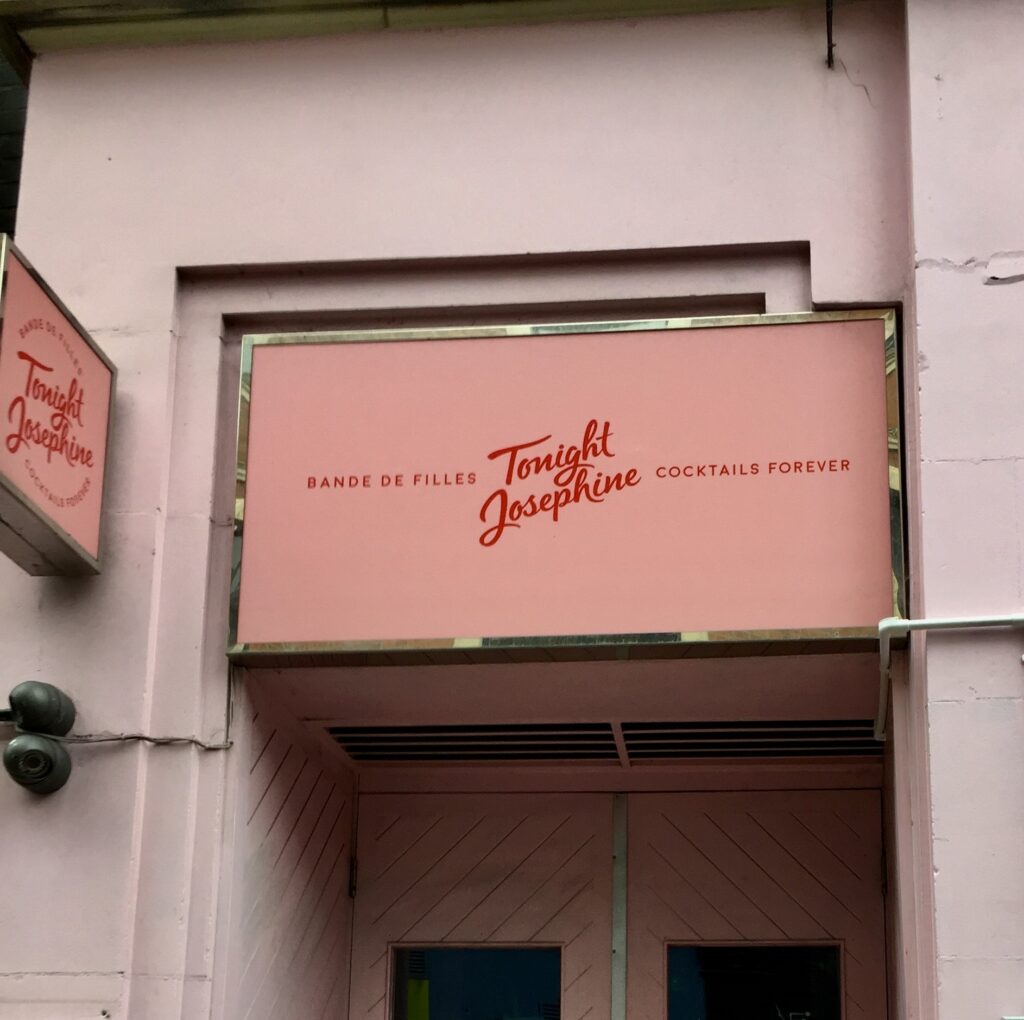
The square also hosts this cutely named cocktail bar …

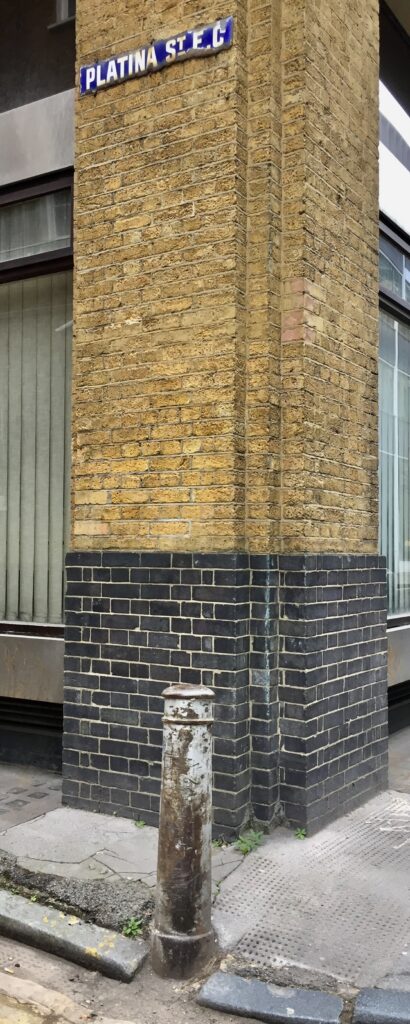
Walking back home via Tabernacle Street I admired the old street sign for Platina Street …

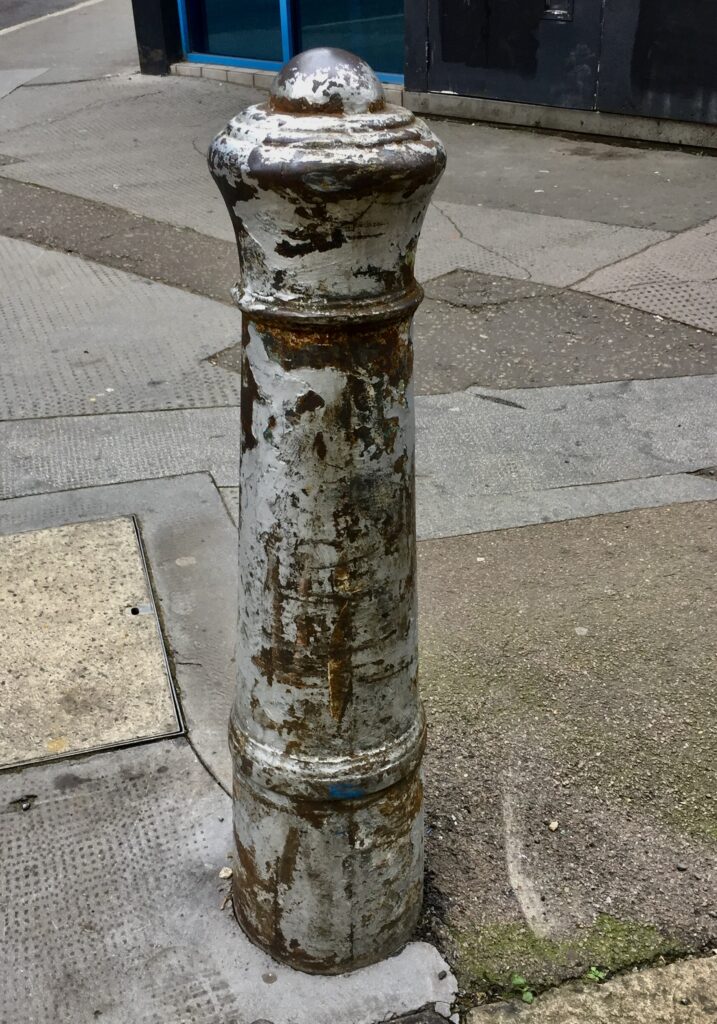
… along with the metal bollard which has seen a few bumps and scrapes over the years …

If you would like to follow me on Instagram here is the link …
https://www.instagram.com/london_city_gent/

Page 27 of 92

Powered by WordPress & Theme by Anders Norén

Symbols & Secrets
Privacy Overview

This website uses cookies so that we can provide you with the best user experience possible. Cookie information is stored in your browser and performs functions such as recognising you when you return to our website and helping our team to understand which sections of the website you find most interesting and useful.