This sign on London Wall a few weeks ago indicated a major change to the area around St Paul’s Cathedral …
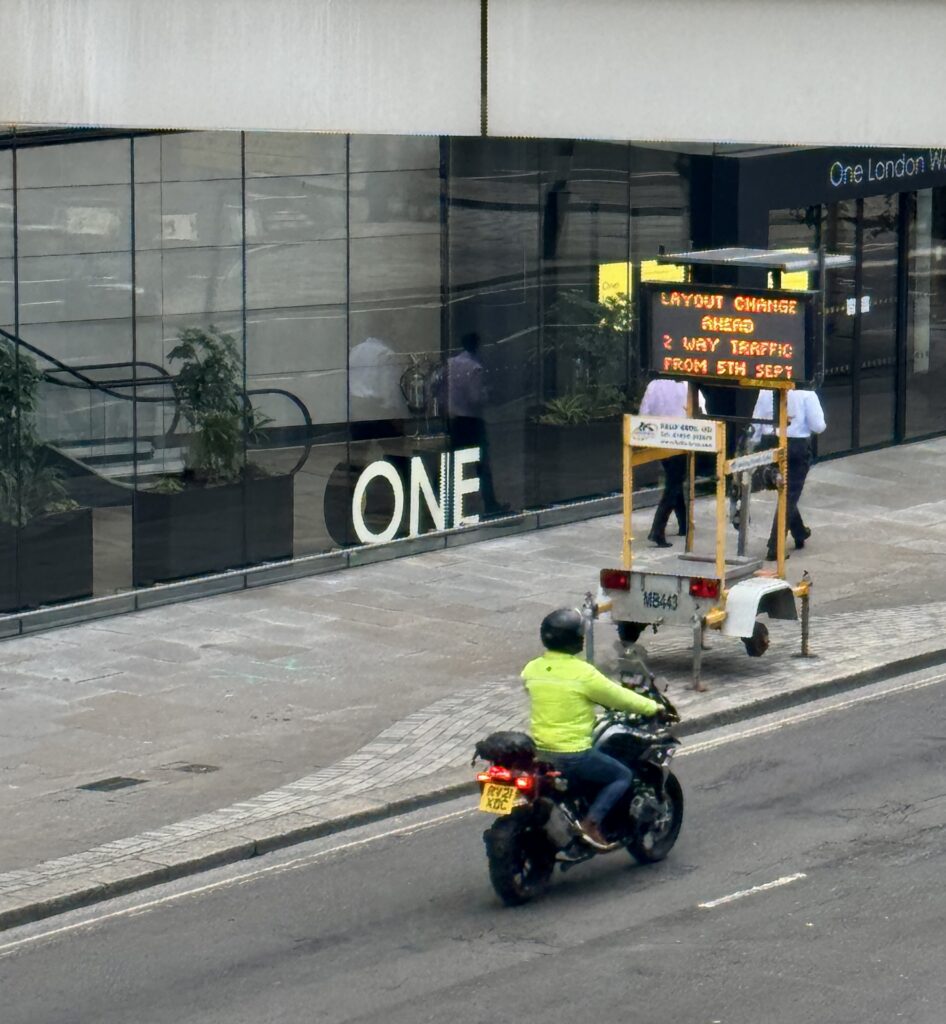
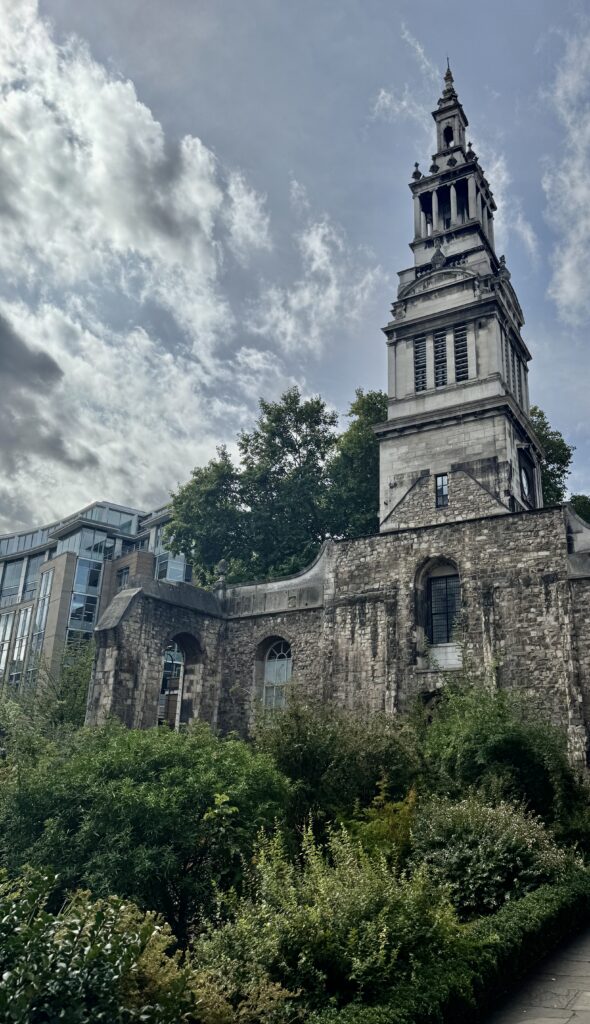
The St Paul’s Gyratory Transformation Project is a major £19m scheme by the City of London Corporation to replace a 1970s traffic system with pedestrian-friendly public spaces and safer travel routes. One of the development’s nicest features is Greyfriars Square, a new 3,500 sq m public space, the largest in the Square Mile, is being built near Christ Church Greyfriars and St Paul’s Cathedral. You can experience a fly-through visualisation here.
I popped along to have a look last weekend and there is obviously a lot of work under way …
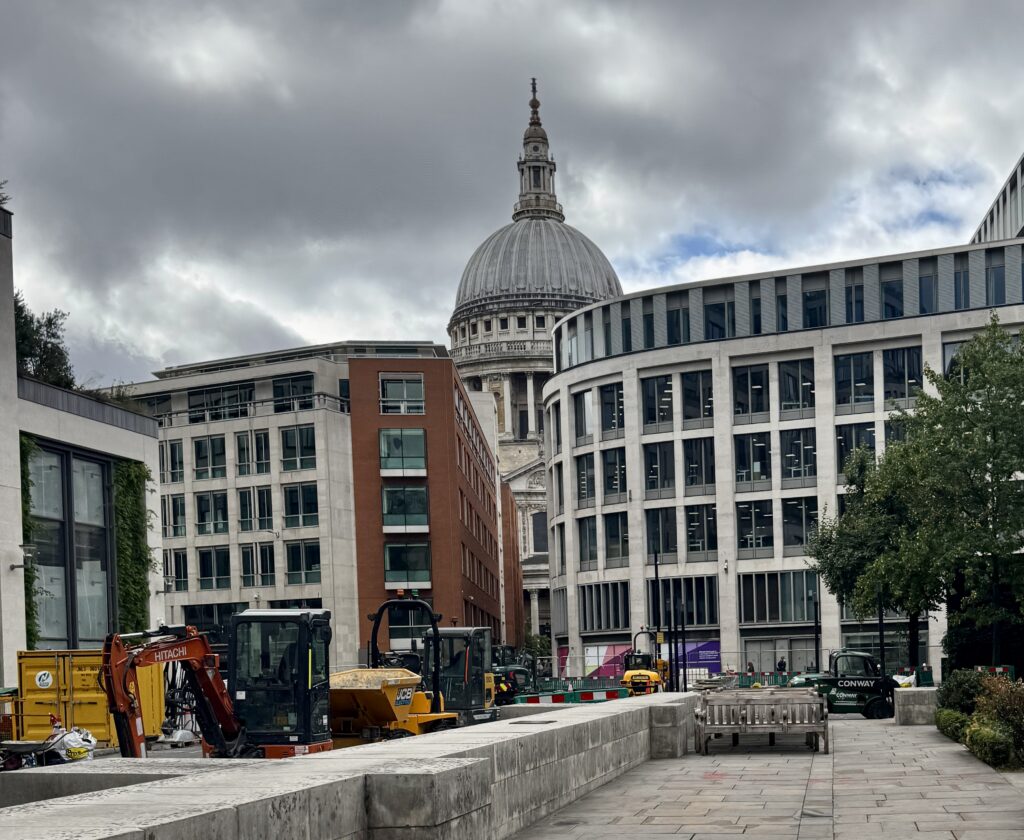
I walked around the Cathedral area a few weeks ago on one of the nice, but not too hot, sunny days last week and took a few images.
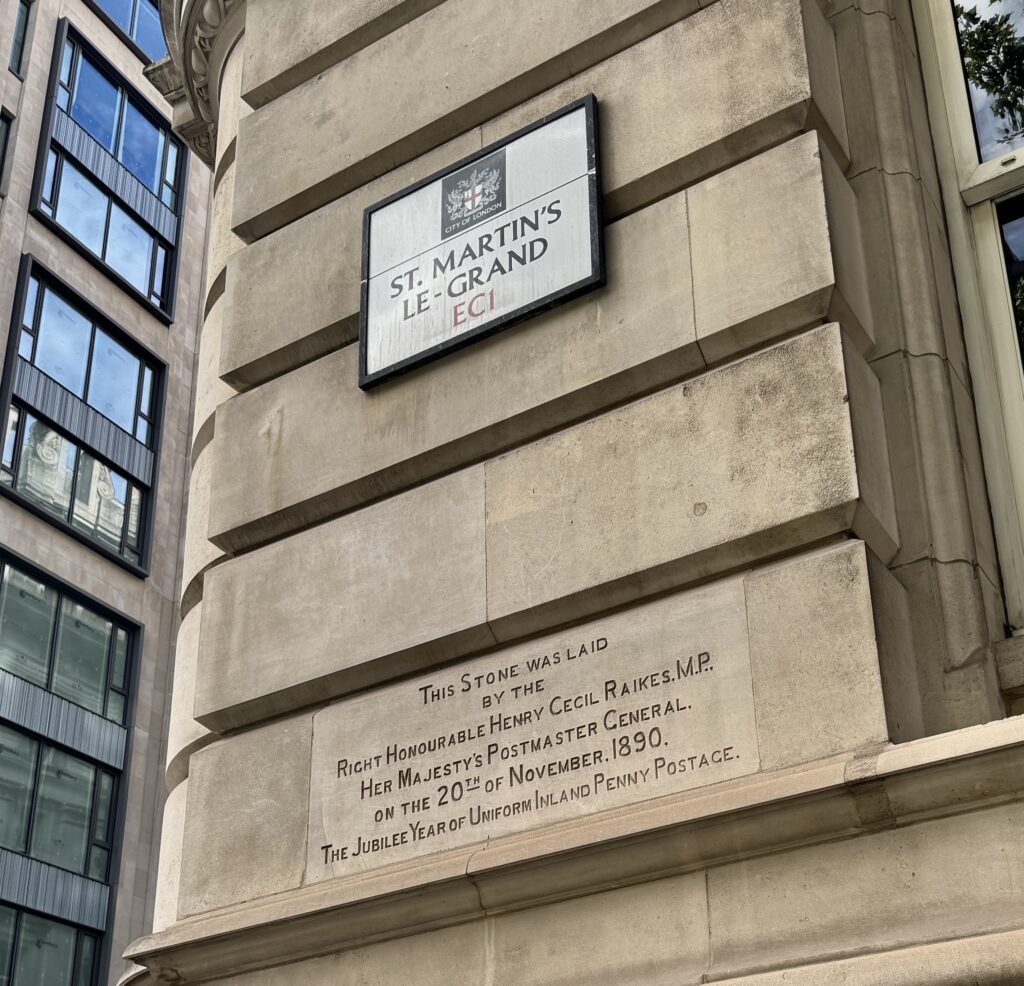
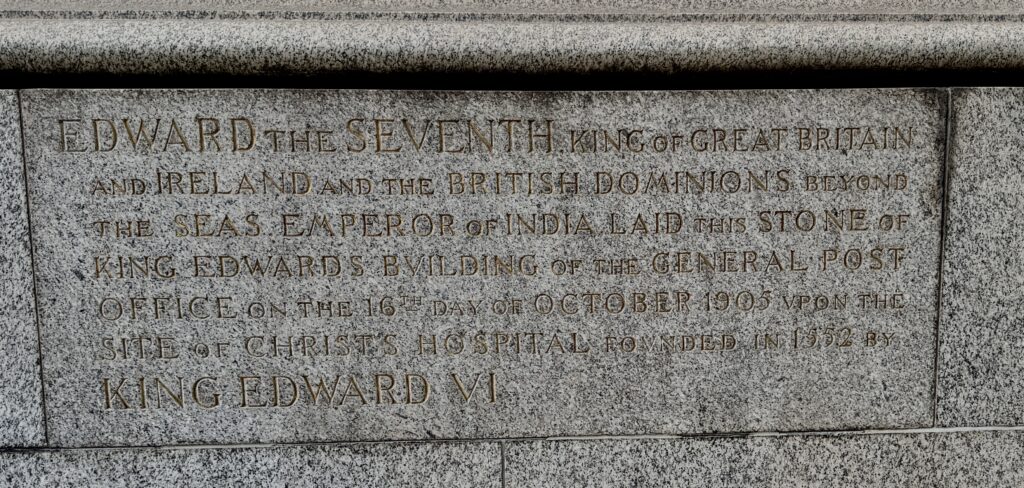
The heyday of the postal service …
I still find it bizarre that Royal Mail is now owned by a Czech billionaire Daniel Křetínský through his investment vehicle, EP Group, following a £3.6 billion takeover of its parent company, International Distribution Services.
The heyday of the Empire as well as the Post Office …
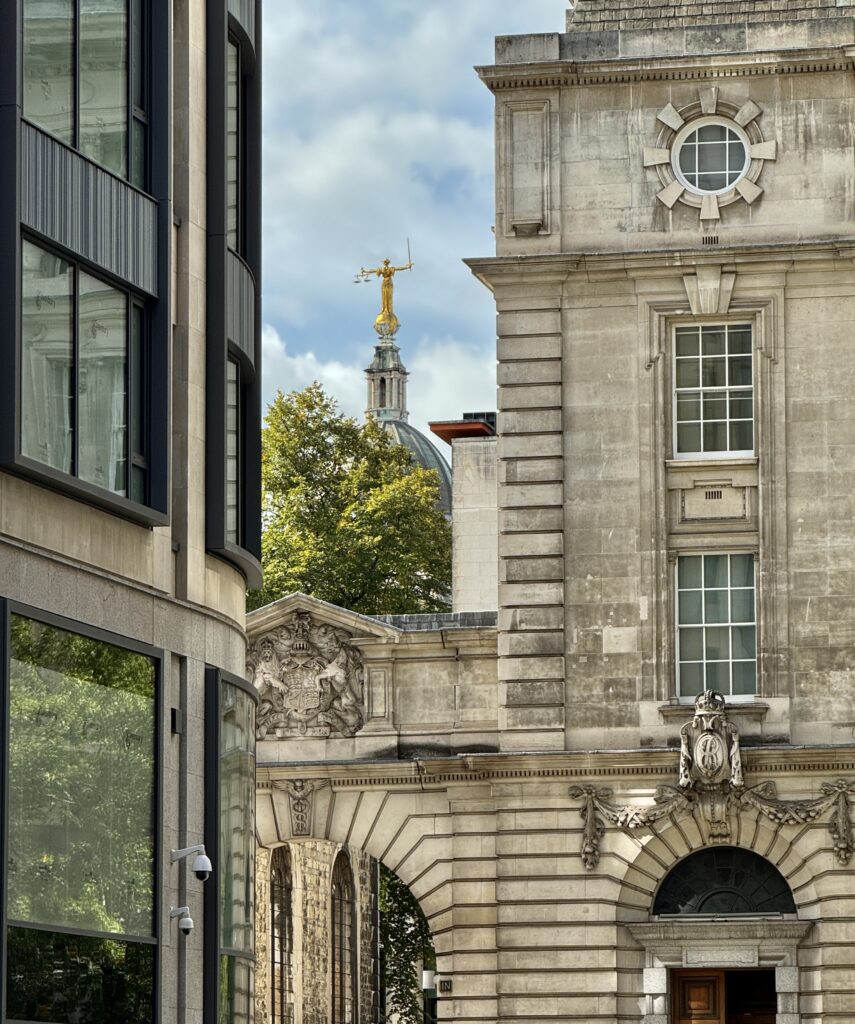
A glimpse of Lady Justice in the distance …
The ruins of Christ Church Greyfriars and its pretty little garden will be an integral part of the new Greyfriars Square …
In Paternoster Square is a 1975 bronze sculpture by Elisabeth Frink which I particularly like – a ‘naked’ shepherd with a crook in his left hand walks behind a small flock of five sheep ……
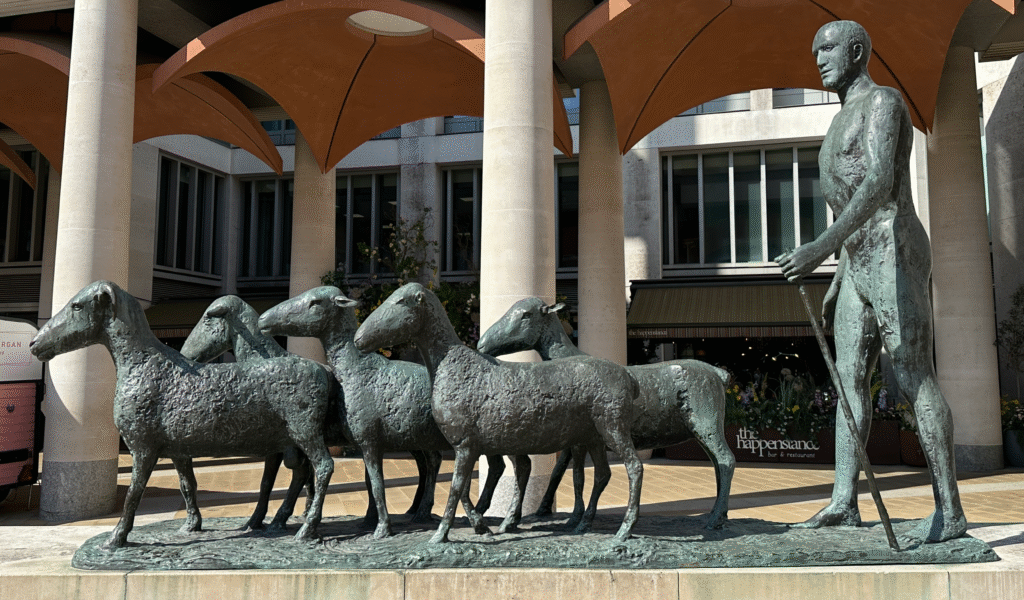
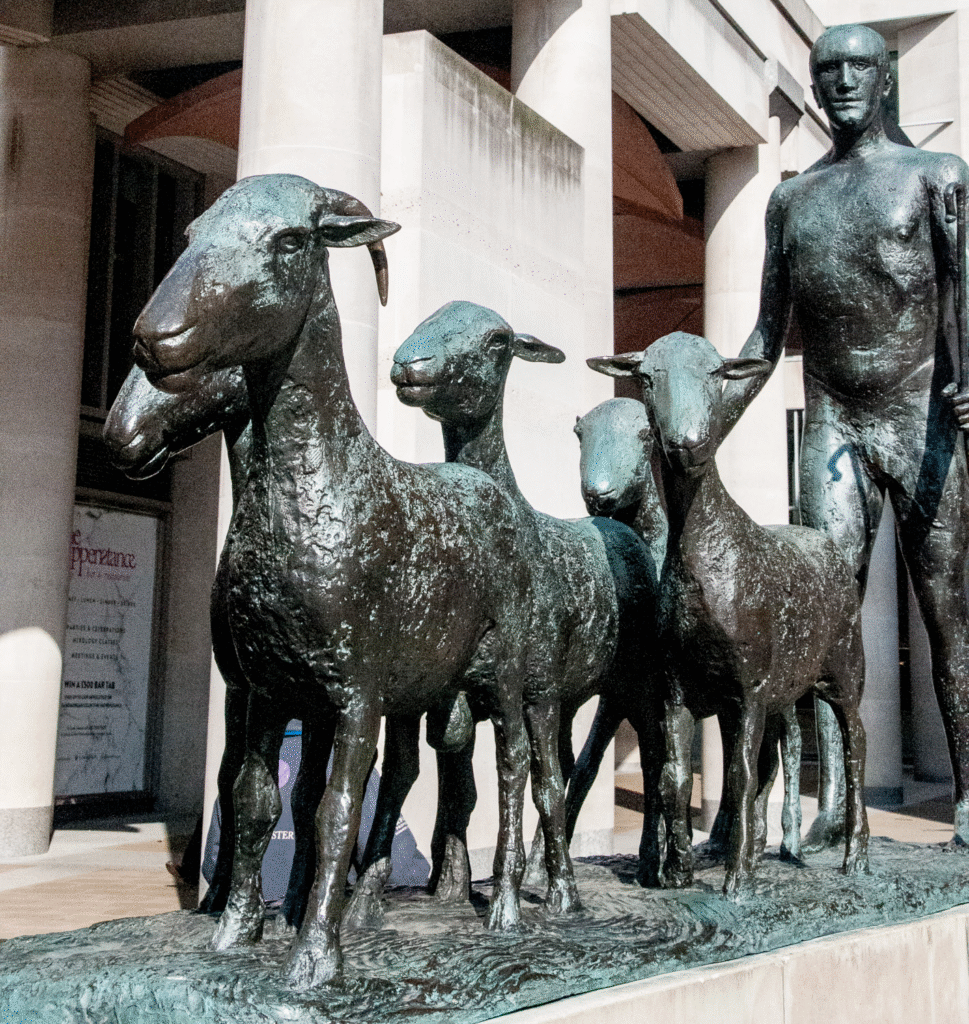
Dame Elisabeth was, anecdotally, very fond of putting large testicles on her sculptures of both men and animals. In fact, her Catalogue Raisonné informs us that she ‘drew testicles on man and beast better than anyone’ and saw them with ‘a fresh, matter-of-fact delight’. It was reported in 1975, however, that the nude figure had been emasculated ‘to avoid any embarrassment in an ecclesiastical setting’. The sculpture is called, appropriately, Paternoster.
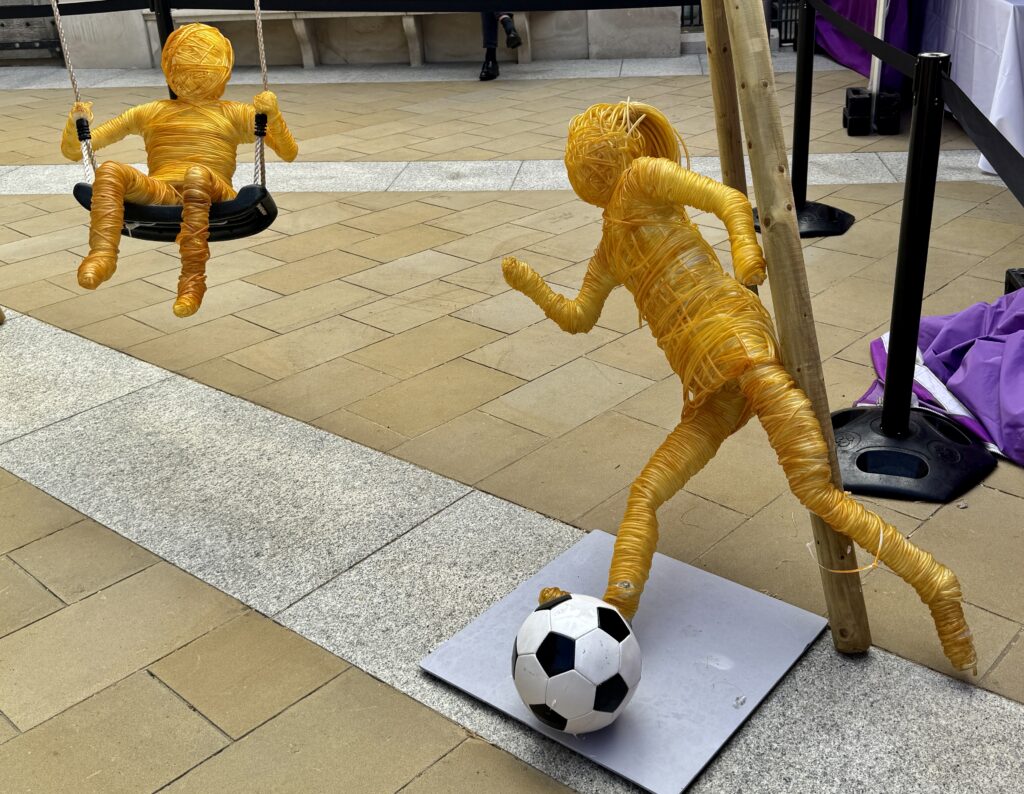
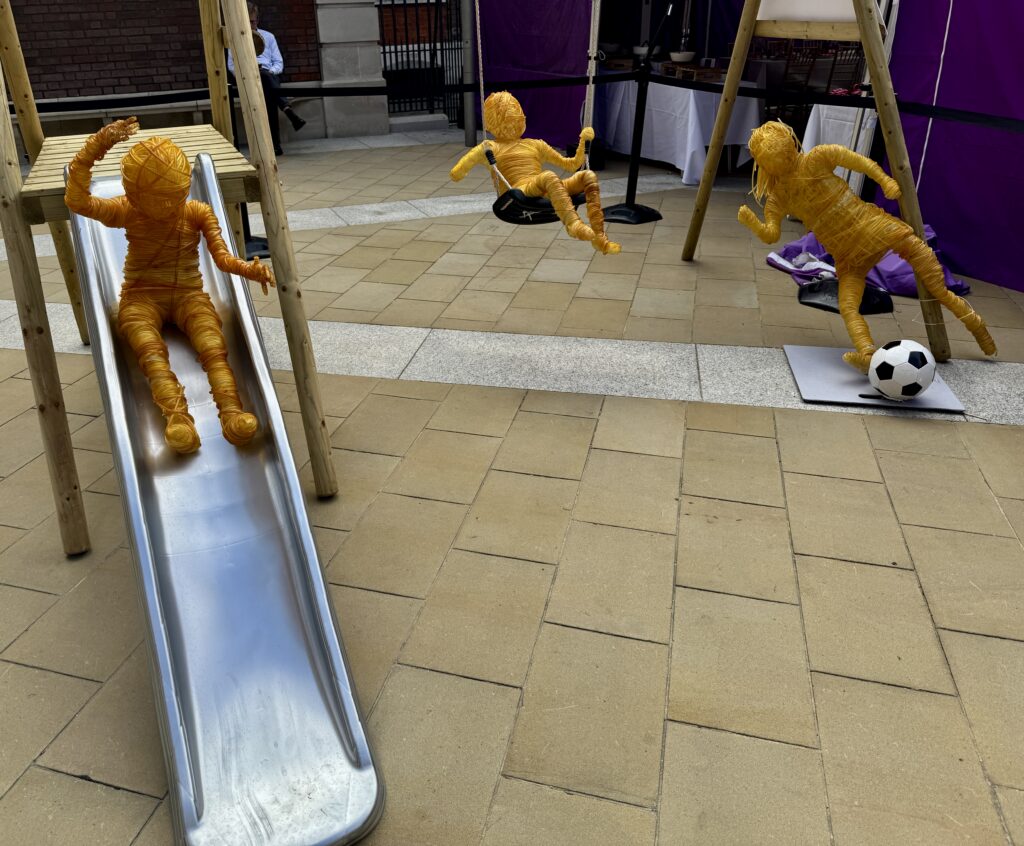
Paternoster Square Art Installation …
Since the weather was so nice, I took the opportunity to capture a few images of the bust of one-time Dean of St Paul’s John Donne …
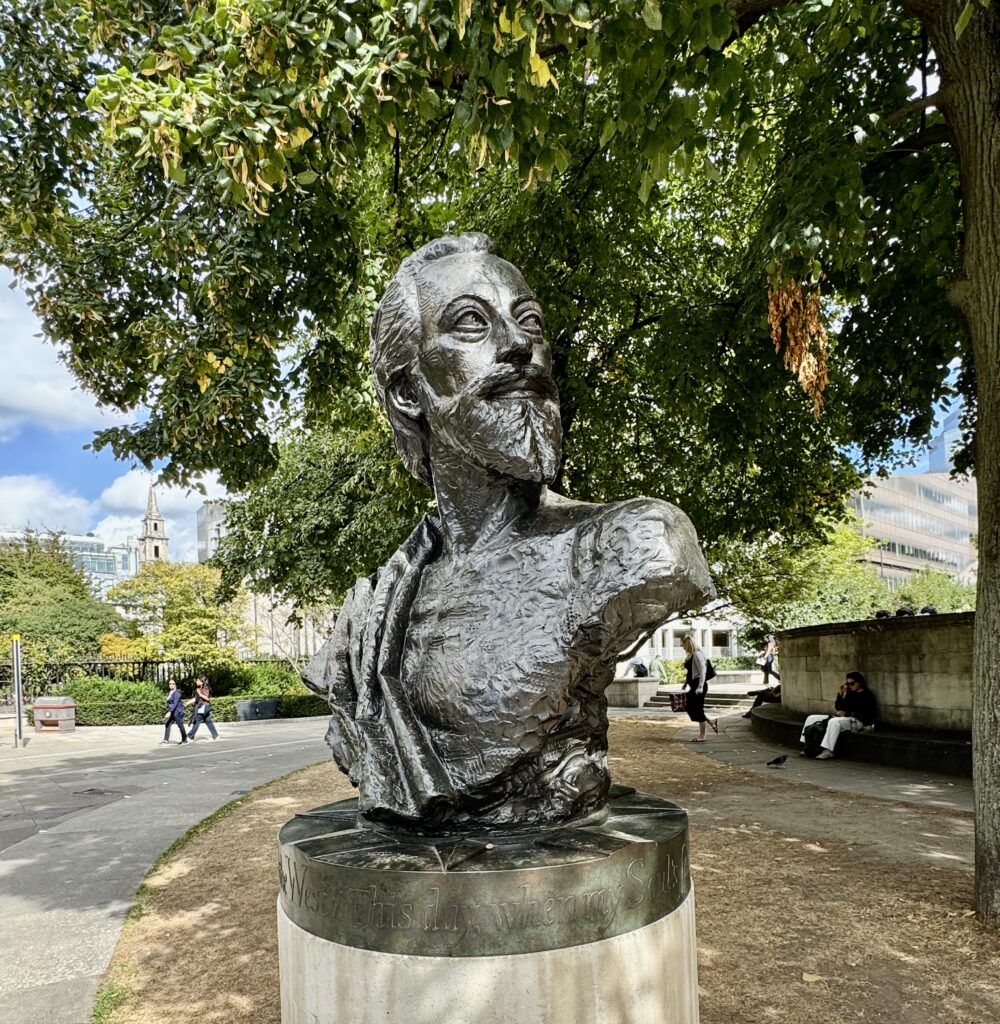
It’s by Nigel Boonham (2012).
His bust points almost due west but shows him turning to the east towards his birthplace on Bread Street. The directions of the compass were important to Donne in his metaphysical work: east is the Rising Sun, the Holy Land and Christ, while west is the place of decline and death. Underneath the bust are inscribed words from his poem Good Friday – Riding Westward :
Hence is’t that I am carried towards the west, This day when my soul’s form bends to the east
The most familiar quotation from Donne comes from his Meditation XVII – Devotions upon Emergent Occasions published in 1624:
No man is an island, entire of itself; every man is a piece of the continent, a part of the main … and therefore never send to know for whom the bell tolls, it tolls for thee.
Something I had never noticed before is that there is an inscription on his shoulder. It’s from Donne’s verse letter to Lady Carey and Mistress Essex Rich: “True virtue’s soul’s always in all deeds all.” It is famous for being the only surviving verse in English written in Donne’s own handwriting …
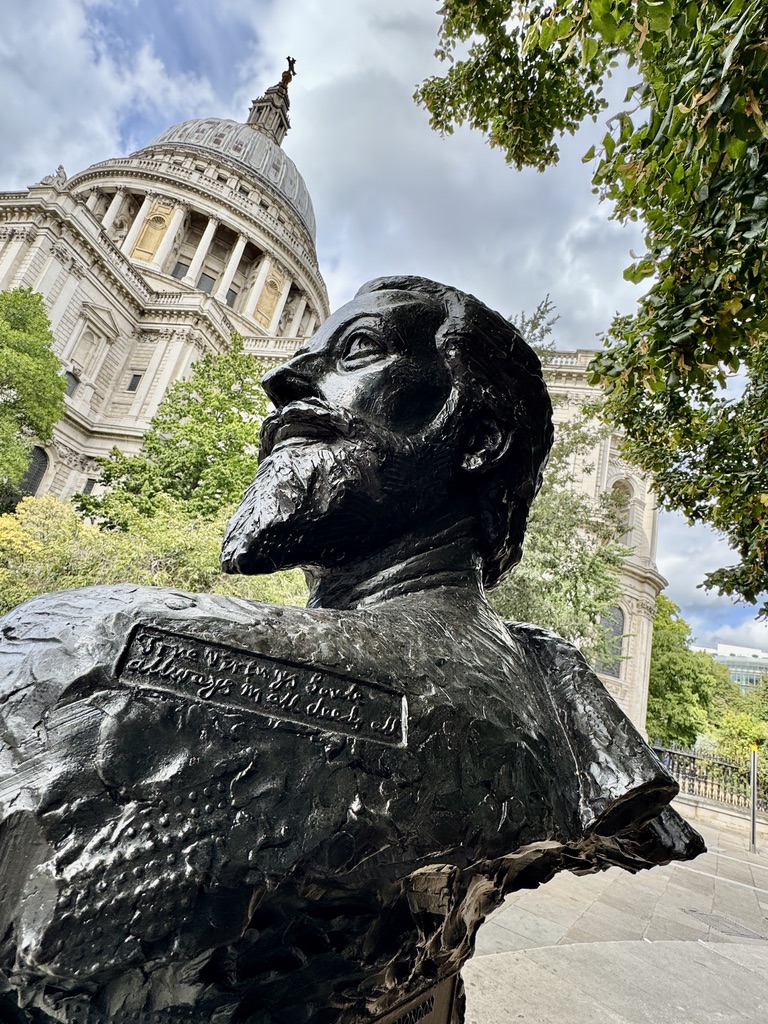
I have written about Donne before and you can access the blog here.
I really like this work by Paul Mount (1922-2009), also to be found in the gardens. It’s called Amicale (2007) …
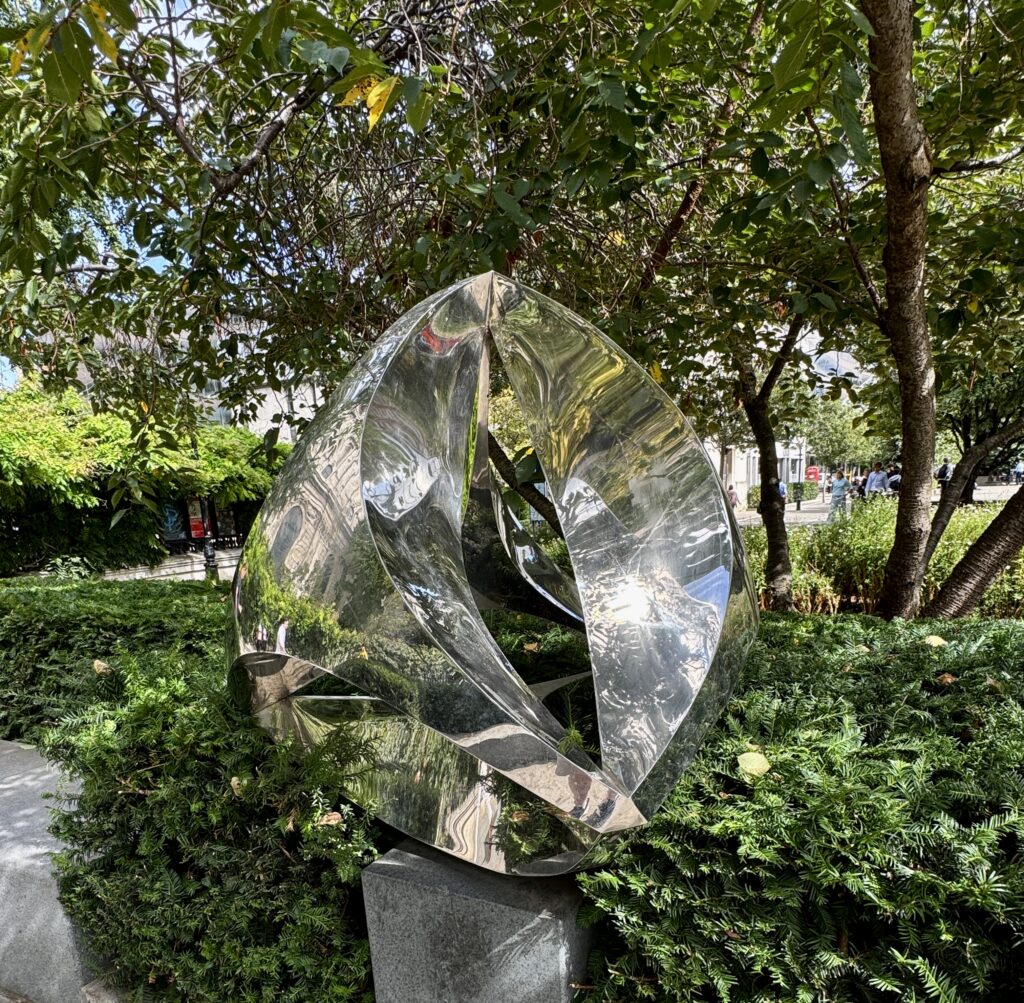
Mount was one of the last British artists whose careers were interrupted by the Second World War. A lifelong pacifist, he served in the Friends Ambulance Unit in North Africa and then France, where he stayed on after the end of the war to do relief work. Once free to work again, artists like him never really lost their sense of a world to be made anew through art. For Mount, sculpture expressed an essential human dignity. He observed …
The way that two shapes relate is as important as the way two people relate.
There is a nice obituary notice about him and his fascinating life in The Guardian which you can access here.
On my way to Smithfield I took an image of the Watch-House in Giltspur Street. It’s attached Holy Sepulchre church …
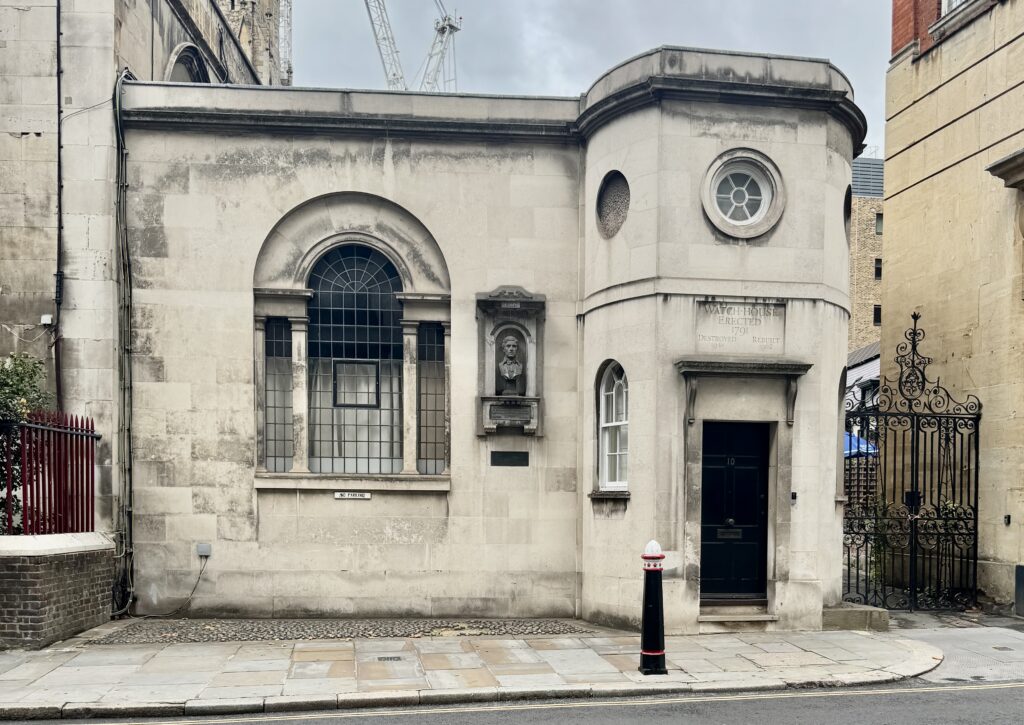
It was built in 1761, to keep guard over the church’s graveyard, which was then much larger and extended across the road. Lost in wartime bombing, it was rebuilt in 1962.
Originally a night watchman was employed here to stop recently buried corpses from being stolen by ‘resurrection men’ (body snatchers) …
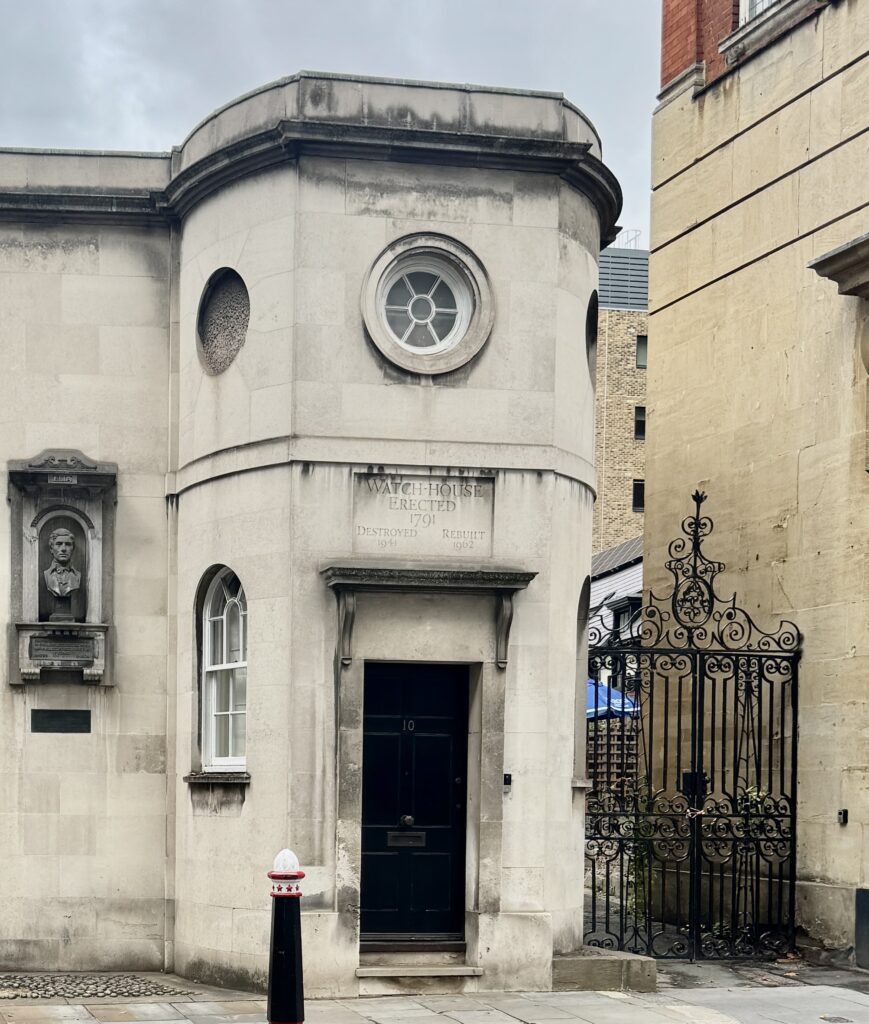
According to Dani Middleton, bodies stolen at this graveyard would usually be taken to an inn on the opposite side of the road, where the landlord would tie the name of a doctor or student, who had paid for the body, on the cadaver’s toe. Then the customer, probably from a nearby hospital such as St Bartholomew’s, would visit the pub and collect it.
The building is home to a bust of Charles Lamb …
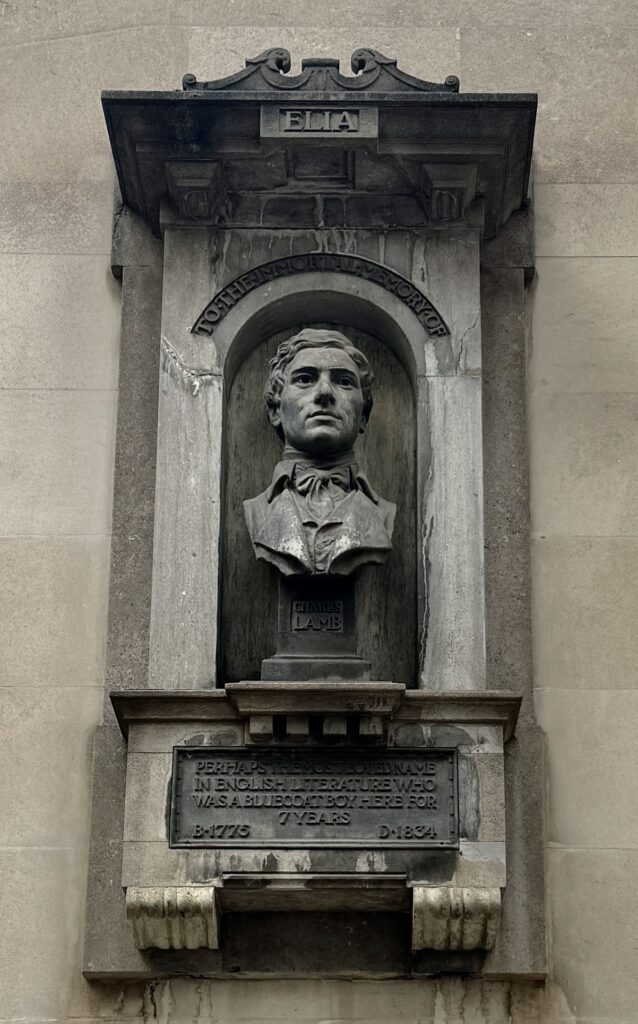
The wording reads: To the immortal memory of Charles Lamb. Perhaps the most loved name in English literature who was a Bluecoat Boy here for 7 years. B: 1775 D: 1834
Below the memorial there is a plaque reading: This memorial was moved here in December 1962 from Christchurch Greyfriars, Newgate Street, which stands beside the former site of Charles Lamb’s school Christ’s Hospital.
At the entrance to St Bartholomew the Great a new memorial has been installed to the famous martyr Anne Askew who was burnt at the stake outside the St Bartholomew gatehouse on July 16 1546 …
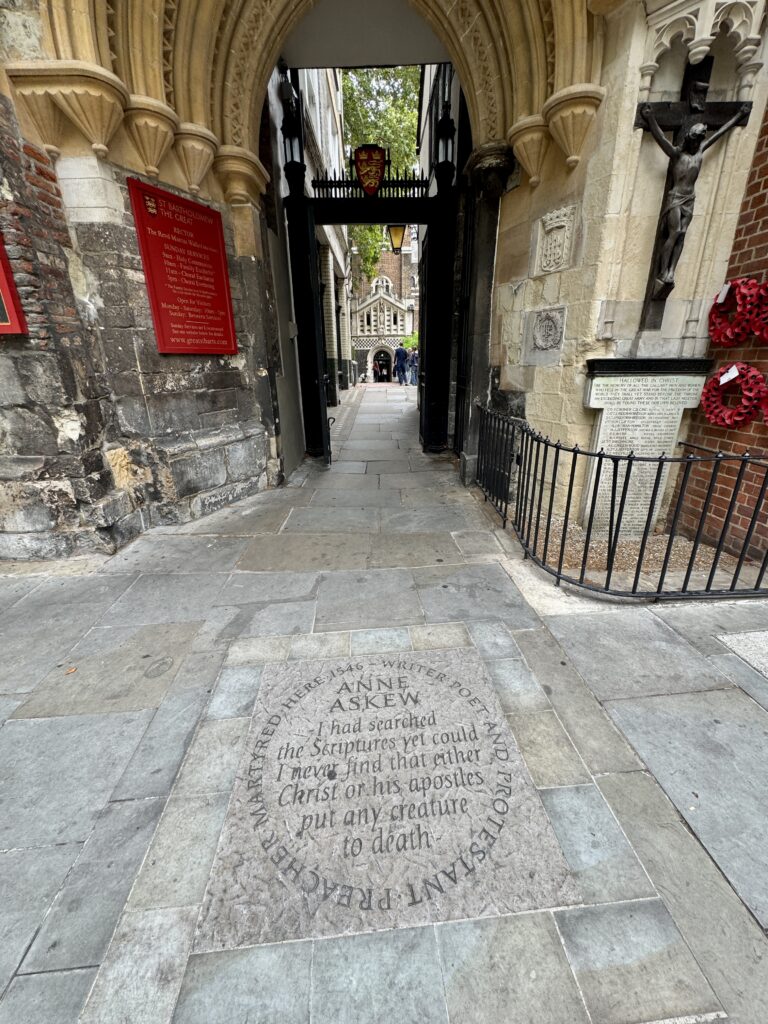
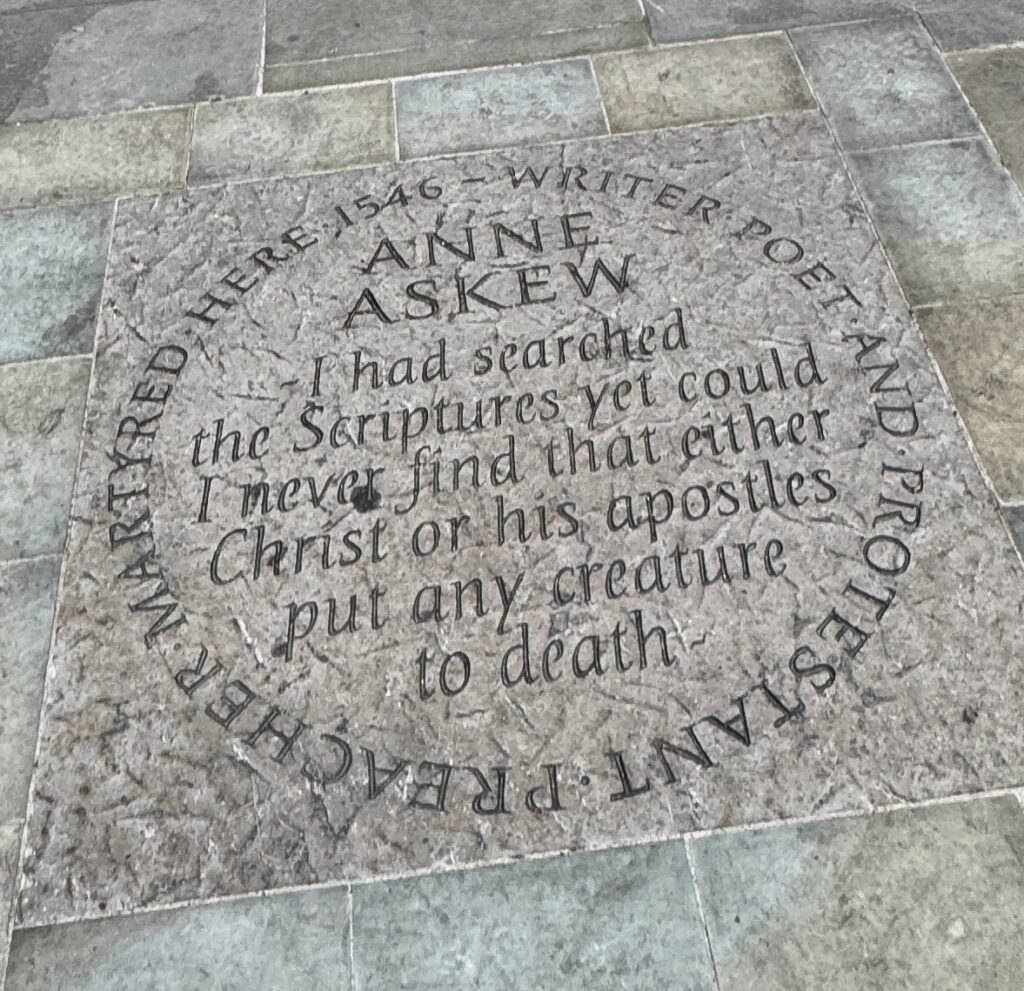
Anne was burnt along with John Lascelles (a lawyer and Gentleman of the King’s Privy Chamber), John Hadlam (a tailor from Essex) and John Hemsley (a former Franciscan friar). A great stage was built at Smithfield for the convenience of Chancellor Wriothesley, other members of the Privy Council and City dignitaries, to watch the burning in comfort.
The execution of Anne Askew and her companions – 1563 woodcut from Foxe’s Book of Martyrs …
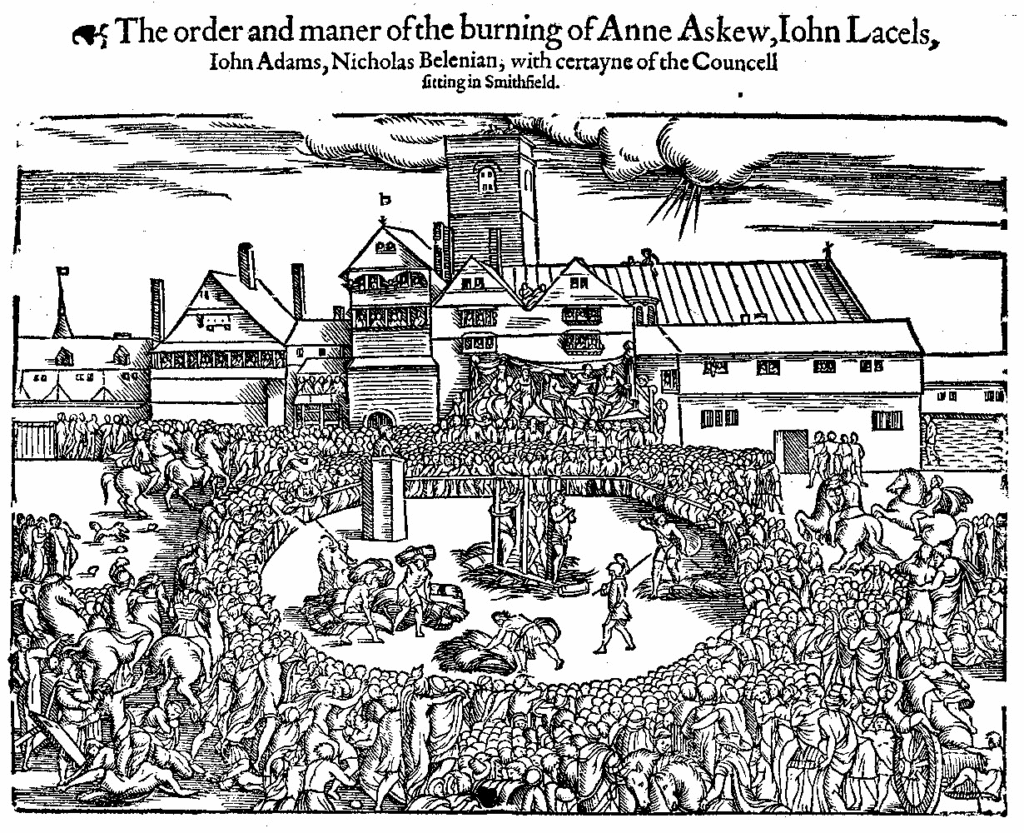
Anne herself, having been illegally broken on the rack, was unable to stand, and was chained to the stake in a sitting position. You can read more about this fascinating, brave lady here. You can read and hear more about the new memorial here.
Every burning was different; if the fire ‘caught’, it could be over relatively quickly, but on damp days, or when the wind persisted in blowing the flames away from the body, it could take up to an hour for the condemned person to die, an hour of excruciating agony.
Their crime was heresy and of the 288 people estimated to have been burnt during the five year reign of Mary Tudor, forty eight were killed in Smithfield. ‘Bloody Mary’ was the daughter of Henry VIII and Katherine of Aragon and the burnings were part of her campaign to reverse the English Reformation.
The ‘Marian Martyrs’ are commemorated with this plaque erected by the Protestant Alliance in 1870 …
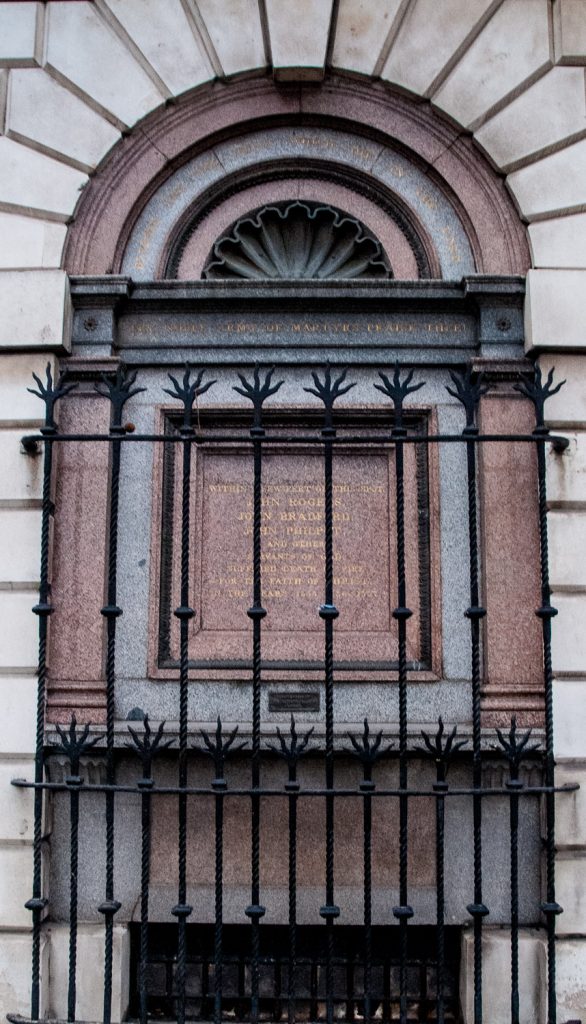
The gilding is a little faded in this picture. It reads …
Blessed are the dead which die in the Lord. The noble army of martyrs praise Thee! Within a few feet of this spot,
John Rogers,
John Bradford,
John Philpot,
and other servants of God, suffered death by fire for the faith of Christ, in the years 1555, 1556, 1557
In other (more cheerful) news.
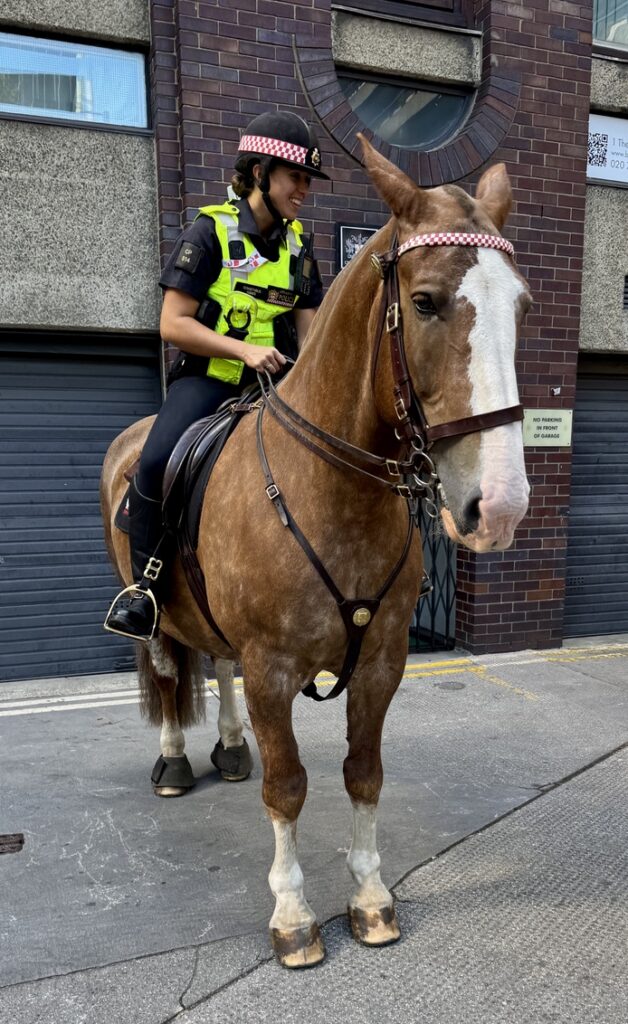
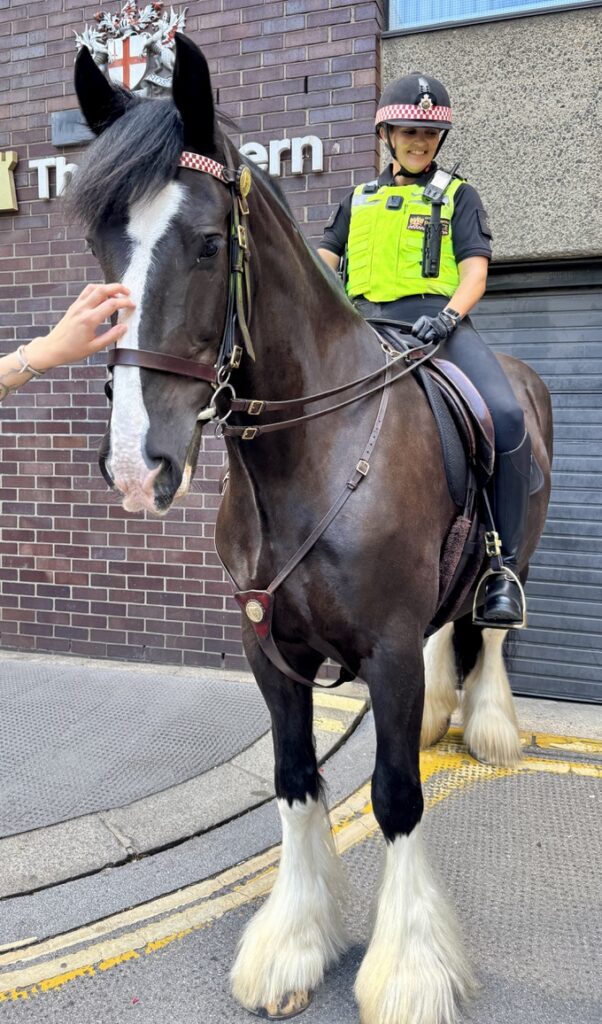
Two lovely City of London Police horses and their riders were here last Saturday to greet visitors to the Barbican Summer Party …
At the Party there was a long queue for the teddy bear zip-wire experience (although obviously much loved non-teddy creatures were allowed to participate as well) …

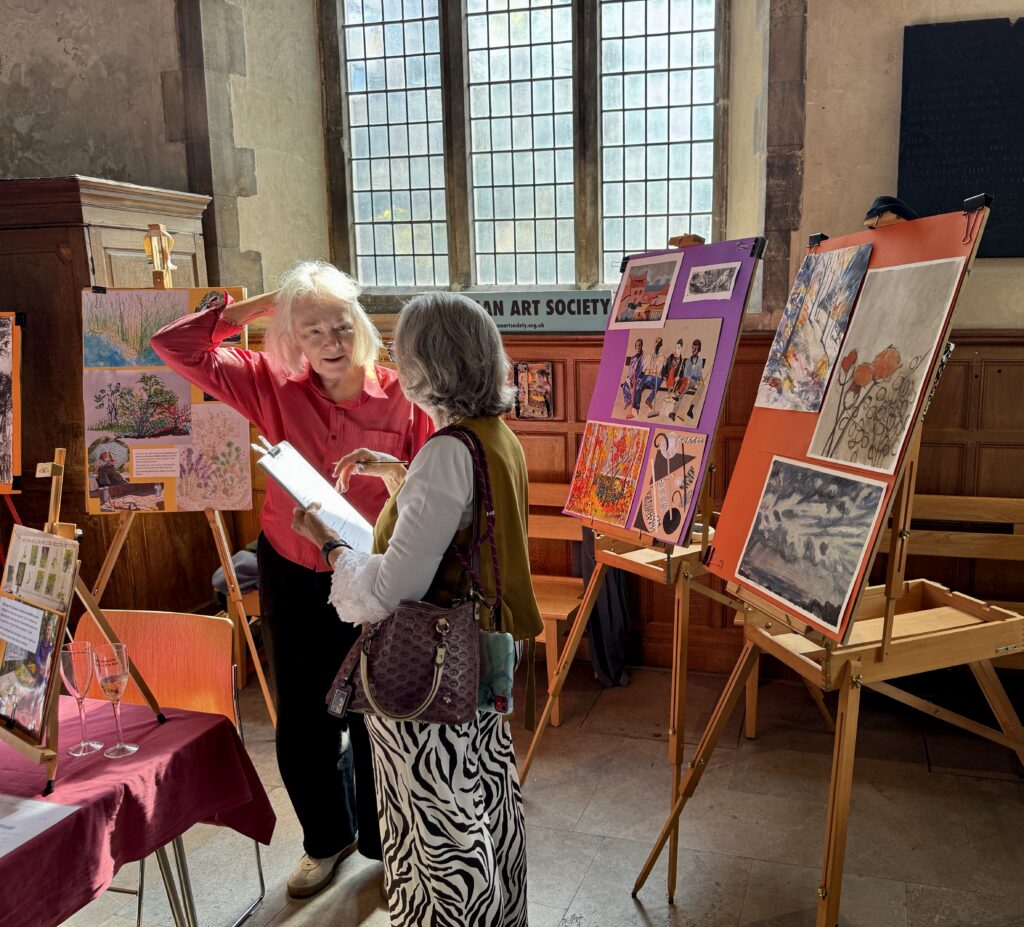
Some interesting stands in St Giles church …

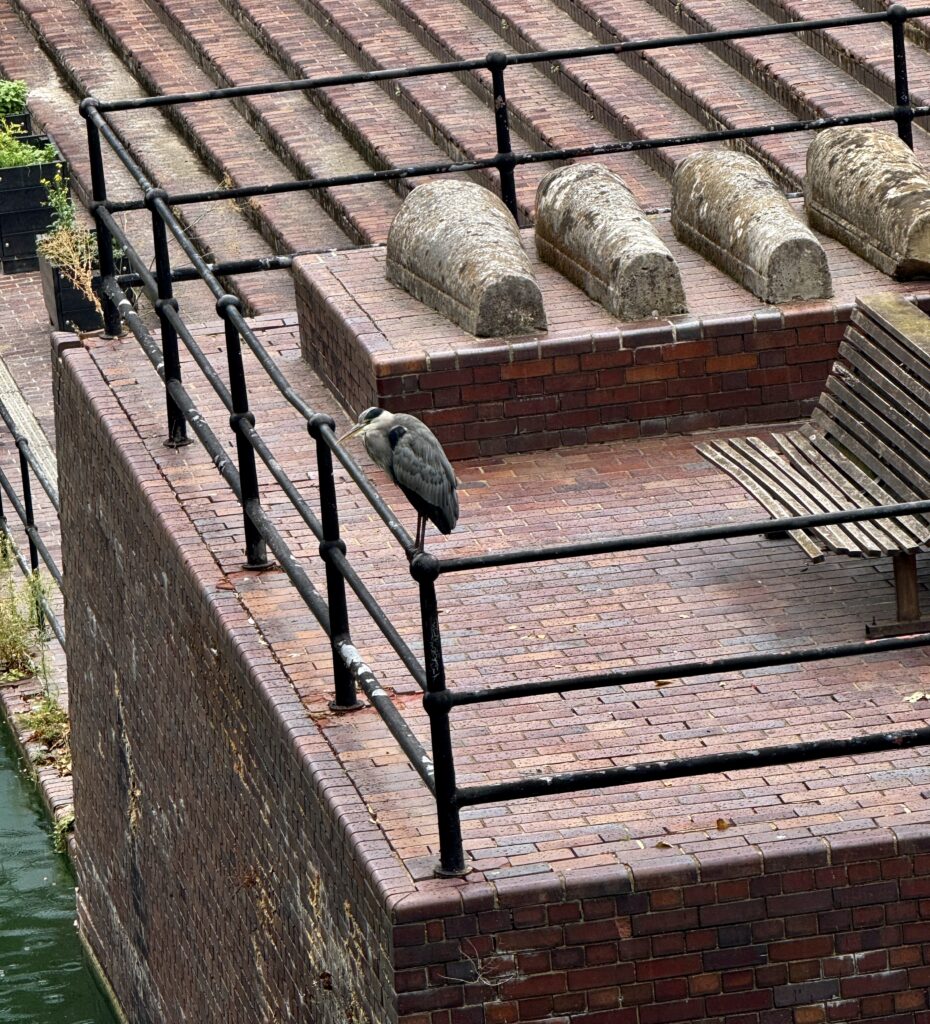
Harry the Heron poses by the old barrel graves outside St Giles …
We were happily sitting on the Barbican Terrace with a cup of coffee and a slice of lemon drizzle cake when this character turned up, upstaging the hopeful pigeon who was there first …
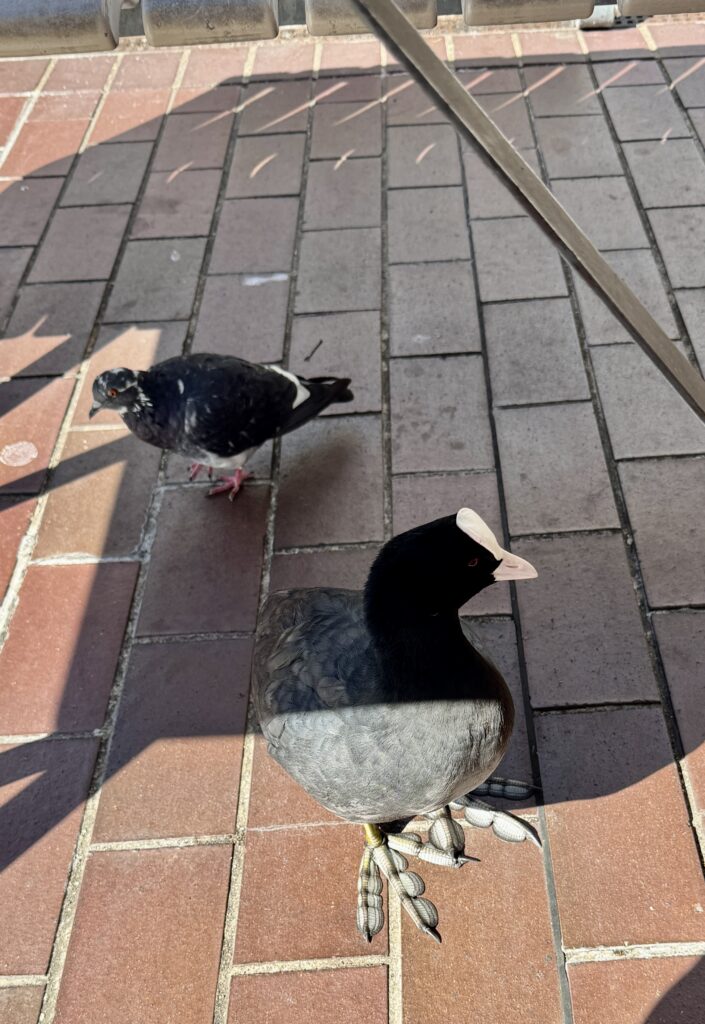
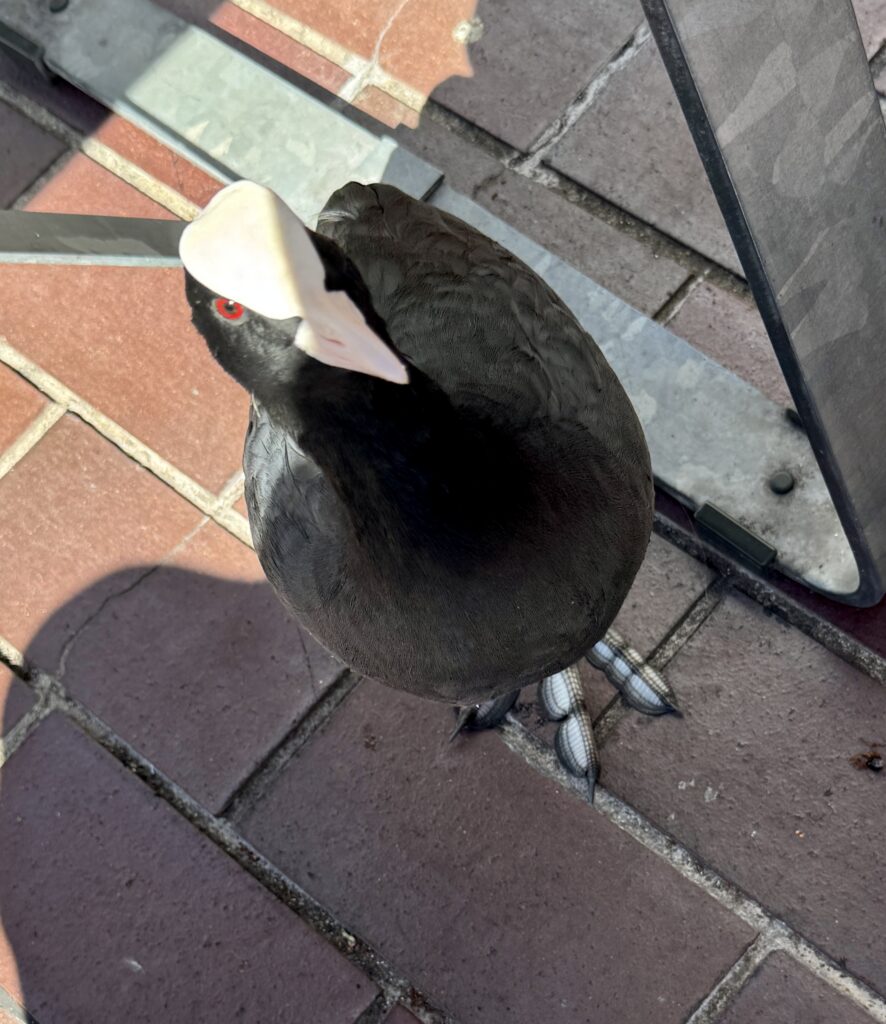
So we shared a few crumbs with him, but when we stopped he was not happy. Have you ever been given the evil eye by a coot?
If you would like to follow me on Instagram here is the link …