Symbols & Secrets

Walking the City of London

Post-it Man, tube moquettes, amazing murals and more …

Yes, readers, it’s another quirky blog. As is occasionally the case when I run out of ideas based on the City, I went out wandering just to see what I came across.

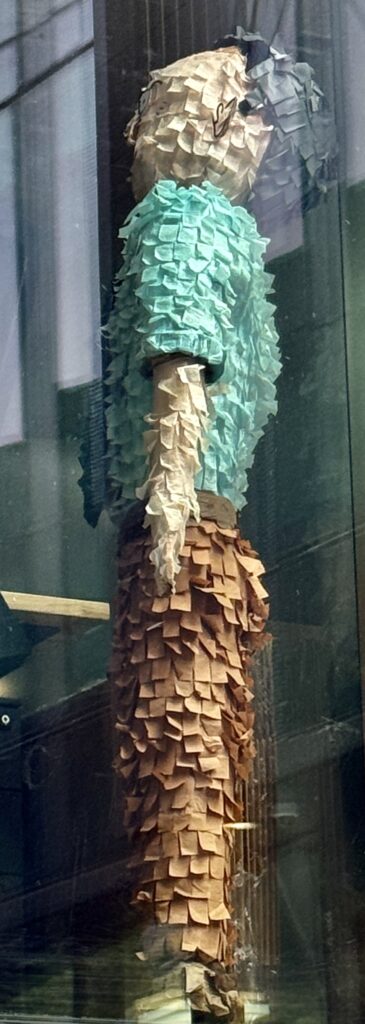
Walking towards Moorgate Station from the Barbican highwalk past the offices on the right, I spotted what I have named Post-it Man since he seems to be covered in, err, Post-it notes …
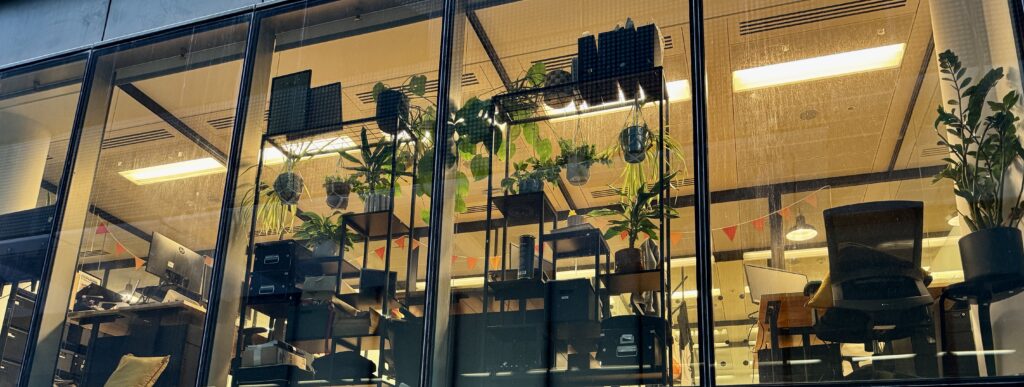
A little further on this office looks posititively cosy with its delightful hanging baskets and pot plants plus some jolly bunting …
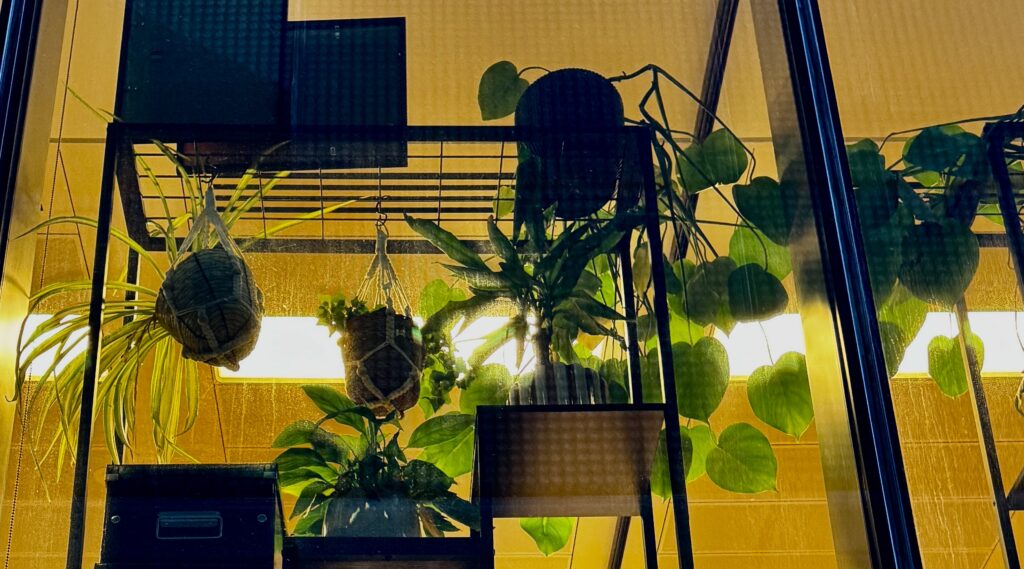
Reaching for the sky …
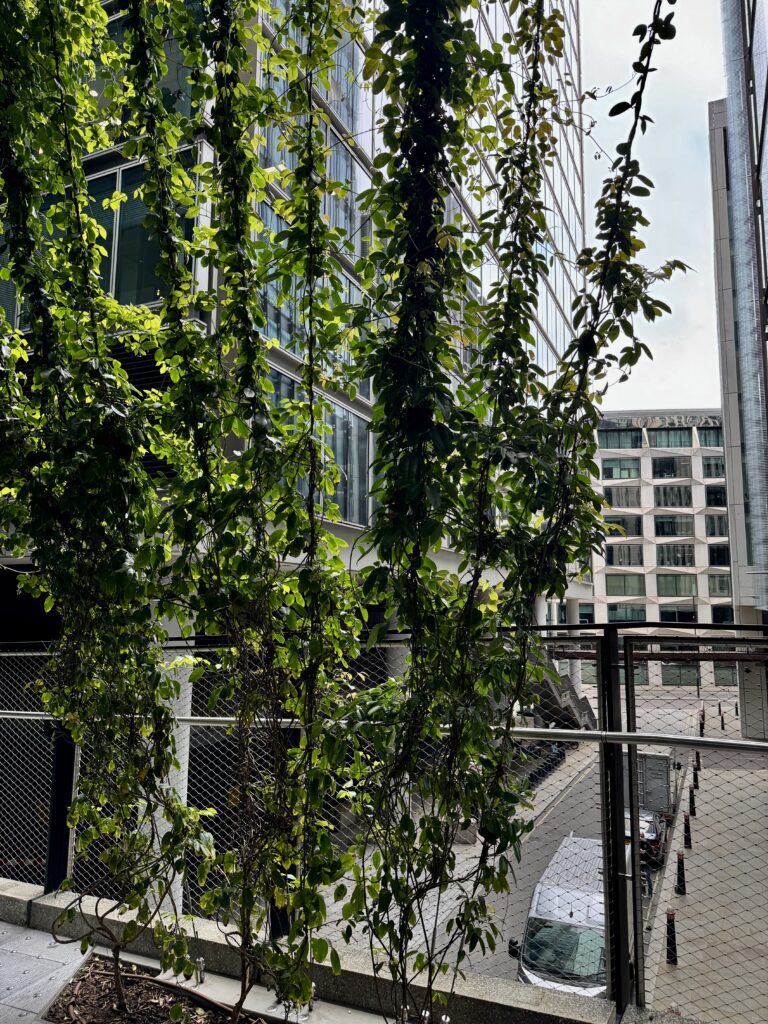
I was heading for West Hampstead to do a bit of exploring which meant getting a Metropolitan Line train to Finchley Road and then changing onto the Jubilee Line for one stop.

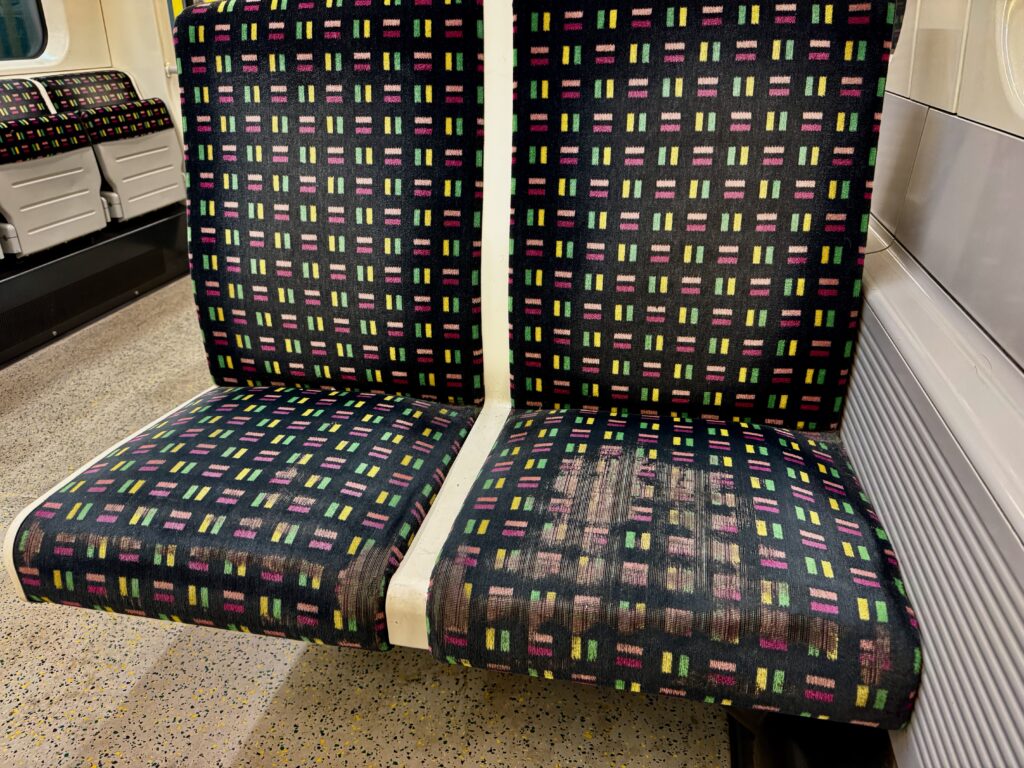
I grabbed a picture of the Metropolitan Line seat moquette. You can tell people prefer to sit by the window…
Jubilee Line moquette …
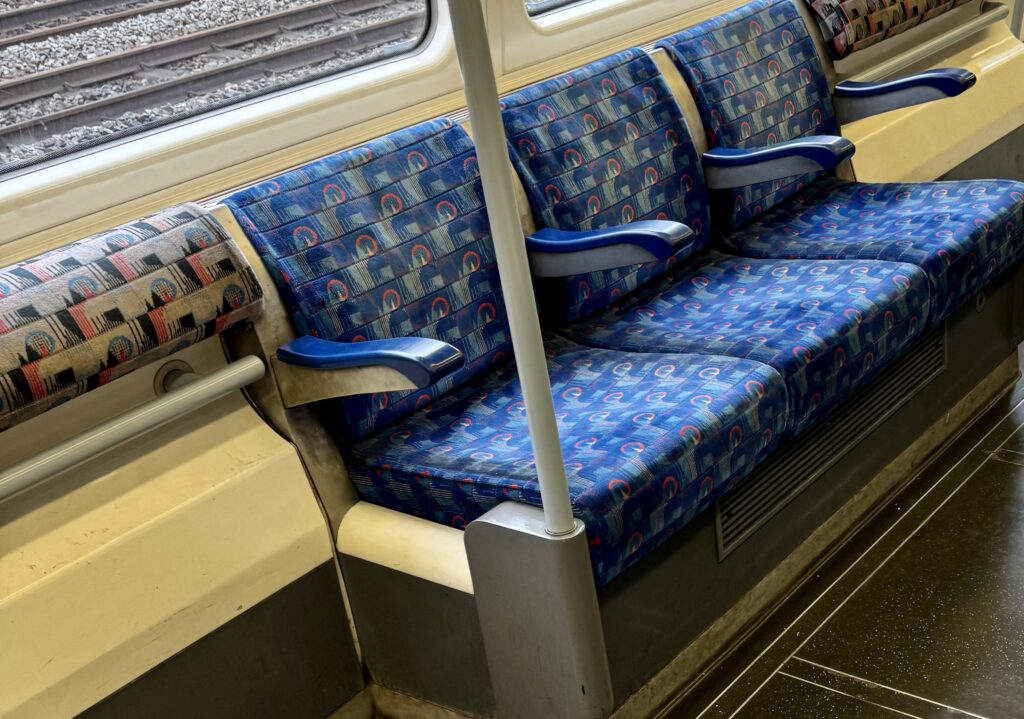
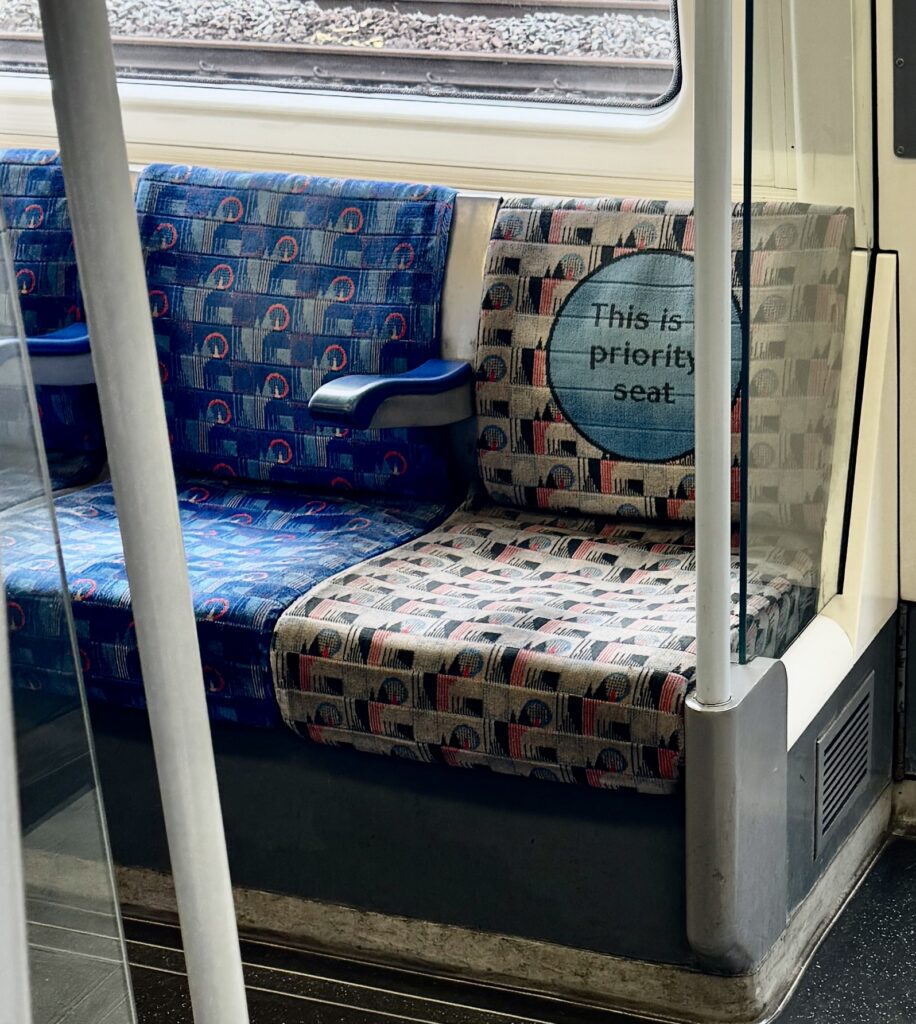
This design actually has a name, it’s called Barman. It incorporates London landmarks including the London Eye, Big Ben, Tower Bridge and St Paul’s. It’s named after Christian Barman, Royal Designer for Industry (1898 – 1980) who was London Transport’s Publicity Offcer and was responsible for many elements of Underground design, including commissioning moquette for the system in 1936. Incidentally, the word moquette comes from the French word for carpet.

Just south of West Hampstead Station is a road I couldn’t remember exploring before so I headed off down it towards Kilburn …
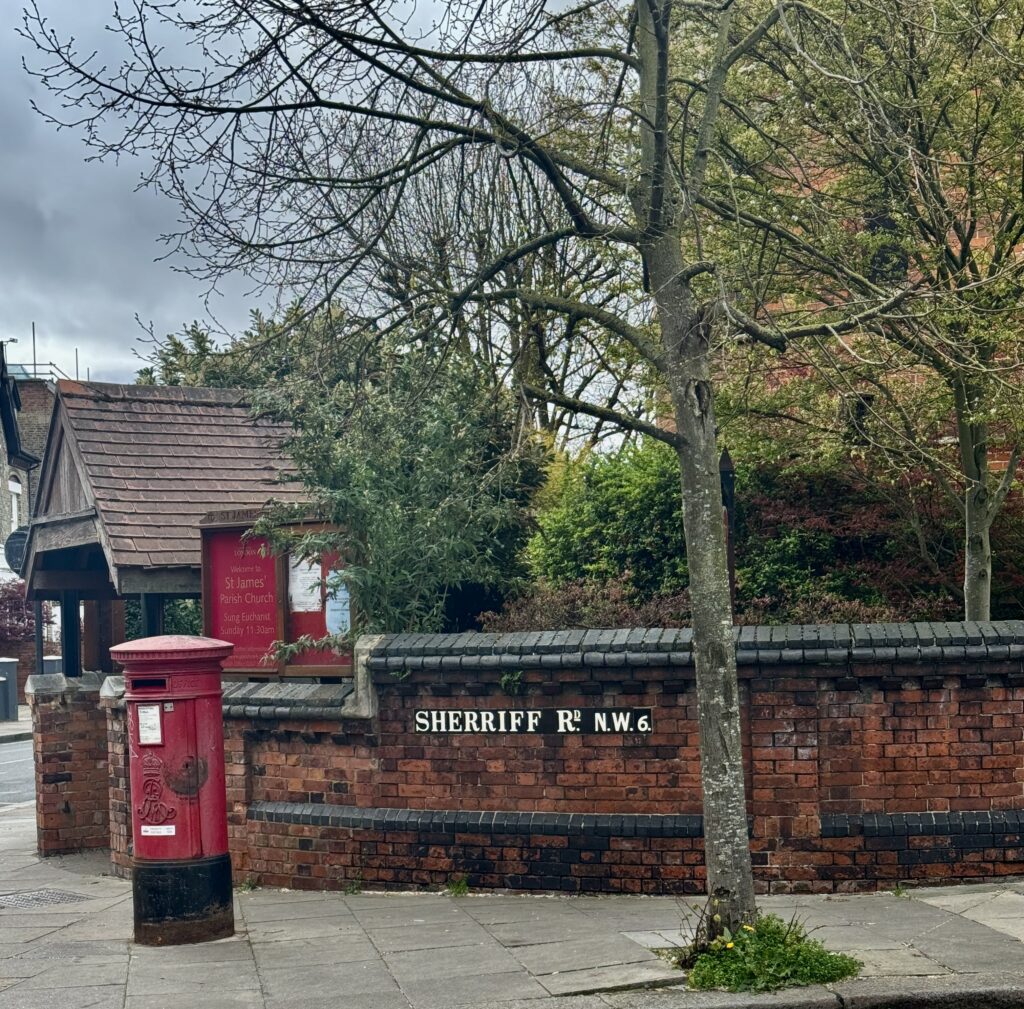
Apparently the Sherriff family owned land around here which they sold off when the arrival of the Metropolitan railway in 1879 opened the opportunity for development.

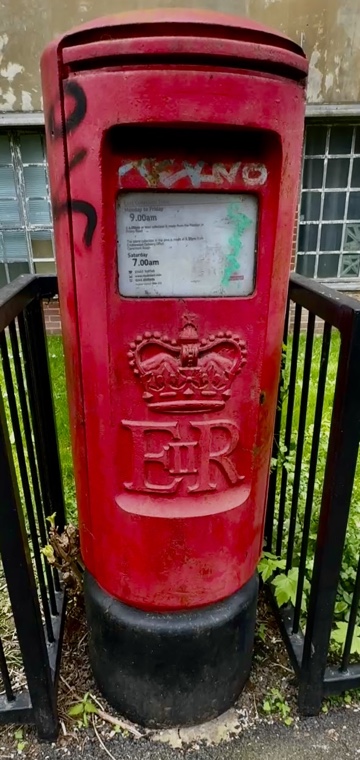
Note the post box …
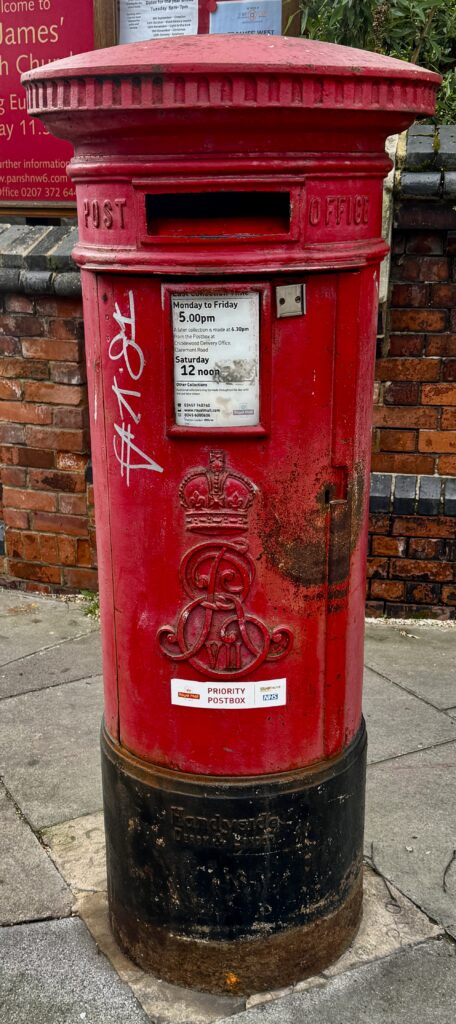
Edward VII post boxes, produced between 1901 and 1910, are identified by the Edward VII cypher with “VII” tucked into the lower curl of the “E”. These are much rarer than Victorian examples and this is the first one I can remember seeing.

You can see the name of the maker, ‘Handyside. Derby & London’ …
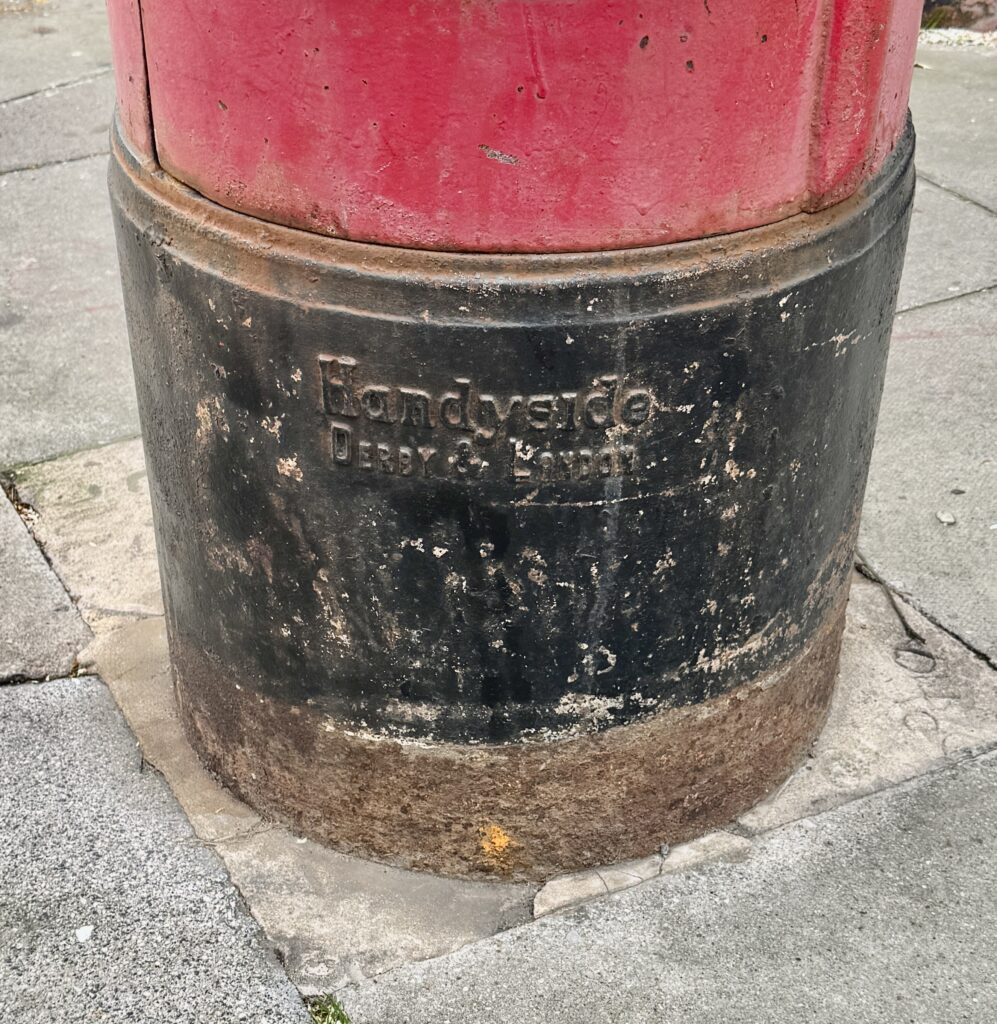
Andrew Handyside was a Glaswegian who took over the Britannia Foundry in Derby in 1848. The castings manufactured by the firm were renowned all over the world for their strength and quality. Post boxes were only a small part of their output. Civil engineering was a specialty, including bridges, piers and railway station roofs. They also made ornamental ironwork such as fountains and lamp standards. In 1853 they made their first post box securing a contract in 1879 to supply large quantities. They continued to manufacture all varieties of post box into the early 20th Century.

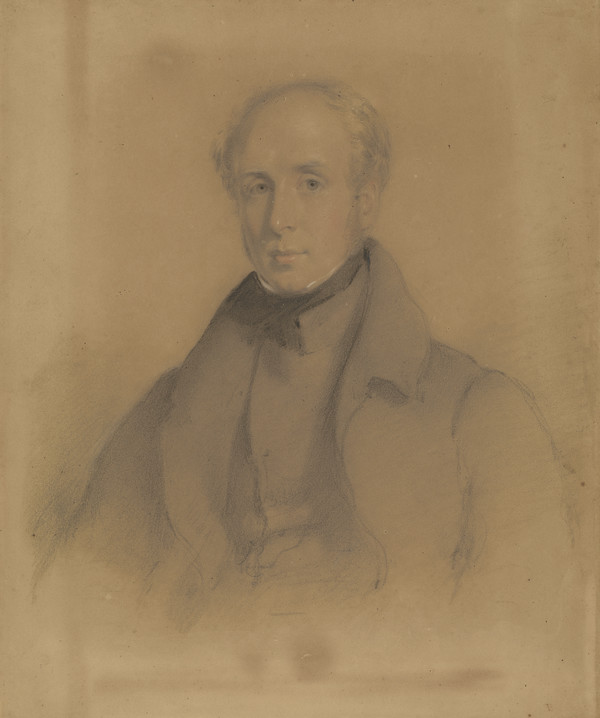
The man himself …
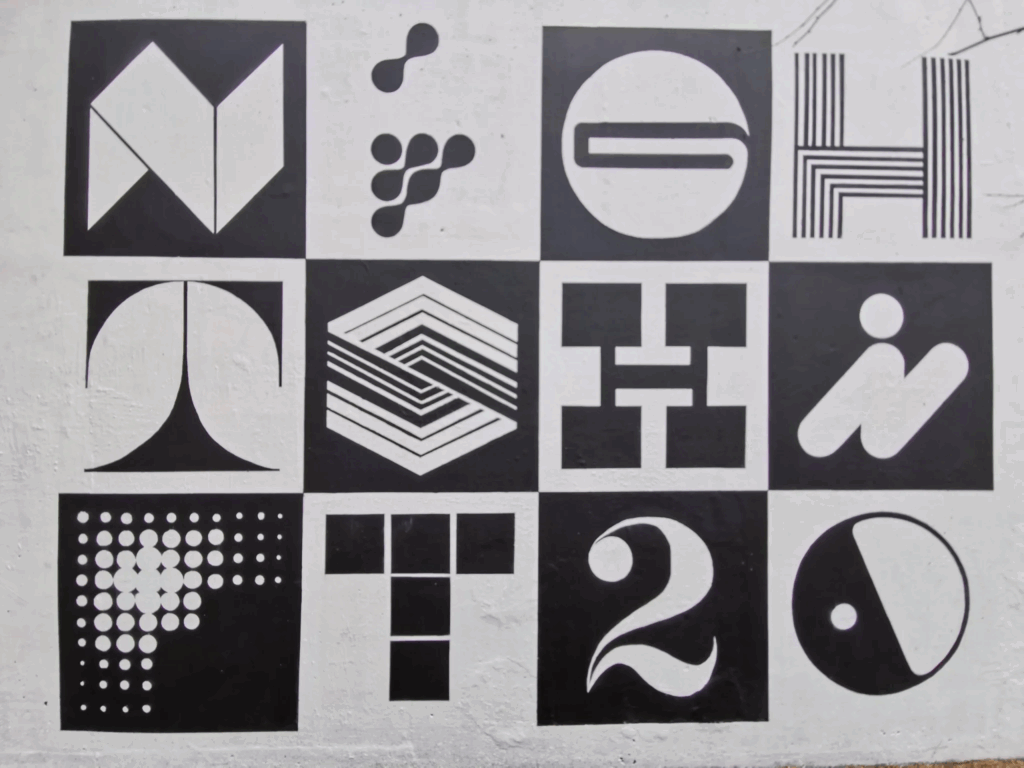
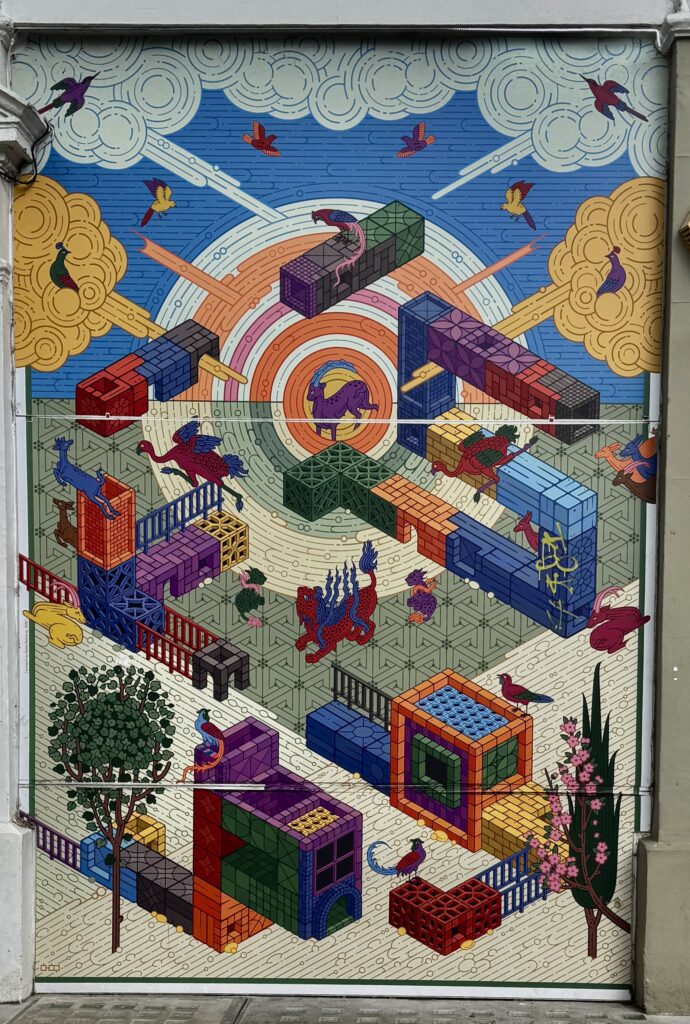
Opposite the post box is a nice piece of street art …
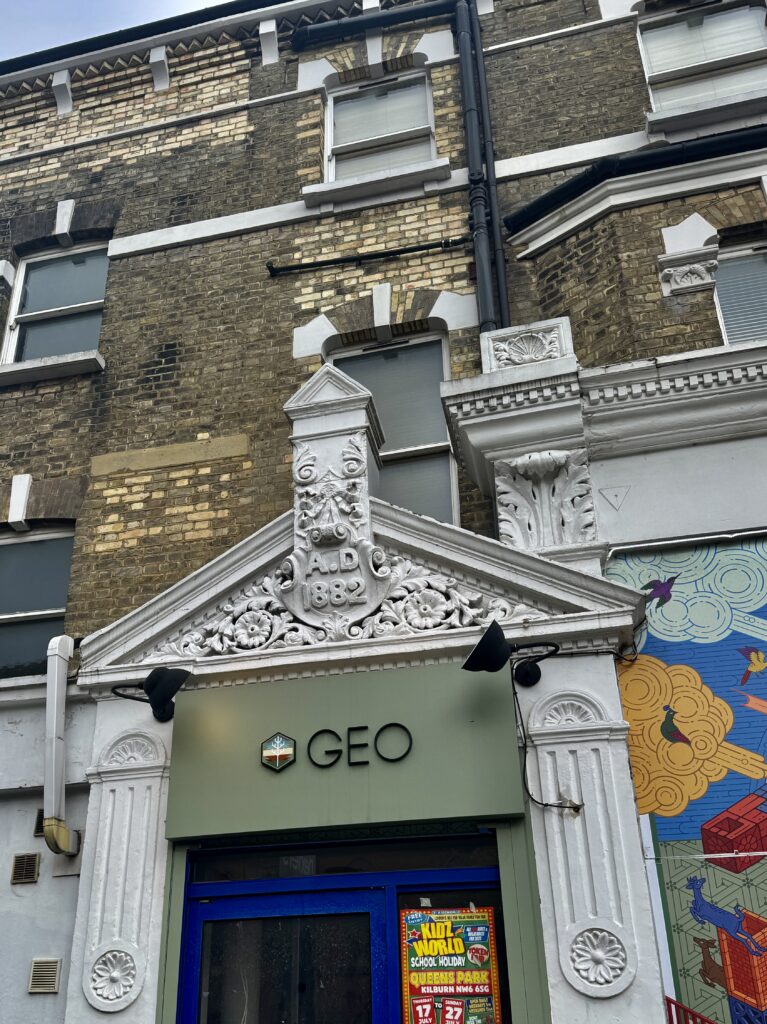
Next door, a typical ‘new’ development linked to the arrival of the railway, probably flats …
Cat and flowers …
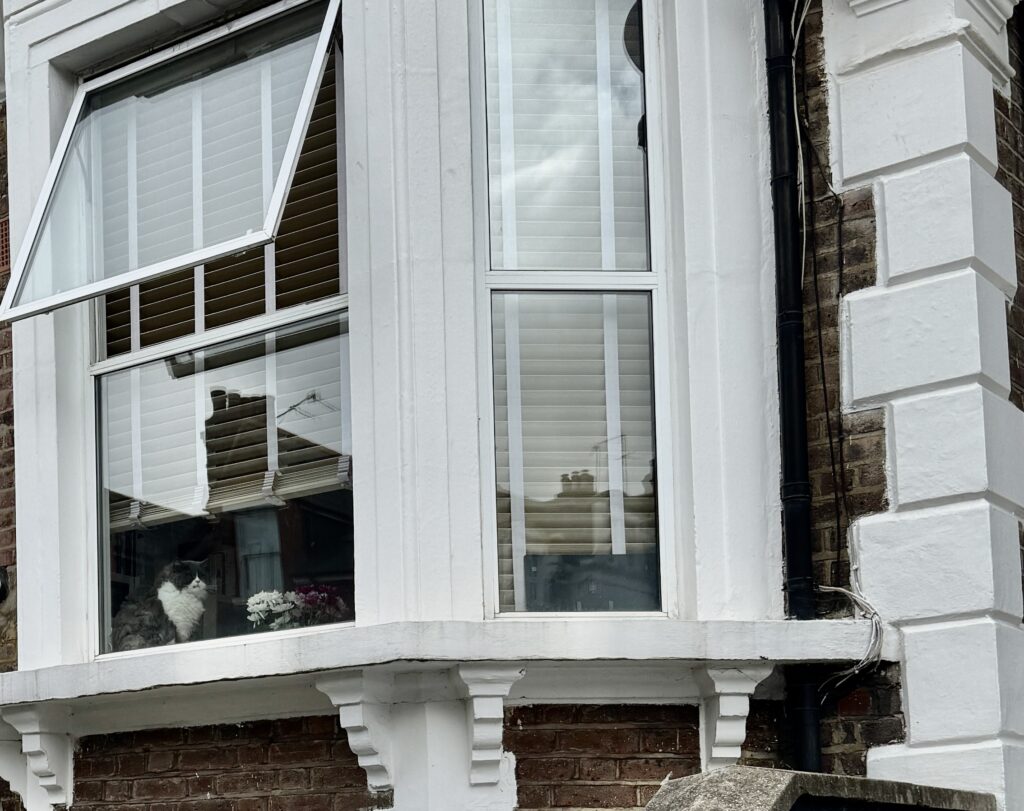
I can understand why people got rid of the old sash windows but I still think it’s a shame.

At first I thought this front garden was a bit of a mess then I realised it was a planned work of art …
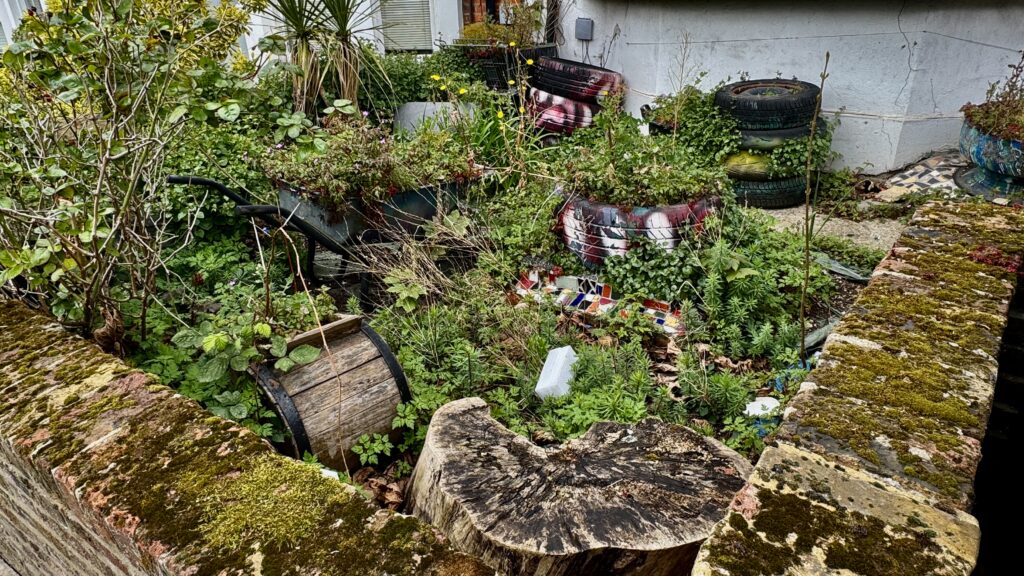
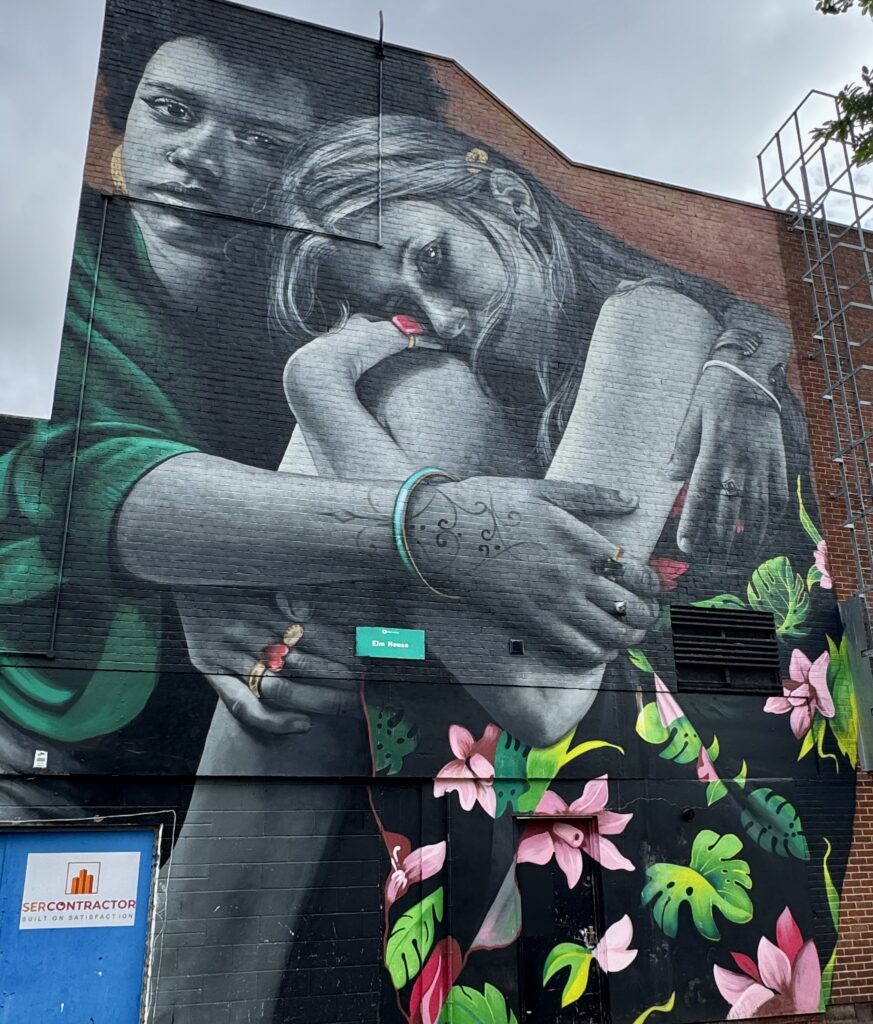
Sherriff Road leads to Netherwood Street on which can be found the Webheath Estate with its wonderful murals and the first one I encountered was this beautiful, authentic looking lady.

Nobody told June Rose Barber just how big the spot of painting close to her flat in Kilburn was going to be. So the 86-year-old was understandably a little startled to see a giant mural of herself on the wall of Webheath …
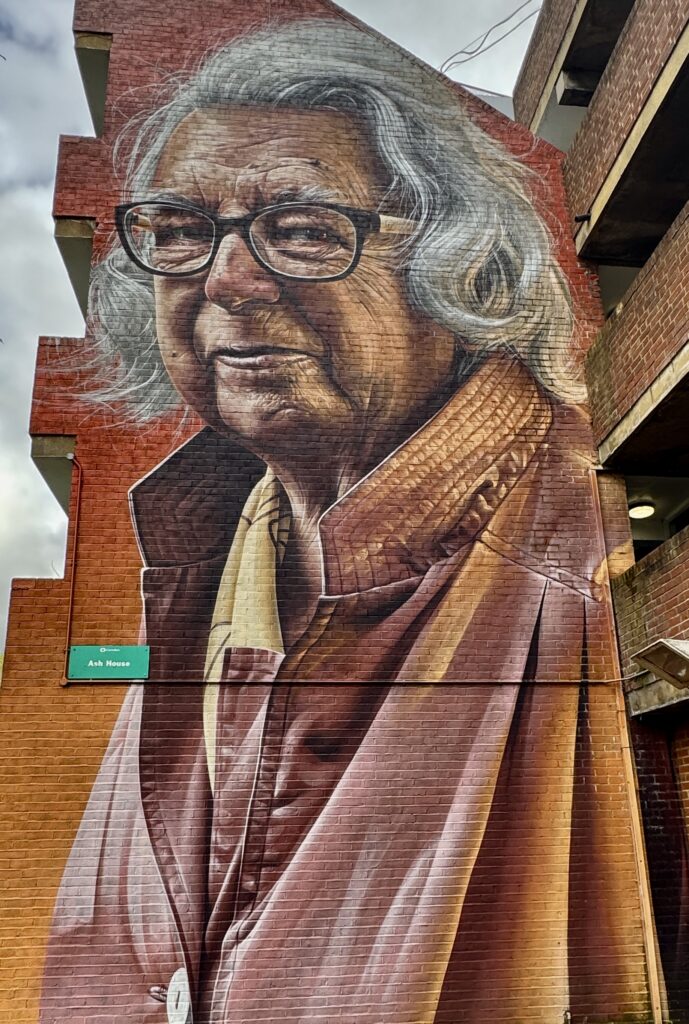
As the longest remaining tenant on the estate in Netherwood Street, she had unwittingly volunteered for an art project with her face vividly brought to life by artist Smug 1 of the Global Art Collective.

“Oh my god when I set eyes on it I thought ‘good grief!”, June told the New Journal. “I had got a cryptic note about volunteering for help with ‘painting a wall’. I thought it was going to be a little image in the corner somewhere. I thought I’d be under a twig, but I’d say I was two buses high.”

Here she is in person …
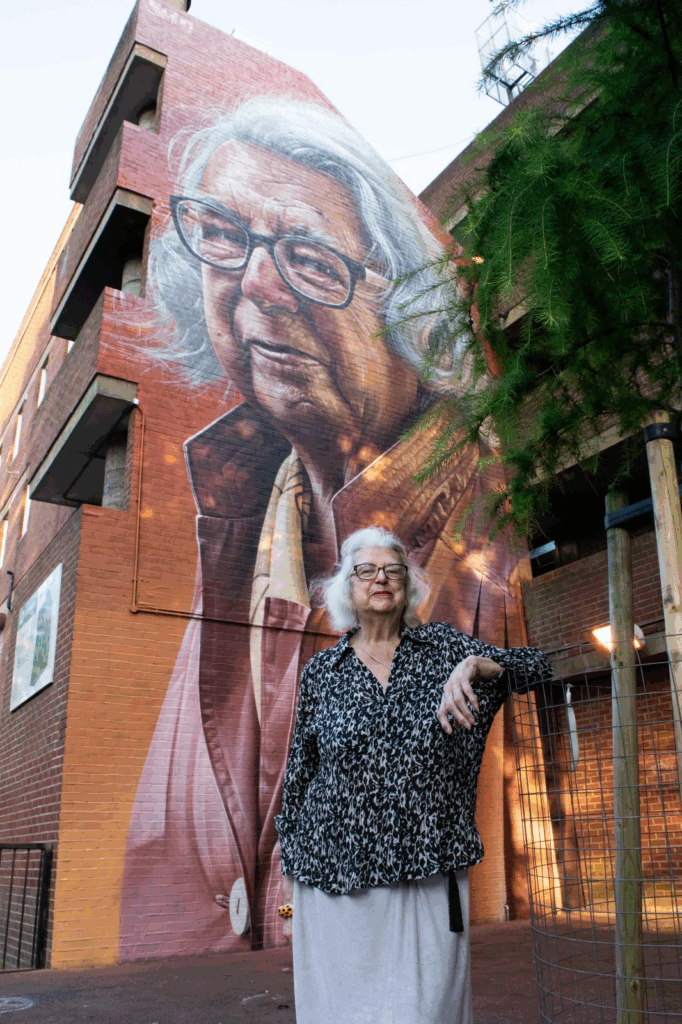
You can read the full interview with her here (highly recommended).

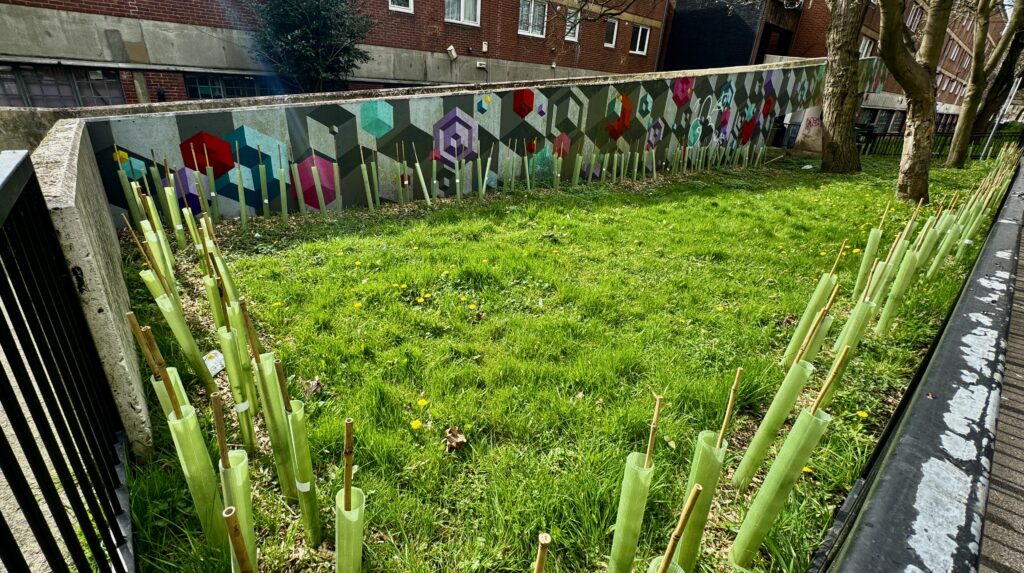
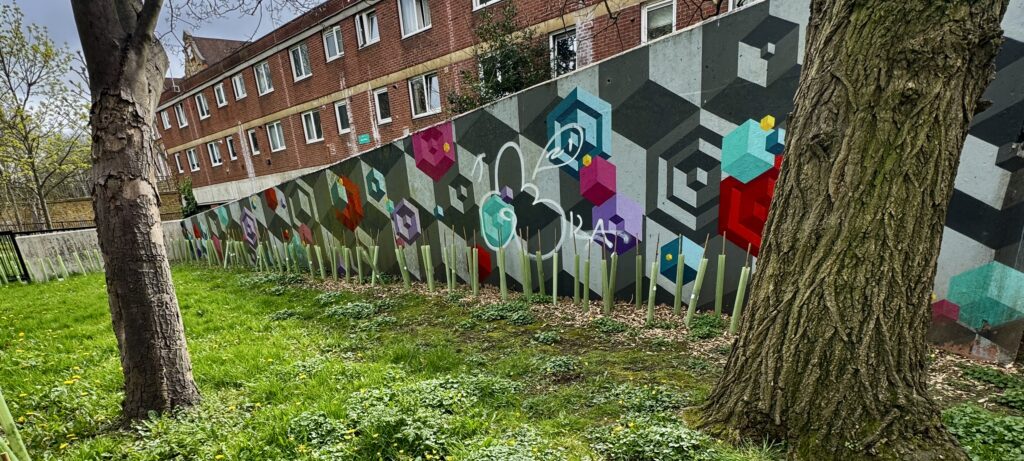
The Estate became one of the key locations for the 2020 London Mural Festival and you can read more about the murals and view a wide range of pictures here.

Here are some of the other images I took …
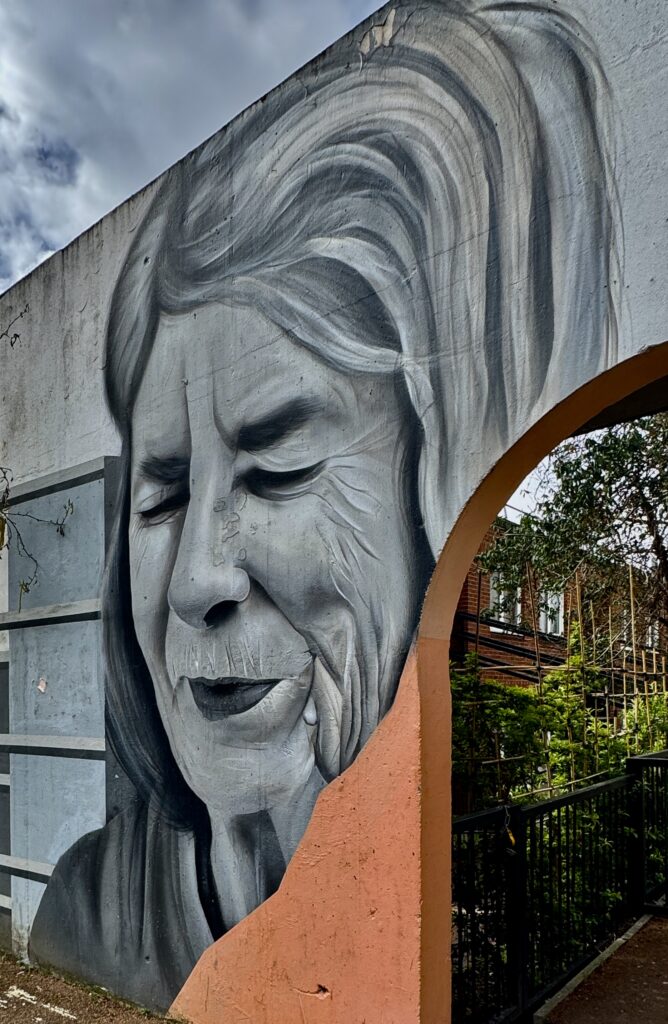
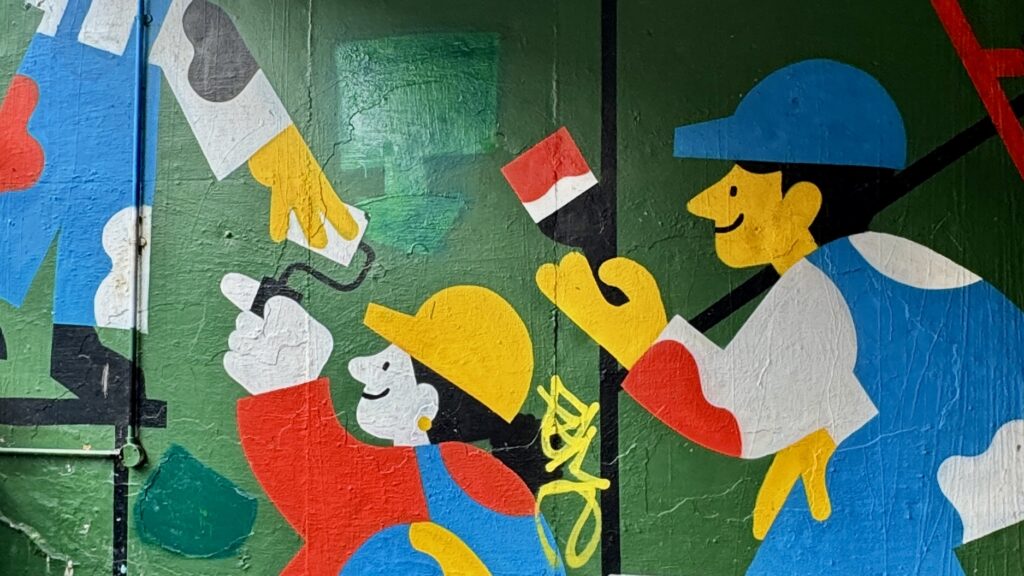
Painters from Andrew Werdna

Master lettering from Mr Christa

On Netherwood Street, another post box, this time a 1970s cylindrical one …
On to Kilburn High Road. The thoroughfare originated as an ancient trackway, part of a Celtic route between the settlements now known as Canterbury and St Albans. Under Roman rule, the route was paved and in Anglo-Saxon times the road became known as Watling Street (from the Old English Wæcelinga Stræt). From the 1130s Kilburn emerged as a popular resting point for pilgrims heading for the shrines at St Albans and Willesden.

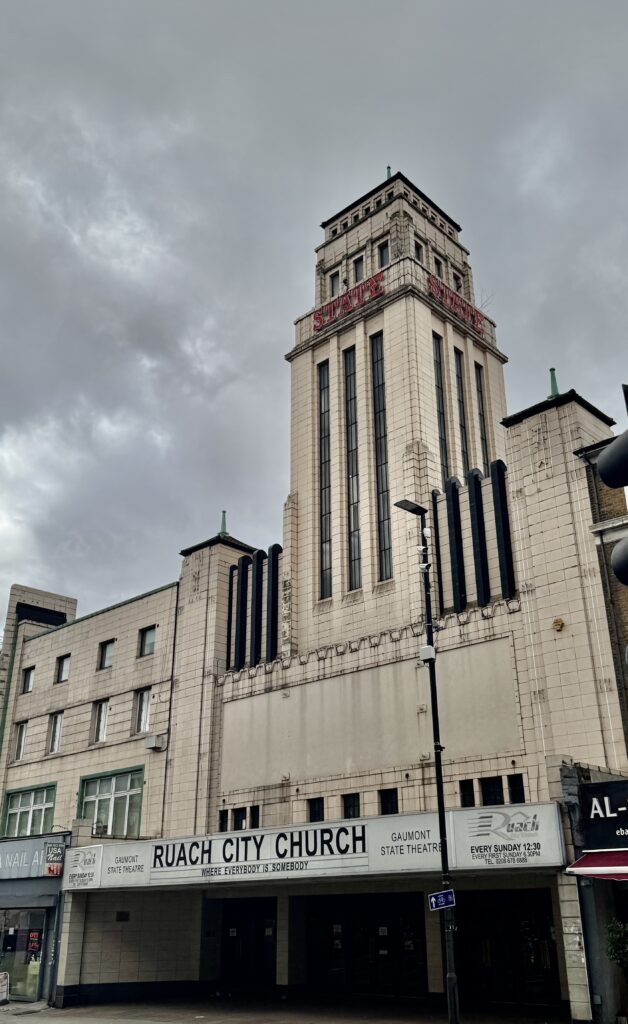
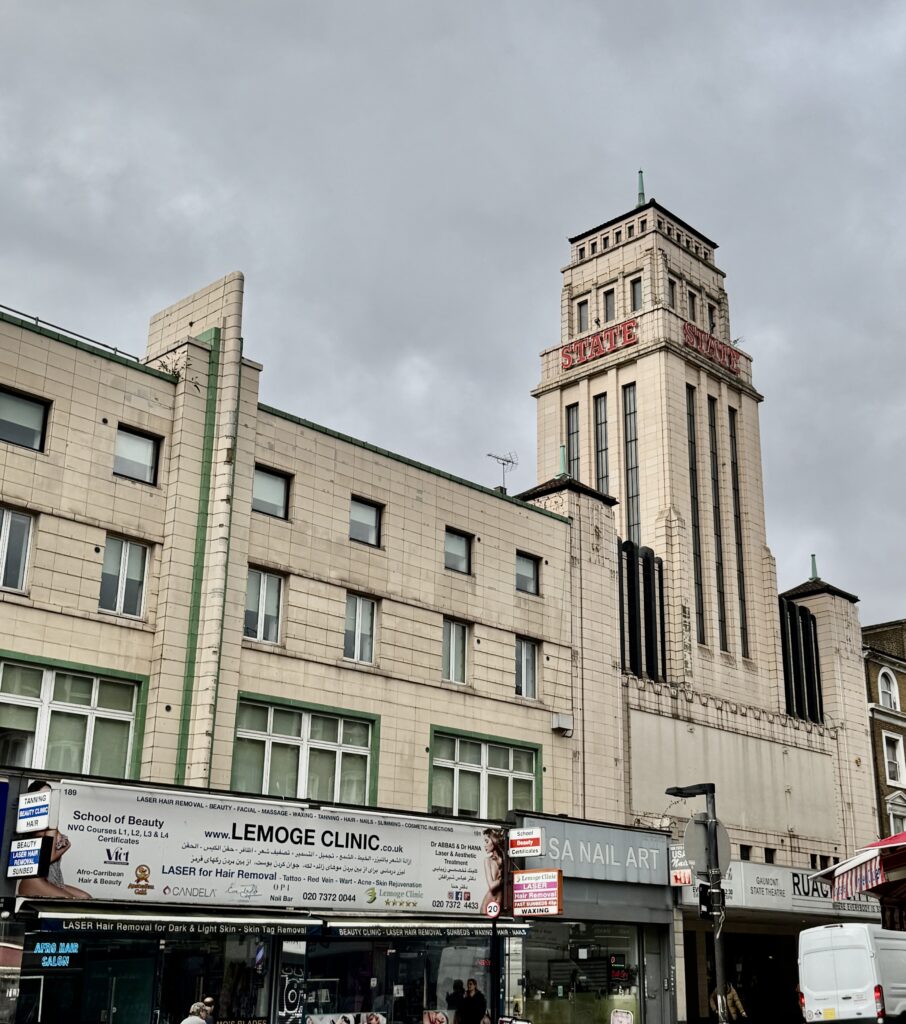
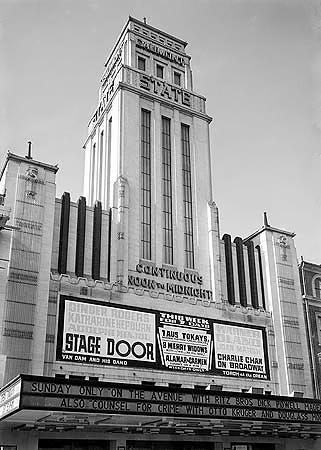
Nowadays it is dominated by the building that was once the State Cinema. It was designed by architect George Coles and opened on 20 December 1937, originally commissioned by the Hyams brothers and operated by Gaumont. With seating for over 4,000 people, it was the largest cinema auditorium in England and among the biggest in Europe at the time.

The building’s striking Art Deco design included a 120-foot tower inspired by New York’s Empire State Building …
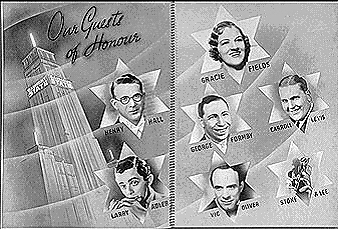
The opening night was a major event with huge crowds. The programme had the band of the Grenadier Guards and featured major stars of the day: Gracie Fields, George Formby, Henry Hall, Vic Oliver and Larry Adler …
Circa 1938 …
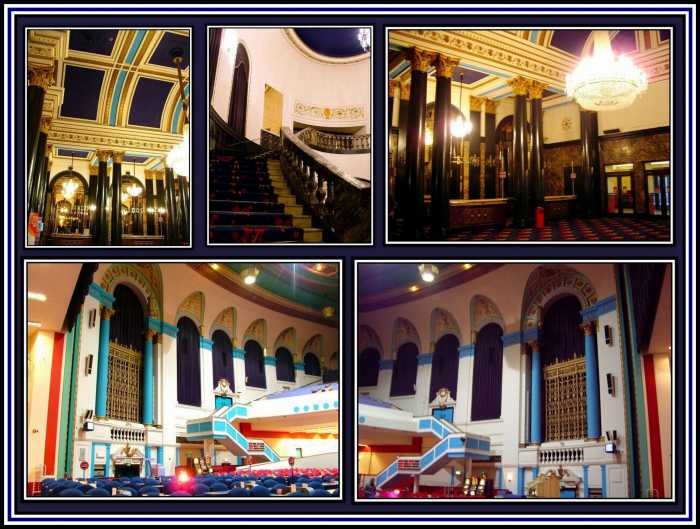
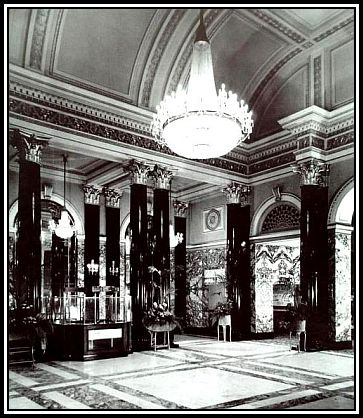
Inside, the cinema was lavishly decorated in an Italian Renaissance style. Images from Stories of London

The foyer with its grand chandelier …
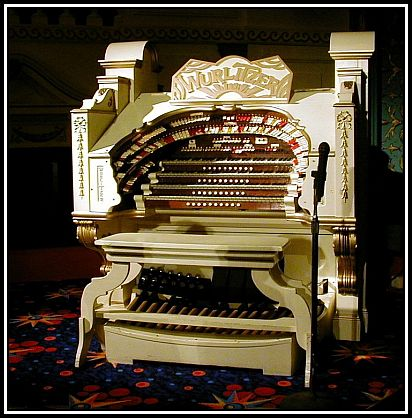
There was also incororated a large Wurlitzer organ, reflecting the grandeur of interwar picture palaces. The organ console …
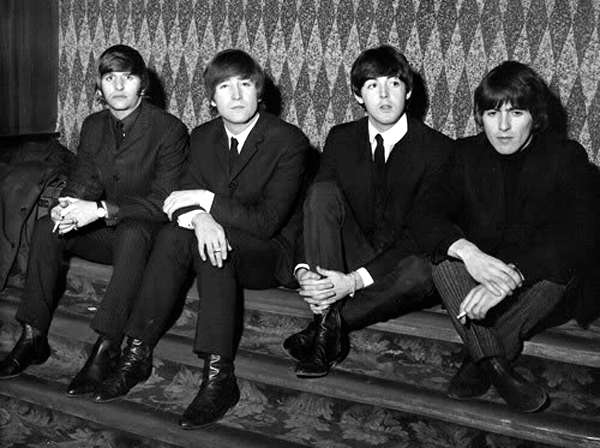
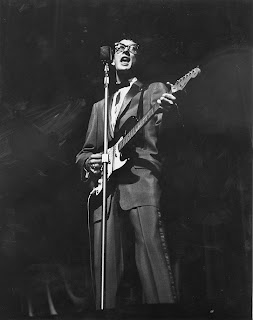
Some other famous performers …
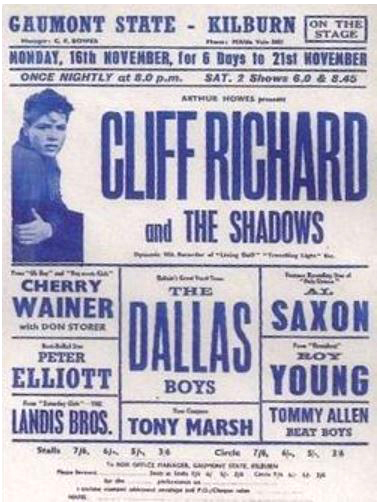
The Beatles, sitting on the stairs in the State …
Buddy Holly and the Crickets …
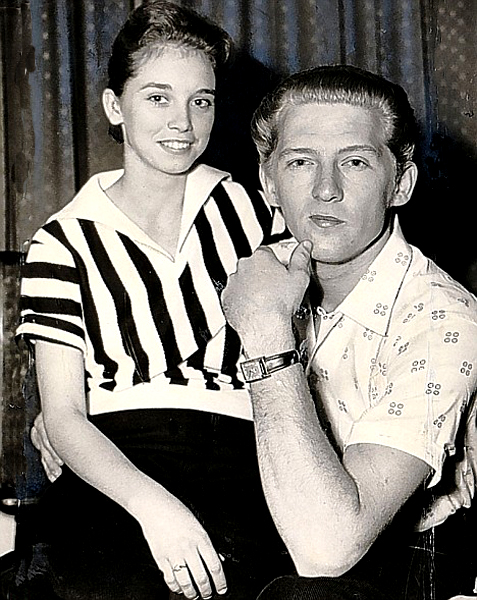
On 25 May 1958 Jerry Lee Lewis played the second night of his UK tour at the State. But that day the press headlines revealed he had married his 13 year old cousin Myra. Some of the audience screamed for his big hit ‘Great Balls of Fire’, others shouted ‘Go home cradle snatcher!’ The noise was so loud Lewis stopped the show and walked off. The tour had to be abandoned and the subsequent media storm ruined Jerry’s career for many years.

Jerry Lee Lewis with his young wife Myra, May 1958 …
With the rising popularity of TV, the number of people going out to films declined. In September 1957, some seats in the State cinema were removed to provide a ballroom, and the Victor Sylvester dance studio. About 1960 the main cinema was reduced further to 2,800 seats and the building divided to form a bingo hall. A second smaller film screen was added in 1975. The main cinema closed in September 1980 and the smaller screen the following year. After a gap of several years, the smaller cinema became the Odeon Kilburn from 1985 to June 1990. After which the State was only used for Top Rank bingo. Later this became the Mecca bingo club which closed in 2007. The building was sold in December 2007 to Ruach Ministries reputedly for £5.5M. They opened it in 2009 and are still there today.

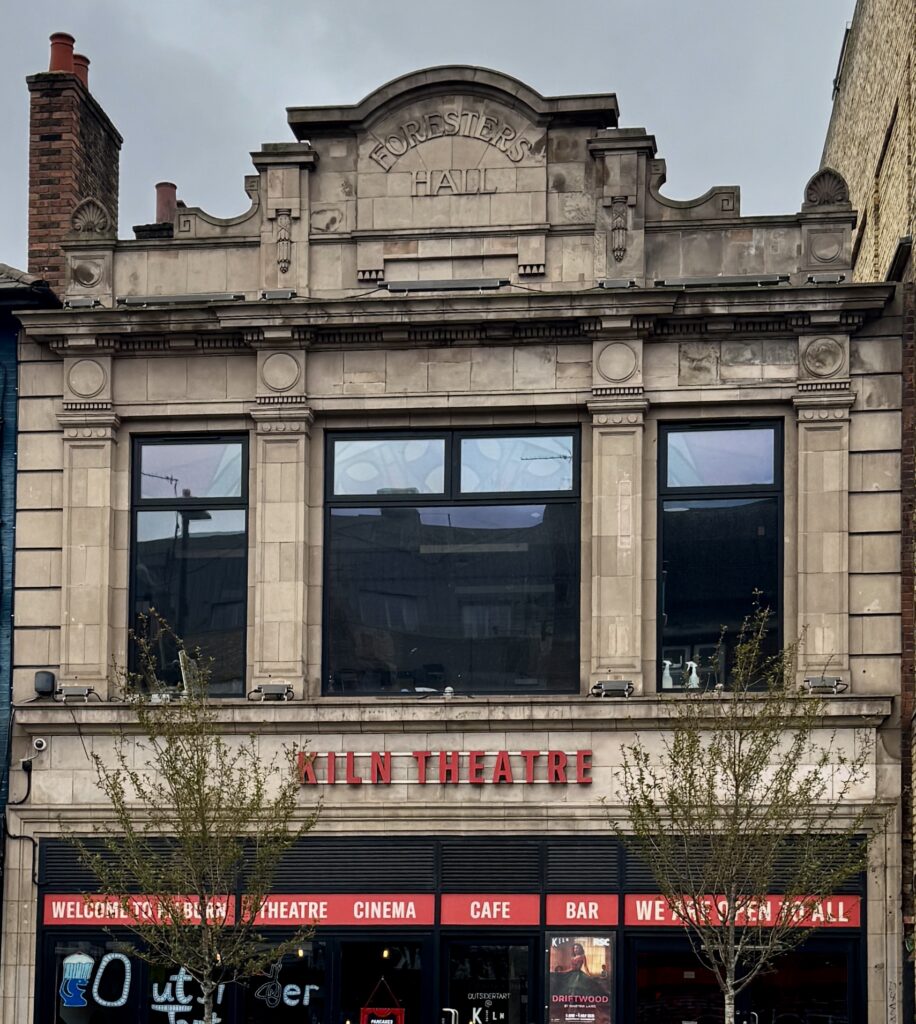
The more modestly proportioned Kiln Theatre

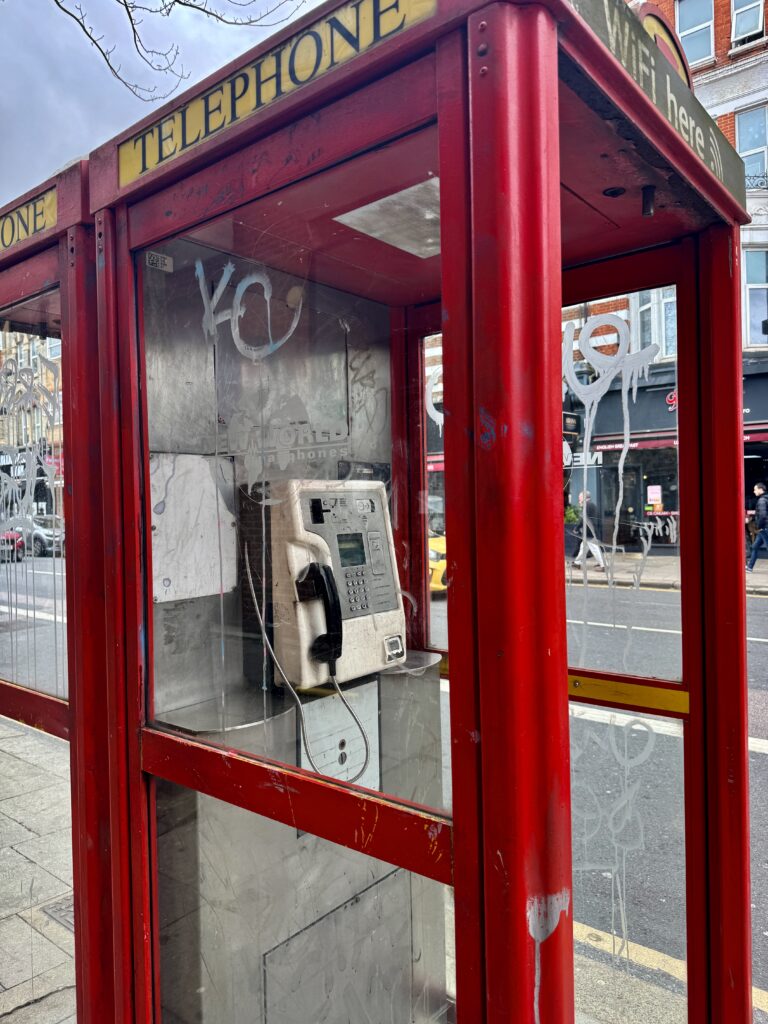
A relic of times gone by …

Very typical Victorian facades …
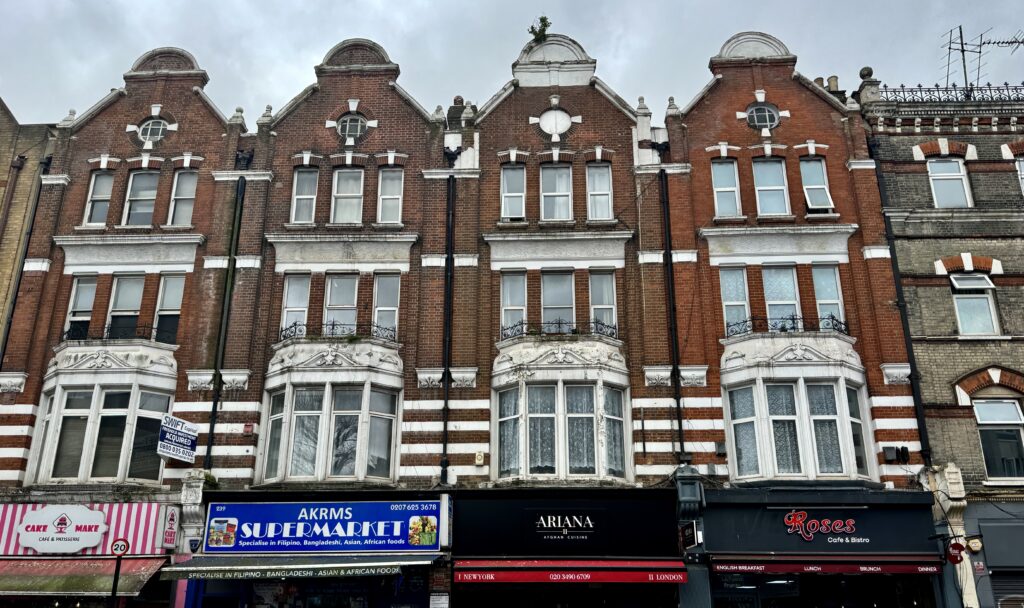
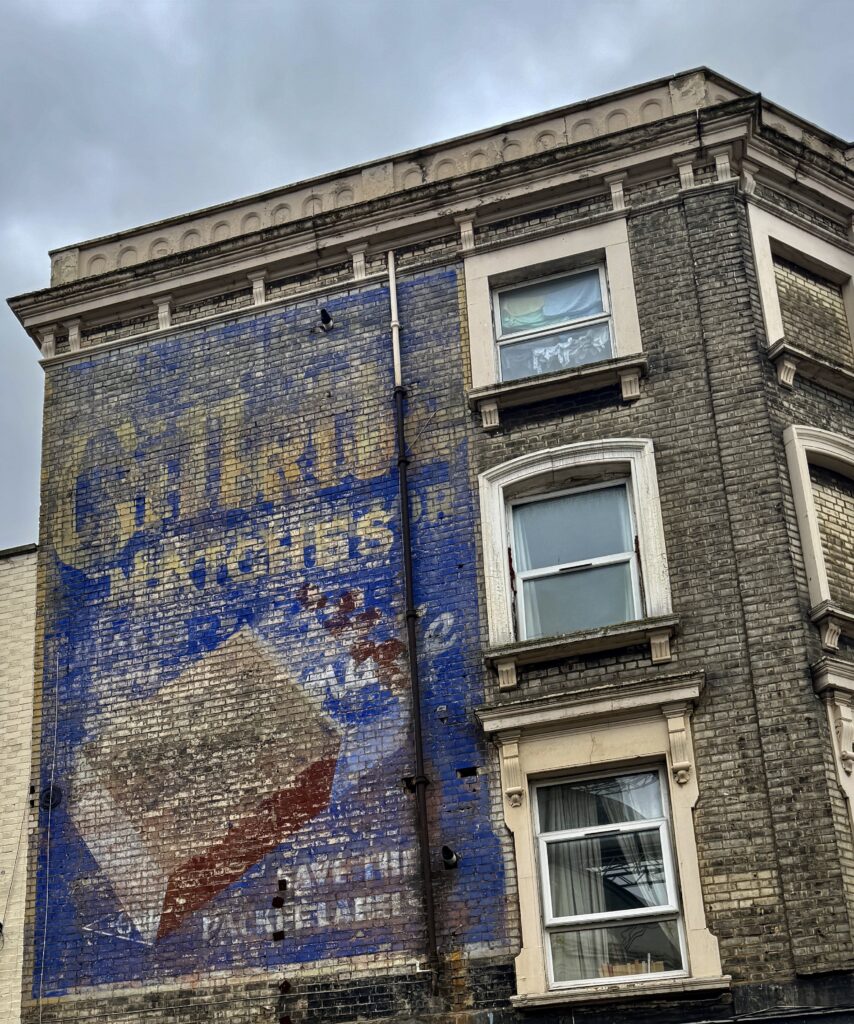
Great ‘ghost sign’ for Gillette matches …
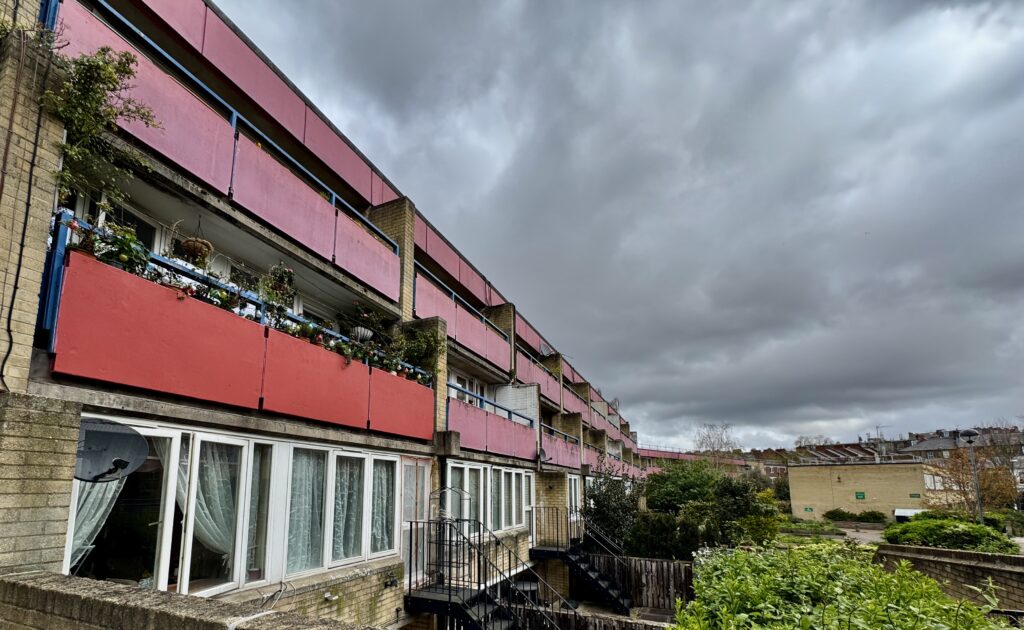
The Kingsgate Estate, just off the High Road …
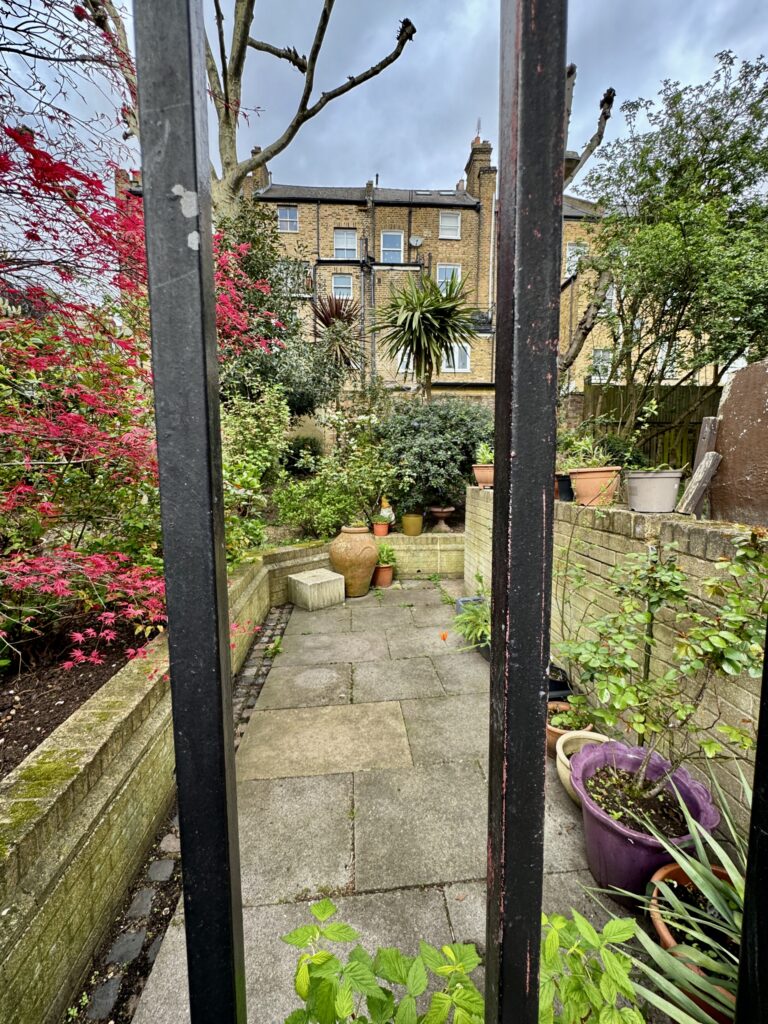
Around the back, give people a little bit of space and security and they will create a garden …
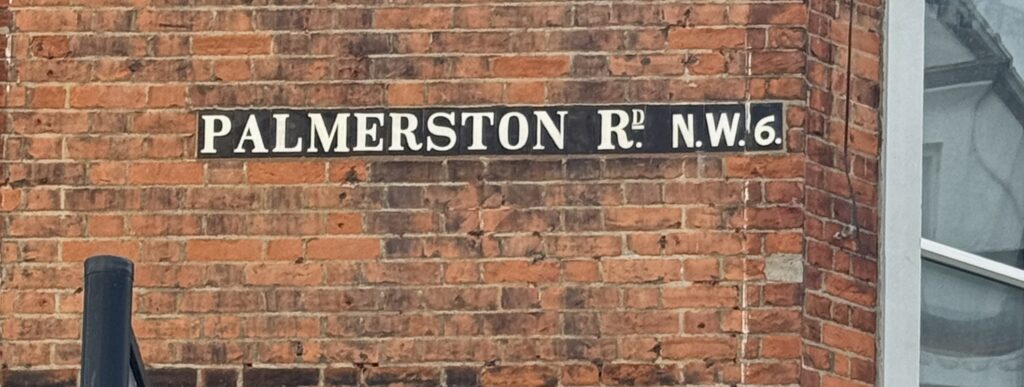
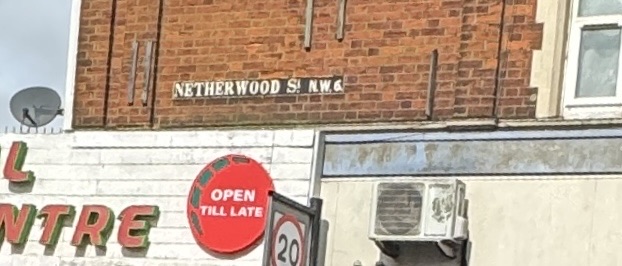
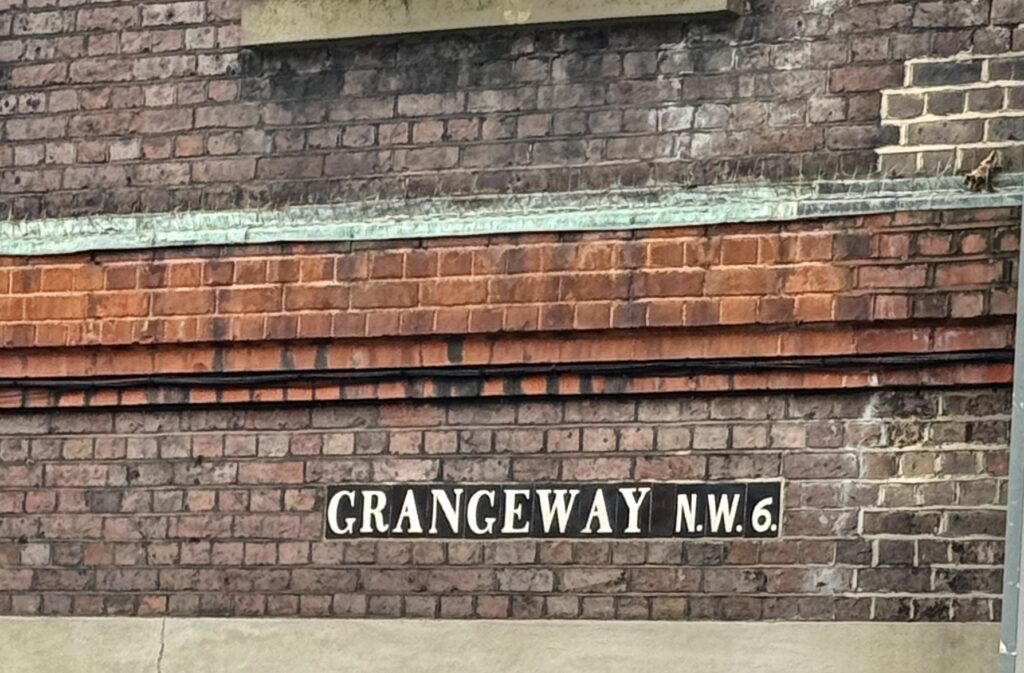
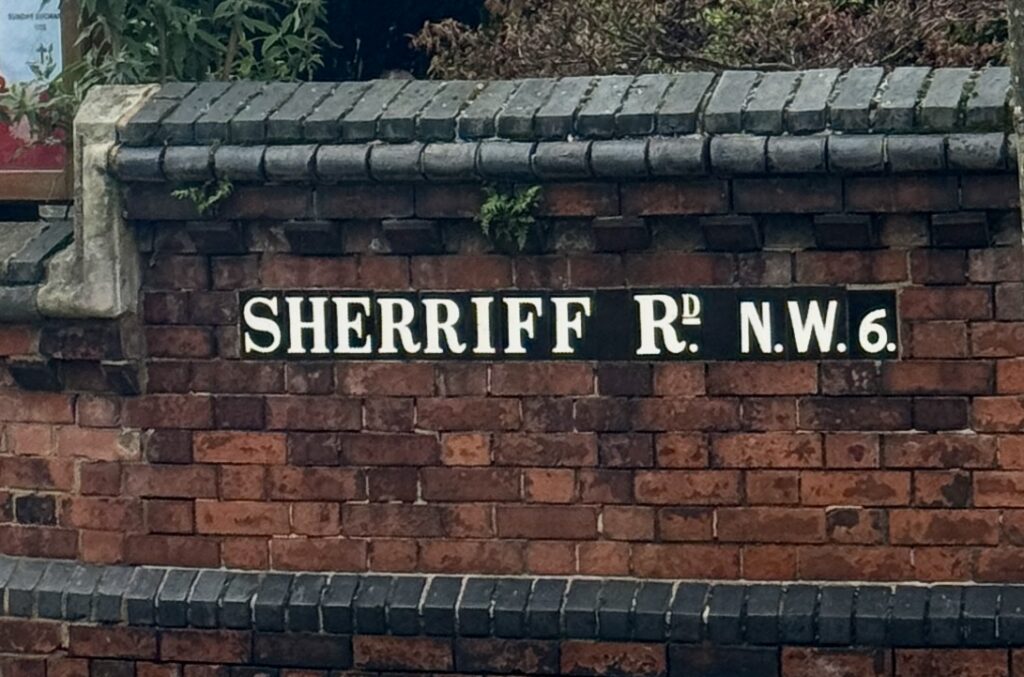
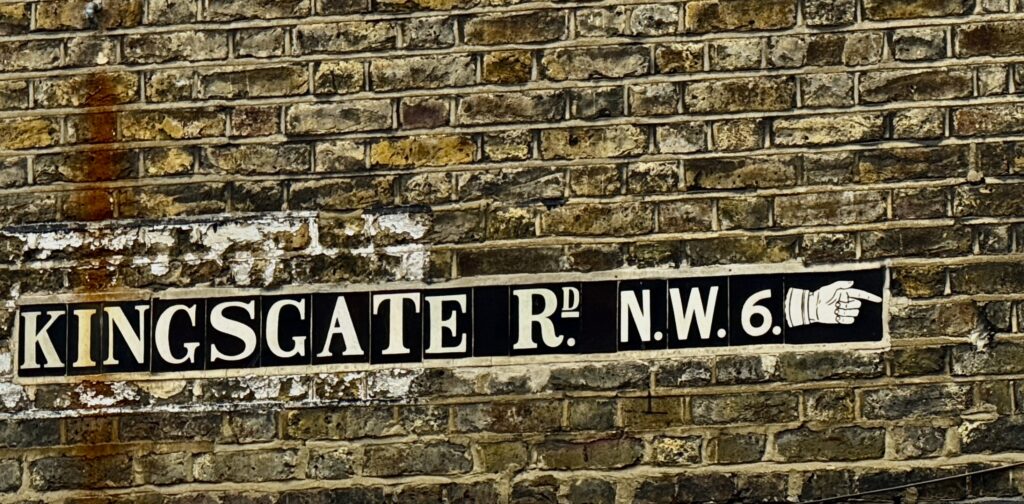
A word about street signs. Victorian ceramic street signs, often referred to as tilework or enamelled porcelain signs, are a characteristic feature of the London Borough of Camden, particularly in areas surrounding NW6 and the nearby NW3 (Hampstead). These signs typically feature individual ceramic tile letters or enamel plates often framed in wood, which were common in the late 19th century. These are some that I came across in my walk …
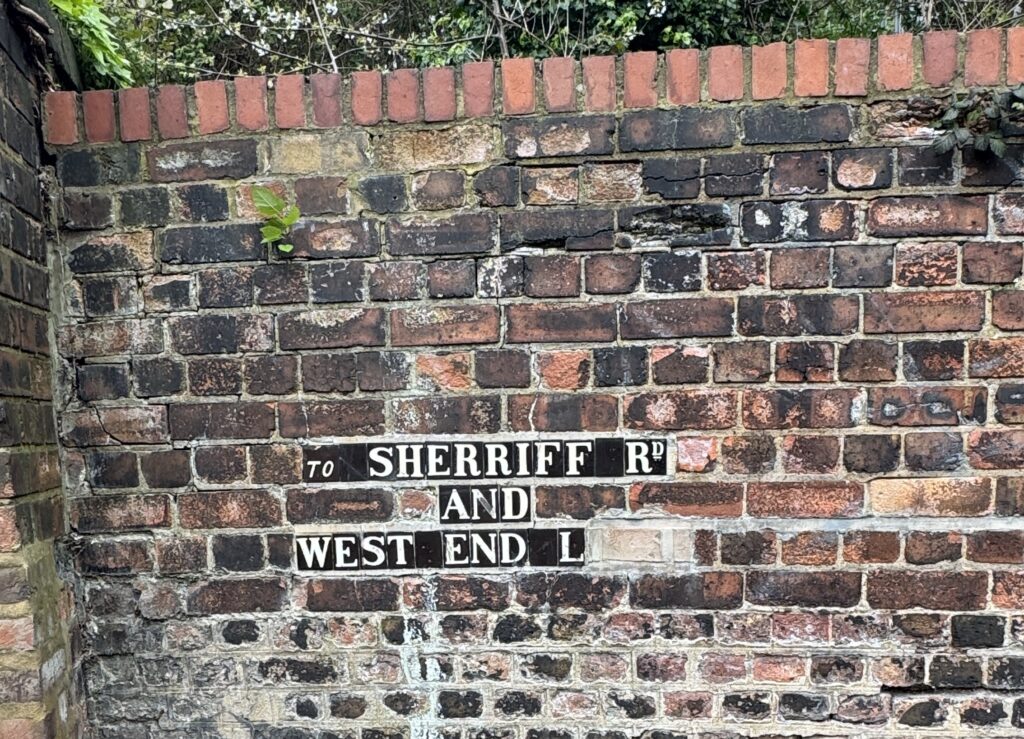
I love the detail in the pointing hand …
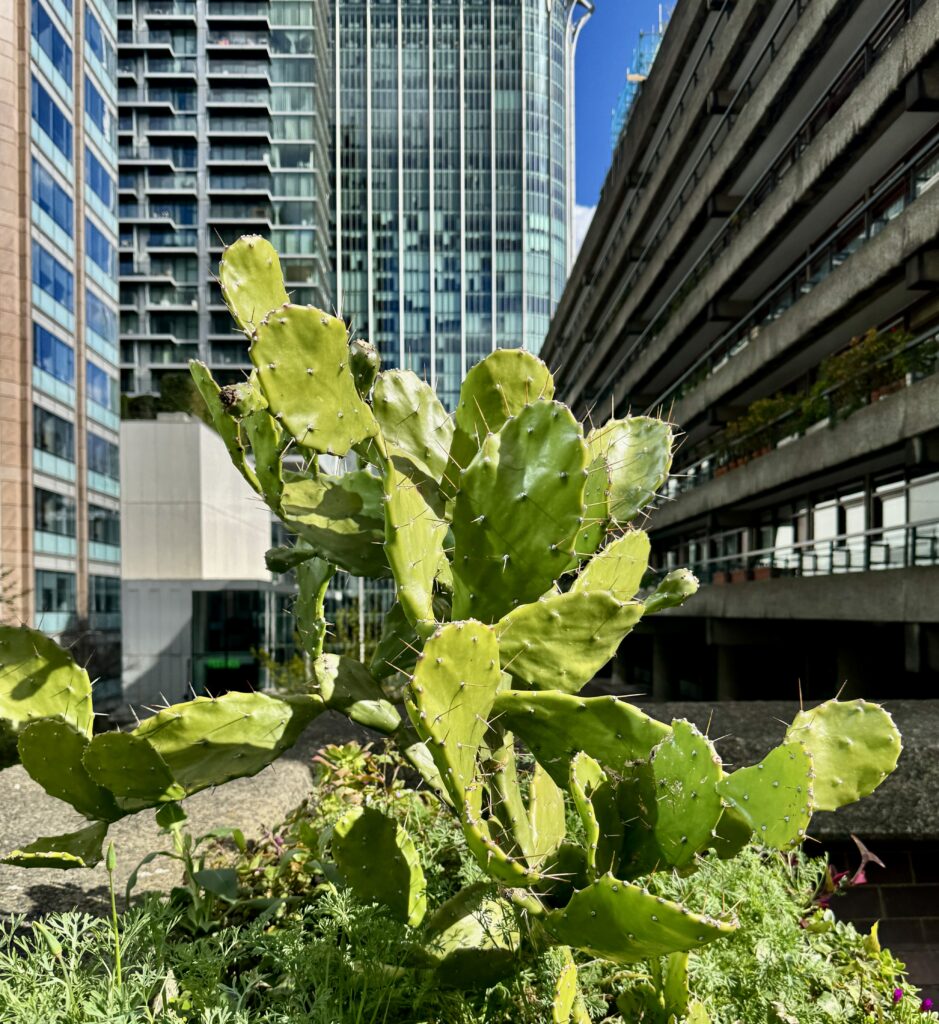
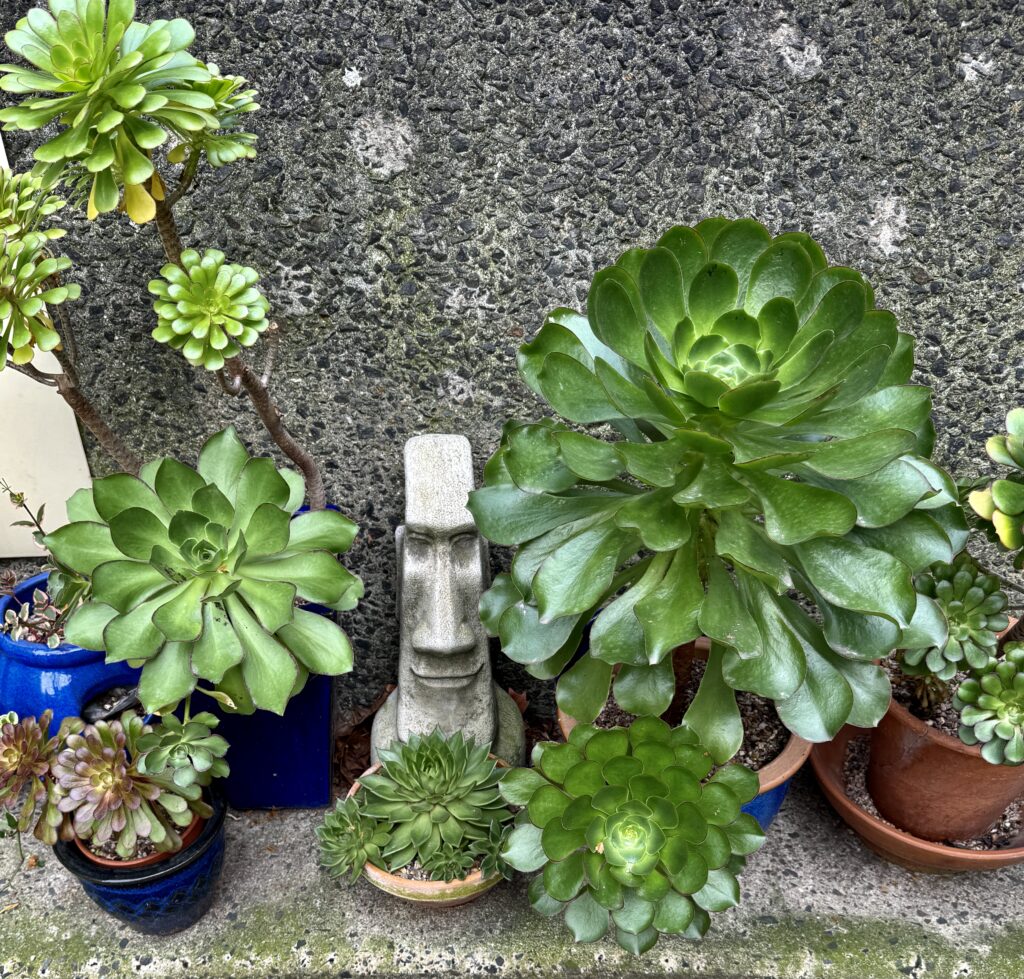
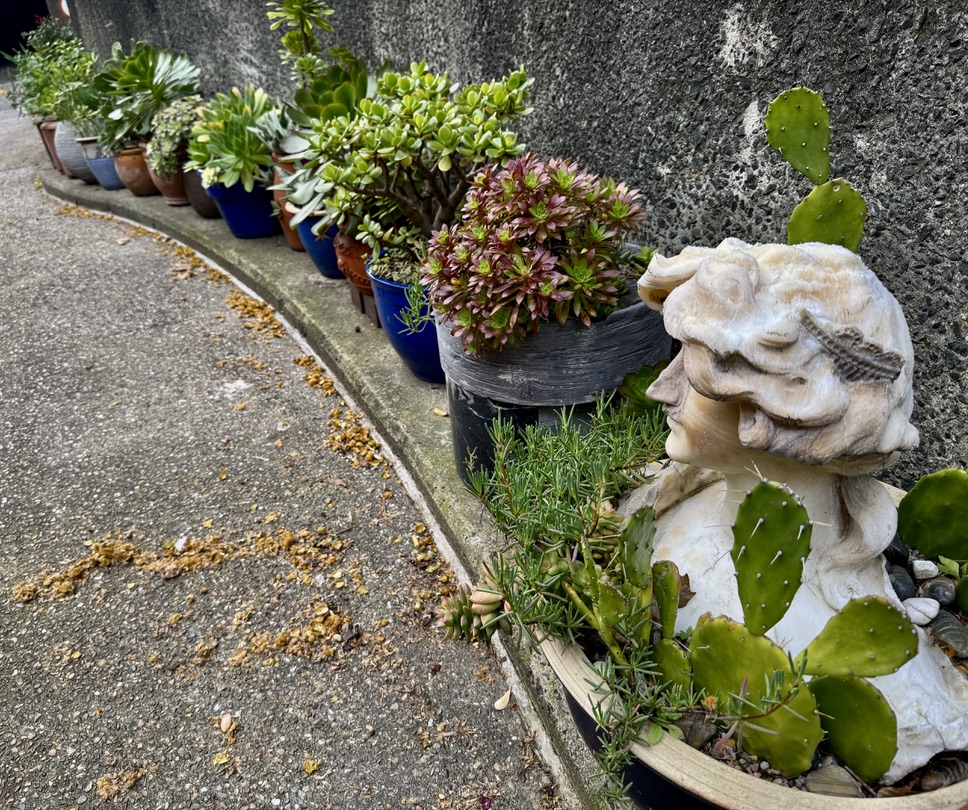
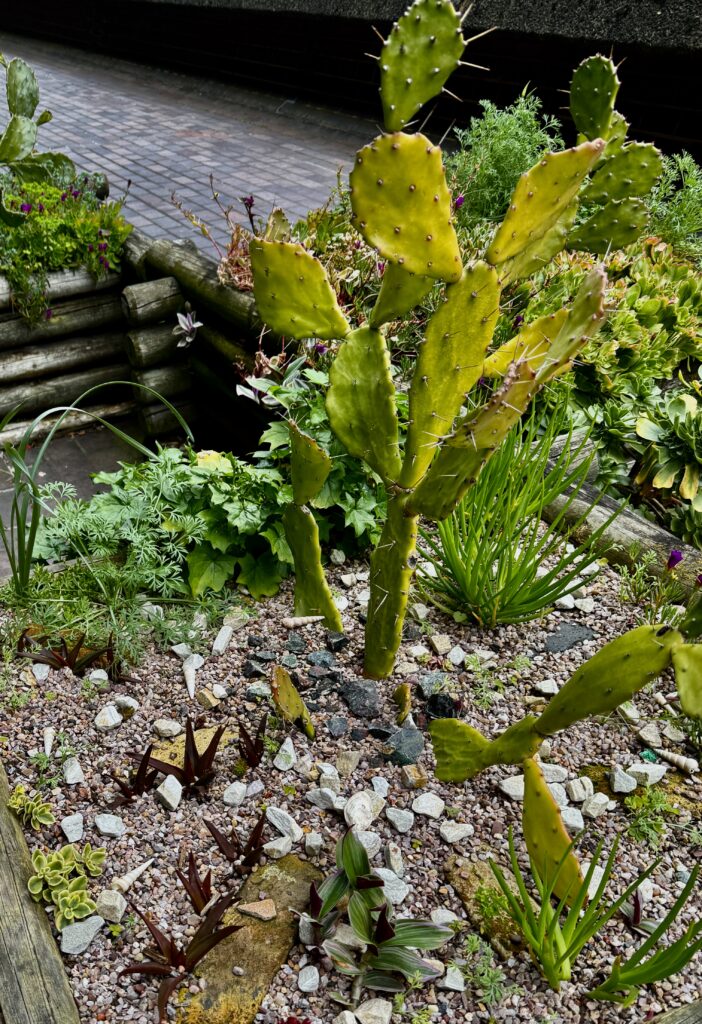
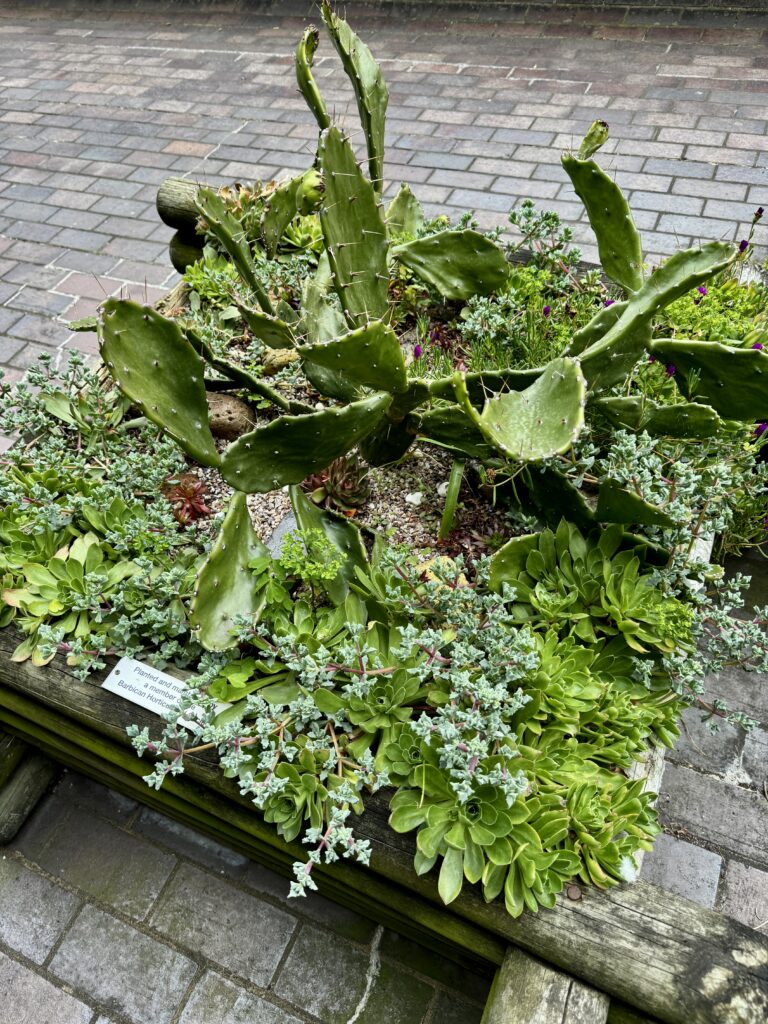
Finally, what is it about the Barbican that makes it so ideal for growing cacti?
If you would like to follow me on Instagram here is the link …
https://www.instagram.com/london_city_gent

Mudlarking at the wonderful Watermen’s Hall.

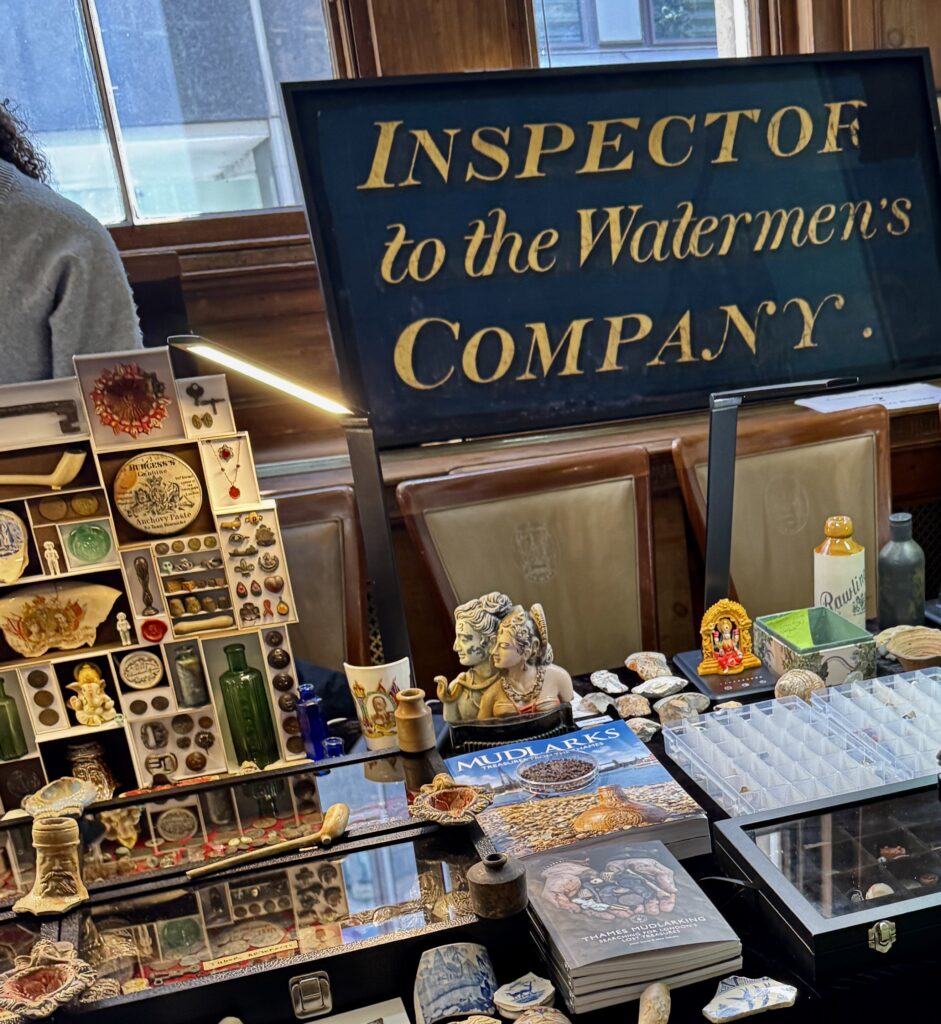
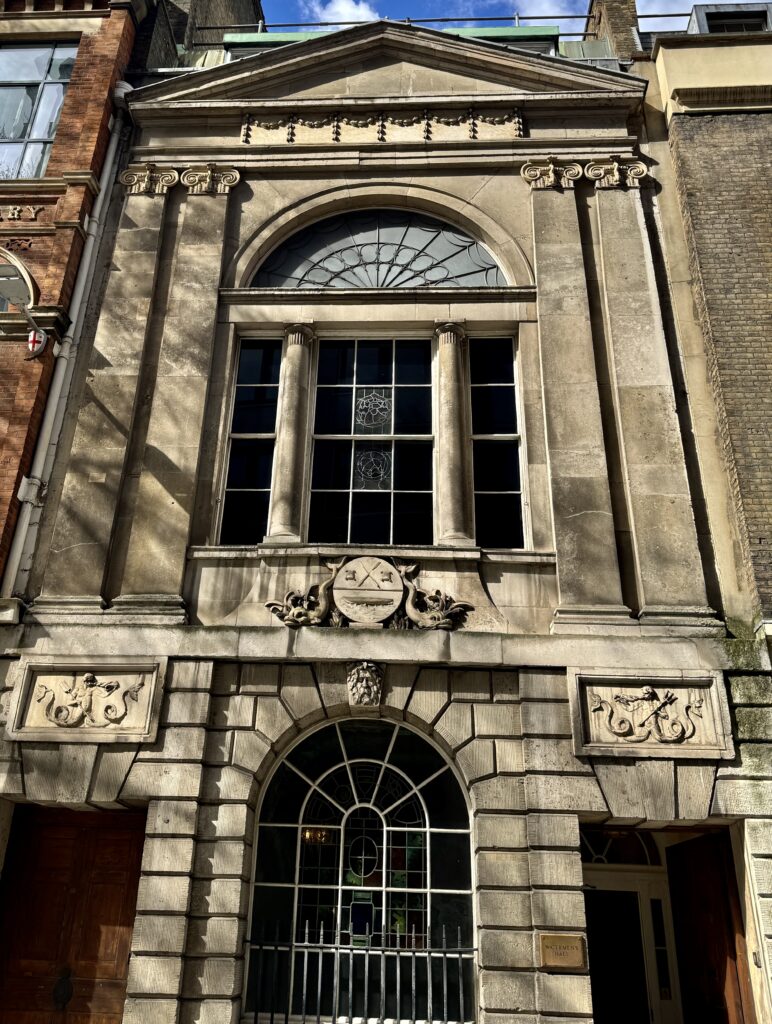
Last Saturday was a lovely day – sunny weather and a mudlarking exhibition which also gave me the opportunity to visit the splendid Watermen’s Hall.

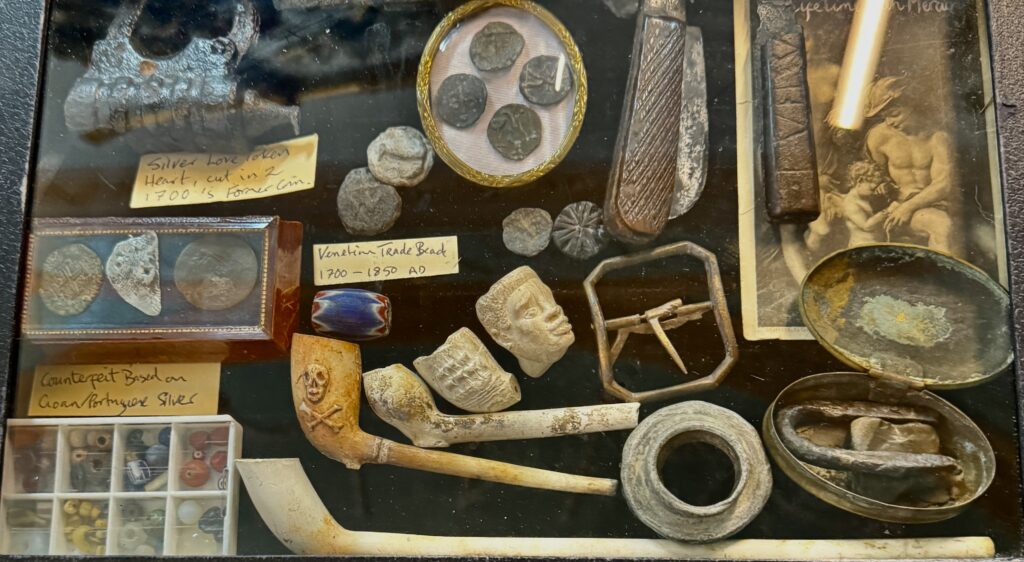
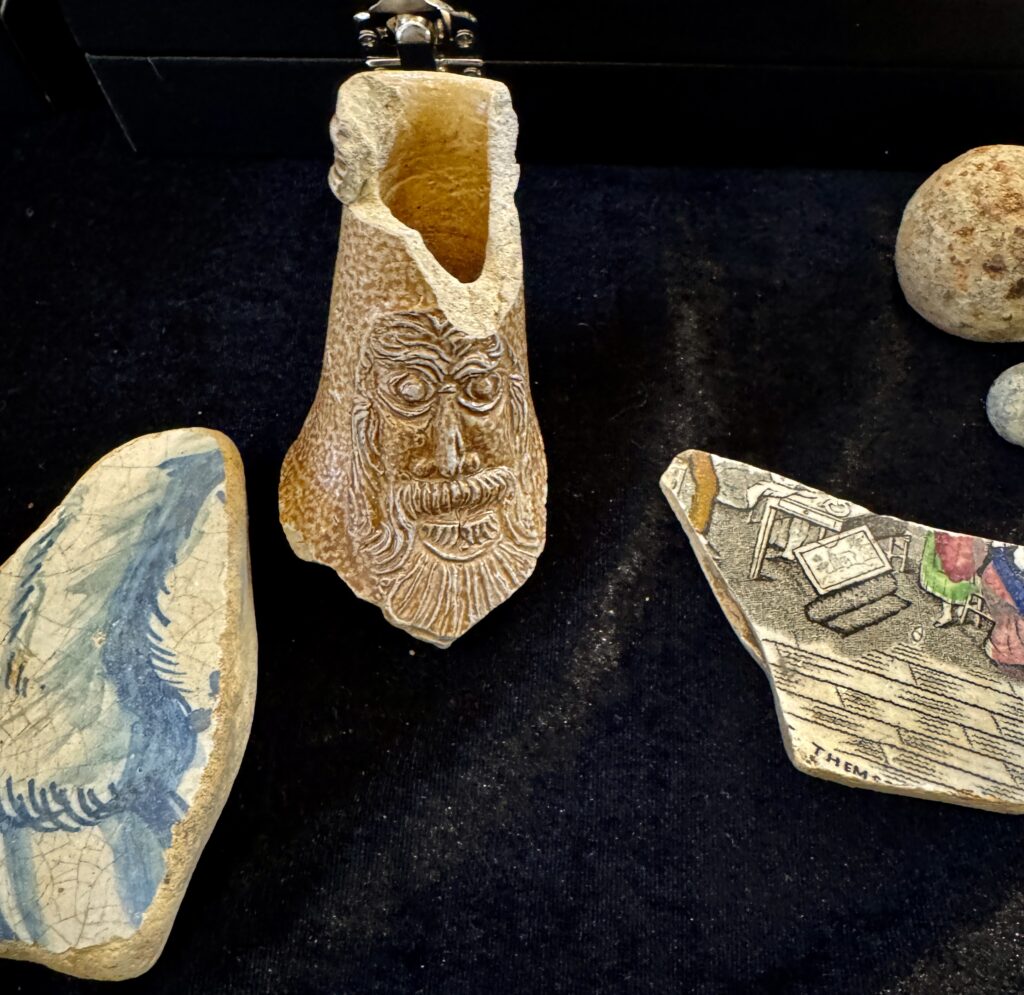
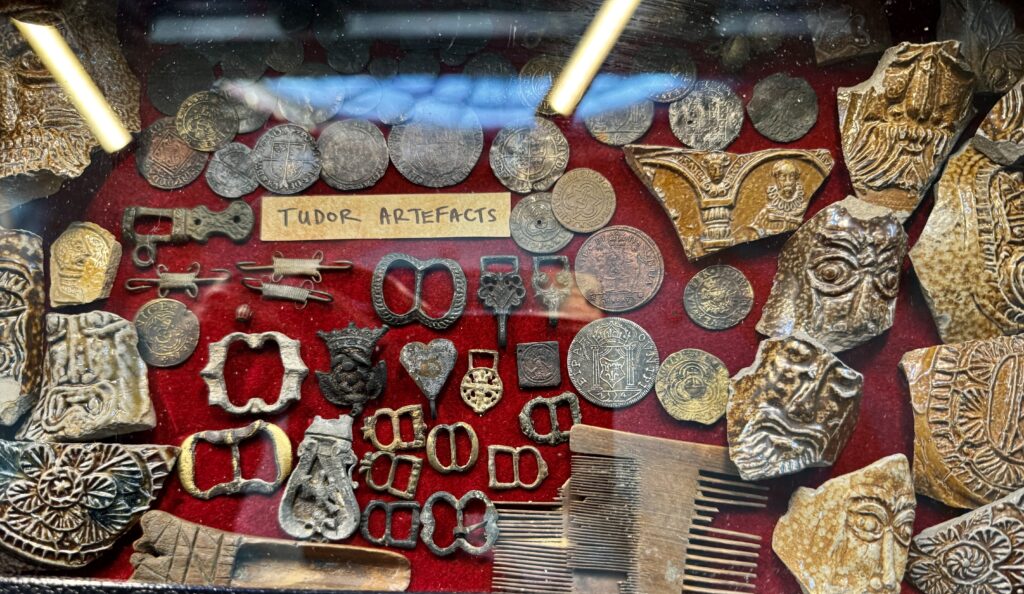
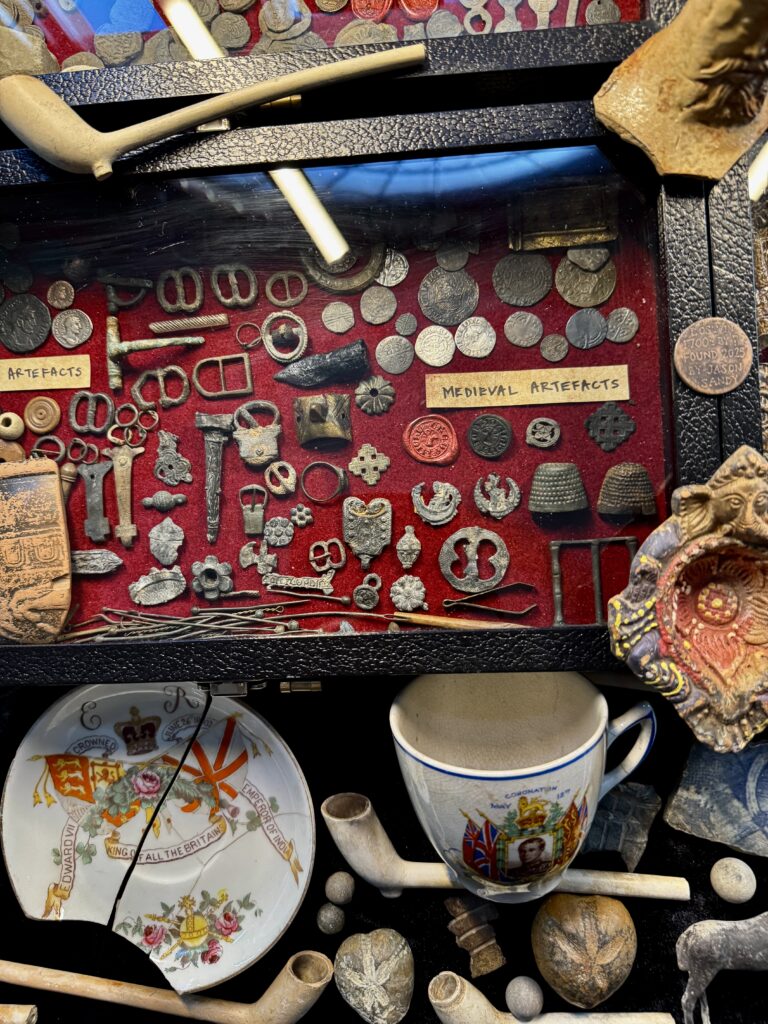
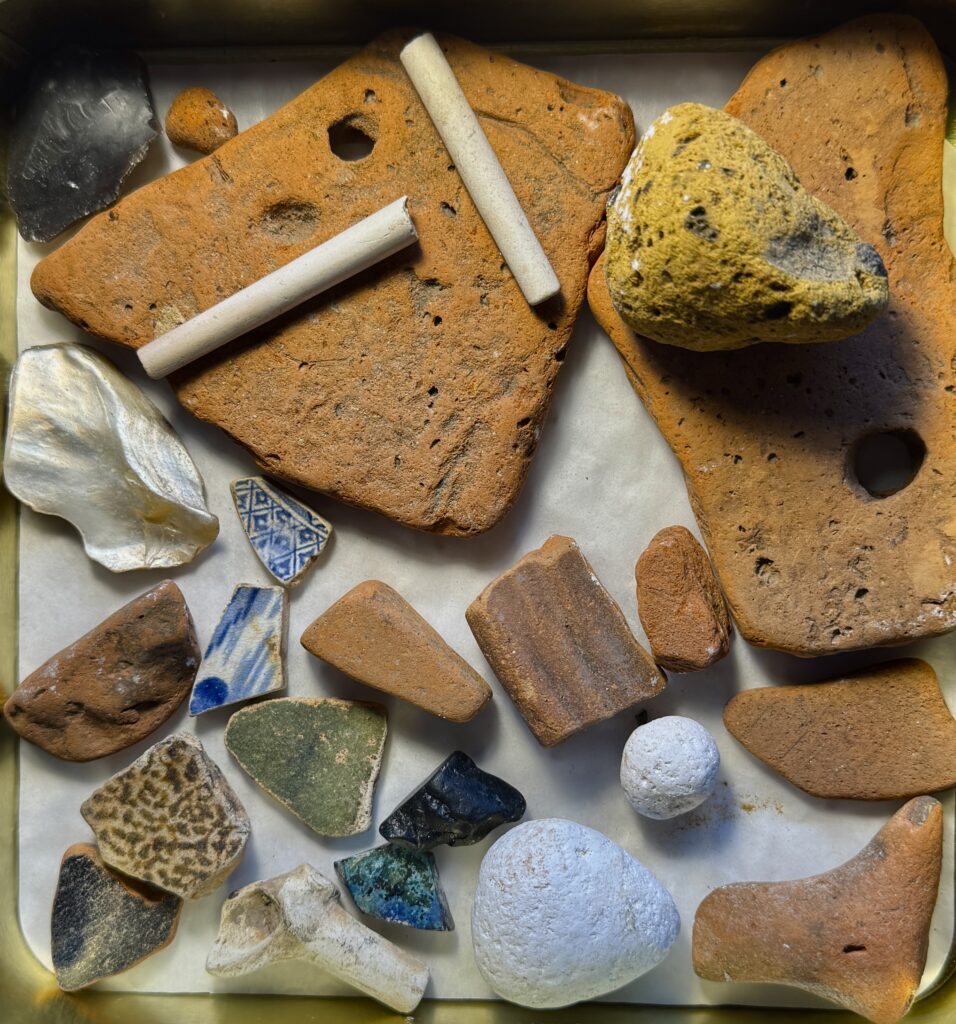
First of all, here are images of some of the fascinating items discovered by the mudlarking community on the Thames foreshore.

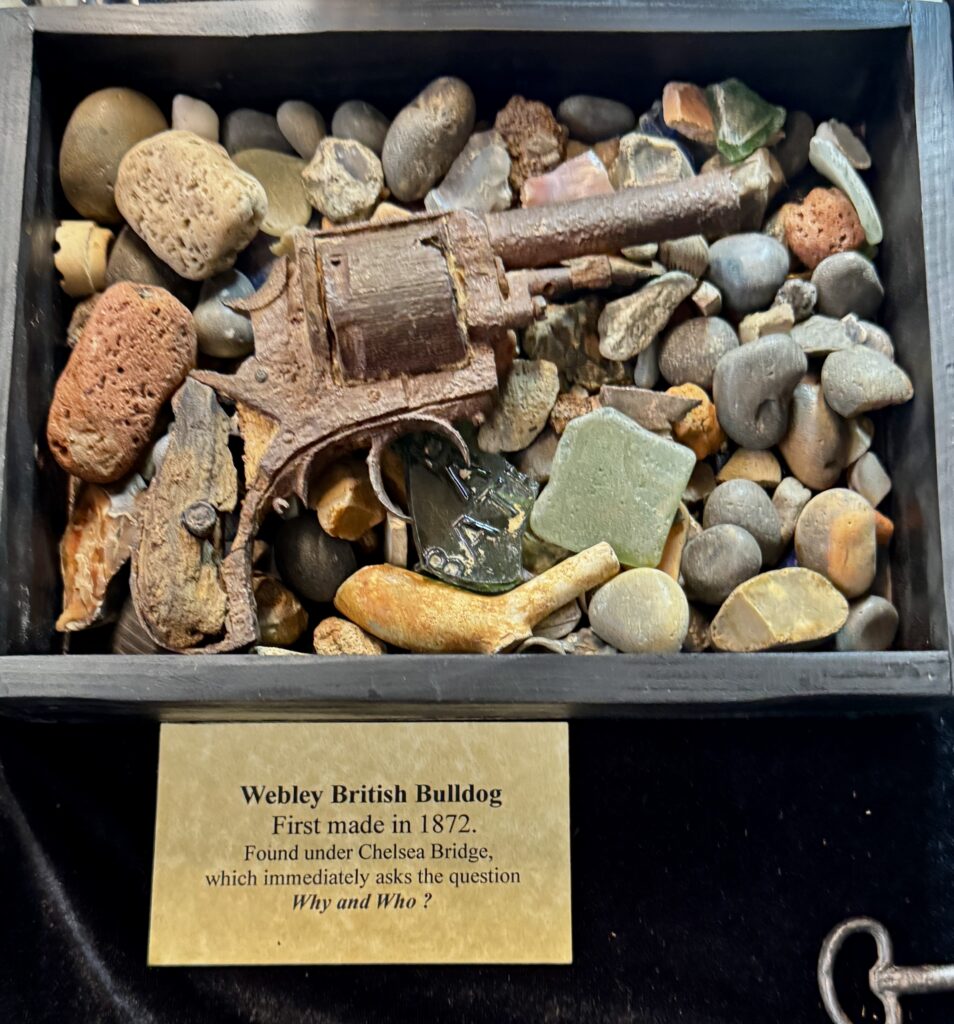
Surely this item was disposed of in the river after it was used in some nefarious activity …

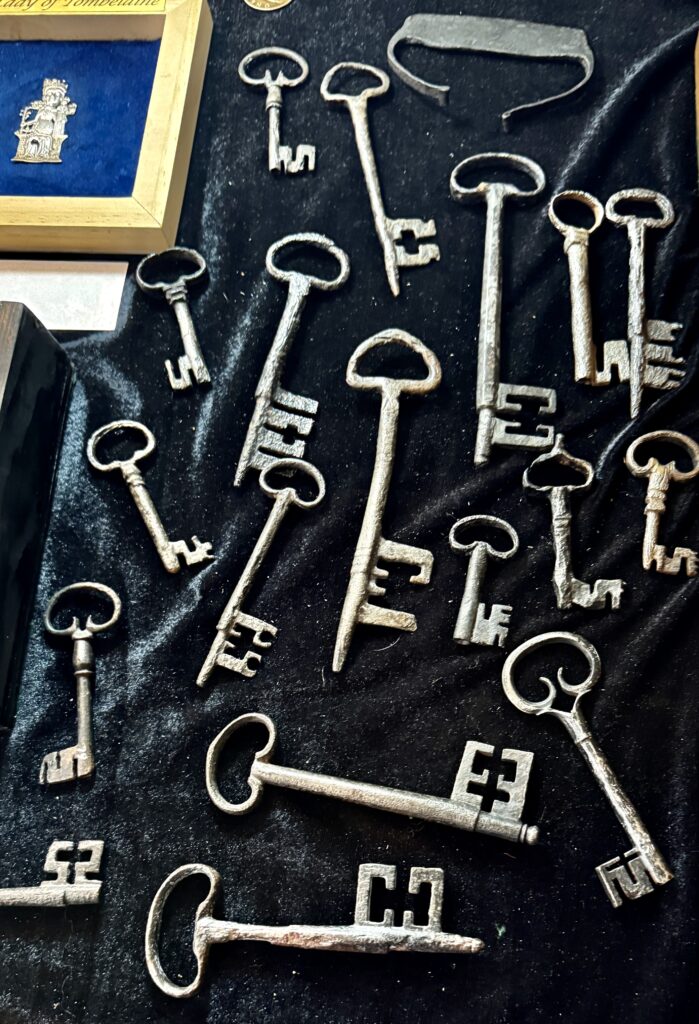
I can imagine people feeling in their pocket or around a chain and thinking ‘Oh no, I must have dropped it in the river!’ These keys may have been lost getting on or off a river vessel …

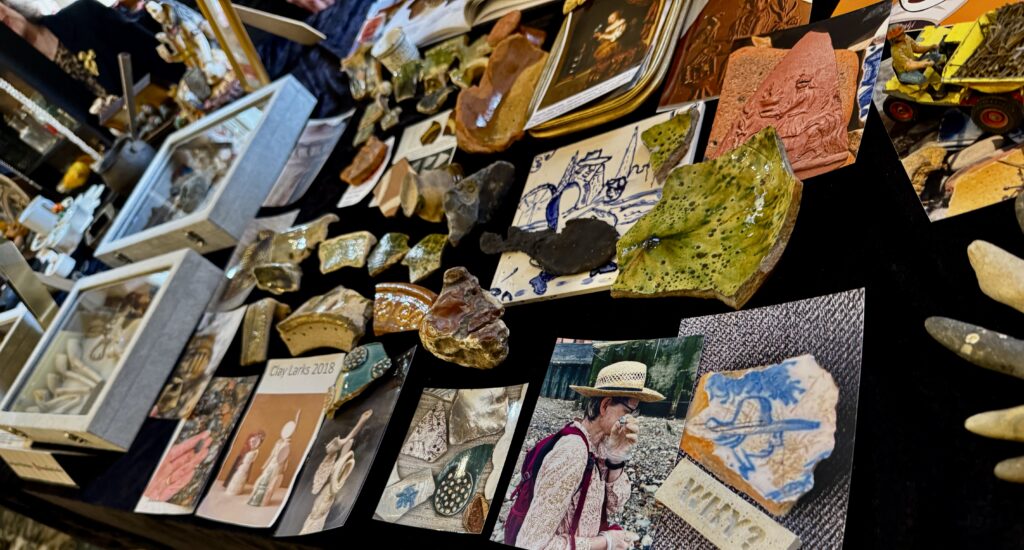
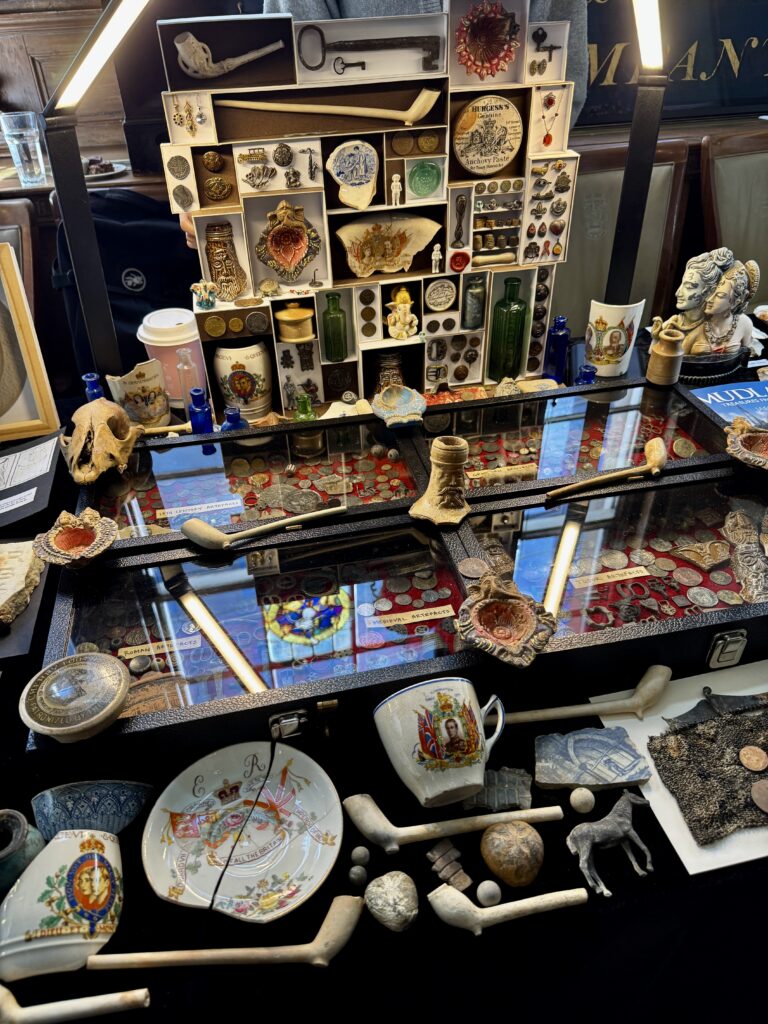
Various collections on display …

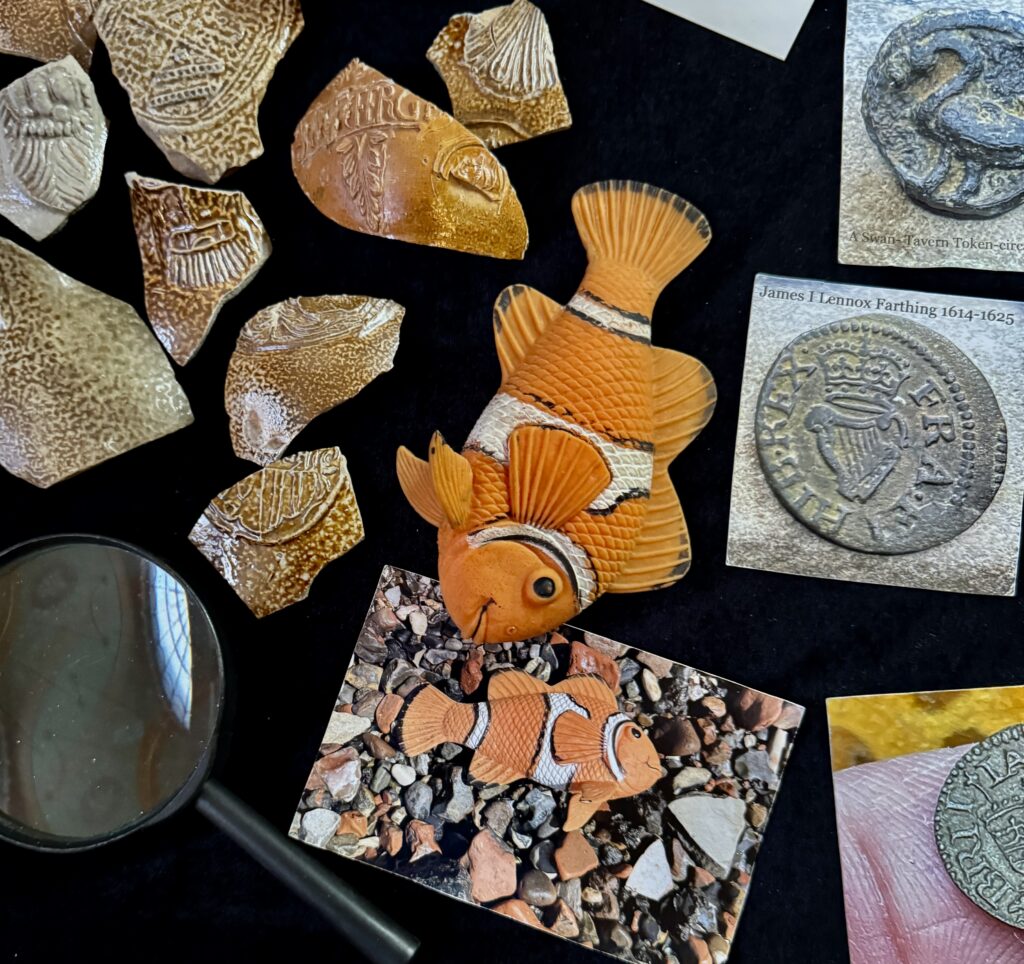
I have often wondered where Nemo ended up …

My little personal collection, gifted to me by my friend Penny, a registered mudlark …

Now a little about Watermen’s Hall and the watermen themselves.

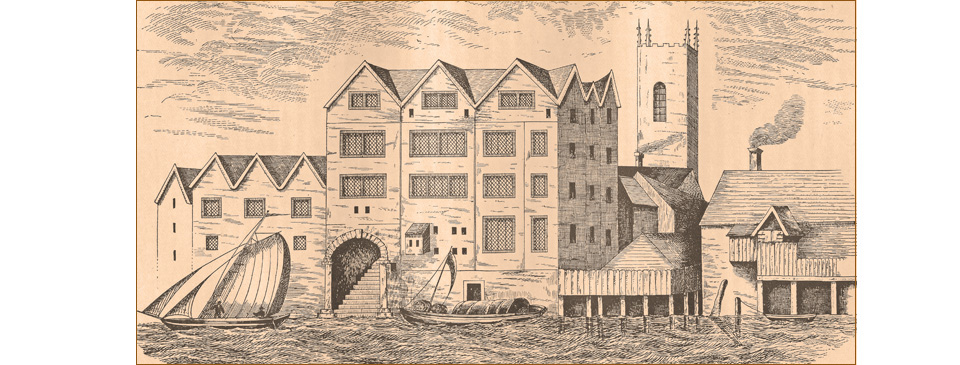
The earliest mention of the first Hall of the Company of Watermen was in 1603. At the time of this view of 1647 it was located at Cold Harbour, to the east of the modern Charing Cross, a mansion that had been acquired from Earl Gilbert …

It was destroyed in the Great Fire of 1666 along with the Company’s records. The Company moved to the present Hall at St. Mary at Hill, upon its completion in 1780 …

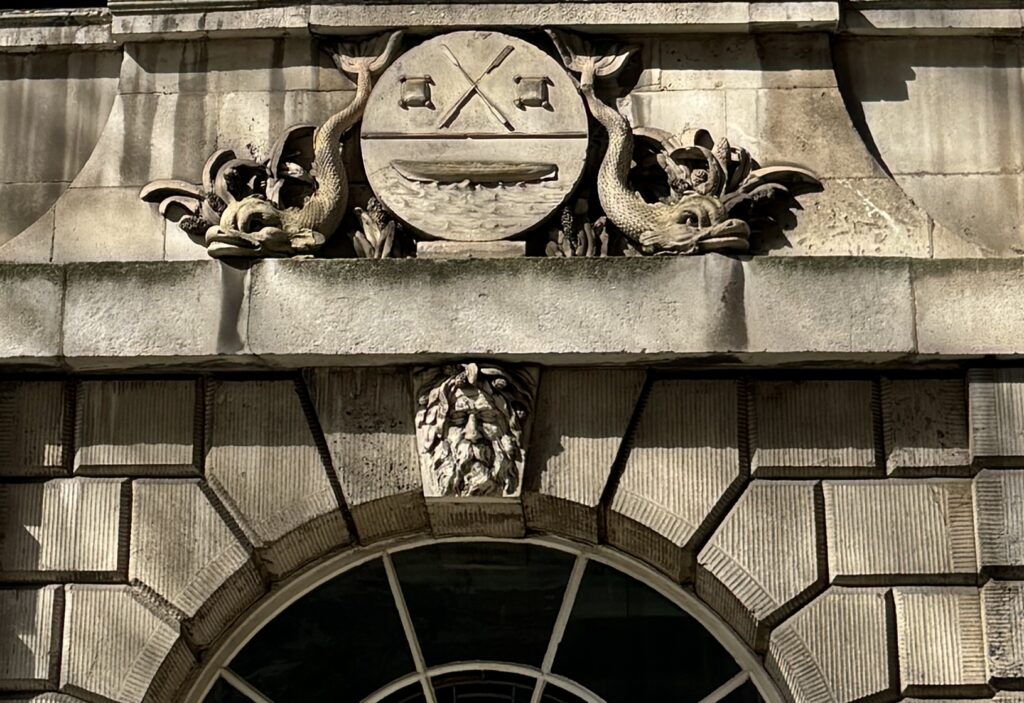
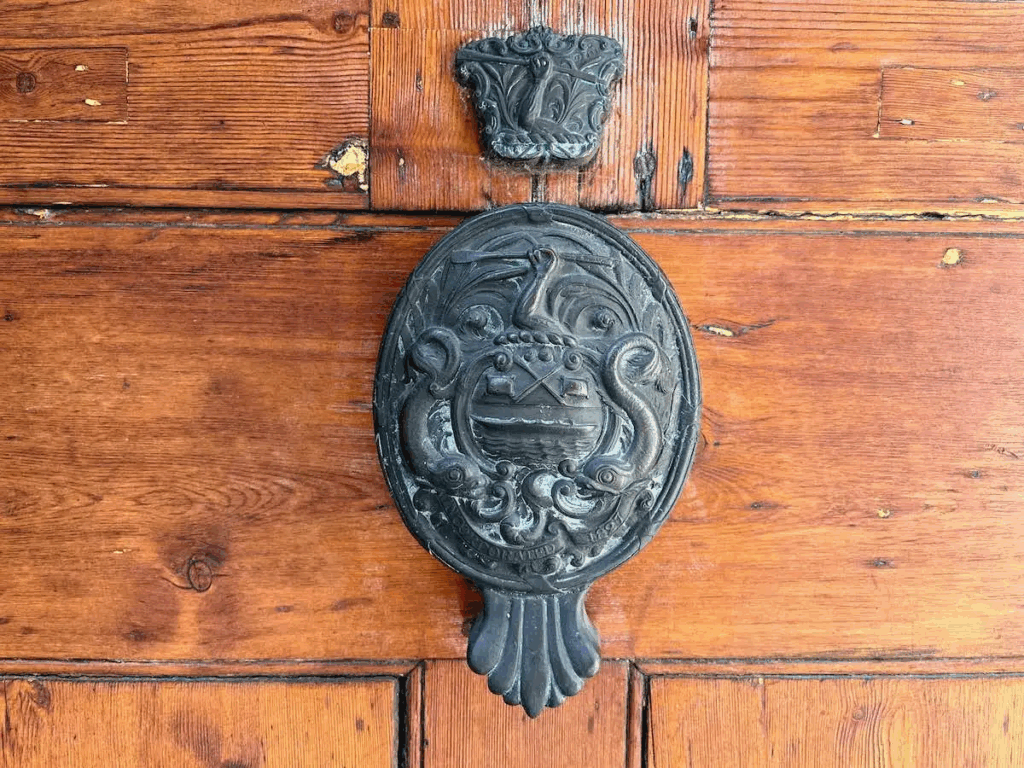
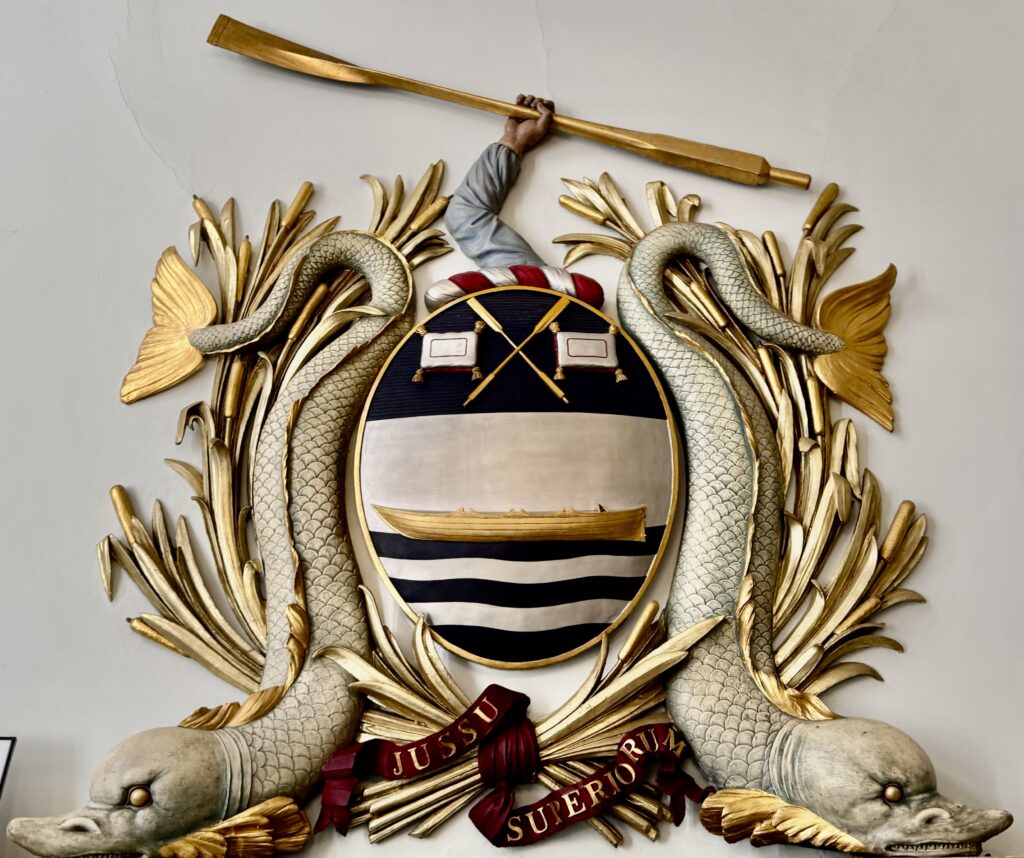
The coat of arms …

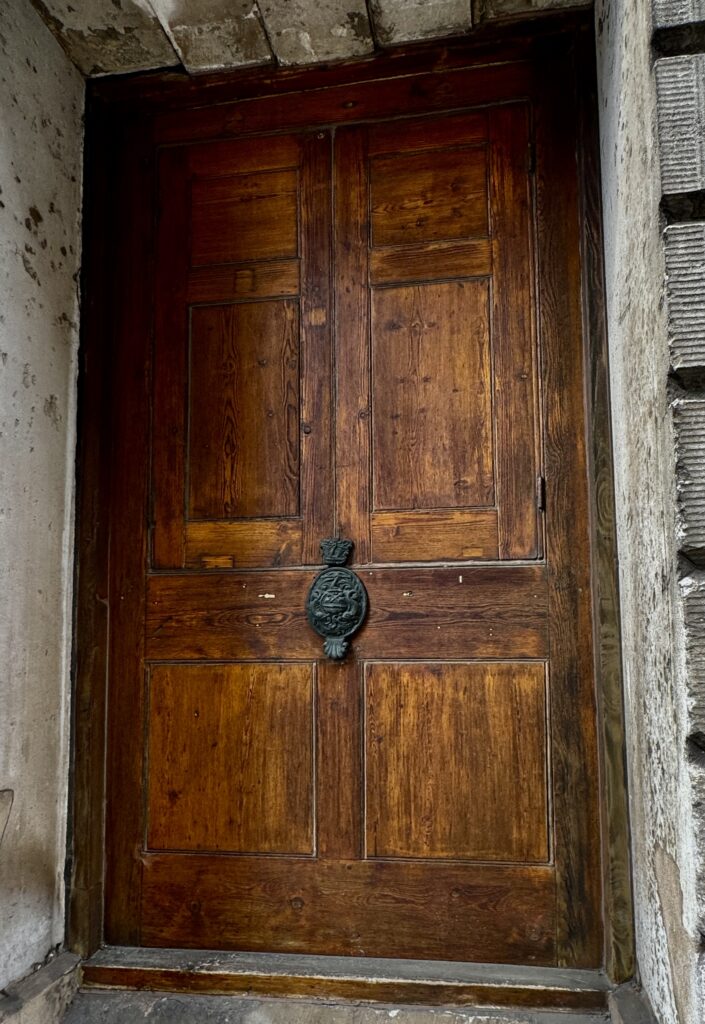
A magnificent door with the arms of the company incorporated in the knocker …

The arms indoors above a fireplace. The Latin motto reads At Command of our Superiors

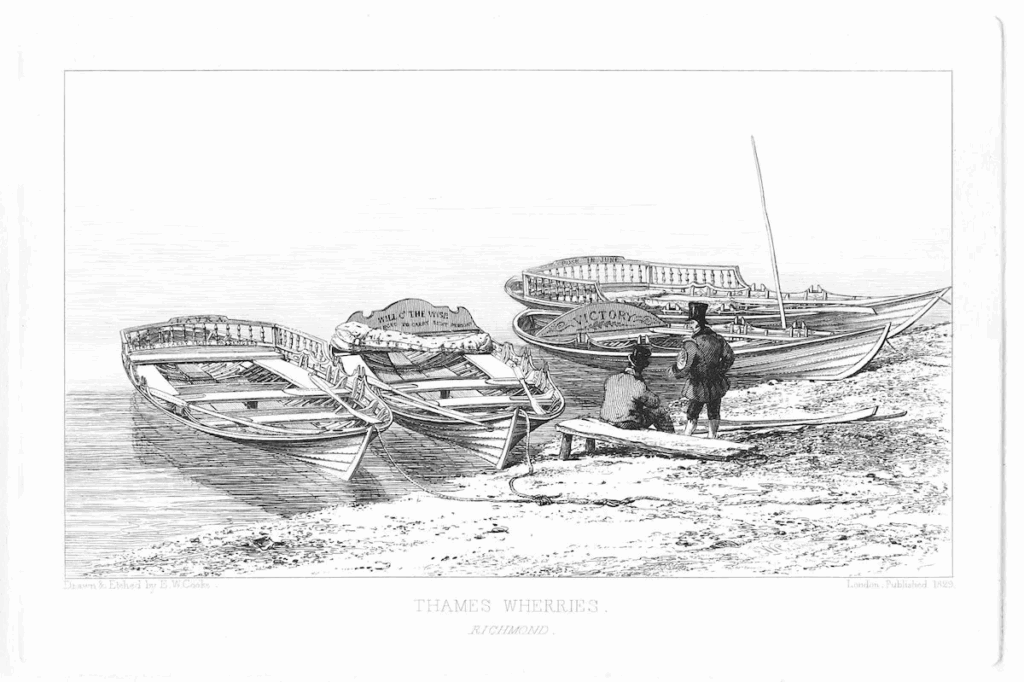
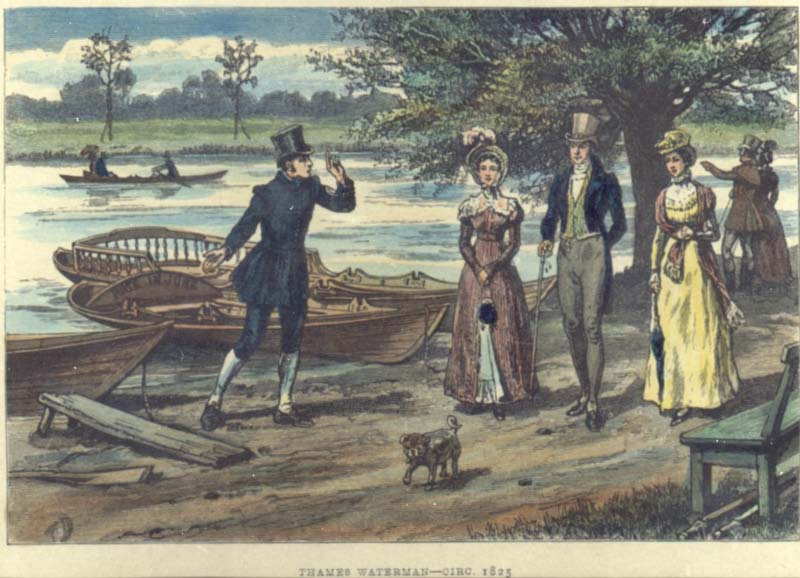
For centuries, the quickest and most convenient way to travel within the City, or cross the river, or east or west from London, was by water. London Bridge was the only dry crossing over the River Thames in the immediate London area until the early 18th century but it was narrow and congested. The roads into and out of the capital were in a poor state. It was easier to take a ferry, or a wherry rowed by a waterman.

The full name of the institution is ‘The Company of Watermen and Lightermen of the River Thames’. Those who transported people along and over the river were known as watermen, whereas those who transported goods, particularly from larger ships to shore, were lightermen, i.e. they were making the larger ships ‘lighter’ by relieving them of their goods.

Thames wherries depicted in 19th century illustrations…

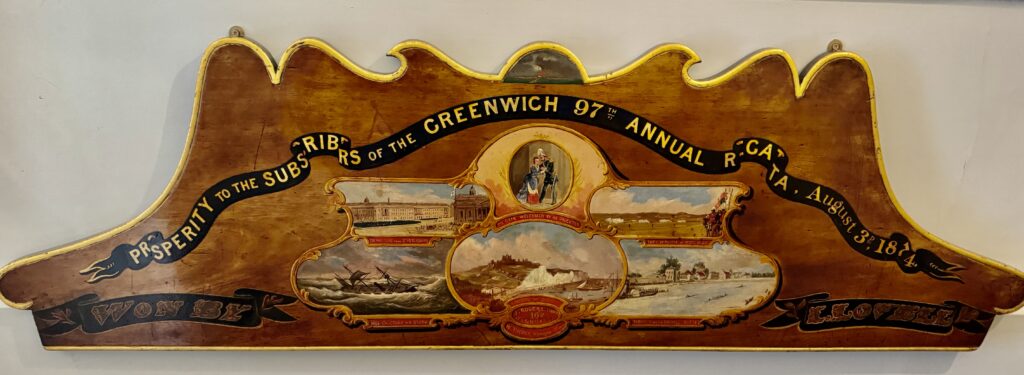
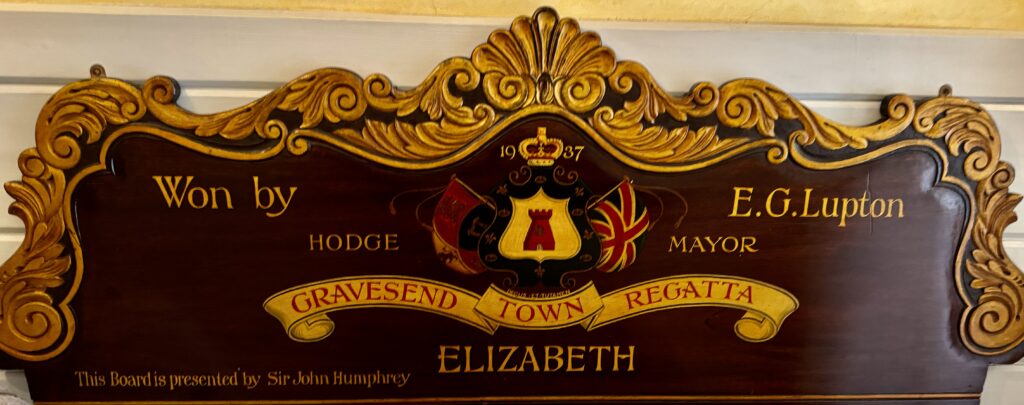
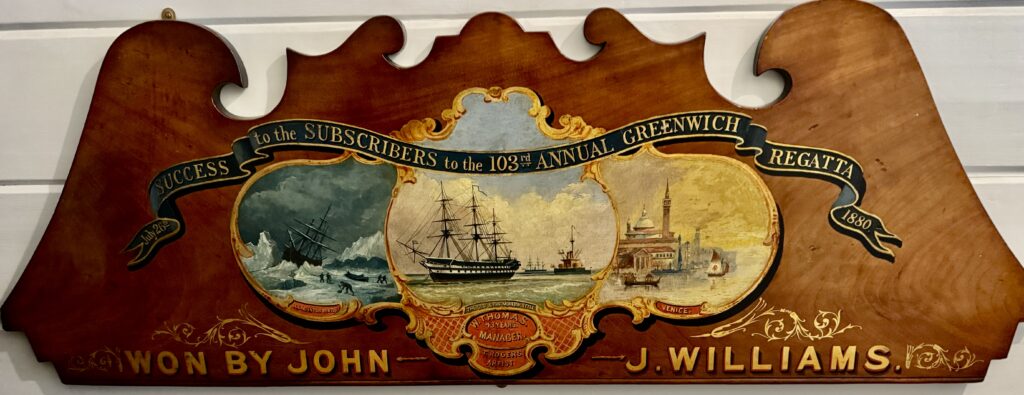
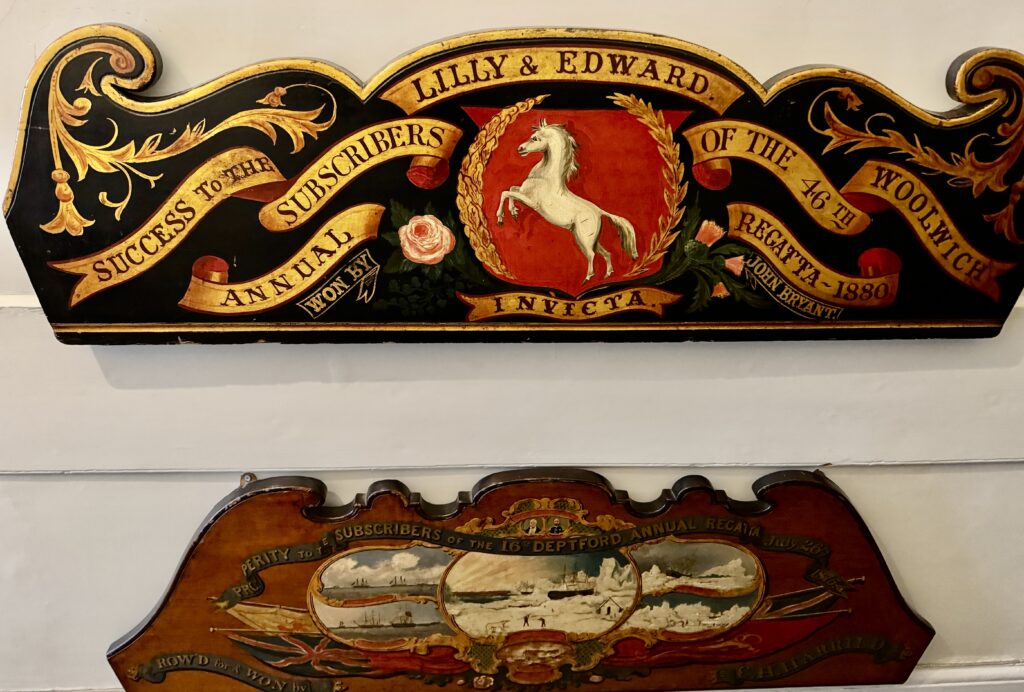
As you enter the building, there are various backboards from old wherries on display …

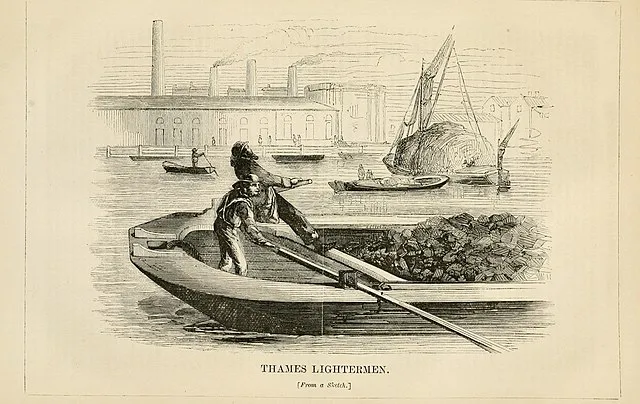
Thames lightermen around 1861 …

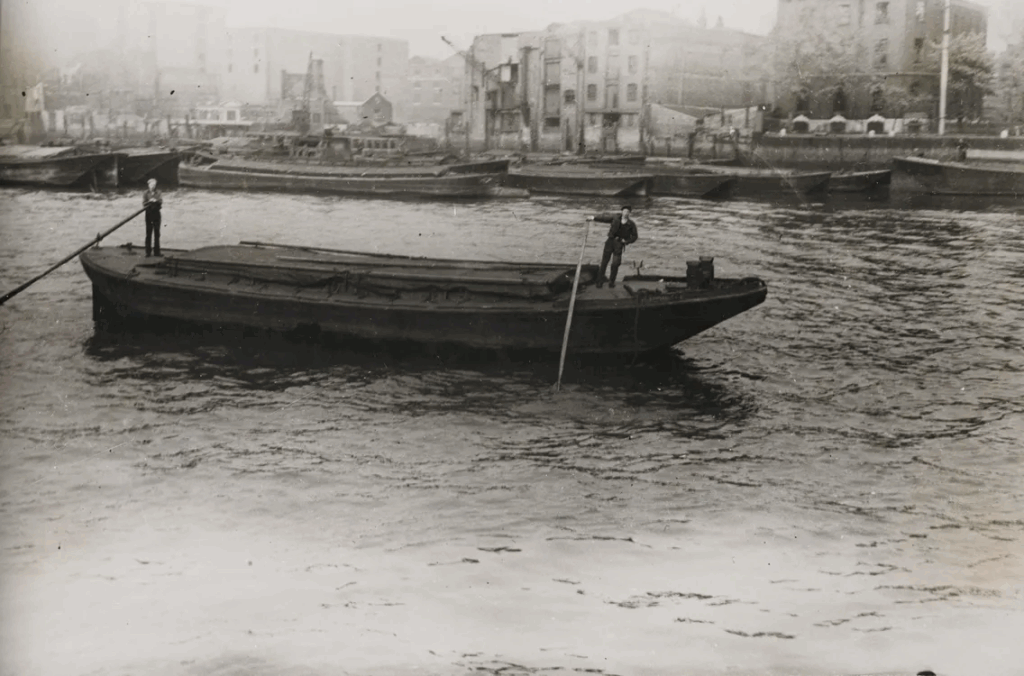
Lightermen posing in the middle of a dock in 1946 …

Prior to the early 16th century it was pretty much a free-for-all, but in 1514 the government started regulating the fares on the river. In 1555 governors were appointed to oversee the regulation and as a result the Watermen’s Company was born. The lightermen joined in 1700.

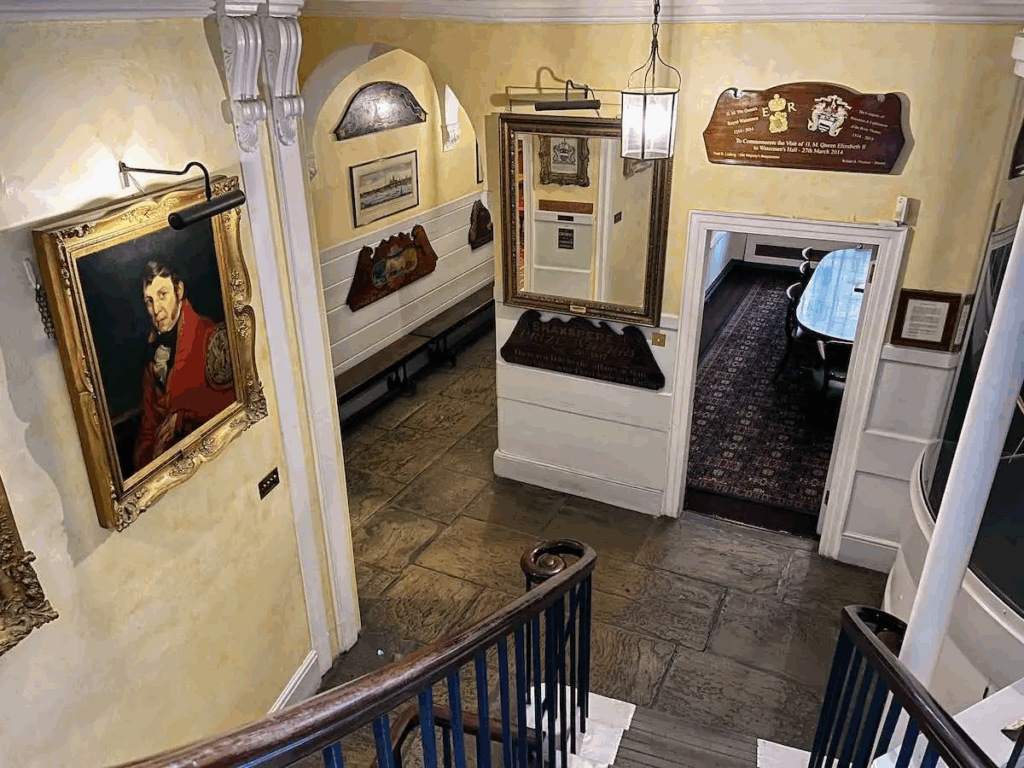
The hallway …

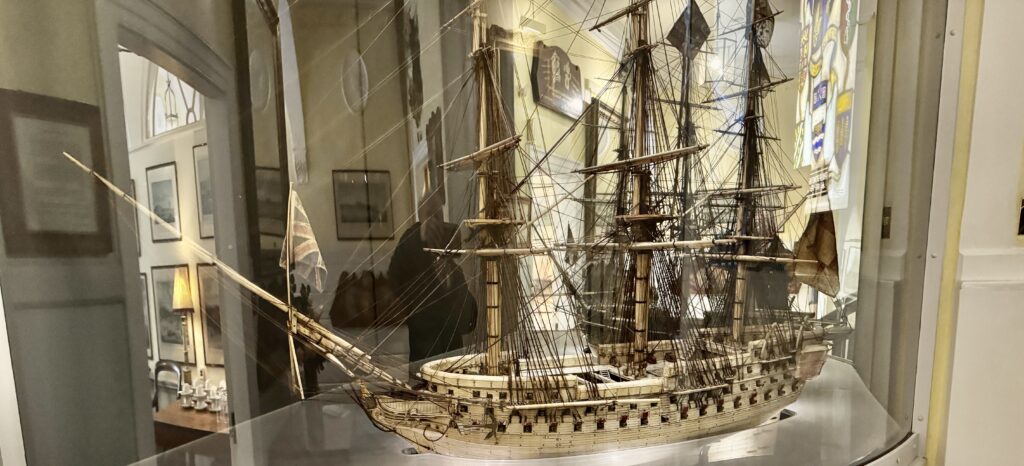
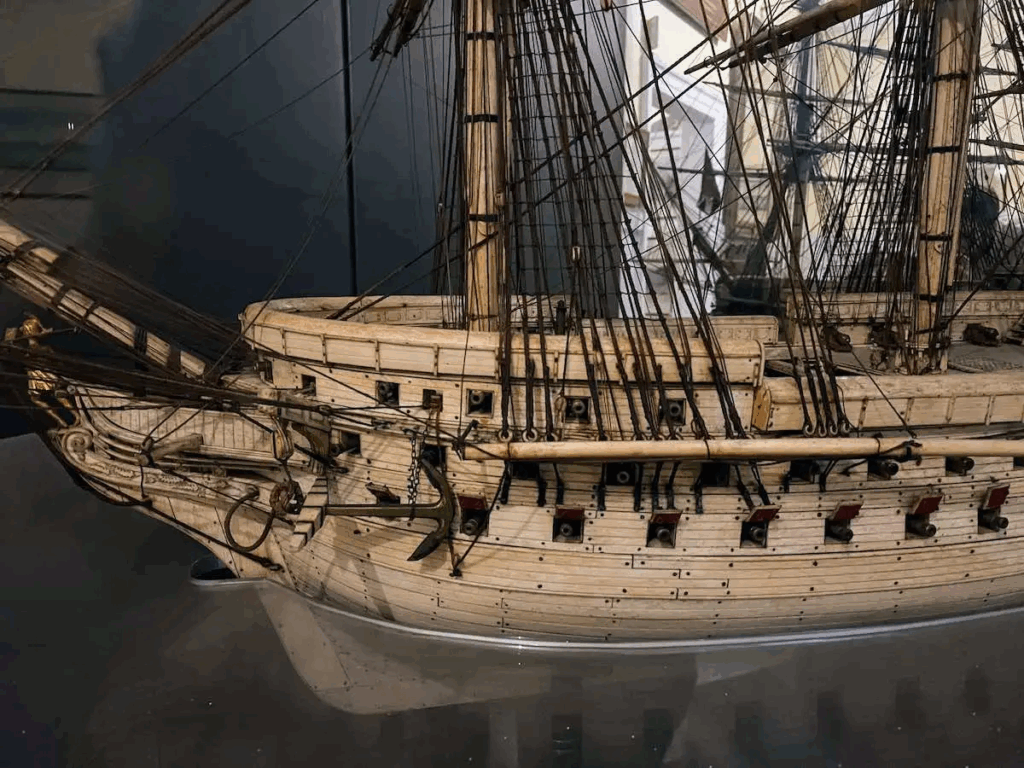
Before climbing the stairs, you encounter a ship made of mutton bone, said to have been constructed by veterans from the Battle of Trafalgar …

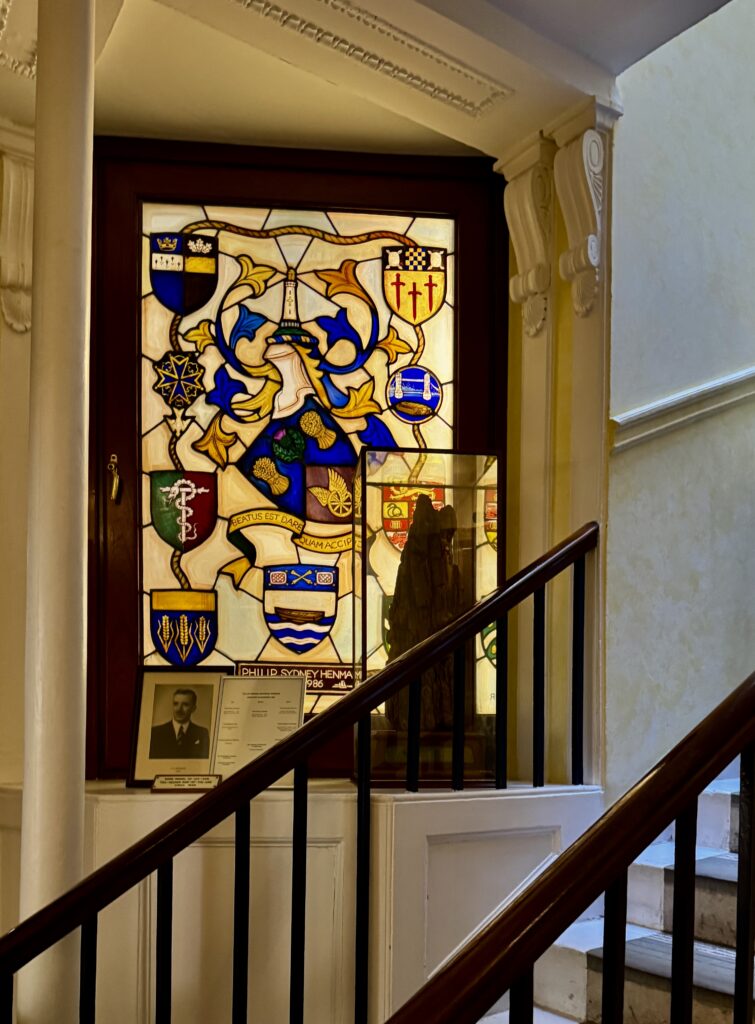
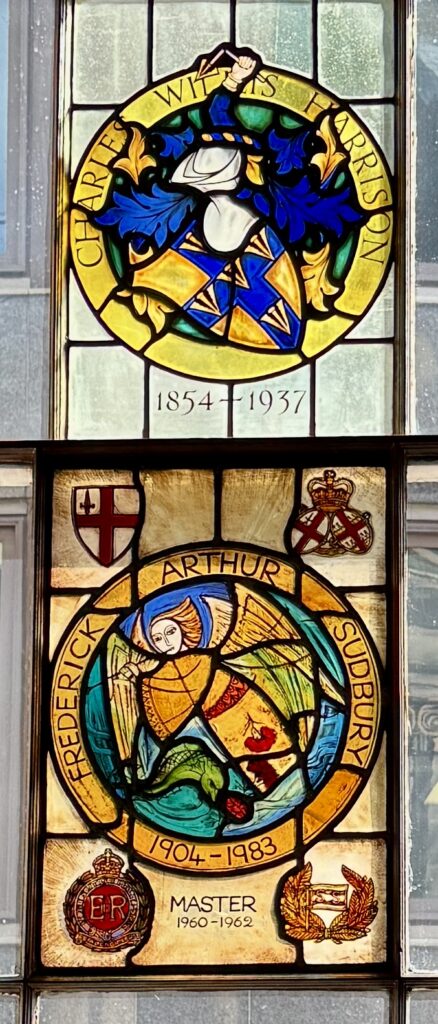
Nice stained glass …

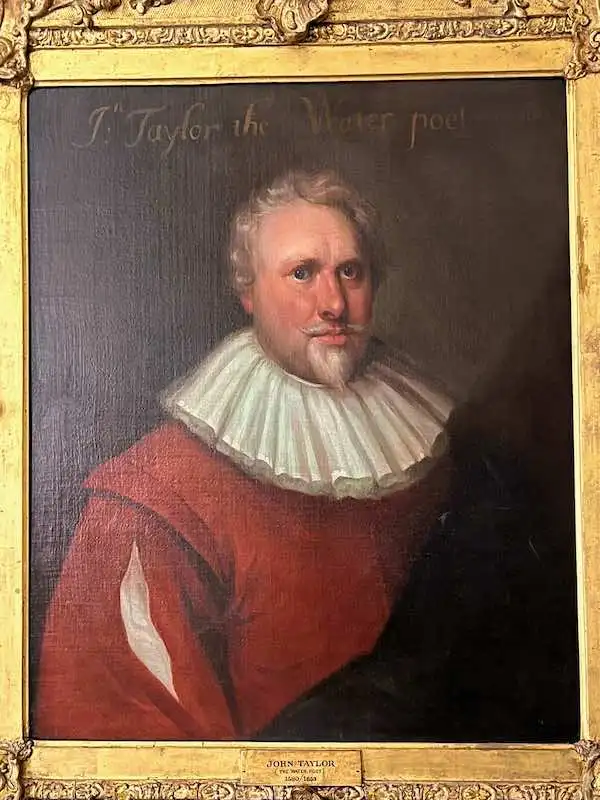
In the hall is the portrait of a man called John Taylor (1578-1653) …

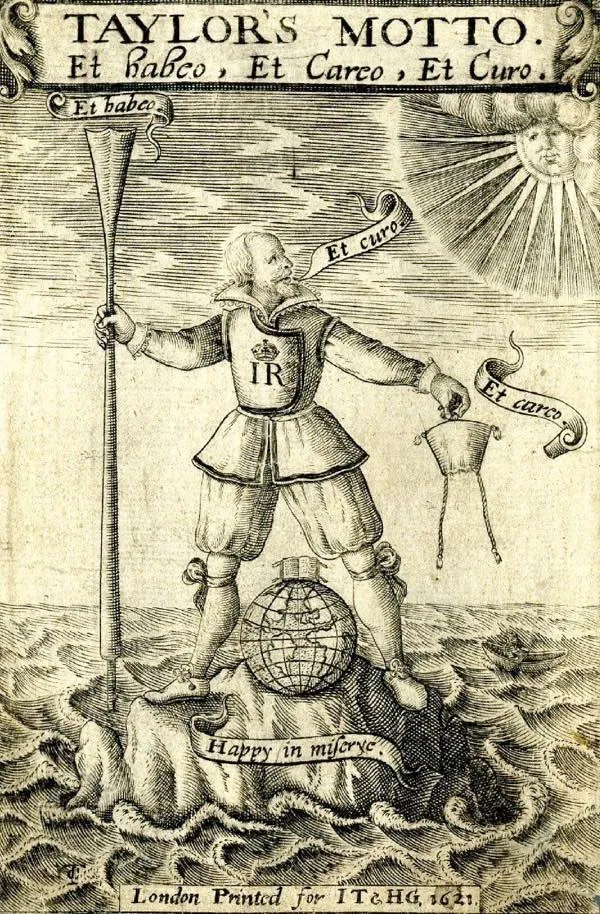
He was a waterman on the Thames but was also a clerk and wrote poetry, with over 150 publications in his lifetime …

In 1613 he became a waterman to the King, for employment in ceremonial occasions. An eccentric character, he dubbed himself the ‘King’s water poet’. In 1622, possibly to make a statement about a lack of appreciation for the watermen amongst Londoners, he sailed along the Thames a boat made from paper and two inflated pigs bladders, propelled along by two oars made of cane and dried fish.

After the civil war and the Puritans seized power in England, Cromwell famously banned the festivities around Christmas. They believed there should be special church service and definitely no drinking and merry-making.  In 1653 John Taylor published a treatise arguing vehemently in favour of the celebrations. It is said that he was the man to persuade King Charles II in exile, when he was restored to the throne, to swiftly reinstate it. The Company therefore call him the man that saved Christmas.

Some even believe that John Taylor became so associated with Christmas that when the Victorians created the classic image of Father Christmas that we think of today, they were inspired by the red coat and ruff in the painting above. You can read much more about this fascinating man here in a Spitalfields Life article by Gillian Tindall.

In 1715 the London-based Irish comic actor and theatre manager, Thomas Doggett, founded the ‘wager’ of a sculling race for Thames Watermen to celebrate the anniversary of the accession to the throne of King George I.

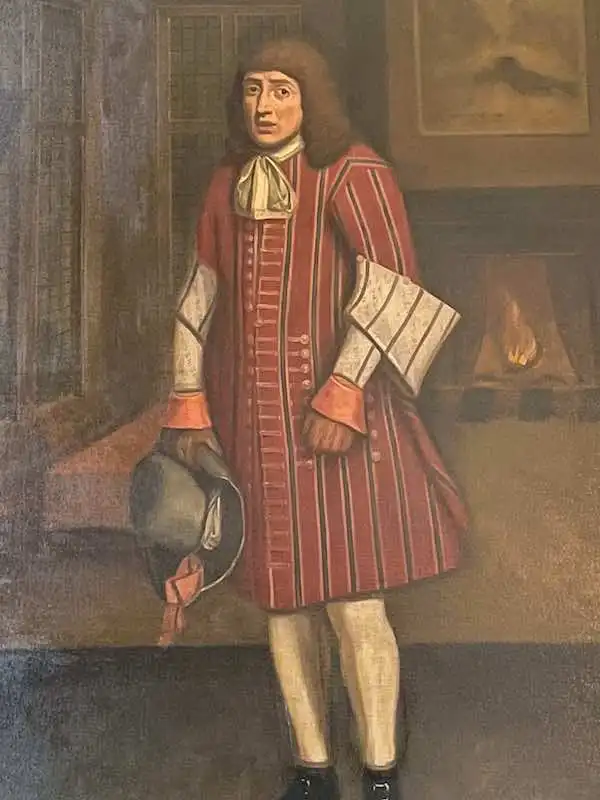
Mr Doggett …

The race was open to six watermen who had completed their apprenticeship in the previous twelve months. It took place between Swan Stairs at London Bridge and the White Swan Tavern at Chelsea, a distance of about five miles, rowing against the tide.

Continuing to this day, Doggett’s Coat and Badge stands as the revered prize for the world’s oldest continuous rowing race. This prestigious honour is fiercely contested by up to six apprentice watermen. The challenging 4-mile 5-furlong (7.44 km) race navigates the upstream course from London Bridge to Cadogan Pier, Chelsea, passing beneath a total of eleven bridges.

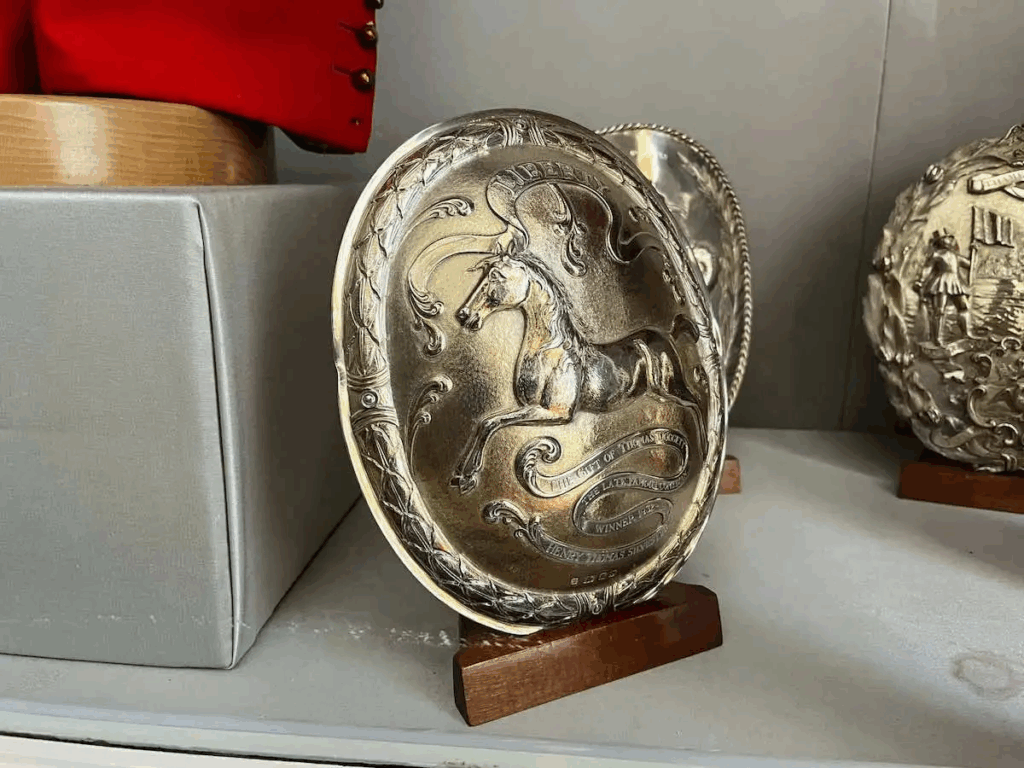
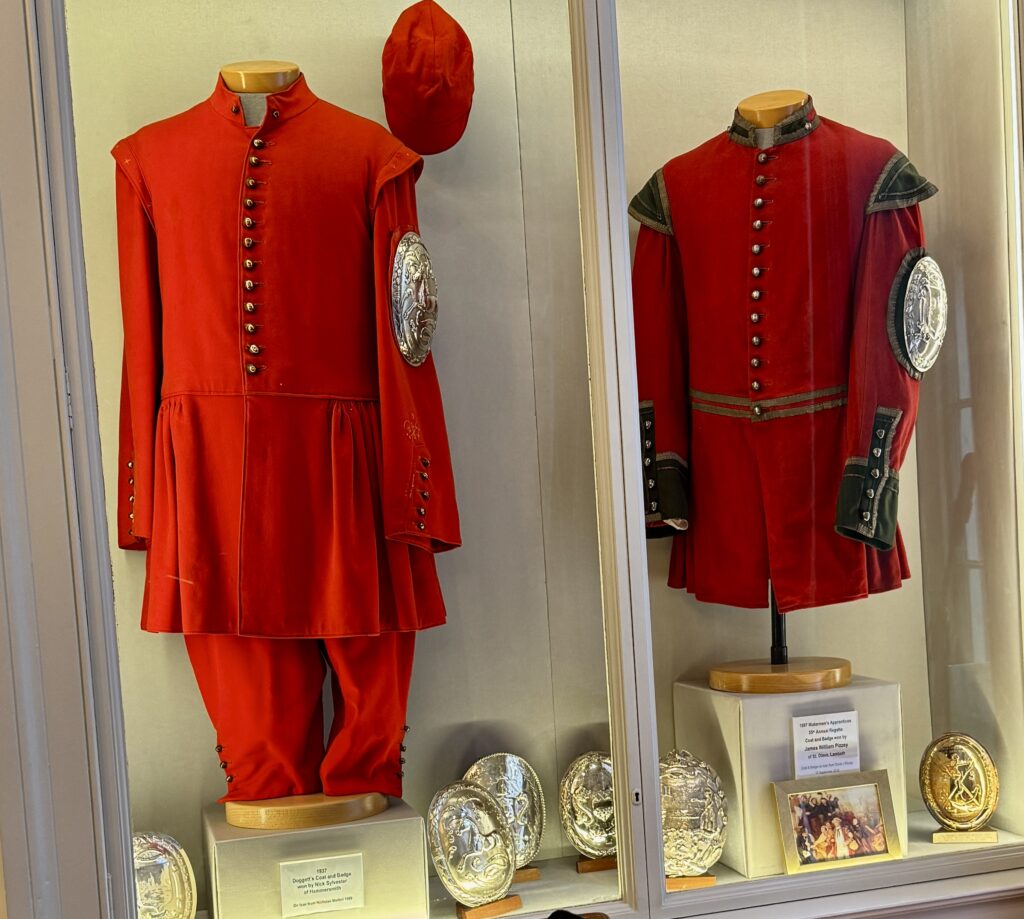
The coveted winner’s prize is a traditional watermen’s red coat adorned with a silver badge, featuring the horse of the House of Hanover and the word “Liberty” in homage to George I’s accession to the throne …

All participants completing the course receive a miniature Doggett’s Badge for their lapel in a ceremony at Watermen’s Hall – silver for the winner and bronze for the others. The Fishmongers’ Company extends monetary prizes to the rowing clubs involved, with £1,000 for the winner’s club, £600 for second place, £400 for third, and £200 for fourth.

Coats and badges on display …

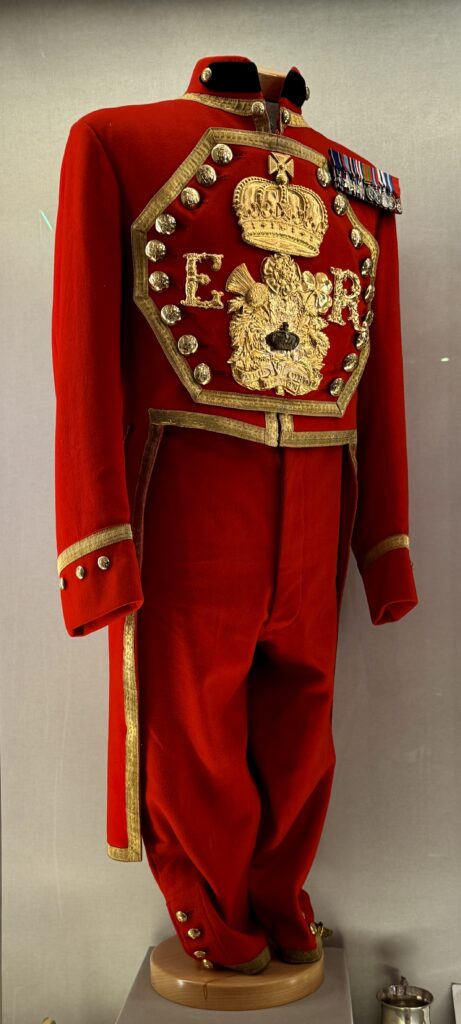
Along with the beautiful uniform of the late Queen’s Bargemaster …

Until the middle of the nineteenth century the Sovereign regularly travelled on the river Thames, either on State occasions or between the Royal Palaces of Windsor, Westminster, Hampton Court, Greenwich and the Tower of London.

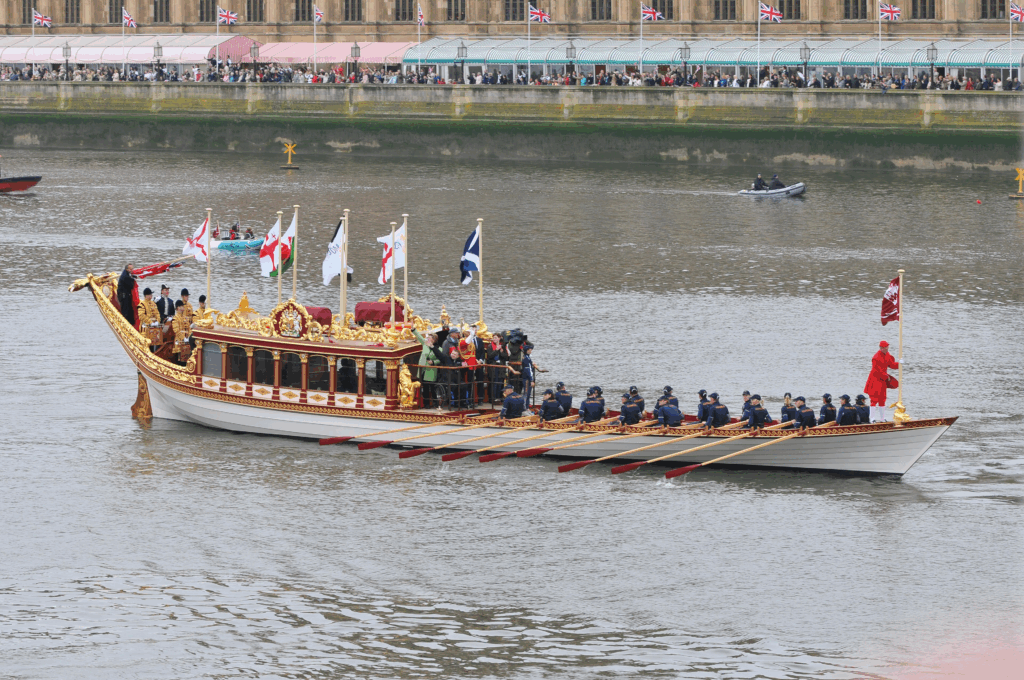
The Royal Barge Gloriana, Queen Elizabeth II’s Royal Barge presented to her at her Diamond Jubilee in 2012 …

The men who rowed the Royal Barges up and down the river Thames were known as Royal Watermen. The Sovereign today still retains 24 Royal Watermen under the command of what is now the King’s Bargemaster, thereby continuing one of the most ancient appointments in the Royal Household. The original number of 48 was halved by King Edward VII.

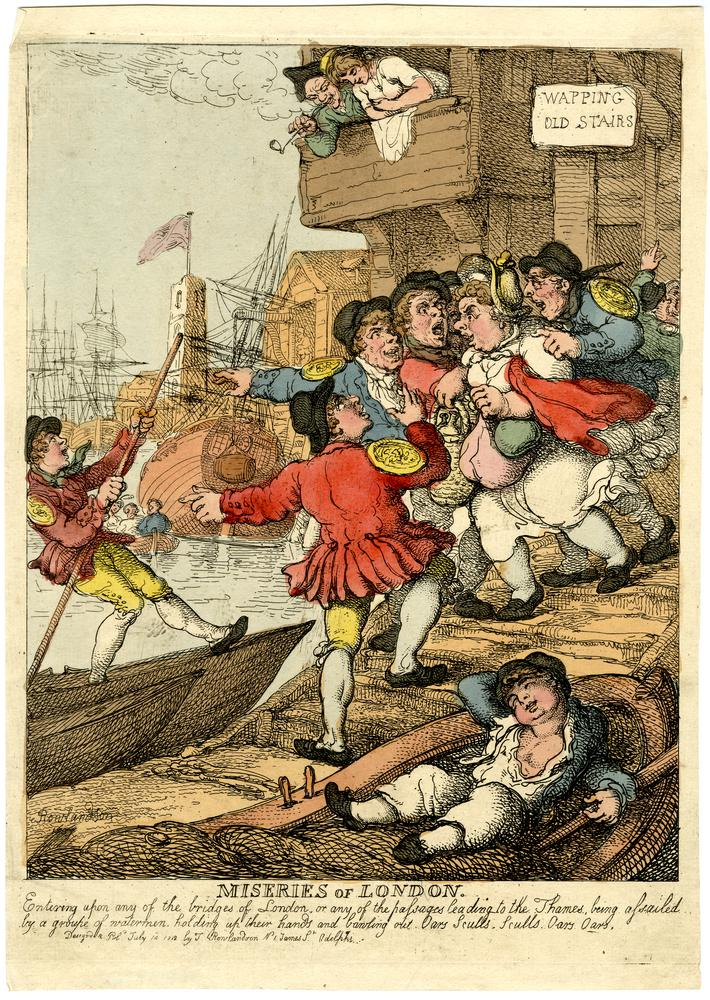
Watermen did not have an untarnished reputation, not least because of their foul speech, or ‘water language’. The Company of Watermen derived part of its income from fining freemen for bad behaviour and language. As Taylor put it: “I must confess that there are many rude uncivil fellows in our Company.” There is a well-known cartoon drawn by Thomas Rowlandson, made in 1812 as part of his Miseries of London series. A group of watermen are gathered at Wapping Old Stairs where they are accosting a plump lady, each attempting to gain her business …

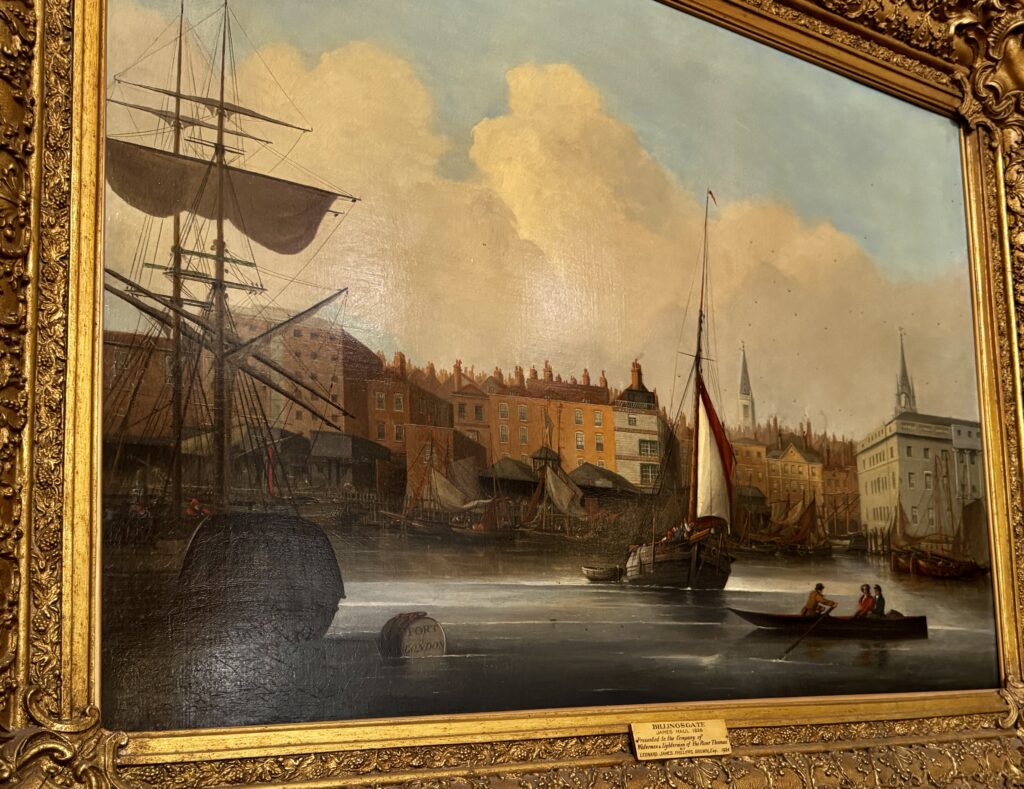
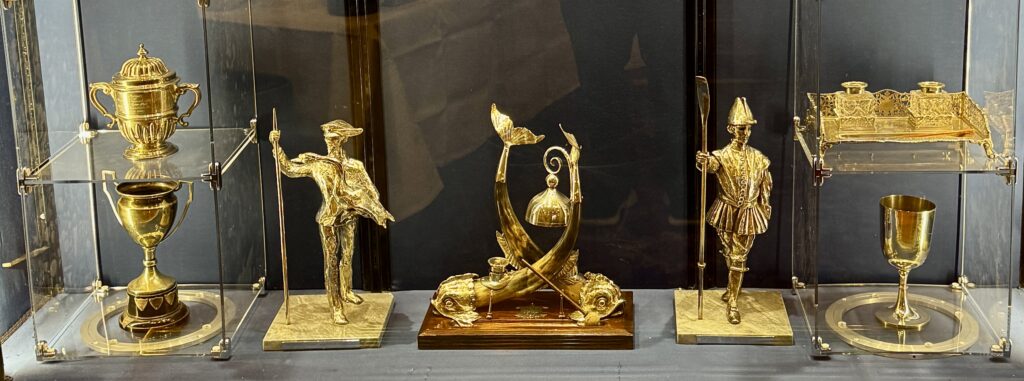
Some of the art and treasure on display …

The Watermen and Lightermen are officially a company ‘without livery’. They are recognised by the City but they do not ‘clothe liverymen’ and therefore do not participate in the annual election of the Sheriffs or Lord Mayor of the City. 

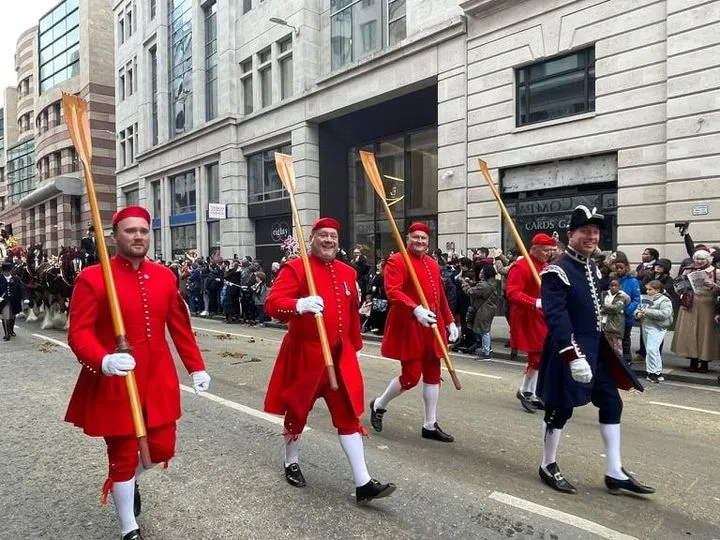
They do however take part in many of the City’s ceremonies and traditions. For example they march at the front of the procession in the annual Lord Mayor’s Show. This is because originally it was largely a river procession. Incidentally, that is why we still say that parades are made up of ‘floats’ …

If you want to experience this wonderful building yourself, there are some dates coming up for afternoon teas and you will find more information here. You will find their general website here.

For more reading I recommend the great Living London History blog along with this History of London post.

If you would like to follow me on Instagram here is the link …
https://www.instagram.com/london_city_gent

Some brilliant AI along with old City images and Spring flowers.

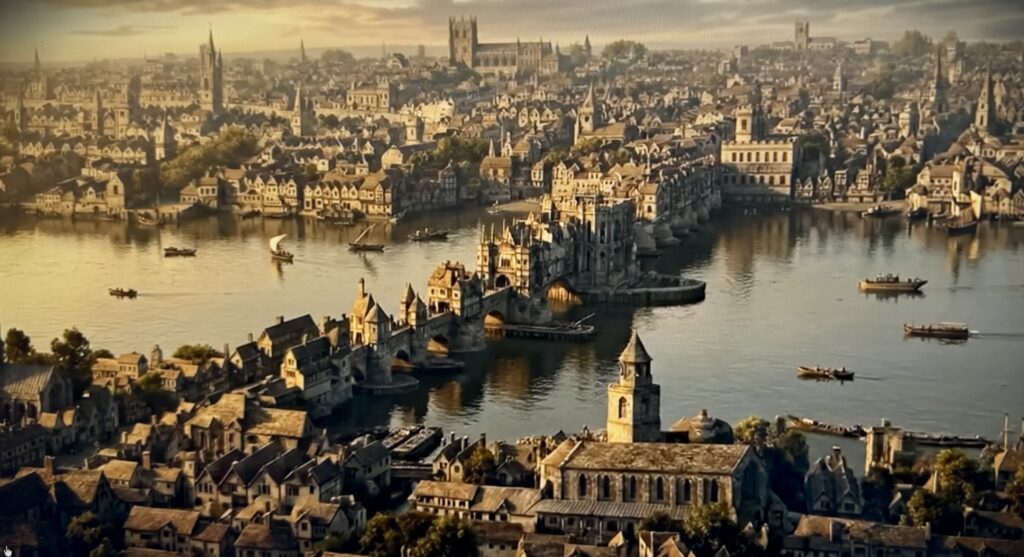
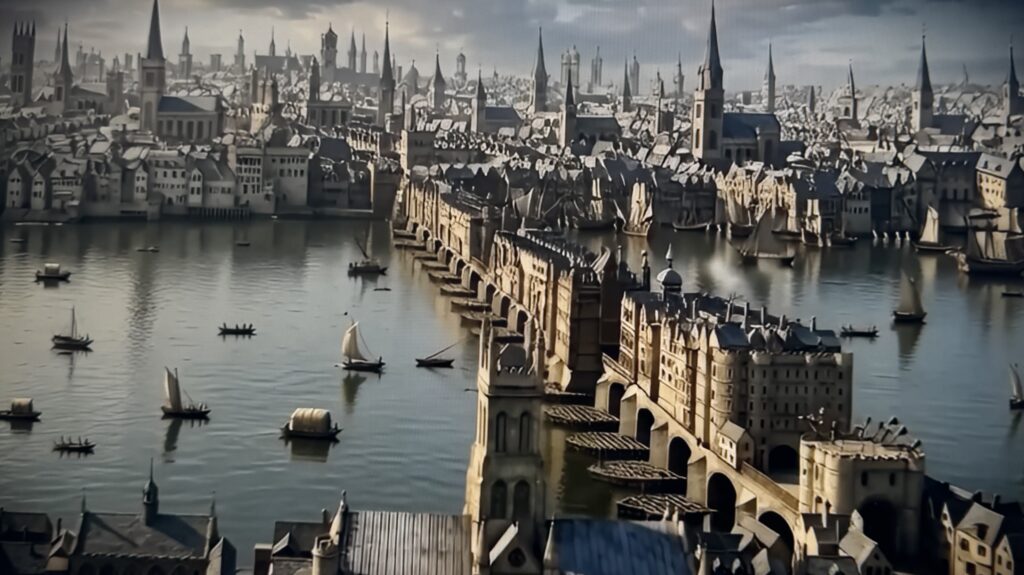
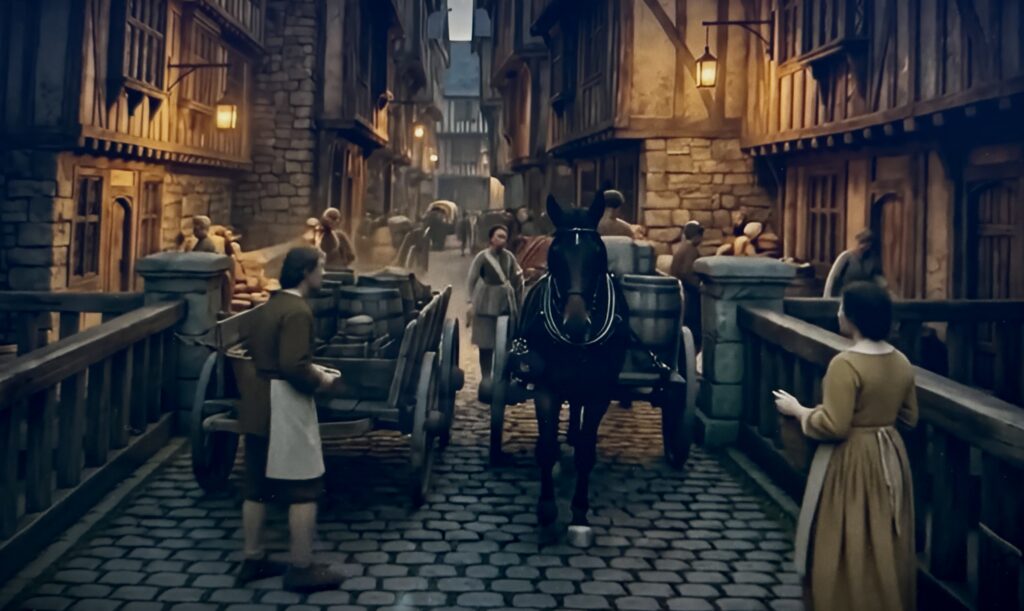
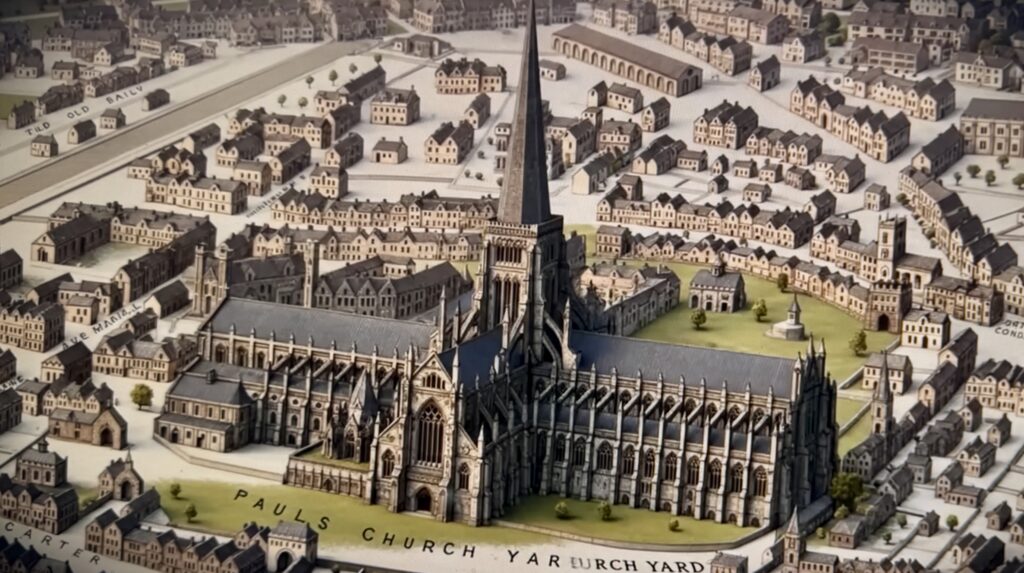
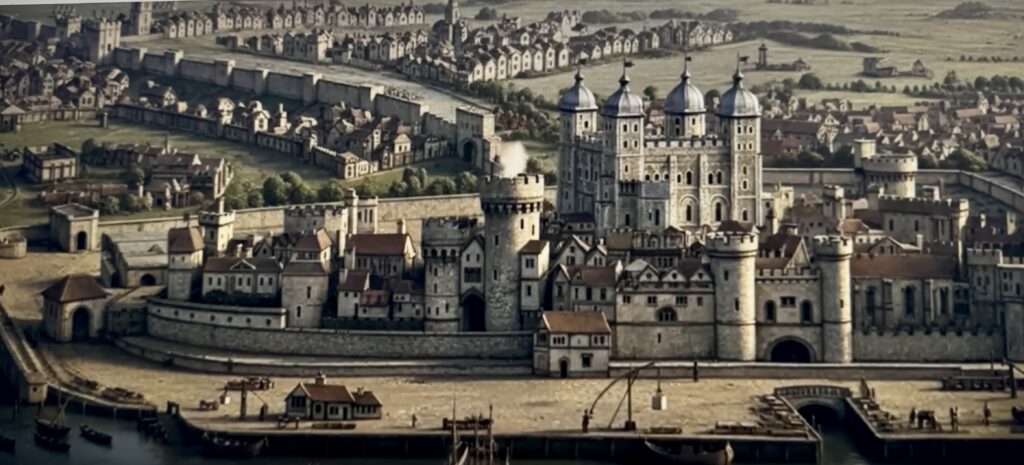
It’s true that some applications of artificial intelligence should be treated with caution but have a look at these screenshots from an AI generated ‘Tour of London’ in the 15oos.

Old London Bridge …

Walking across old London Bridge, it doesn’t appear to be over water at all due to the houses and businesses on either side …

St Paul’s Cathedral before the spire was struck by lightning …

The Tower of London …

I found the images fascinating and they come with a nice commentary. Here’s a link to the youtube version. If the link doesn’t work, just Google A Tour of London in the 1500s.

Thinking of old London, I had a quick dive back into my three volumes of Wonderful London to see if I could find some pictures I hadn’t used before …

The books were published in 1929 and therefore illustrate London and its people in the short period between the wars.

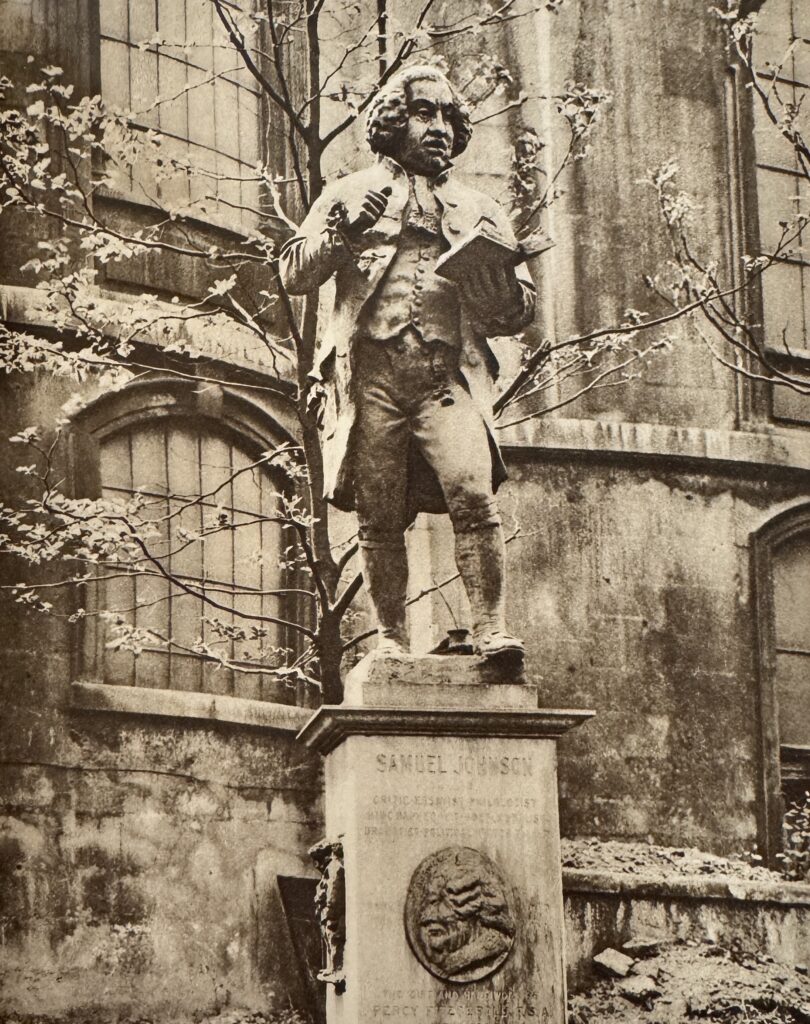
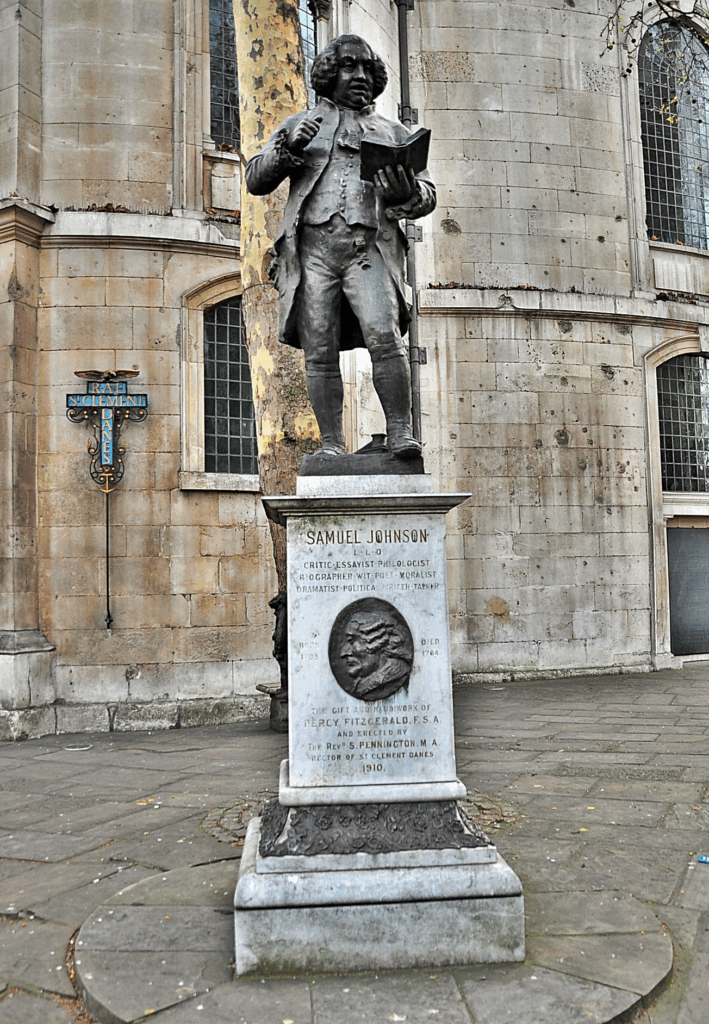
Dr Johnson on the Strand facing Fleet Street …

A more recent image shows the Second World War shrapnel scars on the east side of St Clement Danes church …

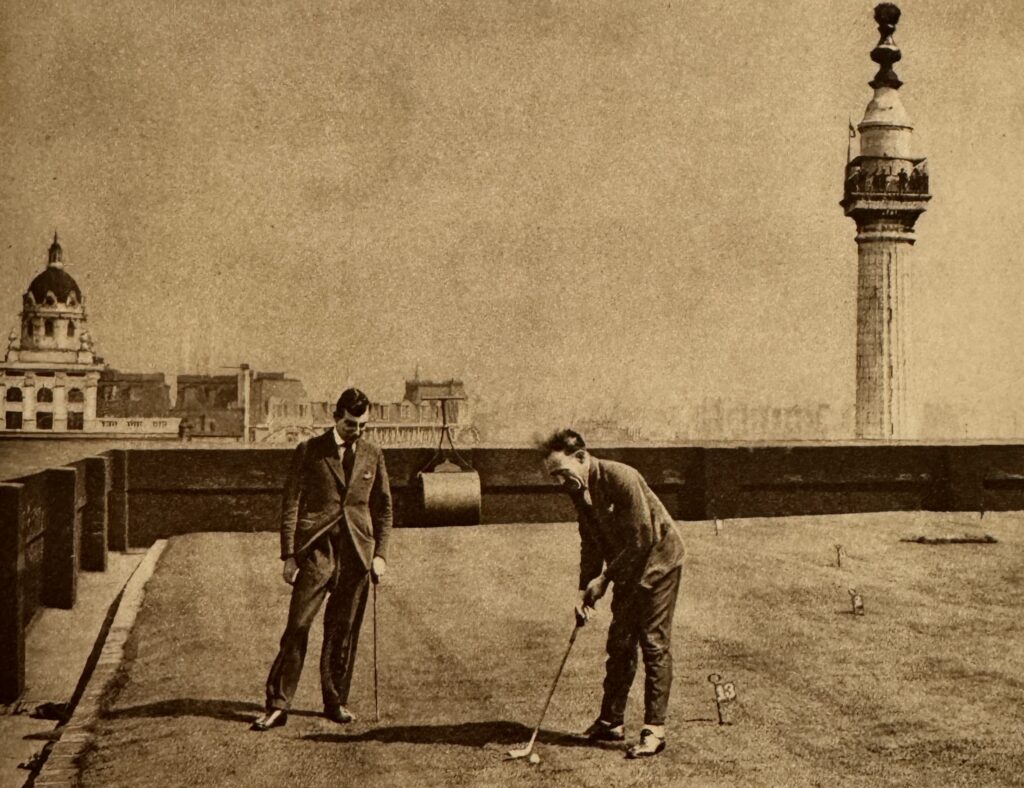
Amazingly, these guys are practising their putting on the roof of Adelaide House just north of London Bridge, and it’s obviously real grass, hence the roller in the background …

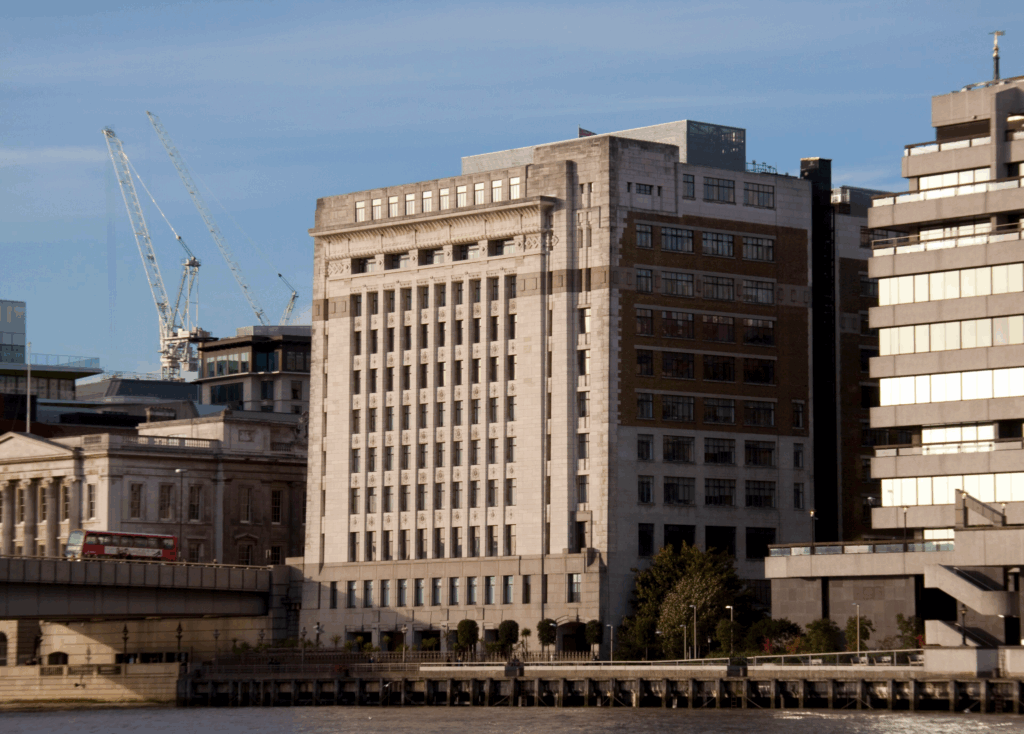
Here’s the building, I think it’s covered in scaffolding at present due to refurbishment …

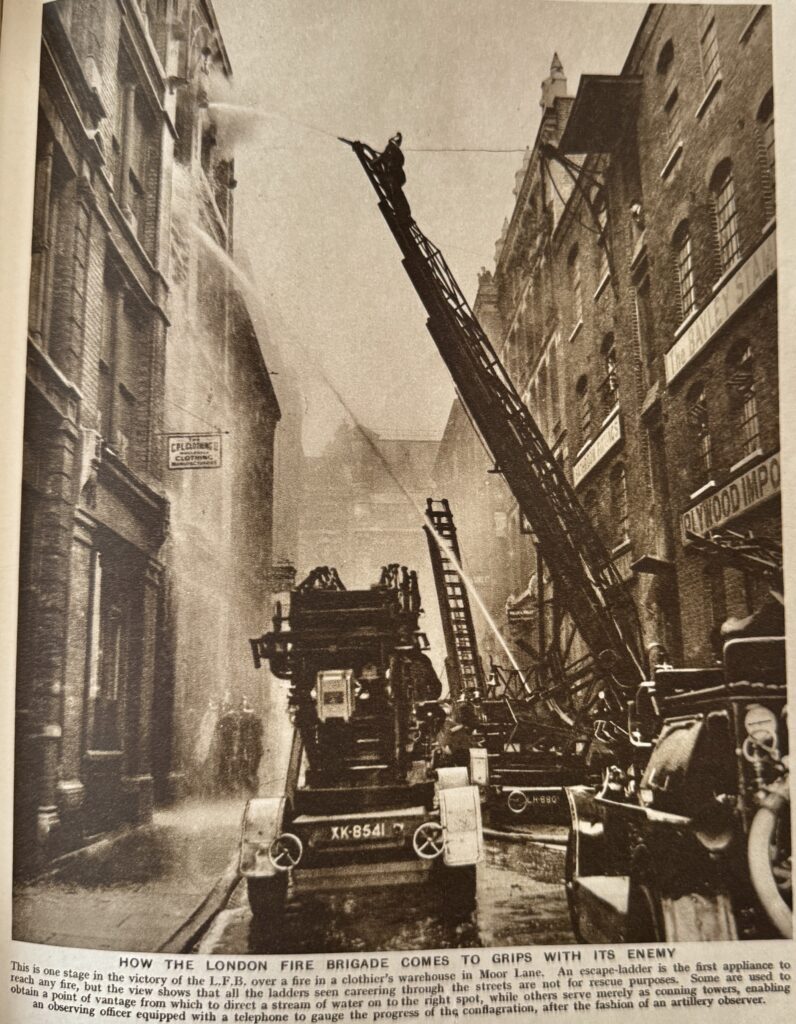
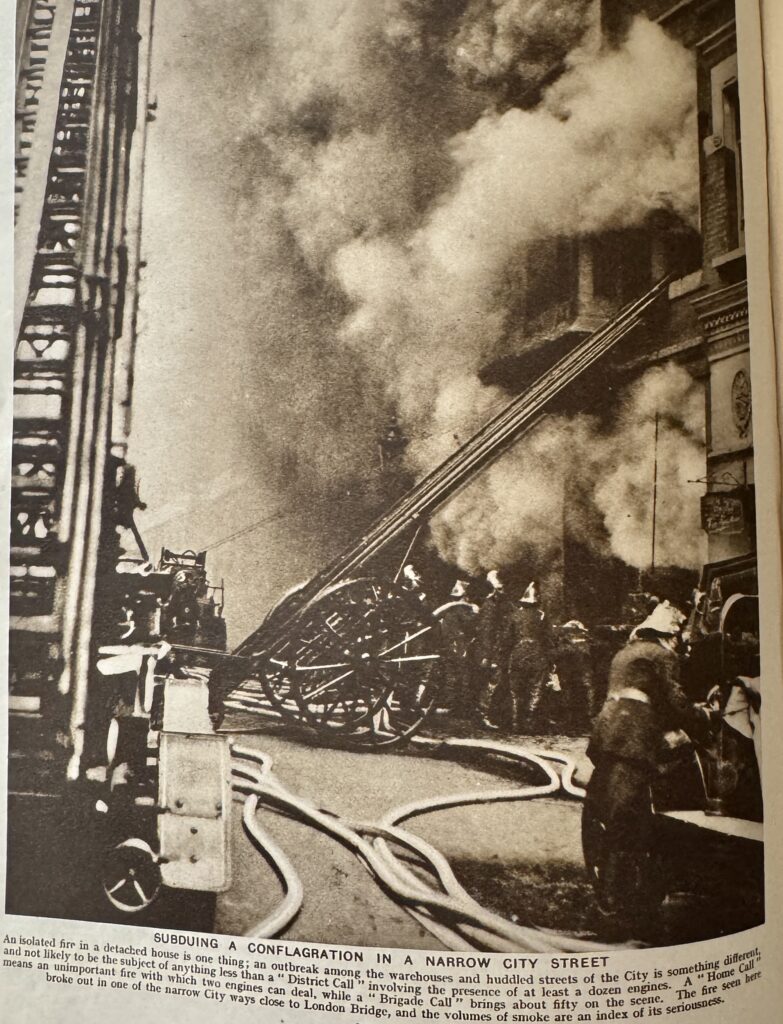
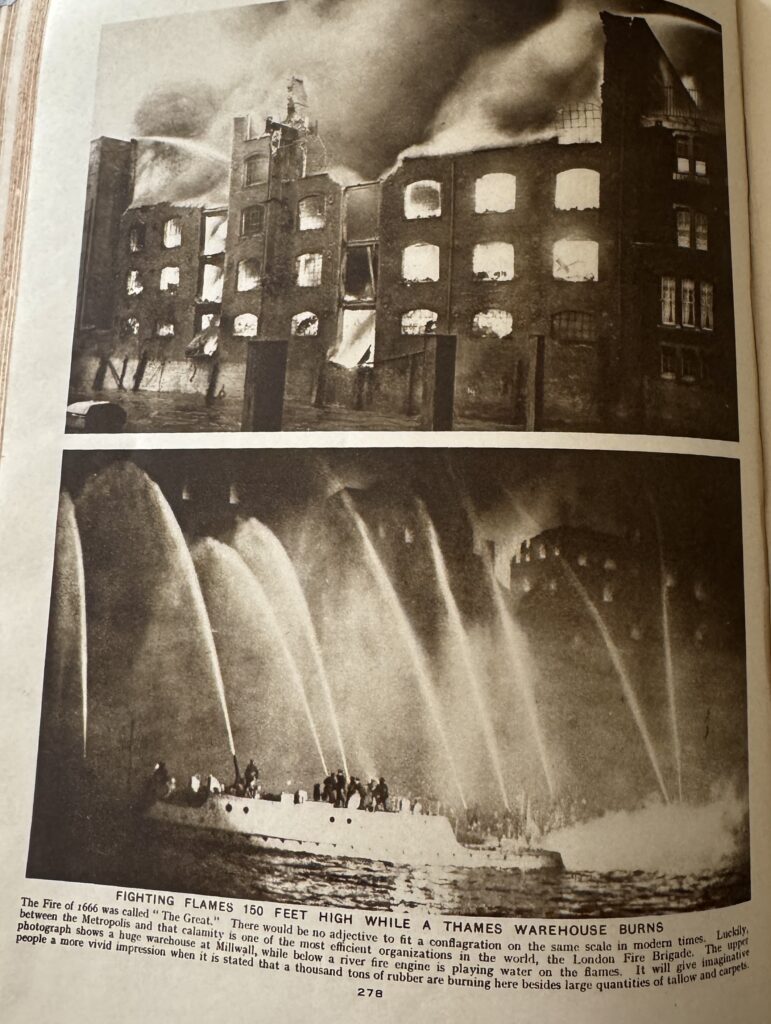
These are poignant images of the London Fire Brigade in action before the War.

Putting out a fire in Moor Lane. All these buildings were subsequently destroyed in wartime bombing …

A warehouse blaze …

Their experience was invaluable during wartime raids. During the 57 nights of relentless bombing (now known as The Blitz) 997 firefighters lost their lives of which 327 were based in London. Many were part-time volunteers from the Auxiliary Fire Service – ordinary people doing extraordinary things. They were shopkeepers, factory workers, teachers – men and women who put on a uniform, picked up a hose, and ran towards the flames.

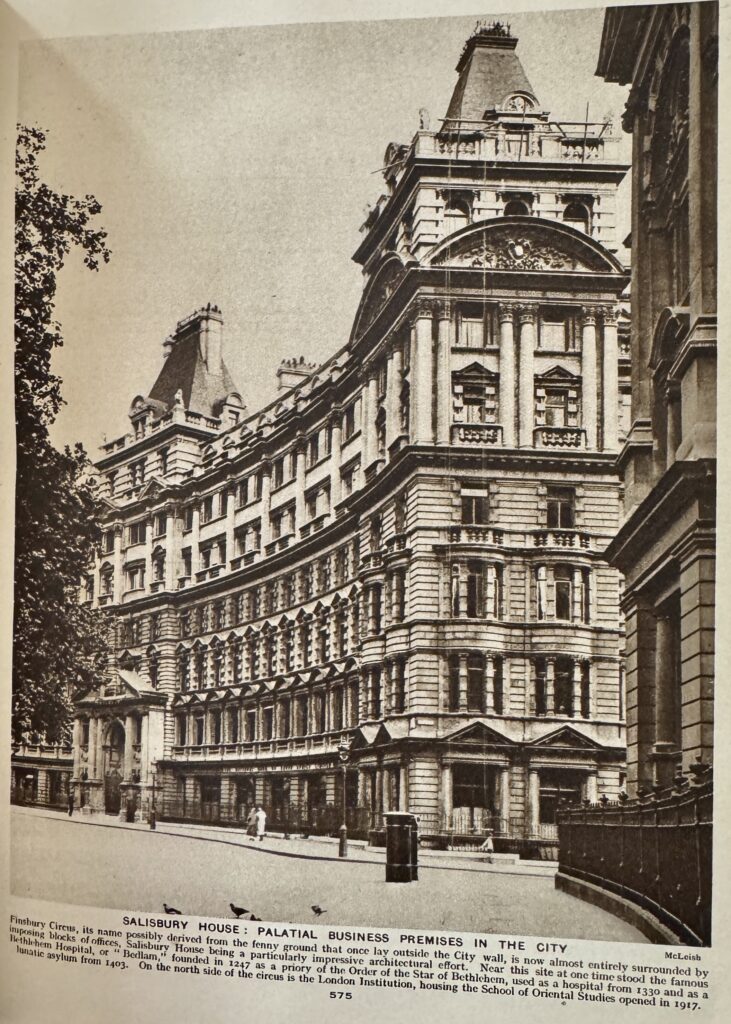
‘Palatial’ Salisbury House …

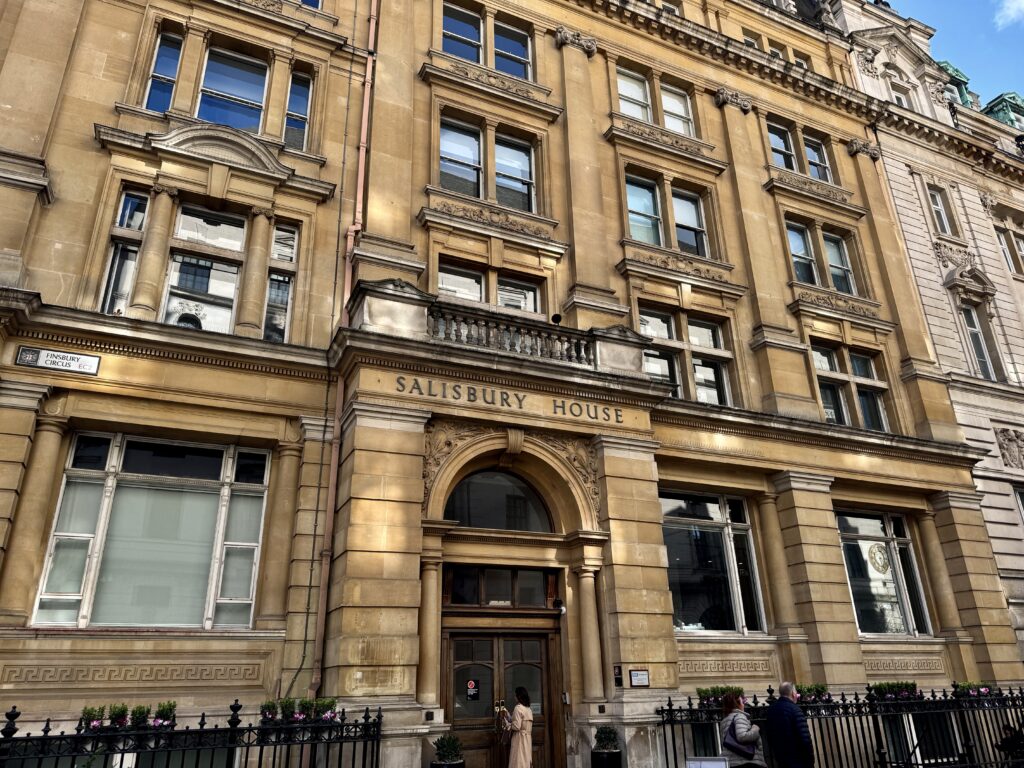
Still there …

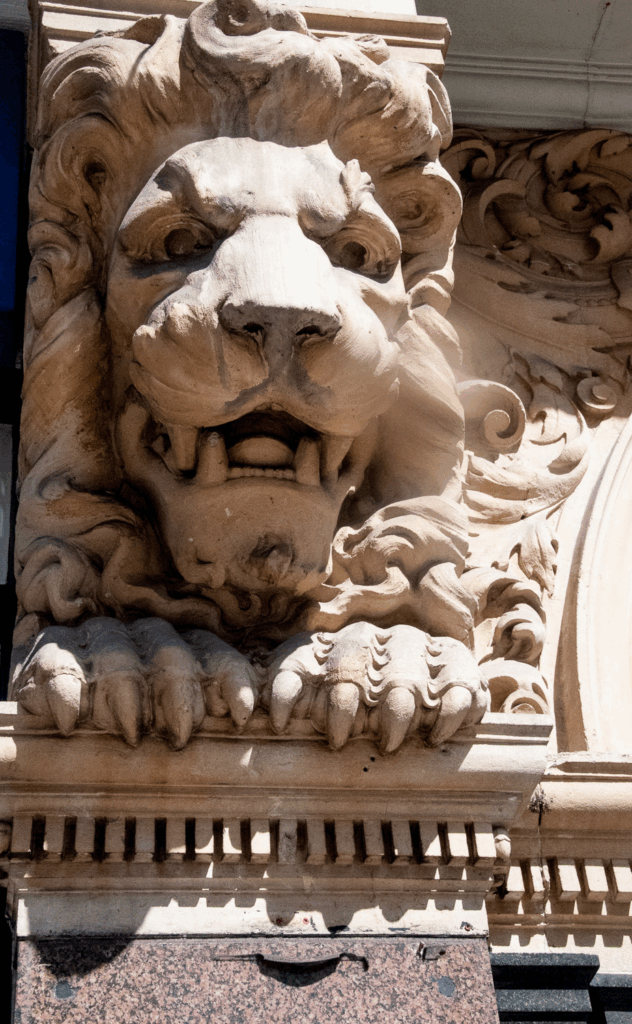
A ferocious lion guards the London Wall entrance …

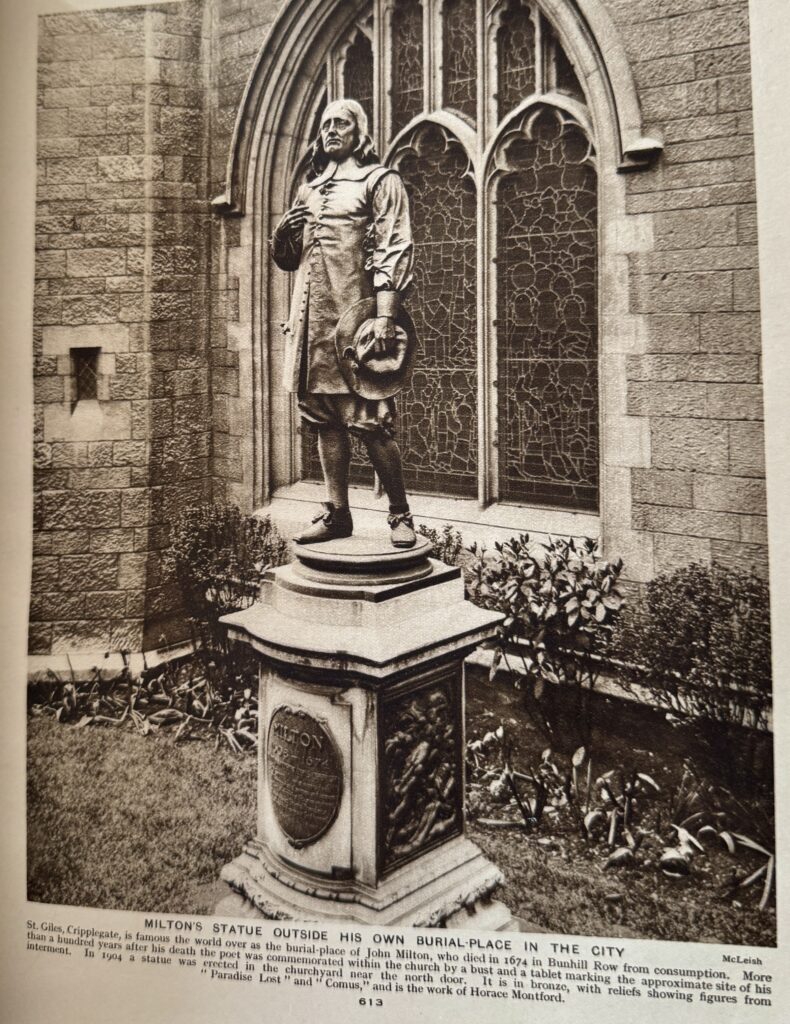
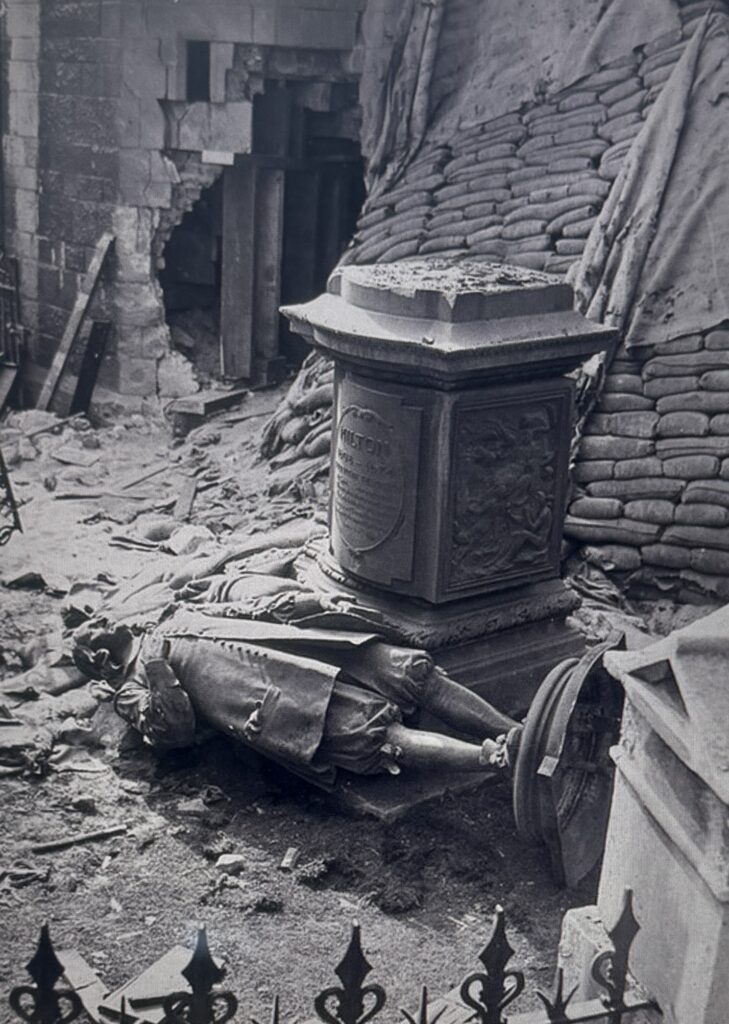
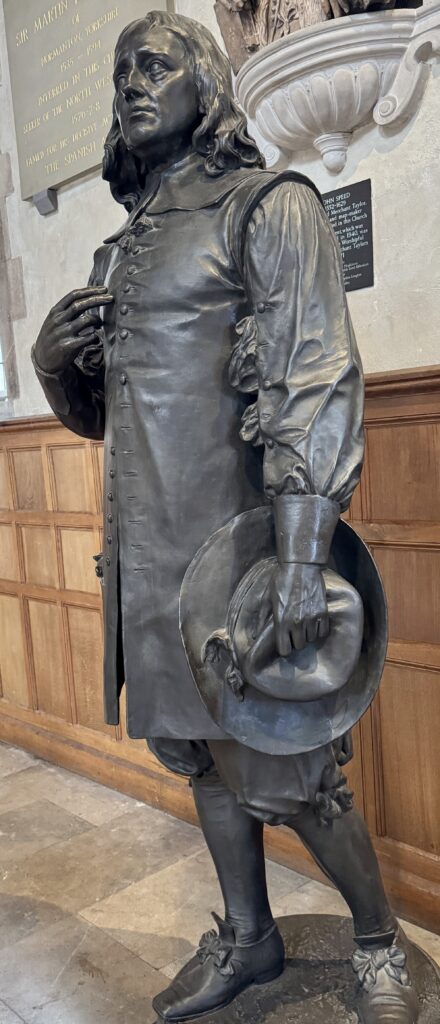
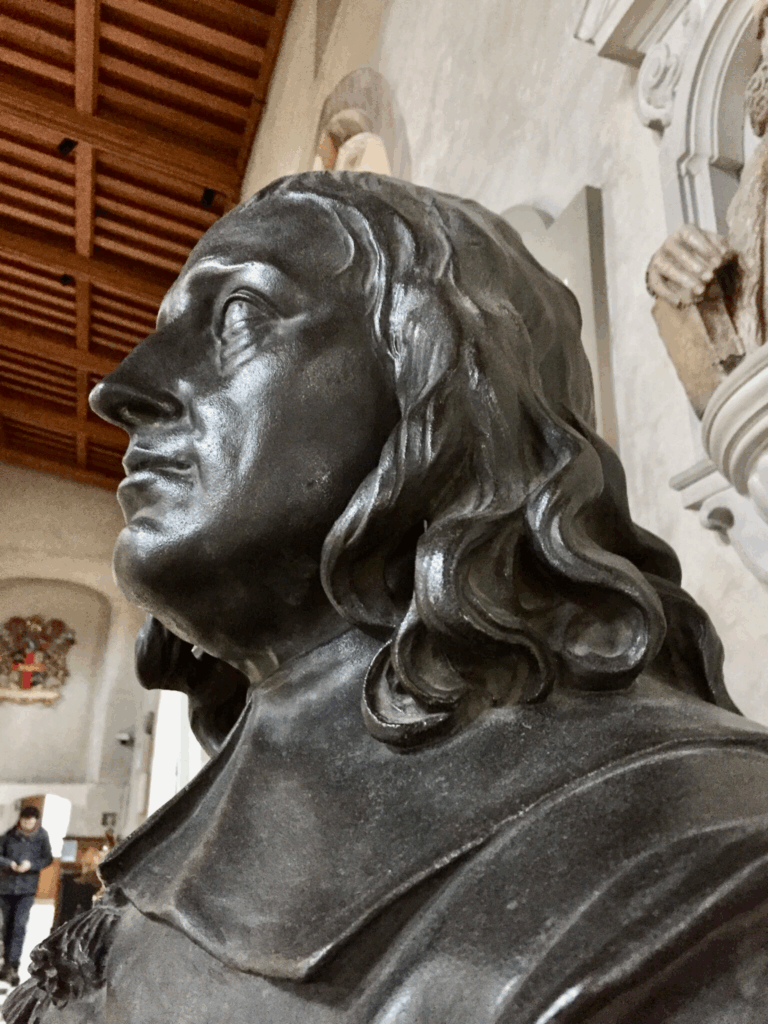
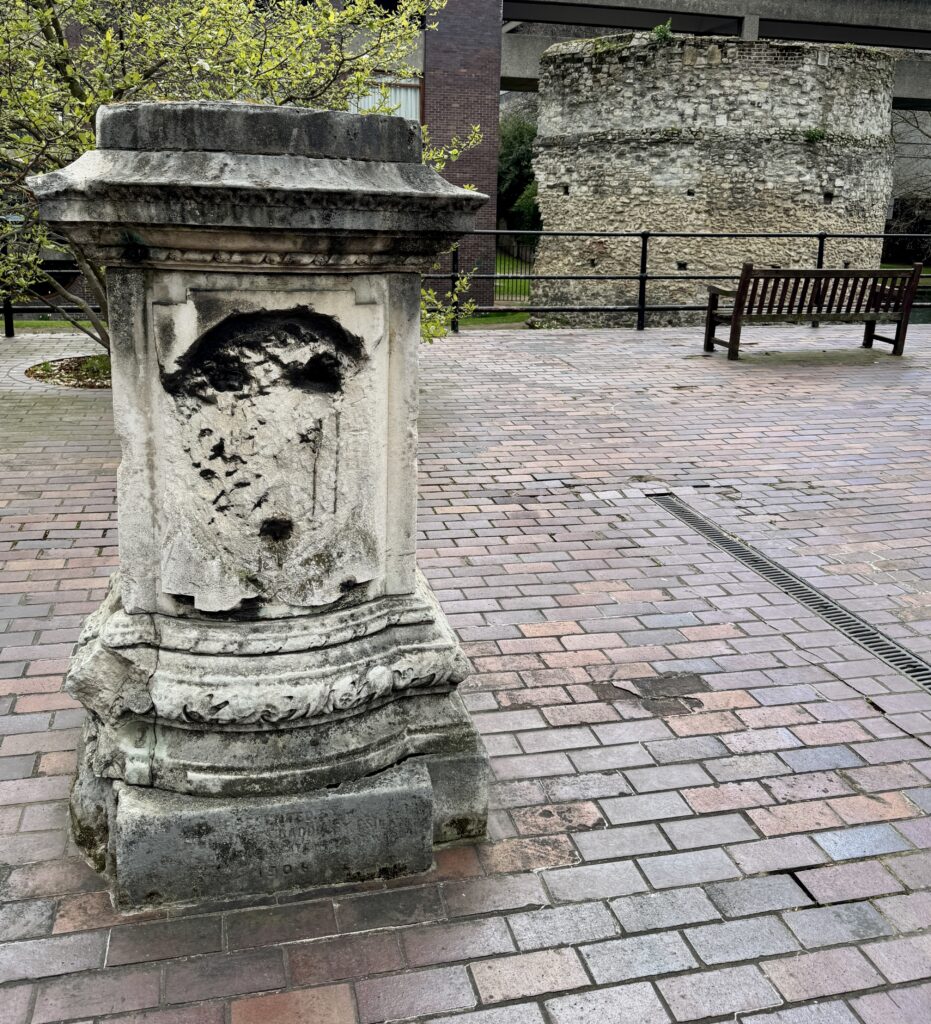
John Milton on his original plinth before he was blown off by the blast from a nearby bomb …

So undignified …

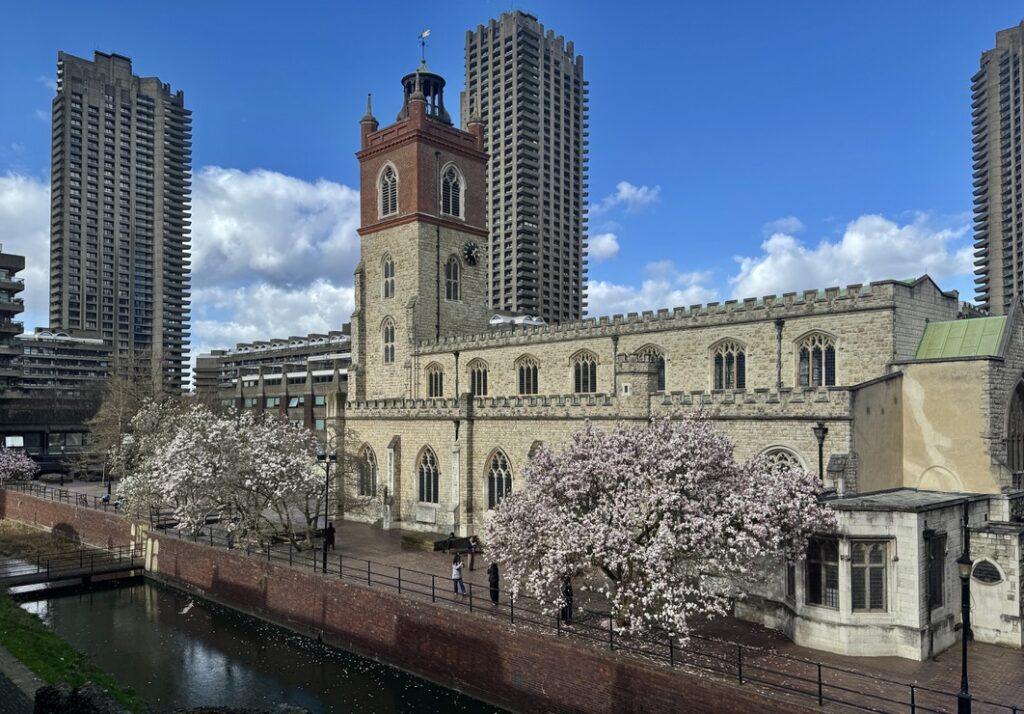
His new home in St Giles Cripplegate, the church in the first picture above. It was gutted in the Blitz but is now beautifully restored …

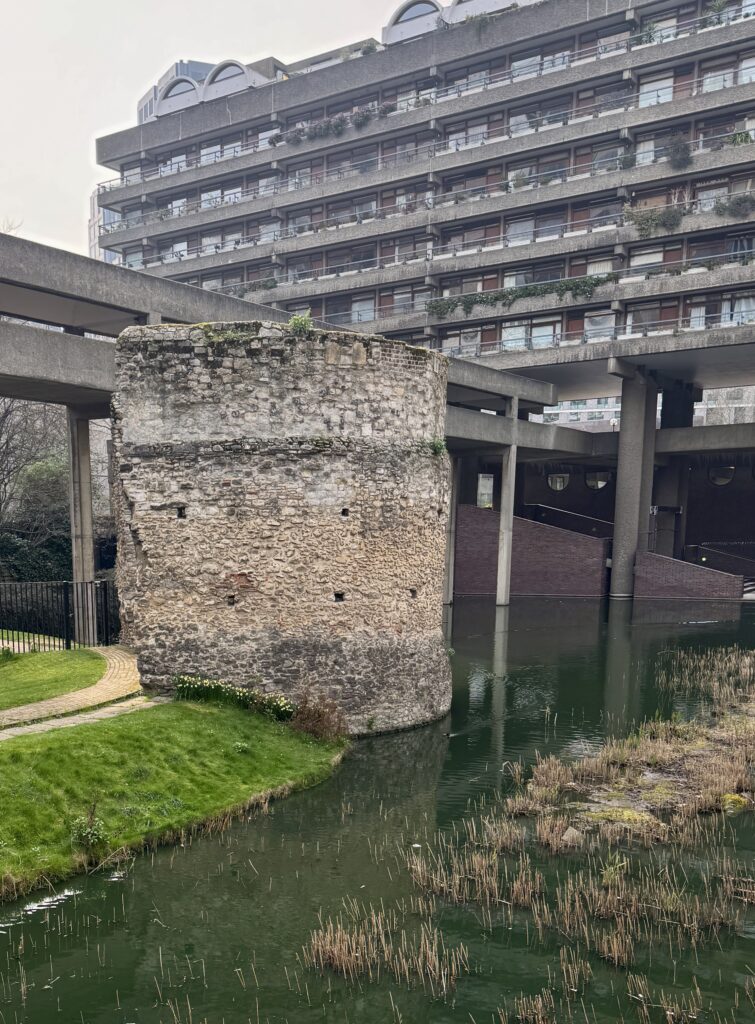
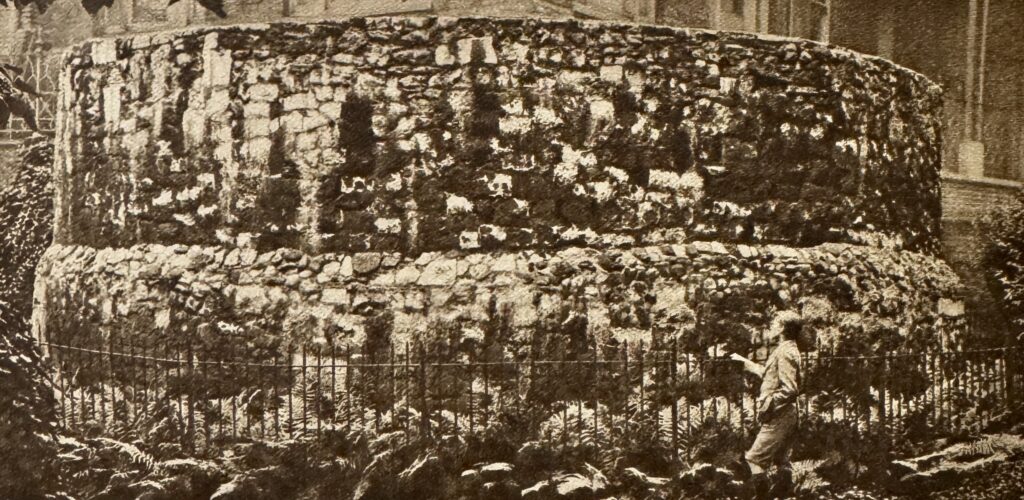
His original plinth today. In the background to the right you can see a portion of the old City wall bastion

Here it is from another angle …

As can be seen from the 1920s picture below, the top of the bastion was level with, and part of, the St Giles churchyard. I suspect the lower part was subsequently revealed by Second World War bombing …

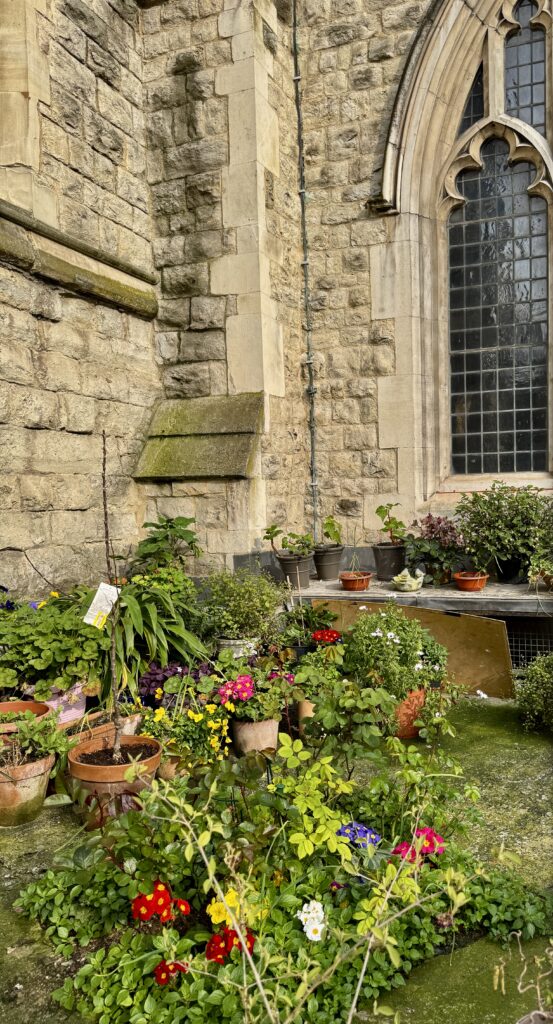
A little ‘secret’ garden at St Giles …

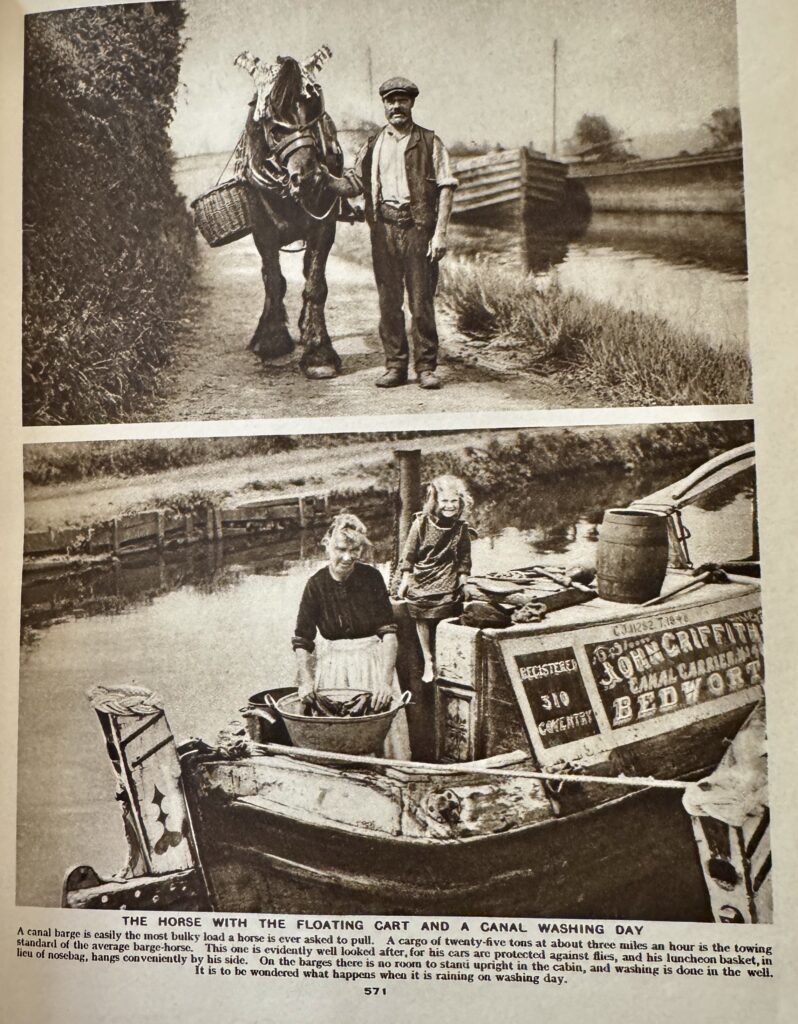
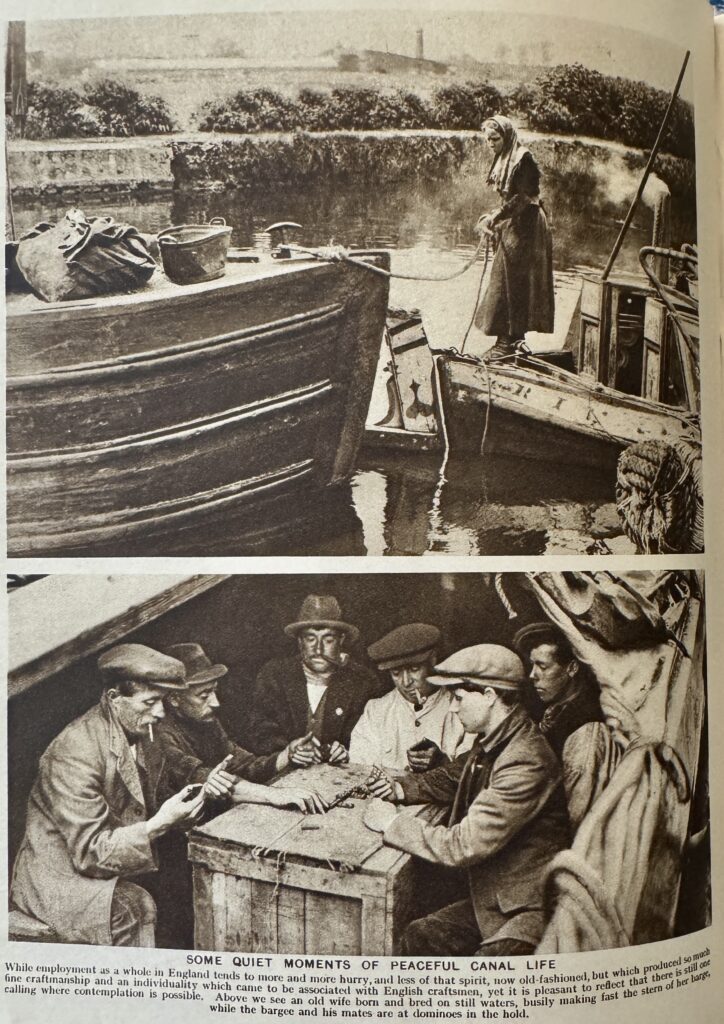
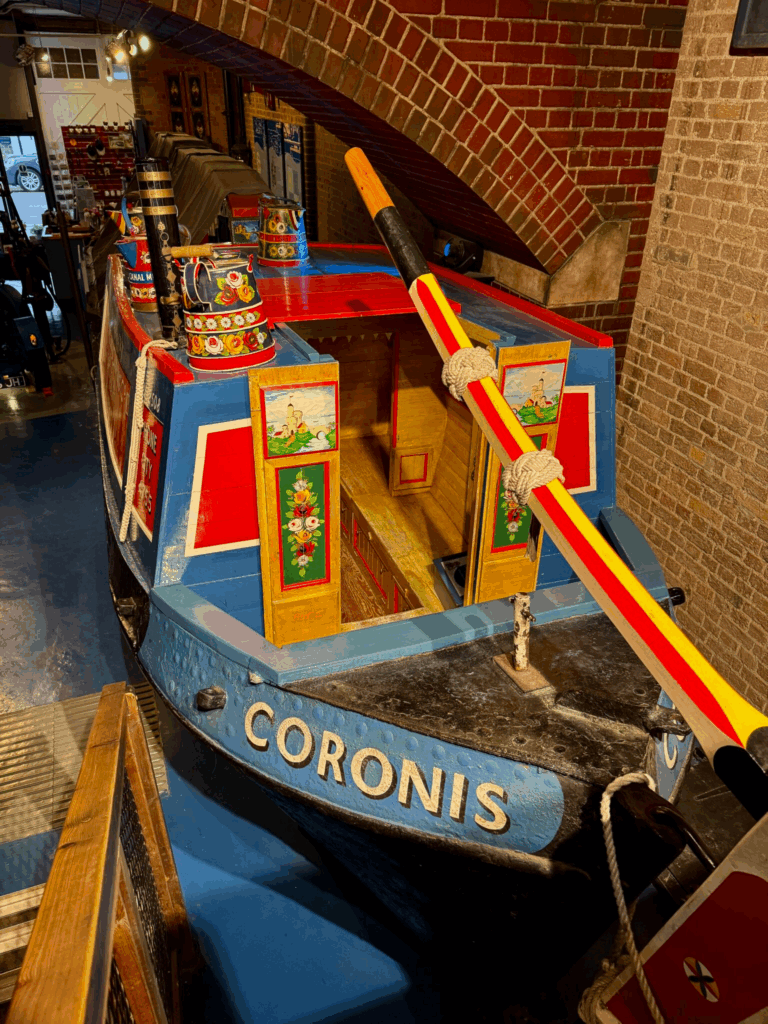
Life on the canals …

For more images and stories, have a look at my blog on the London Canal Museum

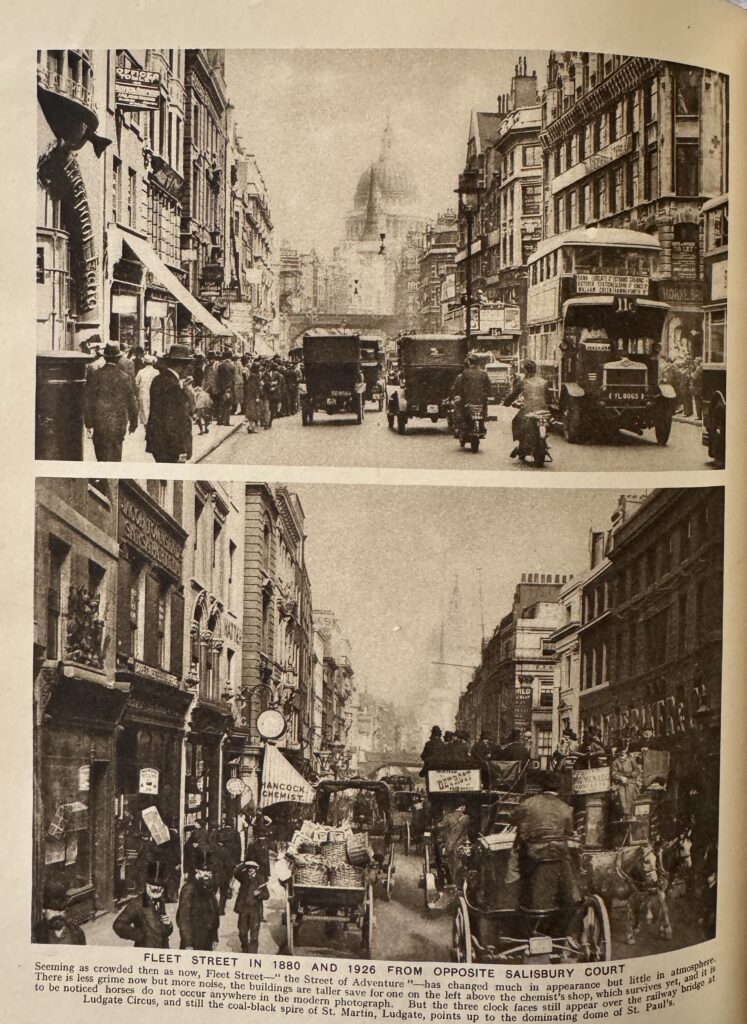
Fleet Street in 1926 and 1880 …

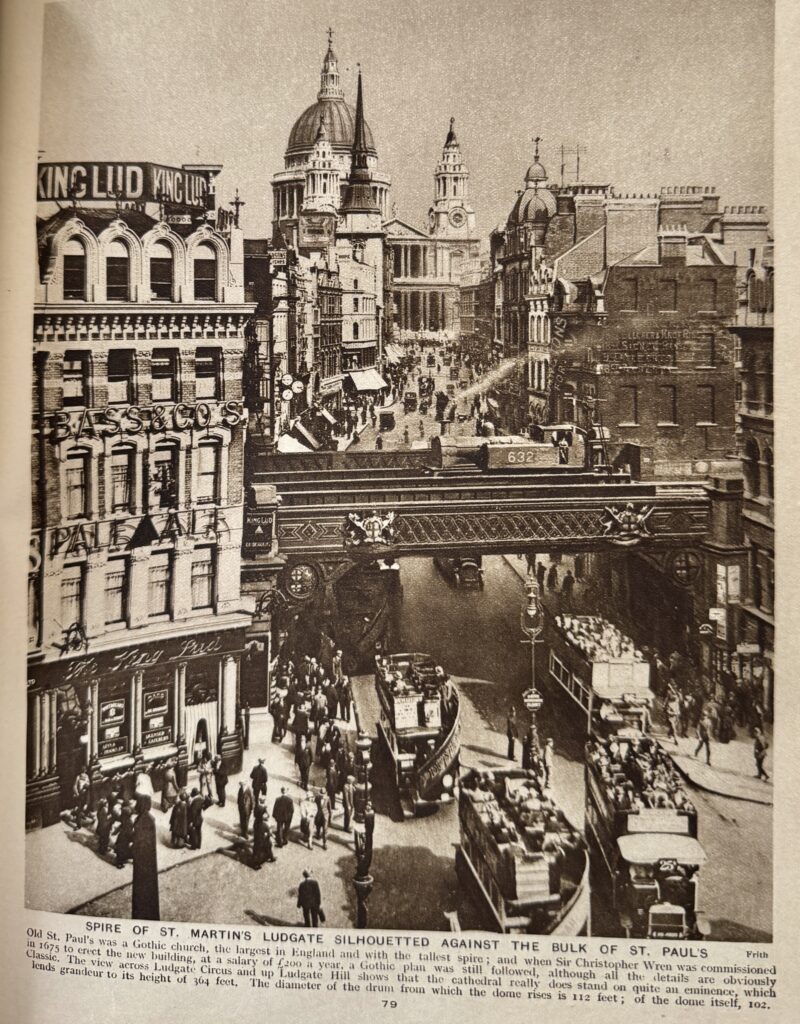
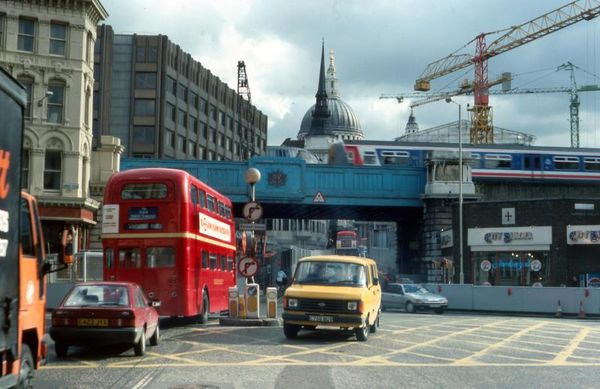
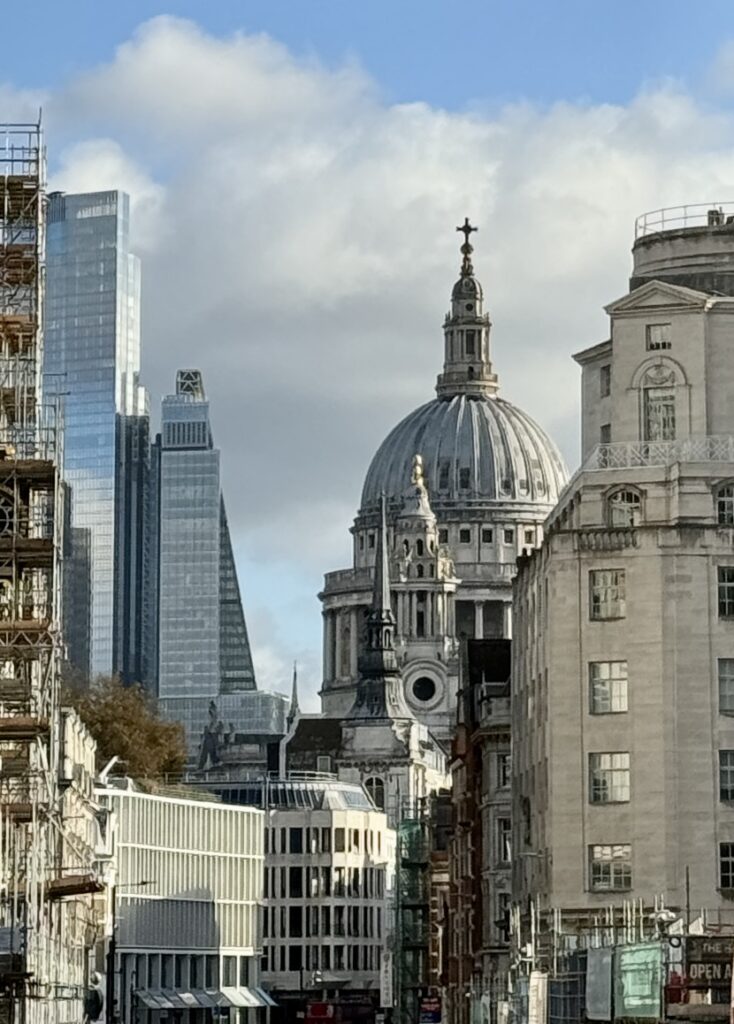
Hard to believe that the railway bridge blocking the view of St Paul’s Cathedral wasn’t demolished until 1990 …

Just before demolition …

And now …

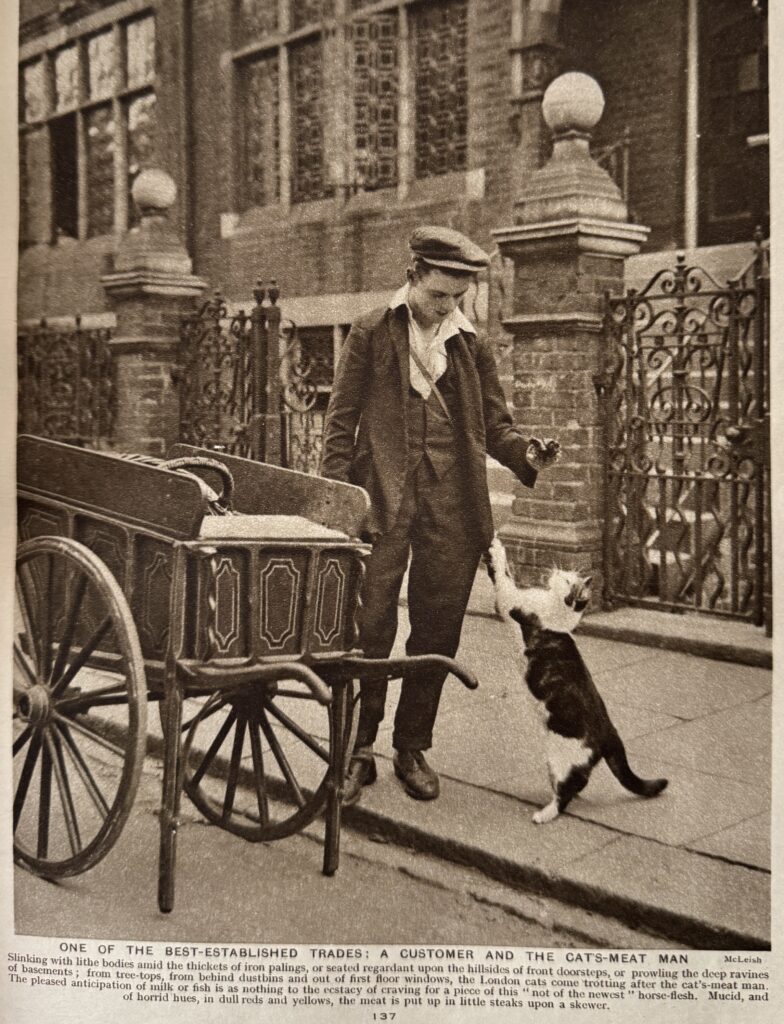
One of my favourite pictures and captions, the ‘Cats-meat man’ …

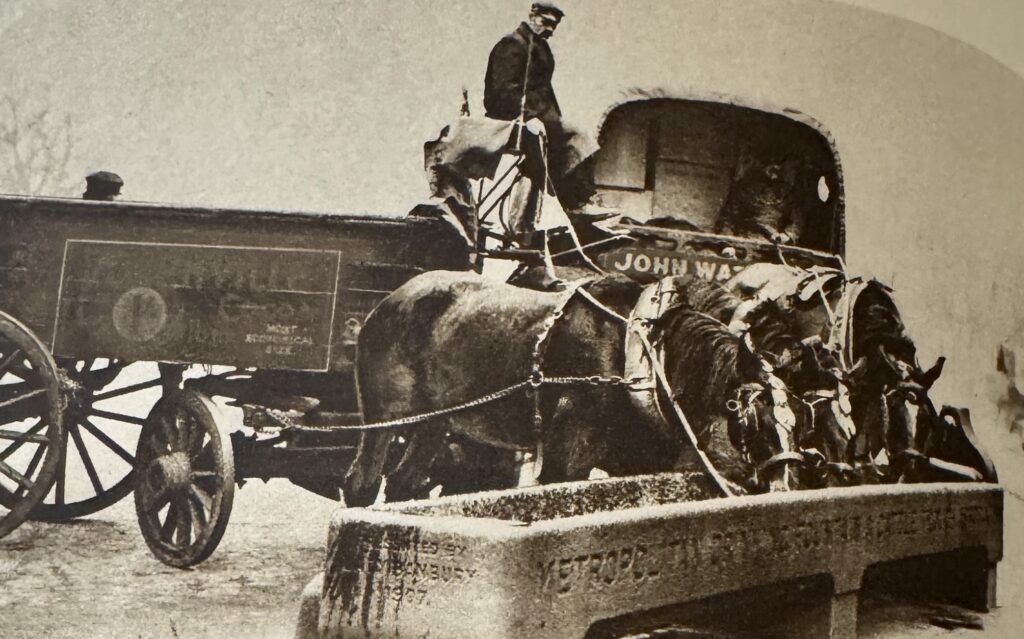
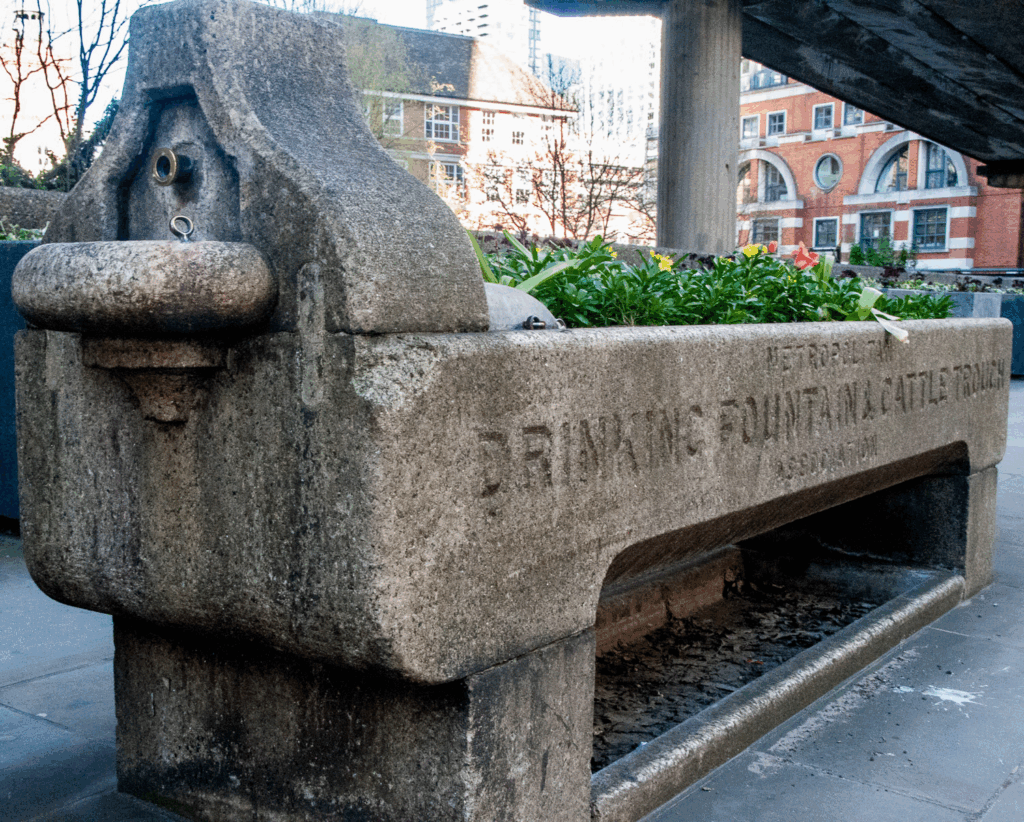
Horses quenching their thirst at a Metropolitan Drinking Fountain Association trough …

Read more about the Association and its history in my blog Philanthropic Fountains. A trough on London Wall …

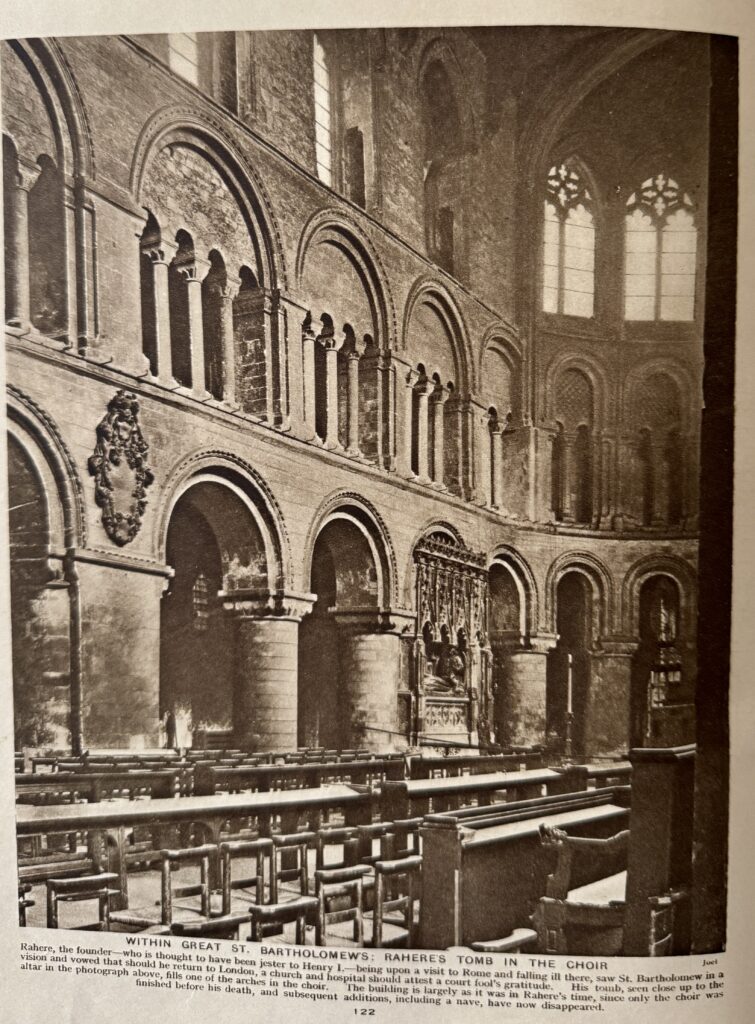
St Batholomew the Great then ..

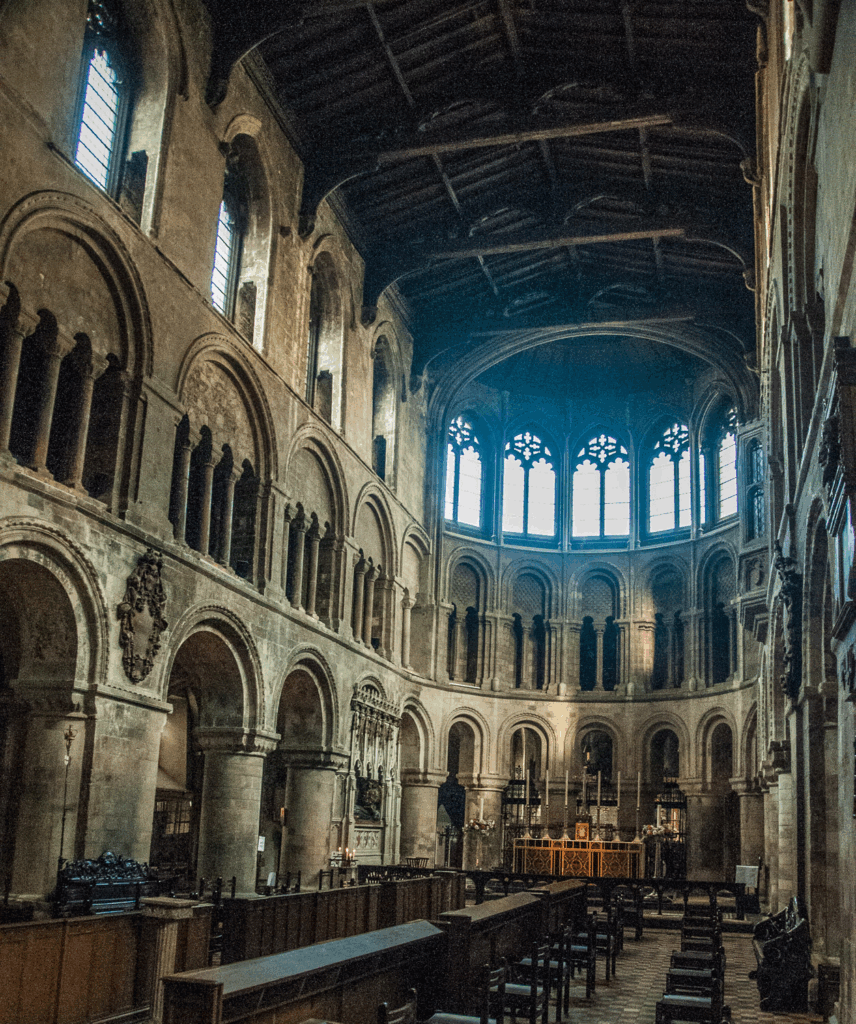
And now …

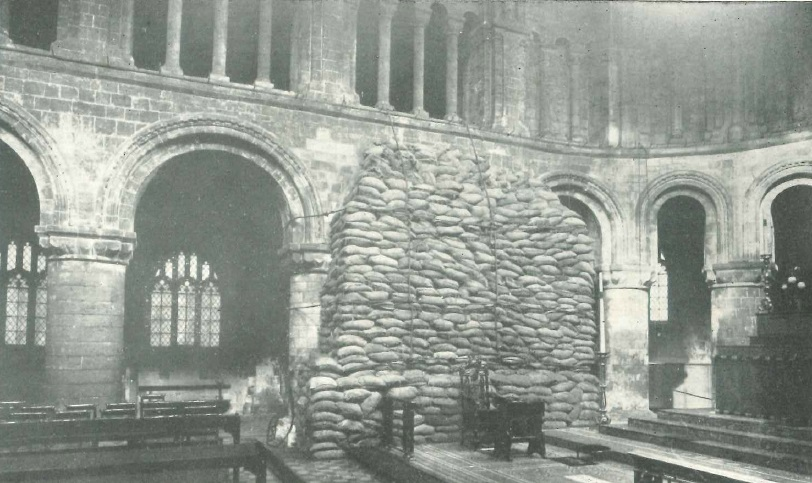
A 1915 image. Rahere’s tomb protected from bombing by sandbags during the First World War …

I visited and wrote in detail about this amazing church about five years ago and you can read my blog here.

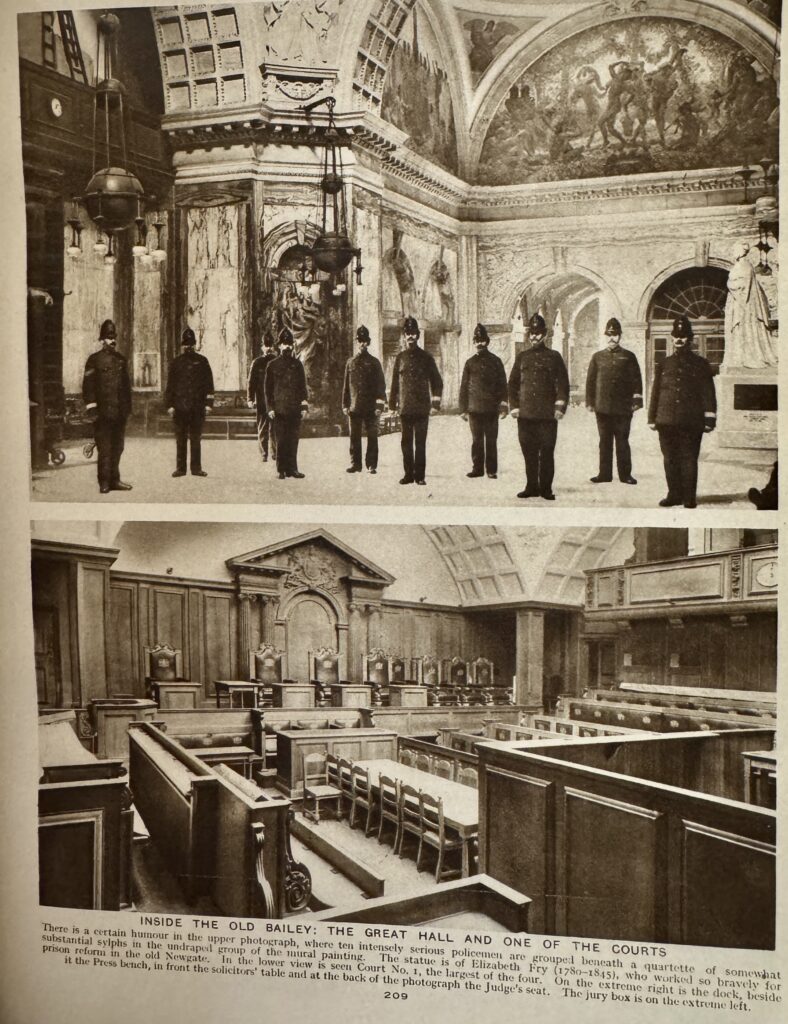
The Old Bailey …

You can read about my Old Bailey tour here.

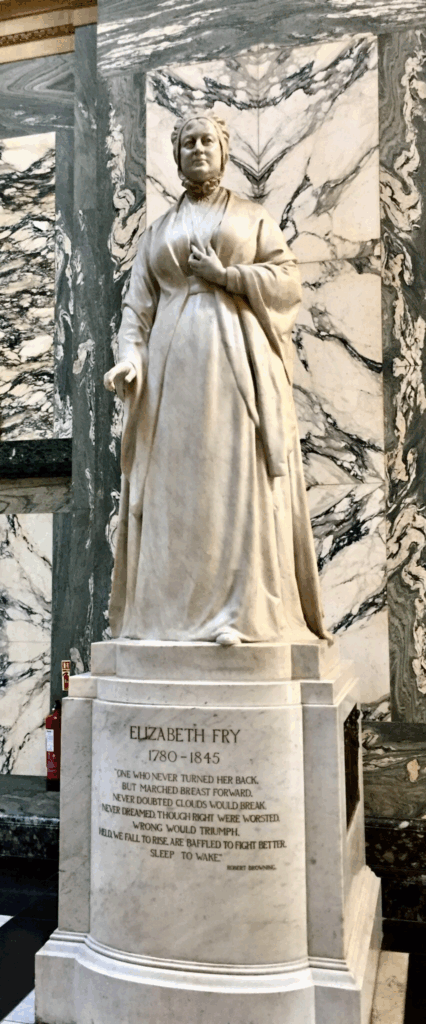
Here’s the picture I took then of Elizabeth Fry’s statue …

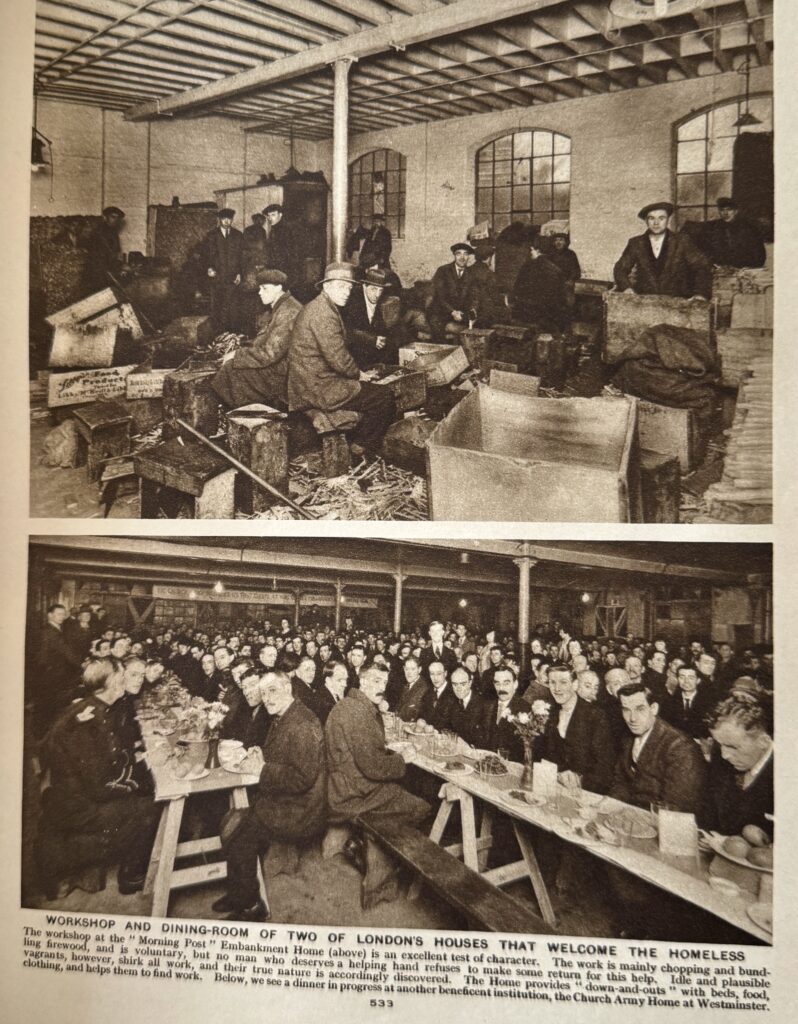
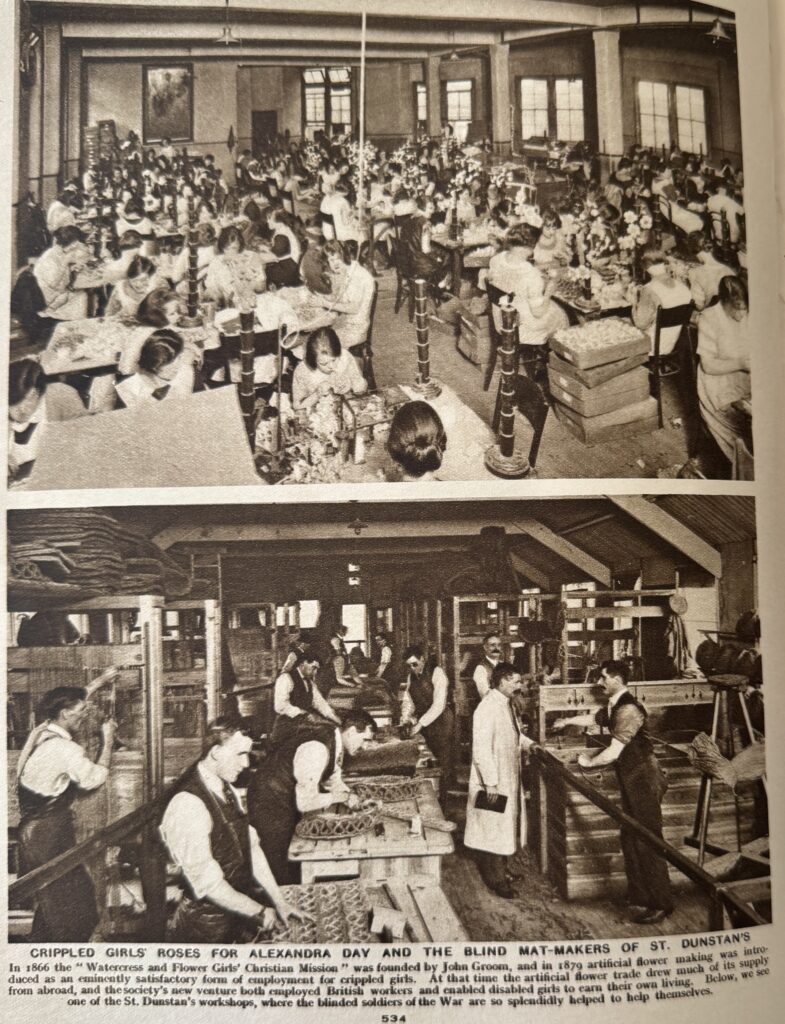
Help for the homeless and disabled …

The judgmental caption referring to idle vagrants shirking all work made me cringe a bit.

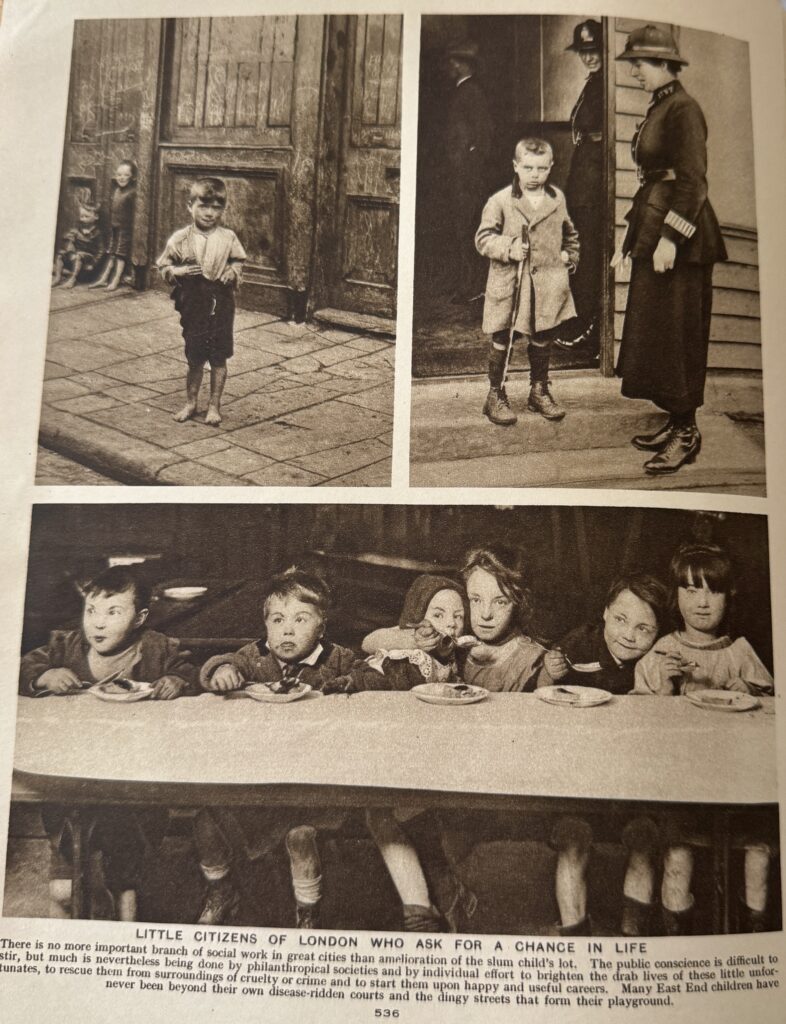
Scenes and captions resonant of the times …

Presumably the top two pictures are intended to illustrate ‘before’ and ‘after’. I can’t help but wonder what the little chap was thinking when the second photo was taken.

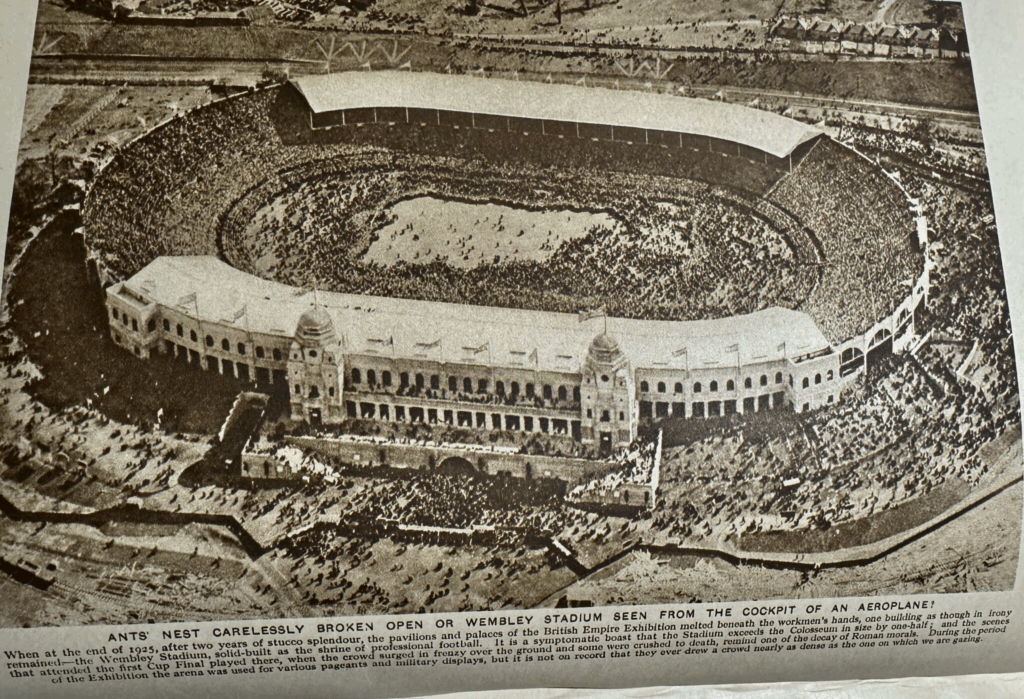
Wembley Stadium ‘…like an ants’ nest carelessly broken open’. And the commentary below the image, comparing the stadium with the Colosseum (‘…exceeding it in size by one half’) and the people crushed to death in the crowd on Cup Final day a reminder of ‘the decay of Roman morals’!

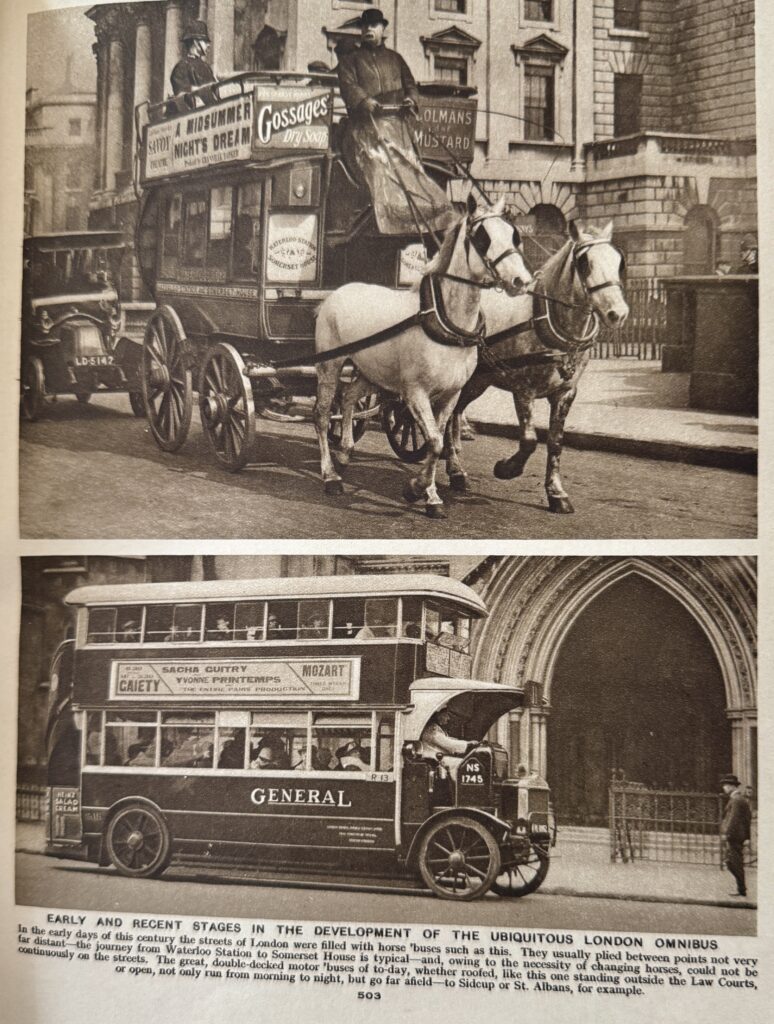
Buses old and new in the 1920s …

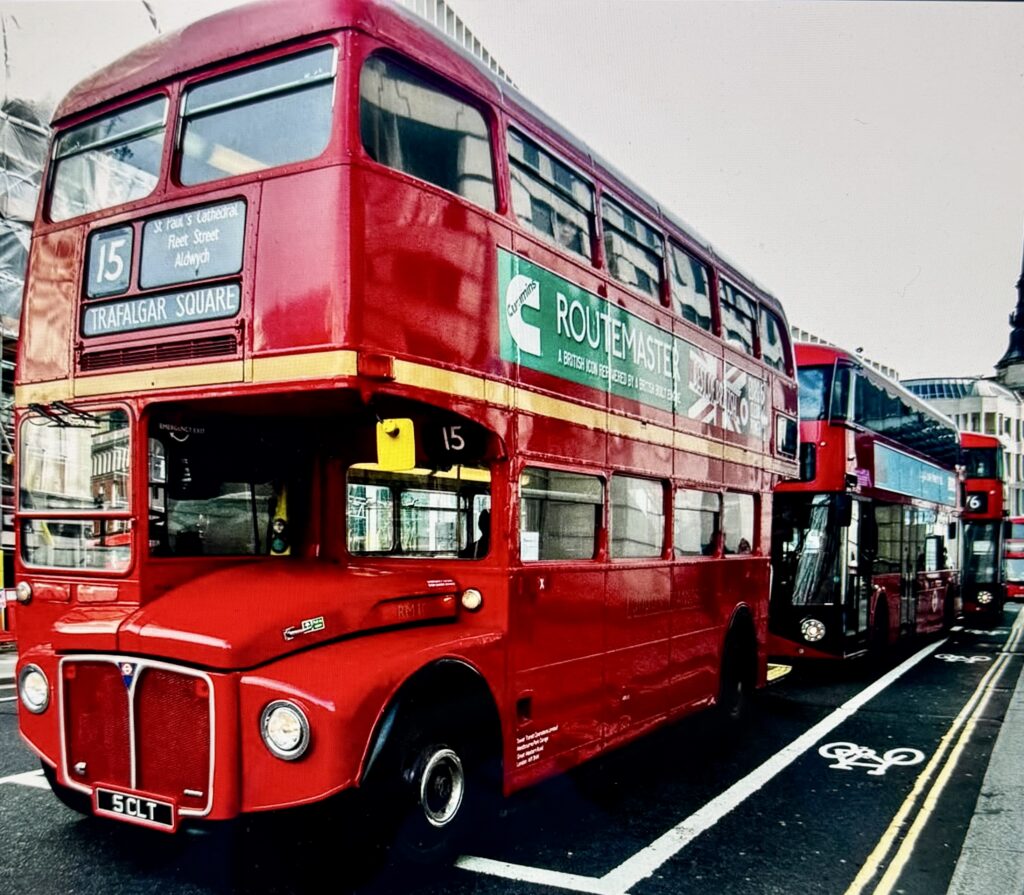
And now, outside Cannon Street Station …

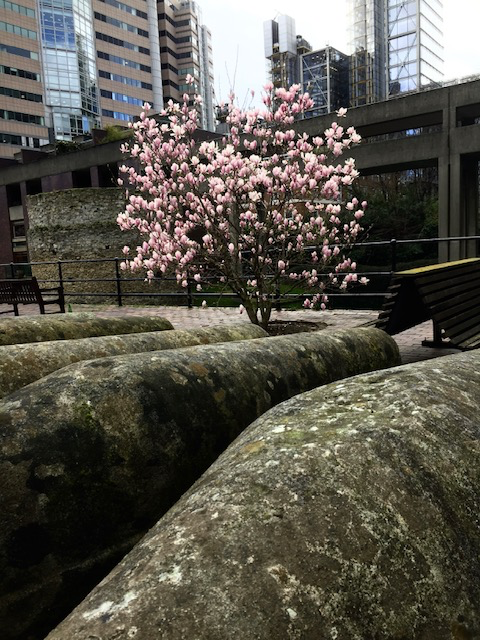
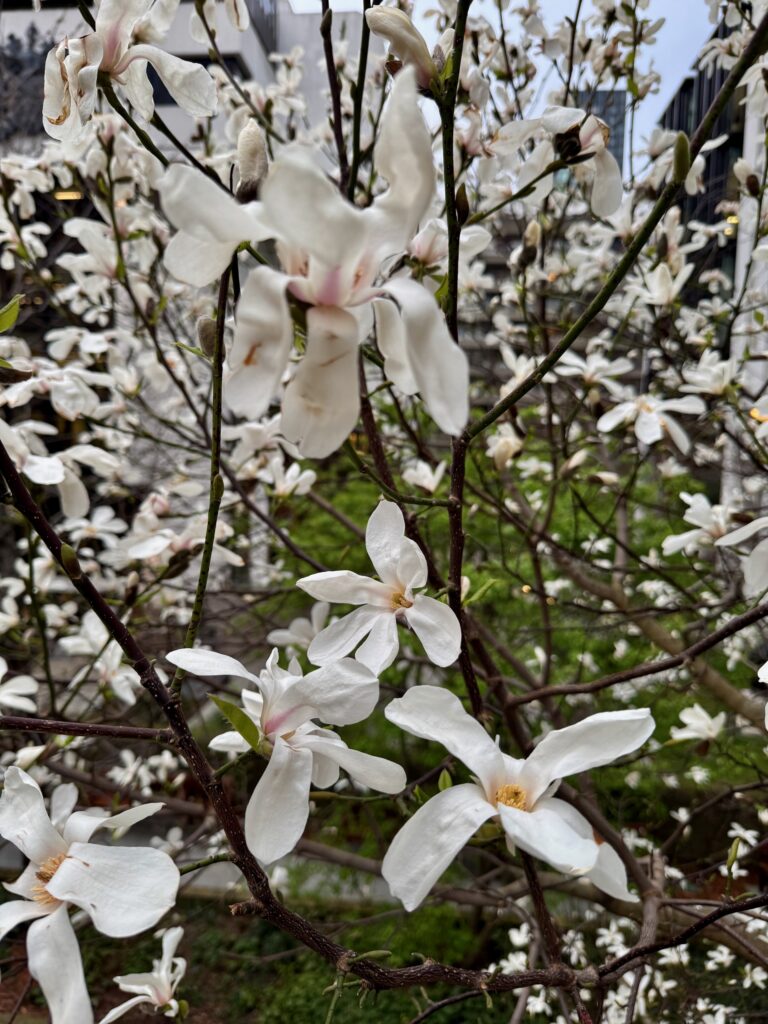
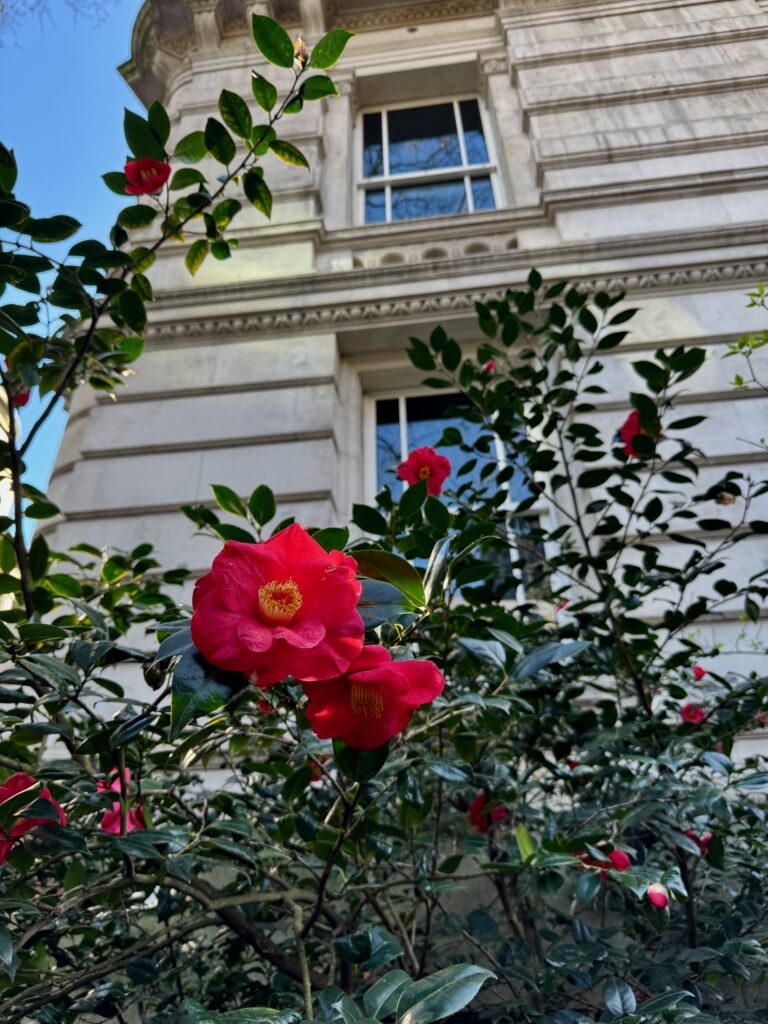
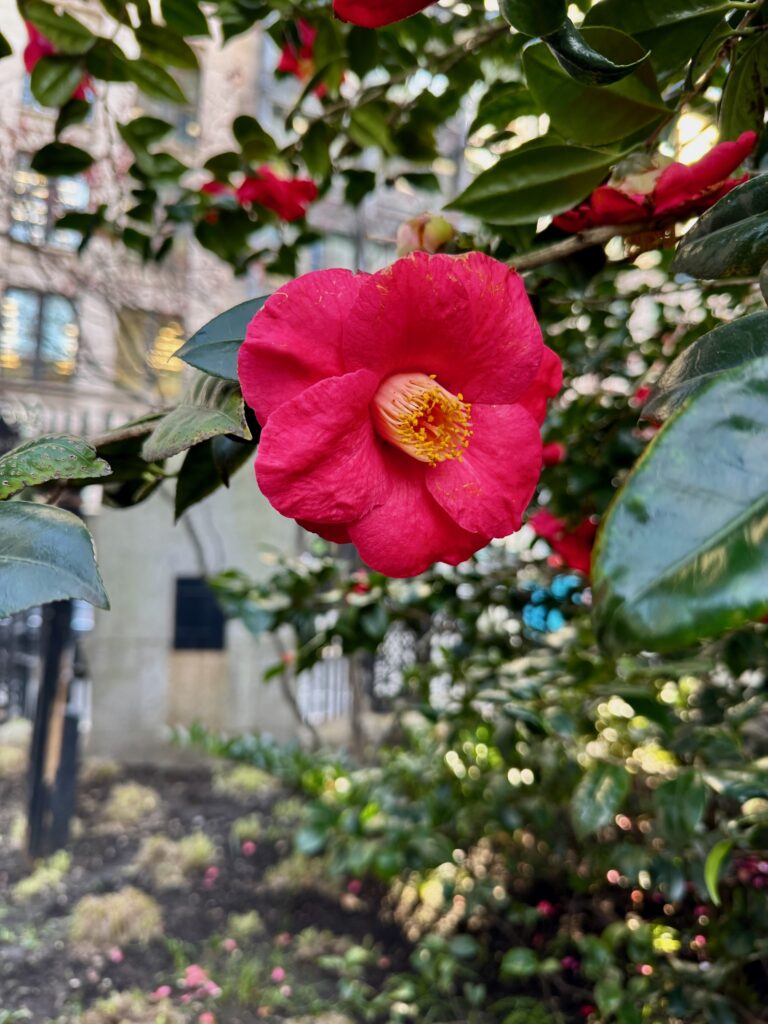
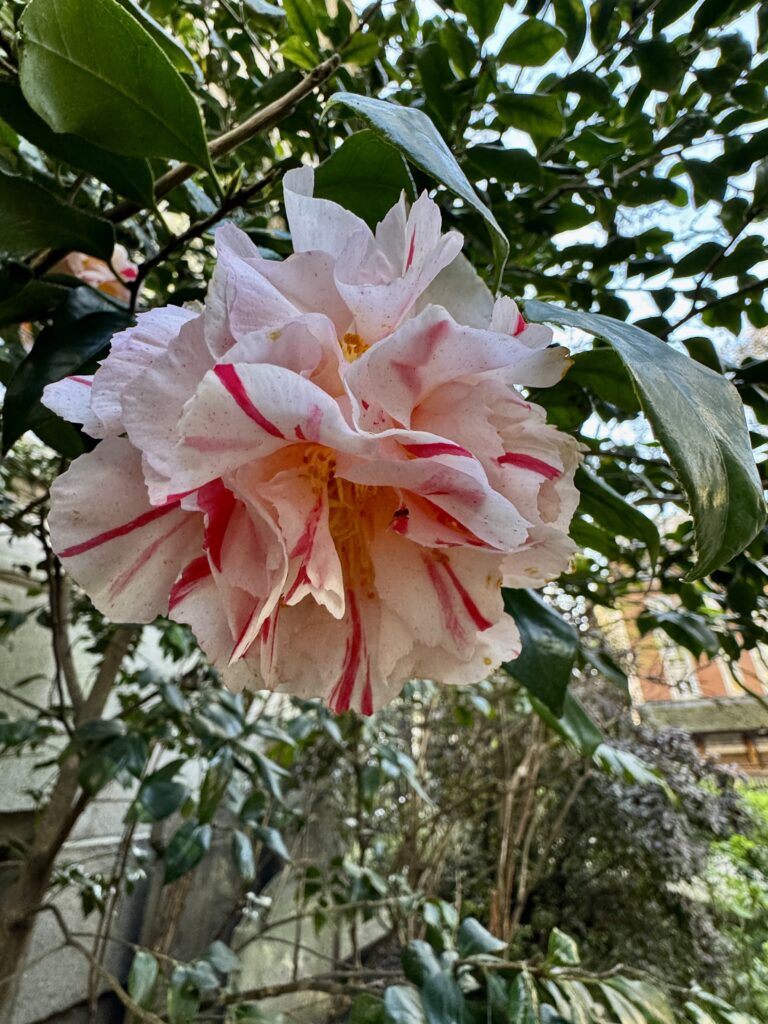
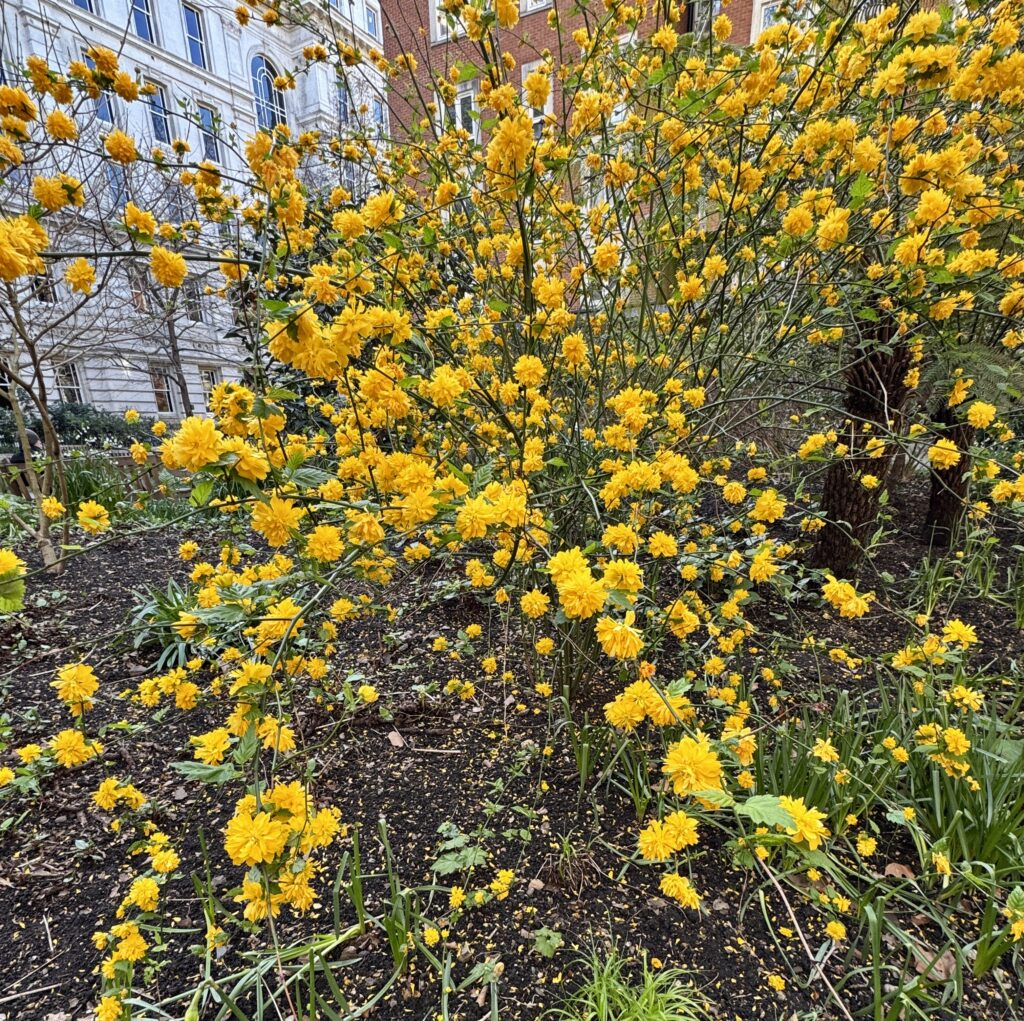
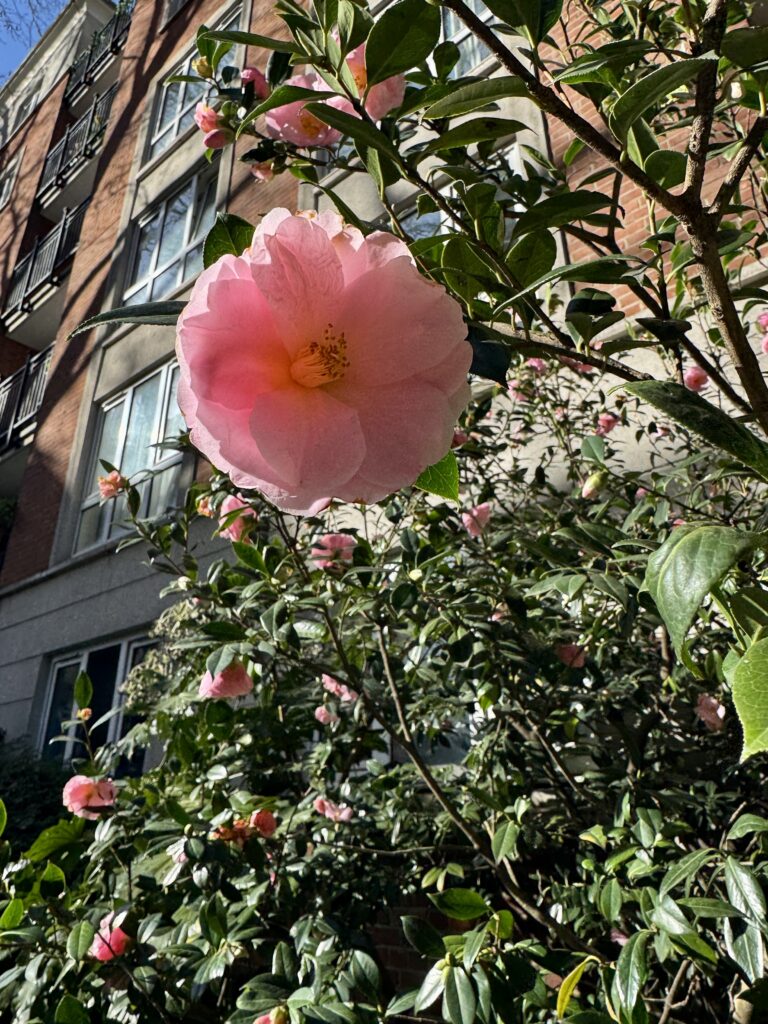
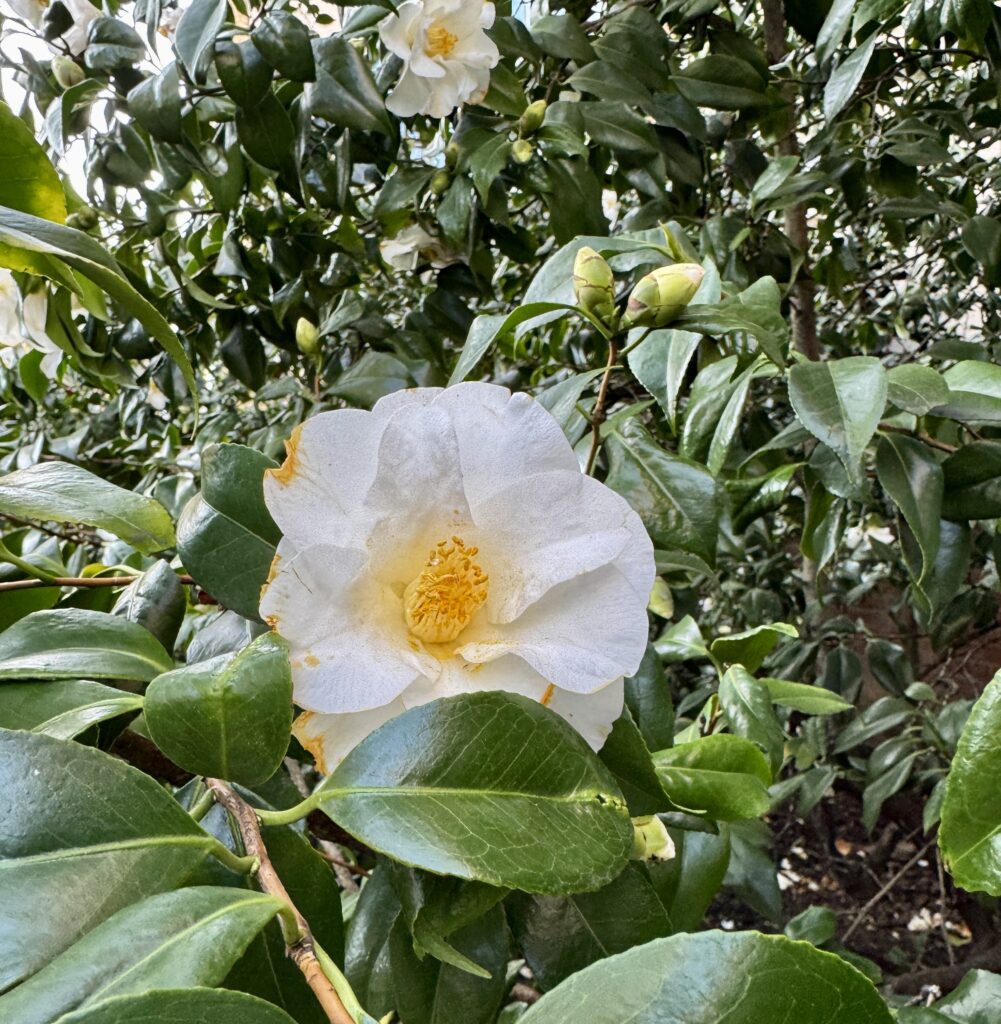
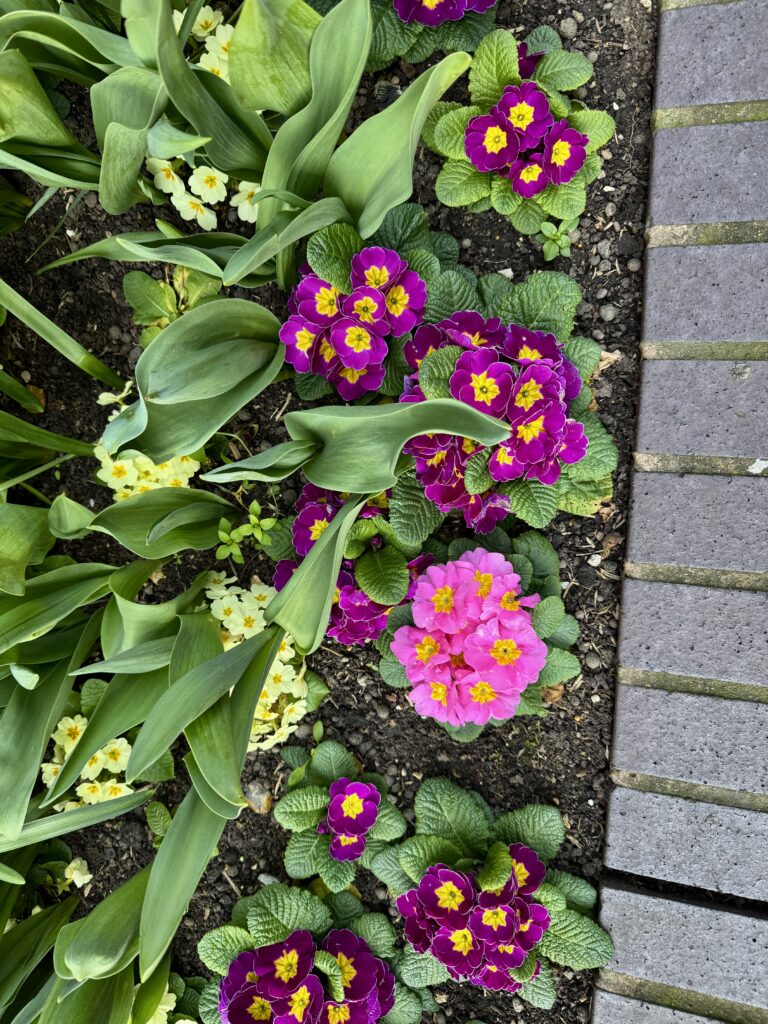
Finally, some Spring pics of nature to cheer us up.

Andrewes House Car Park …
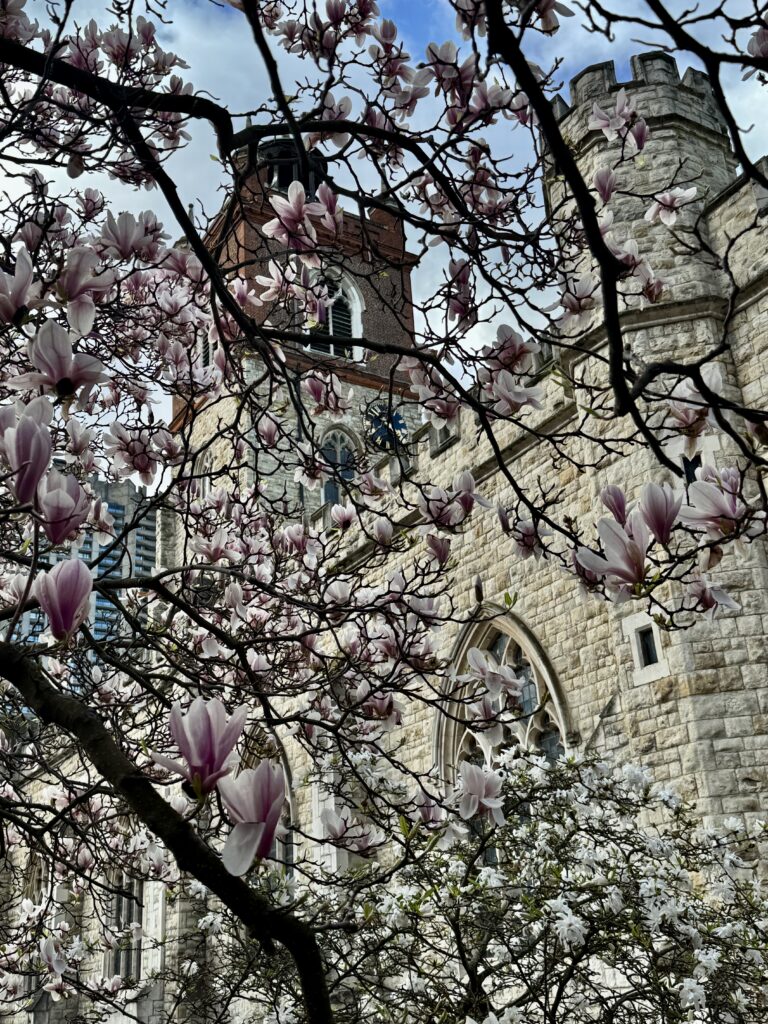
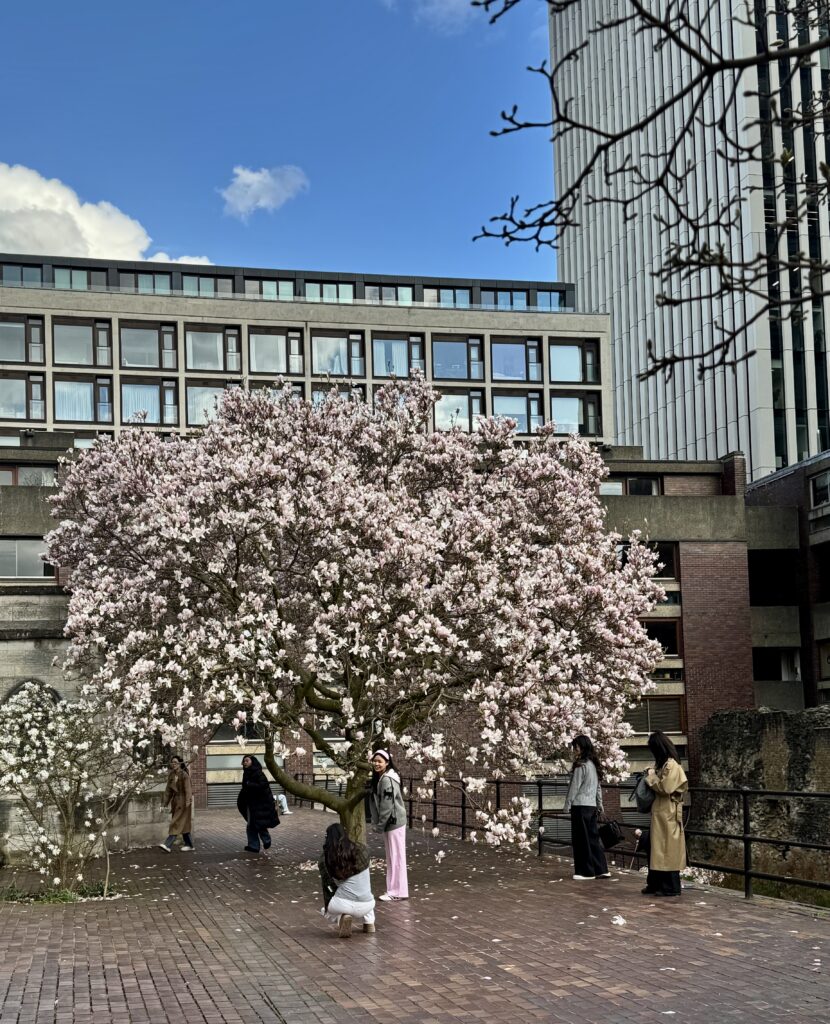
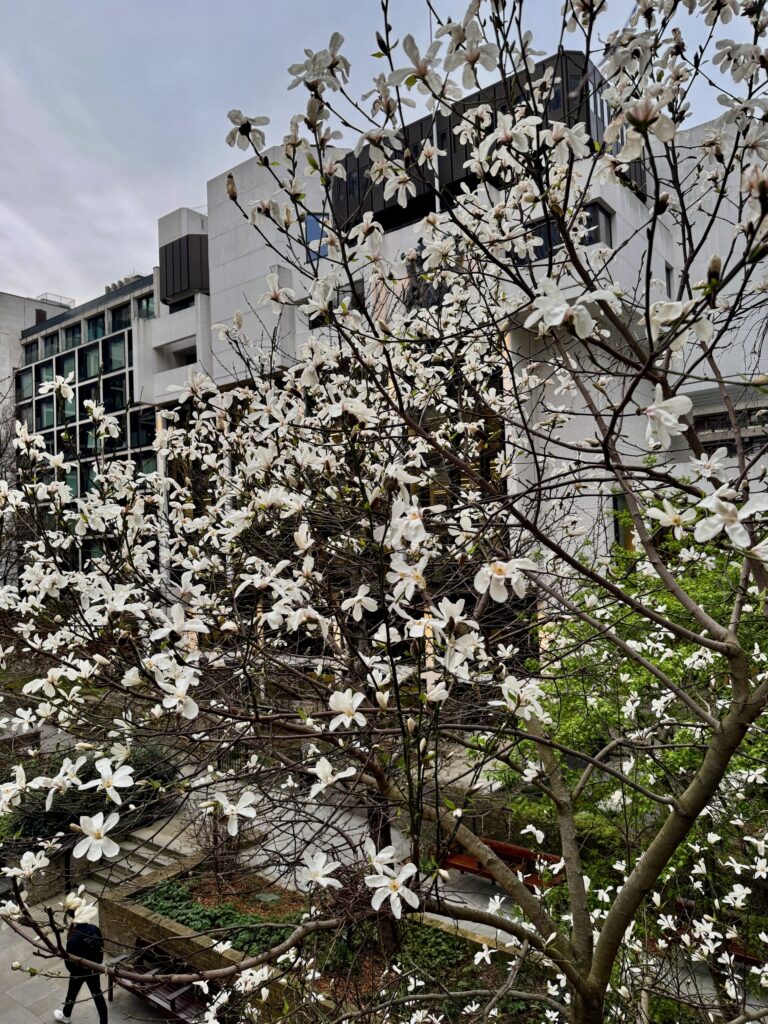
St Giles Magnolias …
Opposite Salters’ Hall …
Silk Street …

In Postman’s Park …
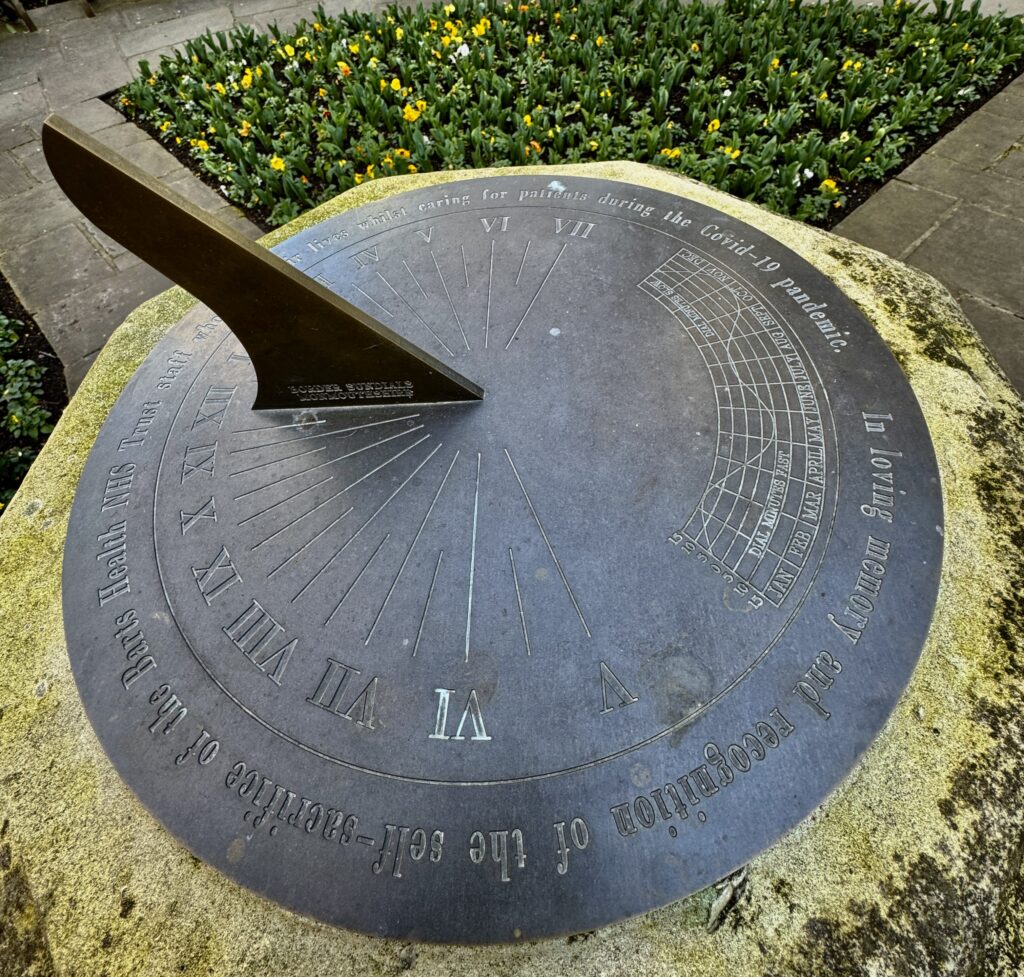
Finally, ‘lest we forget’, when you next visit Postman’s Park, do pause and observe the sundial …
It features the inscription, ‘In loving memory and recognition of the self-sacrifice of the Barts Health NHS Trust staff who lost their lives whilst caring for patients during the Covid-19 pandemic.’

The idea to install a memorial in the Park came from Helen Parker, an A&E consultant and the deputy medical director of Newham Hospital, who spent time there during lockdown. She said: ‘NHS staff surrendered so much during the pandemic including time with loved ones and relationships. It was the ultimate example of self-sacrifice and this is a fitting place to remember them.’

Page 3 of 151

Powered by WordPress & Theme by Anders Norén