Walking the City of London

Category: Memorials Page 13 of 38

St Botolph Without Aldgate and its extraordinary memorials

Hello, friends,

I’m having a few IT problems at the moment so I hope you won’t mind if this week I re-publish a previous blog. It’s about my visit to St Botolph’s and I referred to it in my 300th edition last week.

It starts with an image of this distinguished gentleman …
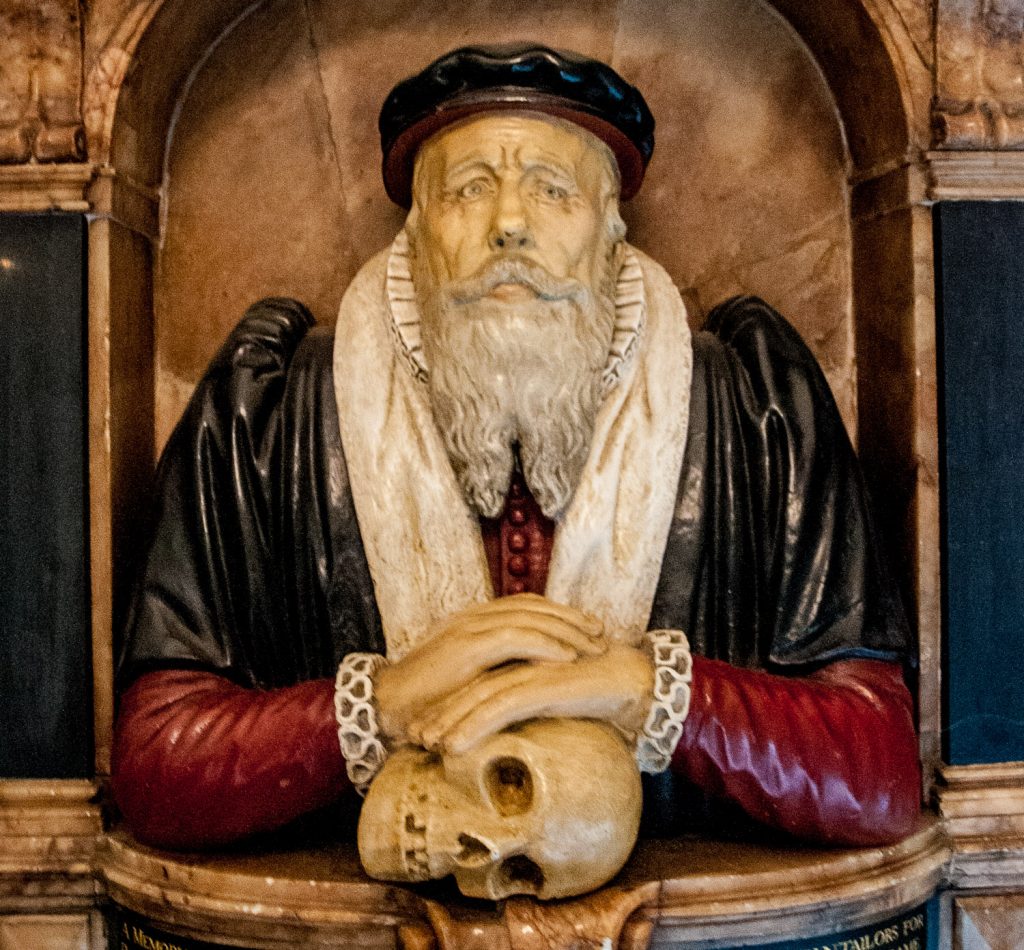
Robert Dow was a Master of the Merchant Taylors and during his life gave away a substantial sum to various charitable establishments. The value of his donations and those receiving the money are listed on his monument …
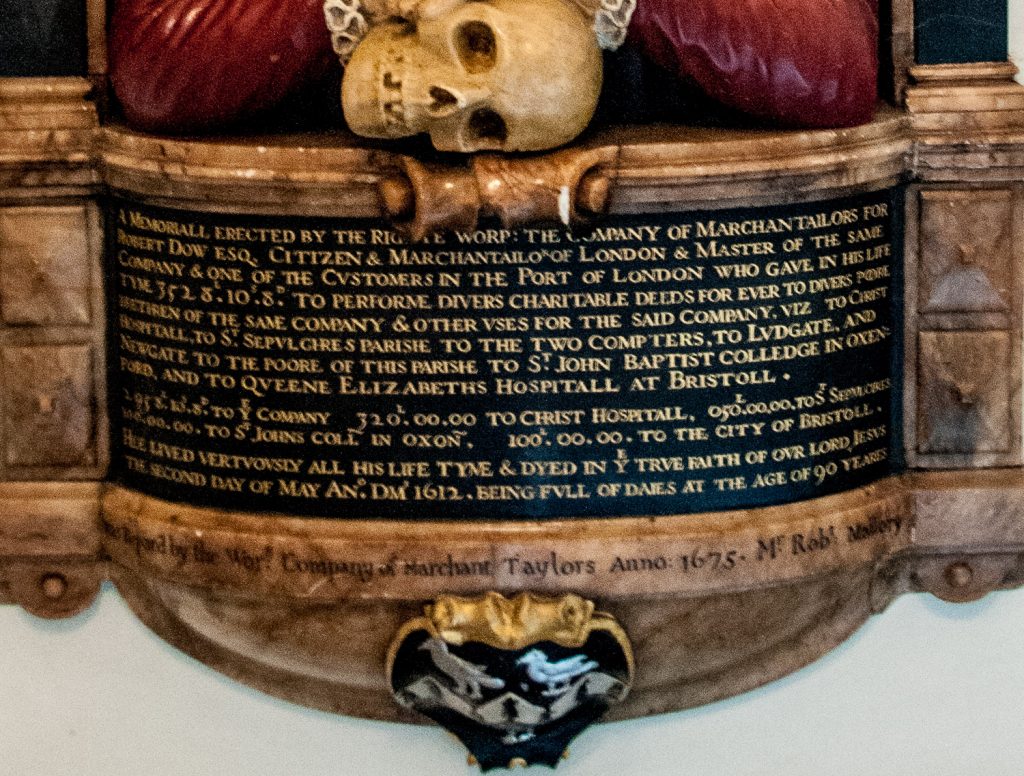
He lived to the great age of 90 and died in 1612. I love the expression that, when he eventually passed away, he was ‘full of days’. The skull his hands are resting on may be to remind us that we too are mortal, even as we relax and enjoy his company and read of his generosity.

Nearby is an eyecatching brown and cream alabaster monument. It commemorates Lord Darcy and Sir Nicholas Carew, both beheaded on Tower Hill for high treason against Henry VIII in 1537 and 1539 respectively …
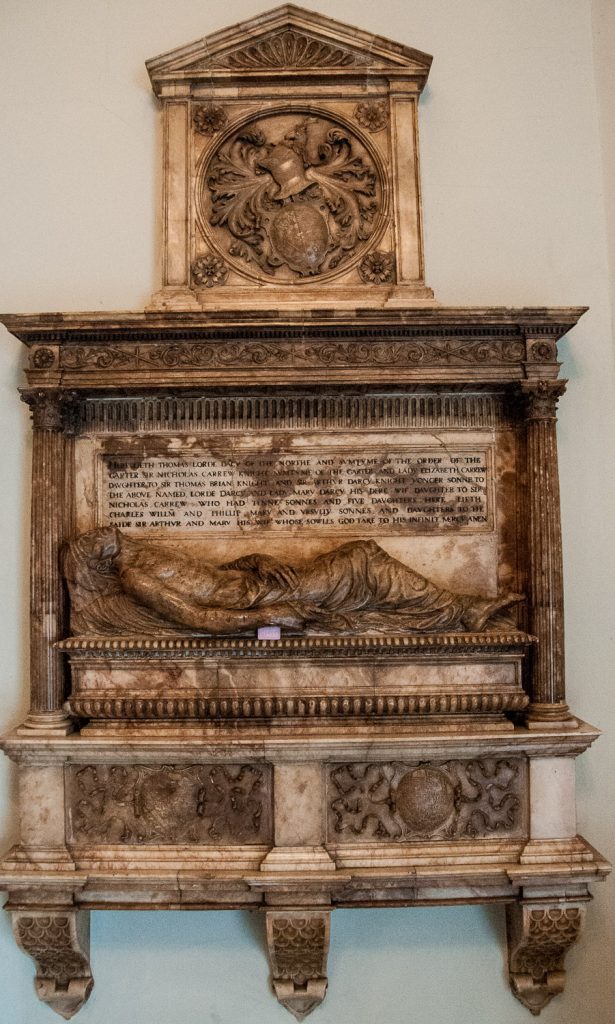
The figure is a corpse resting on a bier with the head thrown back dramatically.

The inscription reads …

Here lyeth Thomas Lord Darcy of the North, and some time of the Order of the Garter. Sir Nicholas Carew Knt. sometime of the Garter. Lady Elizabeth Carew, Daughter to Sir Francis Brian, Knt. And Sir Arthur Darcy Knt. younger Son to the abovenamed Lord Darcy. And Lady Mary his dear Wife, Daughter to Sir Nicholas Carew Knt. who had ten Sons and five Daughters. Here lye Charles, William and Philip, Mary and Ursula, Sons and Daughters to the said Sir Arthur, and Mary his Wife; whose Souls God take to his infinite Mercy. Amen.

More delights await you further inside the church.

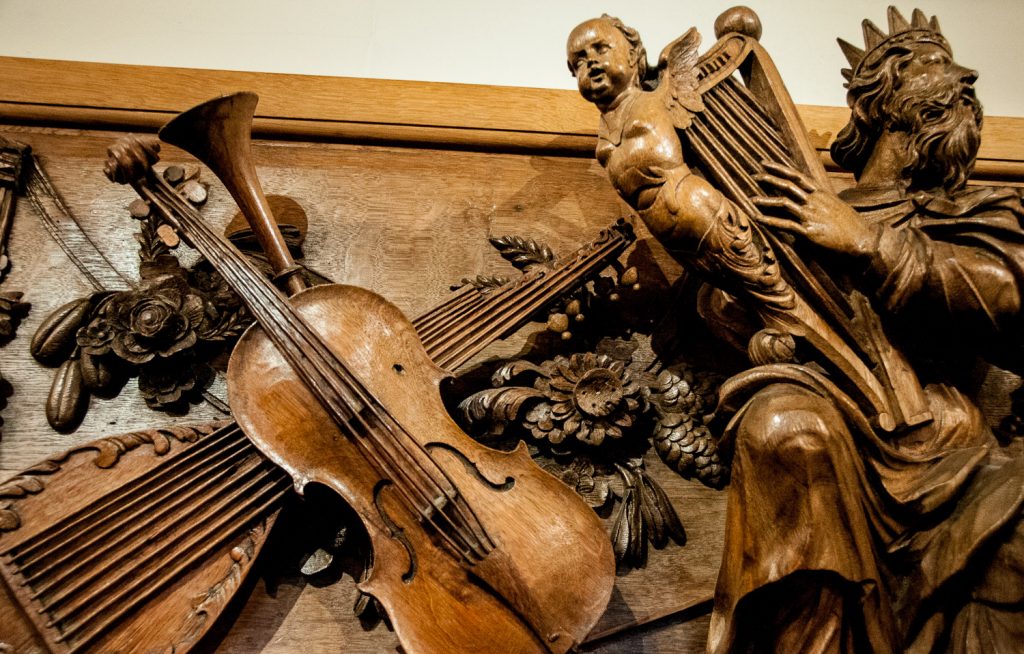
This beautifully carved wooden panel depicts King David along with musical instruments …
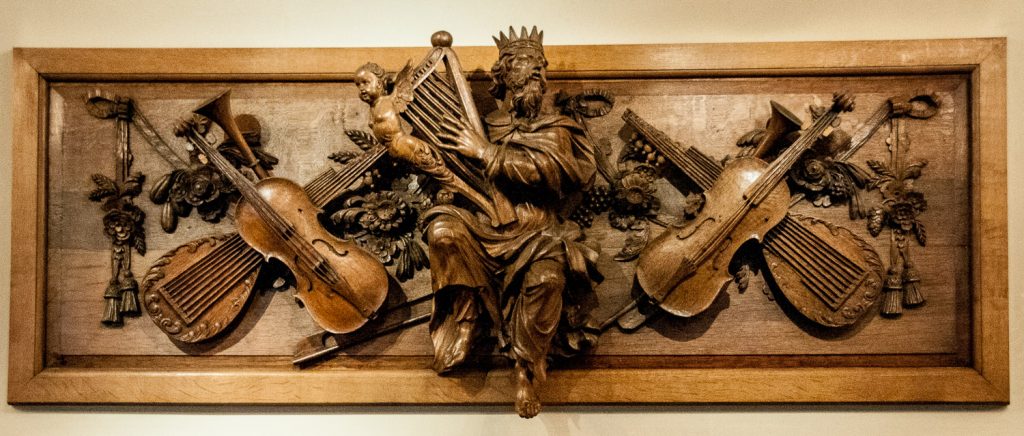
It was created between 1713 and 1715 to grace the front of an organ gallery in the church of St Mary Matfelon, Whitechapel. When the church was destroyed by bombing on the 27th December 1940 the carving was saved and later restored …
In 1676 Thomas Whiting gifted the organ for the benefit of the ‘hole parrish’ …
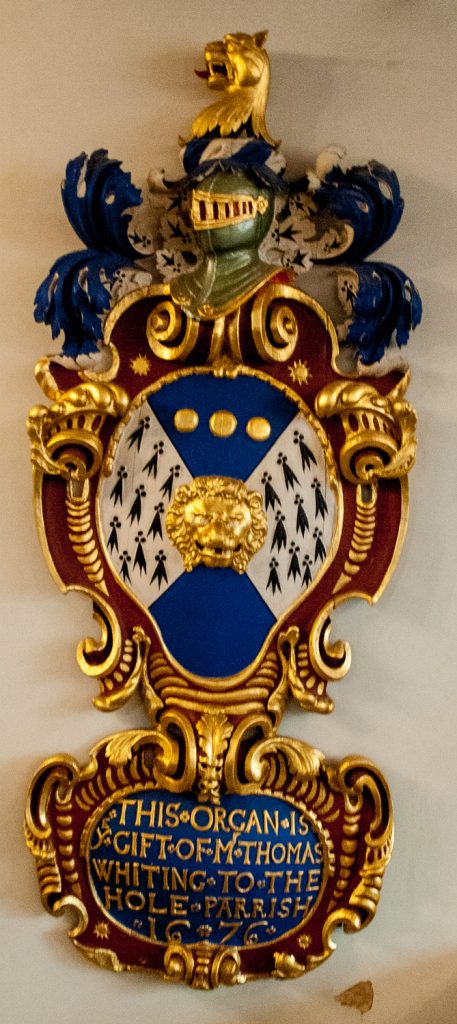
The organ was originally built for his house, which must have been a substantial property to say the least.

There is a fine 18th century sword rest …
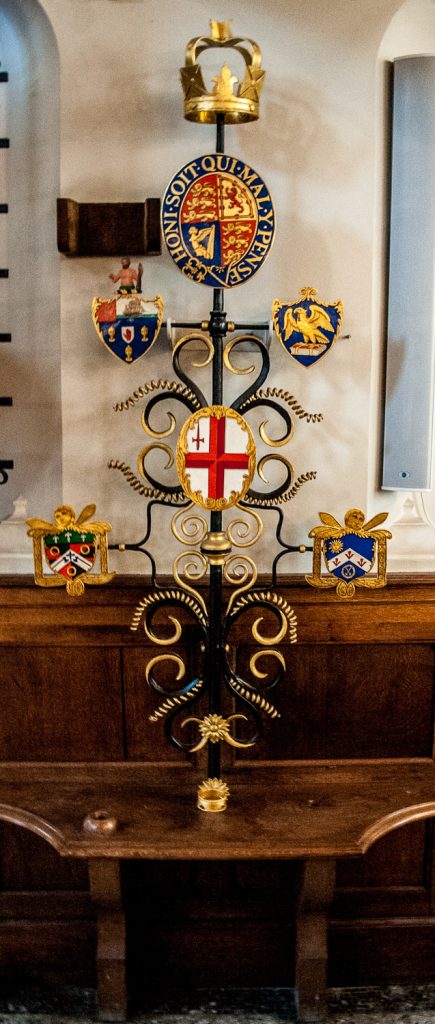
Sword rests (or stands) were originally installed in City churches to hold the Lord Mayor’s sword of state when he used to visit a different church every Sunday, a practice that ceased in 1888 as congregations fell and people moved to the suburbs.

There is a long eulogy to Benjamin Pratt inscribed on a hanging drape …
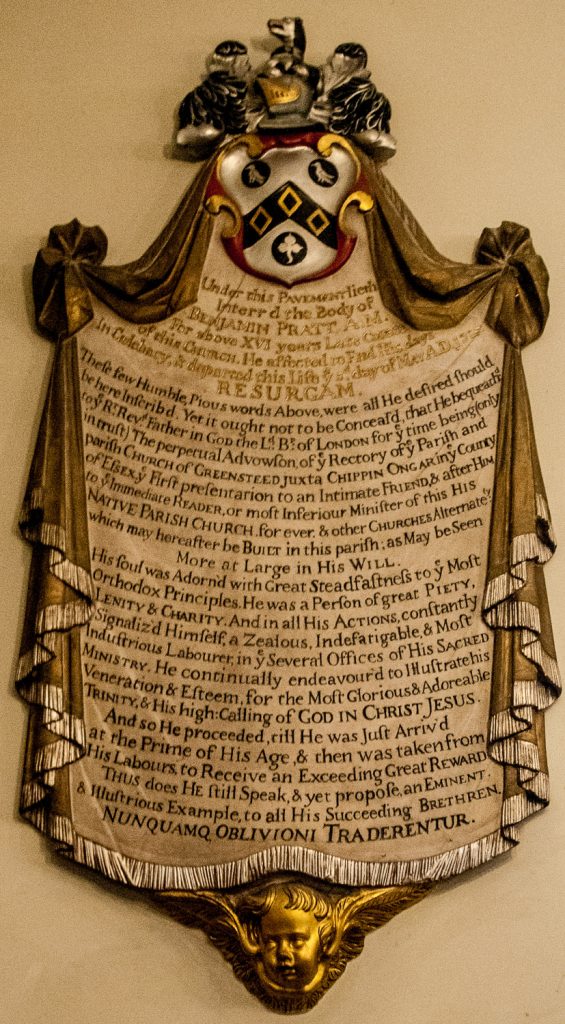
He affected to end his days in celibacy and departed this life on the 3rd day of May 1715 … he had just arriv’d at the prime of his age and was then taken from his labours to receive an exceeding great reward.

And now a memorial that positively demanded more research, an inventor who died ‘in want’ in 1831 and was finally commemorated by a Lord Mayor in 1903 …
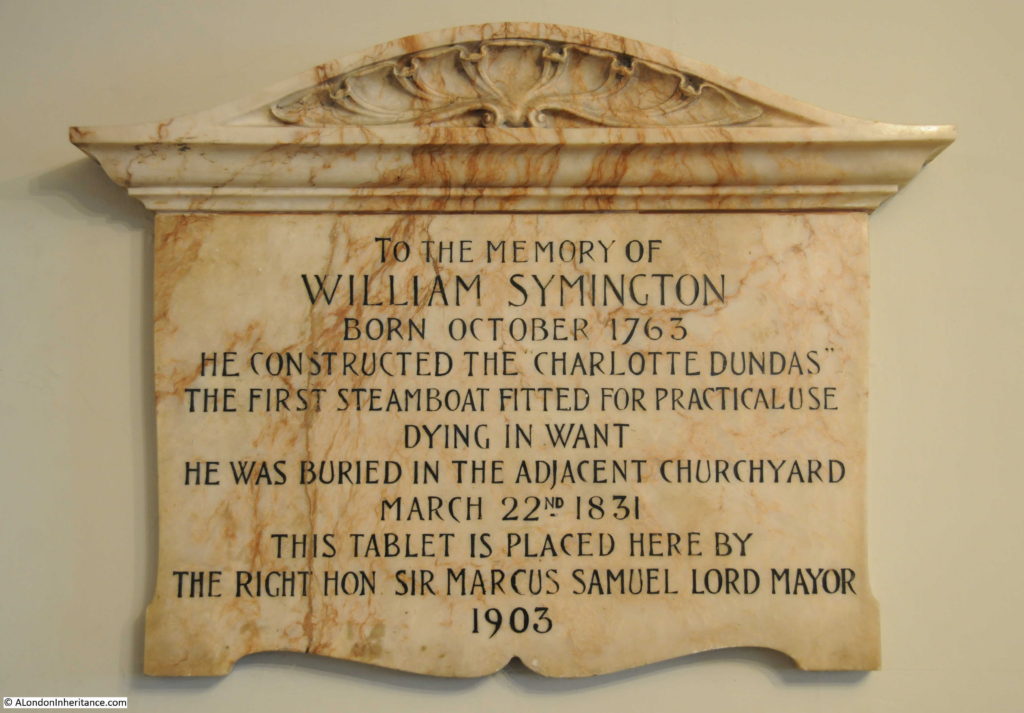
The full story is fascinating and I can’t do it justice in this short blog. To read more go to the London Inheritance blog which you can find here.

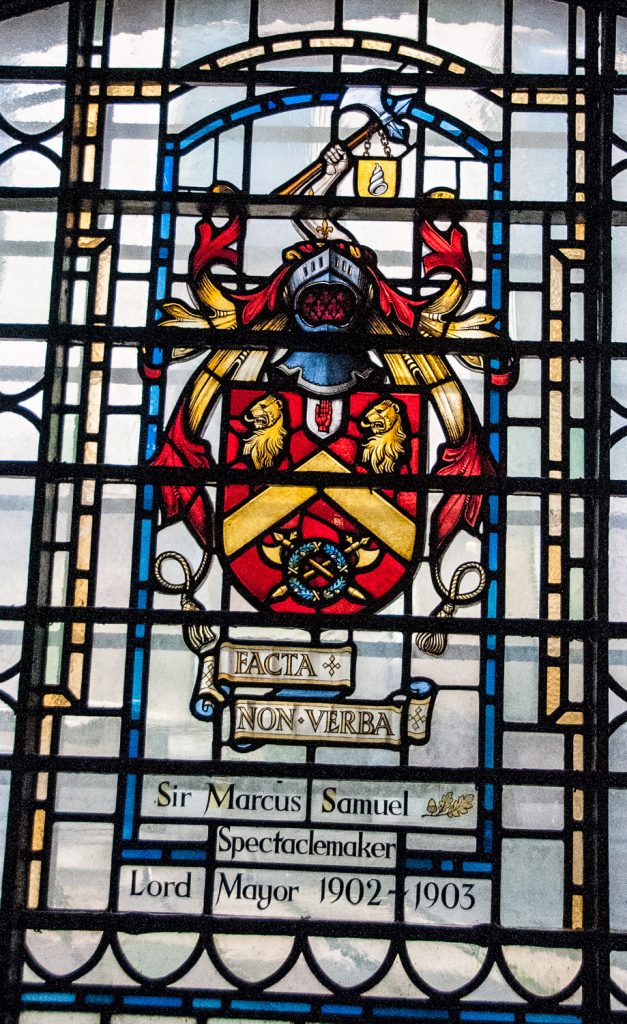
A number of past Lord Mayors are commemorated in stained glass …
Now leave the church and walk around to the north side where a few gravestones have been placed against the wall.

This one contains an intriguing and poignant inscription to a son and his father …
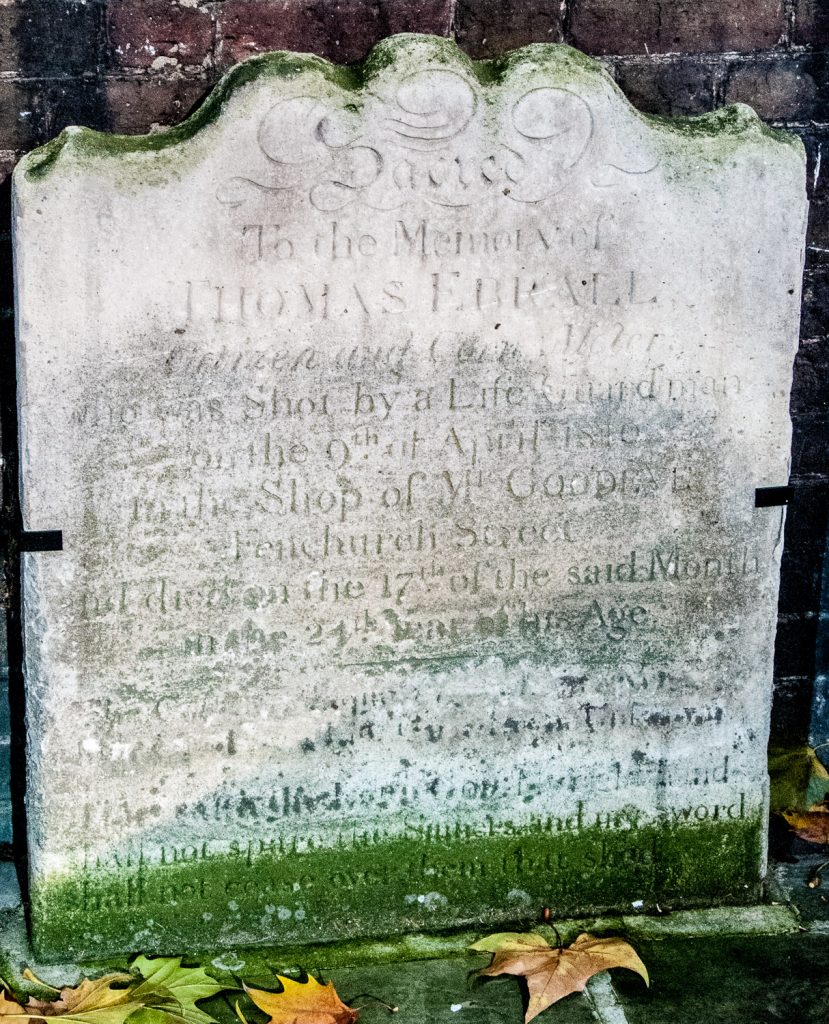
It’s now much worn but, luckily for me, an audit of churchyard inscriptions was made in 1910 and this is what the tombstone tells us …

Sacred to the memory of

THOMAS EBRALL Citizen and Corn Merchant, shot by a Life Guardsman unknown, in the shop of Mr Goodeve, Fenchurch Street, 9 April, 1810 died 17th same month, in his 24th year.

THOMAS EBRALL, his father, died from his loss, 23 August, 1810, aged 48.

‘Died from his loss’, how sad. I have tried to find out more about the incident that resulted in young Mr Ebrall’s death but no luck so far.

The man who conducted the inscription audit at the turn of the last century was one Percy C. Rushen who noticed how they were slowly disappearing due to ‘atmospheric elements’ or ‘sacriligist’ vandalism. Here is a link to his book – my hero!

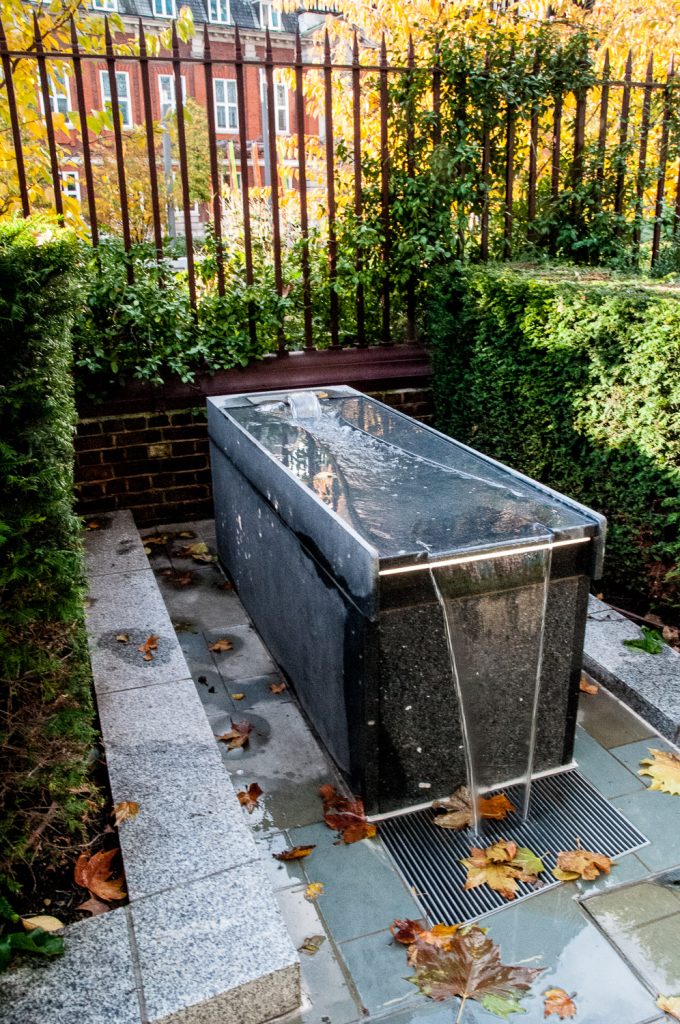
There is also an unusual water feature resembling a chest tomb …
Now cross the road to the Minories and look back …
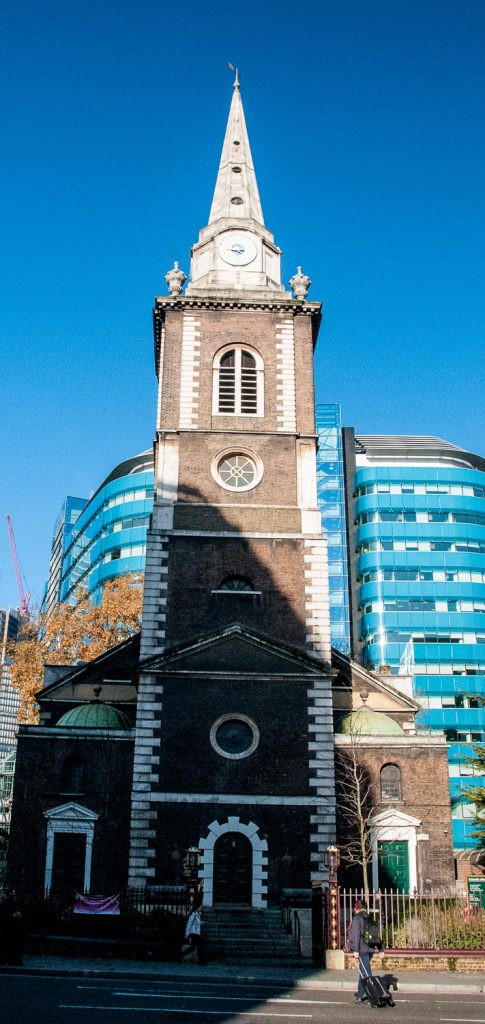
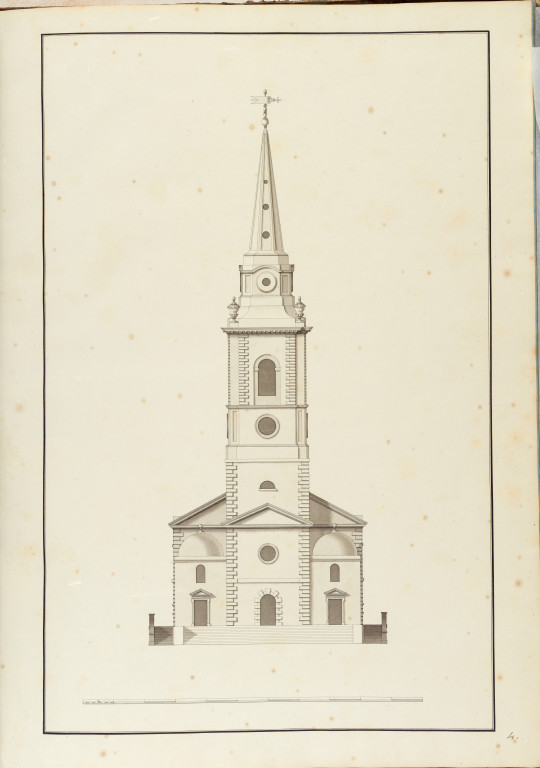
The following drawing from 1740 by its builder, George Dance the Elder, shows the church looking exactly the same as it does today …
Incidentally, the church had a narrow escape during the Blitz when a bomb fell straight through the roof but failed to explode. The Blitz was an extraordinary period for the Rector of the day, who slept in the Crypt, surrounded by coffins, and climbed onto the roof during air raids to put out incendiary fires.

Do remember that you can follow me on Instagram :
https://www.instagram.com/london_city_gent/

A wander around Whitecross Street and Old Street (plus my old record collection!)

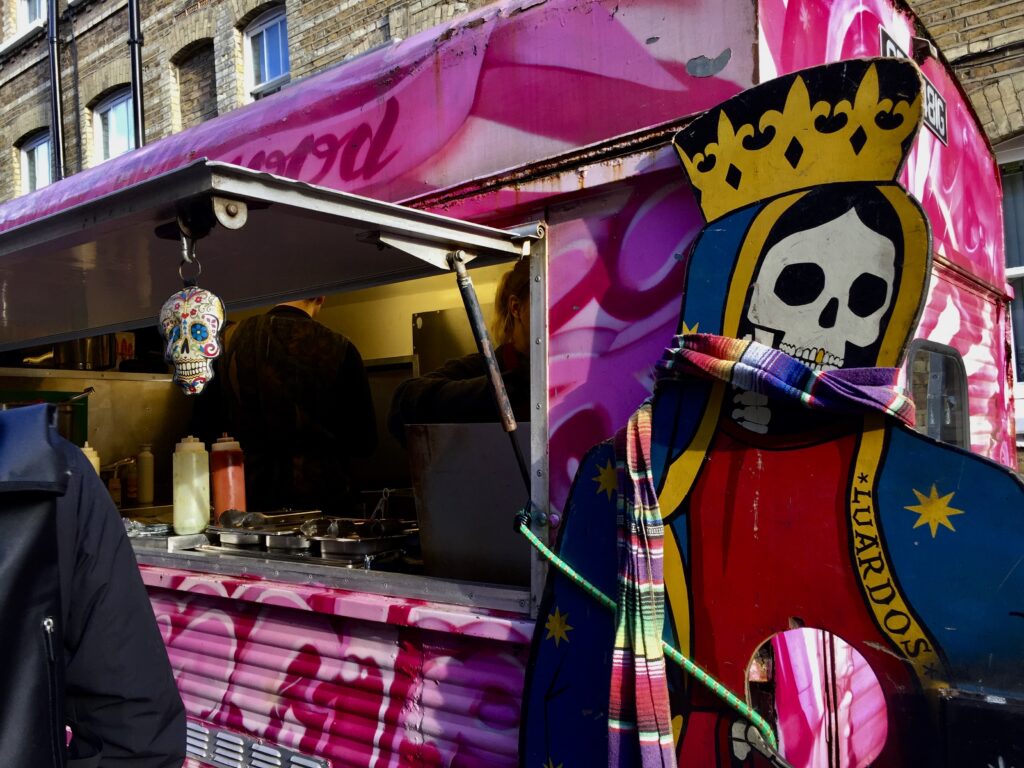
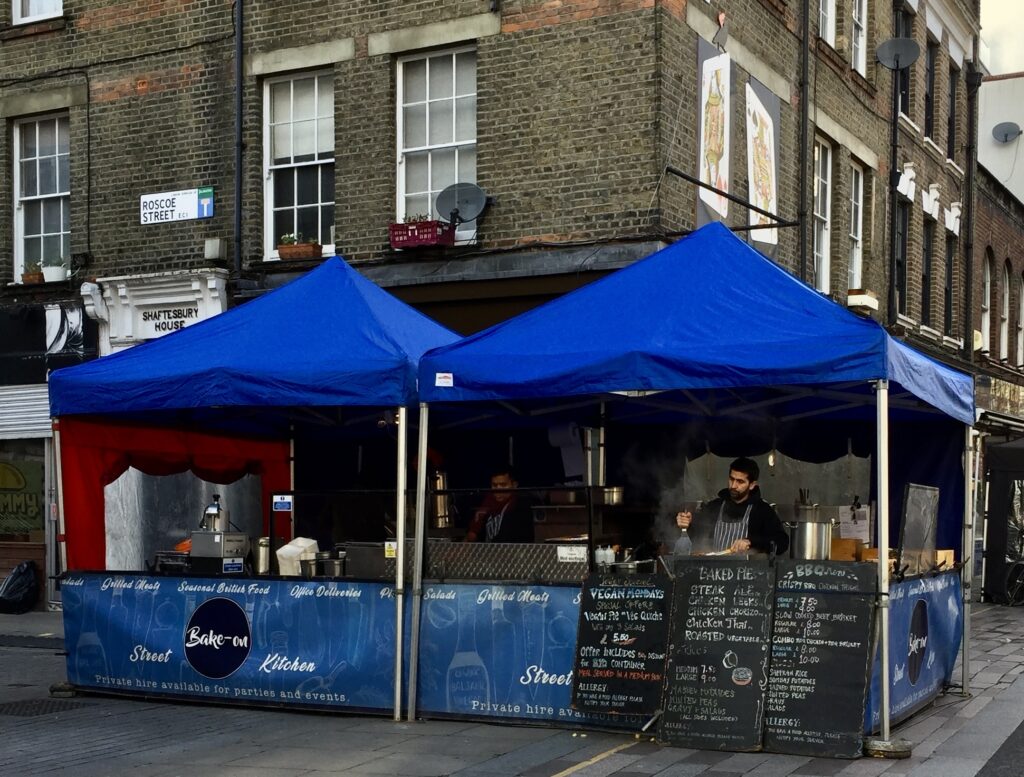
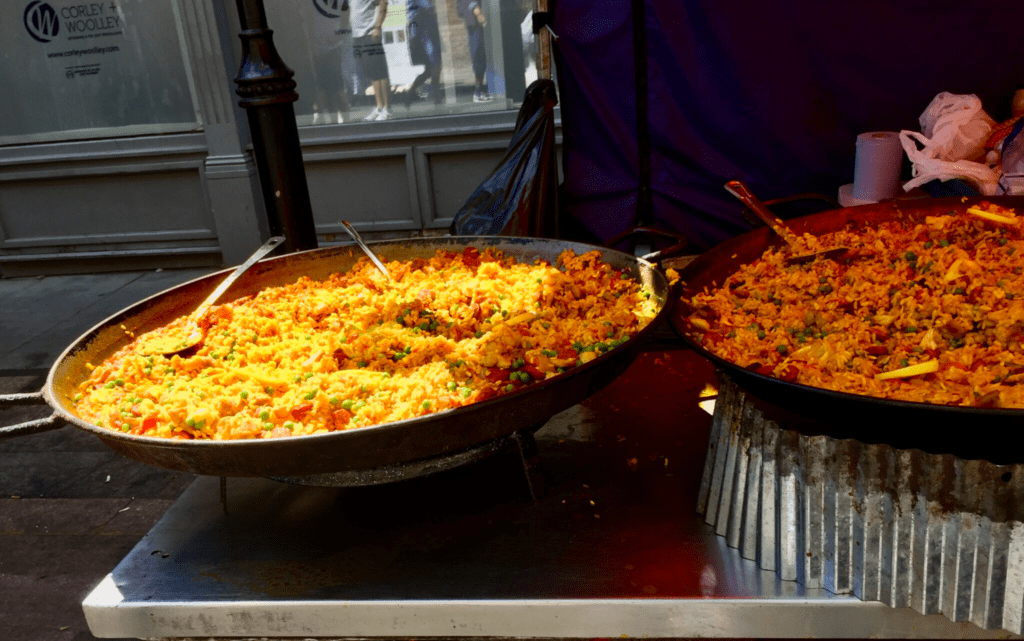
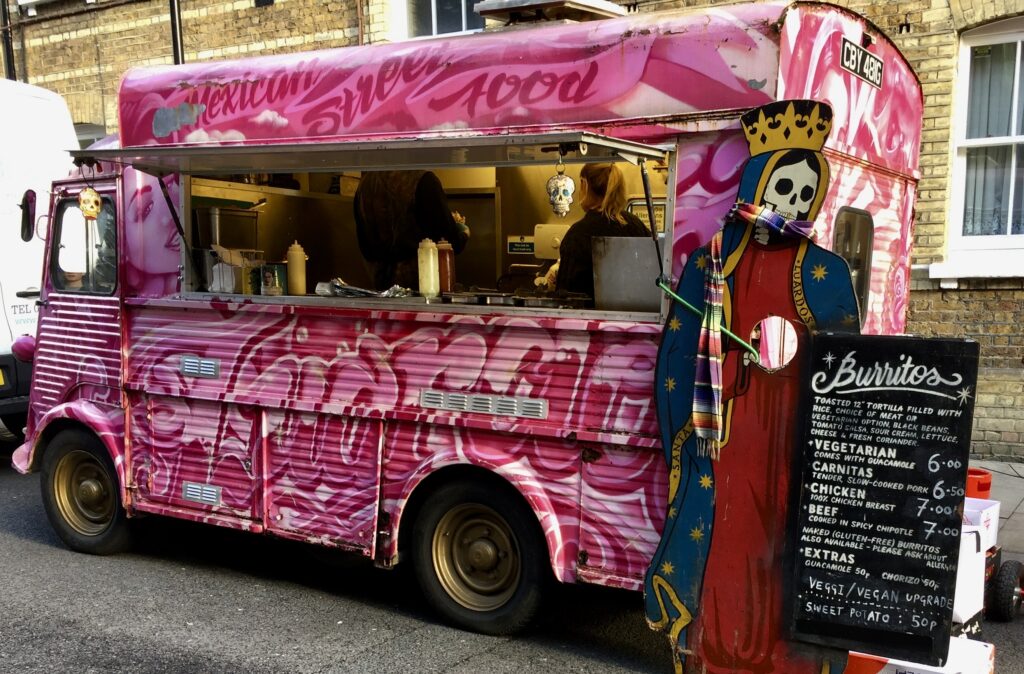
To start with I lingered among the street-food stalls that appear every weekday and seem to do a roaring trade now that City workers are back (even though many of them only come in Tuesdays to Thursdays).

My favourite stand …

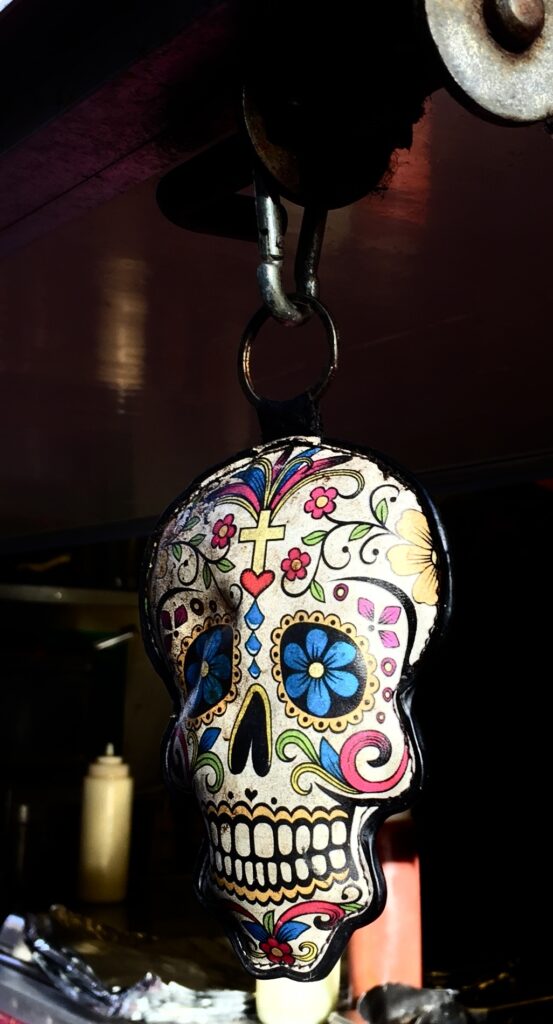
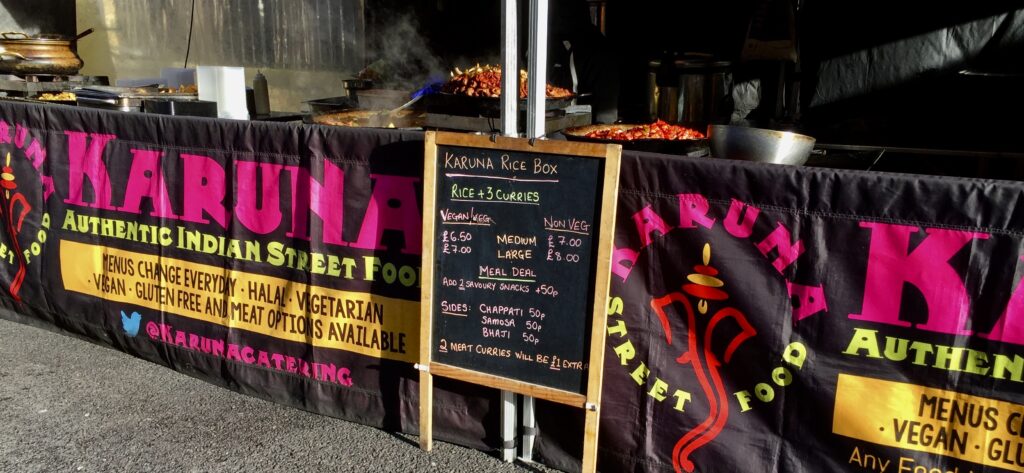
Lots more to choose from …

Some are award winners!

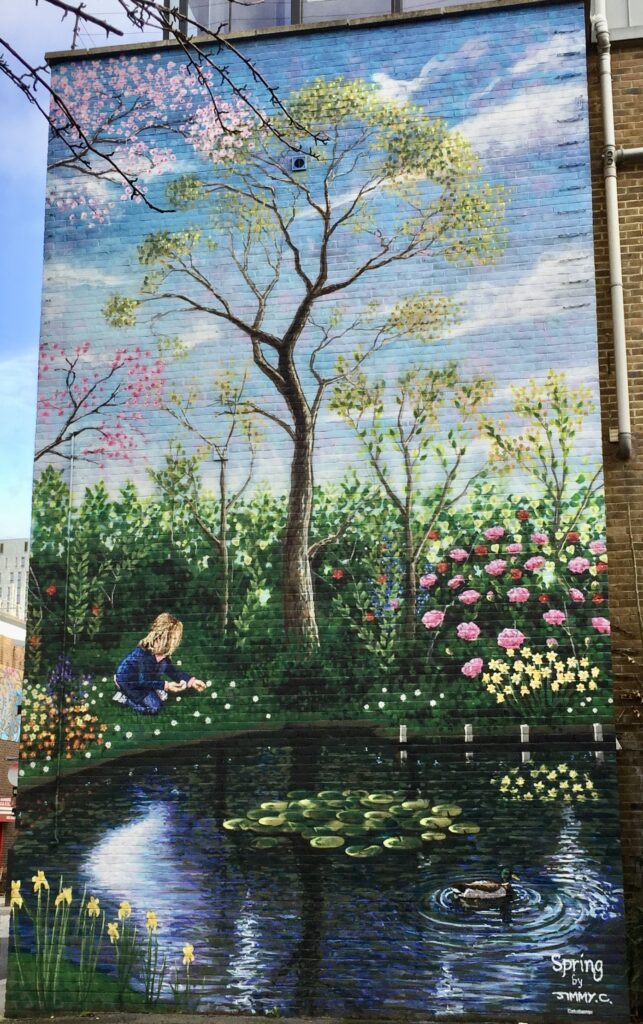
Spring by Jimmy C – nice to see this mural without cars parked in front of it …

Miaow!

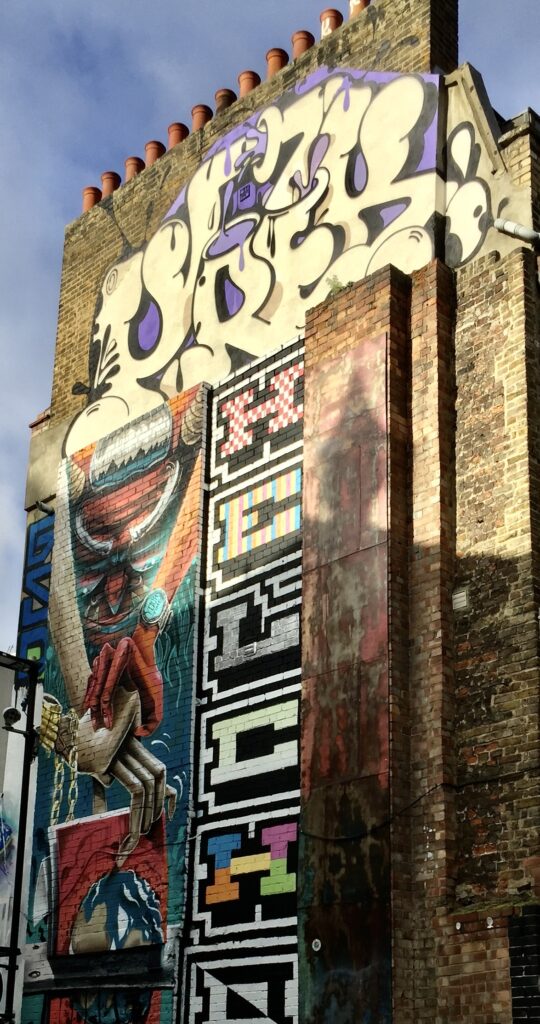
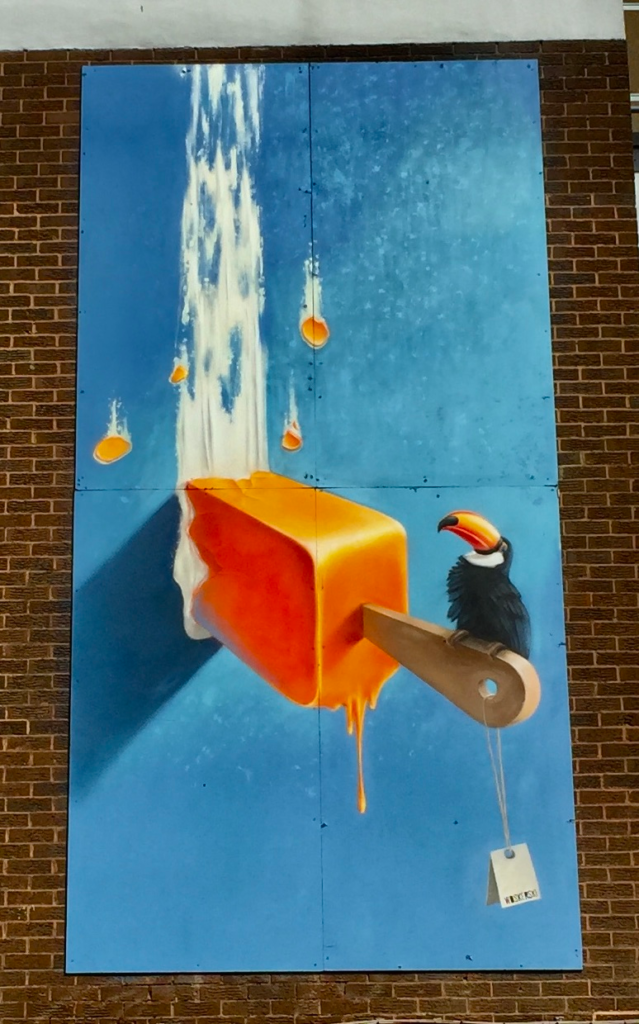
More street art …

One of my favourites ..

Made me smile …

The following words in italics come from the St Luke’s Conservation area document. The images are mine.

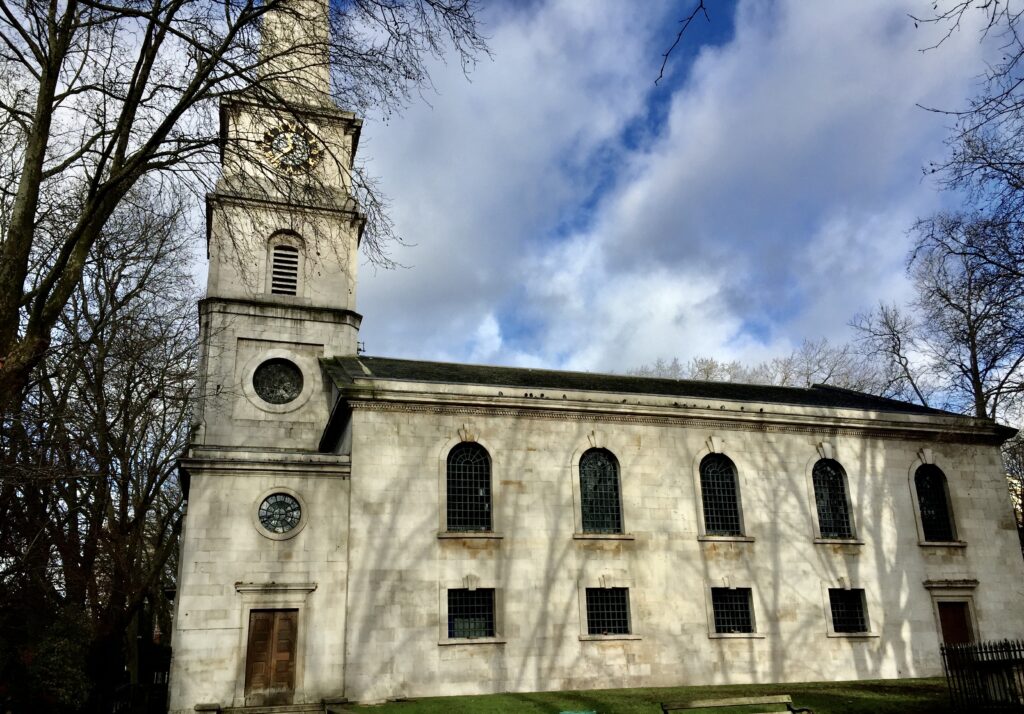
Central and pivotal to the conservation area St. Luke’s Church, dating from
1733, designed by John James and Nicholas Hawksmoor, is one of London’s
most important churches.

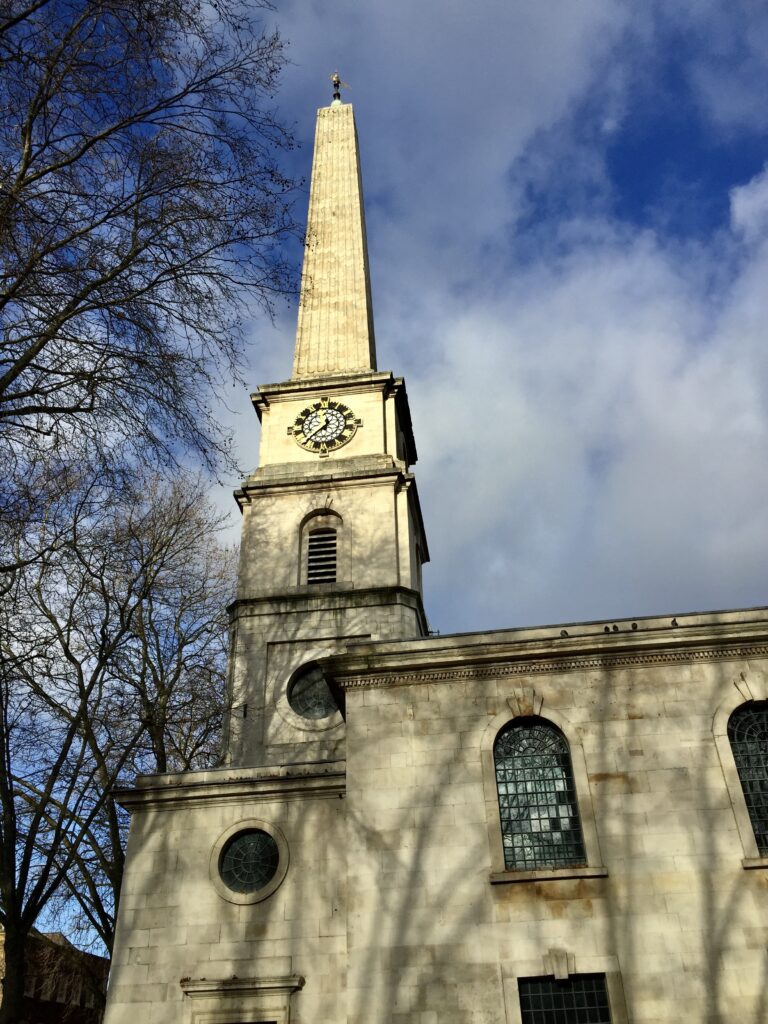
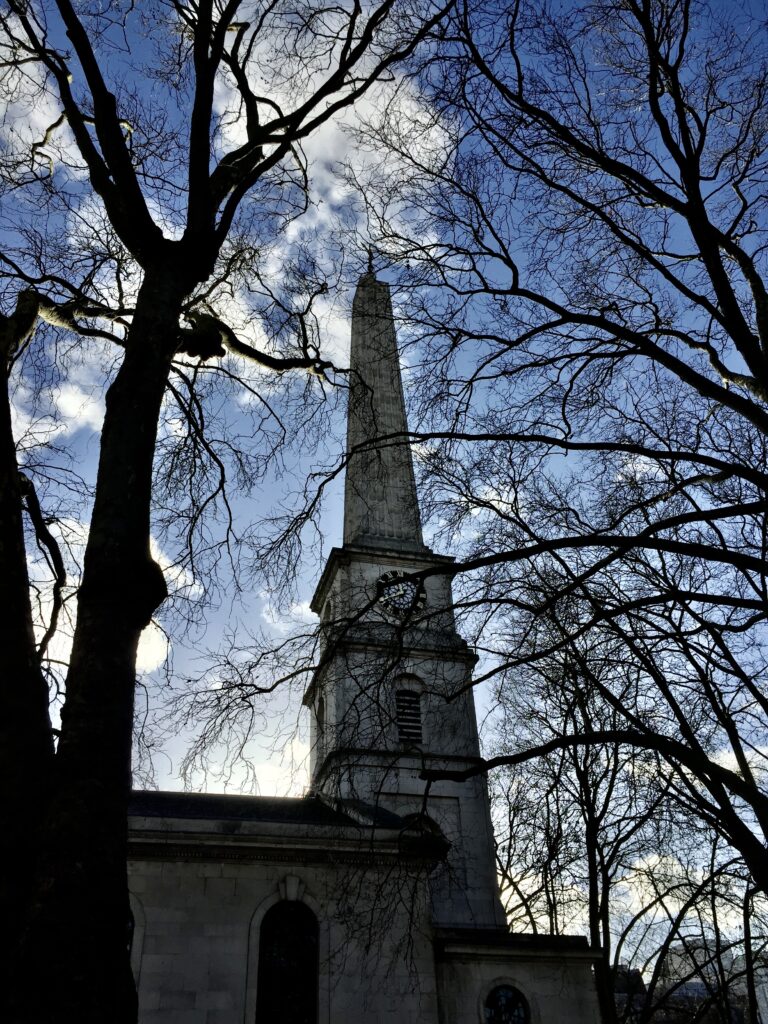
The church is now refurbished as a rehearsal,concert and education centre for the London Symphony Orchestra. The unusual obelisk spire is a major local landmark, with important views downWhitecross Street.

Surrounding the church is the churchyard and burial ground, now a public open space, with fine plane trees, railings and tombs.

Fronting onto these spaces are several important groups of Georgian and Victorian buildings which are of architectural and historic interest and which contribute to the setting of the church.

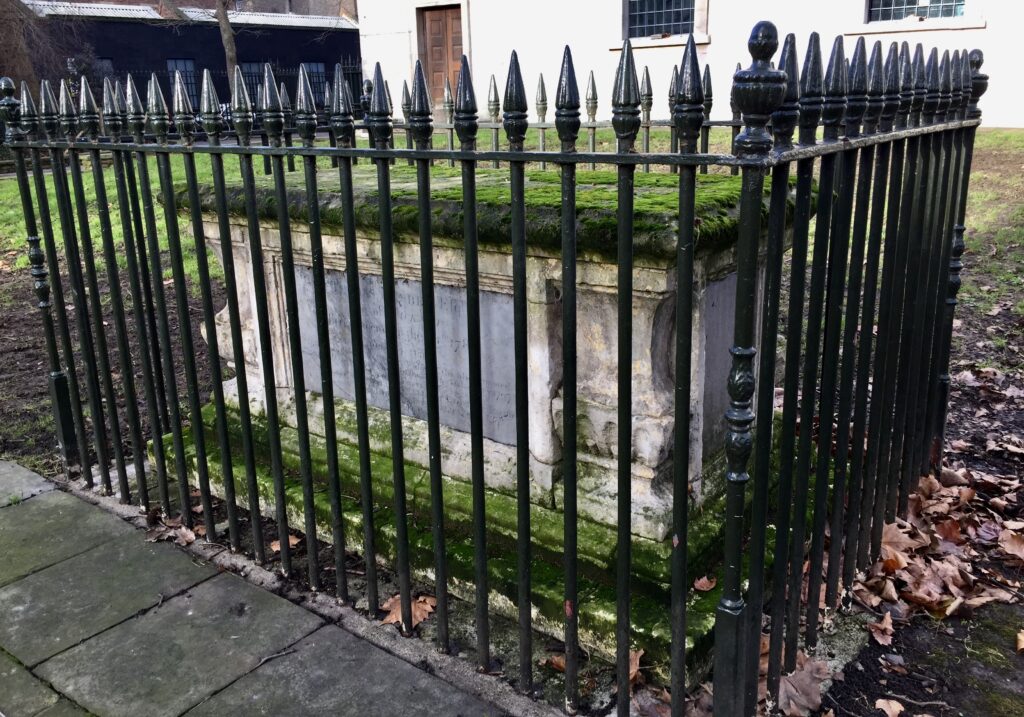
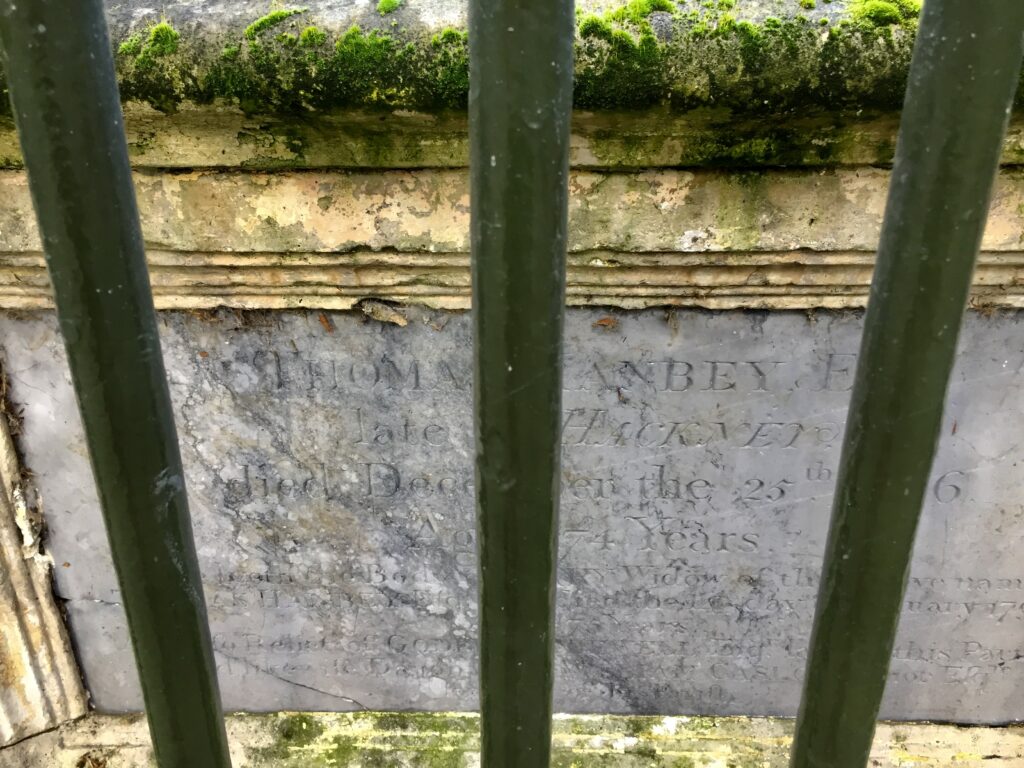
There is a tomb in the churchyard which is often described as the family tomb of William Caslon (1692-1766) …

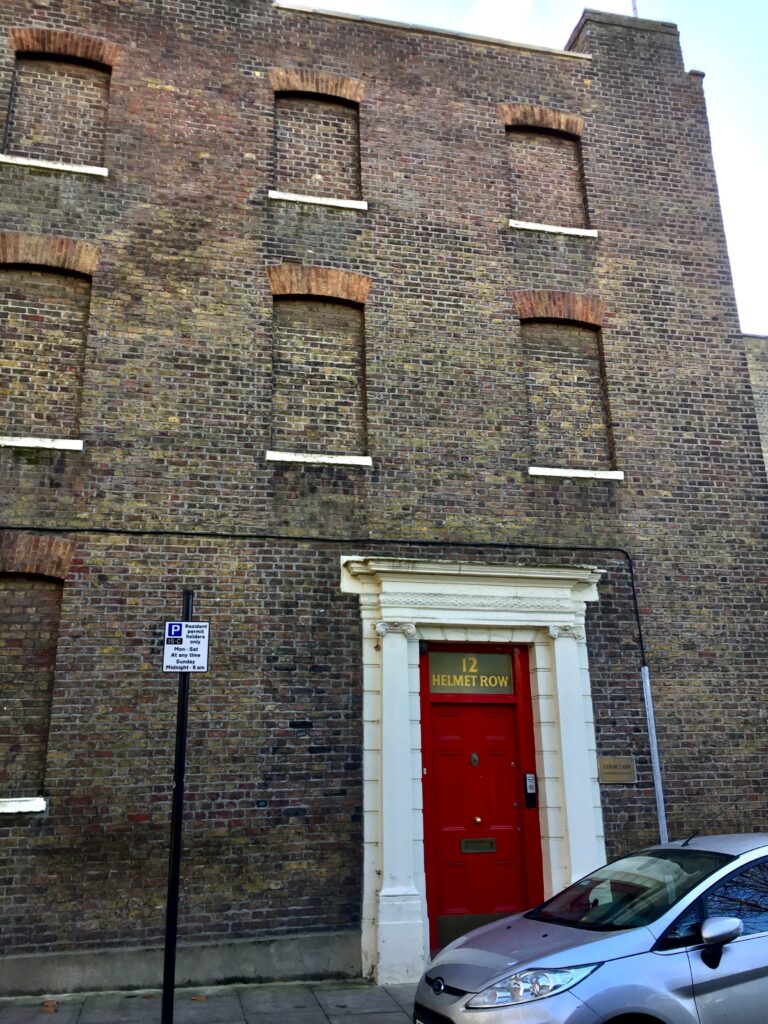
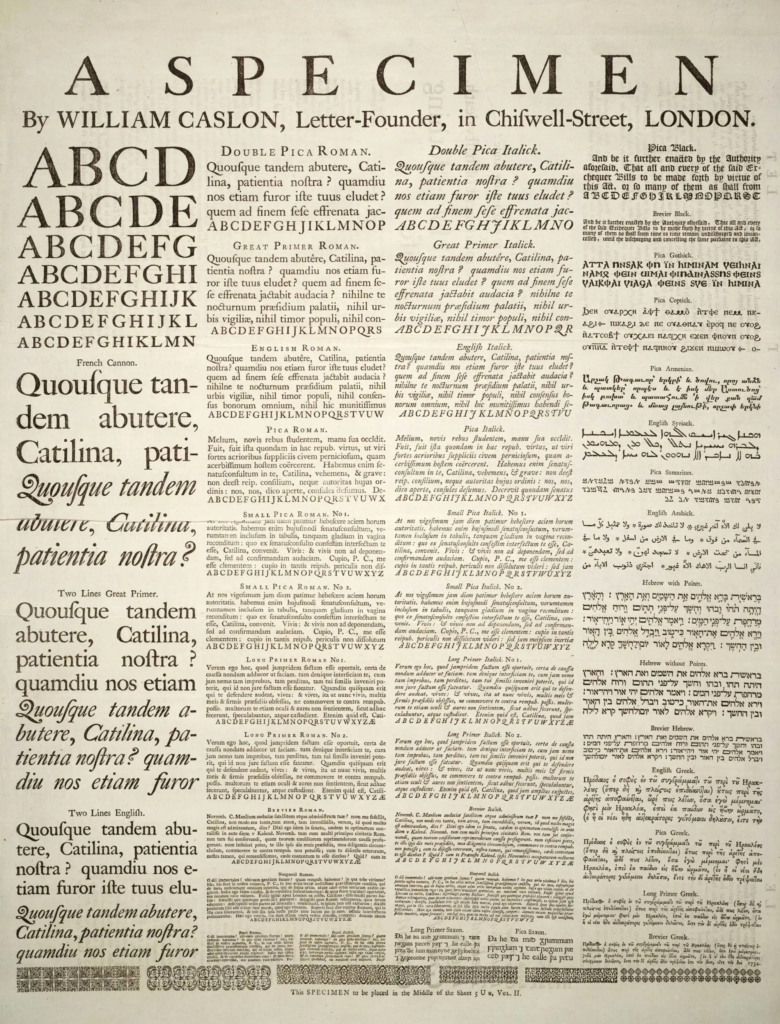
He was the first major letter founder in London and, nearly three centuries later, remains the pre-eminent letter founder this country has produced. Before Caslon, there was little letter founding in Britain and most type was imported – even Shakespeare’s First Folio was printed with French type. But Caslon’s achievement was to realise designs and produce type which have been widely used ever since. And it all happened here, around the eastern fringes of the City of London. The Caslon family tomb stood just yards from where William Caslon started his first letter foundry in Helmet Row in 1727.

Here is a specimen of his typefaces from 1734 …

There is a special edition of the Spitalfields Life blog devoted just to him – William Caslon, Letter Founder.

However, when I looked more closely at the tomb inscription, the name I saw was Thomas Hanbey …

A mystery!

But here’s a quote from The Typefoundry blog of December 2007 (my emphasis) …

‘T. B. Reed … wrote that the Caslon tomb was kept in repair by a bequest from Mary Hanbey, daughter of William Caslon I, who died in January 1797. In fact it is clear from her will that the present tomb, which she paid for, replaced the original monument of the Caslon family, and was dedicated to her husband Thomas Hanbey, who had been born in Sheffield and died in 1786. He was a Liveryman of the Ironmongers’ Company and Master of the Company in 1775 …’

In any event, hopefully the remains of the remarkable Mr Caslon are still there somewhere, so I shall keep my tribute to him in this blog.

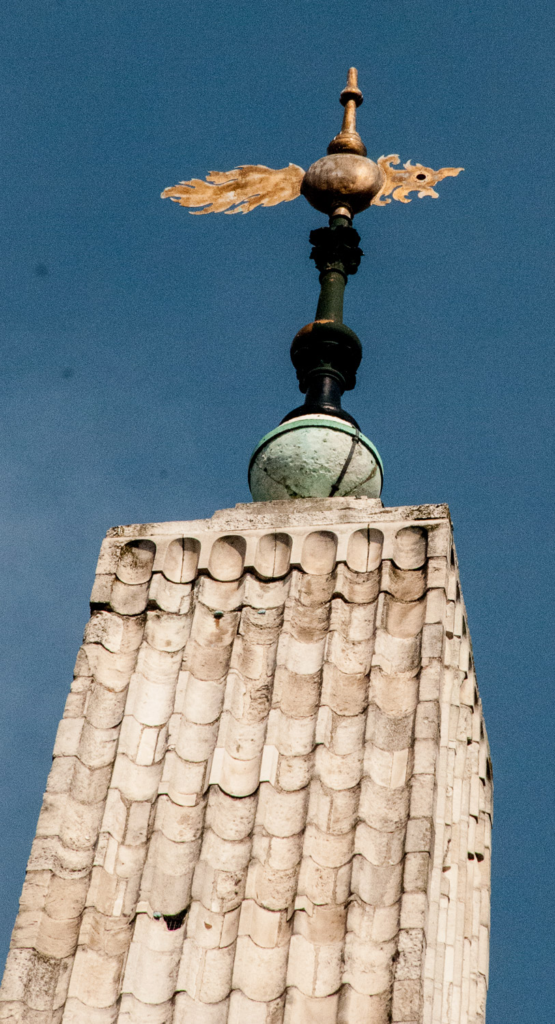
The church spire was topped by an unusual weather vane depicting the head of a dragon with a fiery comet-like tail. Apparently this was misinterpreted locally as a louse, and by the mid-20th century had gained the church the nickname ‘lousy St Luke’s’ …

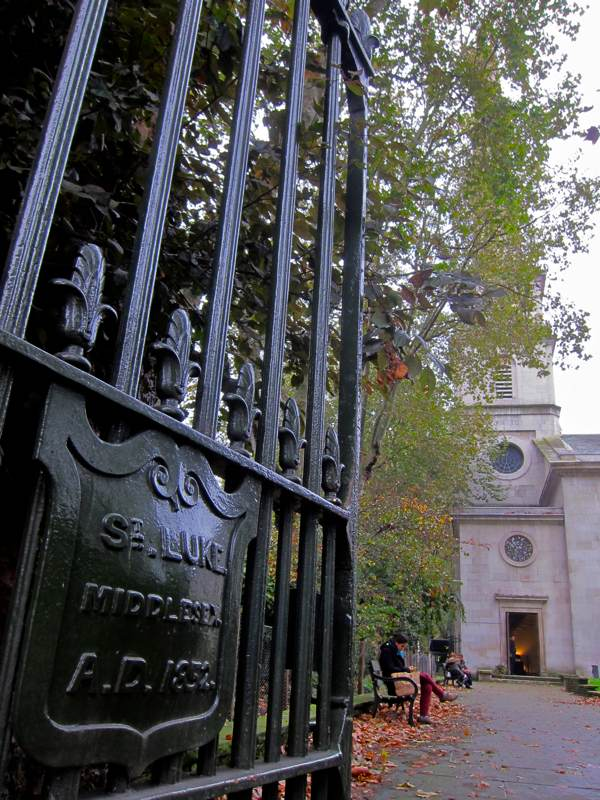
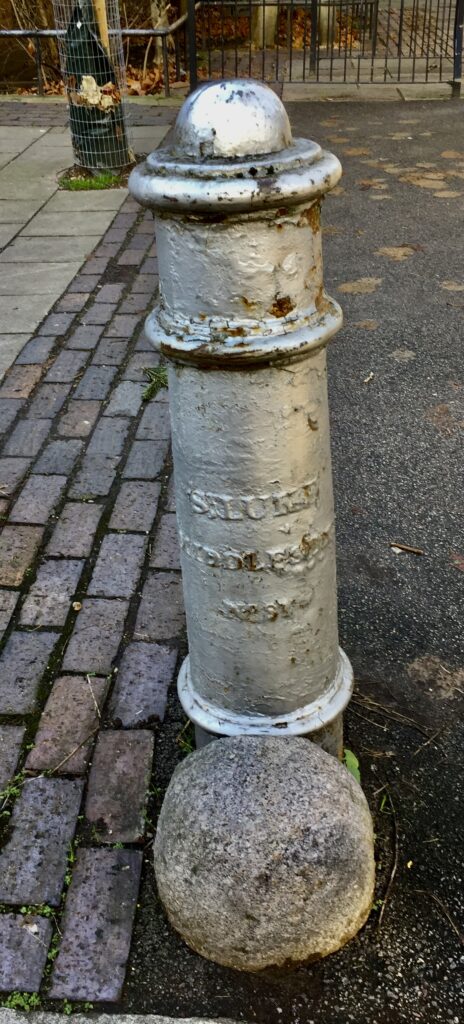
Parish Boundary bollard for ‘St Luke’s Middlesex’ …

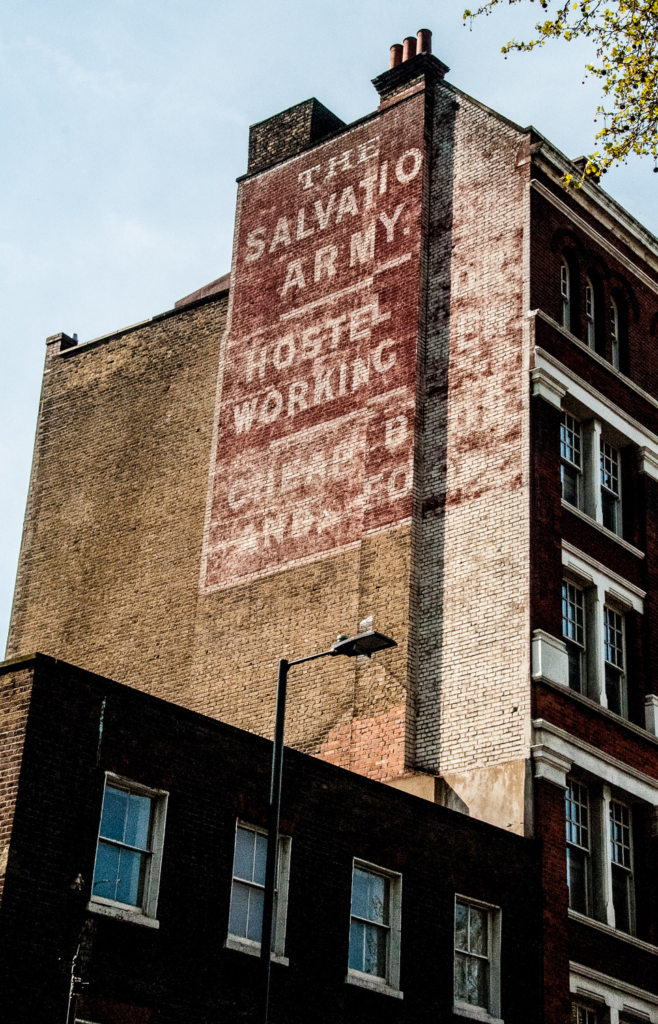
Walking east along Old street, look up for the Salvation Army ghost sign …

‘Hostel for working men. Cheap beds and food’.

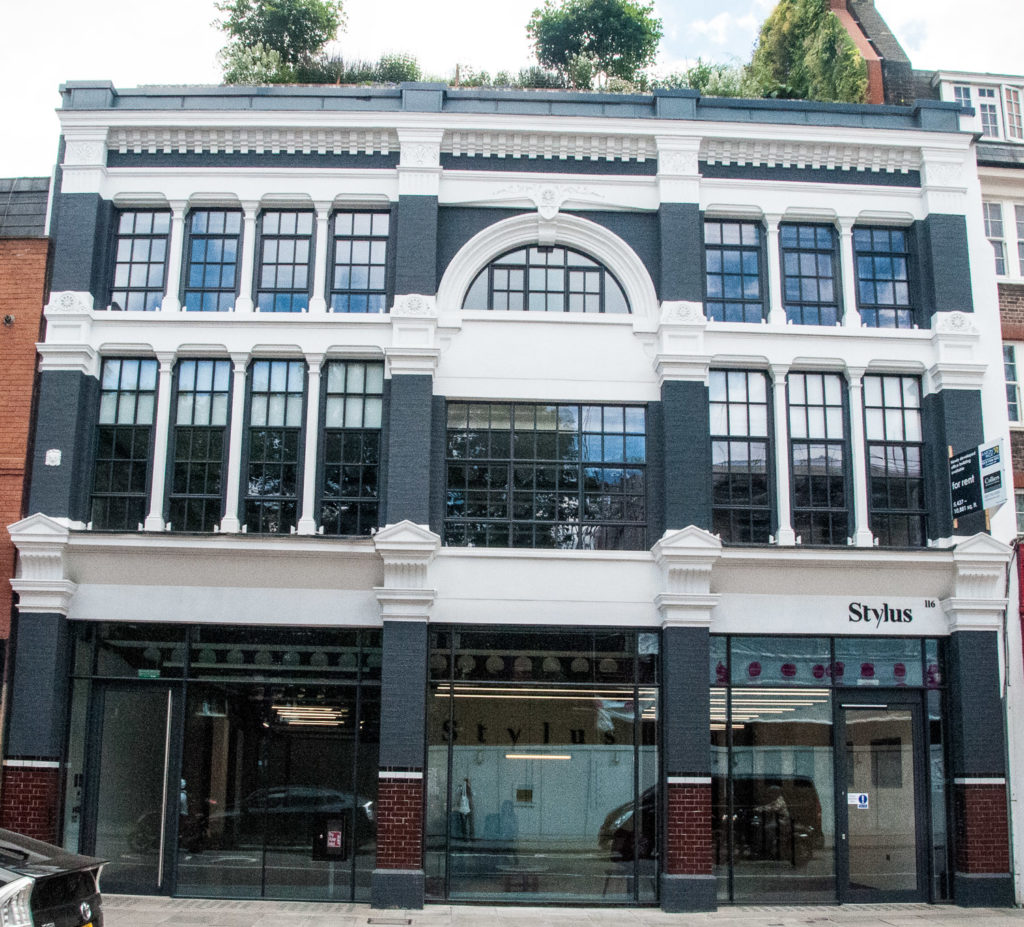
And finally, number 116, now appropriately renamed Stylus, used to be the Margolin Gramophone Company factory …

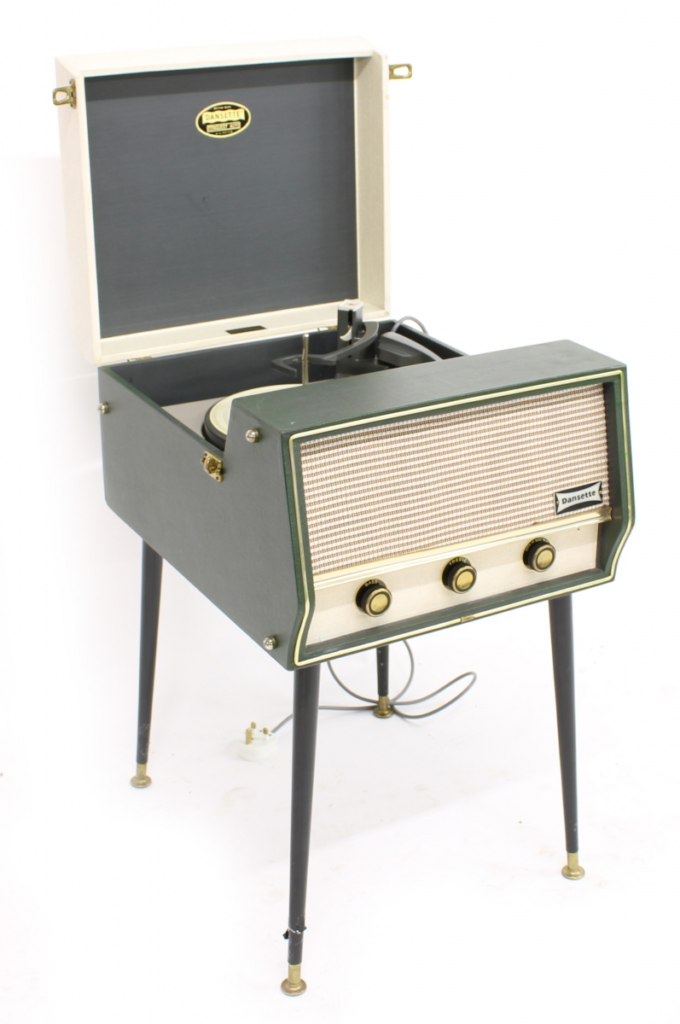
They manufactured the Dansette record player – a name very familiar to us baby-boomers …

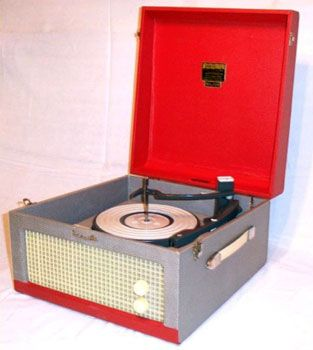
I had a portable one just like this …

Cool!!!

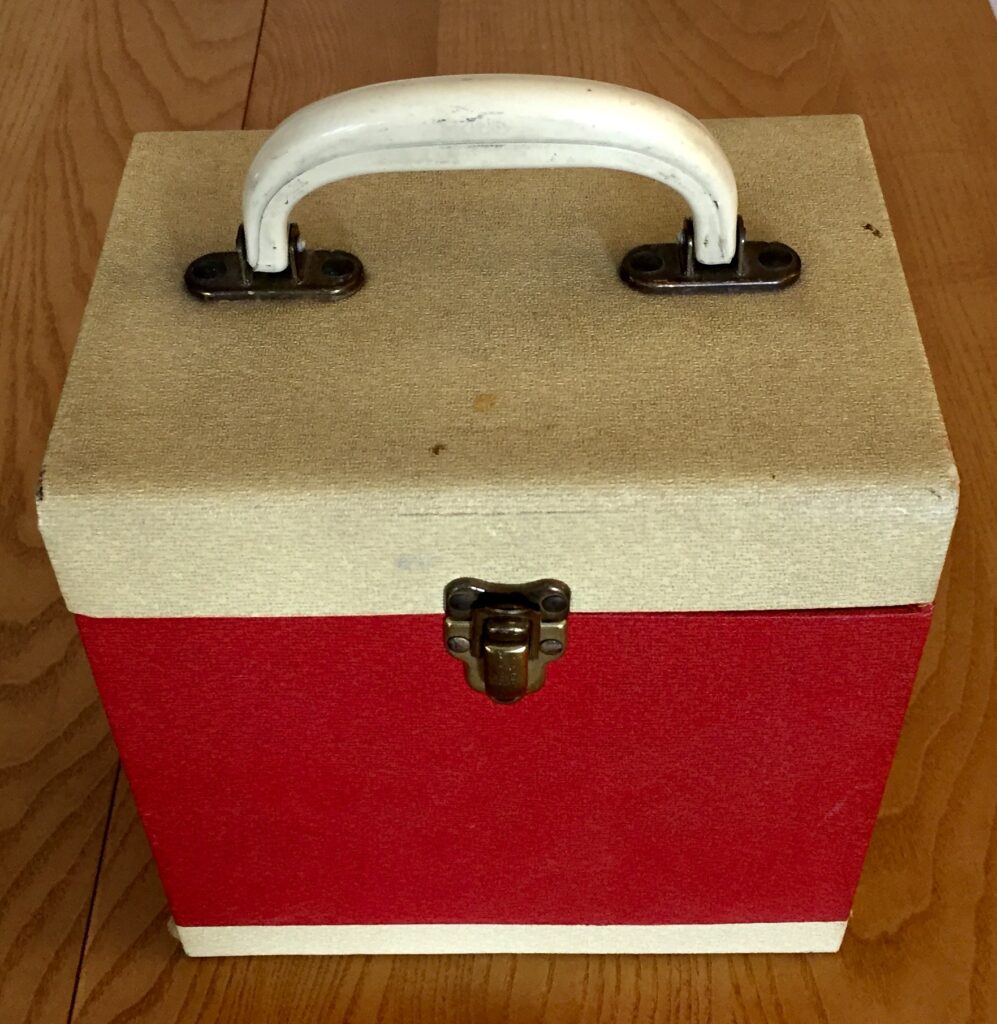
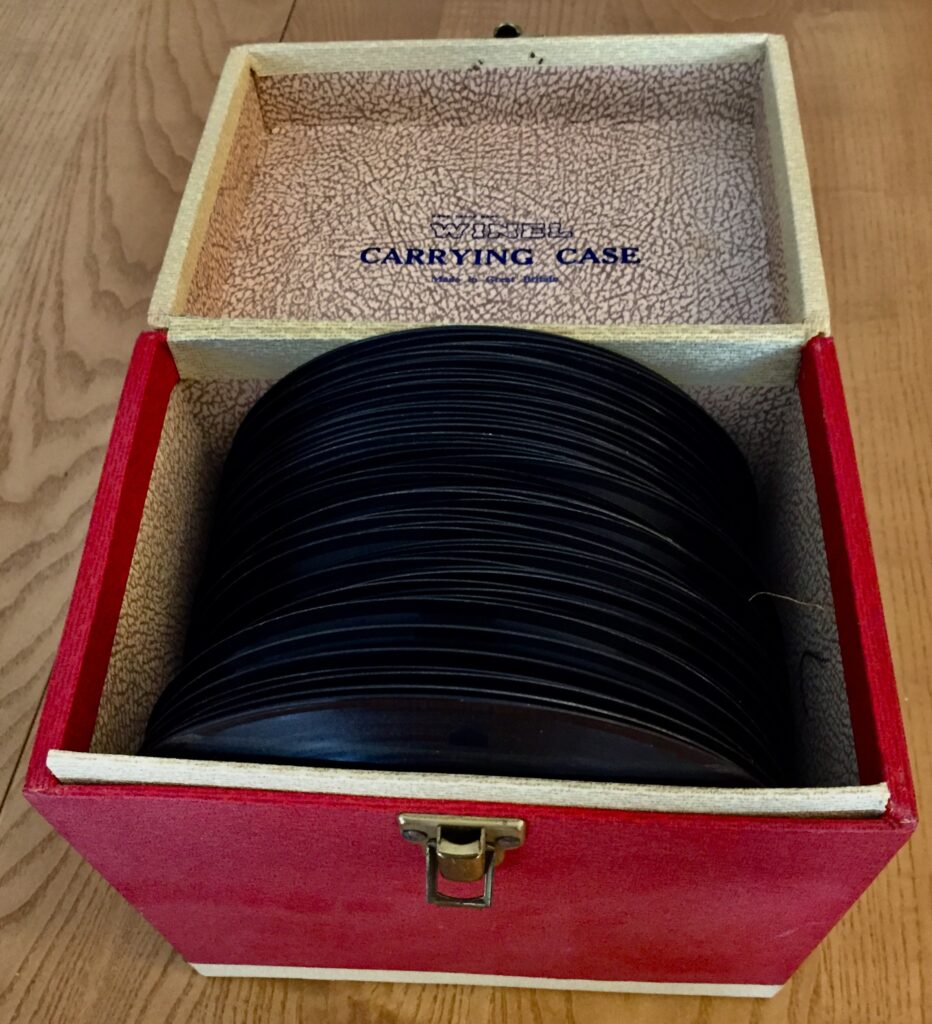
In those days I could pop some of my vinyl collection into a handy little carrying case and take it when visiting friends. And, guess what, I still have it! …

And there are still records in it …

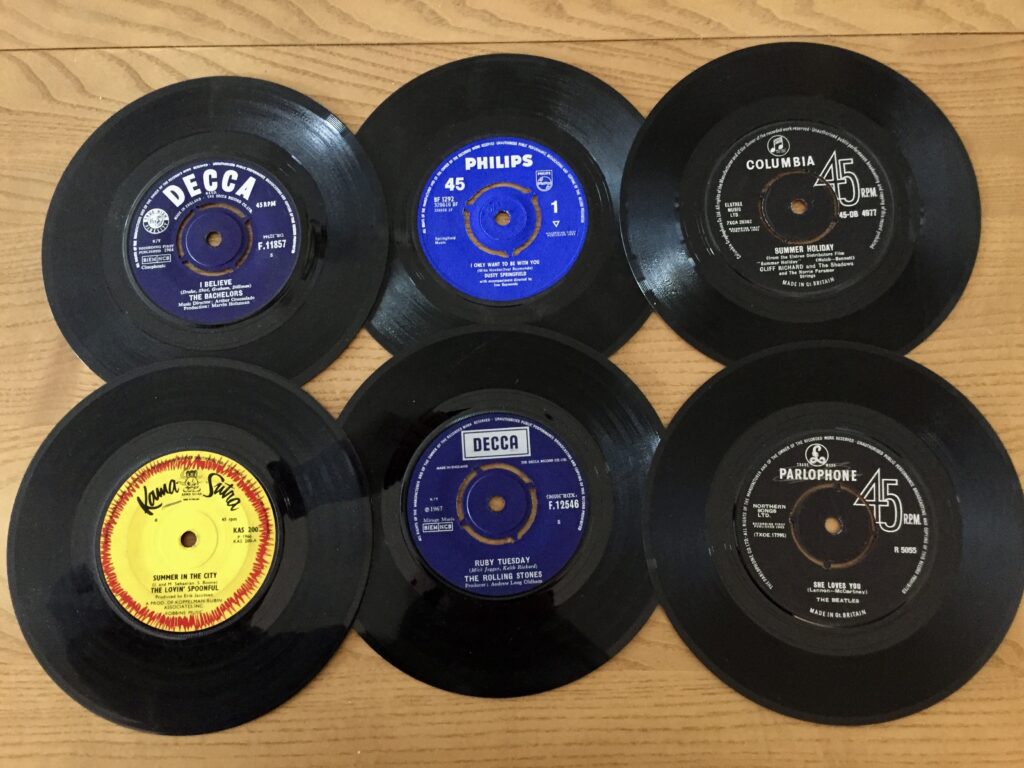
A small sample …
It was my mum who liked The Bachelors, honest.

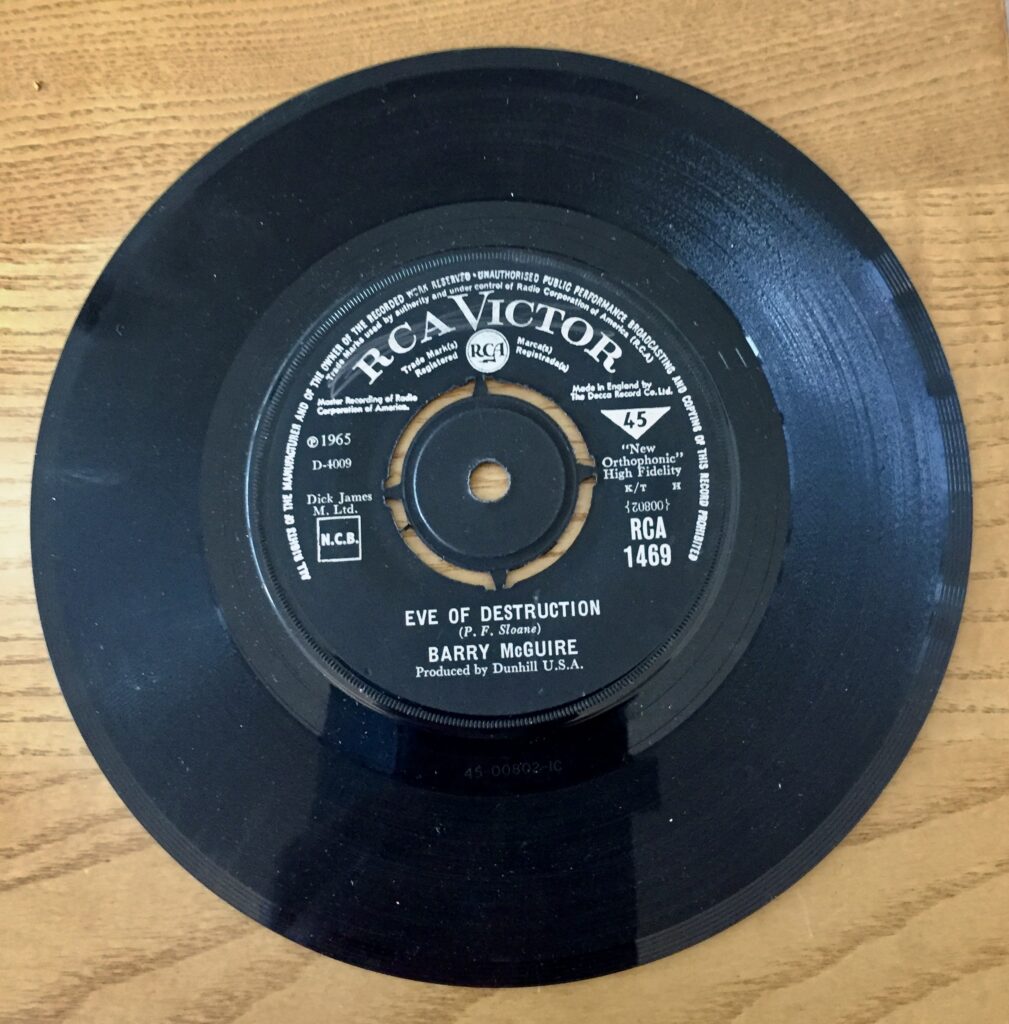
This was a very controversial 1965 hit around the world …

Listen to it and you will see why. It was the time of the Vietnam War and the year when Martin Luther King organised a march from Selma to Birmingham, Alabama, which began on 7 March 1965 with around 600 marchers taking part. When the marchers reached the outskirts of Selma they were attacked by state troopers and local police.

Here’s a link to the recording along with video footage.

The Wikipedia link about the song can be found here.

If you would like to follow me on Instagram here is the link …

https://www.instagram.com/london_city_gent/

The Great Tooley Street Fire.

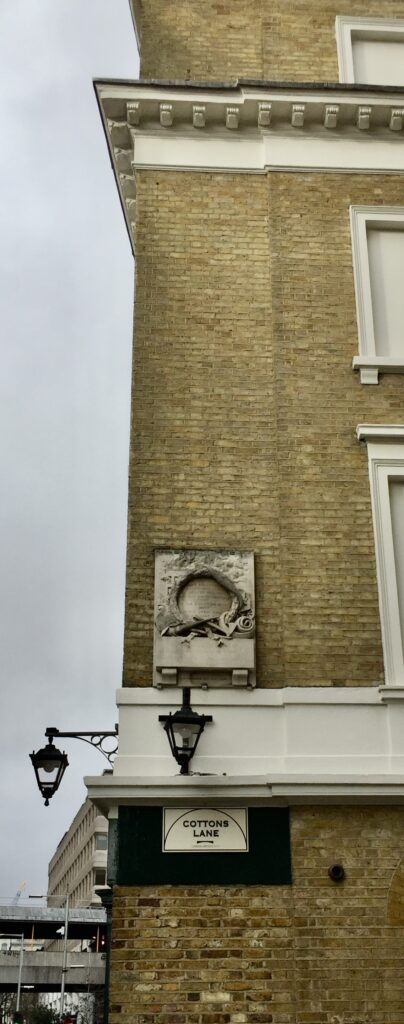
Last week I said I would write more about the man commemorated on this plaque and the terrible event that prompted his bravery …

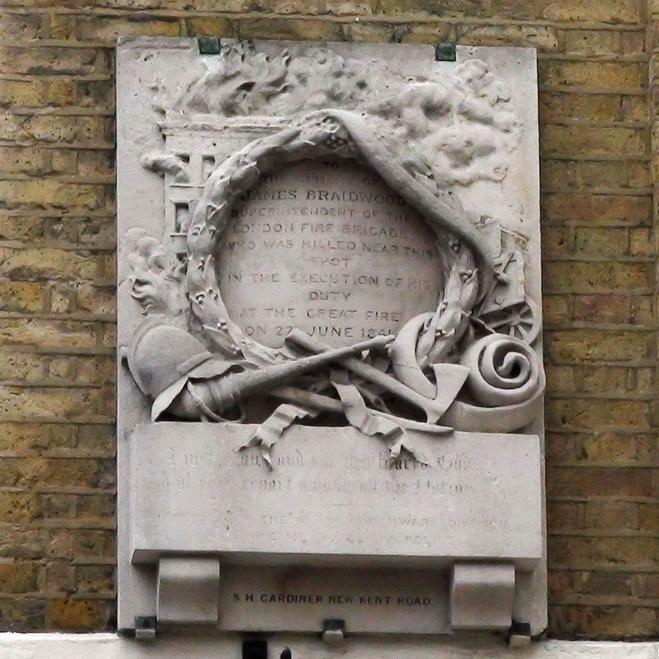
Here’s the memorial in close up …

It records the death of James Braidwood, Superintendent of the London Fire Brigade and reads : To the memory of James Braidwood, superintendent of the London Fire Brigade, who was killed near this spot in the execution of his duty at the great fire on 22nd June 1861.
The inscription is inside a laurel wreath in front of a burning building. A hose snakes from the building over the top of the wreath and coils up at the bottom right while over at the left rests a fireman’s helmet. The imagery includes a fire engine wheel and an axe.

The words on the flat support read as follows : A just man and one that feared god, of good report among all the nation.
Erected by the M. or Southwark Division of the Metropolitan Police
.
(Beneath the support)
S. H. Gardiner, New Kent Road

The quote is from the Bible, Acts 10:22.

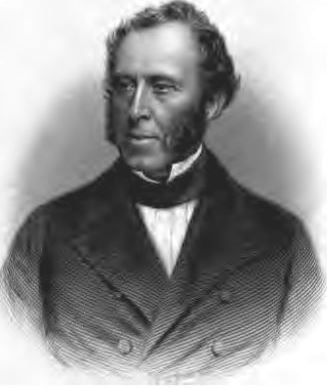
James Braidwood (1800–1861) …

If you had been in London on Saturday 22nd June 1861, you may well have been tempted to make your way, with thousands of other sightseers, to watch the Tooley Street Fire burn its way from Cotton’s Wharf, which was eventually destroyed, through to Hay’s and other wharfs and warehouses to Tooley Street shops.

Omnibuses were packed: ‘Men were struggling for places on them, offering three and four times the fare for standing room on the roofs, to cross London Bridge‘ and: ‘...every inch of room on London Bridge was crowded with thousands and thousands of excited faces’. Also reported: “Peripatetic vendors of ginger beer, fruit and other cheap refreshments abounded and were sold out half a dozen times over. Public houses, in defiance of Acts of Parliament kept open all night long, and did a roaring trade‘.

It is estimated some 30,000 spectators came from all over the city. By late evening the fire stretched from London Bridge to Custom House. Properties destroyed included offices, an American steamer, four sailing boats and many barges as ‘..burning oil and tallow poured in cascades from the wharfs and flowed out blazing on the river‘.

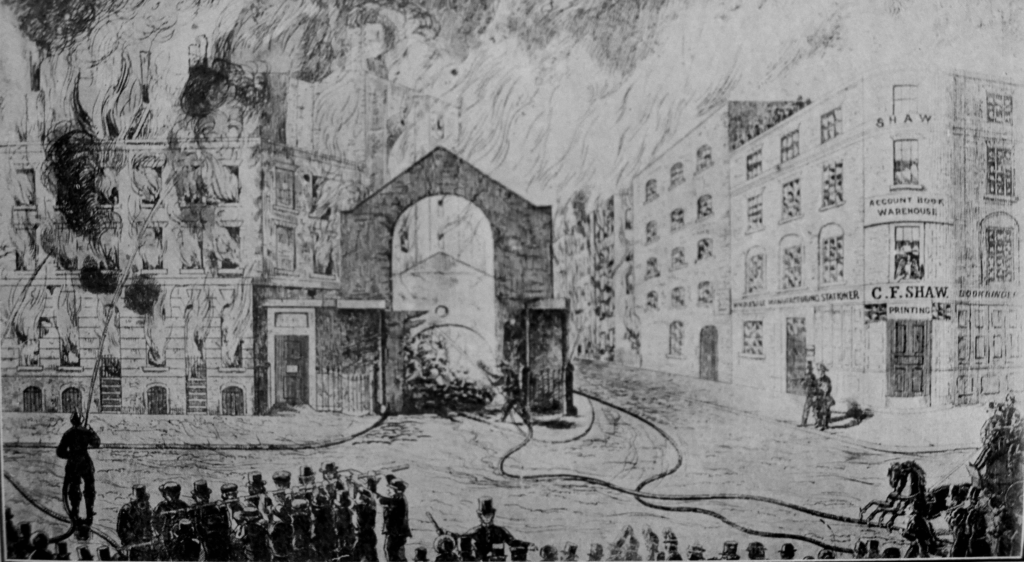
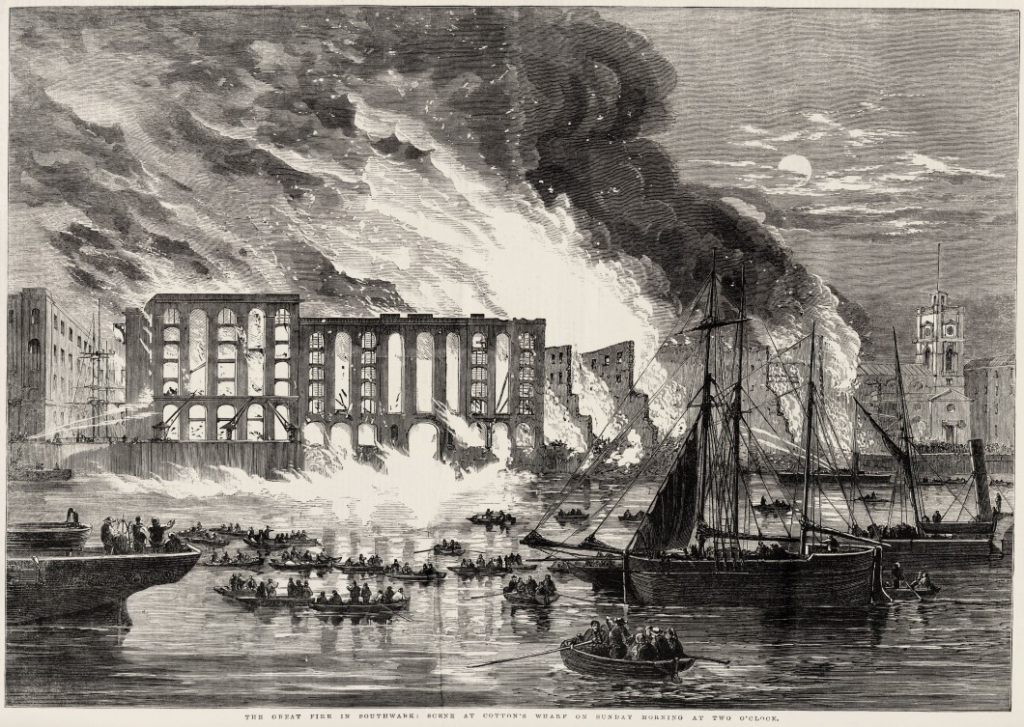
The following print from the time gives an impression of the scale and ferocity of the fire. The southern tip of London Bridge can just be seen on the right edge of the print …

Great Fire at London Bridge

Image credit: London Metropolitan Archives, City of London: catalogue ref: p5354642

The river is full of boats carrying spectators, and I suspect the watermen of the river found it very profitable to give people a close up view of the fire, although this could be dangerous. Look at the larger boat on the left edge of the print. A fire has started onboard and a figure is seen jumping into the river from the vessel.

The fire as viewed from Tooley Street …

There were a number of casualties during the fire. Five men who were in a boat collecting tallow floating on the river were either burnt to death or drowned when their boat caught fire. A number of men working in the area of the warehouses fell into the river and drowned. Those suffering burns were taken to St Thomas’s Hospital, which also included a man who had his neck broken when the chain from a fire boat was caught around his neck.

The memorial in Tooley Street records the name of the most high profile casualty – the Superintendent of the London Fire Brigade Mr James Braidwood. The jury at the inquest heard that he had been in among his fire fighters handing out brandy and encouragement when the wall fell on him, killing him instantly.

The following report details the circumstances of his death:

‘Mr Braidwood, who had visited the men several times, was engaged in giving them some refreshment, when, all of a sudden, a terrific explosion occurred. In an instant it was seen that the whole frontage of the second warehouse was coming down, falling outwards into the avenue. Mr Henderson, the foreman of the southern district of the brigade, who was standing within a few paces of Mr Braidwood, shouted for all to run. The men dropped their hose branches. Two, with Mr Henderson escaped by the front gateway, and the others ran in the opposite direction on to the wharf where they jumped into the river. Mr Braidwood made an effort to follow Mr Henderson, but was struck down by the upper part of the wall, and buried beneath some tons of brickwork. His death must have been instantaneous. Several of his men rushed to extricate him, hopeless as the task was, but another explosion happening, they were compelled to fly. The sad fate of their chief had a most depressing effect upon all, and, to add to their trouble, the conflagration now assumed a most awful ascendancy’.

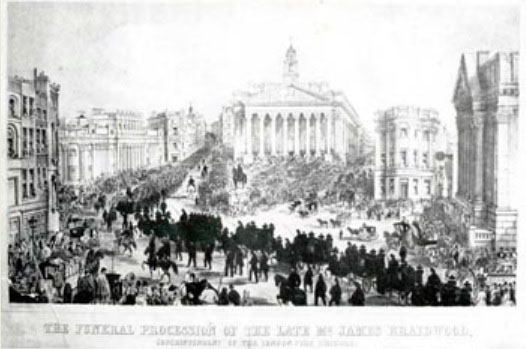
His funeral procession …

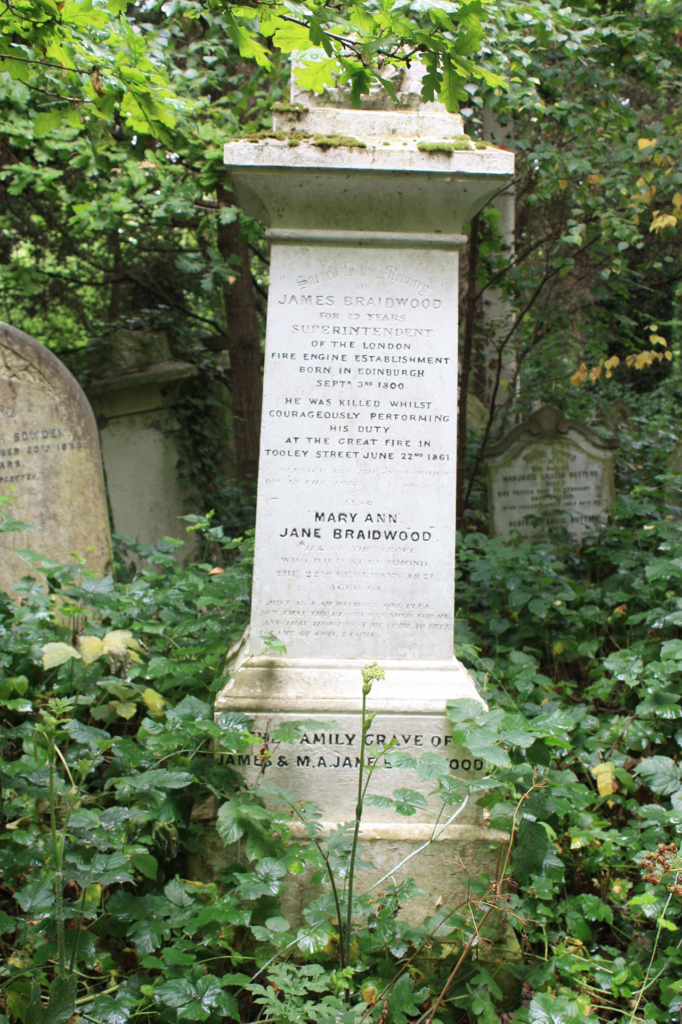
James Braidwood was buried at Abney Park Cemetery on 29 June 1861.

He left a widow and six children. His wife had already suffered a similar bereavement as a son from a previous marriage had died fighting a fire in Blackfriars Road in 1855 and Braidwood was buried next to him. The funeral procession was almost a mile and a half in length and, as well as the London Fire Brigade, there were members of the City and Metropolitan Police forces, members of the remaining private fire-brigades, along with many prominent persons of mid Victorian London.

As a mark of respect, every church in the city rang its bells. The buttons and epaulets from his tunic were removed and were distributed to the firefighters of the The London Fire Engine Establishment.

Braidwood was a truly remarkable man whose thoughts about fire fighting and, most importantly, fire prevention were way ahead of his time. For example, fire spread quickly throughout the warehouses as the iron fire doors, which separated many of the storage rooms, had been left open. It is believed if they had been closed, as recommended by Braidwood, the fire may have burnt out, avoiding disaster.

I have found researching this episode in London’s history to be absolutely fascinating. If you find yourself in Tooley Street, glance up at the memorial to remember the Great Tooley Street Fire and the Superintendent of the London Fire Brigade, Mr James Braidwood.

Here are my sources – I hope you find browsing them interesting :

A London Inheritance (excellent as usual).

The London Fire Brigade website.

James Braidwood – Pioneer of Modern Firefighting.

If you would like to follow me on Instagram here is the link …

https://www.instagram.com/london_city_gent/

Page 13 of 38

Powered by WordPress & Theme by Anders Norén

Symbols & Secrets
Privacy Overview

This website uses cookies so that we can provide you with the best user experience possible. Cookie information is stored in your browser and performs functions such as recognising you when you return to our website and helping our team to understand which sections of the website you find most interesting and useful.