Walking the City of London

Category: Wartime Page 4 of 16

From Taxi Man to the Camel Corps via the ‘most erotic statue in London’- a stroll along the Victoria Embankment.

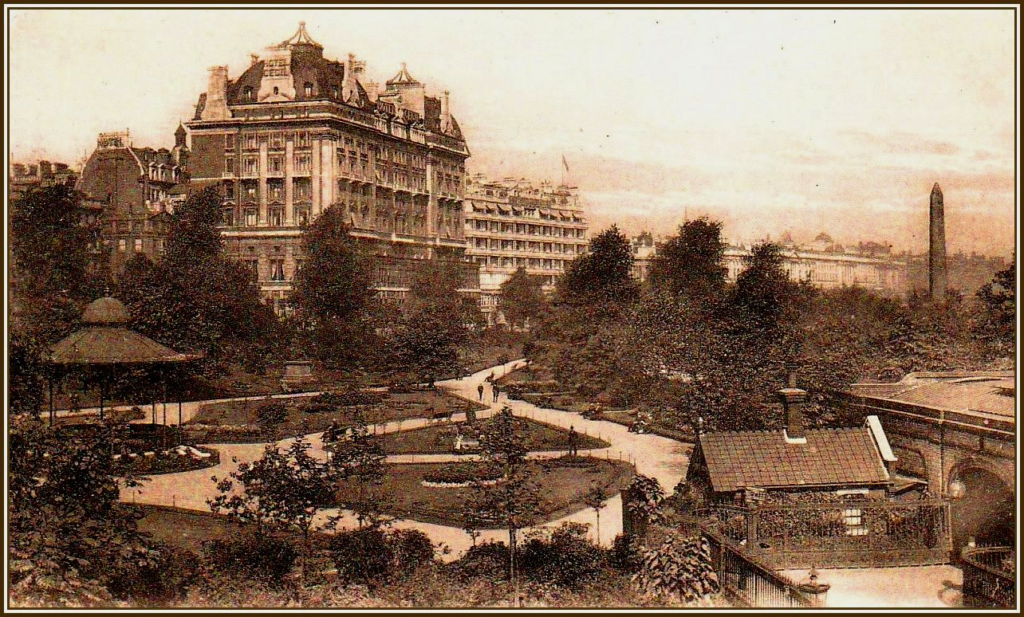
The idea of an embankment along the Thames was first suggested by Sir Christopher Wren after the Great Fire of 1666 and work eventually began in 1861 under the control of Sir Joseph Bazalgette the Metropolitan Board of Works’ Chief Engineer. Its purpose was not only to ease congestion but also to house the main sewer and it was opened on 13 July 1870 by the Prince of Wales. The total area of land reclaimed was over 37 acres and about 20 acres of this were laid out as gardens and these were the objective of my walk last week.

The gardens shortly after opening …

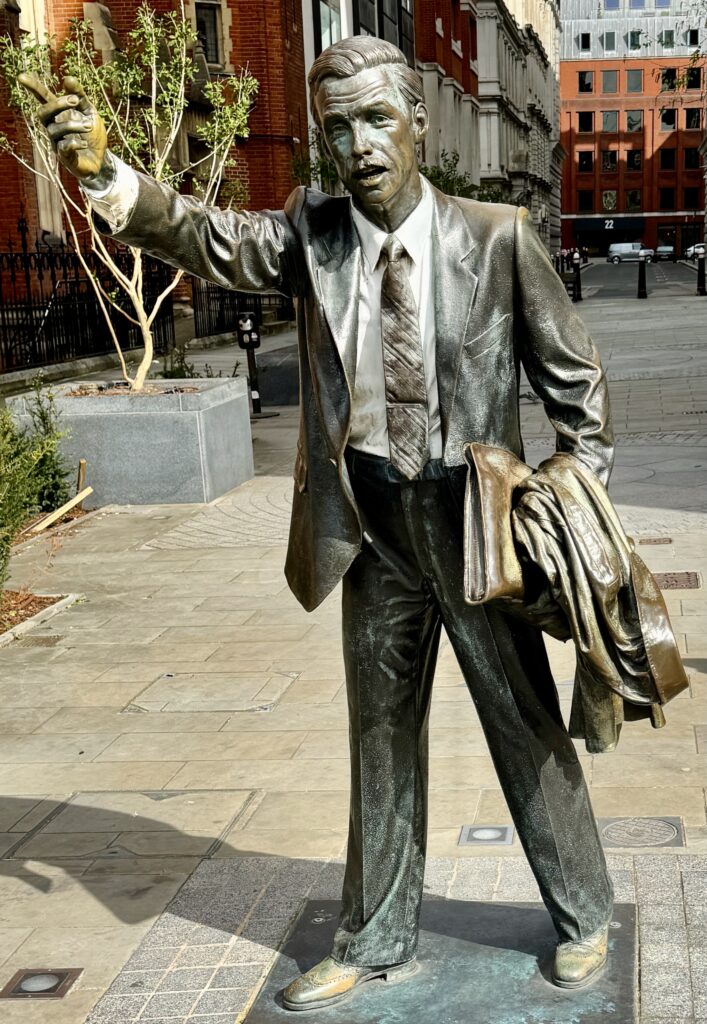
Walking west from Blackfriars I encountered one of my favourite pieces of street sculpture …

He’s had a tough day at the office and now just wants to get home but, sadly, he’s been trying to grab that cab since 2014. Sculpted by J. Seward Johnson Jr. in 1983, it originally stood on Park Avenue and 47th Street in New York. It’s called, not surprisingly, Taxi!

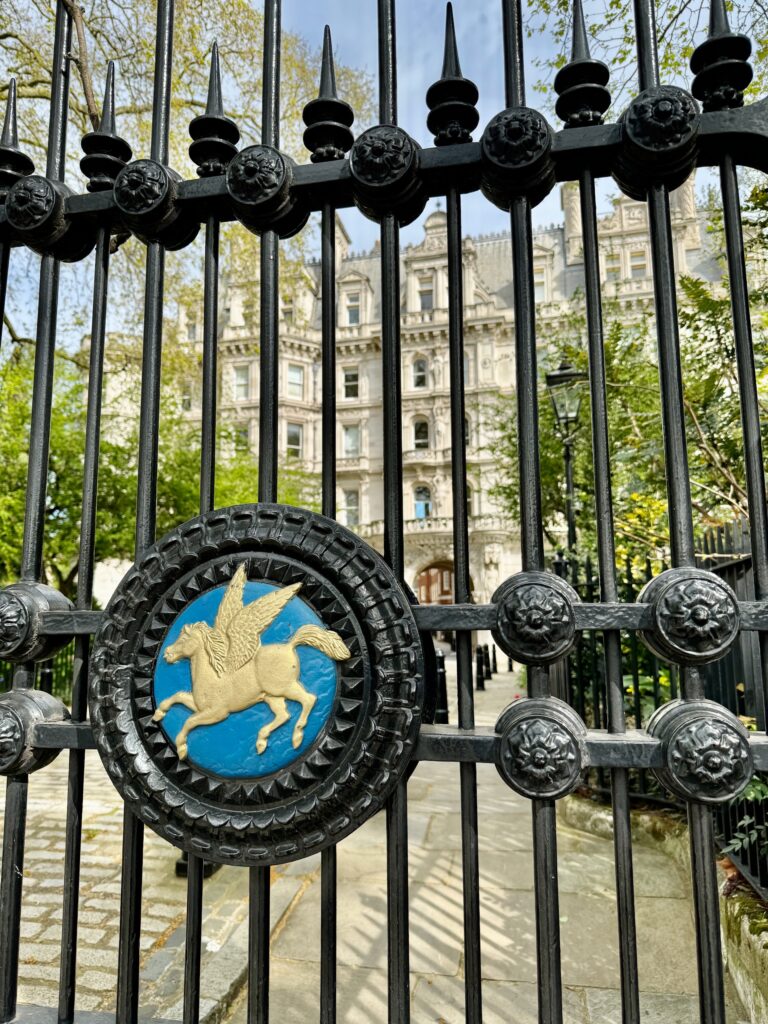
A little further west are the gates to the Temple private gardens – haunt of the legal profession.

The flying horse Pegasus is the emblem of Middle Temple …

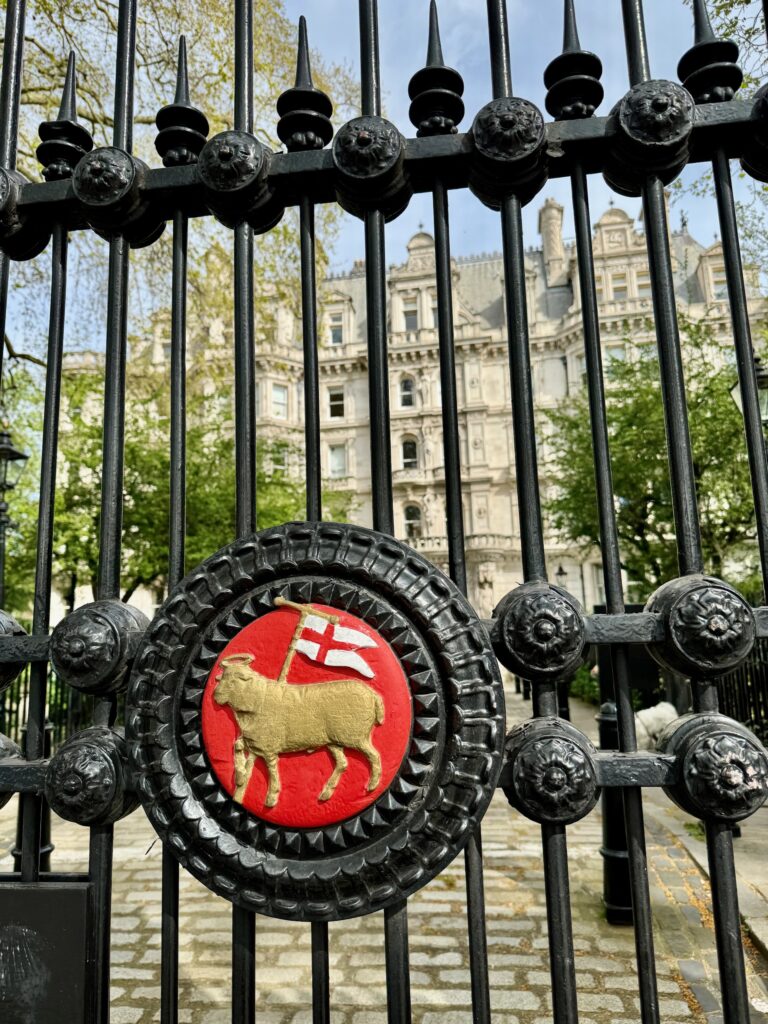
The badge of the Middle Temple consists of the Lamb of God with a flag bearing the Saint George’s Cross …

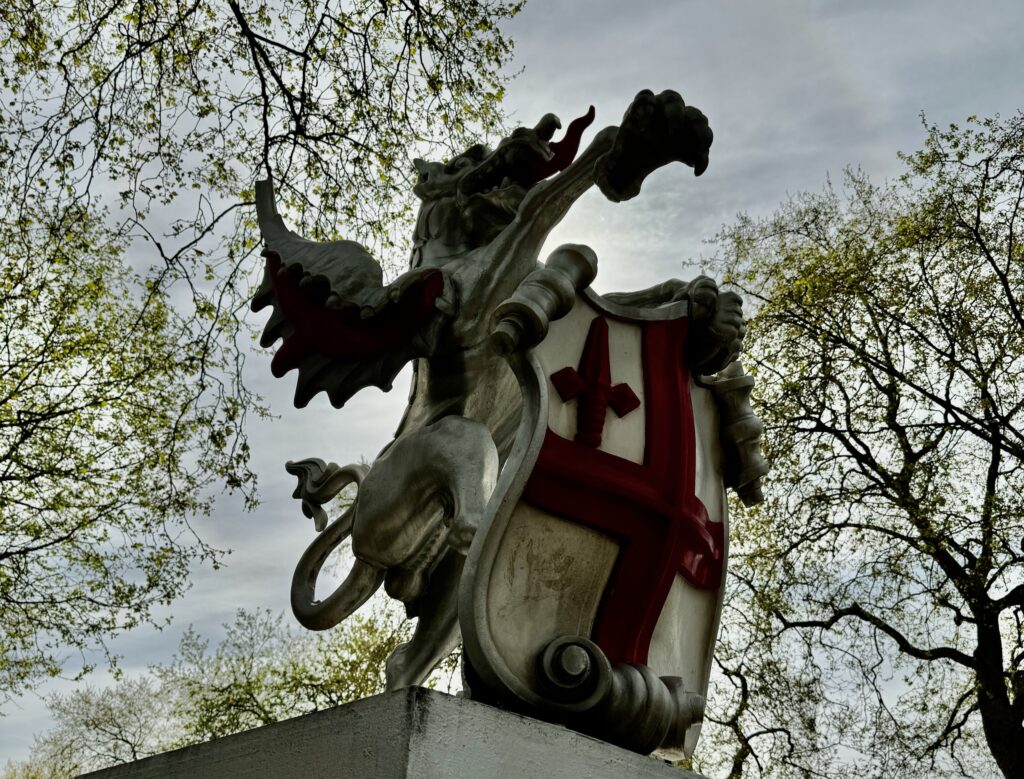
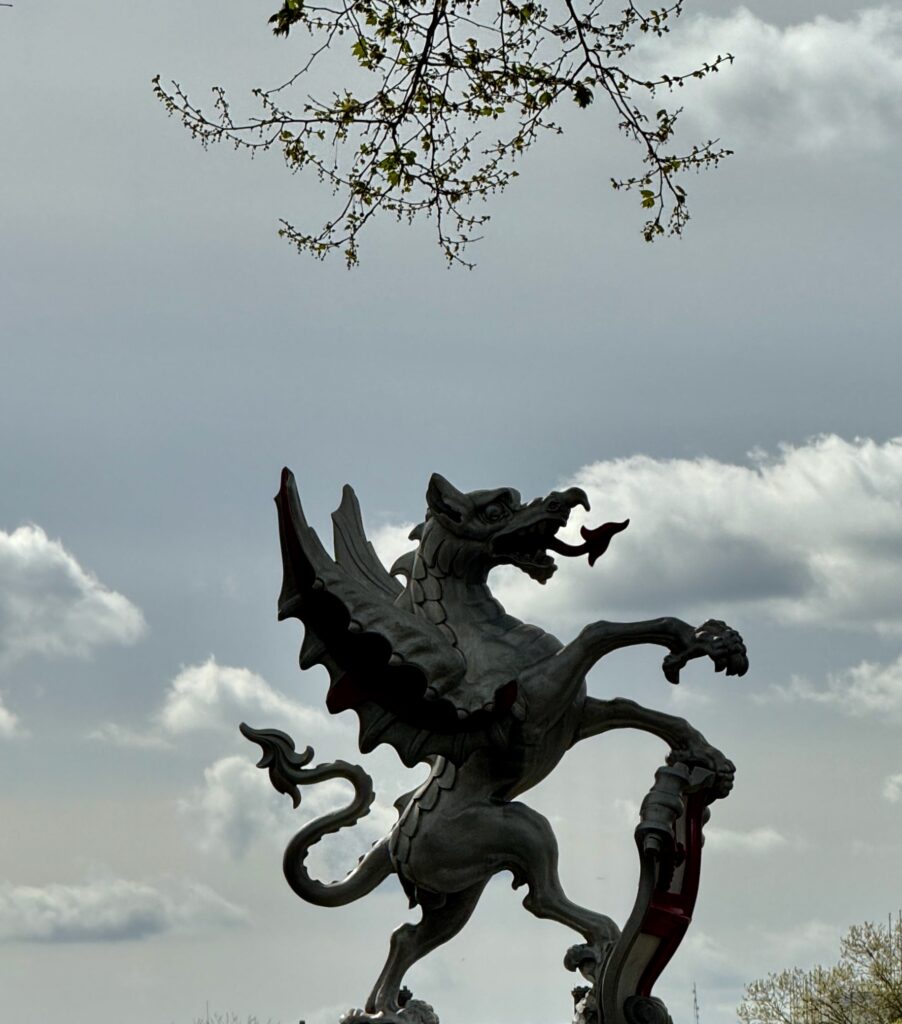
I walked past the two formidable dragons symbolising the entrance to the City of London …

Seven feet high, they were once mounted above the entrance to the Coal Exchange which was demolished between 1962 and 1963.

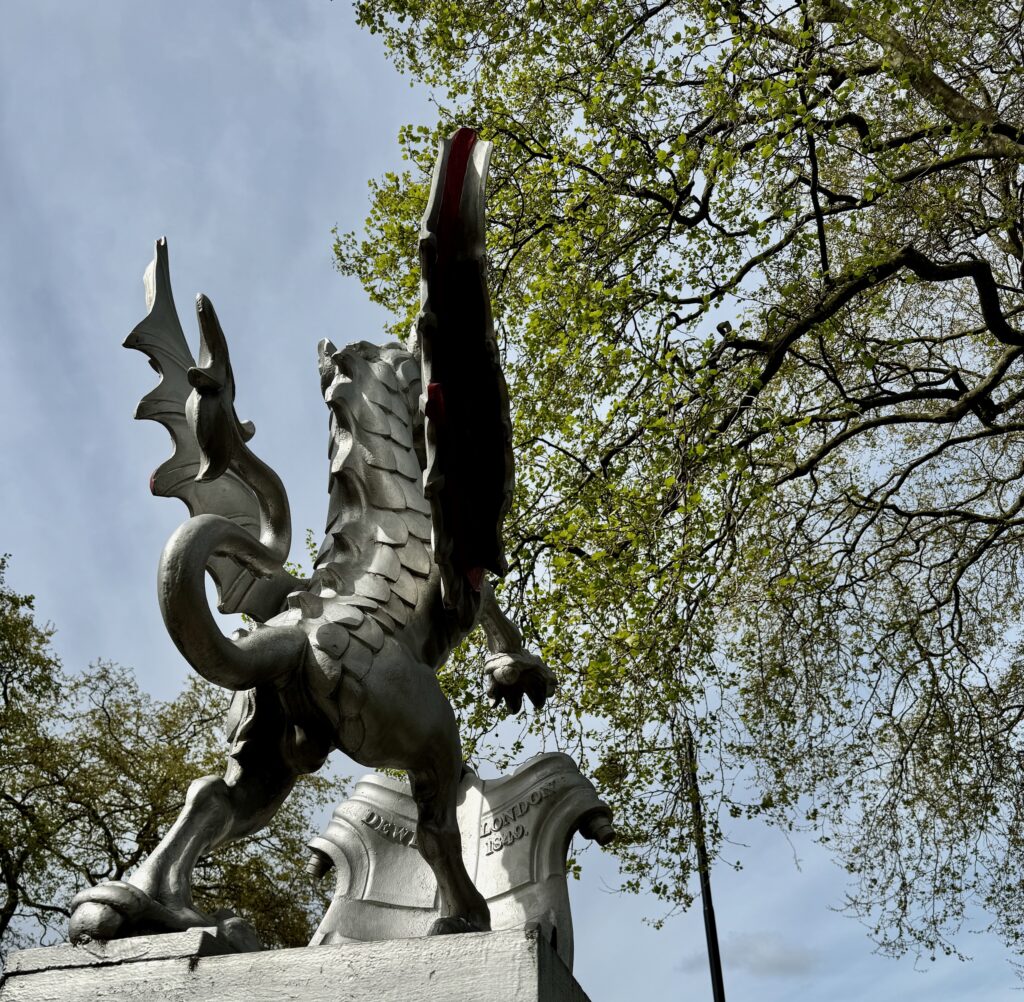
They were cast by London founder, Dewer, in 1849 as can be seen on the back of the shield …

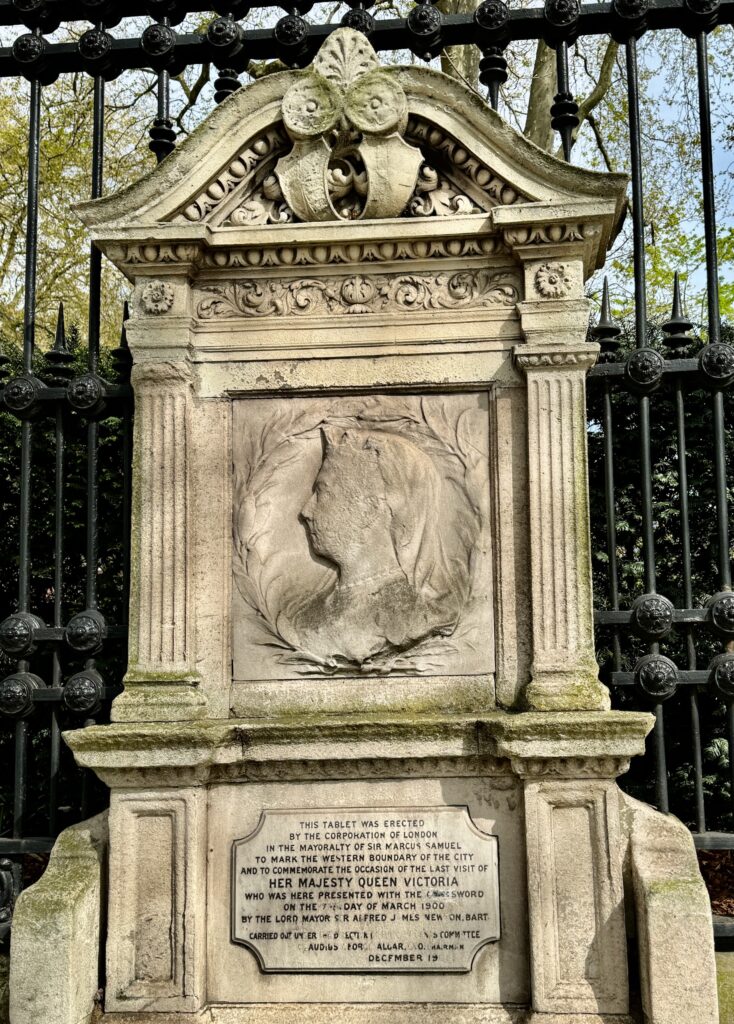
Alongside the dragon on the north side of the road is a tablet commemoration Queen Victoria’s last visit to the City in March 1900 …

Time now to enter the first of the gardens and to admire the memorials erected to the great, the good and the brave.

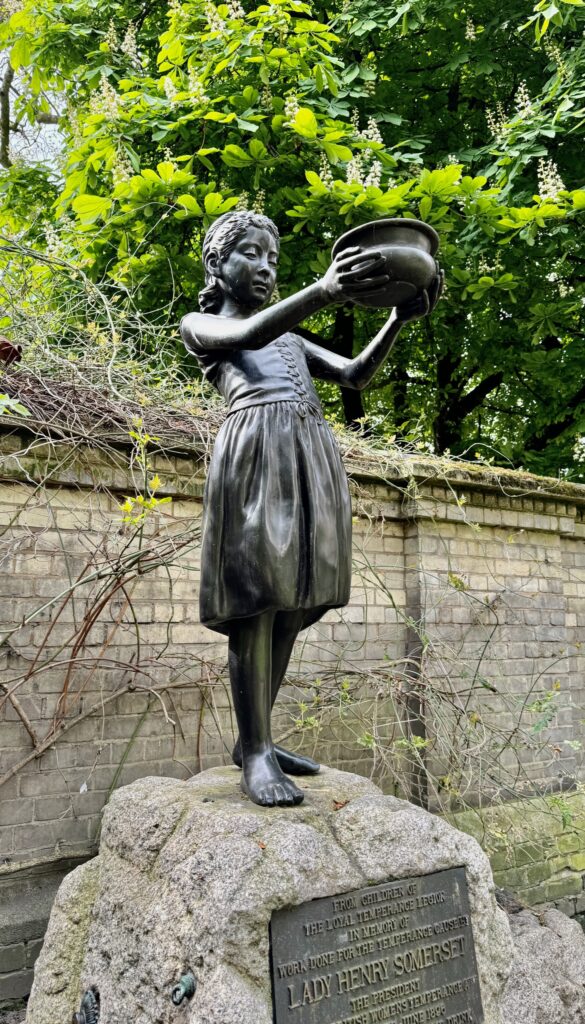
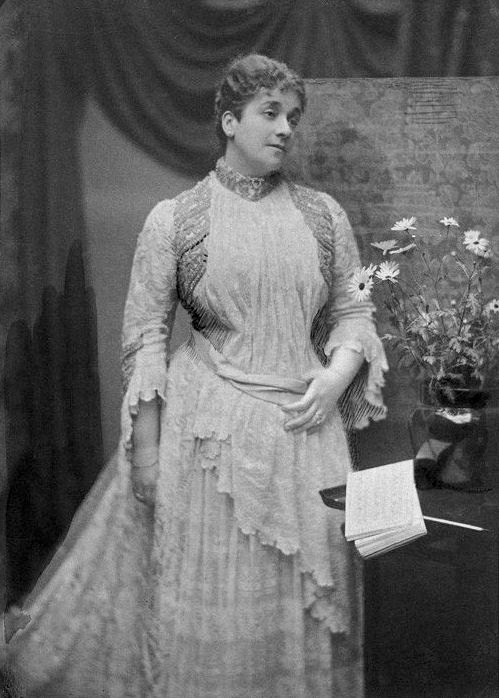
This is the Lady Henry Somerset Children’s Fountain. She was elected president of the British Women’s Temperance Association in 1890 and during her time with them its political and social influence grew. She promoted many endeavours, including the use of birth control, as she argued that sin begins with an unwelcome child …

The formidable Lady Somerset …

What I also discovered in my research was that she outed Lord Henry as a homosexual (a crime during the 1800s), which resulted in their separation and her gaining custody over their son. As a result of publicising his sexual orientation, she was ostracised from society since in those days women were expected to turn a blind eye to every kind of their husband’s infidelity. His lordship decamped to Italy.

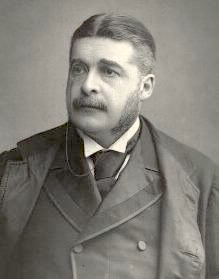
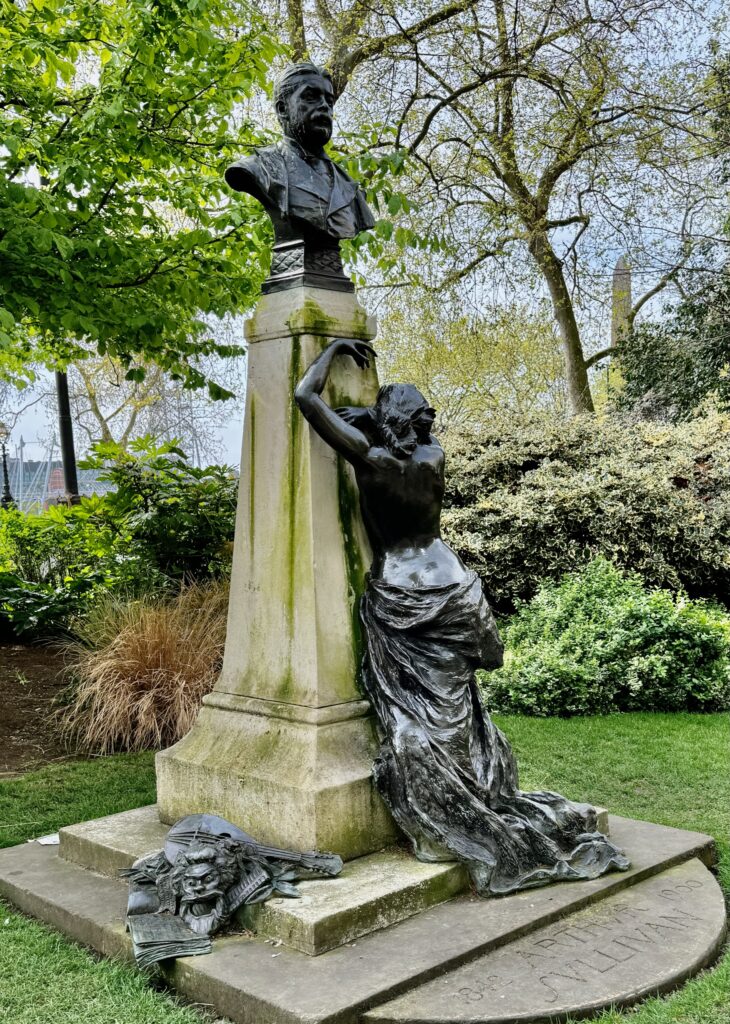
Sir Arthur Seymour Sullivan (1842-1900) was a composer and most famous for his collaborations with the librettist Sir William Schwenck Gilbert (1836-1911).  Their collaboration resulted in fourteen Comic Operas a number of which are still frequently performed today by both amateur and professional companies to the delight of people around the world …

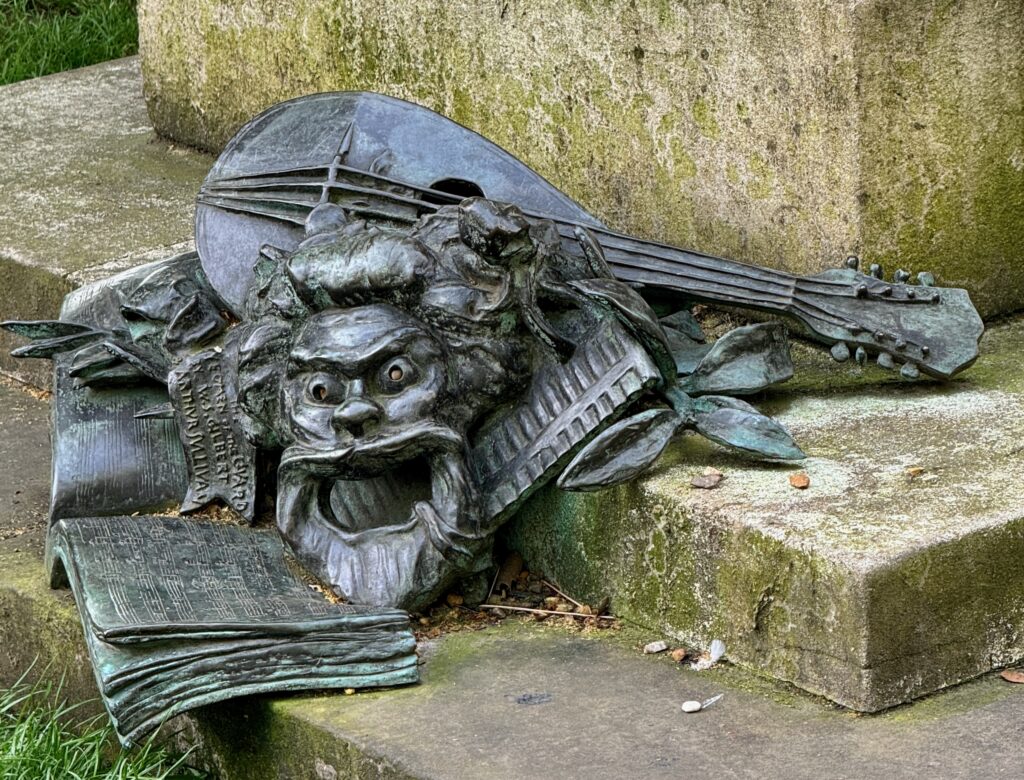
His memorial features a bust atop of a pedestal together with a weeping Muse of Music. The plinth also carries lines from Gilbert and Sullivan’s 1888 opera The Yeomen of the Guard: “Is life a boon? / If so, it must befall / That Death, whene’er he call, / Must call too soon”.

The lines are repeated in the bronze sculpture at the base, which depicts an open book of music, one of the masks of Comedy and Tragedy and a mandolin …

Apparently the statue has been described as ‘the most erotic in London’.

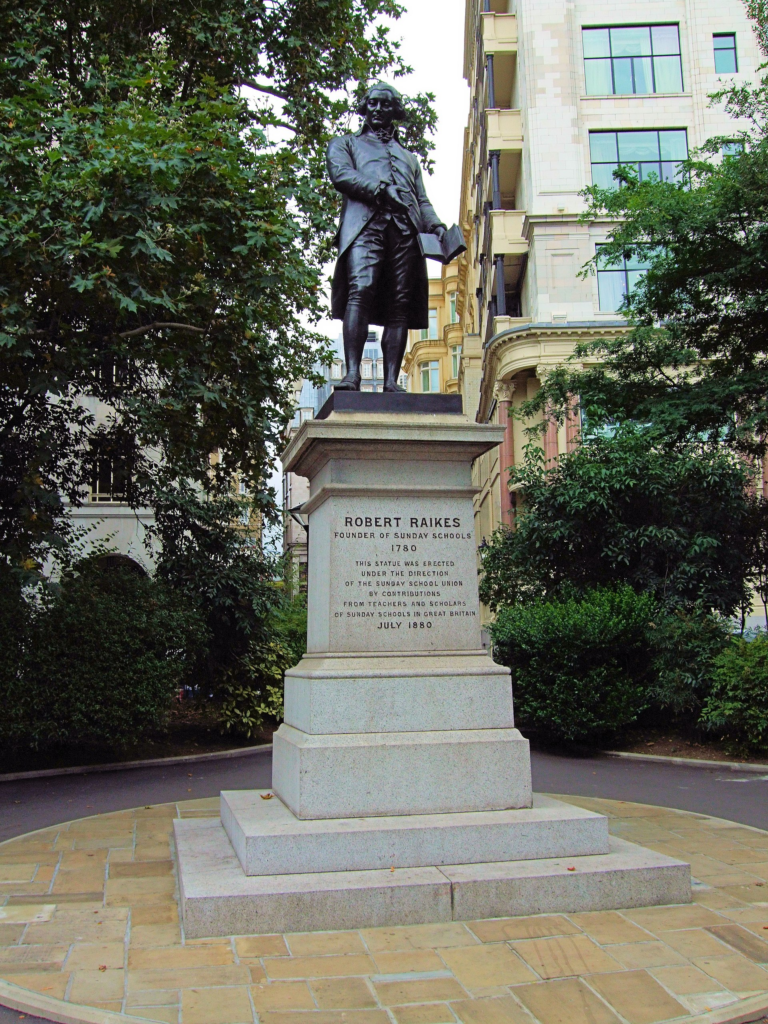
Robert Raikes, pioneer of Sunday Schools …

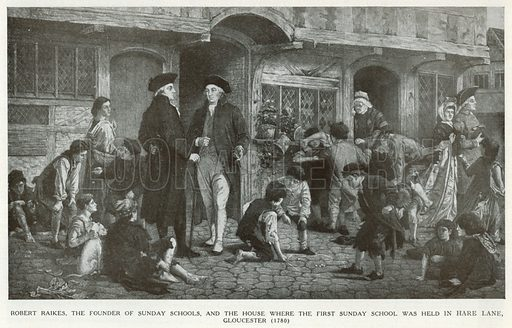
Although Sunday schools were not original to Robert Raikes – they were in existence many years before he started his first in 1780 – it was he who put them on the map and whose efforts gave huge momentum to the movement in Britain. Hence, when in 1880 this memorial was erected to celebrate the centenary of the Sunday school movement, the statue featured Robert Raikes. Read more about this fascinating man here.

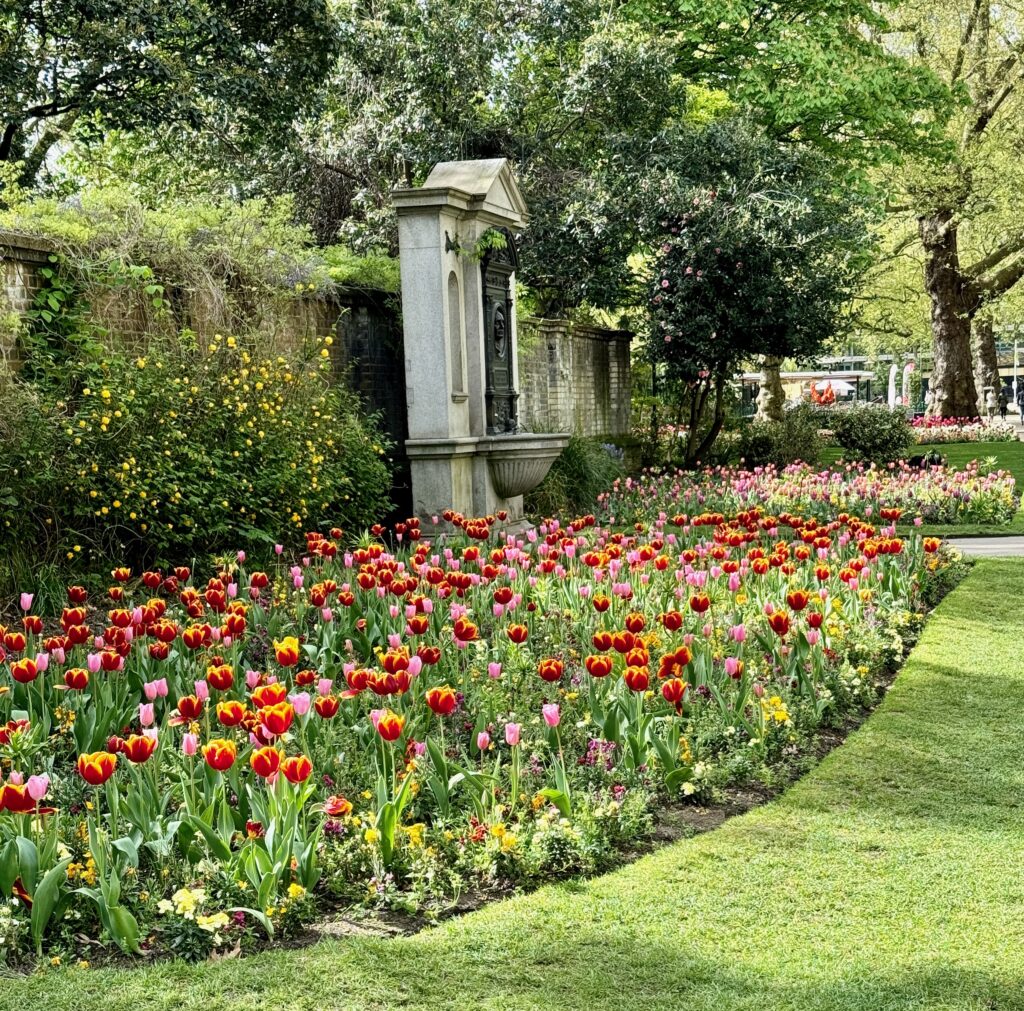
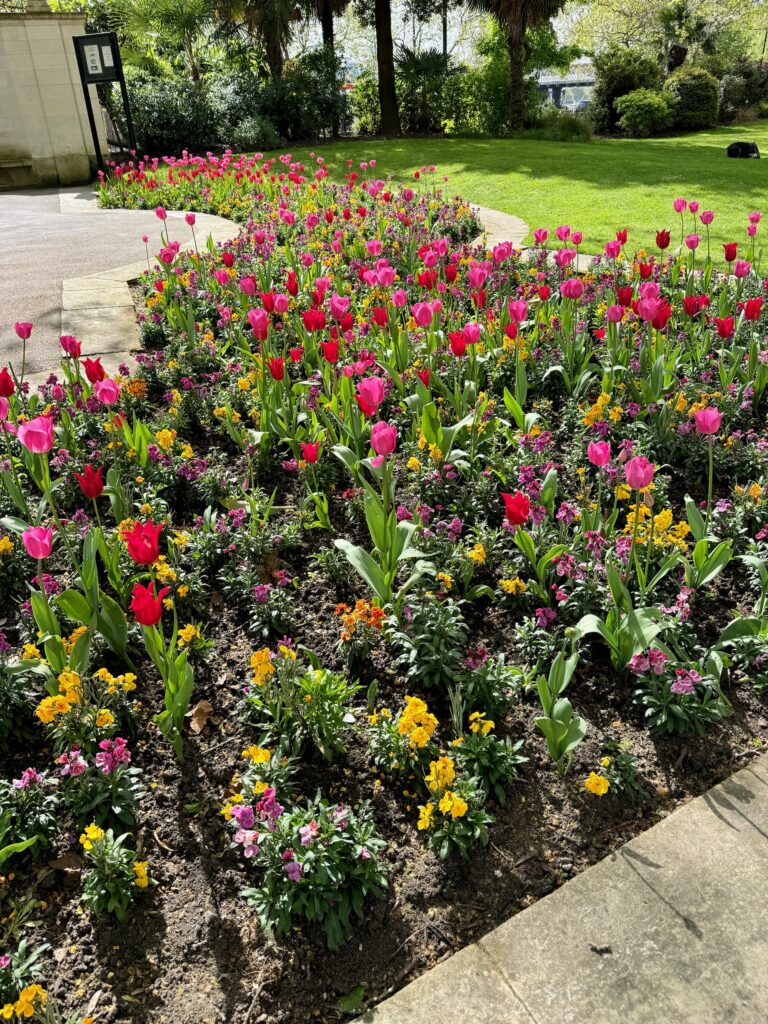
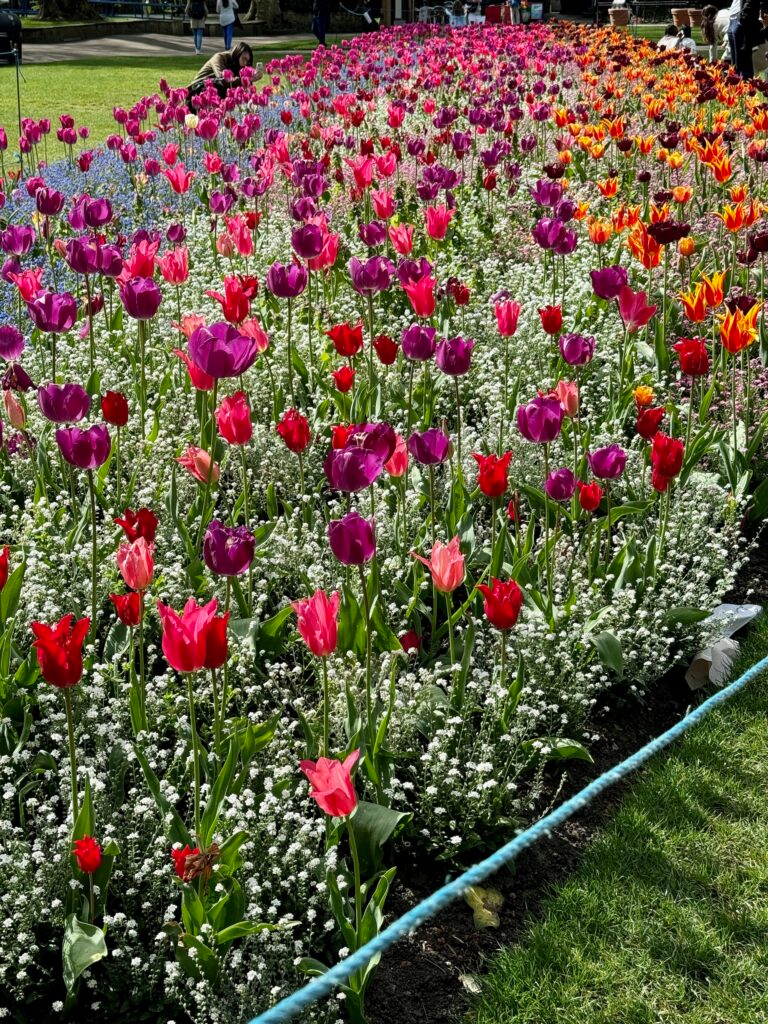
The flower beds are wonderful …

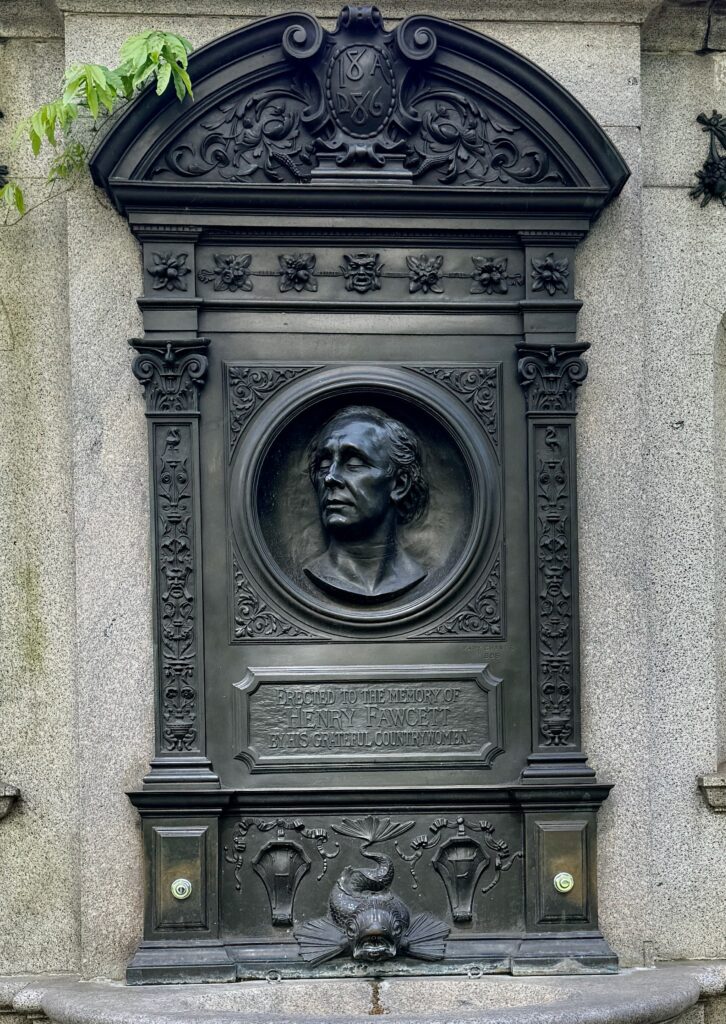
The Henry Fawcett memorial ‘erected by his grateful countrywomen’ …

Henry Fawcett was an economist and politician who was held in high regard by the public. He was born in 1833 and educated at the University of Cambridge. At the age of 25 he was involved in a shooting accident that left him blind. However, he refused to let his affliction dampen his life and ambitions. He rose to become a Professor in Economics at Cambridge University and was elected Member of Parliament for Brighton in 1865 to 1874, and subsequently for Hackney in 1874 to 1884. In 1880 he was also appointed the position of Her Majesty’s Postmaster-General. He introduced improvements in the Post Office such as the parcel post, postal orders and sixpenny telegrams. He was also an avid supporter of women’s rights and encouraged the Post Office to employ women. He married the renowned suffragist, Millicent Fawcett, in 1867.

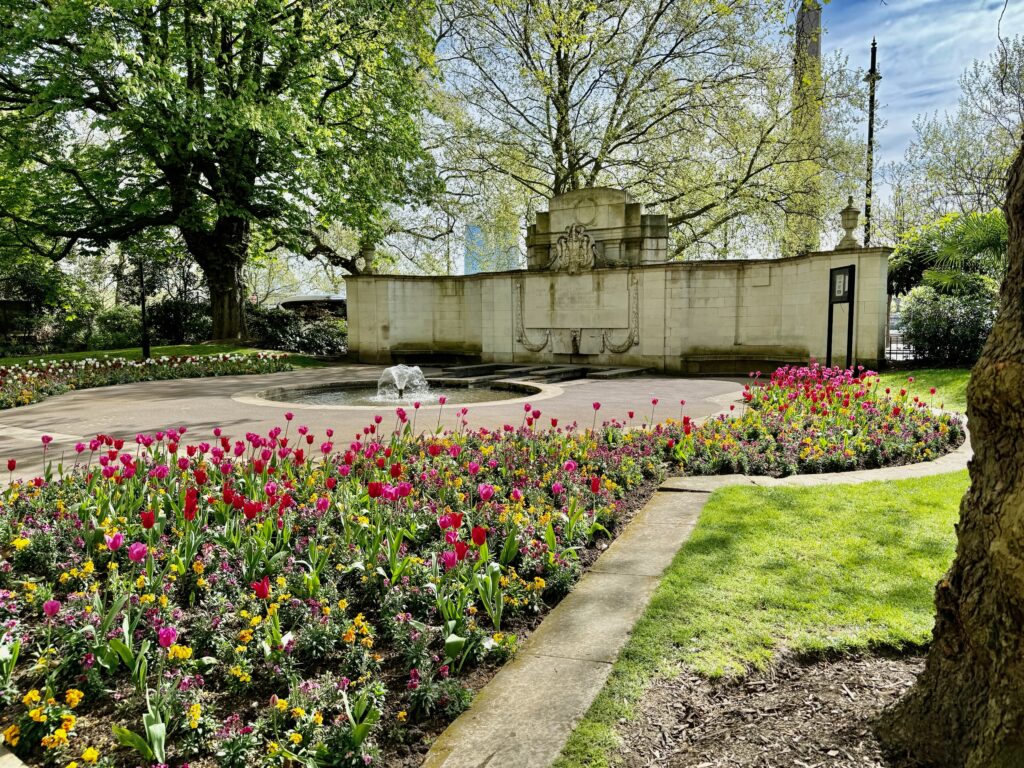
More lovely flowers with the memorial to Lord Cheylesmore in the background …

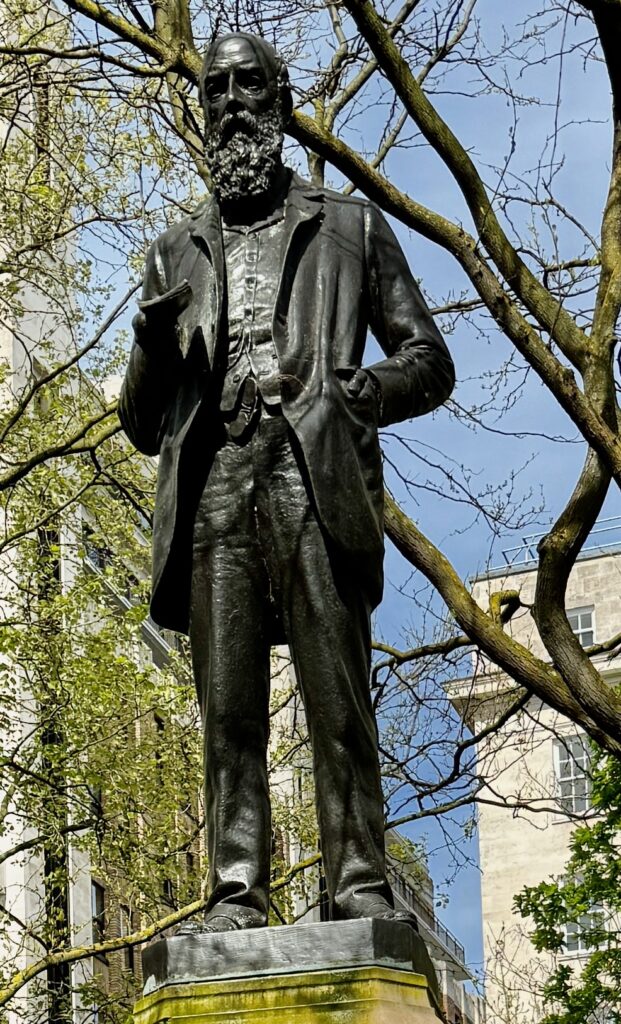
This statue is in tribute to Sir Wilfrid Lawson, the 2nd Baronet probably best known as a temperance campaigner and radical, anti-imperialist wing of the Liberal Party. The statue depicts Lawson, standing as if about to speak while a member of parliament …

He was an extraordinary character and you can read more about him here.

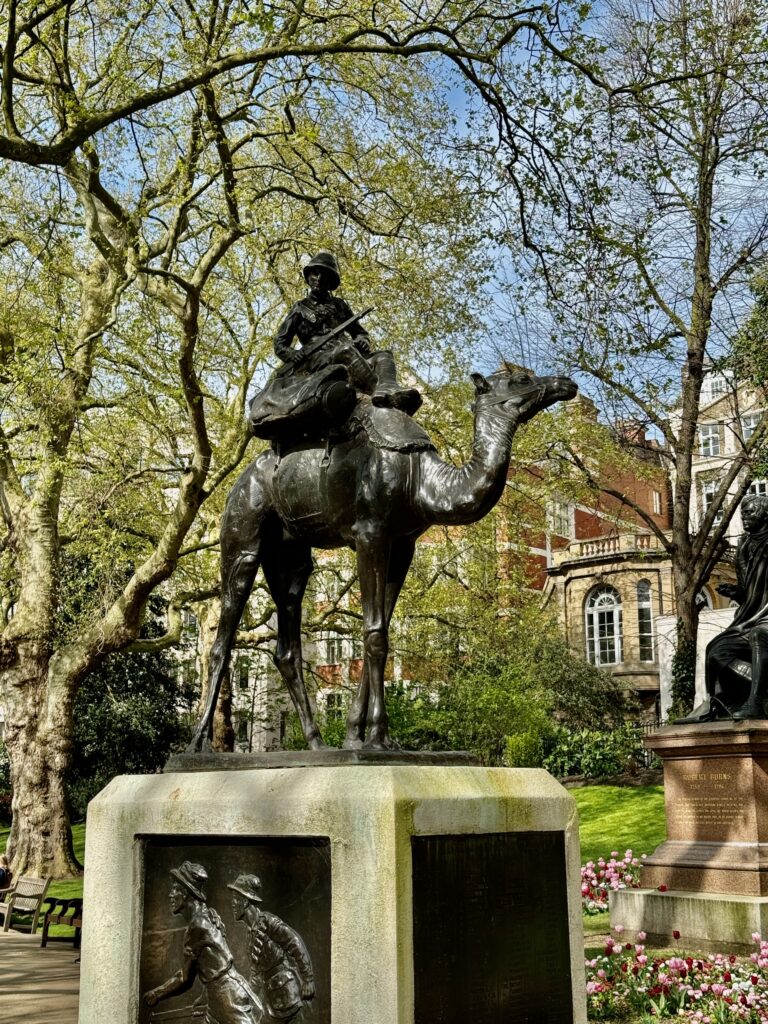
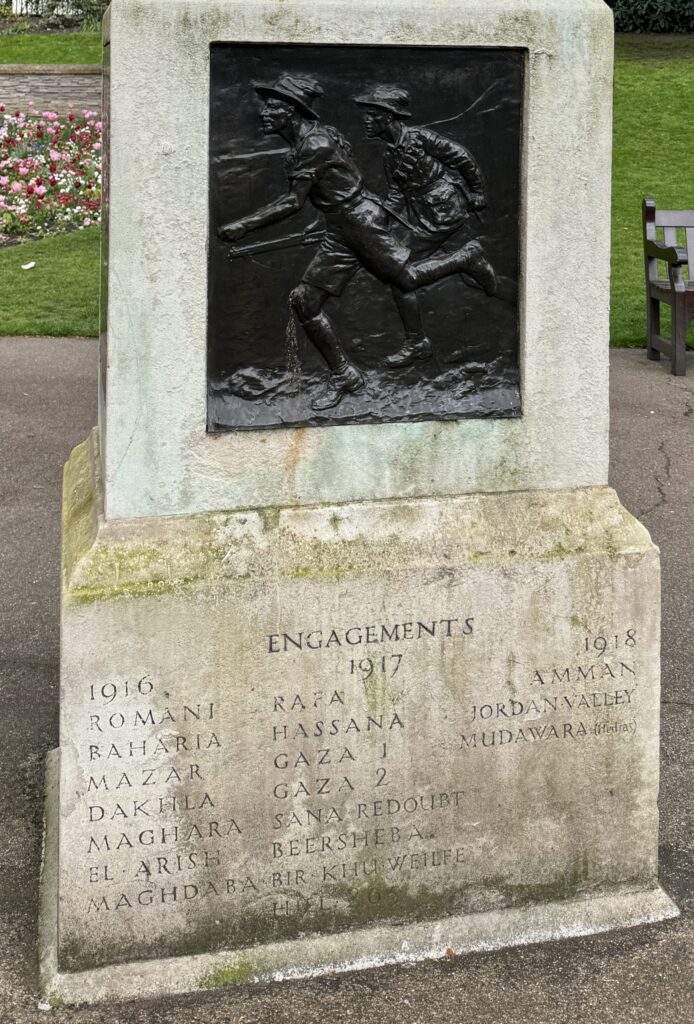
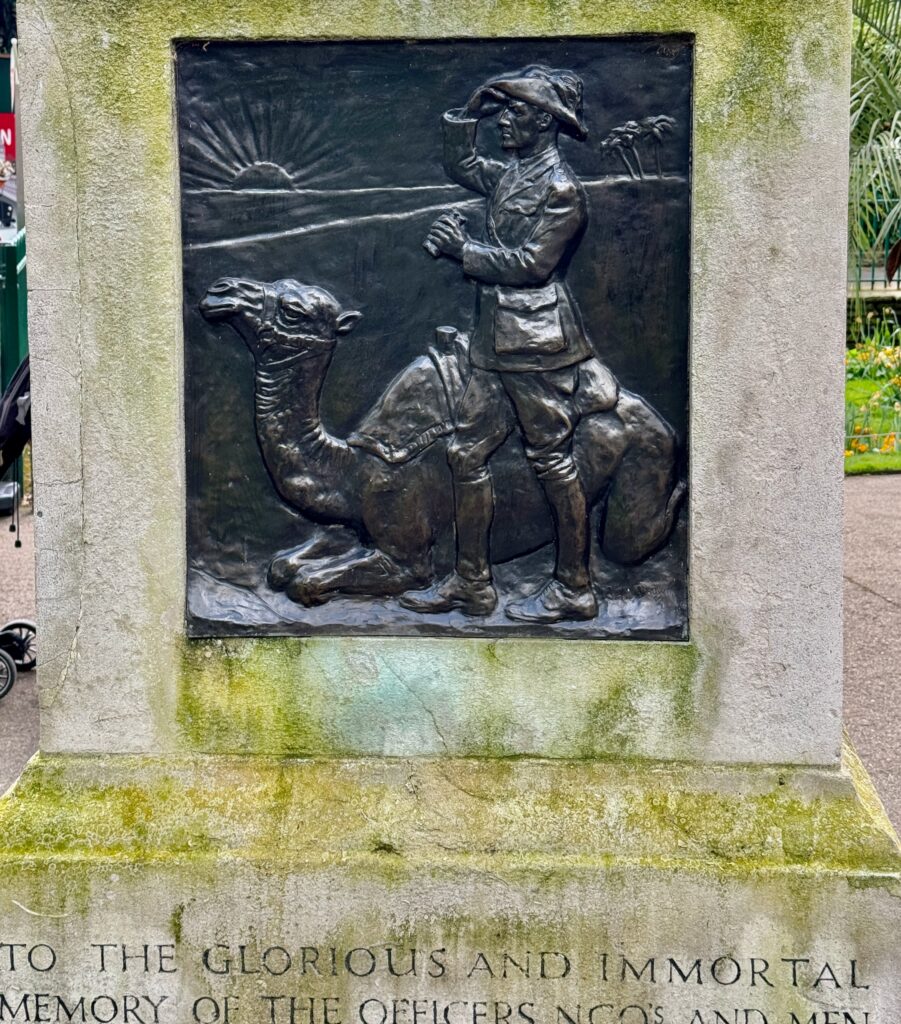
I have always been fascinated by this memorial to the Imperial Camel Corps Brigade …

Do take a few minutes to read this article about them from the 20th Century Society Journal:

The Imperial Camel Corps were formed to patrol the western desert in the First World War and fought major campaigns in Egypt, Sinai and Palestine. Their job was to protect Allied troops (evacuated after the failure at Gallipoli) from risings by the Ottomans and Senussi confederation of tribes. The Senussi were eventually forced into submission late in 1916 by starvation, and by being denied the use of wells by camel corps units and light car patrols. The Camel Corps’ most famous moment was assisting Lawrence of Arabia to capture Jerusalem in the rebellion of 1916-18, although the damper weather meant many animals became victims of sarcoptic mange. The majority of the Infantry were Australian, some of whom were already experienced camel jockeys. The corps were so successful that they were expanded from four to eighteen companies. Six companies were formed from British Cavalry, two from New Zealand Cavalry. The corps were reorganised into four large battalions to fight the Turks, assisted by an artillery unit from Hong Kong and Singapore.

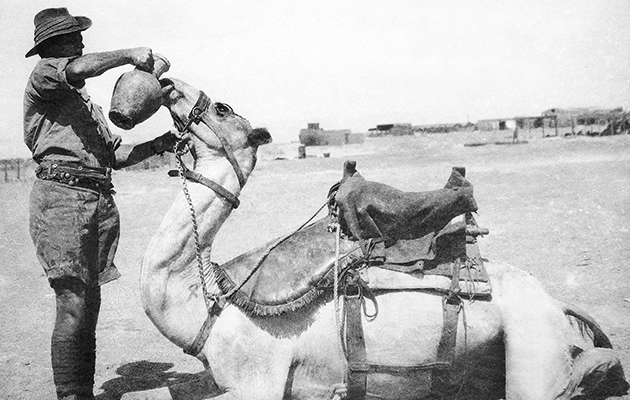
Always look after your camel …

A World War One Anzac Australian Camel Corps soldier giving his camel a drink of water from a chattu vase, 1916. You can find more images here and here.

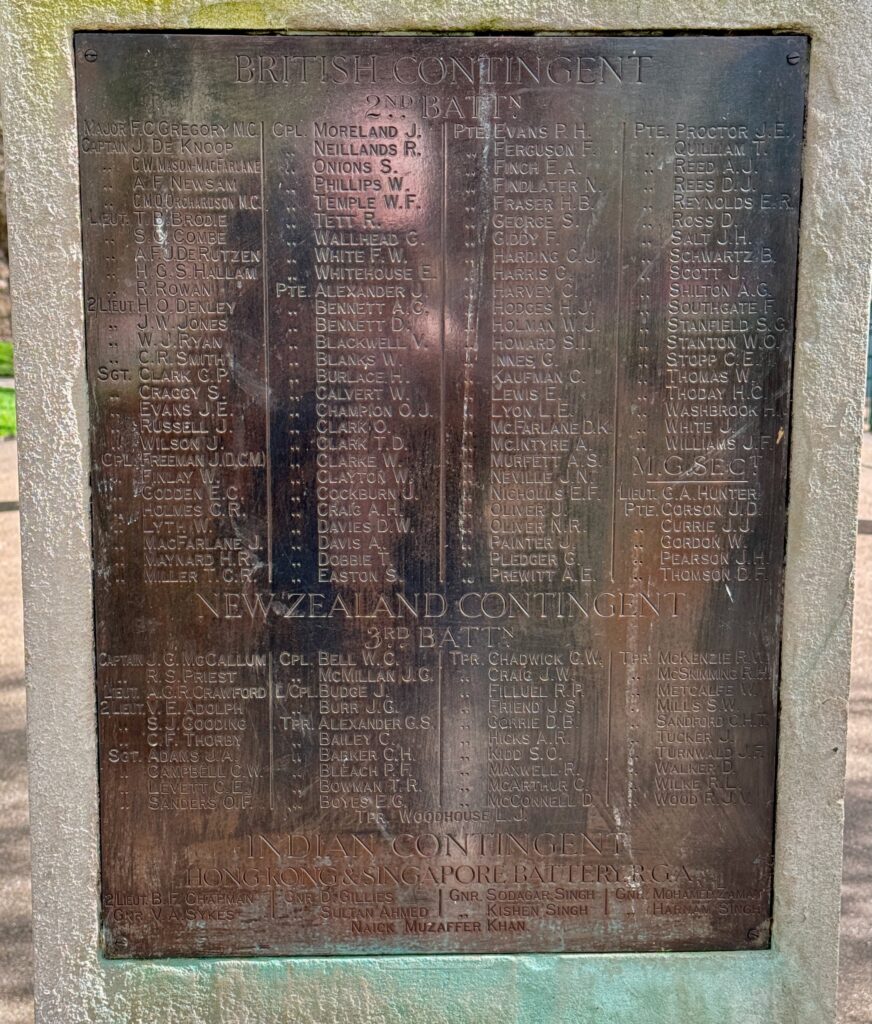
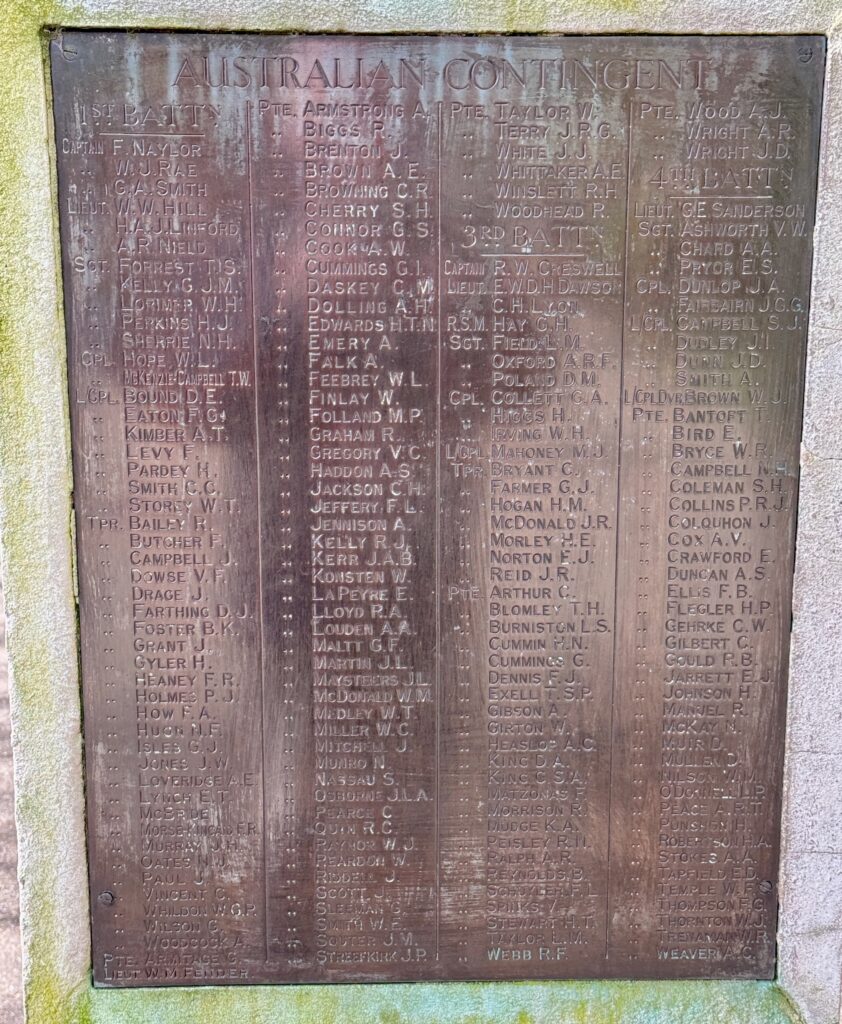
By the end of the war 346 of their formation had died in action. The reality of the ultimate sacrifice, the names behind the numbers …

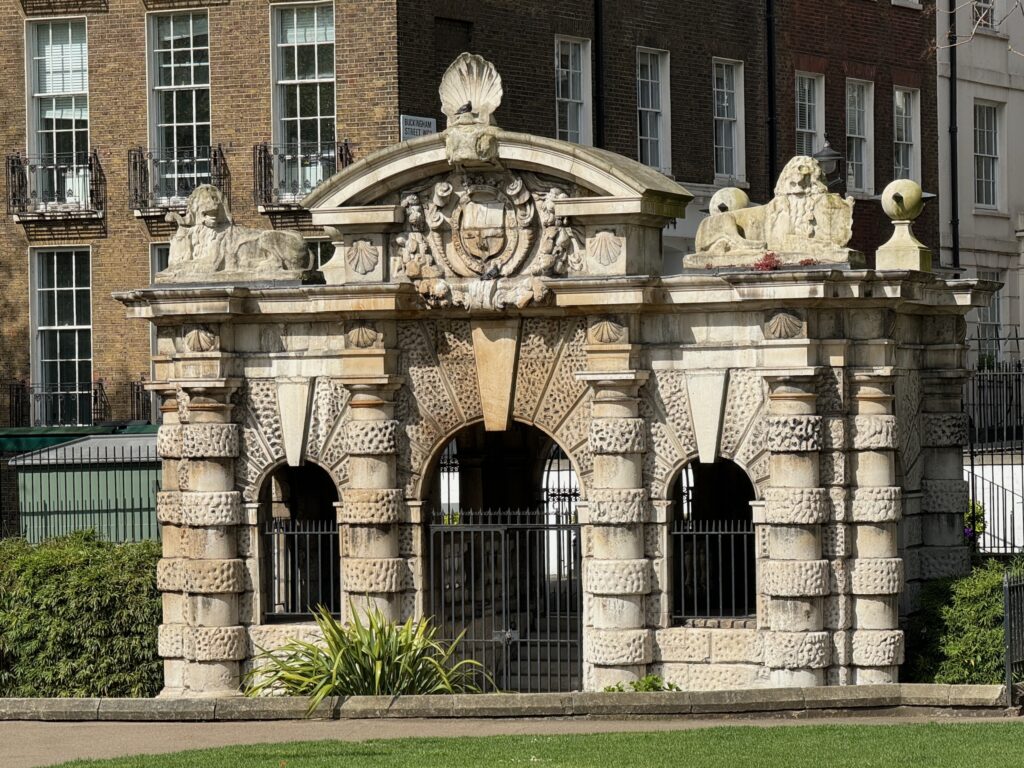
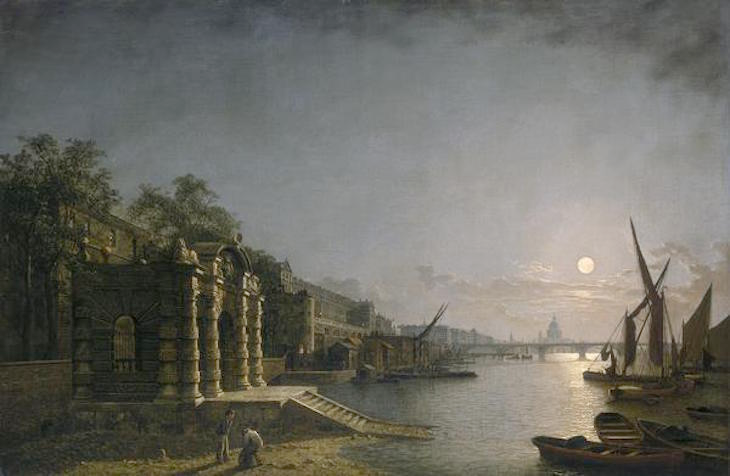
The nearby York Watergate is almost 400 years old. It was built in 1626 in the grounds of York House as a mooring point for the Duke of Buckingham’s boat or the boats of guests. As a result of the building of the Embankment, the river is now over 150 yards away …

The watergate around 1850 …

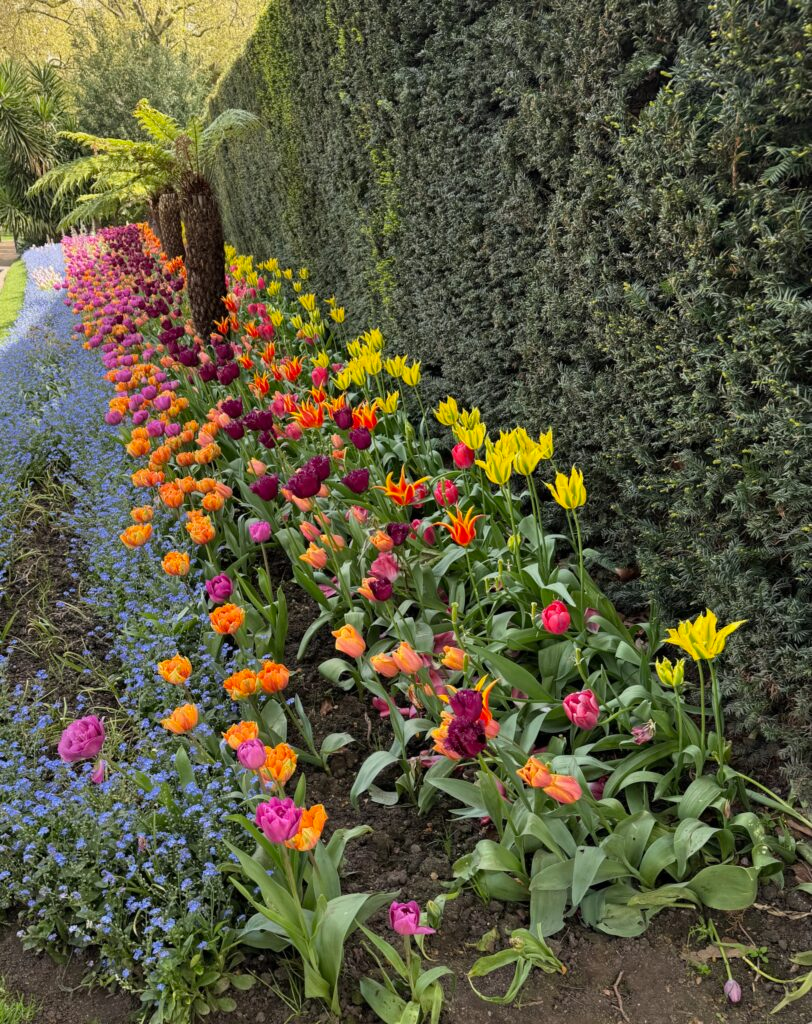
More flowers – couldn’t resist taking pics …

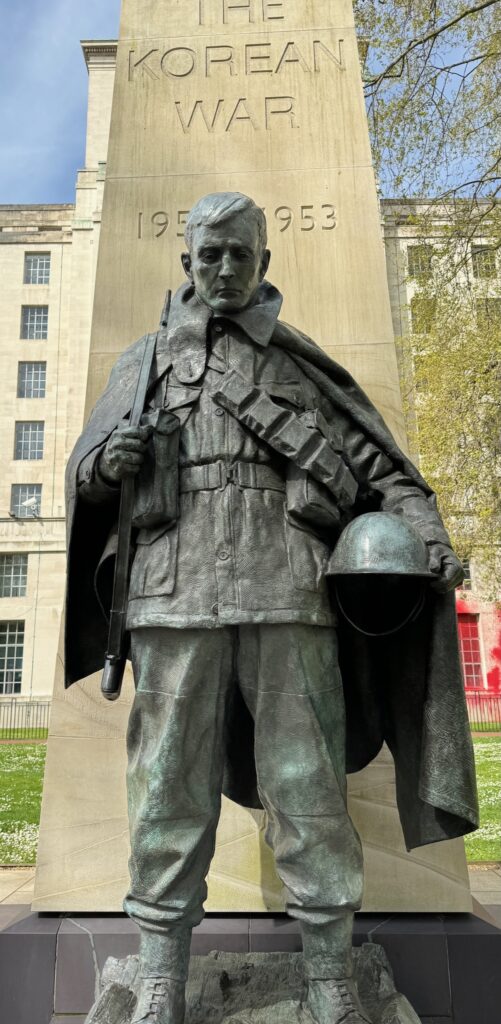
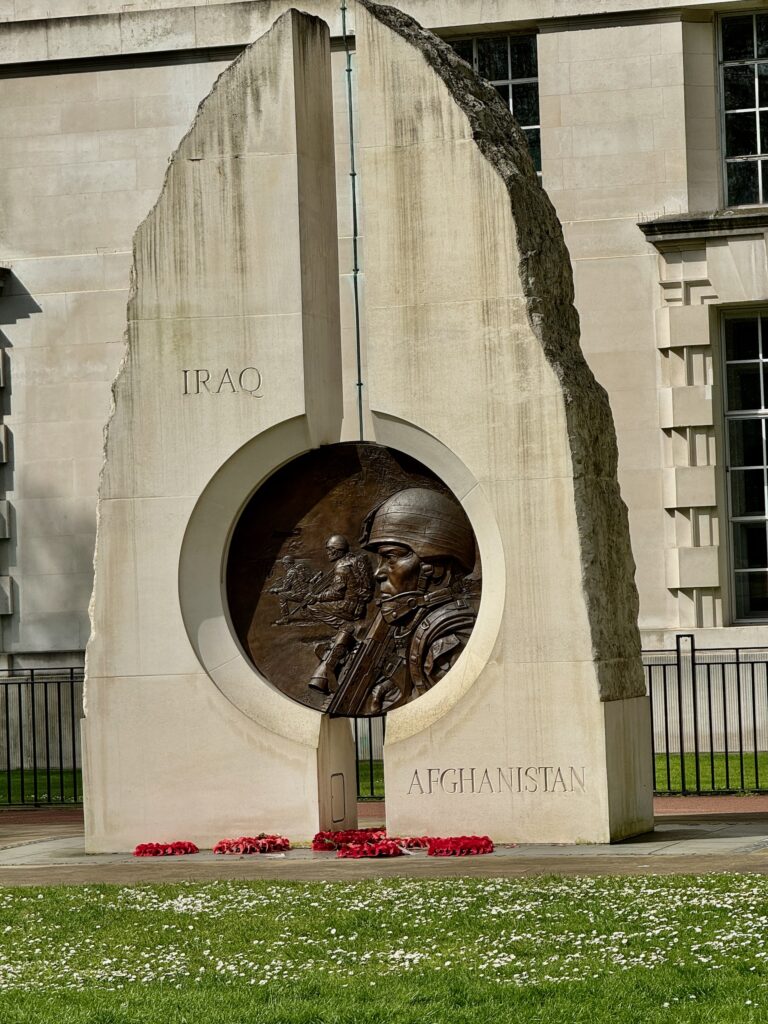
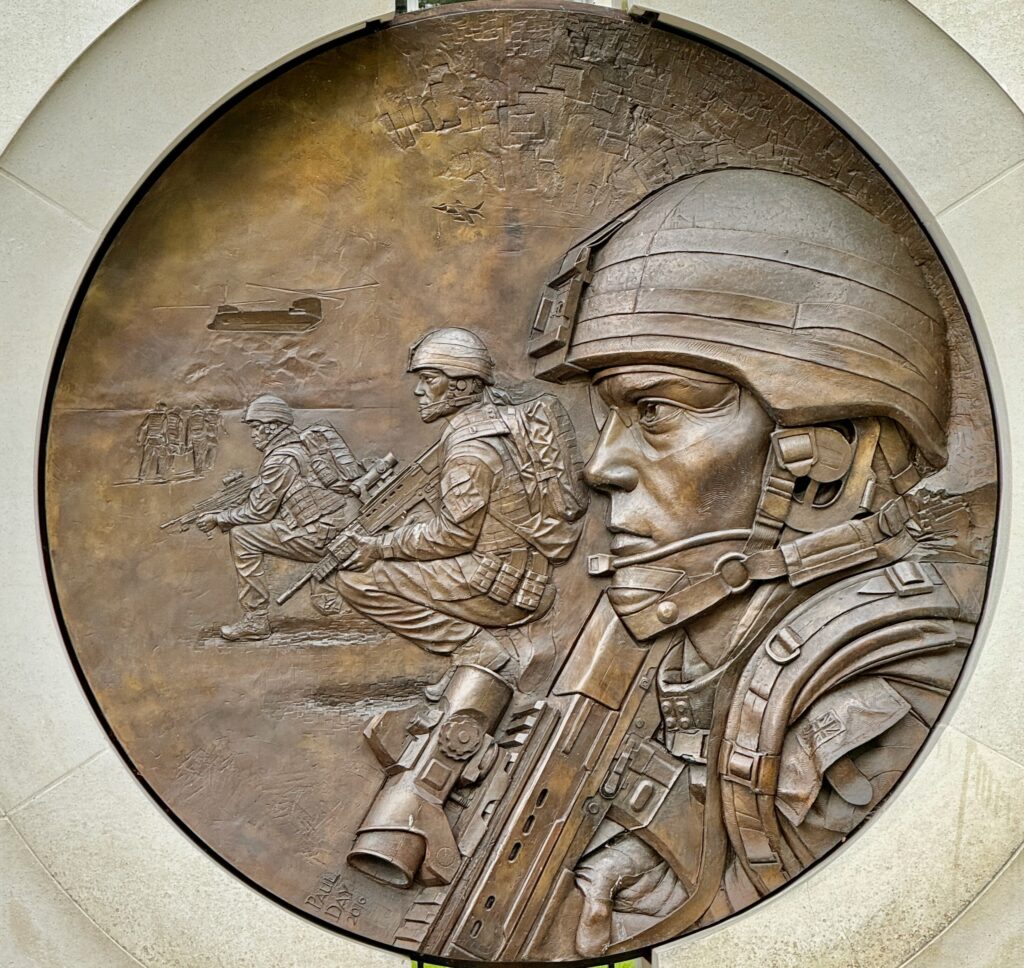
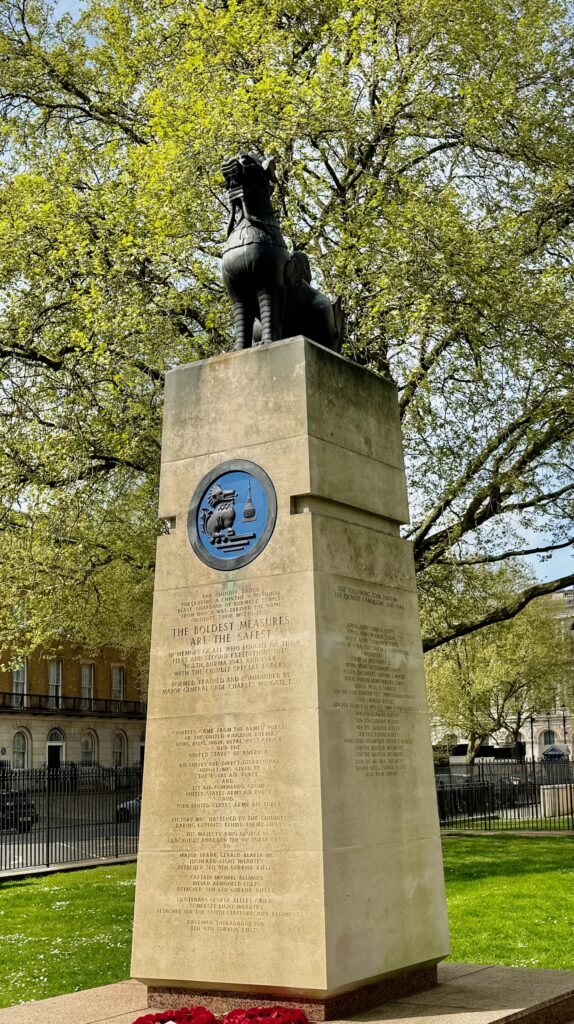
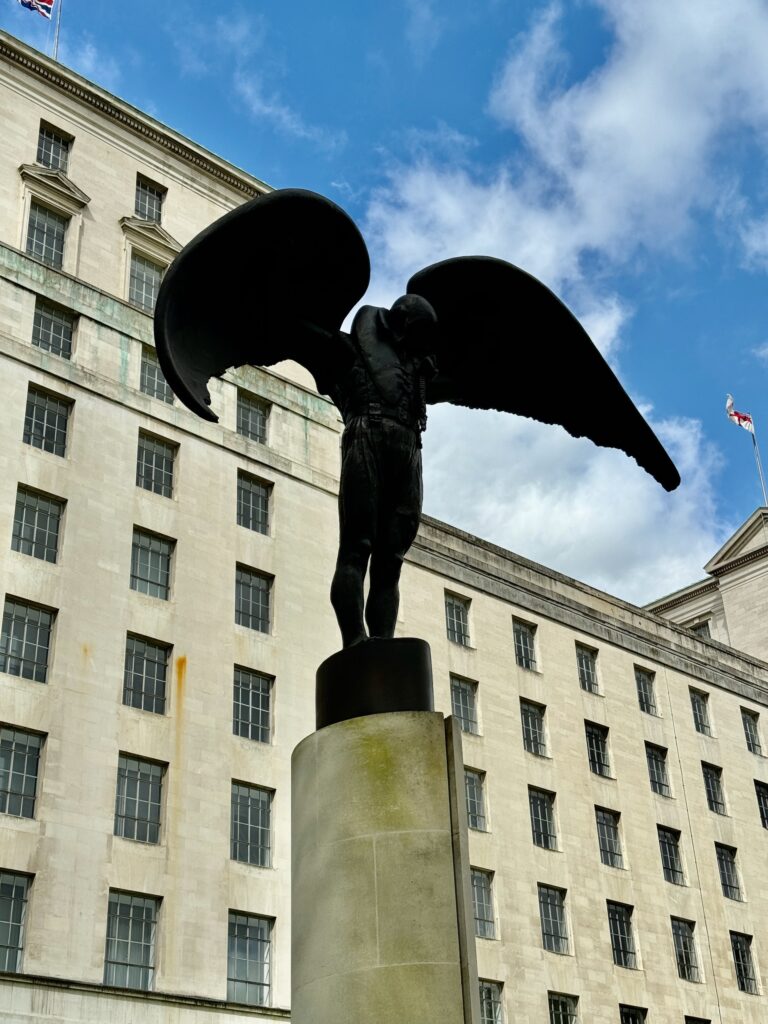
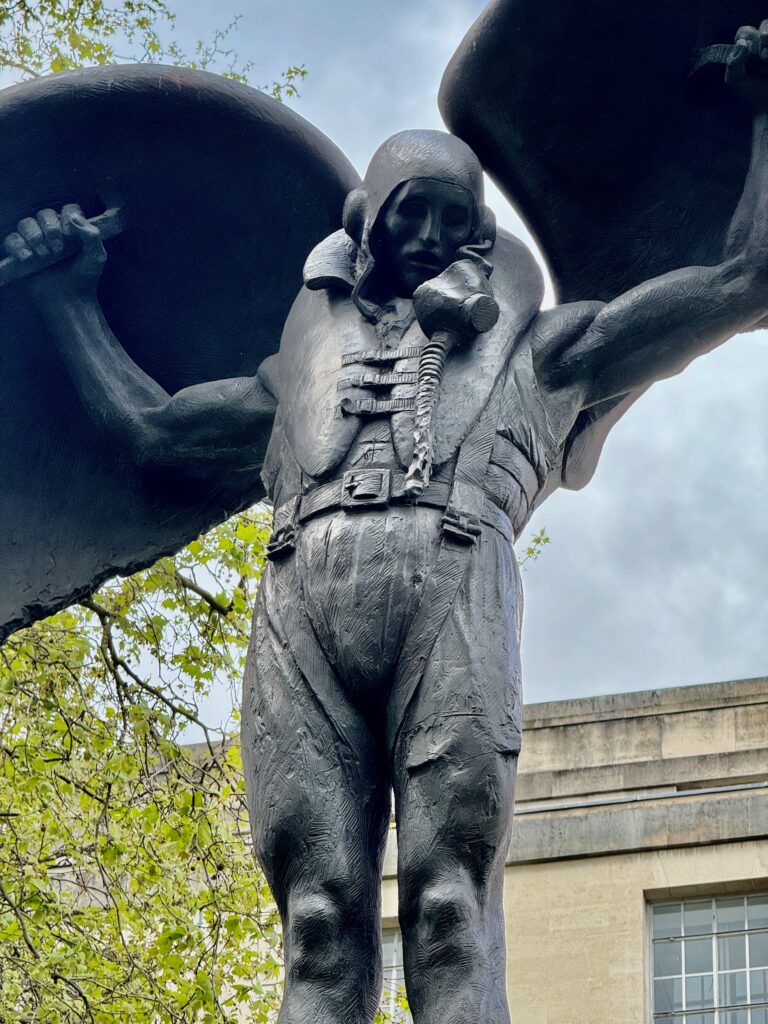
And now to more recent conflicts. These memorials are located at the far west end of the gardens near Westminster Underground Station.

The Korean War

Iraq and Afghanistan …

‘The boldest measures are the safest’ – The Chindit Memorial

The Fleet Air Arm

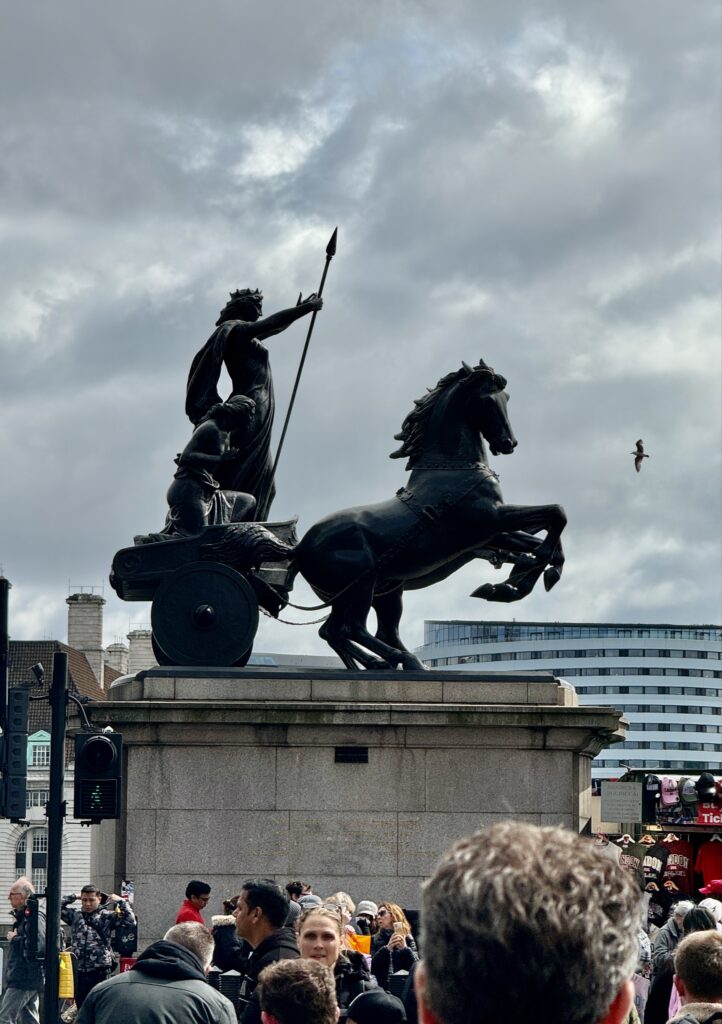
And finally, Queen Boudicca and her daughters tower over the tourists …

Wasn’t I clever to catch that seagull in flight!

Remember you can follow me on Instagram …
https://www.instagram.com/london_city_gent

Holy Sepulchre Church – music, war, justice and a marriage that produced 23 children.

I have been a bit unlucky in the past when, walking towards Holborn Viaduct, I have found this church closed. Last weekend, however, my luck was in and I ventured inside. I am delighted I did.

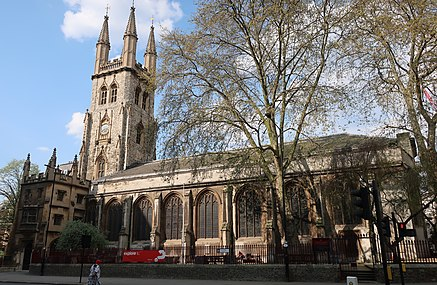
The porch, tower and outer walls date from the mid-15th century …
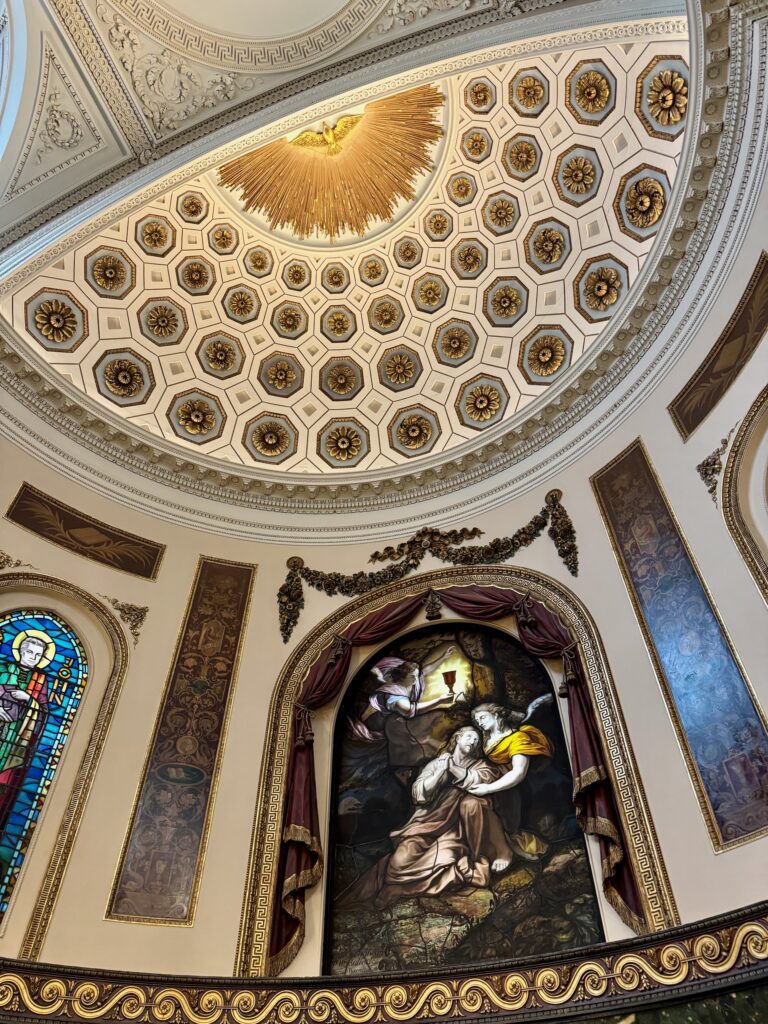
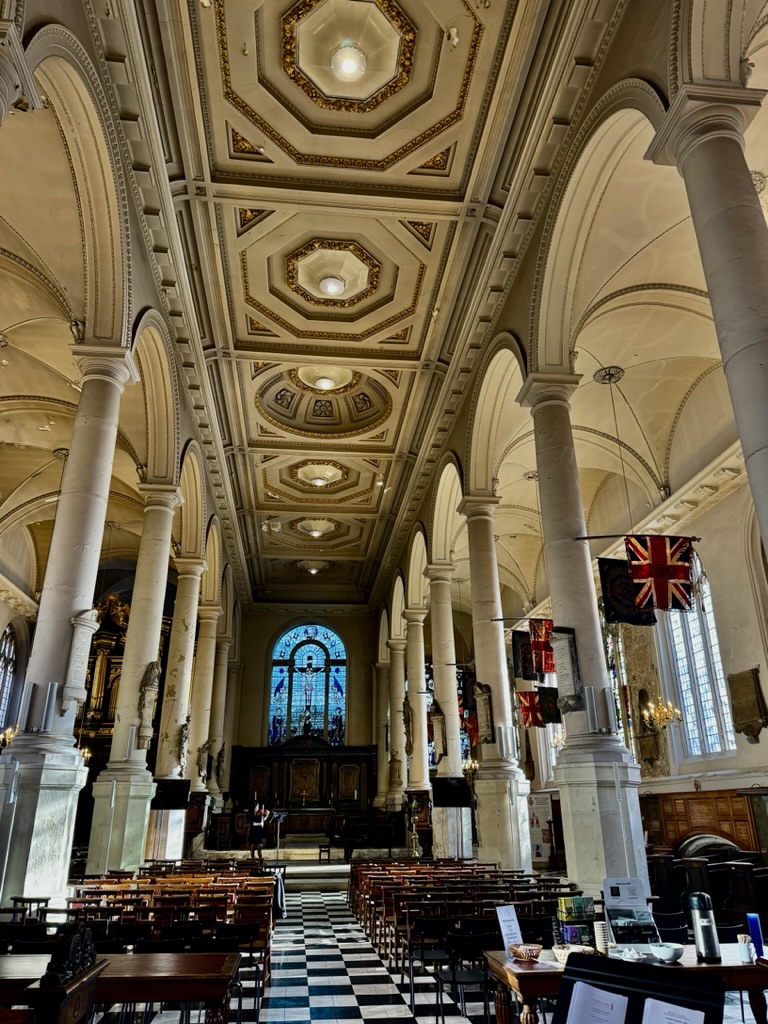
The interior is a bit of a mixture of late 17th century to mid-Victorian …
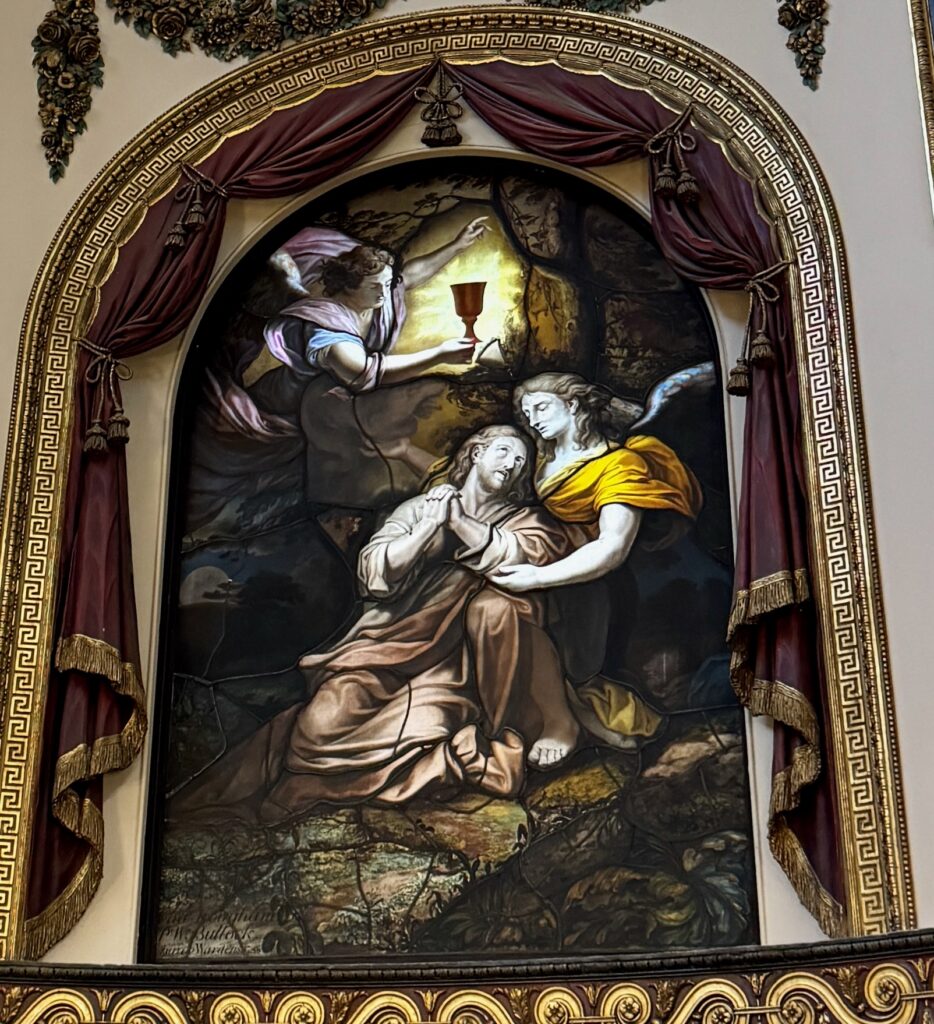
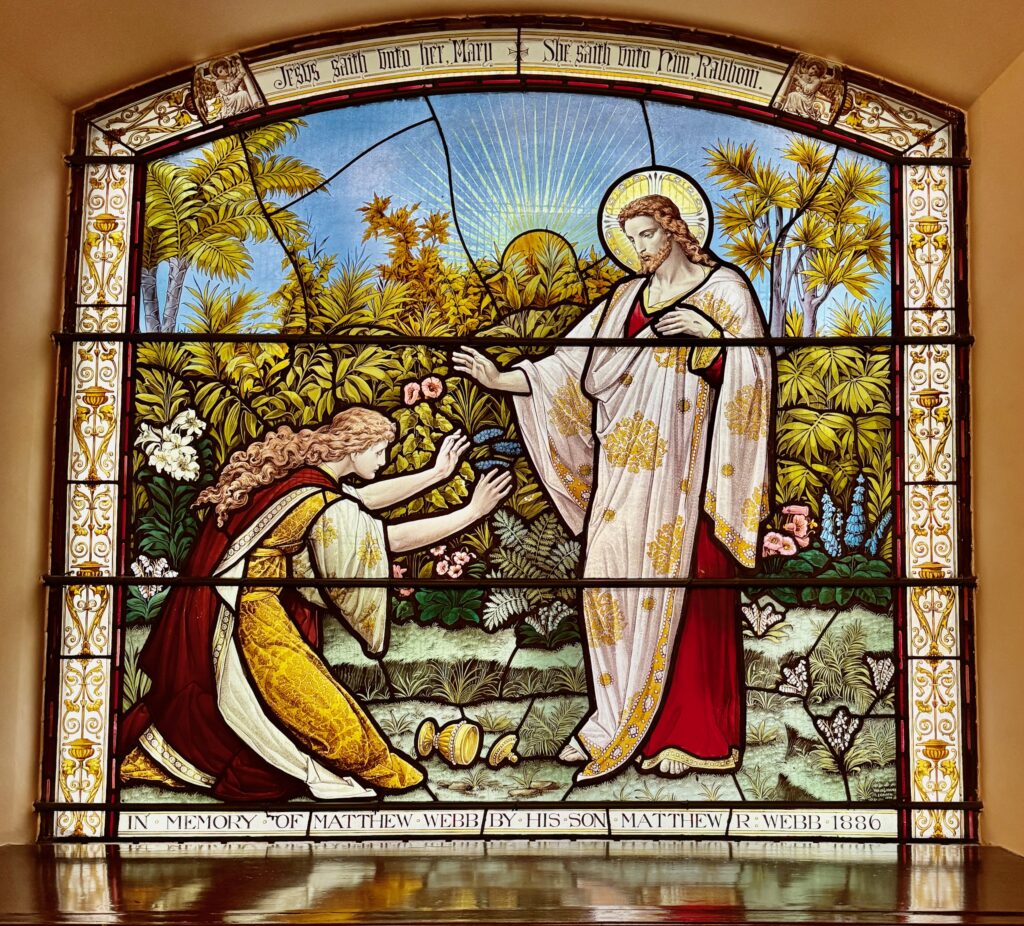
The first thing that struck me was the quality of the stained glass.

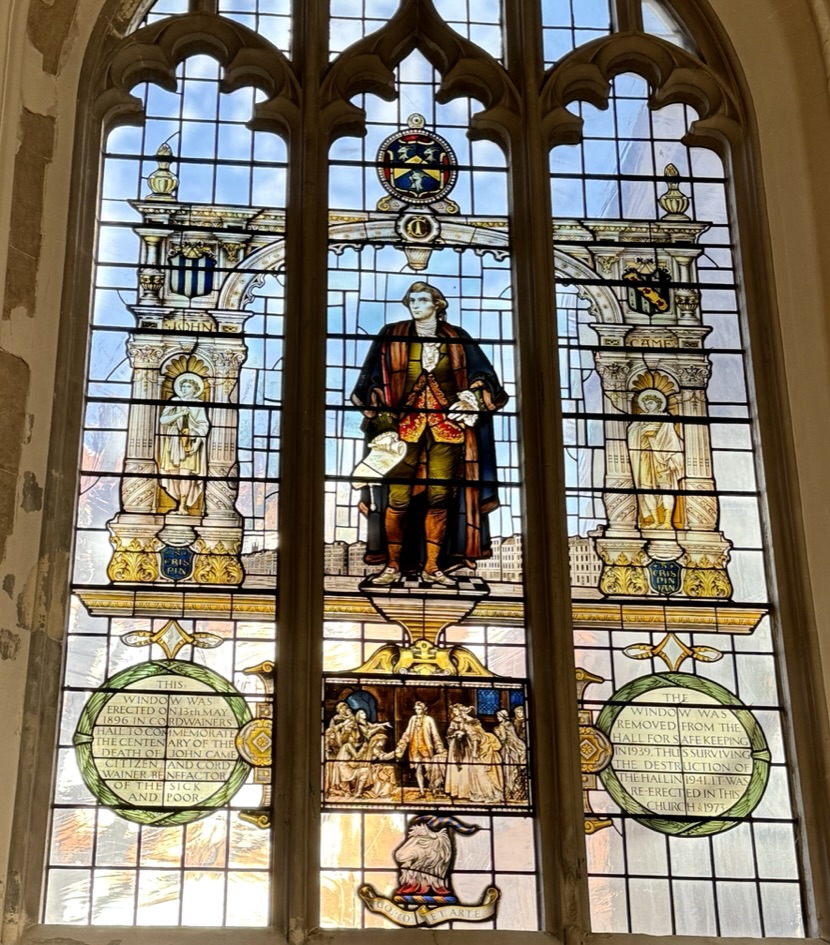
A window removed for safe keeping during the War …

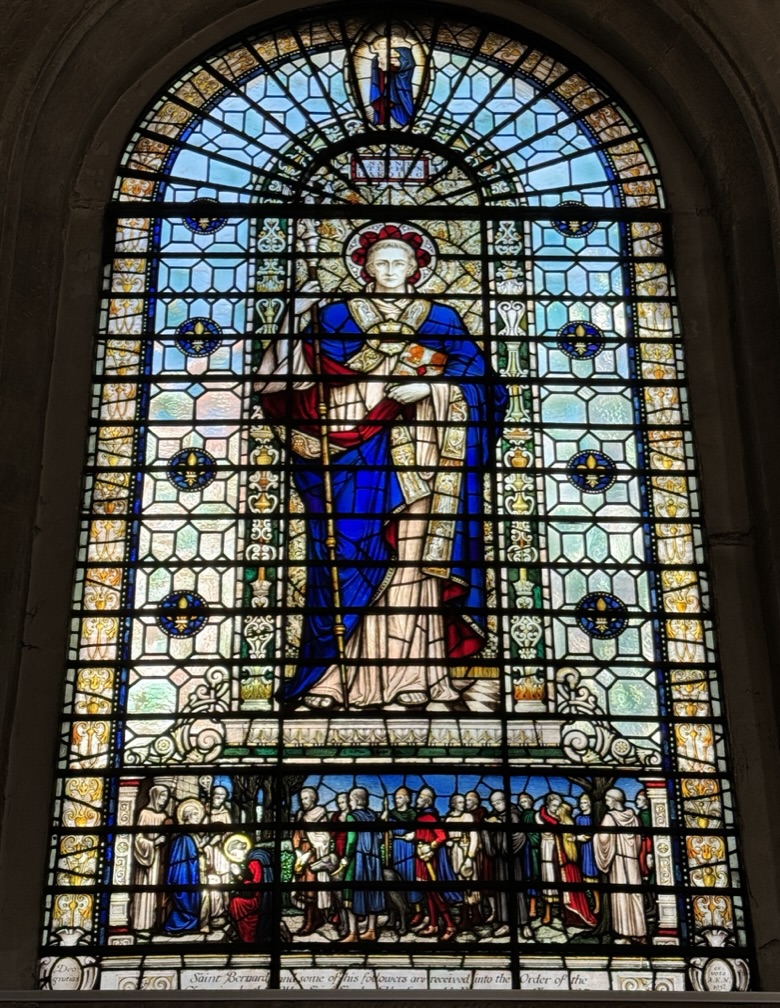
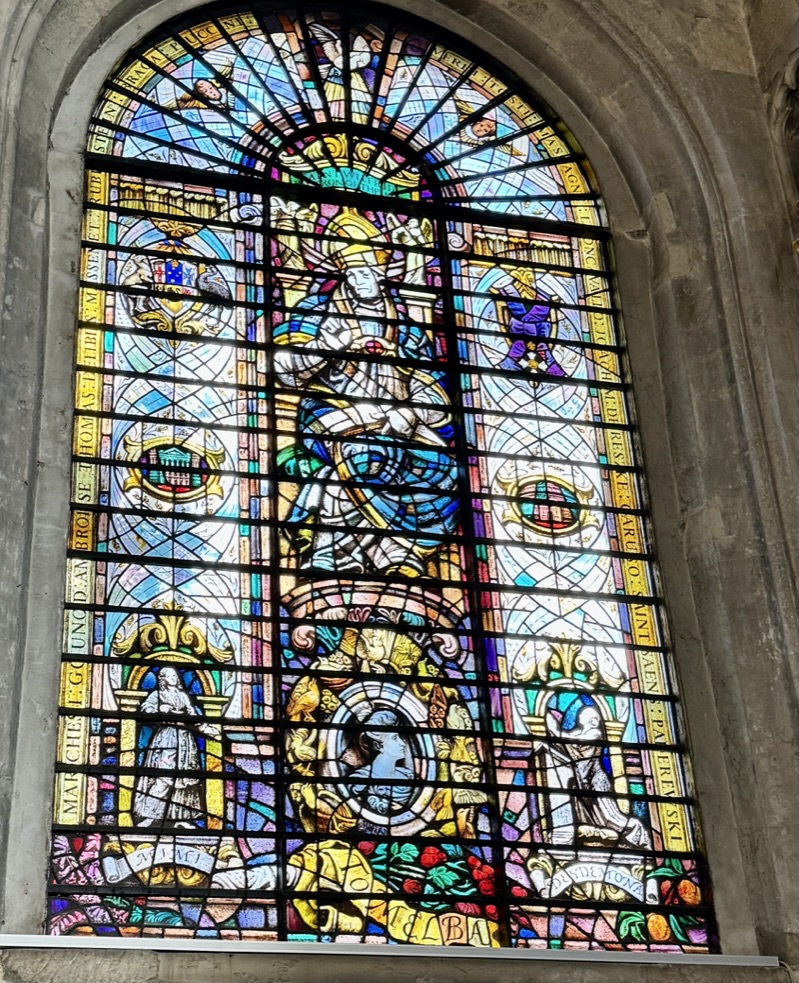
St Bernard with some of his followers …

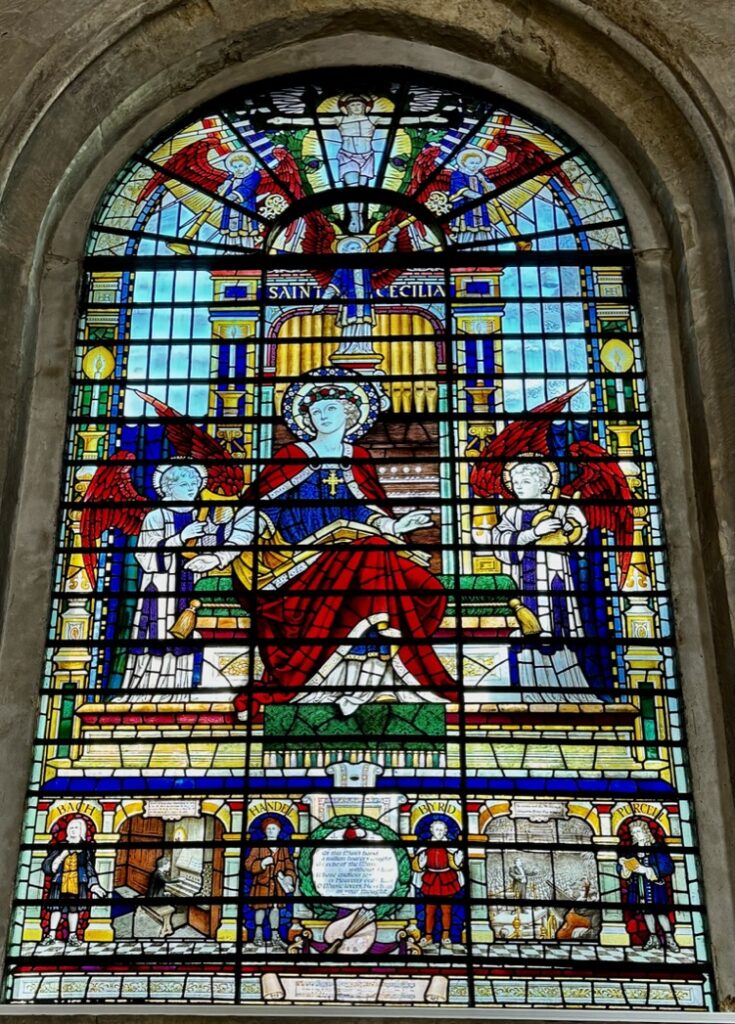
I stopped to admire the glass in the Musicians’ Chapel.

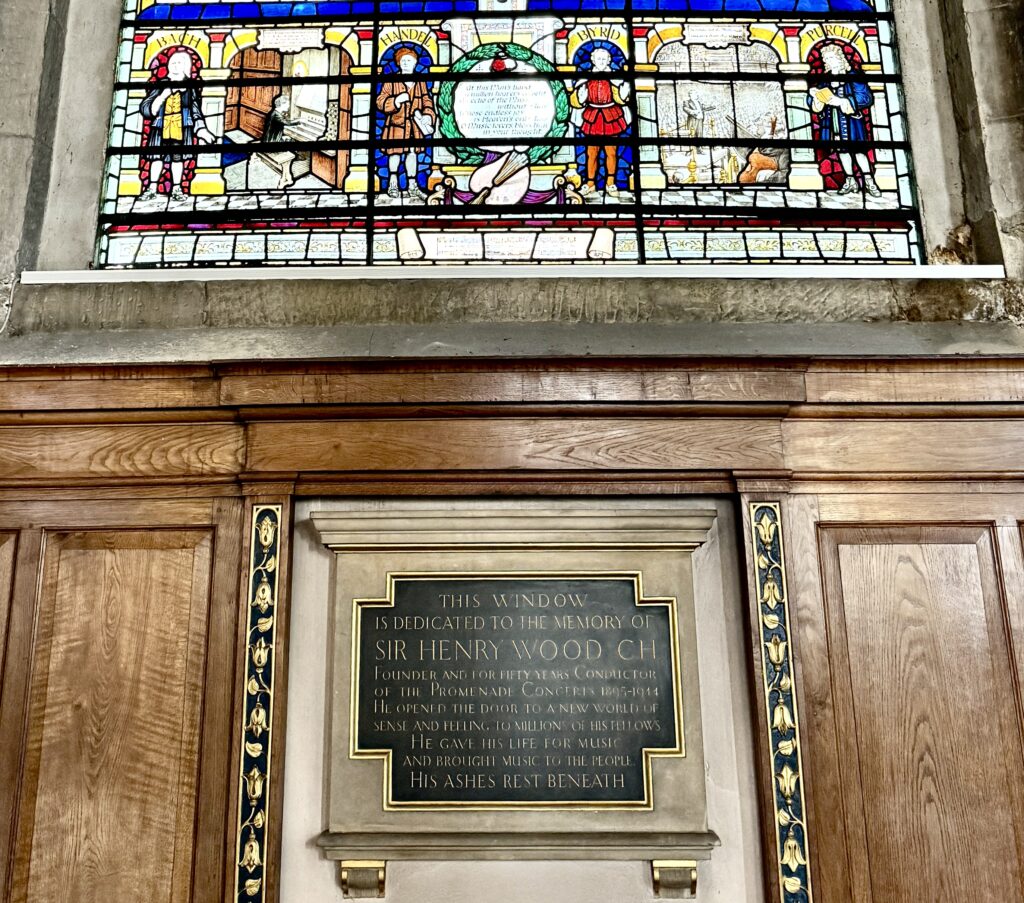
This is the burial place of Sir Henry Wood, founder and conductor of the Proms for nearly 50 years, in memory of whom there is a window and a memorial plaque …

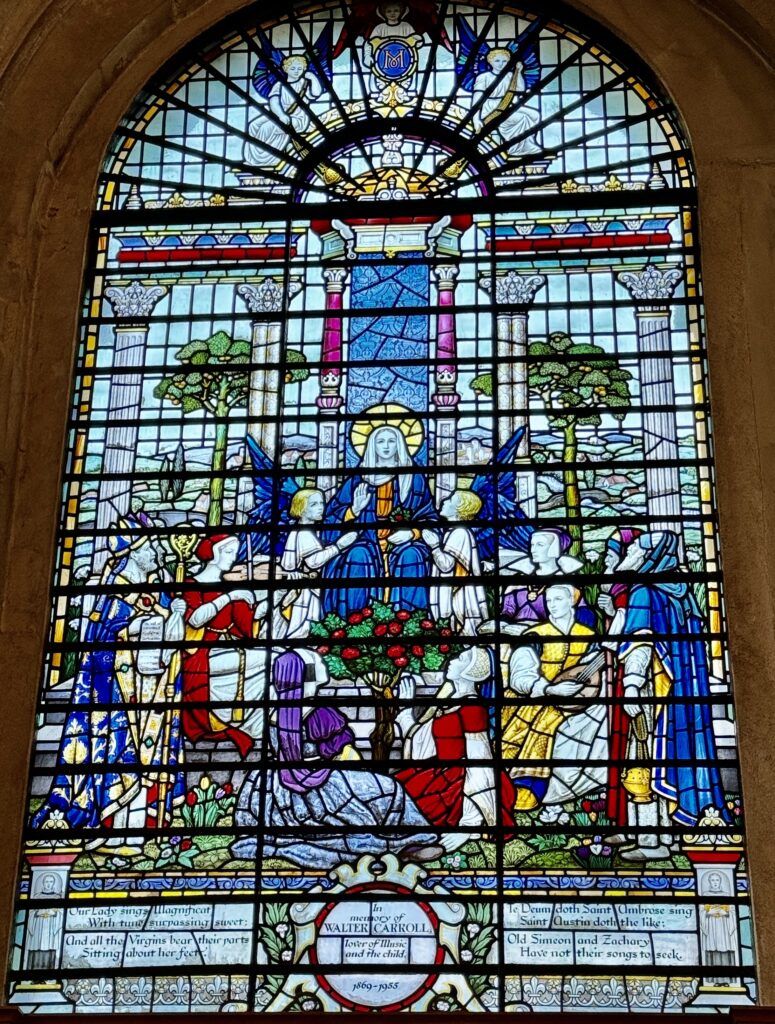
There is a window to Walter Carroll who lived from 1869 till 1955 in Manchester. He was a composer and a music teacher, especially known for his music for children, which he wrote for his two daughters Ida and Elsa …

Dame Nellie Melba, an Australian operatic lyric coloratura soprano, also has a commemorative window. She became one of the most famous singers of the late Victorian era and the early 20th century and was the first Australian to achieve international recognition as a classical musician …

For centuries, the church had a close association with the notorious Newgate Prison which stood across the road where the Old Bailey is now.

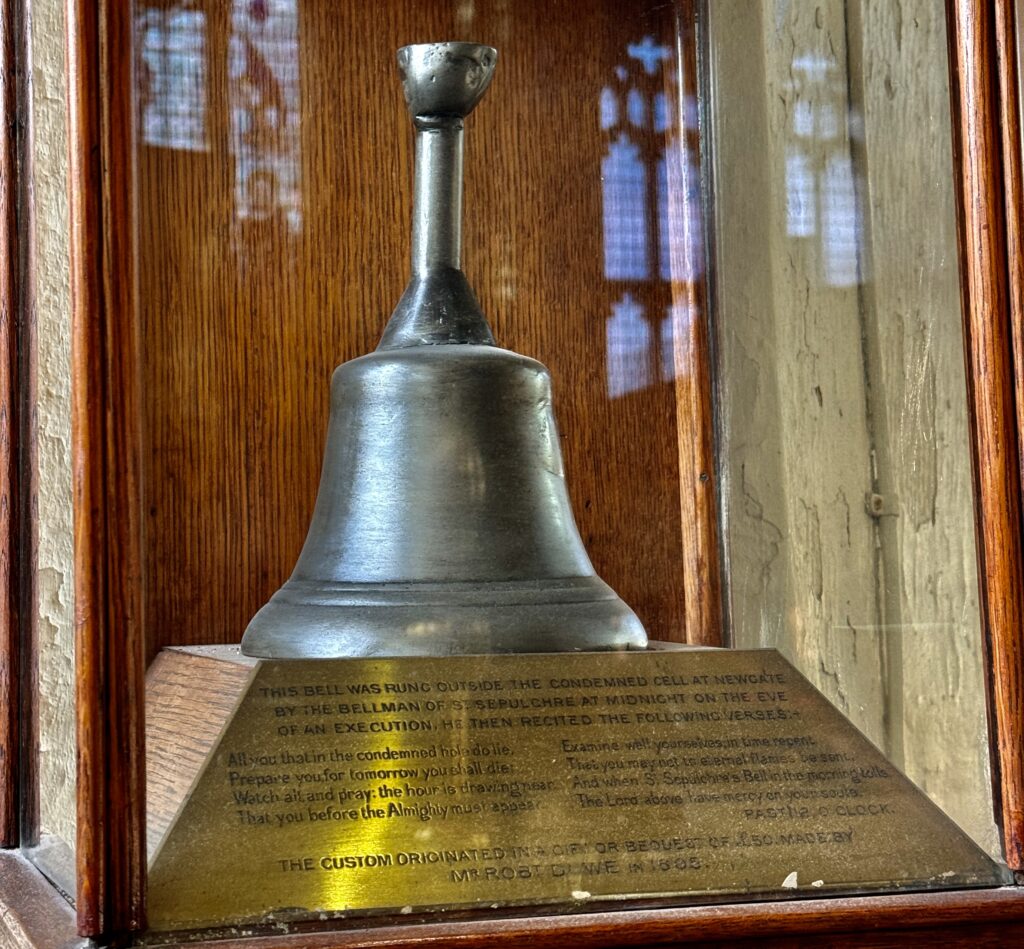
Carts carrying the condemned on their way to Tyburn would pause briefly at the church where prisoners would be presented with a nosegay. However, they would already have had an encounter with someone from the church the night before. In 1605, a wealthy merchant called Robert Dow made a bequest of £50 for a bellman from the church to stand outside the cells of the condemned at midnight, ring the bell, and chant as follows:

All you that in the condemned hole do lie, Prepare you, for tomorrow you shall die; Watch all and pray, the hour is drawing near, That you before the Almighty must appear; Examine well yourselves, in time repent, That you may not to eternal flames be sent: And when St. Sepulchre’s bell tomorrow tolls, The Lord above have mercy on your souls.

And you can still see the bell today, displayed in a glass case in the church …

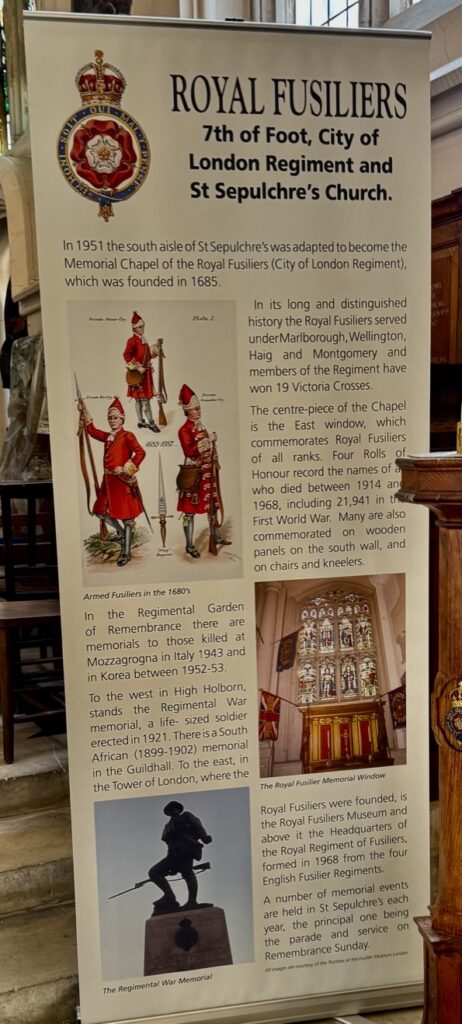
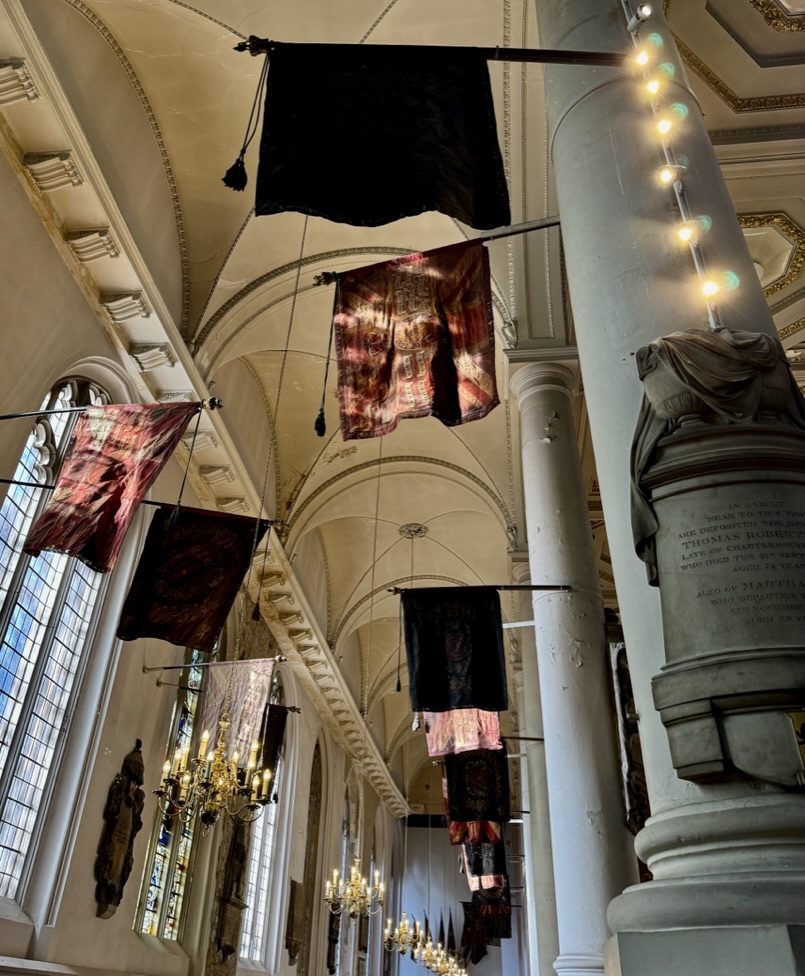
The south chapel is dedicated to the City of London Regiment of the Royal Fusiliers …

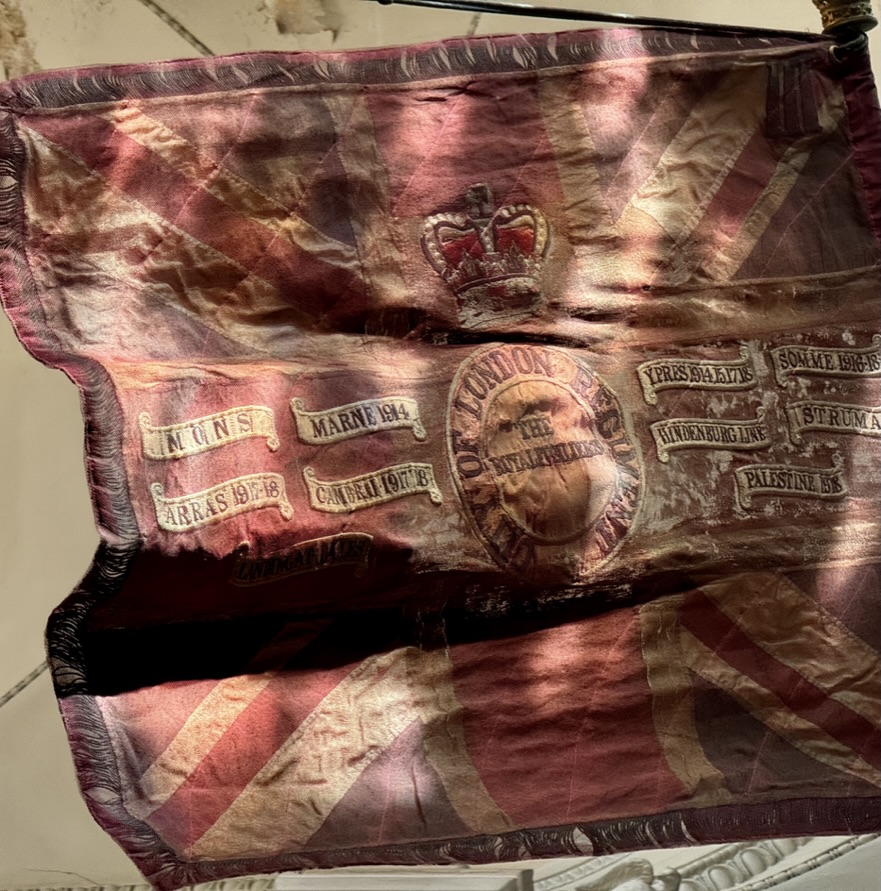
Regimental colours dating back to the 19th century are on display …

The terrible carnage of the First World War is recalled by some of the battle honours recorded here …

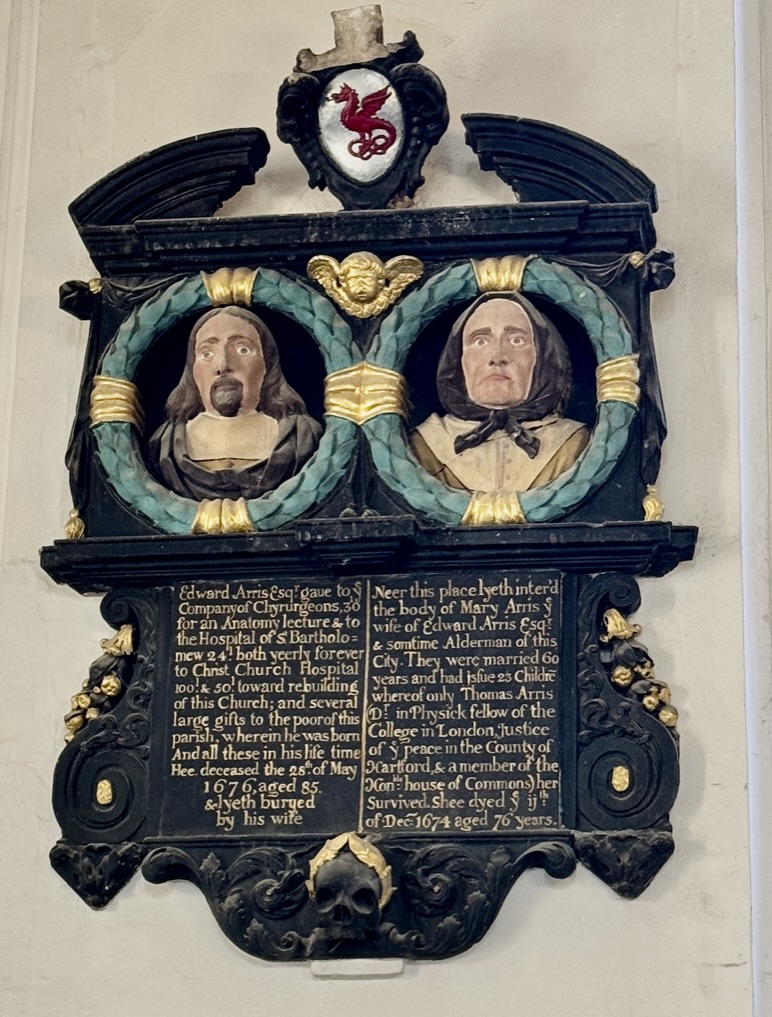
I am so delighted that I looked up and noticed this memorial …

I quote here from the Worshipful Company of Barbers’ website:

Edward Arris was a distinguished surgeon and Master of the Barbers’ Company. He died in 1651, two years after his wife Mary. Their marriage had lasted 60 years and produced 23 children, only one of whom (Thomas) survived their mother.

The inscription reads: ‘Edward Arris Esq gave to ye company of Chyrurgeons 30l for an anatomy lecture & to the Hospital of St Bartholomew 24l both yearly forever to Christ Church Hospital 100l & 50l towards rebuilding of this church; and several large gifts to the poor of this parish, wherein he was born. And all these in his life time. Hee deceased the 28 May 1676 aged 85 and lyeth buryed by his wife.

The money Arris provided to the Company in 1645 – a benefaction he attempted to keep secret – founded six lectures and a dissection in the Inigo Jones Anatomy Theatre annually. His name (along with that of another Master of the Company) and these lectures live on today as the Arris and Gale Lecture at the Royal College of Surgeons.

Besides providing grooming services, barber-surgeons regularly performed dental extractions, bloodletting, minor surgeries and sometimes amputations. The association between barbers and surgeons goes back to the early Middle Ages, hence the blood and bandages sign outside barber shops today.

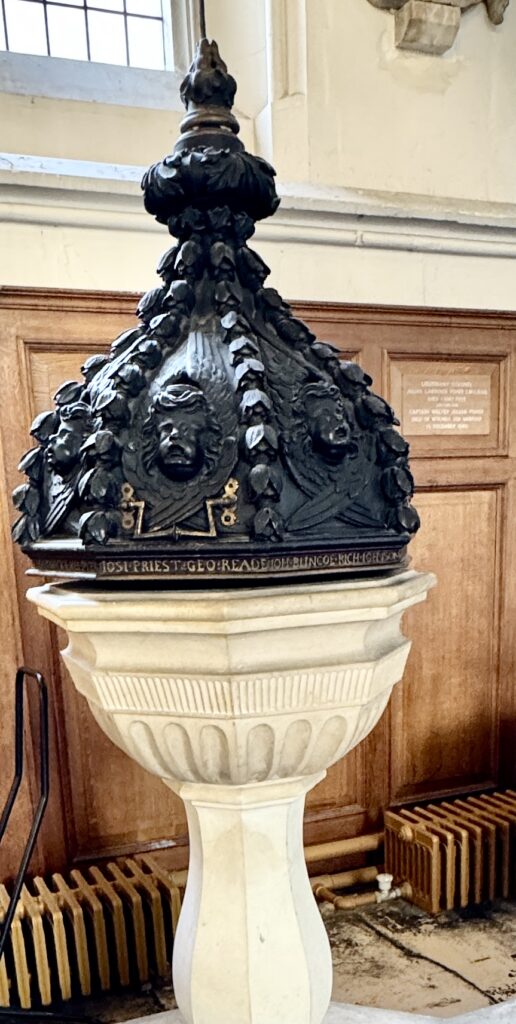
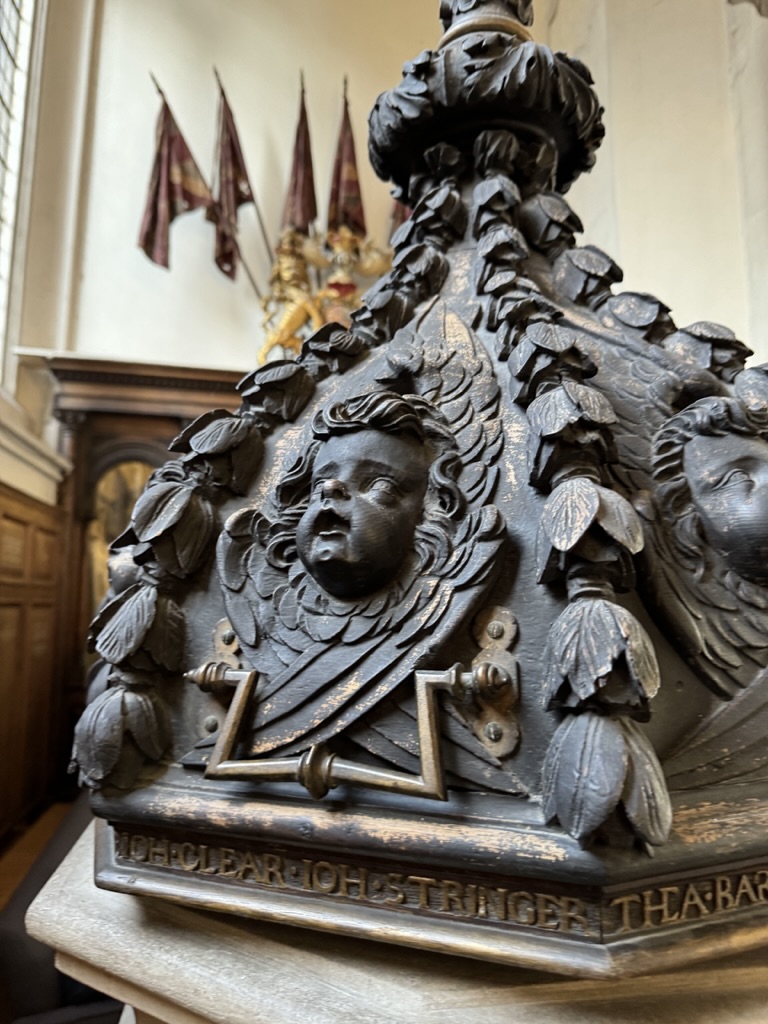
This beautiful font cover was donated by a parishoner in 1670 …

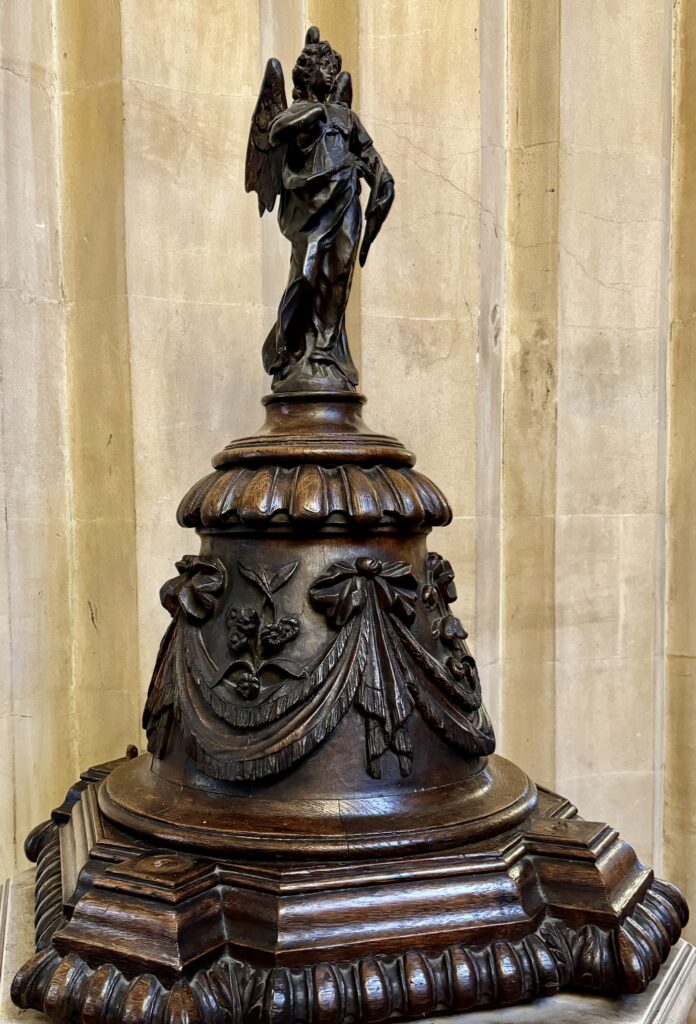
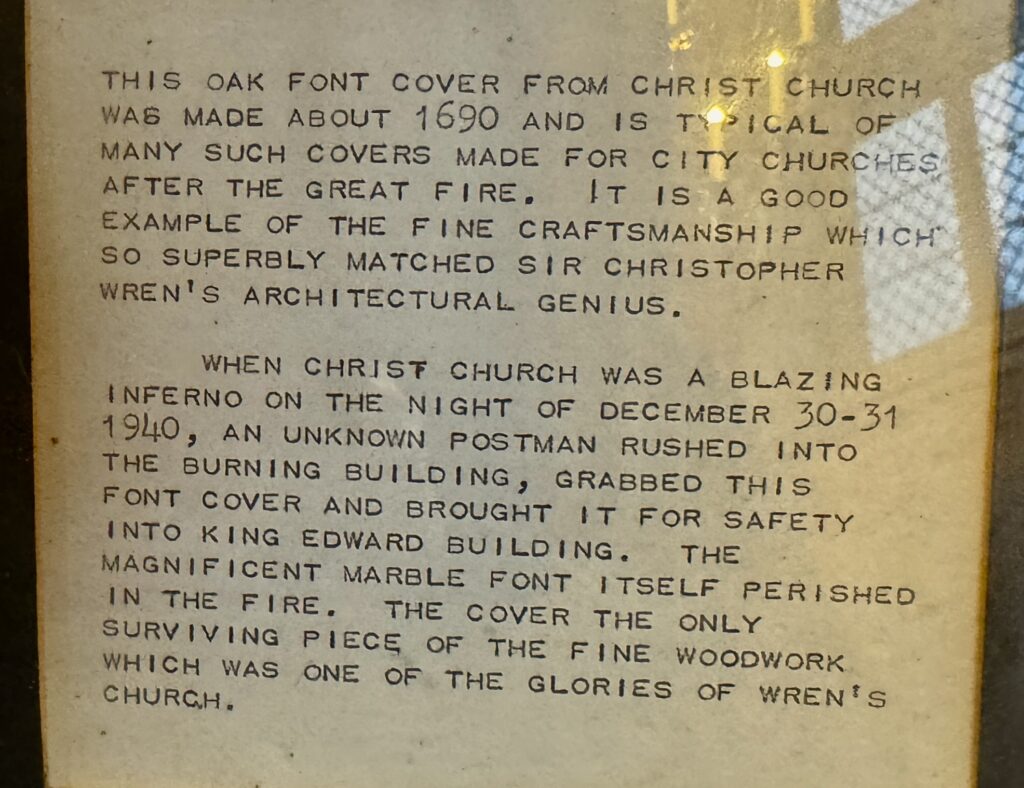
There is another font cover nearby with a thrilling back story …

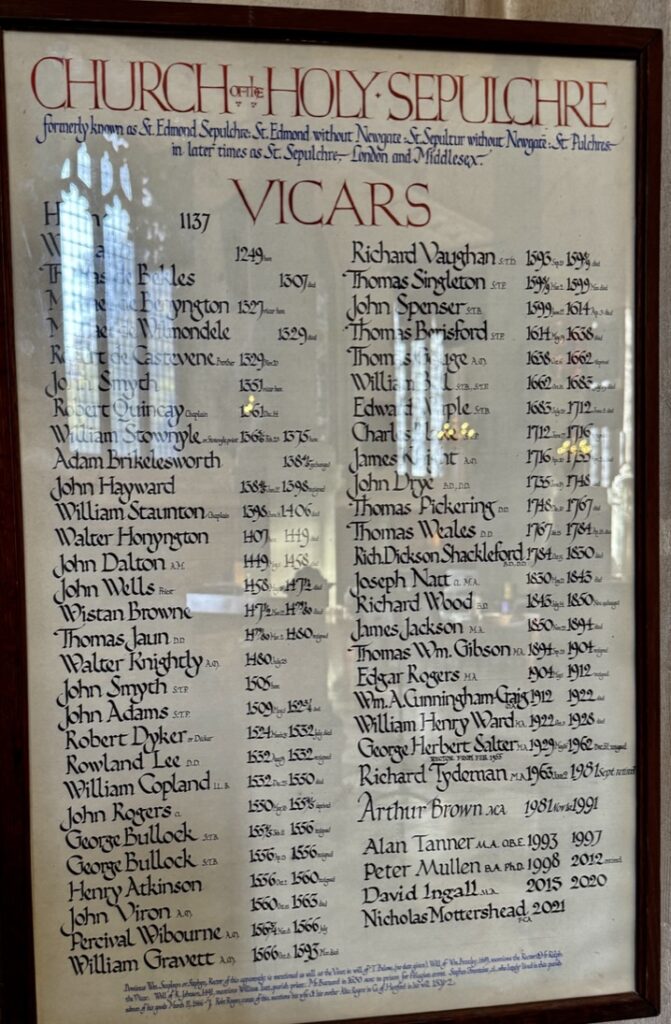
Vicars going back to the 12th century …

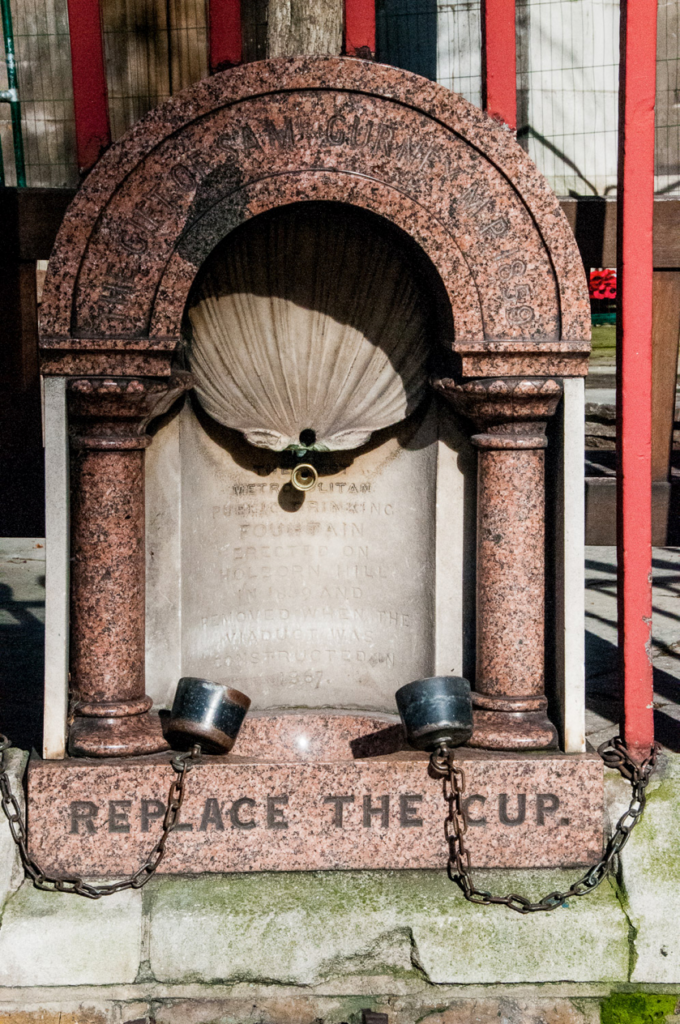
When you leave the church there is one other thing to look out for – the first ever public drinking fountain installed in London …

You can read all about it in my earlier blog entitled Philanthropic Fountains.

If you would like to follow me on Instagram here is the link …

https://www.instagram.com/london_city_gent/

‘Lest we forget’ …

After Remembrance Sunday every year it has become my habit to visit some of the City War Memorials, both to pay my respects and to read some of the moving tributes left by visitors.

The Tower Hill Memorial commemorates over 36,000 men and women of the Merchant Navy and Fishing Fleets who died in both World Wars along with the seafarers killed in the Falklands conflict of 1982.

The first was designed by Sir Edwin Lutyens and unveiled in 1928. The main structure is in Portland stone. It takes the form of a vaulted colonnade or pavilion reminiscent of a Doric temple but open at both ends …

That’s All Hallows-by-the-Tower in the distance …

The second was designed by Sir Edward Maufe and unveiled in 1955 …

It is a sunken garden with the steps leading down to it flanked by a Mercantile Marine officer …

… and a seaman of the Merchant Service. Behind him, in his eyrie above what was once the Port of London Authority building, Father Thames points towards the sea …

The walls are covered with bronze panels with the names of the dead arranged alphabetically under their ships with the name of the Master or Skipper first in each case if they were among the lost. At regular intervals, between the inscription panels, are allegorical figures representing the Seven Seas.

A little boy rides a dolphin accompanied by seahorses …

Neptune with his trident …

A mermaid combing her hair …

My eyes were drawn to these pictures of a lost sailor and his ship …

This is the sweet poem that was attached …

The Falklands Memorial …

A close up of the little hat …

The London Troops Memorial outside the Royal Exchange

Your attention may be drawn to two battalions with unusual names, the Cyclists and the Artists’ Rifles …

Bicycles were commonly used in the First World War, not only for troop transport, but also for carrying dispatches. Field telephones were limited by the need for cables, and ‘wireless’ communications were still unreliable, so cyclists – and runners, motorbike riders, and pigeons and dogs – were frequently preferred, by the Allies and the German army.

I came across two interesting recruitment posters for the Cyclists at the Imperial War Museum. The first paints a quite romantic picture of the battalion going into combat in the bucolic setting of what looks like an English village. Nothing like the industrial level mass slaughter that these poor men would have to face in the First World War…

This one made me smile taking into account, as it does, the poor state of early 20th century dental hygiene …

The story of the Artists’ Rifles is a fascinating one.

The regiment was formed in 1859 by art student Edward Starling. It was a volunteer regiment and formed out of the widespread fear of a French invasion. Many of those who joined were artists, actors, musicians and architects and its first headquarters was located at Burlington House. The First World War would see the regiment literally leading from the front as they become a training regiment for officers in this period. It is also for this reason that the Artists Rifles had one of the highest casualty rates of any regiment.

This painting, Over the Top by John Nash, depicts his regiment in action. On 30th December 1917, the 1st Artists Rifles counter-attacked at Welsh Ridge, south-west of Cambrai. Nash called the action ‘pure murder’ as most of the company were killed. A sergeant, he counted himself lucky to escape the carnage …

Copyright : Imperial War Museum.

During the Great War, 2,003 of the regiment’s men were killed and over 3,000 wounded. Members of the regiment would be awarded eight Victoria Crosses and over 850 other military awards including the Distinguished Service Order (awarded 52 times) and the Military Cross (awarded 822 times). They were also mentioned in dispatches 564 times.

Incidentally, in the very first episode of the fourth series of Blackadder he becomes an artist, believing that this is his chance to escape the trenches. However, it is revealed that the artist’s role is to undertake a highly dangerous job – to draw the enemy’s defences from No Man’s Land.

The last episode of the series is renowned for its moving climax and you can view it here : Good luck everyone.

On Cornhill, the Archangel Michael holds aloft a flaming sword ……

The memorial commemorates 2,130 men from the parish – and the neighbouring City of London parishes of St Peter le Poer and St Benet Fink with which it was merged in 1906 – who served in the British armed forces in the First World War. About 170 died in the war, listed on a roll of honour kept in the church.

By the angel’s right foot are two lions, one biting the other, representing war; by the left foot are four putti looking upwards, representing peace.

And finally to St Bartholomew the Great at Smithfield …

There is a plaque just behind the gate commemorating Sir Aston Webb’s work. It includes his coat of arms (which incorporates a spider, a playful reference to his name) …

Poignantly, the name Webb also appears on the memorial …

Aston’s son, Philip, was killed in action on 25th September 1916.

And finally, another poem dedicated to seafarers …

If you would like to follow me on Instagram here is the link …

https://www.instagram.com/london_city_gent/

Page 4 of 16

Powered by WordPress & Theme by Anders Norén

Symbols & Secrets
Privacy Overview

This website uses cookies so that we can provide you with the best user experience possible. Cookie information is stored in your browser and performs functions such as recognising you when you return to our website and helping our team to understand which sections of the website you find most interesting and useful.