Walking the City of London

Category: Commerce Page 24 of 27

City work and public sculpture

I thought it would be interesting to explore how public sculpture has been used to illustrate some of occupations that have been undertaken in the City over the centuries.

First up is one of my favourite pieces, The Cordwainer. Here on Watling Street (EC4N 1SR) you are in the Ward of Cordwainer which in medieval times was the centre of shoe-making in the City of London. The finest leather from Cordoba in Spain was used which gave rise to the name of the craftsmen and the Ward. In the background is the wall of St Mary Aldermary church …
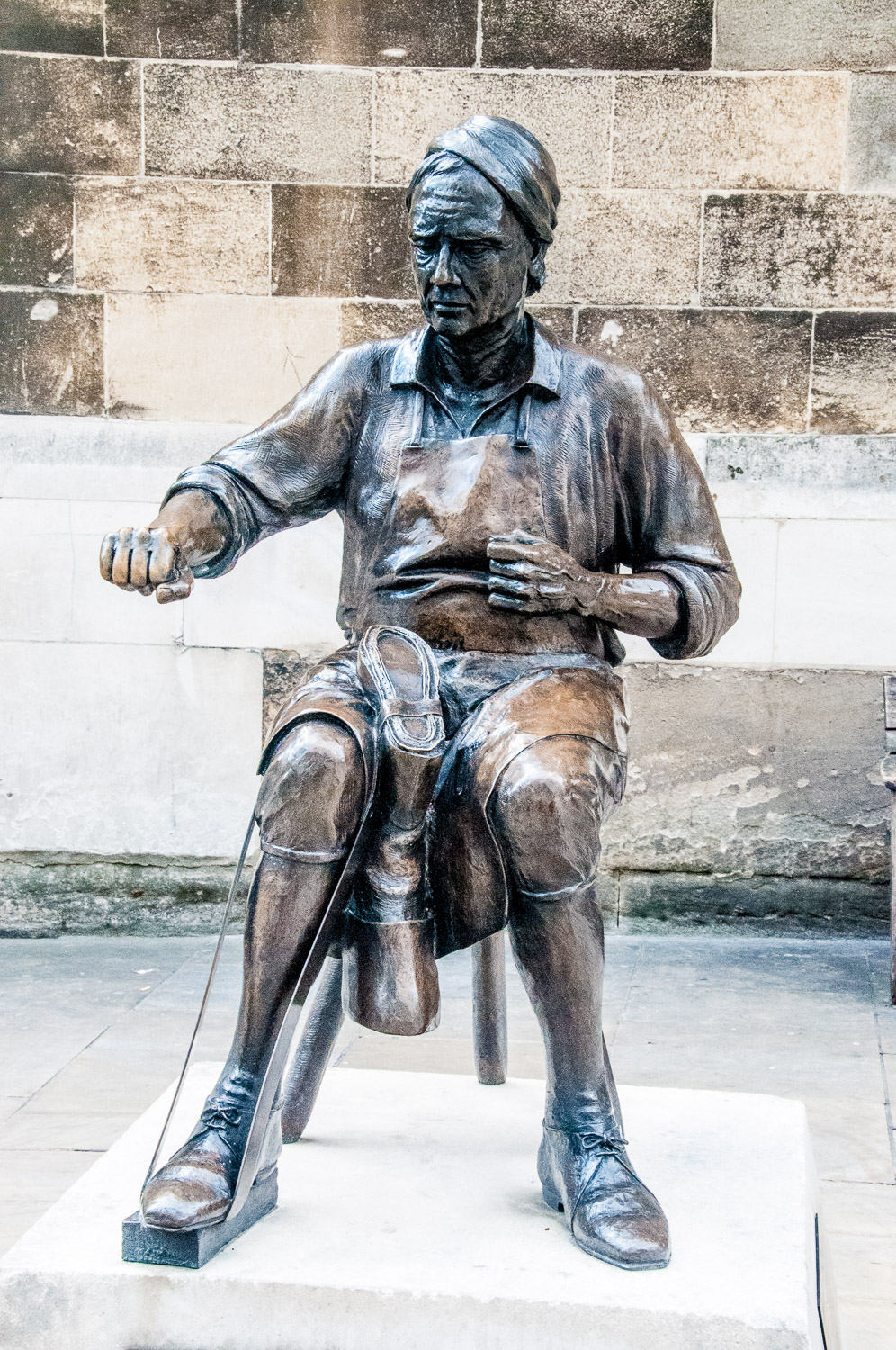
Sculpted by Alma Boyes (2002). You can visit her website here.
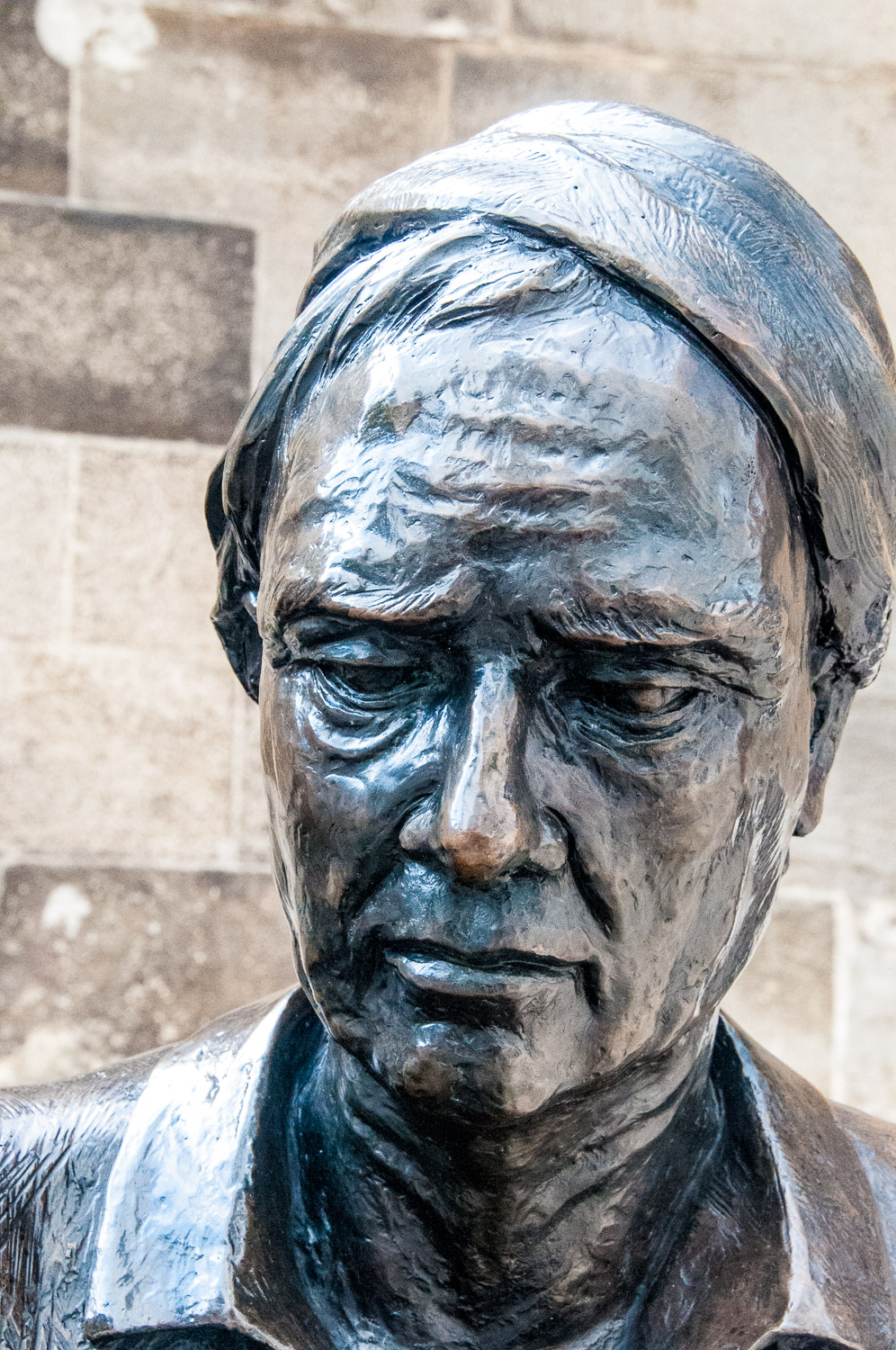
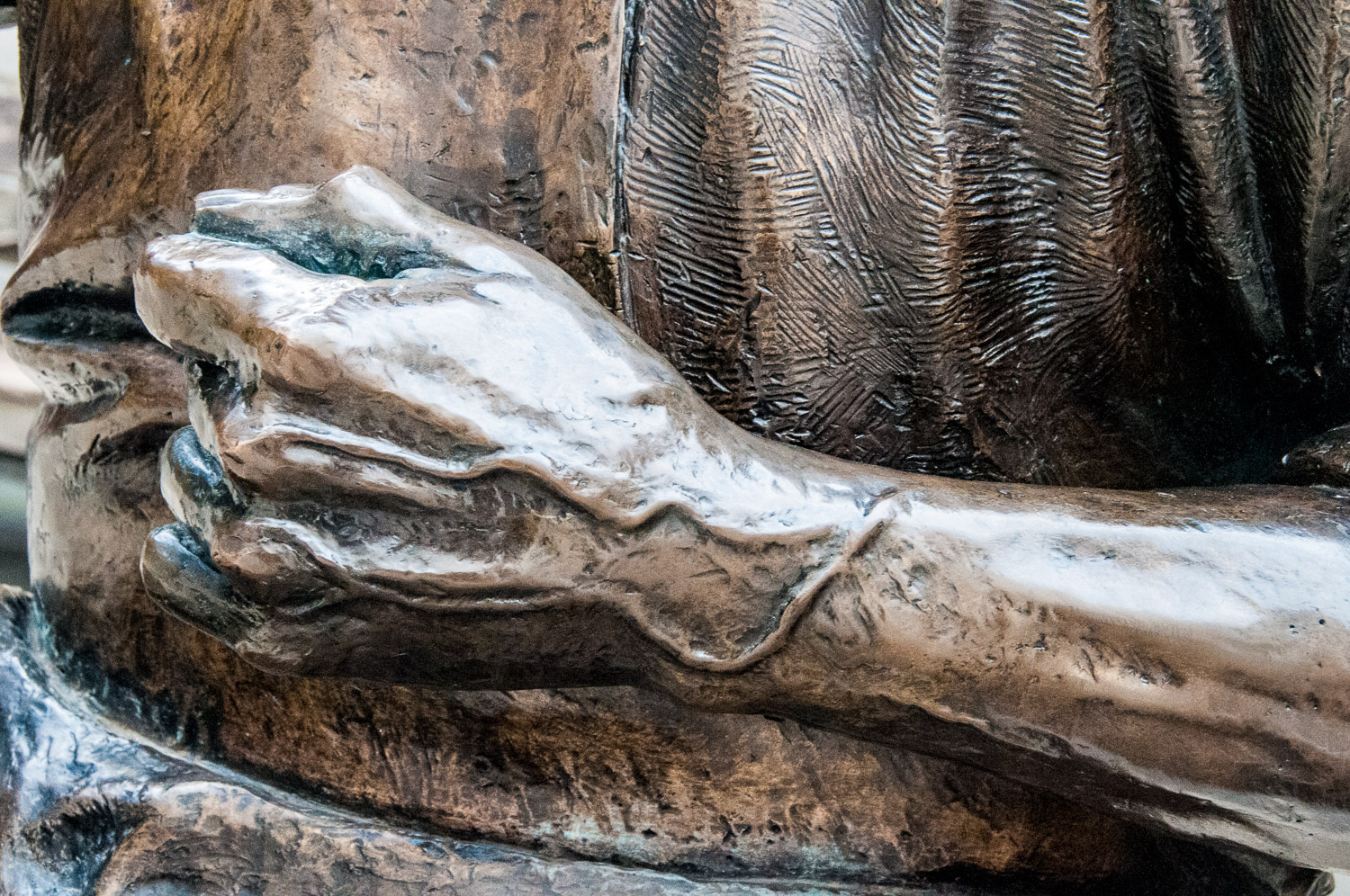
I love the detail in the work, the craftsman’s face and particularly the hands straining with effort. The statue’s shoes are very beautifully represented too – but then they would have to be.

It’s a bit of an over-simplification but, basically, cordwainers made shoes (and were not allowed to repair them) and cobblers repaired shoes (and were not allowed to make them). Cobblers got around this injunction by salvaging old leather and making ‘new’ shoes out of that, but in the end a pragmatic solution evolved and the two professions merged under the Cordwainers Company auspices. But if you want your shoes repaired today you still go to a cobbler.

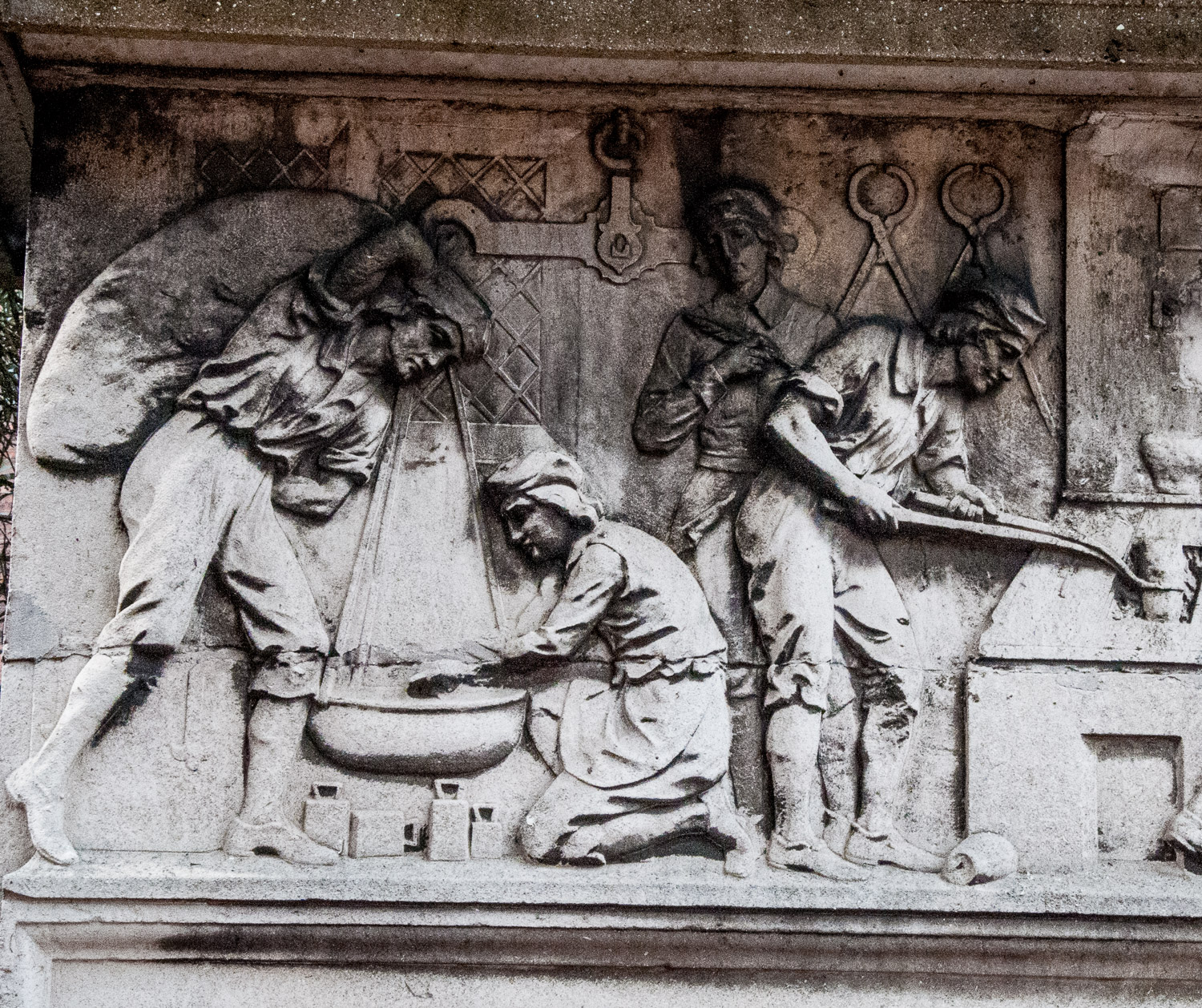
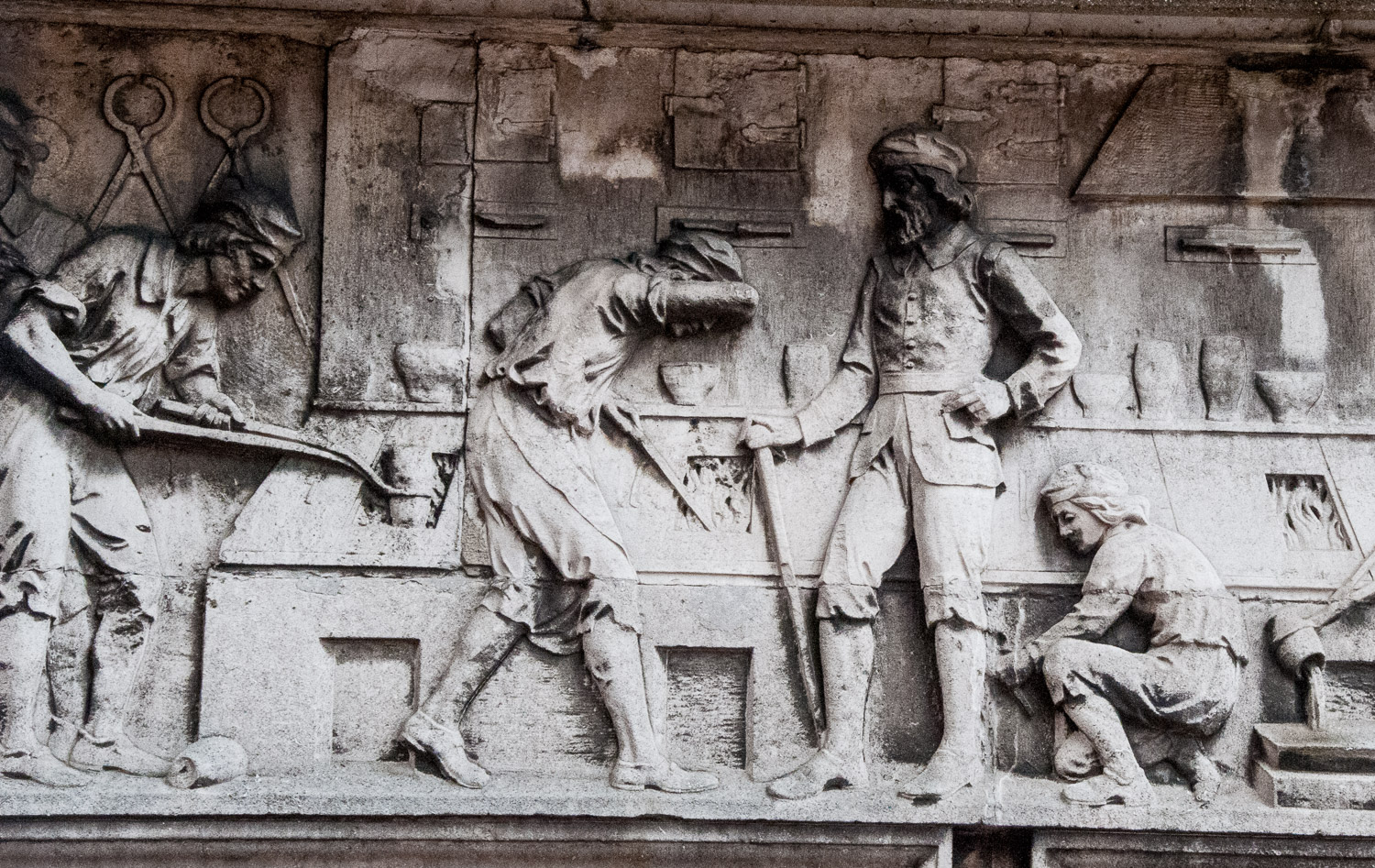
Beside the slope in Aldersgate Street that leads up to the Barbican Estate is this frieze (EC2Y 8AF). It used to be above the premises of W. Bryer & Sons who were gold refiners and assayers at numbers 53 and 54 Barbican. Having survived the Blitz the building was demolished in 1962 and the frieze re-erected here.
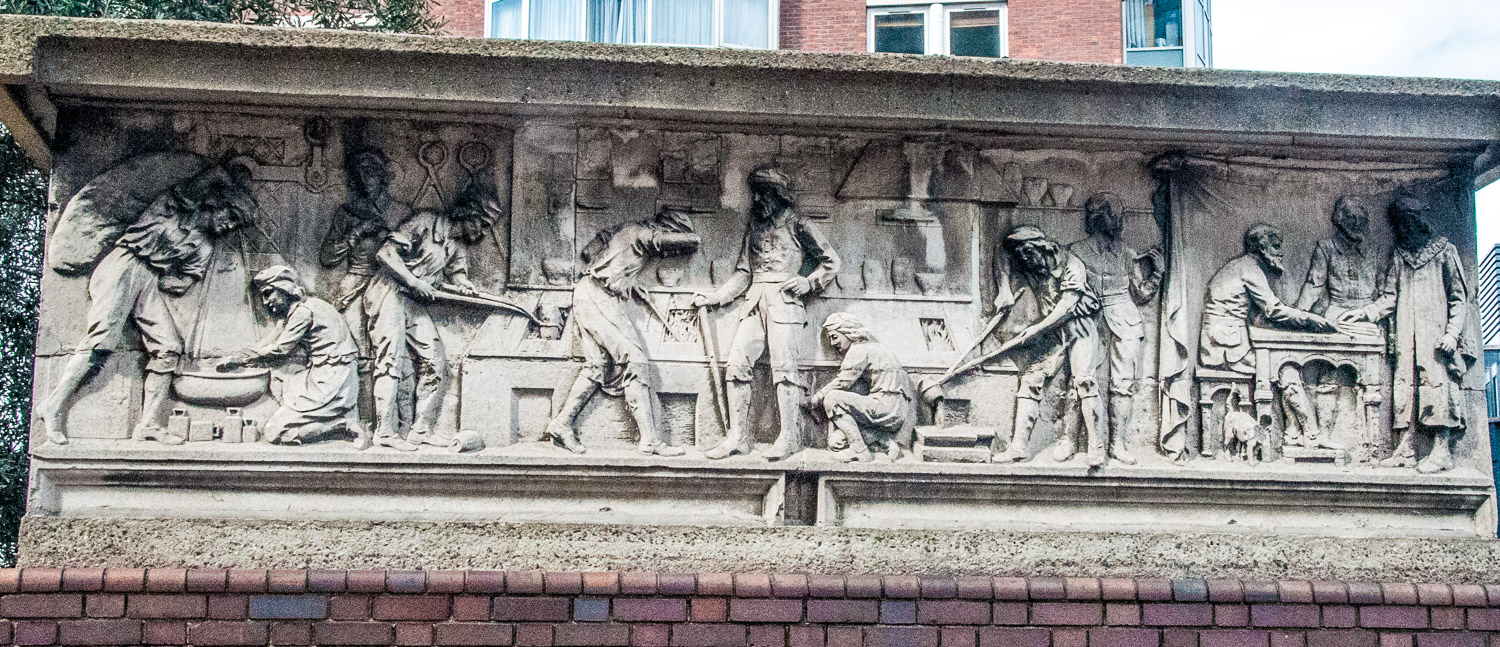
‘Gold Smelters’ – Made in Portland stone by J Daymond & Son (1901).

The photographs are mine but I am indebted to The Victorian Web for the descriptions of what is happening.

The left side of the frieze depicts the arrival, weighing, recording the results (by man with the quill pen), and melting the ore. The man with the quill pen, a superviser rather than a workman, is the only one in this part of the scene whose clothes obviously date to the seventeenth century or earlier …
The middle portion of the frieze depicts men working at the smelter: the man at left, whom we have already seen in the previous detail, holds a vessel with tongs while the man to his right stirs the fire, shielding his face from the heat with his right arm. The next man either rests or supervises the work, and the young man kneeling behind him most likely feeds the furnace …
The right side of the frieze shows a worker pouring the refined gold into a mould, and the man behind him examines a small ingot. Outside the workshop, which a curtain divides from the smelting operation, a seated man presents the refined gold to a customer. Here the figures all wear clothing from earlier periods …
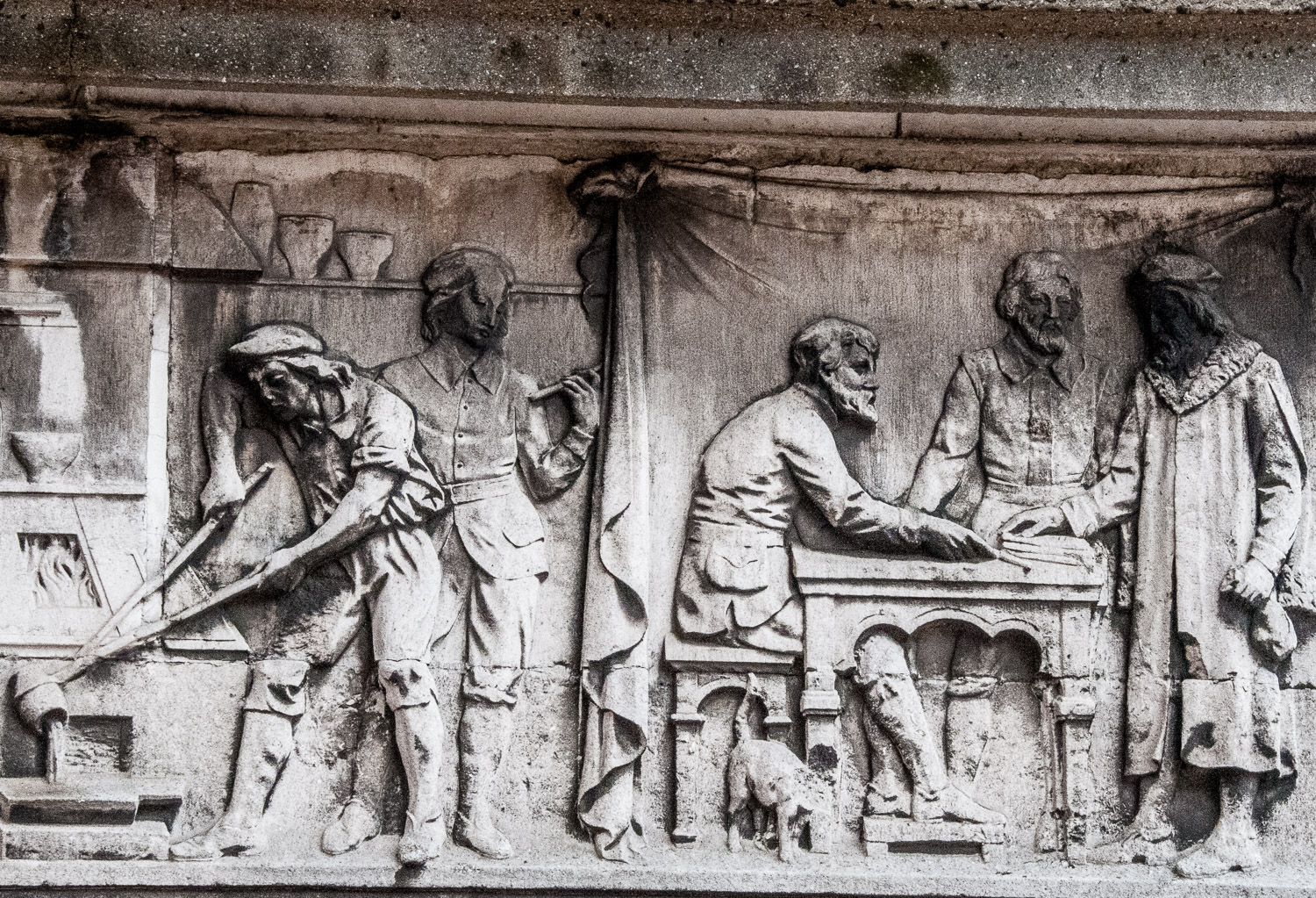
What a shame that the friendly shop cat rubbing himself up against the table leg has been damaged.

James Henry Greathead was a South African engineer (note the hat) who invented what was to become known as the Greathead Shield. He came to be here on Cornhill because a new ventilation shaft was needed for Bank Underground Station and it was decided that he should be honoured on the plinth covering the shaft …
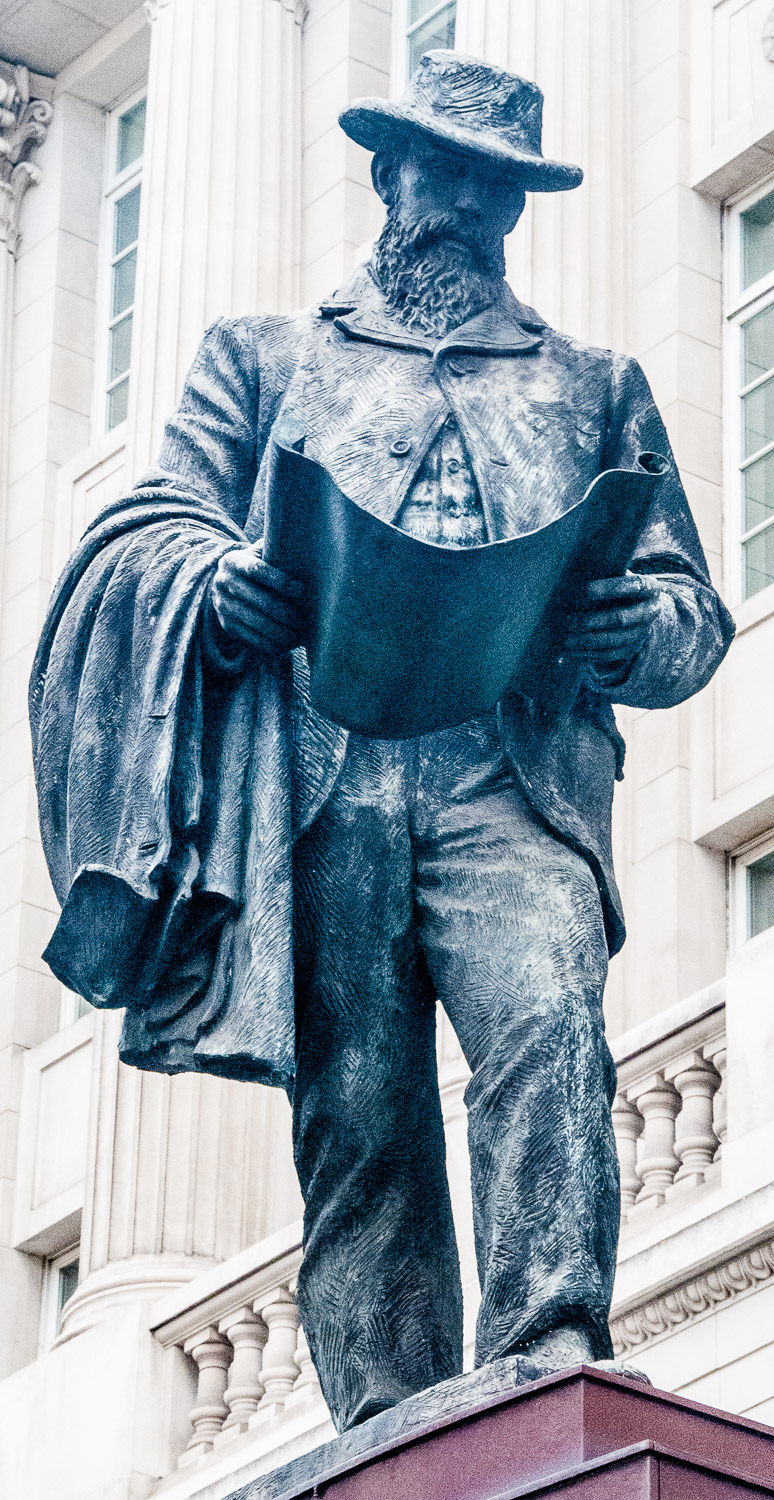
Designed by James Butler (1994) – Cornhill EC3V 3NR.

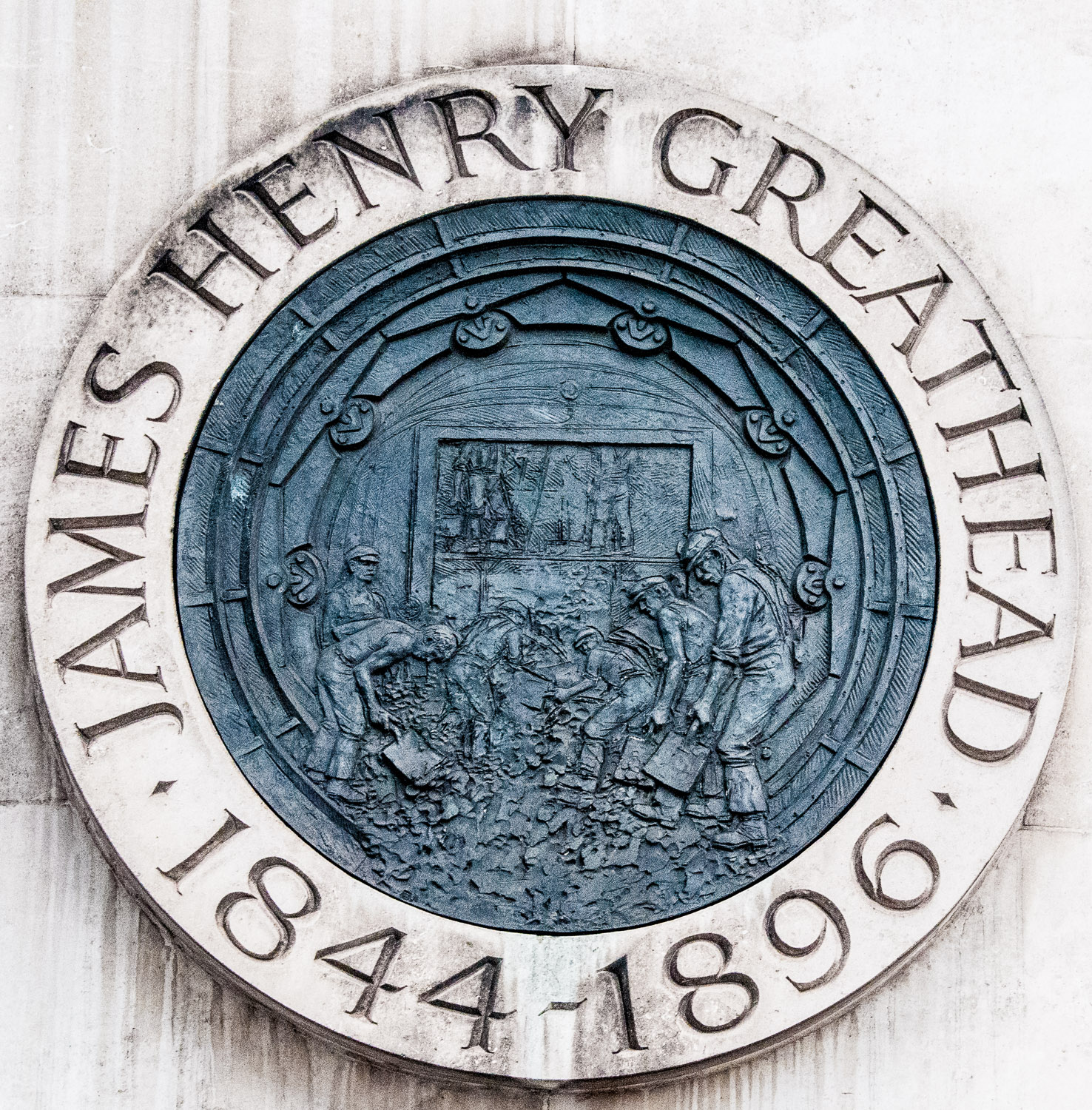
The Shield enabled the London Underground to be constructed at greater depths through the London clay. The miners doing the tunneling, using pneumatic spades and hand shovels, would create a cavity in the earth where the Shield would be inserted to hold back the walls whilst the miners installed cast-iron segments to create a ring. The process would be repeated until a tunnel had formed in the shape of a ‘tube’, which is where we get the nickname for the network today. A plaque on the side of the plinth shows the men at work …
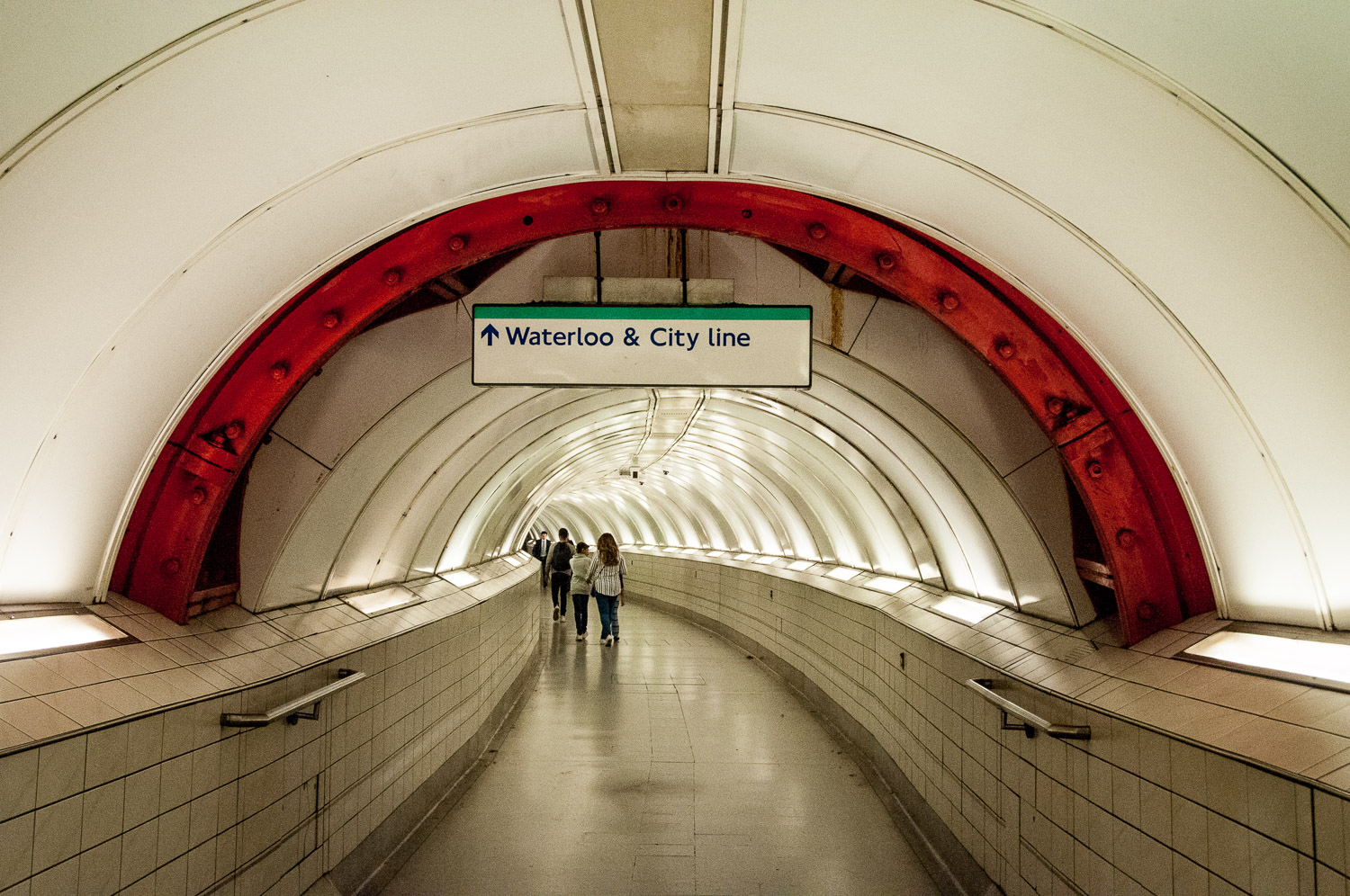
Would you like to see a Greathead Shield? It’s easier than you might think since Shields were often abandoned when work was completed. Take the Northern Line to Bank and (without leaving the station) follow the signs for the Waterloo and City Line. This is what you will come across …
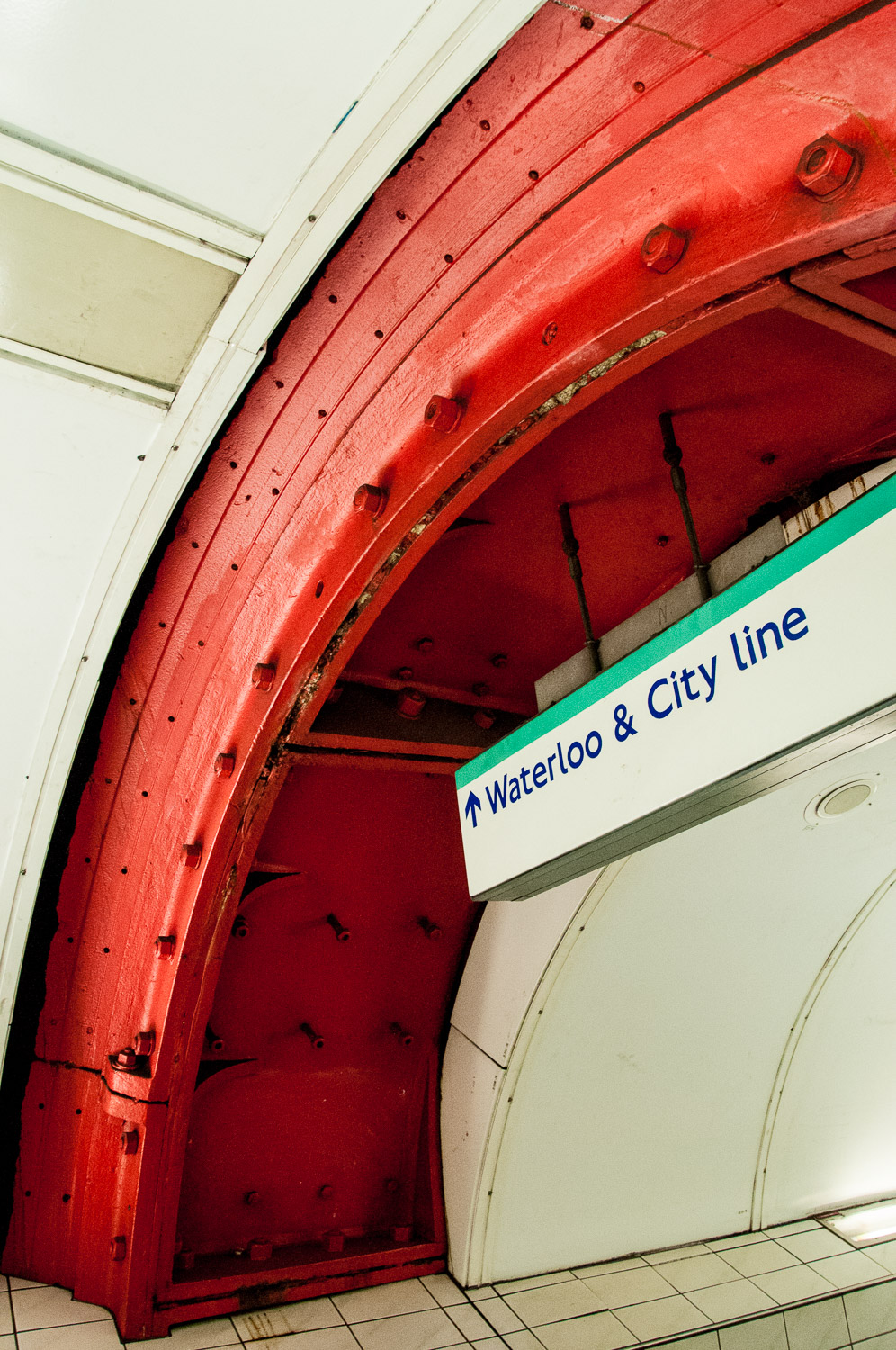
Here is some detail …
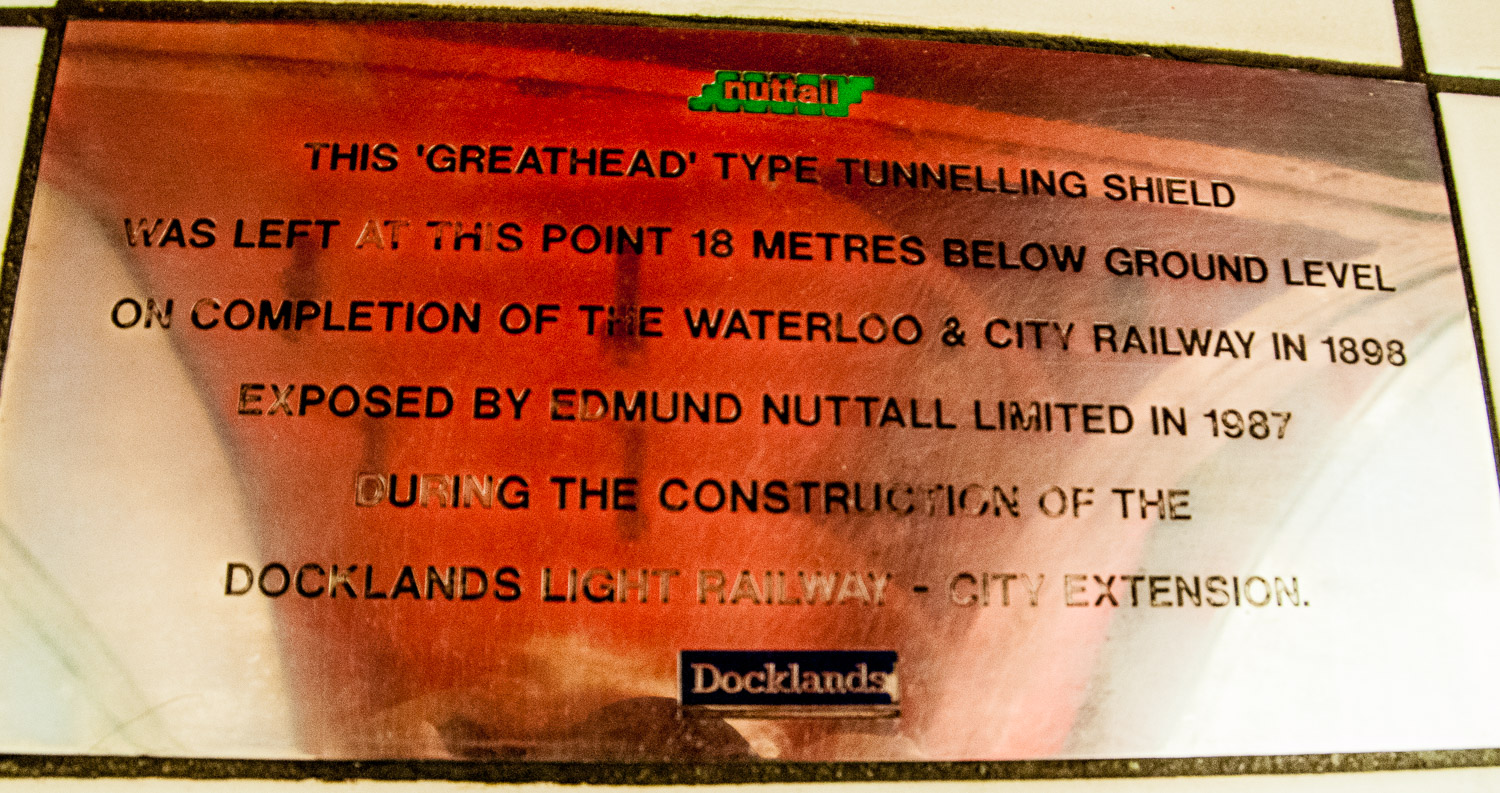
The plaque underneath explains all …
In next week’s blog I will be looking at some 20th century occupations and the way they have been celebrated in sculpture.


City of London pub ghosts

The City has been home to thousands of pubs over the years. Some have continued to flourish for, literally, centuries whereas others have disappeared. I have been exploring to see if I can identify some remnants of those lost hostelries.

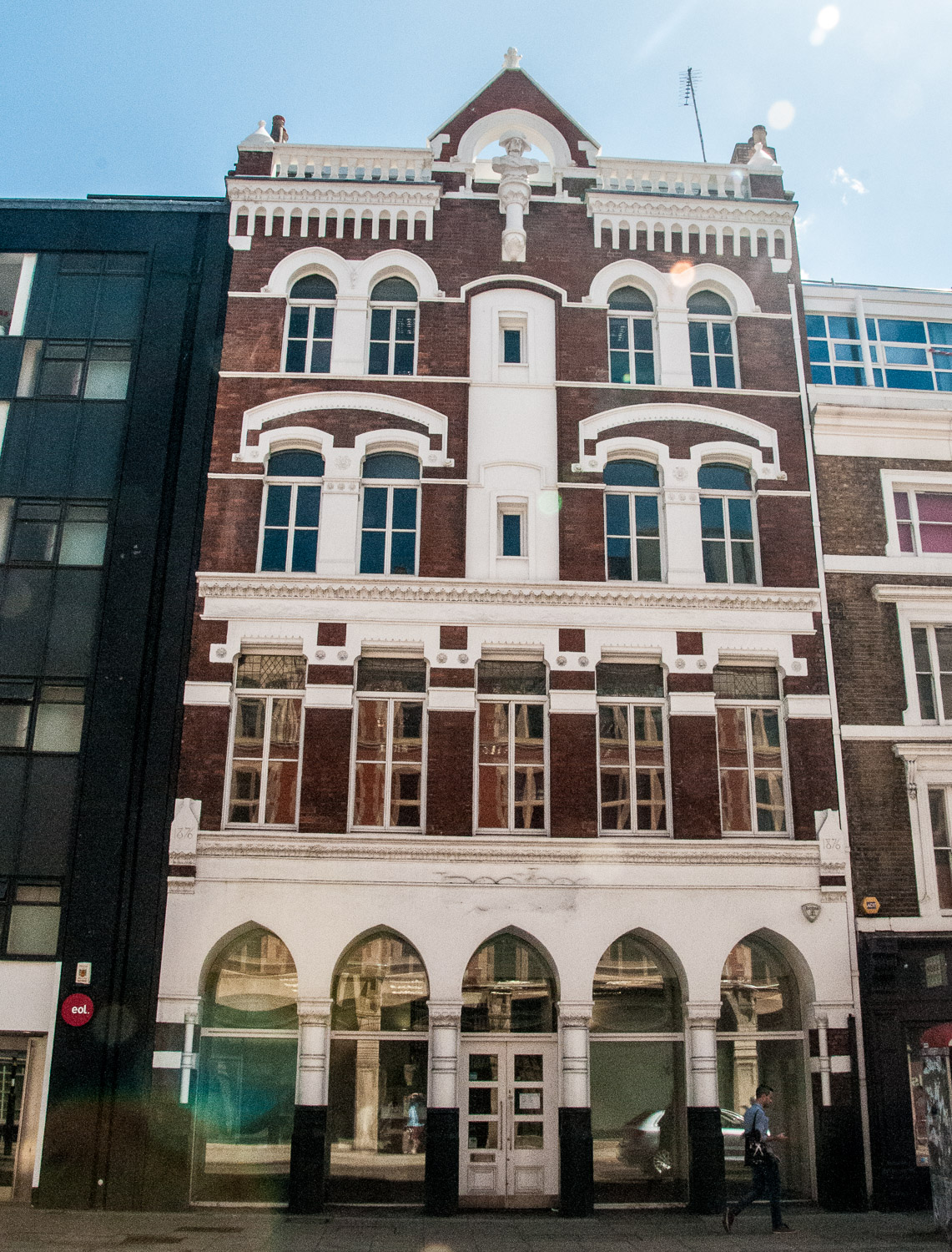
At 12 Old Street is the building that once housed The Old Rodney’s Head …

The building is for sale at the moment – offers in excess of £6.5 million – EC1V 9BE.

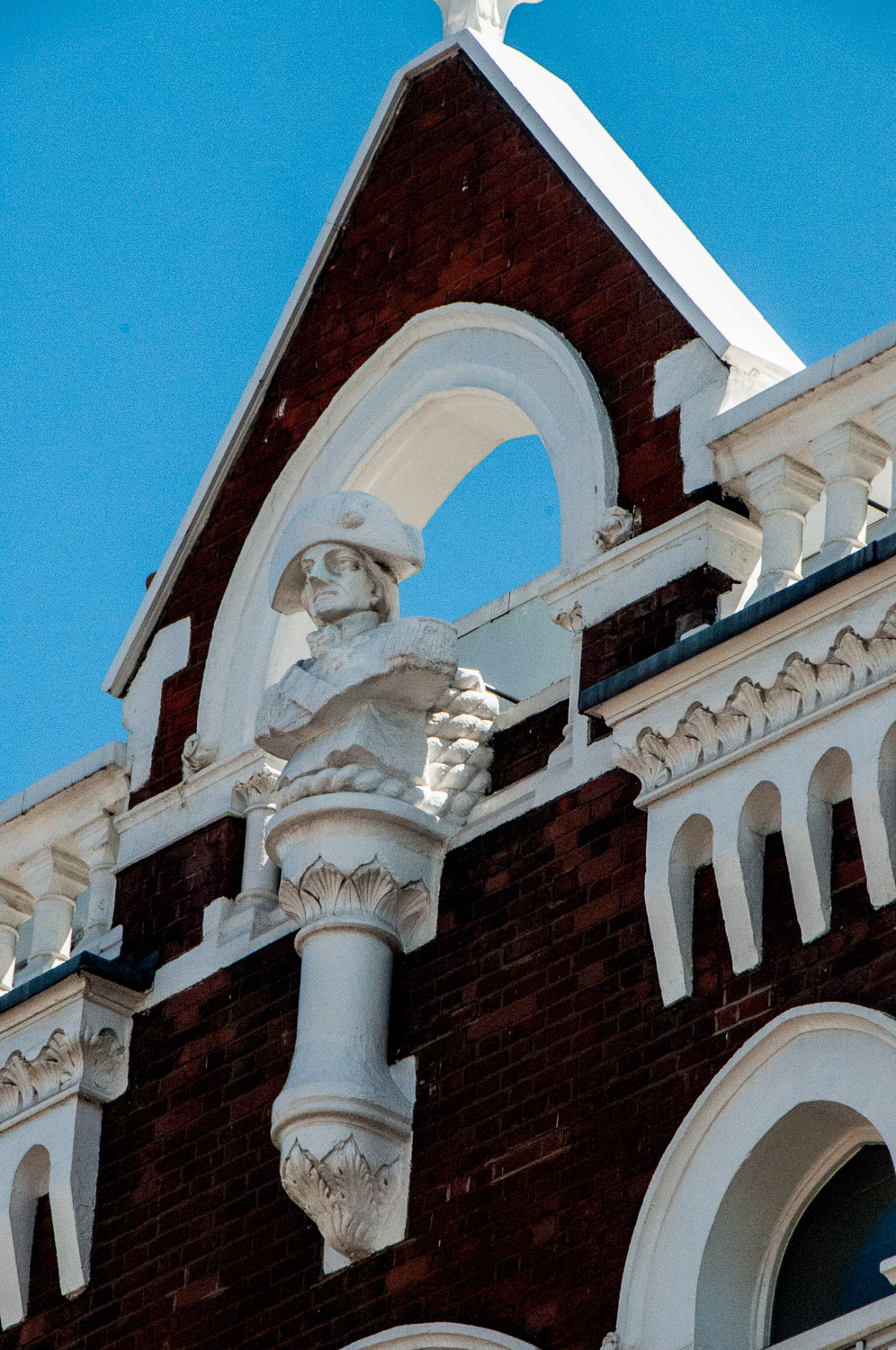
George Brydges Rodney, 1st Baron Rodney (1718-1792) was a famous Admiral best known for his victory over the French at the Battle of the Saintes in 1782 which ended the French threat to Jamaica. The building dates from 1876 and Rodney still gazes down on Old Street …

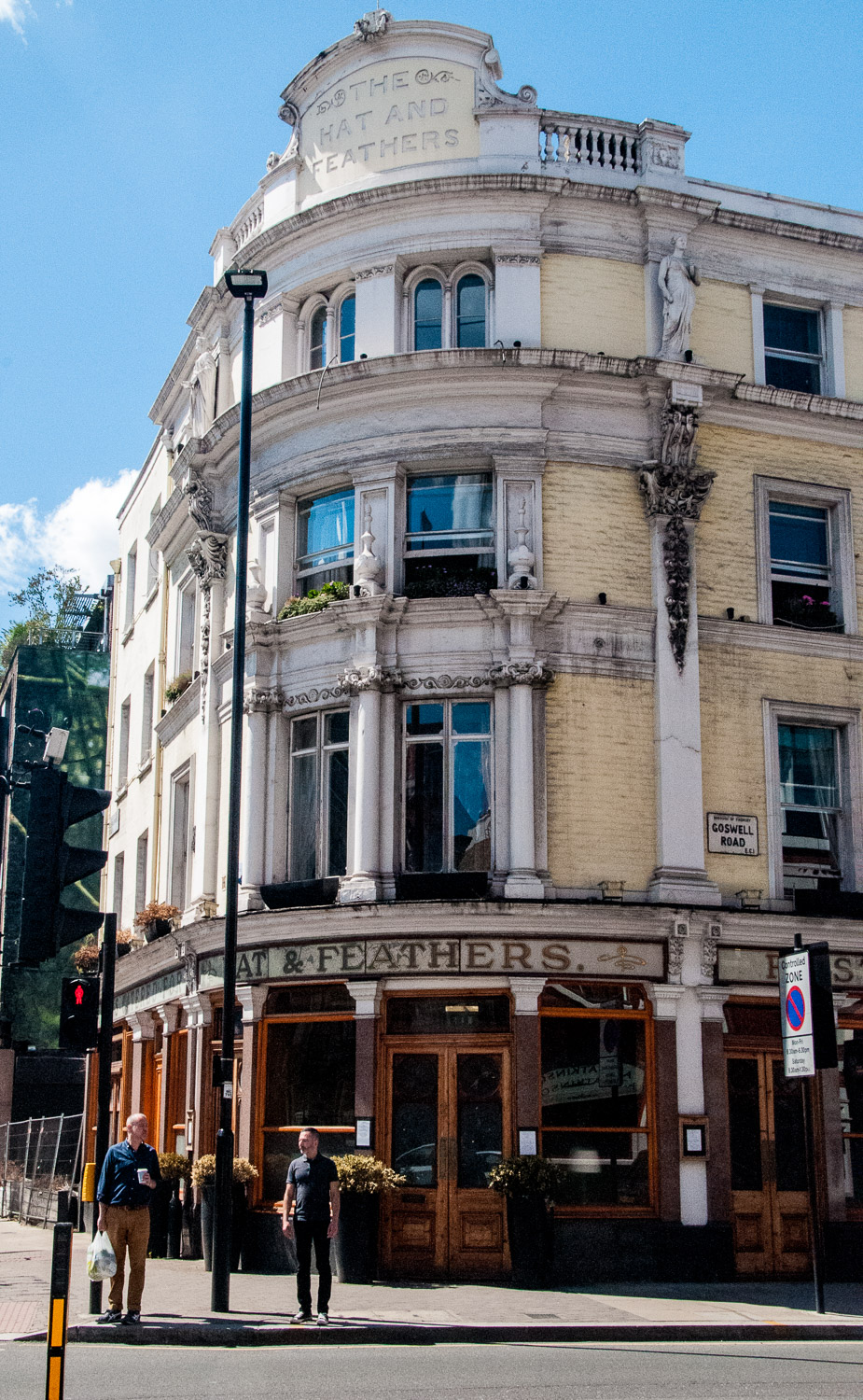
Sadly the Hat and Feathers has not reopened after a short time operating as a restaurant …

2 Clerkenwell Road EC1M 5PQ.

British History Online tells us that the building dates from 1860 and the facade – ‘gay without being crude’ – is decorated with classical statues, urns and richly ornate capitals and consoles.

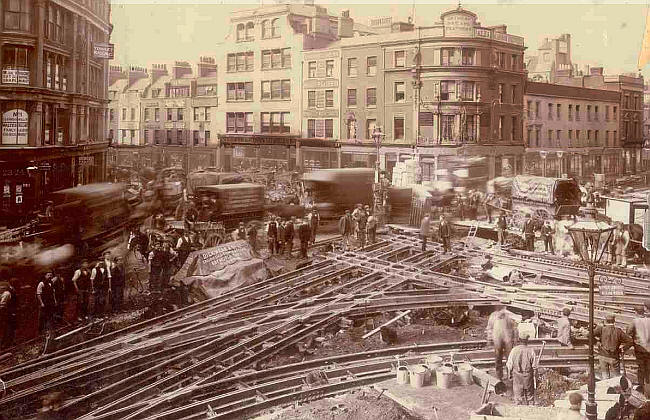
I found this fascinating picture whilst researching …

Laying tramlines outside the pub in 1906 – source UK Pub History.

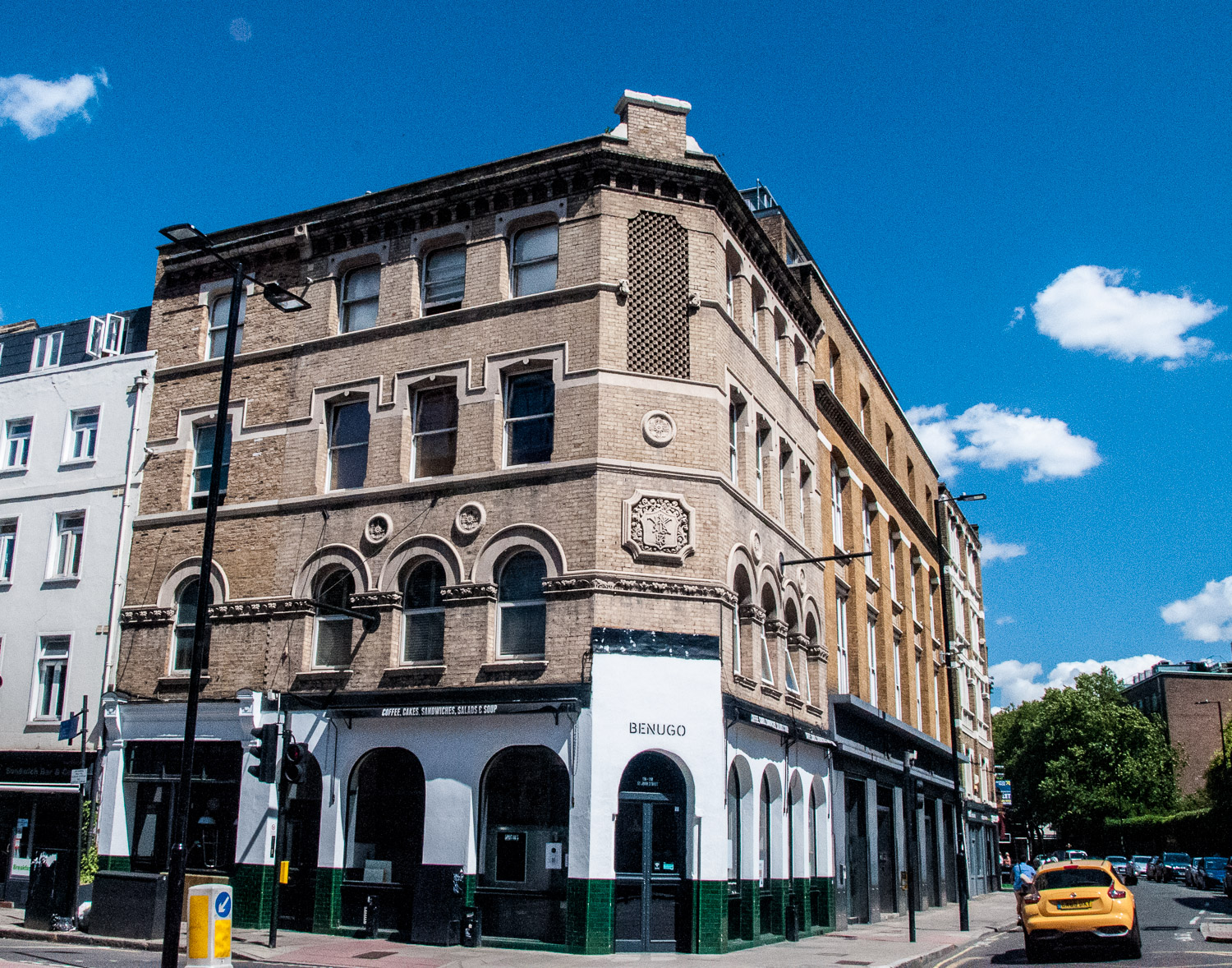
At the corner of Clerkenwell Road and St John Street is the building which once housed the Criterion Hotel (EC1V 4JS) …

The owners of the Cannon Brewery in St John Street built the Hotel here in 1874–6 as a replacement for the Red Lion and Punchbowl at No. 118 St John Street. This old tavern itself survived as a shop, but was eventually replaced in the 1920s by the present two storey extension to the Criterion, matching the style of the 1876 building. The Criterion closed in the 1960s, becoming a watch-materials shop and then, in the late 1990s, a restaurant.

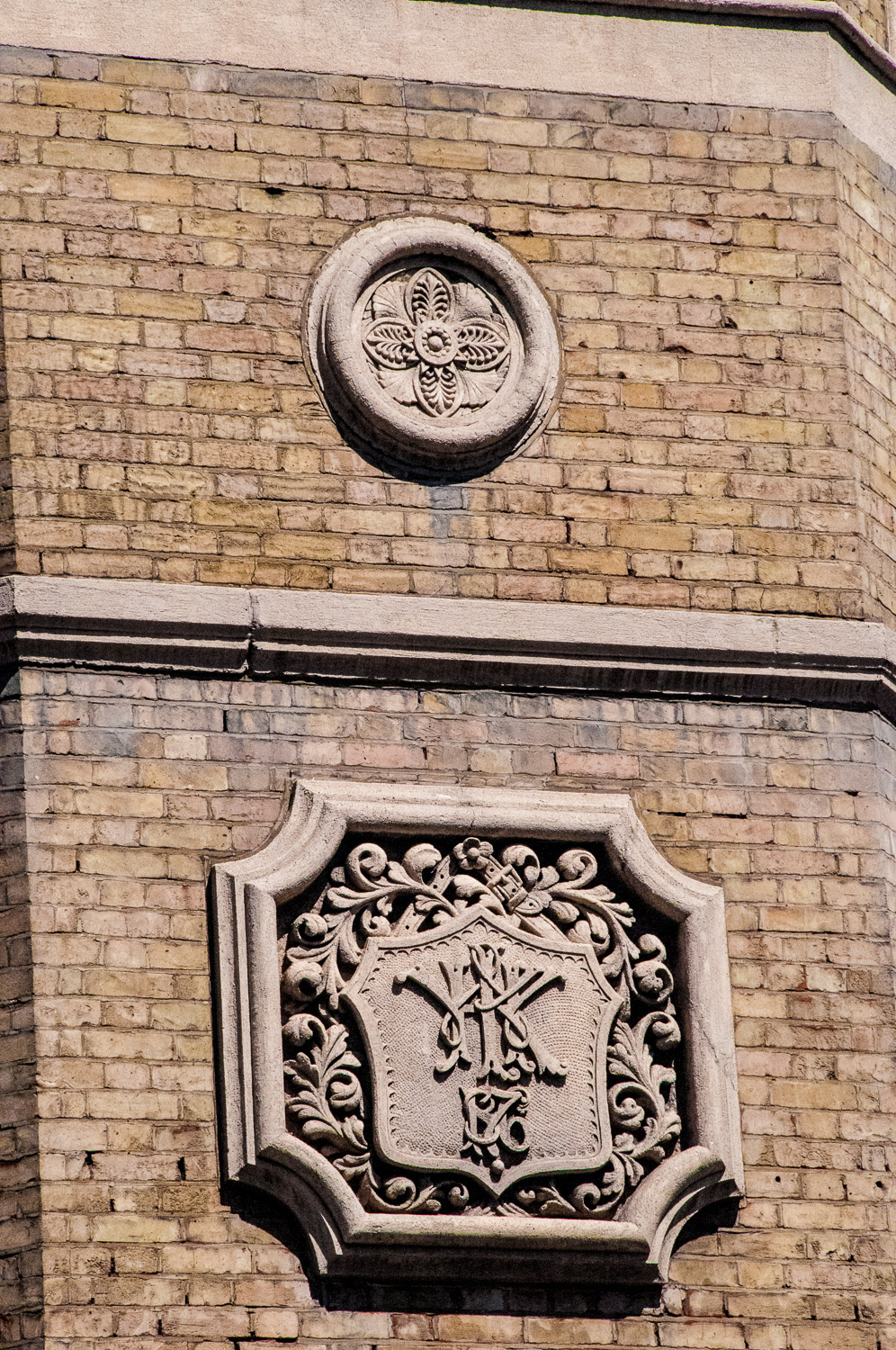
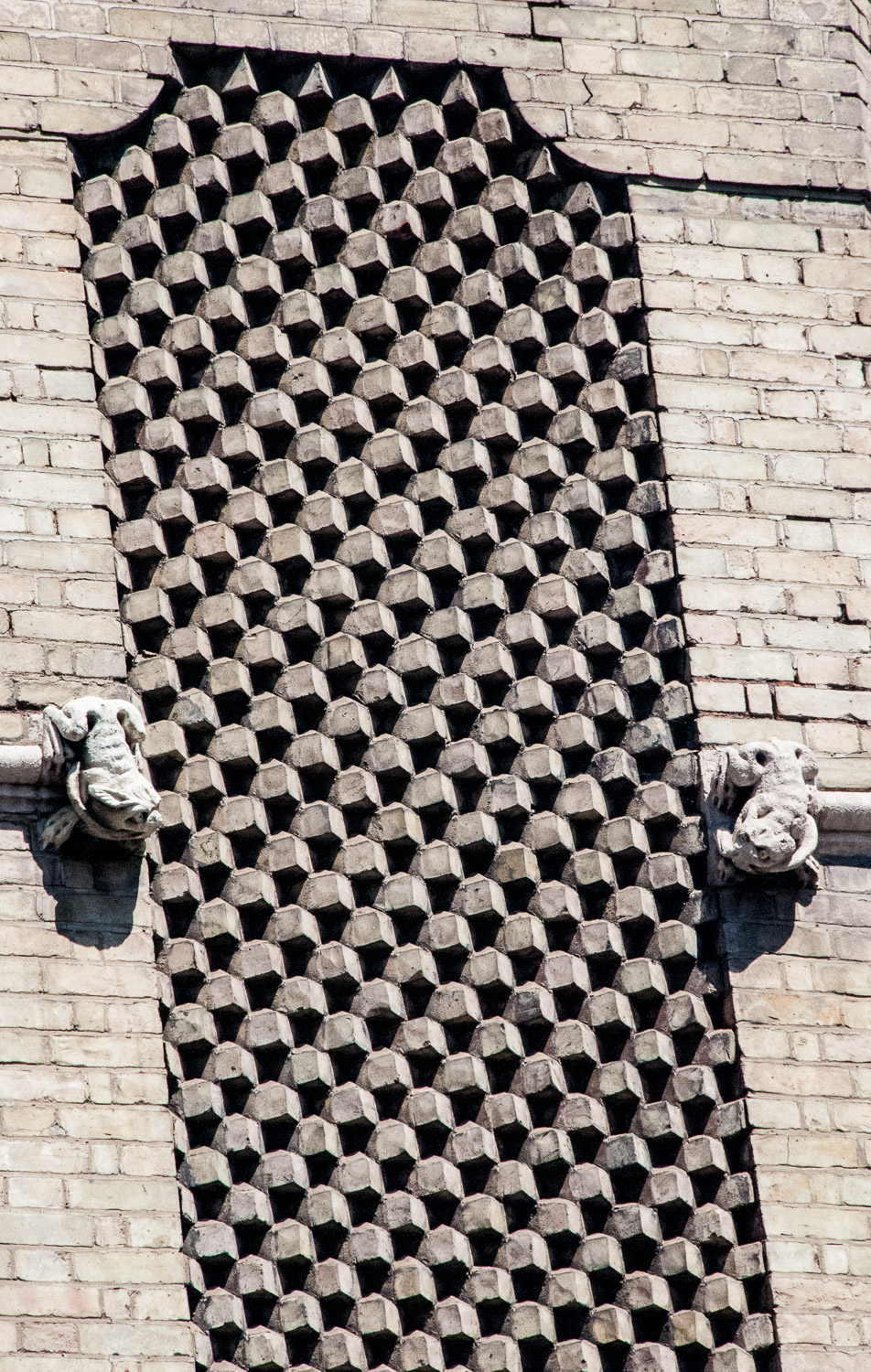
Look at this lovely ornate brickwork …

I don’t know the significance of the two frogs, or maybe they are toads.

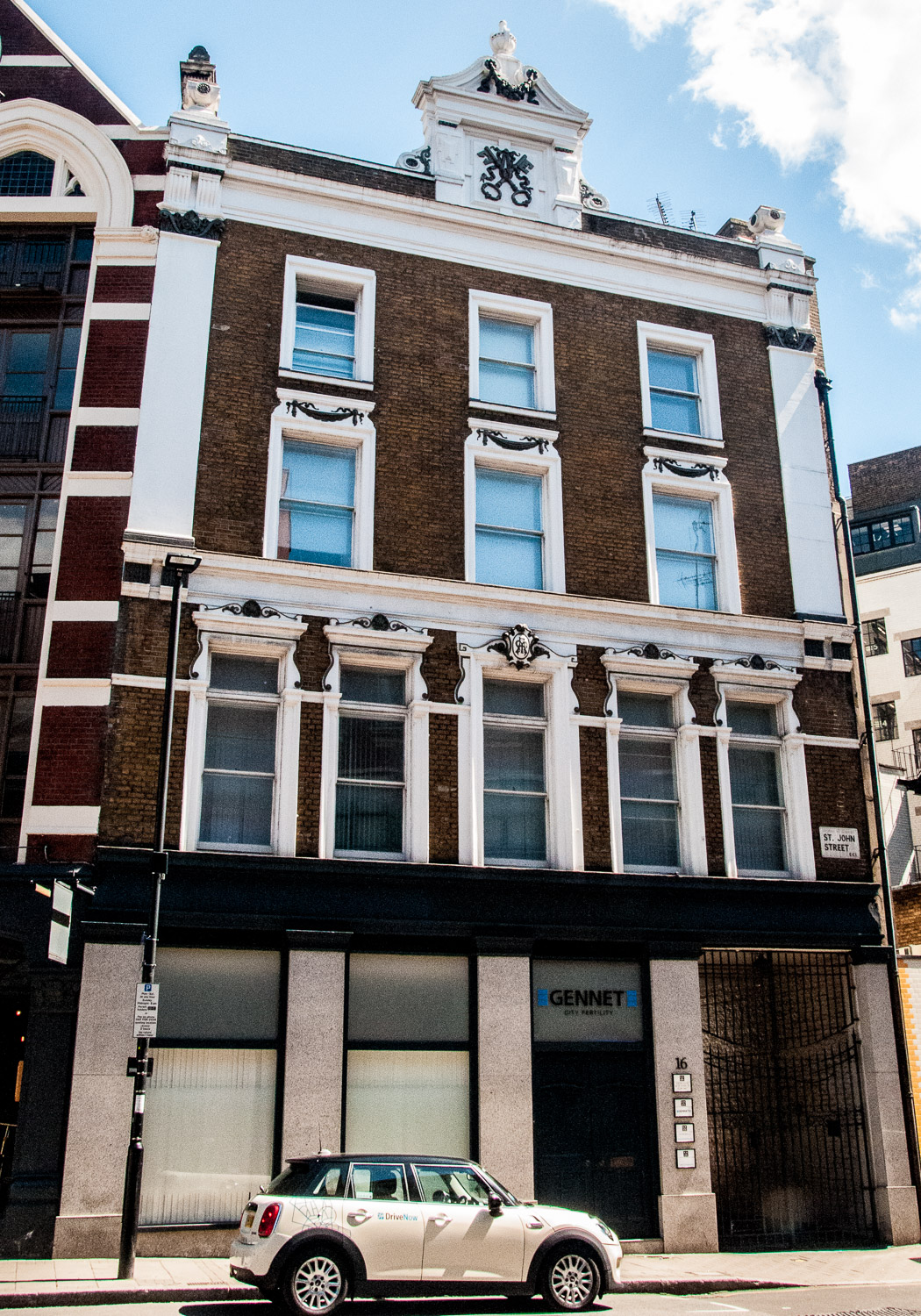
Further down St John Street at number 16 is the previous home of the Cross Keys pub with the pub’s emblem still visible at roof height (EC1M 4NT)

According to British History online the former Cross Keys inn was rebuilt in 1886–7 for Lovell & Christmas, provision merchants. It has been closed as a pub since the Second World War and was occupied during the 1980s as the London headquarters and library of the Communist Party of Great Britain, before being refurbished as offices in the early 1999.

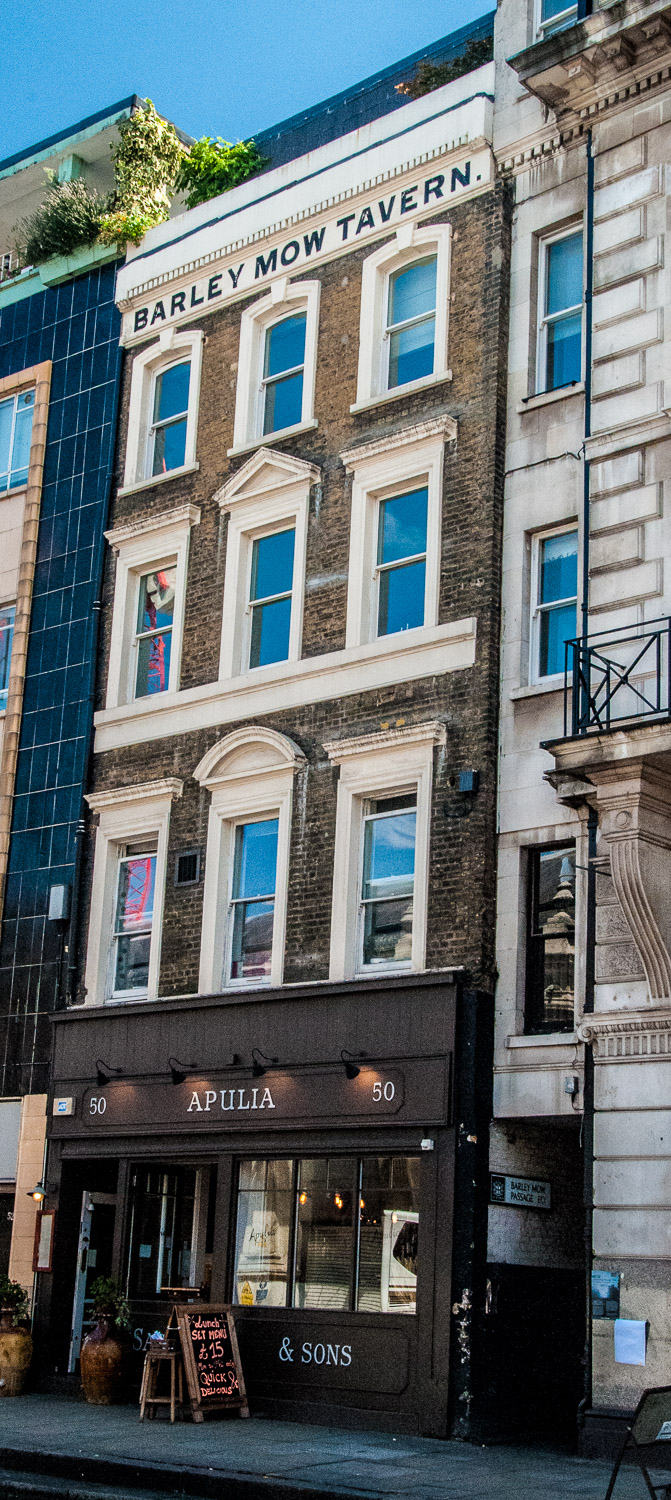
The Lost Pubs Project informs us that the Barley Mow was around as long ago as 1806 although it was rebuilt in the late 19th century. It is now a restaurant but the name lives on at the top of the building’s facade and the adjacent Barley Mow Passage (EC1A 9EJ)

In their 1973 book City of London Pubs the authors Richards and Curl describe the White Hart at 7 Giltspur Street as …

The most lavish pub encountered for some time, with heavily upholstered seats and settees, low coffee-type tables, a Black Watch tartan carpet , soft music and subdued lighting.

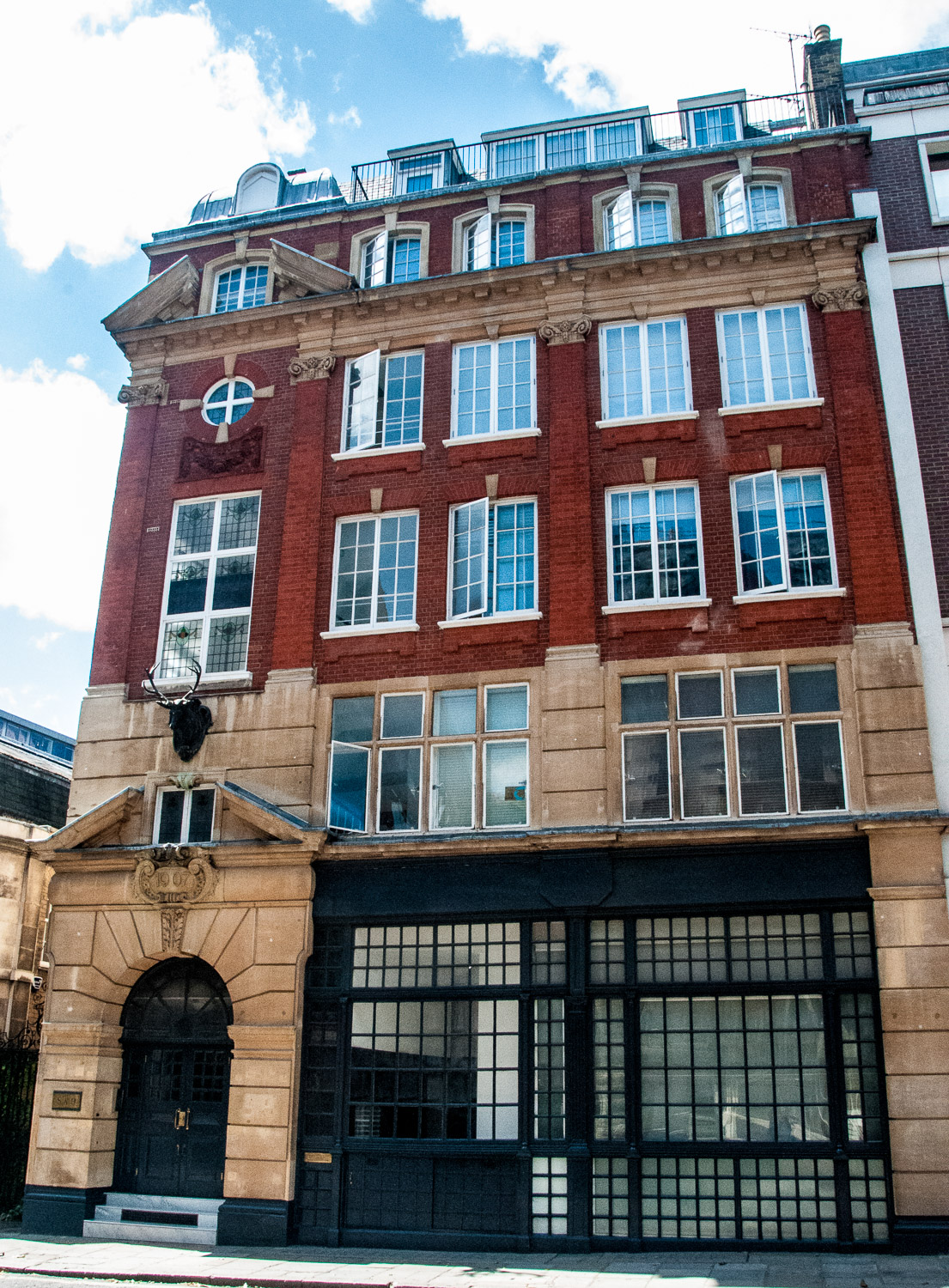
Makes one want to visit, doesn’t it, but unfortunately it is now office accommodation …

The building dates from 1907 – EC1A 9DE 

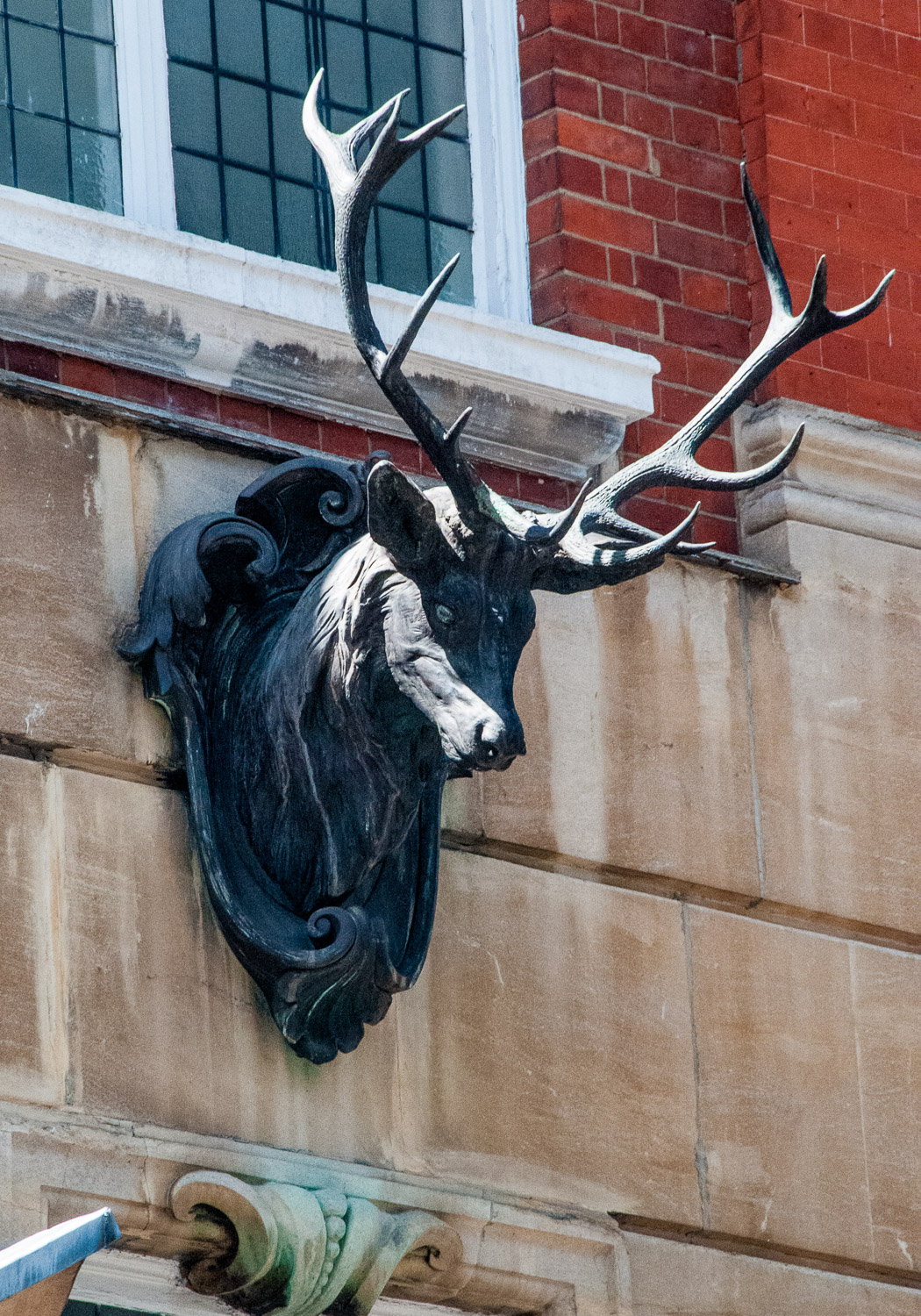
But the stag’s head remains over the entrance, rather spookily scrutinising visitors …

Incidentally, in 2014 the Darkest London blogger tracked down all the pubs in Richards and Curl’s book to see what had happened to them since it was published and you will find more information here.
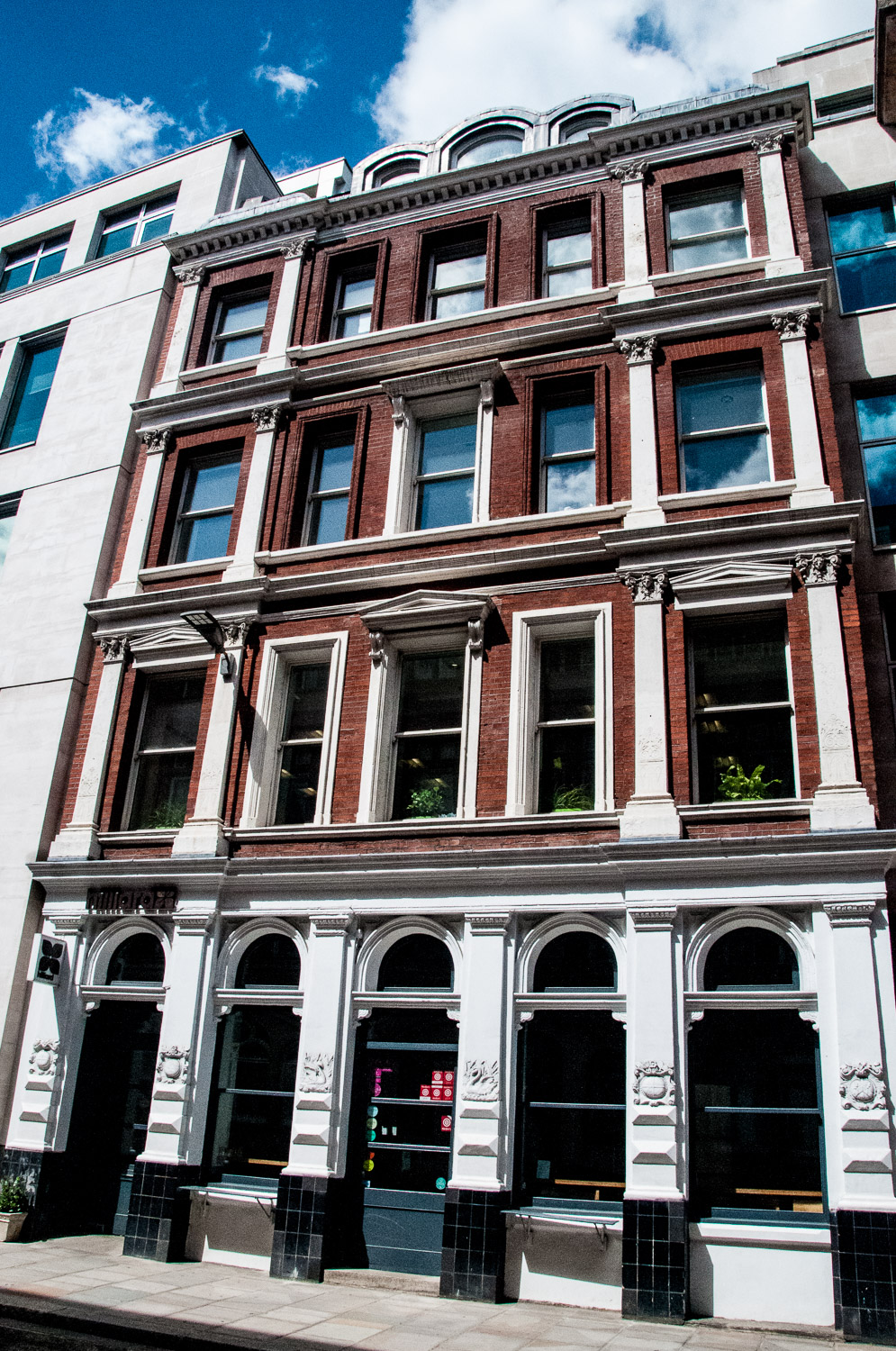
This building at 28-30 Tudor Street bears further investigation  (EC4Y 0BH)

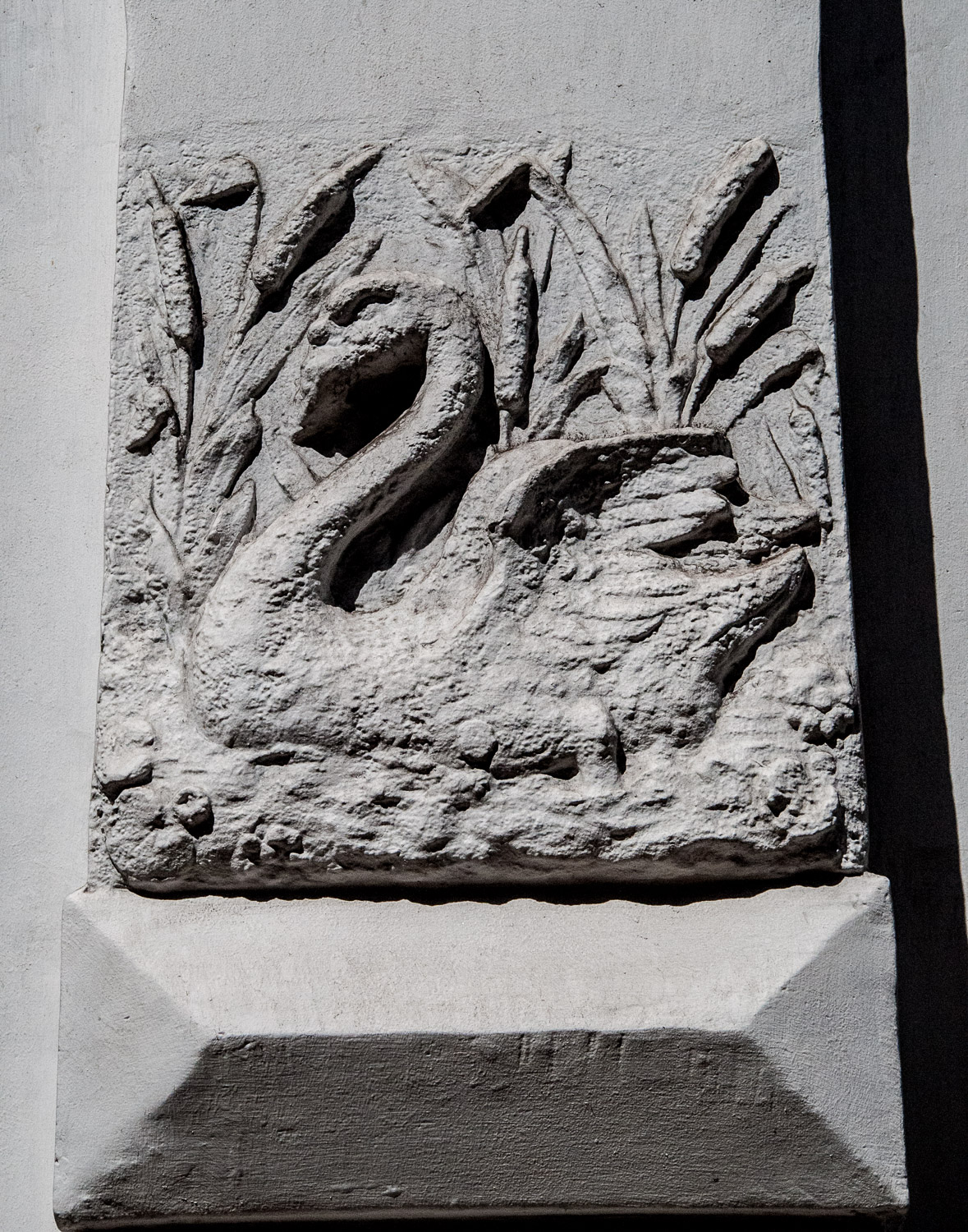
It was once The White Swan pub, known locally as The Mucky Duck. Swan motifs remain either side of the entrance …

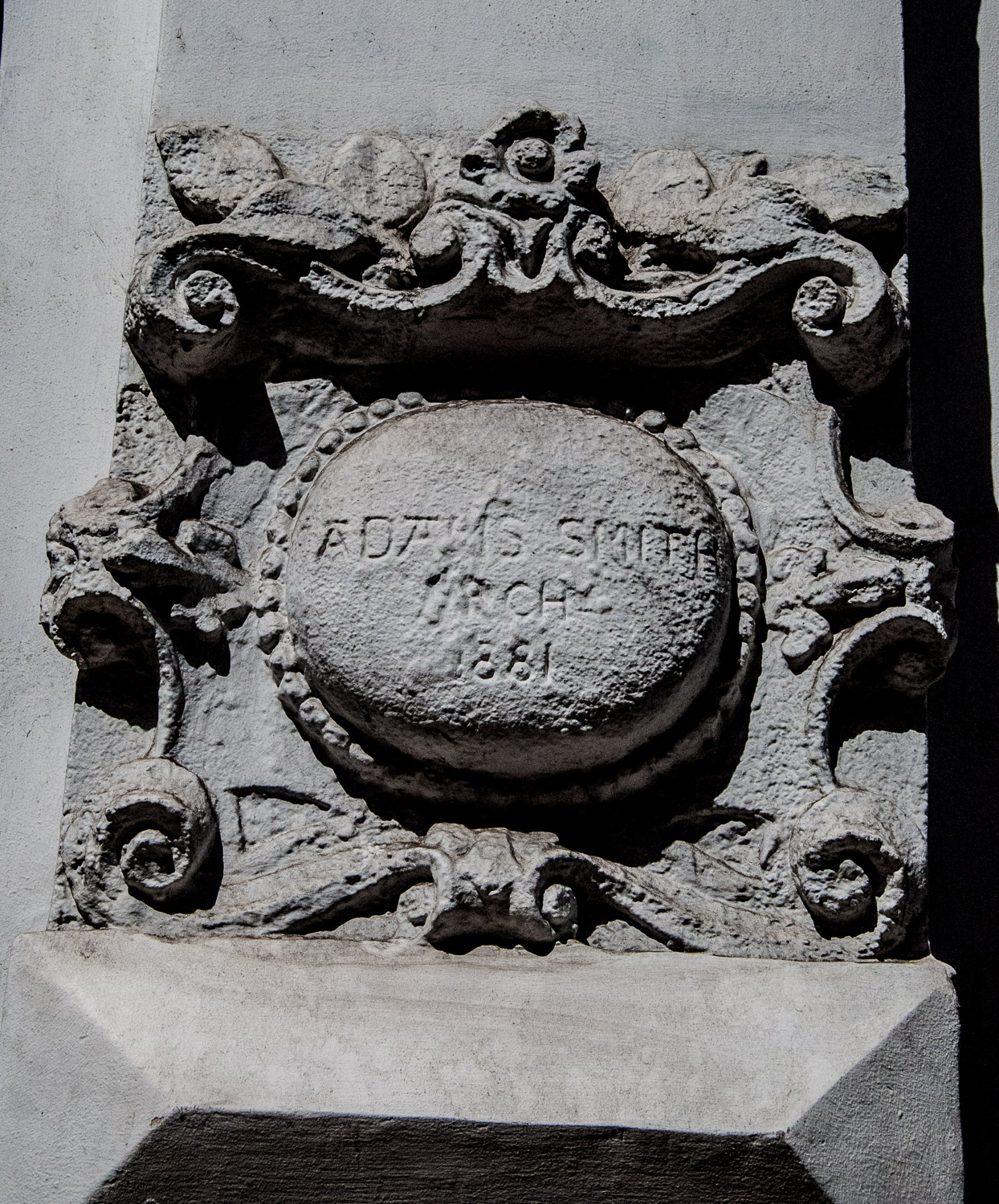
The building dates from 1881 …

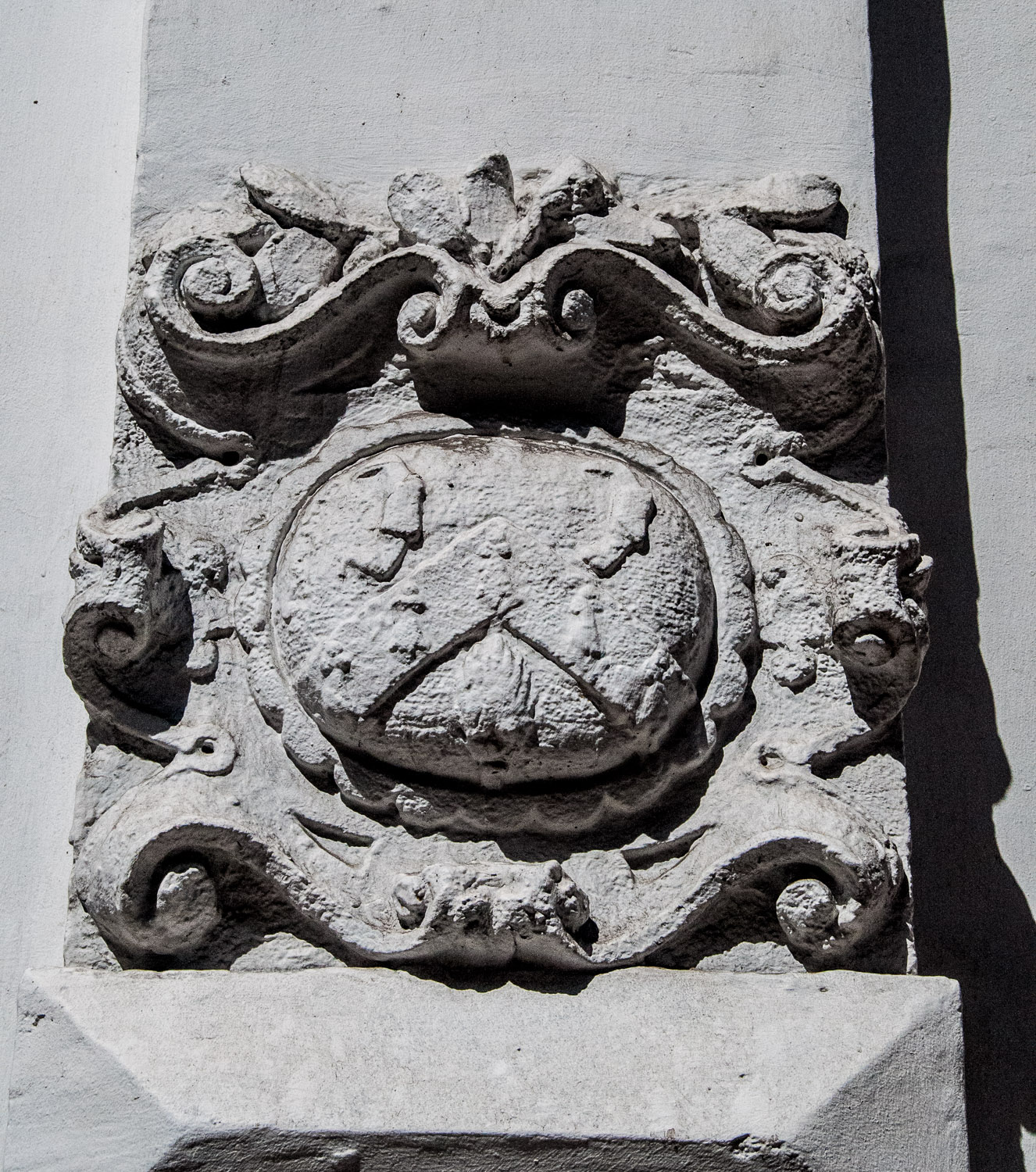
And the facade includes the coat of arms of the Clothworkers Guild – perhaps because they owned the freehold …

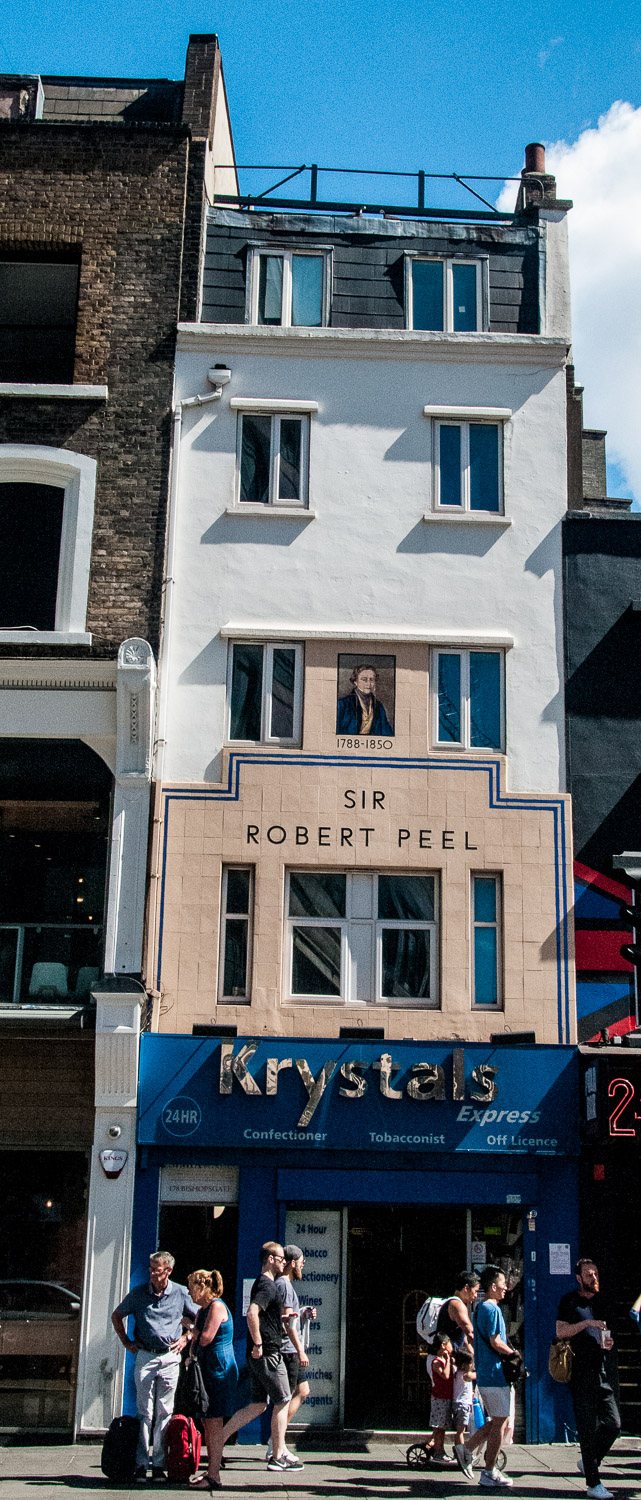
The excellent London Remembers website has the following to say about the building that was once the Sir Robert Peel pub at 178 Bishopsgate (EC2M 4NJ)

This building has been through interesting times. It looks like it started off in the Georgian period and had a major refacing round about 1930 when the windows were replaced and the tiled front added. And then the ground floor front suffered the standard anonymising sometime 1960-1990, but they left the lovely tiles for us to enjoy.

The building is Art Deco in style – shame about the uPVC windows.

Nowadays always busy, even at weekends, it is amusing to note that a visitor in the early 17th century described the area as ‘airy and fashionable … but a little too much in the country’.

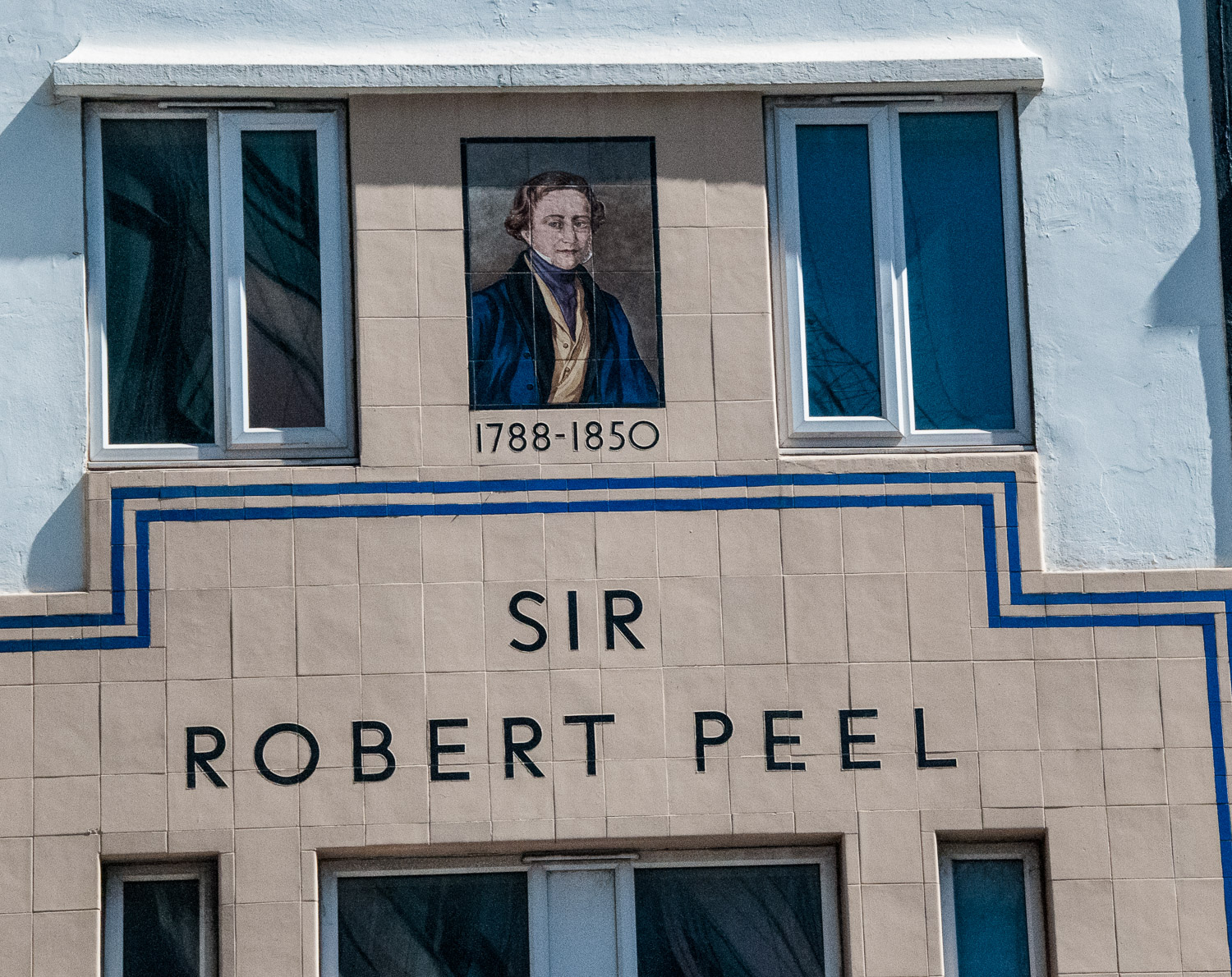
The ceramic panel depicting Robert Peel looks like it was based on his picture in the National Portrait Gallery.

As is often the case when researching, one story leads to another.

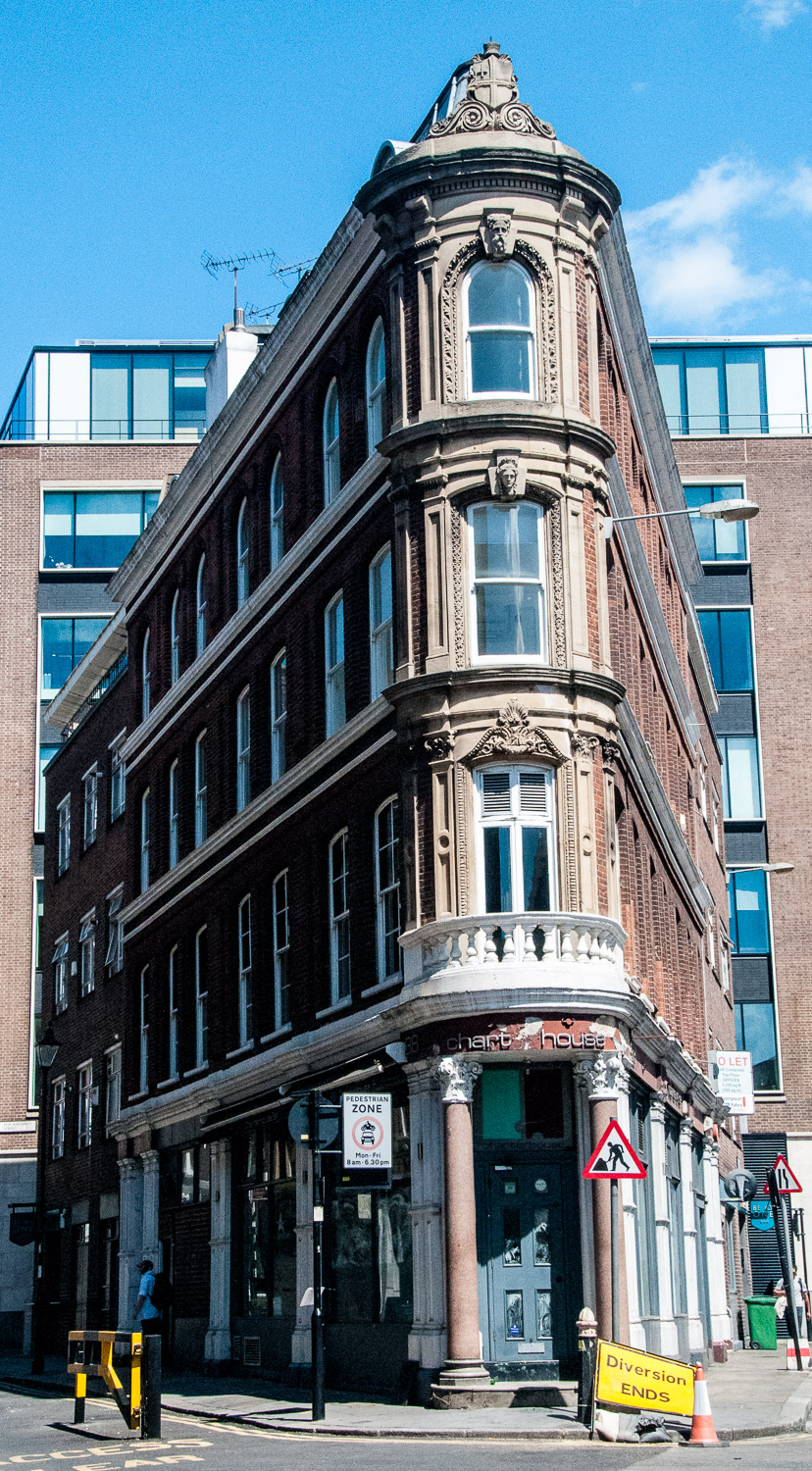
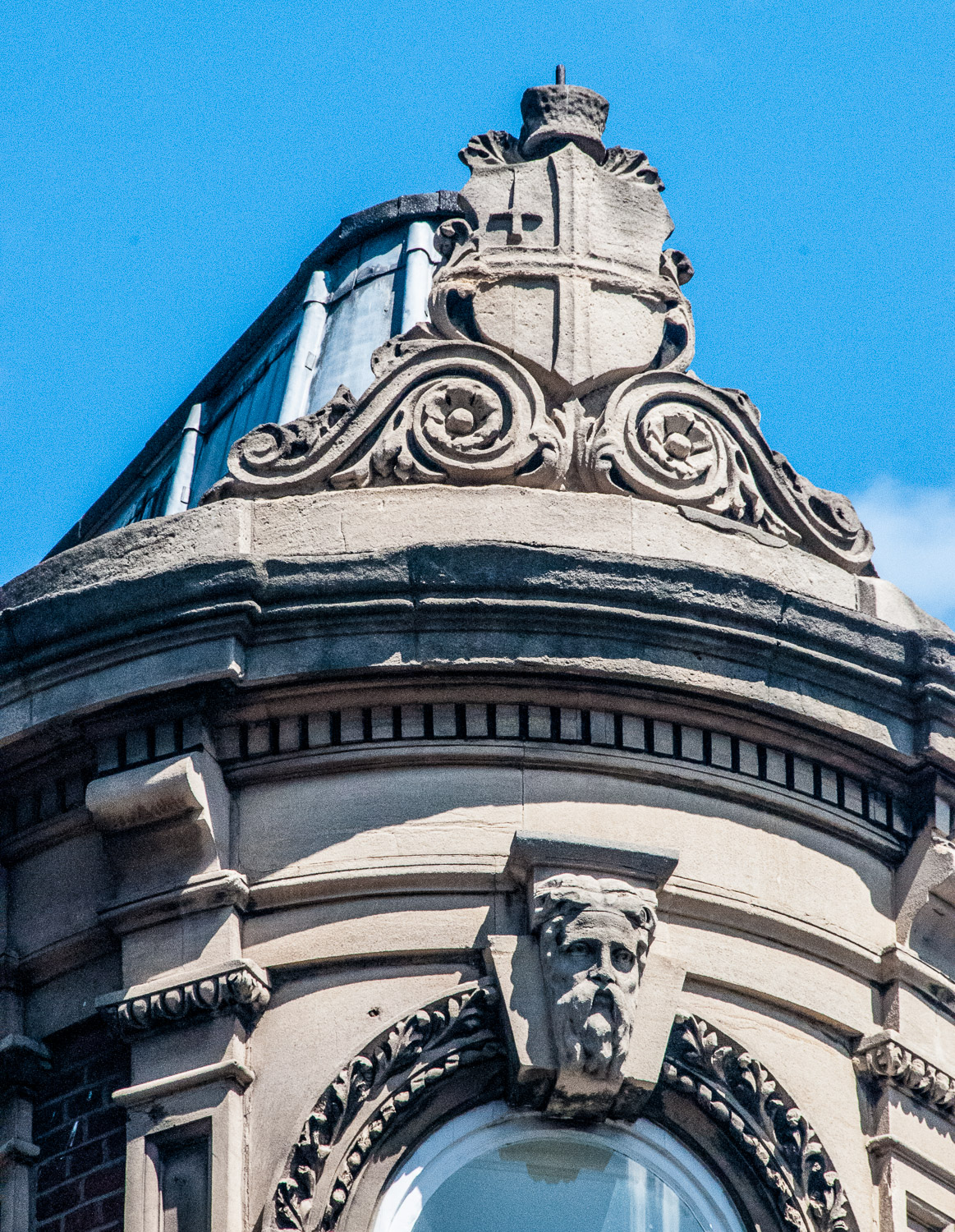
This building at 38 Charterhouse Street used to house the Charterhouse Bar which has now closed. However, I came across some more background about the premises which I found fascinating.

I really like the way it is squeezed into the triangular corner plot (EC1M 6JH)

And the decoration – the City of London shield with its bearded supporter …

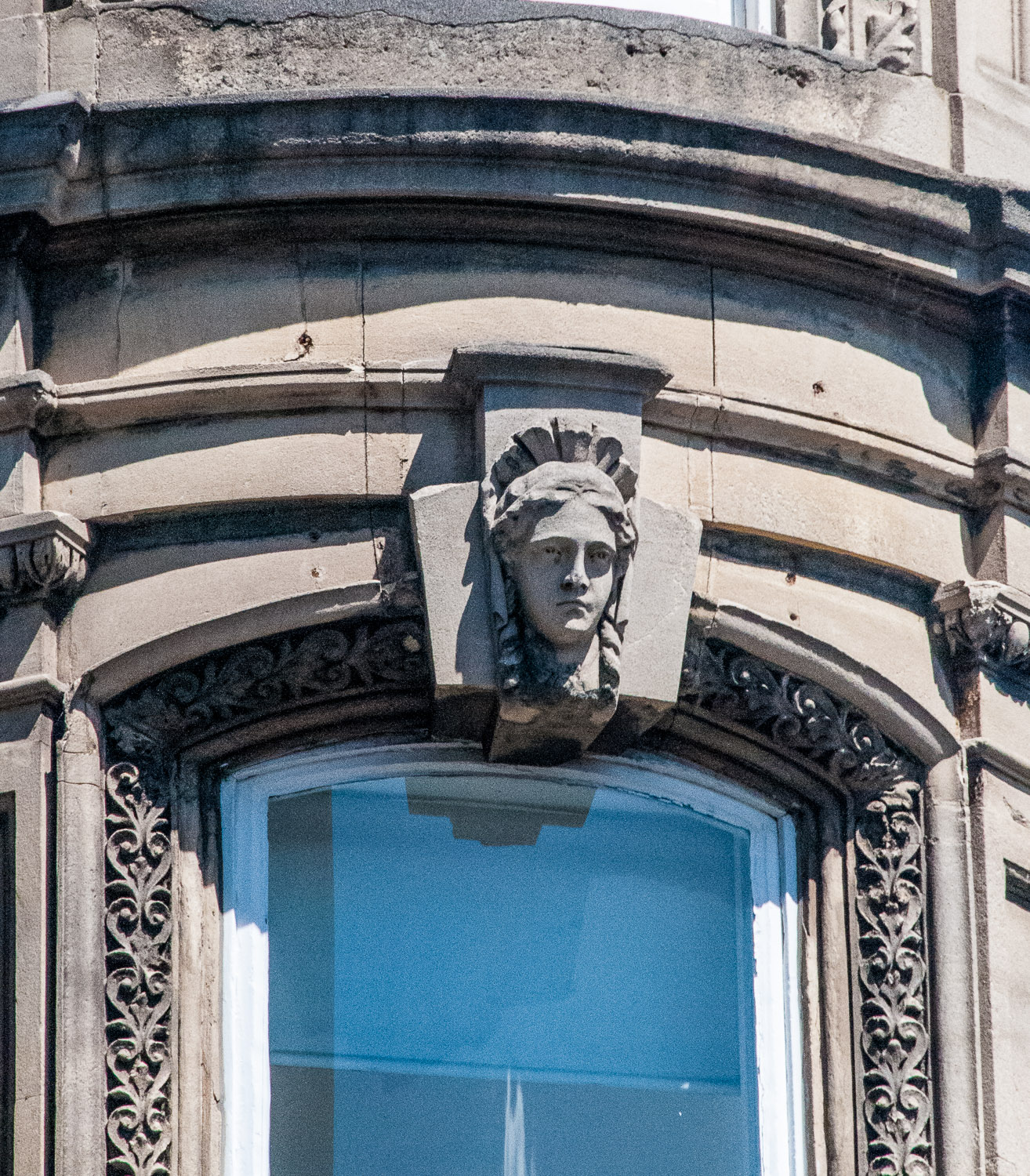
… and this pretty lady …

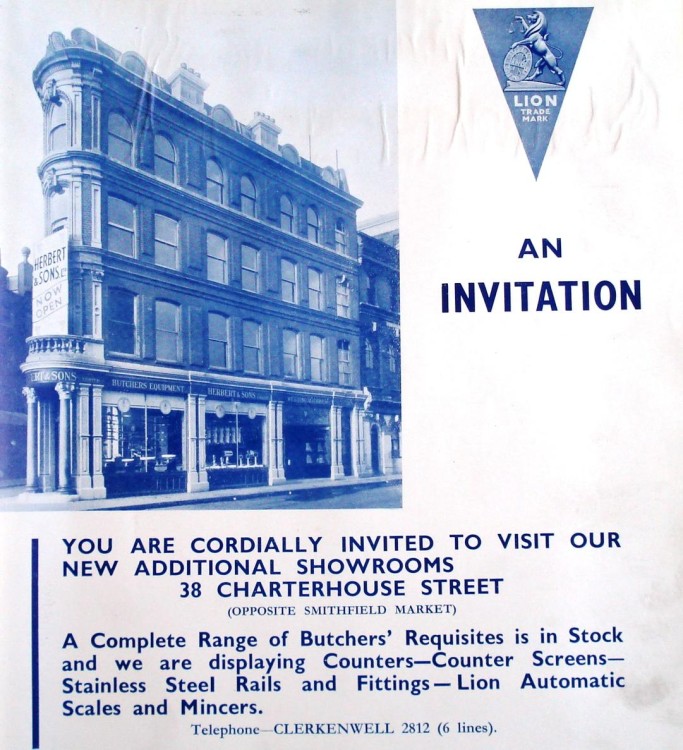
What I discovered was that it was once the ‘new additional showrooms’ for scalemakers Herbert & Son and their 250th anniversary commemoration contains this invitation from 1937 …

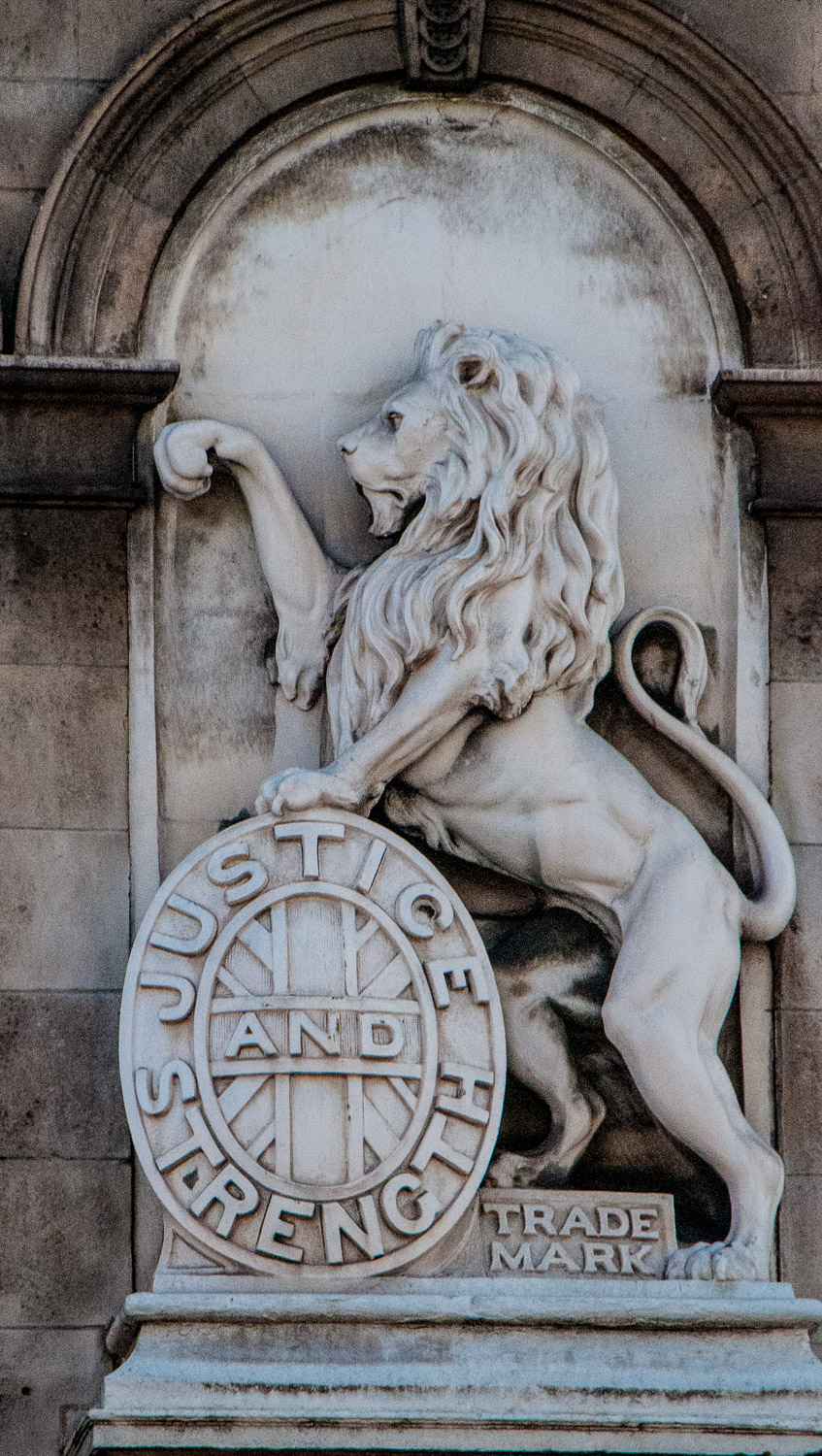
Their Lion Trademark was granted in 1888 and can still be seen above their old showrooms at 7 and 8 West Smithfield which date from 1889. It seems to typify the pride the organisation felt at the height of the British Empire …

Directly opposite Smithfield Market – what better location for a firm of scalemekers. And they’re still going strong based in Suffolk.


City of London Ships (and a few boats)

Last year London was voted ‘the world’s leading financial maritime city’. The City, the judges said, ‘is home to world leading institutions such as Lloyd’s for insurance, and English law is the most widely applied in shipping disputes.’ The maritime connection does, of course, go back centuries and I have found some of the ways it has been represented for this week’s blog.

What better place to start than the Lloyd’s Register building at 71 Fenchurch Street EC3M 4BS.

It became apparent as the 17th century progressed that a central register of ships was needed to record their size, condition and other qualities. As Lloyd’s of London flourished this information would be valuable not only for underwriters but also merchants. Original regularly published ‘ship lists’ eventually became Lloyd’s Register of Ships in 1760 and, when a ship owners list merged with it, Lloyd’s Register of Shipping was formed in 1834 (and still exists today). The building, by acclaimed architect Thomas Colcutt (1840-1924), was completed in December 1901 and has been described as an ‘impressive classical stone palazzo in the 16th Century Italian manner’.

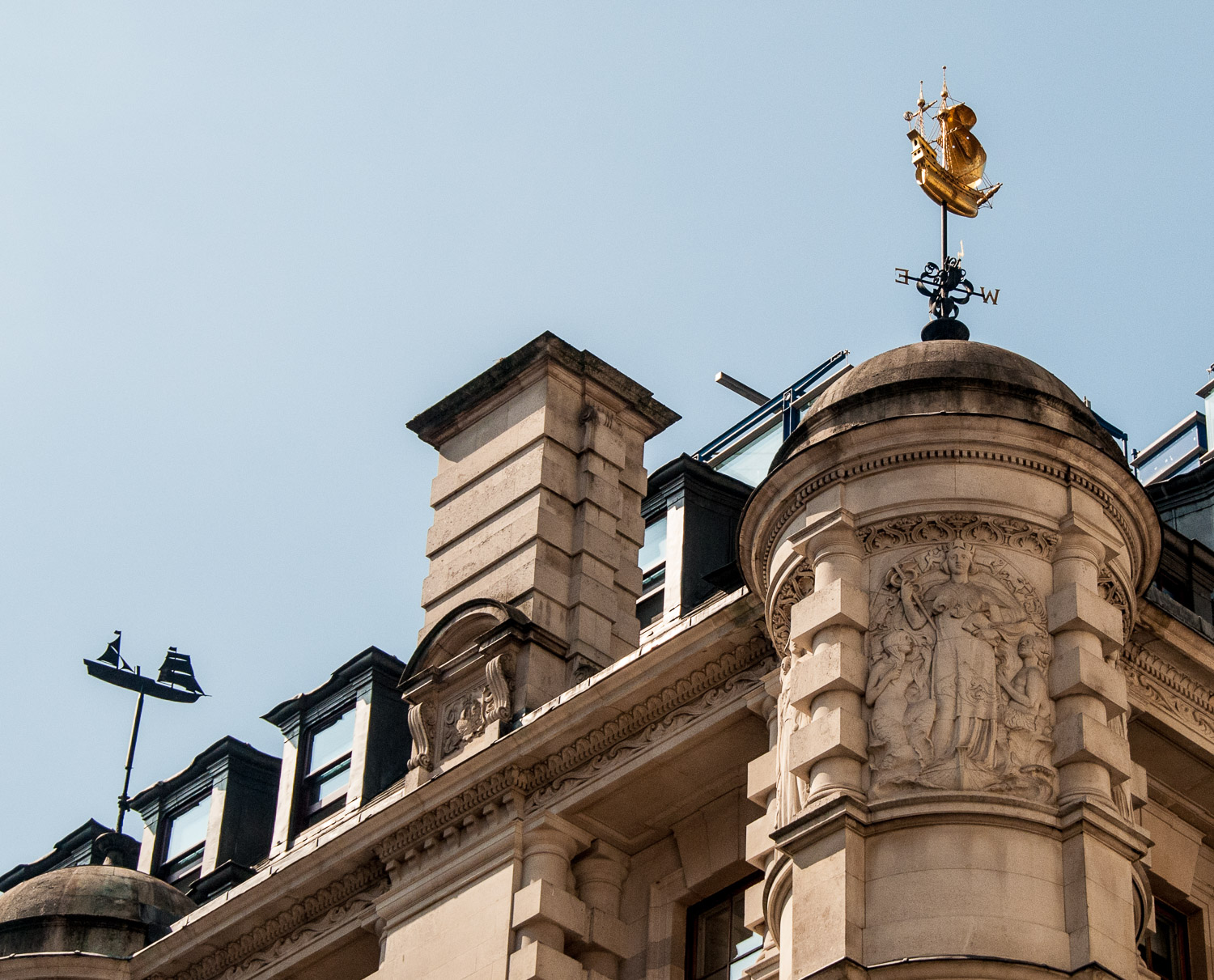
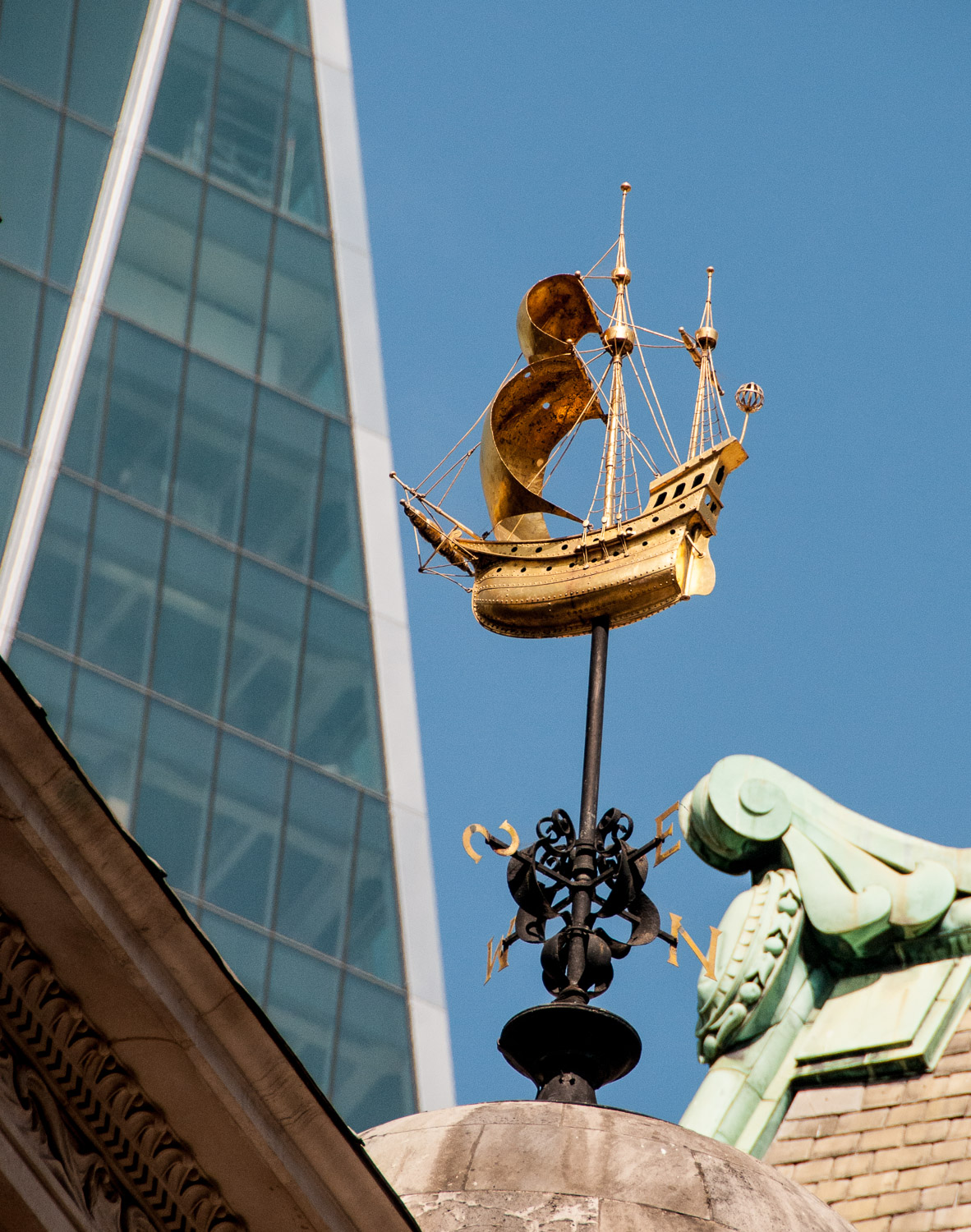
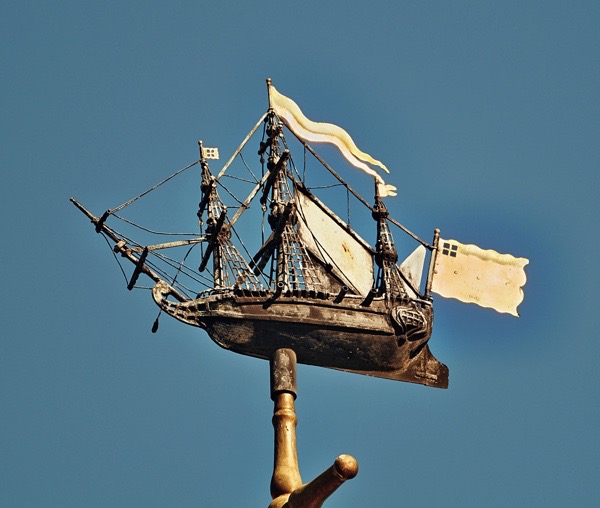
The building boasts not one but two ship weathervanes.

Galleon under sail.

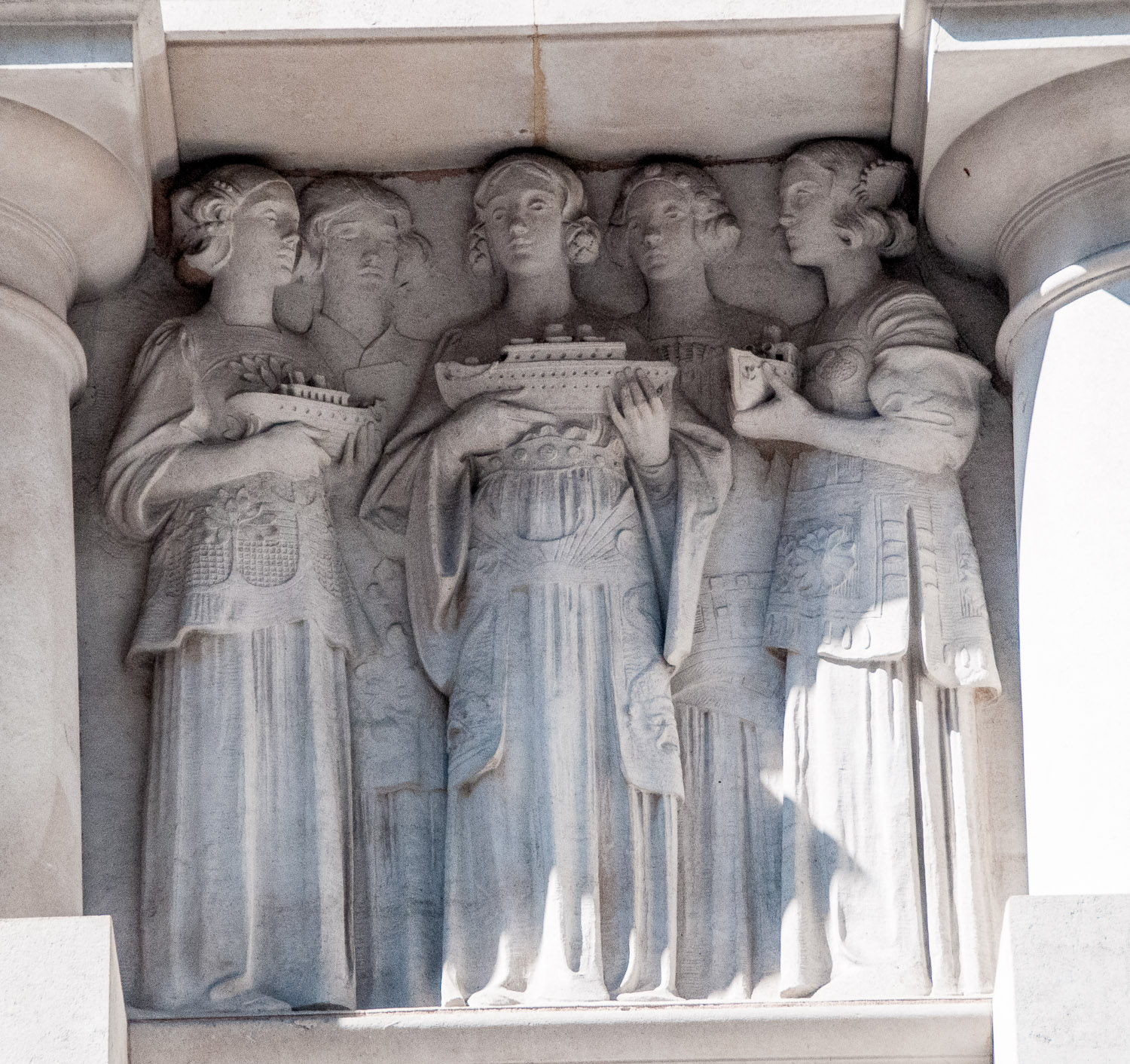
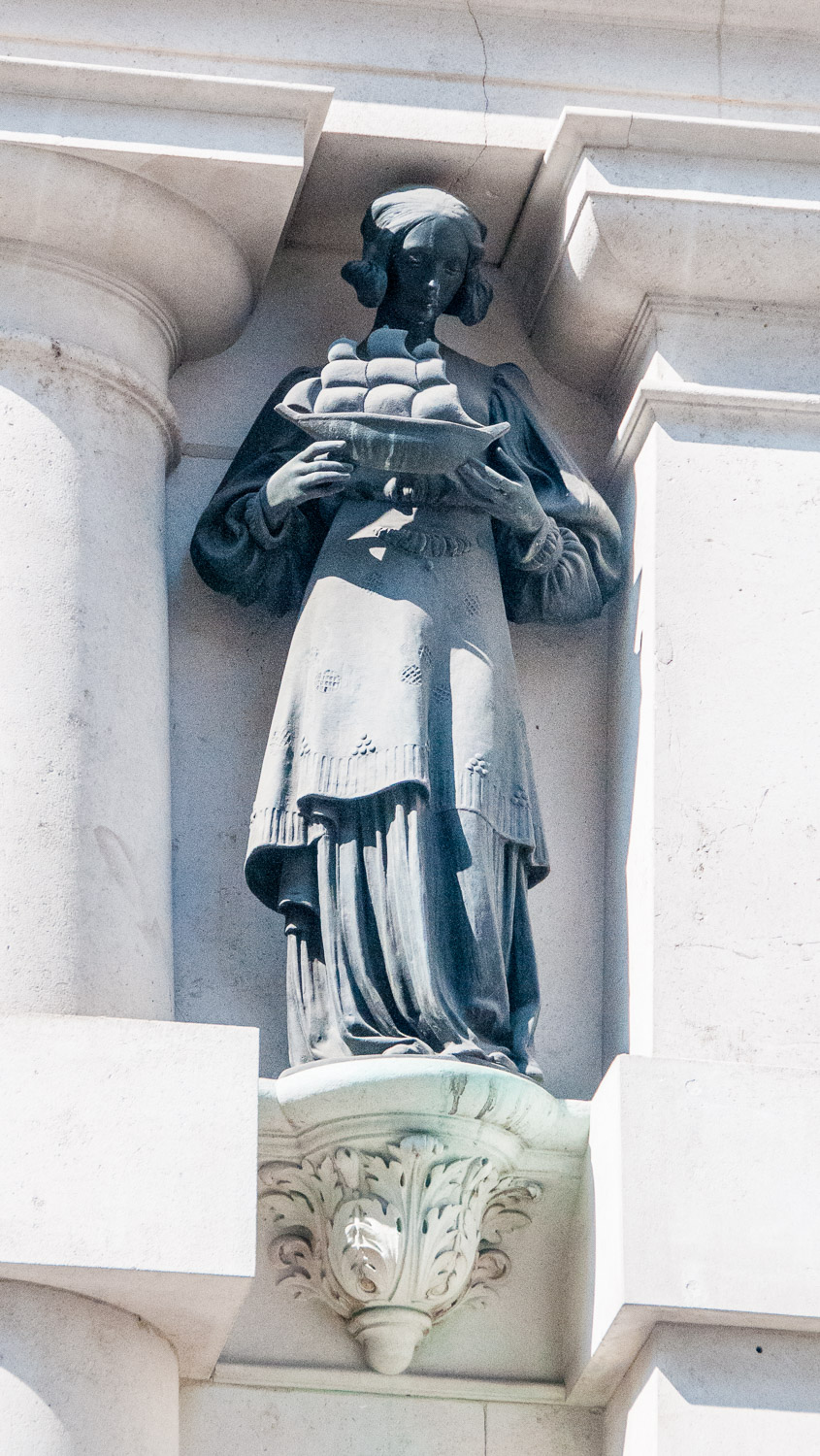
Around the building elegant ladies protectively support various vessels …


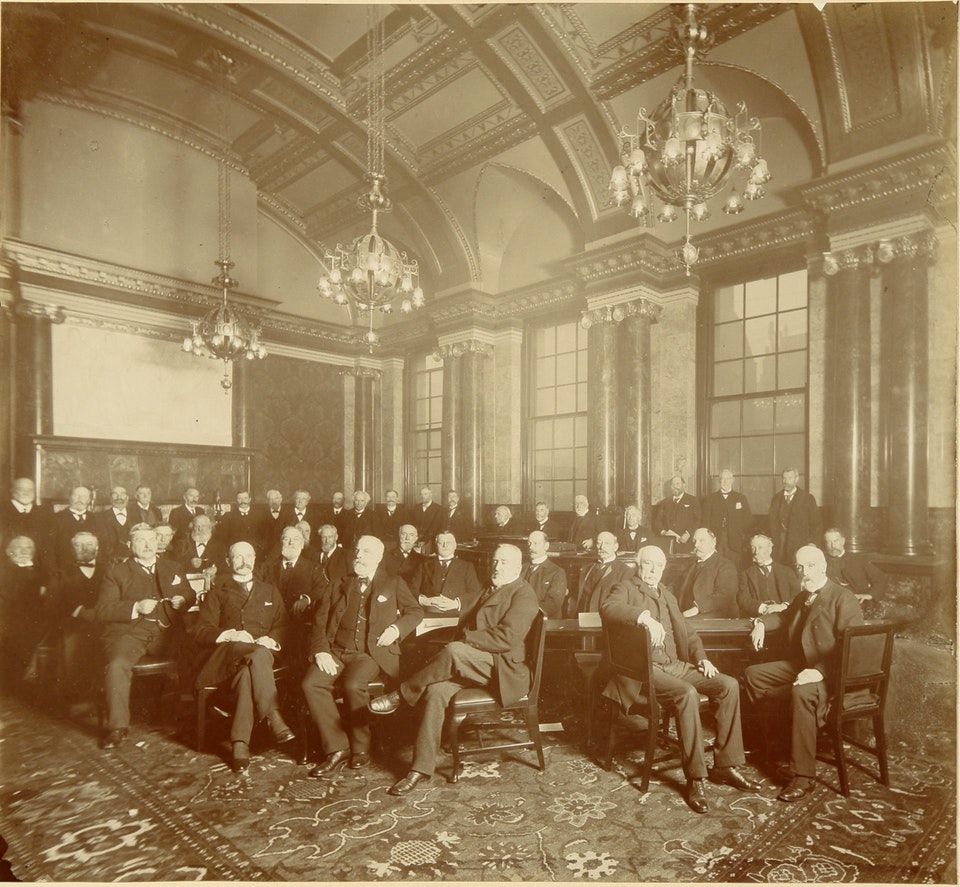
The interior was also designed to impress. I love this picture of the General Committee meeting in what was then their brand new building …

The great and the good of Lloyd’s Register.

The Union of Benefices Act 1860 was considered a necessary piece of legislation to reduce the number of parishes in the City of London as the residential population declined. Between 1872 and 1926 twenty churches (some by Sir Christopher Wren) were demolished and the land sold for construction projects.

Artifacts from some of these churches were moved elsewhere and the pretty galleon weathervane from St Michael Queenhithe (demolished in 1875) can now be seen on St Nicholas Cole Abbey …

114 Queen Victoria Street EC4V 4BJ .

This picture, along with many others, appears in Hornak’s book After the Fire and more details are available here on the Spitalfield’s Life blog.

This square rigged ship once sailed above St Mildred’s Poultry (demolished in 1872) and can now be seen atop St Olave’s Old Jewry, now inhabited by a firm of lawyers …

St Olave’s Court EC2V 8EX. Photo again by Hornak.

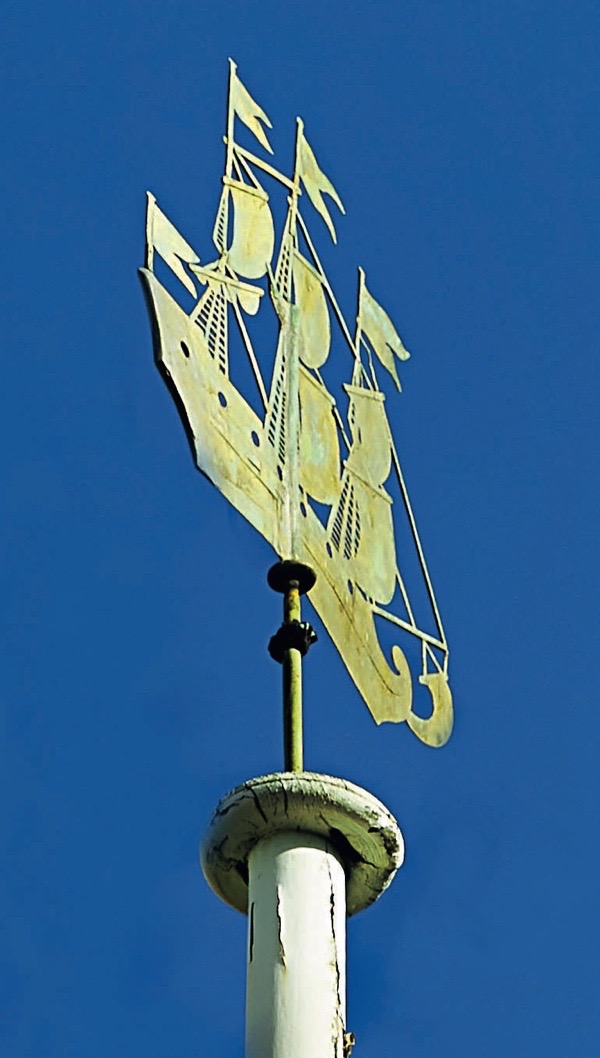
The Corporation of Trinity House was founded in 1514 and is now responsible for navigational aids (such as lighthouses), deep sea pilotage and a seafarers charity. The building was seriously damaged in the war but was beautifully restored in the 1950s and in the process acquired this elegant weathervane …

Trinity House, Trinity Square EC3N 4DH.

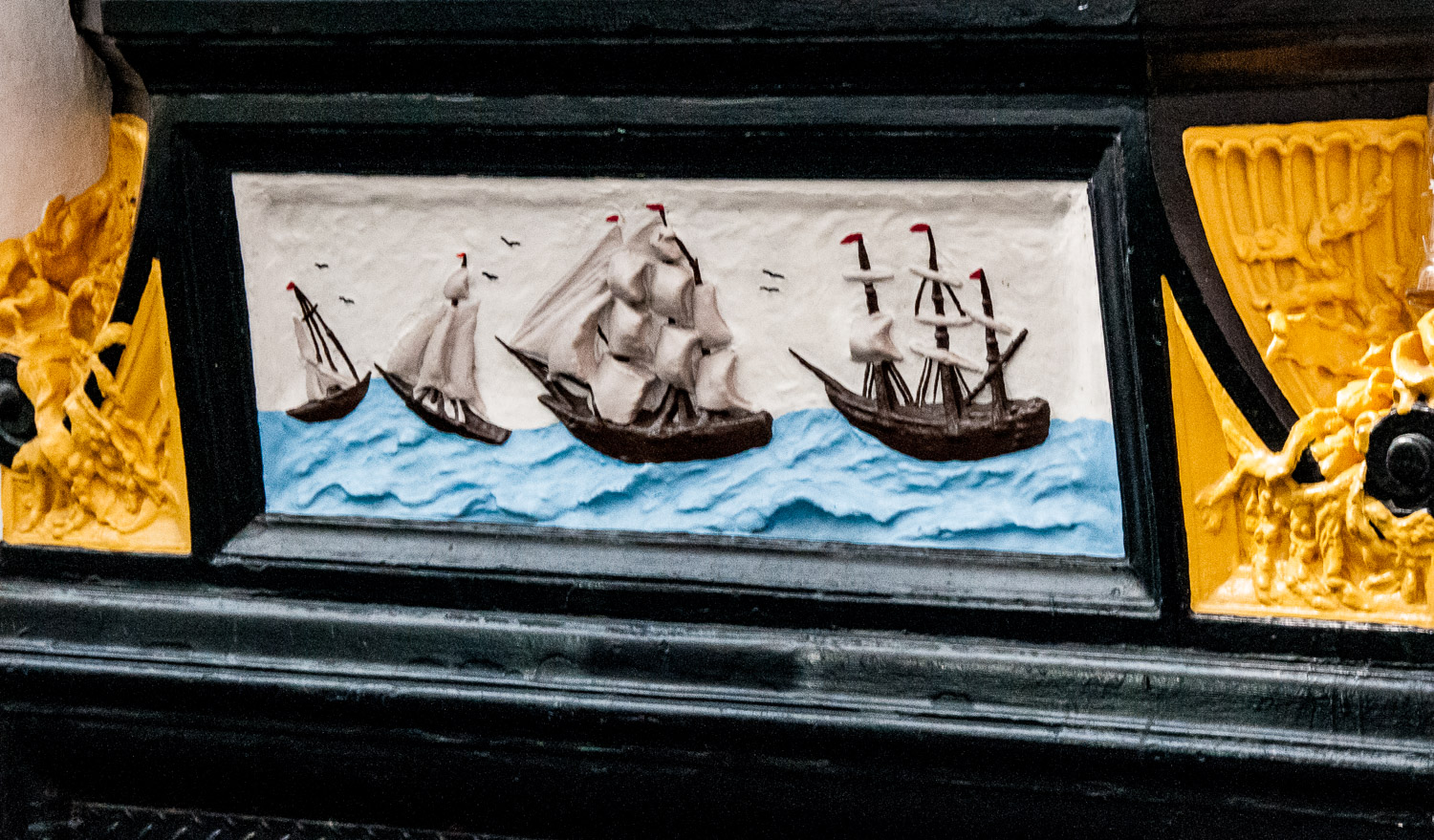
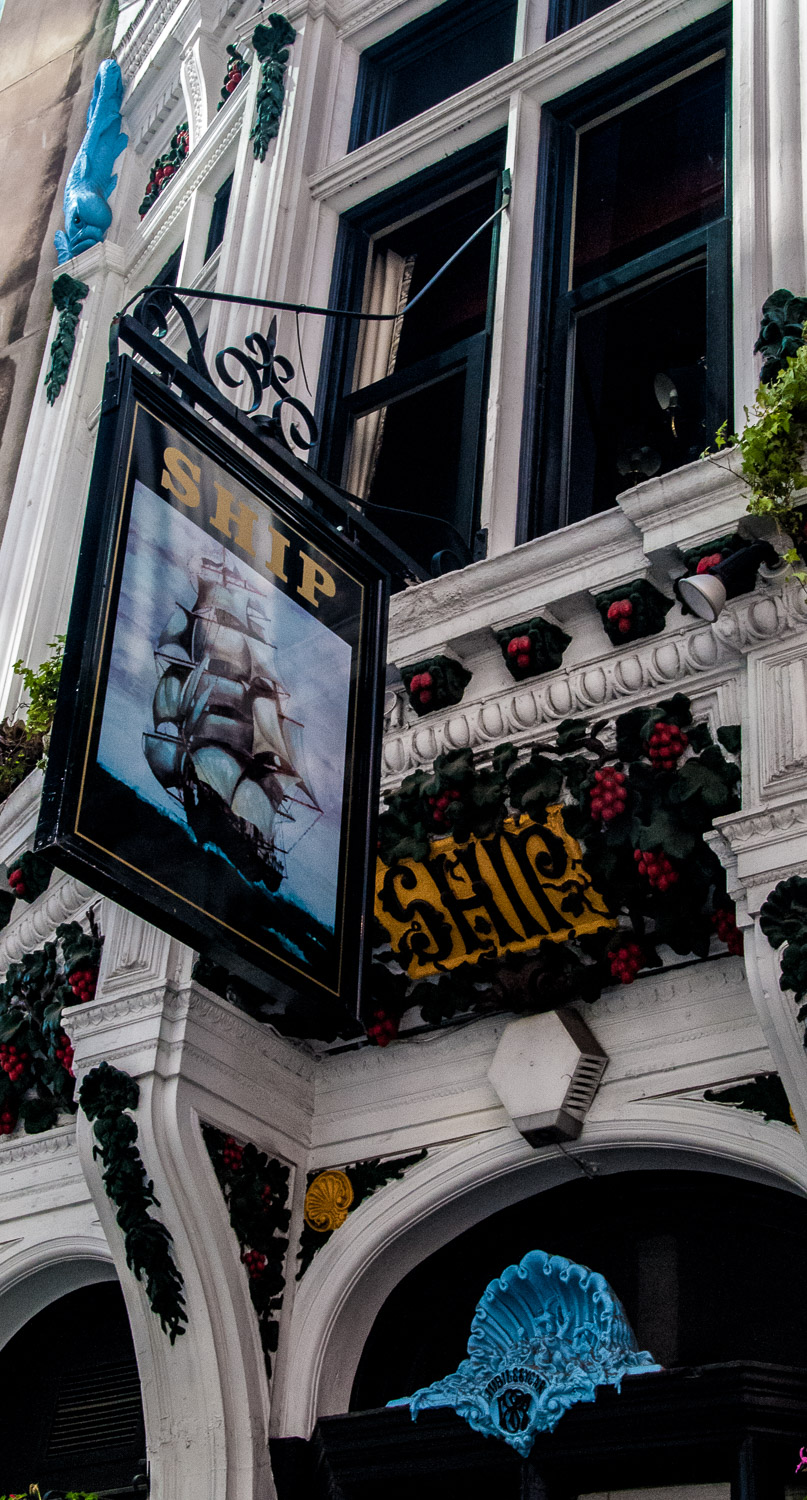
What about these jolly ships bouncing around in choppy seas on the front of The Ship pub in Hart Street (EC3R 7NB) …

The facade includes a rather grumpy looking blue dolphin …

And now a few boats. If you want to know the difference between a ship and a boat I suggest you access Professor Google since there seem to be a number of definitions.

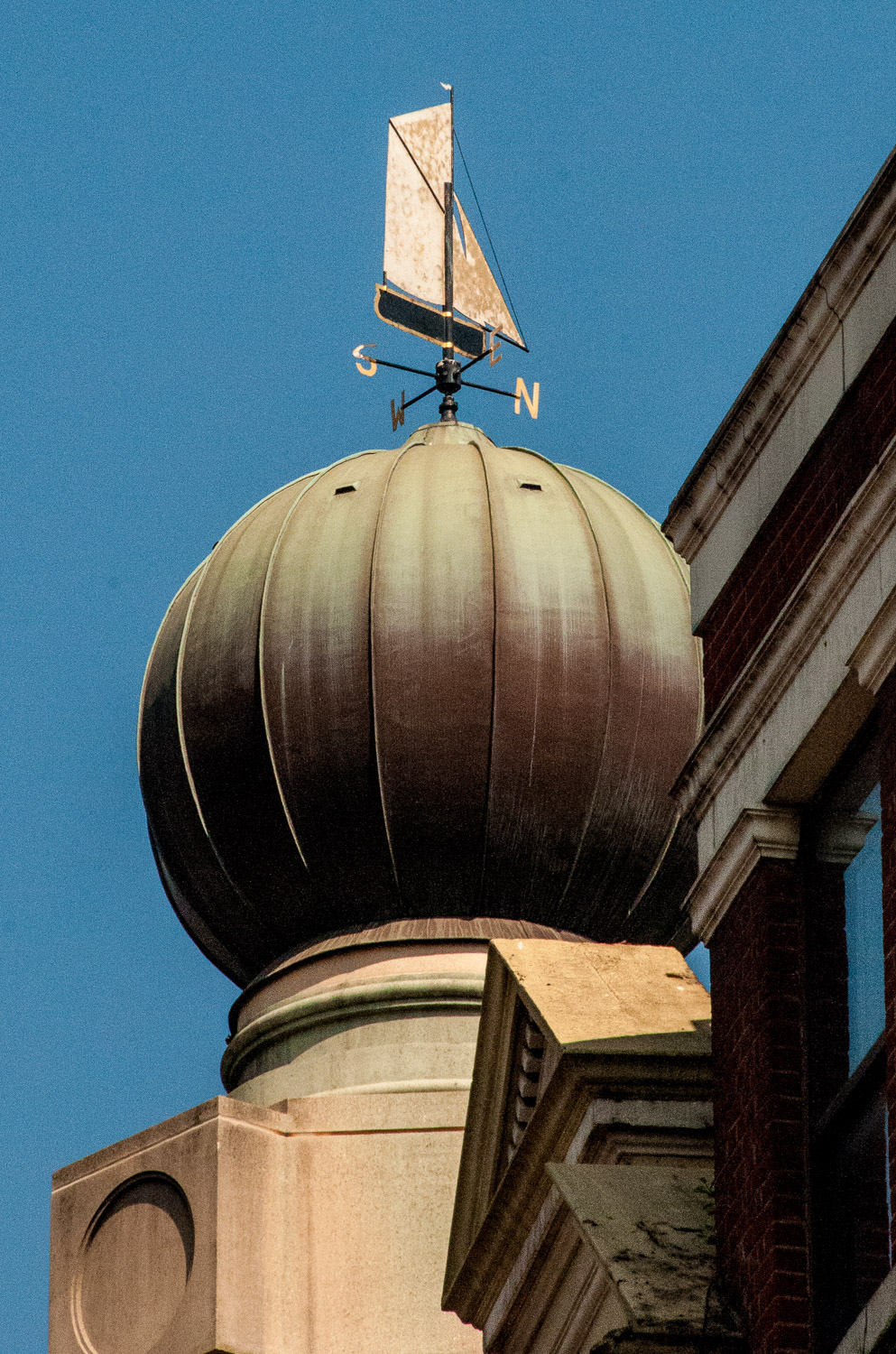
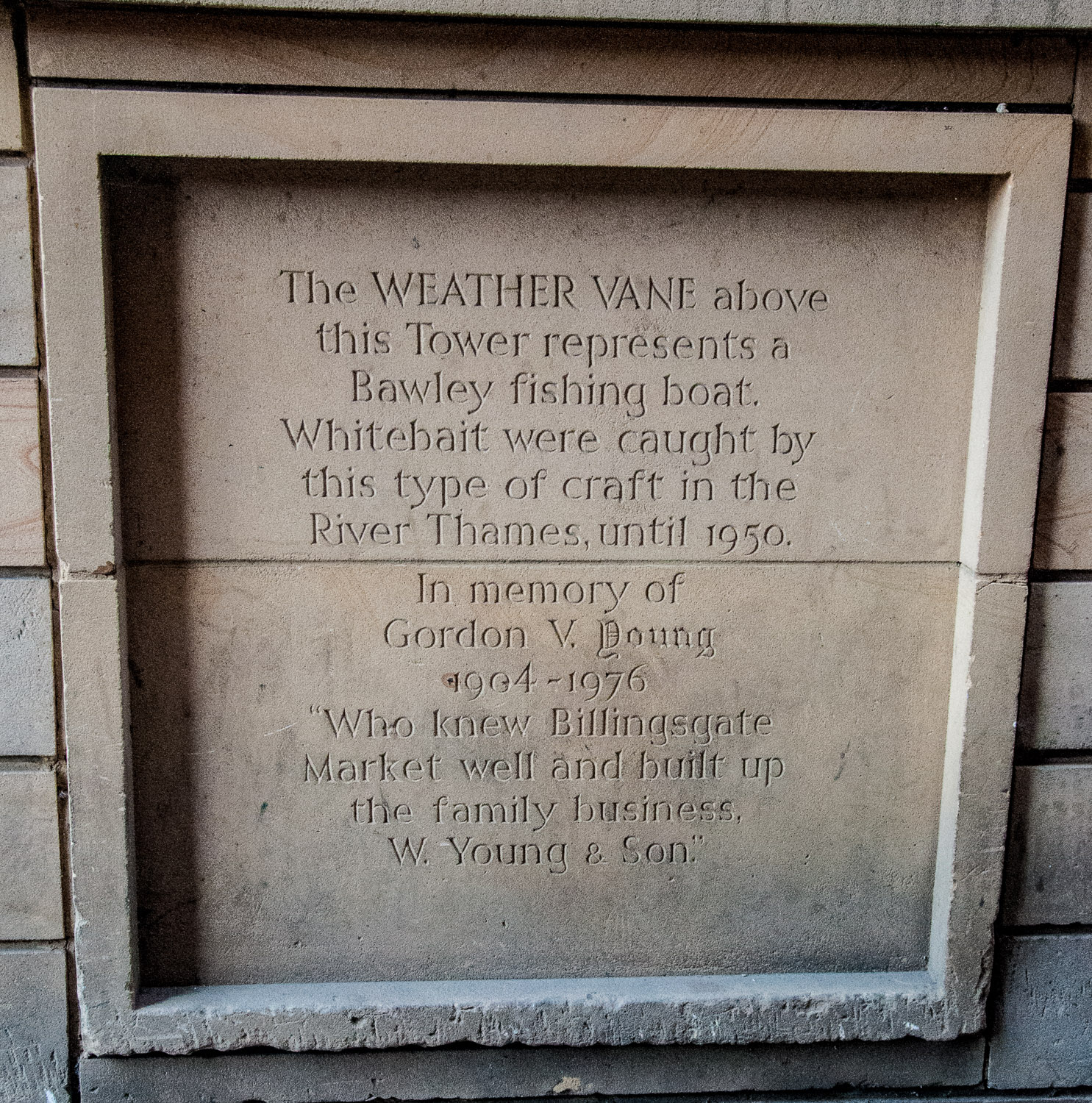
This Bawley fishing boat  is situated across the road from the old Billingsgate fish market (EC3R 6DX) and commemorates Gordon V. Young, a well-known Billingsgate trader …

A plaque gives more information …

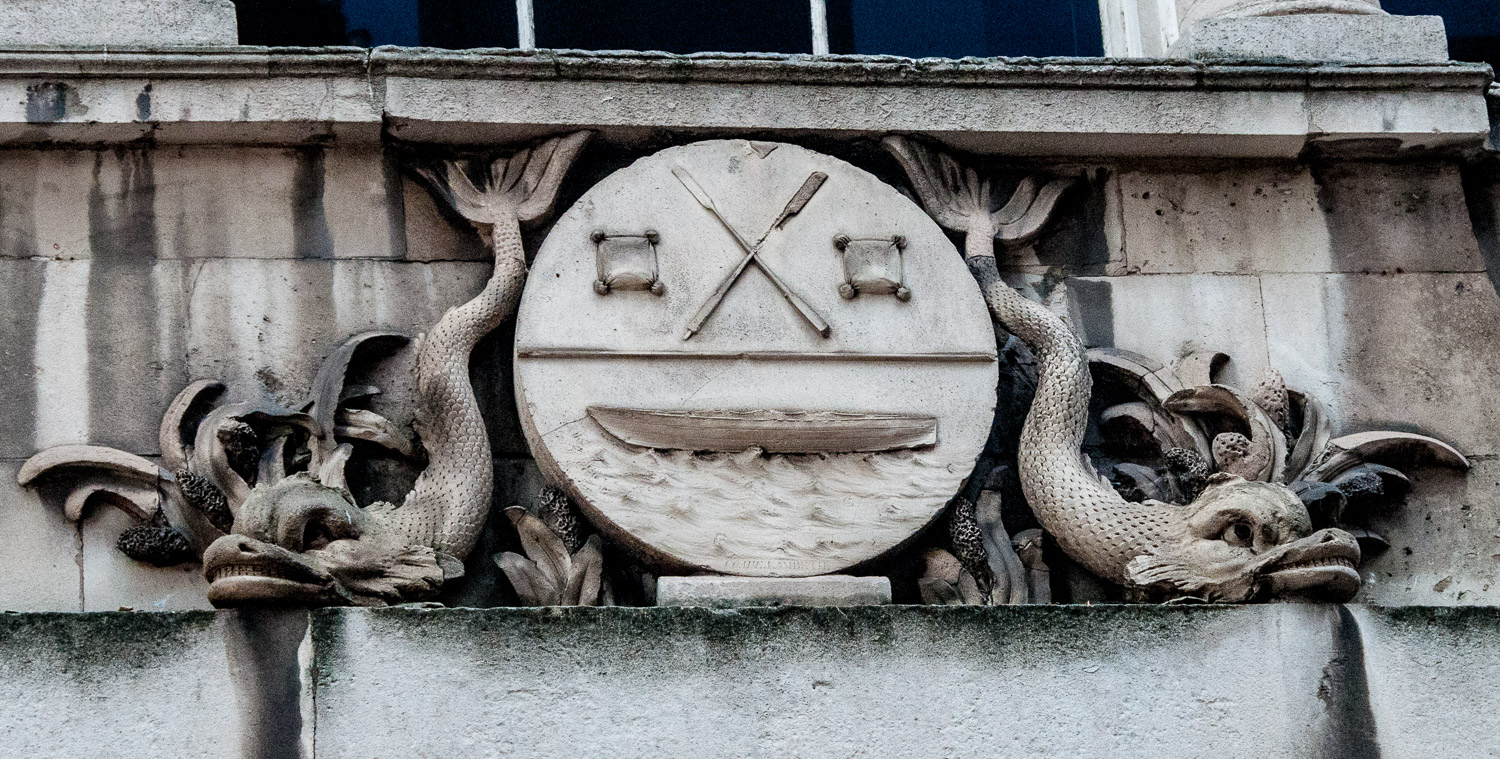
The Company of Watermen and Lightermen was formed in 1555 – watermen carry passengers whilst lightermen carry goods and cargo. Tucked away down St Mary at Hill (EC3R 8EF) is their hall, the only original Georgian Livery Hall in the City. Their coat of arms portrays a skiff (a light rowing boat), crossed oars and two cushions for the comfort of passengers. And more dolphins …

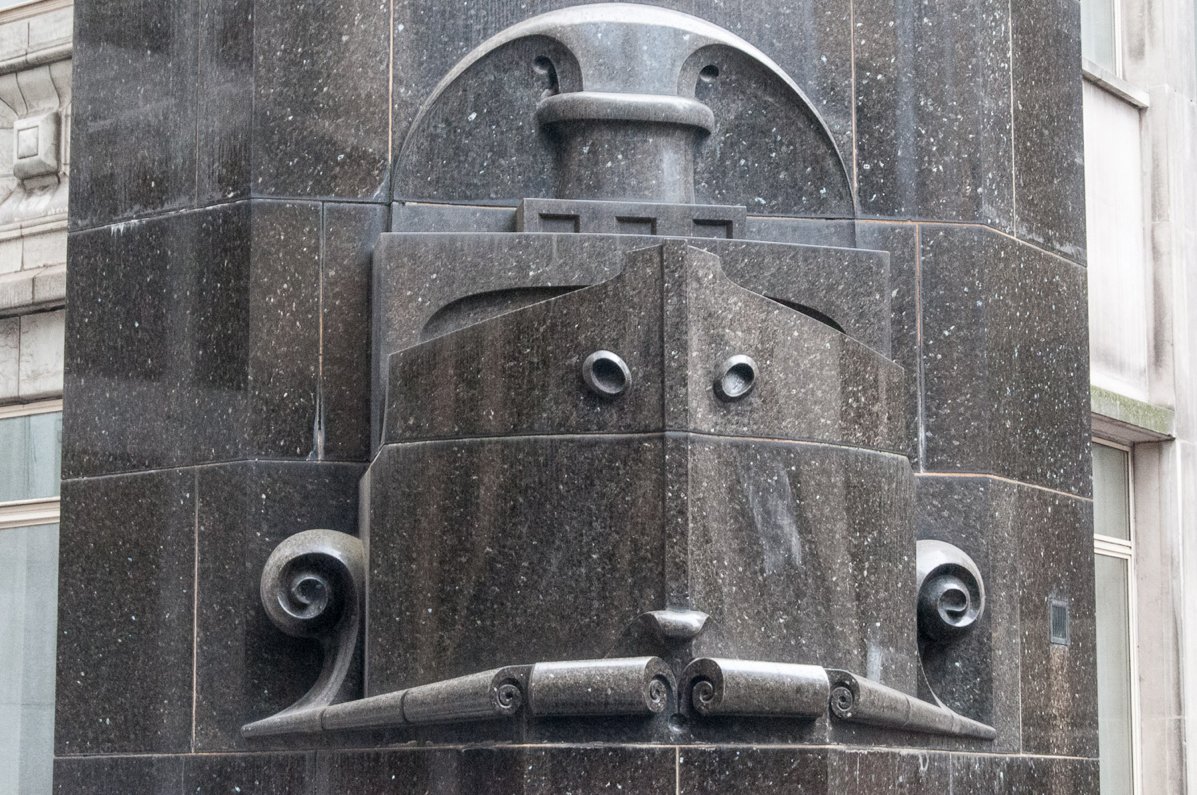
I have written about this ship before. If you go to Holland House in Bury Street (EC3A 5AW), just opposite the Gherkin, just walk around to the south east corner of the building, step back and admire this brave vessel plunging through the waves towards you, the funnel smoking impressively …
It’s a granite structure by the Dutch artist J. Mendes da Costa.
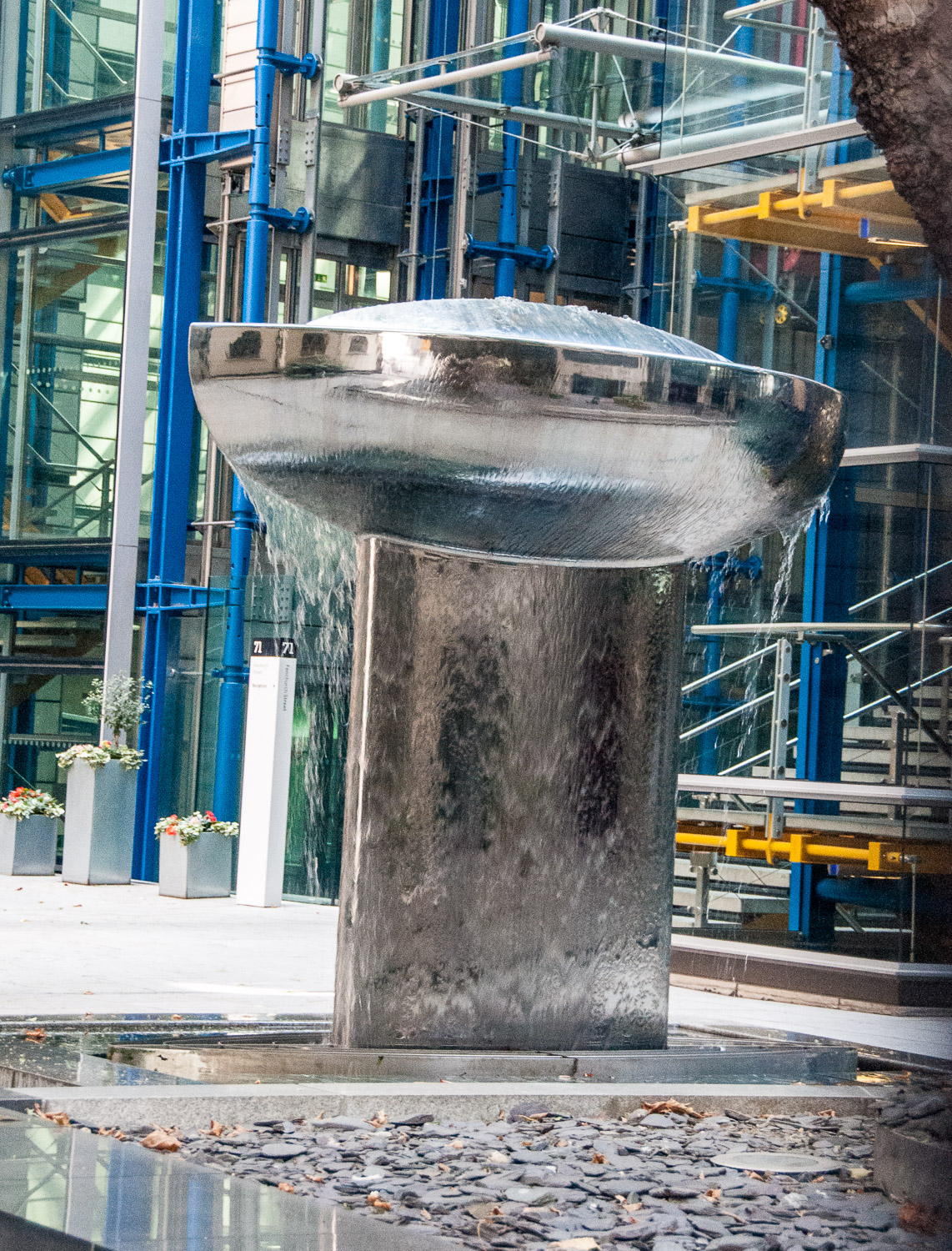
When Lloyd’s Register outgrew their old building at 71 Fenchurch Street a stunning new extension was build alongside and this sculpture, called Argosy, is in the front courtyard. The website tells us that ‘the water action of the sculpture adopts the Coanda principle where water clings to overhanging surfaces, moving downwards over the reflective surfaces in rollwave patterns. The shape is suggestive of a ship’s hull and has been conceived to be seen and enjoyed from both below and above from the nearby building’. It is very different from Mendes da Costa’s work, isn’t it?

Sculpture by William Pye (2009).

Incidentally, the courtyard it is in used to be the churchyard of St Catherine Coleman which was the last church to be demolished under the Union of Benefices Act (in 1926) – the old church railings are still there.

Finally, let’s not forget the brave souls who protected the City and the country in time of war and the monuments to their memory.

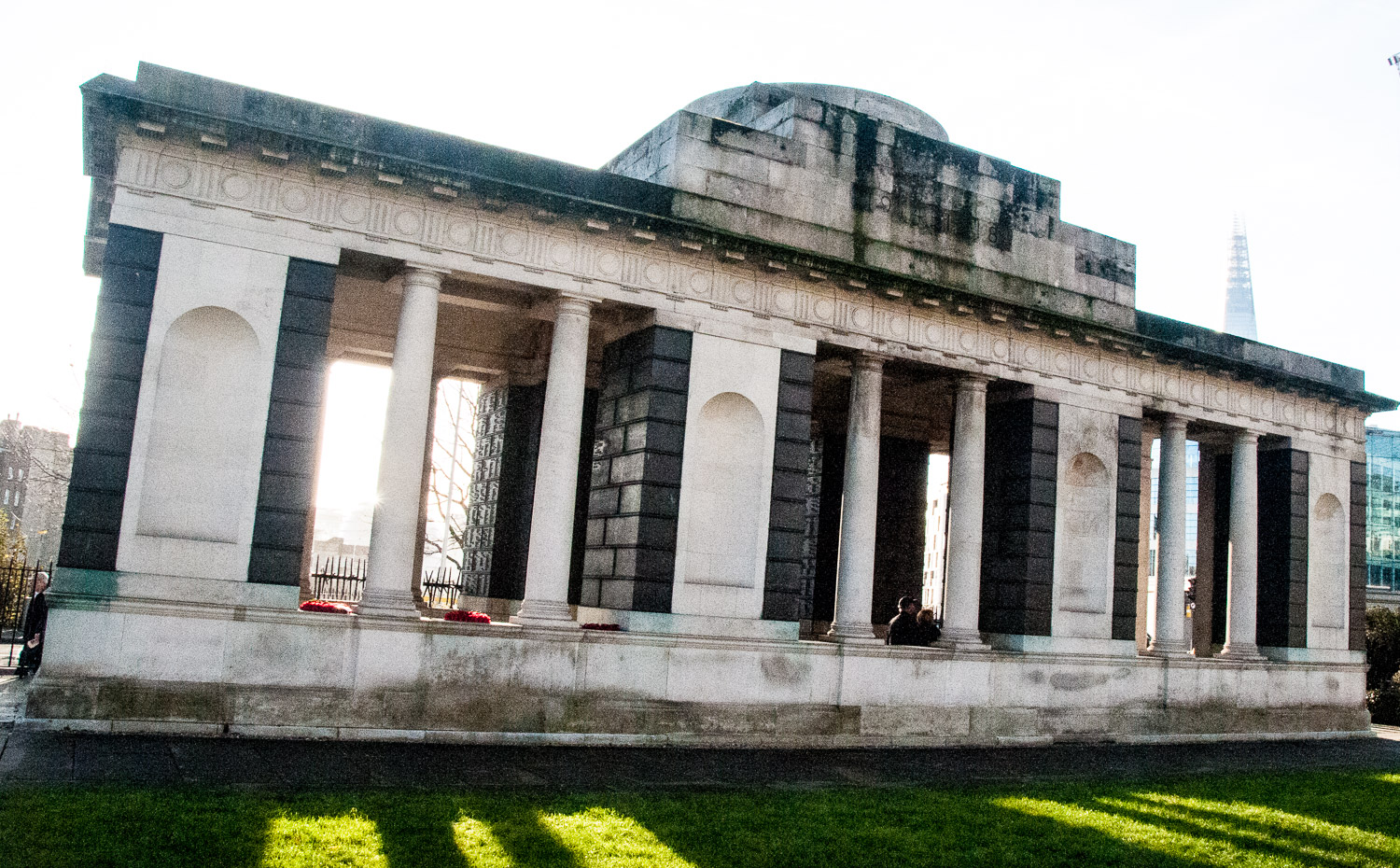
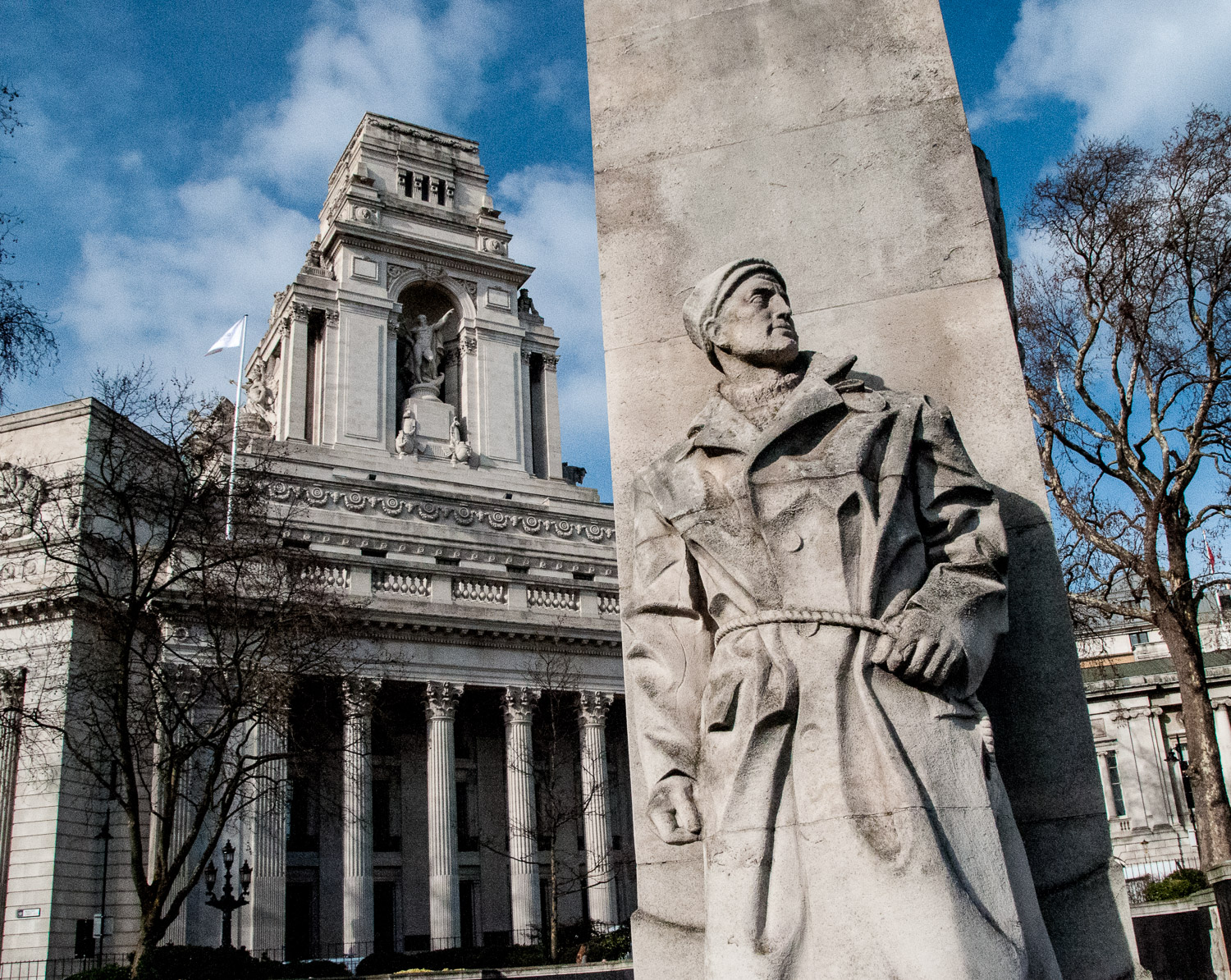
On Tower Hill there are two memorials. The first, the Mercantile Marine War Memorial, was designed by Sir Edwin Lutyens and was for the the First World War …

The Lutyens Memorial, opposite Trinity House, EC3N 4DH.

Alongside is the second, the Merchant Seamen’s Memorial. It was designed by Sir Edward Maufe and was for the Second World War. This is a feature from it …

In both wars more than 50,700 Commonwealth merchant seamen lost their lives  and on Tower Hill are commemorated the more than 35,800 casualties who have no known grave.

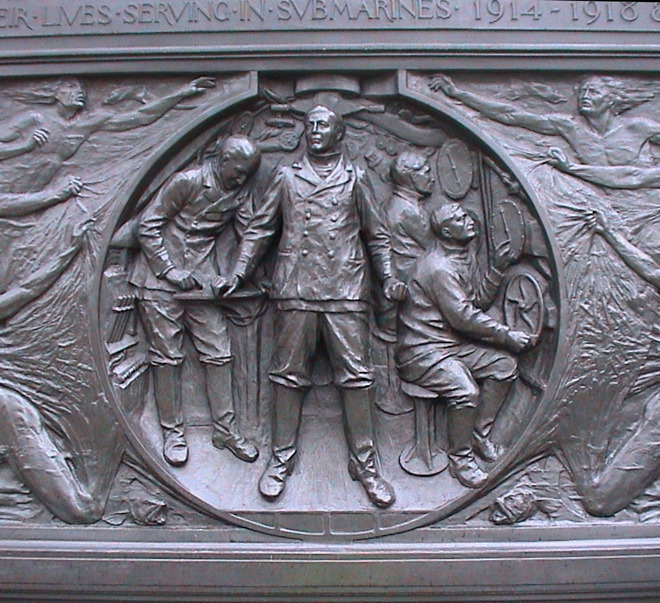
The National Submariners’ War Memorial is on Victoria Embankment (EC4Y 0HJ) and the bas relief shows the claustrophobic interior of a submarine. On the left hand side is a list of 50 submarines lost during the First World War, and on the right a list of 82 submarines lost during the Second World War. A photograph really does not do it justice …

The monument was designed by the architect A H R Tenison and the bronze sculpture is by F B Hitch.

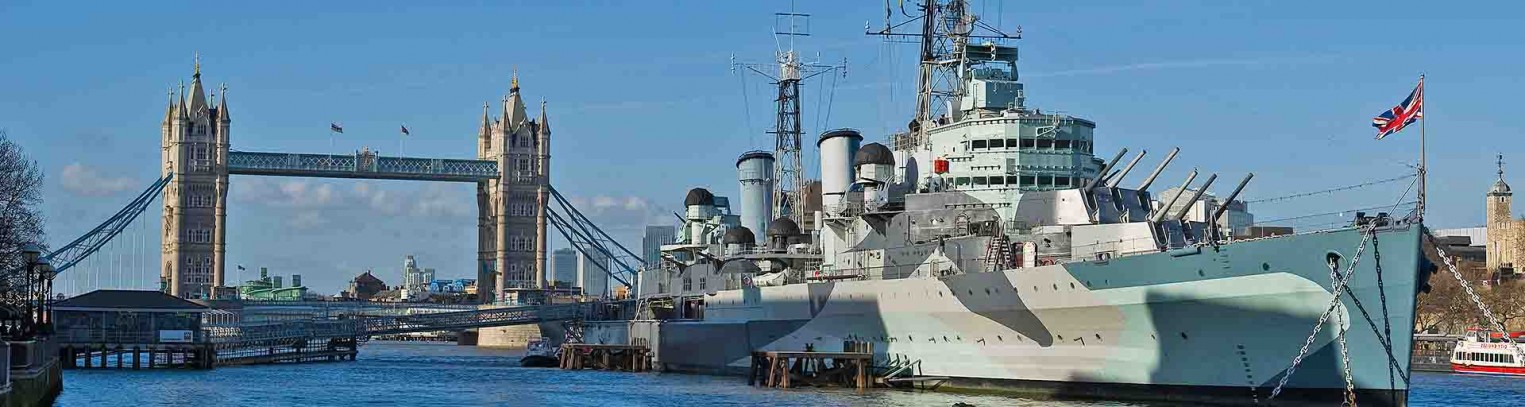
And as we all know, a real ship now stands guard over the City. The most significant surviving Second World War Royal Navy warship, HMS Belfast played a key role in the Arctic Convoys, the Battle of North Cape and D-Day …

You get a great view of her from the north bank.


Page 24 of 27

Powered by WordPress & Theme by Anders Norén

Symbols & Secrets
Privacy Overview

This website uses cookies so that we can provide you with the best user experience possible. Cookie information is stored in your browser and performs functions such as recognising you when you return to our website and helping our team to understand which sections of the website you find most interesting and useful.